
There may be a few outstanding transactions yet to happen around the NBA, but its summer semester is nearly over. And it's time to tally up every front office's grades.
As is often the case for college students, there aren't as many classes during this season as there are in the fall and spring, but we can still break down how each team did in terms of "new additions," "continuity" and "the draft."
And we do it all below.
Atlanta Hawks: 4.1
1 of 30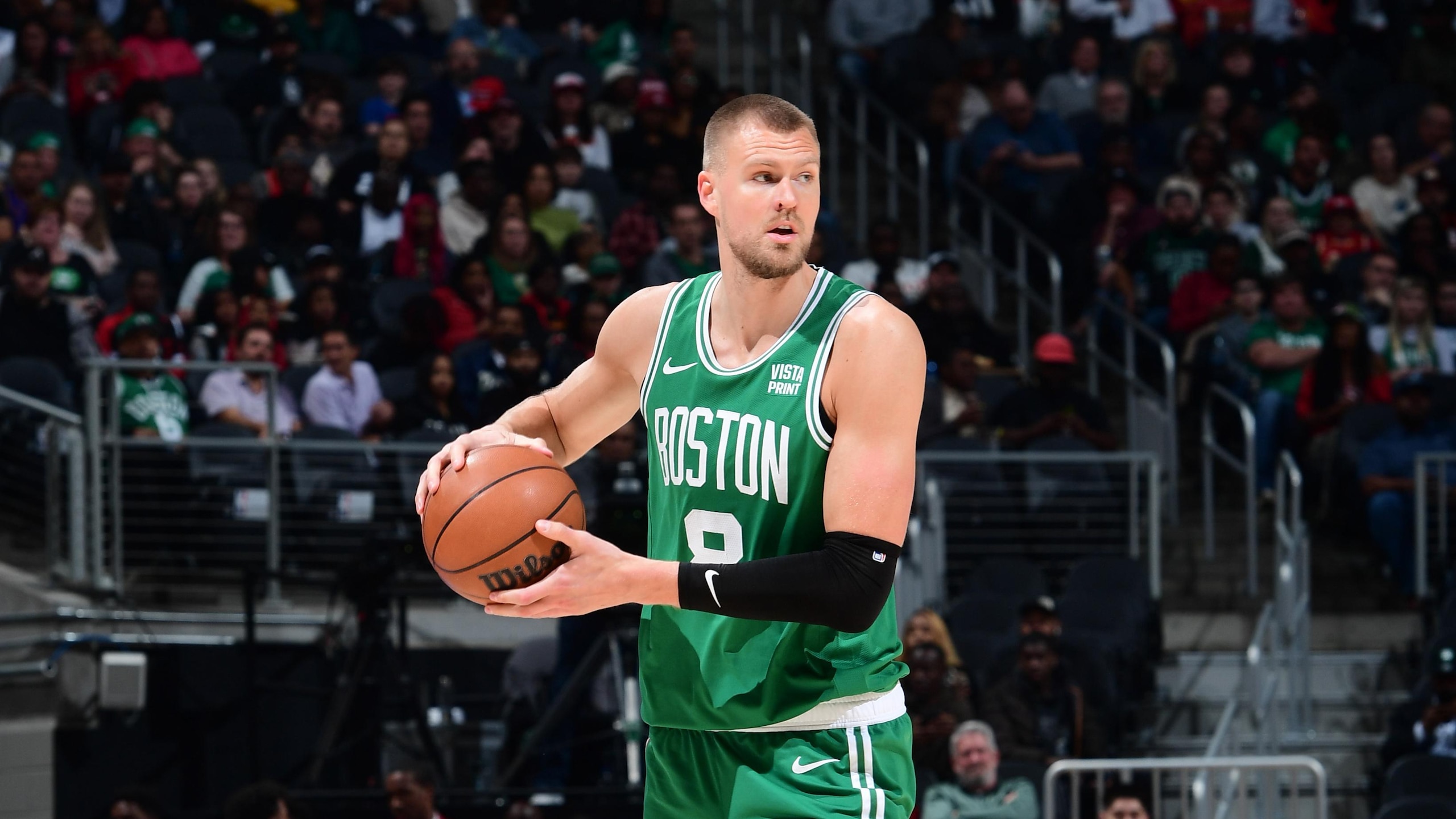
New Additions: A+
The Atlanta Hawks wisely took advantage of the Boston Celtics' need to unload salary and added Kristaps Porziņģis in a trade that only cost them Georges Niang, Terance Mann and a second-round pick. That alone may have secured them a high mark, but adding Nickeil Alexander-Walker to the bench in a sign-and-trade was another coup. And the Hawks suddenly feel both better and deeper.
Continuity: A
Atlanta lost multiple rotation players, including Clint Capela, Caris LeVert, Mann and Niang, but all the most important pieces are coming back. Trae Young is still the orchestrator. He's still surrounded by developing length and athleticism from Dyson Daniels, Zaccharie Risacher and Jalen Johnson. And that already intriguing core is now better supported elsewhere on the roster.
Draft: A
Asa Newell could very well end up being an important part of that younger group. The 6'11" big man was the 11th-ranked recruit in his high school class, and Atlanta got him at No. 23. But the bigger reason the Hawks finish with straight A's is their draft-night trade to move down 10 spots and secure an unprotected first from the New Orleans Pelicans in 2026. Given the Pelicans' recent track record, that could very well be the first overall selection next summer.
Boston Celtics: 3.3
2 of 30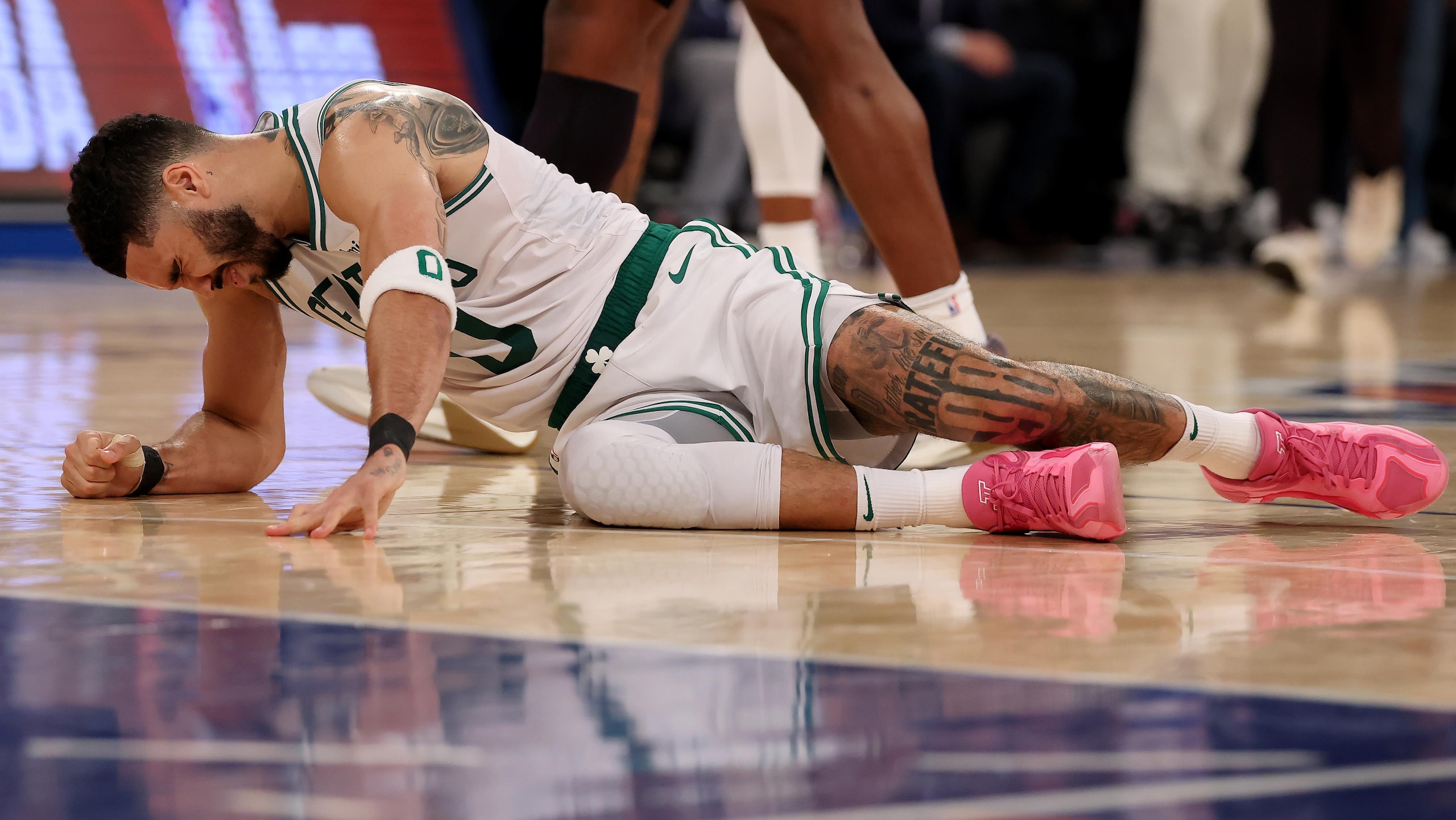
New Additions: A
Grading the Boston Celtics is tough, because they objectively got worse for 2025-26, but it's pretty tough to argue for a different approach. Without the injured Jayson Tatum, there was no way they were going to compete for a title. Remaining one of the most expensive teams in basketball made no sense. And though their "new additions" won't really help in the traditional sense, getting off of the contracts of Porziņģis, Jrue Holiday and eventually Georges Niang without taking any bad money back was a borderline coup.
Continuity: A
At the same time, the team's three most important players are still on the roster. Tatum, Jaylen Brown and Derrick White can be the core of a very good team in 2026-27. And Boston now has significantly more flexibility with which to build around them.
Draft: C
Having your first pick at No. 28 makes it difficult to nail a draft, but Hugo Gonzalez (taken 28th), Amari Williams (46th) and Max Shulga (57th) aren't really eye-popping names. And for a team almost perennially in the hunt for titles, all three could struggle to see the floor as early as their second seasons (when Boston will presumably be trying to win again).
Brooklyn Nets: 2.5
3 of 30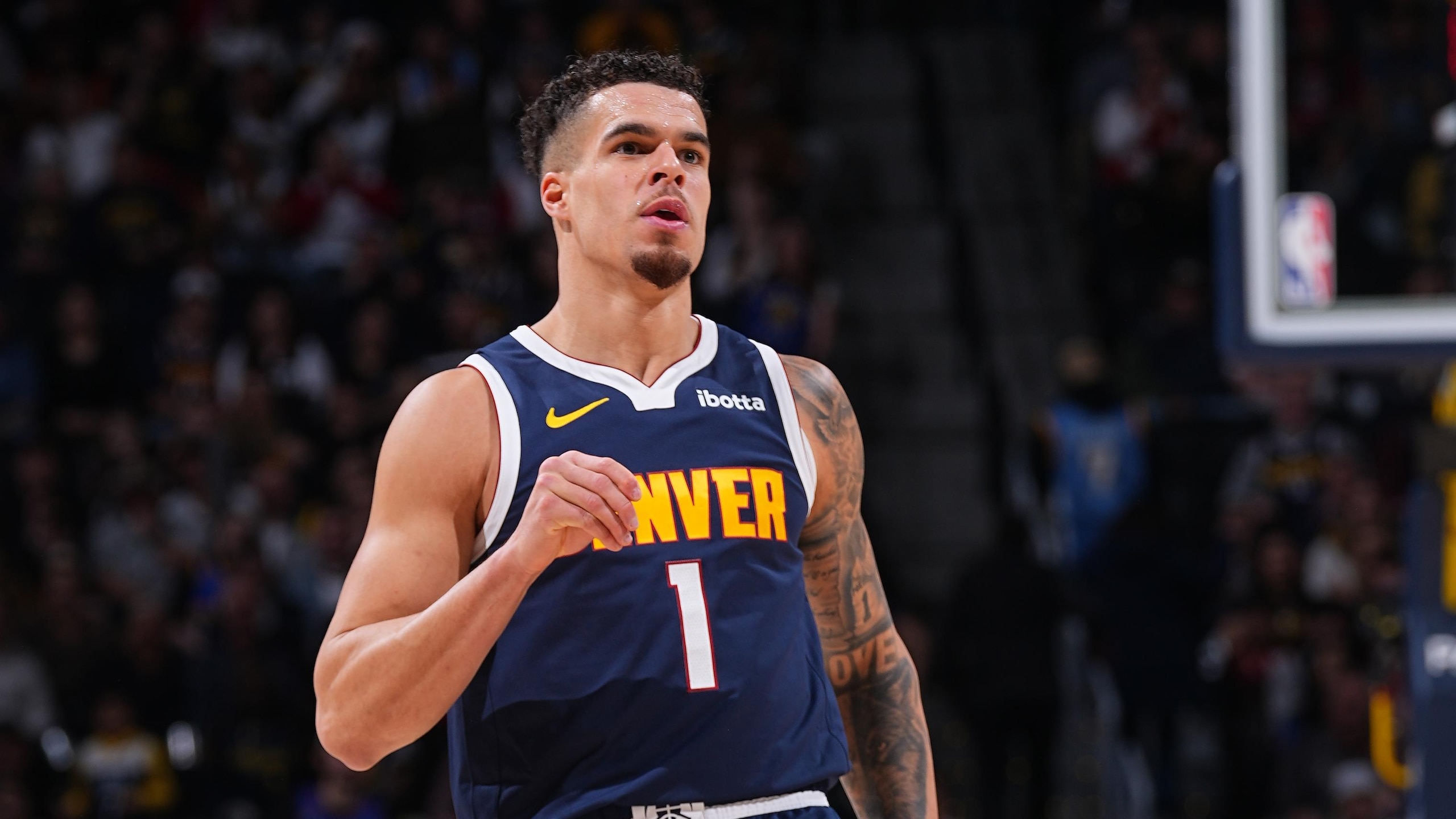
New Additions: B
Michael Porter Jr. isn't as versatile a forward as Cameron Johnson. His salary is almost twice as high, too. But the Brooklyn Nets snagging an unprotected 2032 first-rounder from the Denver Nuggets could potentially be huge. Nikola Jokić will be 37 then, and Denver could be lottery bound. The other major offseason addition (outside the draft) is Terance Mann, and his contract feels primed to be flipped again ahead of the deadline.
Continuity: C+
In the traditional sense of the idea, the Nets maintained very little continuity from last season. But obviously, that shouldn't always be the goal for every team. The Nets were terrible. Turning over the roster was the right move.
Draft: C+
Brooklyn was widely panned for using all five of its first-round picks this summer. There was a lot of criticism on the overlap in skills between those five players, too. Egor Demin, Nolan Traoré and Ben Saraf are all lead playmakers. Even Danny Wolf has a little bit of that in his game. But the Nets aren't likely to be good for a while. They have time to experiment with pass-heavy lineups. They have time to see how many (if any) of the above hit. And giving themselves more chances at star talent is understandable.
Charlotte Hornets: 3.3
4 of 30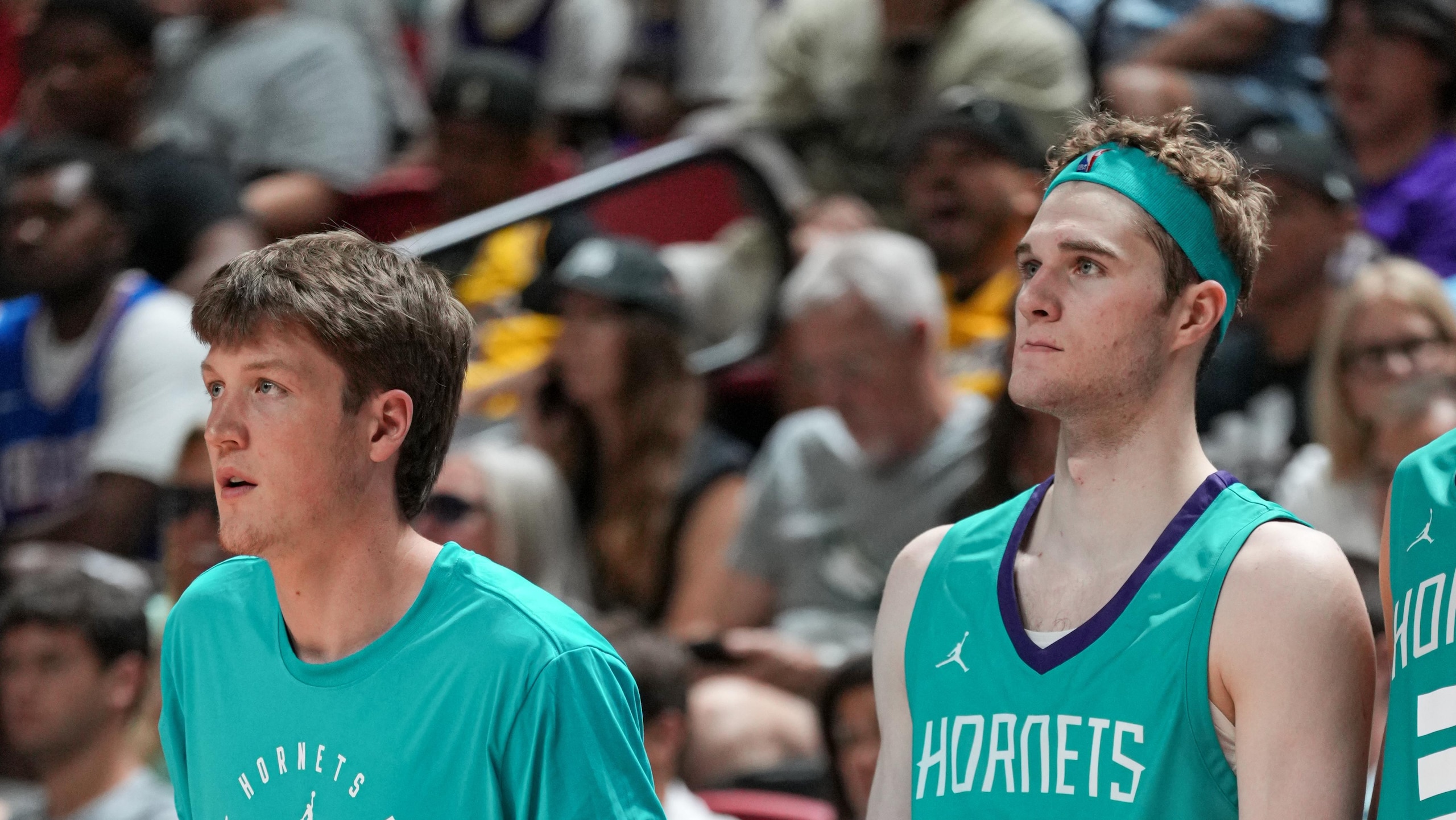
New Additions: B
The Charlotte Hornets certainly didn't add a star in free agency (or through a trade), but they picked up a handful of helpful veterans, including Collin Sexton, Spencer Dinwiddie, Mason Plumlee and Pat Connaughton. And if they still believe in LaMelo Ball and Brandon Miller being a star duo, the approach makes sense. Those players are solid, supplementary talents.
Continuity: B
Another team for which you could maybe argue that continuity is a bad thing, the Hornets could probably justify trading Ball right now, given his struggles with availability and the lack of winning the team has enjoyed during his career. But it still feels a little early to pull the plug, and at least in theory, Ball's playmaking should mesh nicely with Miller's shooting and Miles Bridges' slashing.
Draft: A
This is where the Hornets really made hay this summer, picking up Kon Knueppel, Liam McNeeley and even Sion James to supplement the wing rotation and landing rim protector Ryan Kalkbrenner to potentially start at the 5.
Chicago Bulls: 2.2
5 of 30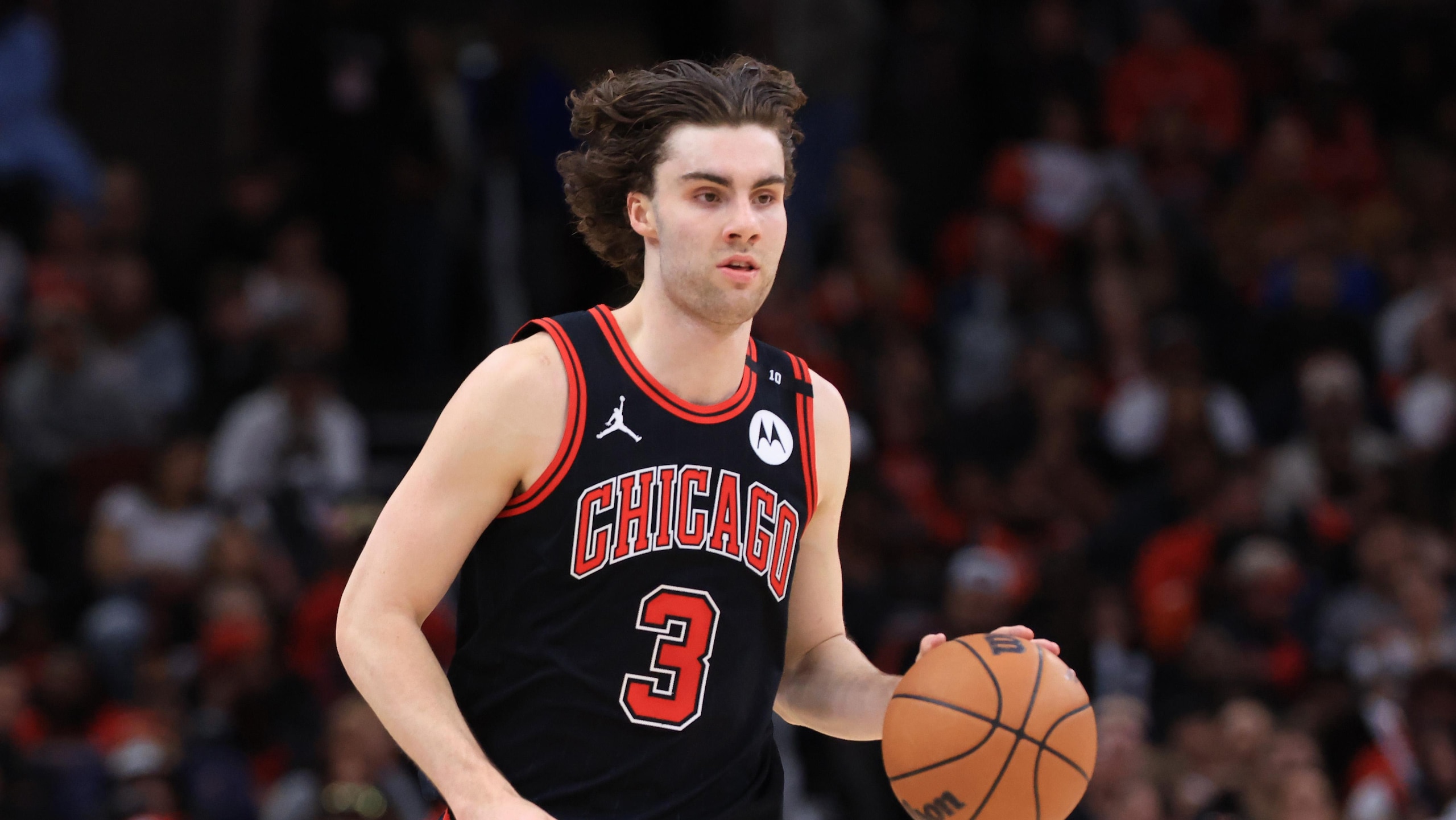
New Additions: D
Despite hovering around the middle of the East for much of recent NBA history, the Chicago Bulls didn't really do anything to drastically change their fortunes this summer. Their most notable veteran addition was Isaac Okoro, who came by way of a trade for the oft-injured Lonzo Ball.
Continuity: C+
Yes, the 2024-25 Bulls remain largely intact, but to what end? The team went 39-43 in each of the last two seasons. And unless Matas Buzelis or the recently re-signed Josh Giddey have massive breakouts (not out of the question, but maybe not likely either), they're looking at another year of mediocrity.
Draft: B+
Noa Essengue brings an intriguing combination of length and athleticism to a team that already has that from Buzelis and Giddey (at least relative to his position). In a lot of ways, it feels like the Bulls are dragging their organizational feet, but there could be something coming together in the background.
Cleveland Cavaliers: 2.8
6 of 30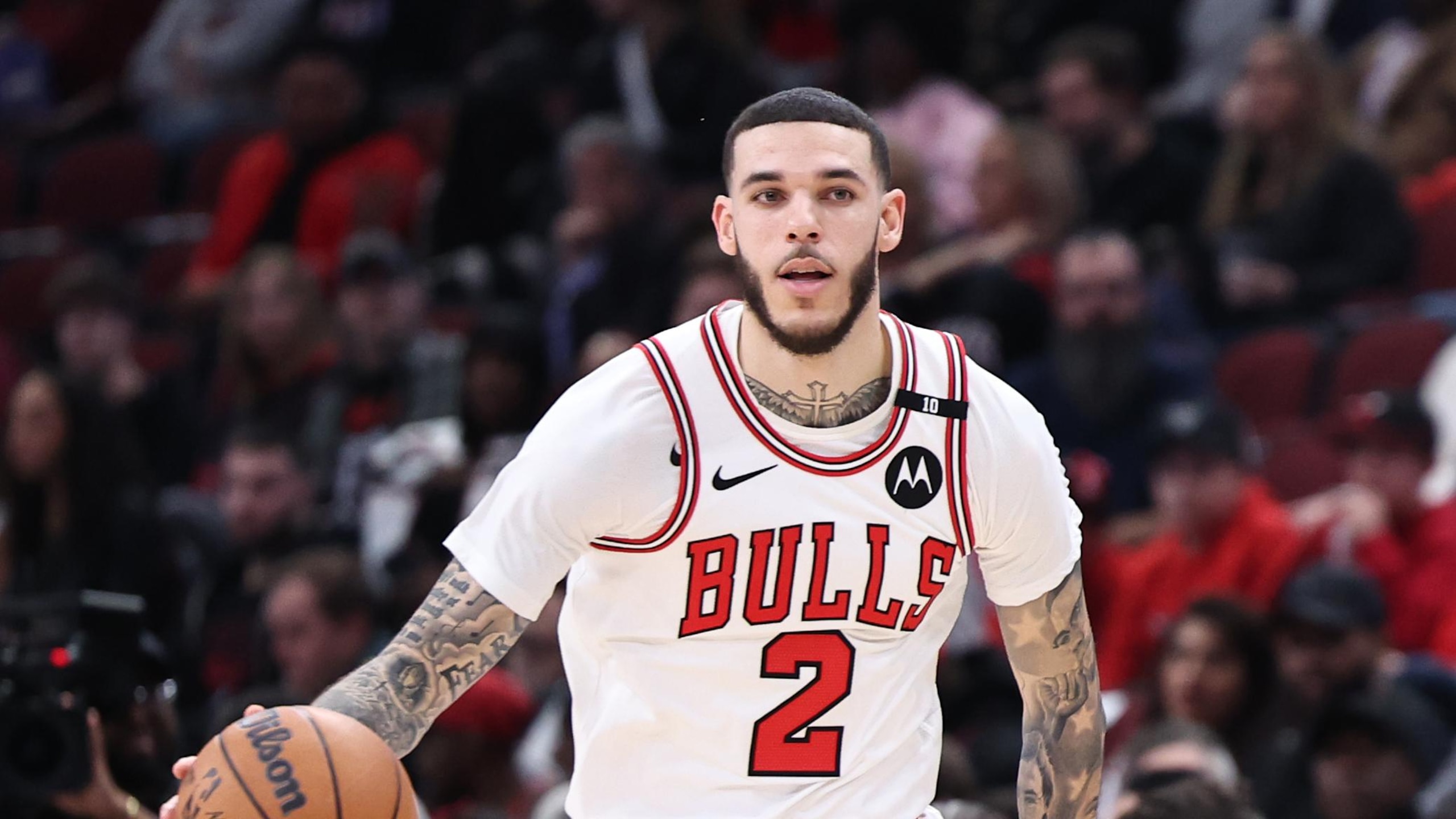
New Additions: B-
The Cleveland Cavaliers didn't really have to do much to pass this summer's exams. They had the best record in the East, and all their most important players were already under contract. So, adding solid role players like Lonzo Ball and Larry Nance Jr. made sense. The only problem is that both have had a terrible time staying healthy throughout their careers.
Continuity: B-
Again, the Cavs hung onto all of Donovan Mitchell, Evan Mobley, Darius Garland and Jarrett Allen this summer. That alone is worth some kudos. But it won't be easy for Ball to replace Ty Jerome's contributions off the bench, especially if he's going to be in and out of the lineup.
Draft: B
There wasn't a ton for the Cavs to do in the draft, as they emerged with only the 49th pick. But they did land an interesting combo guard there in Tyrese Proctor who possesses a combination of shooting, passing and size (6'5") similar to Jerome.
Dallas Mavericks: 2.9
7 of 30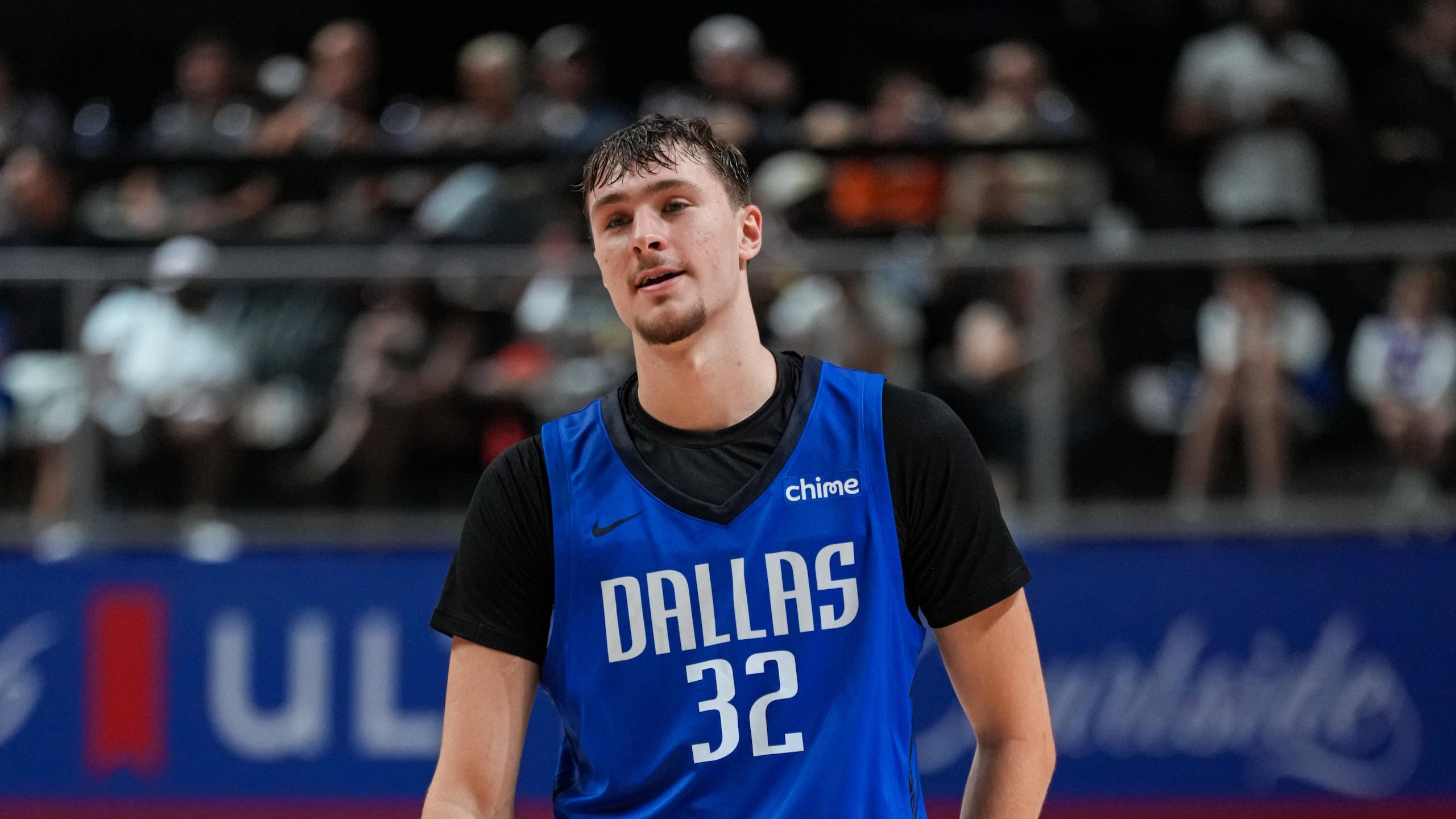
New Additions: D+
The headline suggests this analysis is limited to this offseason, but we can't avoid the fact that the Dallas Mavericks made the least explainable trade in NBA history back in February, especially when their most notable offseason acquisition (outside the draft, of course) was D'Angelo Russell. The veteran journeyman is a solid playmaker and scorer, but he's long been considered a dreadful individual defender. And signing him to hold down the point guard fort until Kyrie Irving returns flies in the face of the organization's near constant refrain of "defense wins championships" after jettisoning Luka Dončić.
Continuity: B+
It's not hard to nitpick the roster that remained after the Dončić deal. It's overloaded in the frontcourt, and re-signing P.J. Washington and Daniel Gafford obviously didn't unclog it. But those are also two good players. Both can help now or bring value in a trade later. Add their returns to new deals for Kyrie Irving and Dante Exum, and it's easy to like what Dallas did on this front (if you ignore what happened seven months ago).
Draft: A
You might ask why the Mavs get an A for simply winning the lottery against monumental odds and then taking the consensus top prospect. And it'd be fair for you to do that. But the fact that Dallas emerged from draft night with Cooper Flagg, a player with future MVP potential, gets them the automatic high mark.
Denver Nuggets: 3.8
8 of 30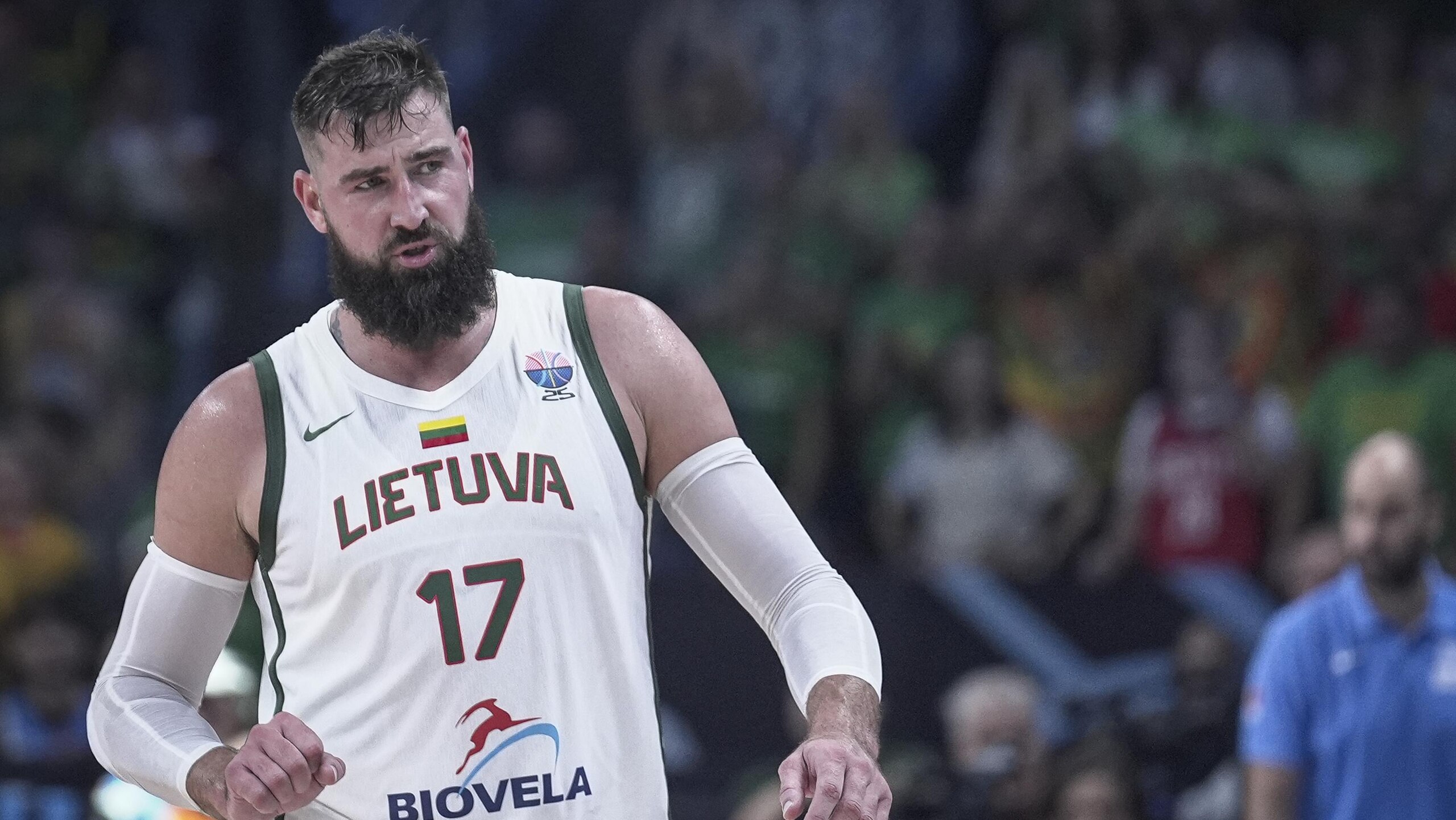
New Additions: A+
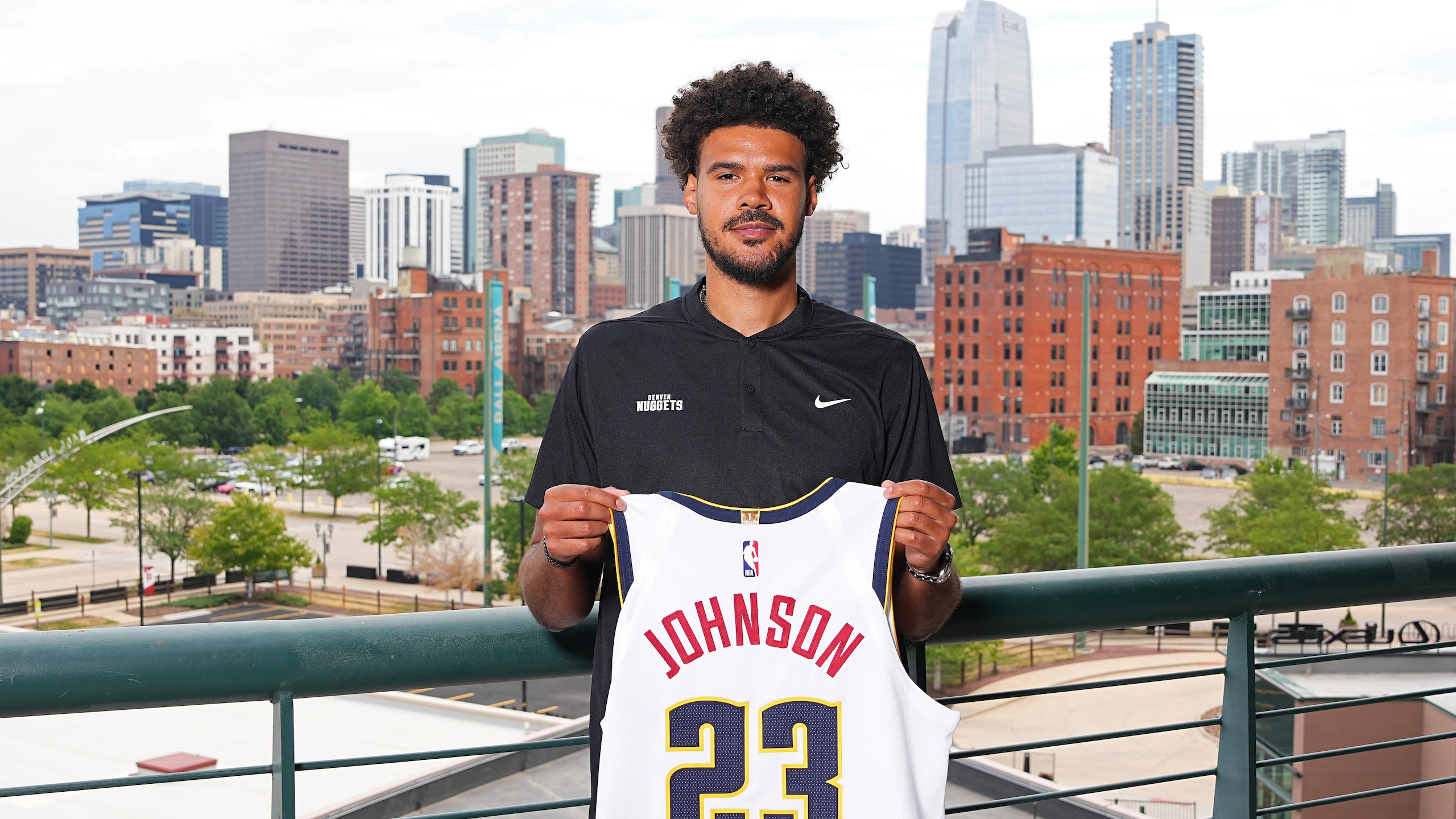
The Denver Nuggets aced this subject. The Michael Porter Jr.-for-Cameron Johnson trade gave them more versatility, ball-handling and passing without sacrificing shooting. It also gave them the financial flexibility to follow that move with the acquisitions of Jonas Valančiūnas, Bruce Brown and Tim Hardaway Jr. After years of the Nuggets struggling to stay afloat when Nikola Jokić was off the floor, they might now have their deepest team of the era.
Continuity: A
MPJ has been an important piece of Denver's puzzle for most of the last six years. He won a title as one of their starting forwards. In plenty of other circumstances, losing him would've been tough for the Nuggets to overcome. But every other rotation player is back, and those aforementioned additions should more than make up for Porter's production.
Draft: B
Denver didn't have a pick in the draft, but they took an interesting flyer on undrafted rookie Tamar Bates with a two-way deal. It always makes sense to surround Jokić with shooting, and over his last three years in college, Bates shot 38.6 percent from deep and 93.5 percent from the line.
Detroit Pistons: 3.1
9 of 30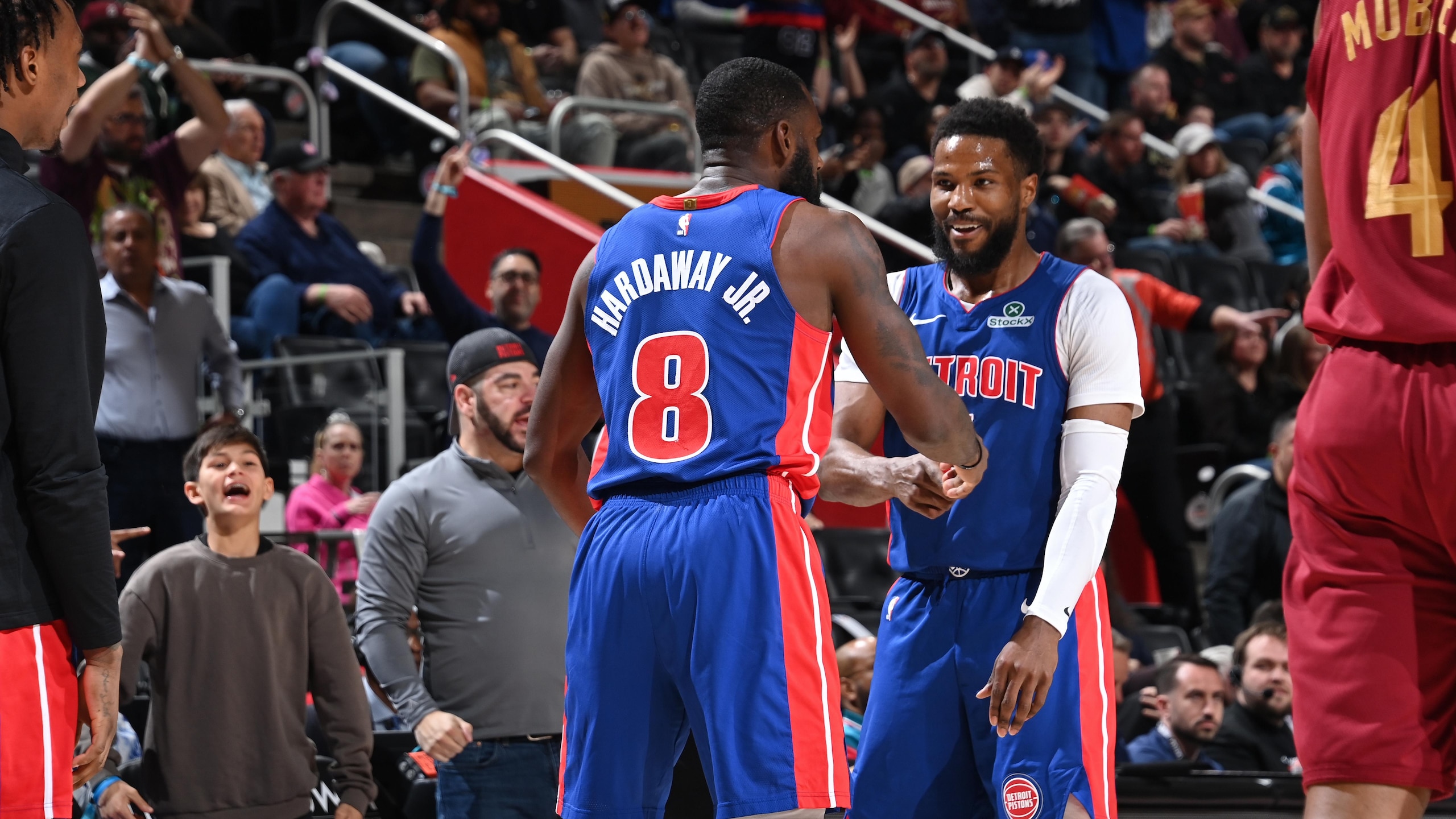
New Additions: B+
Their names probably don't leap off the screen, but Duncan Robinson and Caris LeVert were solid, need-addressing additions for Detroit Pistons. The former can replace some of the shooting provided by Tim Hardaway Jr. and Malik Beasley, while the latter can bring some of the on-ball creation Dennis Schröder provided.
Continuity: B
Losing Hardaway, Beasley and Schröder wasn't ideal, but Detroit recovered well to add the above. And more importantly, the team didn't do anything drastic to shake up the young core that includes Cade Cunningham, Jalen Duren and Ausar Thompson
Draft: B
It's hard to find rotation players in the second round, but the Pistons took the right approach with theirs, finding someone who has at least one skill that should translate. Over the last two years, Chaz Lanier averaged 18.8 points and 3.3 threes, while shooting 41.5 percent from deep, for North Florida and Tennessee.
Golden State Warriors: 1.0
10 of 30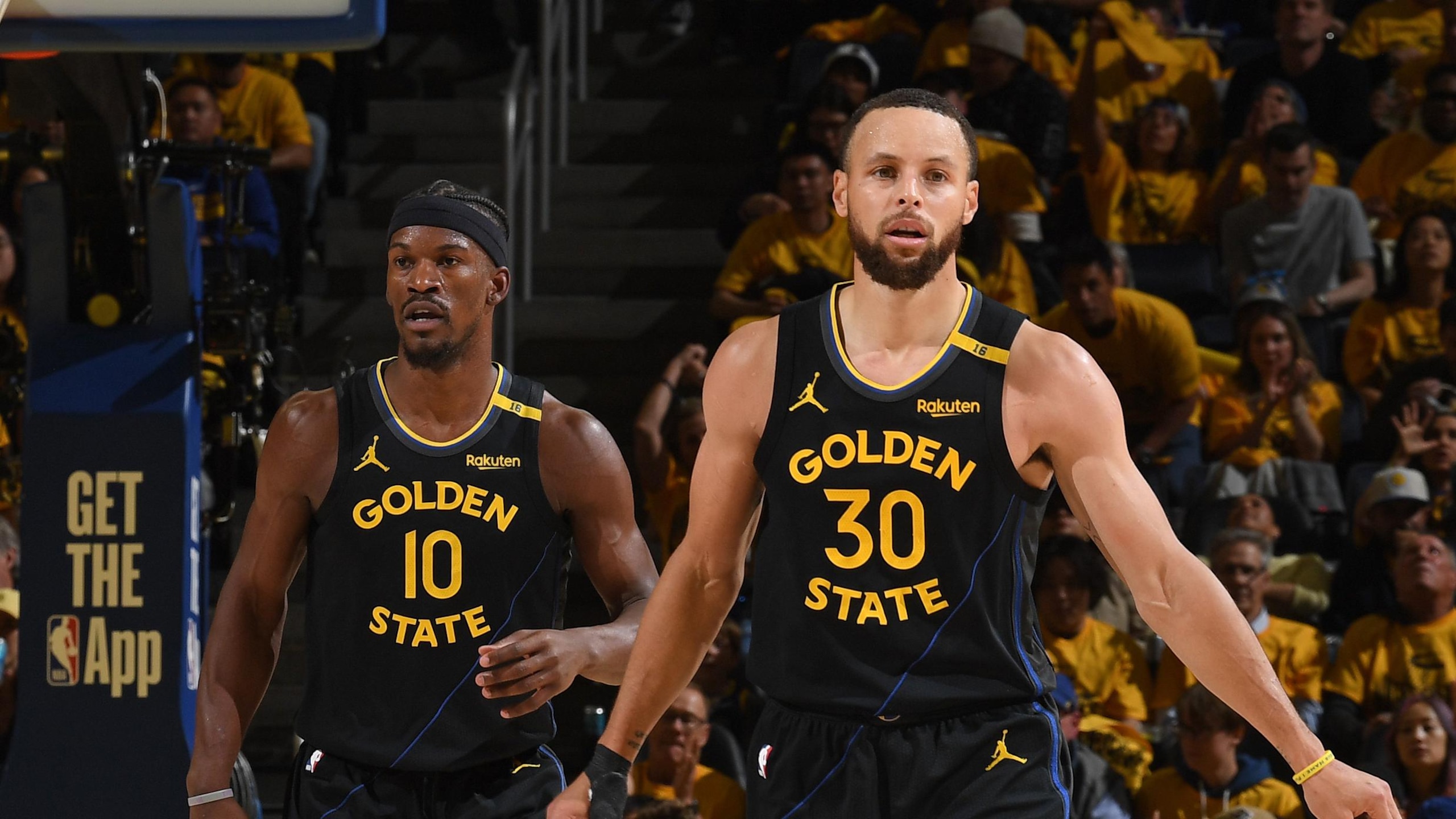
New Additions: F
As of this writing, the Golden State Warriors haven't signed anyone this offseason. They haven't even resolved Jonathan Kuminga's restricted free agency. Now, apparently, some moves may materialize after we know what's happening with Kuminga, but allowing your entire organization to stall out while waiting on him is malpractice.
Continuity: D
And if Kuminga eventually chooses to play one season on the qualifying offer (as Cam Thomas did with the Brooklyn Nets), the tension between him and a coaching staff that clearly hasn't had a ton of belief in him over the years could weigh on the team throughout 2025-26. This is an almost tragic approach to Stephen Curry's twilight years.
Draft: C
The Warriors emerged from the draft with Alex Toohey (picked 52nd) and Will Richard (56th). Just based on the history of second-round picks, neither is likely to spend a ton of time on a full contract.
Houston Rockets: 3.5
11 of 30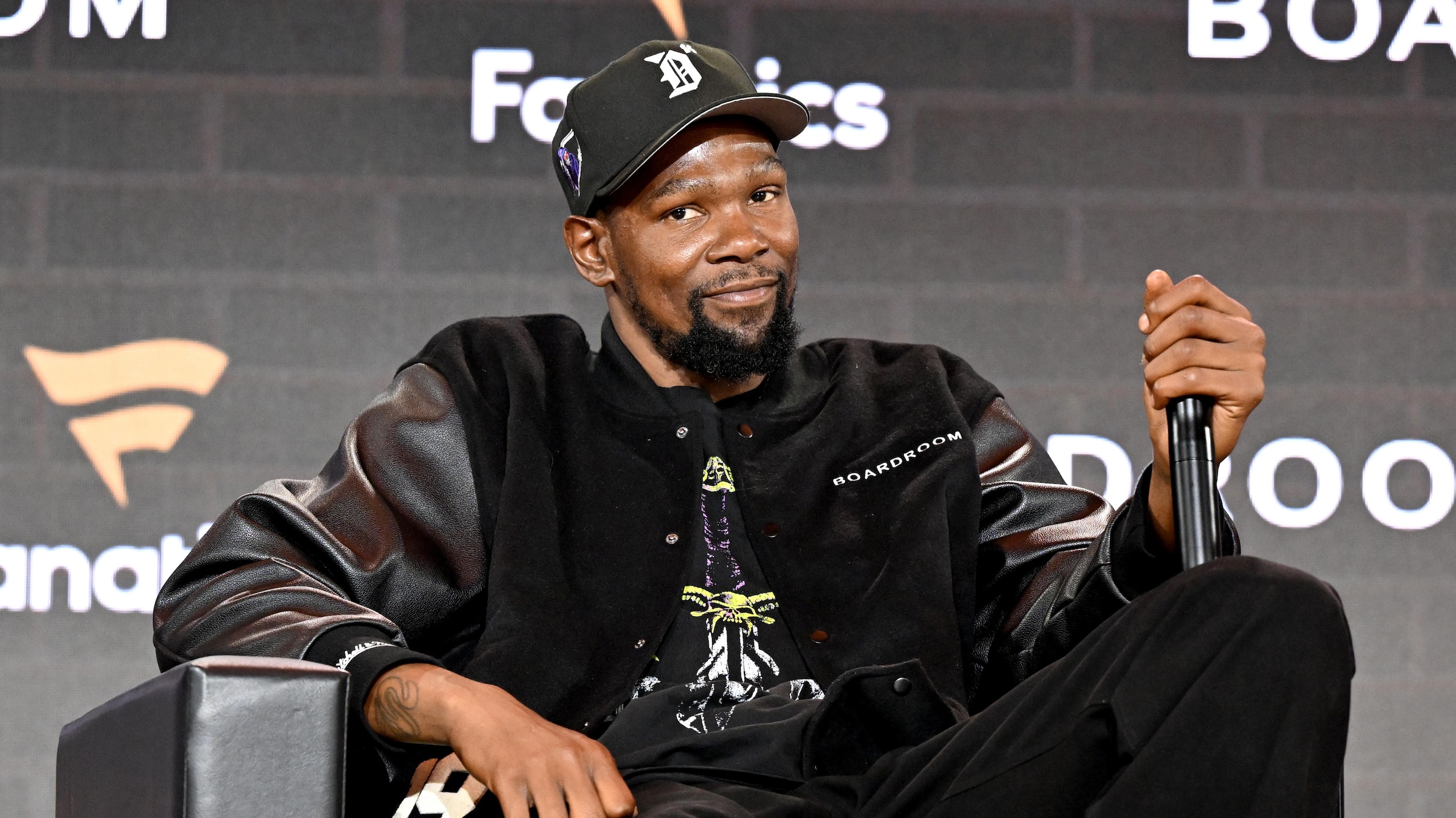
New Additions: A+
As part of a seven-team trade that included 13 different players, the Houston Rockets acquired Kevin Durant this offseason. And all it cost them was Dillon Brooks, Jalen Green, one first-round pick and a handful of second-rounders. KD is obviously in the post-prime portion of his career. Availability could be an issue. But swapping Green's often spacey defense and usually inefficient scoring with one of the best scorers in the league is one of this offseason's biggest individual wins. When you add the pickups of Dorian Finney-Smith and Clint Capela, it's easy to sell this as an A-plus.
Continuity: A
Like Denver, Houston made a splashy move without really upsetting the continuity throughout the rest of the roster. The KD trade didn't cost them Alperen Şengün, Amen Thompson or Jabari Smith Jr. Chemistry has certainly been an issue
Draft: C+
The Houston Rockets didn't make any picks in this draft, in part because of the compensation they sent out in the KD trade. Given that return, they actually get some points in this section for the deal. Plus, though he's already 23 years old, undrafted free agent Cameron Matthews (who averaged 6.7 rebounds, 3.6 assists and 2.4 steals for Mississippi State this season) is an interesting enough pickup to make this subject a pass.
Indiana Pacers: 3.1
12 of 30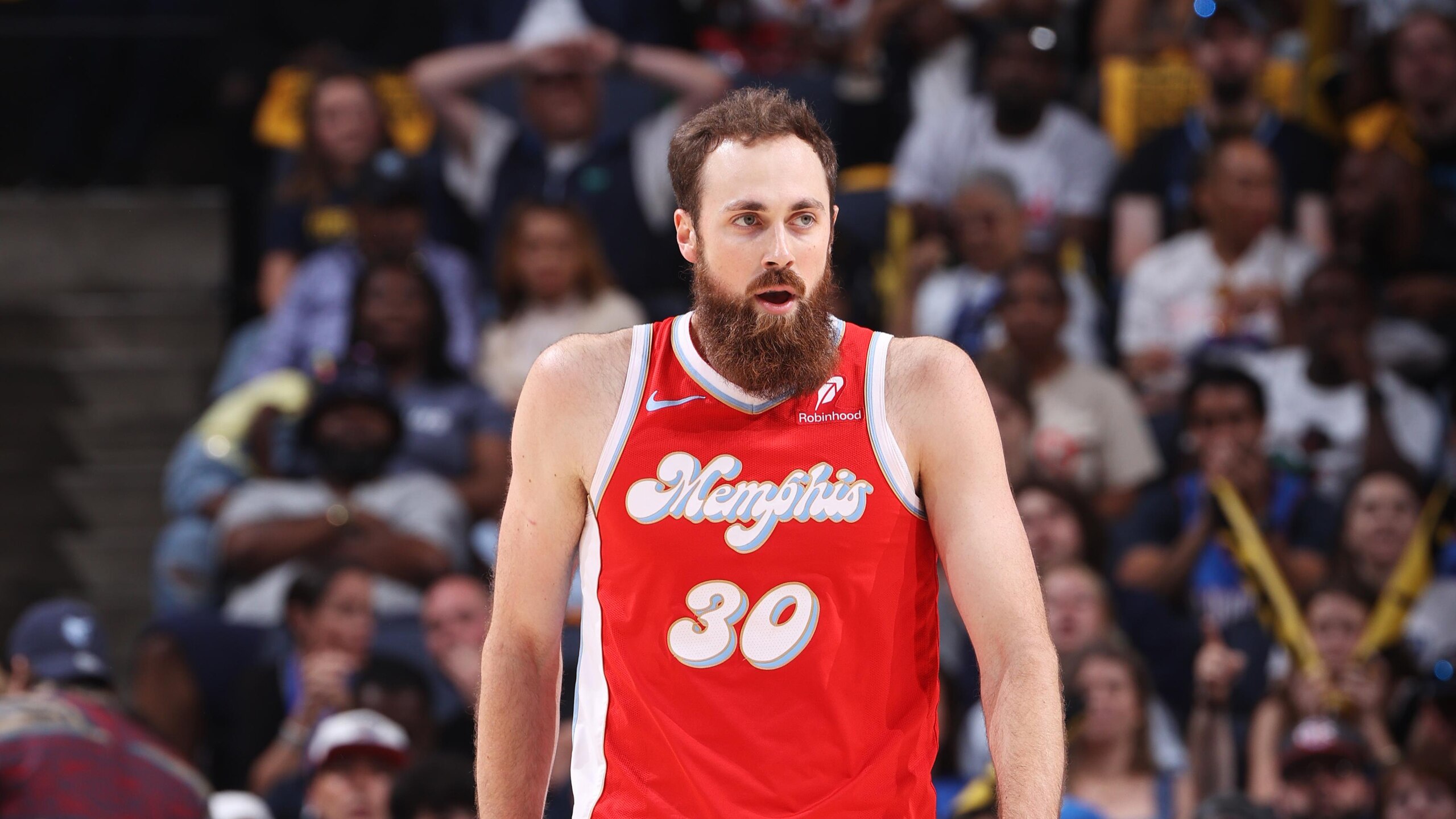
New Additions: B
Like Boston, the Indiana Pacers were sort of forced into a gap year by a torn Achilles for their best player. And like Boston, the Pacers followed up that devastating injury with an offseason that signals patience. Their biggest acquisition was that of Jay Huff, who averaged 6.9 points and 0.9 blocks in just 11.7 minutes, while shooting 40.5 percent from deep last season. With Myles Turner gone, he should get more opportunities to show off his three-and-D game.
Continuity: B-
There's definitely some pain in losing Turner. He was a lifelong Pacer who was a critical component of this past summer's Finals run. But this season also presents an opportunity to develop Isaiah Jackson in that spot. Not having Tyrese Haliburton should force some growth out of Bennedict Mathurin, Andrew Nembhard and Aaron Nesmith, too. Indiana isn't likely to reach the conference finals for a third year in a row, but it's bringing enough back to remain competitive.
Draft: A-
The Pacers sneak an A in here based mostly on their creativity. With their first pick of the draft (which wasn't until the eighth pick of the second round), they went relatively safe with a four-year player from Marquette in Kam Jones. He may not have a super-high ceiling, but he has the college veteran know-how to at least compete for a roster spot. And going with that kind of player at No. 38 allowed Indiana to reach for a shooter who was nowhere near any media outlet's mock draft at No. 54. Most NBA fans hadn't heard of Taelon Peter before draft night, but he shot 45.3 percent from three and 75.6 percent (?!) on twos for Liberty in 2024-25. That kind of scoring efficiency is worth a big swing.
Los Angeles Clippers: Incomplete
13 of 30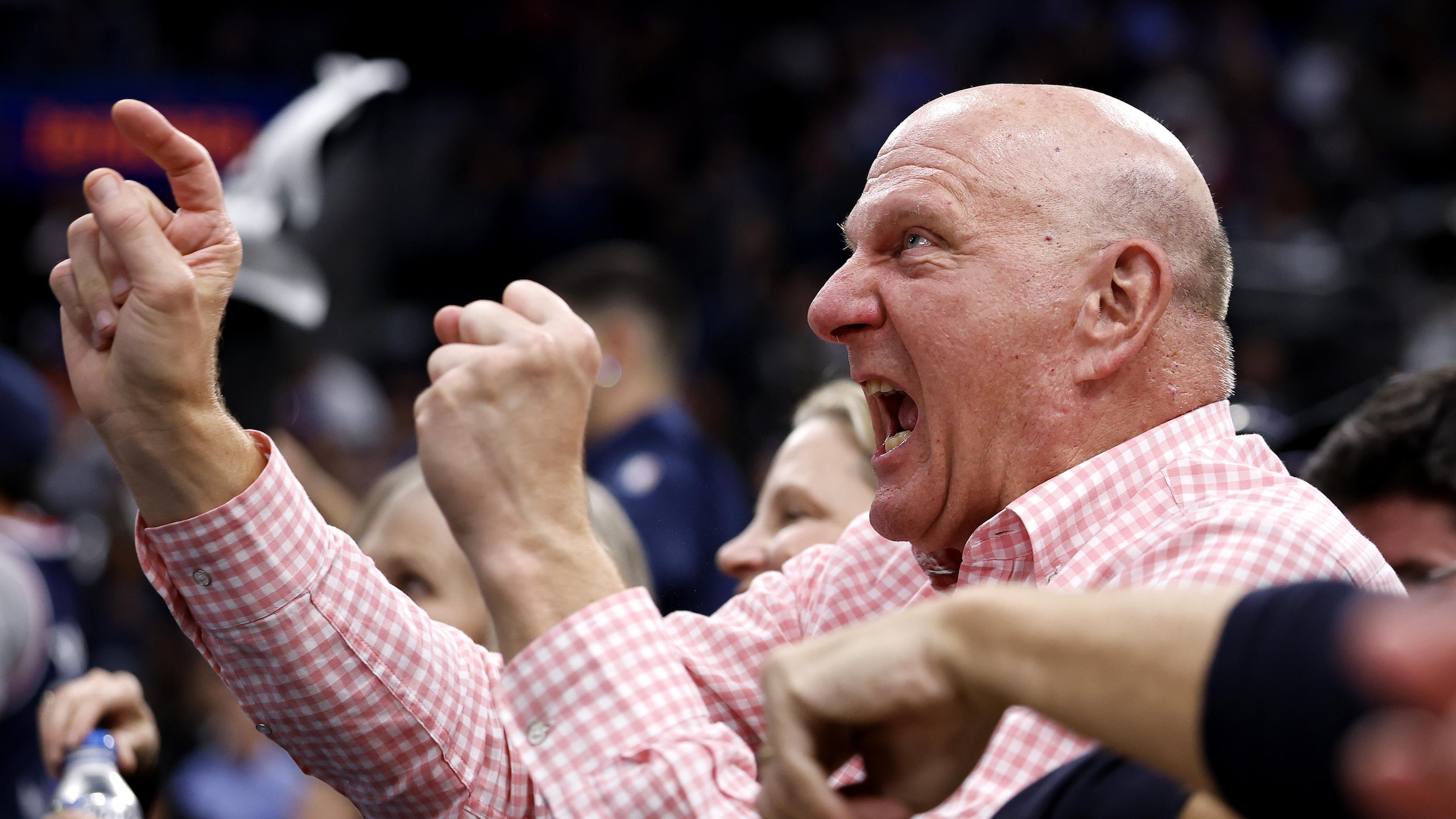
We're going to dispense with the formatting for this one.
A few weeks ago, it felt like the Los Angeles Clippers adding John Collins, Bradley Beal, Brook Lopez and Chris Paul gave them one of the best offseasons in the league, but everything appears to hinge on the league's investigation into potential cap circumvention now.
Following his initial reporting on Kawhi Leonard's "no-show job" for the now defunct former Clippers sponsor, Aspiration, Pablo Torre continues to pull on additional threads that are almost impossible to explain away.
Kawhi's original $28 million (plus $20 million in stock options) was eerily close to a $50 million investment from Steve Ballmer. A near-$2 million investment from co-owner Dennis Wong preceding a $1.75 million payment to Leonard looks even worse. And a statement from company executives, recently released by Torre, suggests everyone knew the deal stunk from the beginning.
If all of the above leads to suspensions, loss of draft picks or even the voiding of Leonard's contract, whatever grades the Clippers may have earned this summer will feel wildly out of date.
Los Angeles Lakers: 3.4
14 of 30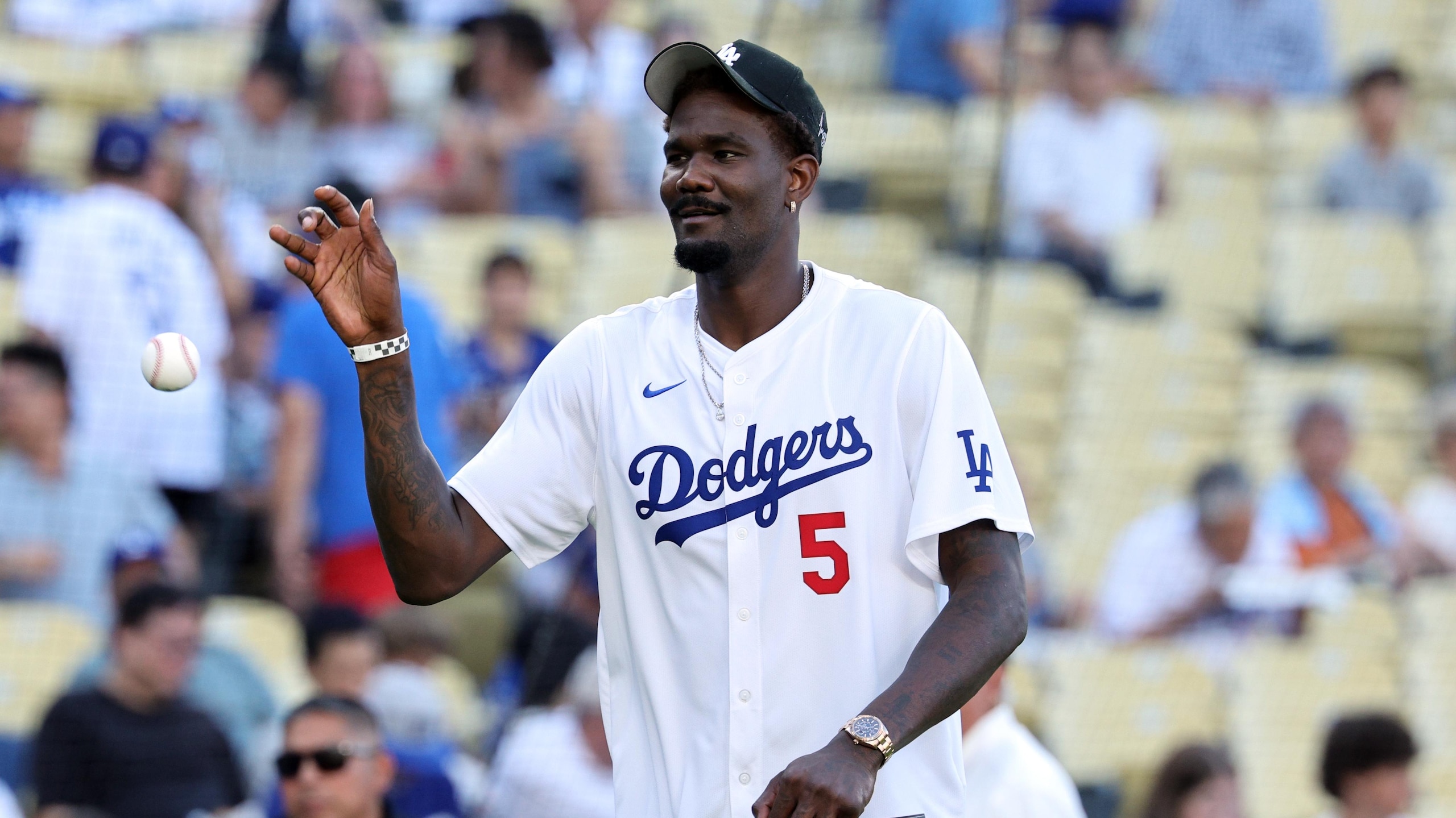
New Additions: B+
The success rate of free agents who were recently bought out of their previous deals may not be high, but the Los Angeles Lakers pounced on a couple who can help this offseason. First and foremost, despite an underwhelming career to date Deandre Ayton is about to feast on open looks at the rim created by Luka. And if Marcus Smart can stay healthy, he can provide a defensive and playmaking boost to the second unit. Add those two to the sharpshooting Jake LaRavia, and it's easy to look at this as a solid, though quiet, Lakers offseason.
Continuity: A-
Neither of those moves cost L.A. any of its most important players either. Luka, LeBron James, Austin Reaves and Rui Hachimura are all back. And last season, though the sample is limited, the Lakers were plus-7.2 points per 100 possessions when all four were on the floor.
Draft: B+
He needs plenty of polish, particularly as a shooter, but second-rounder Adou Thiero has the potential to be a good, multipositional defender for a Lakers team that could use a little help on that end.
Memphis Grizzlies: 3.2
15 of 30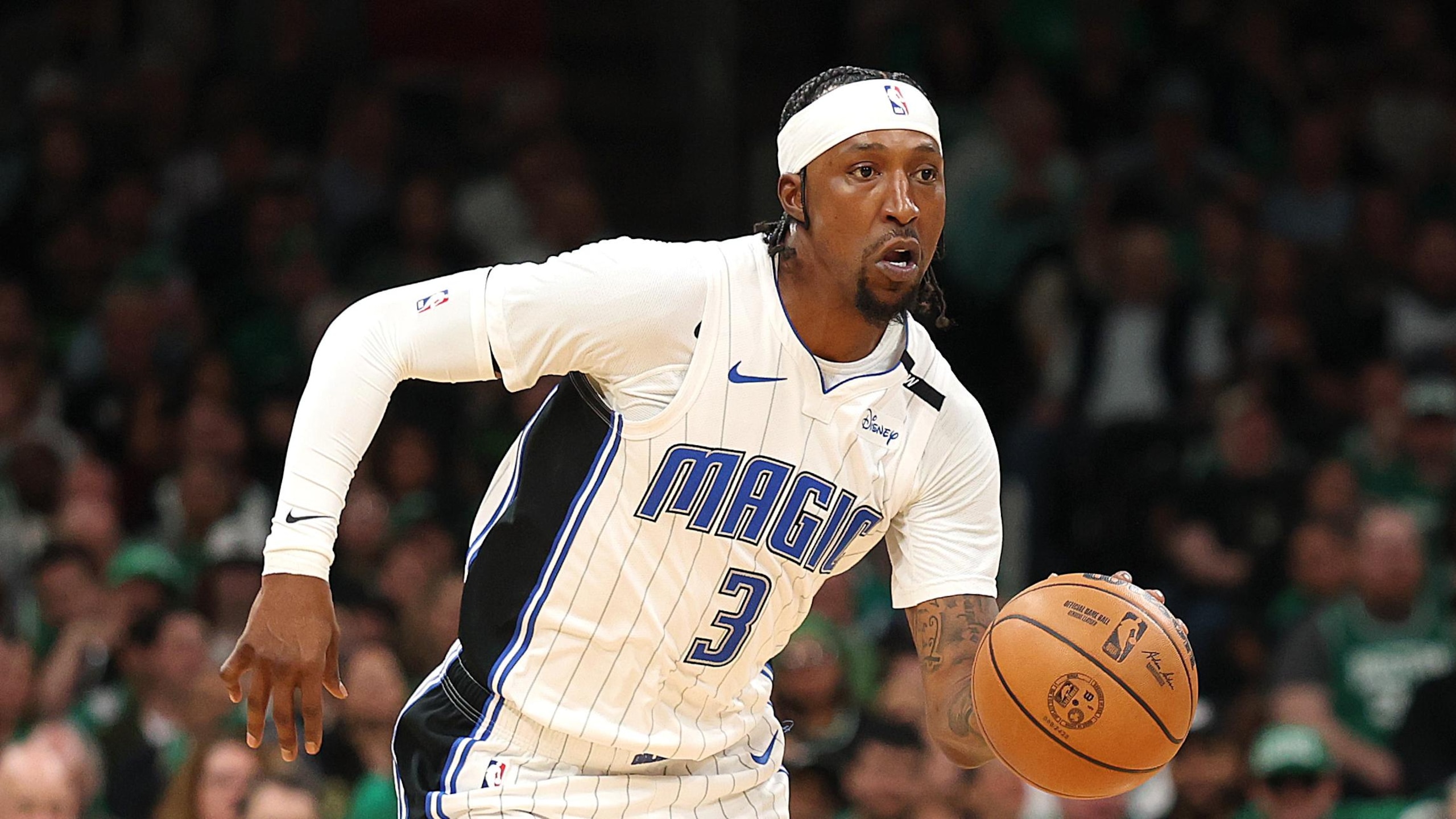
New Additions: B+
Kentavious Caldwell-Pope is a worse player than Desmond Bane, but the Orlando Magic made the Memphis Grizzlies an offer they couldn't refuse by attaching four first-round picks (and one more first-round pick swap) to KCP. In theory, he'll be a solid release valve around the two-man game of Ja Morant and Jaren Jackson Jr. (though he struggled in that role in Orlando). Ty Jerome, meanwhile, should be a nice boost to a bench that could use his playmaking (especially when Ja is out).
Continuity: B
Breaking up a core that's been together as long as Morant, JJJ and Bane is tough. But again, the Magic simply included too many picks for Memphis to turn the deal down. And beyond that trade, Memphis kept most of the core intact. Ja, Jackson and Santi Aldama are all still on the roster.
Draft: B+
The Grizzlies have a good track record in the draft. So, although he started his college career at a DIII and took a few years to get going, Memphis' trade up to take Cedric Coward with the 11th pick is a pretty good indication of his upside.
Miami Heat: 3.4
16 of 30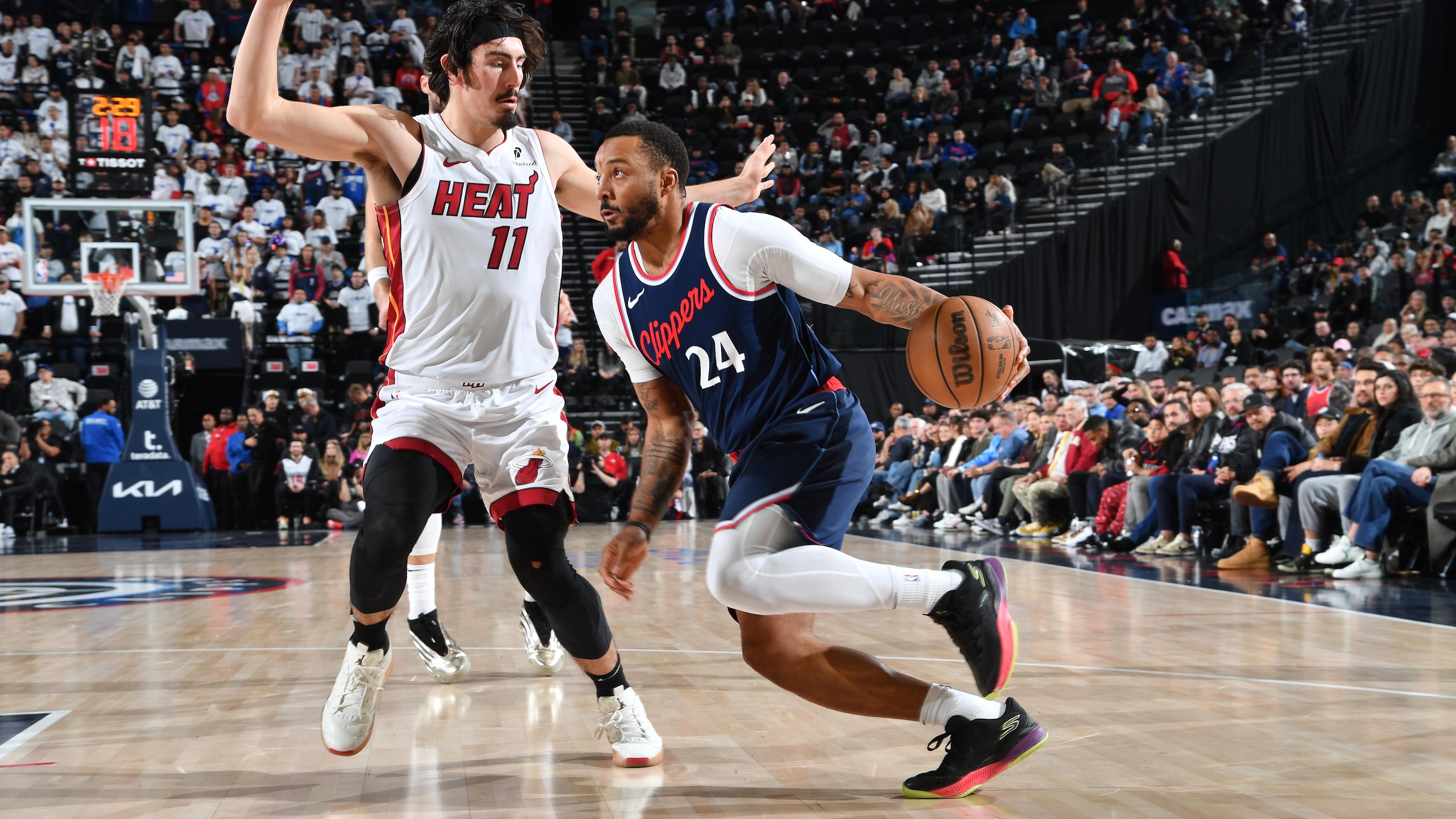
New Additions: B+
The Miami Heat didn't do anything dramatic this offseason, but Norman Powell should absolutely help an offense that struggled in 2024-25. Simone Fontecchio can contribute on the same front, though he doesn't have the same track record as a shooter as Duncan Robinson.
Continuity: B+
Those subtle moves aside, Miami is taking a wise and patient approach to a roster led by Bam Adebayo and a young(ish) core that includes Tyler Herro, Nikola Jović, Jaime Jaquez Jr., Pelle Larsson and now Kasparas Jakucionis.
Draft: A-
With the 20th pick in the draft, Miami took a 6'6" playmaker in Jakucionis who'll certainly need some time adjusting to NBA defenses (he averaged 3.7 turnovers in college) but has a solid feel for creating from the middle of the floor.
Milwaukee Bucks: 2.4
17 of 30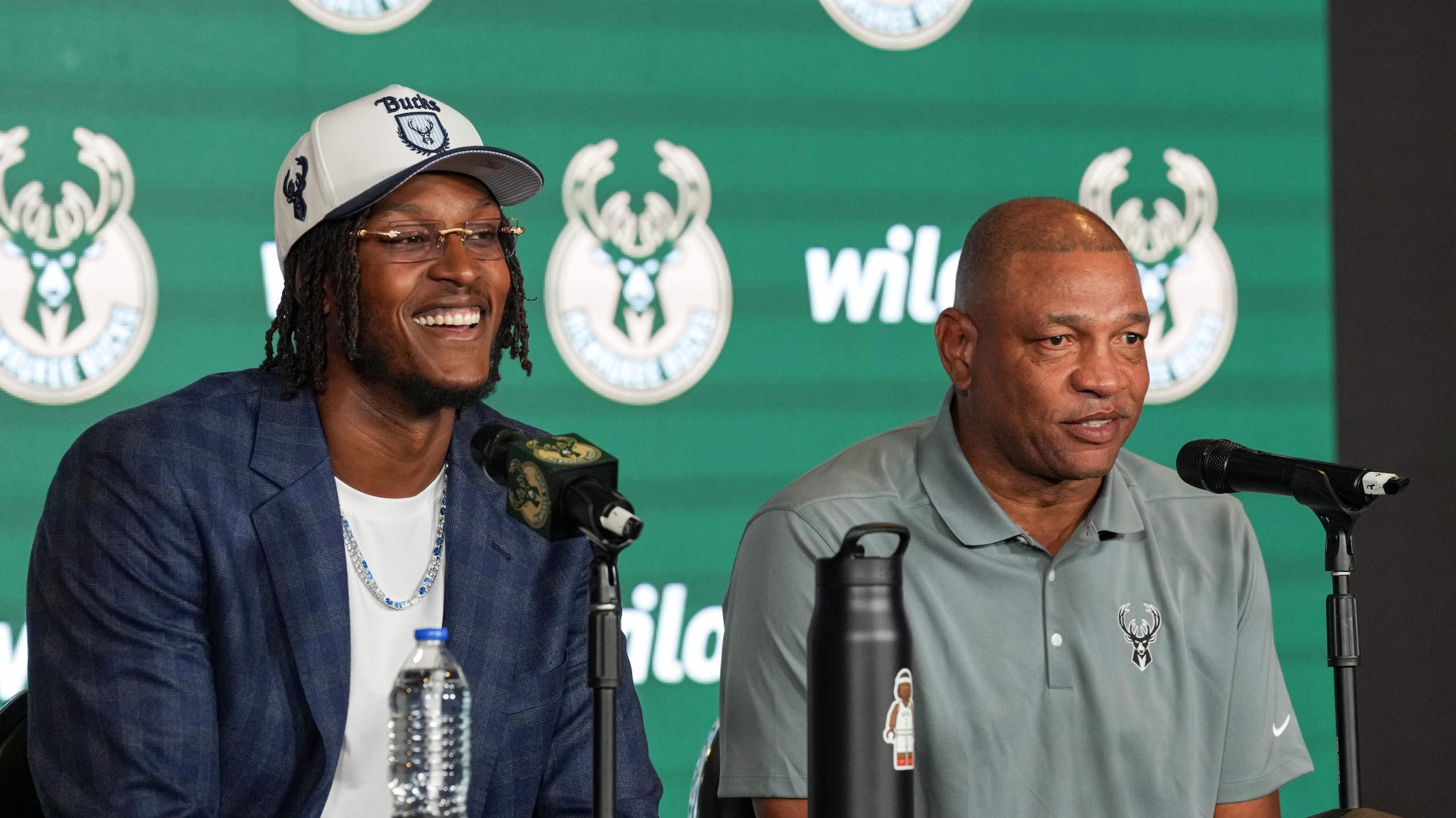
New Additions: B+
Myles Turner is one of the league's better three-and-D centers, but he's not the kind of No. 2 that inspires a ton of confidence in the Milwaukee Bucks returning to title contention. And when you combine his addition to the Damian Lillard buyout that created the cap space to get him, the move is a tough sell. Waiving and stretching Lillard means Milwaukee will have to deal with around $20 million in dead money on the books in each of the next five years. Still, Turner is a younger, more mobile version of what Brook Lopez provided Milwaukee for years. And Cole Anthony, Amir Coffey and Gary Harris are all solid role players arriving alongside the new big man.
Continuity: C-
The Bucks aren't just losing Lillard, Lopez and Pat Connaughton, they're jettisoning the last of the non-Giannis Antetokounmpo remnants of the 2021 championship team. And again, the mechanism with which they removed Lillard is going to make team-building in Milwaukee significantly more difficult for the next half-decade.
Draft: C+
Milwaukee didn't have a draft pick in 2025, but they picked up an interesting undrafted free agents in Mark Sears, who just averaged 18.6 points and 5.1 assists as a fifth-year senior.
Minnesota Timberwolves: 2.8
18 of 30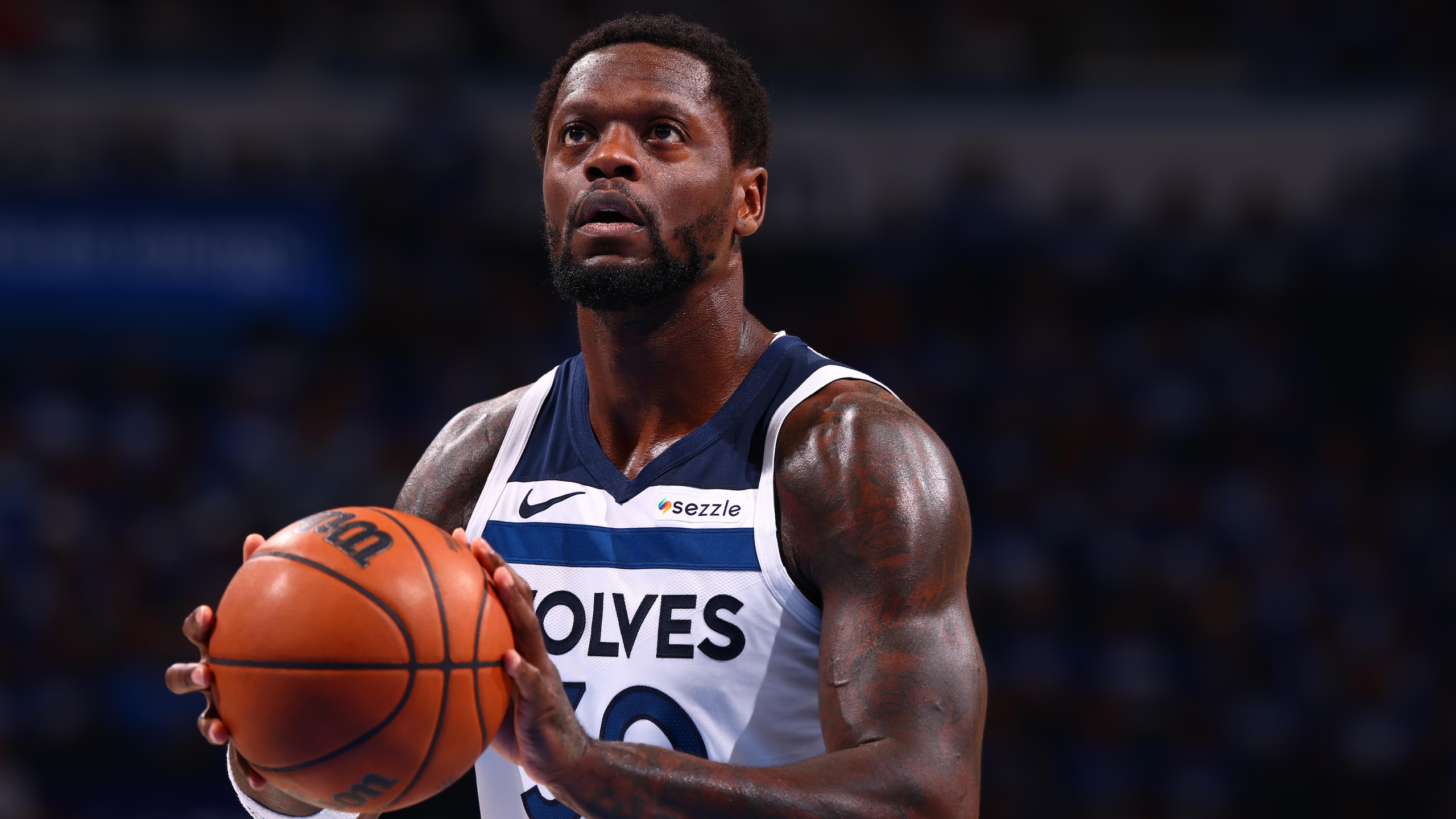
New Additions: C
Enrique Freeman is the only player the Minnesota Timberwolves picked up in free agency, and he averaged just 2.1 points per game in 22 appearances for the Indiana Pacers last season. They couldn't have been expected to do a whole lot else, though, given the fact that they're over the first apron.
Continuity: B+
Losing Nickeil Alexander-Walker from the bench is potentially a big deal, but Rob Dillingham has a chance to at least replace the offense. And re-signing Naz Reid and Julius Randle pretty much guarantees this Anthony Edwards and Rudy Gobert-led team will once again be a tough out.
Draft: B
Gobert won't be around forever, though. And the Timberwolves took perhaps the most interesting rim protector in the draft in Joan Beringer to potentially step in for him in a few years.
New Orleans Pelicans: 1.9
19 of 30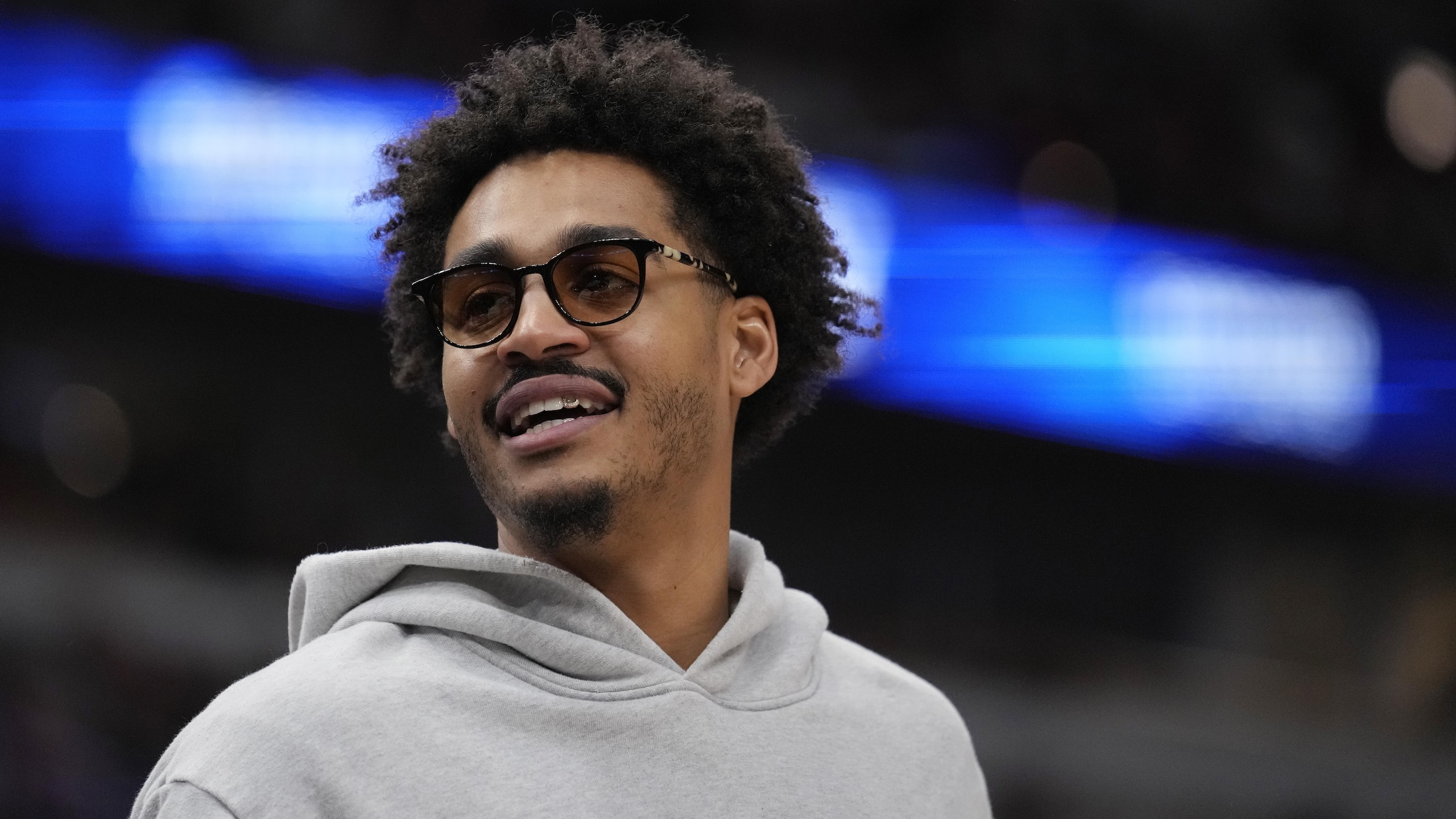
New Additions: C
Adding Jordan Poole certainly isn't going to bring a ton of stability to the New Orleans Pelicans' offense or defense, but his ability to take over a game as a jump shooter could take some pressure off Zion Williamson's drives (assuming he plays). Kevon Looney, on the other hand, is the model of consistency. And though he may not provide much in terms of raw production, his leadership could do a lot for a team that's struggled to find an identity in recent years.
Continuity: B-
There's an argument to try to move Zion and aim for a fresh start, but the duo of him and Trey Murphy III deserves a shot to show what it can do. And the Pelicans appear ready to give them that shot.
Draft: D
The upside of Jeremiah Fears, and to a lesser extent, Derik Queen, saved New Orleans from getting an F here. Trading up a few spots into the back end of the lottery for Queen, and burning an unprotected 2026 first to do it, is borderline organizational malpractice.
New York Knicks: 3.4
20 of 30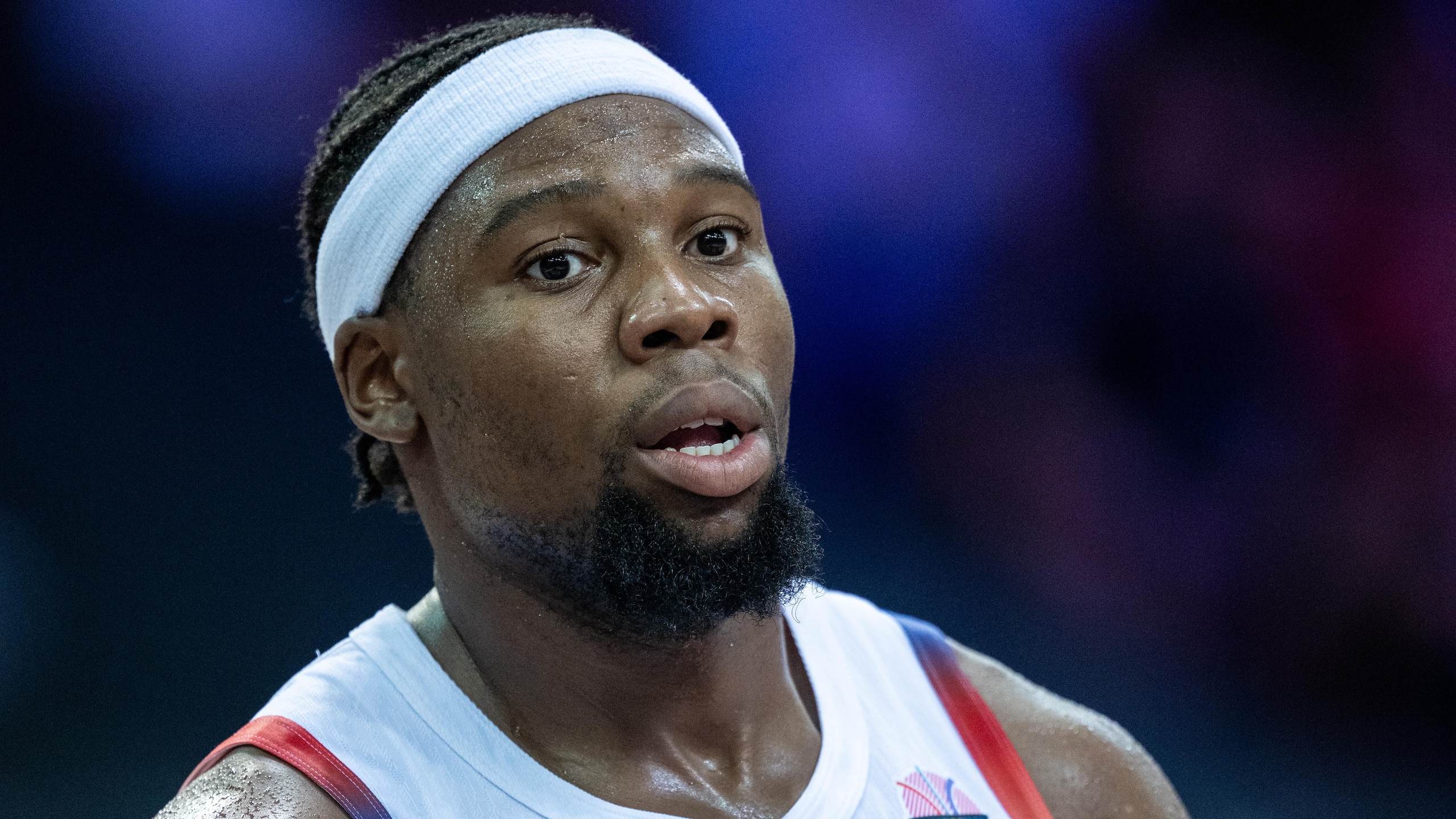
New Additions: A
The New York Knicks didn't really need to do anything drastic this offseason. They have one of the best starting fives in the league, so supporting players were all that made sense, and they landed a pair of good ones. Guerschon Yabusele returned to the NBA in 2024-25 and shot 38.0 percent from deep. And though Jordan Clarkson's assist numbers tailed off this season, he averaged 5.0 in 2023-24. Both could be critical components of an improved second unit.
Continuity: A
The Tom Thibodeau firing could still be the subject of some mild criticism, but the Knicks did well to keep much of the rest of their conference finalist together. The starting five of Jalen Brunson, Josh Hart, Mikal Bridges, OG Anunoby and Karl-Anthony Towns will be back and ready to make another run at the title.
Draft: C+
The Knicks only draft pick in 2025 was Mohamed Diawara (taken 51st), who could potentially be stashed overseas during the 2025-26 season.
Oklahoma City Thunder: 4.1
21 of 30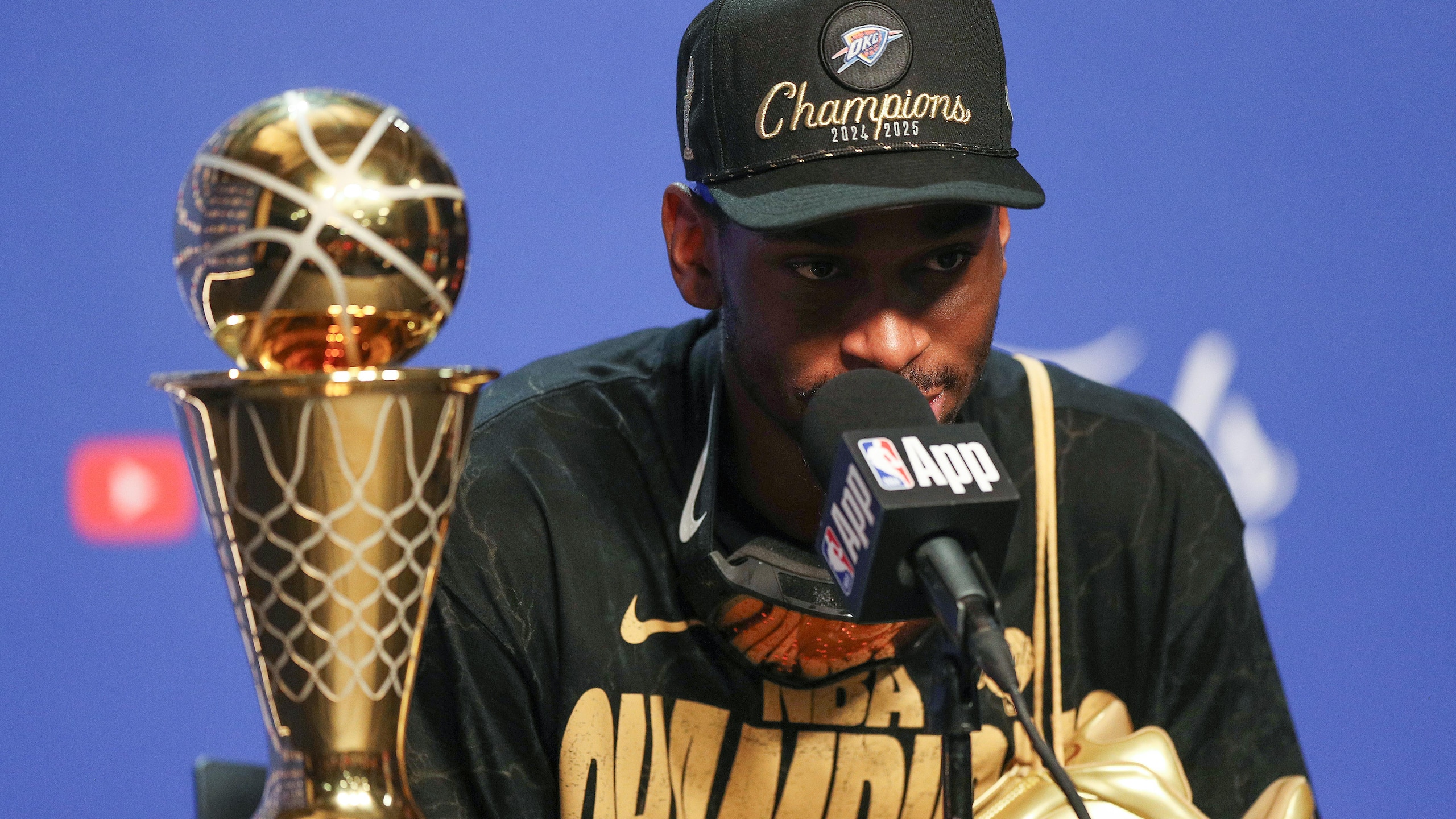
New Additions: A
No, the Oklahoma City Thunder didn't make any significant trades or free-agency additions, but they really didn't have to. Building the best and deepest roster in the league over the last handful of years provides more than enough spillover for an A here.
Continuity: A+
Not only are the Thunder bringing back almost the entire roster that just won the title, they inked all three of their best players to extensions this summer. Regardless of who else is around, as long as OKC has Shai Gilgeous-Alexander, Jalen Williams and Chet Holmgren are on the team, it'll be a championship contender.
Draft: A
Smart drafting has been a critical part of OKC's success, so they get a little benefit of the doubt here. But Thomas Sorber, who they took in the first round, was also one of this year's most intriguing freshmen (he averaged 14.5 points, 8.5 rebounds, 2.4 assists, 2.0 blocks and 1.5 steals in 31.3 minutes). And Brooks Barnhizer has enough feel for the game to realistically challenge for a roster spot.
Orlando Magic: 3.5
22 of 30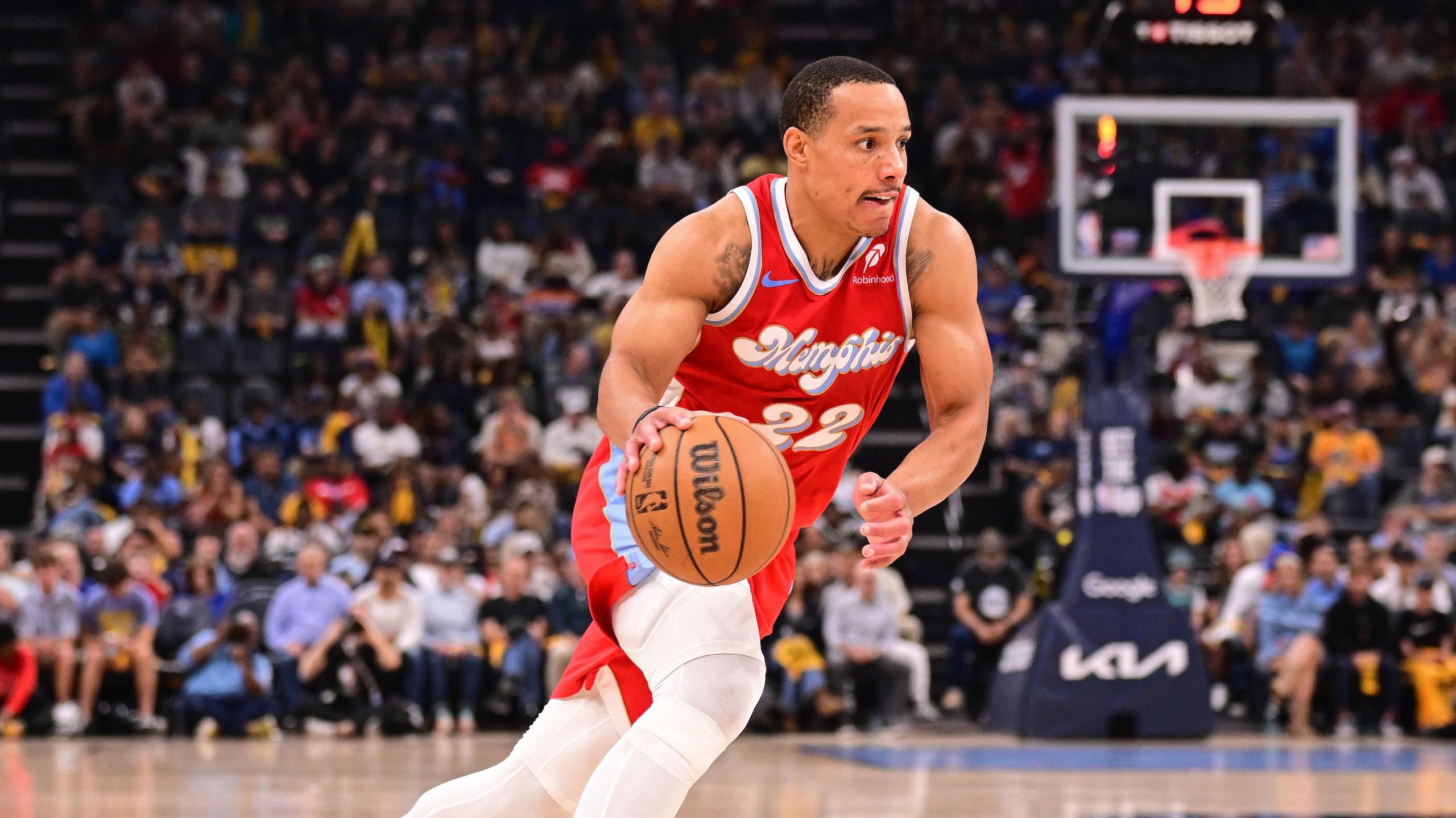
New Additions: A-
The Orlando Magic get a slight ding for the price they paid to land Desmond Bane, but they undoubtedly improved this offseason. Bane addresses the team's biggest need with his volume and accuracy as a three-point shooter. And Tyus Jones gives them another outside threat who's also a more reliable table-setter than Cole Anthony as the backup 1.
Continuity: A-
Orlando lost a handful of rotation players in Anthony, Gary Harris and Kentavious Caldwell-Pope, but the two most important players—Paolo Banchero and Franz Wagner—are still around. And they're now surrounded by a supporting cast that makes a little more sense.
Draft: B
He's undersized, but Jase Richardson shot 41.2 percent from deep as a freshman in 2024-25. And for a team so desperately in need of shooting, that and Richardson's pedigree (he is the son of former NBA player Jason Richardson) were more than enough reason to take him at No. 25. Had the team not paid a whopping four second-rounders to move up and take Noah Penda at No. 32, this grade would be a bit higher. That's not to say the French forward doesn't have a bright future ahead of him. It's just a lot to pay for any second-rounder who's yet to appear in the NBA.
Philadelphia 76ers: 2.7
23 of 30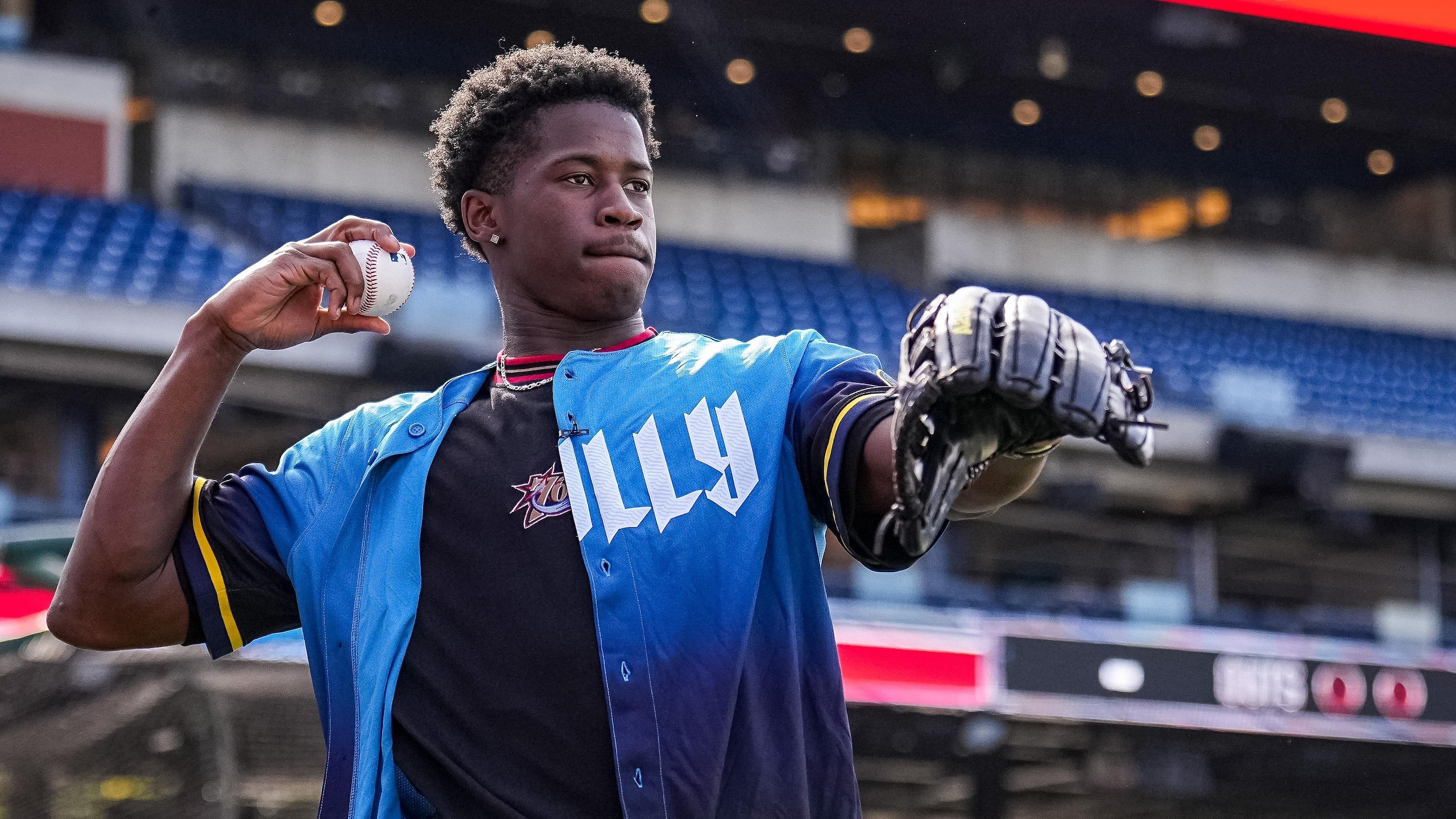
New Additions: D
The free agents signed by the Philadelphia 76ers this summer (Trendon Watford, Jabari Walker and Dominick Barlow) might struggle to make several rosters around the league. And given Philly's record and issues with availability last season, the front office could've justified dramatic moves (assuming there's much trade value left for Joel Embiid and Paul George).
Continuity: B
Assuming teams would be hesitant to give up assets for Philly's oft-injured stars, bringing everyone back for another go makes some sense. And at least in theory, a team with Embiid, George and Tyrese Maxey should be able to compete at the highest level in the league's inferior conference.
Draft: A
The real bright side for the Sixers comes from their young guards. This summer, Maxey and Jared McCain were joined by No. 3 pick V.J. Edgecombe, whose combo guard upside evokes images of a young Dwyane Wade.
Phoenix Suns: 1.8
24 of 30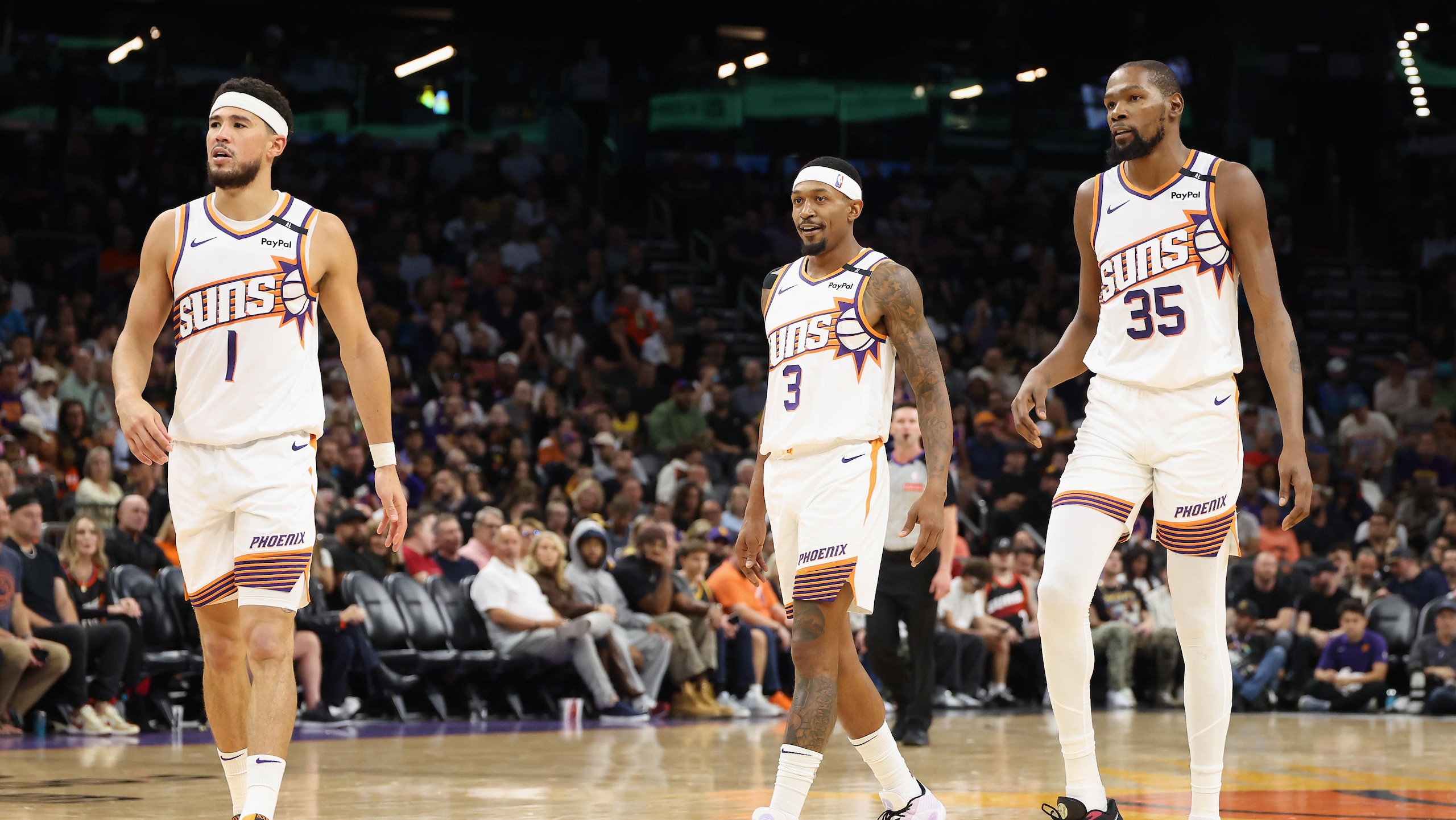
New Additions: D
Durant's age and injury history severely impacted his trade value, but replacing him with Jalen Green is still one of the biggest individual downgrades of the offseason. Mark Williams could help cover for some of Green's defensive shortcomings, but he also comes with major injury risks.
Continuity: D
The Phoenix Suns desperately needed to break up the Durant, Devin Booker and KD "big three," but they still get a D here, for seemingly being philosophically opposed to the idea of continuity for the last half-decade. Roster turnover is one of the only things you can count on during a Suns summer. And this year's came with a Bradley Beal waive-and-stretch that will put nearly $20 million in dead money on the Suns' books during each of the next five seasons.
Draft: B+
Khaman Maluach and Rasheer Fleming both have defensive upside for a team that will certainly need plenty of help on that end over the next few years. And Koby Brea, who the Suns landed in the second round, could be one of the best shooters in this class. Over the last two seasons, he hit 46.5 percent of his three-point attempts and 90.2 percent of his free throws.
Portland Trail Blazers: 3.3
25 of 30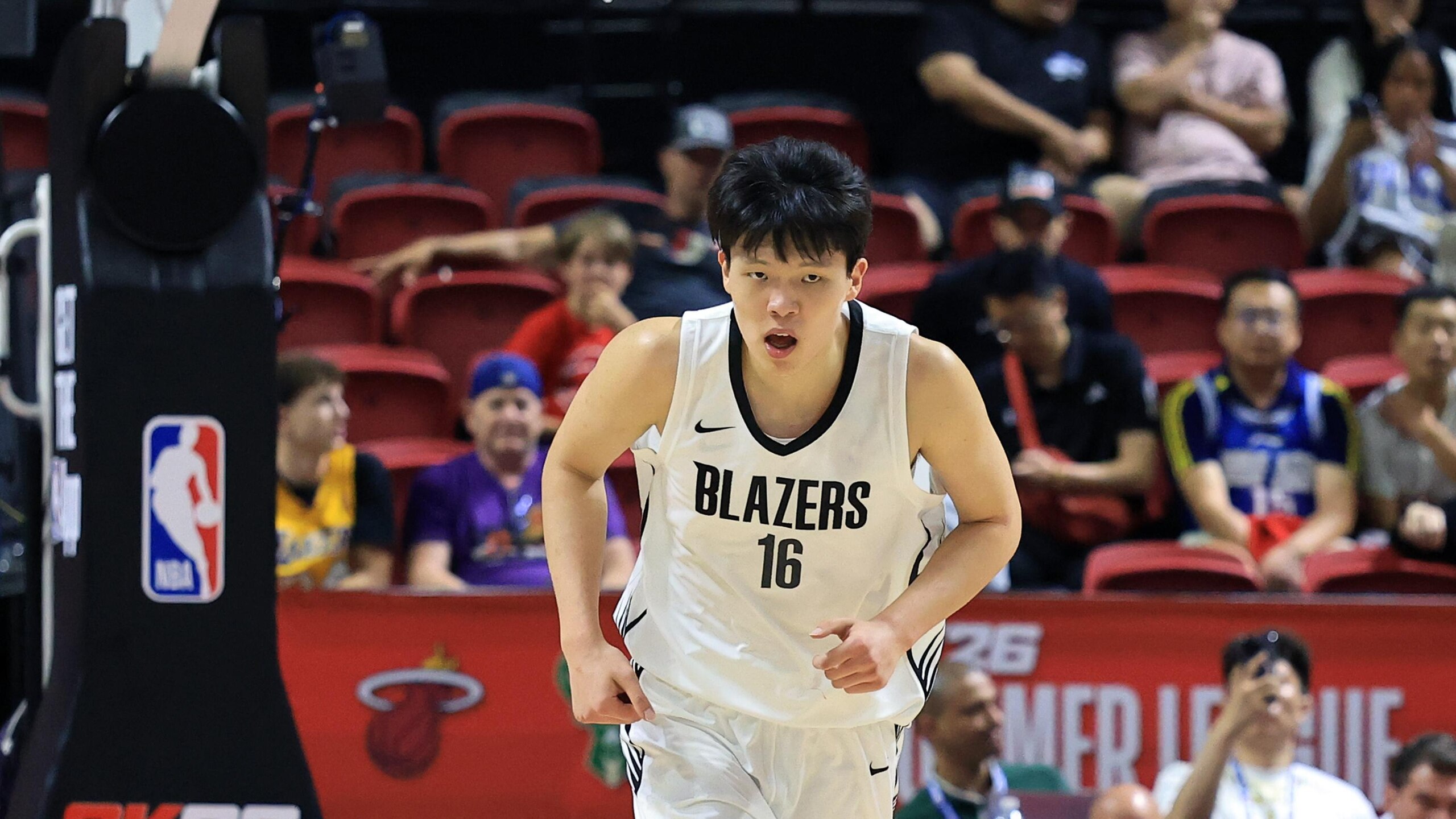
New Additions: B+
There's an argument that the Portland Trail Blazers should've slow-played things a bit more. There's plenty of developmental runway for Deni Avdija, Scoot Henderson, Shaedon Sharpe and Donovan Clingan, so a win-now acquisition like Jrue Holiday was a little surprising. But his experience, leadership and commitment to the defensive end could accelerate that development. And the return of Damian Lillard could help with the intangibles, too.
Continuity: A-
Portland scores a few points for that Lillard reunion, but this grade is also about the aforementioned young players coming back after a strong close to the 2024-25 campaign.
Draft: B
The 16th pick may be a little early to gamble, but the Blazers were feeling lucky in this draft and took 7'1" Yang Hansen there. Given the amount of young talent already on the roster, a swing for upside was probably fine. And though it'll take some time for Hansen to adjust to the speed and athleticism of the NBA game, his feel and passing ability could make him a real contributor.
Sacramento Kings: 1.9
26 of 30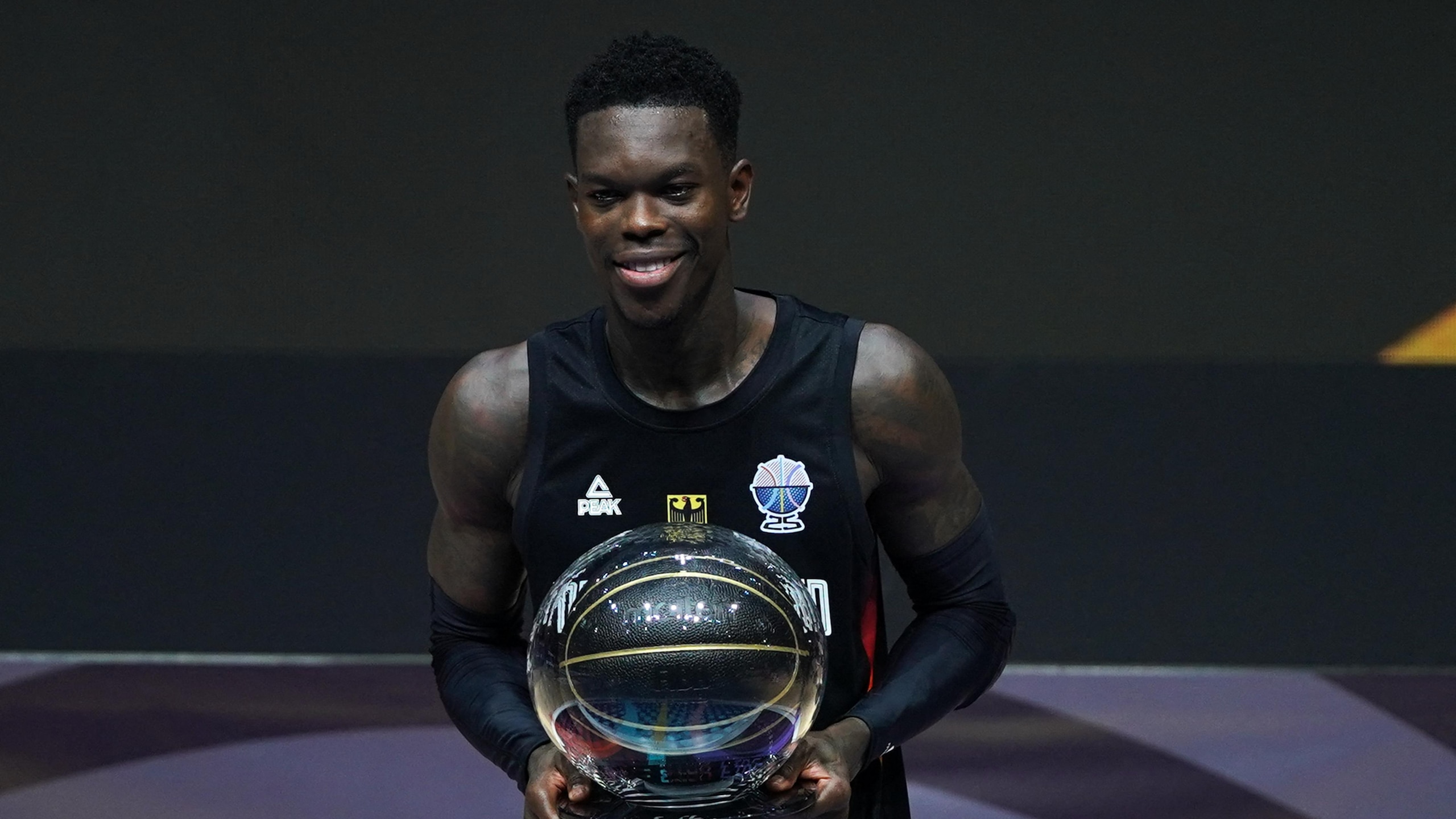
New Additions: D
Dennis Schröder, fresh off a run to the EuroBasket crown and a solid 2024-25 with the Nets, Warriors and Pistons, would have been a nice addition to plenty of benches around the league. But in the context of the Sacramento Kings, who need a starting 1 after trading away two All-Stars in recent years, he's an underwhelming signing. Add that to the fact that Sacramento salary-dumped Jonas Valančiūnas and added Dario Šarić to make room for Schröder, and it's tempting to go even lower than D.
Continuity: C-
Domantas Sabonis, DeMar DeRozan, Zach LaVine and Keegan Murray are all still around, but at this point, it's fair to wonder why. Forget the fact that the DeRozan-LaVine pairing didn't work in Chicago. There's solid evidence it doesn't work with Sabonis in Sacramento, either. Last season, the Kings were minus-4.0 points per 100 possessions when all three were on the floor.
Draft: B
The Kings picked up a pair of older players in the draft in Nique Clifford and Maxime Raynaud, but both look like the kind of players with enough feel for the game to at least be able to push for rotation minutes this season.
San Antonio Spurs: 3.7
27 of 30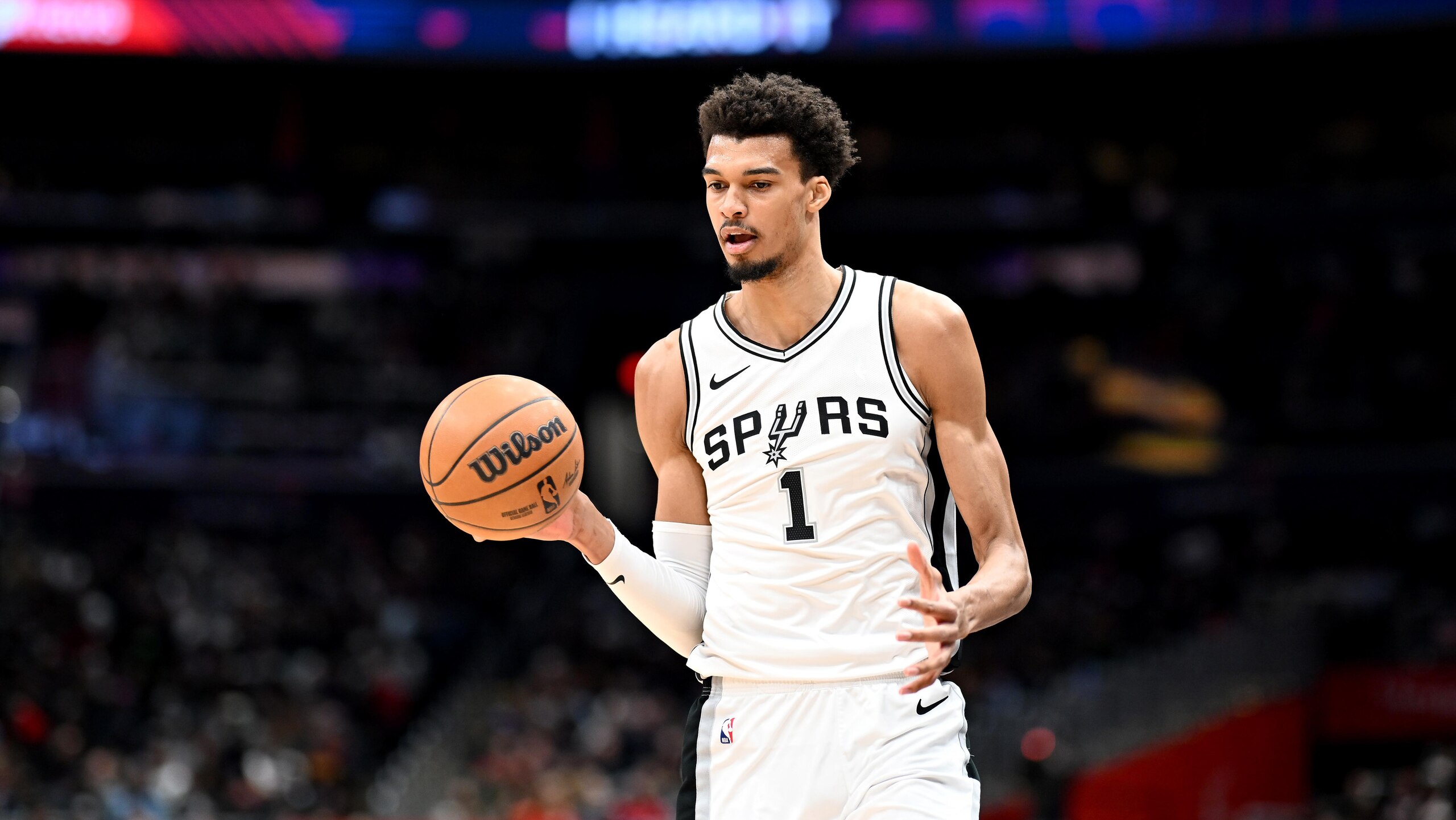
New Additions: B+
Adding Luke Kornet and Kelly Olynyk in the same offseason suggests the San Antonio Spurs may want Victor Wembanyama to a play a little more 4, and they can present different looks with either one. Kornet, at least in recent seasons, is more of an interior presence, which would allow Wemby to roam outside. Olynyk, on the other hand, is an outside shooter who'd pull defensive attention away from the rim and allow Wembanyama to attack more space inside.
Continuity: A-
The Spurs have the picks and contracts to make another splashy trade, but they seem content to build around Wemby relatively slowly and patiently. And given what we just saw from the Oklahoma City Thunder, it's hard to argue against that approach. Still, even without a drastic move this summer, San Antonio will enter 2025-26 with multiple stars (Wembanyama and De'Aaron Fox), developing wings and forwards and a recently bolstered frontcourt.
Draft: A
This feels like a tough No. 2 pick to botch, but the Spurs still get credit for making it. And even with Fox and Stephon Castle on the roster, Dylan Harper is an intriguing addition. There's enough length and athleticism between those three to play together. Adding Carter Bryant and his three-and-D potential to a wing rotation with Devin Vassell and Keldon Johnson was a smart play, too.
Toronto Raptors: 2.8
28 of 30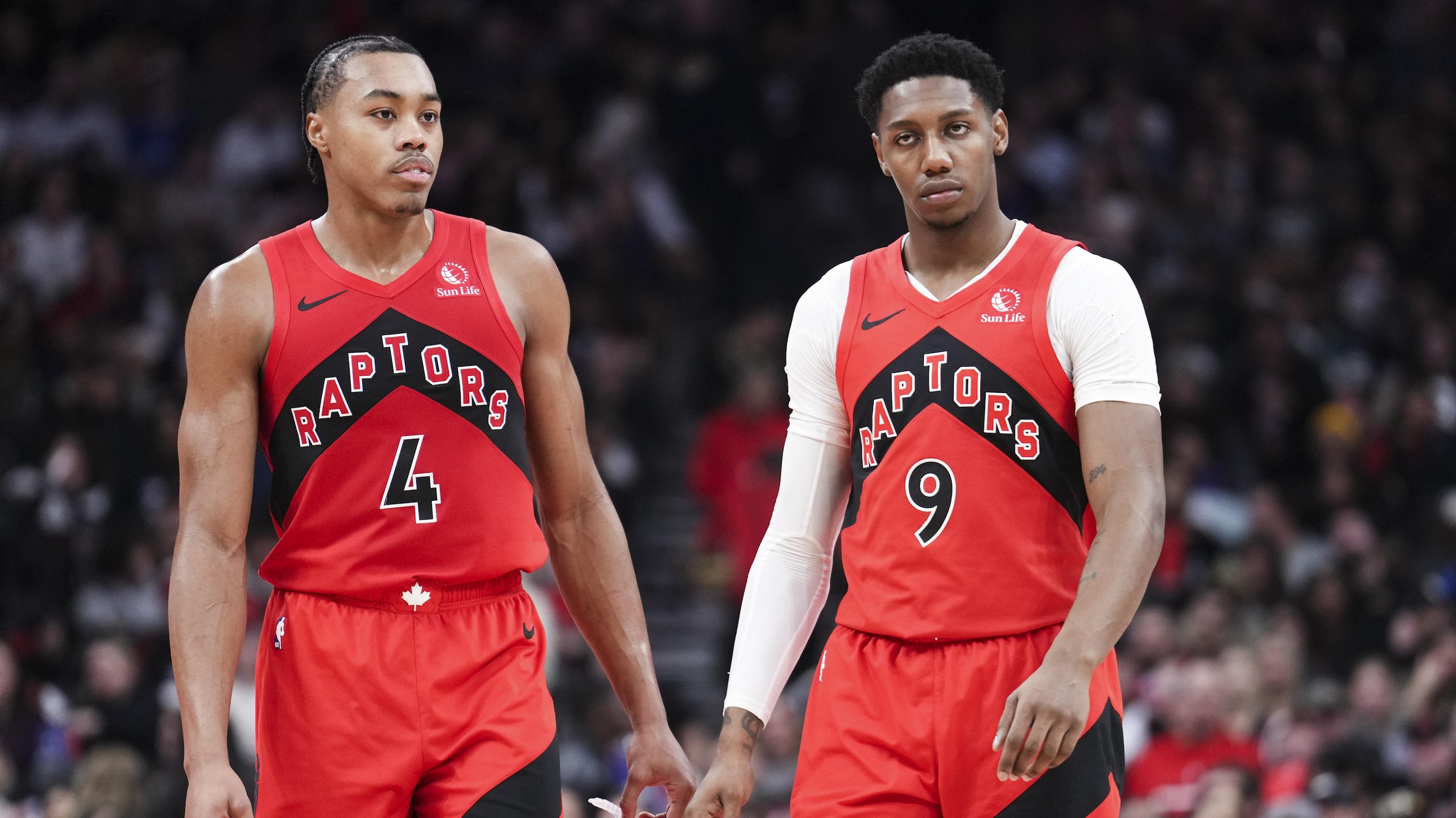
New Additions: C-
With all due respect to Sandro Mamukelashvili, him being your biggest offseason pickup is a sign of a quiet summer. The 26-year-old stretch big did shoot 37.3 percent from deep last season, but the last few months were all about continuity for the Toronto Raptors.
Continuity: B+
And that's fine. Brandon Ingram didn't play a second for the Raptors last season, so we've yet to see how he fits with Scottie Barnes, RJ Barrett, Immanuel Quickley and Jakob Poeltl (who inked a new deal this summer). If everyone can stay moderately healthy, Toronto could potentially challenge for a play-in spot. At the same time, given what we've seen so far from each of the individual players, it's hard to imagine a whole lot more than that.
Draft: B+
With the ninth pick in the draft, the Raptors selected one of the most versatile defenders in the class in Collin Murray-Boyles. With some playmaking chops, he might be able to help on offense, too. But his upside will ultimately depend on if he ever figures out how to shoot.
Utah Jazz: 3.3
29 of 30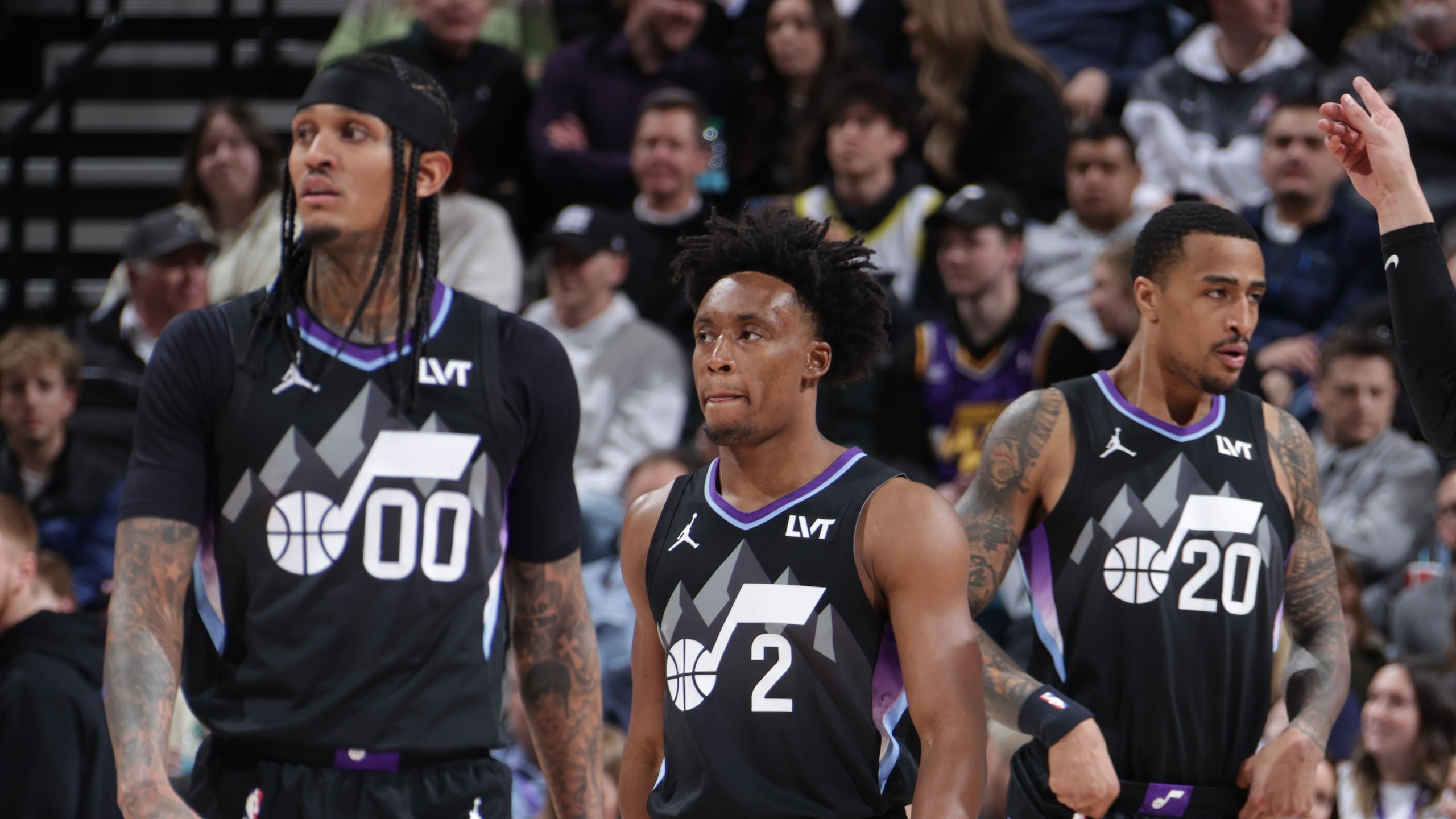
New Additions: B
Like the Celtics, the Utah Jazz got objectively worse this offseason, but they still get fine marks for moving the direction they should have. And some of the veterans they brought in as part of the overhaul that sent John Collins, Collin Sexton and Jordan Clarkson elsewhere could have some trade value to exploit between now and February. Jusuf Nurkić, Kyle Anderson, Georges Niang and maybe even Kevin Love could eventually be flipped for young players or second-round picks.
Continuity: B
This is another team that passes that subject despite heavy roster turnover. Again, continuity isn't always a good thing. And Utah needs to keep leaning into this rebuild. It hung onto Lauri Markkanen this offseason, but there's an argument that the Jazz should've moved on from him and fully into the tank.
Draft: A
Ace Bailey's draft night slide blessed Utah with his presence on the roster, but he's not the only incoming rookie worth mentioning. Walter Clayton Jr. is coming off a national championship run in which he averaged 18.3 points, 4.2 assists and 3.0 threes, while shooting 38.6 percent from deep.
Washington Wizards: 3.7
30 of 30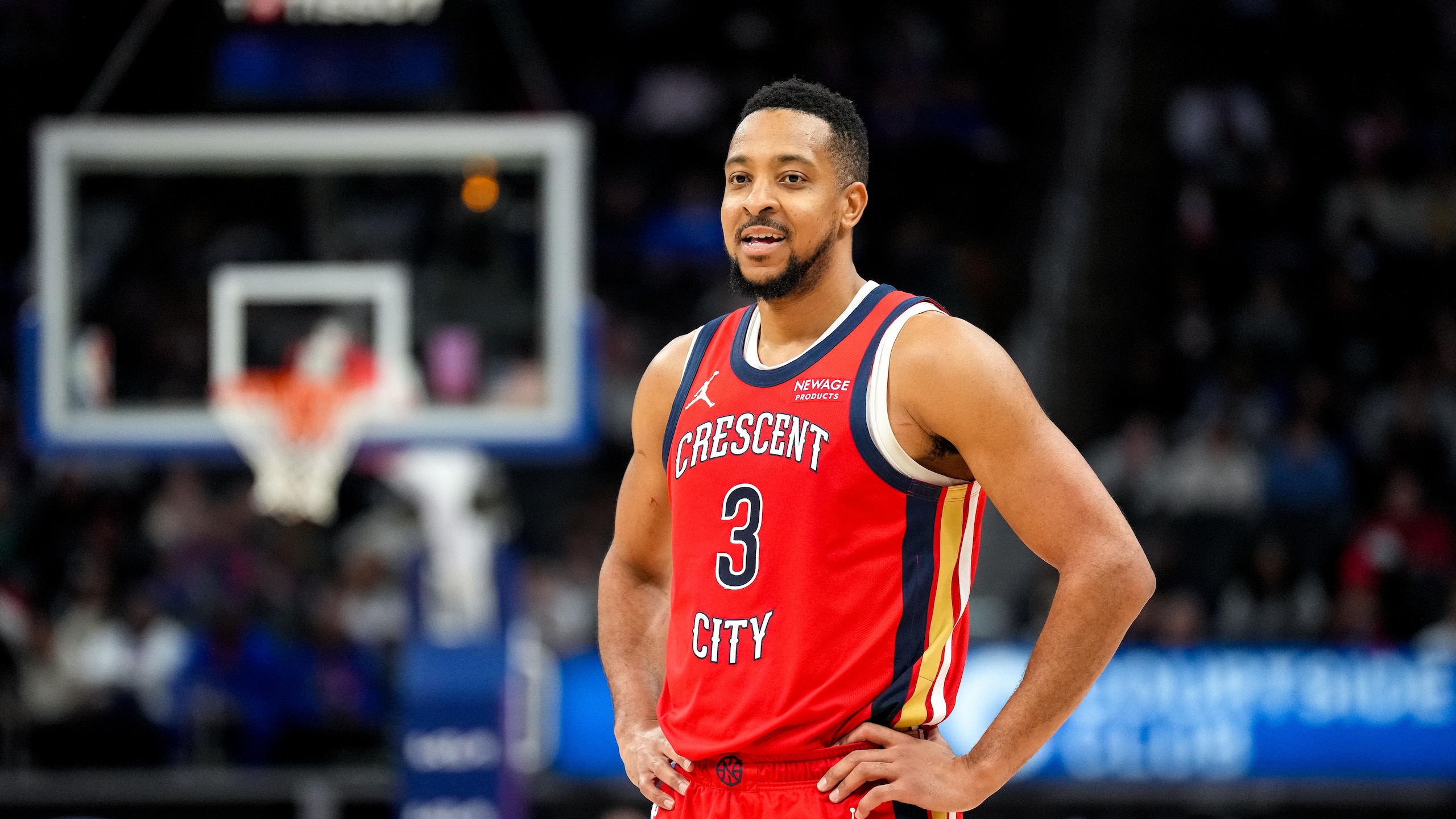
New Additions: A-
The Washington Wizards didn't do anything spectacular this offseason, but the acquisitions of both CJ McCollum and Cam Whitmore can pretty easily be sold as positives. The former allowed Washington to get out of Jordan Poole's contract (which expires a year later than McCollum's), while also giving it a guard who could be traded for more in February. The latter is a classic flyer on a first-round talent who just didn't fit in at his first stop. And
Continuity: A-
Poole was a big part of the Wizards' on-court product last year, but it wasn't hard to see that he may not be a big part of the future. That belongs to Alexandre Sarr, Bilal Coulibaly and the rest of a young core that should get more opportunities this season.
Draft: A-
Washington found an heir to its shooting guard spot when it drafted Tre Johnson with the sixth overall pick. As a freshman in 2024-25, Johnson averaged 19.9 points, 2.7 assists and 2.7 threes, while shooting 39.7 percent from deep and 87.1 percent from the line. But that wasn't all. They also added a multipositional forward in Will Riley later in the first round.

.jpg?w=2560 "Bears TE Out for Season")
.jpg?w=2560 "Reported Details of Seahawks-K9 Split")