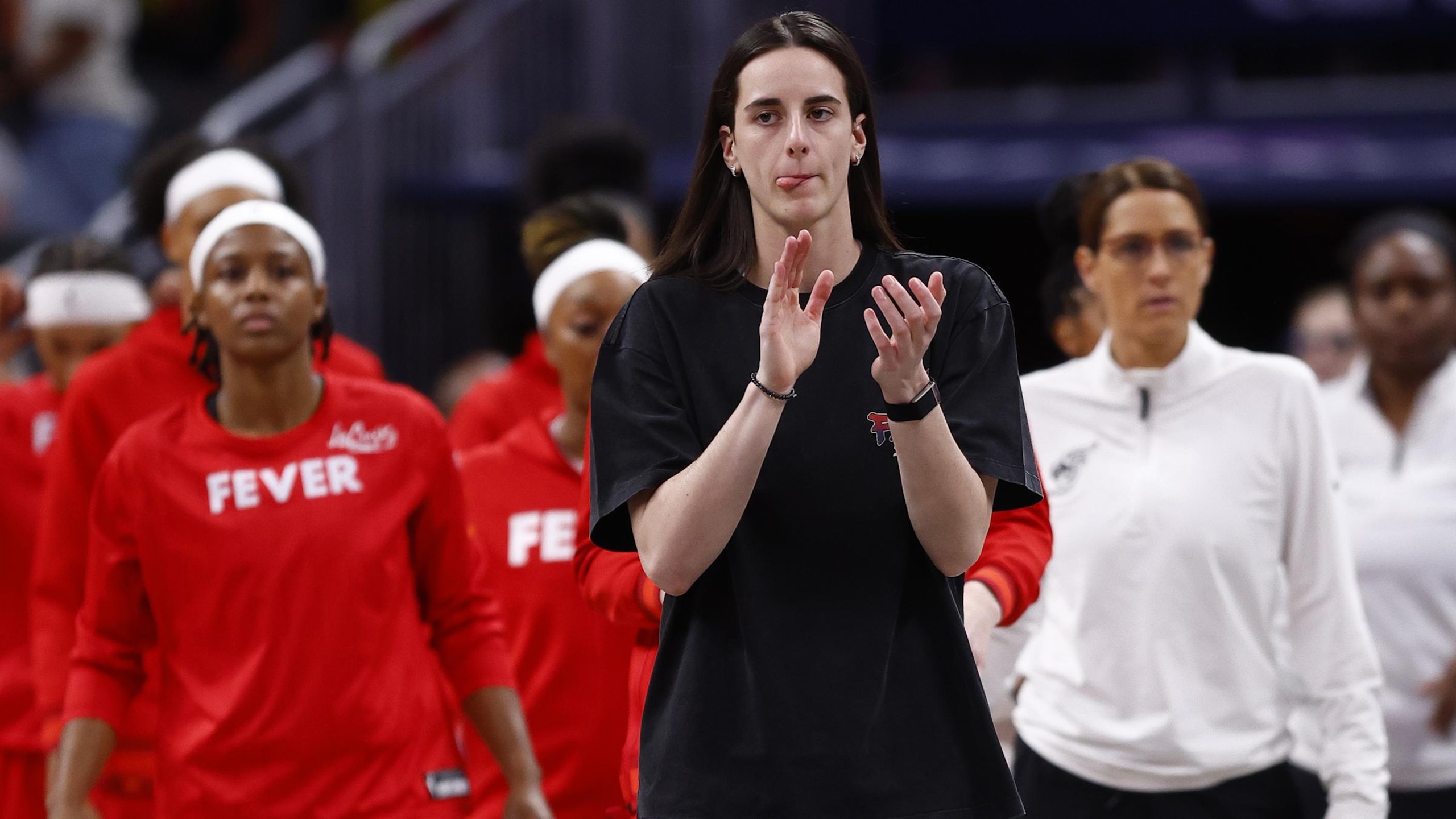

WNBA Breaks Regular-Season Attendance Record, Caitlin Clark's Fever Draw Most Fans
The WNBA set a new regular-season attendance record on Friday, reaching the 2.43 million mark, per Colin Salao of Front Office Sports. The previous record was 2,364,736 fans back in 2002.
Caitlin Clark's Indiana Fever are the current attendance leaders, with over 300,000 fans at the team's 18 home games this season.
Clark has only appeared in eight of those home games, as groin injuries have limited her this season. The hope for the Fever is that she'll be back before the postseason begins.
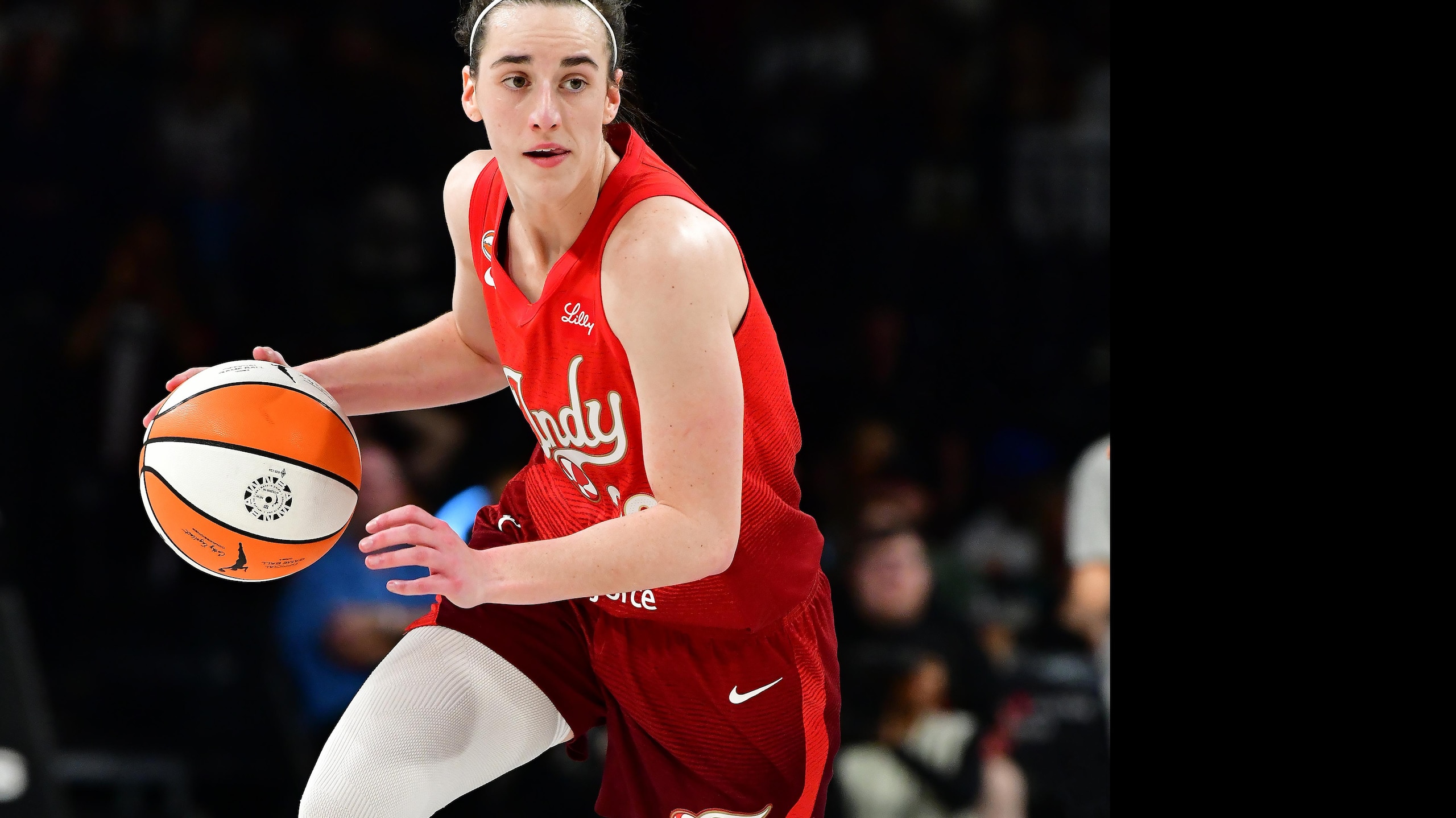
"That's the hope," head coach Stephanie White told reporters Sunday when asked if Clark would return before the end of the regular season. "The hope is that she's back."
"The experience throughout the year, trying to come back and come back quickly, has also taught her that she needs to make sure that she's 100 percent," White added. "Yes, every competitor wants to play, but at the same time doing it the right way and making sure, after we've had a couple of setbacks, that we're prioritizing her long-term health and wellness is the most important thing."
Nonetheless, the draw of Clark has helped to make the Fever the hottest WNBA ticket in town. But the overall bump in attendance this season has happened due to a number of other factors as well.
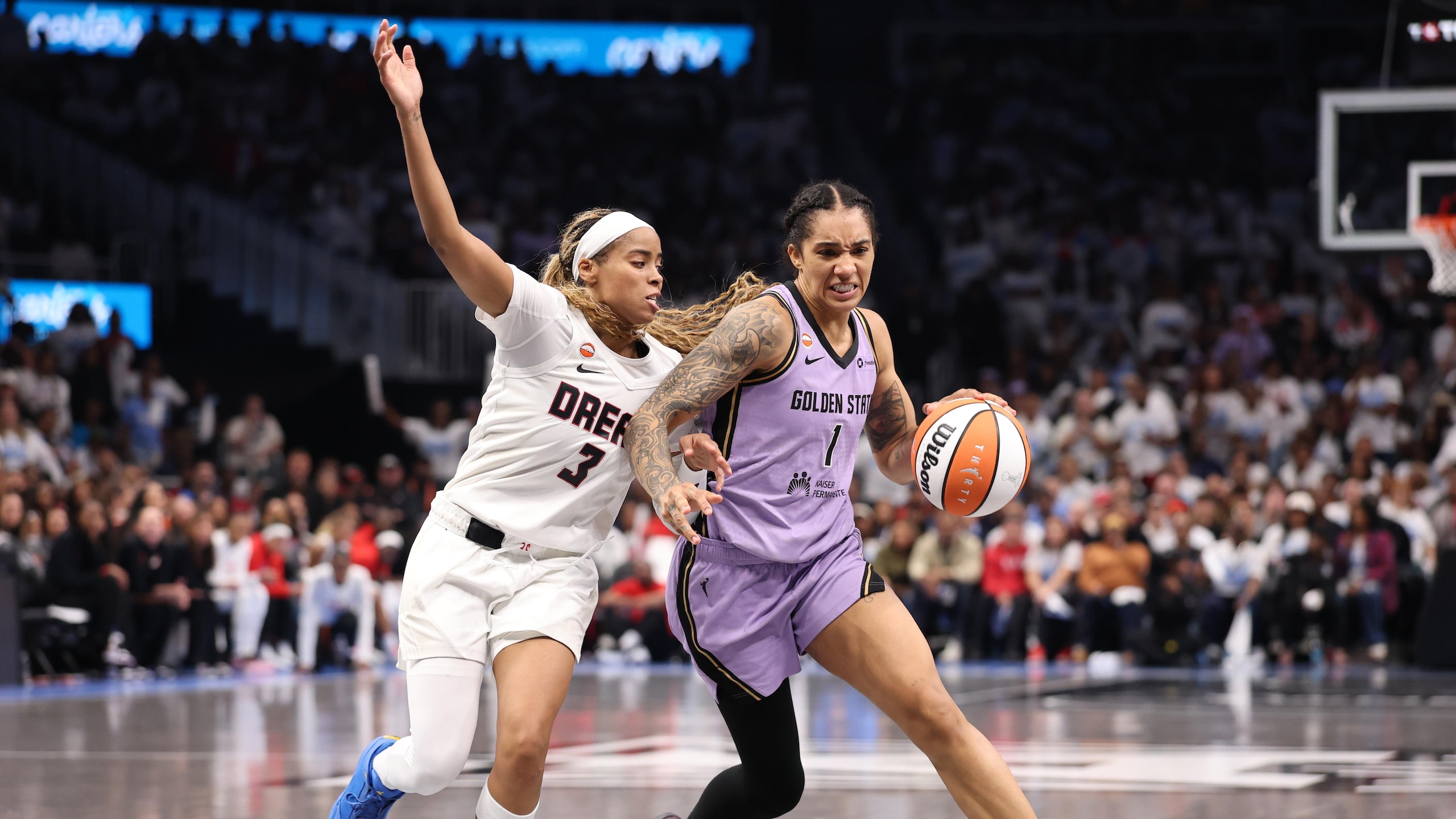
As Salao noted, "The Golden State Valkyries are the biggest drivers of the attendance increase, as they have sold out all 16 home games at Chase Center in their inaugural season (289,024 total attendees)."
The New York Liberty have also seen a 29 percent increase in attendance.
The WNBA is currently well on pace to exceed the three million mark for attendance this season, and as the popularity of women's basketball continues to surge, those numbers should only rise in the coming years. That will be aided by the addition of expansion franchises in Toronto and Portland in 2026 and Cleveland in 2028, Detroit in 2029 and Philadelphia in 2030.
_0.png?w=2560 "CFB Top 25")

.png?w=2560 "Week 8 Winners & Losers 📊")
.jpg?w=2560 "Jonathan Taylor Landing Spots 📍")





