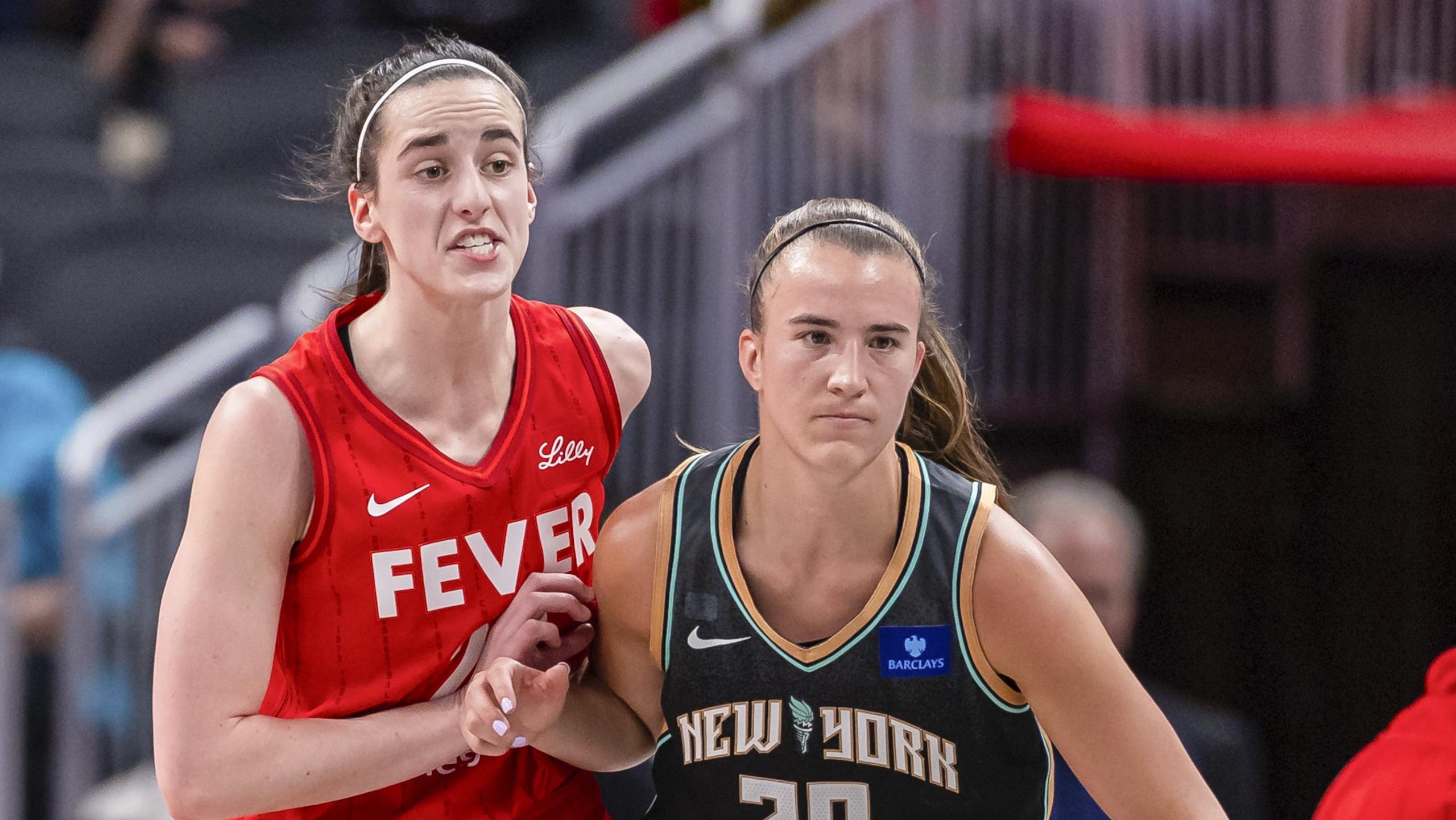

WNBA Contenders Most In Need of a Trade at the Deadline
As the WNBA trade deadline approaches at 3 p.m. ET on Thursday, multiple playoff contenders find themselves at a crossroads. With key weaknesses lurking beneath strong records, six teams ride the edge between title hopes and missed opportunities. A trade could be the spark they need.
Unlike past seasons where one or two superteams dominated the narrative, 2025 has been defined by parity. The standings are tightly packed, and a two-game swing can mean jumping from home-court advantage in Round 1 to barely clinging to a postseason berth. Injuries, inconsistent rotations and roster imbalance have left even top tier squads vulnerable.
Coaches and GMs now face the high-wire act of improving without disrupting chemistry. The market features veteran scorers, defensive stoppers and versatile role players, but demand is high and supply is limited.
That urgency is why these six contenders are under the most pressure to act.
Seattle Storm (16-14)
1 of 6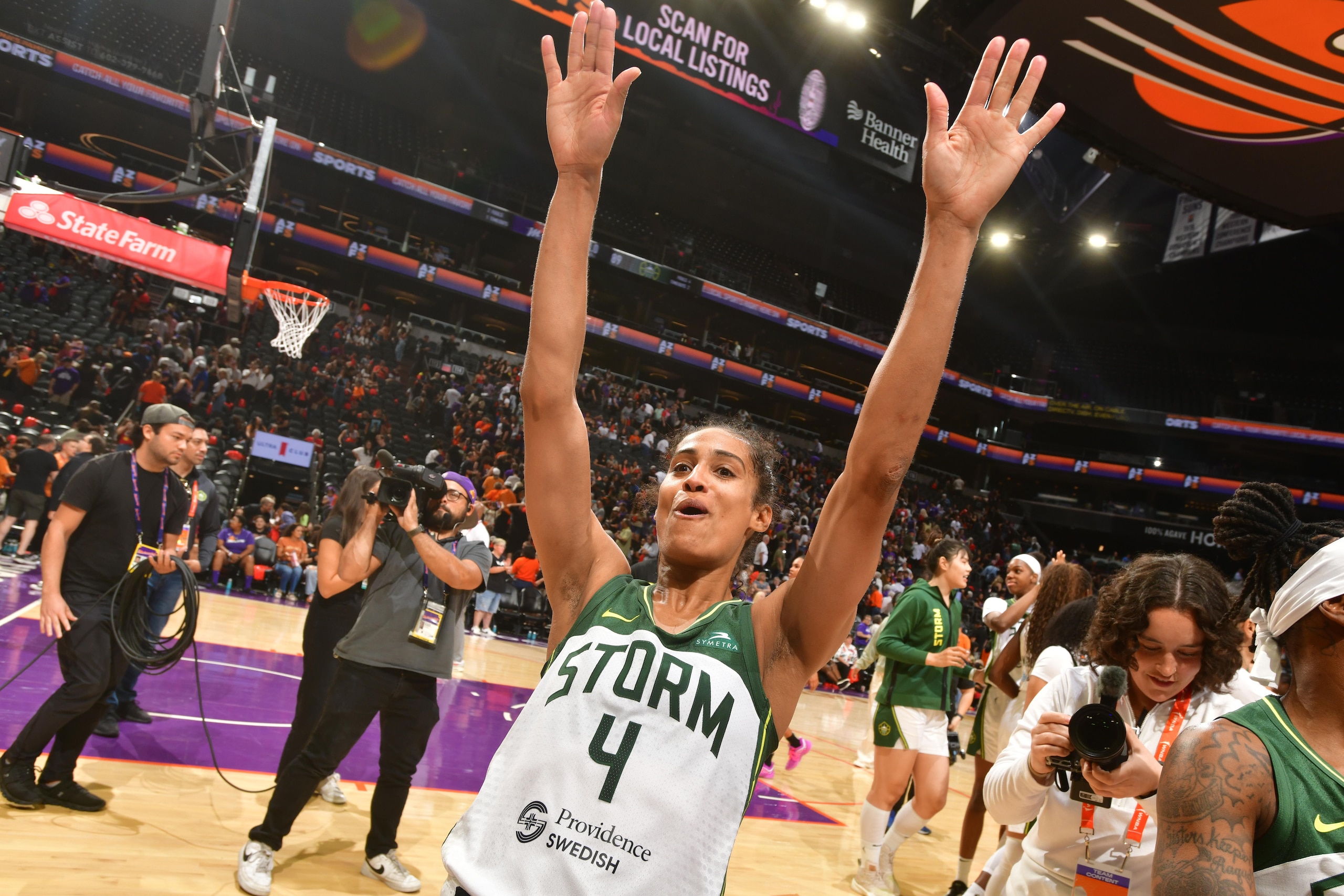
Areas of Need
Seattle’s season has been a roller coaster. Its trio of Skylar Diggins‑Smith, Nneka Ogwumike and Gabby Williams can win games on their own, but inconsistency from the supporting cast has the Storm sitting in sixth place instead of battling for home‑court advantage. The offense can light up a scoreboard one night and stall the next. That unpredictability is a dangerous trait in a best‑of‑five or seven‑game playoff series.
The front office made a significant move Tuesday, landing WNBA All‑Star Brittney Sykes from Washington in exchange for Alysha Clark and their 2026 first‑round pick. Sykes brings elite perimeter defense, athleticism and the ability to push pace.
Her presence immediately strengthens their backcourt on both ends. She can disrupt opposing guards, create transition chances and slide into multiple lineup combinations without the offense grinding to a halt.
Even with Sykes on board, the Storm still have work to do. Bench scoring remains a glaring concern. When the starters sit, production too often dries up, forcing heavy minutes on the core trio and limiting lineup flexibility. Sykes can generate offense through transition play and occasional drives, but she is not a high‑volume scorer in the half court.
Seattle still needs a dependable second‑unit shooter who can keep the floor spaced and punish defenses for loading up on Ogwumike.
Defensive lapses in spurts have also cost them games. Switch‑heavy schemes and fast‑paced opponents have found ways to exploit mismatches late in possessions. Sykes’ defensive instincts and motor will help reduce those breakdowns, but adding more depth on the wing or in the frontcourt would give them greater matchup coverage.
Seattle still has two first‑round picks in 2026 and movable contracts to work with. That flexibility gives it the ability to make another deal before the deadline if the right fit appears. The Sykes trade is a step toward tightening the rotation for playoff basketball, but in a loaded top half of the league, one move will not be enough.
Potential Targets
The rumor mill among contenders highlights a few fit options for Seattle. Connecting the dots from their needs and assets, two names stand out.
Marina Mabrey from the Sun is a pure scorer who can shoot to stretch the floor. She has off-ball IQ and clutch range. Mabrey would plug a shooting hole and give defenses another danger beyond Diggins-Smith and Williams.
If Seattle can land Chicago's Rachel Banham, it would give the team spacing that forces opponents to pick their poison. Her perimeter gravity opens driving lanes and brings instant offensive credibility in half-court and transition situations.
Potential trade proposals would likely involve role players like the injured Katie Lou Samuelson alongside draft assets. Seattle's structure makes it possible to pull one of these off without derailing chemistry or sacrificing long-term flexibility.
Seattle needs one of these depth movers. Someone who can stabilize the second unit, provide spacing, or lock down wings consistently. If the Storm strike a balance between need and fit, that deadline addition could tilt them from a volatile playoff team to a serious threat.
Indiana Fever (17-13)
2 of 6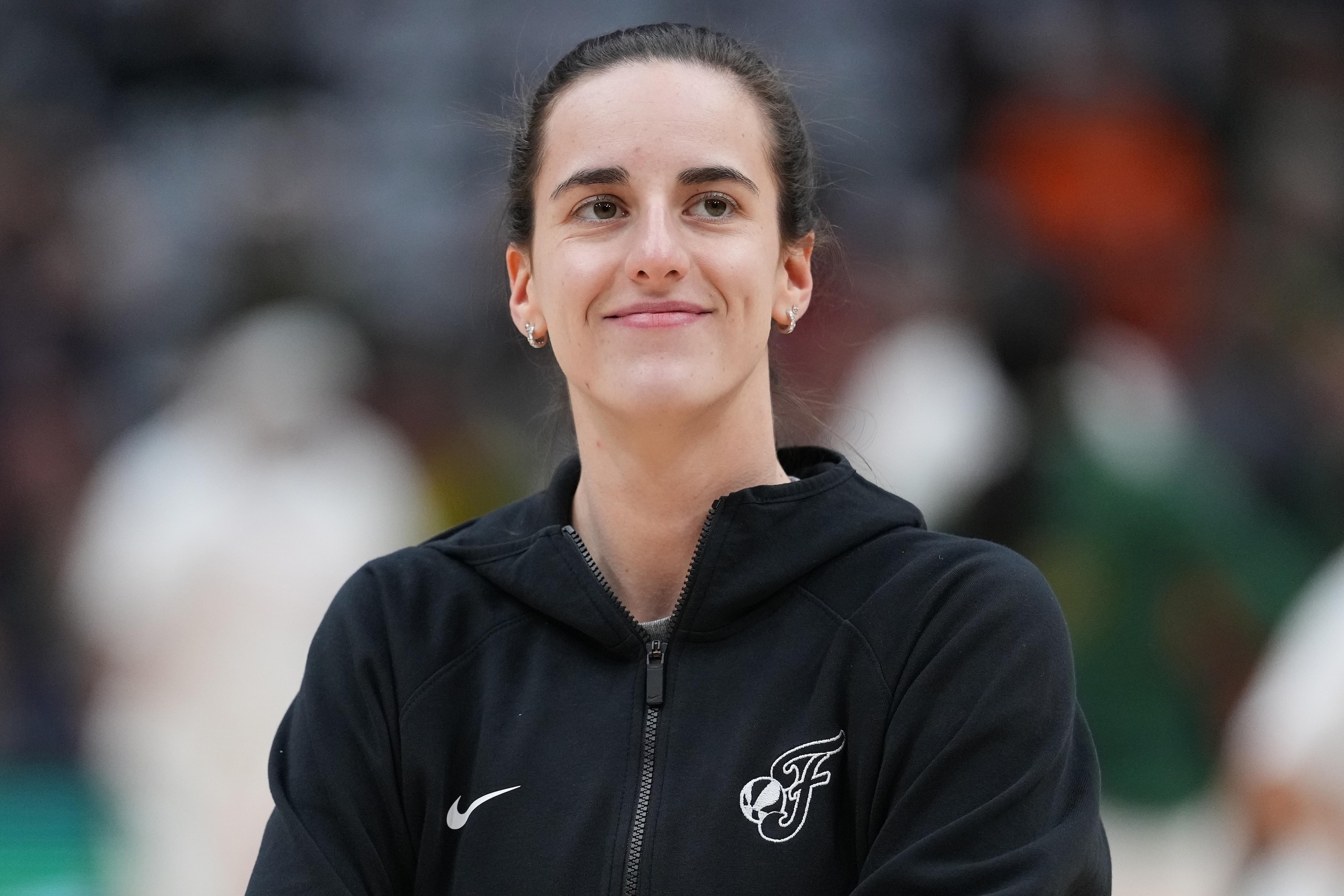
Areas of Need
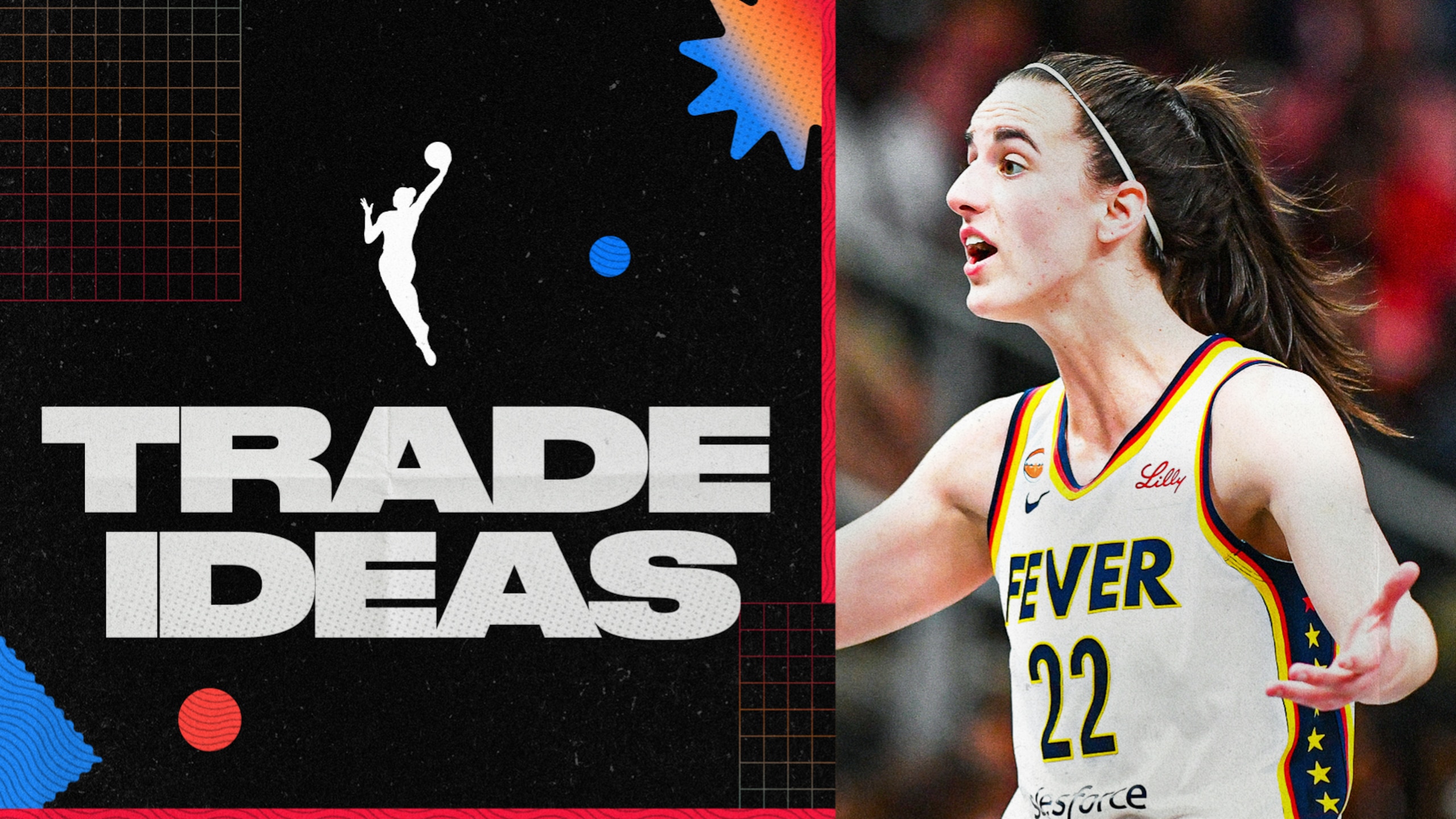
The Fever have put themselves in position to make a postseason run. They have climbed into the top half of the standings despite Caitlin Clark being sidelined with a right groin injury, her third soft‑tissue setback of the season. Kelsey Mitchell has kept the offense afloat, and recent waiver‑wire moves have helped stabilize the rotation. Still, depth remains the critical issue.
They need another wing who can play both ends and be a reliable frontcourt reserve. The Fever’s scoring can dry up when Clark is out, and while the addition of Chloe Bibby as a stretch forward was a smart midseason move, she alone cannot solve the spacing and size problem.
A secondary scorer on the wing would prevent opponents from loading up on Mitchell, and a strong rebounding presence would help limit second‑chance points.
The Fever’s defense has improved but still struggles against physical, multi‑option frontcourts. That weakness can be magnified in a playoff series. Foul trouble or injury could quickly expose their lack of size, so a rotation big who can handle defensive assignments without being a liability on offense is essential.
The team’s front office has already shown an ability to find value on the margins. Now is the moment to turn that same skill toward a targeted trade that bolsters their postseason rotation without disrupting the chemistry that has fueled their climb.
Areas of Need
The market has a few realistic options who fit Indiana’s needs. Myisha Hines‑Allen would be a natural frontcourt addition. She brings strength on the boards, can defend multiple positions and has enough scoring touch to punish smaller defenders. Her presence would give Indiana a sturdier inside‑out balance and take some pressure off the starting front line.
Kia Nurse is another player who makes sense. She can knock down shots from the perimeter, defend on the wing and give the second unit a reliable scoring outlet. Her playoff experience would be a welcome boost for a team that has not made a deep run in years.
Given their cap space and position in the standings, the Fever can afford to be opportunistic. They do not need a roster overhaul. They need two or three dependable playoff minutes‑eaters who can stabilize the rotation when the stars rest. If they find those pieces, Indiana will be more than just a feel‑good story. It will be a real threat in the postseason.
Phoenix Mercury (18-11)
3 of 6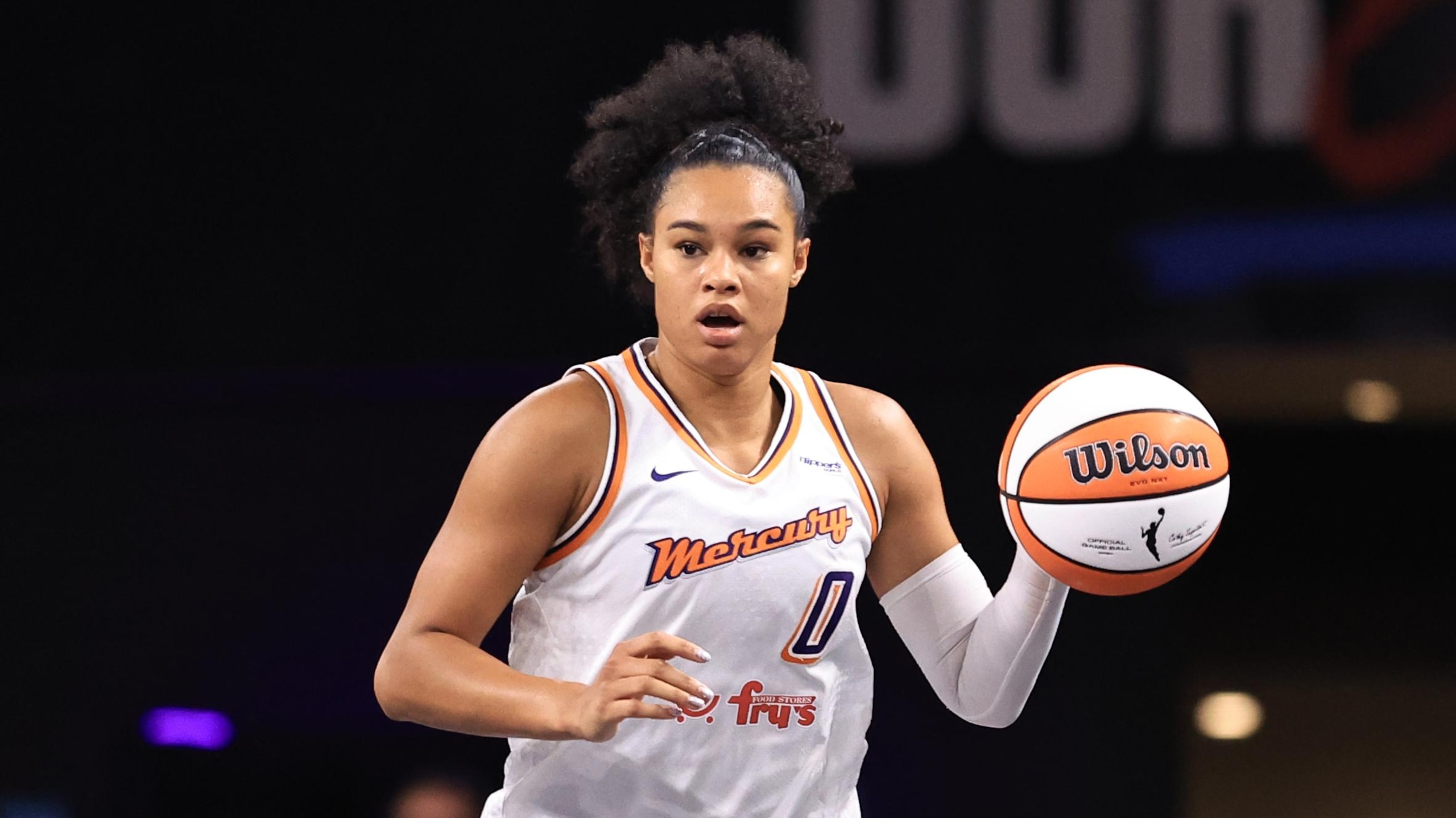
Areas of Need
The Mercury started the season hot but have hit turbulence over the past few weeks, losing five of their last seven. Home‑court advantage in the first round is no longer a given. On top of that, All‑Star forward Satou Sabally missed a game for personal reasons shortly after being benched for what head coach Nate Tibbetts called a lack of energy. While the team says the two situations are unrelated, the timing has raised questions.
The roster is still top‑heavy, and the supporting cast has been inconsistent. Phoenix has a pressing need for frontcourt depth to protect against foul trouble, injuries and matchup problems in the playoffs.
The Mercury also need more reliable three‑point shooting. They take the third‑most threes in the league at nearly 28 attempts per game, but Kahleah Copper and Monique Akoa Makani are the only rotation players hitting above 36 percent. That is not enough for a team that leans so heavily on spacing to open driving lanes.
Without reinforcements, Phoenix runs the risk of getting worn down in a seven‑game series. The playoffs demand a deep bench that can sustain the team’s style and physicality for forty minutes. This roster needs another dependable contributor in both the frontcourt and the backcourt if it wants to keep pace with Minnesota, New York and other top‑tier opponents.
Potential Targets
The Mercury have a few realistic avenues to address their needs. The Mystics' Stefanie Dolson would give them a proven veteran center who can rebound, defend the paint and stretch the floor with her shooting. She would fit perfectly as a rotational big who can keep the offense flowing and hold her own defensively against elite post players.
Rachel Banham could address the shooting issue directly. She is a career 37 percent three‑point shooter with the ability to come in cold and change the rhythm of a game. Her presence would take defensive attention away from Copper and provide a spark when the offense stalls.
The Mercury do not need a complete retool. They need two rotation‑ready players who can shoot, defend and give consistent effort. If they add the right pieces, they can regain their early‑season form and head into the playoffs without glaring weaknesses.
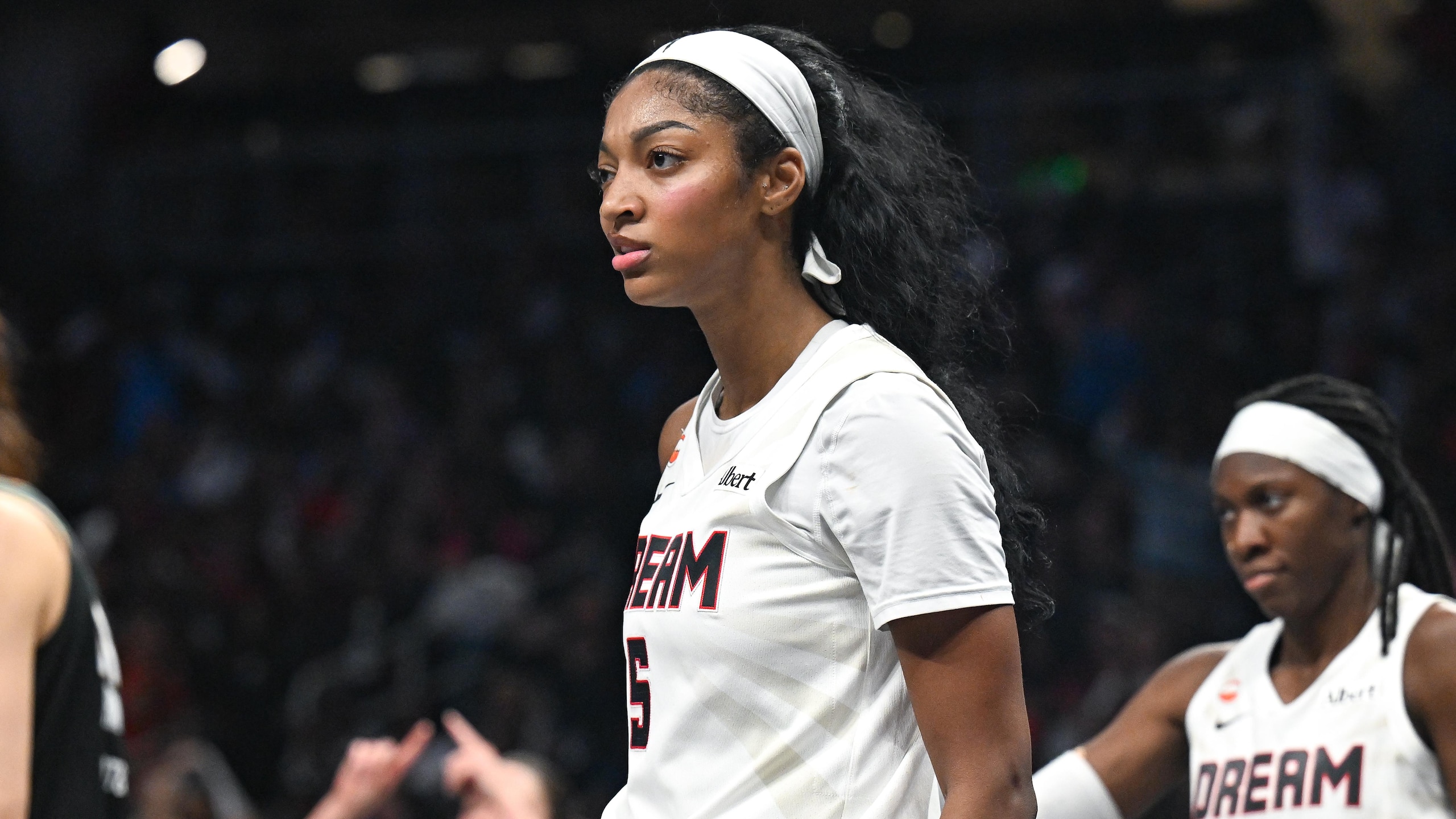
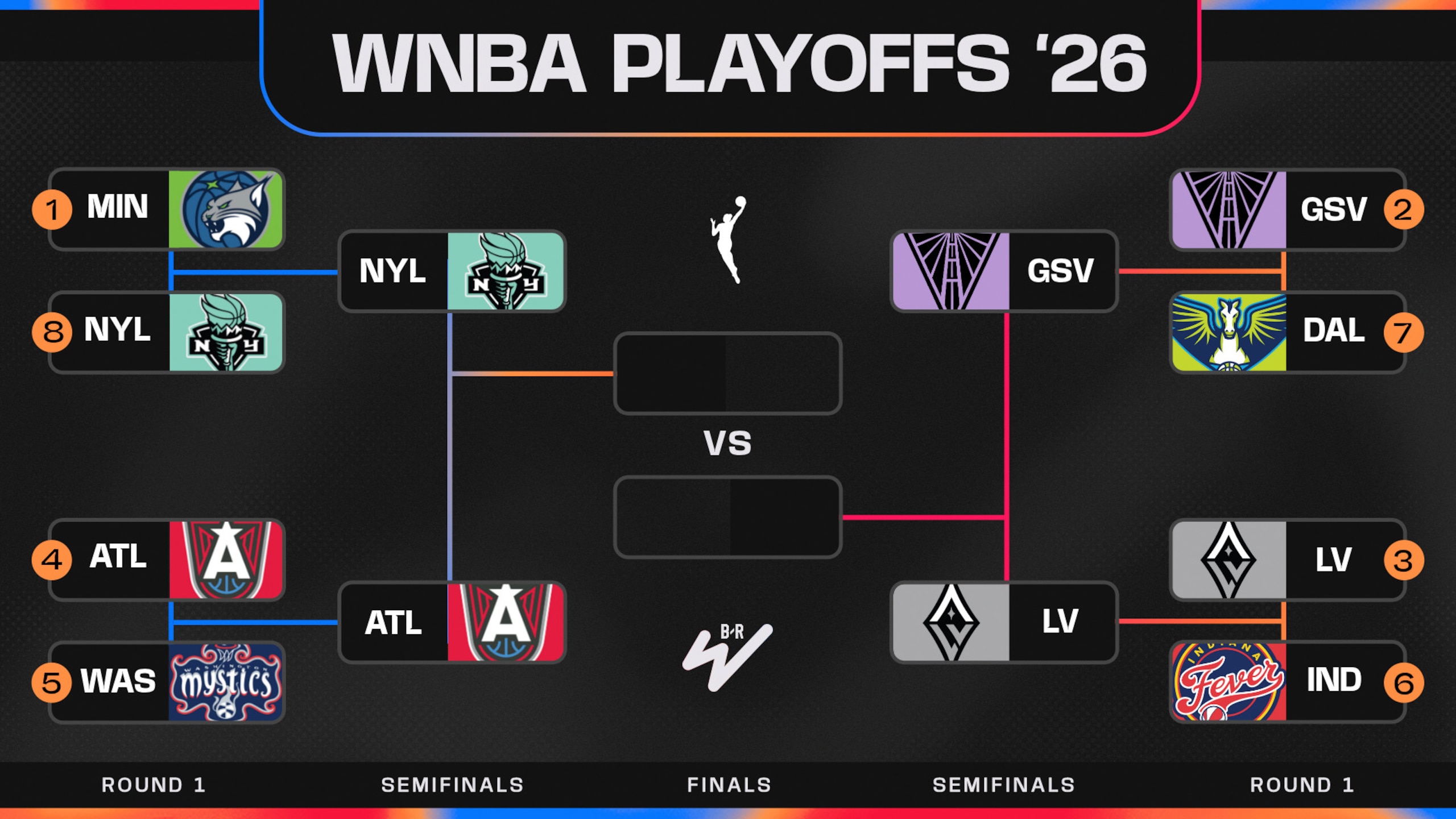
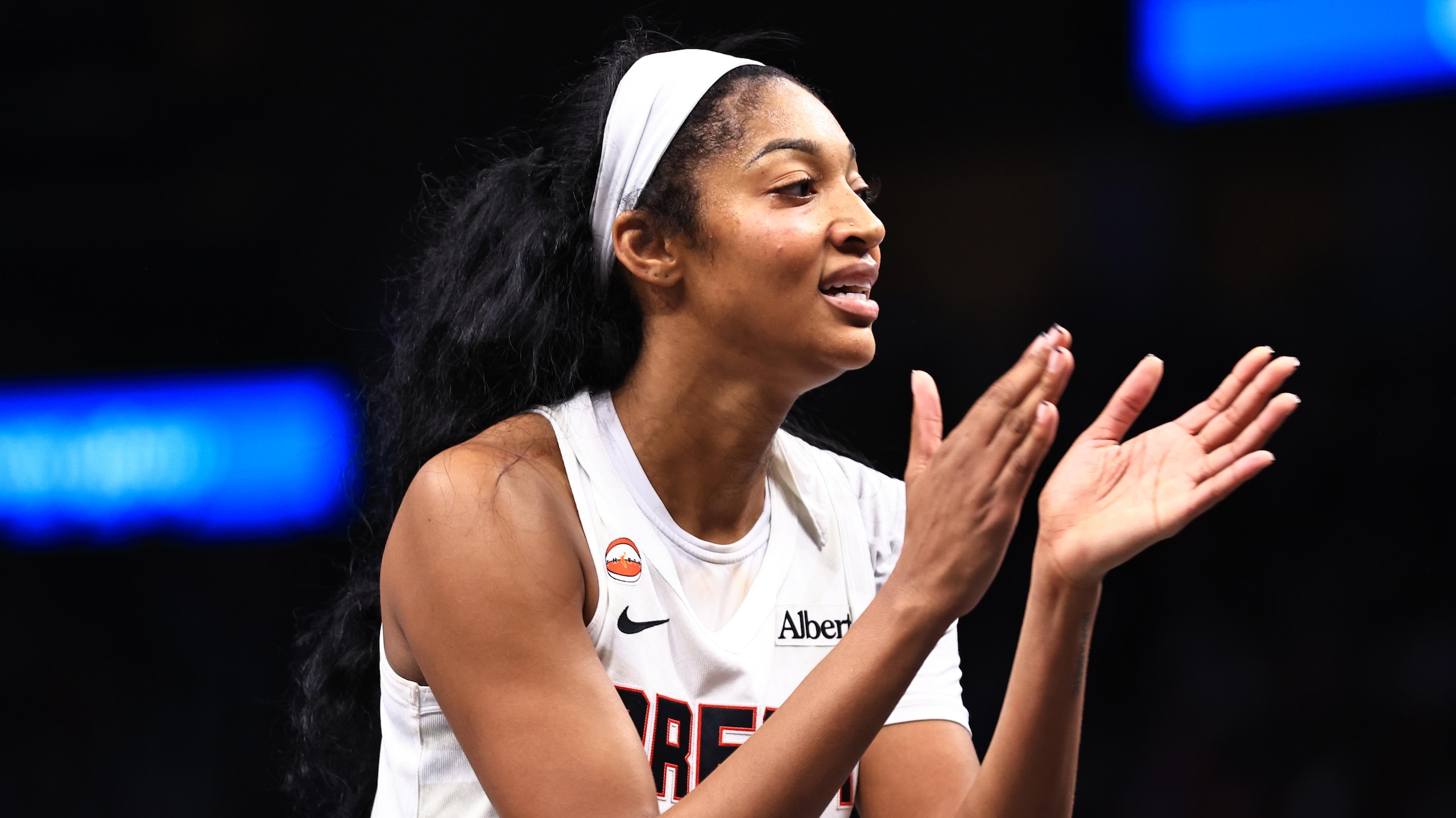
Atlanta Dream (18-11)
4 of 6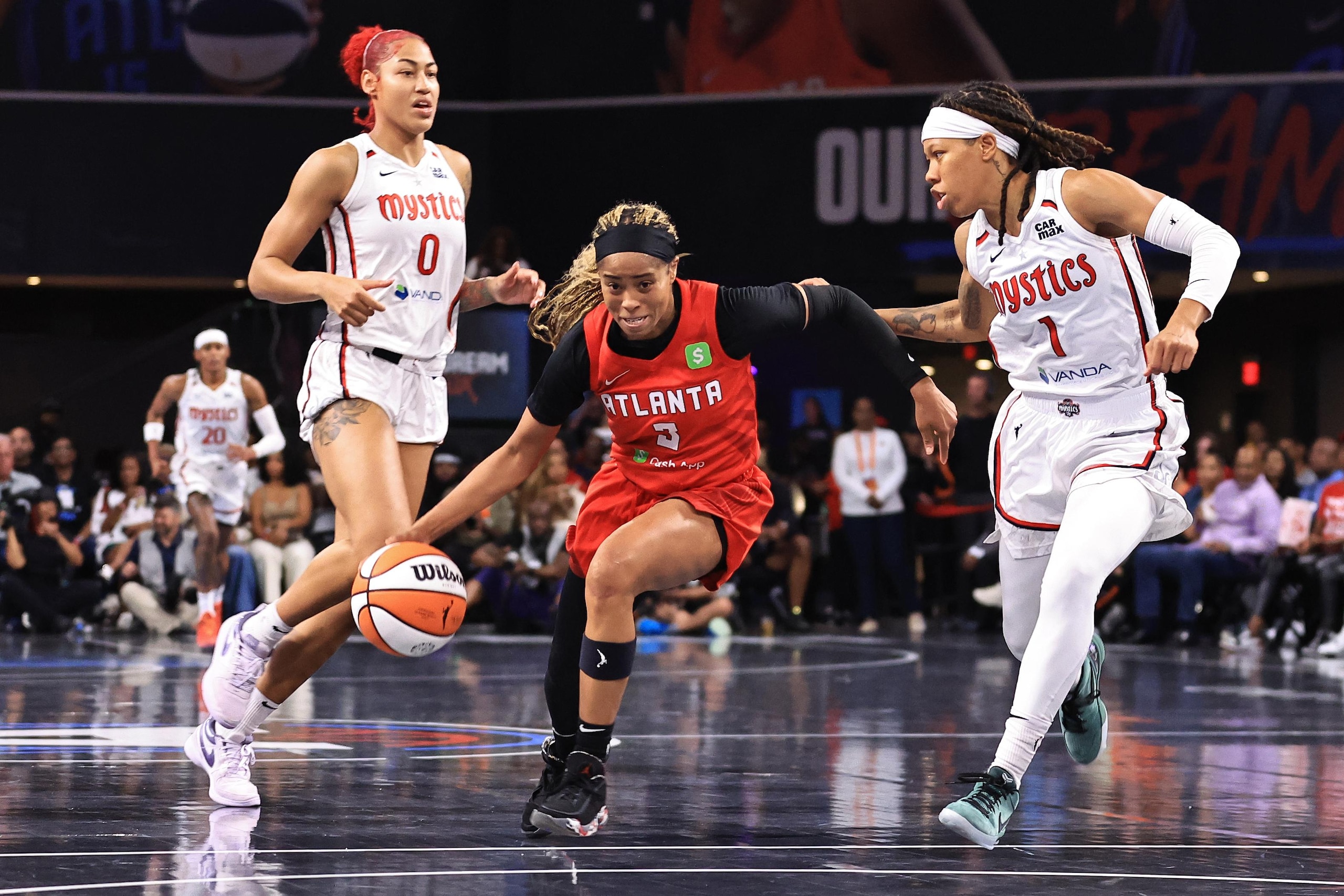
Areas of Need
The Dream have surged into the top three of the standings by winning five of their last six, including three straight out of the All‑Star break. Their offense has climbed to second in the league with a 107.2 offensive rating, trailing only Minnesota. Rhyne Howard (when her knee is healthy), Allisha Gray and Jordin Canada are driving a balanced attack, and Karl Smesko’s system has them firing from deep at one of the highest rates in the WNBA.
The issue is efficiency. Atlanta takes over 28 threes per game, second-most in the league, but hits just 33.8 percent. Remove Gray’s career‑high 40.8 percent mark and the rest of the roster is shooting a combined 31.9 percent. In the playoffs, teams will shrink the floor if they do not fear every shooter.
Defensively, the Dream can be sharp, but transition coverage and closeouts on hot shooters have been inconsistent. While they have a strong core rotation, they need another dependable perimeter threat who can knock down shots and keep the spacing clean, especially against top‑tier defenses.
That will make life easier for their stars and help avoid the half‑court stagnation that has popped up late in games.
Potential Targets
Atlanta’s front office has been aggressive. It picked up Brittney Griner, who gives the Dream rim protection and a post presence, but recently suffered a neck injury. They also added Brionna Jones to stabilize the interior further, both bringing veteran polish and championship experience to a young roster. With star guard Howard still out with injury, a move needs to be made for playoff security.
Chicago's Rebecca Allen stands out as an ideal fit. She has size at the wing, is a career 35 percent shooter from three and defends multiple positions. Her ability to hit shots and guard high‑scoring perimeter players would give Smesko more lineup flexibility in the postseason.
The Sky's Rachel Banham is another name to consider. She is one of the league’s most reliable catch‑and‑shoot threats and would punish teams that collapse into the paint on Howard or Gray. Her range would immediately boost Atlanta’s efficiency from deep and make their offense harder to scout.
Adding any of these players would not require disrupting the chemistry that has fueled Atlanta’s rise. The goal is not to overhaul the roster. It is to give them one more consistent shooter who can space the floor, help on defense and be trusted in big moments. With that, the Dream could turn their impressive regular season into a real playoff run.
New York Liberty (19-10)
5 of 6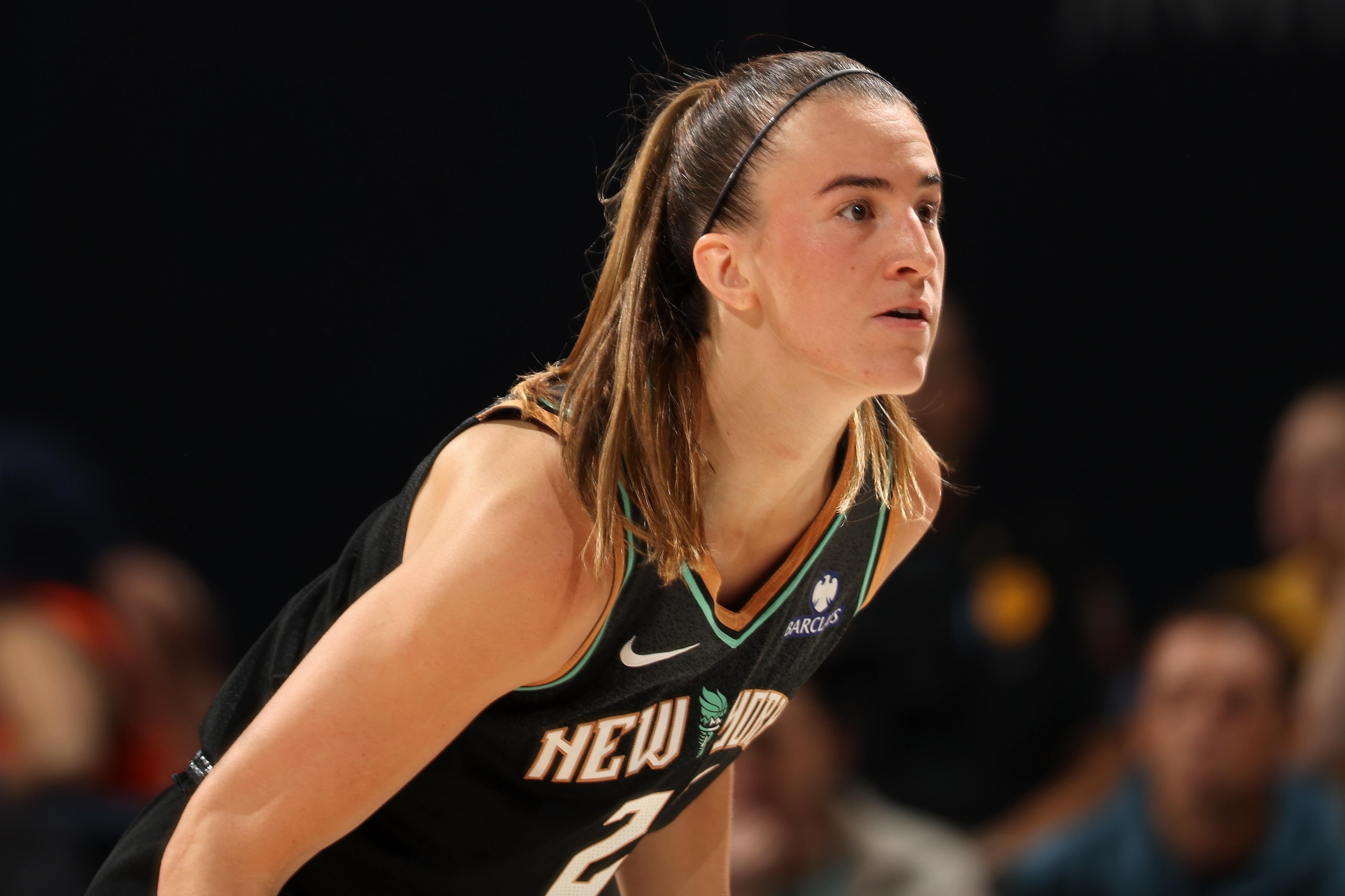
Areas of Need
Despite a rash of injuries, the Liberty still look like a team that could end the year with another parade. Injuries forced New York to shuffle lineups, lean on players out of position and ask more from the core than was sustainable. The patchwork approach works in the short term, but it's not a playoff blueprint. You cannot survive deep into October just piecing it together.
Sabrina Ionescu is doing her part and more. She recently became the first player in 22 years to reach 1,000 assists. A milestone that says as much about her all‑around game as it does her longevity. She should have the top odds for winning Most Valuable Player this season.
Still, the roster is too top‑heavy for comfort. Bench scoring has been the red flag all season. When Breanna Stewart or Ionescu sits, the offense loses rhythm and flow. The second unit needs someone who can get to spots and score without being spoon‑fed. Without that, the stars are logging heavier minutes than is ideal for a group with championship aspirations.
Defense on the perimeter is another weak spot. New York can handle length and physicality, but it has been caught chasing quicker guards in space. A two‑way guard who can defend in crunch time and knock down open looks would give head coach Sandy Brondello more flexibility.
Potential Target
Having signed Steph Talbot and moved on from Jaylyn Sherrod, the Liberty could look for another ball-handler rather than another wing like Rebekah Gardner. If Natasha Cloud or Ionescu were to miss time, there are not many proven options to run the offense. In that scenario, Lindsay Allen from Connecticut would make sense. She is a steady, experienced point guard who has shown she can manage a WNBA offense effectively.
That said, the Liberty value their collection of long, mobile wings and there are enough players on the roster who could handle the ball in an emergency. A move for Allen or a similar player would be more about injury insurance than immediate impact.
As for the frontcourt, the recent shortage was purely injury‑driven. With Stewart, Kennedy Burke and Nyara Sabally all out at once, it created a temporary hole. Emma Meesseman’s arrival makes another post acquisition unnecessary, at least for now.
Minnesota Lynx (25-5)
6 of 6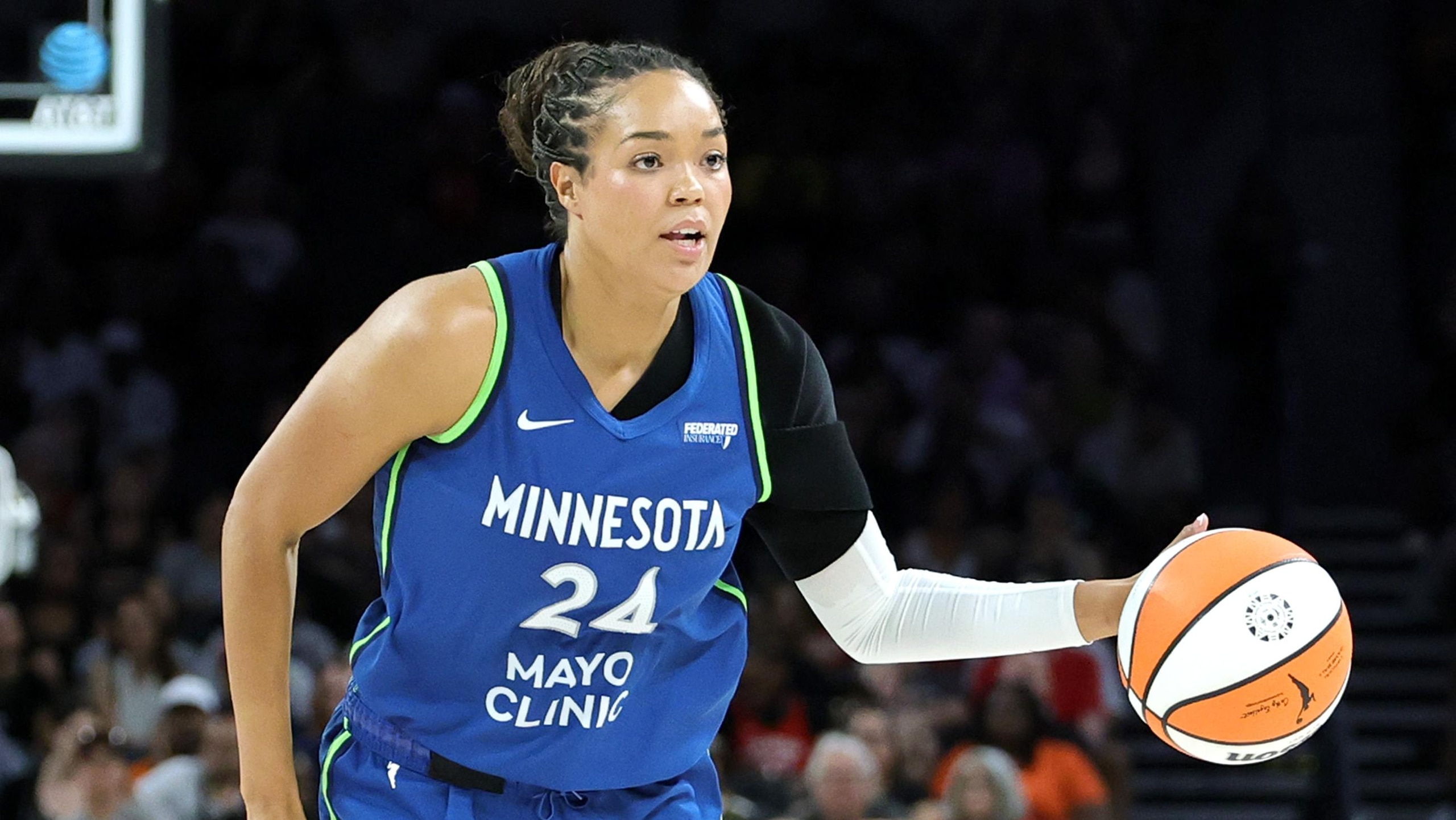
Areas of Need
The Lynx own the best record in the league and have looked locked in from opening night. Napheesa Collier has been the centerpiece, putting together an MVP‑level season while carrying the team on both ends of the floor.
Her recent sprained right ankle is a looming threat to their title chances. While ESPN's Kendra Andrews reported she's expected to miss two weeks and return before the playoffs, it is a reminder of how quickly fortunes can shift. Collier has been the engine. If she is not at full speed for the stretch run, the Lynx will need even more from the rest of the roster.
Minnesota already showed it is not waiting around. The move for DiJonai Carrington was about shoring up wing defense and adding another athlete who can guard multiple spots and run the floor.
Carrington brings energy, toughness and the ability to change a game without needing a heavy offensive diet. She is the kind of player who thrives in playoff basketball.
Still, there is room to get sharper. Opponents will continue to crowd the paint against Collier, daring the Lynx to beat them from the outside. One more reliable shooter who can space the floor would open everything up. A veteran big who can rebound, protect the rim and give solid minutes if foul trouble hits would also help protect against the kind of thin rotations that can sink a playoff run.
The Lynx have the assets to make a move. They have draft picks and role‑player contracts that can be packaged without touching the core. With tough games still to come against Phoenix and Seattle, and the postseason looming, they have every reason to squeeze every advantage they can from this roster. Championships are often decided by the smallest margins.
Potential Targets
Minnesota still has an open roster spot and over $41,000 in cap space. It could use that on a guard who can stabilize the offense sans Collier or if Courtney Williams misses time.
Lindsay Allen, currently with Connecticut, would be a logical option. She is a dependable point guard who runs the offense with poise and makes sure the team gets into its sets. She is also familiar with Minnesota from her time there in 2022 and '23 and would be an easy fit in the locker room.
They could also look at depth in the frontcourt. A veteran big who can handle second‑unit minutes, protect the rim and rebound consistently would add a layer of security behind Collier and Alanna Smith. This would not be a high‑usage player but someone who understands how to make winning plays in short stints.
The Lynx are in no rush to make a panic move. Their core is ostensibly healthy aside from Collier’s ankle recovery, and their rotation is playoff‑ready. But they have the flexibility to add a piece if the right fit becomes available.
Statistics accurate as of Tuesday.

.jpg?w=2560 "NFL investigating 2 referees for separate viral exchanges")

.jpg?w=2560 "Report: Chiefs Contact Hill's Agent")
.jpg?w=2560 "OBJ Calls Out Giants After Release")
.jpg?w=2560 "Tyreek makes another cryptic post amid Chiefs rumors")


.jpg?w=2560 "Greenlaw Talks Payton Exchange")
