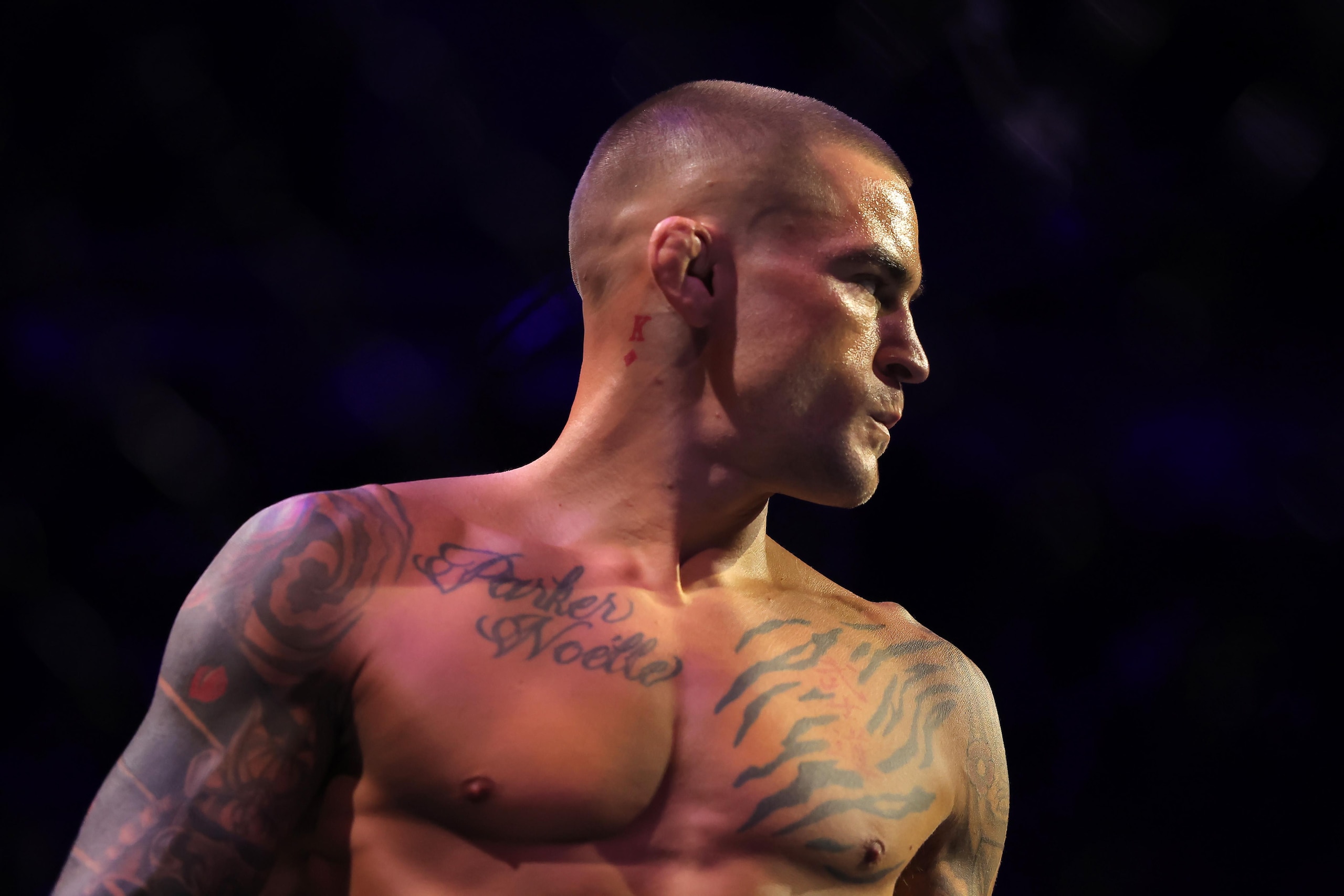

Dustin Poirier's Loss to Max Holloway Doesn't Take Away From His Legendary UFC Career

If ever there was a UFC fighter who deserved a happy ending, it's Dustin Poirier.
Unfortunately, MMA is as brutal as sports come. It's a sport where heartbreak is as common as injury, and the former often hurts far worse than the latter, for the fighters involved and the fans who worship them.
Poirier had his final fight on Saturday night in New Orleans, in the lightweight main event of UFC 318—a card that was built for him. His opponent was Max Holloway, a former featherweight champion he had beaten twice before, and on paper, had all the skills to beat again.
TOP NEWS

Volkanovski Retains UFC Title 🏆
Volkanovski breaks record after title win at UFC 333
Fights to Make After UFC 333 ➡️
It wasn't meant to be.
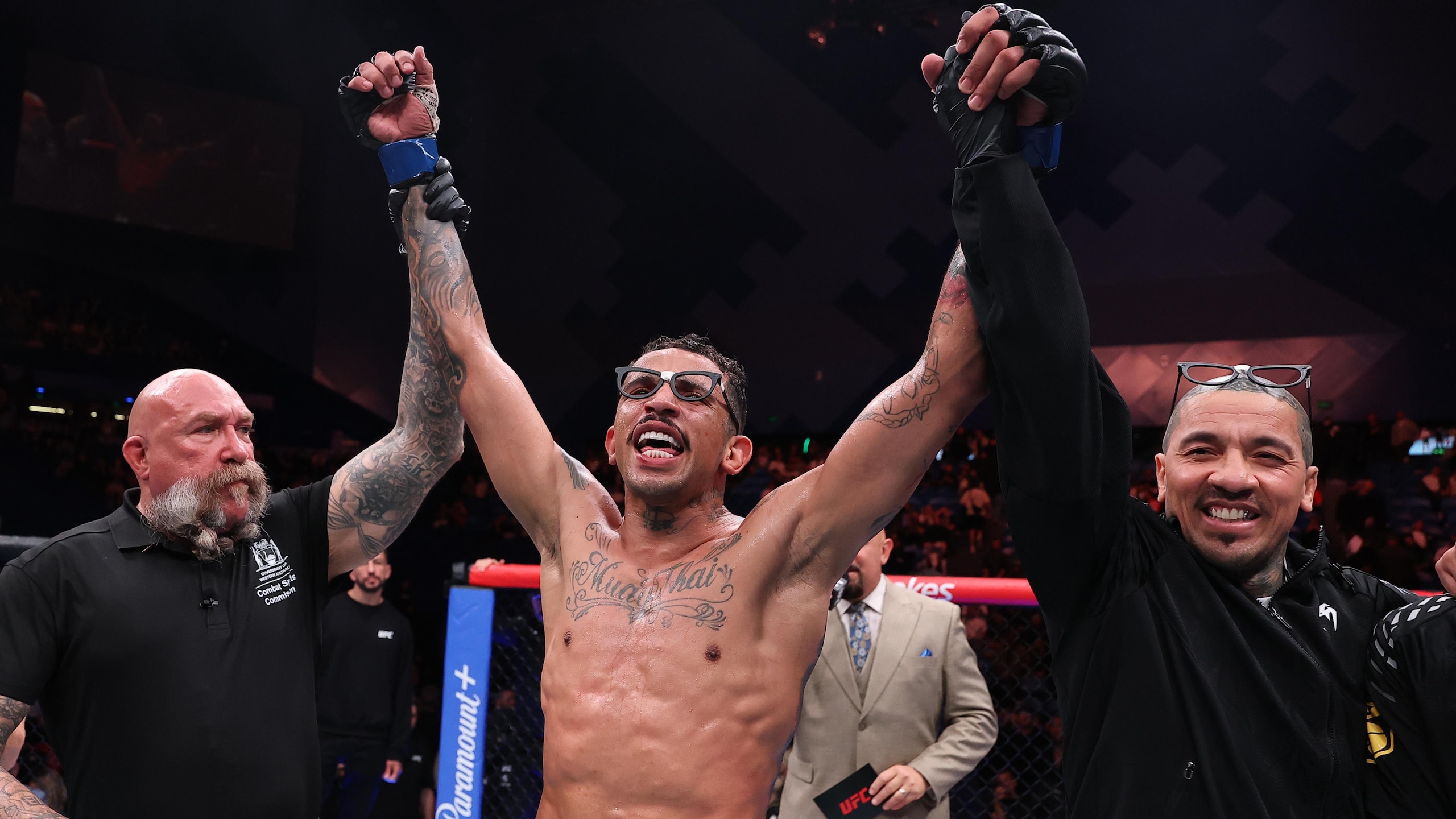
Poirier had his moments in the fight, and even dropped Holloway in the second round, but by the time five rounds were up, it was clear what the judges would say. Holloway landed a lot more, and a lot harder, thanks to a glaring speed advantage that affirmed that Poirier's decision to retire was made at the right time, as much as it might sting for his fans to admit. He is not the fighter he once was.
But what a fighter he was at the height of his power.
Poirier made his UFC debut in 2012, when the MMA's newest fans were—quite literally—in diapers.
His UFC debut, unlike his final fight, went exactly as planned. Then, a fresh-faced featherweight few people outside of Louisiana had heard of, Poirier battered Josh Grispi to a clear-cut unanimous-decision win, and from there, the hits kept coming. He rattled off three more wins—culminating with a submission win over Holloway— before suffering his first UFC loss to "The Korean Zombie" Chan Sung Jung in a fight that remains one of the best in MMA history.
After that, Poirier had a couple of impressive wins, and some tough losses—most famously a knockout defeat to a rising Conor McGregor. It wasn't until he moved up to the lightweight division that he transformed from a middling prospect to a future legend.
Poirier's lightweight career cannot be distilled into a single sentence or even a paragraph. It's a story of momentous highs. On his rise to the top, he defeated the likes of Jim Miller, Justin Gaethje, Eddie Alvarez, Dan Hooker, and McGregor—legends who would undoubtedly refer to him in the same terms. It's also a story of heartbreak. Poirier thrice challenged for the lightweight title, against Khabib Nurmagomedov, Charles Oliveira, and Islam Makhachev—three of the best ever. He came close to beating all—particularly Makhachev—but came up just short each times.
Despite an interim title victory—claimed with a decision defeat of Holloway in 2019—his few naysayers will remember him as the guy who almost got there. The sprinter who stumbled at the finish a few feet finish line. What those naysayers miss is that's kind of what made Poirier special. He is a fighter who never got quite where he wanted to go, but never stopped trying to get there. He was grit personified. He has a refusal to quit in UFC shorts.
It's for that reason that his UFC 318 loss to Holloway doesn't actually matter. His legacy was etched in stone long before he walked into the cage in Louisiana—years before.
The fans in the arena knew it. Commentator Daniel Cormier—another UFC legend from Louisiana—knew it. His wife and daughter—his motivation for most of his career—surely know it. Hopefully, Poirier knows it too.
At the very least, he clearly felt appreciated after his final fight.
“It’s been overwhelming," Poirier said in his post-fight interview. "I feel appreciated. I feel seen.”
Poirier will now ride off into the sunset in Florida—the state he has called home since he joined the elite fighters at American Top Team. Holloway, meanwhile, will continue to fight. Maybe he'll continue to win. Maybe he'll lose. For Poirier, wins and losses are no longer part of the equation. He has done all he needs to do, and nobody will be talking about his setbacks when he is inevitably inducted into the UFC Hall of Fame.




.jpg?w=2560 "Mahomes Asked OT to Leave Meeting")
.jpg?w=2560 "Jonathan Taylor Landing Spots 📍")


.jpg?w=2560 "Five Teams Eyeing Taylor")
