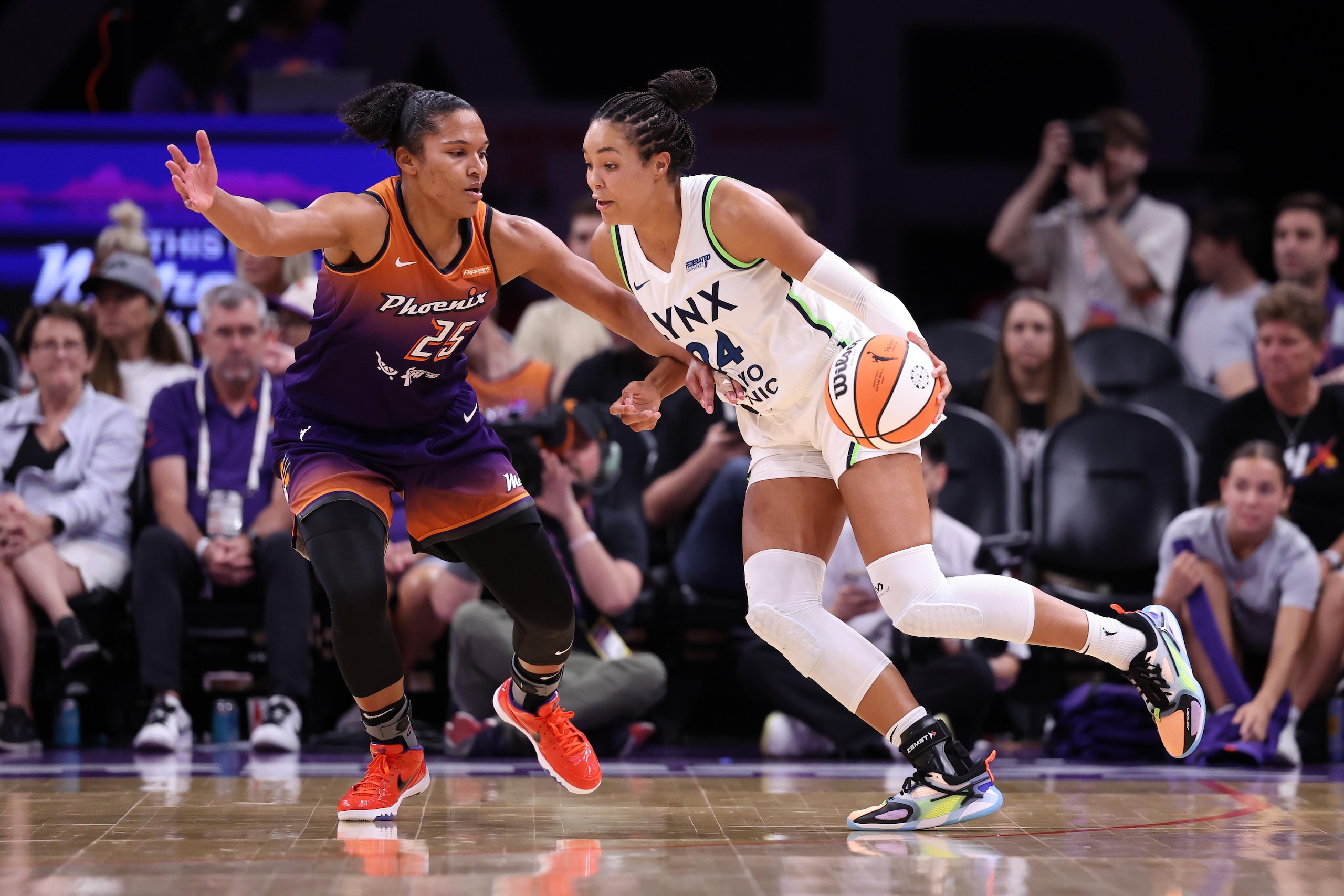

1 Word to Describe Every WNBA Team at 2025 All-Star Break
We've officially passed the midway point of the WNBA season, which means we should have a decent idea of what these teams are and aren't. It's been an entertaining season to say the least, filled with enough big-time performances, roster movement and #antics to capture anyone's attention.
With the All-Star break here, it's a fitting time to do another round of word association for every team in the league.
Let's dig in, shall we?
Minnesota Lynx (20-4): Inevitable
1 of 13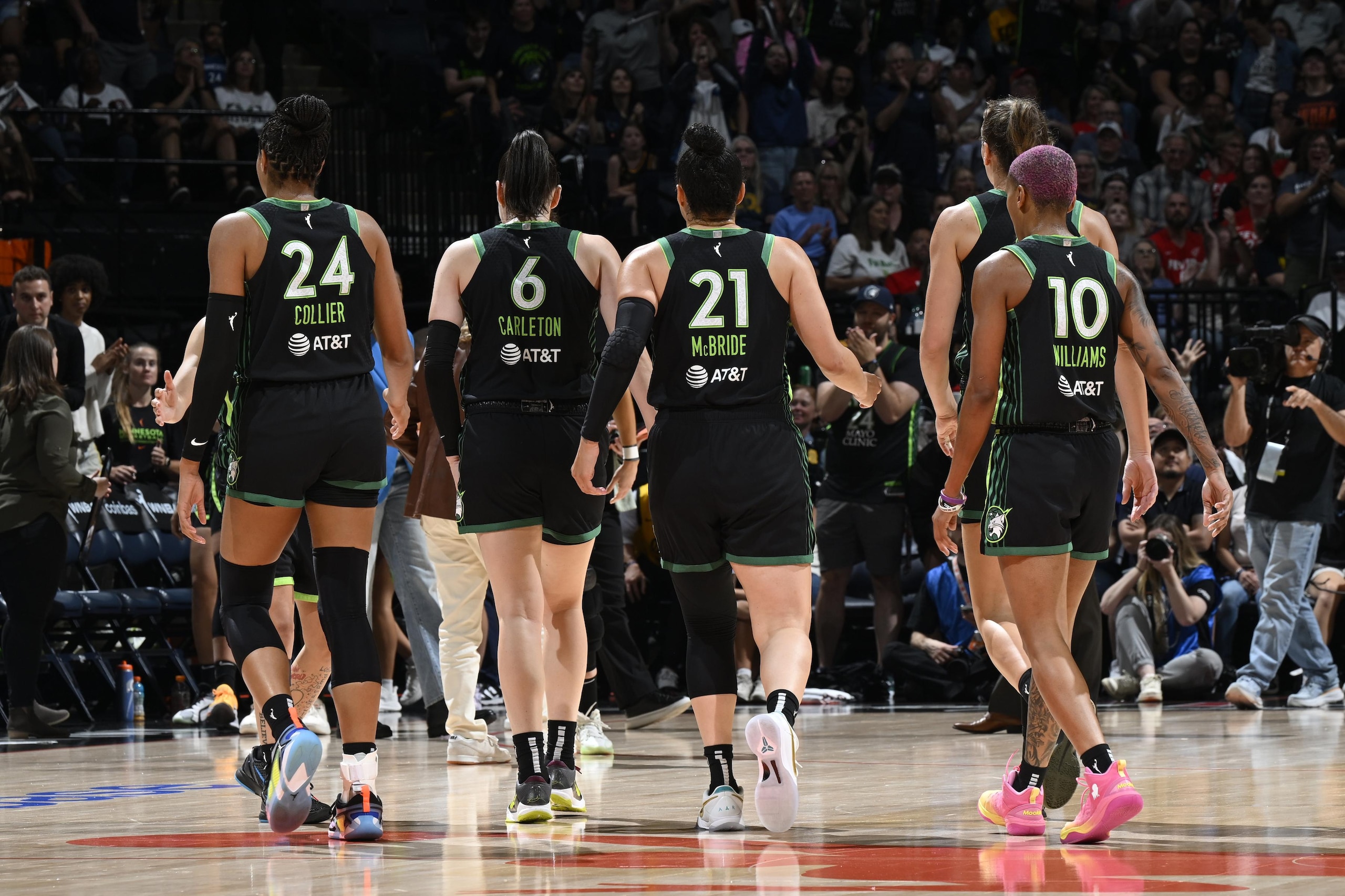
It's been a hectic July for the Lynx, with seven games played between July 3 and July 14. That near-two-week stretch included two consecutive back-to-backs.
And yet, the Lynx find themselves with the league's best record, offensive rating, defensive rating, net rating, assist rate, and effective field-goal percentage.
They're an exhausting team to deal with on both ends. They have shooters all over the floor, plus-screeners that can pry them open, and a willingness to move the ball that keeps them ahead of defenses. On the other end, they suffocate you with their switches, put out potential fires with their communication on and off the ball, and force you to create quality looks late into the shot clock.
You may be able to deal with the Lynx for a bit. Maybe you're able to bother them with switching and otherwise force them into tough threes. You may deal with slow starts from MVP-frontrunner Napheesa Collier or Courtney Williams.
Then the second half happens, where, entering Wednesday's action, they outscore opponents by 15.8 points per 100 possessions. Not only is that the best mark in the league, it more than doubles the second-ranked Seattle Storm (plus-7.4). Teams have consistently been undone by the collective shot-making, ball movement and stifling, turnover-inducing defense. It's hard not to be impressed with this group.
New York Liberty (15-6): Recovering
2 of 13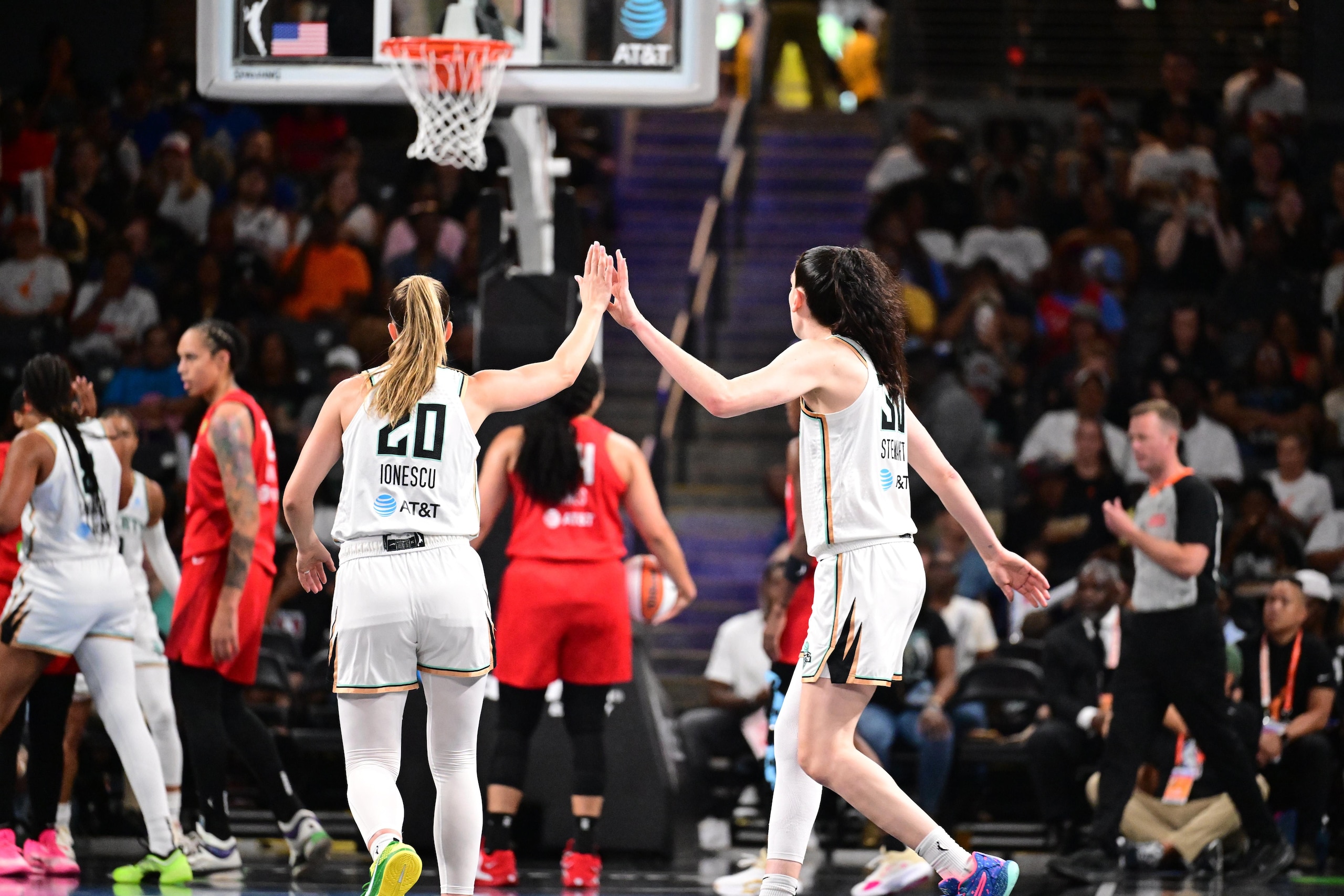
I went with "Favorites" in the preseason version of this article. The early returns of the healthy Liberty weren't just in line with that, they were on pace to be (statistically) the most dominant team in WNBA history.
But alas, injuries and overseas obligations knocked the Liberty down from "historic" to "middling."
Jonquel Jones, last year's Finals MVP, hasn't played since suffering an ankle injury during a June 19 matchup against the Mercury. Since her absence, the Liberty have gone 5-4 with the sixth-ranked offense, eighth-ranked defense and a slightly positive point differential. In addition to Jones, Sabrina Ionescu and Natasha Cloud have each missed a game, while two-way wing Leonie Fiebich missed four due to EuroBasket obligations.
Jones is expected to be back shortly after the All-Star break. If she hits the ground running, and stays upright, I expect the Liberty to round back into best-in-the-league form—or at least strongly challenge the Lynx (and healthy Mercury) for that claim.
Phoenix Mercury (15-7): Relentless
3 of 13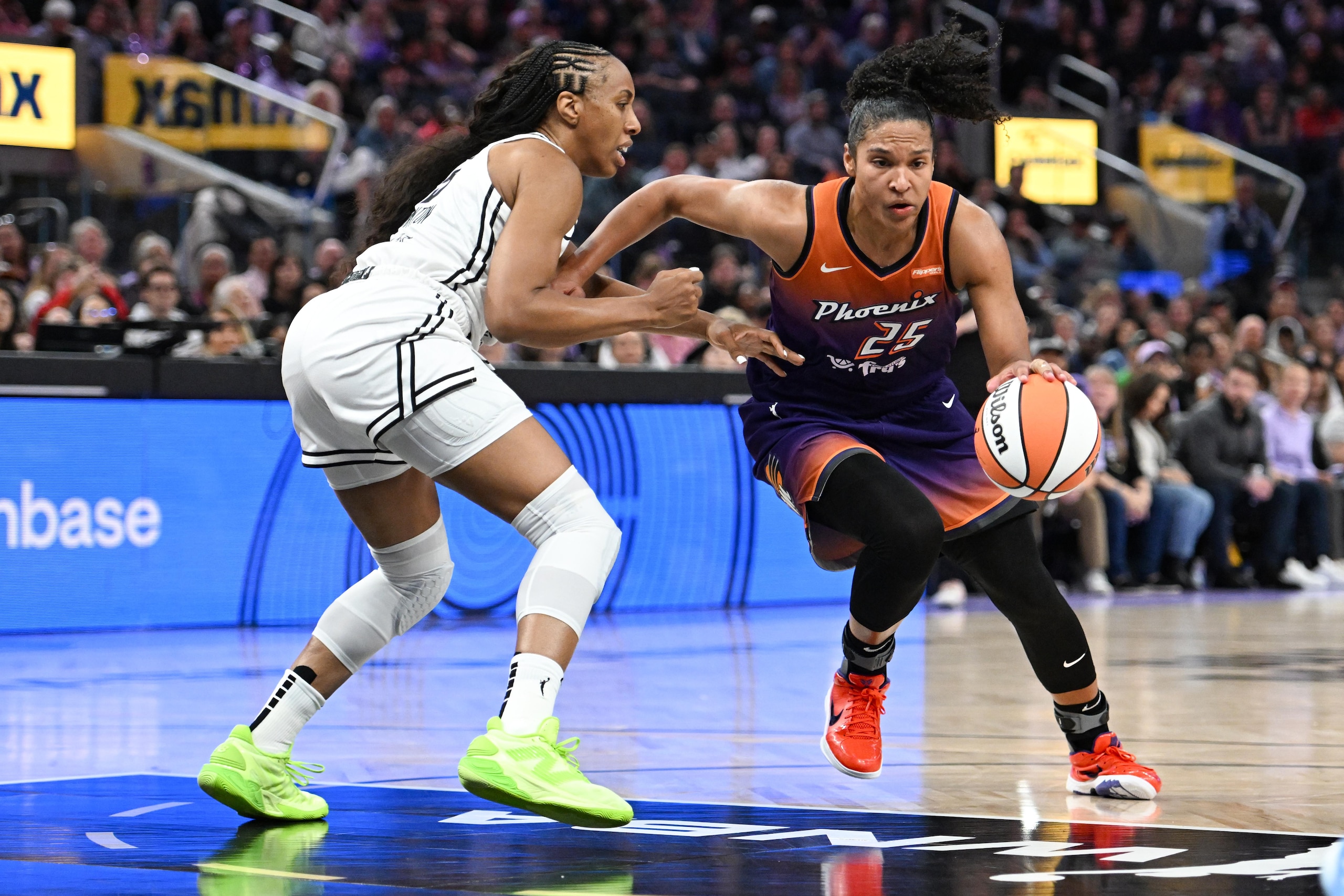
When Alyssa Thomas is on your team, you really can't help to have this as a moniker in some capacity.
To the actual basketball: no team puts pressure on you quite like the Mercury. They've picked up opposing ball-handlers in the backcourt on nearly 30 percent of their defensive possessions this season, the highest mark in the league. Only the Washington Mystics, another pesky defense, average a higher pickup point defensively (50.3 feet) than the Mercury (49.2).
You can thank the awesome point of attack defense of Monique Akoa Makani for a lot of that, but you expect to see virtually every Mercury perimeter player looking to annoy ball-handlers before they crack the half-court line.
From there, you're dealing with an active, physical, switchable group headlined by Thomas. The closer you work towards the paint, the more likely it is that you'll see an extra body (or two) in your path. Only the Lynx provide help on drives more frequently (78.7%) than the Mercury (76.2%).
Then, of course, there's the relentless pursuit of good shots on the other end. Thomas serves as the engine, probing and screening and driving and screening until the defense wedges open. The Mercury have shooters up and down their rotation—welcome back, DeWanna Bonner!—who make it difficult for defenses to load up. Even when you force misses, it normally takes a lot of communication (and a strong upper body) to survive those trips.
That they've been this good on both ends with Satou Sabally and Kahleah Copper—and Thomas, for that matter—missing as much time as they have is incredible.
Seattle Storm (14-9): Confusing
4 of 13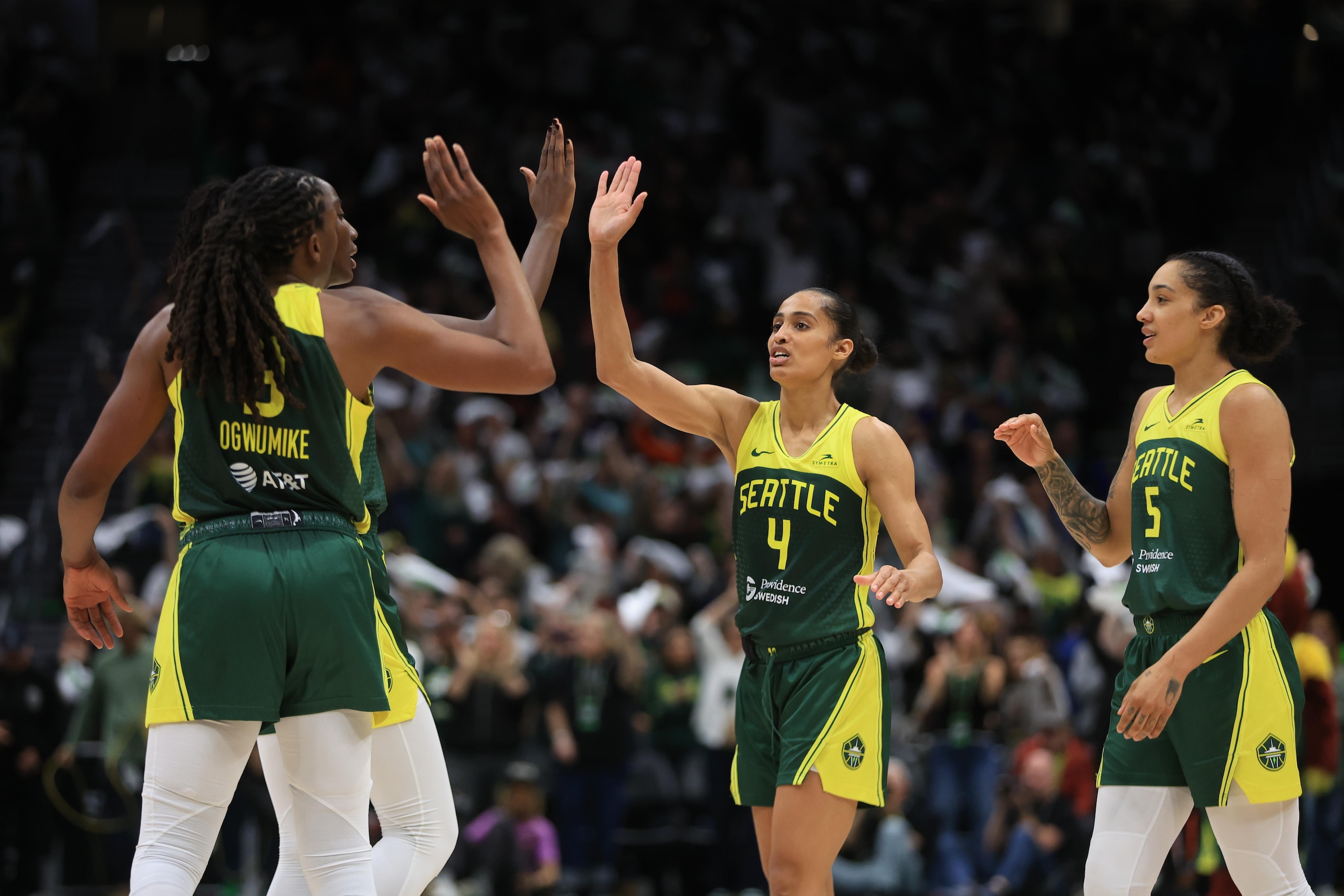
I'm just not sure what to do with the Seattle Storm.
With All-Stars Skylar Diggins, Gabby Williams and Nneka Ogwumike in uniform, the Storm have a guard-wing-big spine that rivals just about anyone in the league. It's a foundation with a healthy blend of rim pressure, midrange shotmaking, surprisingly reliable three-point shooting (a combined 35.1 percent, 2.0 percentage points above league average) and aggressive defense.
They can beat anyone on any given night, hence their wins over the Lynx, Liberty (2x), Mercury (2x) and Dream.
They can also lose to anyone on any given night, hence their losses to the Sun, Mystics and Valkyries (2x).
I've been a little surprised that the overall defense has been closer to average than elite—they rank sixth in defensive rating—though a portion of that has been opponent floater-range shotmaking. Per PBP Stats, only the Aces have allowed a higher field-goal percentage on unblocked "short midrange" shots (48.7%)—defined as attempts between 4-14 feet—than the Storm (47.5%).
At any rate, I'd love to know exactly what I'm getting from the Storm on a night-to-night basis. They've shown that they're contenders on the high end; they just have to hit that bar more consistently.
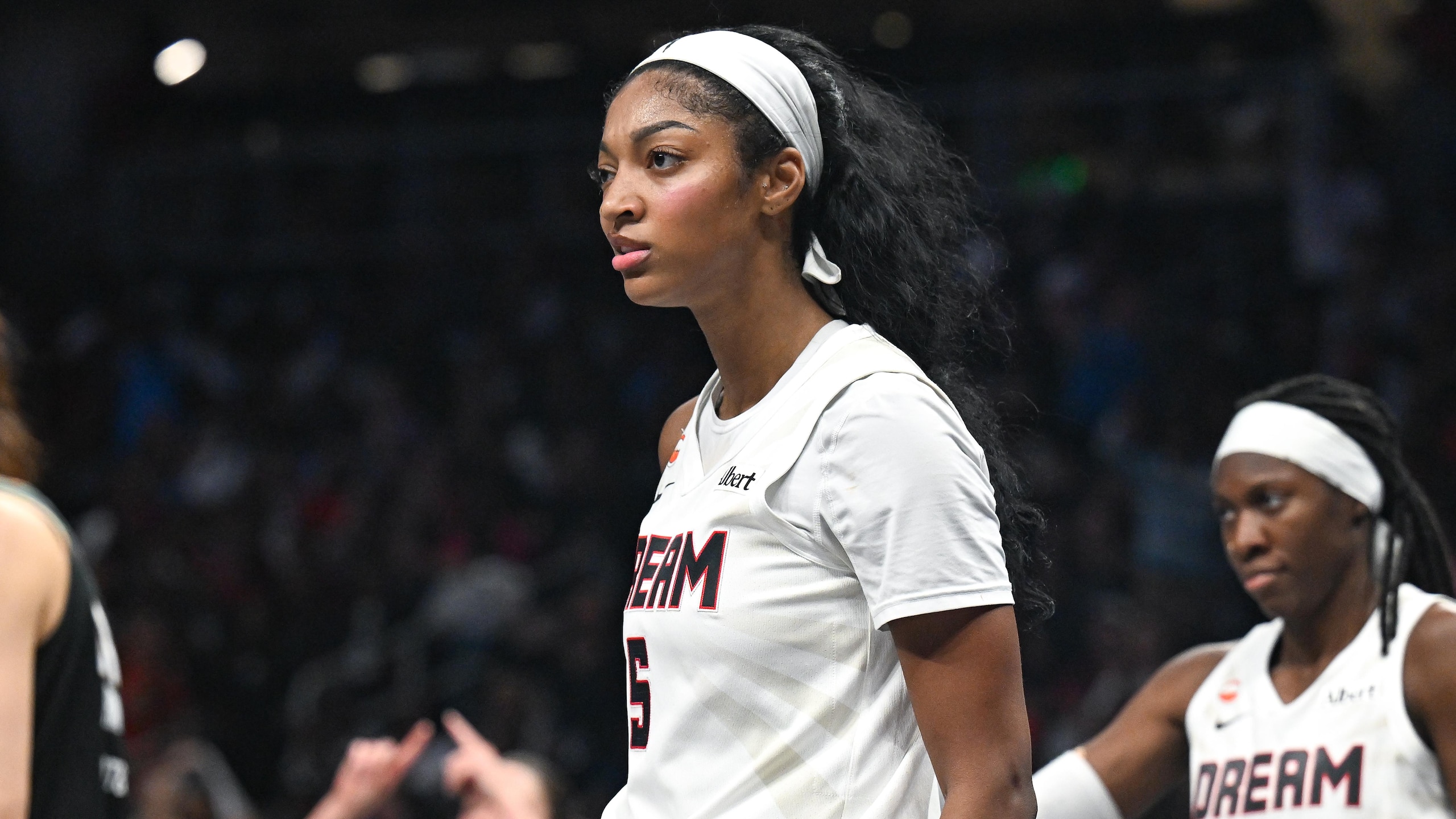
Atlanta Dream (13-9): Unfinished
5 of 13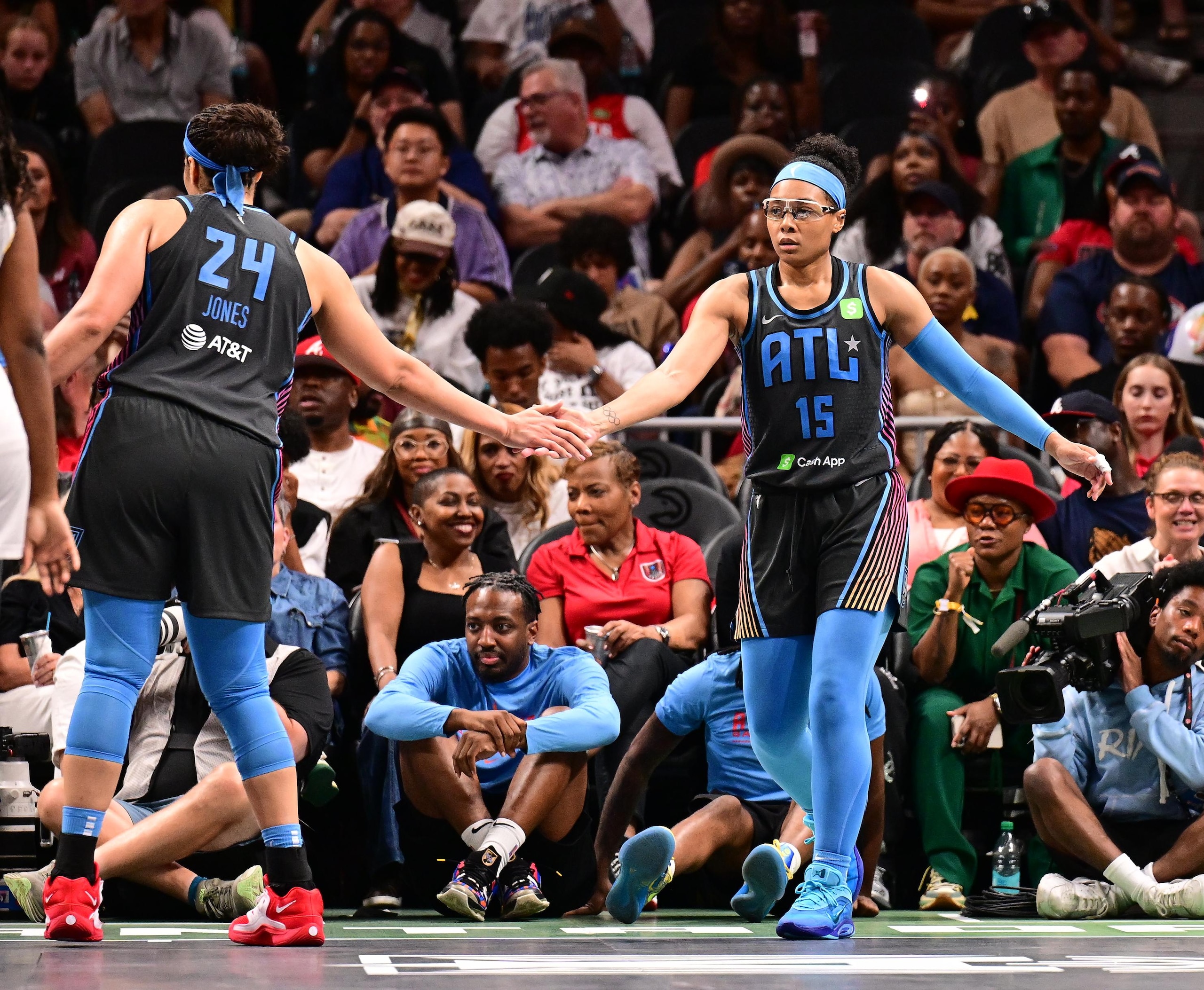
I've mostly enjoyed the Dream experience this year.
Allisha Gray has played like an MVP candidate this year—probably a distant third in light of what Napheesa Collier and Alyssa Thomas are doing at this point, but still a testament to how good Gray has been.
Newcomer Bri Jones has played at an All-Star level (and was snubbed, in my opinion); Rhyne Howard is an All-Star and has really brought it defensively, though she's been replaced by Kayla McBride in the game due to a knee injury.
Under new head coach Karl Smesko, the Dream have found a nice blend of three-point shooting and post dominance. The defense overall has been sub-elite, but it's been strong enough to complement how versatile they've been offensively.
Until the fourth quarter, at least.
The Dream rank fourth in first-quarter net rating, fourth in second-quarter net rating and second in third-quarter net rating. In the final frame, the Dream rank 10th, being outscored by nearly six points per 100 possessions.
It's an odd and unfortunate twist for a team that, in theory, should have answers. Between Jones and future Hall of Famer Brittney Griner, they have the post options to slow the game down and put pressure on defenses. Between Gray and Howard, they have the shot-makers to put games away.
Unfortunately, the offense has trended a bit too slow—their average fourth-quarter or overtime possession lasts roughly 17 seconds, the slowest mark in the league and a notable "rise" from their 15.8 clip in the first three quarters.
That, combined with teams being comfortable attacking Jones in space—only Aliyah Boston (126) and Alanna Smith (113) have defended more fourth-quarter/overtime ball screens than Jones (95)—has led to some underwhelming finishes and outright blown leads.
It's "duh" analysis from me, but the Dream have to close games better and more consistently if they want to truly earn contender status.
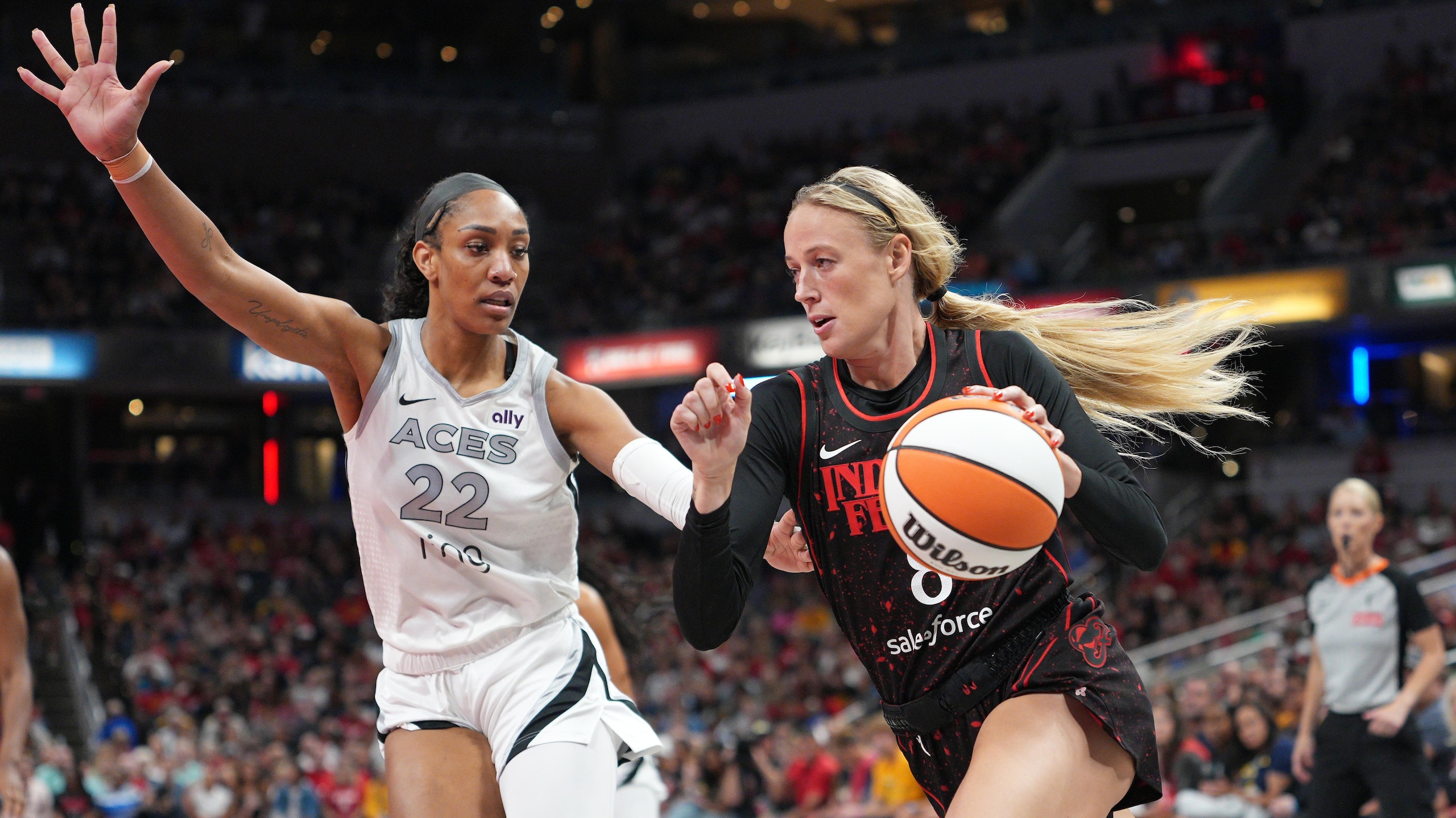
Indiana Fever (12-11): Disjointed
6 of 13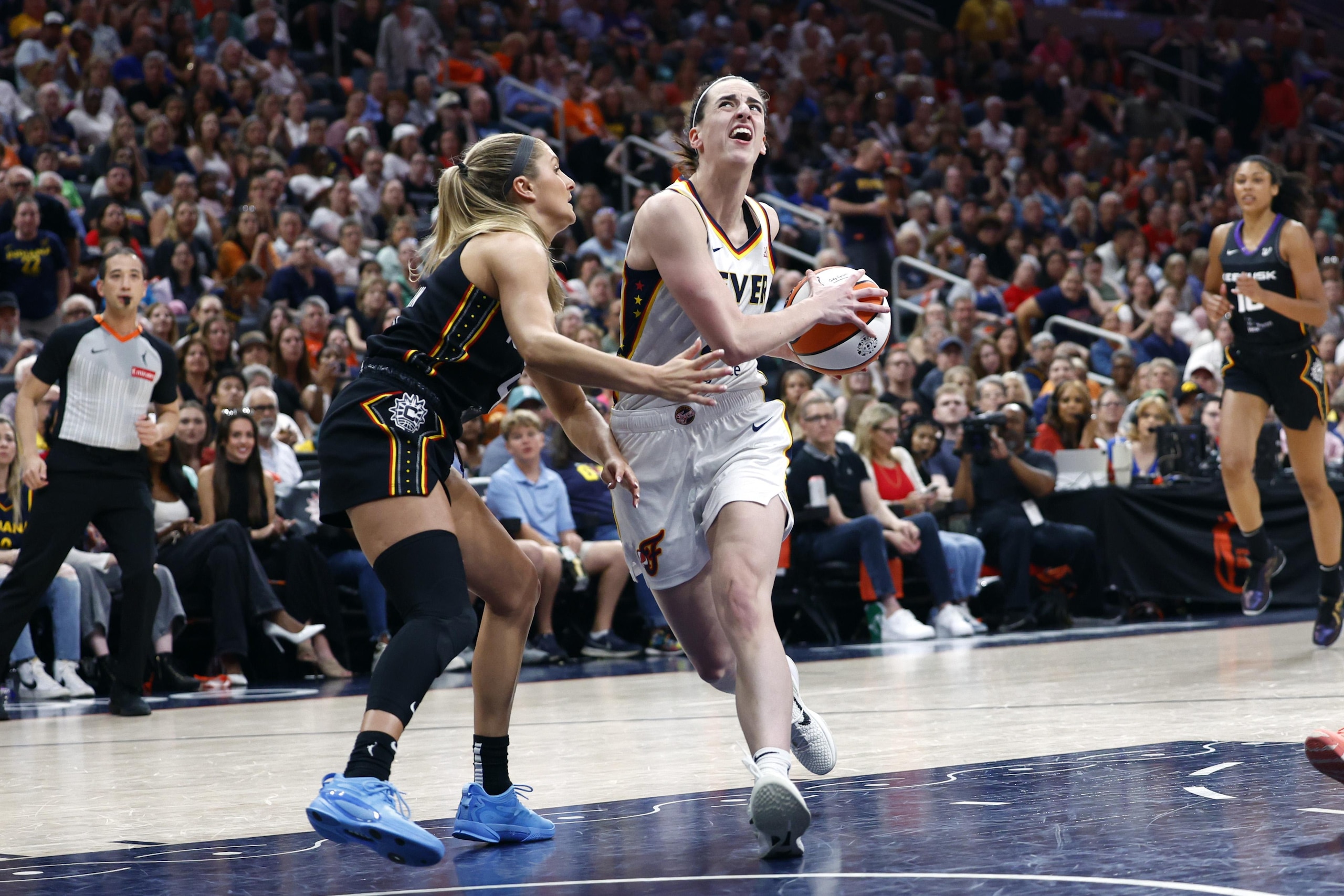
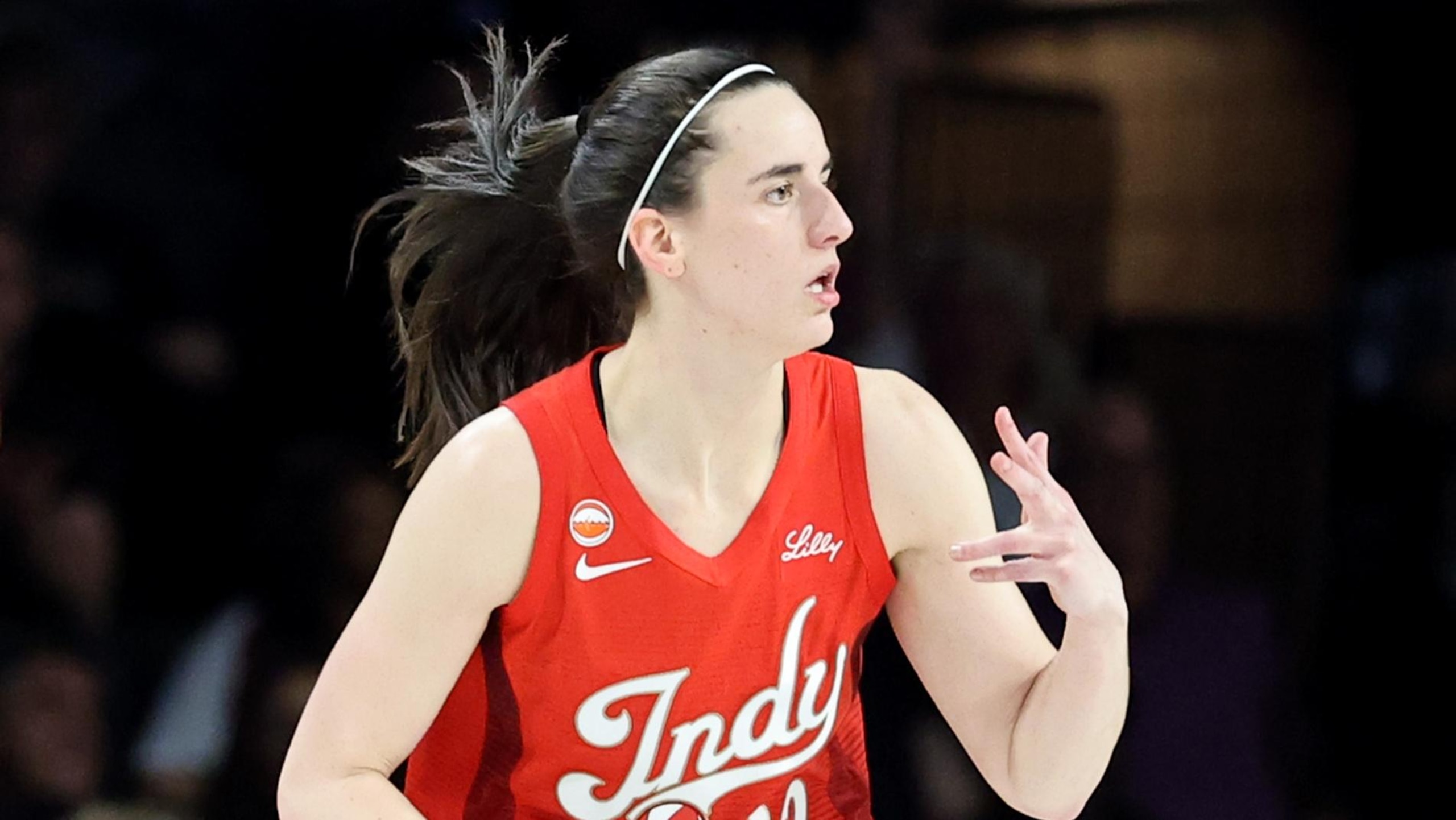
There's a really good Fever team in here somewhere. They quietly have the third-best net rating in the league—behind the Lynx and Liberty, but ahead of teams with better records like the Mercury, Storm and Dream.
We've seen them torch teams offensively—the truly special playmaking of Caitlin Clark, combined with the scoring prowess of Kelsey Mitchell and the overall versatility of Aliyah Boston is tough to deal with. When those three share the floor, the Fever score over 115 points per 100 possessions, an insanely high clip that's nearly seven points better than last year's mark.
The defense has made massive strides. They mix in full court pressure, dabble in zone looks and are generally a lot more physical (I know, I know) than they were last year. A jump from 11th to eighth in defensive rating—and the actual number dropping nearly seven points per 100 possessions—should be cause for celebration.
It all just feels "meh" because we haven't seen it all come together, at least not yet.
A lot of it is due to the (lack of) health of Clark. Between quad and groin issues, she's already missed ten games. As of this writing, it seems doubtful that Clark will participate in All-Star festivities this weekend. To put it frankly, the Fever don't have the same ceiling without Clark on the floor.
Between Clark's absences and the DeWanna Bonner situation that eventually led to her being waived (and returning to the Mercury), it's been a pretty uneven season for a team that had high expectations heading into the year.
Washington Mystics (11-11): Competitive
7 of 13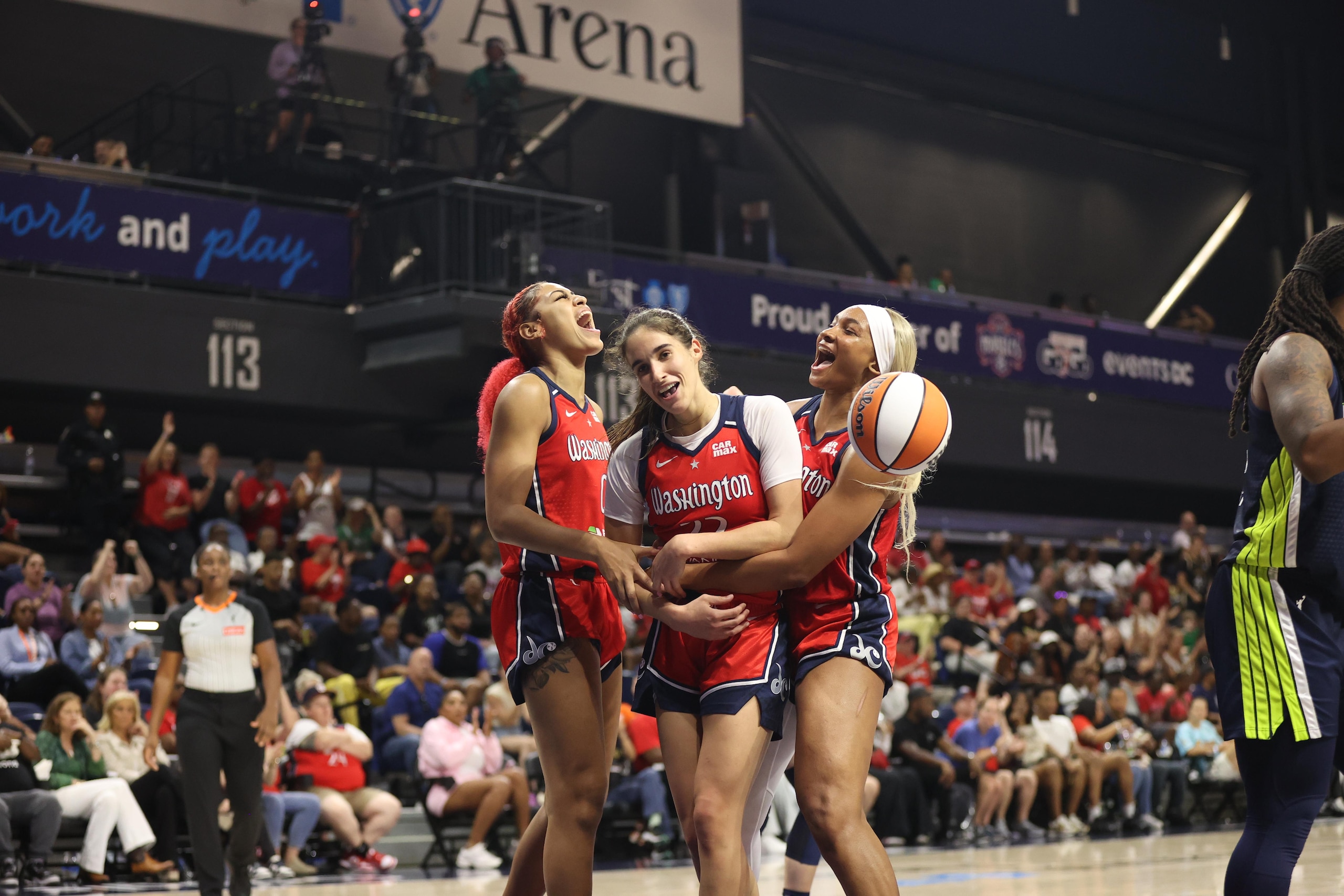
If the Dream are a team that can't seem to figure things out in the fourth quarter, the young Mystics serve as their foil. You know exactly what you're going to get from the Mystics in the final frame: in-your-jersey defense and an incredibly high dose of rim attacks.
It's hard not to be impressed with the season the Mystics, under new head coach Sydney Johnson, has put together. As mentioned in the Mercury section, the Mystics pressure teams higher up the floor than anyone in the league. They combine that pressure with activity from their bigs—Shakira Austin, Kiki Iriafen, and Aaliyah Edwards all have comfort operating at the level of screens and forcing ball-handlers into uncomfortable positions.
There are natural counters to the kind of aggression the Mystics display, but it's still exhausting. Combine that with a never-ending barrage of drives—from the perimeter from should-be All-Star Brittney Sykes and actual All-Star Sonia Citron, or via face-up attacks from Iriafen and Austin—and you just come out of Mystics games feeling like you went 12 rounds with insert-boxer-here.
There may be more talented teams than the Mystics, but there aren't many—if any—that consistently play harder than they do.
Las Vegas Aces (11-11): Inconsistent
8 of 13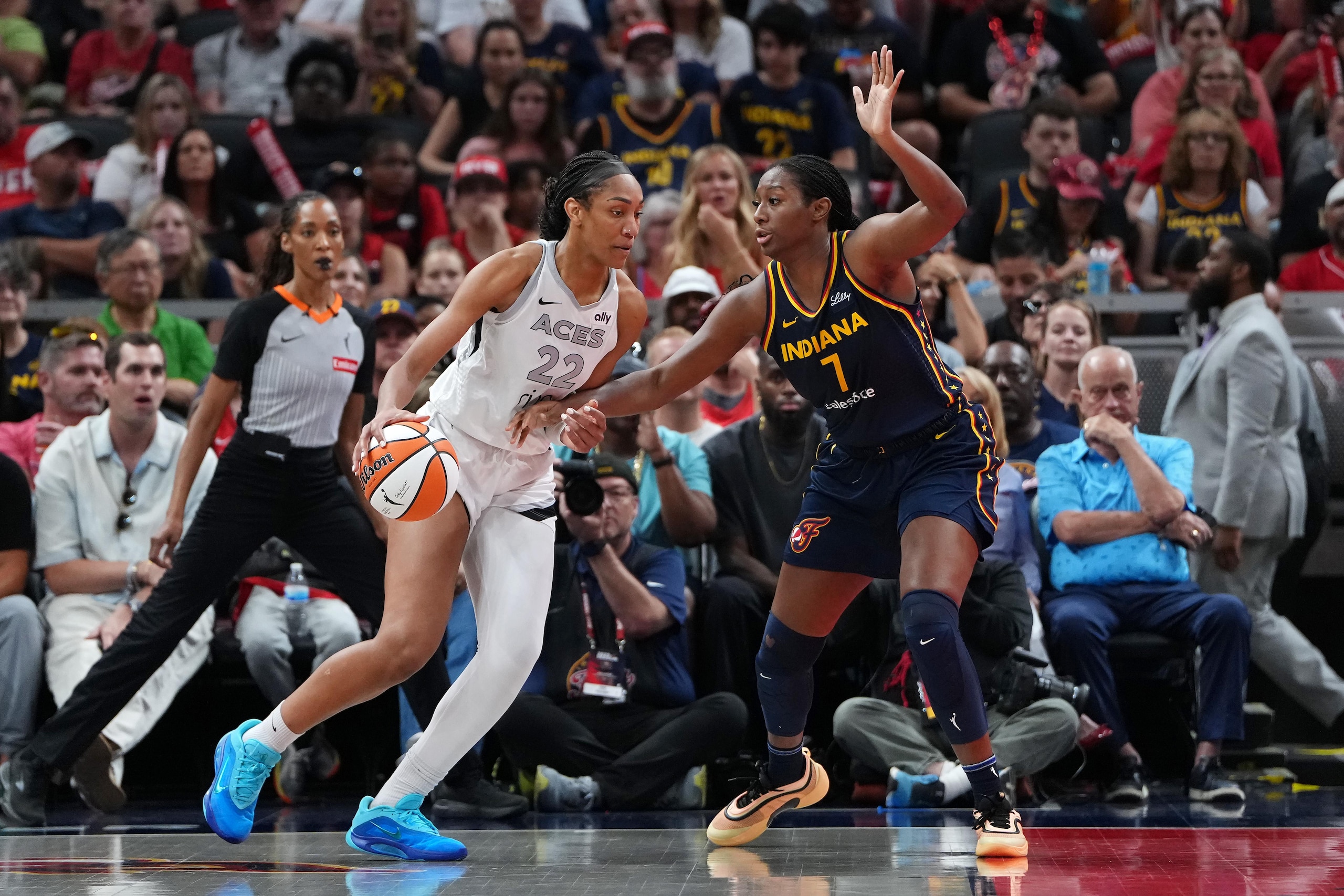
"We just need to put four good quarters together."
It's been the constant refrain from head coach Becky Hammon this year as the Aces have looked to find some level of consistent success.
A'ja Wilson has remained a two-way force, though below her bar-raising, historic form from last season. Even with that caveat, Wilson remains the most double teamed player in the league (nearly 17 percent of her touches) and recent showings against the Valkyries (34-16-4-1-2) and Wings (37 and 10) were loud reminders of her dominance.
Her All-Star partner, Jackie Young, has both bounced back from an injury-plagued 2024 campaign and performed below her peak levels on both ends as she's dealt with a heightened offensive workload and more complex defensive attention.
Newcomer Jewell Loyd has done her best to fit into a smaller, off-ball focused role; nearly 56 percent of her shot attempts have come from beyond the arc, a career-high. An inconsistent diet of on-ball touches has contributed to a season where she's felt quiet in terms of impact.
Chelsea Gray is back to knocking down shots at a near-elite level (12.4 points on 57.5 True Shooting), but that has coincided with, shockingly, the worst ball security season of her career (3.4 turnovers per game, 23.9 turnover rate). It's something that I expect to calibrate,
You can go up and down the roster; one could argue that rookie forward Aaliyah Nye is the only player that has firmly exceeded preseason expectations this season.
The offense hasn't flowed the same or generated the same type of shots; the Aces' three-point volume is notably down from last season. The defense, as they've worked to keep things 2-on-2 rather than rely on aggressive help, has been spotty, to be kind.
On any given night, the Aces can find their flow on both ends: ask the Storm, Mercury and Valkyries.
On other nights, they can be stifled or outworked: ask the Brittney Sykes-less Mystics, the Caitlin Clark-less Fever, or ... well, the Storm or Valkyries.
Golden State Valkyries (10-12): Omnipresent
9 of 13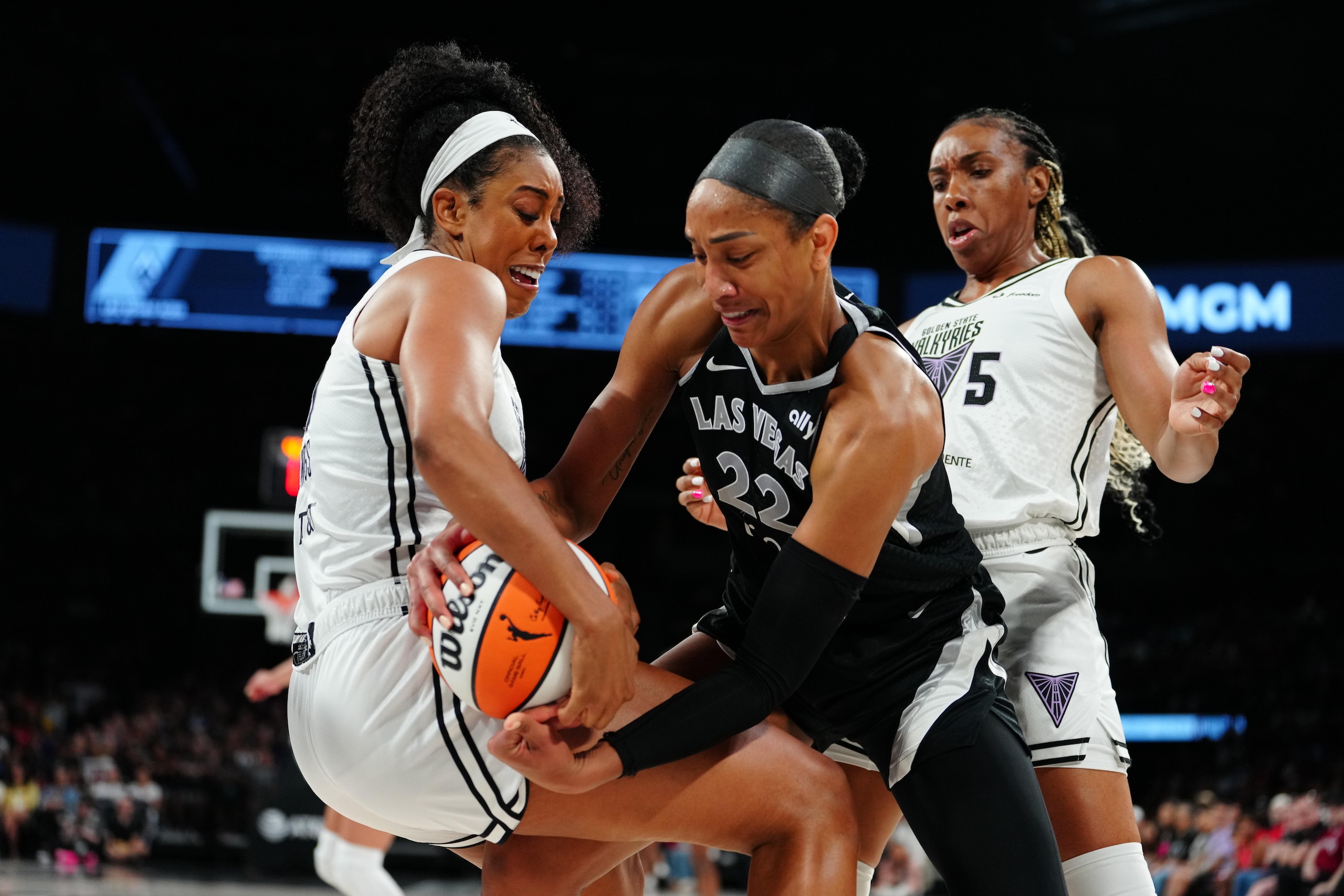
Sticking with the theme of exhausting teams to play against, I present to you the Golden State Valkyries.
I recently wrote about them so this section will be shorter than the others, but it's worth highlighting their defense once again.
The Valkyries may not sprinkle in full court pressure as often as other teams, but they put you in a headlock once you cross half-court. They're one of the most physical off-ball teams in the league, consistently jamming players as they attempt to run off pindowns or staggers. Their bigs oscillate between dropping back and getting up to the level; when they're dropped back, you can expect to deal with help defenders poking and prodding at drives.
And, buddy, they'll send that help from anywhere. From the wings, from the baseline, from the corners—either corner. It's all within their overall goal to wall off the paint, something they do better than virtually anyone in the league. And if all else fails, or simply when they feel like it, the defense will morph into zone to further throw off the rhythm of opposing offenses.
Head coach Natalie Nakase and the staff have done a tremendous job of scheming up this defense, and the players—Kayla Thornton, Temi Fagbenle and Veronica Burton should all, at the very least, have their names brought up in All-Defense discussions—have done a tremendous job of executing what they're asked to do.
Los Angeles Sparks (8-14): Underwhelming
10 of 13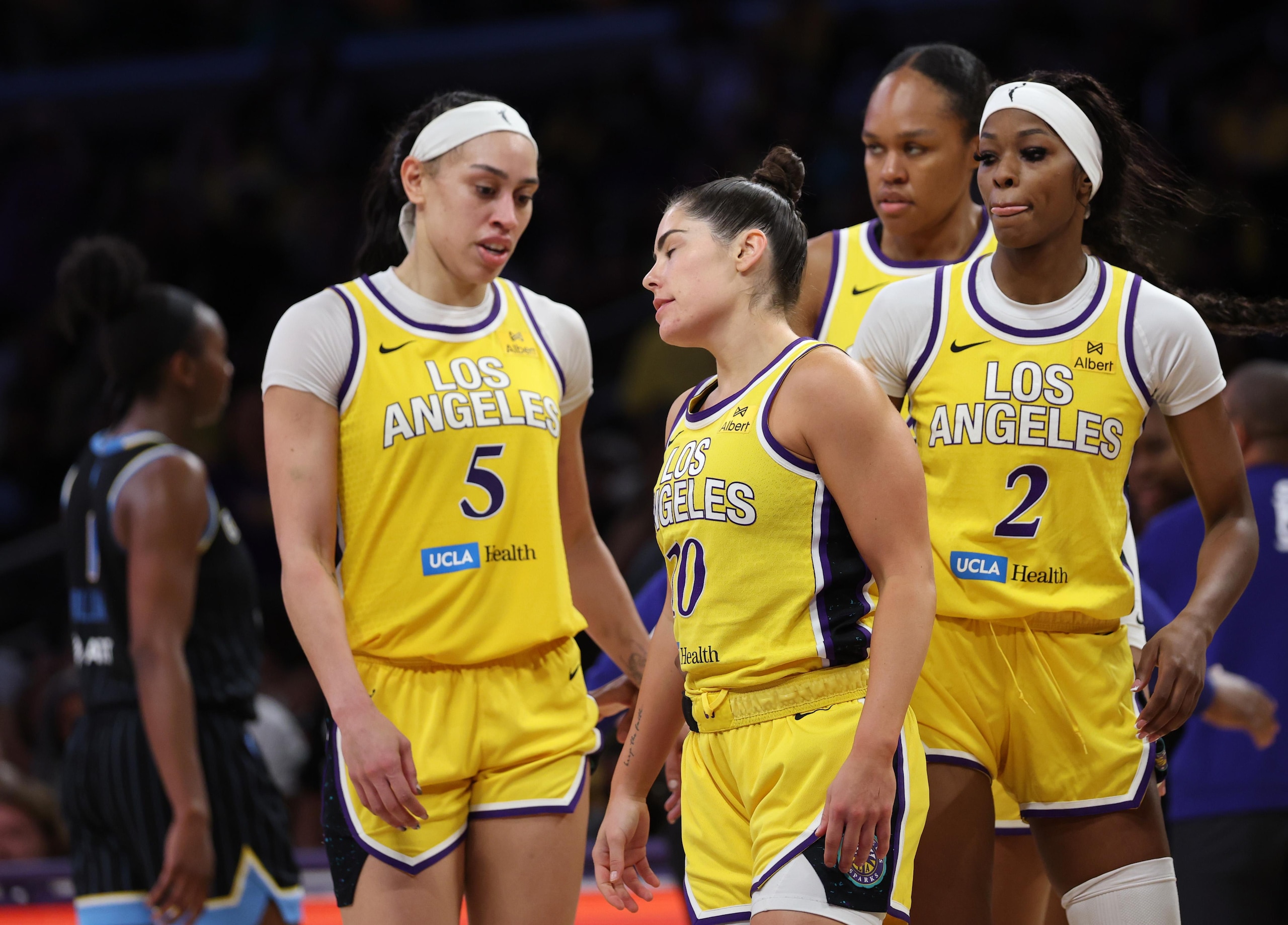
If you were to tell me before the season started that Kelsey Plum would be a surefire All-Star, and that Dearica Hamby and Azurá Stevens would put together campaigns worthy of All-Star consideration (still surprised that both missed the initial cut), I'd think the Sparks were firmly in the playoff picture.
Instead, the Sparks enter the All-Star break three games outside of a playoff spot altogether, shockingly closer to the 12th seed (Dallas Wings) than the eighth seed (Las Vegas Aces).
The offense has been efficient (third in True Shooting), but ultimately undone by turnovers (11th in turnover rate) and arguably the worst team-wide screening in the league. It's something I've been hammering since the preseason, and I'm genuinely surprised that it hasn't progressed much throughout the year.
(And as a quick, related aside: I think I'd need a separate article altogether to parse through my thoughts on the Rickea Jackson season. Missed time aside, her usage has felt inconsistent, and her process within the usage she gets leaves quite a bit to be desired.)
That, combined with a spotty defense (10th in defensive rating) that is constantly in rotation—they're an aggressive bunch, so some of that rotation is built into their process—gives them a smaller margin for error despite their high end talent.
It's cliché, but the Sparks being even 5 percent better at the little things—and I'll once again bang the drum on their screening in particular—should lead to better results.
Chicago Sky (7-15): Reorganizing
11 of 13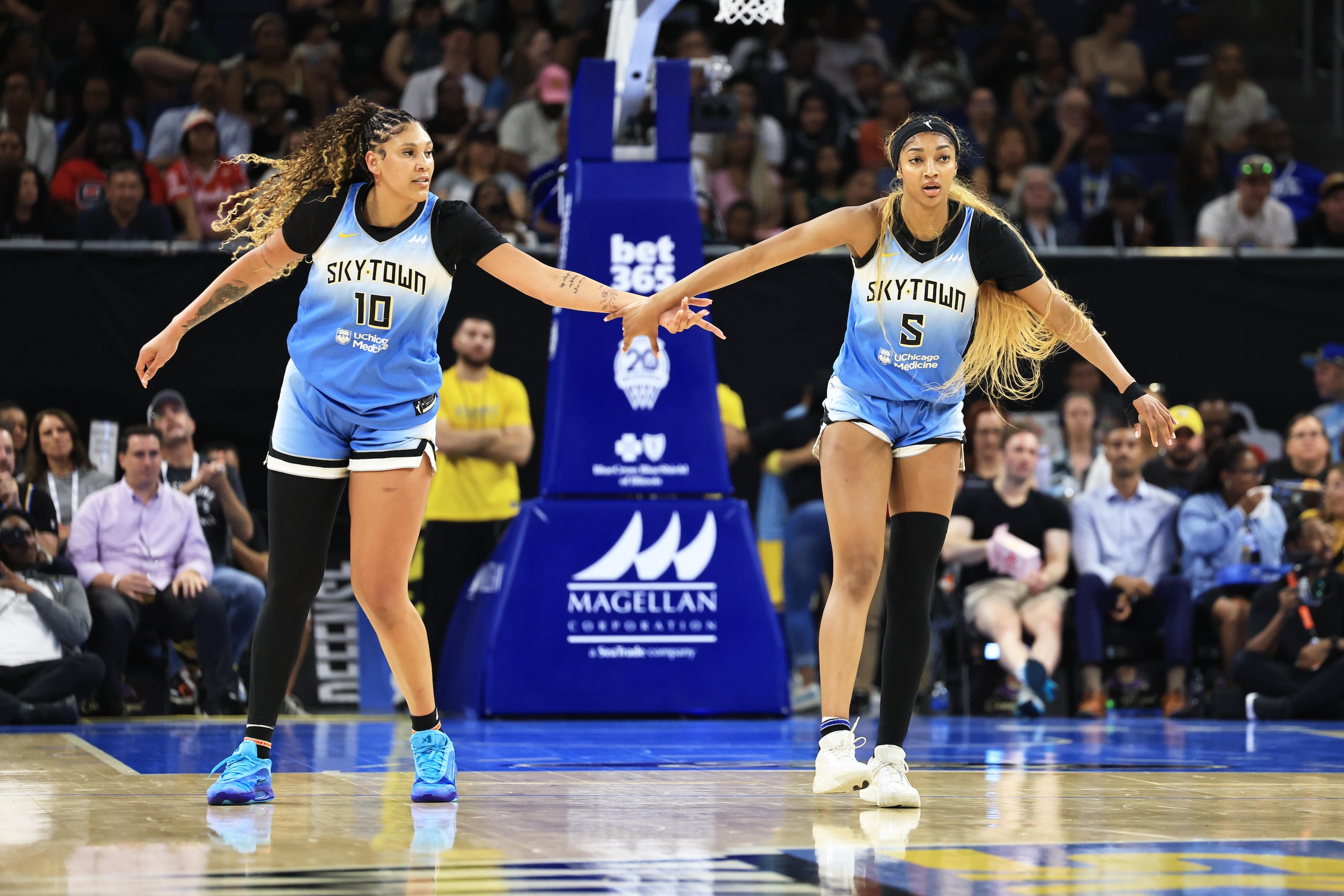
It's been a frustrating season for the Sky as they've worked to find themselves on both ends of the floor. The spacing and flow tweaks that stood out during preseason play didn't immediately translate in the early-goings of the regular season. All three of the Sky's top players—Angel Reese, Ariel Atkins and Kamilla Cardoso—struggled to generate efficient offense for themselves and others in the midst of all this change.
There's been a shift as of late, with Reese taking even more ownership offensively. Already operating in a point-forward context, her usage has ramped up even more in her last eight games. Since June 24, Reese is averaging 19.1 points, an absurd 14.4 rebounds (3.4 OREB), 4.1 assists and 1.1 steals.
The scoring has naturally been the most impressive part of this stretch, her finishing in particular perking up due to her better leveraging her physicality to create cleaner shot windows for herself.
That improvement as a finisher—and her maintaining her foul-drawing prowess—could take her from fringe All-Star to a legitimate All-WNBA talent. I'd argue that, over the past three or so weeks, there haven't been 10 better players than Reese—if that. Here's hoping she's able to sustain that level.
Dallas Wings (6-17): Experimental
12 of 13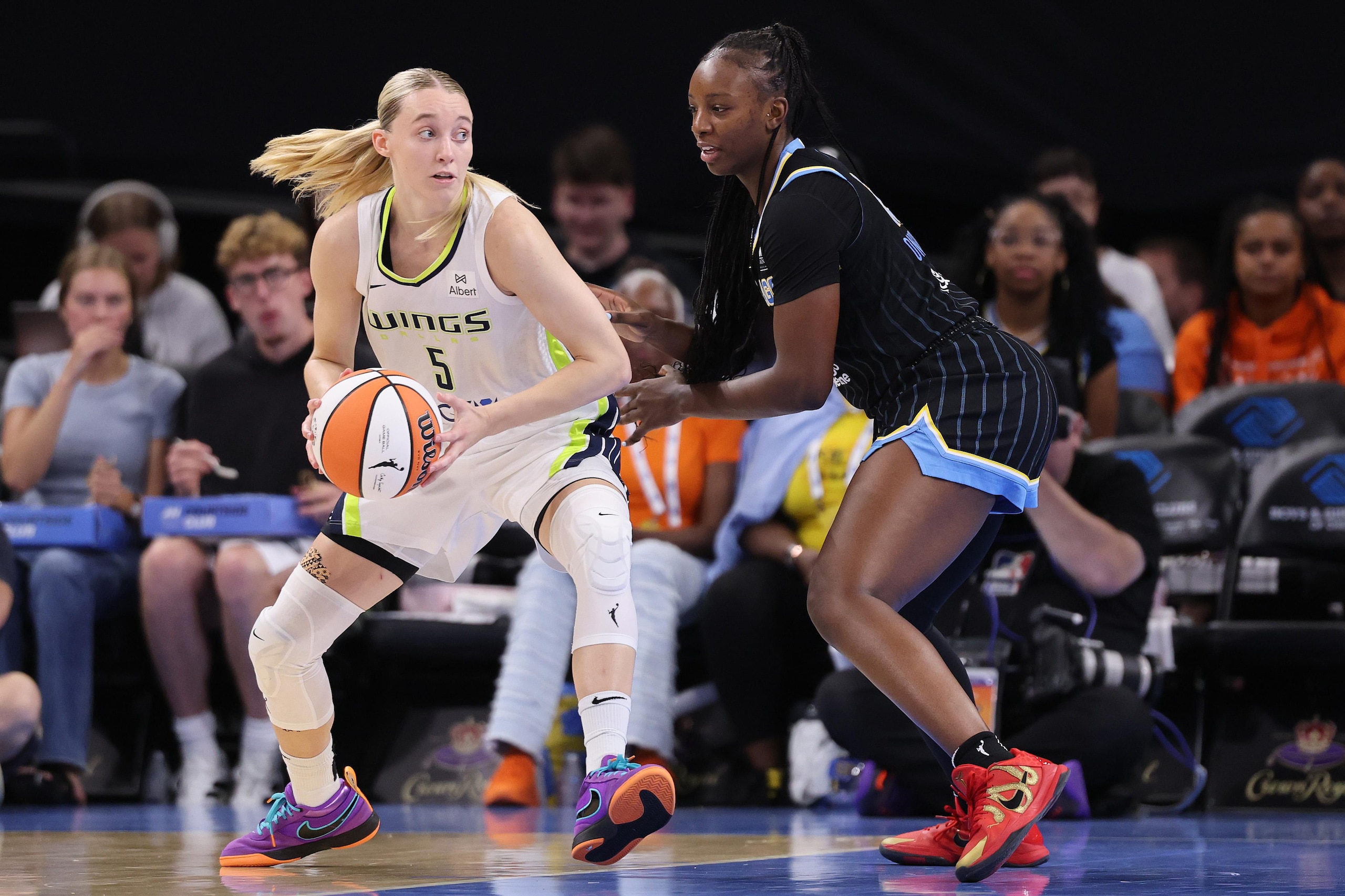
The Wings have had their share of growing pains as they've tried to work in new personnel and a new coaching staff. Throw in a heavy dose of injuries and overseas obligations and it's easy to understand why inconsistency has defined their season.
On the positive end, the roster upheaval has somewhat forced their hand into some interesting rotational experimentation. The team very much goes as rookie star Paige Bueckers goes at this point—the blend of 2.5-level shotmaking, playmaking and surprisingly-sturdy-for-a-rookie defense has been a joy to watch—but it's fun watching this Wings group fly around with their smaller lineups.
For example, we've seen the rookie guard trio of Bueckers, JJ Quinerly and Aziaha James log 85 minutes together; they've only been outscored by three points in that stretch—a miracle considering the team has been outscored by 115 points overall.
In the frontcourt, trade acquisition Li Yueru has made herself at home (8.8 points, 7.1 rebounds). Rookie big Luisa Geiselsoder may already be the best all-around big on the roster: she's flashed the ability to shoot, self-create, pass, screen, rebound, and hold up defensively.
Put all five of those players together—a three-guard group with incredible size and skill up front—and you have a unit that's won their 38 minutes together by seven points. I'd like to see more of it, with respect to the veterans on the roster.
Connecticut Sun (3-19): Youthful
13 of 13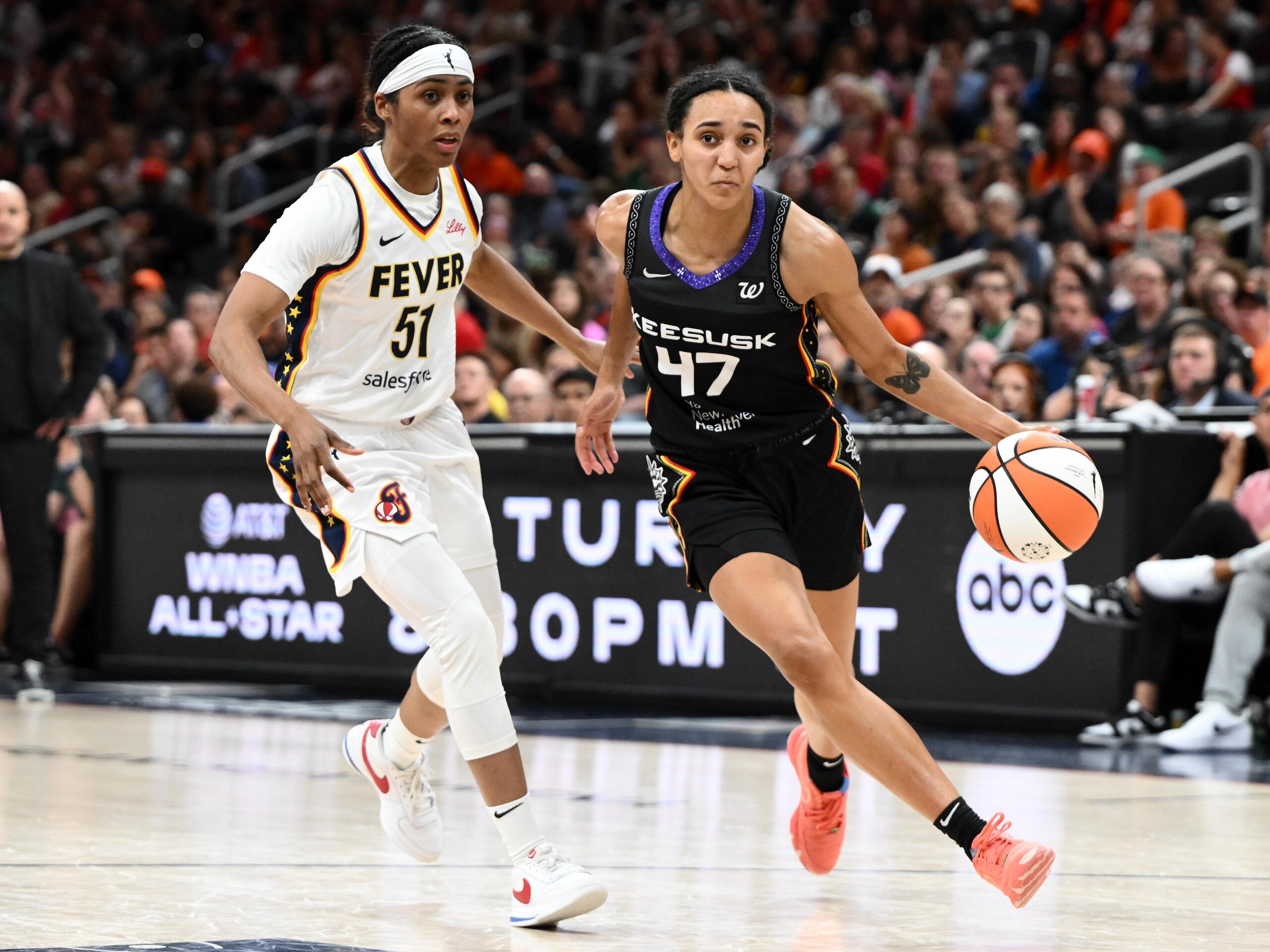
This was the worst team in the league before it lost Marina Mabrey to a knee injury. Without her, and her ability to draw two on the ball, things have felt even more perilous offensively. The Sun easily sport the worst offensive rating in the league since Mabrey's been out.
But you know what? That's kinda OK.
Without Mabrey, the Sun have turned into Tina Charles (still willing and able to give you old school #buckets) and a bunch of young players, and I appreciate the feistiness that they play with.
Guard Leila Lacan has showcased comfort on and off the ball. Jacy Sheldon continues to hunt pull-ups and hound opponents on the other end. Ditto for Saniya Rivers, whose drives (and the playmaking off of those drives) continue to intrigue me. Aneesah Morrow continues to fly around on both ends—that naturally gets her in trouble a good bit, but her motor and nose for the ball continues to pop.
The wins aren't coming as of now, but the Sun have quietly been an enjoyable watch as of late. They're not a team you can take lightly.

.jpg?w=2560 "NFL investigating 2 referees for separate viral exchanges")
.jpg?w=2560 "Report: Chiefs Contact Hill's Agent")
.jpg?w=2560 "OBJ Calls Out Giants 😳")
.jpg?w=2560 "Tyreek makes another cryptic post amid Chiefs rumors")


.jpg?w=2560 "Greenlaw Talks Payton Exchange")
