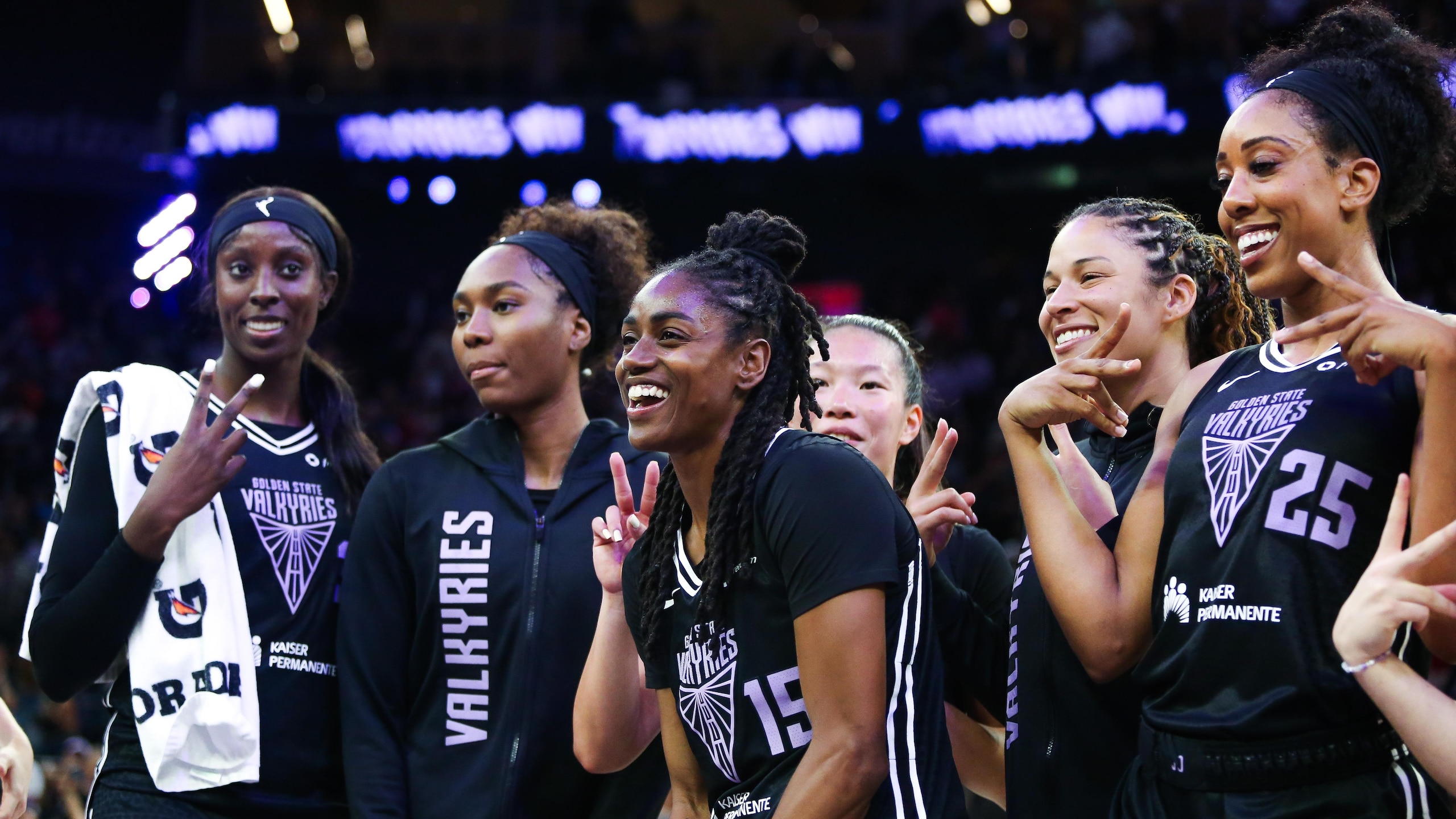

4 Things WNBA Expansion Teams Can Learn from Golden State Valkyries' Early Success
It's an exciting time to be connected to the WNBA—as a fan, an ownership group and virtually everything in between.
The on-court product is tremendous, fan interest continues to rise and we recently learned that team valuations are way up across the entire league. At the top of the valued-at list are the Golden State Valkyries, the new kids on the block lapping the field at a $500 million valuation.
It's a badge of honor on top of what's shaping up to be, arguably, the most successful expansion season in league history. The last two expansion teams to enter the league—the 2008 Atlanta Dream and 2006 Chicago Sky—won a combined nine games in their inaugural seasons. The Valkyries, heading into their Saturday showdown with (what's left of) the Las Vegas Aces, sport a 10-9 record and sit a couple of games out of a home-court seed.
It's been an incredible start, one that should resonate with the expansion franchises set to enter the league through the end of the decade: Portland, Toronto, Detroit, Philadelphia and Cleveland. Let's take a look at some lessons those teams can learn.
Establish a Strong, Diverse Braintrust
1 of 4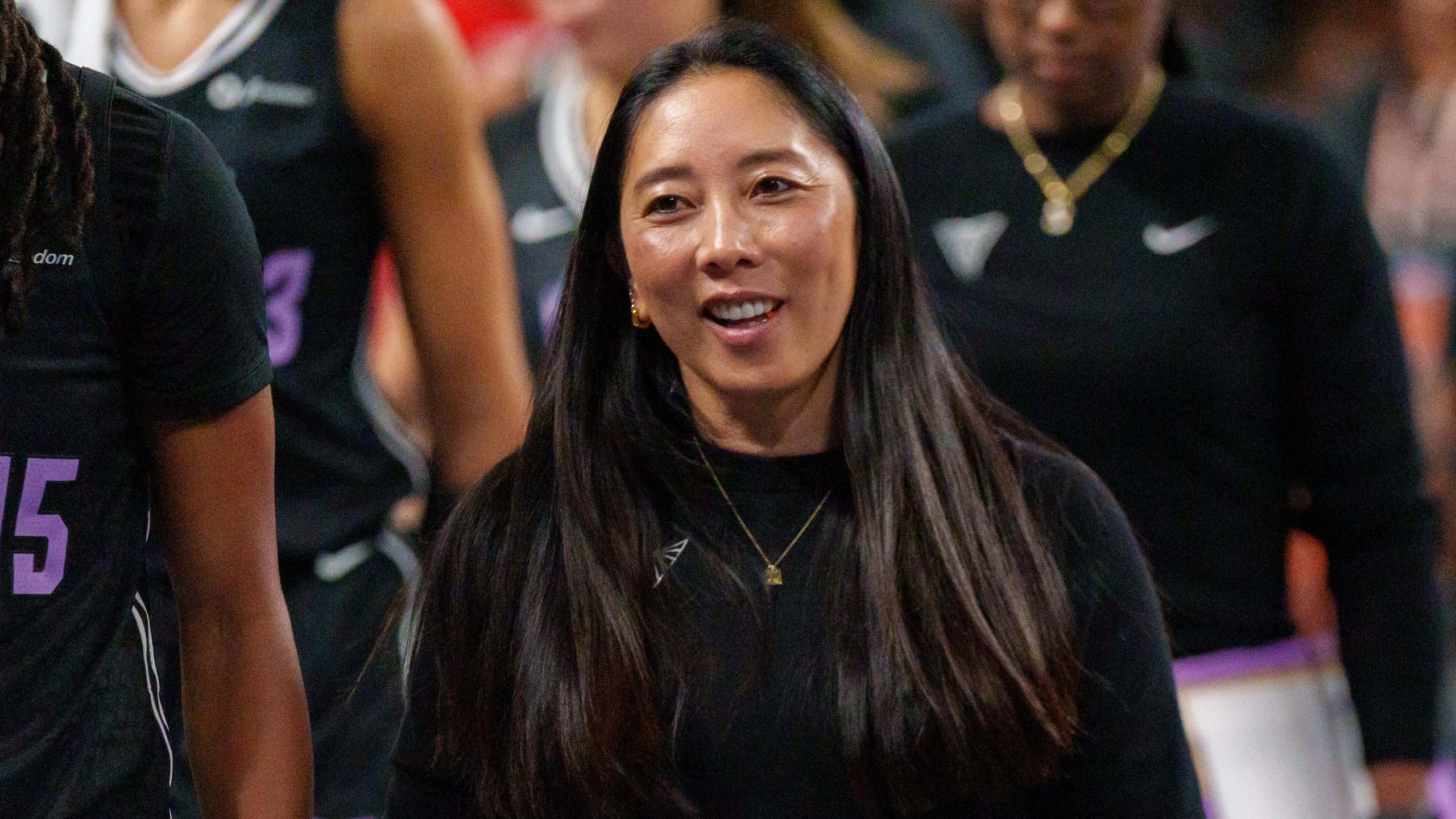
It would be easy to say the Valkyries nailed their big-picture hires and call it a day. Heck, having Joe Lacob and Peter Gruber as co-owners already gives the team a head start in terms of investment.
(As a quick aside, having a built-in path to NBA-quality amenities certainly helps the cause. That's a big part of the beauty of Lacob and Gruber running things. Being able to lock that in early is an easy sell to future players and the fanbase; a baseline level of competency on that front is a big part of why season ticket sales went through the roof well before games were played.)
General manager Ohemaa Nyanin has done a great job of putting together a competitive, versatile roster—and we'll talk about that more shortly. Head coach Natalie Nakase has made the most of said roster, cooking up fun and effective things on both ends of the floor—we'll dig deeper on that front, too.
But if you take even a cursory look at the full staff, you'll come away impressed with both the makeup of the group and the collective, expansive experience between them.
Nakase's resume alone is impressive. She was a championship-winning assistant coach with the Aces before being hired away to lead the Valkyries. Before that, she logged years of NBA and G-League experience with the Los Angeles (and Agua Caliente) Clippers. Before that, she held (head) coaching positions in Germany (2008-10) and Japan (2010-12).
In the staff as a whole, there's a throughline of NBA and/or G League experience, international coaching and playing experience, NCAA coaching and playing experience, and player development backgrounds within those coaching stints. There really isn't a stone unturned.
Find a Healthy Mix of Veterans
2 of 4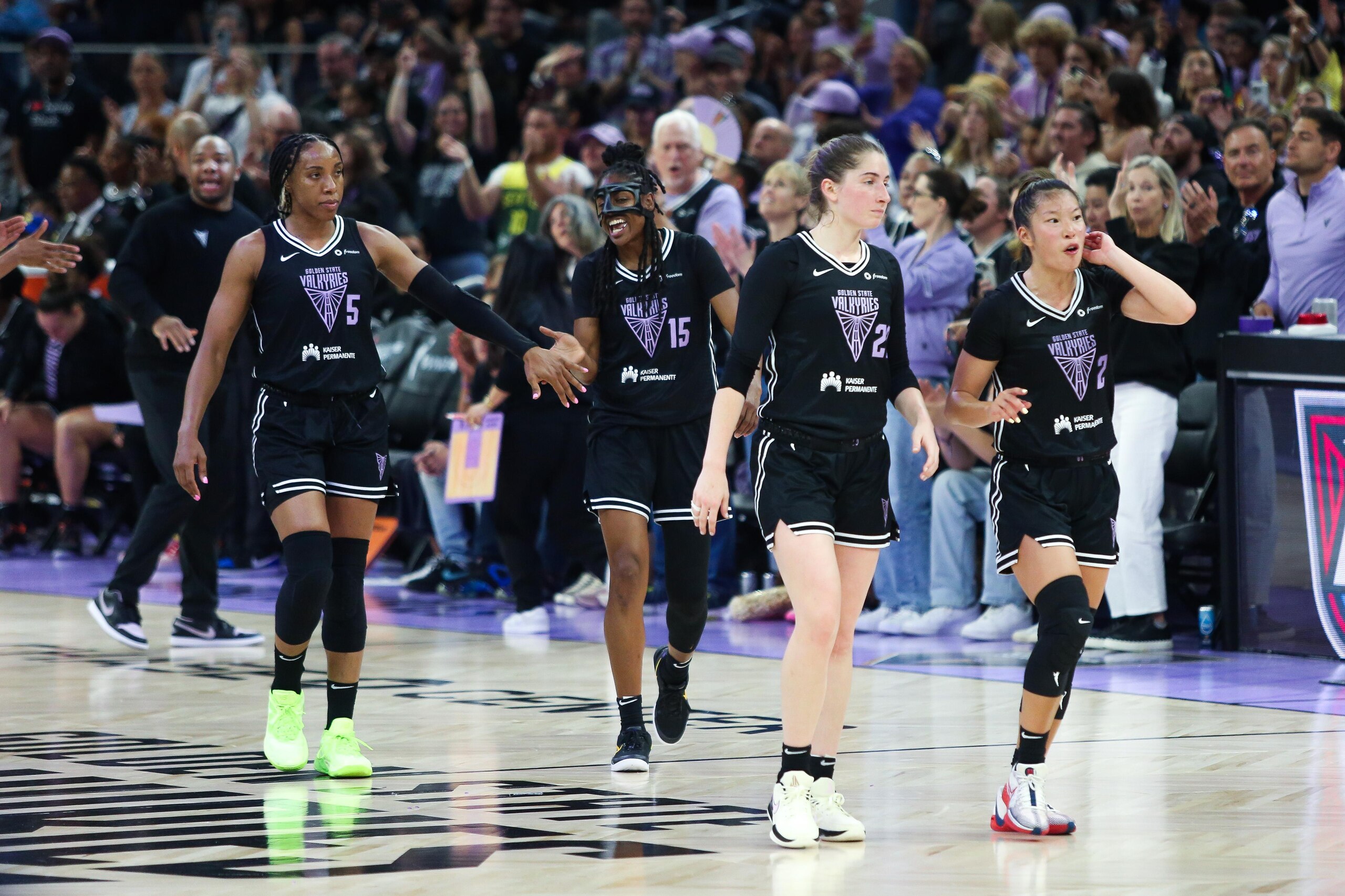
To the team-building piece, it would've been easy (and mostly justifiable) for the Valkyries to load up on young talent, rack up losses and build through the upcoming drafts. Instead, they worked to find a blend of young talent and versatile veterans who could handle some of the early lifting if needed.
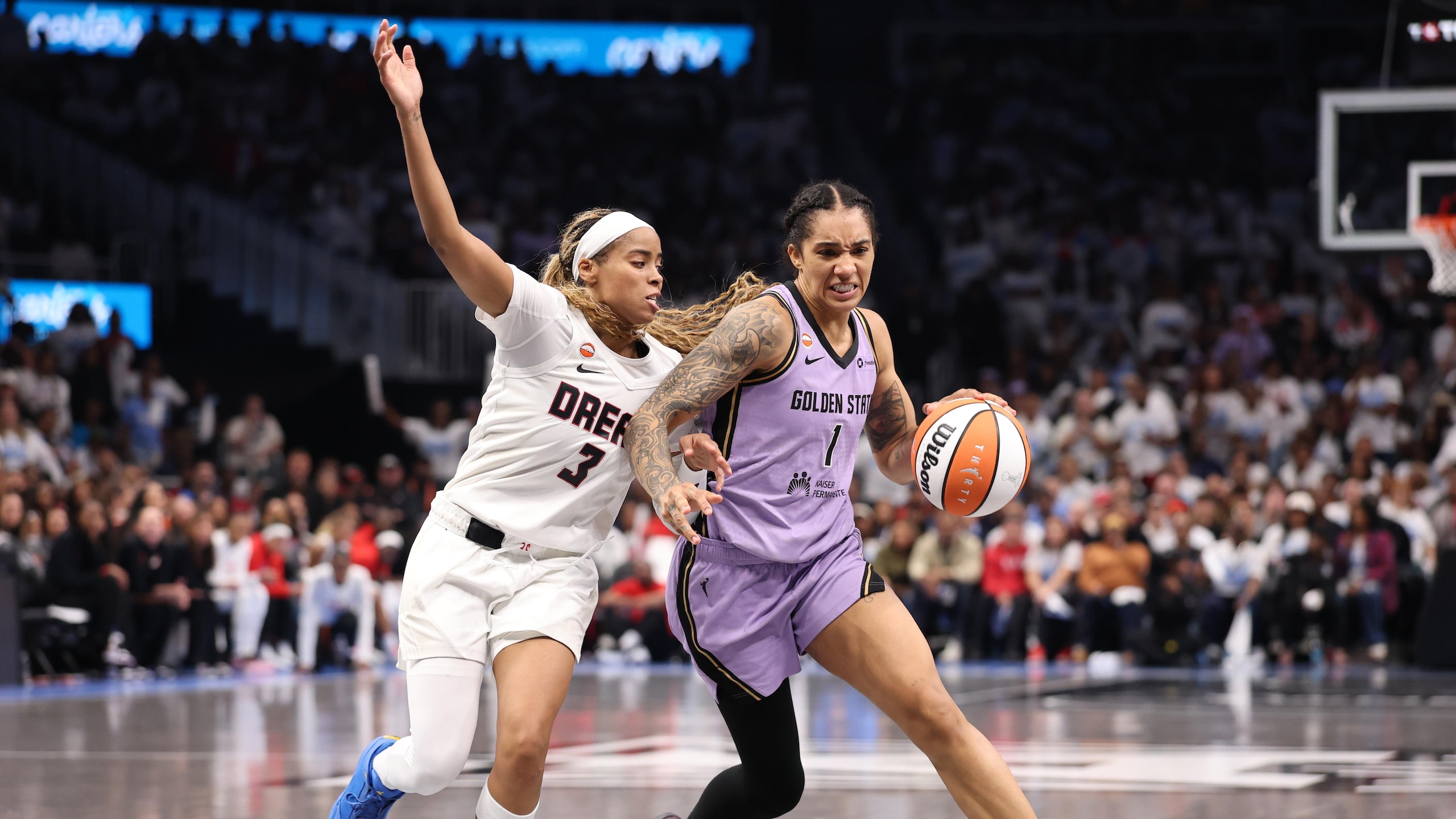
In the expansion draft, the Valkyries selected six players aged 28 or older: Kayla Thornton, Monique Billings, Stephanie Talbot, Cecilia Zandalasini, Julie Vanloo and María Conde. They would go on to make a big, surprising splash in free agency by adding former All-Star Tiffany Hayes to spearhead the offense.
But within that, there's still been room for Veronica Burton to grow as an initiator while pestering opposing guards on defense. Carla Leite has been given the freedom to drive and drive and drive again. Vanloo was recently waived (and quickly claimed off waivers by the Los Angeles Sparks) due to the play of Kaitlyn Chen during Vanloo's EuroBasket-induced absence.
Kate Martin, building off an intriguing rookie campaign with the Aces, has filled gaps on both ends of the floor when given the opportunity. Janelle Salaün has added much needed shot-making in the frontcourt. Laeticia Amihere, in her second stint with the team, has put some pretty fun drives on film while working to grow defensively.
It's not easy to strike the balance between having veteran guardrails and letting the youth expand their palette, but the Valkyries have done a nice job of walking that line.
That blend could serve as a bit of a blueprint, but it certainly won't be easy to replicate. Considering Toronto and Portland will be in next year's expansion draft, with the added wrinkle of most of the league being unrestricted free agents, it won't be easy to replicate the Valkyries' success on the draft front at least.
Value Can Be Found Anywhere
3 of 4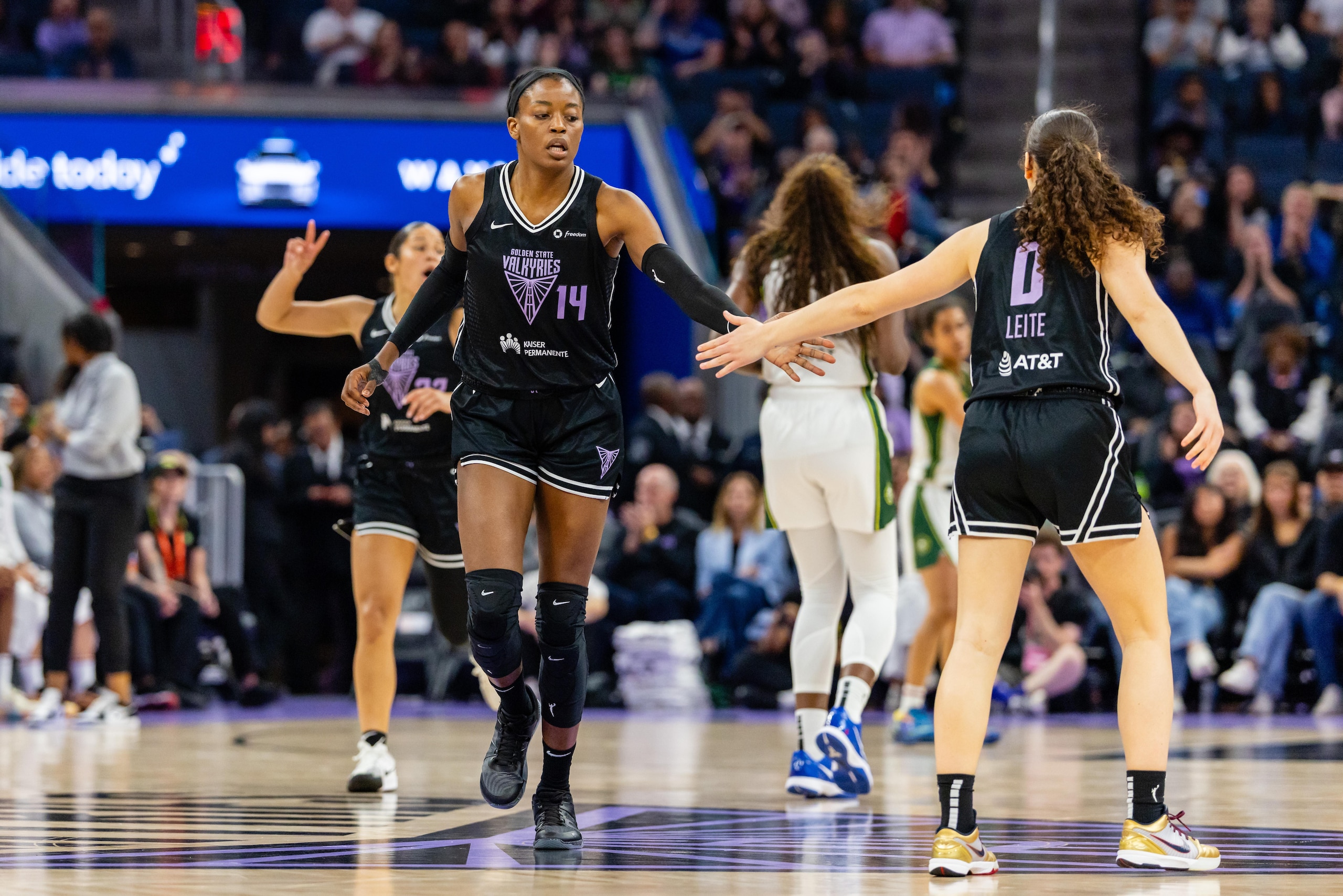
Something that immediately stood out following the Valkyries' expansion draft was the volume of international players selected.
Temi Fagbenle, Carla Leite, Maria Conde, Stephanie Talbot, Cecilia Zandalasini, since-waived Julie Vanloo and Iliana Rupert represented seven of their 11 selections, all with international backgrounds.
The Valkyries would later sign Janelle Salaün, fresh off a run with the French national team, in free agency. A couple of months later, they made Justé Jocyté their top selection in the 2025 WNBA draft, though she isn't slated to come over until next season at the earliest.
It's hard to argue with the results so far. Fagbenle and Salaün (before EuroBasket play, at least) solidified themselves as frontcourt starters. Leite has provided a nice punch off the bench and has performed well when asked to start (10.0 points on 52.2 percent shooting, 3.7 assists). Talbot and Zandalasini provide a level of size and versatility in the forward room.
Lean Into a Defensive Identity
4 of 4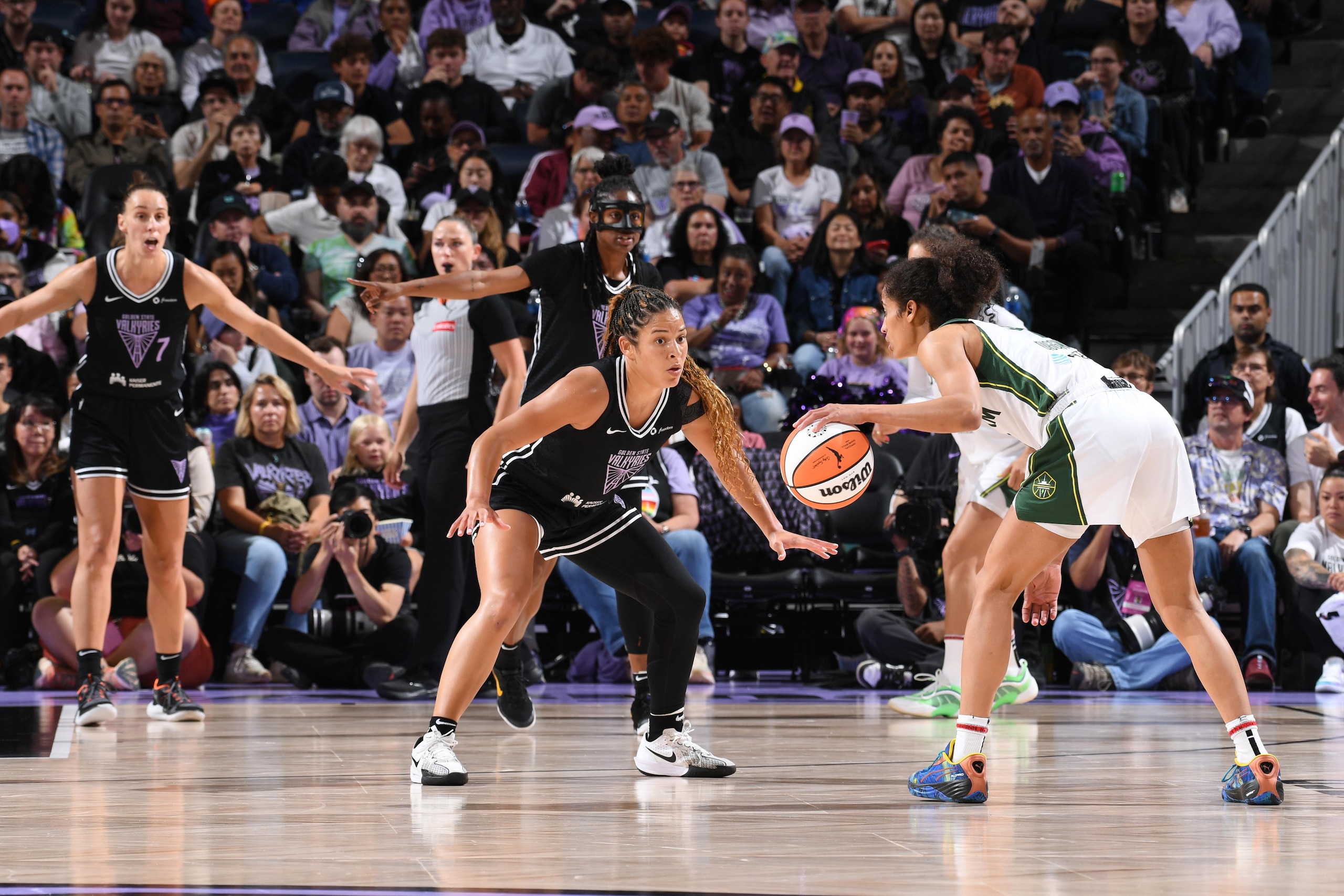
The Valkyries quickly established themselves as an annoyingly awesome defensive unit.
Through games played on July 10, the Valkyries rank second in the league in defensive rating, allowing 97.3 points per 100 possessions. Only the Minnesota Lynx (94.7) have been stingier on that end, and they're led by a frontcourt featuring last year's Defensive Player of the Year (Napheesa Collier) and an All-Defensive selection who boasts a pretty strong DPOY argument in her own right this season (Alanna Smith).
The Valkyries have overwhelmed teams with their mix of activity against ball screens, off-ball physicality, aggressive help principles and their willingness to throw out zone defense. To that end, the Valkyries, per Second Spectrum data:
- Allow 0.76 points per possession (PPP) on trips featuring a ball screen, tops in the league
- Allow 0.77 PPP against off-ball screens, the second-lowest mark in the league
- Allow both the lowest expected shot quality (45.5 percent) and efficiency (48.5 percent) on shots at the rim or in the paint
- Rank second in rim-or-paint shot attempts per 100 possessions (36.9), only trailing the Phoenix Mercury (36.6)
- Have had a help defender present on nearly 74 percent of the drives they've defended, the third-highest rate in the league
- Have logged 7.5 percent of their defensive possessions in zone, the highest mark in the league by over three percentage points (Aces, 4.1 percent)
Between Burton at the point of attack, Thornton as a forward who can defend virtually anyone (she should factor heavily into All-Defensive discussions) and Fagbenle as a scheme-versatile big that racks up deflections, the Valkyries have an incredibly strong foundation that can shapeshift at a moment's notice.
Building out a defense like this is a lot easier said than done—again, the "double" expansion draft ahead of next season could throw a wrench into team-building plans, depending on potential rule tweaks in light of an expansive free-agency class. But in light of how difficult it'll be to acquire a bona fide offensive hub, it would behoove future expansion teams to establish their defensive baseline first.



.jpg?w=2560 "Jonathan Taylor Landing Spots 📍")





