.jpg?w=2560)


There wasn't much to begin with, but most of the cash available in the 2025 NBA offseason has dried up. The top free agents have new deals, rookies are on board and the trade chatter is quieting down.
That makes this a good time to hand out some offseason grades.
This can't just be about whether a given roster looks better or worse than it did a year ago. Every team has different priorities, tools and intentions. These grades must acknowledge that reality.
We have to go a layer deeper, asking some important questions before passing judgment. What were the team's priorities, and what were the realistic options for pursuing them? And then, did the team engage in that pursuit effectively: maximizing value, being opportunistic, operating on a clear timeline, etc.?
The Boston Celtics' demolition has to be evaluated differently than, say, the Houston Rockets' star acquisitions, or the Charlotte Hornets' careful accumulation of future assets.
Three weeks into the offseason, most of the big business is done. Let's see how all 30 teams have fared so far.
Atlanta Hawks
1 of 30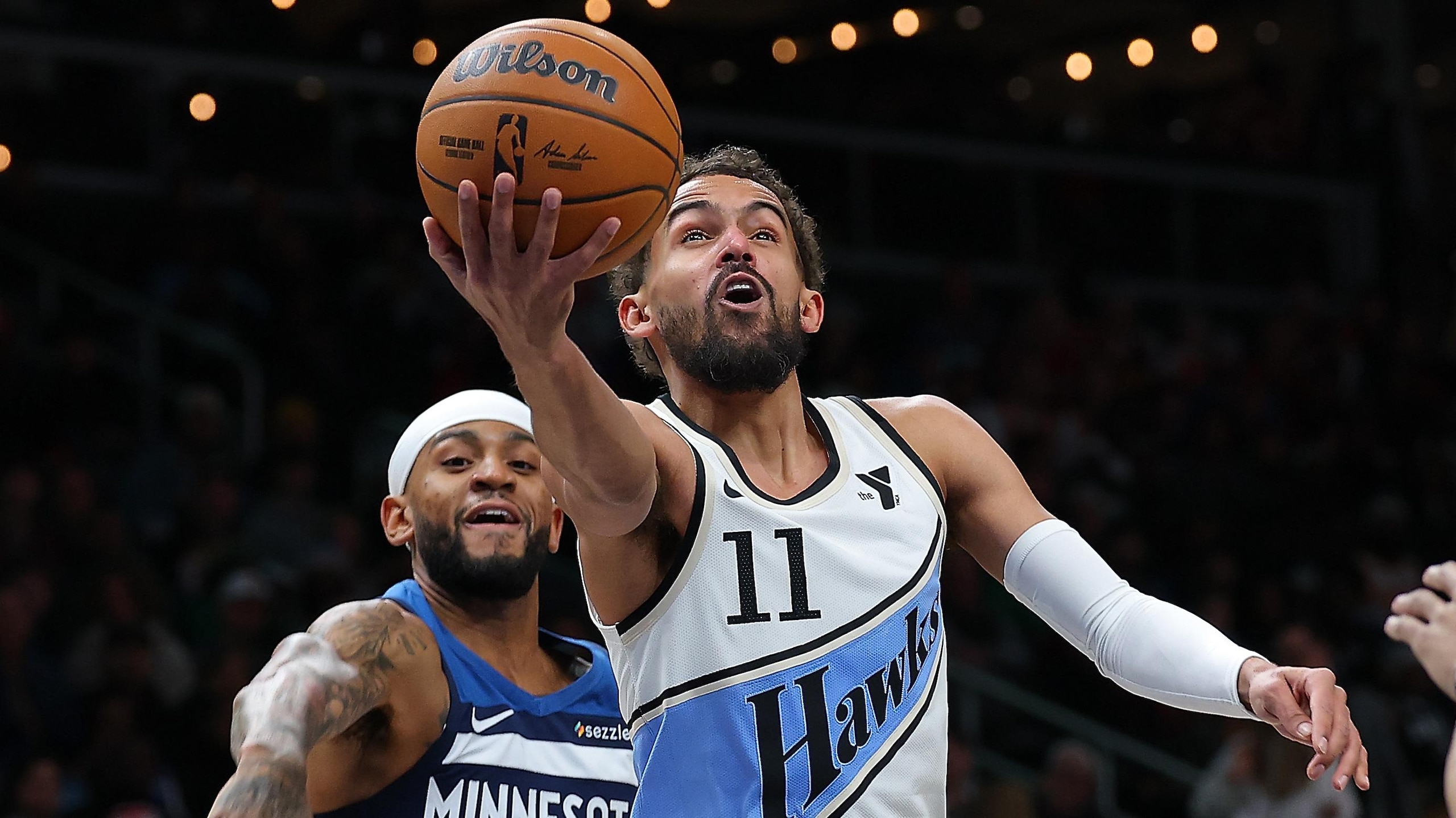
Nickeil Alexander-Walker (four years, $62 million via sign-and-trade) and Luke Kennard (one year, $11 million) give the Atlanta Hawks perhaps the best backcourt rotation they've had during the Trae Young era, and trade acquisition Kristaps Porziņģis will bring a shot-blocking, floor-stretching skill set the team has never really had.
Even with Porzingis' uncertain health, he was well worth Georges Niang, Terance Mann and the No. 22 pick, the price Atlanta paid to land him in a three-team deal with the Brooklyn Nets and Boston Celtics.
The returning first unit—Young, Dyson Daniels, Zaccharie Risacher, Jalen Johnson and Onyeka Okongwu—now have three high-end contributors coming off the bench behind them. This might be the deepest, most complete Hawks rotation since they made the Eastern Conference Finals in 2021.
Better still, Atlanta came out on the right end of the most lopsided trade of the summer by securing an unprotected 2026 first-round pick (better of New Orleans or Milwaukee) and the No. 23 selection for the No. 13 pick. If the Pels or Bucks slip up, the Hawks could be choosing near the top of the 2026 draft.
Grade: A
Boston Celtics
2 of 30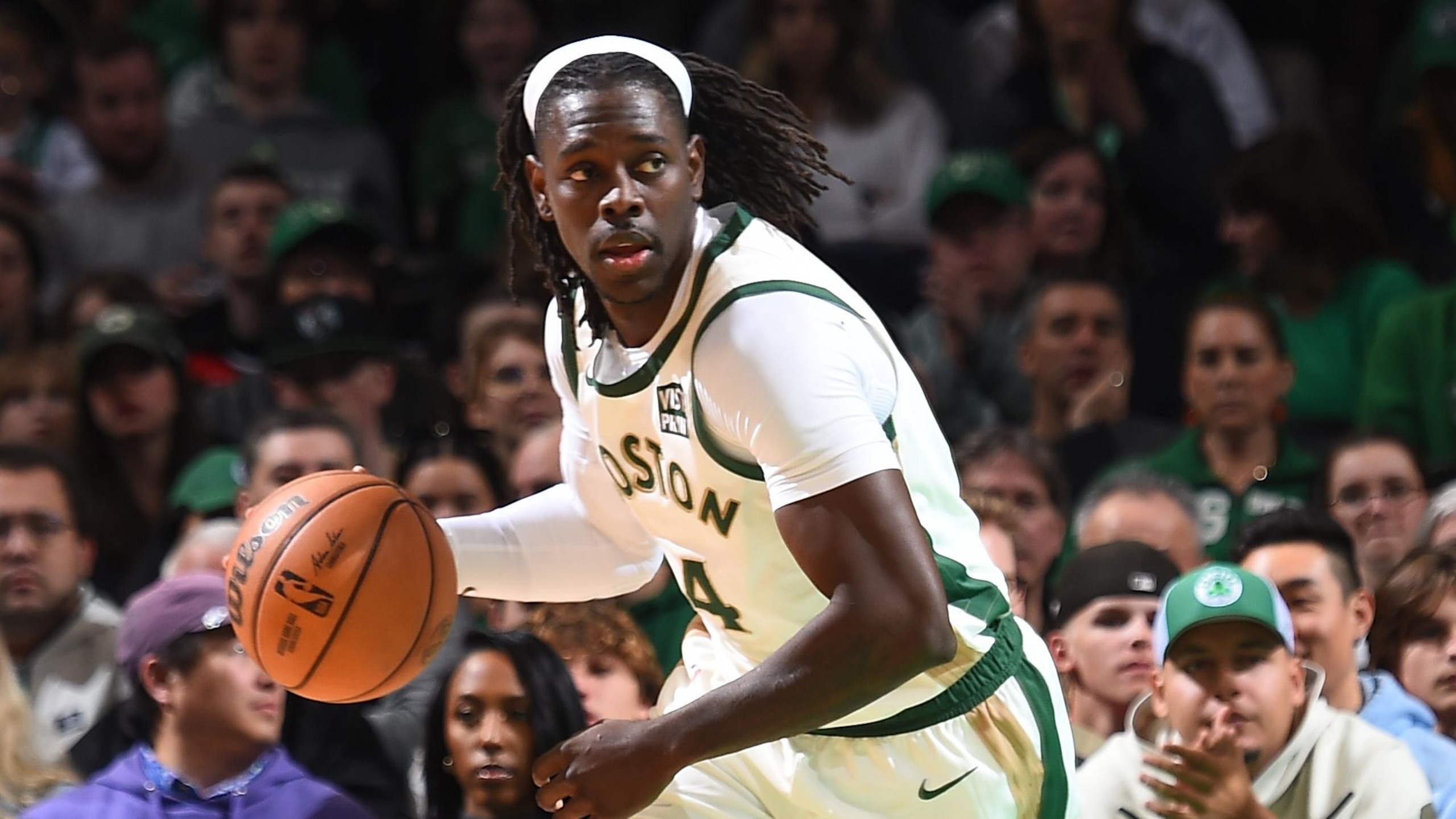
The cost-cutting talent drain was probably on the table before Jayson Tatum tore his Achilles in the playoffs, but that deeply unfortunate injury made the Boston Celtics' demolition inevitable.
Knowing there was no sense in spending $500 million in payroll and tax on a Tatum-less roster that couldn't contend, the Celtics shipped off Kristaps Porziņģis and Jrue Holiday, netting Anfernee Simons from the Portland Trail Blazers for the latter.
Boston is now under the second apron and could duck the tax if it finds a taker for Simons' expiring $28 million salary at the trade deadline.
None of this has been any fun for Celtics fans, who are probably experiencing whiplash with a championship and a teardown separated by 13 months. But Boston had to do this. The costs and restrictions associated with keeping the roster together were too great, particularly in the wake of a Tatum injury that might keep him from returning to full form until 2027.
Grade: C
Brooklyn Nets
3 of 30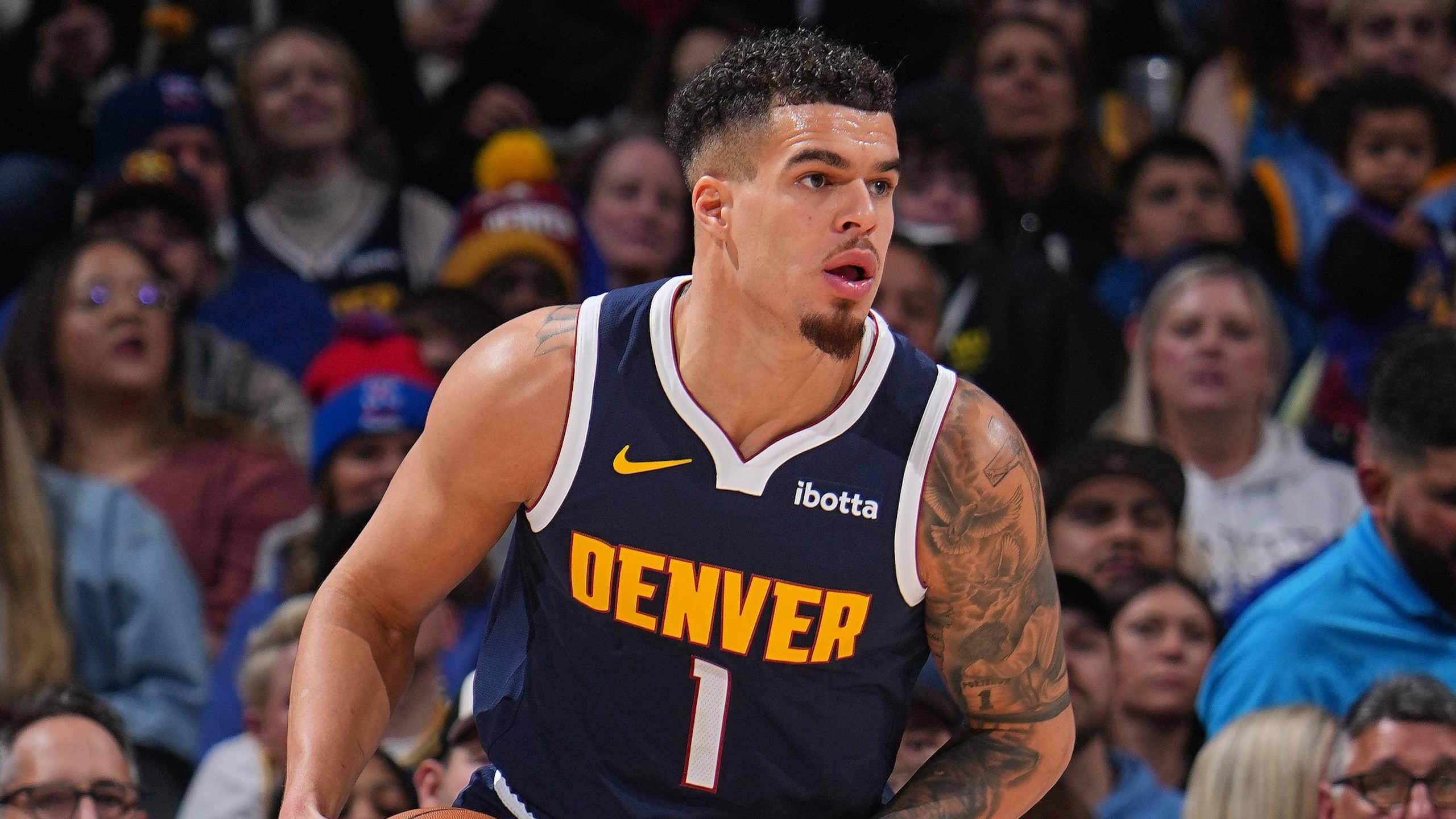
It was a bit of a surprise to see the Brooklyn Nets use all five of their first-round picks, but given their lack of cornerstones and long distance from contention, throwing a handful of darts isn't the worst idea.
And if one of Egor Demin, Nolan Traore or Ben Saraf pans out, the Nets will have the point guard they need to run the show.
Brooklyn picked up a "meh" first-rounder by inserting itself into the Kristaps Porziņģis deal between the Hawks and Celtics, but the real gem of its offseason came in the form of an unprotected 2032 first-round pick from the Denver Nuggets. If the Nets can flip Michael Porter Jr. for positive value at the deadline, they could win that trade twice over.
Maybe some fans are disappointed Brooklyn didn't wield its cap space more aggressively, but exiting the offseason with a bunch of rookies, that 2032 pick and the chance to have nearly as much cap space next summer as this one is a pretty good result.
Grade: B



Charlotte Hornets
4 of 30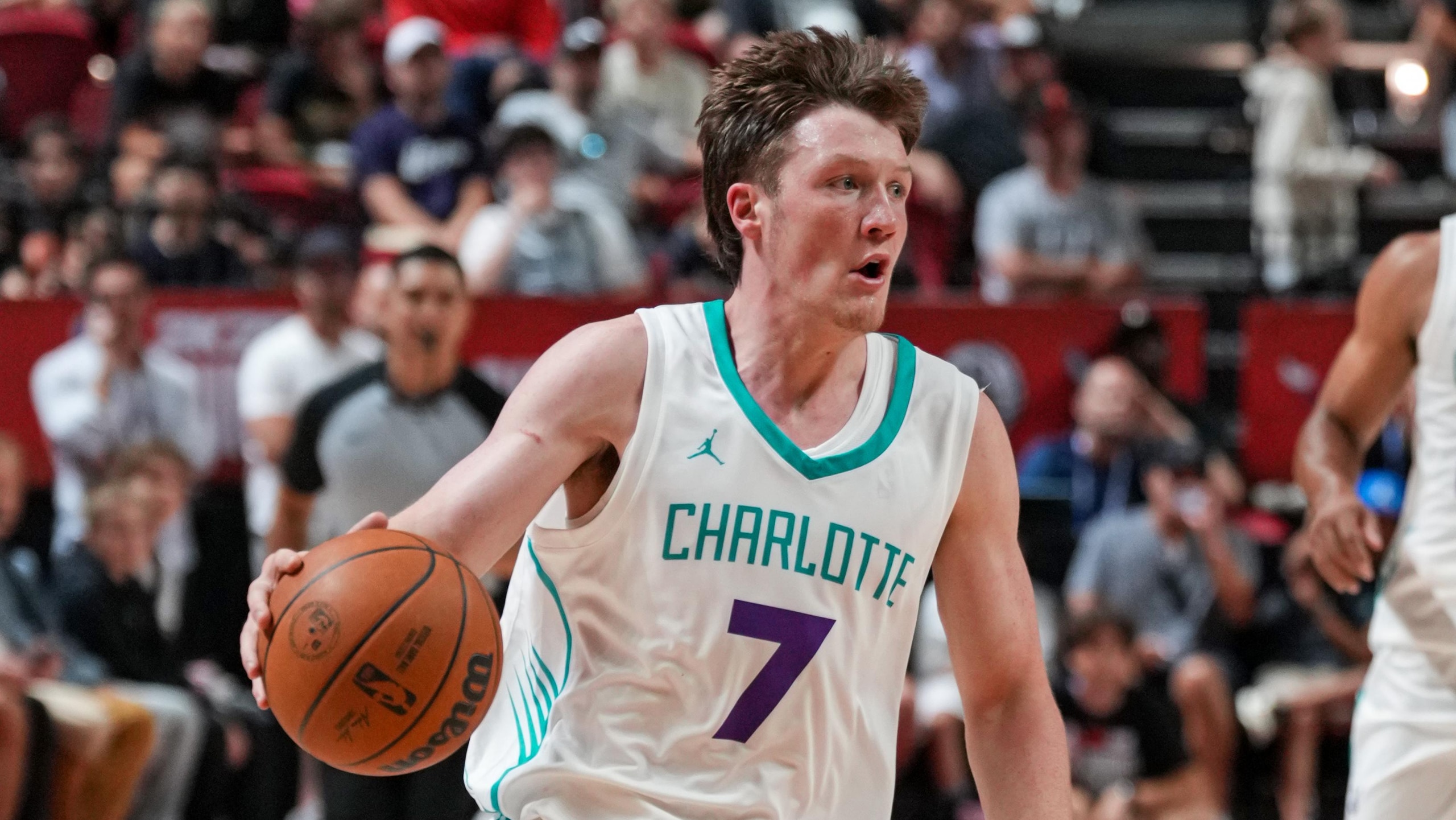
You used to be able to count on the Charlotte Hornets chasing the first shiny object they saw, but top executive Jeff Peterson now presides over a franchise with much better impulse control.
Their work this summer was about collecting assets as part of a careful rebuild. No more short-term gains. No more quick fixes. Just well-considered, deliberate work with an eye toward sustainable winning.
The Hornets landed the No. 29 pick and a 2029 first (worst of Cleveland, Utah and Minnesota) for Mark Williams, picked up a second-rounder with Collin Sexton for Jusuf Nurkić and grabbed two more future seconds by serving as a dumping ground for Pat Connaughton's salary.
Toss in a low-risk $24 million over three years for Tre Mann, Spencer Dinwiddie on the minimum and Kon Knueppel at No. 4 in the draft, and the Hornets have themselves some pretty good complements to (or replacements for) LaMelo Ball and his iffy ankles.
Grade: B
Chicago Bulls
5 of 30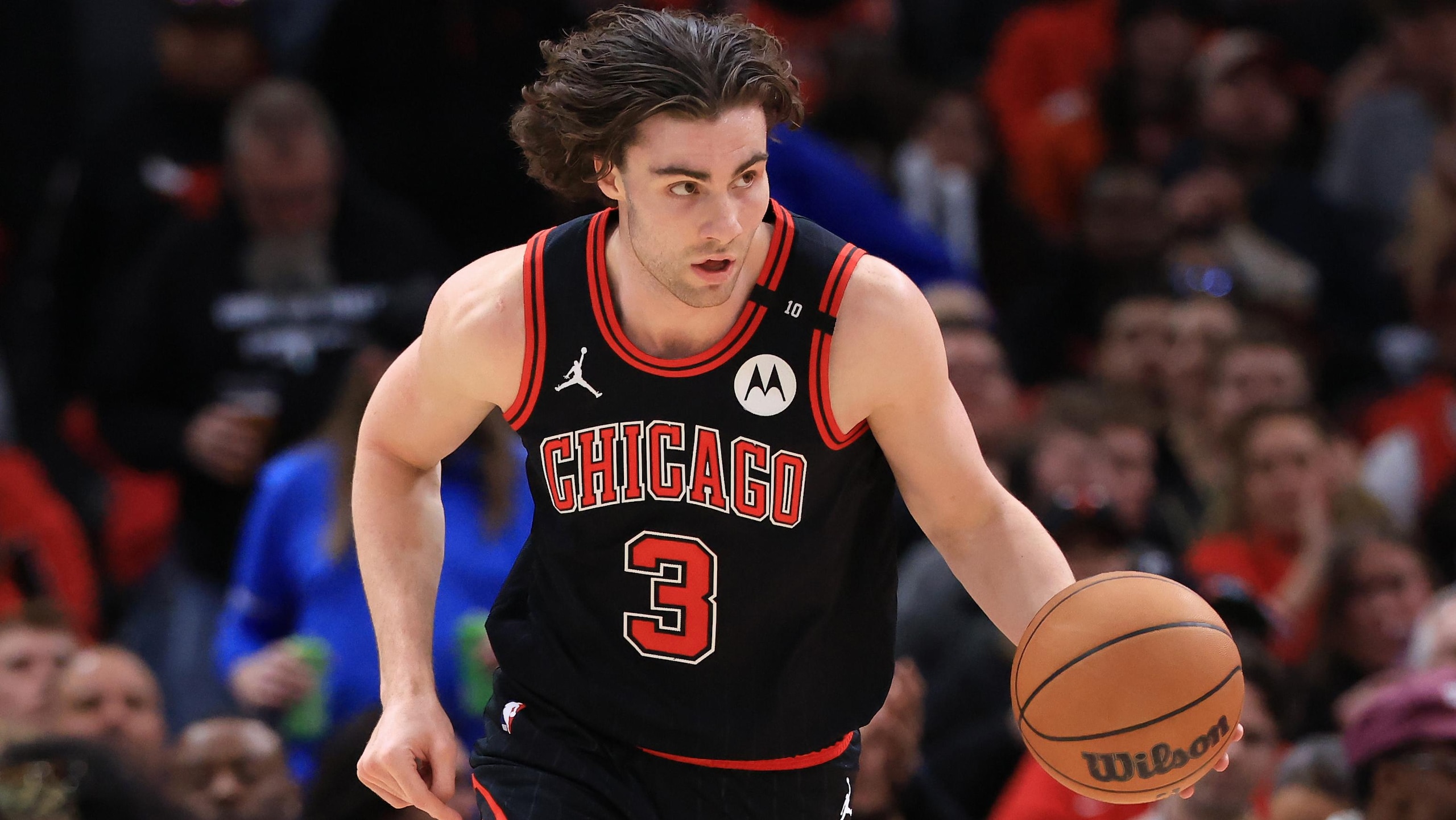
Unambitious as ever, the Chicago Bulls' biggest offseason move was recommitting to the dogged pursuit of something between 38 and 44 wins. By agreeing to contract extensions with GM Arturas Karnisovas and head coach Billy Donovan, ownership effectively shouted "We are totally fine with this!" into a megaphone.
Fans who'd like to dream of something more than a Play-In elimination and another No. 12 draft pick may feel differently.
This could get worse if the Bulls bend on restricted free agent Josh Giddey like they did last summer with Patrick Williams, handing out five years and $90 million, despite a lack of competitive offers to drive the price that high. Giddey has yet to sign and might even come in at a solid value (let's say $20 million or so per year) if the Bulls continue to take a hard line on their restricted free agent.
The straight-up swap sending Lonzo Ball to the Cleveland Cavaliers for Isaac Okoro underwhelms. The best thing you could say for the deal is that Okoro, who profiles as a ninth man on a good team, is more likely to hold up over a full season than Ball.
Grade: D
Cleveland Cavaliers
6 of 30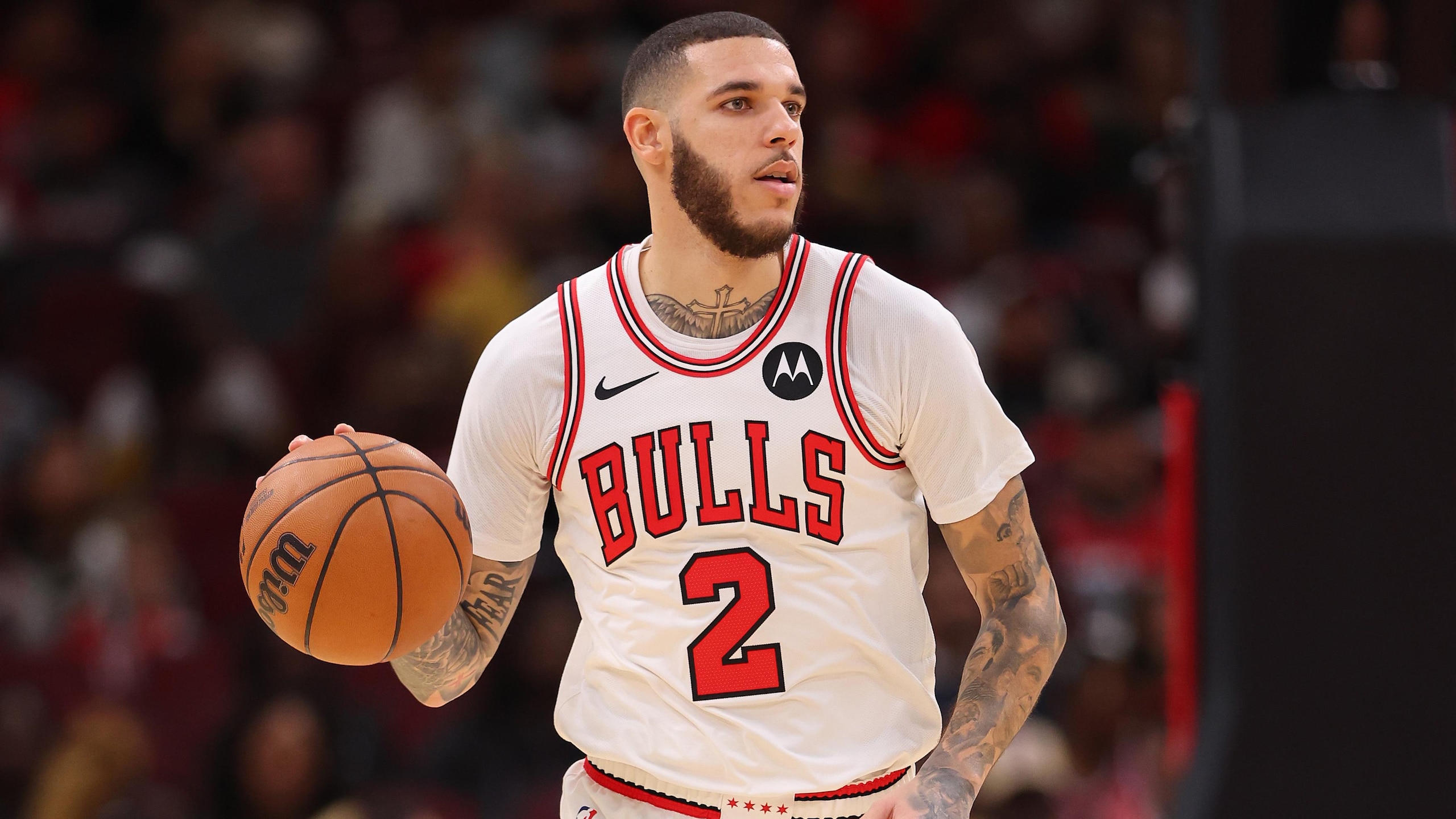
Lonzo Ball might not bring the same level of night-to-night availability Isaac Okoro did, but the Cleveland Cavaliers shouldn't care about who's ready to rock on a Tuesday in January against the Washington Wizards.
After bowing out disappointingly early for the second straight postseason, the Cavs needed someone they could imagine on the floor in late May.
Ball's connective passing, reliable shooting and solid team defense are why he counts as an upgrade—even if the risk of him missing time is real.
Cleveland also made the right financial call to let Ty Jerome walk. Last year's breakout solidified the guard as a rotation-caliber NBA player, but the Cavs would have paid a mountain in luxury tax if they'd brought him back at market rates.
Old pal Larry Nance Jr. is back on the minimum, while sniper Sam Merrill re-signed for just $38 million over three years.
All told, the Cavs bring back a roster that looks roughly as good as the one that won 64 games last year—only with slightly more postseason viability.
Grade: B
Dallas Mavericks
7 of 30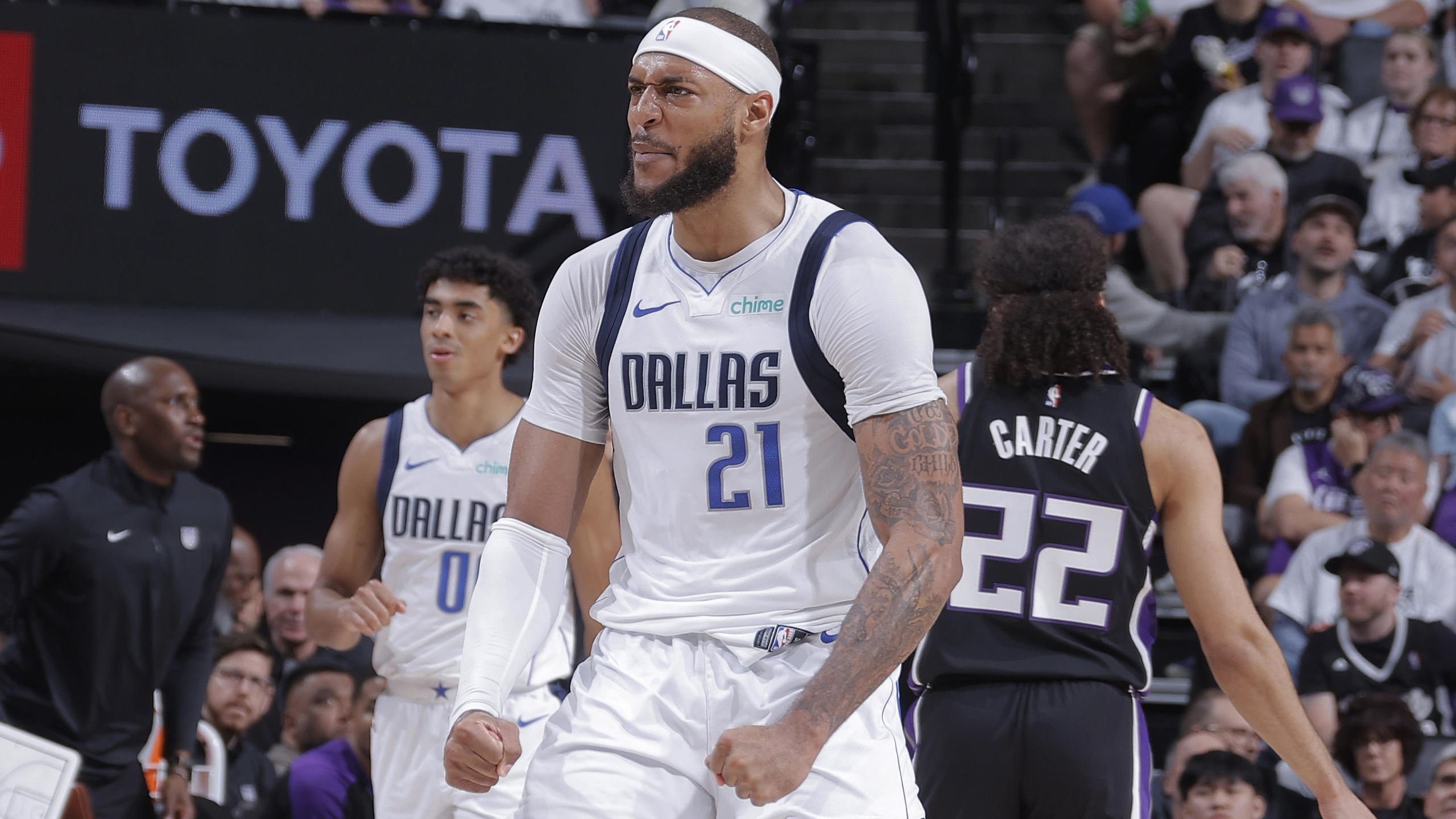
The Dallas Mavericks don't get any credit for good fortune in the draft, despite GM Nico Harrison's claims about fans finally seeing the vision of his plans.
Harrison executed a universally derided trade that triggered a fan revolt, watched his team lose enough down the stretch of a win-now season to get a 1.8 percent shot at the top pick...and selected no-brainer No. 1 prospect Cooper Flagg.
That was luck of the entirely undeserved variety.
Dallas' other moves belied at least a little skill and planning. Kyrie Irving returned for three years and $118 million, a deal that probably sits toward the low end of expectations. Dante Exum came back for the minimum, and D'Angelo Russell signed on for two years and just $12 million.
Daniel Gafford's three-year, $54 million extension was a bit surprising but should be tradable for neutral or positive value whenever the Mavs decide to unclutter their frontcourt rotation.
Grade: B
Denver Nuggets
8 of 30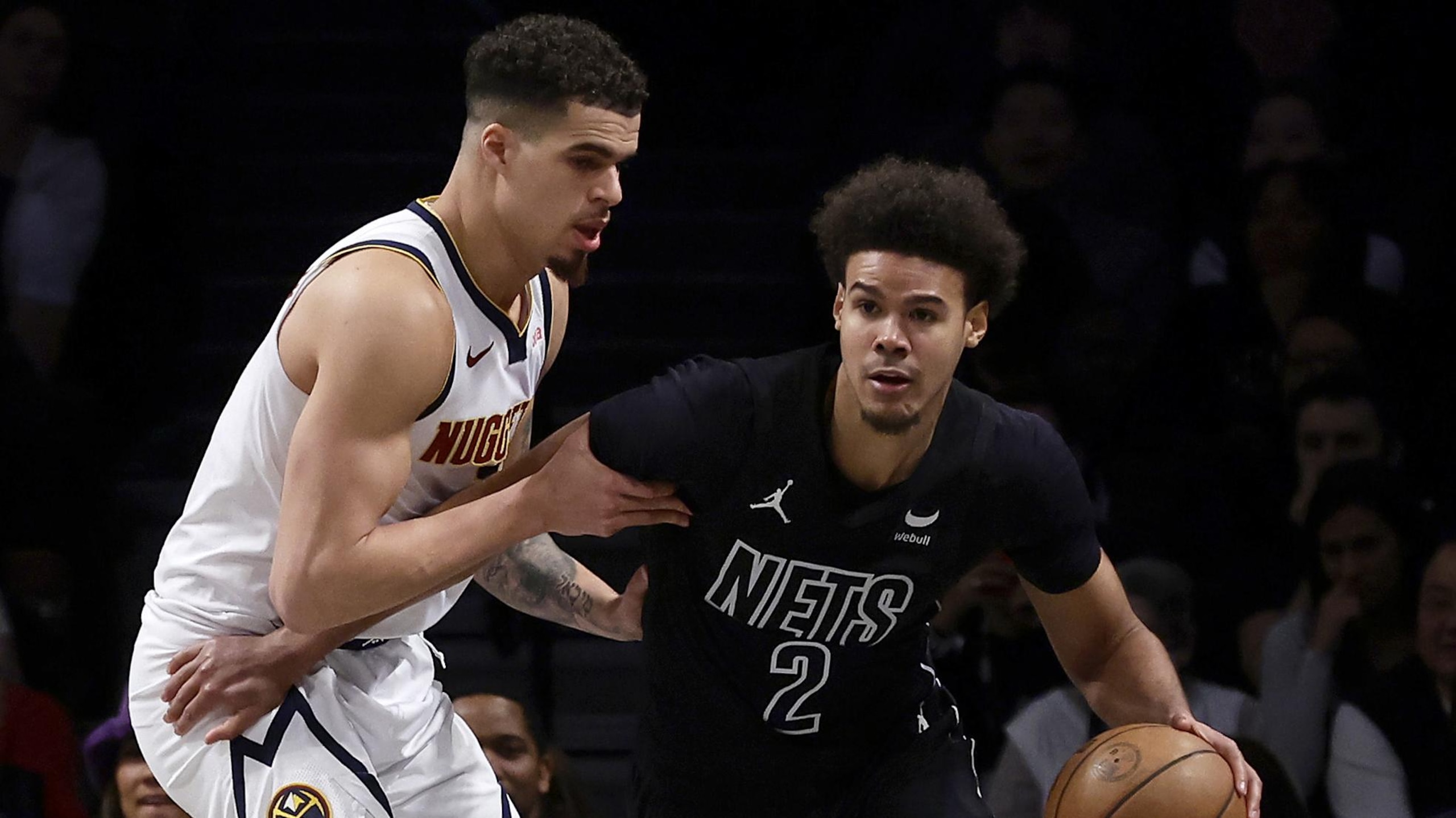
If the Denver Nuggets had been able to acquire Bruce Brown Jr. and Tim Hardaway Jr. while holding onto Michael Porter Jr. and their 2032 first-round pick, then maybe they deserve a below-average grade.
That's the real sticking point of Denver's offseason. Did the Nuggets sweeten the MPJ-for-Cam Johnson swap with that pick because they intended to use the $17 million in 2025-26 savings to make the roster deeper? Or were Brown and Hardaway going to sign regardless, which means Denver burned its last tradable first-round asset (unprotected, no less) just to save ownership some cash?
It's not as if the trade created cap space or opened up a roster exception, so cynics can easily argue Denver just cheaped out. But maybe ownership mandated a certain level of spending, and the new braintrust that replaced Calvin Booth (Ben Tenzer and Jon Wallace) shrewdly did what it could within those constraints.
Denver is better on paper, and it's at least plausible Johnson could outperform MPJ over the life of his contract. The stench of thriftiness looms, though. We can at least bump the mark up a little because it looks like Jonas Valančiūnas is going to stay in the NBA after considering playing overseas. He's a major upgrade on anyone Denver has had behind Nikola Jokić at center.
Grade: C
Detroit Pistons
9 of 30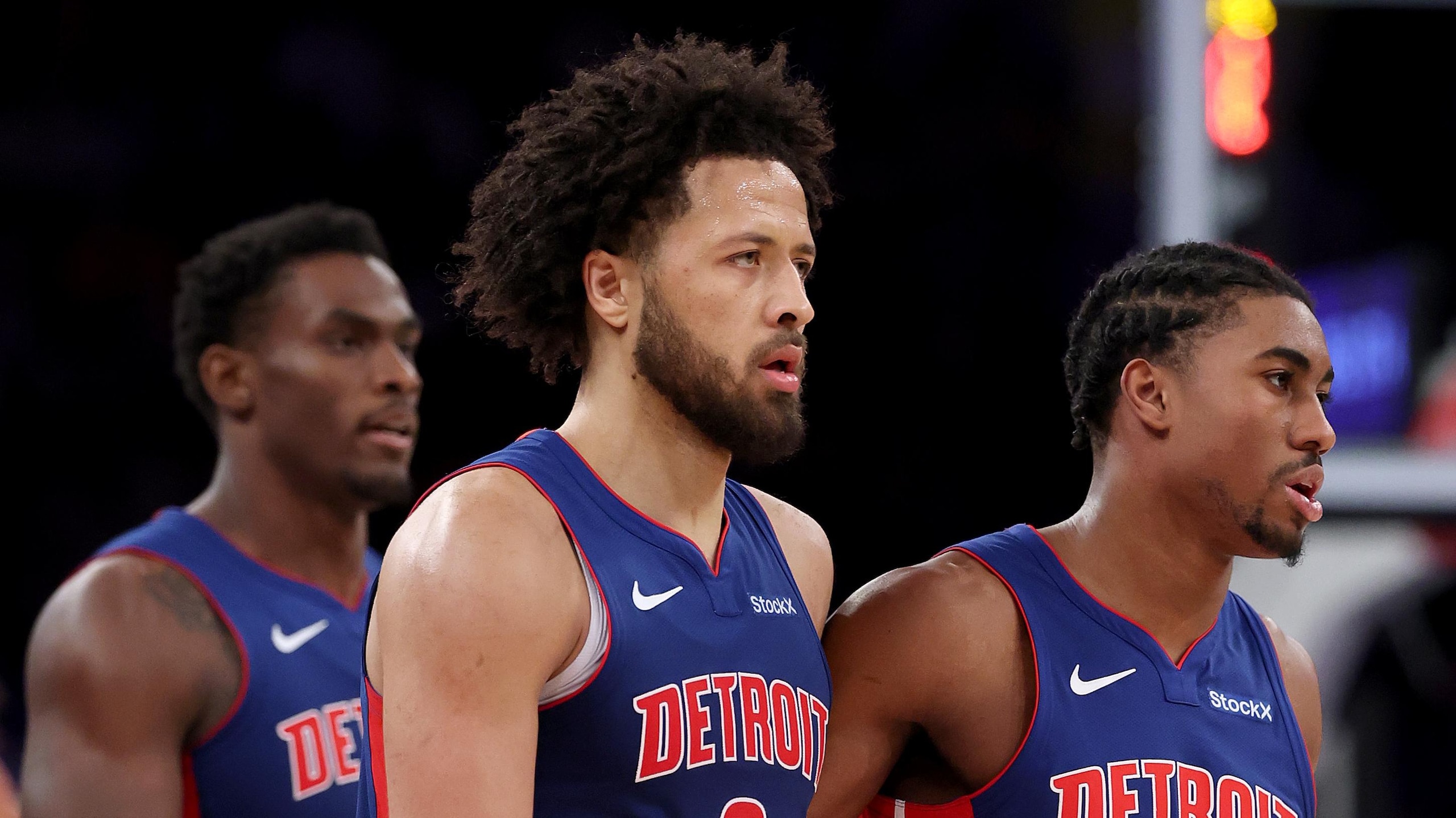
If Jaden Ivey isn't ready to build on the growth he showed in 30 games prior to his season-ending injury last year, Caris LeVert (two years, $29 million) will be a perfectly solid signing. He can do some secondary playmaking next to Cade Cunningham while also taking on a larger scoring role for the second unit.
The Detroit Pistons' other acquisition, Duncan Robinson, is still a premium shooter on a team-friendly deal. Maybe $16.8 million is a little rich for 2025-26, but only $2 million of a possible $31 million is guaranteed on the next two years of Robinson's deal.
Dennis Schröder and Tim Hardaway Jr. got away in free agency, and Malik Beasley's career is up in the air amid a gambling investigation. Those three all played significant roles on last year's breakout Pistons team, but with younger options in Ausar Thompson, Ron Holland II and even Ivey ready to take on more responsibilities, maybe losing all three of their main free agents wasn't the worst outcome.
Ivey and Jalen Duren are both also extension-eligible, and Detroit has so far been wise in holding off. The Pistons are good enough now to force those two to prove their worth and still hold major leverage in 2026 restricted free agency.
Grade: C
Golden State Warriors
10 of 30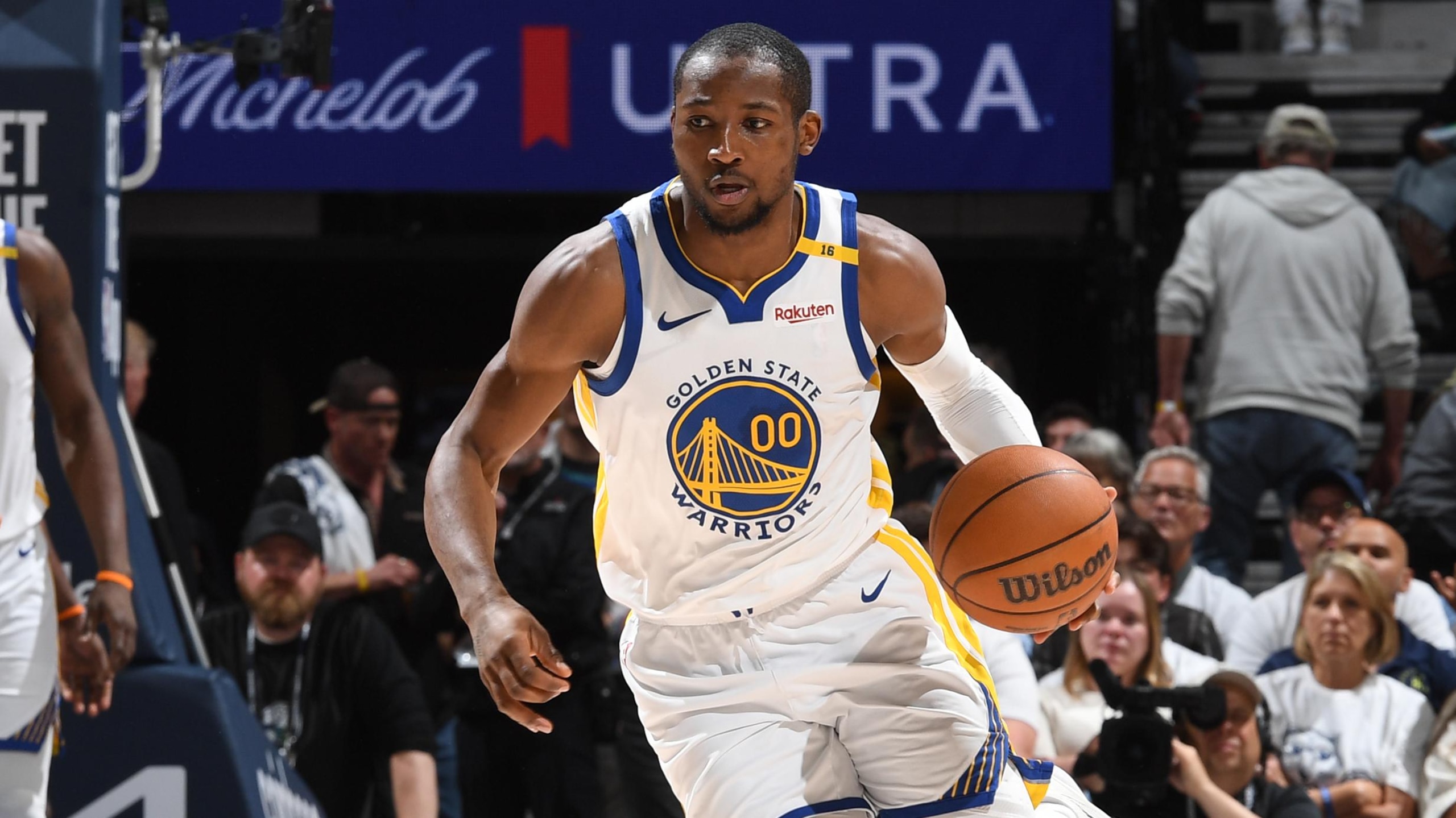
Jonathan Kuminga doesn't have a line of suitors waiting to make him the highly compensated on-ball superstar he believes himself to be, allowing the Golden State Warriors to sit back and wait out the talented forward.
The Dubs might be subject to criticism for not dealing Kuminga a long time ago, but it has simply never been clear that he can't fulfill the potential his athleticism, scoring knack and self-belief suggest he has. I've spent years whipsawing back and forth on his possible career arcs and never been fully convinced of anything. It's hard to fault the Warriors for struggling with the same uncertainties.
If Golden State moves Kuminga in a deal that also allows it to finalize a long-rumored acquisition of Al Horford, a grade in at least the "B" range will be warranted. But the Warriors haven't made a single acquisition of consequence this offseason, so we have no choice but to cop out and hand them an "Incomplete."
Also, pour one out for Kevon Looney, three-time champ and locker-room pillar. Every Dubs fan will miss him, but no one will begrudge him taking $16 million over two years from the New Orleans Pelicans.
Grade: Incomplete
Houston Rockets
11 of 30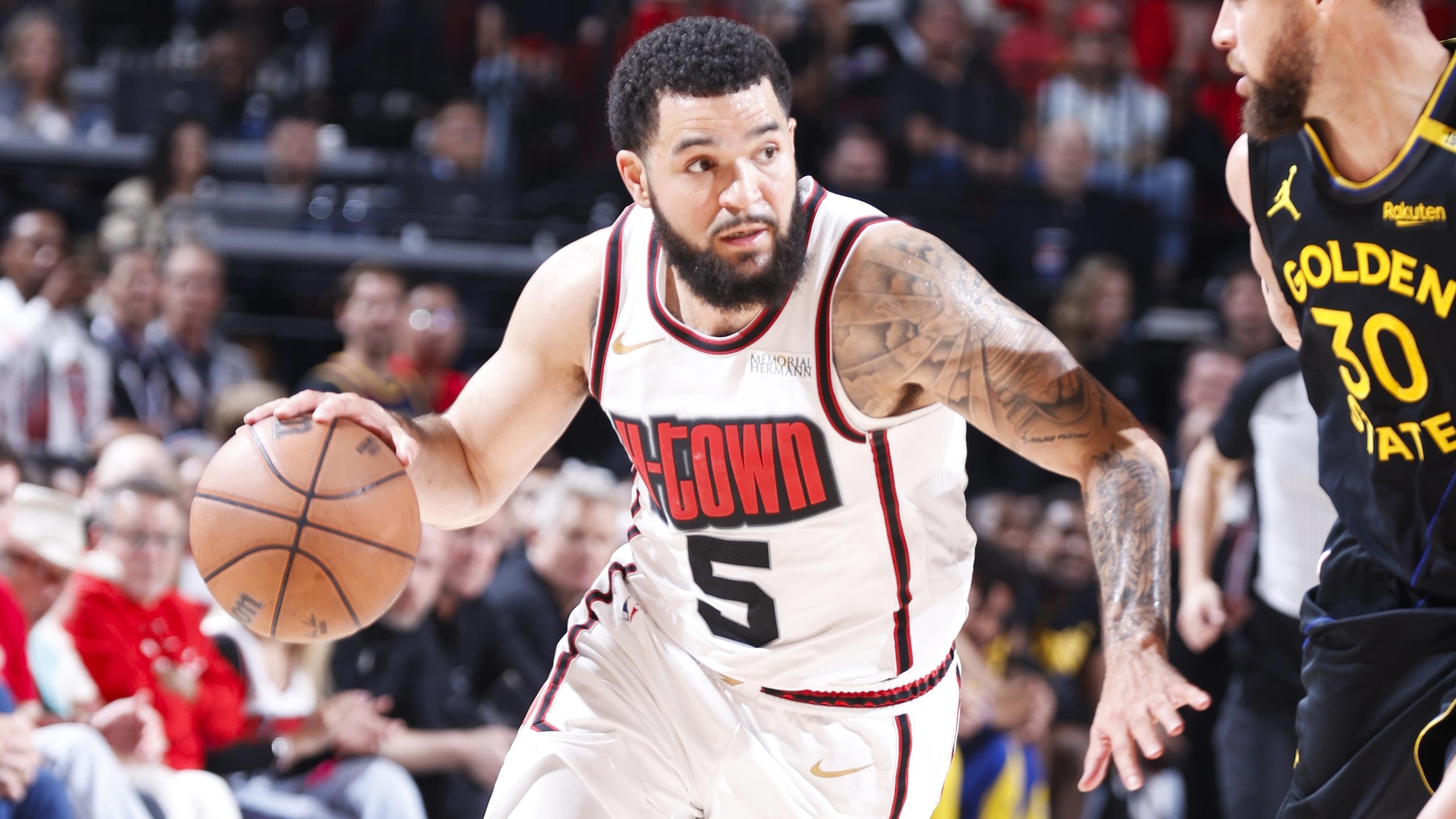
It's hard to find an offseason move made by the Houston Rockets that doesn't register as clear win.
Kevin Durant only cost Jalen Green, Dillon Brooks, the No. 10 pick and a handful of future seconds, and he'll give the Rockets the premium scoring dimension they lacked last postseason. Think of him as a replacement for Green, and then imagine Dorian Finney-Smith (who only got two fully guaranteed years on his four-year deal) as the stand-in for Brooks.
Beyond that, the Rockets also saved a mint by declining Fred VanVleet's team option and re-inking him for two years and $50 million. Jabari Smith Jr. followed the Houston trend of signing a rookie-scale extension well below the max, Clint Capela is back for just $7 million per season and Steven Adams extended for three years and a team-friendly $39 million.
Houston is deeper, more experienced, still laden with upside and in possession of enough future draft capital to take another big swing. Five stars. Two thumbs up. No notes.
Grade: A
Indiana Pacers
12 of 30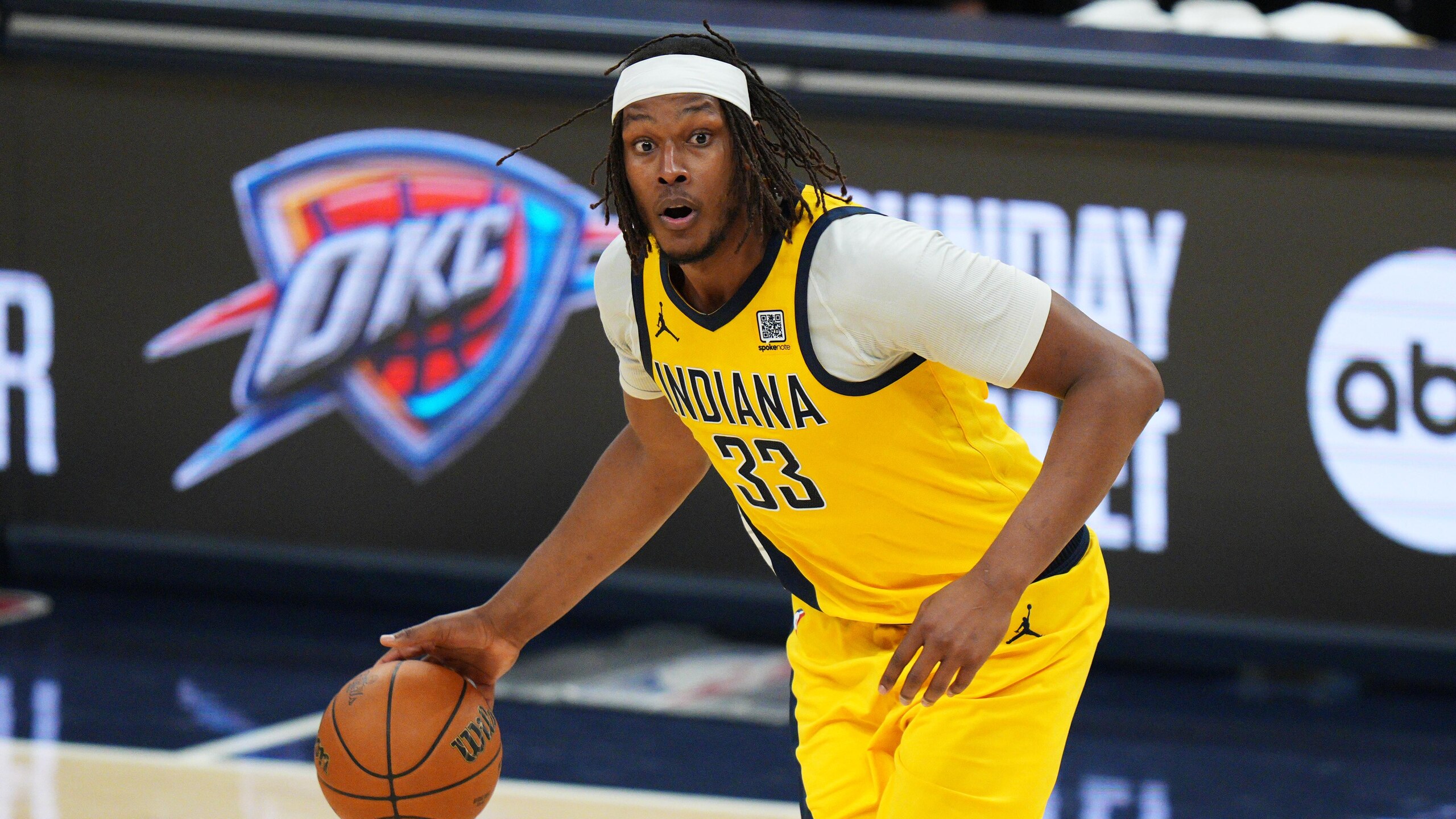
Tyrese Haliburton's ruptured Achilles was the excuse the Indiana Pacers' tax-averse ownership needed. It allowed Herb Simon to justify ducking tax penalties on the grounds that this year's squad couldn't contend without its All-NBA point guard on the floor.
Skeptics who didn't buy Indy's earlier professed willingness to pay the tax nodded knowingly as free agent Myles Turner got away, signing a four-year, $107 million deal with the Milwaukee Bucks. Per The Stein Line's Jake Fischer, Indiana never went above $22 million per season.
The Pacers could have cut costs elsewhere if the tax was such a concern.
Somebody would have jumped on the chance to acquire Bennedict Mathurin, T.J. McConnell or Obi Toppin. Indiana could have just signed Turner to a market-rate deal and figured the rest out by the February deadline.
Instead, Indiana let Turner—one of maybe five legitimate rim-protecting, floor-spacing centers in the league—walk for nothing. With or without the Haliburton injury, this was a profoundly disappointing summer for a team that nearly won the title.
Grade: F
Los Angeles Clippers
13 of 30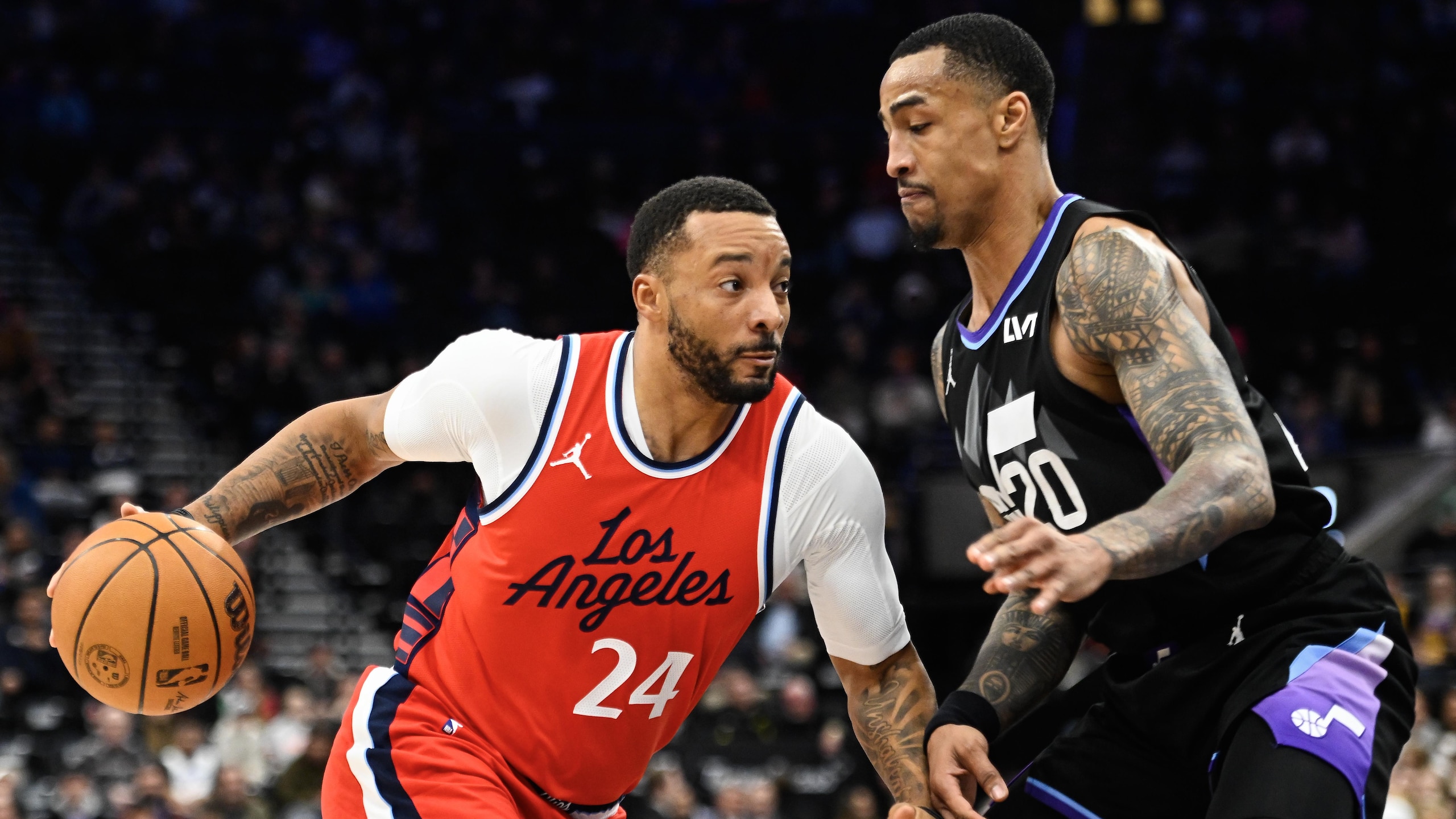
Norman Powell was nearly an All-Star last season, but John Collins adds a power forward (who shot 39.9 percent from deep last year) to a Clippers rotation that didn't really have one last season.
Paired with free-agent signee Brook Lopez and incumbent starter Ivica Zubac, he gives the Clips one of the best big-man rotations in the entire league.
The backcourt could probably use another ball-handler, but the guy who'll be doing the vast majority of the dribbling, James Harden, reupped for two years and $81.5 million after declining his player option. That's a reasonable rate and, critically, the correct short-term structure for Harden as he remains productive but moves deeper into his 30s.
Bradley Beal will come aboard following a buyout with the Phoenix Suns, replacing Powell and giving the Clips a tremendous value at only two years and $11 million. Chris Paul will also join the parade of vets, giving L.A. another playmaking option in relief of Harden.
Grade: A-
Los Angeles Lakers
14 of 30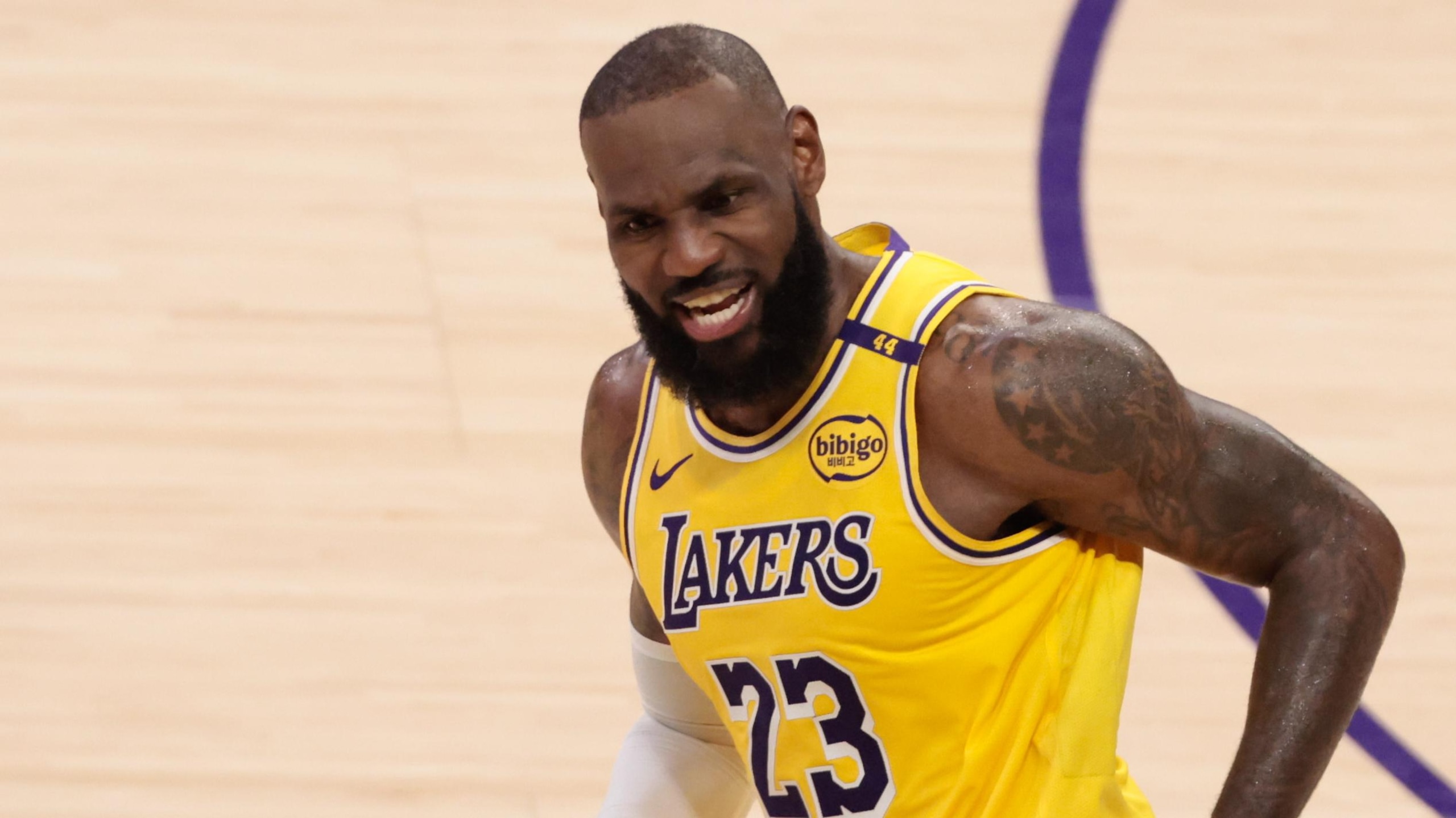
LeBron James didn't get another one-plus-one offer from the Los Angeles Lakers, so he picked up his player option and positioned himself for free agency in 2026.
Meanwhile, key forward Dorian Finney-Smith skipped town, opting for just two guaranteed years from the Rockets over whatever the Lakers were willing to offer.
Those moves make it quite clear the Lakers aren't willing to spend what it takes to make this year's team as talented and cohesive as possible. DFS' exit was hard to fathom given his demonstrated fit next to Luka Dončić, and James' impending free agency will hang over the team until he's playing somewhere else.
Marcus Smart, on board following a buyout from Washington, has been injured and ineffective the last two years. He's a splashy name, but the assumption should be he's not a high-end rotation piece for the Lakers—let alone a useful starter.
It makes sense to build around Dončić, but there's no guarantee his next five years will be better than his last five. And there's no assurance Los Angeles will be able to land a better player than a 40-year-old James to play next to him in the coming offseasons.
Deandre Ayton is a great value at two years and $16 million, and Jake LaRavia is a solid get. But it still feels as if the Lakers are keeping their powder dry for a post-LeBron, prime-Luka run that may never happen.
Grade: D
Memphis Grizzlies
15 of 30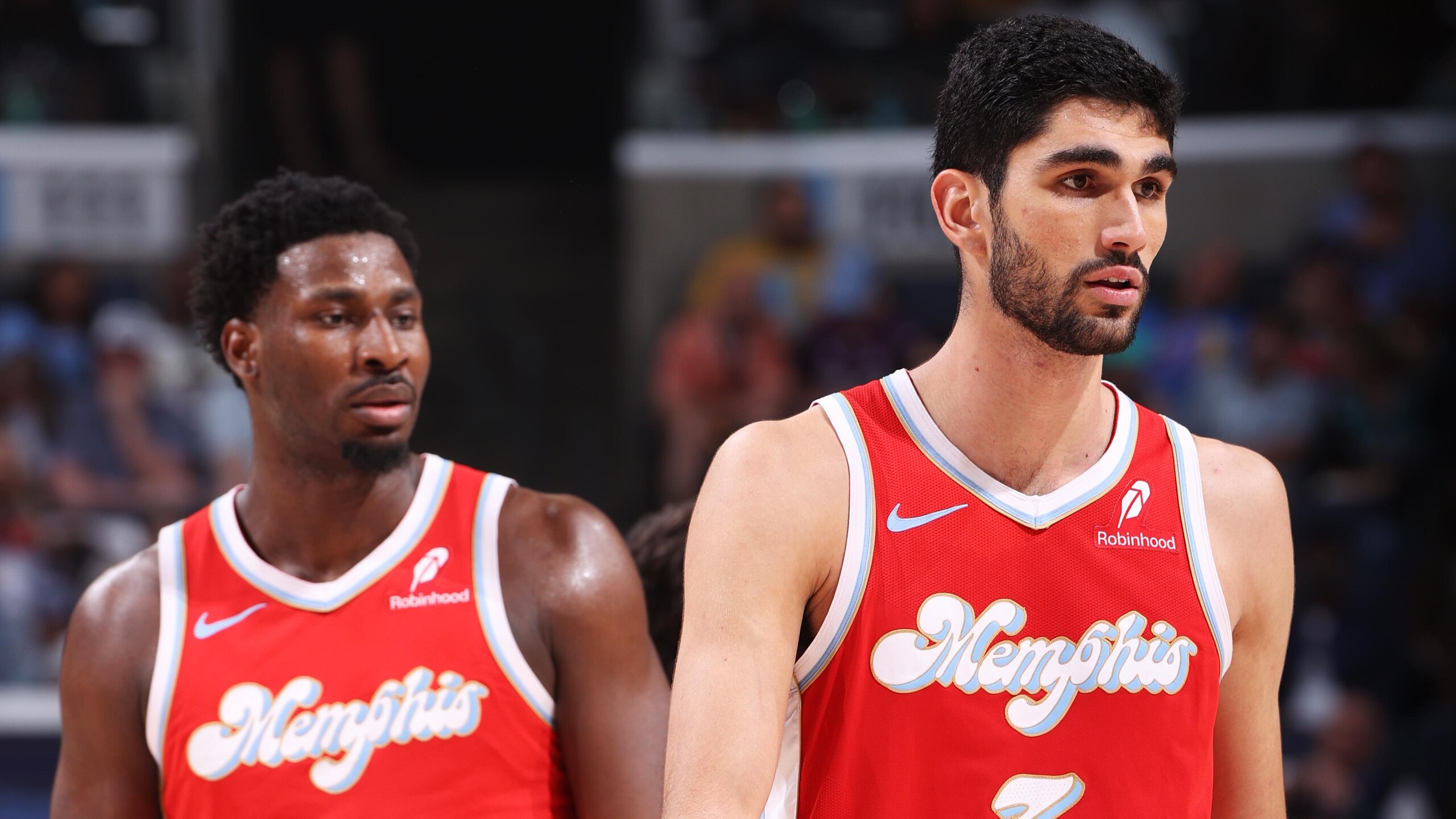
The big business of renegotiating and extending Jaren Jackson Jr. got done before an offseason toe injury resulted in surgery, so we're not dinging the Memphis Grizzlies for forces beyond their control.
Jackson's deal increased next year's salary by $11.6 million using cap space and ultimately resulted in a five-year, $205 million contract that fits pretty neatly in line with what another team could have paid him in free agency next summer.
All in all, a fair deal for a very good player that could have been far larger if Jackson had made an All-NBA team this season or last.
The Desmond Bane trade shook up the Grizzlies core, but they had to say yes to the Orlando Magic on that one. Four first-round picks and a swap (plus Kentavious Caldwell-Pope and Cole Anthony, since waived) was just too good to pass on, particularly for a player in Bane who'd never made an All-Star team.
Ty Jerome will slot in nicely as a third guard, Santi Aldama's three-year, $52.5 million feels like a below-market deal and Cam Spencer could replace a lot of what the departed Luke Kennard provided offensively.
Much depends on how rookie Cedric Coward looks. Memphis surrendered one of the first-round assets it got in the Bane deal to move up five spots so it could land him.
Grade: B
Miami Heat
16 of 30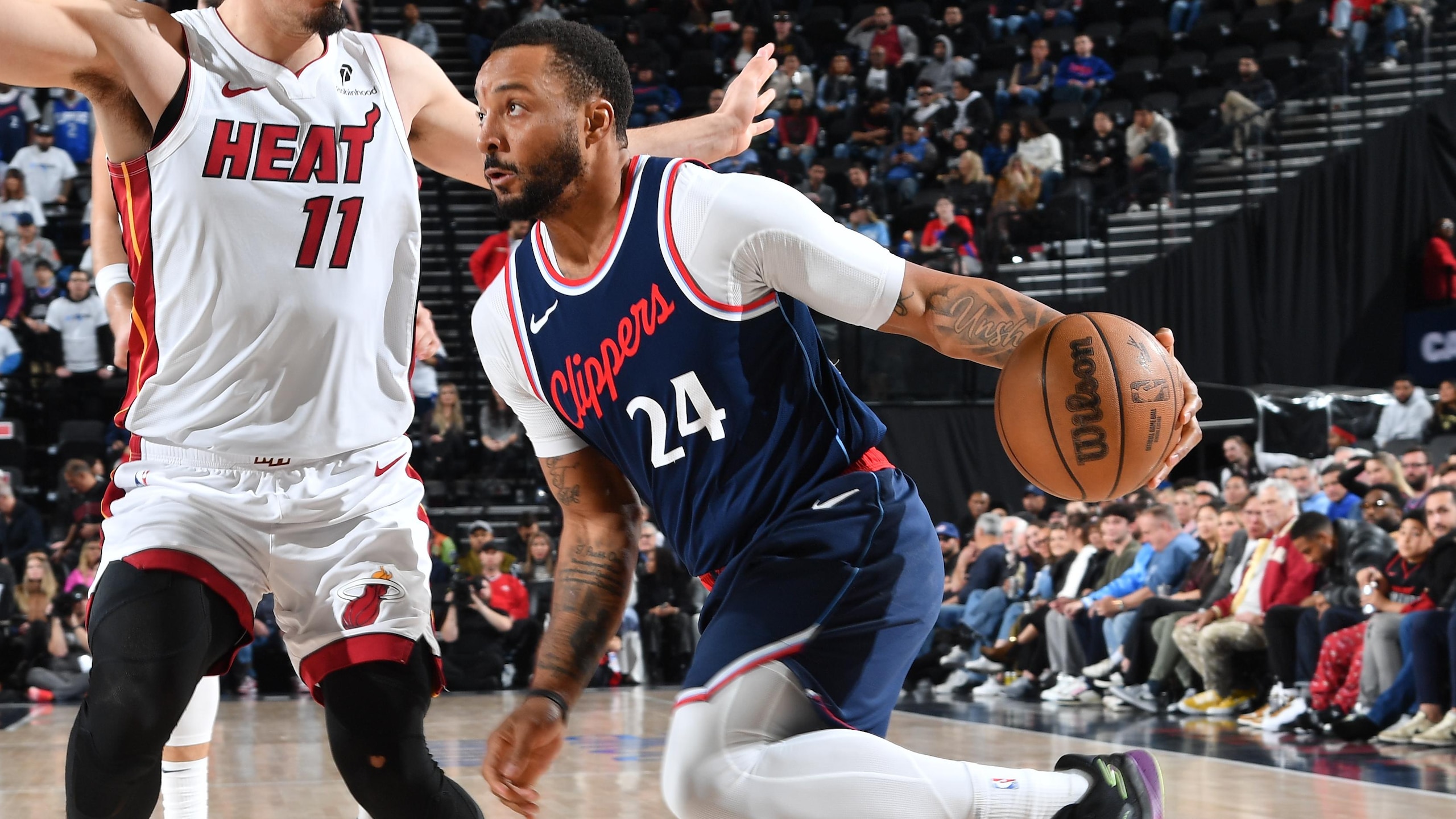
The Miami Heat's biggest move was a true something-for-nothing exchange in which they somehow secured Norman Powell in a three-team trade involving the L.A. Clippers and Utah Jazz.
All it cost the Heat to onboard Powell's 21.8 points per game and 48.4/41.8/80.4 shooting split was Kyle Anderson and Kevin Love. Whether or not Powell makes sense next to Tyler Herro in the backcourt, the scoring-starved Heat landed a fringe All-Star talent for a dirt-cheap price.
Davion Mitchell parlayed a strong late-season run into a two-year deal, trade acquisition Simone Fontecchio might actually be a better all-around player (at half the price) of the departed Duncan Robinson and rookie Kasparas Jakučionis has a shot to prove he should have been drafted 10 spots higher.
The Heat are still probably a Play-In team with a sixth-seed ceiling, but they added some intriguing players without compromising plans to spend big (no Tyler Herro extension FTW) in 2027 free agency.
Grade: B
Milwaukee Bucks
17 of 30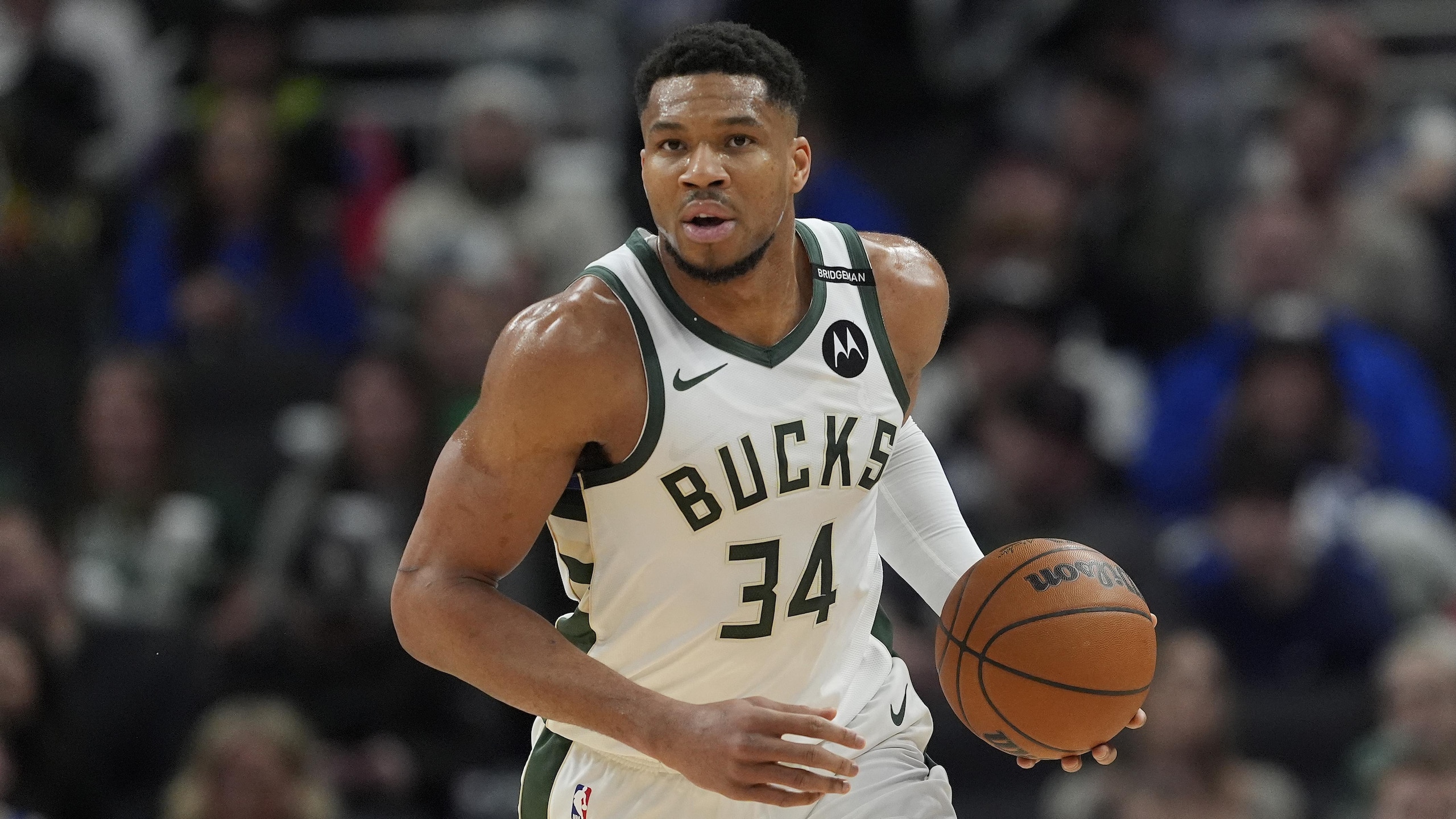
Motivated by pure desperation, the Milwaukee Bucks took the unthinkable step of waiving and stretching Damian Lillard's contract. As a result, they'll live with $22.5 million in dead money on their books every year for the next half-decade.
Also as a result: They signed Myles Turner!
Turner is an ideal fit next to Giannis Antetokounmpo who, as of five seconds ago, plans to stay in Milwaukee. He'd better stick around at this point, considering the Bucks mortgaged their future to such an extreme degree by stretching Lillard. There's no chance they'd have done that if they believed Giannis was headed out the door.
The Bucks did well to retain several familiar faces. Ryan Rollins, Kevin Porter Jr., Gary Trent Jr., Jericho Sims and Taurean Prince are all back and will earn less than $20 million combined in 2025-26. Maybe veteran free-agent addition Gary Harris has something left to contribute; he was worth a flier at the minimum.
Lastly, Bobby Portis reupped on a three-year, $44 million deal that would have been far larger in an offseason when more teams had cap space to spend.
This mostly intact version of the Bucks could be slightly better with Turner than it was with a healthy Lillard last year, but the decision to stretch Dame looms large.
If Milwaukee had any real shot at a title, maybe it would have been worth it. But the Bucks shackled themselves financially for years to come, all for a roster that probably can't finish in the East's top four.
Grade: C-
Minnesota Timberwolves
18 of 30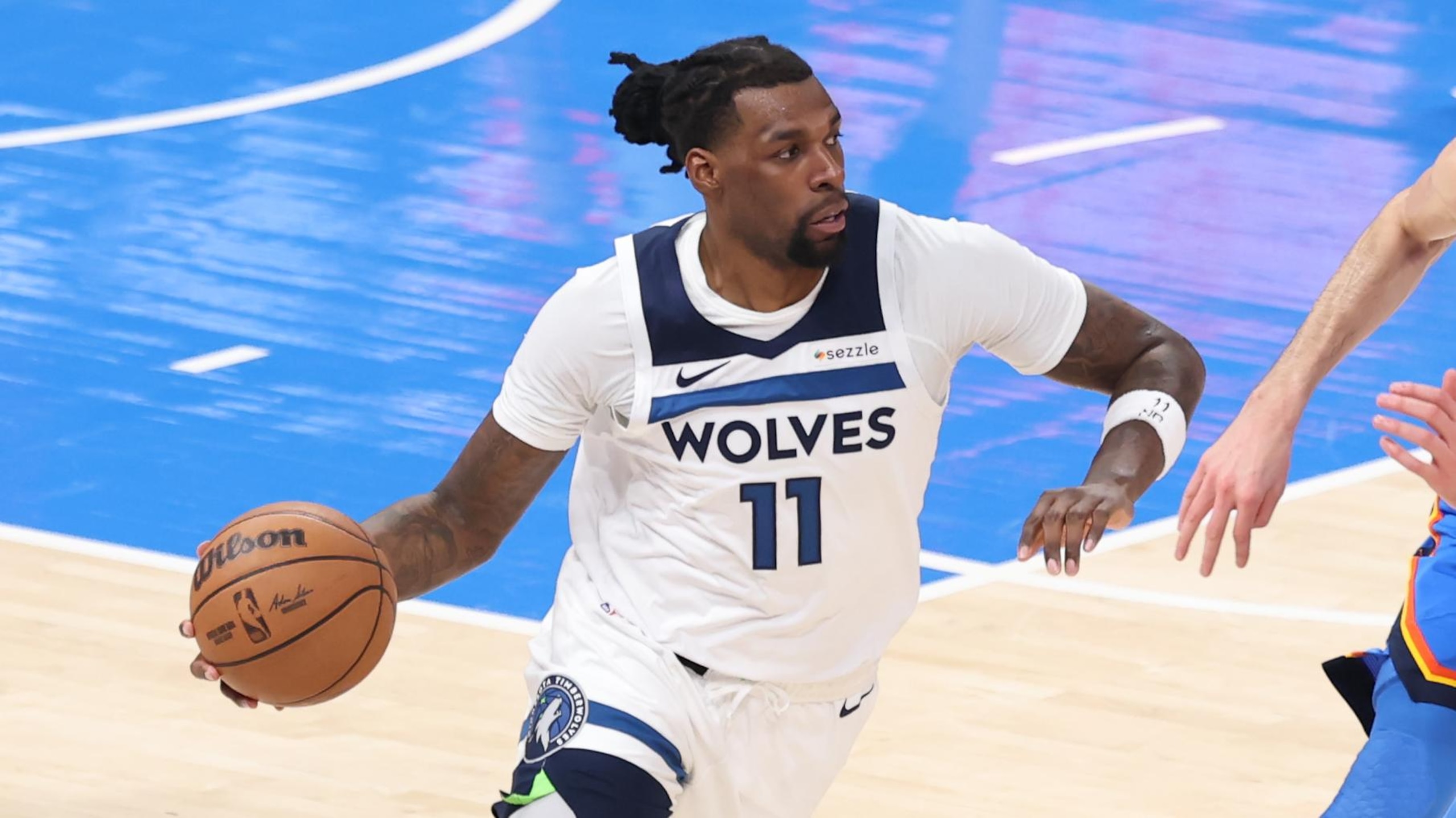
Five years and $125 million is a lot for a backup big—even if he might be the best one in the league. Naz Reid's ability to secure that contract raises some questions about the Minnesota Timberwolves' near-term plans.
The money makes more sense if the Wolves intend to start Reid on a team that, at some point, won't have Rudy Gobert.
Last year, lineups with Gobert at center and Reid on the bench posted a plus-6.7 net rating that owed mostly to a 91st percentile defensive rating. With Reid in the middle and Gobert out of the game, Minnesota was an inferior plus-3.4 with a 39th percentile defensive rating.
Gobert is 33, so slippage is coming. But he won DPOY in 2023-24 and was still an All-Defensive second-teamer last year.
The Wolves could have chosen to keep Nickeil Alexander-Walker instead, and their decision to let him leave in free agency suggests they believe more in their backcourt depth than what they've got up front. Time will tell if they were right about that.
Grade: C
New Orleans Pelicans
19 of 30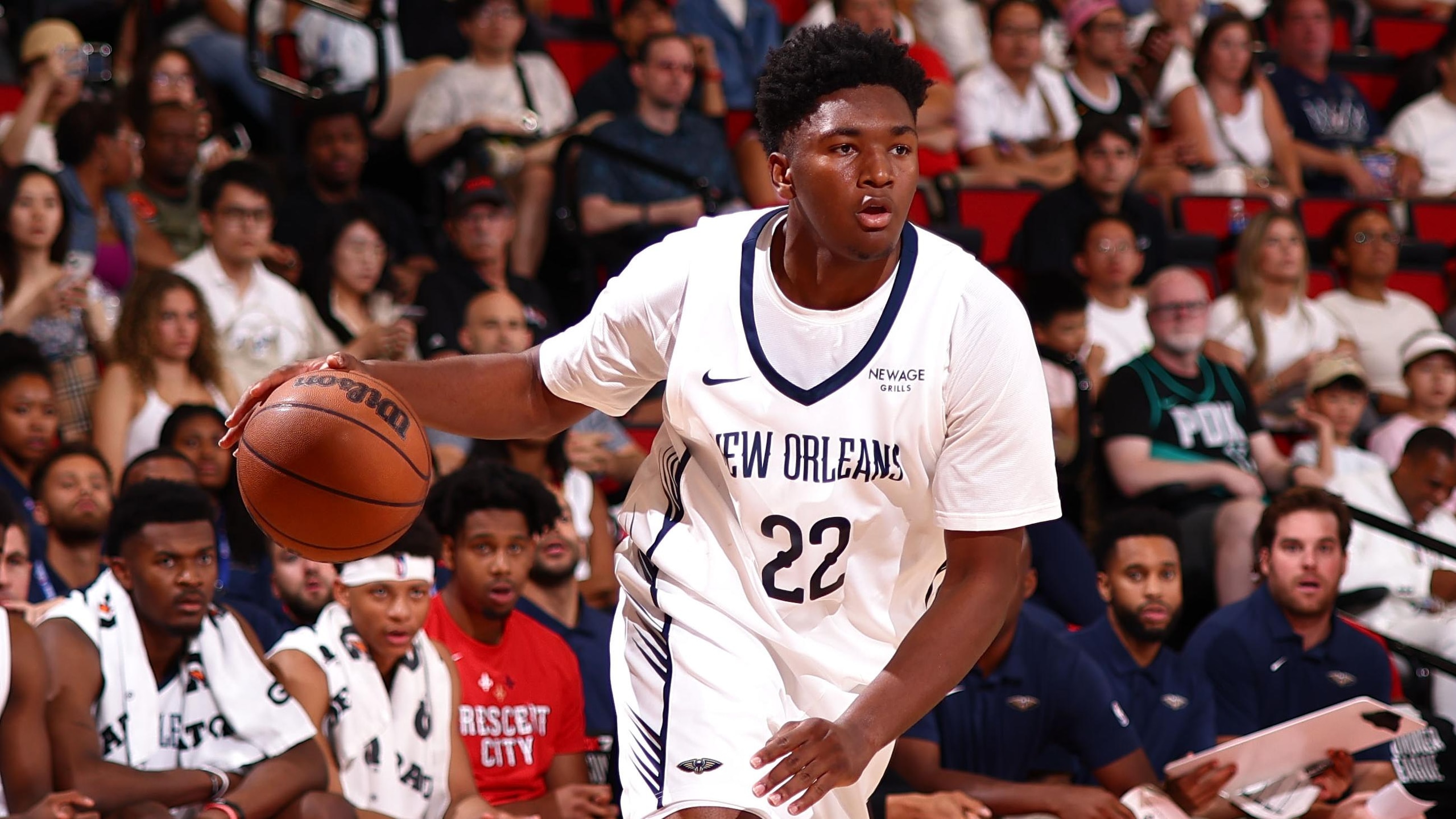
The New Orleans Pelicans gave up No. 23 and an unprotected 2026 first-rounder to move up to No. 13 in the draft. If it takes you a moment to process such an extreme overpay, you're not alone.
Per Shamit Dua's In the N.O. substack: "When one Pelicans executive made the call to Atlanta, the Hawks couldn't believe what was actually being offered. Atlanta asked for clarification multiple times to confirm the unprotected pick was indeed part of the deal. ... But the Pelicans persisted and the Hawks got their steal."
New Orleans used No. 13 on Derik Queen, who has shown intriguing flashes in Summer League play. But it could have grabbed him at No. 7 if it loved him so much. Instead, the Pels coughed up a pick (the better of its own and Milwaukee's) that could wind up atop the lottery.
New Orleans extended Herb Jones for three years and $68 million, paid above-market rates for Kevon Looney and dealt CJ McCollum's expiring deal for Jordan Poole's contract, which pays him $31.8 million this year and $34 million in 2026-27.
Even if you like all three of those moves, the draft night trade was such a colossal mistake that the Pelicans have to get a failing grade.
Grade: F
New York Knicks
20 of 30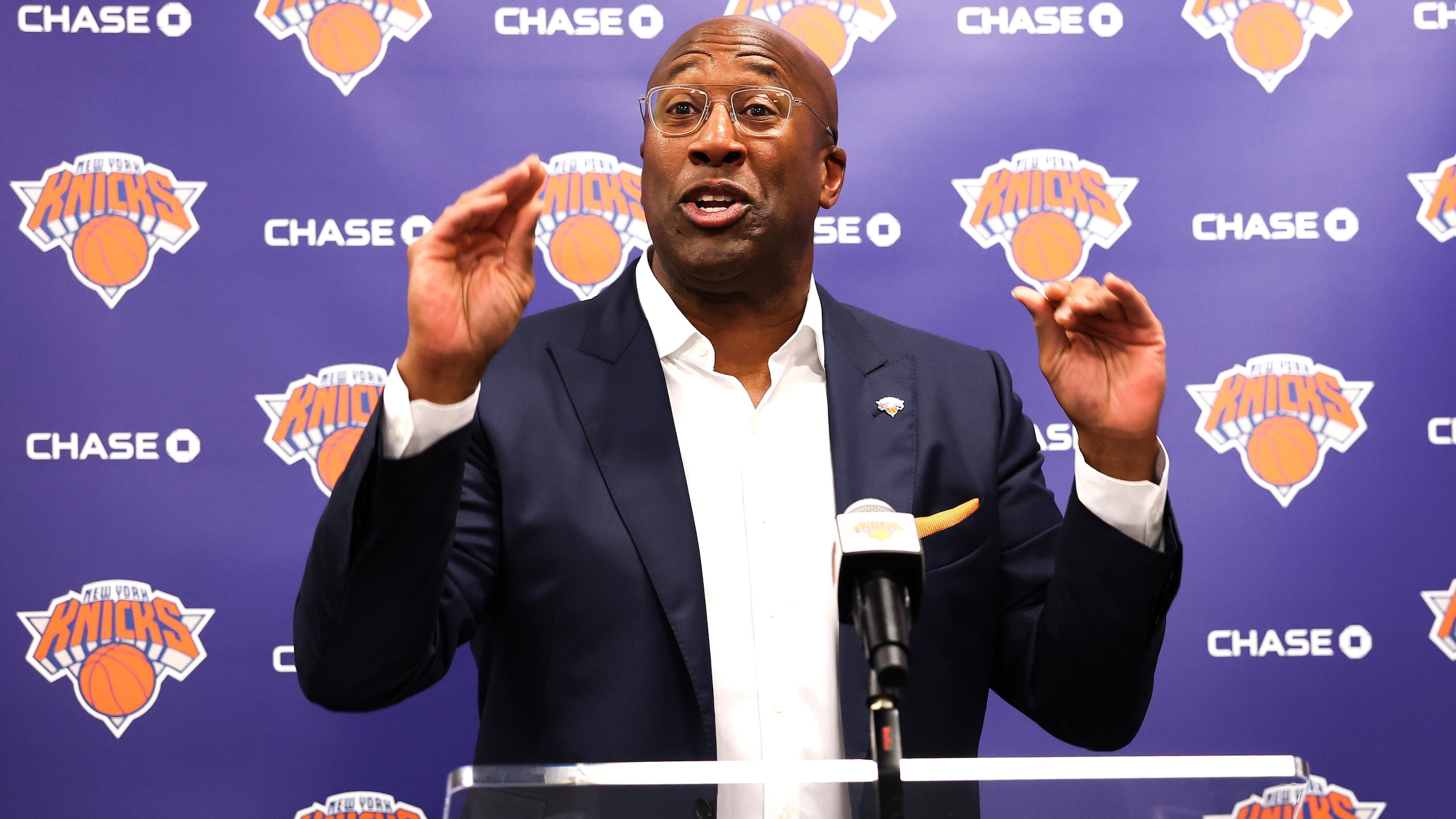
Mike Brown might not be a better head coach than Tom Thibodeau on balance, but he'll likely be very different.
It's reasonable to assume Brown will add some dynamism to an offense that lacked it, and he'll also get a few more levers to pull than Thibs ever had.
In Jordan Clarkson and Guerschon Yabusele, the Knicks added a pair of rotation options that should allow the starters' minutes, sky high under Thibodeau, to come down. Though Clarkson may not have much left at 33, he's still an upgrade over Cam Payne as an off-the-bench generator of offense. Yabusele's spacing-and-bulk combo should make him an ideal complement to either Mitchell Robinson or Karl-Anthony Towns.
If the Knicks convince Mikal Bridges to sign a four year, $156 million extension, they'll add a much bigger win to an offseason mostly marked by small ones.
Grade: B-
Oklahoma City Thunder
21 of 30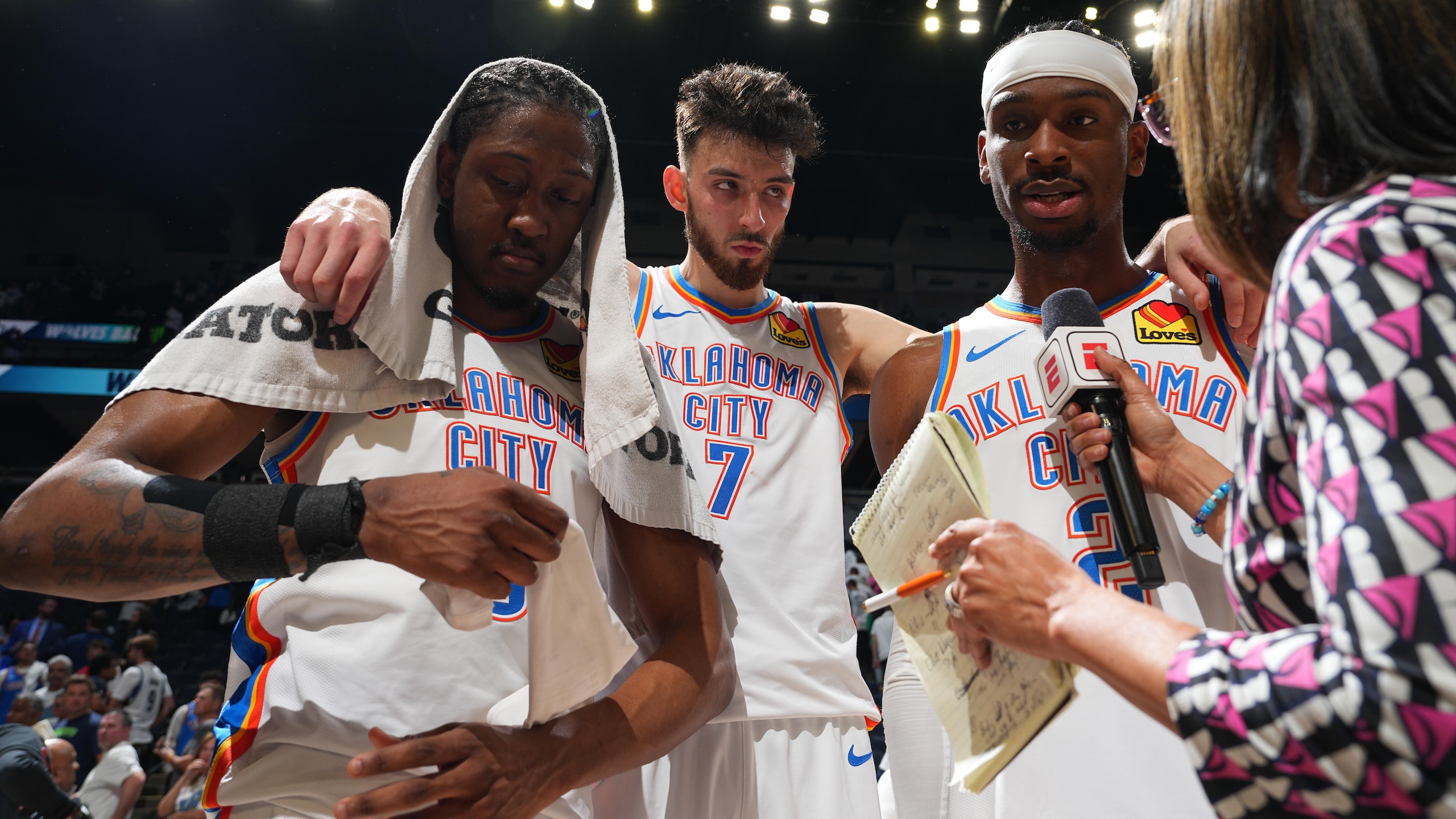
Between max extensions for Shai Gilgeous-Alexander, Jalen Williams and Chet Holmgren, the Oklahoma City Thunder committed a little over $750 million in future salary to three players.
That's just the cost of doing business when you win a championship on the strength of a young core.
OKC will face difficult roster decisions when those extensions all kick in, but this coming season won't be so bad. SGA's new money doesn't start until 2027-28 (when he'll make an estimated $60.8 million), and the two rookie deals don't take effect until 2026-27.
The Thunder locked down the top-end talent necessary for them to make a serious title defense, and their glut of future draft picks and affordable other deals (many of which feature team options) might allow them to keep the core together for another half-decade or more. That's a remarkable feat in the second-apron era.
Grade: B
Orlando Magic
22 of 30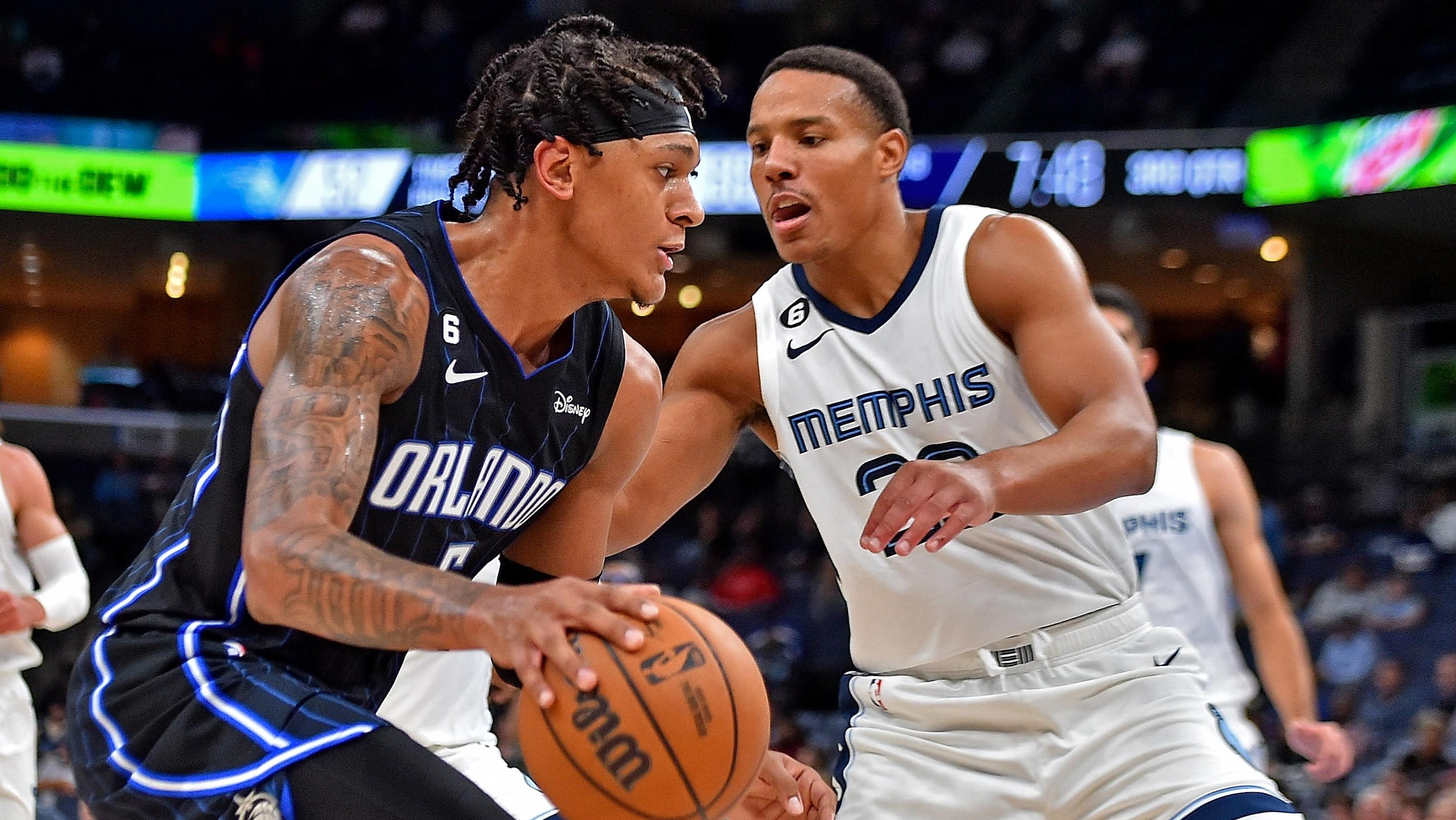
The Orlando Magic essentially replaced Kentavious Caldwell-Pope, Cole Anthony and Gary Harris with Desmond Bane and Tyus Jones, finally addressing their need for backcourt spacing and shot creation.
In the case of Bane, the outgoing costs included a whopping five first-round assets. The No. 16 pick in the 2025 draft already conveyed, and most of the rest should fall somewhere in the 20s if the Magic are as good as they expect to be between now and 2030 or so.
Bane totes a career-41.0 percent hit rate from deep, oxygen to a team with suffocating spacing over the last few years. The Magic's 31.8 percent accuracy mark last season was the worst ever produced among the 91 teams that got up at least 2,800 treys in a season.
Jones is a trusted game-manager who will offer great backup minutes and provide insurance for another Jalen Suggs injury.
Orlando also reupped with Paolo Banchero on a rookie-scale max extension, a foregone conclusion for a player who averaged 25.9 points, 7.5 rebounds and 4.8 assists in his age-22 season last year.
Between Banchero and the new additions, the Magic are positioned to change a trend that has seen them finish 22nd or worse on offense in each of the last five seasons.
Grade: B
Philadelphia 76ers
23 of 30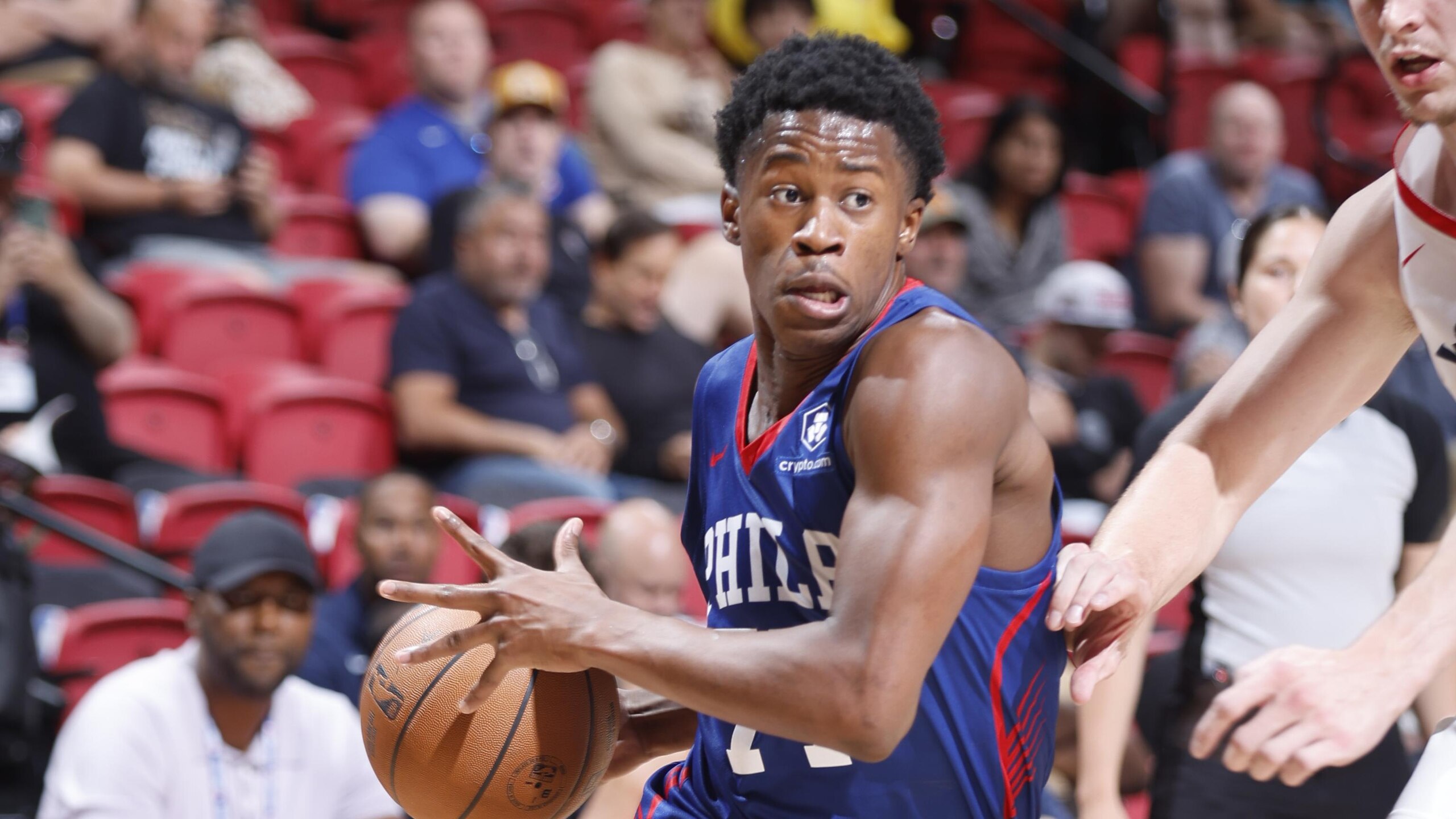
We'll do our best to focus on the marginal moves of the Philadelphia 76ers' offseason, even if the real determinants of the team's fate are their incumbent stars.
No. 3 pick VJ Edgecombe joins an exciting backcourt that could get a little crowded once restricted free agent Quentin Grimes signs a new deal, inserting himself into a positional group that also includes Tyrese Maxey and Jared McCain. If one of Edgecombe or Grimes can credibly guard small forwards, the logjam at guard might not be such a big deal.
Guerschon Yabusele's exit stings, but the Sixers landed one of the better two-way big men in Dominick Barlow and executed a heist by also getting combo forward Jabari Walker on another two-way deal.
Both could feature prominently in the rotation if Joel Embiid or Paul George miss more time. The latter is already off to a rough start on the health front, having undergone arthroscopic surgery to repair an offseason injury to his left knee.
Grade: C
Phoenix Suns
24 of 30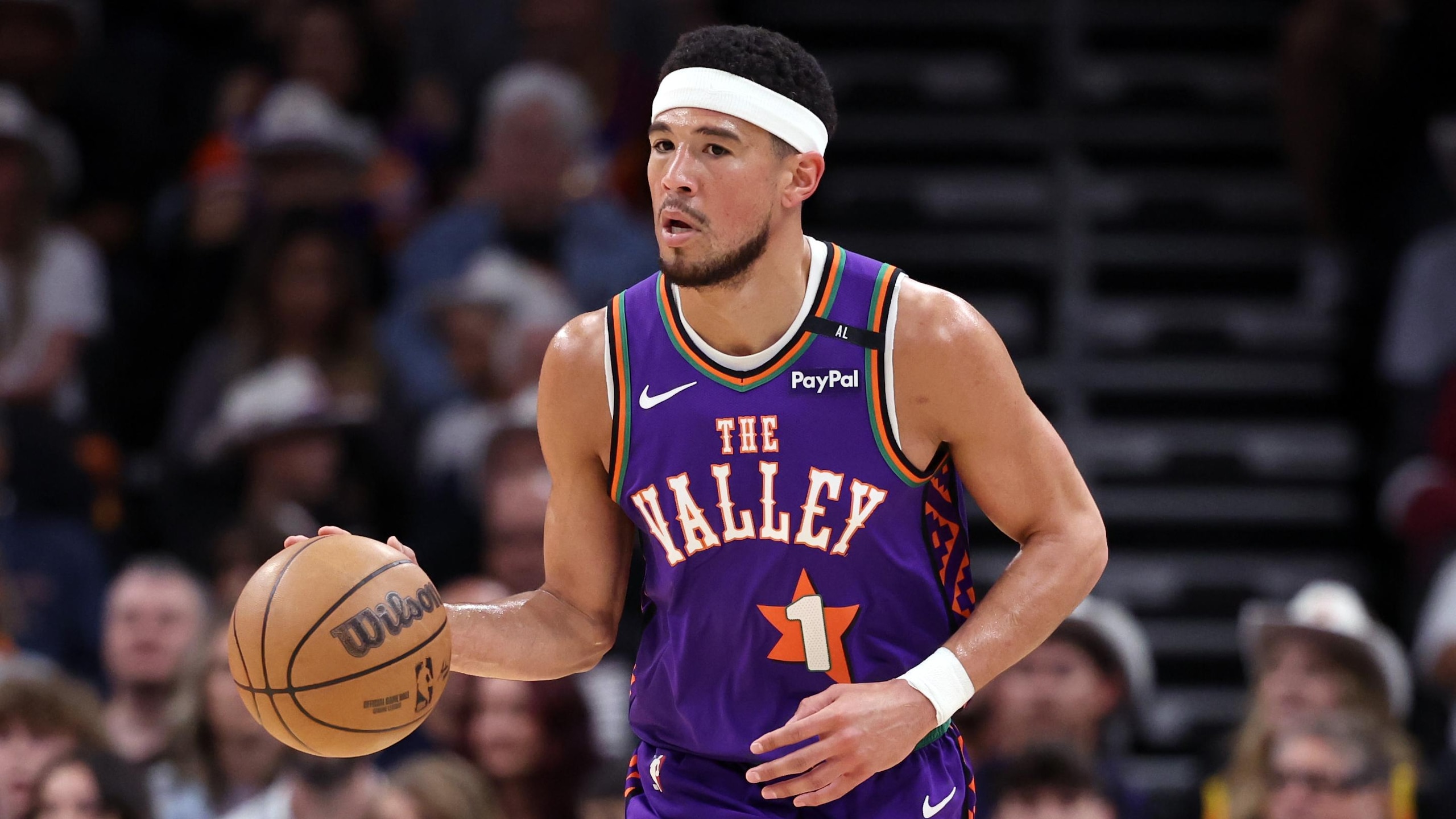
The best thing you can say for the Phoenix Suns is that their offseason left them deeper than they were a year ago. Dillon Brooks, Jalen Green and the pick that became Khaman Maluach aren't a great return for Kevin Durant, but three playable bodies for one isn't the worst outcome.
Mark Williams—acquired from the Hornets for Vasilije Mičić, the No. 29 pick (Liam McNeeley) and a 2029 first-rounder (worst of CLE, UTA and MIN)—gives the Suns another rotation-worthy piece if he can finally stay healthy.
Speaking of depth, though, Phoenix also added another few inches to the grave it's been digging itself since Mat Ishbia bought the team. The decision to extend Devin Booker for two years and $133 million when he was already under contract through 2027-28 (his age-31 season) felt truly absurd. All that hasty spending looked even worse after the Suns bought out Bradley Beal, adding roughly $19.5 million in dead money to their cap for the next five years.
The Suns had limited options this summer, but only because of so many reckless transactions in the recent past. These moves could theoretically lead to improvements, but not to the degree where Phoenix can compete for a top-six spot in the West.
This was a blow-it-up situation, and the Suns chose not to hit the detonator.
Grade: D-
Portland Trail Blazers
25 of 30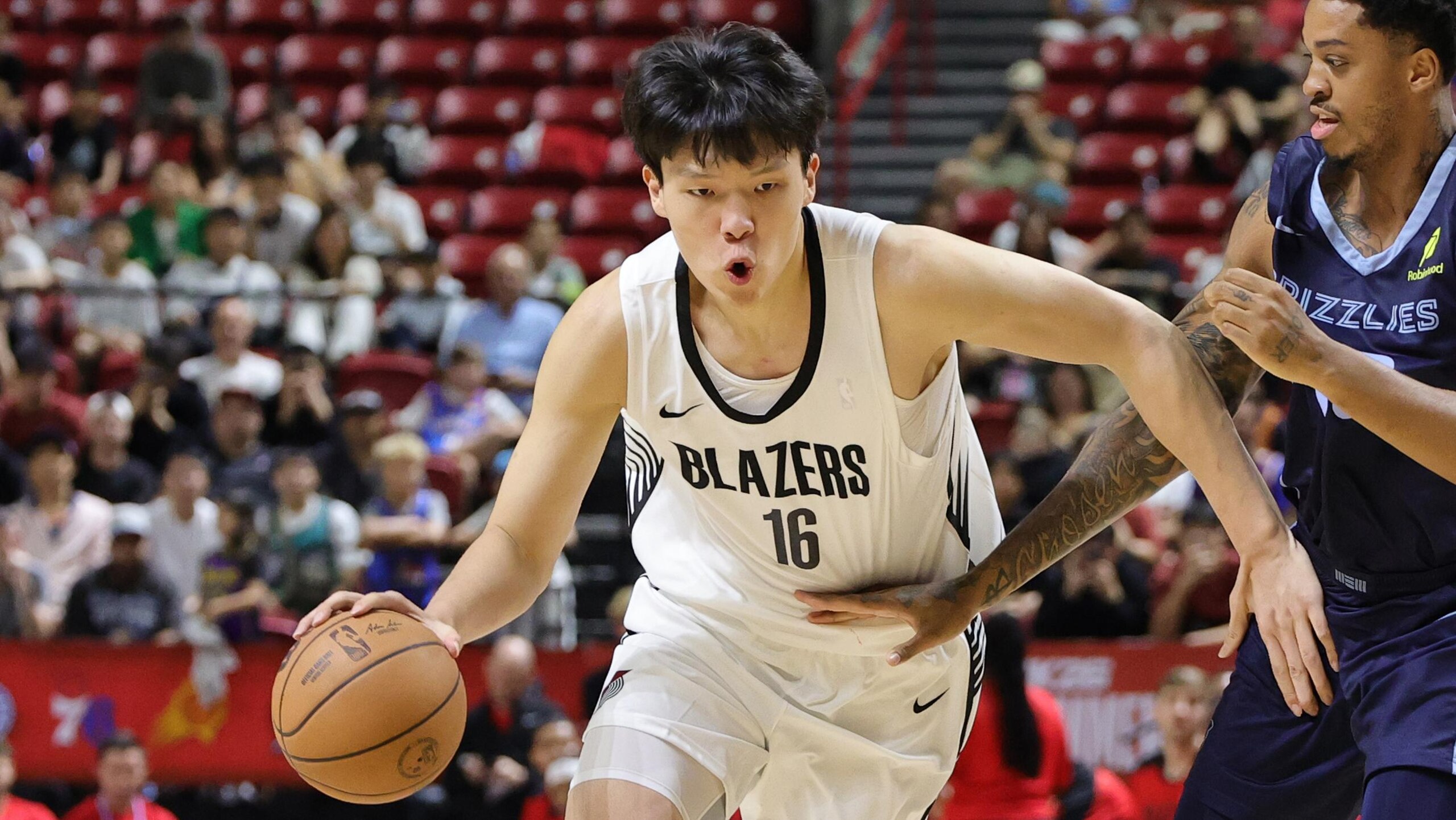
Yang Hansen's slick passing and rim protection in summer league offered early justifications for one of the Portland Trail Blazers' offseason reaches. If the 7'1" center really is something like a poor man's Nikola Jokić, it'll end skepticism about the Blazers' decision to snag him at No. 16, possibly a full round earlier than other teams had him mocked.
With Deandre Ayton gone on a buyout, Hansen still faces heavy competition at center from Donovan Clingan, Robert Williams III and Duop Reath.
Jrue Holiday will have to prove he's still a high-end starter, defender and leader to justify the Blazers' other offseason reach. He's older, costlier and worse offensively than Anfernee Simons, the outgoing piece in a one-for-one swap with the Celtics.
Portland finished on a 23-18 run last season, most of it led by the roster's young players. After sending out the pick that became Bub Carrington for Deni Avdija last year, the Blazers doubled down on vets by adding Holiday. On one level, you've got to respect a go-for-it mentality. On another, Portland is taking a risk by trusting a late-season surge.
Let's lean toward optimism and assume the Blazers are both better in the short term because of Holiday and more exciting in the long term with Hansen joining a promising young core.
Grade: B
Sacramento Kings
26 of 30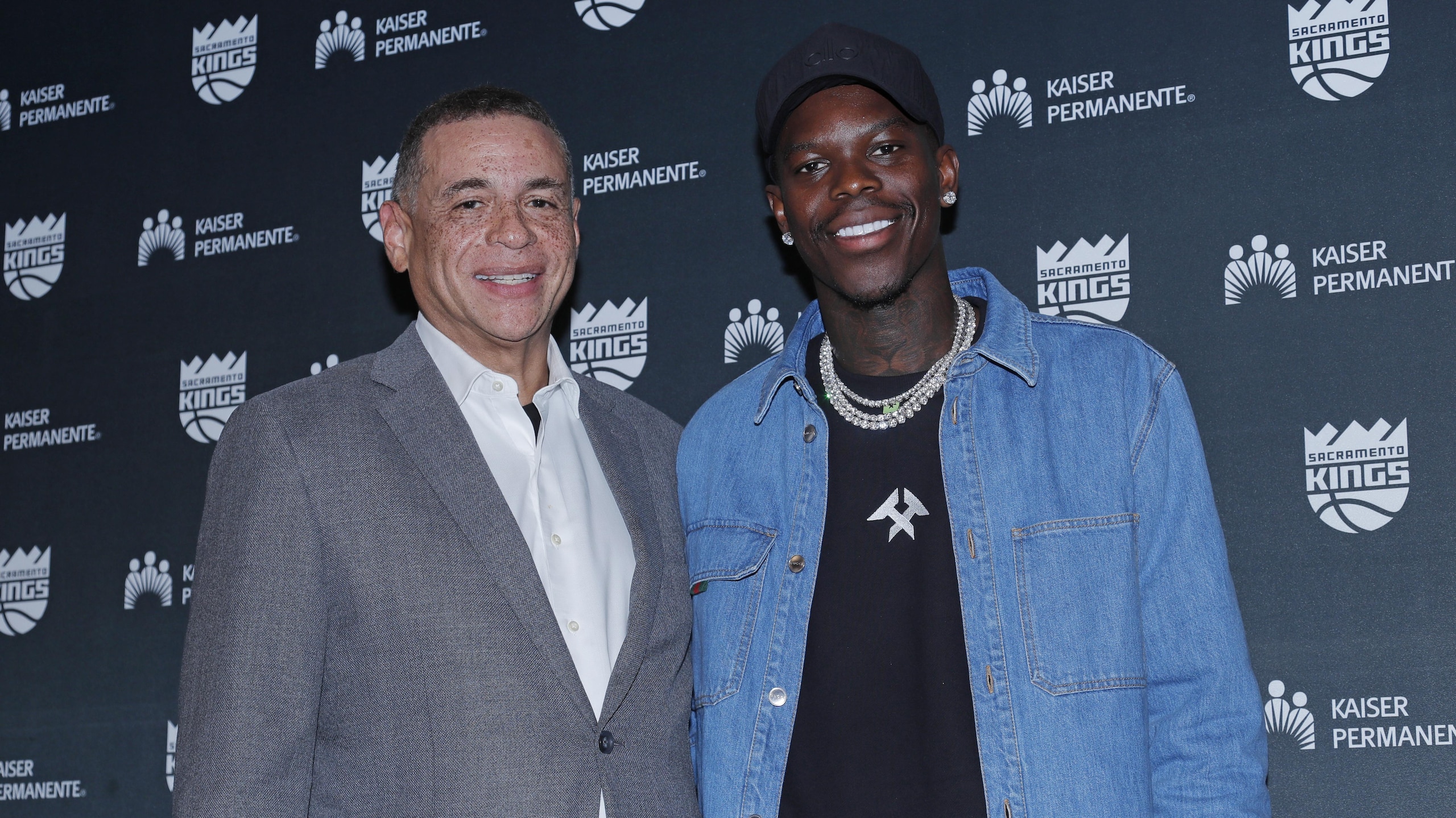
Dennis Schröder's deal features a partially guaranteed third season, which mitigates some of the risk of a pact worth up to $44 million over three years. It's still hard to view a soon-to-be 32-year-old who's played for nine teams in 12 years as a clearly positive addition.
The Sacramento Kings needed a starting point guard, though, and Schröder might have been the best they could do.
Otherwise, the Kings took on Dario Sarić for Jonas Valanciunas, ultimately taking back an inferior player who doesn't address the roster's lack of a backup center. Before you mention him, neither does minimum signee Drew Eubanks.
Perhaps most damning, Sacramento brought back Scott Perry to lead the front office. You might remember him as the executive who once signed a 40-year-old Vince Carter, a 36-year-old Zach Randolph and a 31-year-old George Hill in the same 2017 offseason. He skipped town for the Knicks shortly afterward, just as those veteran acquisitions grew frustrated on a go-nowhere team.
Grade: D-
San Antonio Spurs
27 of 30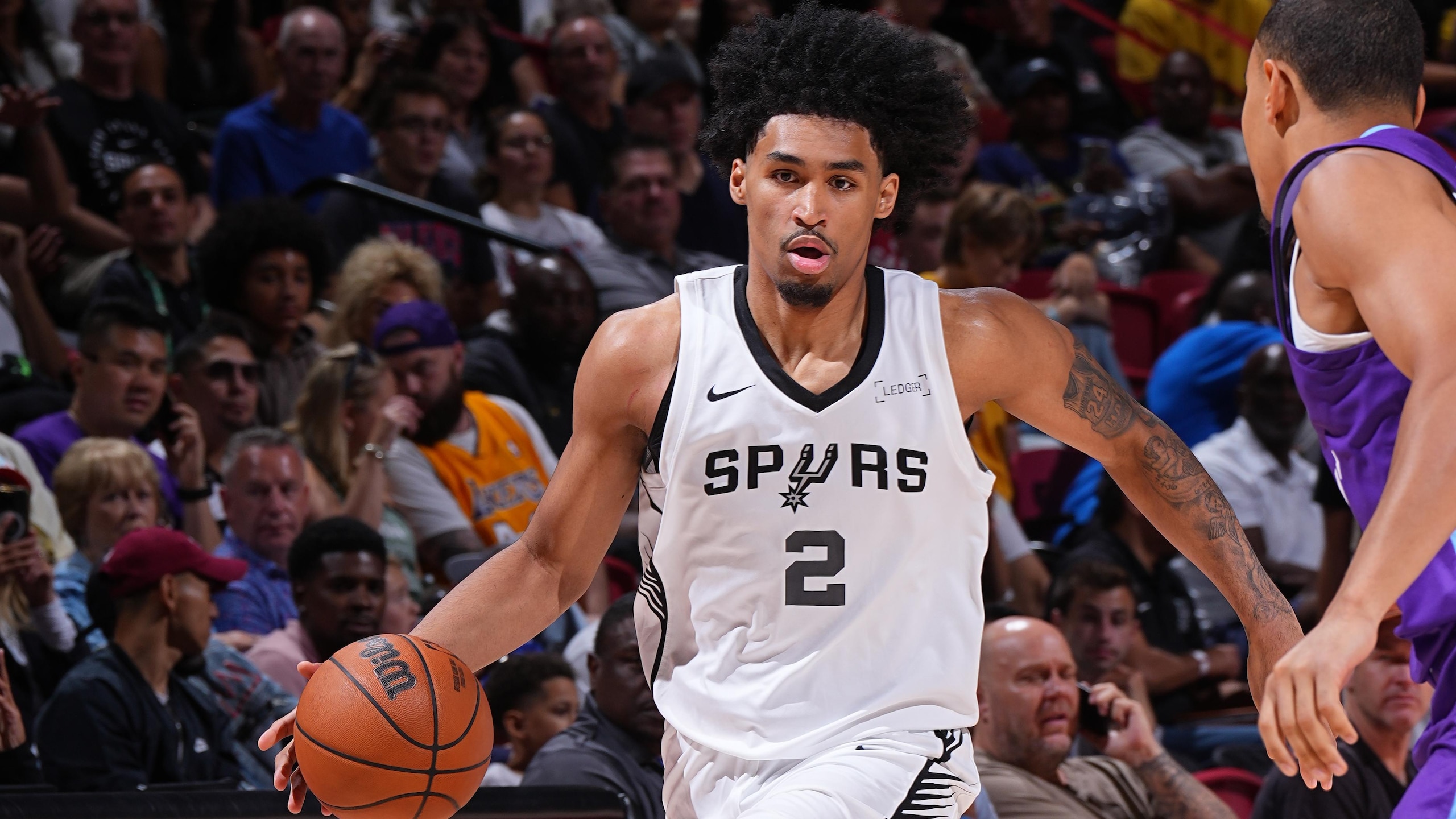
For a minute there, it was exciting to dream of the San Antonio Spurs fast-tracking their journey toward contention by adding a marquee superstar via trade.
Nothing ever came of the whispers about Giannis Antetokounmpo or Kevin Durant, which left San Antonio to build in smaller, more deliberate ways around Victor Wembanyama.
Dylan Harper was the easy call at No. 2 in the draft, even with De'Aaron Fox and Stephon Castle already profiling as fixtures in the backcourt. That selection should embolden the Spurs to negotiate hard with Fox on his next extension. With Harper and Castle in tow, there's no reason to get generous with the veteran point guard.
Free agent Luke Kornet should be a major upgrade over what the Spurs trotted out at backup center last year, and trade acquisition Kelly Olynyk offers intriguing spacing up front.
If No. 14 pick Carter Bryant looks like a keeper in the early going, maybe the Spurs will revisit a blockbuster trade involving Harrison Barnes, Keldon Johnson and Jeremy Sochan at the deadline.
Grade: B
Toronto Raptors
28 of 30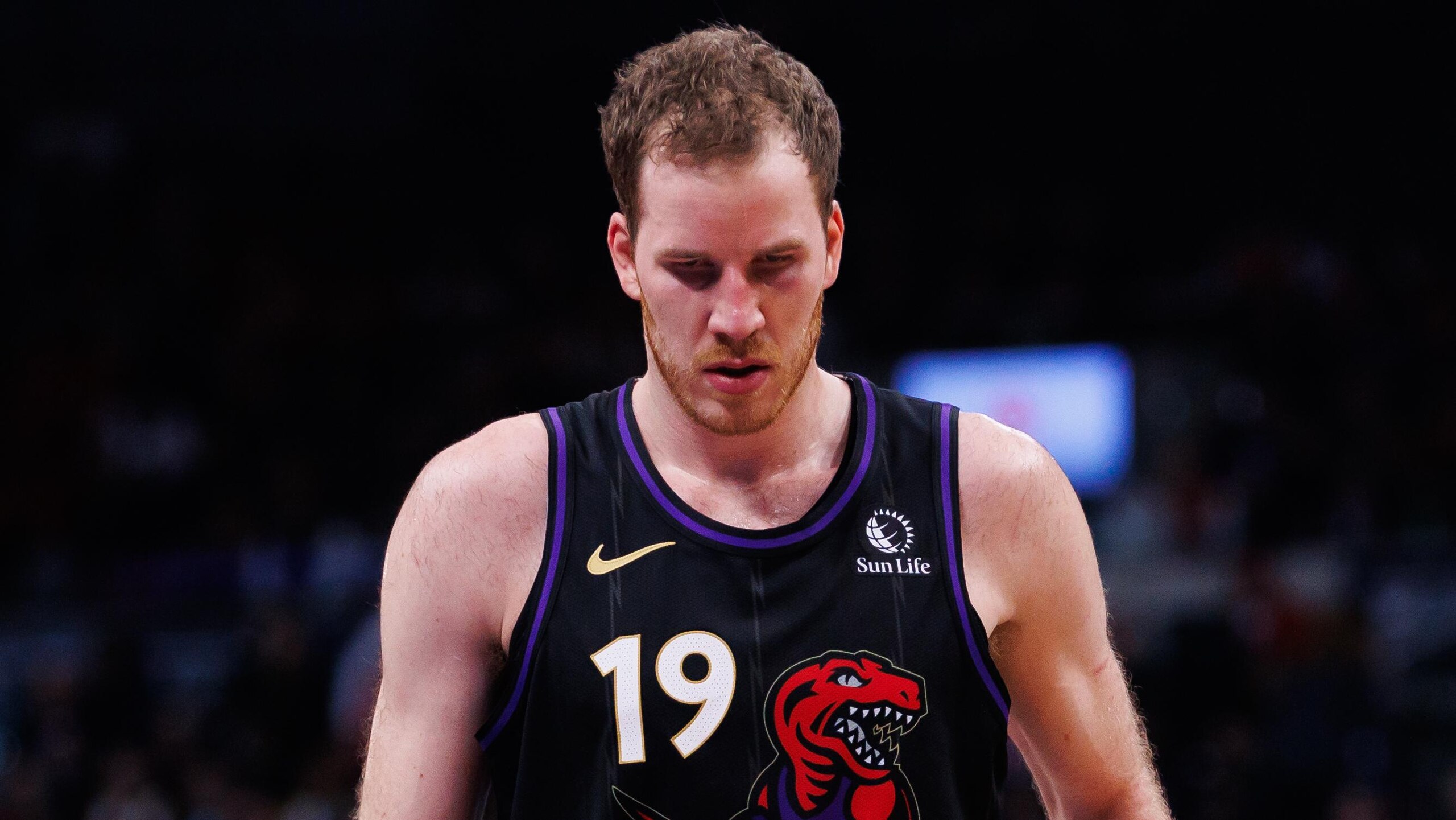
Jakob Poeltl is apparently the Toronto Raptors' Devin Booker—at least in the sense that the team unnecessarily splurged on an extension (three years, $84.5 million) long before it was actually necessary.
Poeltl, a mid-tier starting center who doesn't stretch the floor and will turn 30 before the season starts, was already on the books for $19.5 million in 2025-26 and 2026-27. What was the rush to lock him down (with a significant raise) through his age-34 season in 2029-30?
Collin Murray-Boyles has a chance to redeem a Toronto offseason that also saw Masai Ujiri leave after more than a decade in charge, but the rookie's iffy shooting makes him a difficult fit in lineups that include either Scottie Barnes or Poeltl.
The Raptors should easily beat last year's 30 wins, but it'll be because Brandon Ingram and Immanuel Quickley are healthy—not because of anything they did this summer.
Grade: D
Utah Jazz
29 of 30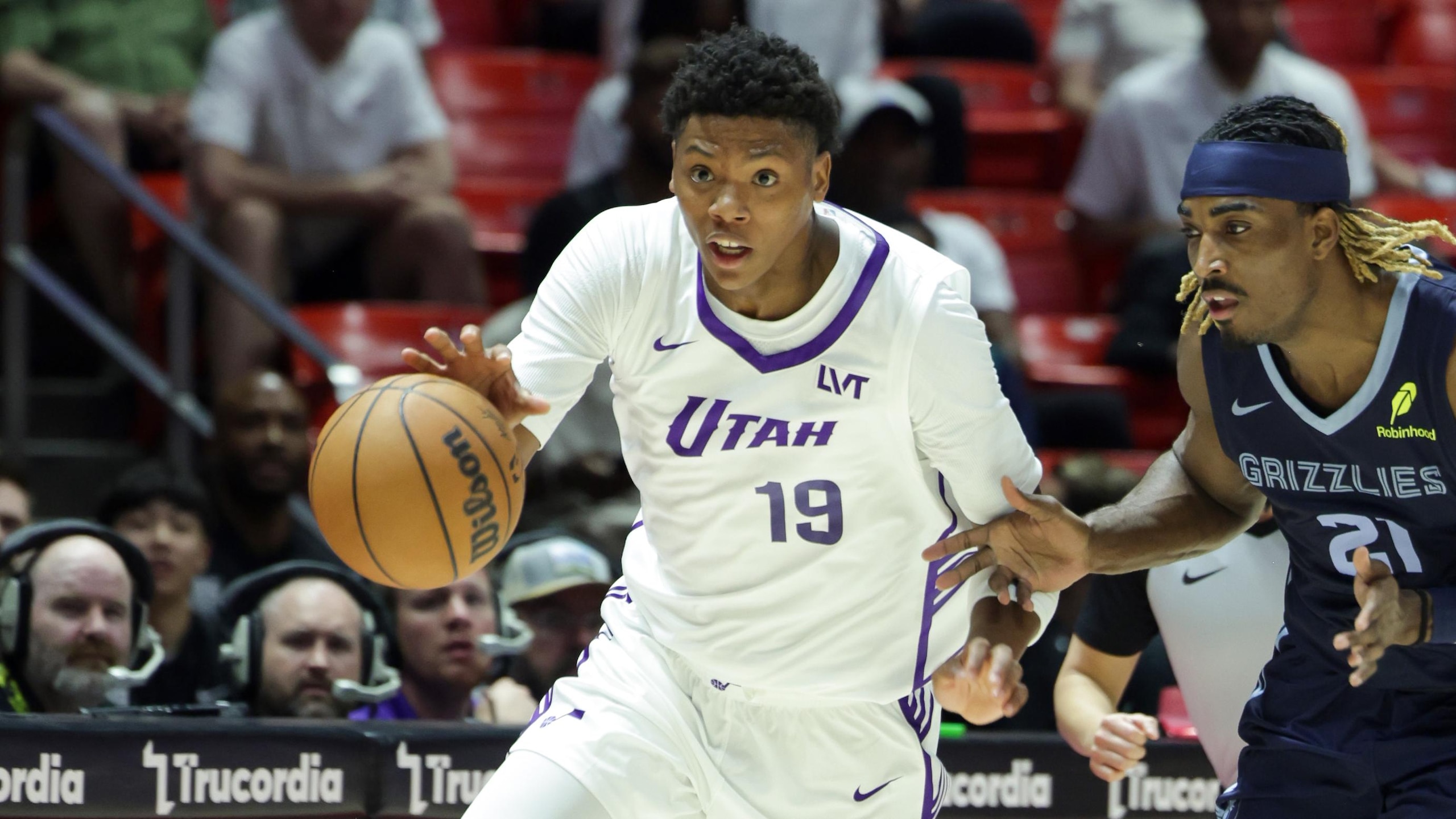
Ace Bailey was a risky choice at No. 5 on draft night. It wasn't initially clear he wanted to play for the Utah Jazz, and his uninspiring season at Rutgers suggested his obvious talent might not drive team success.
Even acknowledging all that, he was the right pick.
Utah has been rebuilding for over three years but still went into the 2025 draft without a young cornerstone. Bailey, for all his inefficiency on the court and curious pre-draft decision-making, still had the highest ceiling of anyone left on the board. The reward could be worth the risk.
The return package for John Collins was only Kevin Love, Kyle Anderson and a second-round pick, but maybe there's value in opening up more frontcourt playing time for Kyle Filipowski and a post-injury Taylor Hendricks.
The deal that sent a second-rounder to Charlotte with Collin Sexton for Jusuf Nurkić remains perplexing, though. The Jazz shouldn't have had to sweeten a trade in which they gave up the better player.
Grade: C
Washington Wizards
30 of 30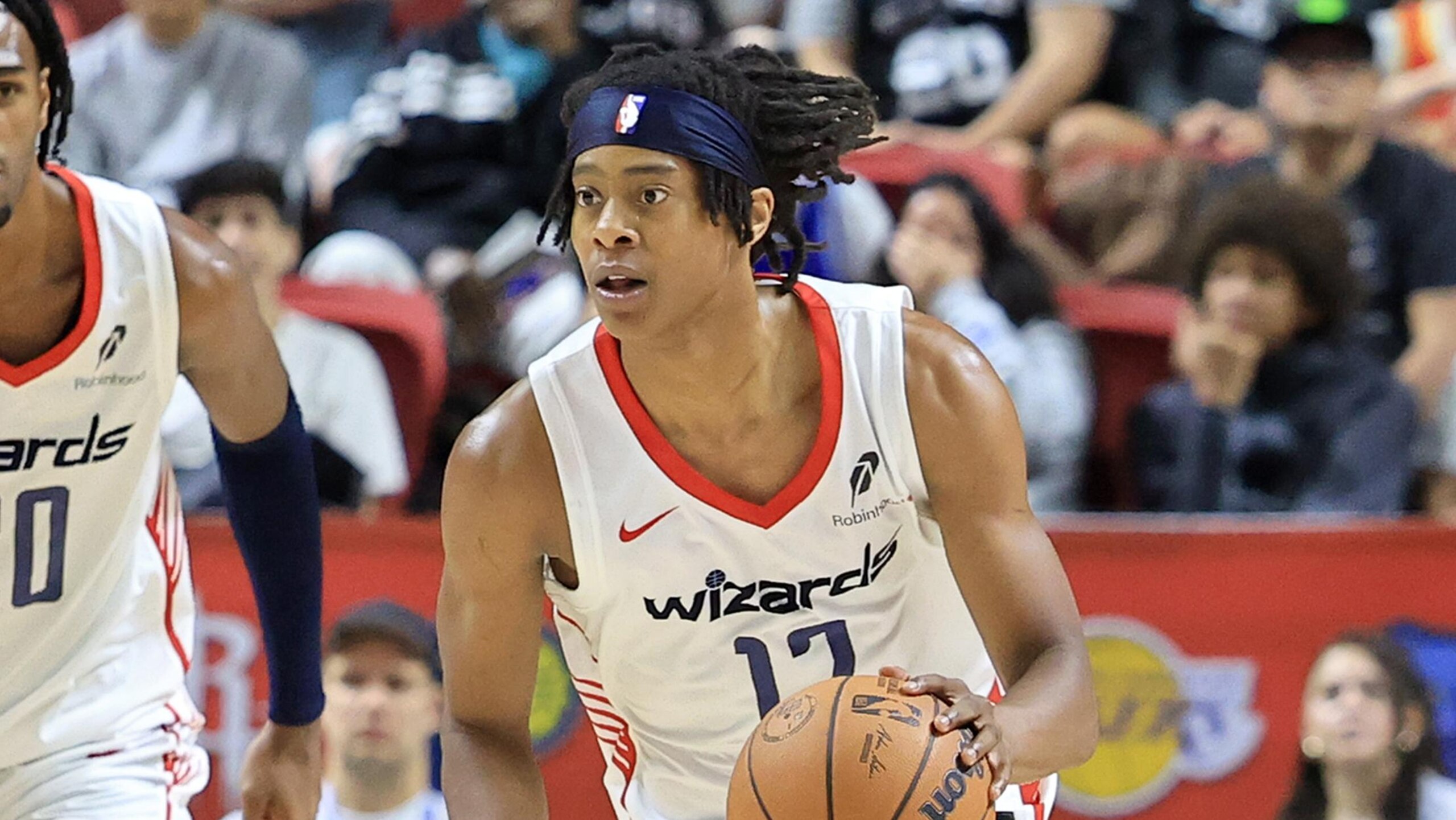
When the Washington Wizards saw a chance to offload Jordan Poole's remaining two years and $66 million, they pounced on it. Former Pelicans guard CJ McCollum was the main returning piece, and his deal comes off the books after this year.
Combined with Kelly Olynyk's expiring contract (he was later flipped to the Spurs), the Wizards cleared around $30 million from next summer's books, positioning themselves to wield over $100 million in spending power.
Then, in another opportunistic move, Washington reeled in Cam Whitmore from a Rockets team that was likely to consign the talented forward to a deep bench role for the third straight season.
Whitmore is far from a perfect player, and his tunnel vision might mean he's never a true driver of winning. But he's still oozing with potential and has star upside. The Wizards did well to take a no-risk flier on him, and the added bonus is that rookie Tre Johnson gives them another shot at a top-line scoring threat.
Grade: B
Stats courtesy of NBA.com, Basketball Reference and Cleaning the Glass. Salary info via Spotrac.
Grant Hughes covers the NBA for Bleacher Report. Follow him on Bluesky and subscribe to the Hardwood Knocks podcast, where he appears with Bleacher Report's Dan Favale.


.jpg?w=2560 "Jonathan Taylor Landing Spots 📍")



