

Max Contract Today, Bargain Tomorrow: Welcome to NBA's New Free Agency
With the NBA salary cap set to explode in the coming years, teams found that a penny spent today could be a penny saved tomorrow. And there have been plenty of pennies thrown around since the free-agent market opened earlier this month.
Anthony Davis paced free agents (past and present) with the richest deal in NBA history. The New Orleans Pelicans gave their 22-year-old franchise centerpiece a five-year, $145 million pact.
But NBA generosity wasn't limited to the Big Easy.
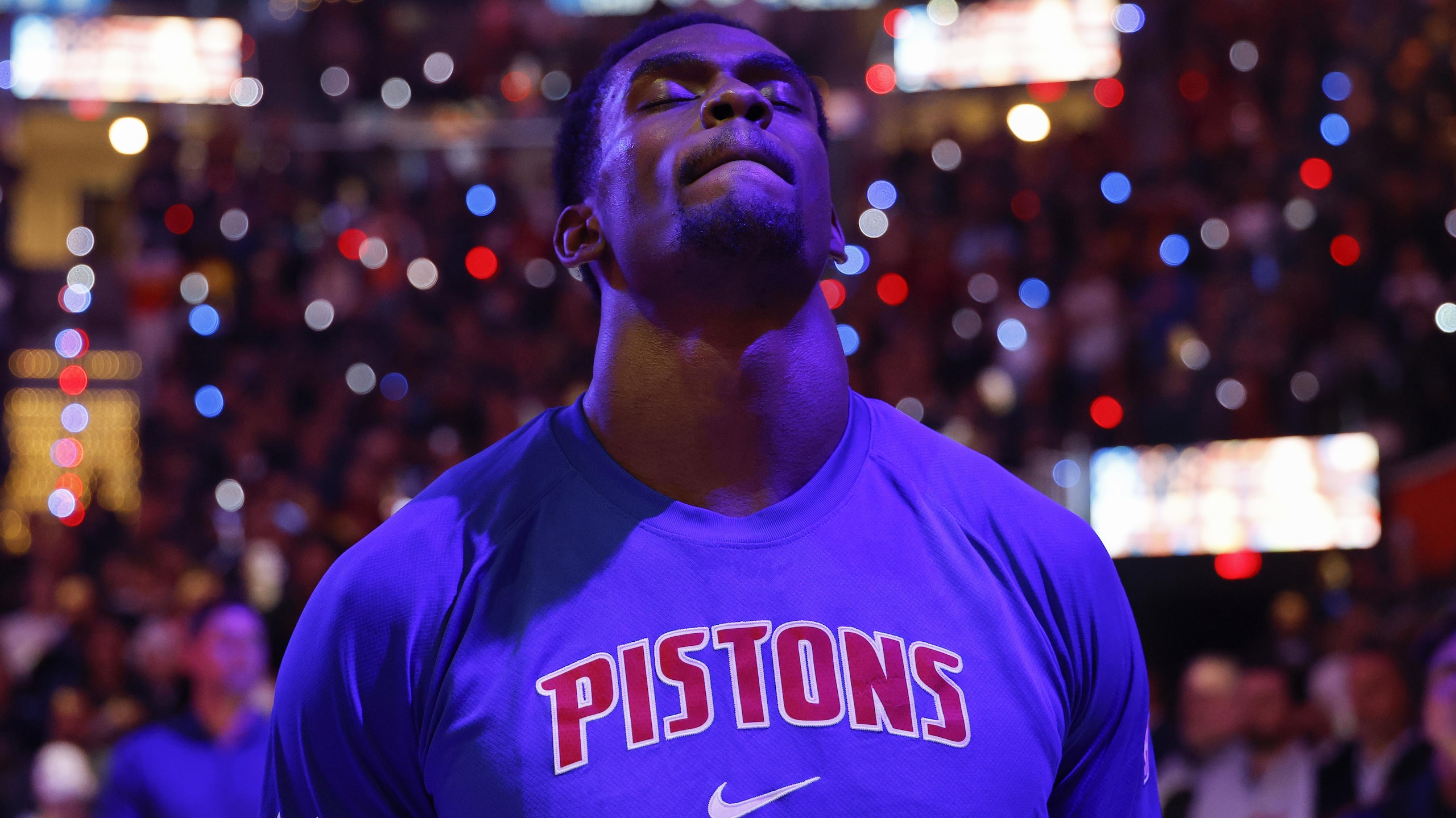
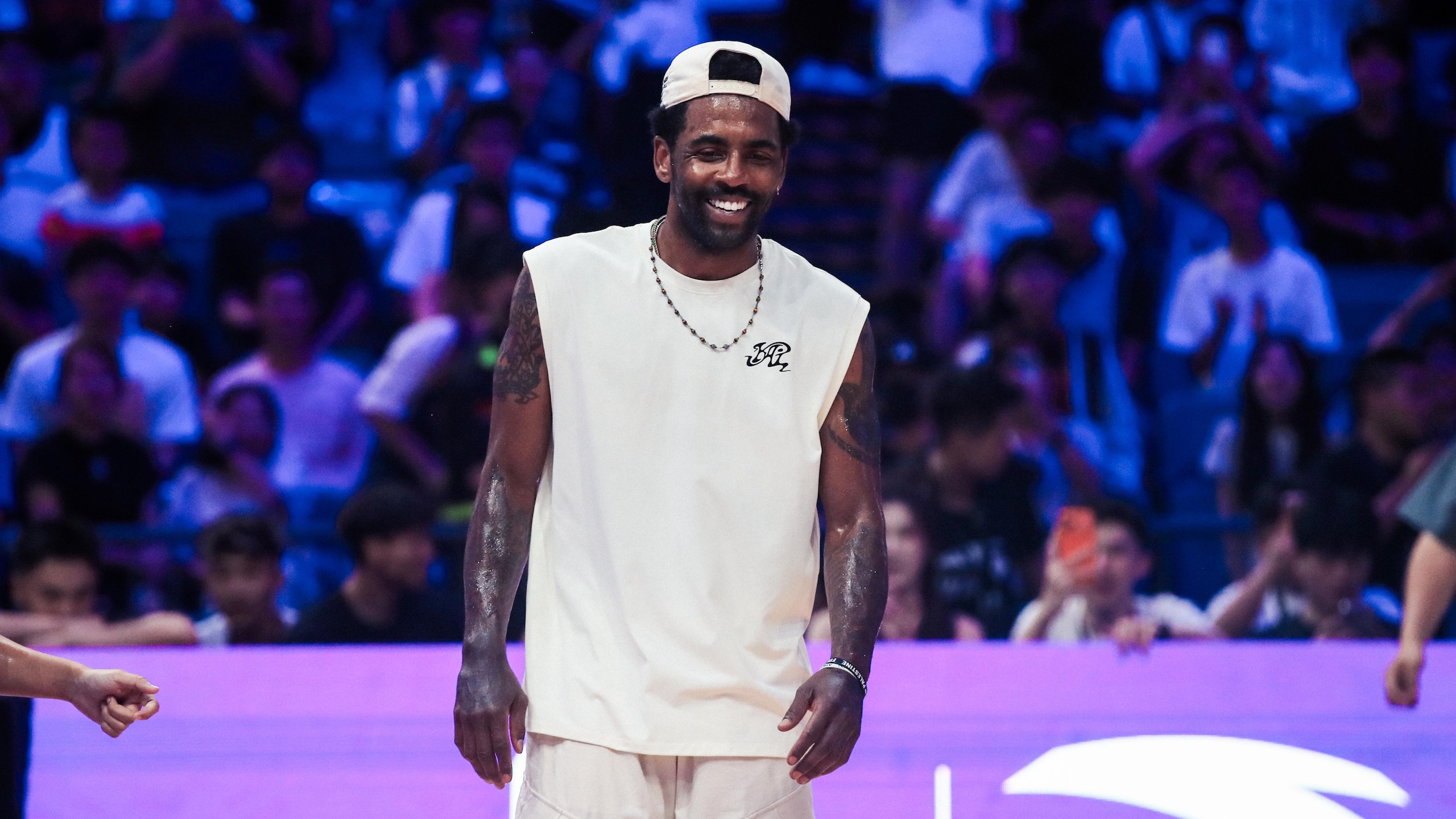
Still-developing prospects landed lucrative contracts (see: Enes Kanter's new $70 million deal). Complementary players earned wages typically reserved for featured stars (see: DeMarre Carroll's $15 million annual salary). Even career reserves took home starter's money (see: Al-Farouq Aminu's four-year, $30 million arrangement).
If you're searching for the motive behind the billions rained down on the 2015 free agents, look no further than the summer of 2016.
Even though this coming season's cap climbed higher than expected to $70 million, the largest spikes are still to come. Current projections peg the spending pool at $89 million for 2016-17 and $108 million the following year, sources told ESPN.com's Marc Stein.
Those increases left their fingerprints all over this crop of ballers-for-hire. In light of that future growth, present investments carried the reverse effect of a side-view mirror: Major-money deals were smaller than they appeared.
"With so much of the NBA's business focused on the summer of 2016...owners and general managers dug deep to cut deals at 2015 prices," wrote NBA.com's Steve Aschburner. "Or, more accurately, at 2015's percentage of payroll."
That's the number that really matters.
For as much as raw dollar figures are discussed, the most significant impact of these contracts is their effect on a club's macro cap situation. As the salary pools expand, this summer's deals will chew up a smaller piece of the pie.
| $5 Million | 7.9% | 7.1% | 5.6% | 4.6% |
| $10 Million | 15.9% | 14.3% | 11.2% | 9.3% |
| $15 Million | 23.8% | 21.4% | 16.9% | 13.9% |
| $20 Million | 31.7% | 28.6% | 22.5% | 18.5% |
"A max contract this summer is a unique animal—a relative bargain, even when teams reach a bit," wrote Grantland's Zach Lowe.
The Milwaukee Bucks inked Khris Middleton and Greg Monroe to contracts that carry an average annual value of nearly $31 million combined. To many, that may seem like a ton of money for a swingman who owns a career 11.8 points-per-game scoring average (Middleton) and a big man who doesn't provide much rim protection (Monroe).
If the league was still using last season's $63.1 million cap, these two salaries alone would almost eat up half of it (48.6 percent). But under 2016-17's projected $89 million figure, the same contracts only occupy 34.5 percent of Milwaukee's available spending money. That percentage falls to just 28.4 once the cap reaches $108 million.
Outside of the obvious max candidates, nearly every free agent who just signed an eight-figure deal can credit his raise to the influx of the league's new TV money.
"It's a new era," one Eastern Conference scout told Forbes' Mitch Lawrence. "Anyone with any talent is getting way overpaid."
But is that really the case? Sure, there are some deals clubs could regret, but a lot of these high-priced additions look better once we move away from the traditional cost for free-agent talent.
Take Aminu, for instance. His contract with the Portland Trail Blazers seems steep for a player who neither creates his own offense nor knocks down the long ball with any consistency (career 28.6 three-point percentage).
But for someone who will command just 8.4 percent of an $89 million cap, Aminu boasts some intriguing attributes.
"Aminu is an ace rebounder, he can defend three positions well, and he has shown signs of developing at least a decent corner three-pointer. Defenders who can toggle between power forwards and wings...are becoming more valuable. Amid a rising cap, this is a defensible bet," Lowe wrote.

A lot of these "gambles" aren't as risky as they appear.
Carroll doesn't look like a typical $60 million player, but when his $15 million annual salary starts consuming less cap space, the Toronto Raptors could have a two-way bargain on the wing. The Cleveland Cavaliers might have a steal getting Kevin Love on a five-year, $110 million deal, which could become a door-busting discount for someone with his superb skills.
"As one of the truly elite players in the NBA, Kevin's value and impact was critical to our success this past season and we are thrilled that he will be part of our core group for many years to come," Cavs general manager David Griffin said in a team release.
From max commitments to minor ones, the 2015 offseason has been littered with shrewd investments.
There were savvy bets placed on the futures of Kawhi Leonard (five years, $95 million), Jimmy Butler (five years, $95 million), Draymond Green (five years, $82 million) and Tobias Harris (four years, $64 million). Benches were bolstered with modest deals for Brandan Wright (three years, $18 million), Kyle O'Quinn (four years, $16 million) and Mo Williams (two years, $4.3 million).
Given the climbing cap, teams had major incentive to lock up players on long-term arrangements. Perhaps the biggest surprise of this summer is the value free agents also placed on longevity and security.
"More often than not players choose security in money and years over upside and risk," one executive told ESPN.com's Tom Haberstroh. "Teams were spending with a perspective to next year, which helped the players."
With money searing the pockets of owners across the league, players had ample opportunities to cash out. Almost all of them went that route, proving that, as Bleacher Report's Grant Hughes put it, "80 million birds in the hand were worth 120 million in the bush."
But there were a few notable exceptions.
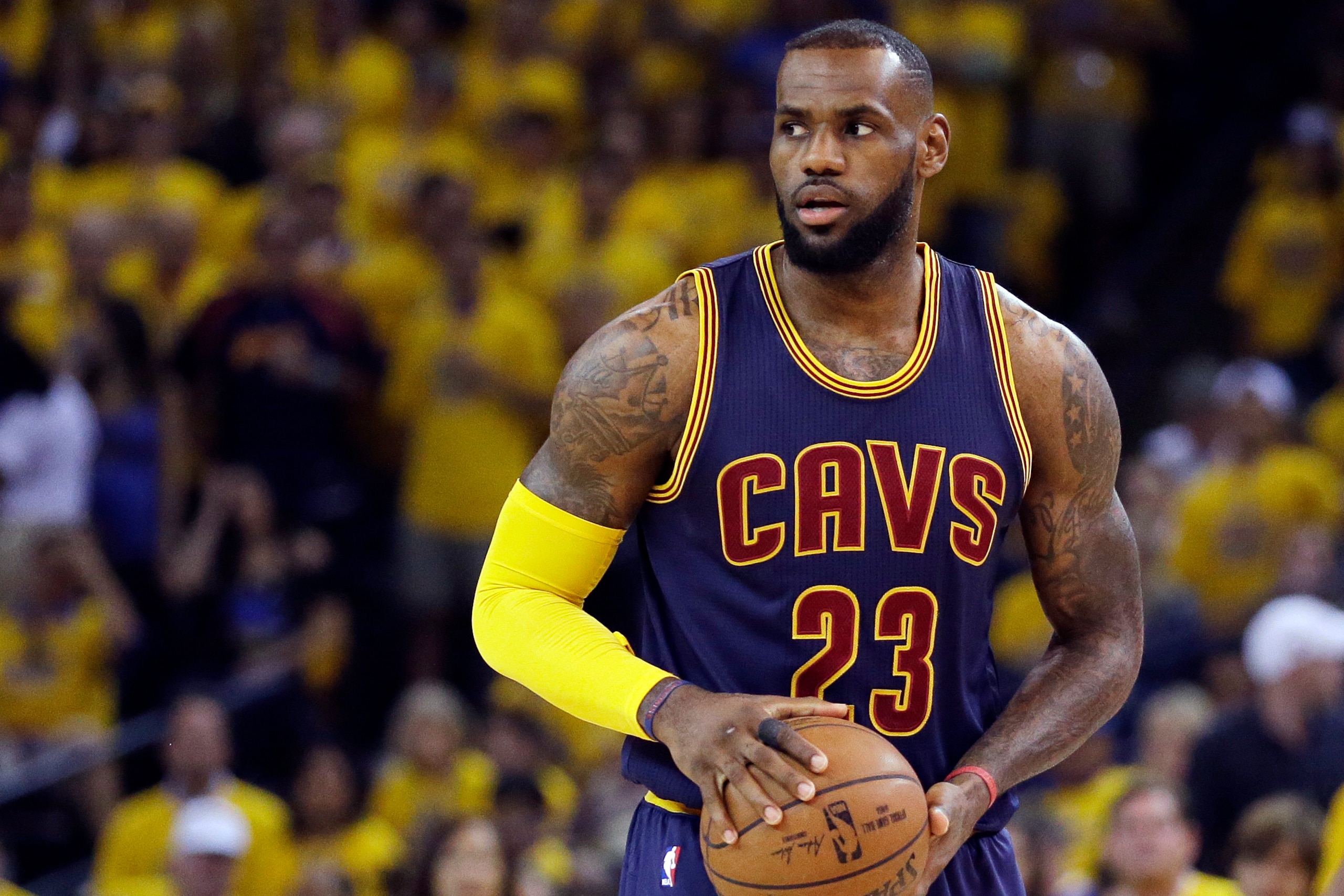
LeBron James positioned himself to reap the rewards of the league's growing salary pot.
For the second consecutive summer, he signed a two-year pact with Cleveland that includes a player option for the second season. If he repeats the pattern in 2016 and declines his $24 million option, he could substantially boost his bank account.
"If and when James opts out next summer, he could stand to earn more than $30 million in the following season," wrote USA Today's Sam Amick.
James was the only superstar to plot this particular path. Rajon Rondo and Dwyane Wade both signed one-year deals, but their motivations were different. The former needed to prove himself after a disastrous run with the Dallas Mavericks, and the latter settled for a shorter deal than he would've liked.
"It's no secret that my goal was to sign a longer-term deal this summer. That's what I was focused on," Wade told Tim Reynolds of the Associated Press. "Once I realized that probably wasn't the best thing for me right now, where everything is financially with the NBA and a lot of things coming up that we don't even know about yet, a one-year deal isn't a bad thing."
But even a lot of the players who took longer contracts made sure to work early escape clauses into them. Monroe, Leonard, Butler, Marc Gasol, LaMarcus Aldridge and DeAndre Jordan are among those who included player options for the final year of their deals.
It all ties back to the rising cap. The sooner players can move out of their current contracts, the quicker they can dip into this expanding revenue stream.
Next summer could be similarly frenetic with more cap hikes looming on the horizon. But both players and teams will be better prepared to navigate this changing landscape.
They have already witnessed the massive influence of the 2016 NBA free-agent market a full year before it officially opens for business.
Unless otherwise noted, contract figures used courtesy of ESPN.com's free-agent tracker.

.jpg?w=2560 "Jaxson Dart Ruled Out of MNF")

.jpg?w=2560 "Ertz Returning to Eagles")
.jpg?w=2560 "Dak Addresses 'Dumb' Old Romo Tweet 🤣")
.jpg?w=2560 "WWE Raw Live Grades 🔠")

.jpg?w=2560 "🚨 Puka Out for MNF")