
Fixing Every WNBA Team's Biggest Weakness After 1 Month
We're a little over a month into the regular season, which means we can finally get off some #takes in good conscience. Everyone's played at least 10 games, so we have a decent feel for what each team does well and where there's room to improve.
The purpose of this piece is to highlight a weakness—the weakness, even—and possible fixes. That could be a scheme tweak, a trade or signing, or even the good ol' Do Better™️ button.
Let's dig in, shall we?
All stats are accurate through games played on June 19.
Minnesota Lynx (11-1): Defensive Rebounding
1 of 13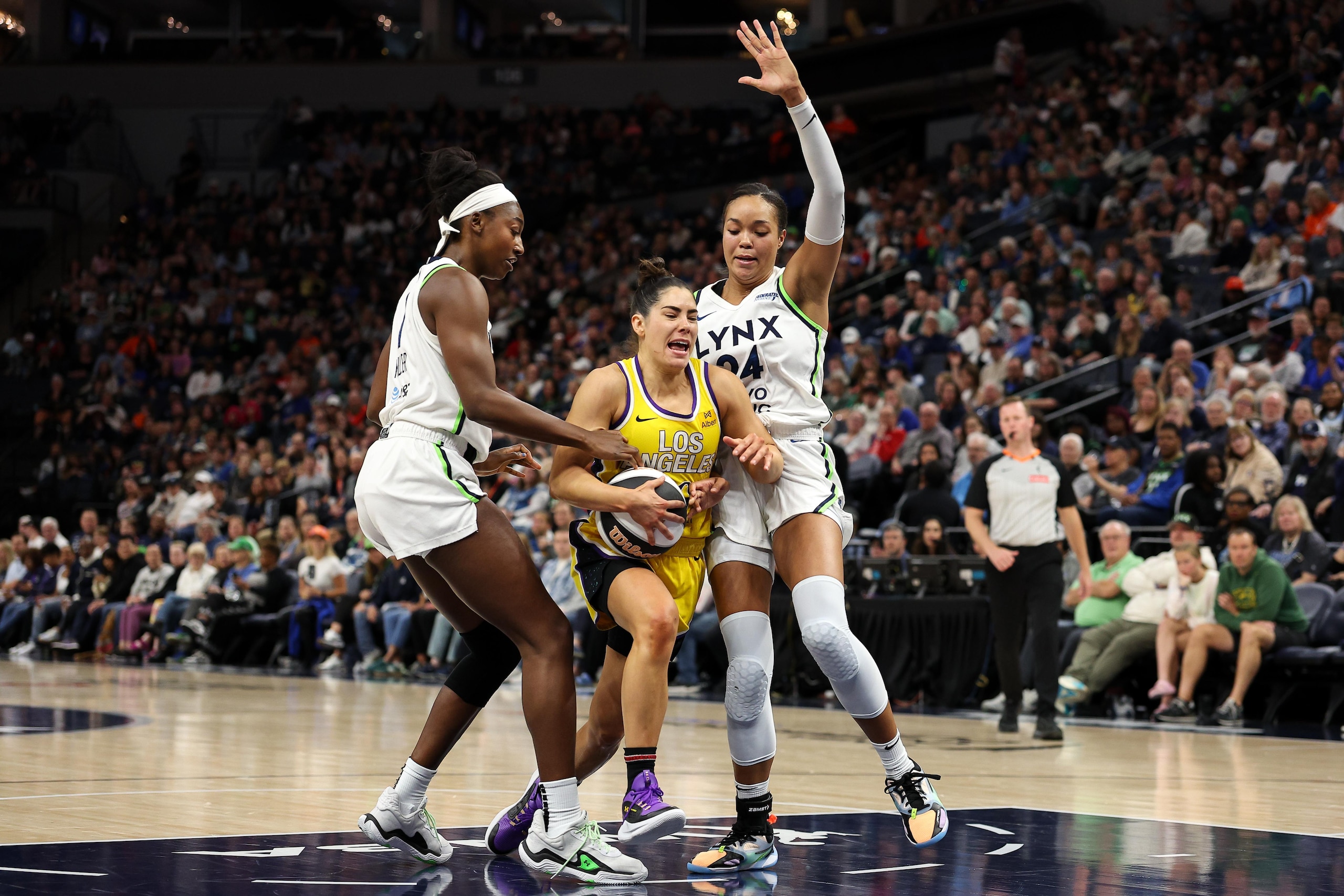
The Lynx officially have the best record in the league behind the second-ranked offense and defense. Napheesa Collier has an early, distant lead for MVP; beyond that, it's hard to find a player on the roster who isn't providing some level of value.
In short, it's hard to nitpick a team this good.
If there is a weak point for this team, it's a similar one from last year: The Lynx are great at forcing misses but not so great at ending possessions.
The Lynx are grabbing 68.6 percent of available defensive rebounds this year, ninth in the WNBA. While that ranking is closer to the middle of the pack than last year (11th), the actual rate isn't much different from last year's number (68.2).
The good news for the Lynx is that one of their answers should be returning to the roster soon.
Jessica Shepard, currently away from the team for EuroBasket play, has been a godsend in multiple avenues: a tremendous screener, passer and coverage-versatile defender. More specifically, she's really helped on the glass; the Lynx's defensive rebound rate jumps to 76 percent—nearly two percentage points higher than the league-leading Liberty (74.3%)—in the minutes that Shepard has been on the floor.
New York Liberty (10-2): Minutes Without Jonquel Jones
2 of 13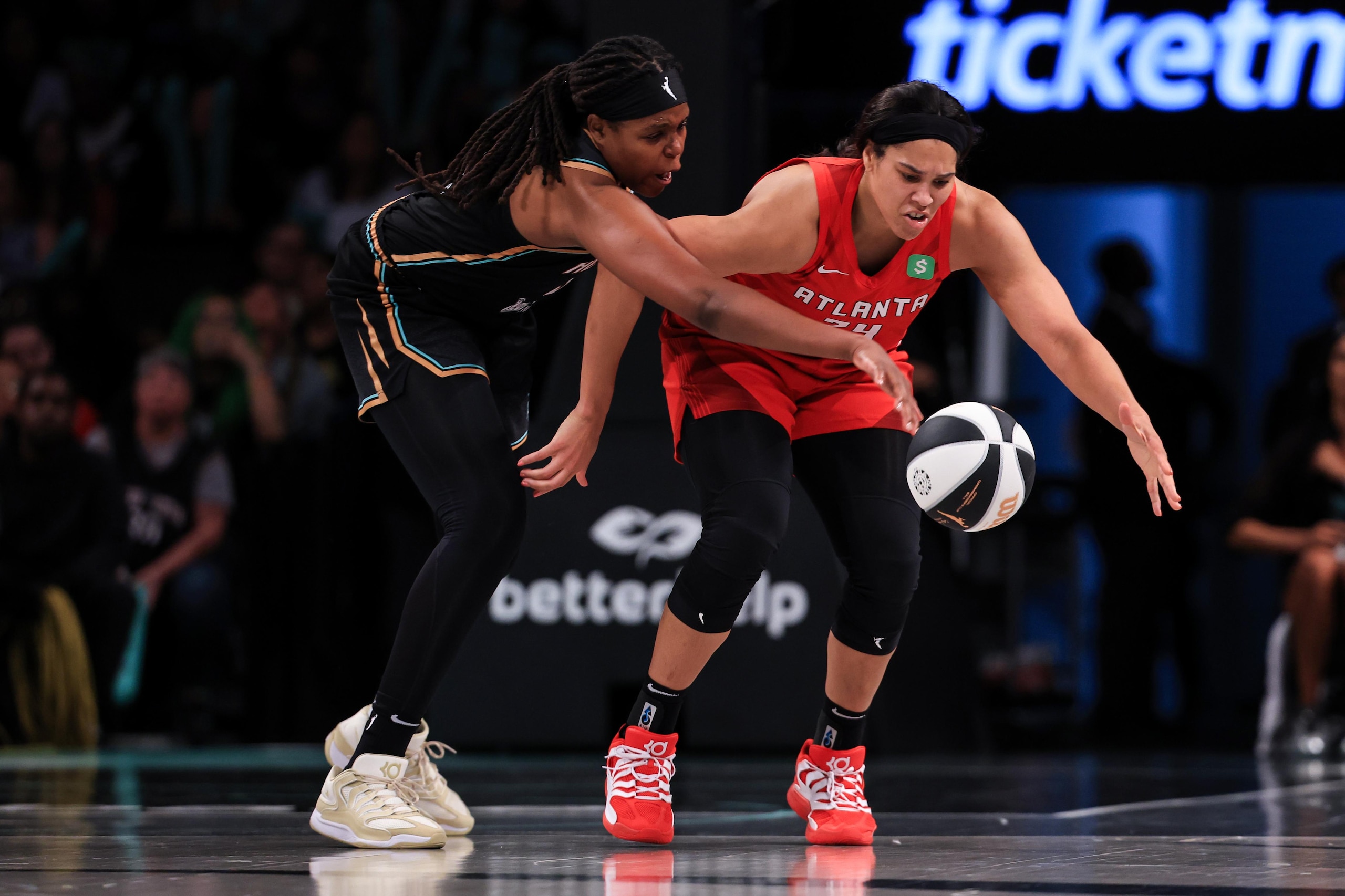
The Liberty are coming off a tough loss to the Phoenix Mercury (more on them soon), but they've been utterly dominant this year. They sport the league's best offensive and defensive rating. Their plus-18.5 net rating not only leads the league, but it would also narrowly edge out the 2000 Houston Comets for the league record if it holds. Similar to the Lynx section, it's hard to find real things to poke at.
If there's a broader thing I'm monitoring with this group, it's how they look without Jonquel Jones on the floor.
It's not a coincidence that both Liberty losses—a 102-88 loss to the Fever, and Thursday night's 89-81 loss to Phoenix—came with Jones playing a total of nine minutes.
The Liberty have been a good team overall in the non-Jones minutes—a plus-6.4 net rating would rank fifth this year, but history tells us that mark is generally good enough for a top-three seed—but they've been world-beaters (plus-29.9) with her on the floor.
This feels like an appropriate use of the Do Better button, particularly from behind the arc. Kennedy Burke has shot the lights out without Jones on the floor (18-of-26, 69.2%); the rest of the team has gone a combined 52-of-179 (29.1%), with Sabrina Ionescu (17-of-57, 29.8%) "leading" the charge in that regard.
Some of that is the team dealing with more switching, which takes some of the juice out of their offensive attack. There aren't as many 3-on-2s or 2-on-1s to attack, which cuts into some of the clean catch-and-shoot looks they've enjoyed with Jones on the floor.
A quick thing I'd toss out: I've liked them leaning into Ionescu or Natasha Cloud being used as on-ball screeners, especially when emptying a side before doing so. If or when those actions are switched, there's room for a little more off-ball screening on the opposite side of the floor. In theory, that should either make the mismatch hunting more useful (Breanna Stewart vs smaller players is still a win for New York), or the off-ball screening should help generate cleaner catch-and-shoot opportunities if help arrives.
Phoenix Mercury (10-4): Dealing with Switching
3 of 13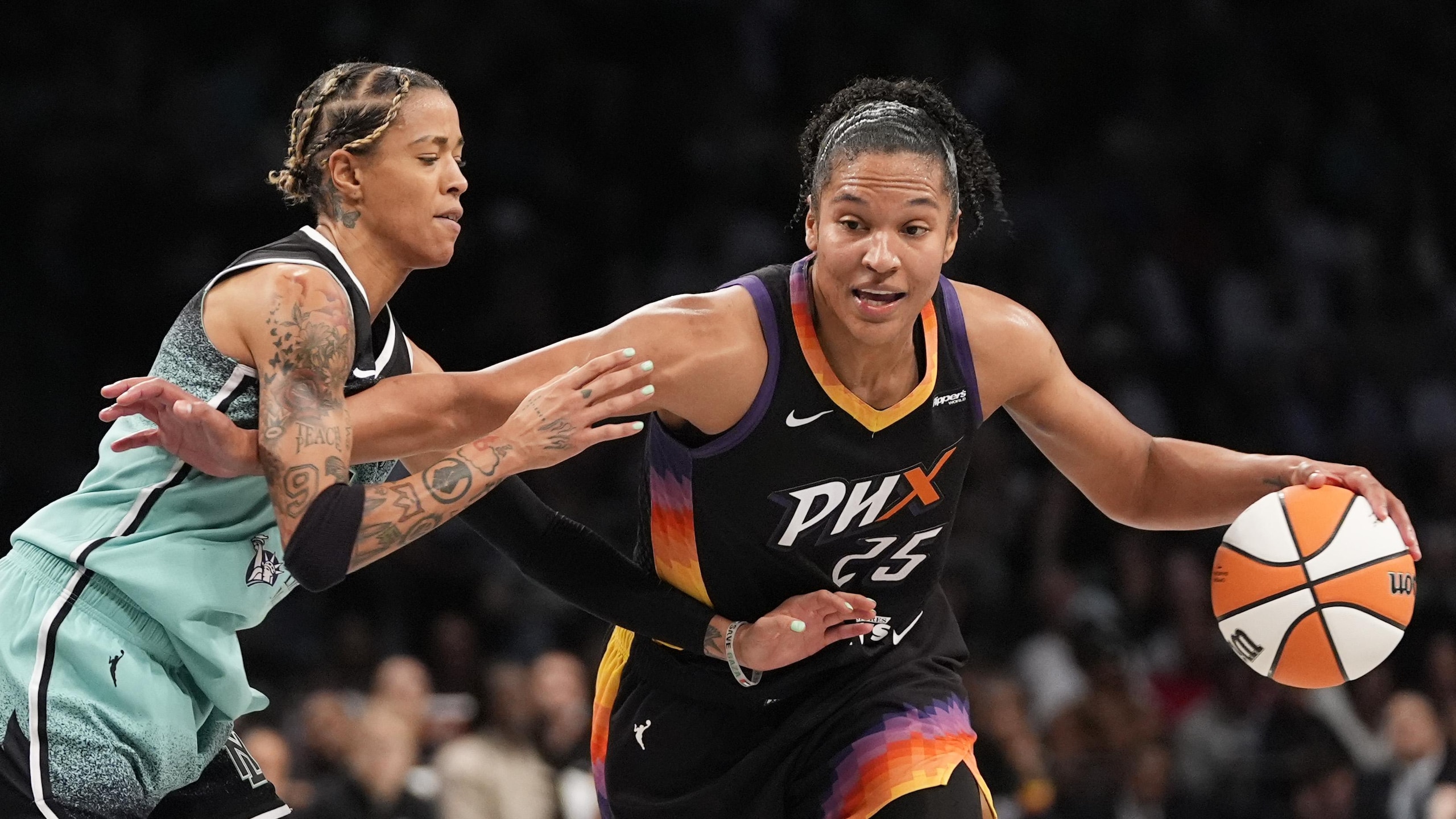
The Mercury have been one of the best stories of the young season and are fresh off a thrilling win against the New York Liberty. Alyssa Thomas and Satou Sabally have both played at All-WNBA levels (you could make strong cases for either as the Mercury's MVP rep), and the production of the supporting cast has been a pleasant surprise.
I was torn between their defensive rebounding (second worst defensive rebound rate in the league) and their switch-beating on offense. For the purposes of not being too repetitive, I wanted to talk briefly about the switching.
For starters, per Second Spectrum, no team has faced a higher rate of switching (24.2%) than the Mercury have this year. And when facing those switches, the Mercury are generating 0.68 points per direct attack—the worst mark in the league.
The good news is they've already sought out solves—the process has felt better than the results so far. The Mercury have been smart about their spacing when seeking out mismatches, and their battering rams (Thomas, Sabally) have been able to get to the rim (or free throw line) and otherwise force help.
Part of the low results should turn with better shot-making; some of it will turn with the recent return of Kahleah Copper. Her ability to get downhill against, well, anyone, should be helpful on top of the natural problems that Thomas and Sabally pose.
Atlanta Dream (8-4): 4th Quarters
4 of 13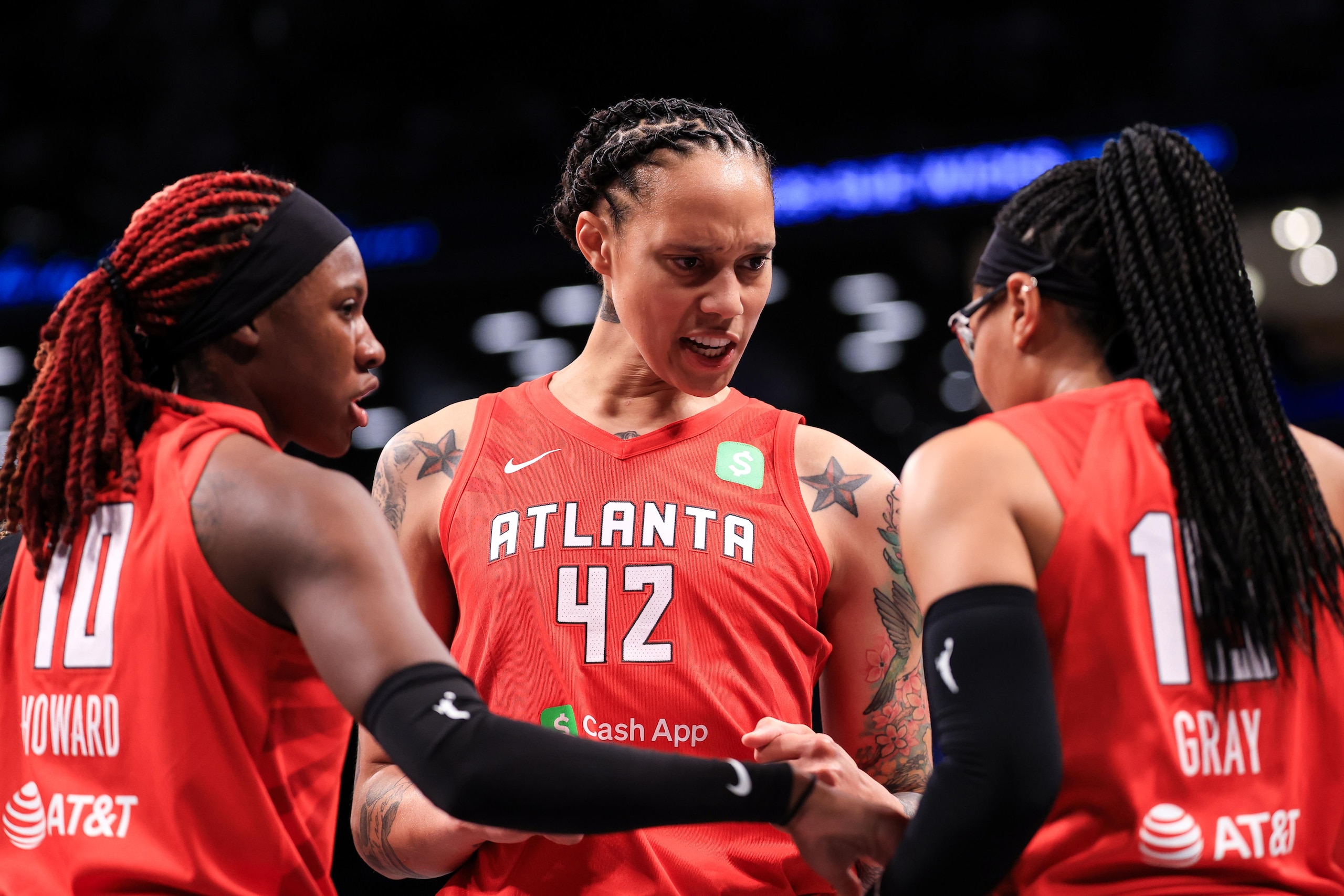
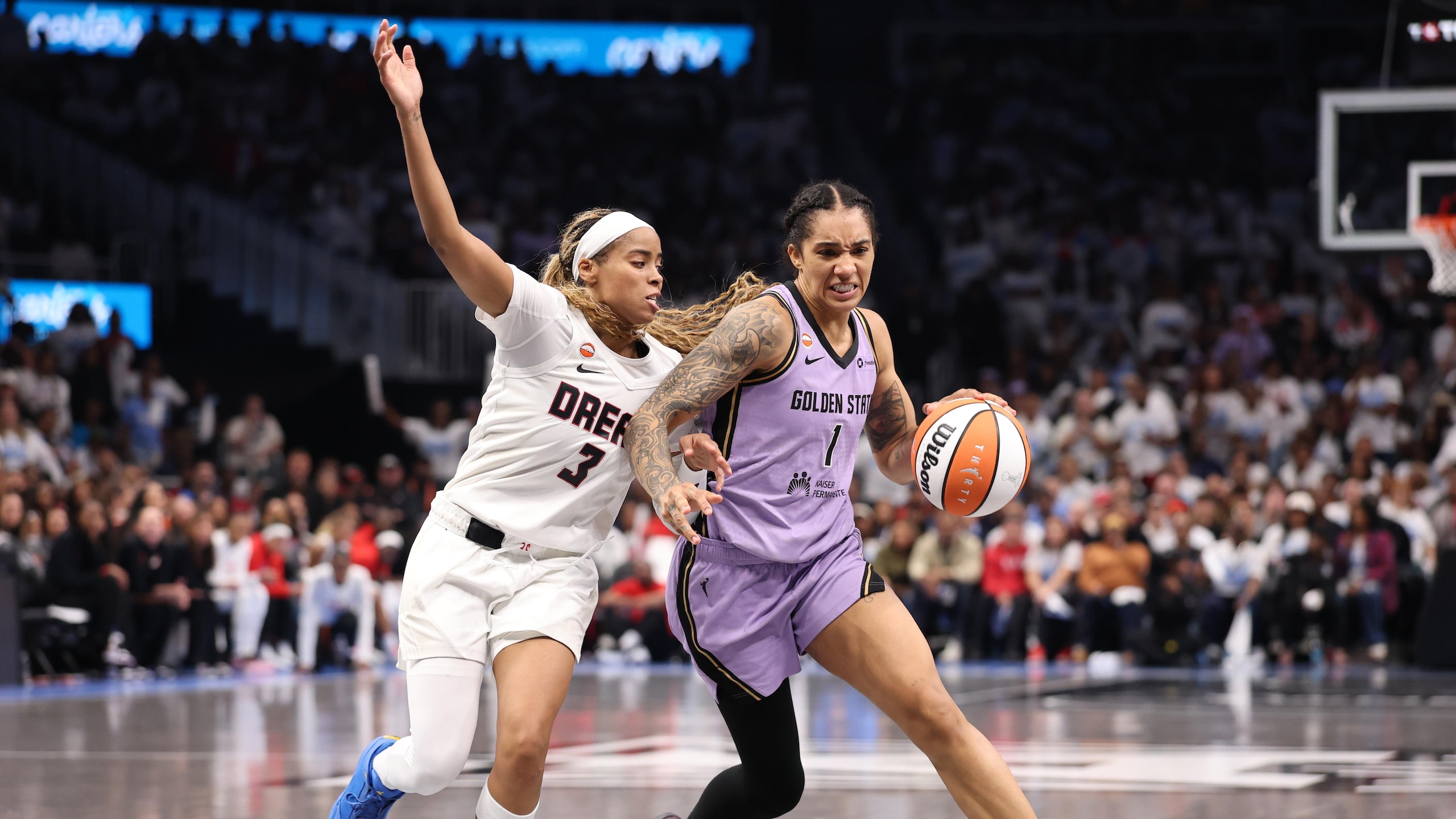
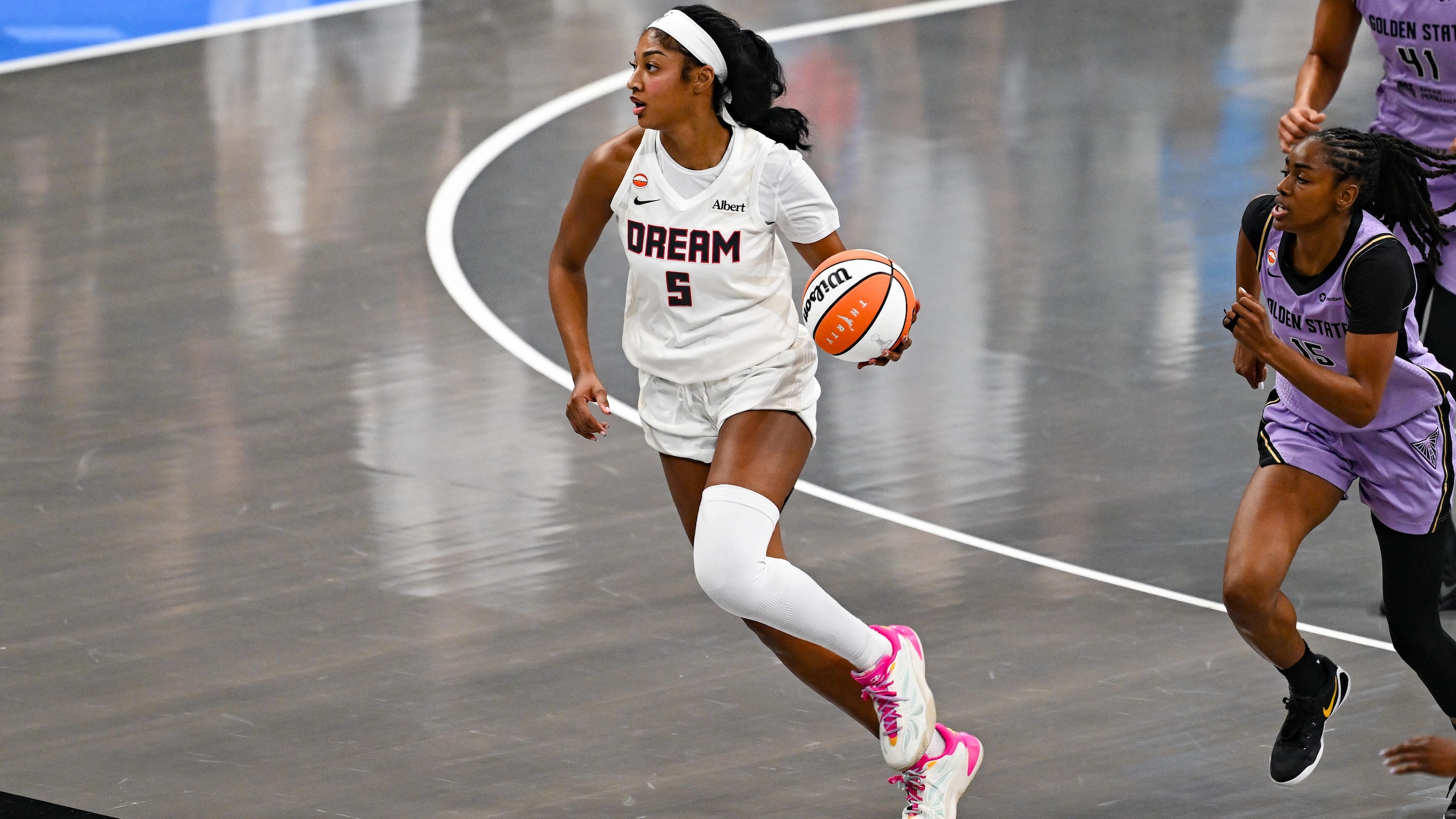
The Dream haven't just been one of the best teams in the league, they've been one of the most balanced. They rank fifth or better in virtually everything: offensive rating, defensive rating, net rating, assist rate, offensive and defensive rebound rate, turnover rate and effective field goal percentage for starters.
New head coach Karl Smesko has done a tremendous job of spacing this team out, leaning more into perimeter shooting while also bludgeoning teams in the paint with postups.
The second half Dream have arguably been the most intriguing team in the league. They've blitzed teams in third quarters—Rhyne Howard and Allisha Gray have taken turns taking over games with a barrage of threes—and have posted the league's best net rating by a wide margin in that frame. Things slide in the fourth quarter, where they're outscored by over five points per 100 possessions.
To the Dream's credit, we have seen them make some lineup tweaks. As successful as the Bri Jones-Brittney Griner pairing has been overall, the Dream have been outscored with those two on the floor in the fourth. We've seen them lean more into Naz Hillmon and Nia Coffey as options at the 4 alongside Jones at center—I'd recommend keeping up with that trend.
Seattle Storm (7-5): Three-Point Volume
5 of 13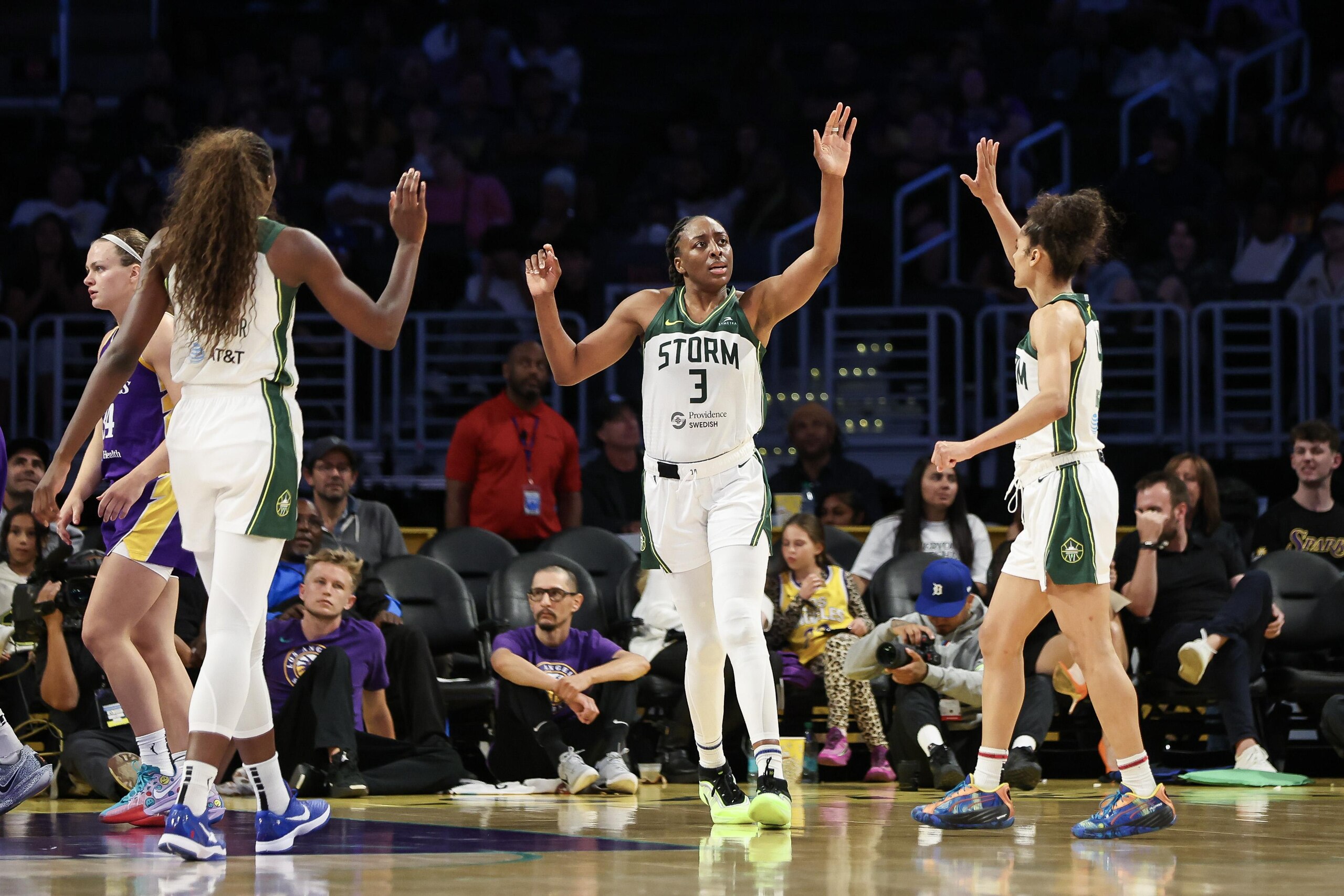
In a reverse of my preseason expectations, the Storm rank higher in offensive rating (103.6, fifth) than they do on the defensive end (98.5, sixth). A lot of their offensive success has come in the paint; the drives of Skylar Diggins, Gabby Williams and Erica Wheeler, as well as the post-up juice from Nneka Ogwumike contribute to the Storm ranking second in paint points.
The Storm have also shot well, leading the league in three-point percentage (37.7). While that's also a surprise, it's also worth noting that the Storm are 12th (out of 13) in three-point attempts per game. Williams and Diggins in particular have shot well from deep, but they rank 20th and 34th respectively in three-point attempts per game.
There's still room for more volume to truly juice the offense, from both outside and inside the arc. And this is where I propose my first transaction: the Storm, equipped with four first round picks over the next two seasons, may want to consider a Marina Mabrey trade.
Mabrey hasn't shot well from deep overall (30.2% on 8.0 attempts), but that's because a lot of her looks have come off the bounce—and against increased defensive pressure as the top option on a poor Sun team. Per Second Spectrum, Mabrey has quietly shot over 43 percent on catch-and-shoot threes this season.
The Storm could use someone like Mabrey—a player willing to get threes up in volume, but with the (obvious) shooting talent to cash in easier attempts off of the paint pressure the others provide.
Golden State Valkyries (6-6): Three-Point Shooting
6 of 13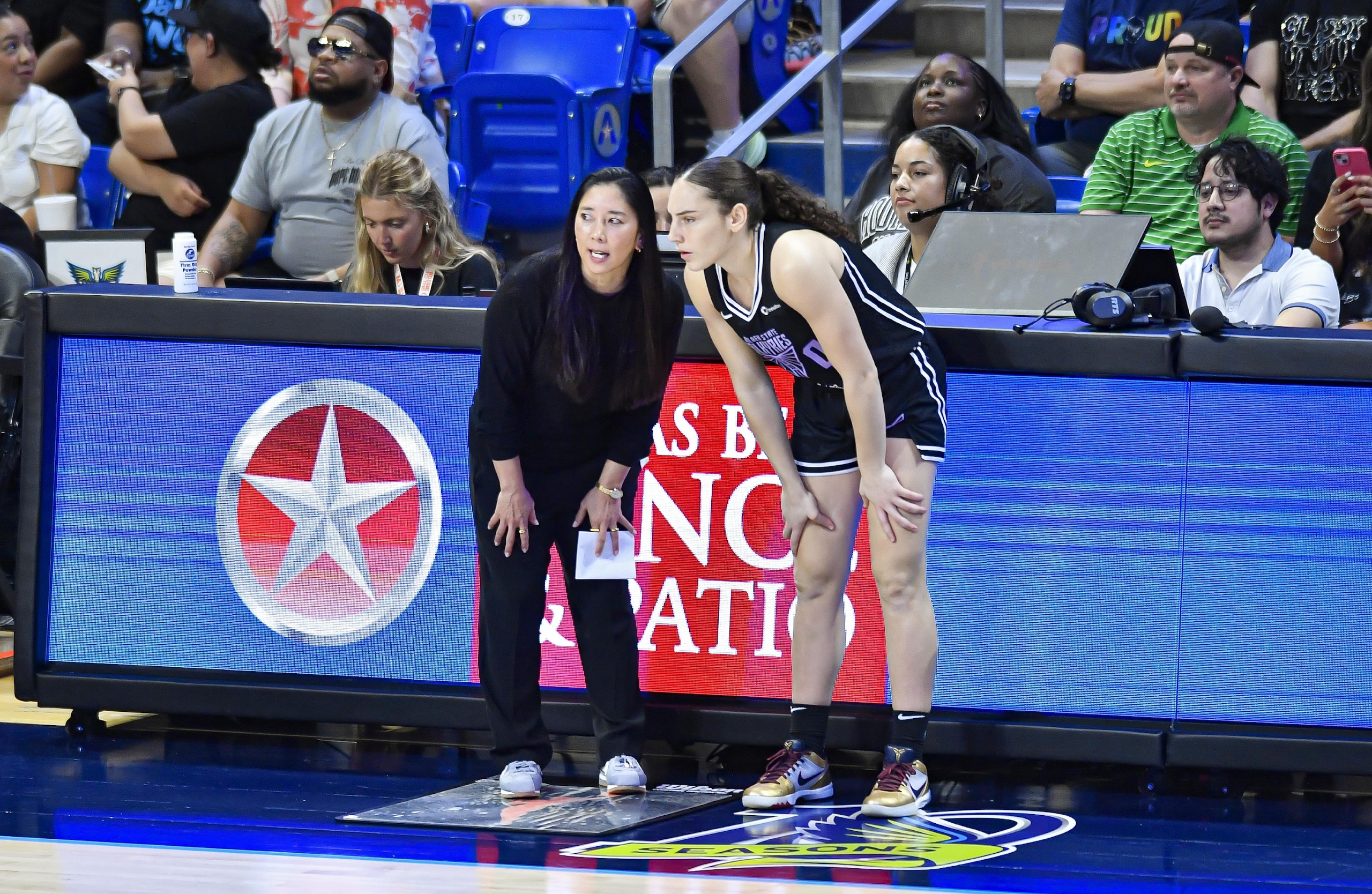
If we're talking about the surprise of the season, it has to be the Golden State Valkyries. Expansion teams don't usually perform well in Year 1, much less take down (perceived) contenders like they have with the Aces, Fever, and Storm in the early goings of a season.
This is a group defined by its defensive pressure, glass-cleaning on both ends, and their willingness to drive. The latter would be a little more impactful if they had more shooting talent on the roster.
The Valkyries famously take a ton of threes—their 29.8 attempts per game rank second only to the Dream. They also, infamously, miss a lot of threes. Their 27.4 percent clip from deep ranks last in the league.
While they've been a competitive group, I'm not sure they'll be in the business of trading draft equity this early. Because of EuroBasket, the Valkyries are missing some of their best shooters right now, notably versatile forward Janelle Salaün (40% on 5.0 attempts).
Getting her and the others back may be a temporary solve. Having, and hopefully keeping, Tiffany Hayes in the lineup should in theory generate some cleaner catch-and-shoot opportunities for others. That could bode well for Kayla Thornton in particular, who is heating up (37% on 7.7 attempts over her last six games) after a cold start to the season (17.1% on 5.8 attempts in her first six games).
Indiana Fever (6-6): Playmaking
7 of 13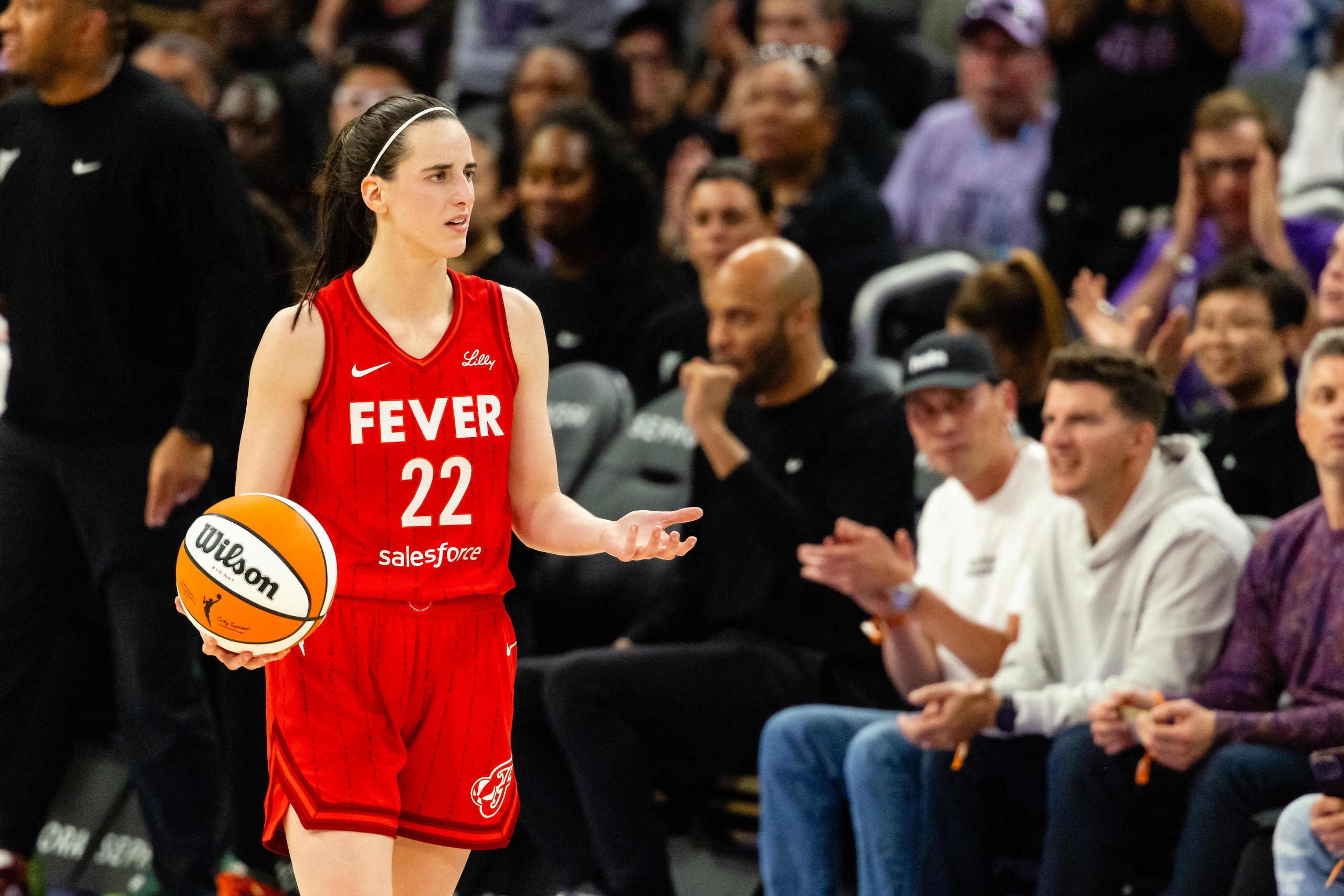
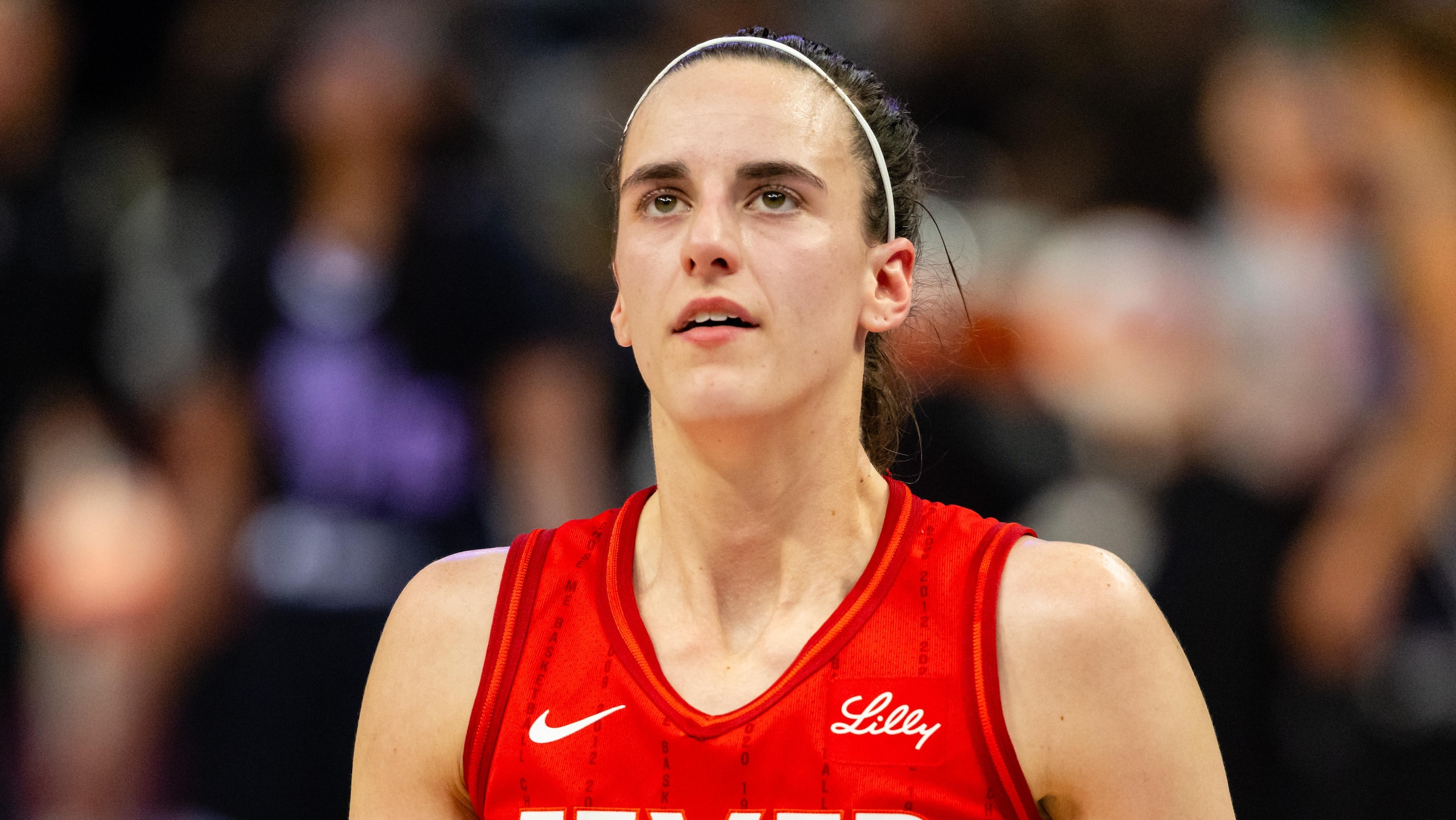
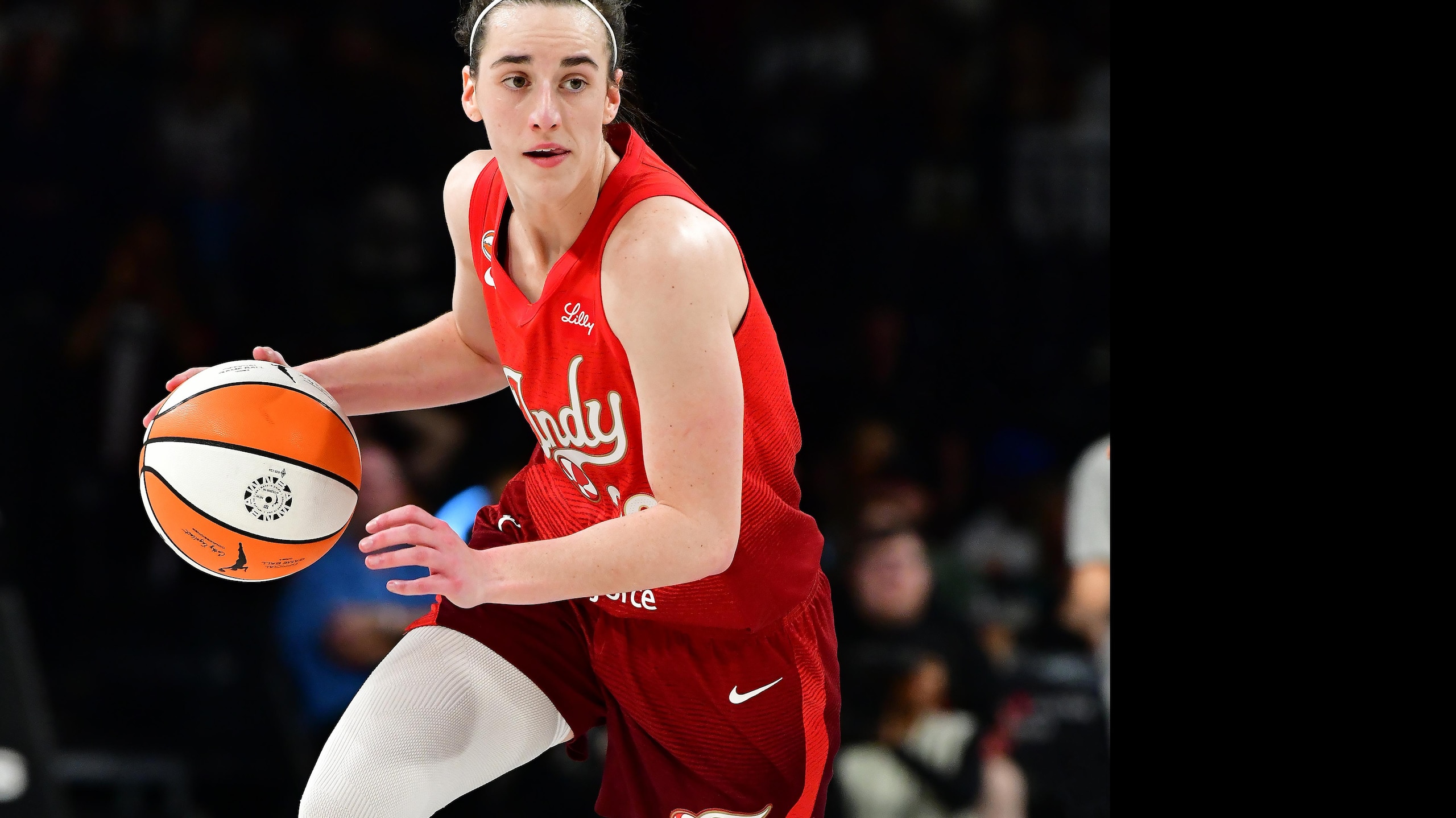
I'm sure your reaction was similar to the Caitlin Clark image above when you read "playmaking" as a weakness.
The Fever employ Clark, the league's most daring and explosive playmaker. We've witnessed real growth from Aliyah Boston, who has firmly established herself as one of the best passers in the league among bigs. The issue, which I'll pose in the form of a question, is this: Who else do you trust to consistently make good reads with the ball?
Despite the productivity from Clark and Boston, the Fever rank 12th in assist rate—the percentage of baskets that end with an assist. A low ranking doesn't always equal a death sentence—the Aces ranked eighth (out of 12) in their title years, for example—but you can really feel the hitch in the Fever's offense when one of their stars isn't out there.
There's an argument for scheme tweaks—more dribble handoffs initiated by bigs while Clark is on the bench, more of the low off-ball screens for Kelsey Mitchell to generate some easy-to-read looks in the paint—or pressing the transaction button. Aari McDonald played well in her short tenure there; the Fever, in theory, are a waiving or minor trade away from opening up a spot for her.
Las Vegas Aces (5-6): Offensive Flow
8 of 13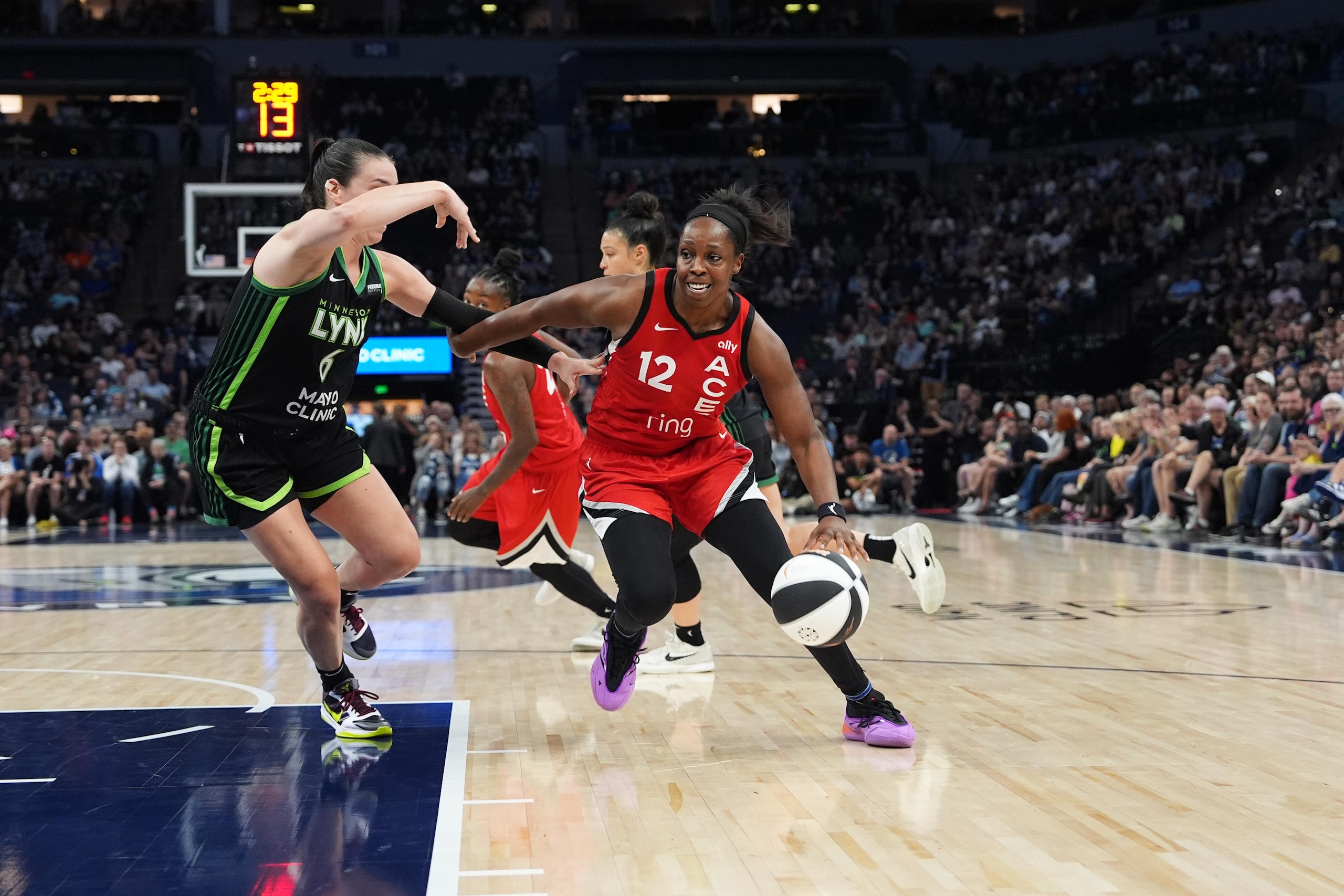
The Aces have arguably been the most disappointing team in the league this year. They haven't looked like themselves on either end of the floor, but I'd like to focus on the offense.
A historically high-powered unit, their offense only ranks ninth this year. Even if you only account for the minutes with superstar A'ja Wilson on the court—and it's worth noting that she's performing below her usual level of dominance (20.9 points on 54.7 percent True Shooting)—the Aces have scored at a rate that would rank sixth league-wide.
Jackie Young has put up solid numbers (18.1 points on 54.3 True Shooting) but her scoring-versus-playmaking process has been uneven this year. Chelsea Gray is back to hitting tough shots (14.5 points on 57.8 True Shooting), but she's nearly averaging as many turnovers (3.5) as she is assists (3.6). Newcomer Jewell Loyd has shot well from deep (41.8% on 6.1 attempts) but has had little success inside the arc (26.1% on 4.2 attempts).
This feels like a situation where a bit of hierarchy shuffling—nd maybe even some rotation tweaks—could be in order. Head coach Becky Hammon recently mentioned Loyd coming to her suggesting a move to the bench—I don't know if that's the answer, but I'd be shocked if that move was made before Wilson returned from concussion protocol.
Hammon hasn't been afraid to move away from starting center Kiah Stokes in the second half of games, using rookie Aaliyah Nye or veteran newcomers Dana Evans or Tiffany Mitchell as the fifth to open up the floor.
More than anything, the Aces have to get back to the little things, as cliche as it sounds. The screening and cutting in particular hasn't been as impactful, something that Hammon noted after their most recent loss to the Minnesota Lynx.
Washington Mystics (5-7): Three-Point Volume
9 of 13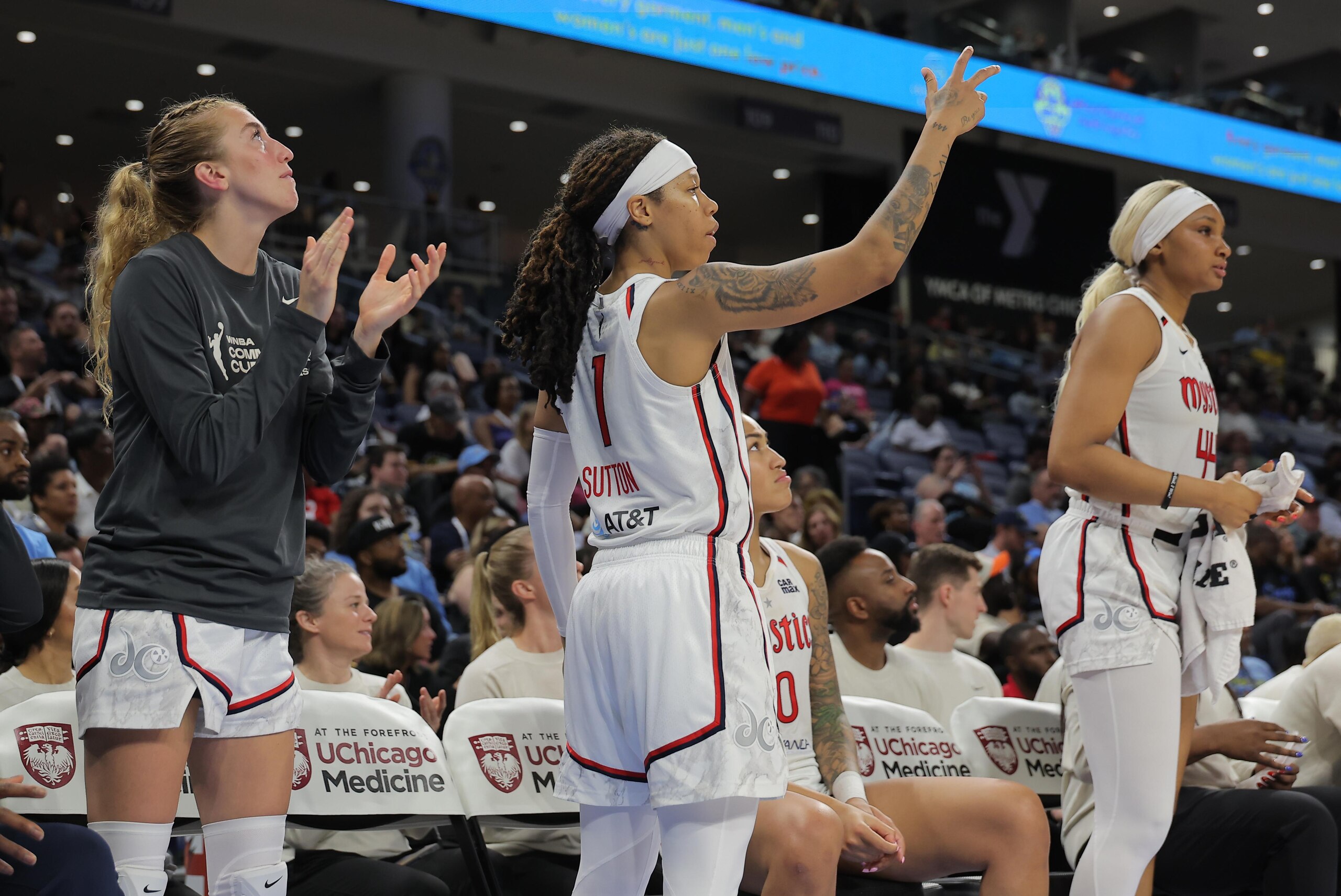
I've enjoyed the consistent aggression of the Mystics this year. They pressure teams high up the floor on one end, then live in the paint with drives, post-ups, and face-up attacks on the other.
Brittney Sykes and Kiki Iriafen have both put together All-Star cases due to their interior work, but it would be helpful if they had a little more room to operate with. Quietly, they're the only team taking fewer threes than the Storm this year. Sykes (41.2% on 3.1 attempts) is the only person shooting well with any real volume, and I don't think I'd consider 3.1 attempts to be real volume.
This isn't a win-now situation so I wouldn't recommend a Mabrey trade like I did with Seattle. As boring as it sounds, an internal push would be my recommendation.
Allow and encourage the young bigs (Iriafen, Shakira Austin, Aaliyah Edwards) to experiment with threes; it shouldn't be much of a push considering their comfort facing up and taking mid range jumpers. Empower Sonia Citron (34.8% on a team-leading 3.8 attempts) and Jade Melbourne (42.4% on 2.8 attempts) to fire away from deep.
This is already a team that utilizes drag screens and wide pindowns early in the clock to get their players touches; it wouldn't take more tweaking (set some higher) to open up some three-point shooting windows.
Los Angeles Sparks (4-9): Screening
10 of 13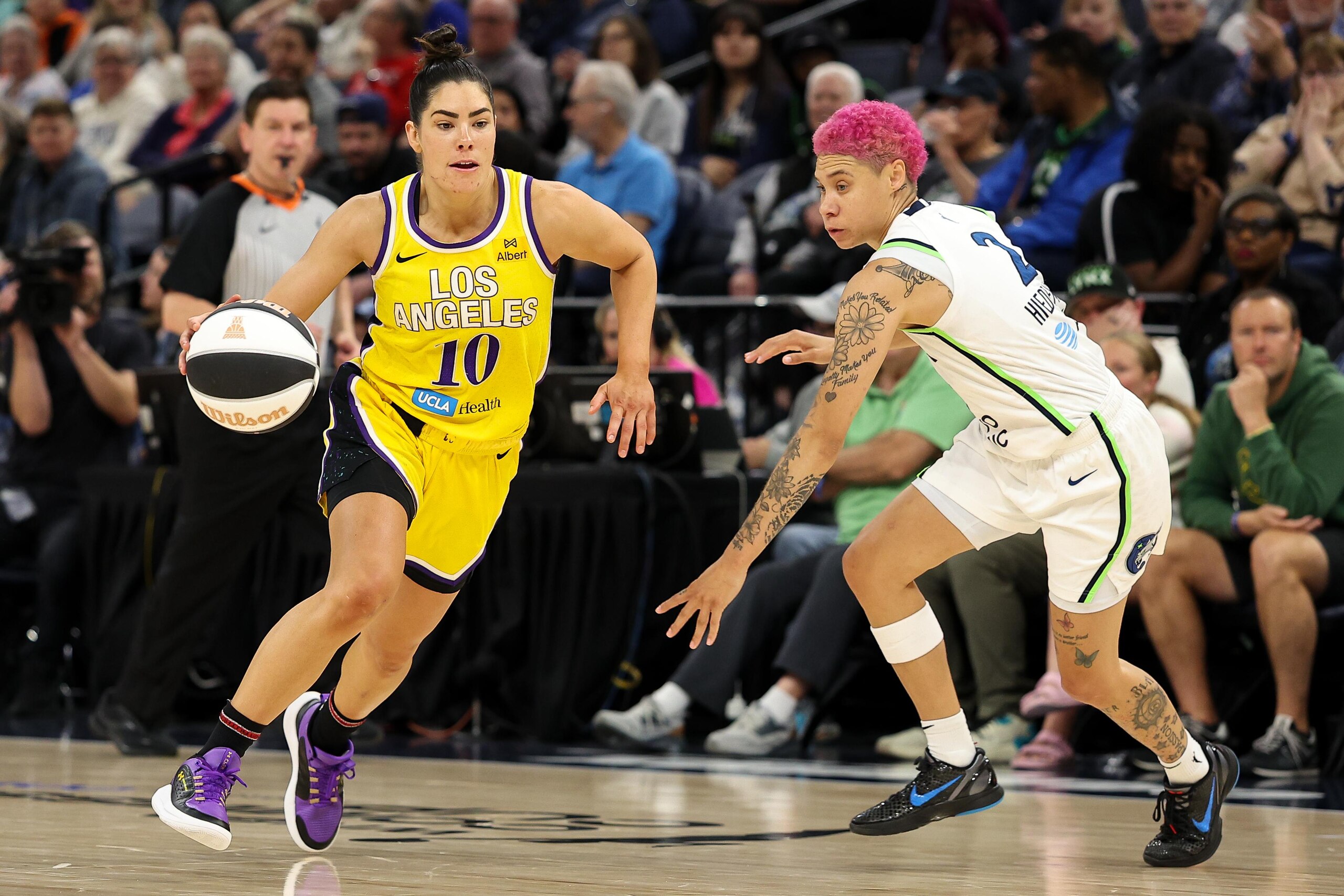
The Sparks are equipped with a lot of talent offensively, headlined by All-Star and champion Kelsey Plum. Dearica Hamby and Azurá Stevens can be moved all around the court as screeners, handoff hubs, or spacers. Rickea Jackson is tapping into her three-level scoring bag since returning to the lineup.
It's a fun group that often runs fun stuff offensively. Unfortunately, and this is something that's bugged me since the preseason, a lot of those beautifully choreographed actions are dead before they begin due to a lack of screen commitment. Between way-too-early slips and a lack of urgency when being involved in the setup portion of actions, the Sparks leave too much on the table offensively.
Second Spectrum tracks "screen contact percentage" which is exactly what it sounds like: the percentage of screening attempts that generate contact. There's a secondary metric called "die-on-screen percentage", which attempts to track the percentage of screens that lead to a player being clipped and ultimately thrown behind the action.
With on-ball screens (pick-and-rolls), the Sparks rank 12th in both categories. With off-ball screens, they rank ninth and 13th, respectively. It's a "small" thing, but they simply have to be better. There's too much talent and versatility here for this to be the seventh-ranked offense in the league.
Chicago Sky (3-8): Turnovers
11 of 13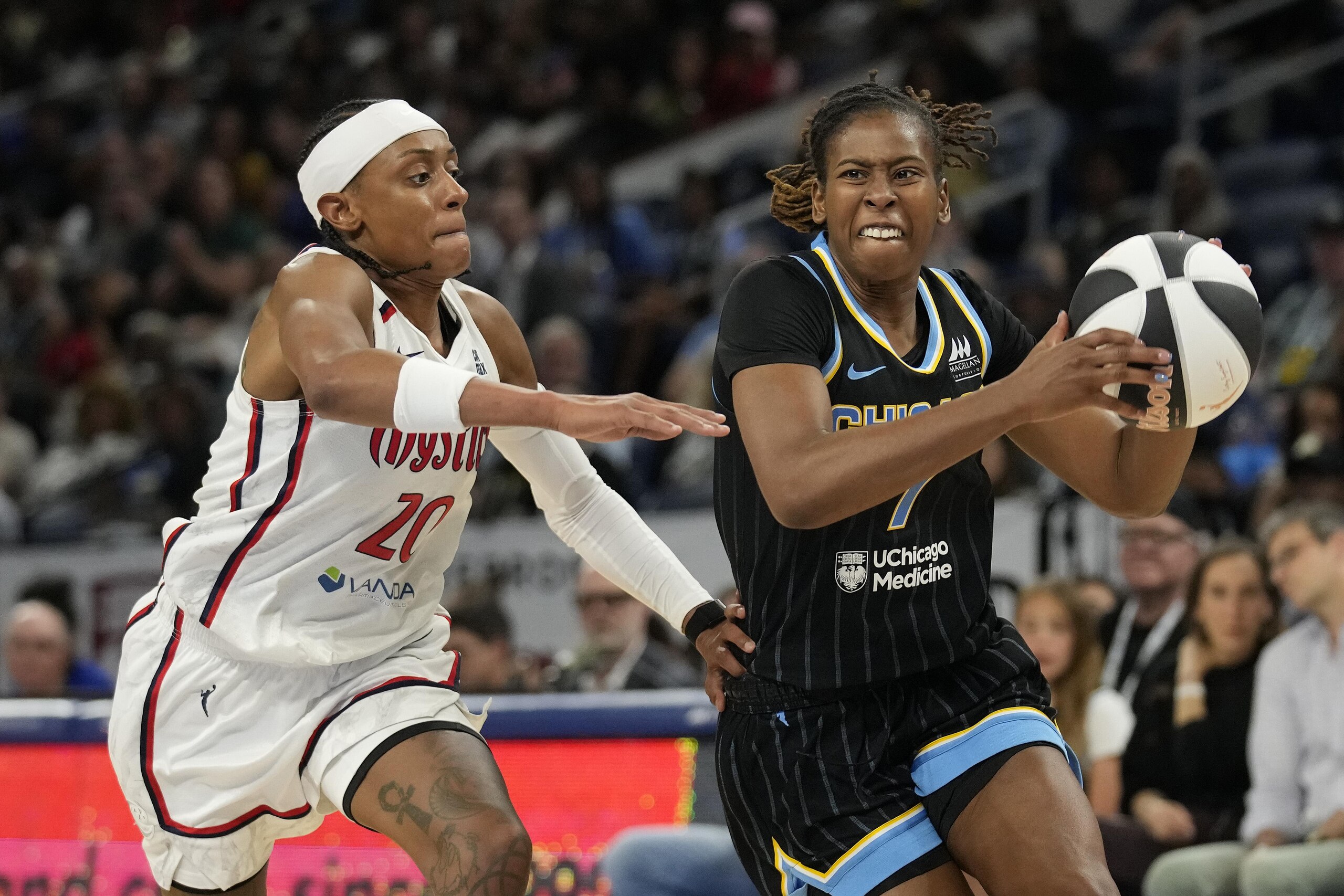
The Sky have worked pretty hard to find themselves on both ends under new head coach Tyler Marsh.
Focusing on the offense, there's been a lot of (rightful) chatter about the usage of Ariel Atkins (I wrote about it in week one), Angel Reese, and Kamilla Cardoso. We've seen an uptick of usage for all three of late, which makes sense in light of Courtney Vandersloot's season-ending injury on June 7.
Since that date, only two players have received more on-ball screens than Atkins (102) per Second Spectrum. Only three players have logged more post-ups (24) than Cardoso in that span. Reese is averaging nearly 70 touches per game (congrats on the recent triple double), a mark that ranks just outside the top 10 league-wide, while also setting more on-ball screens than all but four players during this stretch.
While the shift in touches and overall hierarchy makes sense, the Sky are simply giving the ball to the other team too much. For the year, they've turned the ball over on nearly 24 percent of their possessions—easily the worst mark in the league. Their per-game number (18.7) would be one of the five-worst marks in league history.
Some of this will get better just by virtue of comfort. But it would be nice to see the Sky add a tablesetter to the roster, especially if Moriah Jefferson isn't able to get or stay on the court consistently. Aari McDonald is still out there. Grace Berger, following her current hardship contract with the Sparks, could be an option.
Connecticut Sun (2-10): Offense
12 of 13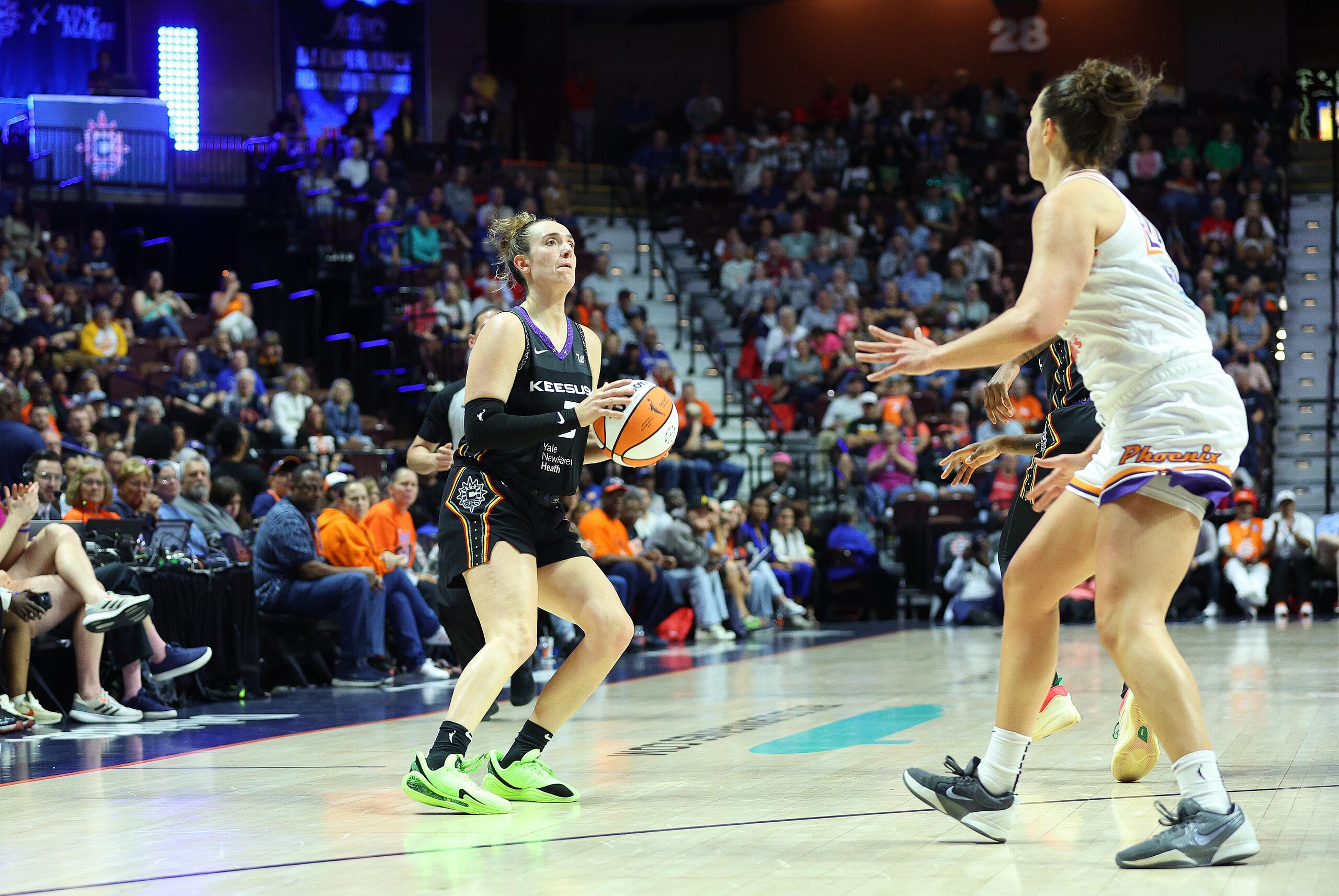
It feels a bit rude to list "offense" overall as a weakness, but this simply isn't a team that can generate consistent advantages right now.
Marina Mabrey, as mentioned in the Storm section, is seeing a lot more attention as she's shifted to the top of opposing scouting reports. She certainly hasn't shied away from the challenge, but teams have been physical with her off the ball and aggressive against her when she's on it. A lot of offensive possessions feel like rockfights because of how hard she's had to work—and within that, how hard the team has had to work to get her touches in favorable spots.
Though teams have worked to bother Mabrey off the ball, I have generally felt better about the Sun possessions that start elsewhere before flowing to Mabrey touches on the second side. As talked about before, the Sun have worked to get rookie Saniya Rivers the ball on the move and letting her make decisions from there.
The Sun have quietly been fine when Rivers is the player bringing the ball up the floor and kicking off half-court possessions. Their scoring clip on those possessions (roughly 98 points per 100 possessions) certainly won't set any records, but it's nearly eight points higher than their overall offensive rating (90.8, last).
I'm not advocating for Rivers to become the full-time point guard, but there's probably more room to let her kick things off. You also get the general benefit of feeding her touches and allowing her to grow through trial and error.
Dallas Wings (2-11): Defensive Aggression
13 of 13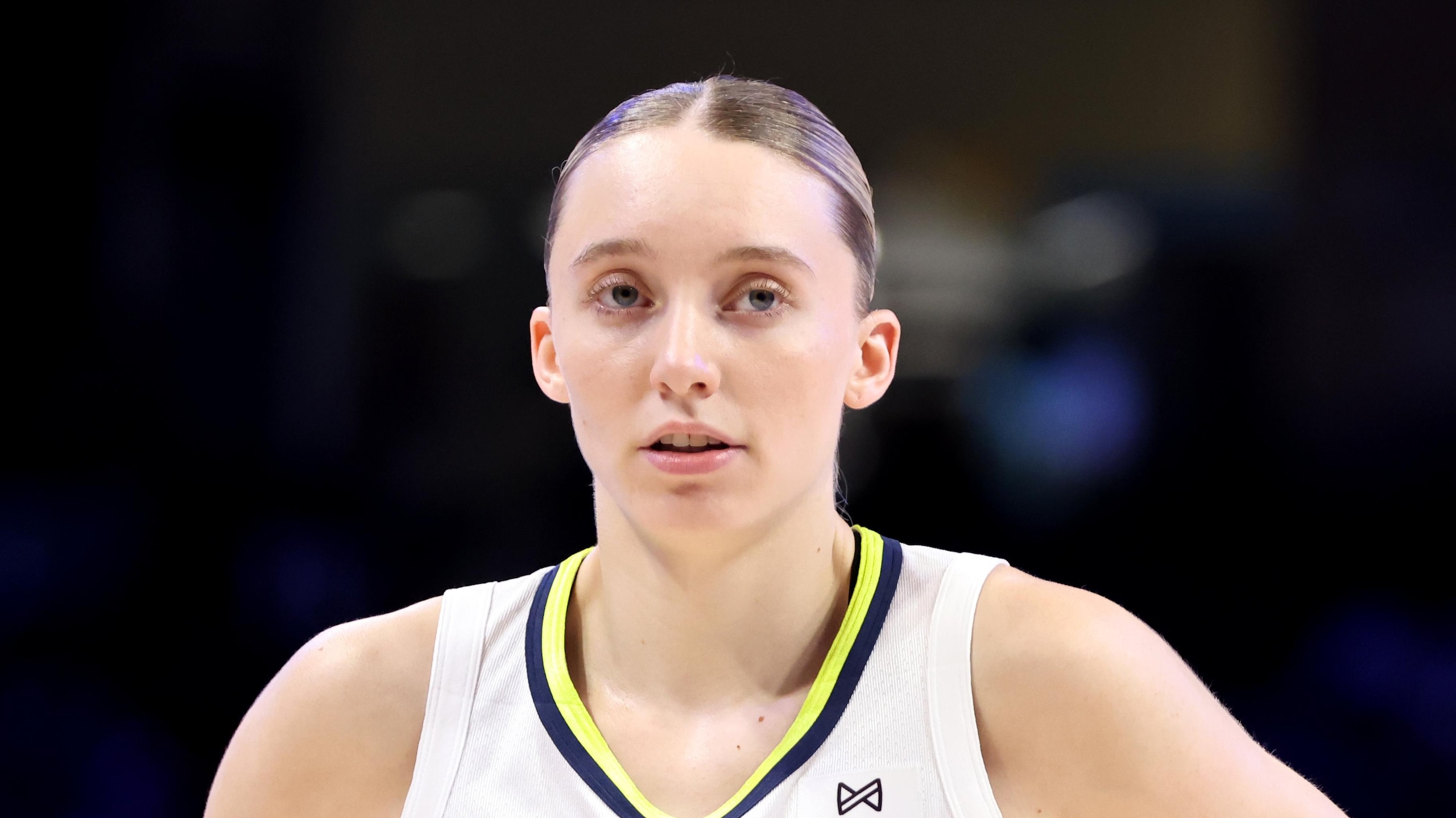
The Wings have been looking to establish an identity under new head coach Chris Koclanes, and there is a level of grace that he and the team needs to figure that out.
With that said, I simply haven't been a fan of how aggressive the defense has been this year. They're pretty aggressive against ball screens—only the Sparks blitz a higher percentage of them, per Second Spectrum—which puts a lot of strain on a young roster to rotate and help. Those sequences, frankly, have been a disaster for most of the year.
The simplest solution to me is to dial it down some. The roster isn't filled with elite defenders, so I'm not arguing a scheme shift would suddenly solve all of the defensive issues. But getting up to the level of screens and dropping back (instead of hedging), and mixing in more switches (ninth in switch rate so far) feels like a better fit for the current personnel.


.png?w=2560 "Week 8 Winners & Losers 📊")


.jpg?w=2560 "Malik Beasley Negotiating Plea Deal (AP)")