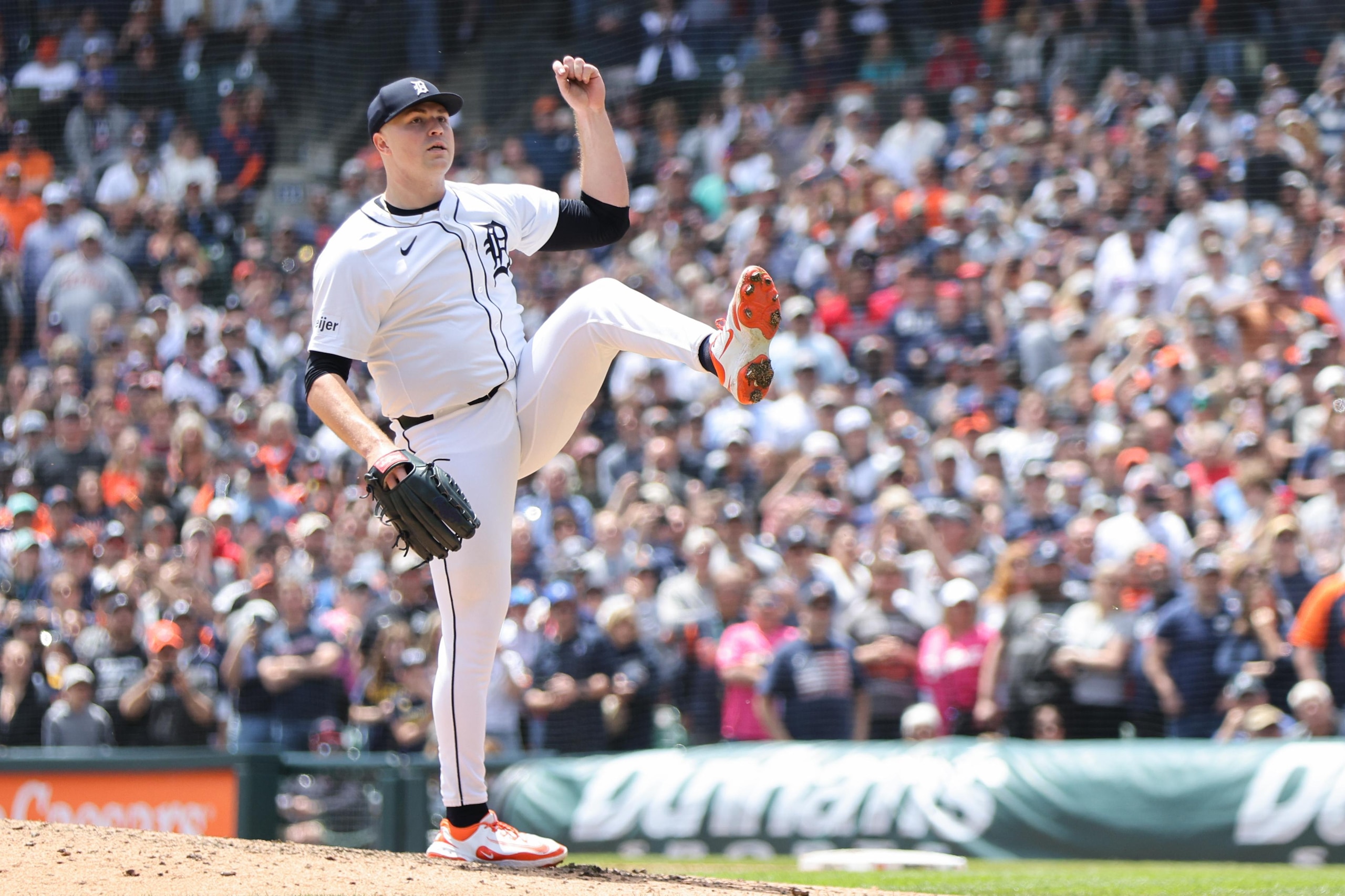


We're a little over two months into the 150th season in Major League Baseball history, and there's plenty to distinguish it from the 149 that came before.
As for what, exactly...well, wouldn't you like to know?
We're going to take a closer look at seven statistics that are defining the 2025 season in some way or another, and there's a twist: When we say "seven," we actually mean 14.
Each stat comes with a "bonus stat," you see. As much as one stat can tell a story, no story isn't improved by yet another stat.
In any case, under the microscope are trends concerning gameplay, umpiring and competitive balance. We'll start with a relatively simple one and make our way forward from there.
Note: All stats and records are current through play on Tuesday, June 10.
The Smaller Strike Zone Is a More Accurate Strike Zone
1 of 7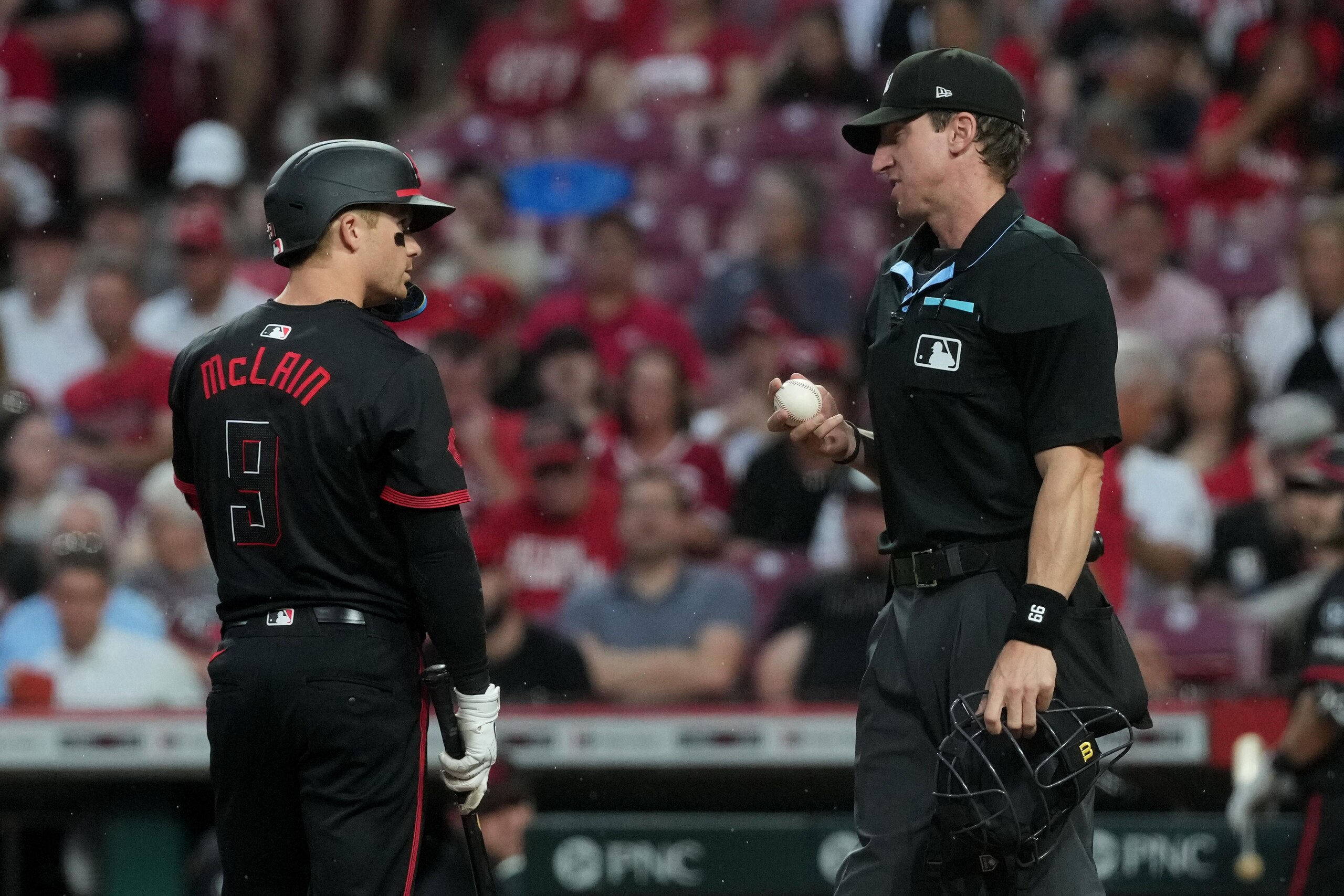
The Stat: 88.3 percent of all ball/strike calls have been accurate, the highest of the pitch-tracking era.
We're still waiting on MLB to do the right thing by outsourcing at least some ball/strike calls to robot umpires, which will be a happy day indeed. In the meantime, though, you have to hand it to the organic blue guys for the job they're doing.
The calling of balls and strikes is more accurate than it has been at any point since there was more than just the eye test to go off. And all it took was the league giving umpires less margin for error in its assessments, in effect sending the message: "We want fewer Laz Diazes and more Alan Porters."
In practice, the zone has not expanded; it's actually shrunk. The rate of strikes outside the zone is down from 5.9 percent in 2024 to just 4.6 percent in 2025, and way down from a high of 11.2 percent in 2008.
Bonus Stat: It has helped reduce strikeouts to their lowest level since 2017.
Geez, who could have guessed that with a smaller strike zone, suddenly there would be fewer strikeouts?
Everyone. Everyone could have guessed it. But those are the facts on the ground either way. At 8.26 per game, strikeouts are less common in 2025 than they have been in nearly a decade.
As a tradeoff, what fans are seeing instead is more walks (3.24 per game) and balls in play (24.54 per game). The result is fewer instances of a player taking the short way back from the batter's box to the dugout, which is a plus for anyone who likes a little action with their baseball.
Baserunners are Running Wild
2 of 7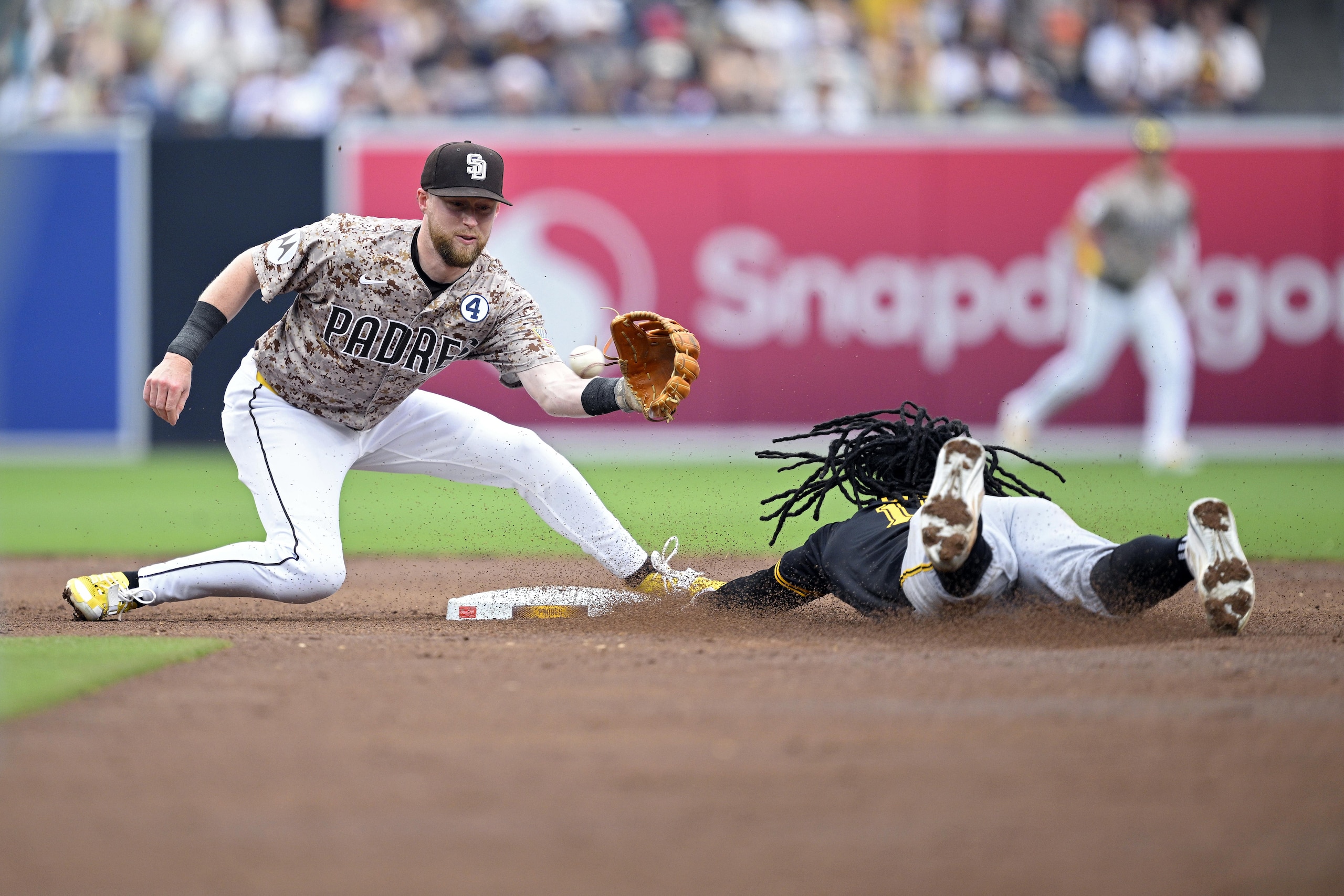
The Stat: At 0.99 per game, stolen base attempts are at their highest level since 1999.
Speaking of action in baseball, we've come a long way since there were only 0.6 stolen base attempts per game in 2021.
That wasn't quite the lowest rate of all time, but it had been a half-century since baserunners had been so, ahem, unadventurous on the basepaths. The offensive environment in 2021 basically consisted of home runs and, well, not a whole lot else as far as getting baserunners over and in.
As we're now in Year 3 of bigger bases and limits on disengagements, it's no secret what the big change is. Those things always figured to increase stolen base attempts, and it's clear the comfort level with them is only growing.
Bonus Stat: At 0.77 per game, successful stolen bases are at their highest level since 1992.
Comfort level notwithstanding, here are two interesting things about the rise in stolen base attempts: Runners aren't getting faster and catchers aren't getting worse at throwing.
It's true. At 27.3 feet per second, the median sprint speed is the same in 2025 as it was in 2021. And at 1.96 seconds, the median pop time to second base is actually a tick faster than in 2021, when it was 1.98 seconds.
Yet whereas you only have to go back to 2015 to find the last time there were 0.22 caught-stealings per game, you have to go back over three decades to find the last time runners were swiping bags with this much regularity.
Which is to say the increased aggression is working, at least enough to justify the aforementioned comfort level.
Rookie Hitters Are Having a Rough One
3 of 7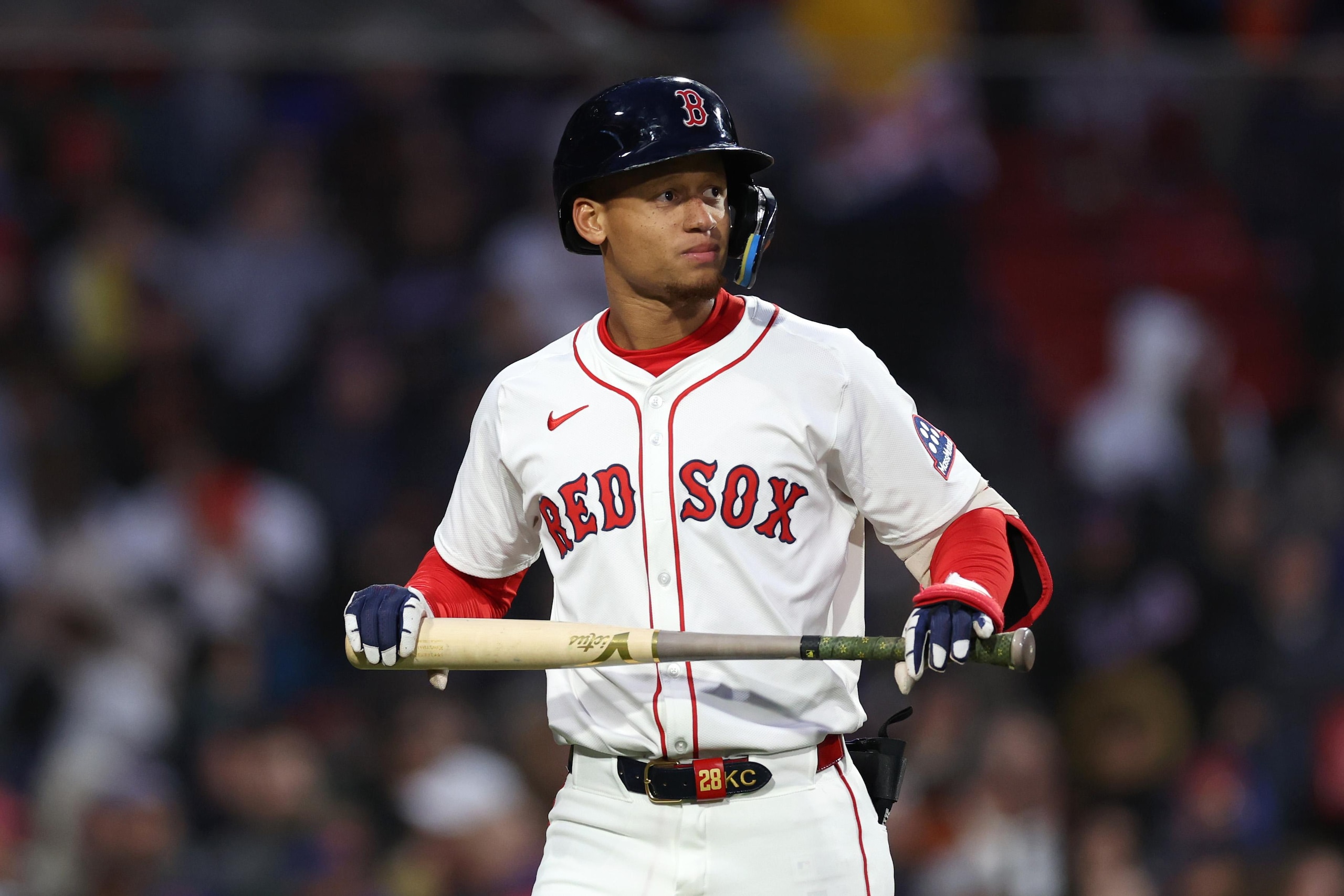
The Stat: Rookie hitters have a .644 OPS, their lowest since 1979.
There is hope for rookie hitters now that Jac Caglianone and Roman Anthony are on the scene, but it suffices to say they have quite the mess to clean up.
This has been anything but a banner year for rookie hitters, and perhaps it won't come as a surprise that it's not any one guy's fault. We're obviously picking on poor Kristian Campbell with the image selection here, but his .675 OPS is actually solid relative to his rookie peers.
Worse are guys such as Adael Amador (.465), Luisangel Acuña (.579) and Trey Sweeney (.585), and they're merely the worst among rookies who have taken at least 100 plate appearances. Don't even get us started on DaShawn Keirsey Jr. and his .293 OPS.
Bonus Stat: Their 74 ISO+ is their lowest since 1996.
For anyone who's totally confused right now, what this means is that rookie hitters simply aren't hitting for power in 2025.
ISO is isolated power, a stat that takes only extra-base hitting into account. The plus indicates this particular figure is league- and season-adjusted to an average of 100, allowing for comparisons across years and eras.
In other words, this is the worst power-hitting class of rookies in three decades.
Perhaps this will change as the weather continues to warm up, but there's also a broader story here about how much the Triple-A level of the minors is not preparing hitters for the majors like it used to.
It's not a crisis, per se, but it could become one if the trend we're seeing in 2025 gets even more severe.


Starting Pitchers Are Back, Baby!
4 of 7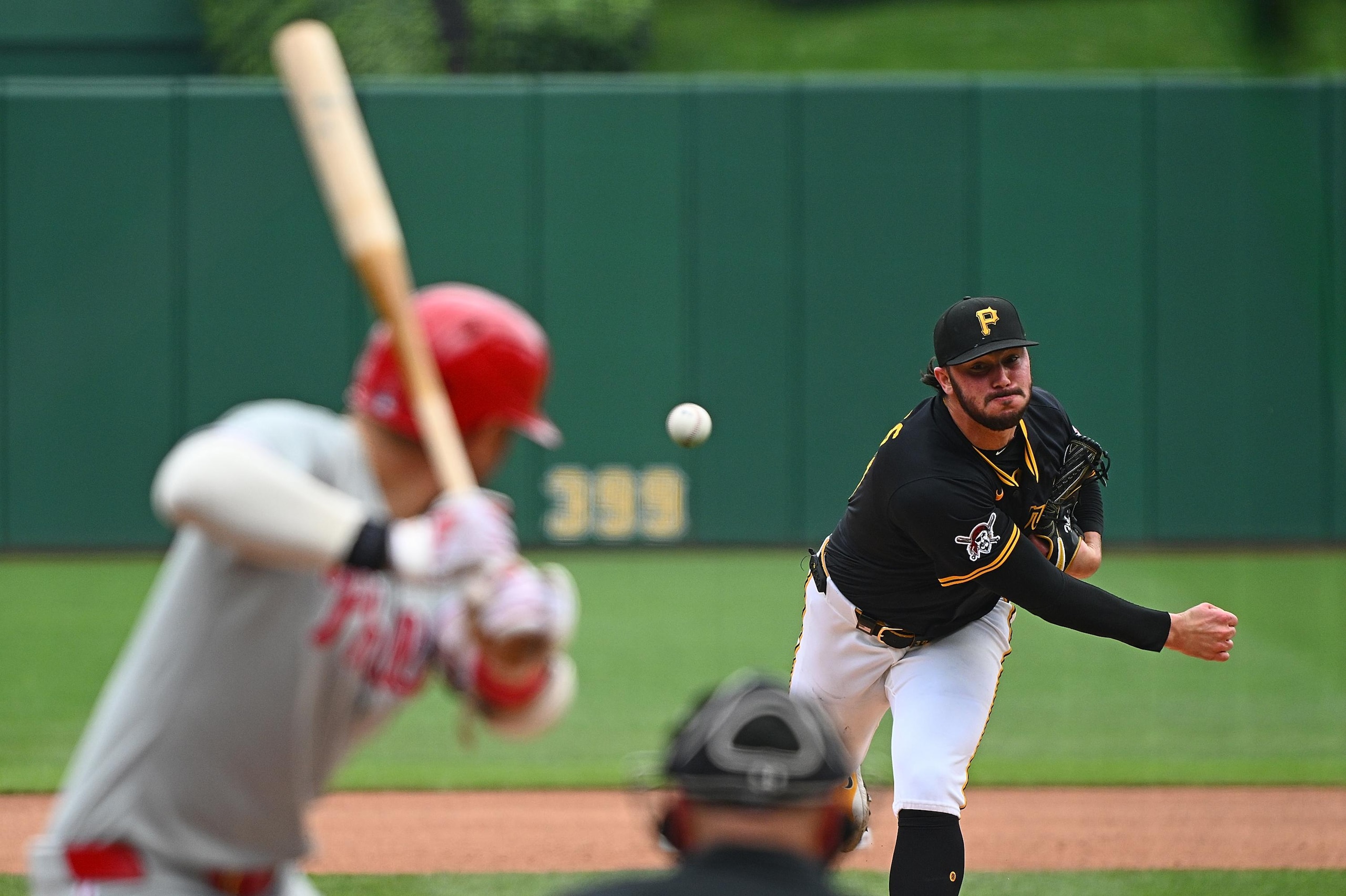
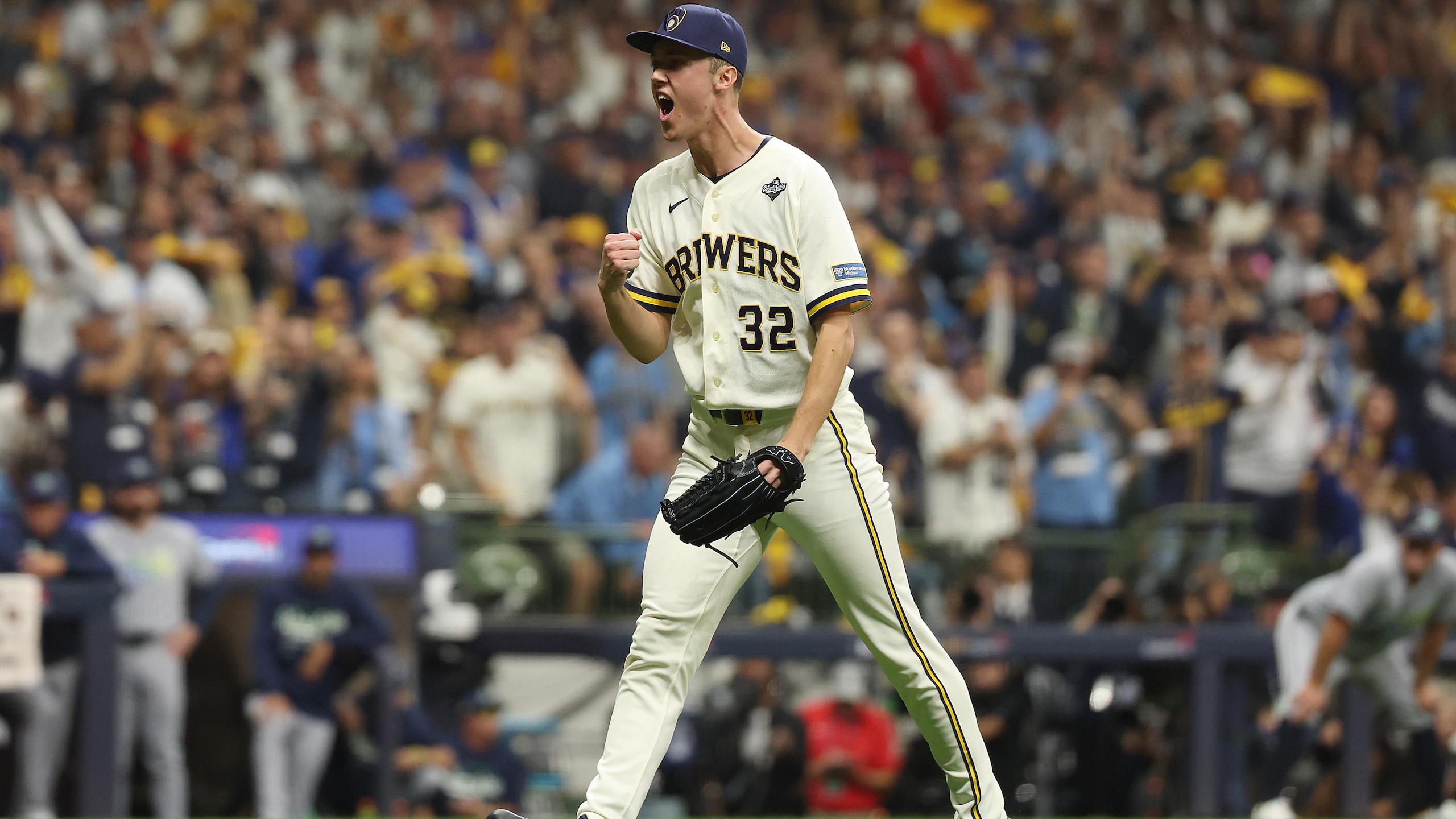
The Stat: Innings pitched per start (5.3) and quality start percentage (37) are both up from 2024.
Then there's the other problem rookie hitters are up against in 2025: Starting pitchers are putting together longer, better outings than they did in 2024.
It's all there in those two numbers, which is that much more remarkable when you remember how many talented starters—Gerrit Cole, Blake Snell and Logan Gilbert, just to name a few—are out because of injuries. And also, of course, that even the healthy ones have the smaller zone working against them.
It helps that guys such as Tarik Skubal and Paul Skenes exist, but this has also been a renaissance year for veteran hurlers. Jacob deGrom and Robbie Ray, for example, are back among the league's best after each lost a year and a half to Tommy John surgery.
Bonus Stat: There are 59 ERA title qualifiers with an ERA+ of at least 100, up from 44 last year.
In case anyone is lost again, ERA+ does for ERA what ISO+ does for ISO: put it on a league- and year-adjusted scale where 100 is average.
What we have in 2025, then, is a surplus of above-average starting pitchers. Some are teetering right on the edge, but not as many as you'd think. Of the 59 pitchers in question, only Grant Holmes and Mitch Keller have an ERA+ of exactly 100.
As we're only about 40 percent through the 2025 season, it's hard to know how much to trust in this storyline lasting. For the moment, though, it's best to hold off on throwing that last pile of dirt into the grave we've all dug for starting pitching as a concept.
The Colorado Rockies Really Are That Bad
5 of 7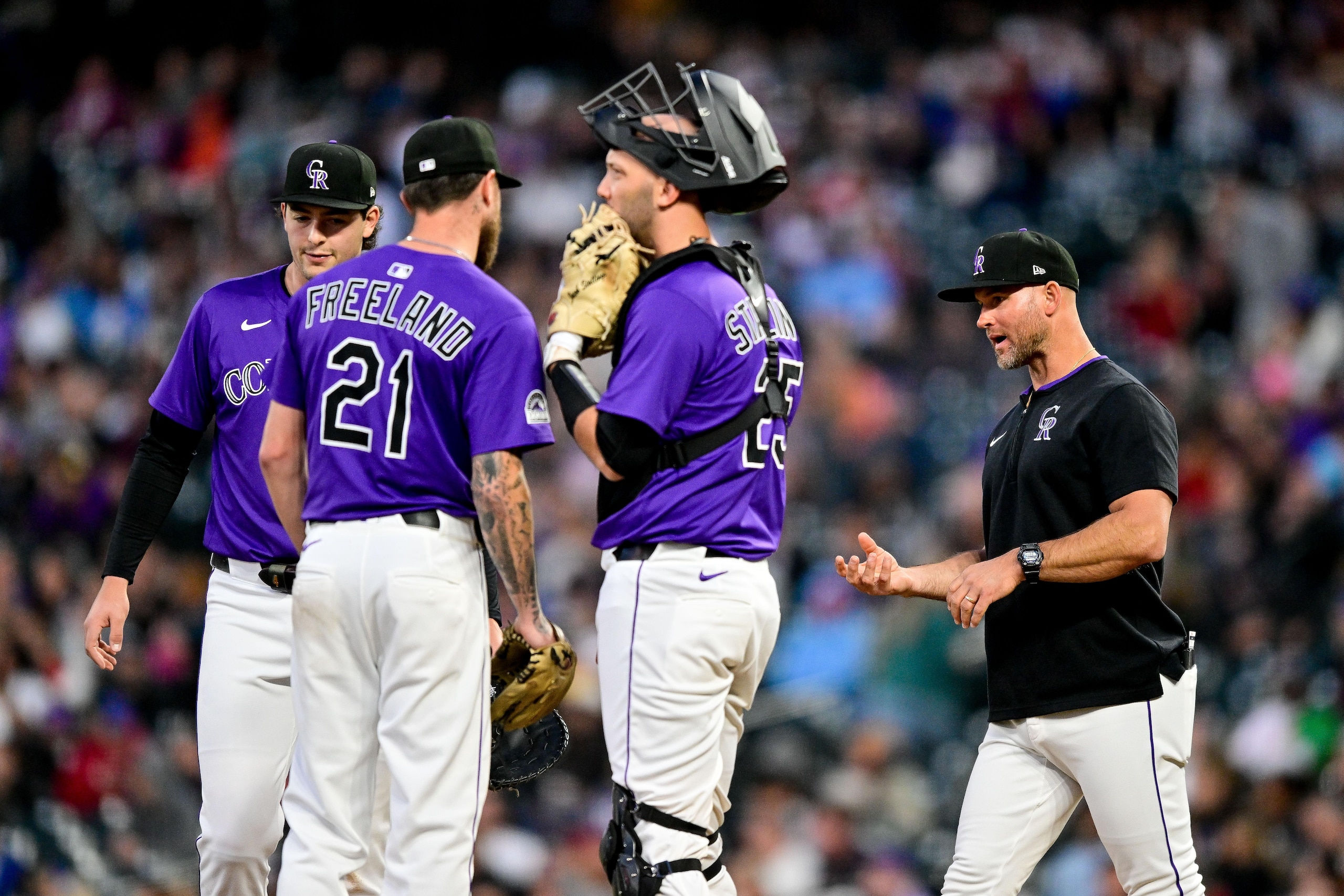
The Stat: The Rockies are the second team in history to lose 54 of its first 66 games.
Yes, the Rockies did recently sweep the Miami Marlins. And yes, it did snap a streak of 22 series without a win and mark their first sweep of any series in over a year.
Still, though. They're bad. Bad enough to be only the second team to start a season with a 12-54 record, and the first to do so in nearly a century. The 1932 Boston Red Sox had the honors.
The ominous (and obvious) implication here is that they're not the worst team through 66 games since last year's Chicago White Sox, who were somehow 17-49. That didn't stop them from losing a modern-record 121 games, so estimates for the Rockies' eventual loss total should be on the high side of that mark.
Bonus Stat: Their -199 run differential is the worst ever through 66 games.
The Rockies have had some bad luck en route to losing 54 of their first 66 games. They're 6-12 in one-run games, so they probably should be more like 15-51.
Of course, it's hard to stick with the "unlucky" excuse for long given the sheer gulf between their run productive and run prevention. They have been outscored by an average of 3.0 runs per game, which is about twice as high as the next-worst team in MLB: the Athletics at 1.7 runs per game.
What we have here, folks, is a punching bag unlike any other in MLB history. And because of the balanced schedule, every team in the league gets to take a shot at it.
Competitive Imbalance is Way Up
6 of 7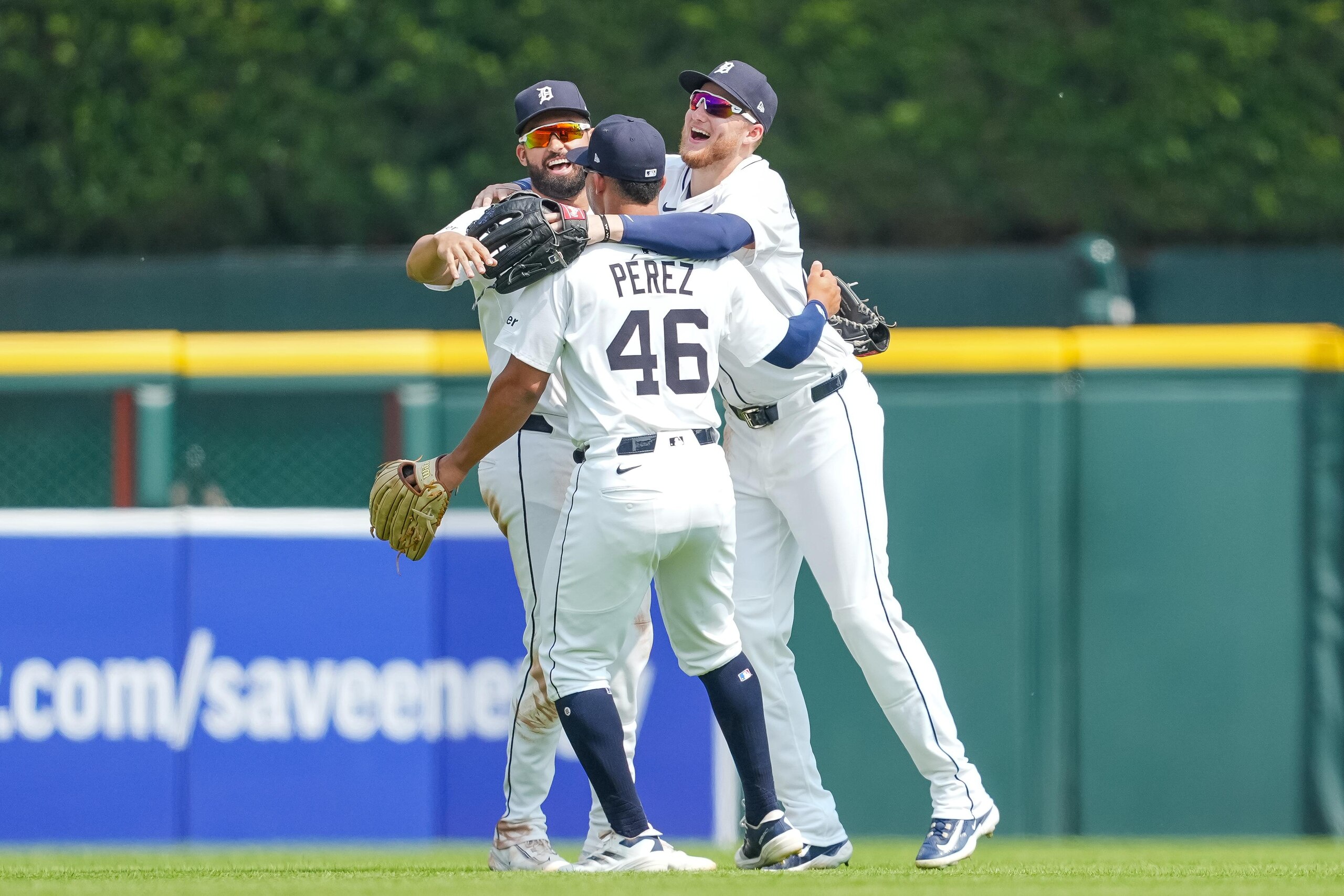
The Stat: The standard deviation between winning percentages is .099, the highest since 1954.
For anyone who's not a total nerd, "standard deviation" quantifies how much individual data points deviate from the average in a set. In this context, it's good for getting a general picture of competitive balance in any given MLB season.
And in this MLB season, well, it's not good.
This is as imbalanced as baseball has been in over 70 years. And for perspective, that 1954 season was before the draft and free agency. In those days, the game was imbalanced pretty much by design.
This isn't supposed to be the case in 2025, as MLB and MLBPA took steps to bring more balance to the game with the last collective bargaining agreement. But it's not working, and it's hard not to trace it back to payroll disparity.
If the season ended today, nine of 12 playoff spots would be filled by teams in the top half of the league in payroll.
Bonus Stat: The 465-point gap between the best winning percentage and worst winning percentage is the largest in modern history.
Prior to this year, the largest-ever gap between the best and worst team happened in 1909. That year, the Pittsburgh Pirates (110-42) and Washington Nationals (42-110) finished with mirror-imaged records.
There will be a new winner in this oh-so-specific contest if the Rockies stay on their pace and the Detroit Tigers stay on theirs. Presently, Colorado is tracking toward 133 losses and the Tigers are tracking toward 105 wins.
It seems unlikely...and yet, the Rockies are actually bad (see previous slide) and the Tigers haven't actually overperformed.
The American League Is Mid
7 of 7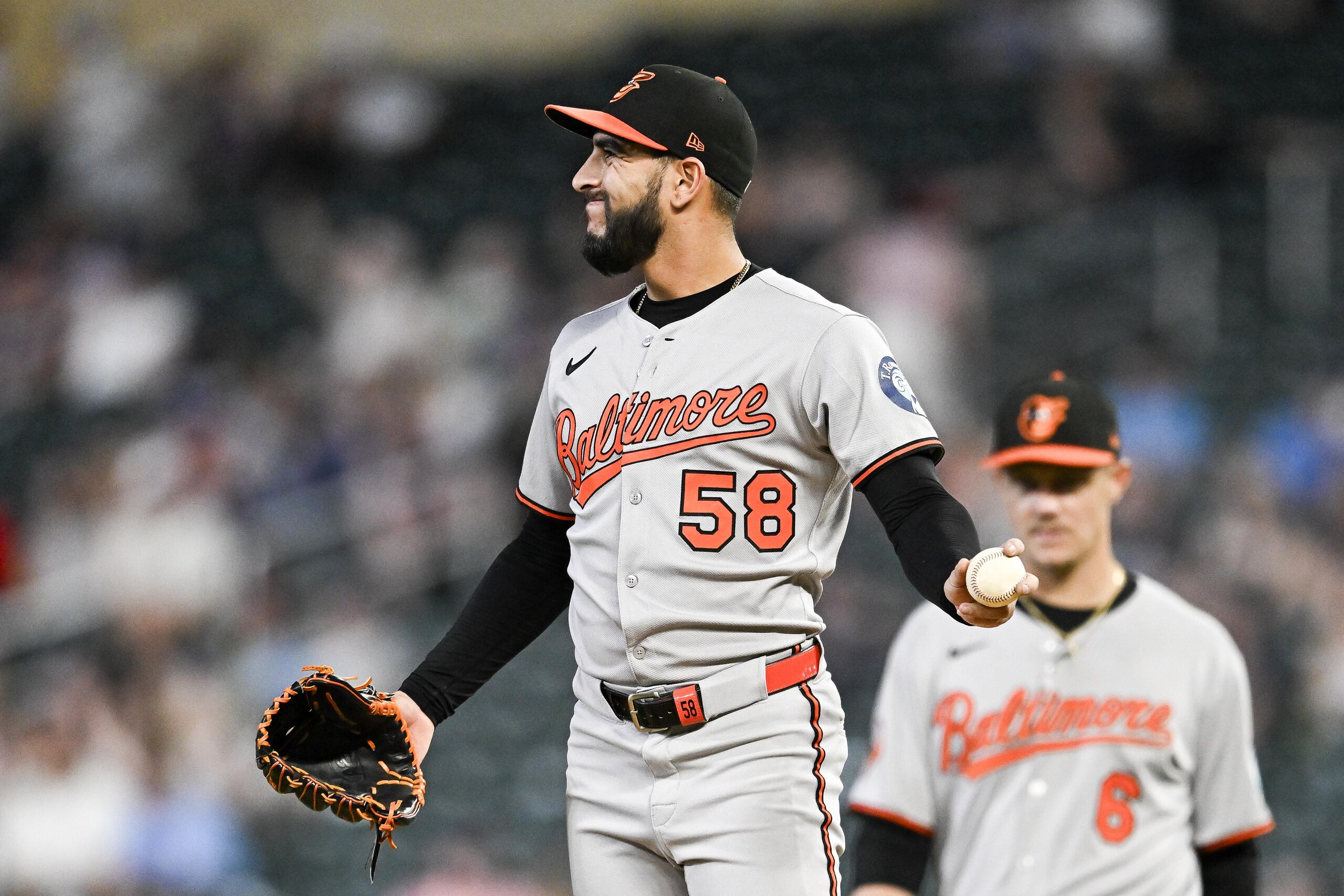
The Stat: Six of the top eight teams in MLB are from the National League.
There was plenty of chatter coming into the year about how much better the National League looked relative to the American League. But according to how these things usually go, it was a fair bet that talk would age poorly.
Well, it hasn't. For while the Tigers and New York Yankees own two of the three best records in MLB, the top of the leaderboard skews heavily in favor of the NL.
There's a similar situation unfolding in FanGraphs' assessment of the current World Series favorites. Four of the top six call the National League home, including two of three teams with at least a 10 percent chance of winning it all.
Bonus Stat: Weirdly, only six American League teams have a losing record.
It is therefore odd that for as mediocre as the AL clearly is, it has more winning teams than it does losing ones.
Even if you discount the Seattle Mariners, who entered Wednesday with exactly a .500 record, it's still eight winners against six losers. That isn't far off from the NL, which has nine winners and six losers. And compared to the 31-win gap between the best and worst teams in the NL, the 21-win gap between the best and worst of the AL is quaint. Cute, even.
None of this makes the American League "better," of course. But if you want to be generous, it arguably makes it more interesting.
Stats courtesy of Baseball Reference, FanGraphs and Baseball Savant.

.png?w=2560)


.png?w=2560 "Week 8 Winners & Losers 📊")


.jpg?w=2560 "Malik Beasley Negotiating Plea Deal (AP)")