

The 2025 NBA Finals may be in full swing, but 28 other teams are thinking about how to improve their rosters this offseason.
Some are better equipped to pull that off via trade than others.
Here, we've ranked the five teams in the league with the best trade assets, with an emphasis on future draft picks and moveable contracts. That second part involves a little subjectivity, as we'll make determinations on which key players—whether core pieces or not—could realistically be traded for positive value.
In other words, if the player in question is more likely to bring back a return package of draft picks and good deals, that's a plus. Alternatively, if it'd cost a team some kind of outgoing sweetener to move a player, that contract won't be included in the "positive value" section.
We'll also factor in expiring salaries—defined as money that could come off the books after the 2025-26 season—incoming first-rounders and the team's stockpile of its own future picks.
As we move into a summer that could be defined by blockbuster trades, let's see who has the resources to swing the biggest deals.
5. Utah Jazz
1 of 5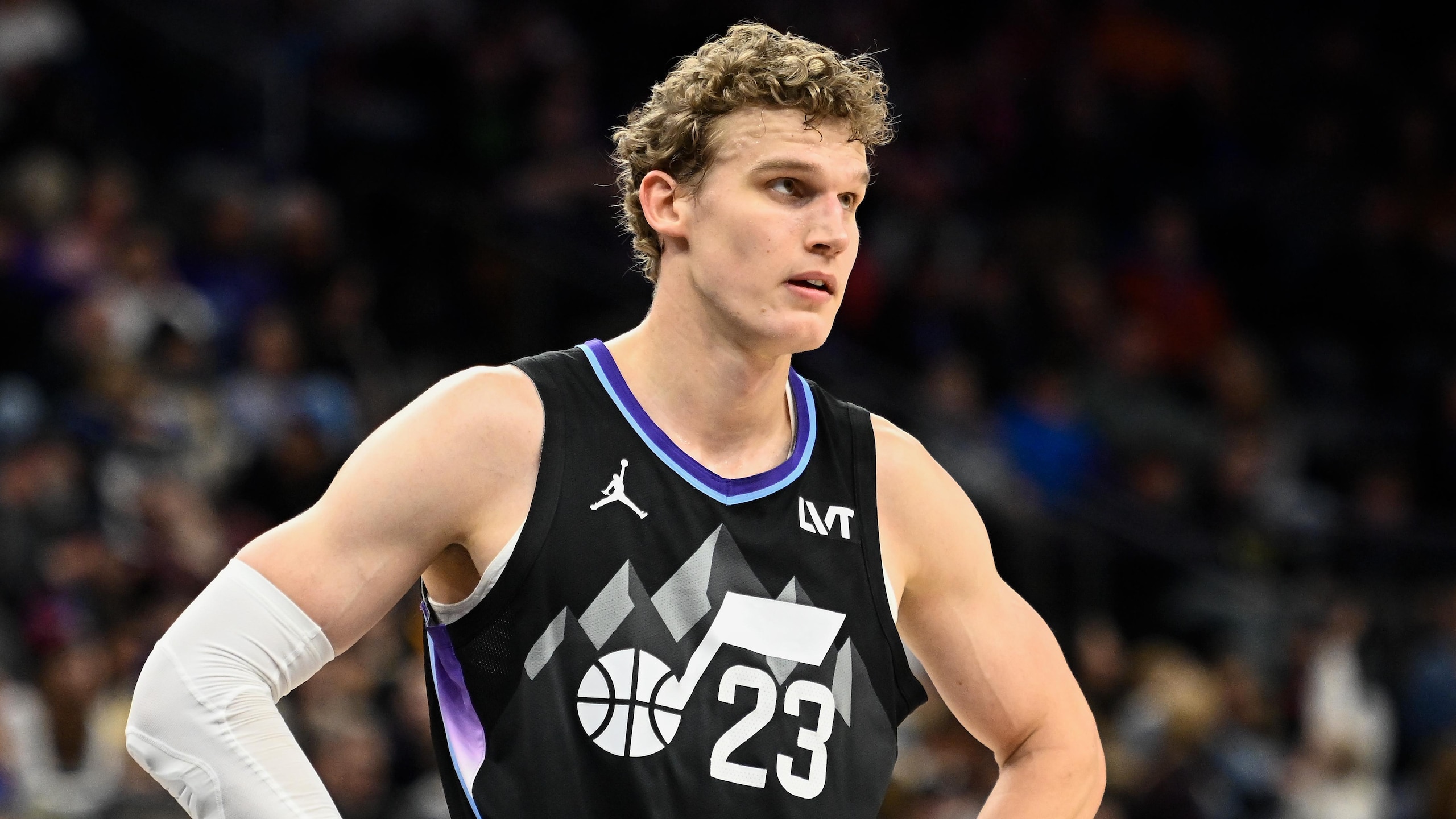
Notable Positive-Value Contracts: Lauri Markkanen (four years, $196 million)
Notable Expiring 2025-26 Salaries: John Collins ($26.6 million; PO), Collin Sexton ($19.2 million), Jordan Clarkson ($14.3 million), KJ Martin ($8 million; NG)
2025 Picks: 5, 21, 43, 53
Incoming Future First-Round Picks: All of their own, 2026 swap (MIN or CLE), 2027 via LAL (protected 1-4), 2027 via MIN and/or CLE, 2028 swap (CLE), 2029 via MIN and/or CLE, 2031 via PHX
Outgoing Future First-Round Picks: 2026 (protected 1-8) to OKC; converts to 2028 second-round pick if not conveyed
Markkanen's contract is right on the borderline of qualifying as a positive value. He's played an average of 51 games over the past two years and has never logged more than 66 in a season. Entering his age-28 season, he may have to prove he's still the same guy who made the 2022-23 All-Star Game by averaging 25.6 points and 8.6 rebounds per game while shooting 39.1 percent from deep.
The Jazz have a raft of expiring deals to combine in a trade for a star, but the real tools of note here are all the incoming picks. Or at least they used to be. Minnesota and Cleveland figure to be competitive for the rest of the decade, limiting the value of those swaps, and the Luka Dončić trade really hurt the upside of that 2027 first-rounder coming in from the Lakers.
Lastly, Utah has plenty of cost-controlled players on rookie-scale deals, led by Walker Kessler. Most of the rest—Cody Williams, Keyonte George, Taylor Hendricks—have underperformed and might not have much outside appeal.
4. San Antonio Spurs
2 of 5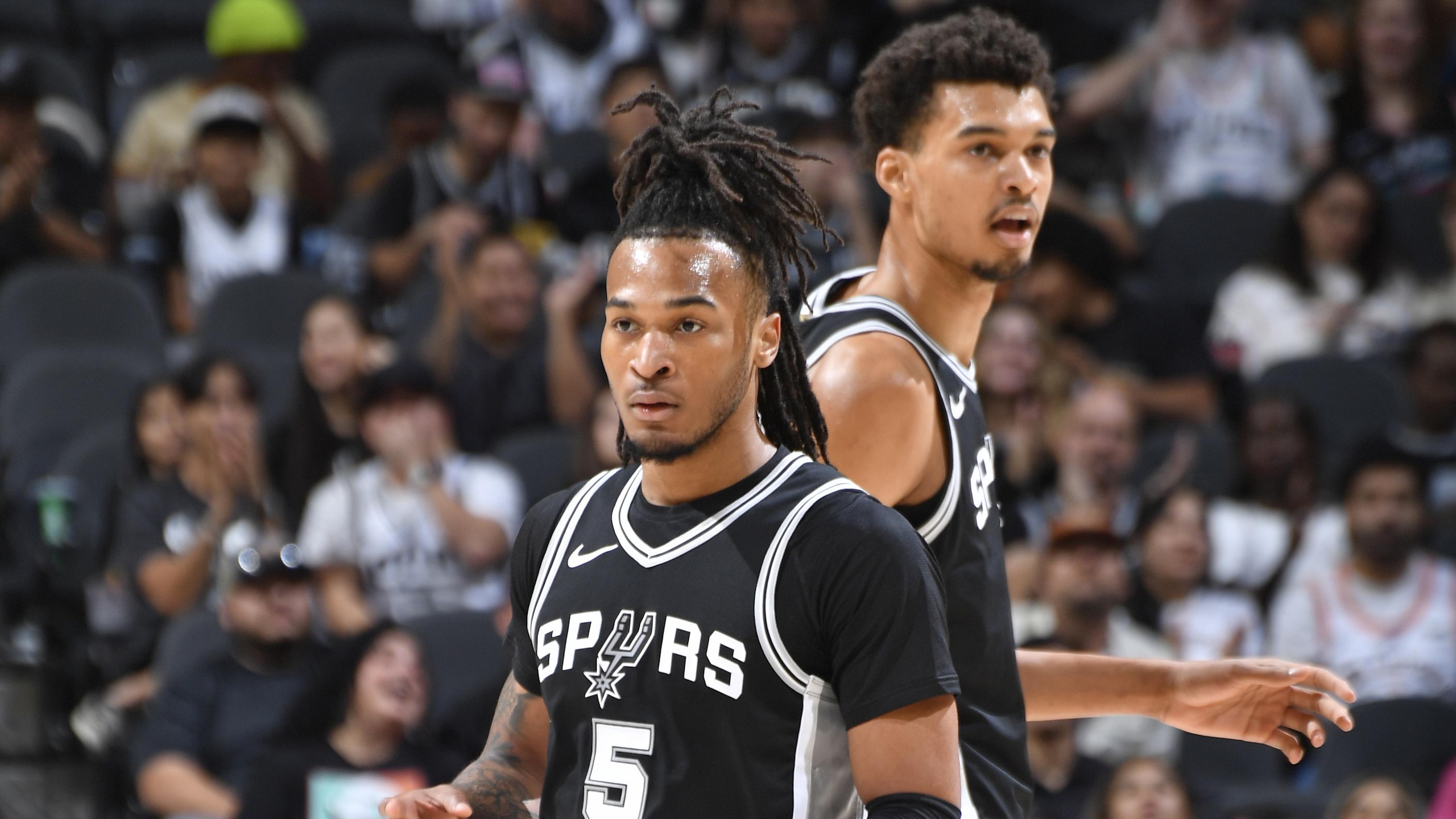
Notable Positive-Value Contracts: Devin Vassell (four years, $105.7 million), Keldon Johnson (two years, $35 million)
Notable Expiring 2025-26 Salaries: De'Aaron Fox ($37.1 million), Harrison Barnes ($19 million)
2025 Picks: 2, 14, 38
Incoming Future First-Round Picks: Six of their own, 2026 swap (ATL), 2027 via ATL, 2028 swap (BOS; top-1 protected), 2030 swap (most favorable of DAL, MIN; top-1 protected), 2031 swap (SAC)
Outgoing Future First-Round Picks: 2027 to SAC
The Spurs' rookie-scale deals do a lot of the heavy lifting here. They would never consider trading Victor Wembanyama, but he technically counts as an asset—perhaps the single most valuable one in the league. After him, the Spurs have Stephon Castle and Jeremy Sochan, plus whichever players they select at Nos. 2 and 14 in this year's draft.
Jayson Tatum's Achilles injury completely changed the Celtics' long-term outlook, and the Spurs might suddenly have one of the league's crown-jewel assets in that 2028 swap with Boston. Having any swap rights, even distant ones, with the Kings is also a good business to be in.
Lastly, Fox is a strong extension candidate and will probably be less valuable if he's earning anywhere close to the max as he moves closer to age 30. But San Antonio already has Castle and will likely select Dylan Harper at No. 2, which could allow it to drive a hard bargain with Fox and keep his deal within reason. The Spurs could also trade him outright as an expiring salary if an extension proves difficult to reach.
3. Brooklyn Nets
3 of 5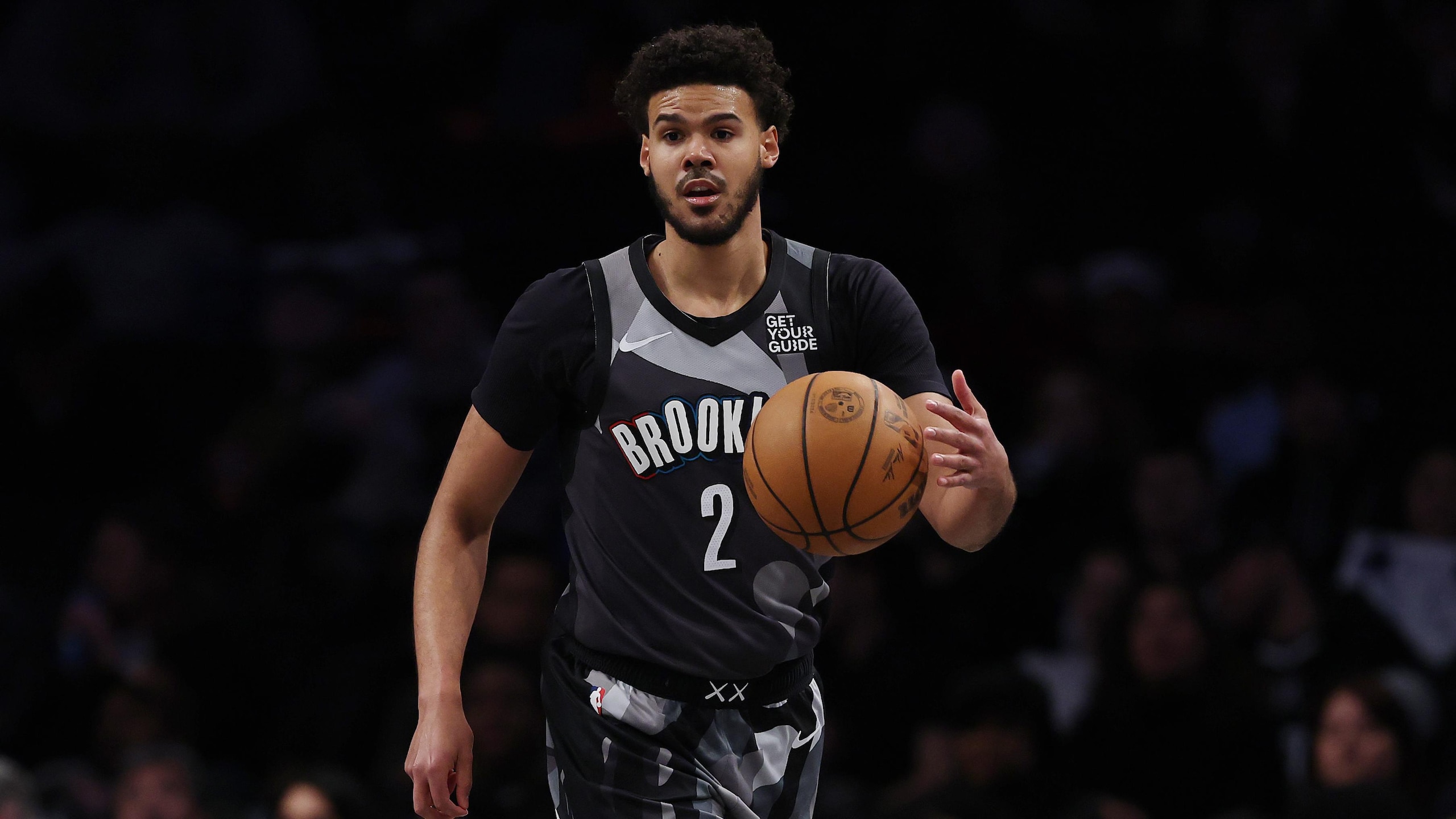
Notable Positive-Value Contracts: Cam Johnson (two years, $43.0 million)
Notable Expiring 2025-26 Salaries: None
2025 Picks: 8, 19, 26, 27, 36
Incoming Future First-Round Picks: All of their own, 2027 via NYK, 2027 or 2028 via PHI (top-8 protected), 2028 swap (PHX or NYK), 2029 via NYK, 2029 (least favorable of DAL, PHX and HOU), 2031 via NYK
Outgoing Future First-Round Picks: 2027 swap (HOU)
If you view cap flexibility as a trade asset, the Nets have a case to rank even higher than this. But it feels like a bit of a stretch to view their glut of offseason spending power (between $40 and $80 million, depending on what they do with their free agents) as an actual trade chip.
Yes, Brooklyn is going to use that room to function as a facilitator. But it isn't technically going to trade it outright.
Fortunately, the Nets are loaded with actual incoming assets, led by three unprotected future first-round picks from the Knicks and four first-rounders in the 2025 draft alone.
Cam Johnson is the team's only high-value human trade asset (sorry, Nic Claxton), but there are no horrendously bad deals on the books, and that 2028 swap with the Suns has real upside.
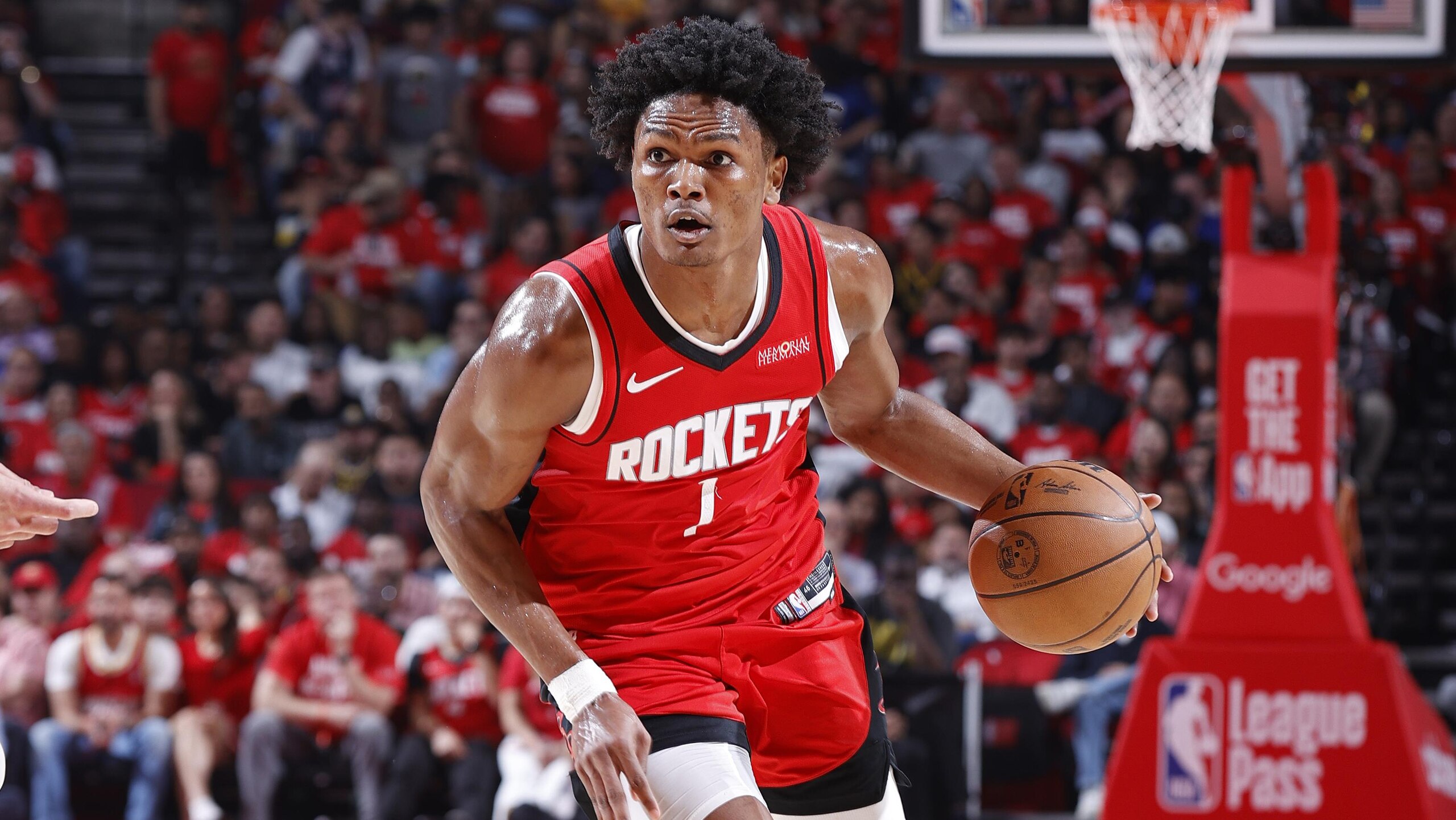
2. Houston Rockets
4 of 5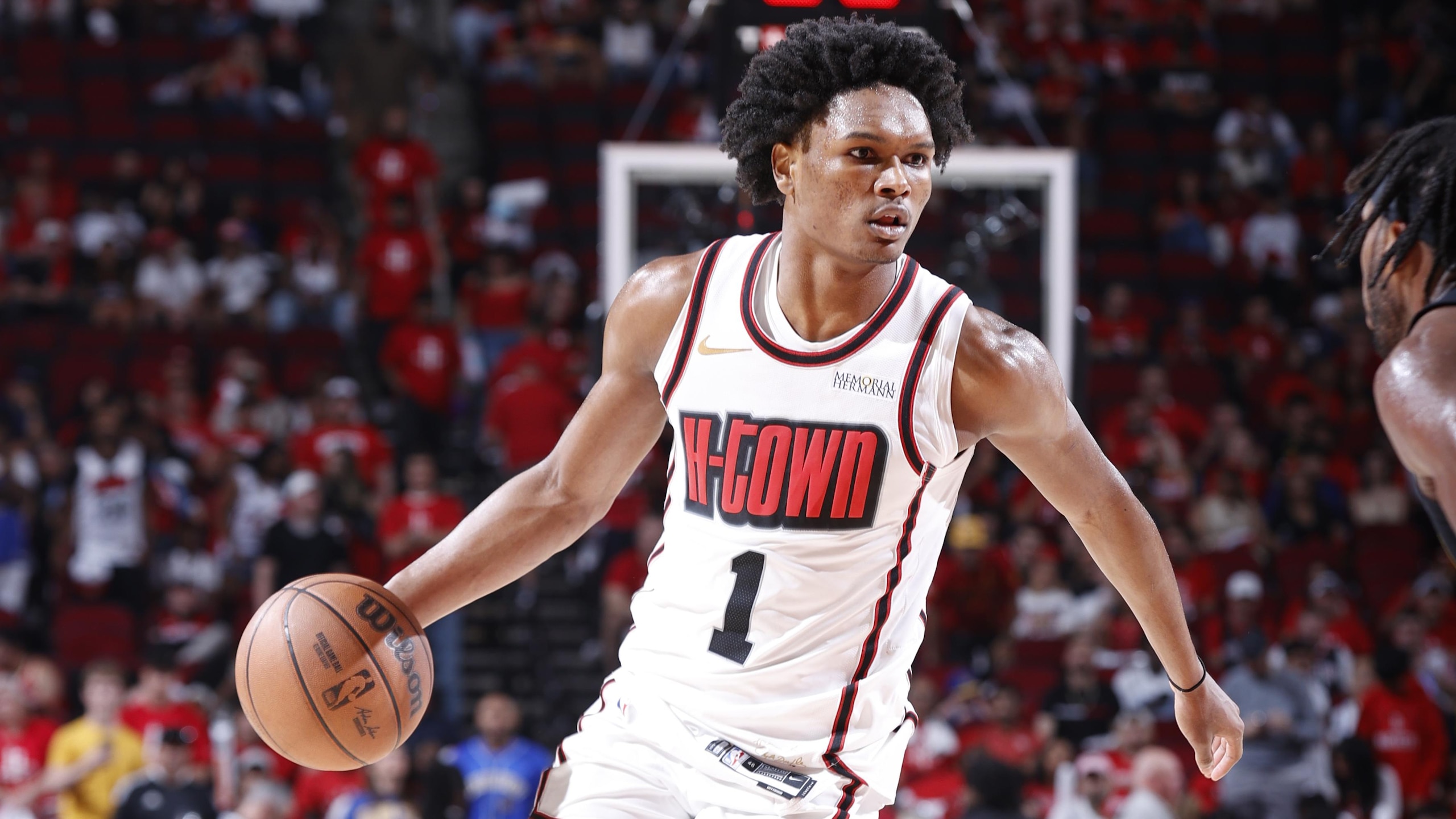
Notable Positive-Value Contracts: Alperen Sengün (five years, $185 million), Jalen Green (three years, $105.3 million), Dillon Brooks (two years, $41.1 million)
Notable Expiring 2025-26 Salaries: Fred VanVleet ($44.9 million; TO), Jock Landale ($8 million; NG)
2025 Picks: 10, 59
Incoming Future First-Round Picks: All of their own, 2027 swap (BKN), 2027 via PHX, 2029 (two most favorable of own, DAL and PHX)
Outgoing Future First-Round Picks: 2026 to OKC (protected 1-4)
The Rockets have a little bit of everything, but their very best assets are their rookie-scale contracts. Between Reed Sheppard, Jabari Smith Jr., Amen Thompson, Tari Eason and Cam Whitmore, they can put together a package of young, cost-controlled players tailor-made for any team looking to offload a veteran star.
Thompson alone would be one of the most sought-after rookie-scale players in the entire league. That's part of the reason why the Rockets would work hard to keep him out of any deals, but it illustrates his value.
The calculus will change on all those players once they ink extensions in the next few offseasons, but the Rockets proved they could keep their homegrown talent in the cases of Sengün and Green, the first of which is a rare All-Star on a sub-max second deal. It's unrealistic to think Houston will retain everybody it selected over the last handful of first rounds, but plenty of other teams will be interested in taking those players on.
That 2027 Suns pick has specific value, in that it might be the single asset Phoenix wants most if it's going to trade Kevin Durant or Devin Booker.
1. Oklahoma City Thunder
5 of 5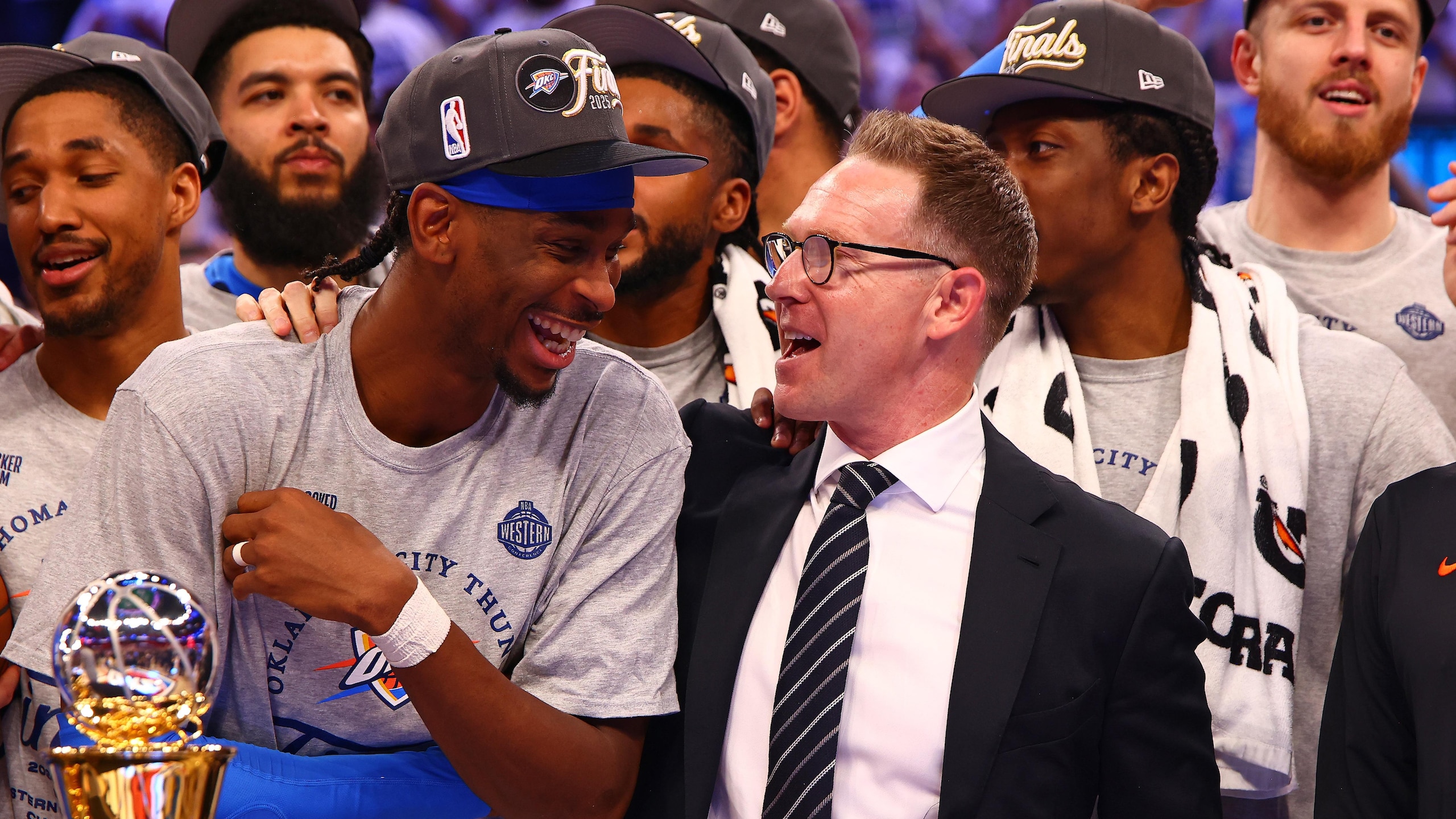
Notable Positive-Value Contracts: Shai Gilgeous-Alexander (two years, $79.1 million), Alex Caruso (four years, $81.1 million), Isaiah Joe (three years, $35 million; TO), Aaron Wiggins (four years, $34.5 million; TO)
Notable Expiring 2025-26 Salaries: Isaiah Hartenstein ($28.5 million; TO), Lu Dort ($17.7 million; TO), Kenrich Williams ($7.2 million; TO), Ajay Mitchell ($3 million; TO), Jaylin Williams ($2.2 million; TO)
2025 Picks: 15, 24, 44
Incoming Future First-Round Picks: All of their own, 2026 via HOU (protected 1-4) and/or LAC, 2026 via UTA (protected 1-8), 2026 or 2027 via PHI (protected 1-4), 2027 swap (LAC), 2027 or 2028 via DEN (protected 1-5), 2028 swap (DAL), 2029 or 2030 via DEN (protected 1-5)
Outgoing Future First-Round Picks: None
Shai Gilgeous-Alexander is sure to get a max extension either this offseason or next, but MVPs are worth paying up for and are tradable at any cost. Even if Jalen Williams and Chet Holmgren also command rookie-scale maxes this summer, they too will still be positive values.
The Thunder aren't looking to trade any of those guys, and they probably won't have to because they've accumulated so much flexibility elsewhere by shrewdly getting team options on the 2026-27 seasons of Hartenstein, Dort and Kenrich Williams. Rookie-scale deals for Cason Wallace and Nikola Topić will age well, and any agreements that go south will be easily movable by attaching some portion of OKC's mountainous draft capital.
The Thunder are in position to clean up if the Clippers flounder in any of the next two years, and they've got a whopping total of six extra future first-rounders coming between 2026 and 2029.
The current favorite to win the 2025 championship has the best store of other teams' draft assets in the league, nothing but positive-value contracts on its books and the ability to replenish the roster by using its own first-rounders in each of the next seven drafts. It's like a cruel joke that the Thunder also owe no future first-rounders to anyone.
Usually, building a title favorite costs picks, but OKC has one of the biggest surpluses in the league. This is how dynasties endure.
Stats courtesy of NBA.com, Basketball Reference and Cleaning the Glass. Salary info via Spotrac.
Grant Hughes covers the NBA for Bleacher Report. Follow him on Bluesky and subscribe to the Hardwood Knocks podcast, where he appears with Bleacher Report's Dan Favale.
.jpg?w=2560)

.jpg?w=2560 "World Series Gm. 4 Highlights 🎬")