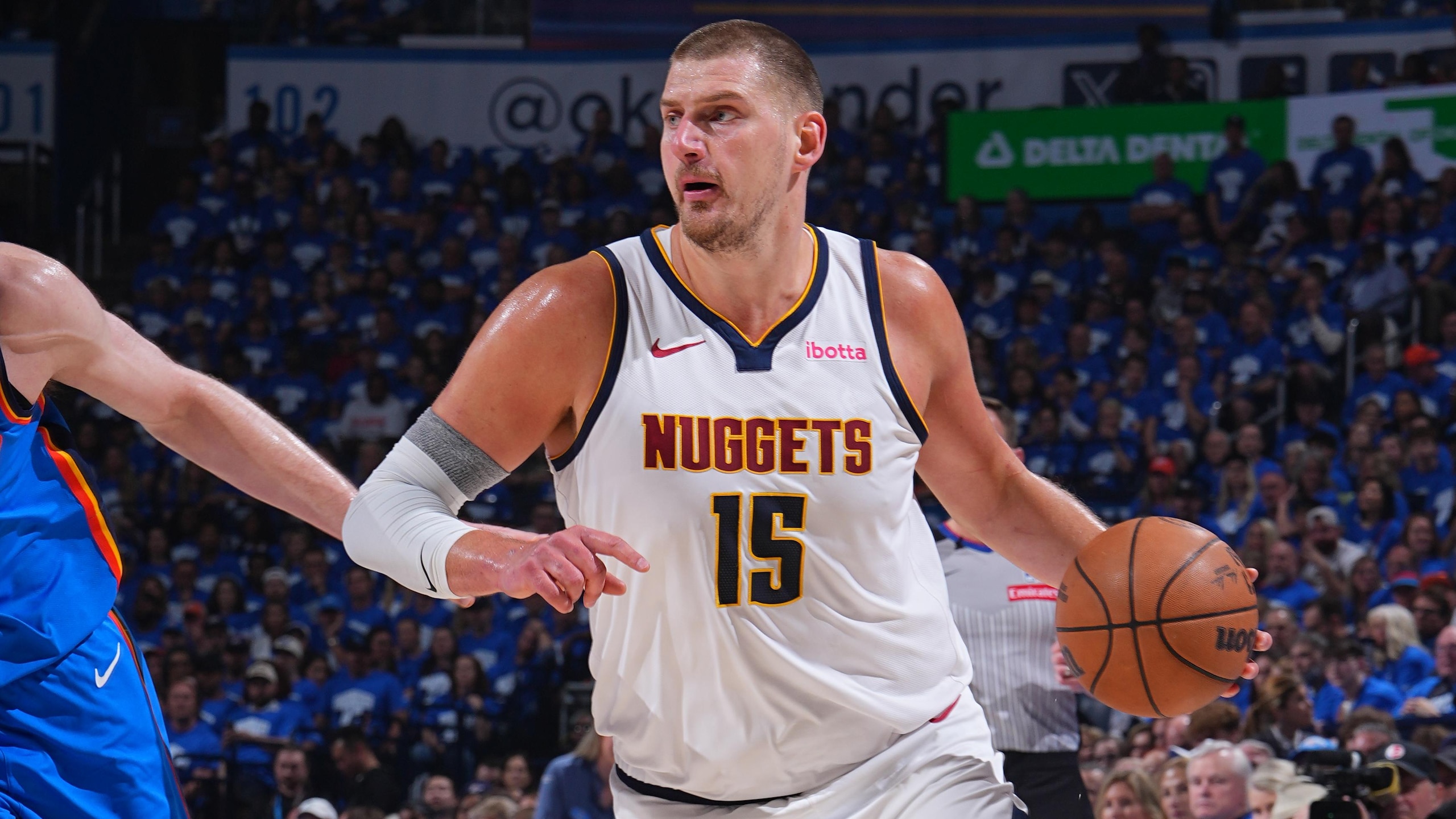

With Denver Nuggets eliminated from the playoffs on Sunday, Nikola Jokić has officially ended perhaps the best five-year run in NBA history.
Since the start of the 2020-21 season, he's averaged 26.8 points, 12.3 rebounds, 9.0 assists and 1.4 steals, secured three MVP awards and one Finals MVP, and his Nuggets won the 2023 NBA Finals.
When it's all summed up in one tidy sentence, it's hard to imagine anyone else having a better half-decade. So naturally, we had to comb through league history to see if anyone did.
Raw production is one thing (and it may be impossible to top Jokić on that front), but it's far from the only factor in this exercise. Regular-season honors (like MVP or All-NBA nods) and playoff success have to be considered, too.
As with any historical deep dive, there's also a struggle for what to do with pre-merger (or even pre-three-point-line) seasons. Should Bill Russell's championships, which were won in a league with about as third as many teams and a far shallower worldwide talent pool, mean the same as one secured in the current era?
We wrestled with all of the above (and then some), threw in some good, ol'-fashioned subjectivity and settled on the following top 10 half-decade runs the NBA has ever seen.
10. Wilt Chamberlain (1959-60 through 1963-64)
1 of 10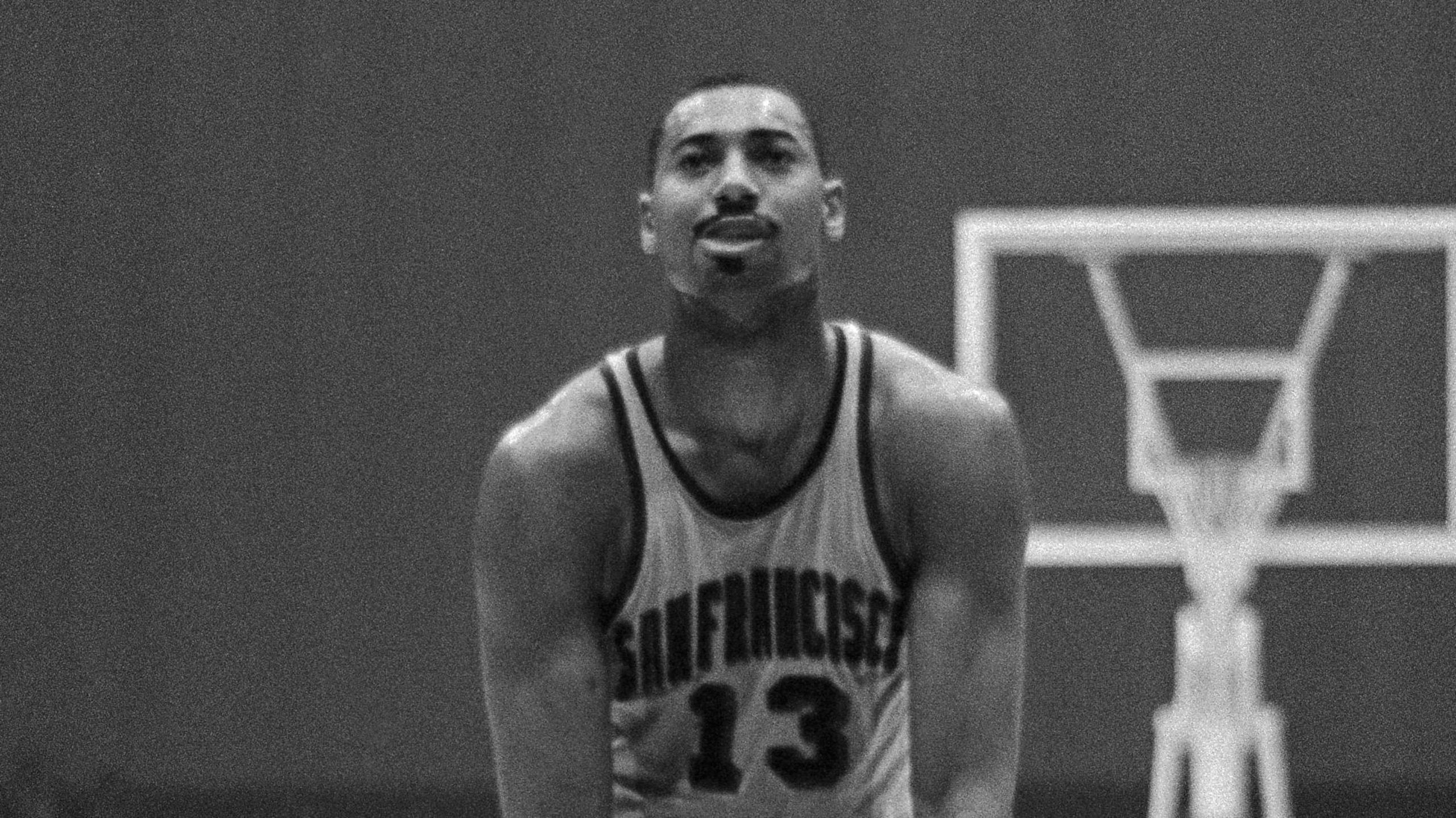
Numbers: 41.7 points, 25.3 rebounds, 3.0 assists, +5.0 relative true shooting percentage, 0.272 win shares per 48 minutes
Accolades and Accomplishments: One MVP, four top-four MVP finishes, five All-Stars, four First-Team All-NBAs, one Second-Team All-NBA
Right off the bat, we'll take a look at one of those pre-merger peaks with perhaps the most productive individual player in NBA history.
Wilt Chamberlain, with the exception of his matchups against Bill Russell and the Boston Celtics, was about as clear an example of the "man against boys" cliche as we've ever seen in sports.
He was seemingly decades ahead of most of his competition in terms of his combination of size and athleticism, and the raw numbers reflect that.
Of course, he's also one of the examples often cited for the kind of player who can put up gaudy numbers without winning at the highest level.
As far as per-game averages go, this was Wilt's best stretch, but he didn't win a title in it. There's just no way to keep those numbers out.
9. Bill Russell (1960-61 through 1964-65)
2 of 10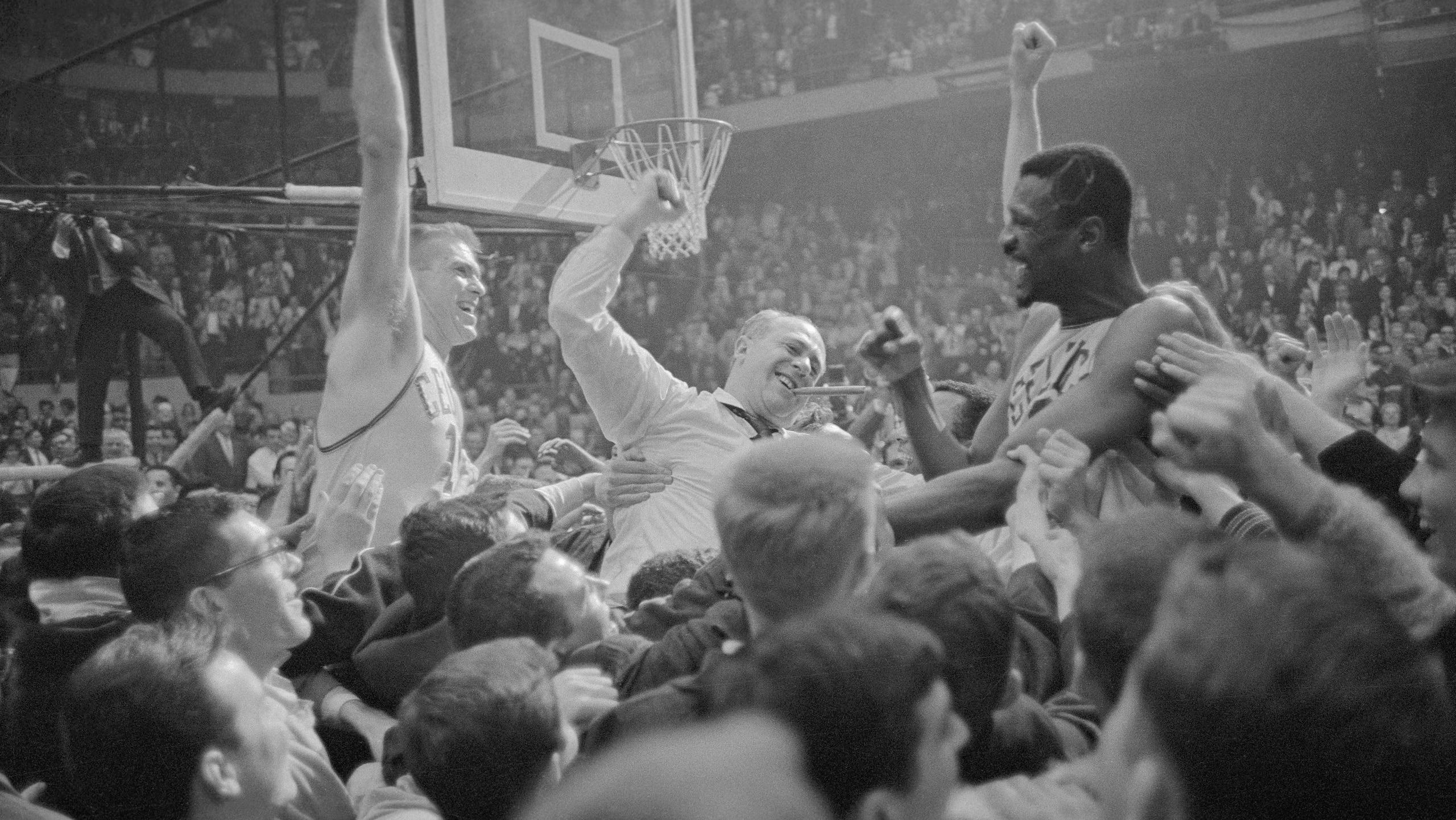
Numbers: 16.3 points, 24.0 rebounds, 4.5 assists, -1.3 relative true shooting percentage, 0.211 win shares per 48 minutes
Accolades and Accomplishments: Four MVPs, five championships, five top-three MVP finishes, five All-Stars, two First-Team All-NBAs, three Second-Team All-NBAs
Often the foil to Wilt in the early years of their careers, Bill Russell won a championship in each of the five years we're looking at here (and six more outside them, to boot).
And while there's something to be said about Russell being part of the superteam Boston Celtics that also boasted Sam Jones, Tom Heinsohn, Bob Cousy and John Havlicek during this half-decade, he was undoubtedly the group's leader.
His total of 76.2 win shares during these five years led all Celtics and was almost 30 clear of second place.
Russell stacked those up thanks in large part to his stellar defense, but he was also a good passer for a big man and finished plenty of plays himself.
8. Giannis Antetokounmpo (2018-19 through 2022-23)
3 of 10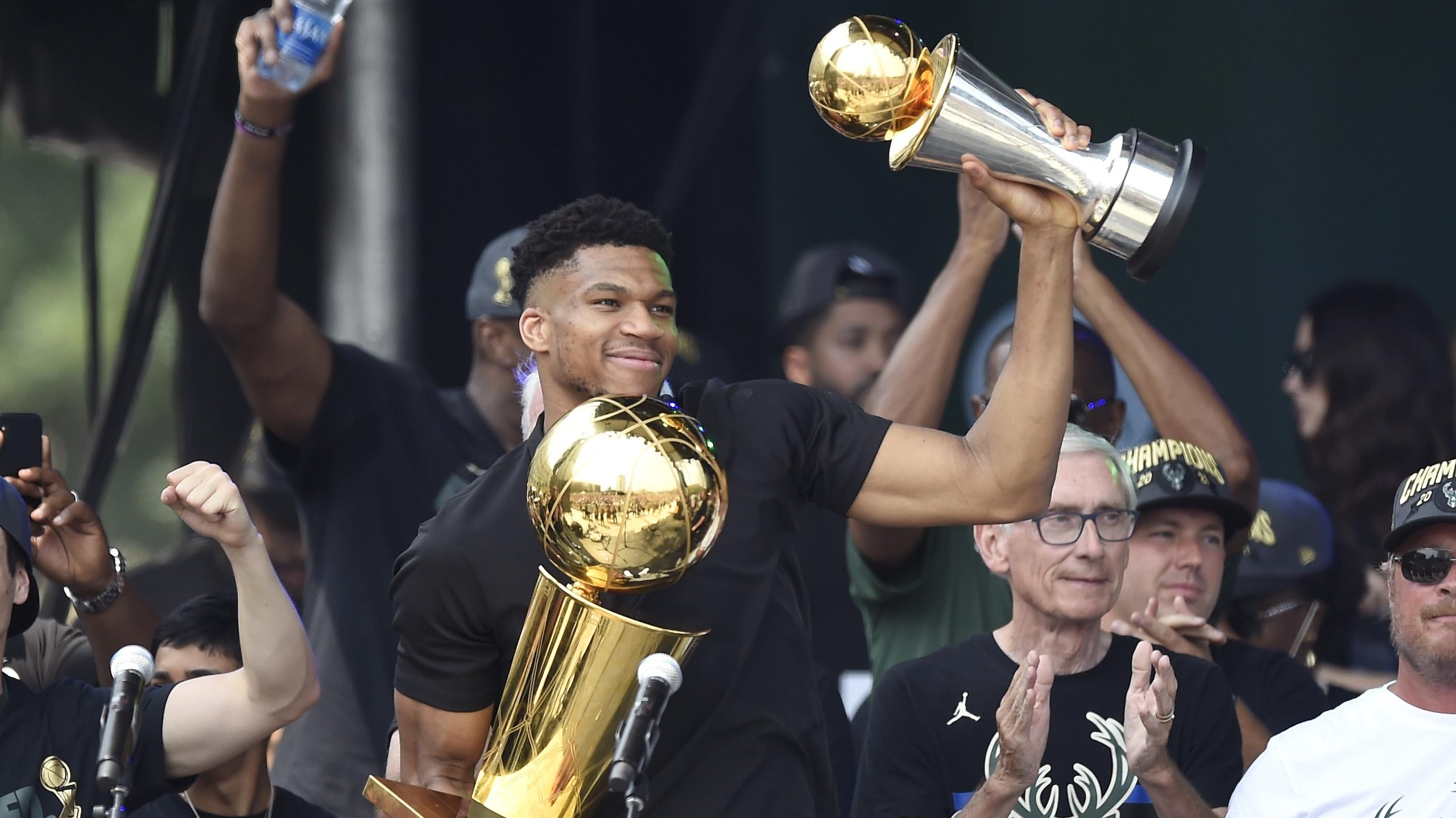
Numbers: 29.2 points, 12.1 rebounds, 5.8 assists, 1.2 blocks, 1.1 steals, +5.6 relative true shooting percentage, 10.1 box plus/minus
Accolades and Accomplishments: Two MVPs, one championship, one Finals MVP, five top-four MVP finishes, five All-Stars, five First-Team All-NBAs, four First-Team All-Defenses
Even in the most talent-, athleticism- and skill-rich era in the NBA, Giannis Antetokounmpo managed to stand apart from his peers.
For this half-decade, he was every bit the athletic outlier that all-timers like LeBron James, Shaquille O'Neal and Michael Jordan were before him.
In fact, in some ways, Giannis sort of is this era's Shaq, though he's sort of the next link in the evolutionary chain. Especially from 2018-19 through 2022-23, he was sort of a more in-shape version of the big man, and one that could also play point forward.
Giannis is a freight train in transition, a monster around the rim and a force-of-nature playmaker who generates assists largely because of the immense attention he draws as a scorer.
And, as if all that wasn't enough, Giannis was also one of the league's best and most versatile defenders during this half-decade. He could dominate the boards, protect the rim and survive on switches outside.
Combine all of that with the championship in 2021, his Finals averages of 35.2 points, 13.2 rebounds and 5.0 assists that year and a Defensive Player of the Year win, and you could probably even bump Giannis up a few spots.

7. Magic Johnson (1985-86 through 1989-90)
4 of 10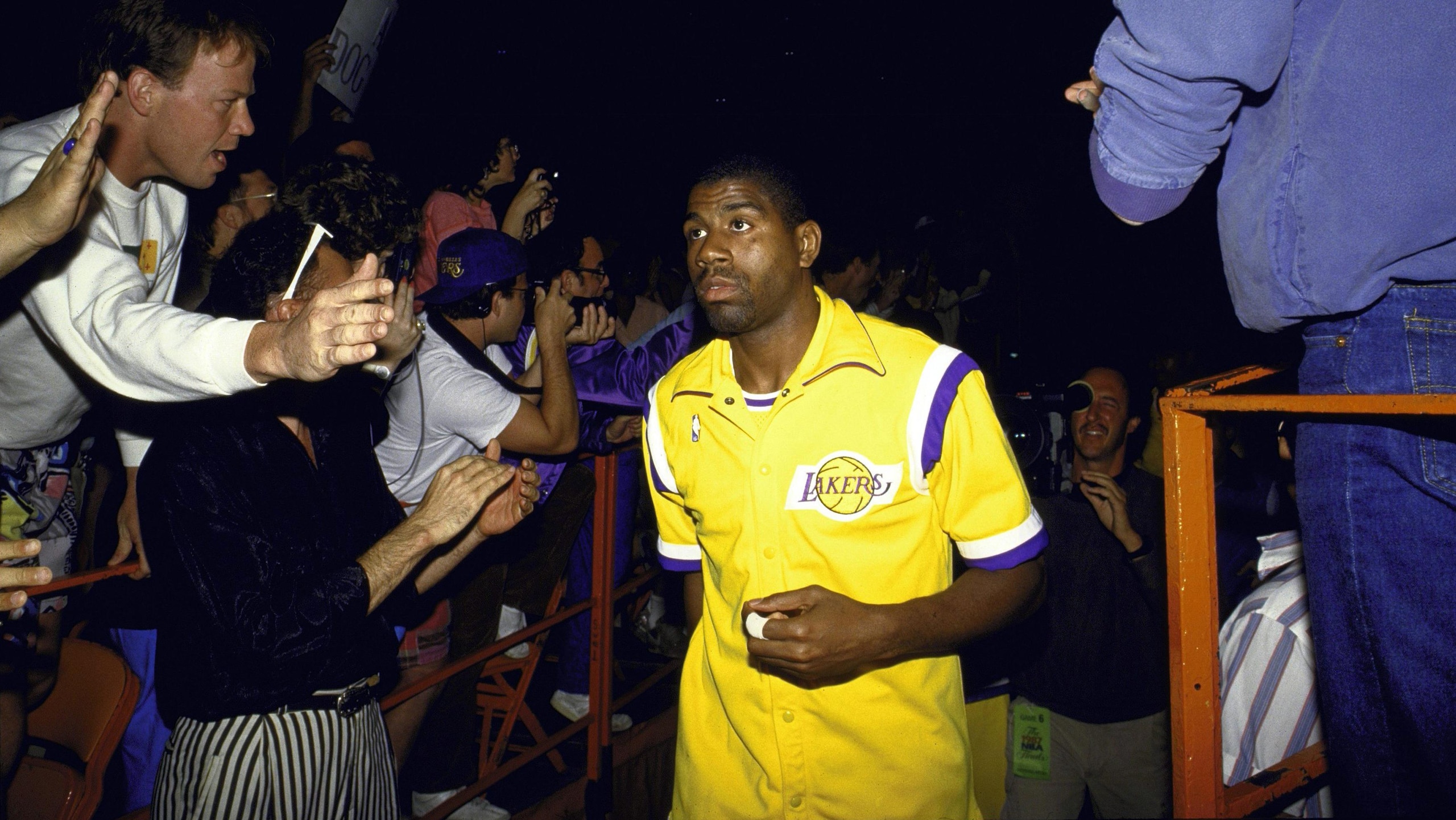
Numbers: 21.5 points, 12.2 assists, 6.6 rebounds, 1.7 steals, +7.1 relative true shooting percentage, 8.3 box plus/minus
Accolades and Accomplishments: Three MVPs, two championships, one Finals MVP, five top-three MVP finishes, five All-Star nods, five First-Team All-NBAs
This is true of almost everyone on this list, but there is more than one five-year stretch to choose from for Magic Johnson.
If you go earlier in his career, you can get two Finals MVPs instead of one, but Magic didn't really hit his individual peak until later. And the numbers from this five-year run are bonkers.
He wasn't just the game's most prolific playmaker. He was probably its flashiest, too. And ushering in the era of Showtime for the Los Angeles Lakers helped revolutionize the league.
Magic made run-and-gun offense fun. He changed perceptions for what's possible from a player his size. And of course, everything he did on the floor led to plenty of winning at the NBA's highest level.
6. Larry Bird (1983-84 through 1987-88)
5 of 10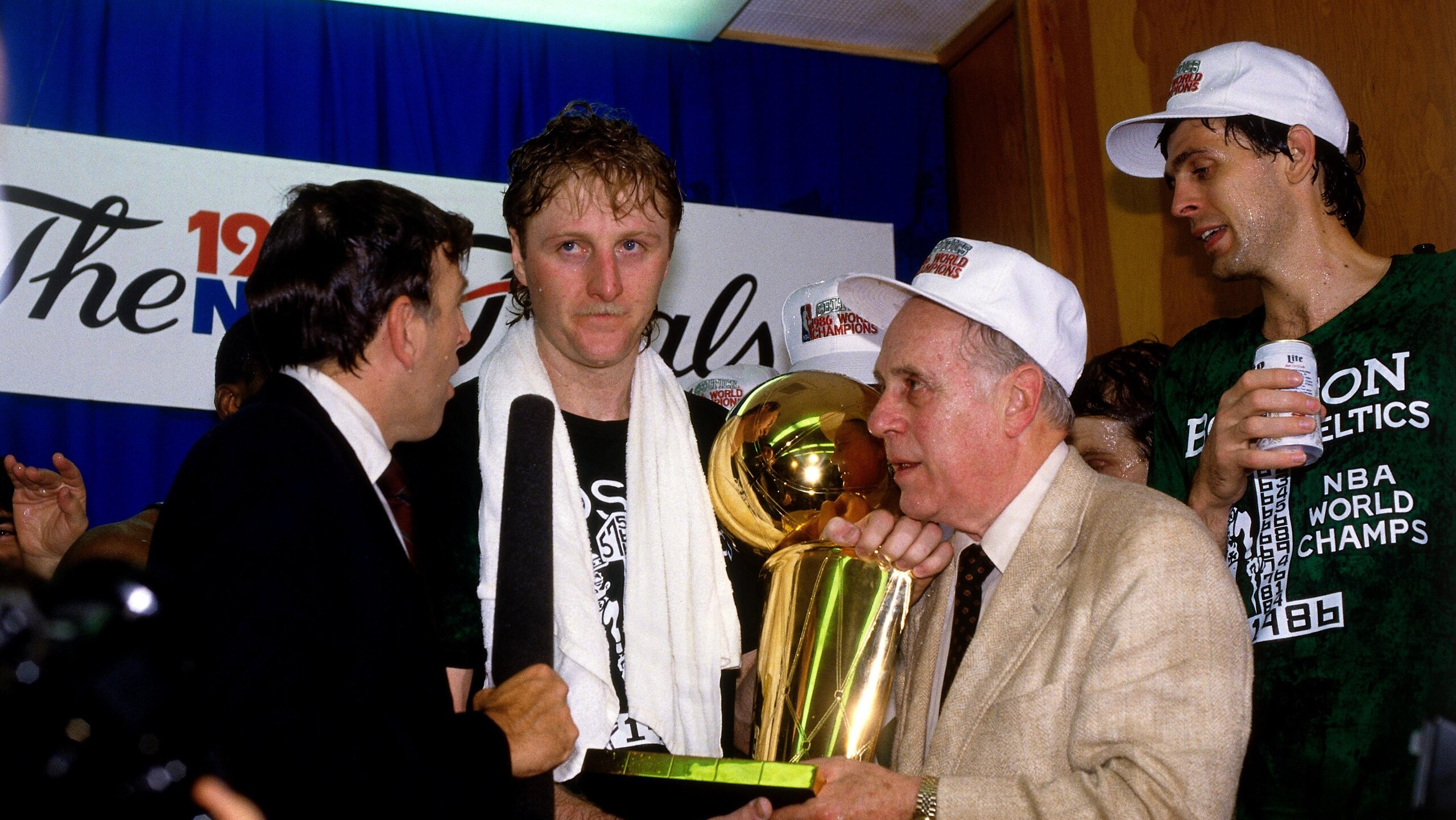
Numbers: 27.3 points, 9.8 rebounds, 6.8 assists, 1.8 steals, 0.9 blocks, +4.8 relative true shooting percentage, 8.7 box plus/minus
Accolades and Accomplishments: Three MVPs, two championships, two Finals MVPs, five top-three MVP finishes, five All-Stars, five First-Team All-NBAs, one Second-Team All-Defense
Like Wilt and Russell in the 1960s, Magic and Larry Bird were the superstar rivalry that carried the NBA in the 80s.
And while there are solid arguments to have either in this sixth spot (or even higher), Bird gets the slightest of nods here for the extra Finals MVP and an All-Defense selection, for good measure.
Bird's career and five-year peak were about a lot more than his rivalry with Magic, though. He was one the league's best tough shotmakers of the time. His feel for the game was off the charts. His passing made life easier for all his teammates.
And on a related note, few players across league history were clearer "makes his teammates better" guys.
That feel for the game and a nose for steals and rebounds also made him an under-appreciated defender, too.
Put it all together, and Bird was one of the absolute best forwards to ever play the game, and he was particularly special during a peak that may have been cut short by back problems.
5. Stephen Curry (2014-15 through 2018-19)
6 of 10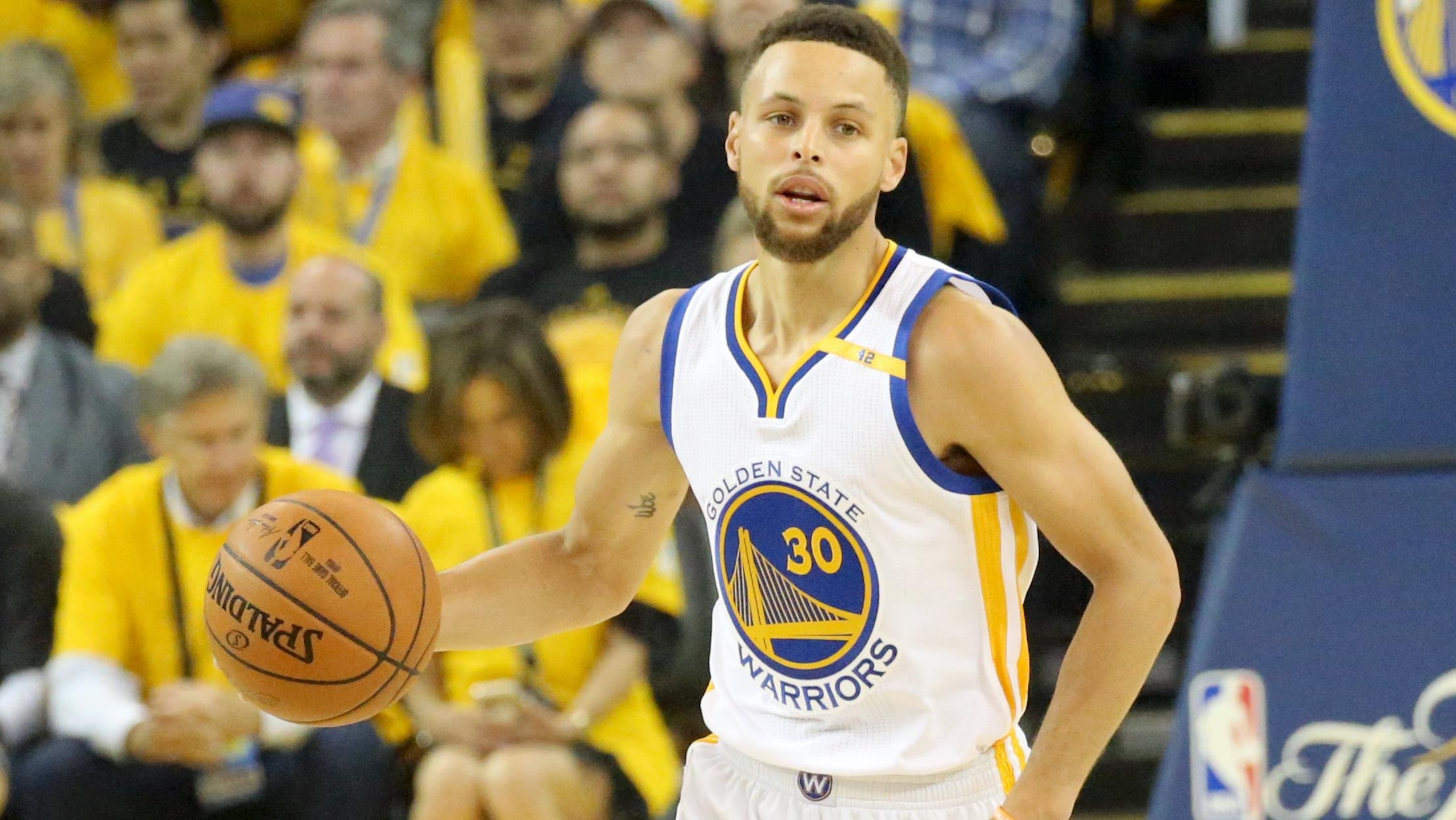
Numbers: 26.5 points, 6.5 assists, 4.9 rebounds, 4.4 threes, 1.8 steals, +9.9 relative true shooting percentage, 8.8 box plus/minus
Accolades and Accomplishments: Two MVPs, three championships, three top-five MVP finishes, five All-Star nods, three First-Team All-NBAs
Few (if any) players who've ever appeared in NBA game have a stronger "he literally changed the game" case than Stephen Curry.
In 2008-09, the last campaign without Curry, 22.4 percent of all shots taken in the NBA were three-pointers. This season, 42.1 percent of all attempts were triples.
And the stretch of Curry's career that pushed the game hardest in that direction was the one listed above. The volume of his outside shooting was one thing. The degree of difficulty on many of his shots is what made him appointment viewing.
Not too far into his first MVP season in 2014-15, teams had to start chasing Curry with multiple defenders several feet outside the three-point line. There's no way to overstate how dramatically that changed the dynamic of each game for his teammates.
Just having him on the floor created four-on-three opportunities for his Golden State Warriors... in the halfcourt!
Curry was the most influential offensive player in modern history, and he was consistently the most influential offensive player in just about every game he played.
During this five-year stretch, the Warriors were plus-15.9 points per 100 possessions with Curry on the floor and minus-1.8 when he was off.
All of that should be enough to justify Curry's top-five spot here, but there are also some pretty obvious knocks against his case that have to be mentioned.
Kevin Durant and Andre Iguodala won the Finals MVPs for the three championships during this run, and box plus/minus pegged KD as the best player from the 2017 and 2018 Finals (ahead of even LeBron James).
But in hindsight, Iguodala getting the Finals MVP over Curry in 2015 is borderline absurd. And on/off data from the playoffs always suggested that Curry's presence was what enabled Durant to dominate the way he did as a Warrior. The trajectories of each player's career after they split support that assertion, too.
4. Kareem Abdul-Jabbar (1970-71 through 1974-75)
7 of 10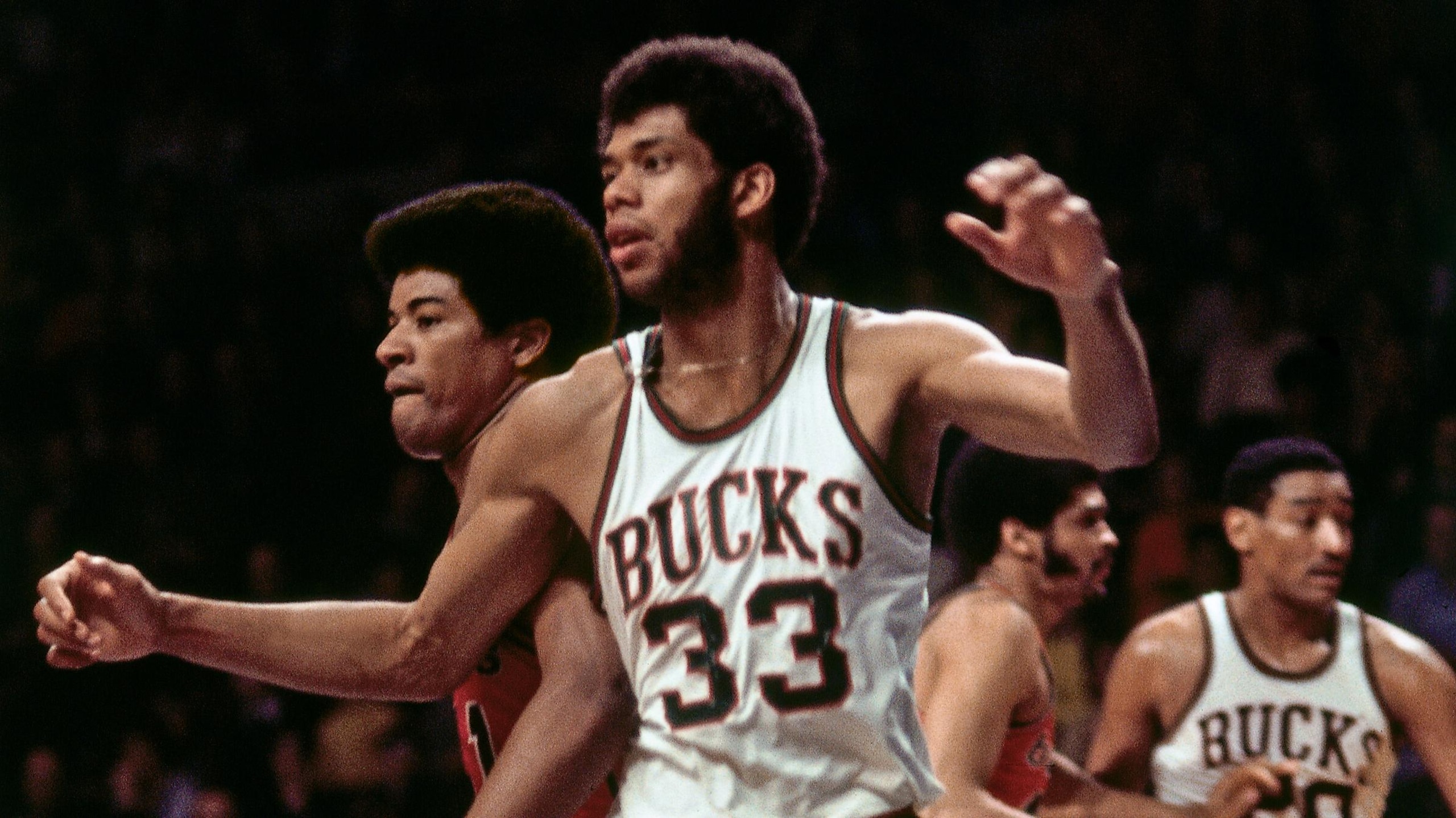
Numbers: 30.8 points, 15.5 rebounds, 4.3 assists, 3.4 blocks and 1.2 steals, +8.0 relative true shooting percentage, 0.295 win shares per 48 minutes
Accolades and Accomplishments: Three MVPs, one championship, one Finals MVP, four top-two MVP finishes, five All-Stars, four First-Team All-NBAs, two First-Team All-Defenses
The bridge from the Russell-and-Wilt-led era to Bird and Magic, Kareem Abdul-Jabbar was absurdly productive before joining the Los Angeles Lakers in 1975.
His total of 100.9 win shares during that half-decade was 36.1 clear of second-place Walt Frazier. It was more than the combined total of fifth-place Bob Lanier and sixth-place Dave Cowens.
He, like Wilt and Giannis, looked like a physical anomaly next to his peers. He absolutely dominated as a scorer with his sky hook and as a rebounder, defender and shot-blocker with his length, athleticism and timing.
And while he didn't start stacking up titles until he went to L.A. and was later joined by Magic, this early career run (which did include a championship with the Milwaukee Bucks) was his best.
3. Nikola Jokić (2020-21 through 2024-25)
8 of 10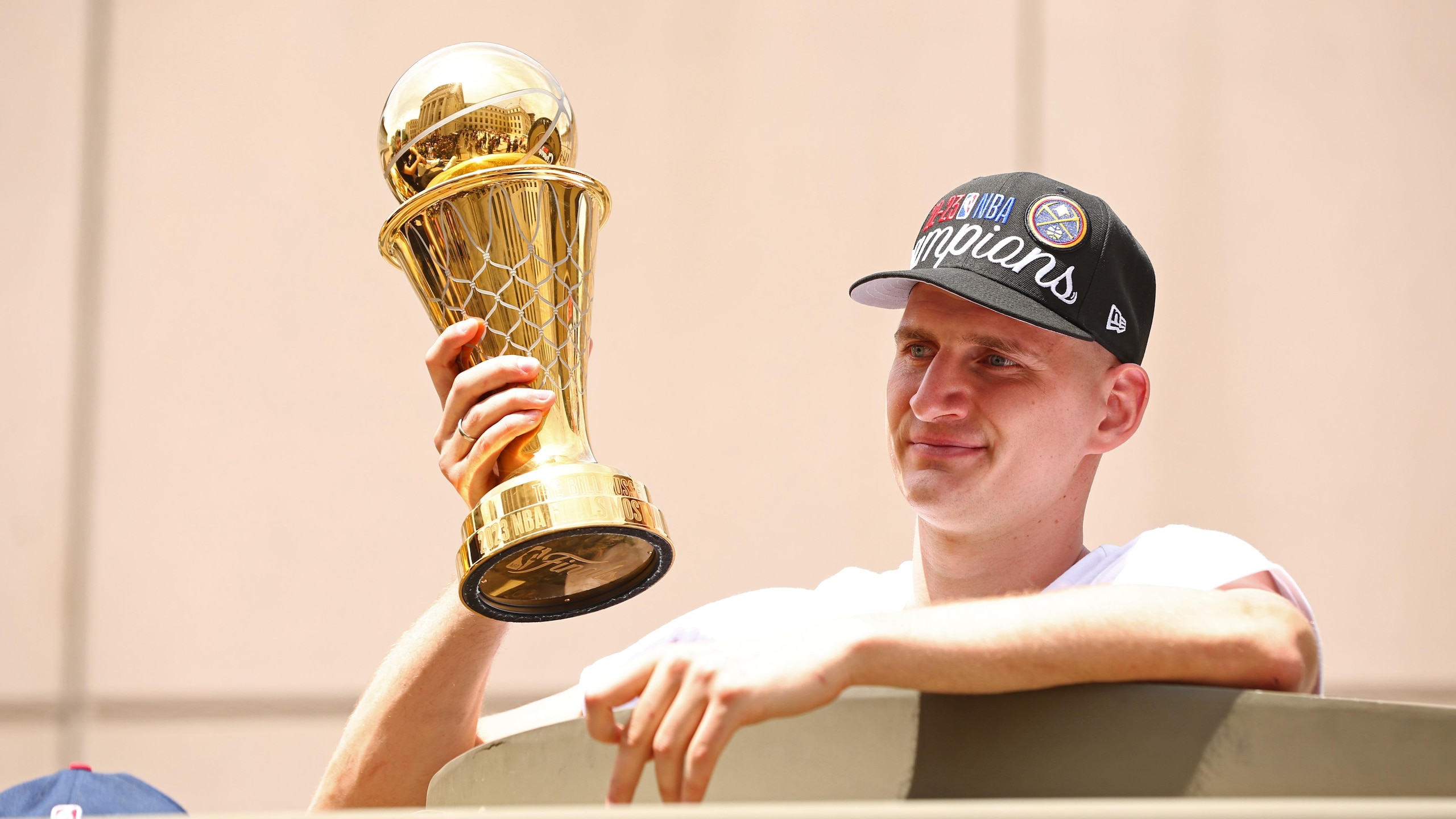
Numbers: 26.8 points, 12.3 rebounds, 9.0 assists, 1.4 steals, +8.9 relative true shooting percentage, 13.1 box plus/minus
Accolades and Accomplishments: Three MVPs, one championship, one Finals MVP, five top-two MVP finishes, five All-Star nods, four First-Team All-NBA
As mentioned at the top, there is a very real argument to have this half-decade from Nikola Jokić in the top spot in this slideshow.
That 13.1 box plus/minus is (spoiler alert) the highest ever for any five-year run. His numbers came during the NBA's absolute peak in terms of the depth and variety of talent in the league. And the only real knock against the resume (the fact that it only includes one title) is pretty easy to explain away.
Jamal Murray missed the 2021 and 2022 playoff runs recovering from a torn ACL. In 2024, Murray was hampered by a hamstring injury. And this year, Michael Porter Jr. played the bulk of this postseason with a shoulder injury that would've kept him out of regular-season games, and Aaron Gordon had a Grade 2 hamstring strain in the game that ultimately knocked Denver out.
The one year his supporting cast was healthy (2023), Jokić won it all.
And he's done all this without ever playing with an All-Star teammate and while completely revitalizing and redefining the center position.
His impact on the way the game is played isn't likely to be as great as Curry's, but you can already see the influence in how many teams now let their big men now create in ways similar to Jokić.
We just witnessed, in all likelihood, the best five-year statistical run in NBA history. And only the best stretches of the two best players the league has ever produced can keep him out of the top spot in this exercise.
LeBron James (2008-09 through 2012-13)
9 of 10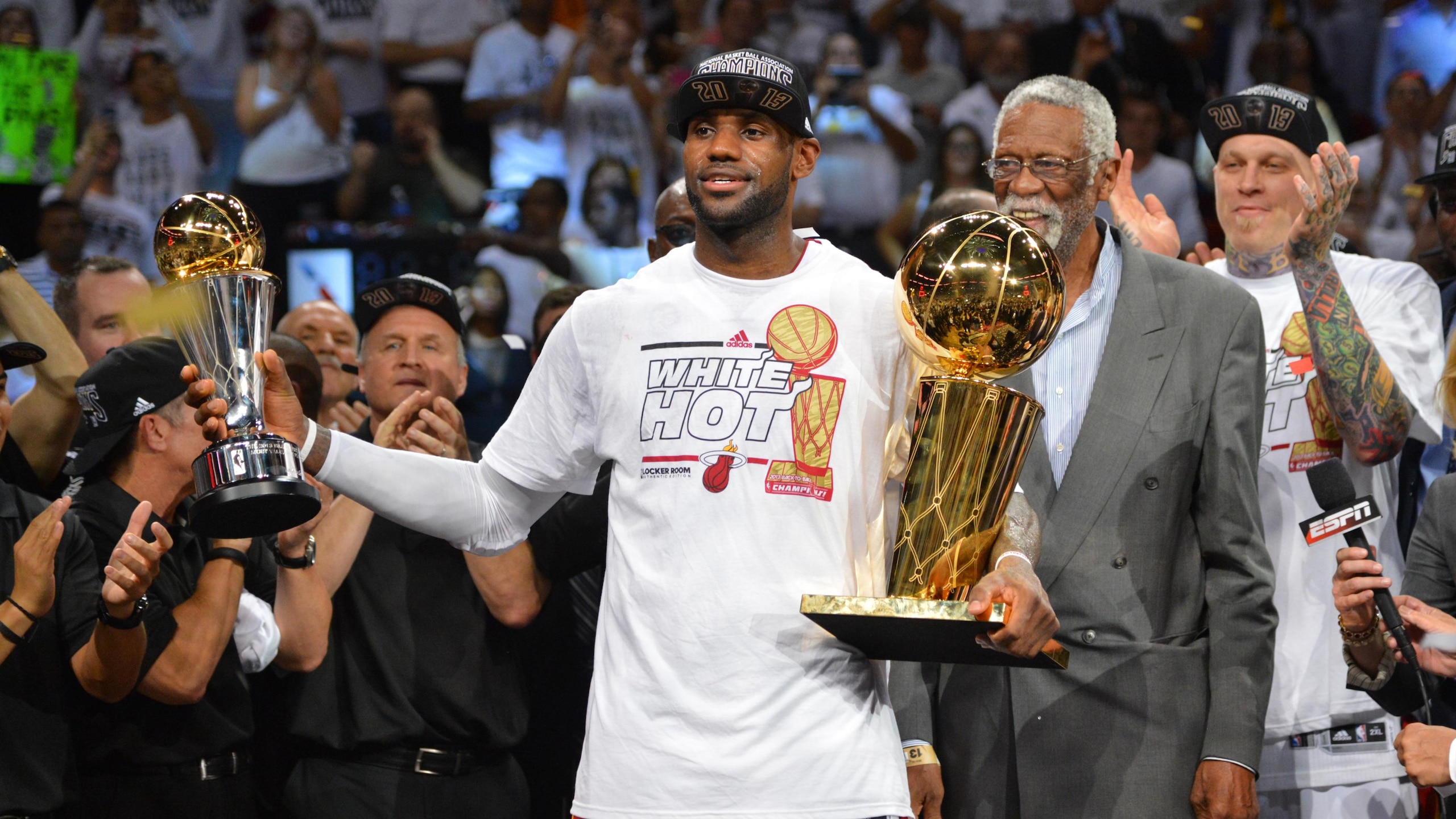
Numbers: 27.8 points, 7.6 rebounds, 7.3 assists, 1.7 steals, +6.7 relative true shooting percentage, 11.1 box plus/minus
Accolades and Accomplishments: Four MVPs, two championships, two Finals MVPs, five top-three MVP finishes, five All-Stars, five First-Team All-NBAs, five First-Team All-Defenses
LeBron had the physical uniqueness of players like Giannis, Zion Williamson, Shaq or Wilt, while also being one of the most skilled players in the league throughout his peak (and even outside it).
He was a pioneer on the route to positionless basketball, one of the best passers of all time and an athletic marvel.
And while it would be easy to argue that the Jokić numbers you just saw are better than LeBron's, and it might be easy to argue that his one championship with his cast is as impressive as LeBron's two with Dwyane Wade and Chris Bosh, LeBron still gets the slight edge here for a couple reasons.
First, he was undoubtedly the more consistent and versatile defender. When called upon, peak LeBron was capable of shutting down (or at least frustrating) just about any perimeter player.
And though Jokić has been pretty clearly the league's best player for the last half-decade, more fans and analysts have seemed hesitant to accept that than they were of LeBron's "best in the world" status during these five years.
1. Michael Jordan (1988-89 through 1992-93)
10 of 10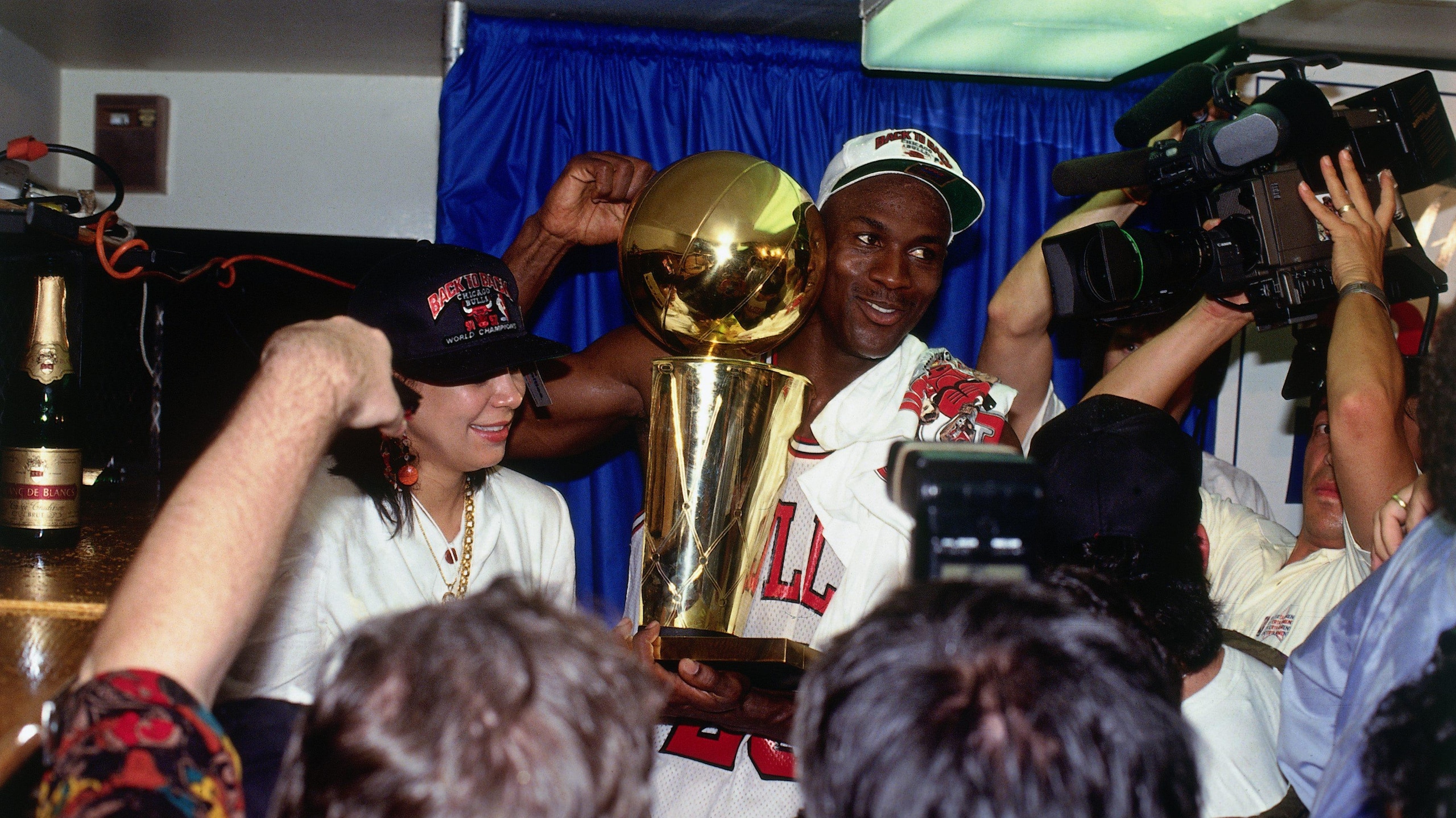
Numbers: 32.0 points, 6.8 rebounds, 6.3 assists, 2.7 steals, +5.7 relative true shooting percentage, 11.2 box plus/minus
Accolades and Accomplishments: Two MVPs, three championships, three Finals MVPs, five top-three MVP finishes, five All-Stars, five First-Team All-NBAs, five First-Team All-Defenses
At least for now, the GOAT's peak is probably safe.
Michael Jordan played in an era with some absolute legends, like Charles Barkley, John Stockton, David Robinson and Hakeem Olajuwon (just to name a few), but he was head and shoulders above all of them (despite standing 6'6").
Jordan combined much of what's been mentioned for others above—a revolutionary game, era-defying athleticism, elite skill and absurd production—with perhaps the most ferocious appetite for winning we've ever seen.
That translated to six championships in six Finals appearances. And during the five years listed here, he was at his physical peak, too.
We've been searching for something like Jordan for almost three decades now, and we've yet to see it.
The greatest player of all time, unsurprisingly, had the best five-year run of all time.


.jpg?w=2560 "NFL House in Paris Closes for Protests")
.jpg?w=2560 "Trevon Diggs Cut by Seahawks")

.jpg?w=2560 "Jonathan Taylor Landing Spots")