.jpg?w=2560 "NFL Draft Football")

Making Sense of Every NFL Backfield After 2025 NFL Draft
Today's NFL running back isn't just a ball-carrier. The demand at that position has evolved in recent years, as more players juggle multiple responsibilities and carve out specialty roles in backfields.
Most teams field a rotation of two or more running backs. One tailback may take on early-down touches while another handles third-down duties as a pass-catcher or pass protector.
Some clubs use a platoon of running backs to keep fresh legs on the field throughout a game.
Looking at the various ways teams utilize running backs, we'll make sense of all 32 NFL backfields, projecting the pecking order, roles and who makes the roster among the reserves.
Arizona Cardinals
1 of 32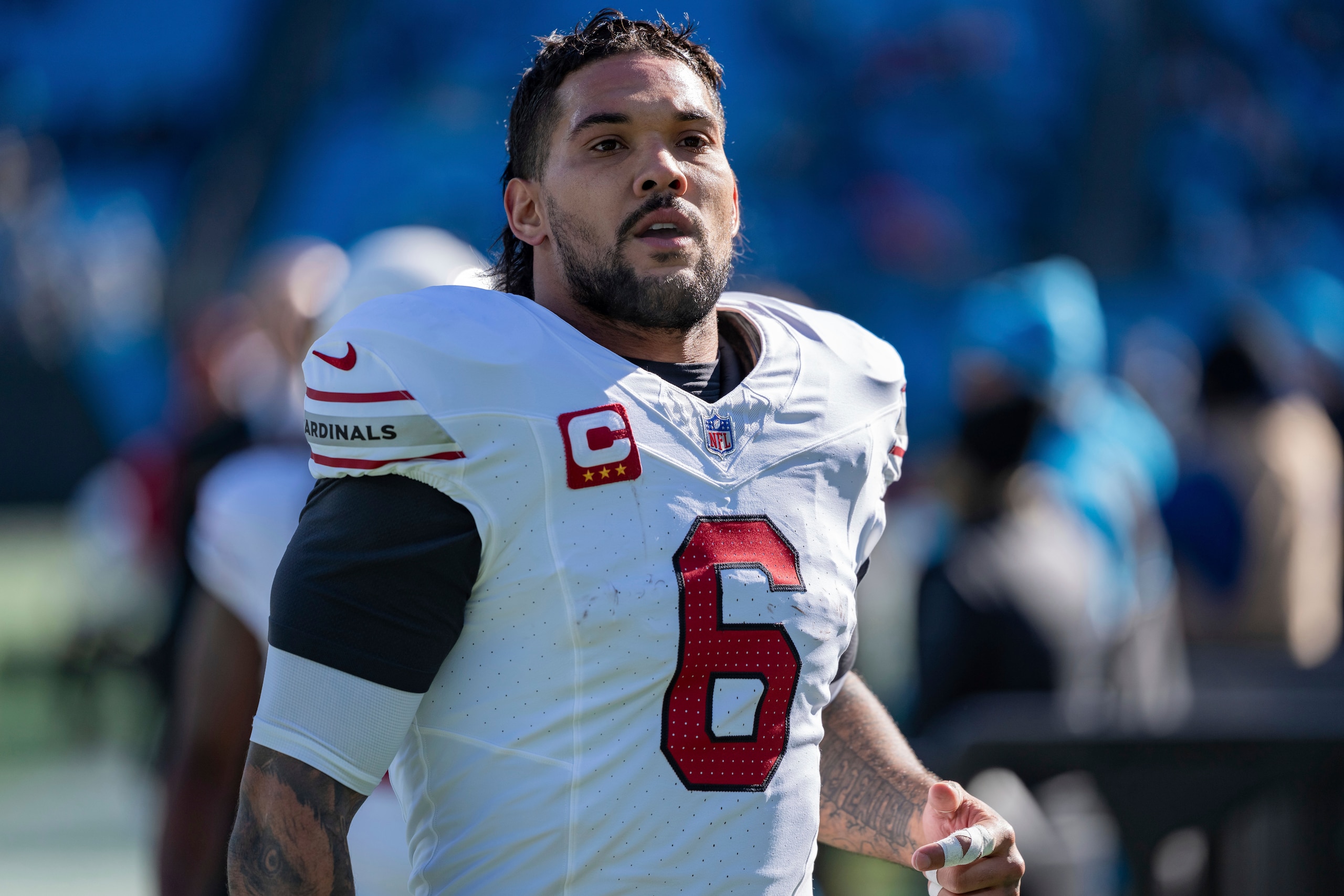
RBs: James Conner, Trey Benson, Emari Demercado, Michael Carter, DeeJay Dallas, Bam Knight
Last November, the Arizona Cardinals signed Conner to a two-year extension. He'll retain the lead role, though Benson may see a bigger share of the carries in his second season. Conner will turn 30 in May.
As a rookie in 2024, Benson averaged 4.6 yards per carry. If the Cardinals intend to preserve Connor, he could dip below 200 carries in a season for the second time in five years.
Arizona has solid depth in the backfield. Demercado, Carter, Dallas and Knight have contributed to rotations in their careers. That said, Dallas has the most experience on special teams, which gives him a strong chance to make the 53-man roster.
Atlanta Falcons
2 of 32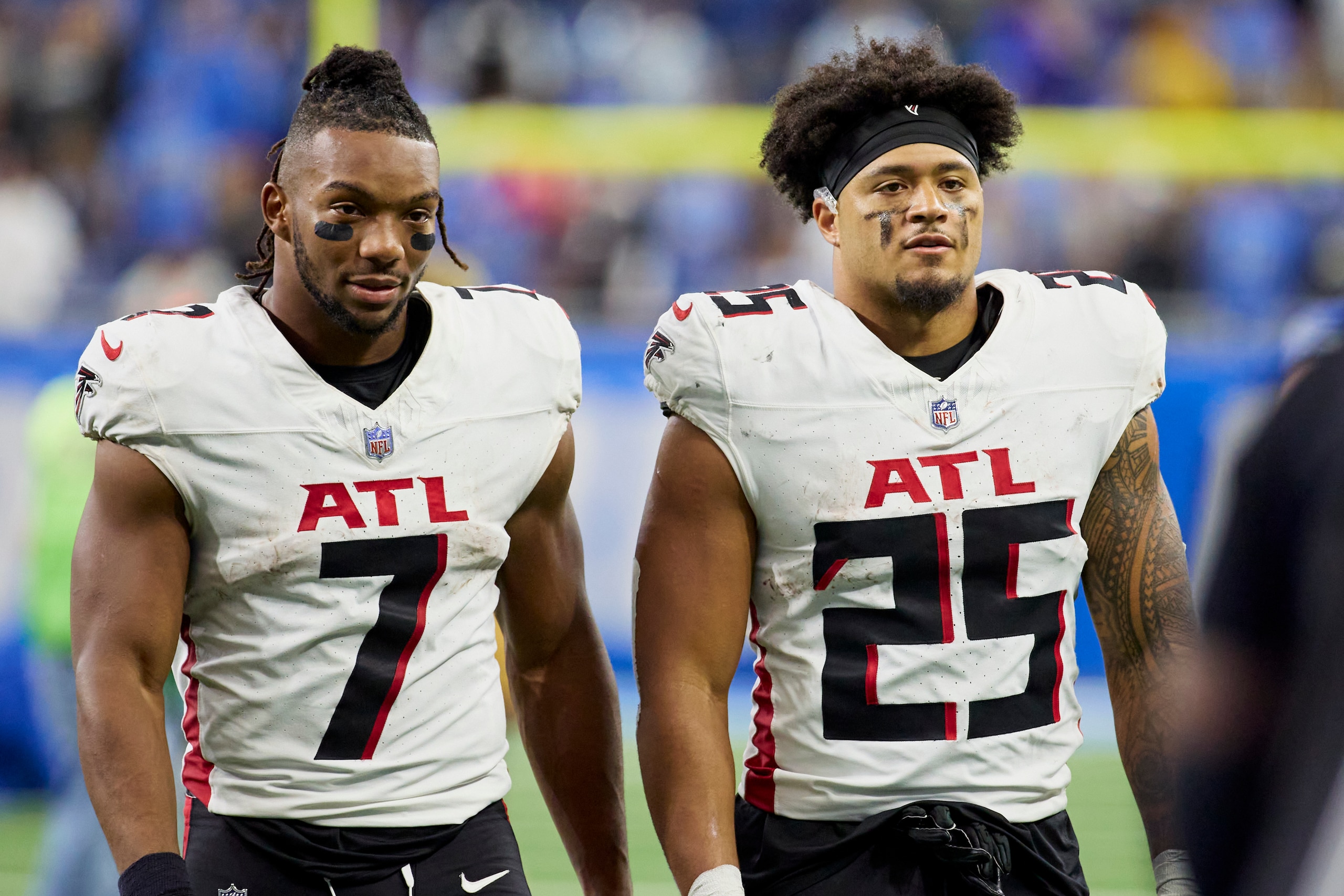
RBs: Bijan Robinson, Tyler Allgeier, Jase McClellan, Carlos Washington Jr. Elijah Dotson, Nate Carter (rookie)
The Atlanta Falcons' ground game isn't going to change much from the previous season. Robinson will be the lead tailback and Allgeier remains a high-end backup.
In 2024, Atlanta's rushing offense ranked 10th. Robinson and Allgeier averaged over 4.6 yards per carry. They're still a top running back duo and will remain atop the depth chart.
McClellan, Washington and Dotson will battle for leftover touches in the third-string role. Undrafted out of Michigan State, Carter could land on the practice squad.
Robinson finished with the third-most rushing yards last season, and he's a viable candidate to win the rushing title in 2025. The Falcons may lean on the run game to take pressure off second-year quarterback Michael Penix Jr.
Baltimore Ravens
3 of 32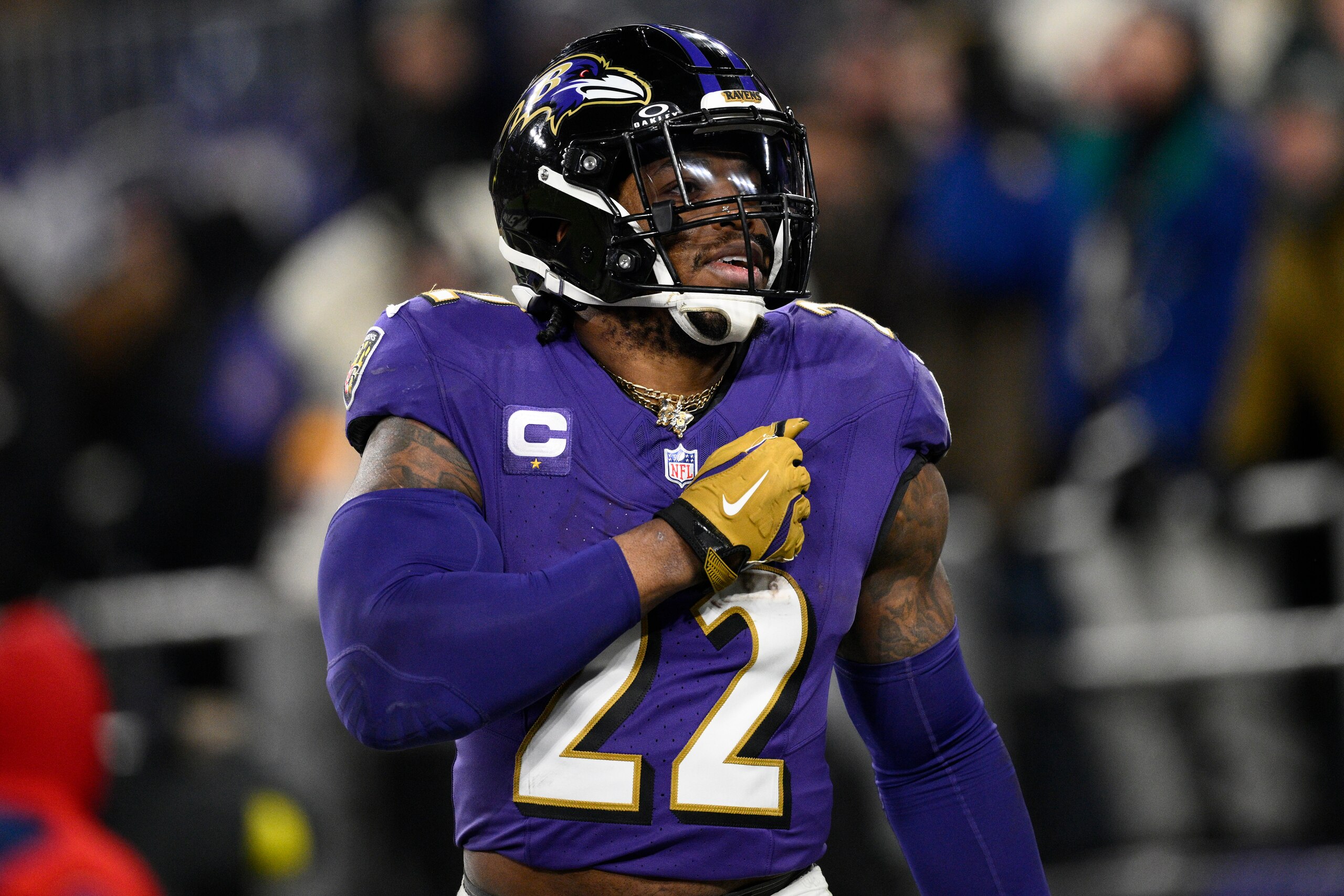
RBs: Derrick Henry, Justice Hill, Keaton Mitchell, Rasheen Ali
The Baltimore Ravens' ground game still runs on Henry fuel. Going into his age-31 term, he hasn't shown decline. In 2023, he logged a league-leading 280 carries, and he topped that number with 325 rush attempts last year.
Given Henry's age, the Ravens may not want to challenge Father Time. Mitchell missed the first half of the previous season while recovering from a torn ACL. Head coach John Harbaugh believes the 23-year-old will be on a "whole other level" for this year's offseason program.
Mitchell's high-end speed could help him earn more touches while Hill continues to blossom into a reliable pass-catcher out of the backfield. Over the last two years, he's hauled in 70 passes for 589 yards and four touchdowns.
Ali, who missed time because of injuries in his 2024 rookie campaign, may struggle to carve out an offensive role.
.jpg?w=2560 "Packers 49ers Football")
.jpg?w=2560 "Lions Cardinals Football")
.jpg?w=2560 "Steelers Browns Football")
Buffalo Bills
4 of 32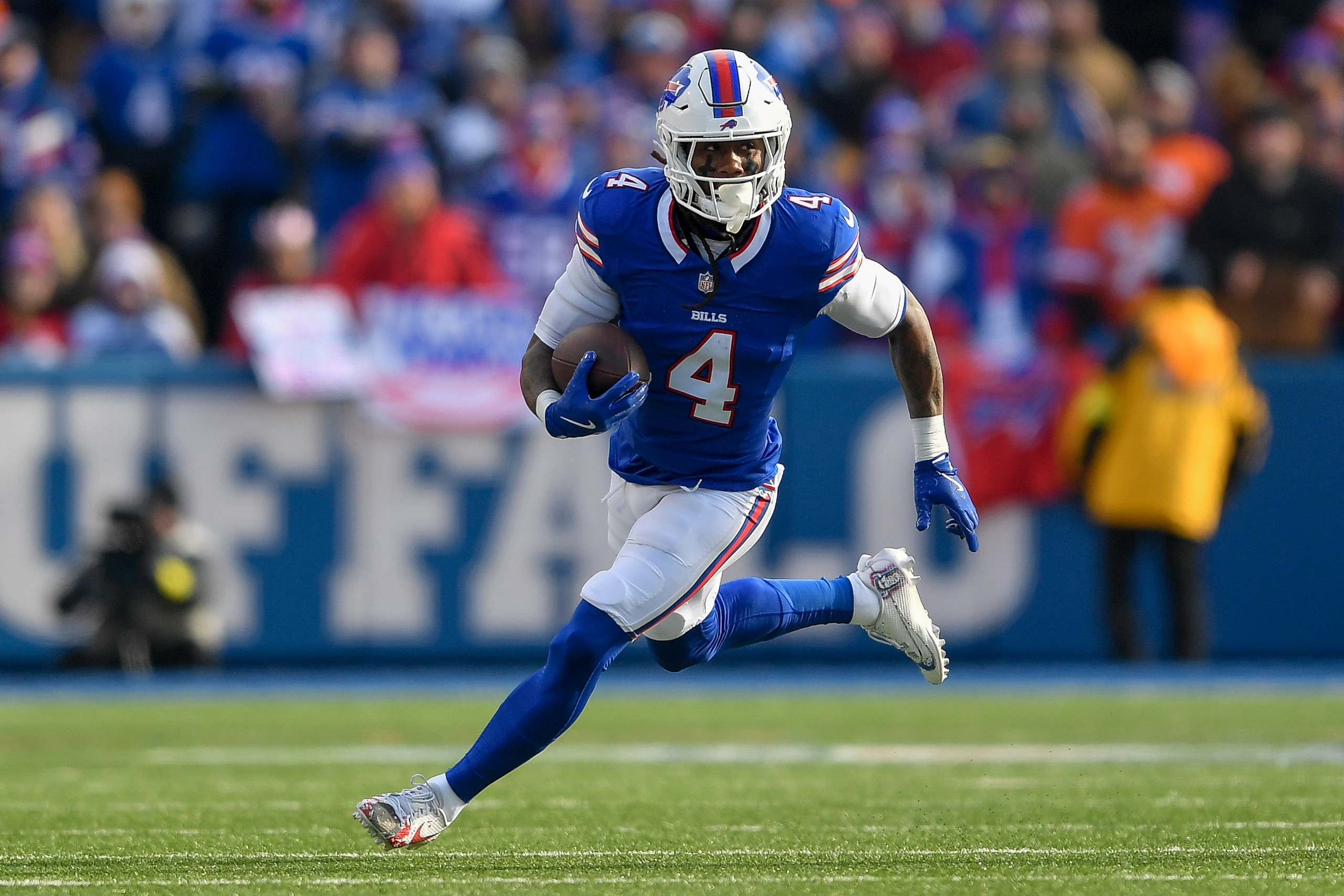
RBs: James Cook, Ty Johnson, Ray Davis, Darrynton Evans, Frank Gore Jr.
Even though Cook wants to be paid $15 million annually, which is the level of a top-three running back, his contract demands won't cloud his availability for the upcoming season.
NFL Network's Ian Rapoport appeared on The Pat McAfee Show and said the situation with Cook in Buffalo "isn't great," but he expects the running back to play for the Bills in 2025.
If something goes awry between the Bills and Cook, Johnson, who signed a two-year extension in March, and Davis can fill a void in the backfield. The backup running backs combined for 1,128 yards and 10 touchdowns from scrimmage last season.
Nonetheless, Cook, who tied Derrick Henry and Jahmyr Gibbs for a league-leading 16 rushing touchdowns last season, has been an intricate part of Joe Brady's offense. Without him, the Bills may rely more on quarterback Josh Allen to finish drives inside the 10-yard line. If Cook suits up, Evans and Gore are practice-squad candidates.
Carolina Panthers
5 of 32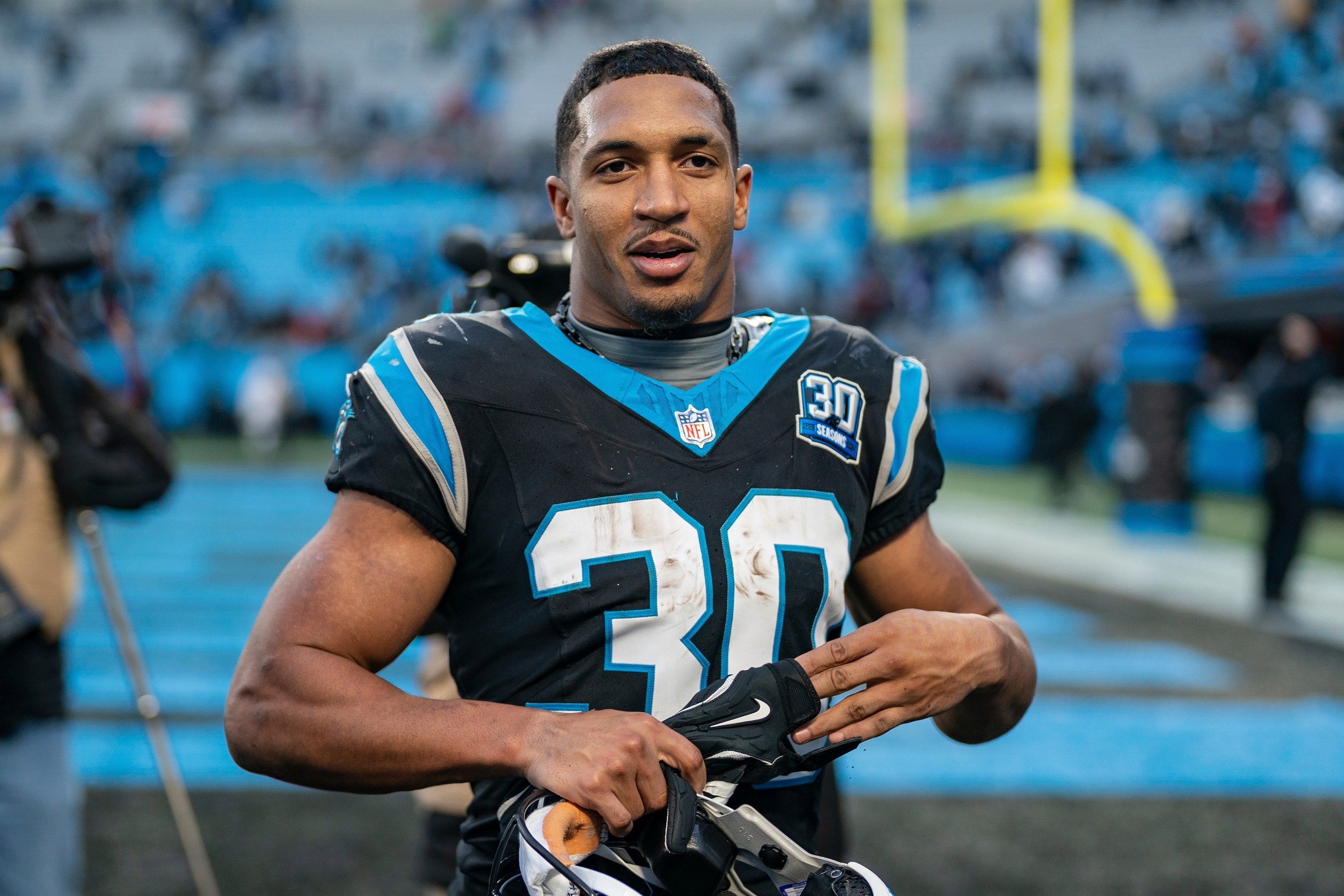
RBs: Chuba Hubbard, Rico Dowdle, Trevor Etienne (rookie), Jonathon Brooks, Raheem Blackshear, Emani Bailey, Kay'ron Lynch-Adams (rookie)
Over the last two years, Hubbard has shown the ability to carry a heavy load. In 2024, he finished eighth in rushing with a career-high 1,195 yards and scored 11 total touchdowns.
Hubbard isn't a big-play receiver out of the backfield, but the fifth-year veteran has reliable hands, catching 121 out of 152 targets for 749 yards and two touchdowns.
This year, he will share the rushing workload with Dowdle, who's coming off a career year, rushing for 1,079 yards and two touchdowns, though the latter could take on the primary receiver role.
Last year, the 26-year-old converted a first down on the third of his catches and registered three receiving touchdowns.
Brooks will likely miss most of the upcoming campaign because of a torn ACL, which leaves an opportunity for Etienne to carve out a rotational role over Blackshear, a special teamer; Bailey, a practice squad player from last year; and Lynch-Adams, an undrafted rookie.
Over the previous two years, Etienne has shown off his reliable hands, hauling in 53 passes for 366 yards and a touchdown.
Chicago Bears
6 of 32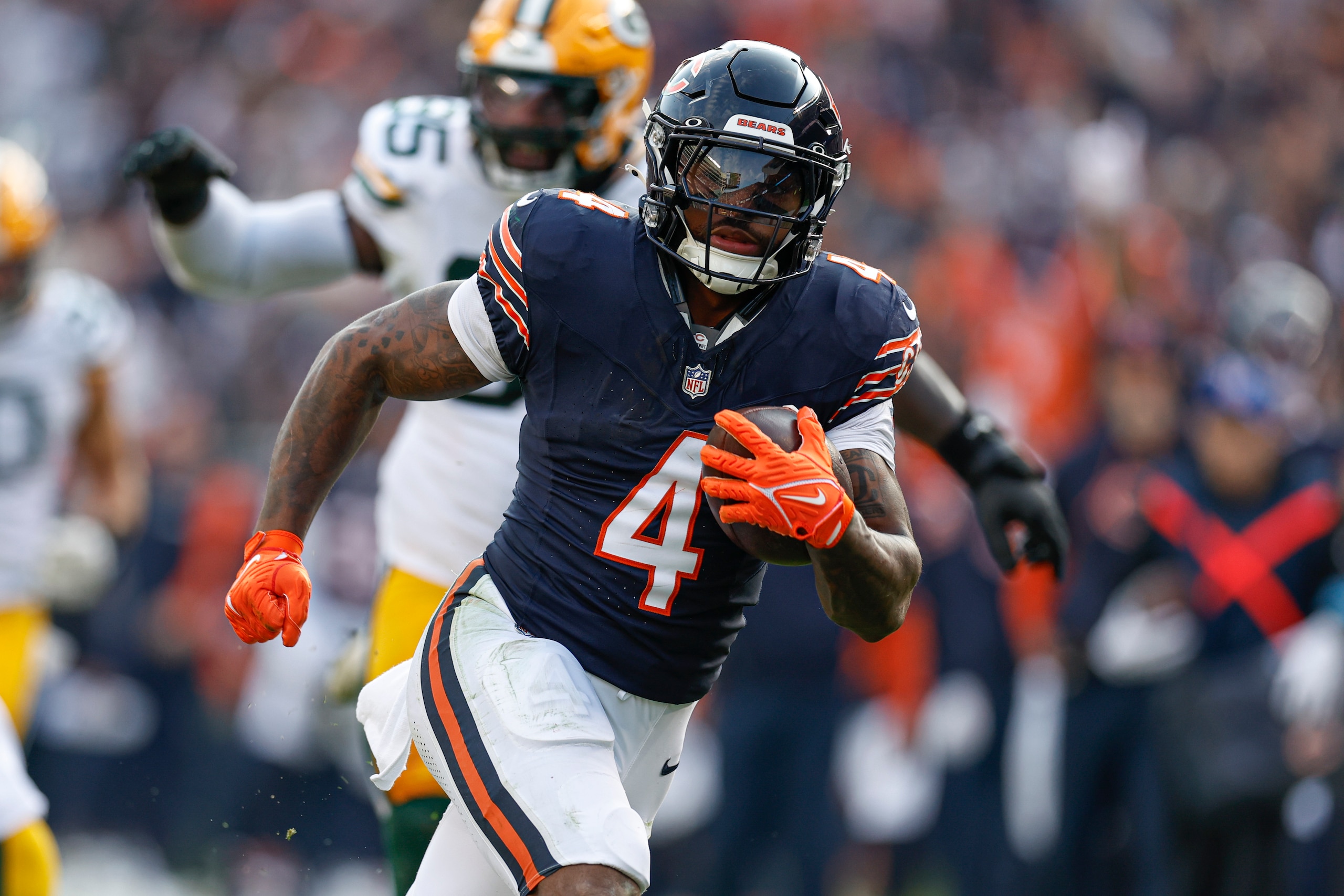
RBs: D'Andre Swift, Roschon Johnson, Kyle Monangai (rookie), Travis Homer, Ian Wheeler
Chicago Bears head coach Ben Johnson is familiar with Swift. They worked together for a season before the Detroit Lions traded the running back to the Philadelphia Eagles.
For now, Swift's job security seems secure. The Bears didn't make any splashy moves for a running back in free agency, and they waited until the seventh round to draft Monangai.
The 22-year-old took on a workhorse role in his last two years at Rutgers, though he may open the 2025 season as the Bears' third- or fourth-string running back.
If Chicago keeps Swift around, Johnson can spell him in short-yardage situations while Homer retains his prominent role on special teams.
But if Chicago moves either Swift or Johnson in a trade, Monangai could be a late-rounder with a sizeable role.
Cincinnati Bengals
7 of 32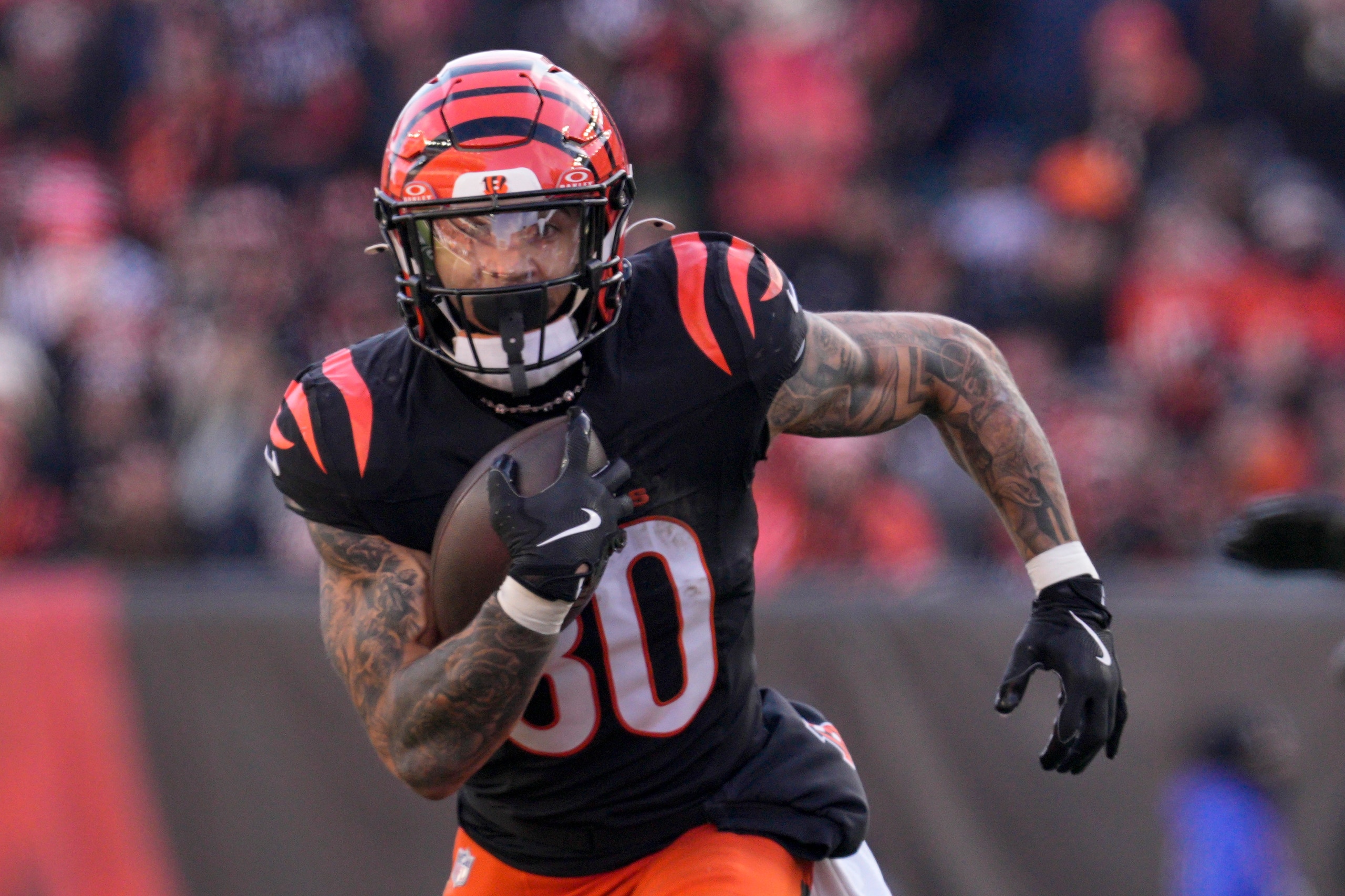
RBs: Chase Brown, Zack Moss, Samaje Perine, Tahj Brooks (rookie), Kendall Milton, Gary Brightwell
Last season, Brown broke out in a lead role, racking up 1,350 scrimmage yards and scoring 11 touchdowns. The third-year tailback is a three-down playmaker with tremendous upside.
Even with Joe Burrow's connection with Ja'Marr Chase and wide receiver Tee Higgins in the fold on a new extension, Brown can balance the offense, averaging a career 4.3 yards per carry.
According to NFL Network's Mike Garafolo, the Bengals agreed to restructure Moss' deal, which allowed him to cash in on guaranteed money this year.
Garafolo noted the move indicates Cincinnati is confident the 27-year-old will recover from a neck injury that sidelined him for the second half of the previous season.
Last year, Brown outplayed Moss for the lead role by a wide margin. Brown will continue to handle far more touches than Moss, while Perine fills some gaps in a pass-catching role.
As a sixth-round rookie, Boyd could compete against Milton and Brightwell for a spot on the practice squad.
Cleveland Browns
8 of 32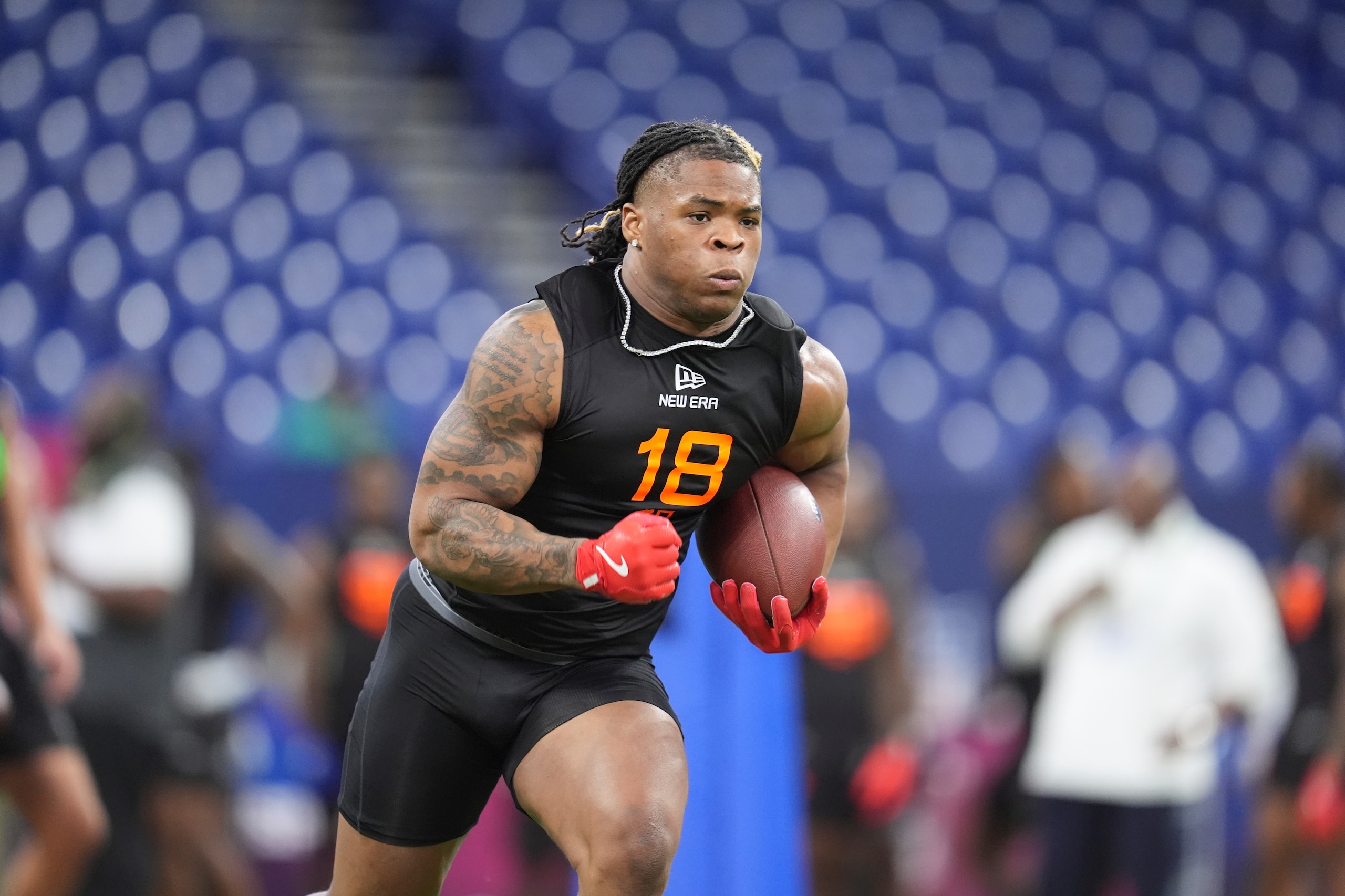
RBs: Jerome Ford, Quinshon Judkins (rookie), Dylan Sampson (rookie), Pierre Strong Jr.
General manager Andrew Berry hasn't ruled out re-signing Nick Chubb or any other veteran running back, though he acknowledged the significant changes in the backfield that can impact personnel decisions.
"And so as we work through the undrafted free agency process, maybe take a breath on Sunday, we will reassess where the roster is and what opportunities are available to us on the veteran market and then we'll operate from there," he told reporters.
For now, the Browns believe Judkins can handle a big workload.
"…we think that he can be a bell cow runner that can really carry the load for us," Berry said via Cleveland.com's Irie Harris.
Ford isn't going away, though. He led the Browns in rushing (565 yards) last year, and he's the longest-tenured running back on the roster. In 2025, he could be the team's primary pass-catcher out of the backfield while splitting early-down touches with Judkins.
Berry also told reporters that rookie fourth-rounder Sampson has "untapped potential in the passing game." So, the rookie could compete with Ford for targets out of the backfield. Strong will be a special teamer if he makes the roster.
Dallas Cowboys
9 of 32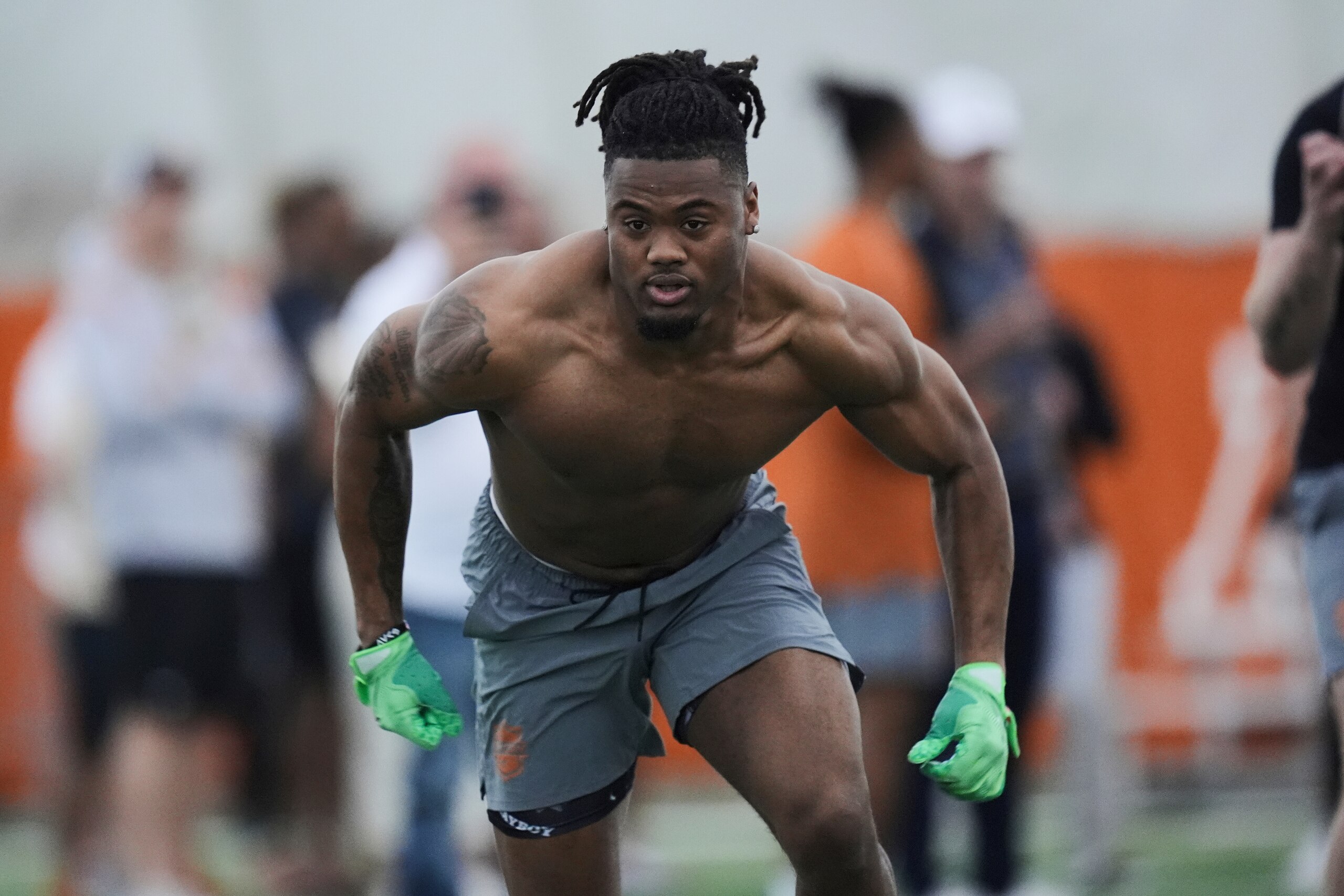
RBs: Javonte Williams, Miles Sanders, Deuce Vaughn, Jaydon Blue (rookie), Phil Mafah (rookie), Malik Davis
The Dallas Cowboys went conservative with their investments for the running back room. They signed Williams and Sanders to one-year deals. Neither is making more than $3 million this year.
Williams posted modest rushing numbers last year, and Sanders is coming off his least productive season. Consequently, the Cowboys were able to sign both on bargain-bin deals.
Dallas' backfield is shaping up to be a full-blown committee. Williams and Sanders will get the first shot at key roles, though Blue and Mafah may have opportunities to crack the rotation with impressive training camp performances.
At 5'6", 176 pounds, Vaughn will be limited to pass-catching and special teams duties.
Denver Broncos
10 of 32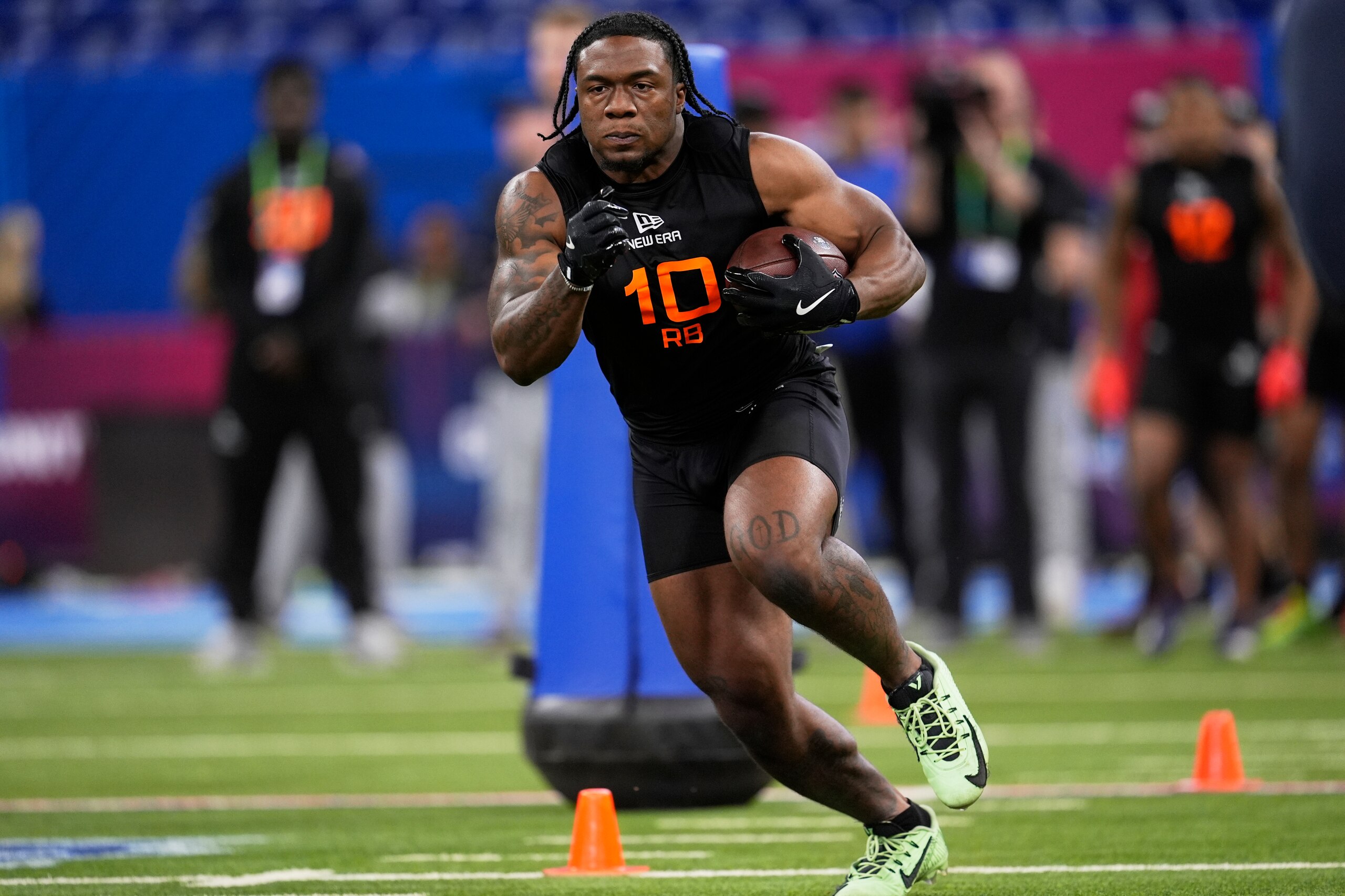
RBs: RJ Harvey (rookie), Jaleel McLaughlin, Audric Estime, Tyler Badie, Blake Watson
The Denver Broncos allowed their lead ball-carrier from the previous season, Javonte Williams, to walk in free agency and drafted Harvey in the second round with the 60th pick.
At 5'8", 205 pounds, Harvey isn't built for a workhorse role. Moreover, head coach Sean Payton's track record in New Orleans indicates he's willing to utilize multiple tailbacks with different skill sets.
Don't expect Harvey to take over the backfield. He's a smaller pass-catching tailback who will complement a bigger ball-carrier, perhaps Estime, who flashed as a rookie last year.
As B/R scout Dame Parson noted, Harvey is an "unreliable pass-blocker." So, Payton may feel more comfortable with Estime in the backfield on longer third downs. McLaughlin could see fewer touches with Harvey in the mix. Badie and Watson will battle for snaps on the back end of the roster.
Detroit Lions
11 of 32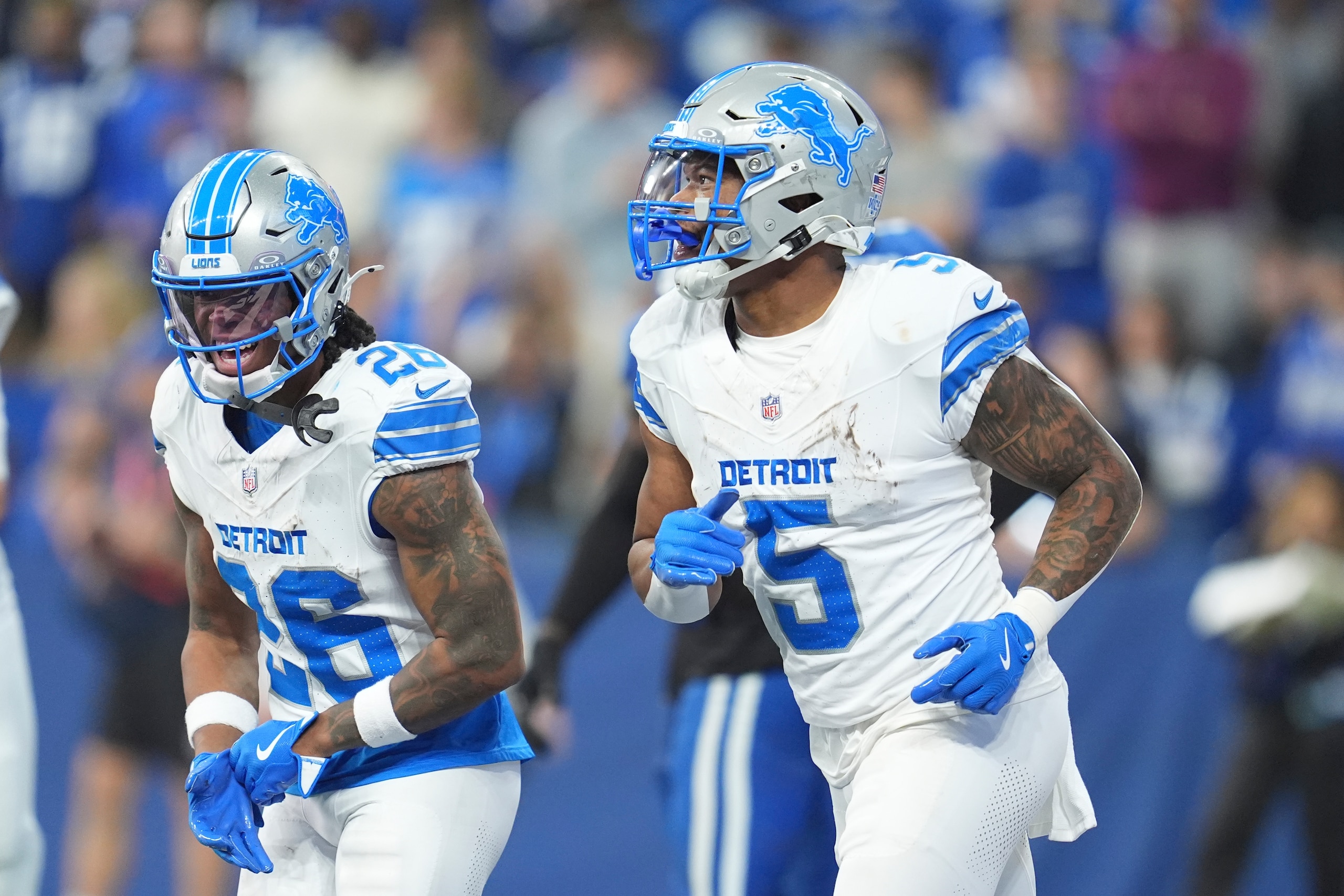
RBs: Jahmyr Gibbs, David Montgomery, Craig Reynolds, Sione Vaki, Kye Robichaux (rookie), Anthony Tyus III (rookie)
The Detroit Lions have a new offensive play-caller in John Morton, but they're set to field the same running back group from last year.
Detroit has two versatile closers in its backfield, which makes it difficult for opponents to stop its run game and short passing attack.
Gibbs and Montgomery are the league's best running back duo. Nicknamed Sonic and Knuckles, both can run and catch out of the backfield, though the former is the more dynamic tailback, averaging six yards per touch compared to 4.7 yards per touch for his running mate.
Gibbs is developing into a premier running back. He's made the NFC Pro Bowl roster in both of his seasons and tied for a league-leading 16 rushing touchdowns last year.
Since signing with the Lions in 2023, Montgomery has been a scoring machine as well, recording 25 rushing touchdowns.
Under Morton, Gibbs and Montgomery should still be highly productive, while Reynolds and Vione mainly contribute on special teams. Robichaux and Tyus, two undrafted rookies, are practice-squad candidates.
Green Bay Packers
12 of 32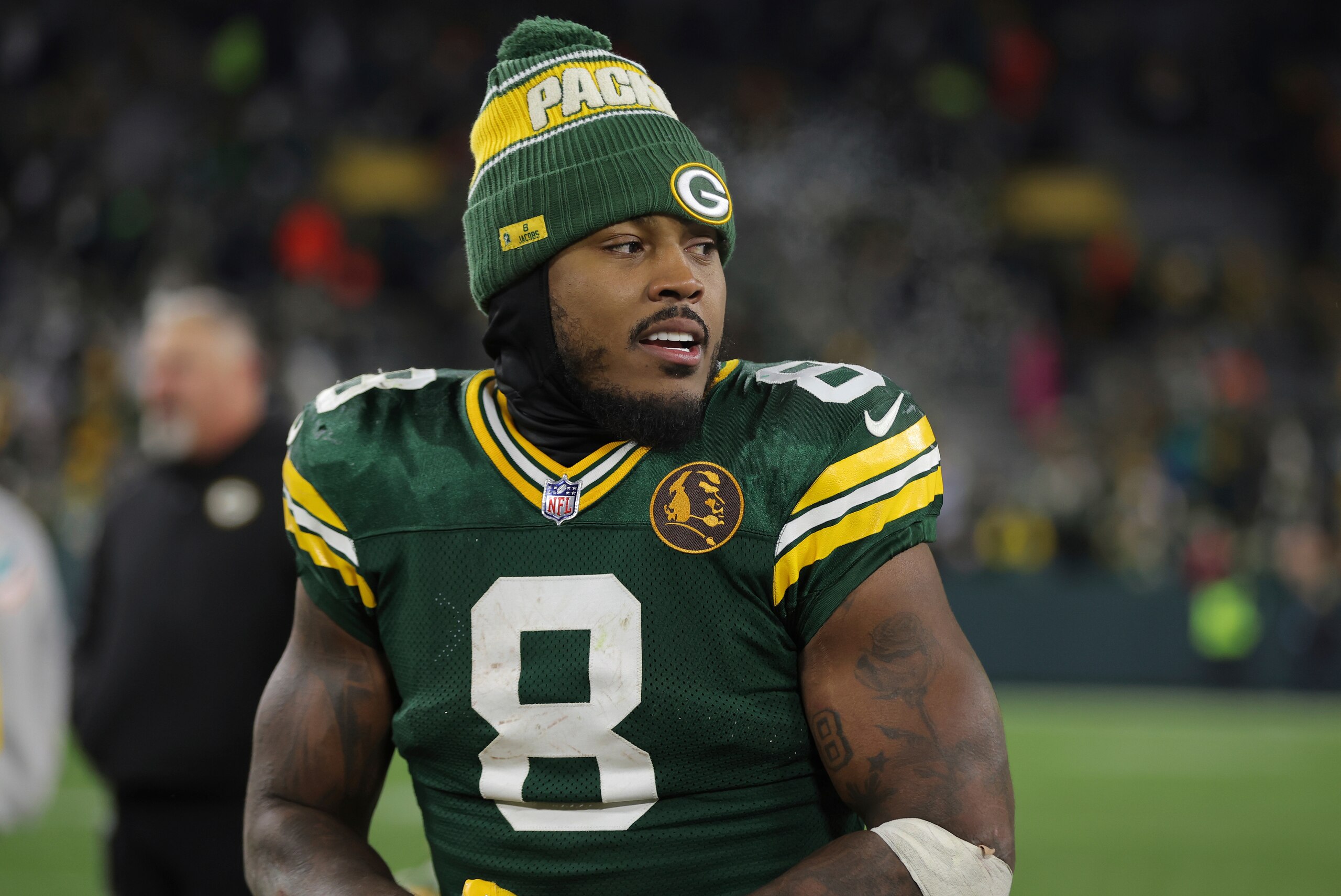
RBs: Josh Jacobs, Emanuel Wilson, MarShawn Lloyd, Chris Brooks, Amar Johnson (rookie), Jalen White (rookie)
After five years with the Las Vegas Raiders, Jacobs took on the bell-cow role with the Green Bay Packers last season, finishing with the sixth-most carries (301) and the fifth-most touches (337).
The Packers didn't add veteran free agents, nor did they draft a rookie. So, Jacobs should retain his lead role.
In his 2024 rookie campaign, Lloyd battled injuries and an illness (appendicitis), which limited him to one appearance. He'll compete against Wilson to spell Jacobs on early downs and has a chance to emerge as the lead pass-catcher out of the Green Bay backfield.
As undrafted rookies, Johnson and White have an uphill climb to make the roster.
Houston Texans
13 of 32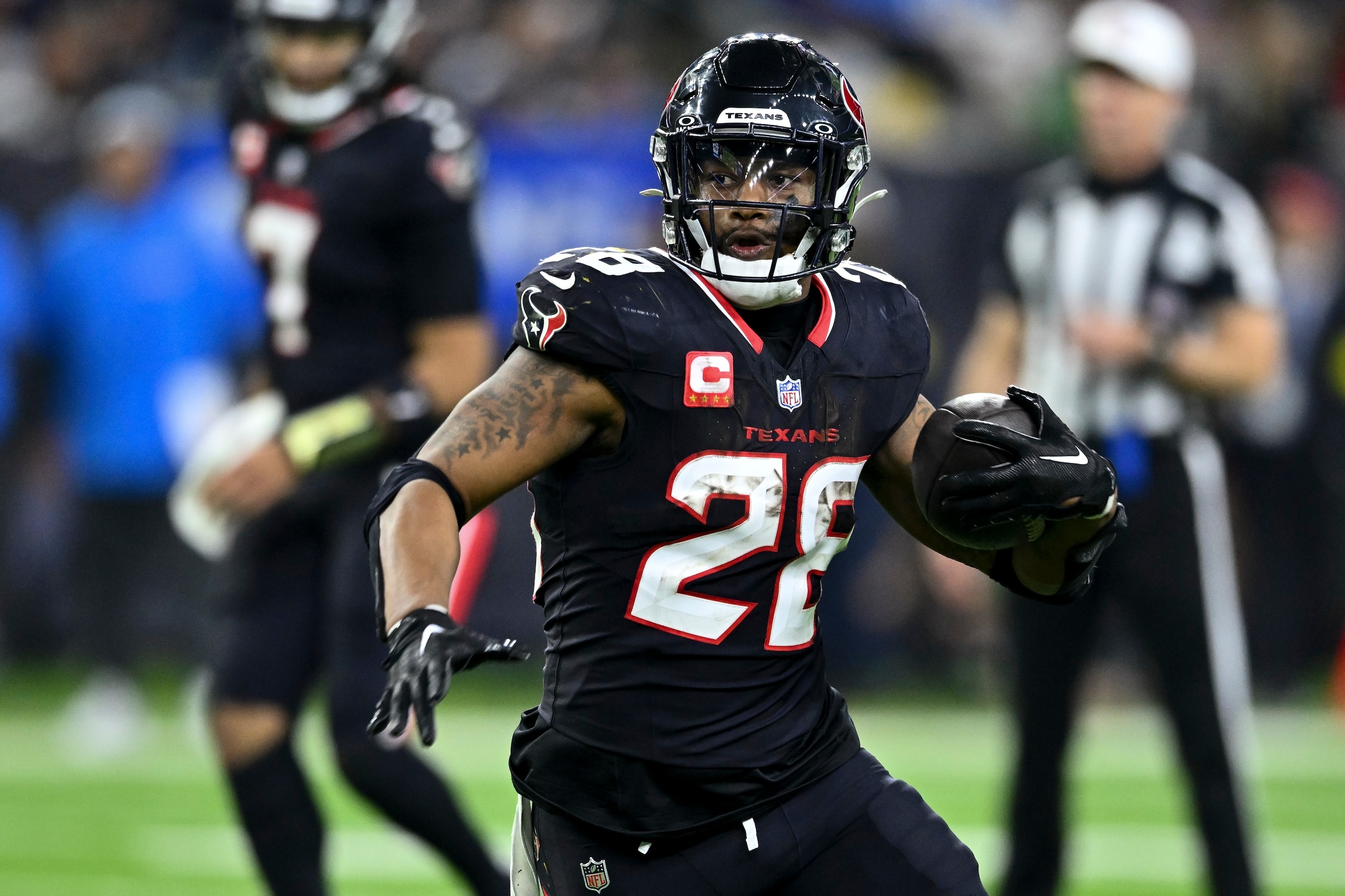
RBs: Joe Mixon, Dare Ogunbowale, Dameon Pierce, Woody Marks (rookie), J.J. Taylor
In 2024, Mixon accounted for about 56 percent of the Houston Texans' rush attempts. At 28, he's still reliable in a featured position.
However, the Texans drafted Marks in the fourth round, which suggests they may want to mix in more backups to preserve Mixon, especially on passing downs.
In five collegiate terms, Marks caught 261 passes for 1,546 yards and five touchdowns. He's dynamic with the ball in space and has the potential to be a reliable target for short completions, though the USC product can also be an efficient ball-carrier.
Last year, Marks recorded 198 carries for 1,133 yards and nine touchdowns. He will have an opportunity to leapfrog Pierce, who has struggled since his 2022 rookie term, and Ogunbowale, who's more of a special teamer than an offensive contributor. Taylor is a long shot to make the roster.
Indianapolis Colts
14 of 32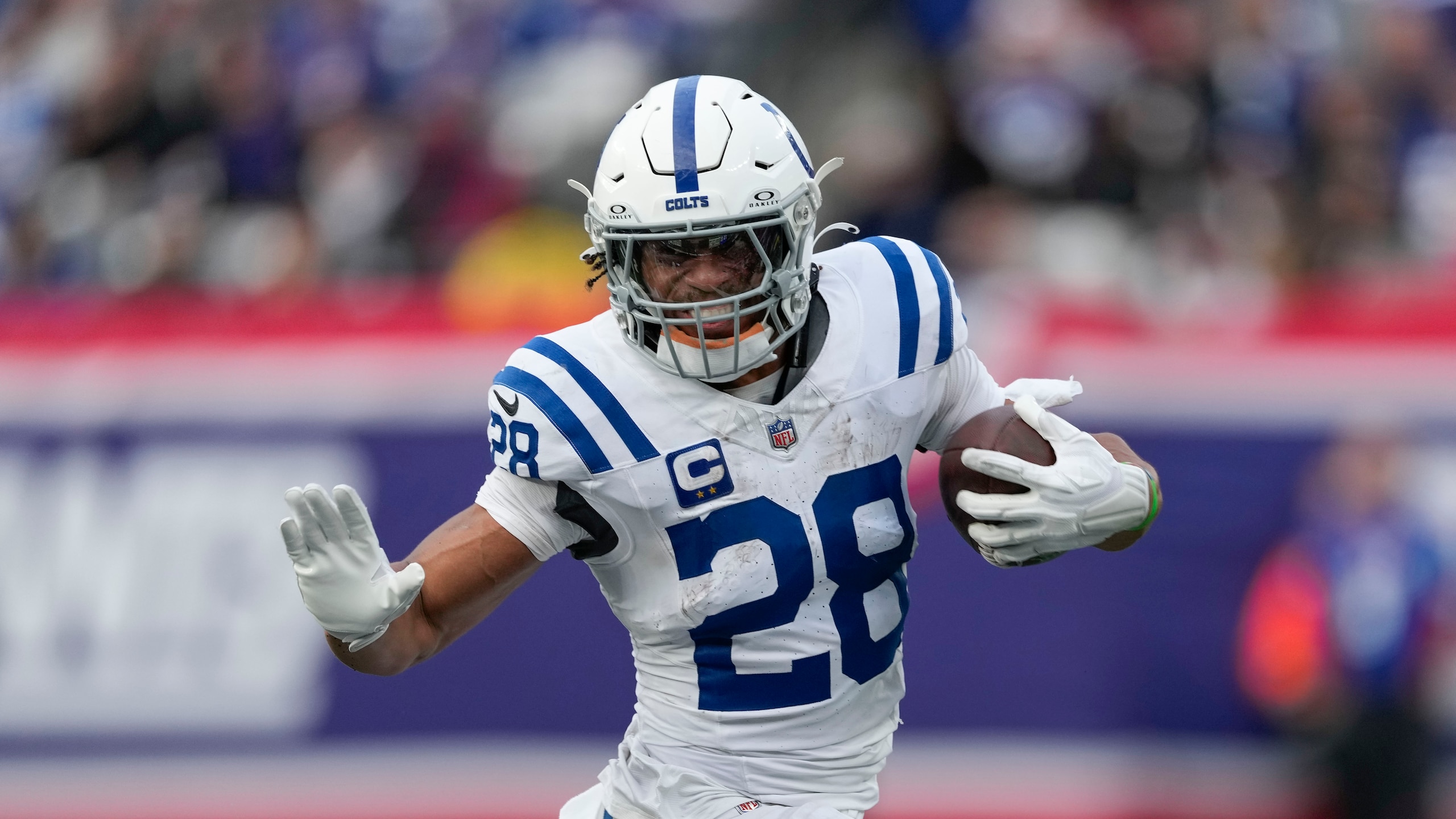
RBs: Jonathan Taylor, Khalil Herbert, DJ Giddens (rookie), Tyler Goodson, Salvon Ahmed
Following his second Pro Bowl campaign, Taylor will be the Indianapolis Colts' lead running back for a sixth consecutive term.
With an underwhelming quarterback battle between Anthony Richardson and Daniel Jones, he could log 300-plus carries in consecutive years.
The Colts signed Herbert to a one-year, $1.34 million deal and drafted Giddens in the fifth round.
If Taylor struggles to stay healthy, Herbert would likely be the next man up over Goodson and Ahmed on early downs. He eclipsed 610 rushing yards in 2022 and 2023 with the Chicago Bears.
At the Colts' post-draft press conference, head coach Shane Steichen highlighted Giddens' pass-catching ability.
"The vision, the contact balance, the way he runs, he's a 4.43 guy that can catch the ball out of the backfield is big for our team as well so it's a good get," he said.
Since the Colts hired Steichen, Taylor has seen a drop-off in targets, catching fewer than 20 passes in 2023 and 2024.
Giddens can be an immediate contributor as a receiver. He caught 50 passes for 581 yards and four touchdowns over his last two years at Kansas State.
Jacksonville Jaguars
15 of 32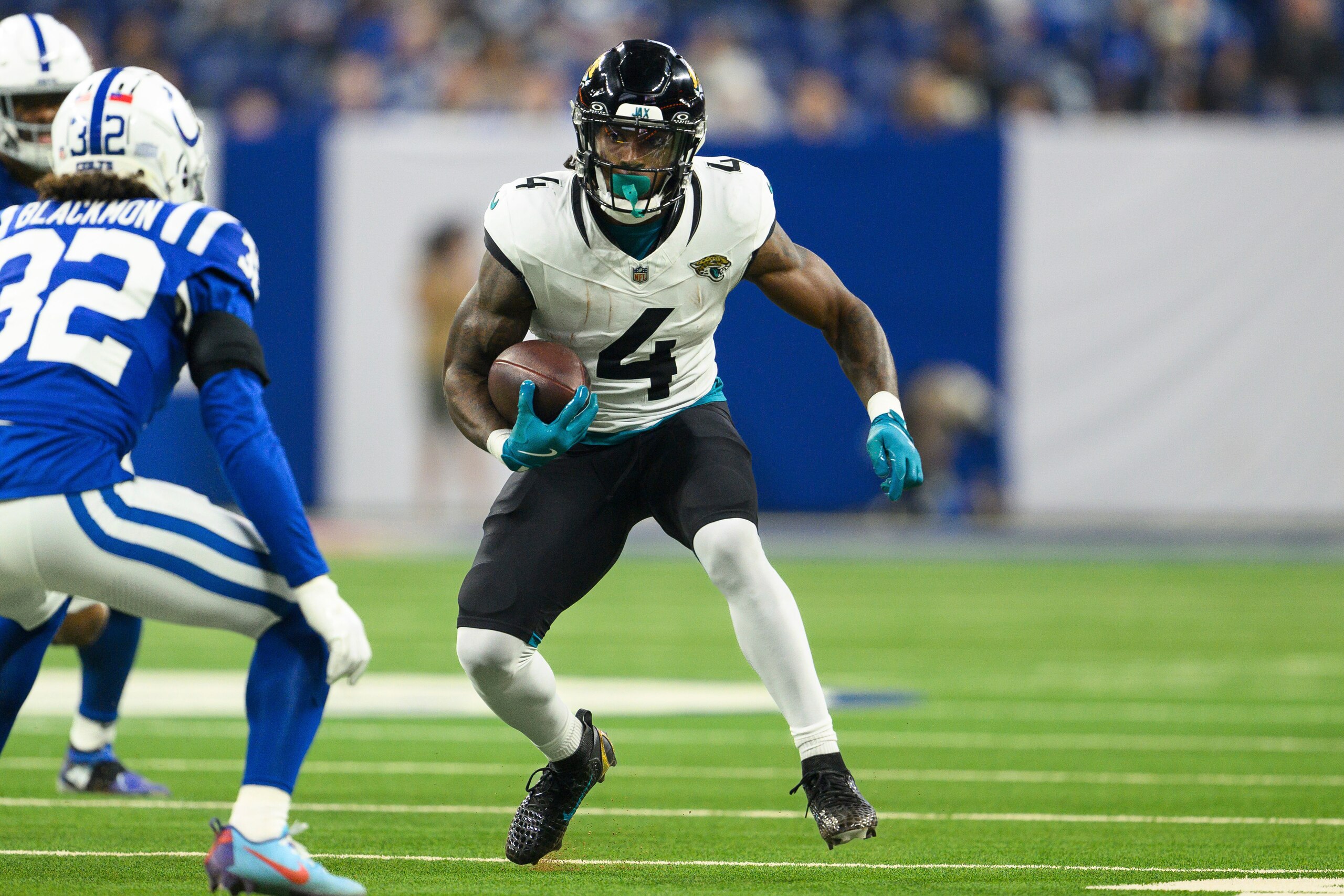
RBs: Travis Etienne Jr., Tank Bigsby, Keilan Robinson, Bhayshul Tuten (rookie), LeQuint Allen (rookie), Ja'Quinden Jackson (rookie)
As the offensive coordinator of the Tampa Bay Buccaneers, Liam Coen used a three-man rotation for stretches of the 2024 season. Bucky Irving, Rachaad White and Sean Tucker played roles in the Bucs' fourth-ranked ground attack.
As the Jaguars' head coach and offensive play-caller, Coen could implement a similar approach with this group.
Etienne and Bigsby could be the one-two punch, with the former seeing more opportunities in the short passing game given his rapport with ex-Clemson teammate Trevor Lawrence.
Nonetheless, one of the drafted rookies, Tuten or Allen, could be involved in the passing game as well.
In two terms at Virginia Tech, Tuten caught 50 passes for 320 yards and four touchdowns. Last year, Allen hauled in 64 passes for 521 yards and four touchdowns.
The Jaguars purposely targeted a couple of running backs with reliable hands, which indicates they will employ a backfield platoon of players in different roles.
At 6'2", 229 pounds, Jackson is an undrafted rookie player the Jaguars can stash on the practice squad or use in short-yardage situations.
Kansas City Chiefs
16 of 32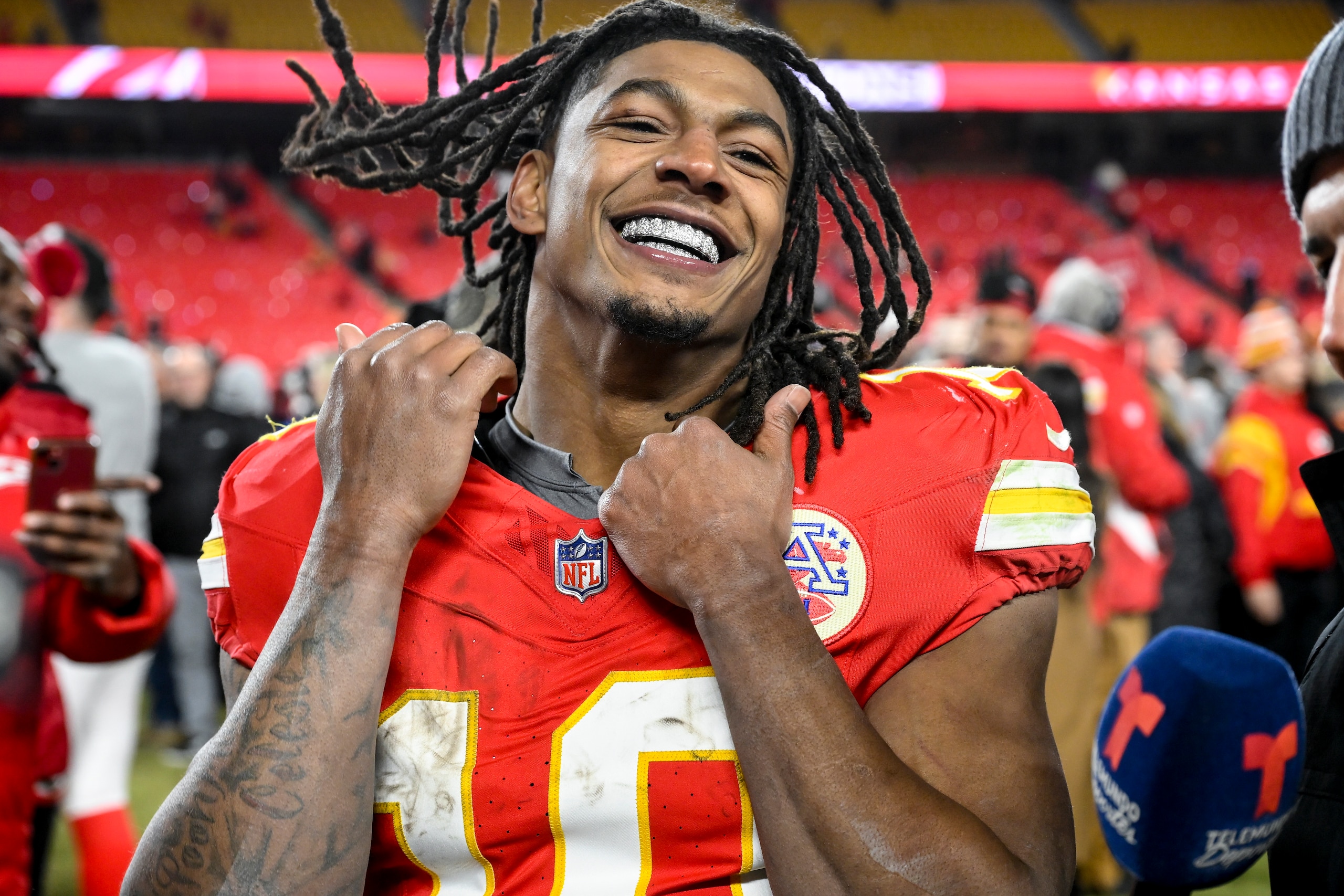
RBs: Isiah Pacheco, Elijah Mitchell, Brashard Smith (rookie), Carson Steele, Keaontay Ingram
The Kansas City Chiefs needed a dynamic addition to their backfield to complement Pacheco, and they may have found that type of player in a rookie seventh-rounder.
Smith flashed as a pass-catcher in four collegiate terms for Miami and SMU, recording 108 receptions for 1,097 yards and eight touchdowns.
In his lone year with the Mustangs, he showcased his ball-carrying ability, racking up 1,332 yards and 14 touchdowns on the ground. He has upside in a three-down role.
Kansas City signed Mitchell, who ran for 963 yards and five touchdowns in his 2022 rookie campaign but has struggled with injuries since then. In one game with the Chiefs last season, Ingram didn't log a carry.
If Steele has a slow start to his second season, Smith will have opportunities to be a late-round contributor.
Las Vegas Raiders
17 of 32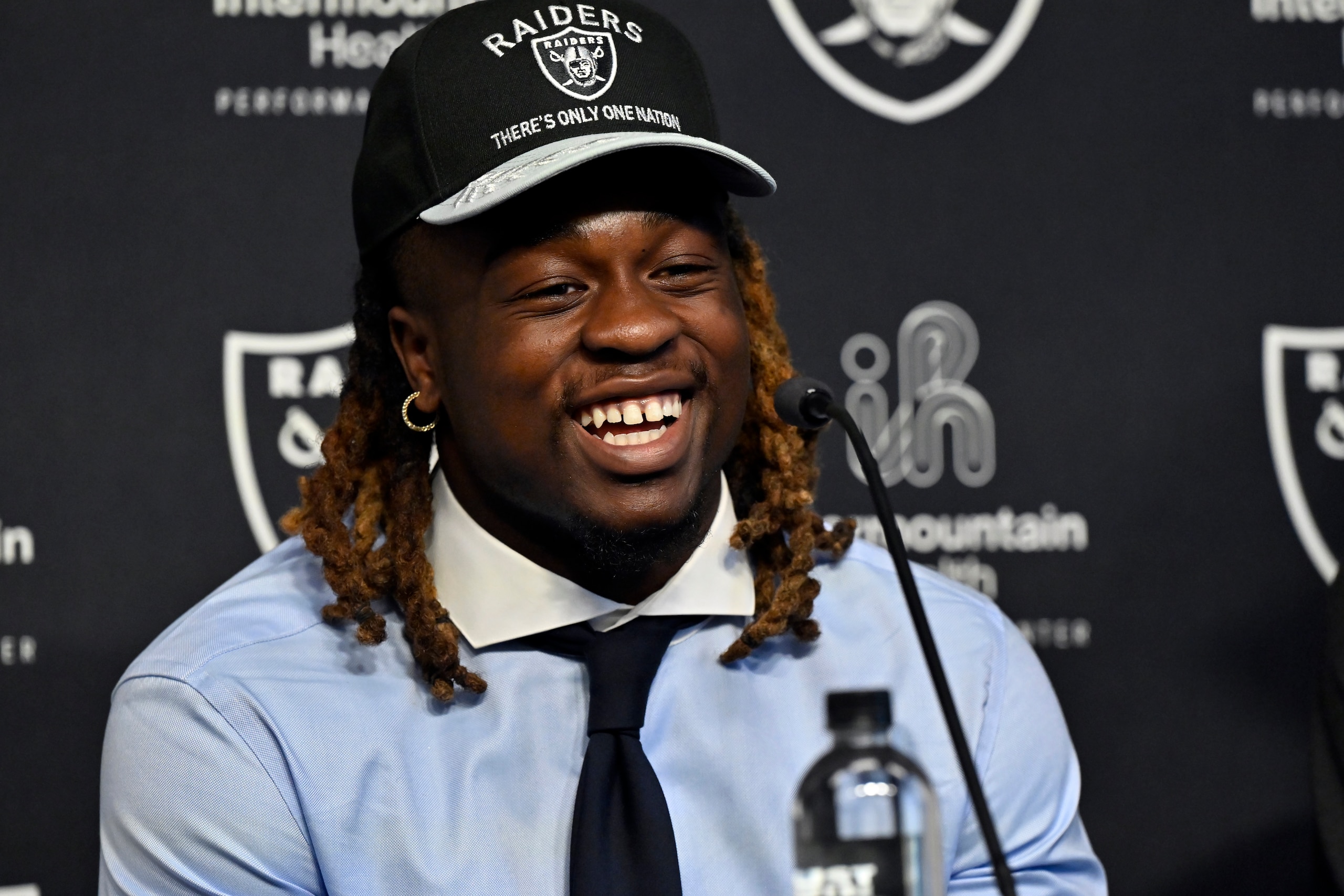
RBs: Ashton Jeanty (rookie), Raheem Mostert, Zamir White, Sincere McCormick, Dylan Laube, Chris Collier
After rushing for the fewest yards last year, the Las Vegas Raiders broke the ice on running backs in this year's draft, selecting Jeanty with pick No. 6.
At the least, the Boise State product should bring some balance to the Raiders offense. Because of his hard-nosed run style, he will help the offense establish a physical identity in a workhorse role.
Jeanty rushed for 2,601 yards and 29 touchdowns last season, and he also made a ton of plays in the passing game during the 2023 term, recording 43 receptions for 569 yards and five touchdowns.
If he stays healthy, Mostert can provide a veteran presence. Still, the 33-year-old will likely take on a limited role behind the rookie blue-chip prospect.
According to The Athletic's Vic Tafur, the Raiders have made White available via trade.
If the Raiders move White, McCormick and Laube will battle for the No. 3 spot on the depth chart. Collier spent most of the 2024 season on the team's practice squad, and that may be the case again this year.
Los Angeles Chargers
18 of 32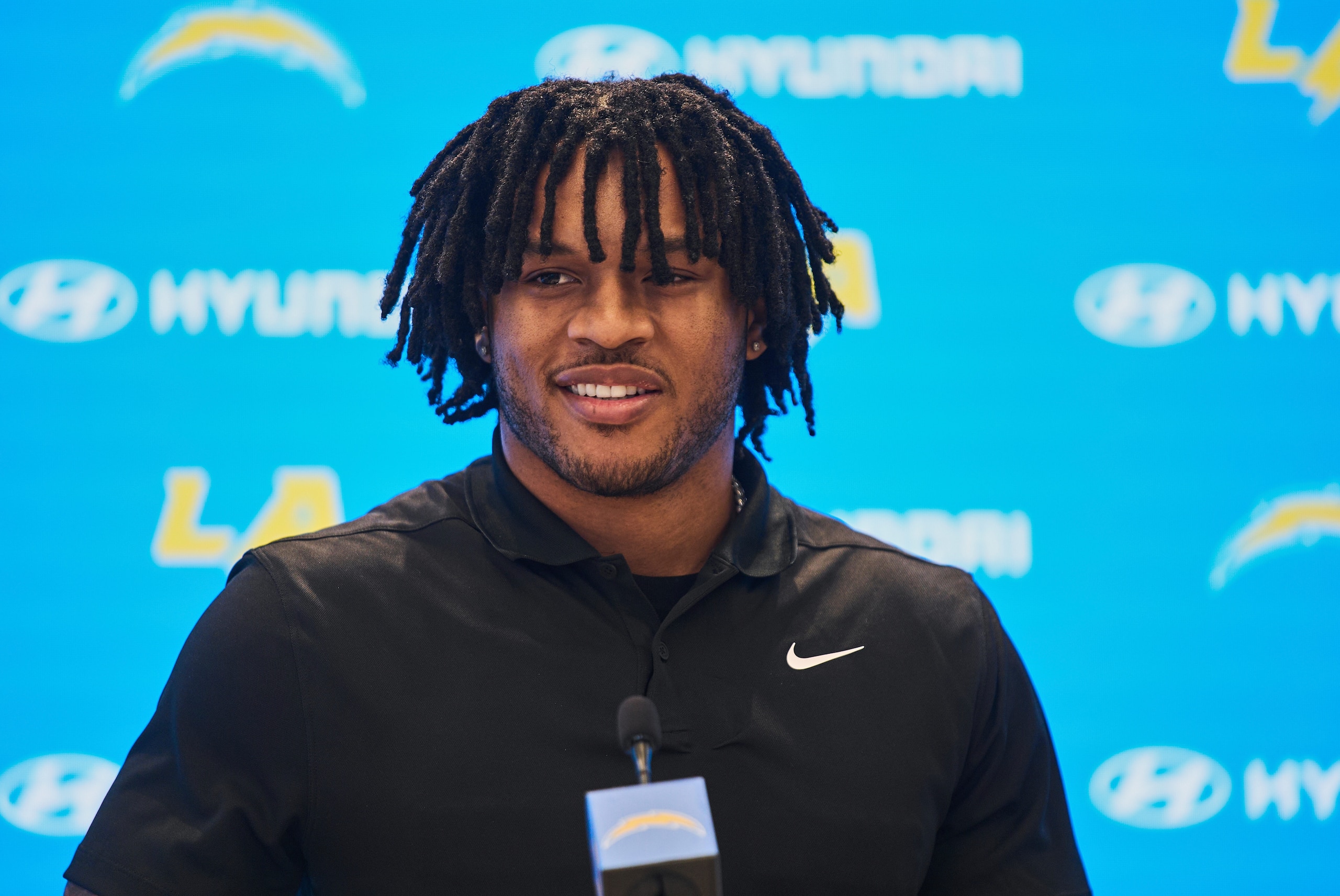
RBs: Najee Harris, Omarion Hampton (rookie), Hassan Haskins, Kimani Vidal, Jaret Patterson, Raheim Sanders (rookie)
The Los Angeles Chargers selected the second running back in the 2025 draft, taking Hampton with pick No. 20. He'll split the majority of the workload with Harris, who was signed in free agency.
The former Steelers star is a durable ball-carrier who has played in every game for four seasons and accumulated at least 1,034 rushing yards in those campaigns. In terms of reliability, he's an upgrade over J.K. Dobbins, who led the Chargers in rushing last season.
However, Harris isn't an explosive playmaker. He's averaging 3.9 yards per carry and hasn't recorded a touchdown reception since the 2022 term. Hampton can fill those gaps.
In three terms at North Carolina, Hampton averaged 5.7 yards per carry and caught 67 passes for 595 yards and three touchdowns over the last two years.
The Chargers signed Harris to a one-year deal, so Hampton is potentially in line for the lion's share of touches in 2026.
Haskins, who played college football under head coach Jim Harbaugh at Michigan, has a good chance to beat out Vidal and Patterson for the third-string role.
Los Angeles Rams
19 of 32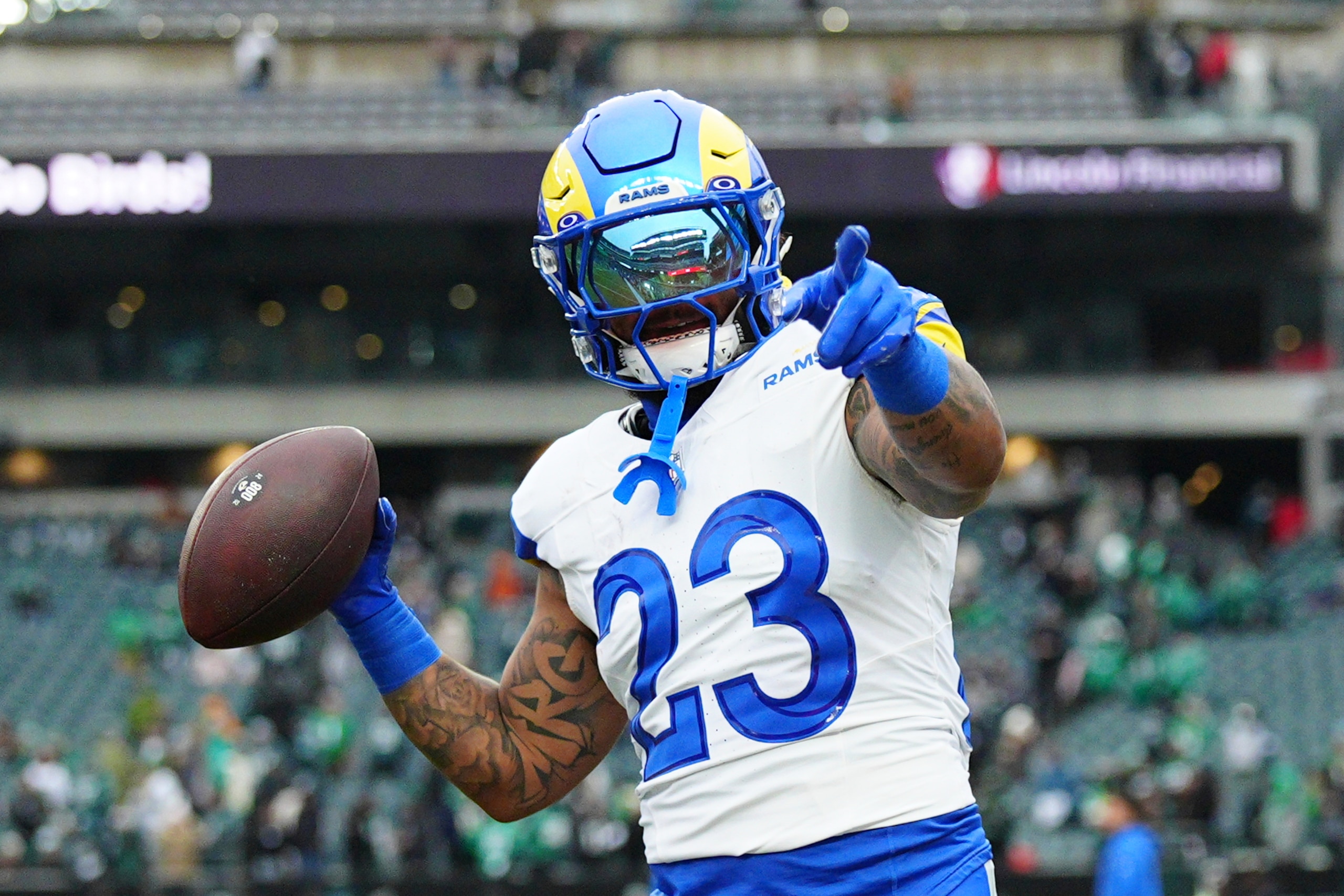
RBs: Kyren Williams, Blake Corum, Jarquez Hunter (rookie), Ronnie Rivers, Cody Schrader, Jordan Waters (rookie)
The Los Angeles Rams' biggest question at running back is whether Corum takes on a more significant role behind Williams in the pecking order.
Last offseason, the Rams selected Corum in the third round, which indicated that he had a shot to spell Williams, but he finished the 2024 season with 58 carries for 207 scoreless yards.
Corum may have competition for the backup role. The Rams drafted Hunter in the fifth round, and his skill set could allow him to see the field on all three downs.
At Auburn, Hunter saw an uptick in rushing production every year between 2021 and 2024, topping out at 1,201 yards and eight touchdowns last season. In that time span, he caught 68 passes for 558 yards and four touchdowns.
No one can assume Corum will be the No. 2 running back with Hunter in the mix. Rivers and Schrader are solid special teamers, though Waters can push for snaps on kick coverage.
Miami Dolphins
20 of 32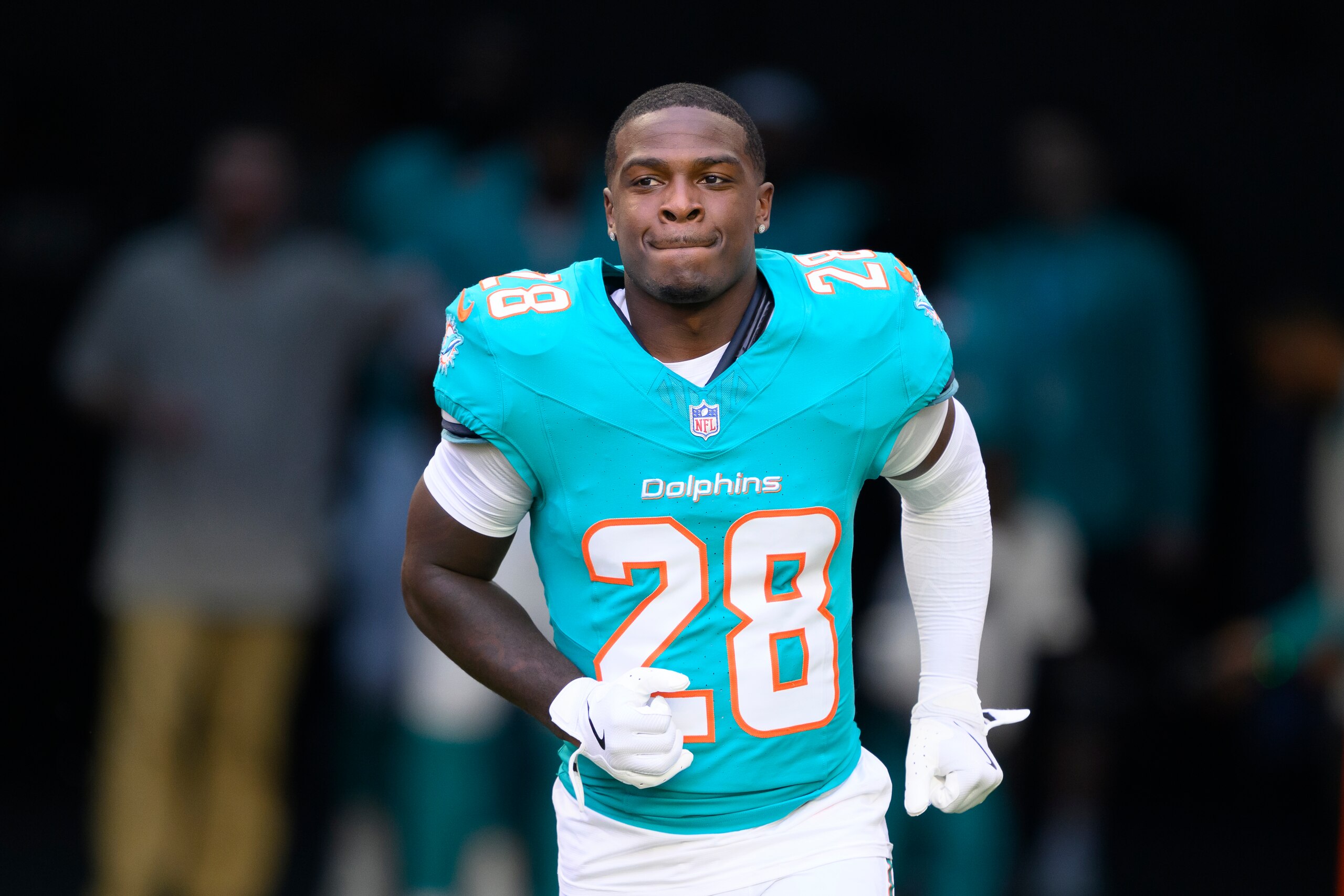
RBs: De'Von Achane, Jaylen Wright, Alexander Mattison, Ollie Gordon II (rookie)
The Miami Dolphins must balance their offense to take pressure off oft-injured quarterback Tua Tagovailoa.
Miami let Raheem Mostert walk in free agency, so Achane is the team's clear-cut lead ball-carrier. As a rookie last season, Wright had some bright moments in a reserve role, particularly in a Week 5 win over the New England Patriots. He logged 13 carries for 86 yards in that game.
The Dolphins made two under-the-radar additions to their backfield. They signed Mattison and drafted Gordon in the sixth round.
Mattison has been inefficient, averaging less than four yards per carry every season since 2021. On the flip side, he has a three-down skill set and racked up a career-high 294 receiving yards with the Las Vegas Raiders last year.
At 6'1", 226 pounds, Gordon can help the Dolphins in short-yardage situations. He's a one-cut downhill ball-carrier who can move the pile to pick up first downs and touchdowns near the goal line.
Given Achane's smaller frame (5'9", 188 lbs), the Dolphins must be careful with his workload. He's lightning in a bottle, and Gordon can provide the thunder.
Minnesota Vikings
21 of 32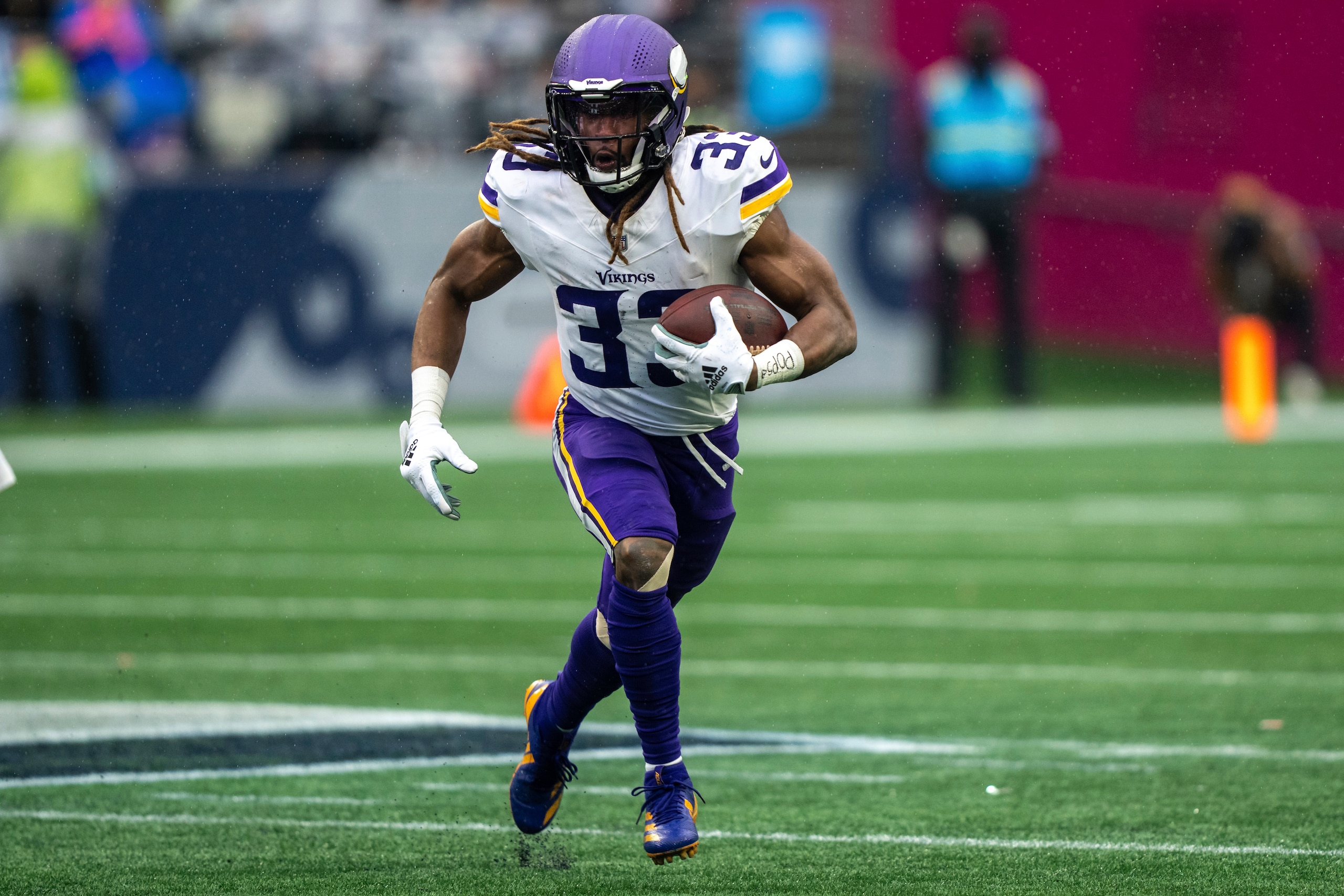
RBs: Aaron Jones, Jordan Mason, Ty Chandler, Zavier Scott, Tre Stewart (rookie)
Jones is heading into his age-31 term. Therefore, the Minnesota Vikings' decision to acquire Mason from the San Francisco 49ers made sense. They also signed him to a two-year extension.
At the annual NFL owners meetings, Vikings head coach Kevin O'Connell laid out a clear plan for Mason's role.
"I do think Jordan's gonna bring something to the table in those short-yardage situations, those goal-line situations, goal-to-go, where we've really left a lot to be desired as a football team," he said.
As Jones and Mason share most of the rushing workload, O'Connell can sprinkle in Chandler as a third-stringer. Scott could be in for another year on the practice squad.
Keep an eye on Stewart, an undrafted rookie who racked up 1,604 yards and 23 touchdowns on the ground last year at Jacksonville State.
New England Patriots
22 of 32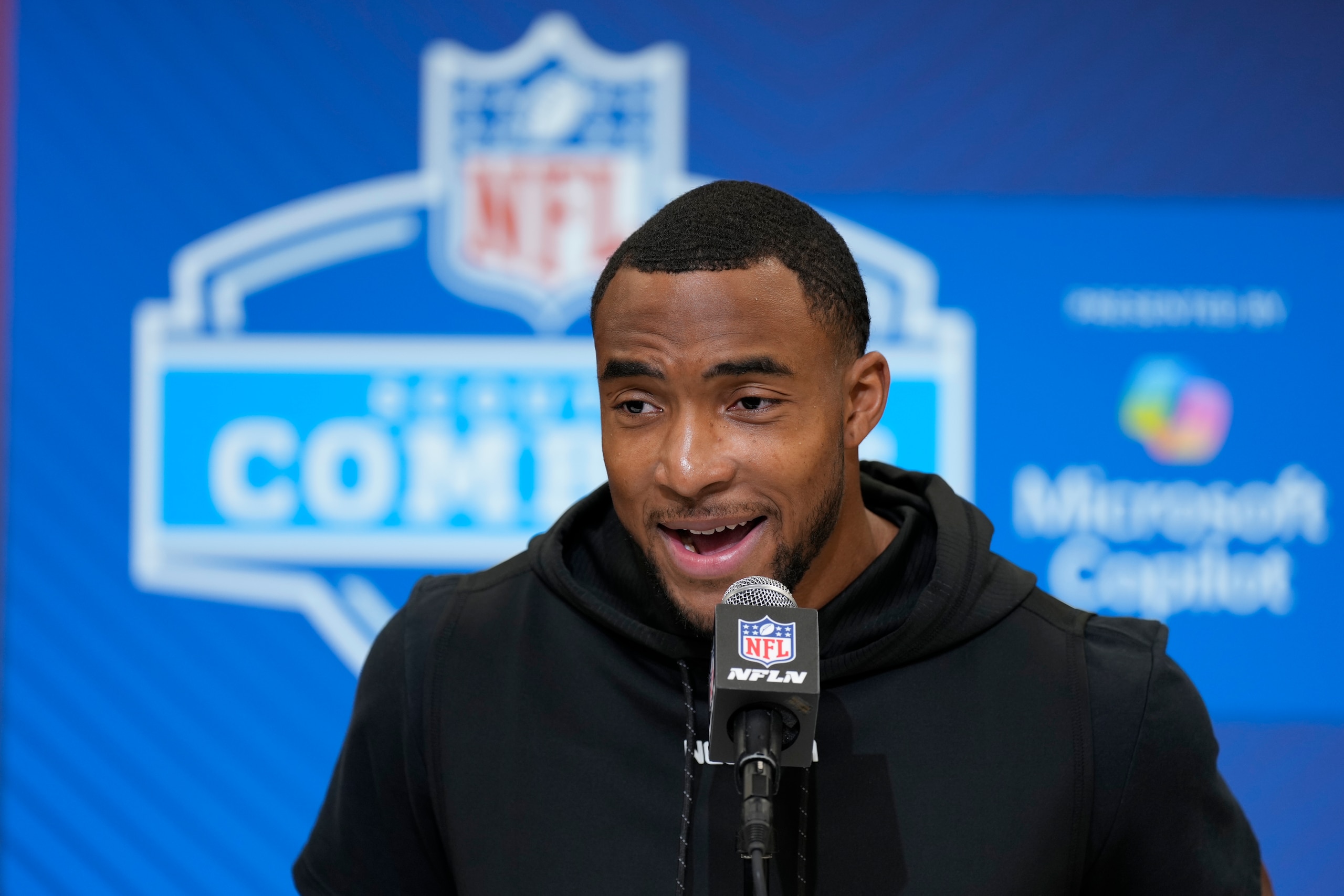
RBs: Rhamondre Stevenson, Antonio Gibson, TreVeyon Henderson (rookie), Terrell Jennings
The New England Patriots addressed the running back position with their second-round pick, taking Henderson. Stevenson, who was benched because of ball-security issues last year, should be on high alert.
Last offseason, the Patriots signed Stevenson to a four-year, $36 million deal, but he didn't play up to the new billing, recording 207 carries for 801 yards and seven touchdowns. In addition to averaging an unimpressive 3.9 yards per carry and lacking explosive plays as a pass-catcher, he fumbled seven times and lost three of them.
Though the Patriots hired a new coaching staff, the incoming regime has added immediate competition for the lion's share of touches out of the backfield.
At Ohio State, Henderson made big plays on the ground, averaging 6.8 yards per carry in his 2021 freshman term and 7.1 yards per rush attempt last year. Though he did battle injuries that limited him between 2022 and 2023, the dynamic playmaker provided instant offense while healthy.
New England can feature Henderson without overloading him and risking injury. The Patriots could reduce Stevenson's role while utilizing Gibson's three-down skill set to fill gaps in any down-and-distance situation. Jennings' best pathway to a roster spot is via special teams.
New Orleans Saints
23 of 32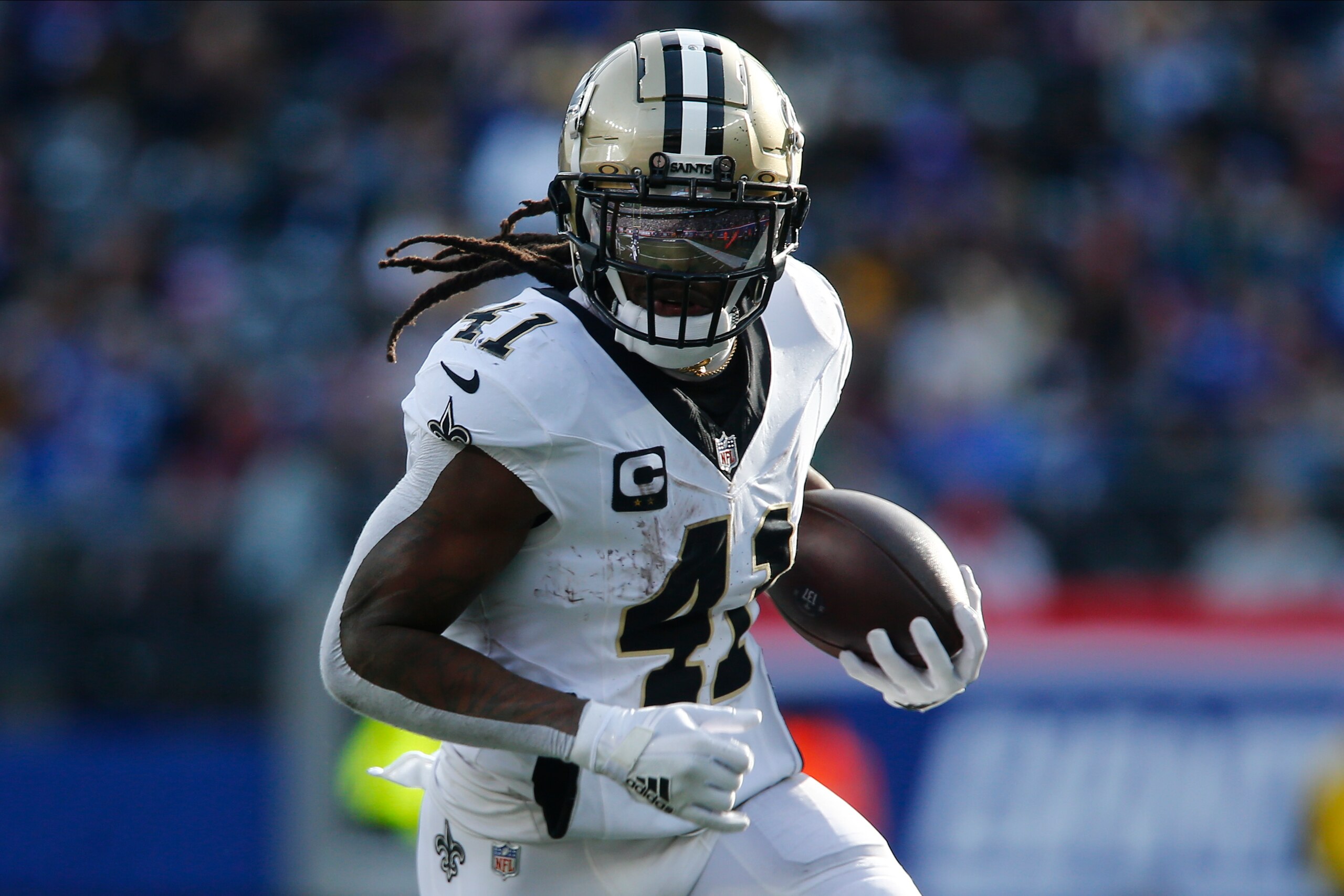
RBs: Alvin Kamara, Kendre Miller, Devin Neal (rookie), Clyde Edwards-Helaire, Jordan Mims, Velus Jones Jr., Marcus Yarns (rookie), Xazavian Valladay
Last October, the New Orleans Saints signed Alvin Kamara to a two-year extension. Though he's yet to rush for 1,000 yards in a season, the ninth-year veteran is still one of the league's most productive three-down running backs, accumulating 1,160 scrimmage yards in all of his campaigns.
The Saints must identify a viable backup tailback for their ground attack, and they have plenty of options.
Among the most notable reserves, 2020 first-rounder Edwards-Helaire could experience a career rebirth in his home state of Louisiana. Miller, a 2023 third-rounder, may play up to his potential with more touches.
Last year, Jones transitioned from wide receiver to running back with the Chicago Bears. He has 4.31 40-yard speed and presents an intriguing option in the backfield.
New Orleans drafted Neal in the sixth round. He led Kansas in rushing for four terms between 2021 and 2024. The 5'11", 213-pounder isn't an explosive playmaker, but he can catch out of the backfield, hauling in 77 passes for 711 yards and four touchdowns with the Jayhawks.
The Saints need a ball-carrier who can run between the tackles to complement Kamara. Don't count out Neal for that role.
New York Giants
24 of 32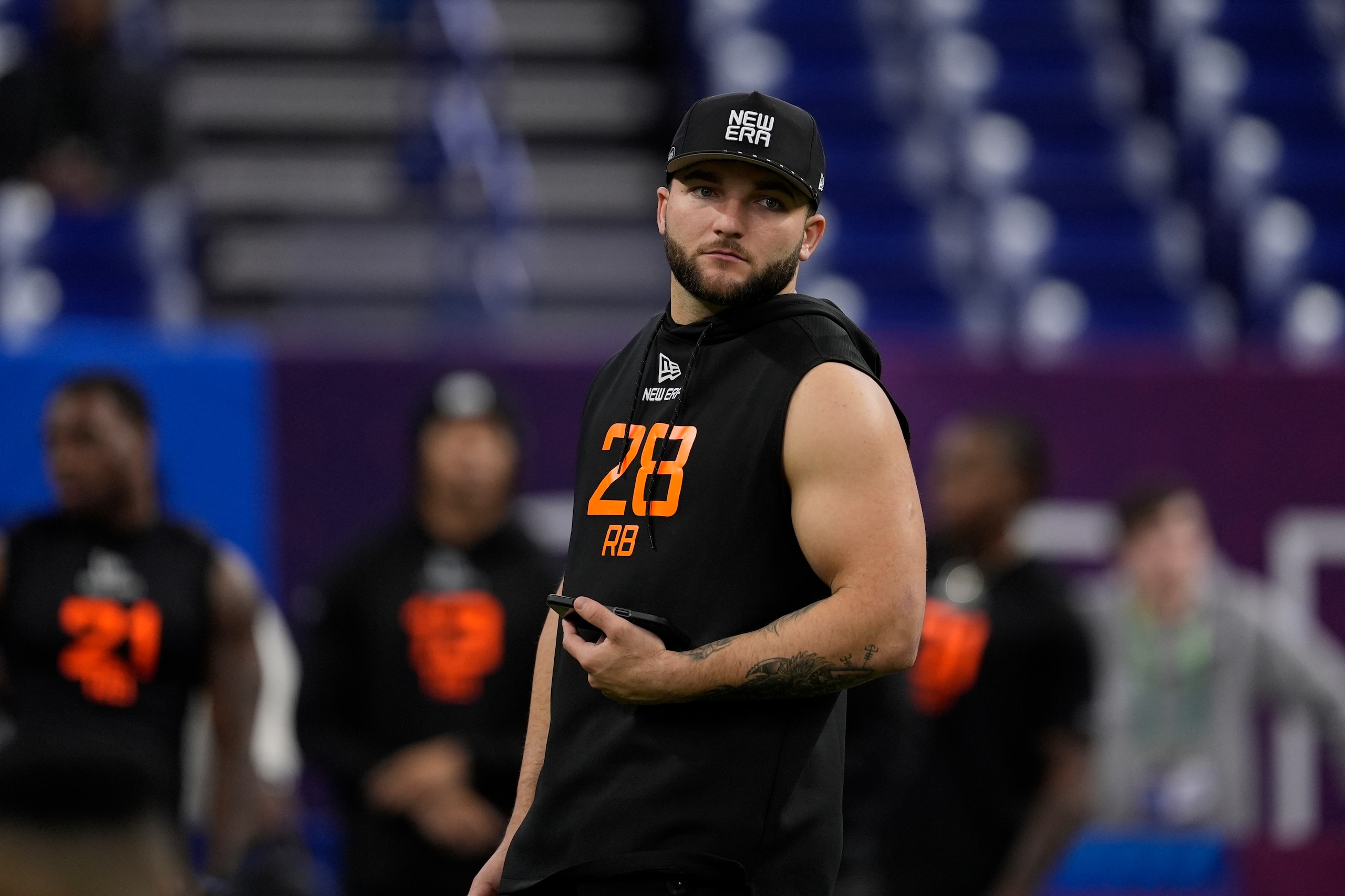
RBs: Tyrone Tracy Jr., Devin Singletary, Cam Skattebo (rookie), Eric Gray, Dante Miller
The New York Giants found a fifth-round gem in Tracy last year. He accumulated 1,123 scrimmage yards, but he had one more touchdown (six) than fumbles (five).
With Singletary coming off his least productive year in the pros, Big Blue needed to bolster the running back position with someone who takes care of the ball and doesn't turn it over.
According to Team Rankings, Skattebo only fumbled three times over the last two years. He's a rock-solid 5'11", 219-pounder who shrugs off arm tackles and drags defenders downfield.
The Arizona State product also has pass-catching ability. He recorded 45 receptions for 605 yards and three touchdowns last year.
Depending on Skattebo's development, Singletary could be a third-stringer by the end of the 2025 season. Like last year, Gary likely makes the roster as a special teamer while Miller works with the practice squad.
New York Jets
25 of 32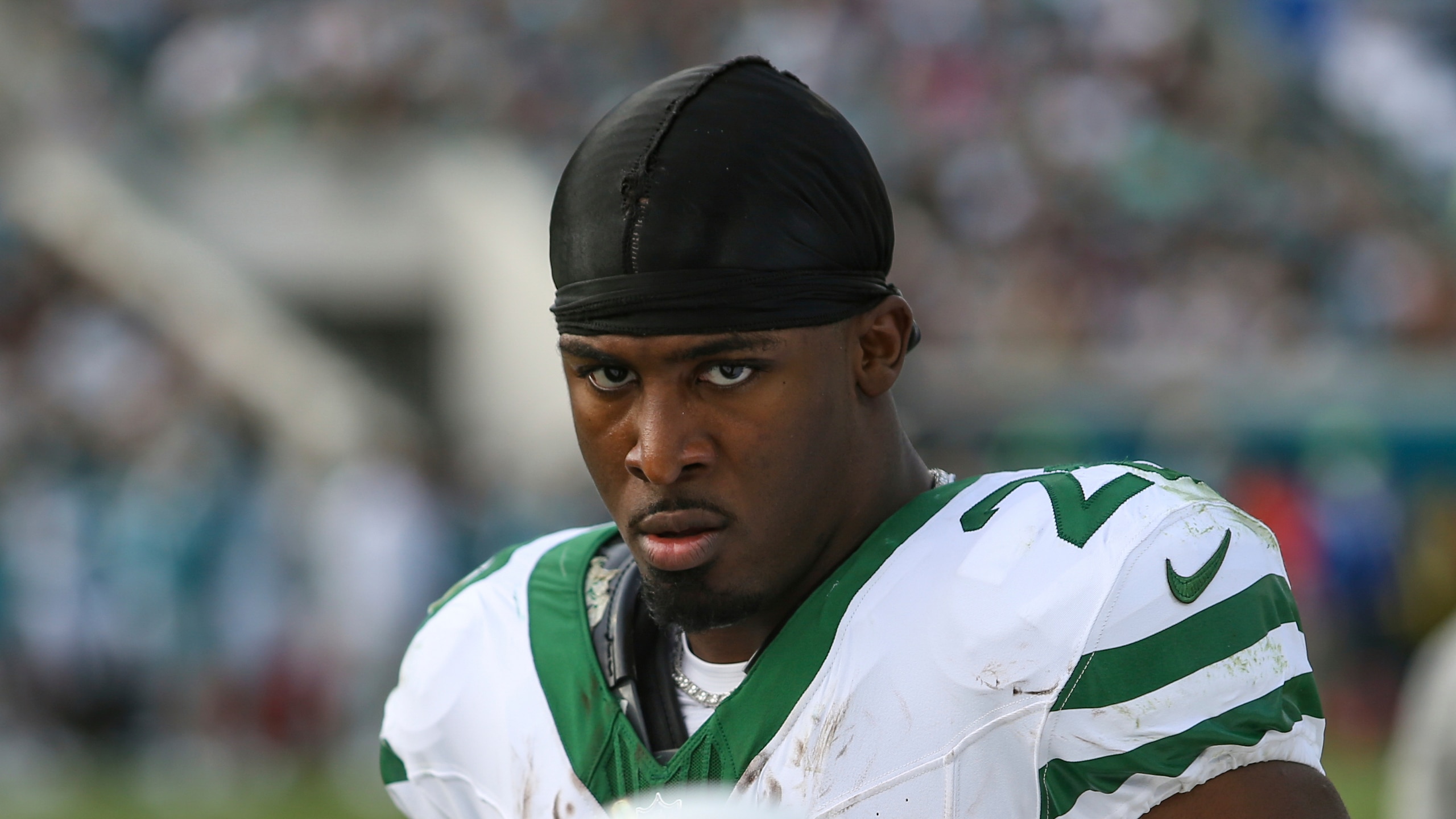
RBs: Breece Hall, Braelon Allen, Isaiah Davis, Kene Nwangwu, Zach Evans, Donovan Edwards (rookie)
New York Jets head coach Aaron Glenn may have a new vision for the backfield.
In March, he alluded to a possible backfield committee when asked about Hall.
"I think, mentally, he's in a good place, but I would say that we have three running backs on this team that we're going to utilize as much as possible," Glenn said, per ESPN's Rich Cimini.
Last year, the Jets drafted Allen and Davis in the fourth and fifth rounds, respectively. Both tailbacks flashed in spurts as rotational contributors. Meanwhile, Hall saw his average yards per carry drop in consecutive years, finishing with a 4.2 mark for the season.
Glenn brought Tanner Engstrand with him from Detroit to be his offensive coordinator. The Lions had a two-man rushing attack that featured Jahmyr Gibbs and David Montgomery. Hall may lose a stronghold on the lion's share of touches.
Nwangwu's kick return ability makes him a valuable asset. Evans and Edwards, an undrafted rookie out of Michigan, are practice-squad candidates.
Philadelphia Eagles
26 of 32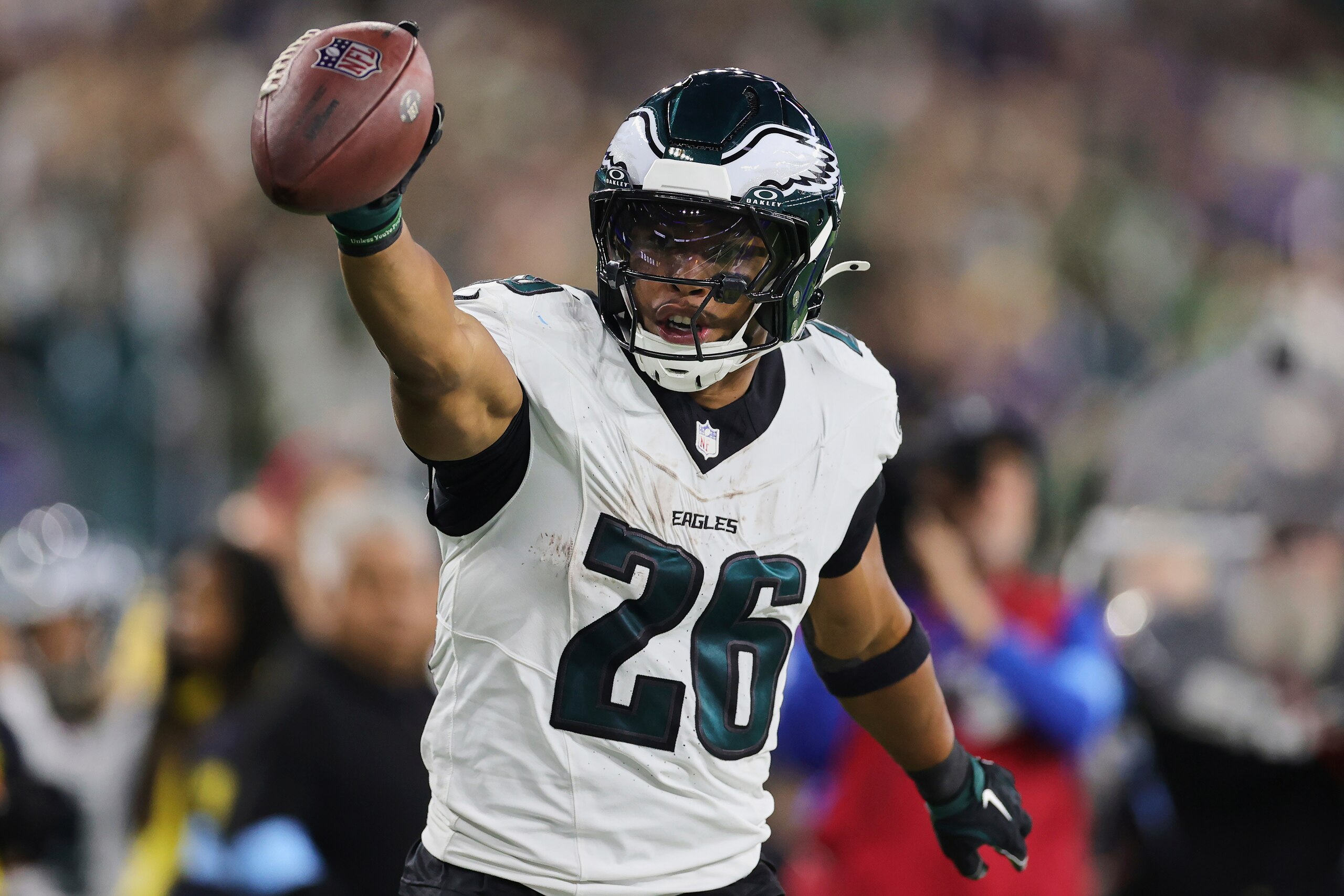
RBs: Saquon Barkley, A.J. Dillon, Will Shipley, Tyrion Davis-Price, Avery Williams, Lew Nichols, ShunDerrick Powell (rookie), Montrell Johnson Jr. (rookie)
Barkley has found a new home with the Philadelphia Eagles. After one Super Bowl-winning season with the team, he signed a two-year, $41.2 million extension.
Last season, the three-time Pro Bowler almost broke Hall of Famer Eric Dickerson's single-season rushing record, but the Eagles opted to sit him in Week 18 while he was 101 yards short of the mark. No one on the roster will challenge Barkley for touches in the prime of his career.
The Eagles allowed Kenneth Gainwell to walk in free agency, so Dillon can earn the No. 2 spot on the depth chart after he sat out the entire 2024 season with a neck injury.
At 6'0" 247 pounds, Dillon can further strengthen the Eagles' efficiency in short-yardage situations and catch out of the backfield. In four seasons with the Green Bay Packers, he caught 86 passes for 763 yards and two touchdowns.
Shipley could compete with Dillon for the primary pass-catching role. As a collegian, the Clemson product caught 85 passes for 602 yards and two touchdowns.
Williams, Price, Nichols and the two undrafted rookies will battle for snaps with the special teams unit.
Pittsburgh Steelers
27 of 32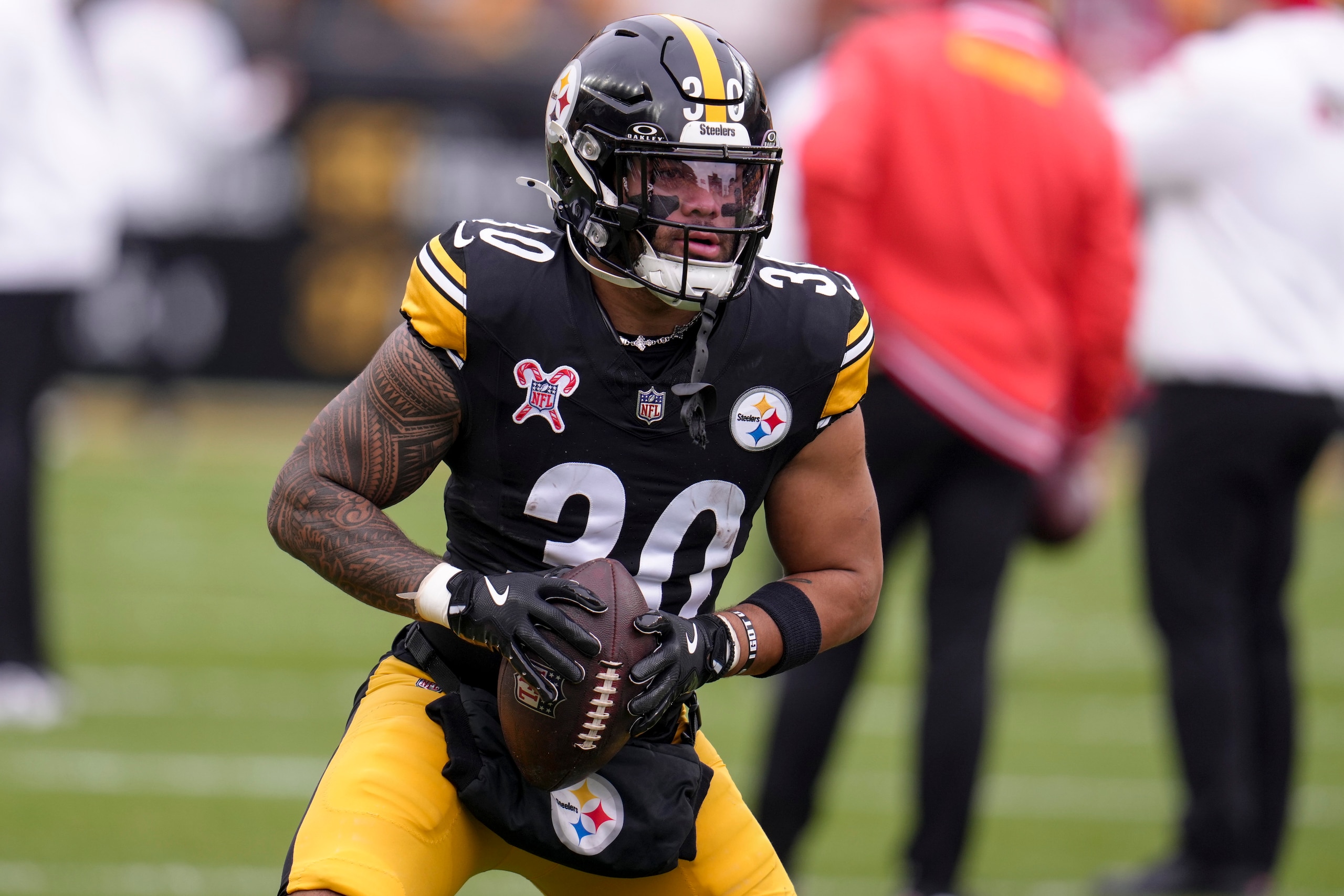
RBs: Jaylen Warren, Kaleb Johnson (rookie), Kenneth Gainwell, Cordarrelle Patterson, Evan Hull, Jonathan Ward, Aaron Shampklin
The Pittsburgh Steelers lost Najee Harris to the Los Angeles Chargers in free agency, opening up a spot for a running mate to split the workload with Warren.
The Steelers selected Johnson in the third round. He lacks high-end speed, but the 6'1", 224-pounder is a shifty ball-carrier who uses his blocks well to hit creases in running lanes.
Johnson's lack of explosiveness will limit his ceiling in the passing game, so Warren should retain his role as the lead receiver out of the backfield. Gainwell can also make plays as a pass-catcher. He caught 102 passes for 721 yards and a touchdown in four years with the Philadelphia Eagles.
At this stage in his career, Patterson is primarily a kick returner rather than a hybrid tailback-receiver, though he probably has a secure spot on the roster.
Hull, Ward and Shampklin must be undeniably impressive to crack the running back rotation or earn a spot on special teams.
San Francisco 49ers
28 of 32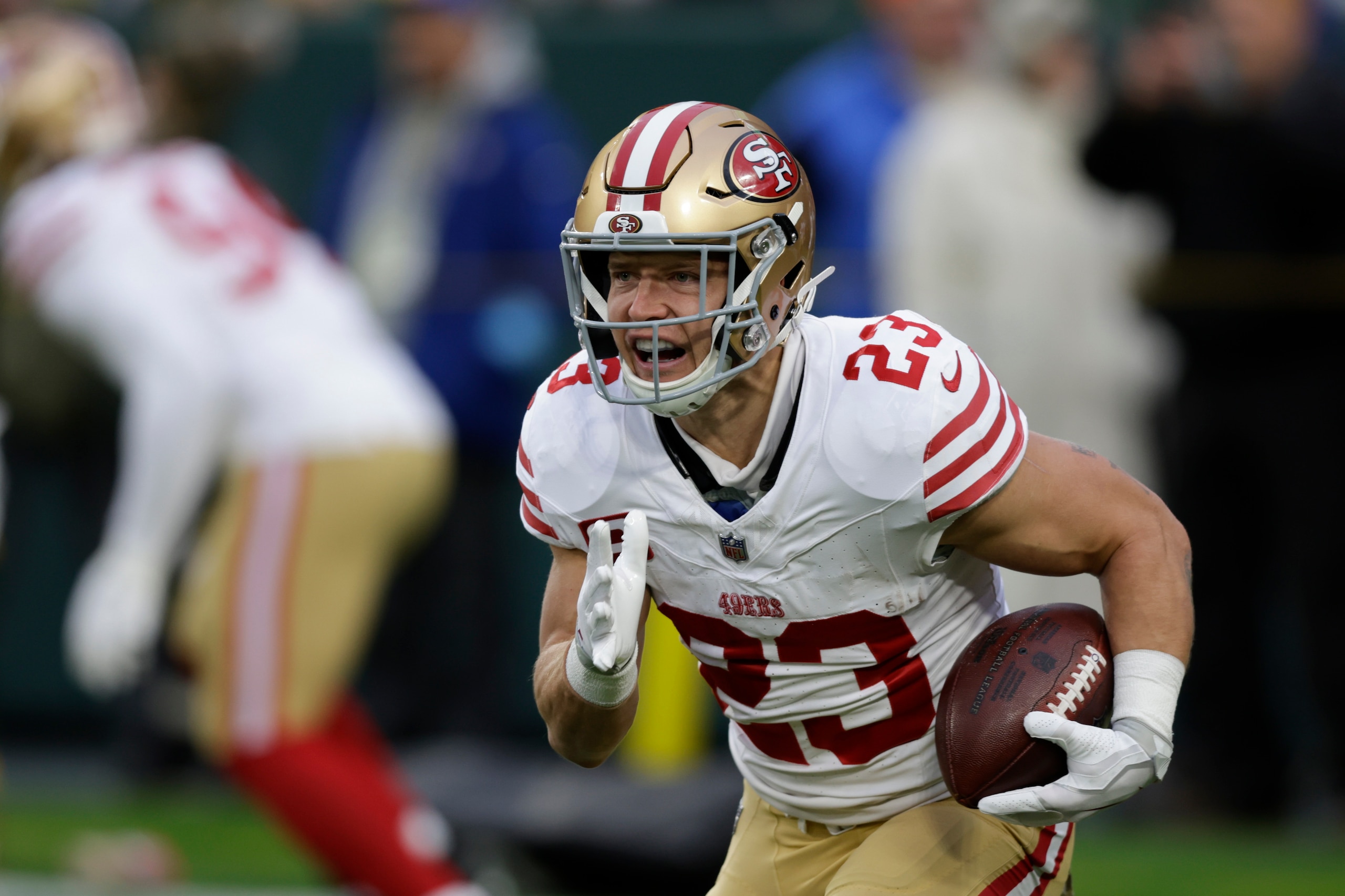
RBs: Christian McCaffrey, Isaac Guerendo, Patrick Taylor Jr., Israel Abanikanda, Jordan James (rookie), Corey Kiner (rookie)
McCaffrey's health will be a prominent storyline throughout the offseason. Recently, the star running back said he had no restrictions at the beginning of the San Francisco 49ers' offseason program.
Last season, the 28-year-old missed 13 games because of Achilles and PCL injuries, though he has missed at least 10 outings in three of the last five campaigns, raising questions about his durability.
The 49ers traded Jordan Mason to the Minnesota Vikings and lost Elijah Mitchell in free agency, but they drafted James in the fifth round.
James can be a closer in the 49ers' ground attack. He hits lanes with urgency and finishes with power behind his pads. Over the last two years, he scored 26 touchdowns at Oregon.
James could push Guerendo for mop-up duty behind McCaffrey. Guerendo, a 2024 fourth-rounder, flashed in his rookie year, logging 84 carries for 420 yards and four touchdowns, catching 15 passes for 152 yards.
Taylor and Abanikanda could battle for one roster spot on the back end of the depth chart. Kiner, an undrafted rookie, could be an intriguing practice-squad stash after rushing for 1,047-plus yards and averaging at least 5.5 yards per carry in 2023 and 2024 at Cincinnati.
Seattle Seahawks
29 of 32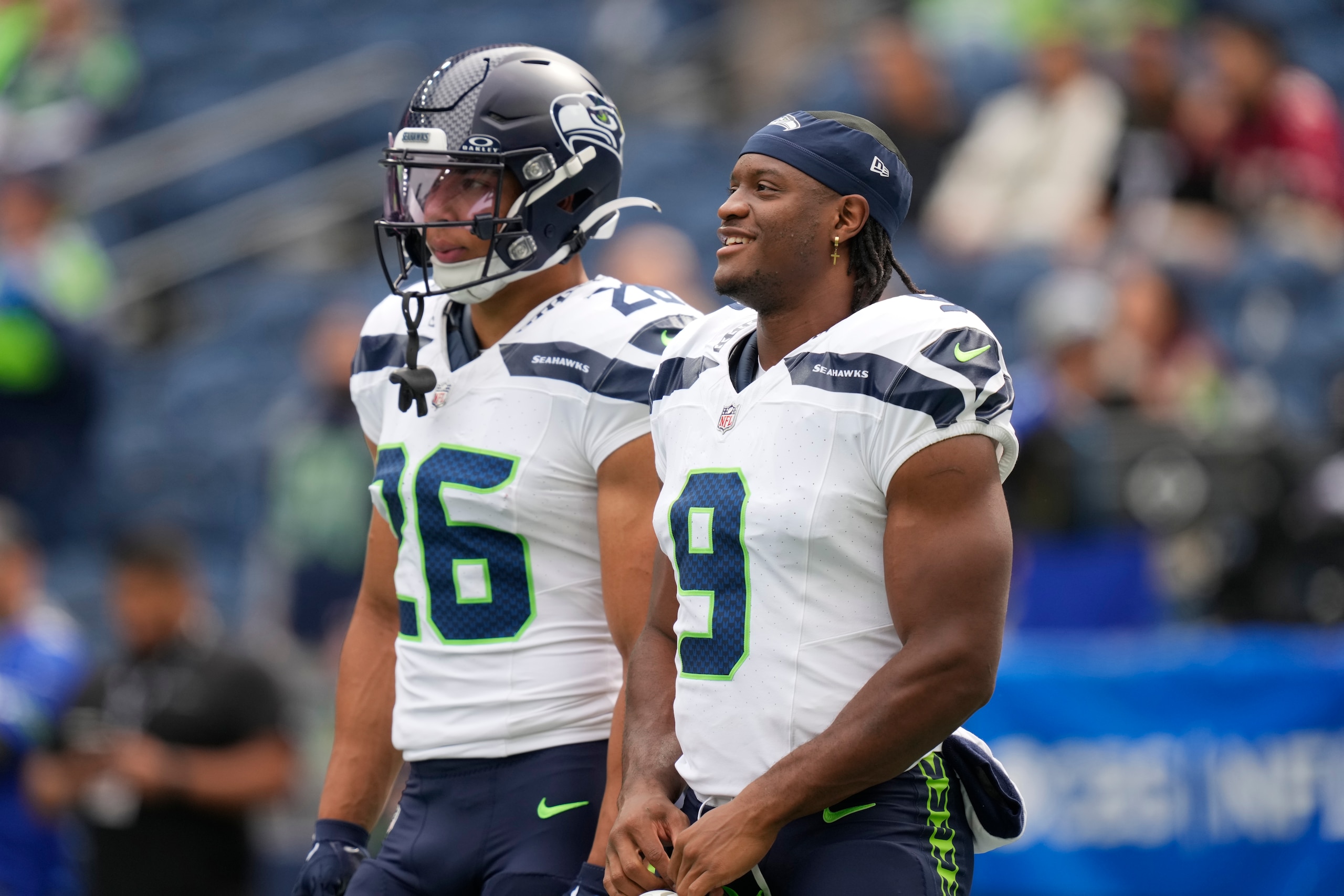
RBs: Kenneth Walker III, Zach Charbonnet, Kenny McIntosh, Damien Martinez (rookie), George Holani, Jacardia Wright (rookie)
Walker has missed 10 games in three seasons because of injuries. He's seen a drop-off in rushing yard totals since his solid 2022 rookie campaign.
If the 24-year-old struggles to stay healthy this year, Charbonnet should be ready to take over the lead role. For now, they're a decent tandem that will handle most of the touches.
McIntosh has a secure spot on the depth chart as a special teamer unless Martinez wows the coaching staff.
Despite a strong resume, leading Oregon State and Miami in rushing over the last three years, Martinez fell to the seventh round. While he didn't see a lot of action in the passing game (32 receptions for 391 yards), the 6'0", 217-pound ball-carrier could eventually carve out an early-down role.
Holani could retain a role on special teams as Wright tries to make a jump from an FCS program (Missouri State) to the pros. Wright racked up 1,227 scrimmage yards and 16 total touchdowns last year.
Tampa Bay Buccaneers
30 of 32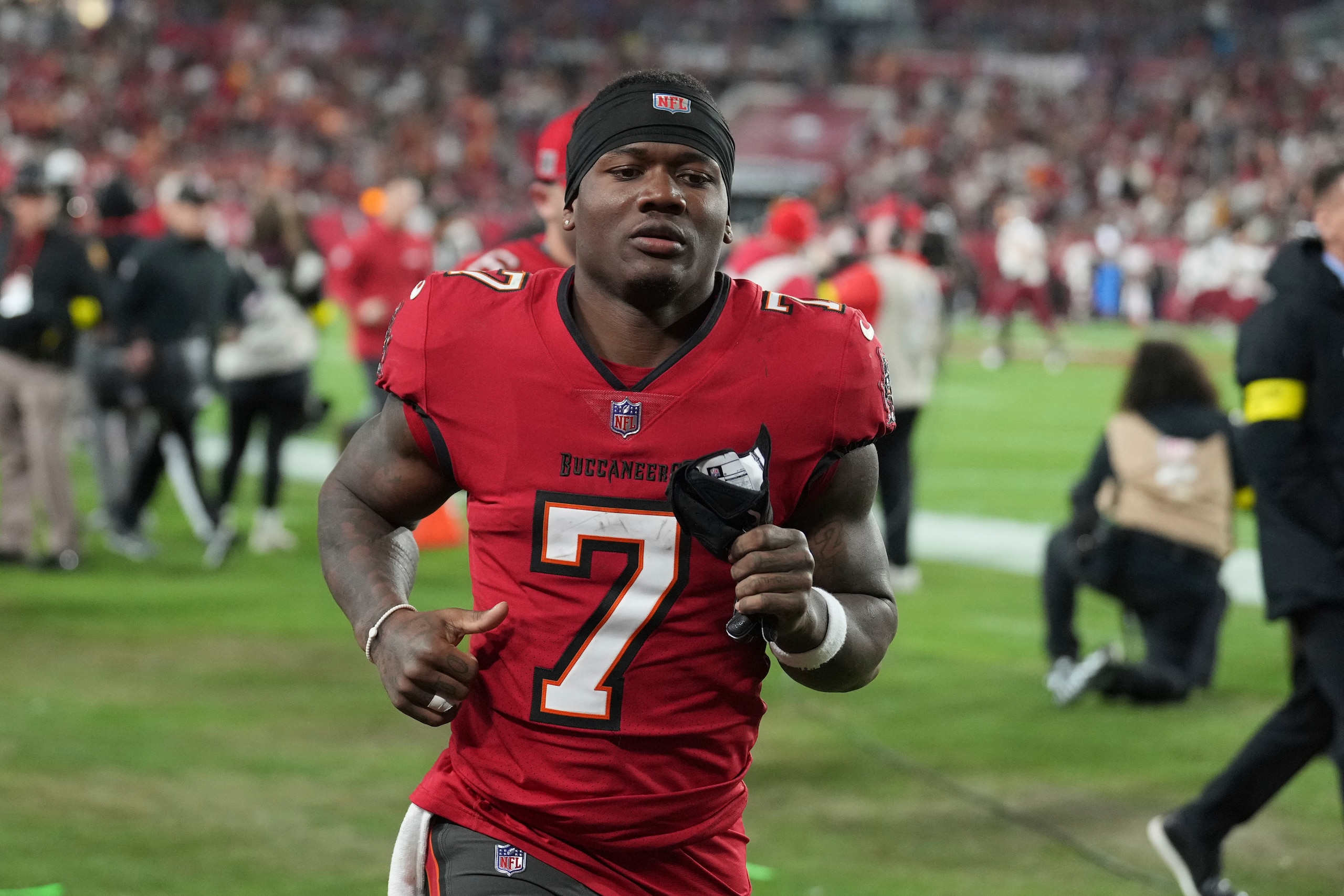
RBs: Bucky Irving, Rachaad White, Sean Tucker, D.J. Williams, Josh Williams (rookie)
Last year, former Tampa Bay Buccaneers offensive coordinator Liam Coen utilized Irving, White and Tucker out of necessity for a stretch because of injuries at wide receiver.
With a healthy group, Tucker is likely to fade into a spot-duty role.
That said, new offensive coordinator Josh Grizzard can carry over some of Coen's principles for a ground game that finished fourth in yards last season.
As a rookie last year, Irving posted gaudy numbers, accumulating 1,504 scrimmage yards. White took a backseat to Irving, but he still racked up 1,006 scrimmage yards and nine total touchdowns.
Because of the proven talent and depth in the top three spots, the Bucs' fourth and fifth running backs must make their presence known on special teams or find themselves on the practice squad.
Tennessee Titans
31 of 32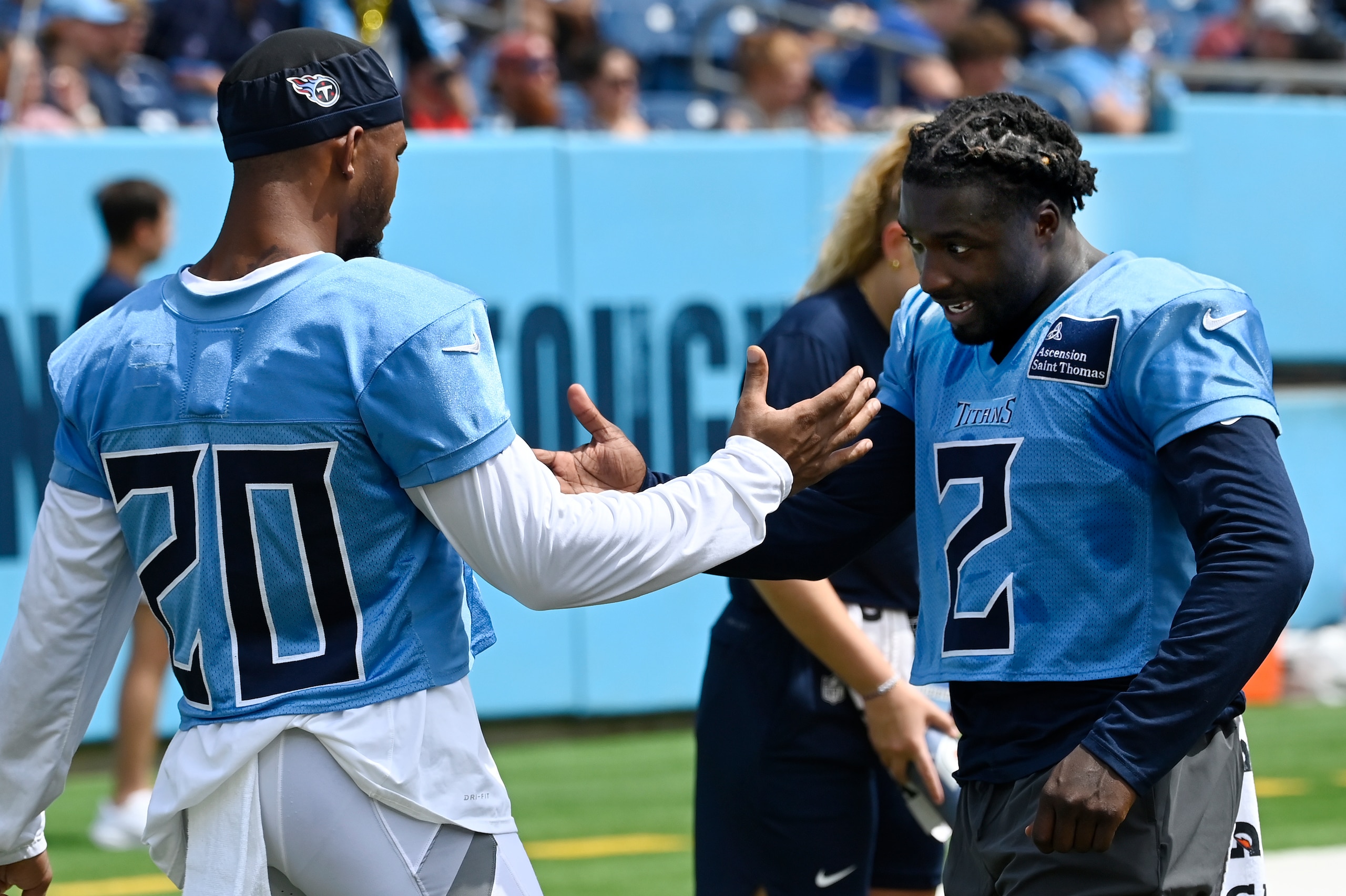
RBs: Tony Pollard, Tyjae Spears, Julius Chestnut, Kalel Mullings (rookie), Jabari Small
When the Tennessee Titans signed Pollard last offseason, they planned to use him alongside Spears as 1A and 1B in the backfield, but that didn't pan out.
Pollard logged nearly 200 more touches than Spears (301-114), partly because the latter missed five games due to injuries. Though even while healthy, Spears averaged just 3.7 yards per carry.
Tennessee should field a respectable passing attack with rookie Cam Ward under center. If so, Pollard and Spears could see room to run and have plenty of opportunities to make plays in the passing game.
Last season, Chestnut saw an uptick in action when Spears sat out. He'll face competition for the No. 3 spot on the depth chart with Mullings in the mix.
In 2024, Mullings rushed for 948 yards and 12 touchdowns for Michigan. He's also returned a few kicks over the previous two years.
Small will look for a promotion from the practice squad.
Washington Commanders
32 of 32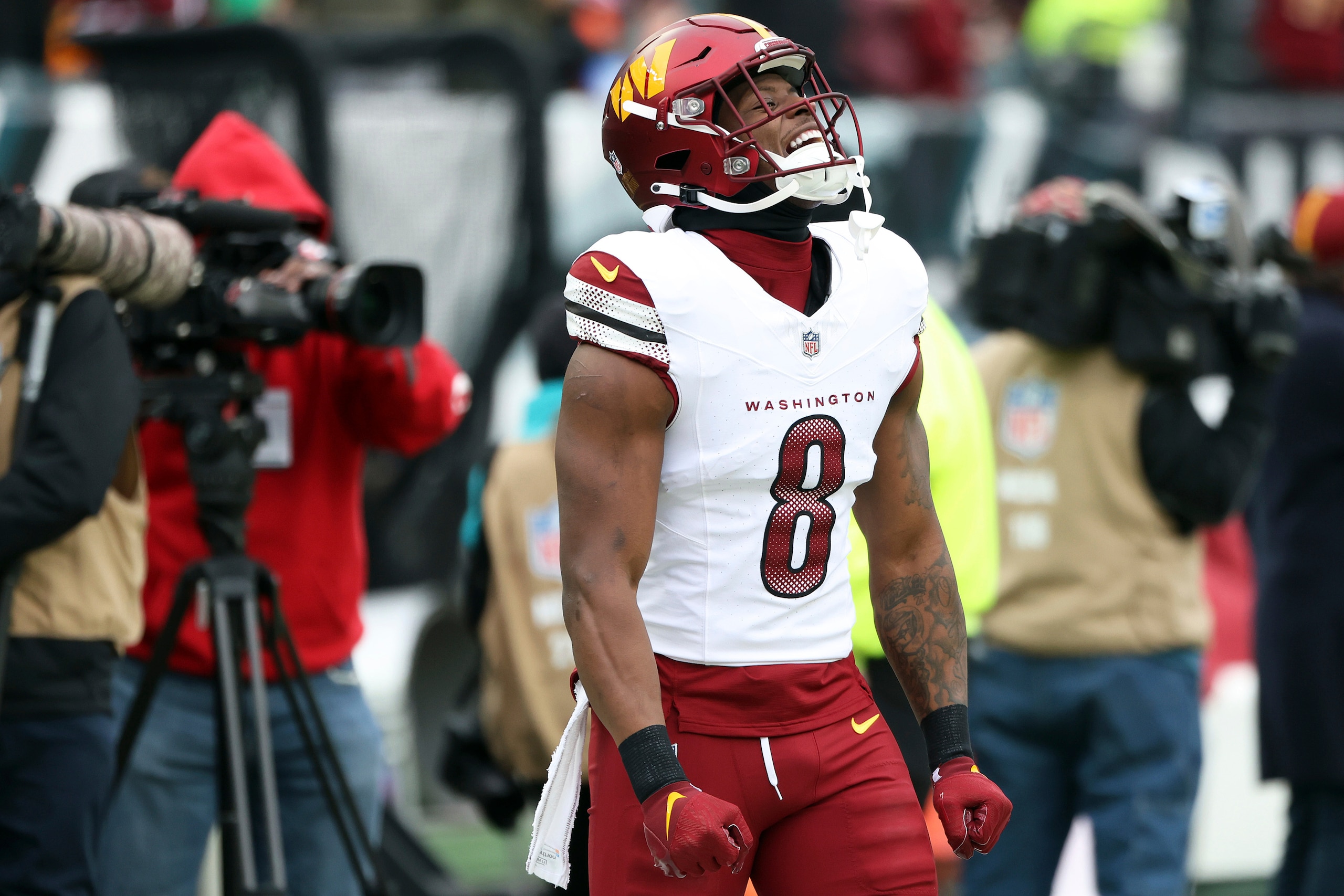
RBs: Brian Robinson Jr., Austin Ekeler, Chris Rodriguez Jr., Jacory Croskey-Merritt (rookie), Demetric Felton, Michael Wiley
Robinson and Ekeler should remain atop the Washington Commanders' depth chart, and Croskey-Merritt can provide a spark.
While the Commanders' top two tailbacks don't bring much speed to the offense, Robinson averaged 4.3 yards per carry and Ekeler averaged 6.5 yards per touch last season. They're both reliable chain-movers.
Ekeler is still one of the league's better pass-catching running backs.
The Commanders selected Croskey-Merritt with the 245th pick. In 2023, he rushed 1,190 yards and 17 touchdowns, averaging 6.3 yards per carry. He lost that momentum when he transferred from New Mexico to Arizona and only played one game because of eligibility issues stemming from his time at Alabama State in 2019.
Yet the Commanders still took a seventh-round flier on Croskey-Merritt, who could push Rodriguez for the third-string position.
Felton is a newcomer who hasn't played in a regular-season game since 2022, and Wiley was a practice squad player last year. They're long shots to make the 53-man roster.
College statistics are provided by cfbstats.com.
Maurice Moton covers the NFL for Bleacher Report. You can follow him on Twitter @MoeMoton.
.jpg?w=2560 "Seahawks Cardinals Football")
.jpg?w=2560 "Cam Ward Says He's Not A Loser")


.jpg?w=2560 "Chargers Fall to 0-5 🤢")