
Caitlin Clark Says She Has 'Privilege' as White WNBA Player, 'Thankful' for Past Stars
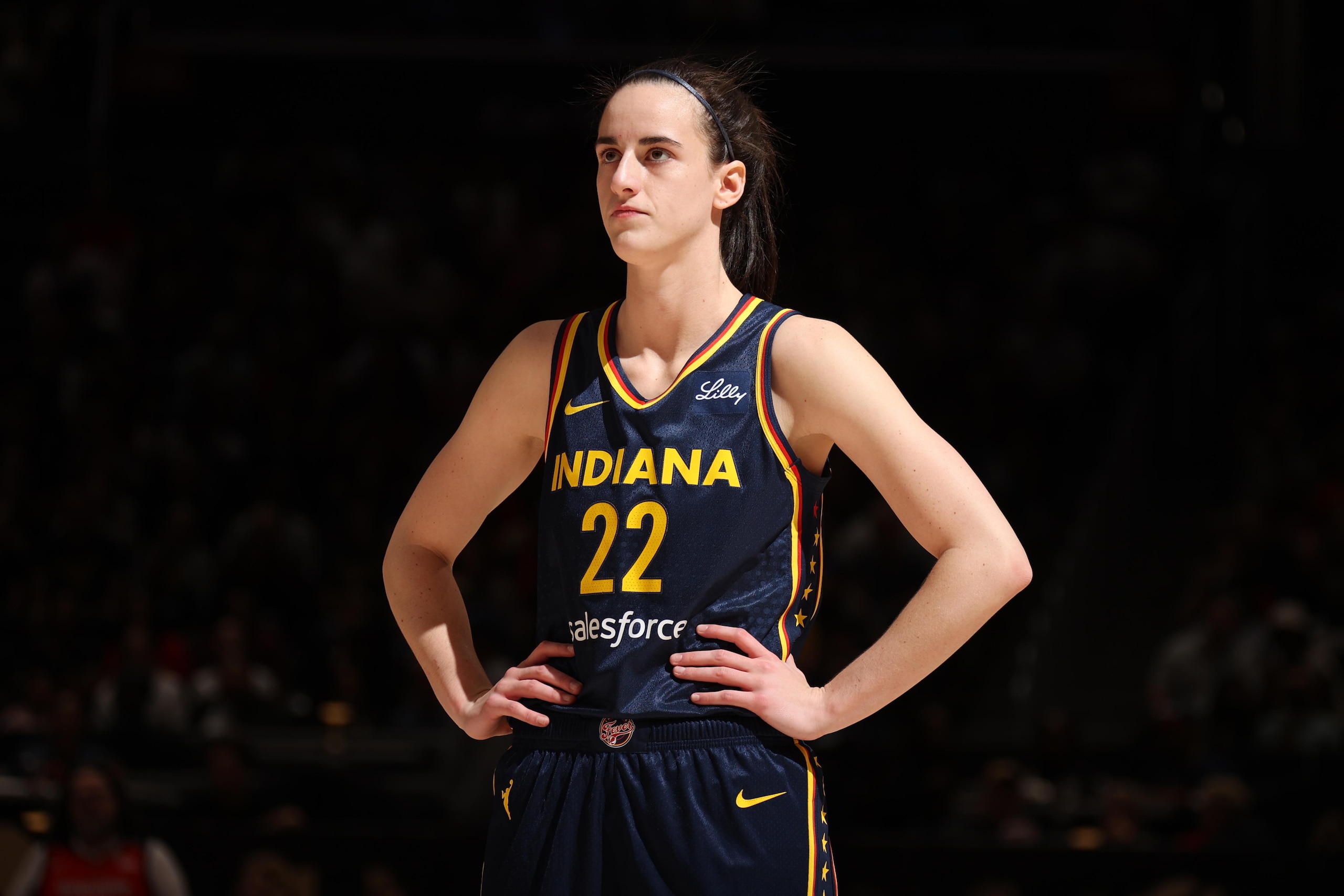
Indiana Fever star Caitlin Clark once again acknowledged the "privilege" afforded to her as a white player in a league where the majority of her peers are Black women and women of color.
Clark discussed the topic with David Letterman in the newest episode of his My Next Guest Needs No Introduction series on Netflix. She told the retired late-night host that "I definitely have privilege" (via Brendon Kleen of Awful Announcing).
"I'm obviously white, but I think I'm somebody who grew up a huge fan of this league," Clark said. "I grew up watching this league, going to games, supporting this league. So I know where this league comes from: a lot of Black women that grew up making this league what it is. And that's kind of the shoulders that we stand on.
TOP NEWS
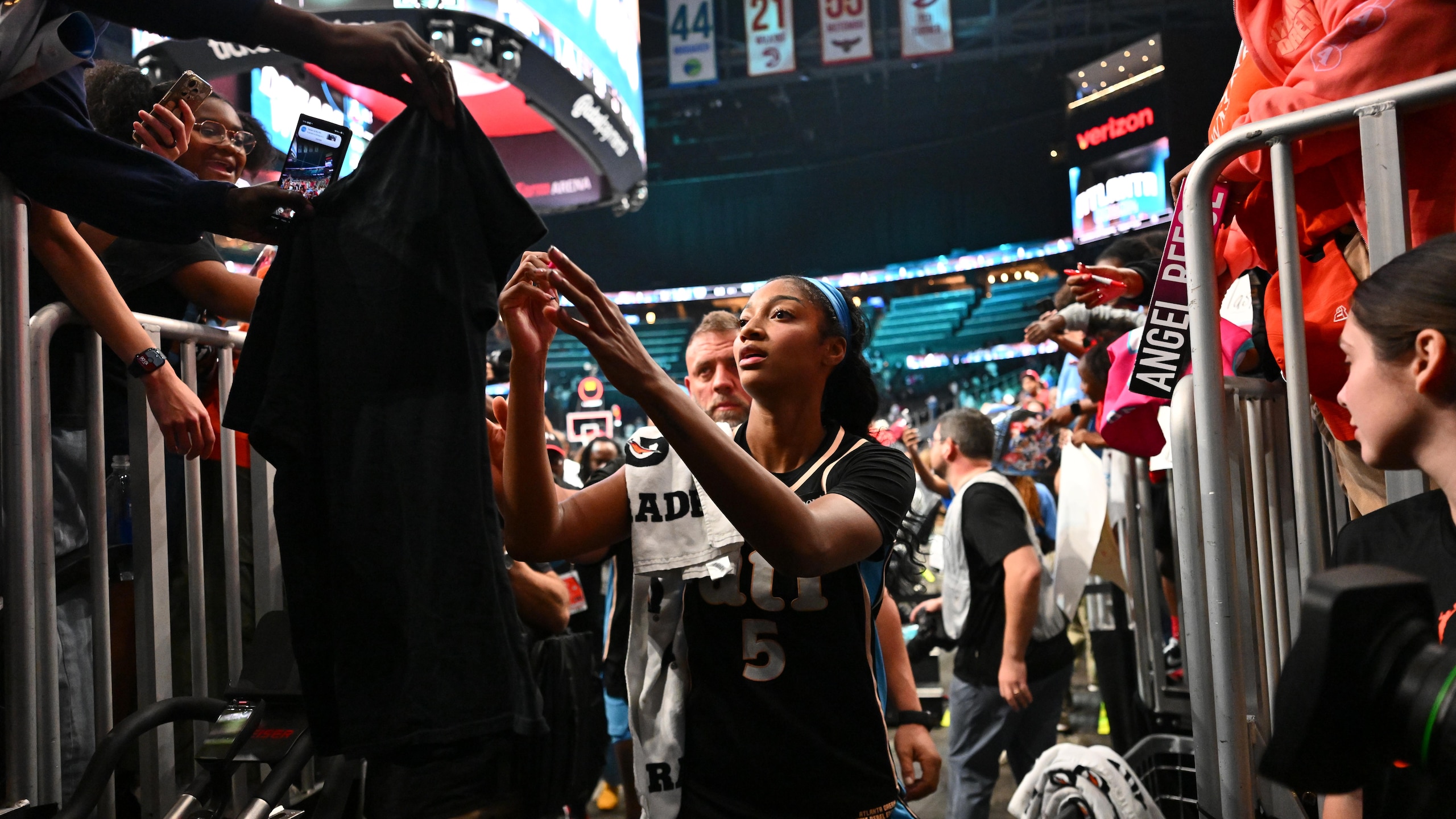
Dream Eyeing New Finals Venue
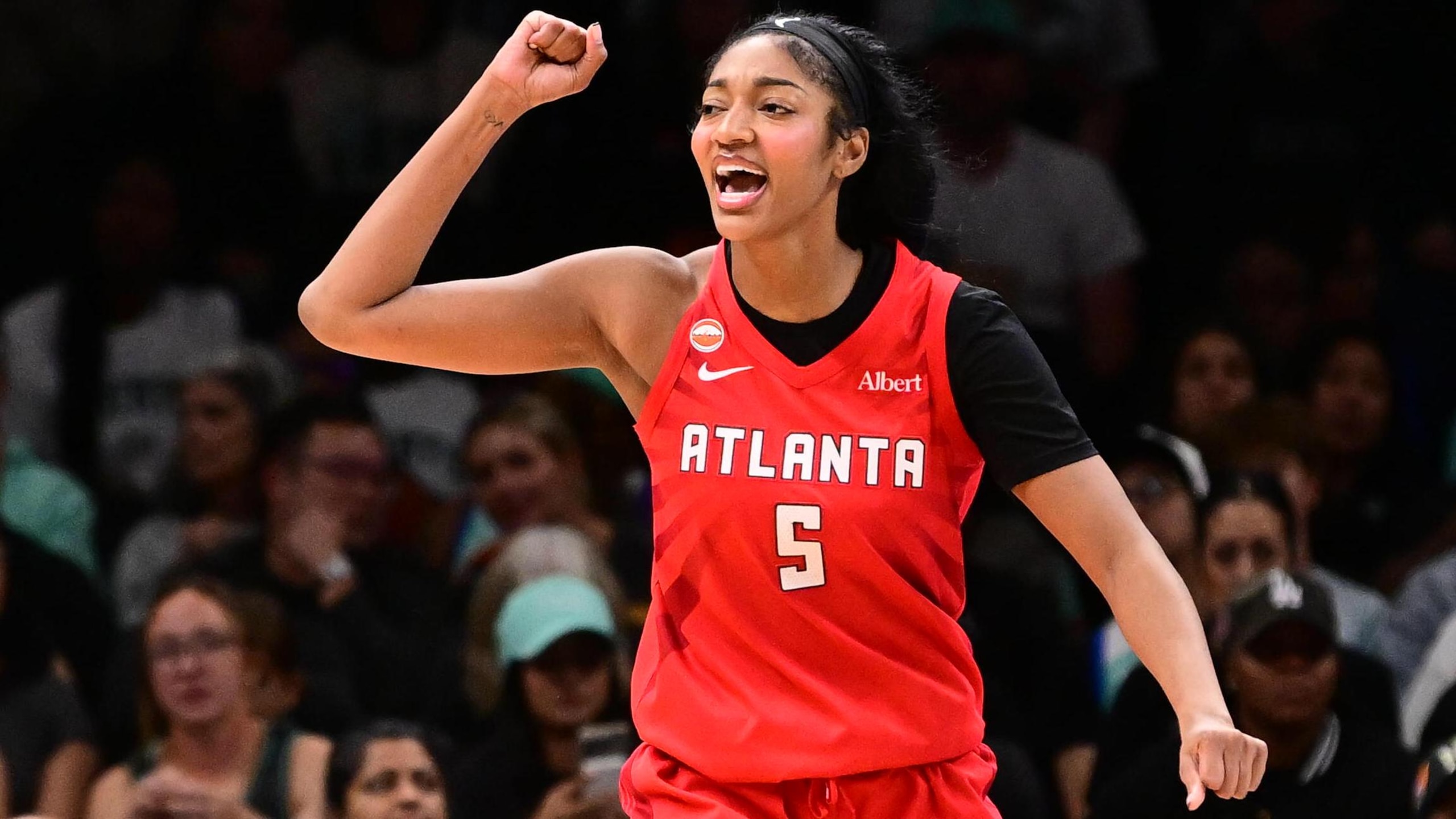
Angel at Falcons Game ♨️
NFL Season Shaping Up To Be Unpredictable 🗣️
"So I think that was something I'm very aware of, and something I'm very thankful for. And they deserve all the credit, and the more we can give credit to them, the better. I'm very aware of that, and I know that, and I think there is responsibility in acknowledging that."
The reigning WNBA Rookie of the Year made similar comments to Time's Sean Gregory as part of her "Athlete of the Year" feature in December.
"I want to say I've earned every single thing, but as a white person, there is privilege," she said. "A lot of those players in the league that have been really good have been Black players. This league has kind of been built on them."
Los Angeles Sparks center Cameron Brink has also spoken up about this issue, telling Uproxx's Megan Armstrong in June it extended to players who are perceived as more "feminine."
"Some of my teammates are more masculine. Some of my teammates go by they/them pronouns," Brink said. "I want to bring more acceptance to that and not just have people support us because of the way that we look. I know I can feed into that because I like to dress femininely, but that’s just me. I want everyone to be accepted—not just paid attention to because of how they look."
Even with the WNBA gaining more mainstream attention than ever, criticism over the inequities in coverage—and the domino effect that has—remain.
As part of their profile on 2021 WNBA MVP Jonquel Jones, ESPN's Katie Barnes pointed to the results of a study following which players were mentioned by three outlets (ESPN.com, CBSSports.com and SI.com) across the shortened 2020 season. The researcher, Risa Isard, found that white players were mentioned more than twice as much as their Black peers.
Nine-time All-Star Nneka Ogwumike expressed her frustration to the New York Times' Kurt Streeter in a 2023 interview that Black women in the WNBA "don’t get the credit" for their work in strengthening "the perception, the reception and the marketing" of women's basketball.
Midway through the 2024 season, Chicago Sky forward Angel Reese added to that theme. She alluded to the overwhelming coverage Clark had received and how Clark was seemingly credited disproportionately for the growth of the college and pro games.
Reese said the credit deserved to be shared among a far larger group of current and former players.
Nobody will dispute the impact Clark has had already in a relatively short amount of time. But a lot of legends before her helped to lay the foundations for the success the WNBA is enjoying now.
.jpg?w=2560 "Texans Titans Football")
.jpg?w=2560 "Lions Cardinals Football")
.jpg?w=2560 "Chargers Fall to 0-5 🤢")