
March Madness 2025: Distance Traveled for Schools to Venues for NCAA Tourney Bracket
The field for the 2025 NCAA men's basketball tournament has officially been set. The bracket's First Four games took place on Tuesday and Wednesday, and the field has been trimmed from 68 to 64.
Alabama State, North Carolina, Mount St. Mary's and Xavier have advanced to the tournament proper.
The first round will unfold over Thursday and Friday with games being hosted by Providence College, the University of Kentucky, Wichita State University, Ball Arena in Denver, Rocket Mortgage Arena in Cleveland, Marquette University, N.C. State University and the University of Washington.
In theory, games will be played at neutral sites—Kentucky, for example, will travel to Marquette's Fiserv Forum in Milwaukee for Round 1 instead of playing at home. However, some teams may face big advantages, or disadvantages, based on the travel involved.
Here, we'll examine the distance being traveled by every team for the opening round and how it might impact the next slate of games.
Click here to play the NCAA March Madness Men's Bracket Challenge.
Distance Being Traveled
1 of 3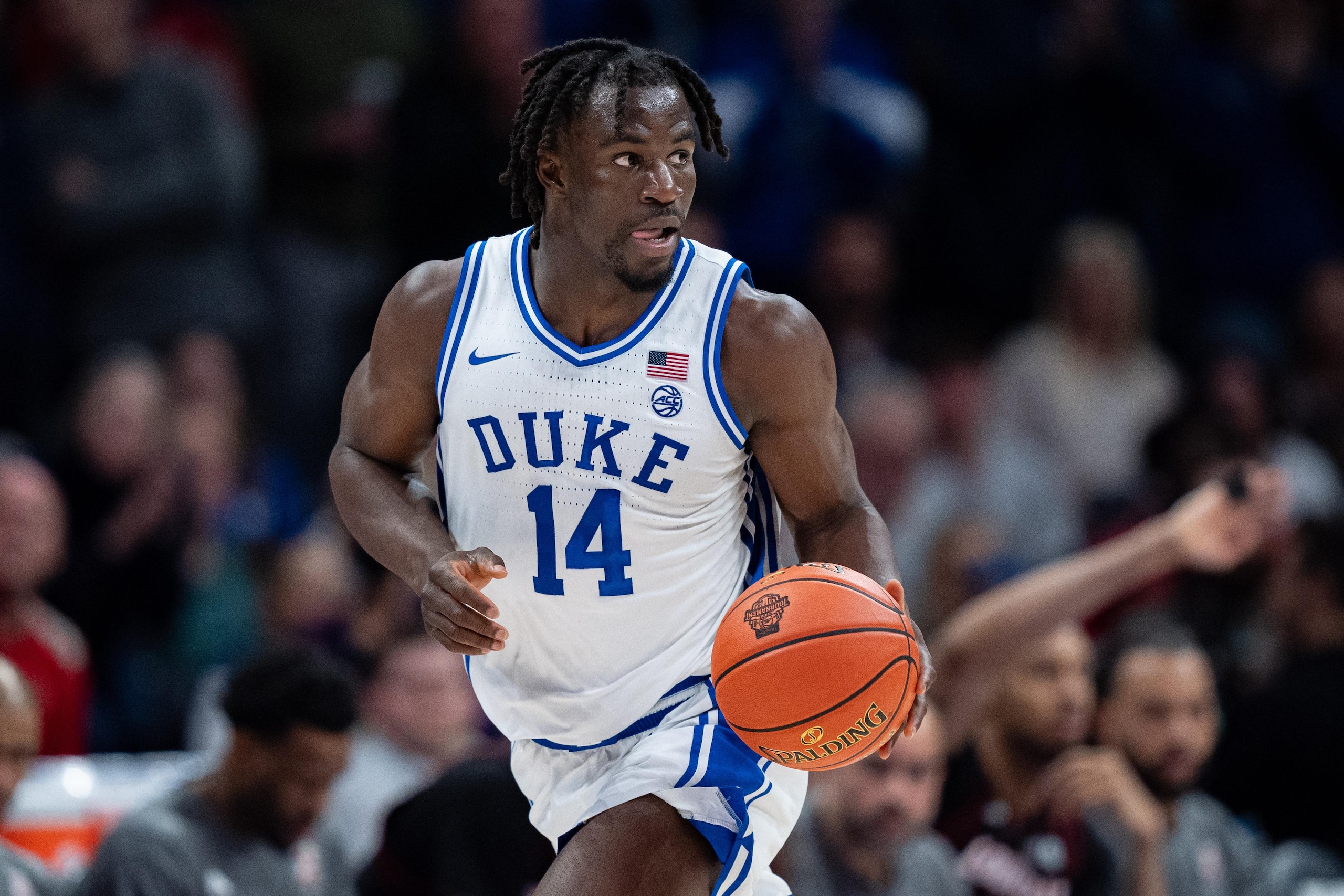
Duke: 21 miles
Louisville: 78 miles
Robert Morris: 124 miles
Tennessee: 175 miles
St. John’s: 175 miles
Norfolk State: 192 miles
Illinois: 225 miles
Michigan State: 229 miles
Oregon: 286 miles
Missouri: 319 miles
Wofford:346 miles
Iowa State: 353 miles
Drake: 388 miles
Marquette: 434 miles
Xavier: 444 miles
SIU Edwardsville: 450 miles
Kentucky: 469 miles
BYU: 480 miles
Auburn: 488 miles
Texas Tech: 509 miles
Vanderbilt: 522 miles
Florida: 533 miles
Lipscomb: 574 miles
Houston: 605 miles
Bryant: 626 miles
UConn: 640 miles
Mississippi State: 685 miles
Mississippi: 706 miles
High Point: 729 miles
Alabama State: 741 miles
Alabama: 765 miles
Creighton: 769 miles
North Carolina: 876 miles
Montana: 894 miles
Troy: 901 miles
Mount St. Mary’s: 929 miles
Clemson: 933 miles
Texas A&M: 939 miles
Purdue: 940 miles
Wisconsin: 952 miles
Georgia: 1,029 miles
UC San Diego: 1,078 miles
Oklahoma: 1,214 miles
Michigan: 1,227 miles
Baylor: 1,229 miles
Colorado State: 1,253 miles
UNC Wilmington: 1,284 miles
Grand Canyon: 1,423 miles
Omaha: 1,433 miles
Kansas: 1,436 miles
Arkansas: 1,517 miles
Arizona: 1,541 miles
New Mexico: 1,596 miles
Gonzaga: 1,600 miles
Utah State: 1,651 miles
McNeese: 1,669 miles
VCU: 1,669 miles
Yale: 1,854 miles
UCLA: 2,177 miles
Memphis: 2,296 miles
Akron: 2,430 miles
St. Mary's: 2,450 miles
Maryland: 2,759 miles
Liberty: 2,783 miles
*Per Christopher Boan and Jim Tomlin of BetMaryland.com
Travel Overview
2 of 3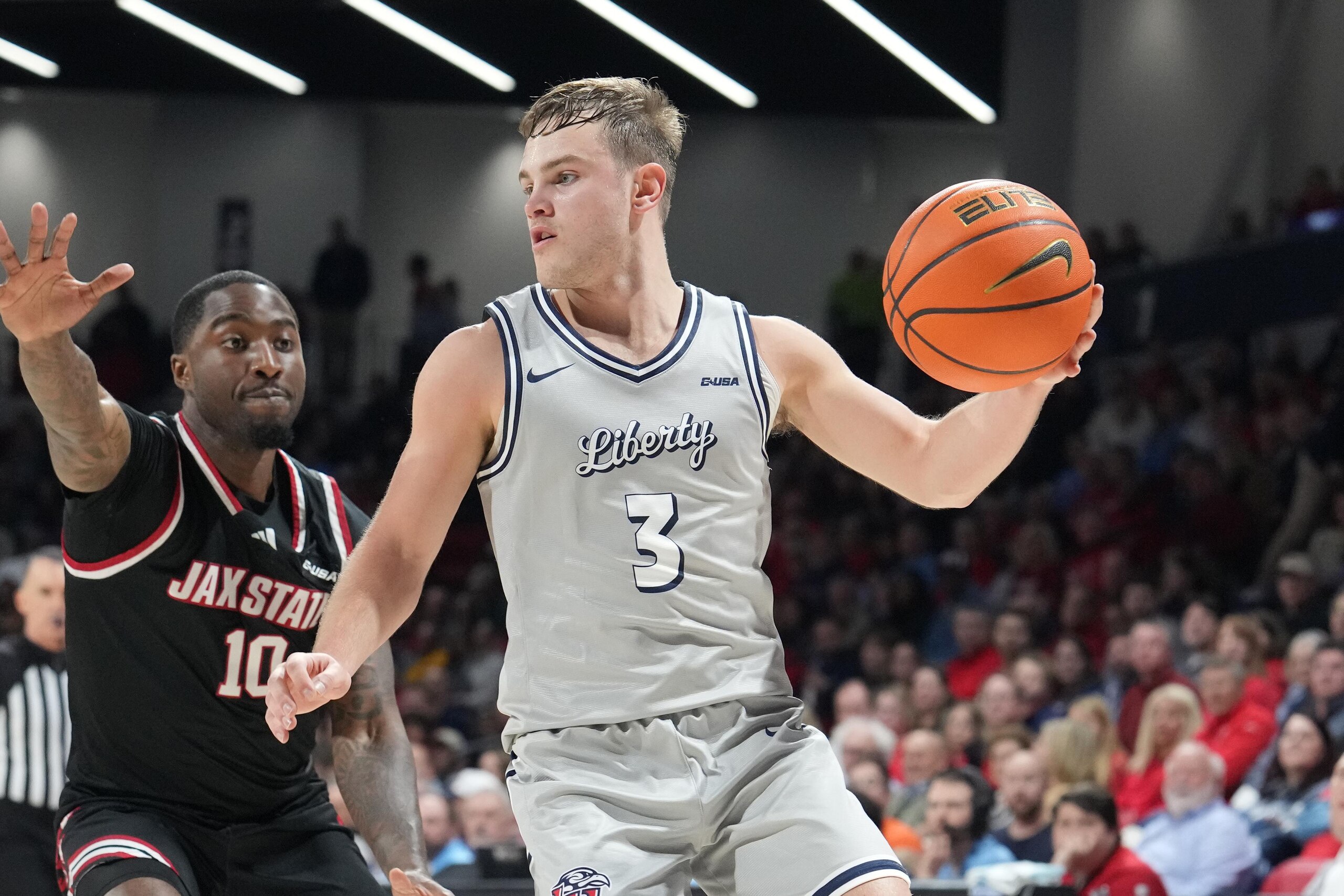
The players, coaches and teams of NCAA basketball programs are accustomed to travel. Theoretically, a shorter trip won't equal a decisive advantage if the on-site crowd is truly neutral.
Of course, a shorter distance increases the likelihood of fans attending the game. Duke, for example, faces the shortest trip of the first round, just 21 miles from Durham to Raleigh.
Louisville has a 78-mile trip to Lexington, while Robert Morris has a 124-mile trip to Cleveland. St. John's, Tennessee and Norfolk State also face trips of less than 200 miles.
Conversely, longer trips carry more chances for interruptions, delays or other events that could impact a team's rhythm before the game. North Carolina, which won its First Four game against San Diego State 96-68, had a travel delay because of plane issues during the 481-mile trip to Dayton.
"We just kind of stuck with it,” North Carolina forward Ven-Allen Lubin said, per Luke DeCock of the Raleigh News & Observer. “It was affecting everybody on the team but we stuck together."
Schools should have ample time for travel, and we're unlikely to see any games postponed because of travel issues. However, anyone who has experienced a lengthy layover—especially an unscheduled one—knows that it can be a draining experience.
And several teams have some pretty lengthy trips for the opening round. Liberty has the furthest, with a 2,783-mile trek from Virginia to Seattle.
UCLA, Memphis, Akron, St. Mary's and Maryland also have trips of longer than 2,000 miles. Anyone who has been on a flight for seven-plus hours knows that's not particularly fun either.
Where we might see travel distance really matter is in matchups that involve teams on both ends of the travel spectrum. St. John's will only travel 175 miles to its first-round game against Omaha, while Omaha will make a 1,433-mile trek to reach Providence.
Will travel ultimately affect the tournament's overall outcome? Perhaps not. Massive Round 1 upsets are uncommon, and we usually see a top-seeded team win it all. Since Florida won the tournament as a No. 3 seed in 2006, we've only had three instances of a team seeded lower than second—all won by Connecticut—win the final game.
No. 16 seeds have only won twice in tournament history.
If, however, you're curious as to why a particular team looks sluggish to pen its first-round game or why a school seems to have a crowd advantage, well, travel just might have been involved.
Tournament Schedule and Favorites
3 of 3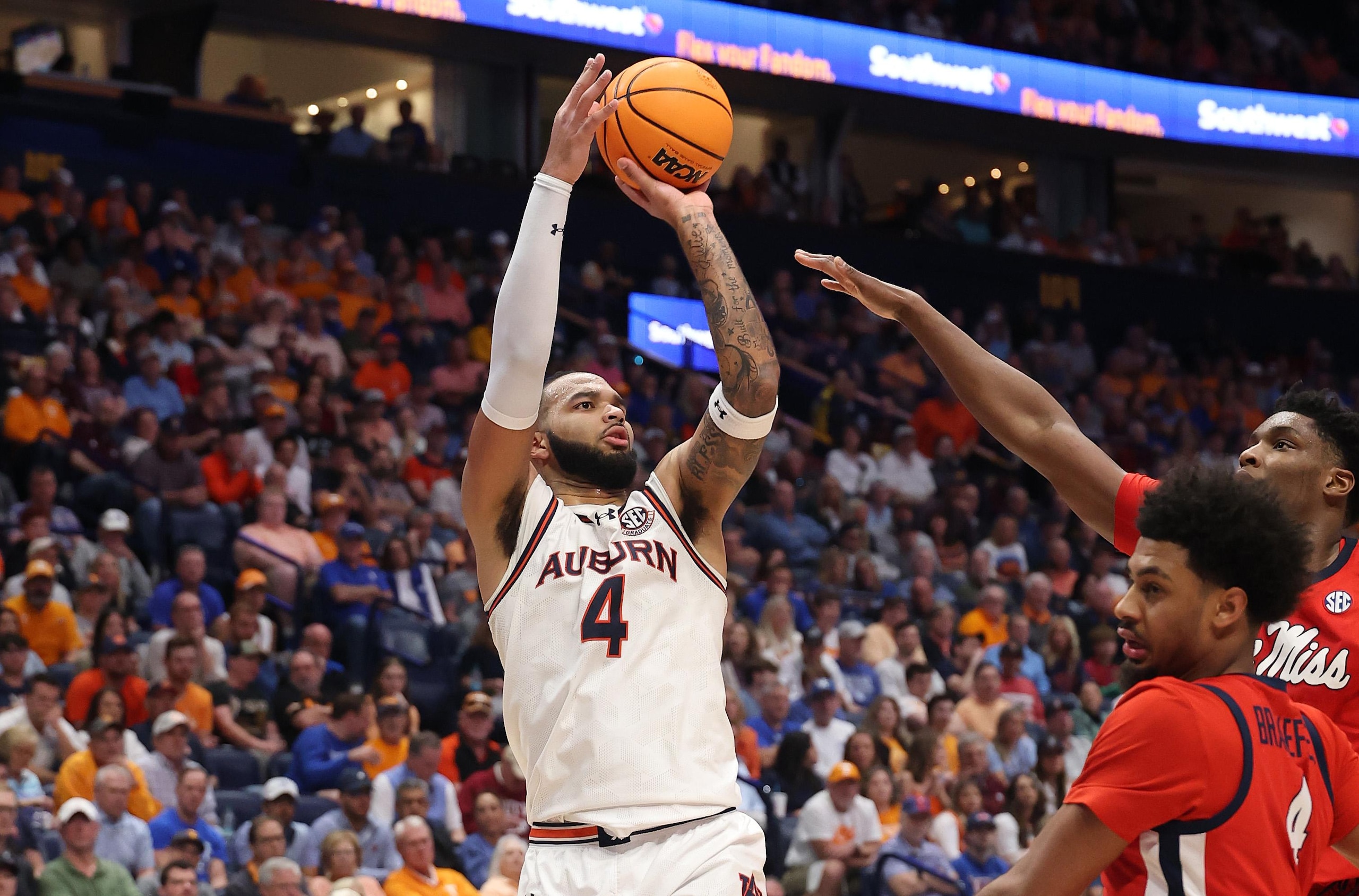
March 20 and 21
First Round
March 22 and 23
Second Round
March 27 and 28
Sweet 16
March 29 and 30
Elite Eight
April 5
Final Four
April 7
NCAA National Championship Game
Tournament Favorites (via DraftKings Sportsbook)
Duke +320 (bet $100 to win $320)
Florida +380
Auburn +400
Houston +600
Tennessee +2200
Alabama +2200
Michigan State +2500
St. John's +2800
If you or someone you know has a gambling problem, crisis counseling and referral services can be accessed by calling 1-800-GAMBLER (1-800-426-2537) (IL).Gambling problem? Call 1-800-GAMBLER (NJ/WV/PA), 1-800-9-WITH-IT (IN), 1-800-522-4700 (CO), 1-800-BETS OFF (IA), or call or text the TN REDLINE: 800-889-9789 (TN).21+. NJ/PA/WV/IN/IA/CO/IL/TN only. In partnership with Meadows Racetrack & Casino. Eligibility restrictions apply. See draftkings.com/sportsbook for details.

.jpg?w=2560 "Texans-Mixon Released Football")

.jpg?w=2560 "Rams Eagles Football")
.jpg?w=2560 "2 NFL Officials Suspended")


.jpg?w=2560 "Mahomes' Wife Trolls Kubiak 💀")