
Men's NCAA Tournament 2025: Breaking Down Every Team’s Chance to Win the Title
At last, the 2025 men's NCAA tournament is here.
The long-awaited unveiling of the March Madness bracket laid out the path to a national championship for 68 hopefuls.
(Click here to play the NCAA March Madness Men's Bracket Challenge.)
But some, of course, have a much greater chance than others.
Following the First Four matchups, the path is straightforward: Win six games. In the history of the Big Dance, however—and, more specifically, since 1985 when the tourney expanded to 64 teams, we've seen plenty of trends emerge for particular seed lines, team styles and so on.
The tiers are subjective yet lean heavily on 39 years of data to separate teams into handy buckets of real championship potential.
Tier 6: Miracle Mode
1 of 6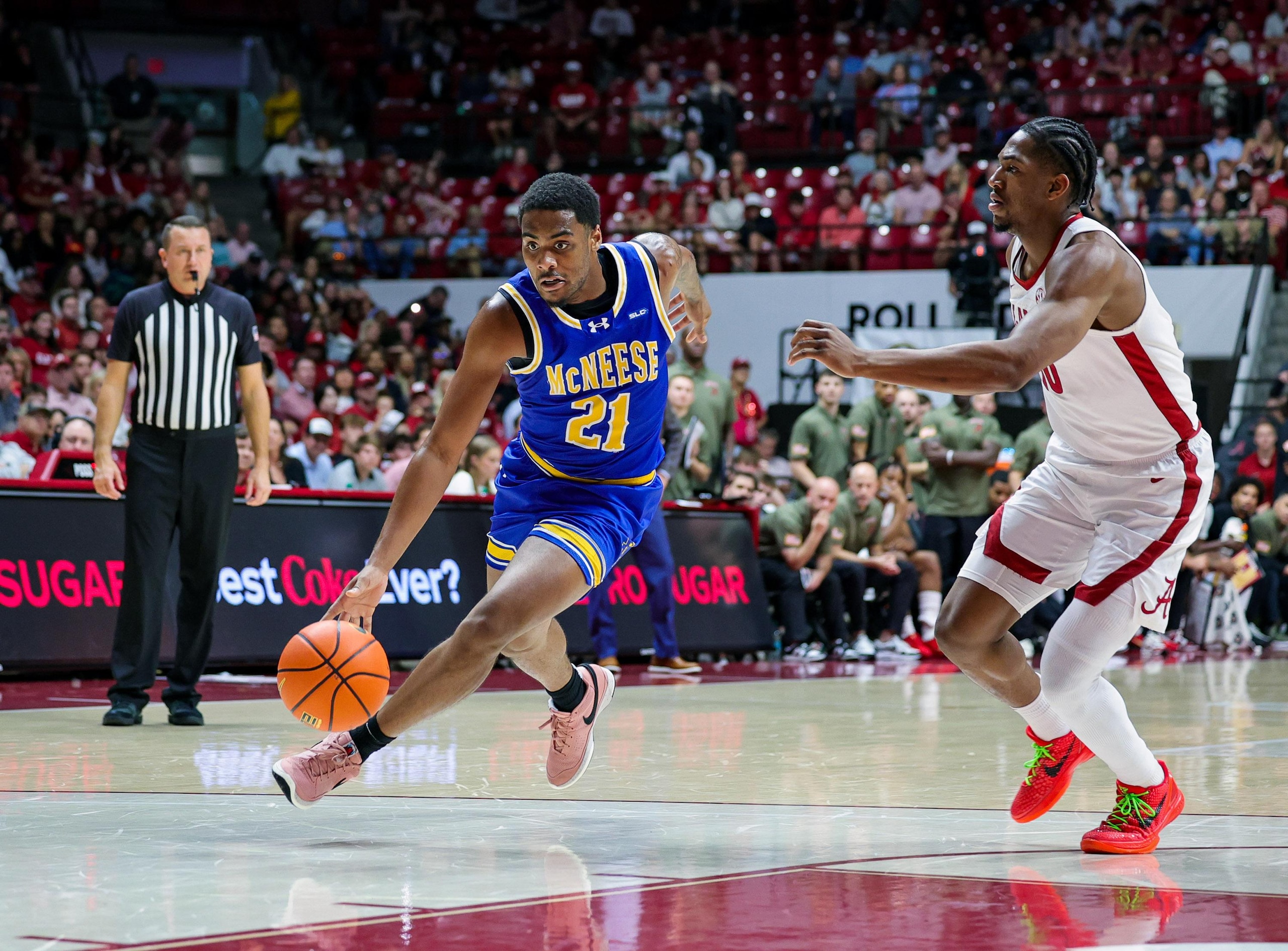
No. 16 Seeds: Alabama State, American, Mount St. Mary's, Norfolk State, Saint Francis (PA), SIU Edwardsville
UMBC made history in 2018 when it routed Virginia, and Fairleigh Dickinson shocked Purdue in 2023. This is no longer an unconscionable first-round upset, but a 16-seed needs to make the Sweet 16 before we talk about a championship.
No. 15 Seeds: Bryant, Omaha, Robert Morris, Wofford
Saint Peter's shattered the mold in 2022 during a run to the Elite Eight. Still, that means a 15-seed's best performance in the history of March Madness is three victories shy of a national title.
No. 14 Seeds: Lipscomb, Montana, Troy, UNC Wilmington
Oakland beat Kentucky thanks to a three-point barrage last year, marking the 10th time in this millennium that a 14-seed won a first-round contest. But this group hasn't reached the Sweet 16 since Chattanooga in 1997.
No. 13 Seeds: Akron, Grand Canyon, High Point, Yale
Even beyond five of the last six NCAA tourneys featuring this upset, it's happened in 28 of the 39 years during the 64-team era. Good! Never has a 13-seed advanced to the Elite Eight, though. Less good.
No. 12 Seeds: Colorado State, Liberty, McNeese, UC San Diego
Back in 2021, Oregon State rode a surprising Pac-12 tournament title into an unexpected Elite Eight run. However, that marked only the second time a 12-seed lasted to the second stage of the second weekend. Like every other seed line in this section, we're still waiting on that Final Four appearance here.
Tier 5: If You Tilt Your Head
2 of 6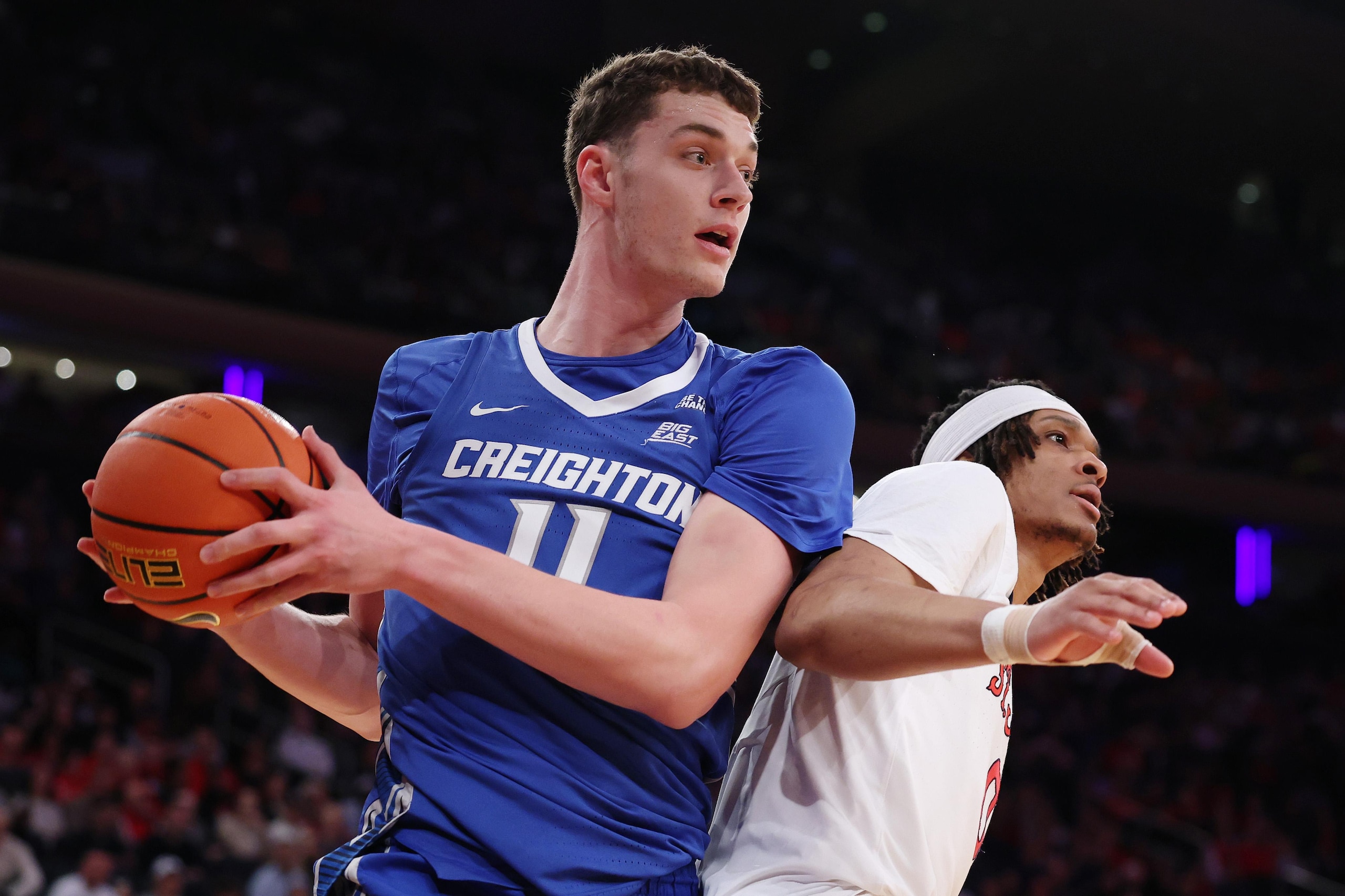
No. 11 Seeds: Drake, North Carolina, San Diego State, Texas, VCU, Xavier
Last year, North Carolina State followed a surprising ACC tournament crown with a surge to the Final Four. In the last decade alone, Loyola Chicago (2018) and UCLA (2021) have also reached the national semifinals. Balance those positive facts with understanding only 10 of 156 possibilities (excluding play-in losers) have managed to even make the Elite Eight. None of them played for a championship.
No. 10 Seeds: Arkansas, New Mexico, Utah State, Vanderbilt
Syracuse advanced to the Final Four in 2016, and Miami went to the Elite Eight in 2022. So, again, respect the examples while acknowledging the history—which reminds us that those ACC teams are the only 10-seeds to reach the Elite Eight since Stephen Curry propelled Davidson there in 2008.
No. 9 Seeds: Baylor, Creighton, Georgia, Oklahoma
During the 64-team era, the 9-seed has produced only nine Sweet 16 teams yet enjoyed a bit of success. Wichita State (2013) and Florida Atlantic (2023) both traveled to the Final Four but lost in the national semifinals.
Tier 4: You Concern Me
3 of 6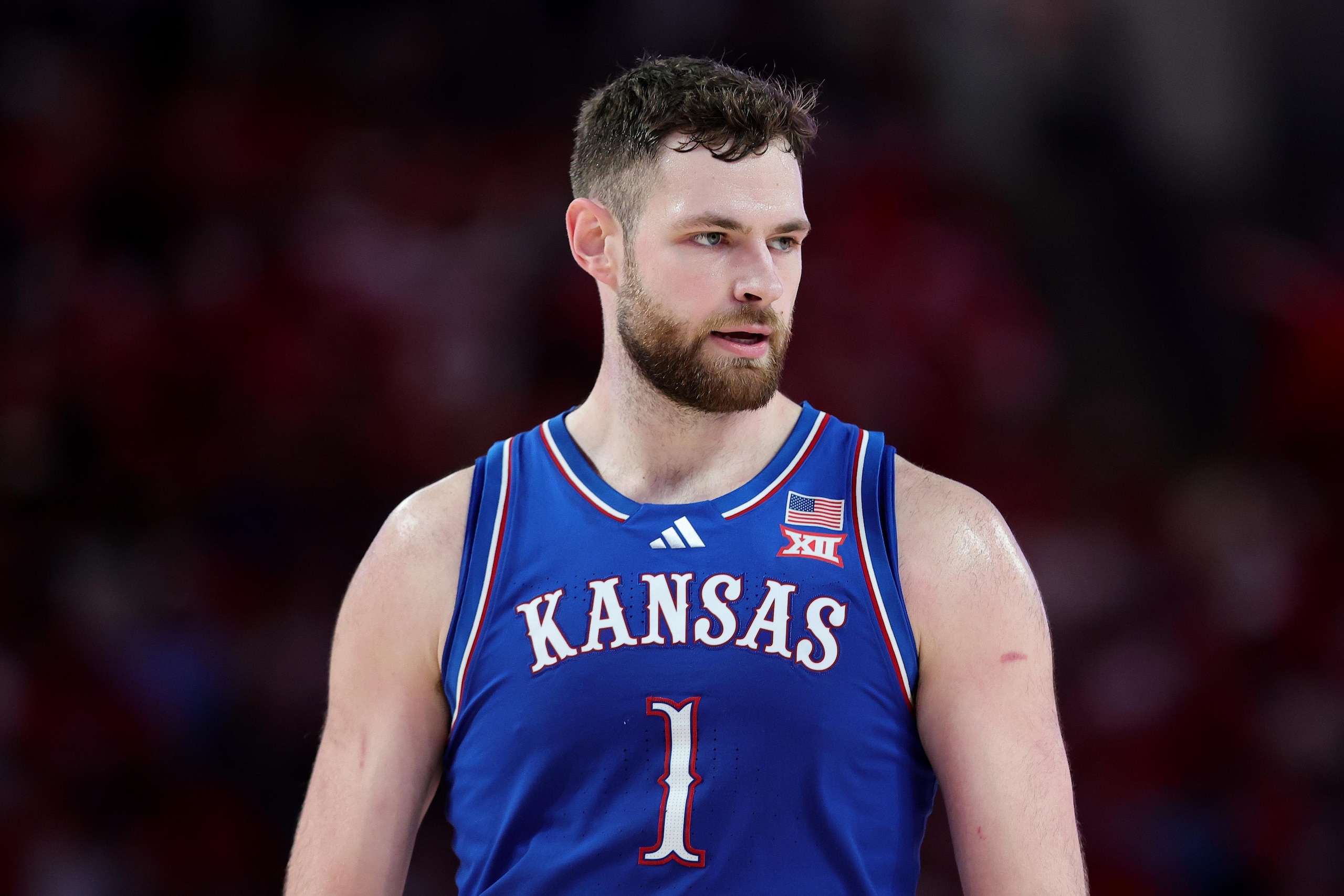
No. 6 Illinois Fighting Illini
No. 6 Missouri Tigers
No. 7 Kansas Jayhawks
No. 7 Marquette Golden Eagles
Each member of this quartet has a glaring flaw. Illinois can be horribly streaky on the perimeter, while Missouri is prone to sustained lapses defensively. Kansas hasn't beaten a quality road/neutral opponent since November, and Marquette went a combined 1-6 against the Big East's top-three finishers.
No. 5 Memphis Tigers
No. 7 UCLA Bruins
UCLA is a solid team, yet the recent drop in creating turnovers is a problem for the Bruins—who haven't traveled well, either. Memphis has continually pulled out close wins, but a rise in competition may expose the Tigers' turnover woes offensively.
No. 4 Texas A&M Aggies
No. 4 Purdue Boilermakers
No. 7 Saint Mary's Gaels
No. 8 Mississippi State Bulldogs
Texas A&M's horrid efficiency on offense looks unsustainable for six games, as does Purdue's nightmarish defense inside the arc. Saint Mary's and Mississippi State are two of the worst three-point shooting teams in the NCAA tourney.
.jpg?w=2560 "Lions Cardinals Football")
.jpg?w=2560 "Packers 49ers Football")
Tier 3: There's an Argument
4 of 6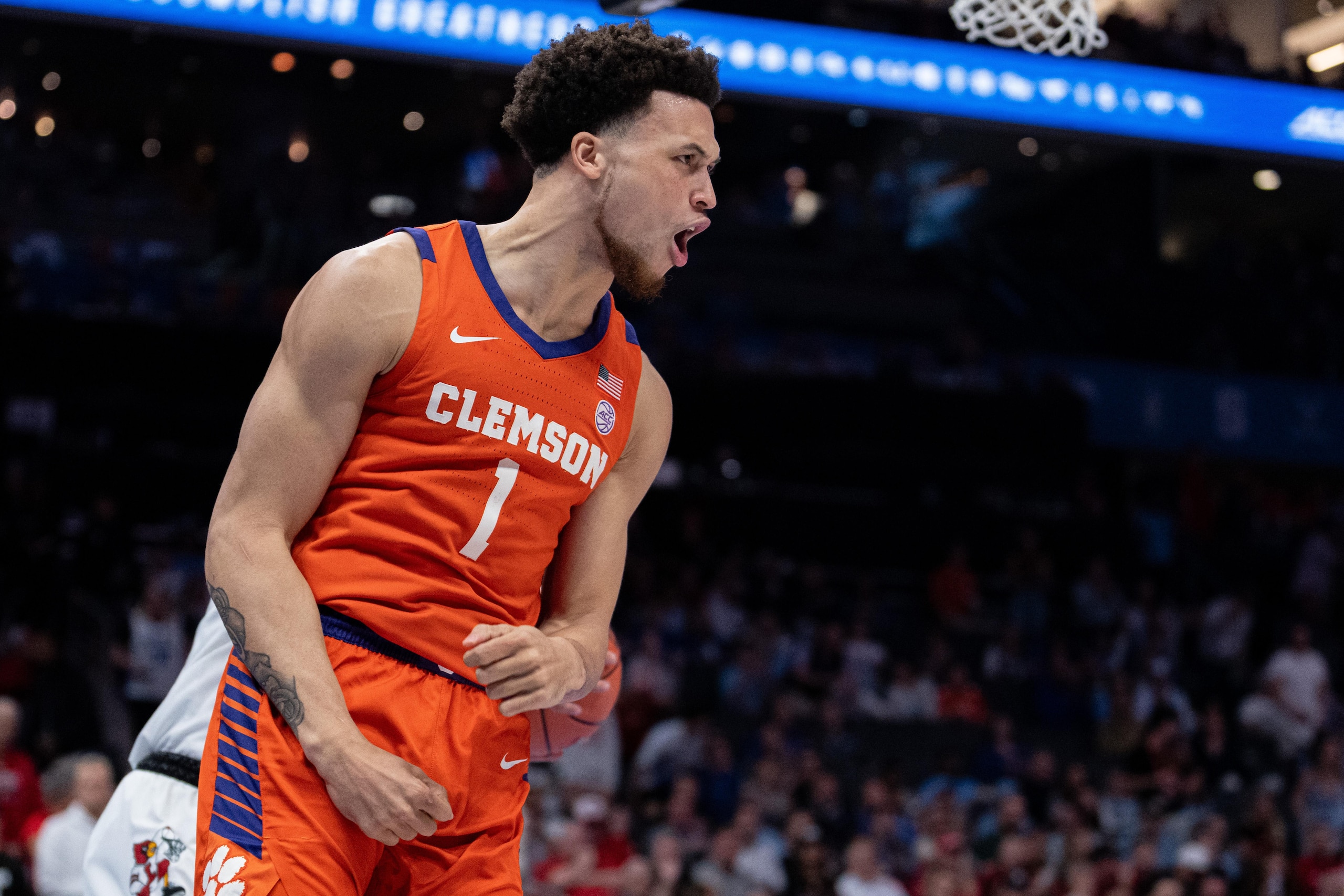
No. 5 Clemson Tigers
No. 8 Louisville Cardinals
Clemson and Louisville are both on absolute heaters, only losing to Georgia Tech (odd coincidence!) or each other in this calendar year. In theory, however, the road is about to get much tougher with the teams moving away from mediocre ACC competition this season.
No. 5 Michigan Wolverines
No. 5 Oregon Ducks
No. 6 Ole Miss Rebels
No. 8 Connecticut Huskies
On one hand, playing a bunch of close games may be helpful. In a tense moment, these programs all have plenty of experience. Simultaneously, a concerning number of underdogs have stuck with these five talented rosters throughout the season.
No. 2 St. John's Red Storm
No. 3 Iowa State Cyclones
No. 4 Maryland Terrapins
St. John's is among the worst long-range shooting teams, while turnovers have plagued Iowa State lately and scarce depth is an issue for Maryland. But when these defenses are at their best, this trifecta is difficult to solve.
No. 3 Texas Tech Red Raiders
No. 3 Kentucky Wildcats
No. 3 Wisconsin Badgers
No. 4 Arizona Wildcats
No. 6 BYU Cougars
No. 8 Gonzaga Bulldogs
This group, meanwhile, leans pretty heavily on its scoring attacks. Arizona atones for its shaky perimeter shooting with a top-25 offensive rebounding rate, while the remainder hold a top-40 mark nationally in true shooting percentage.
Tier 2: Key Contenders
5 of 6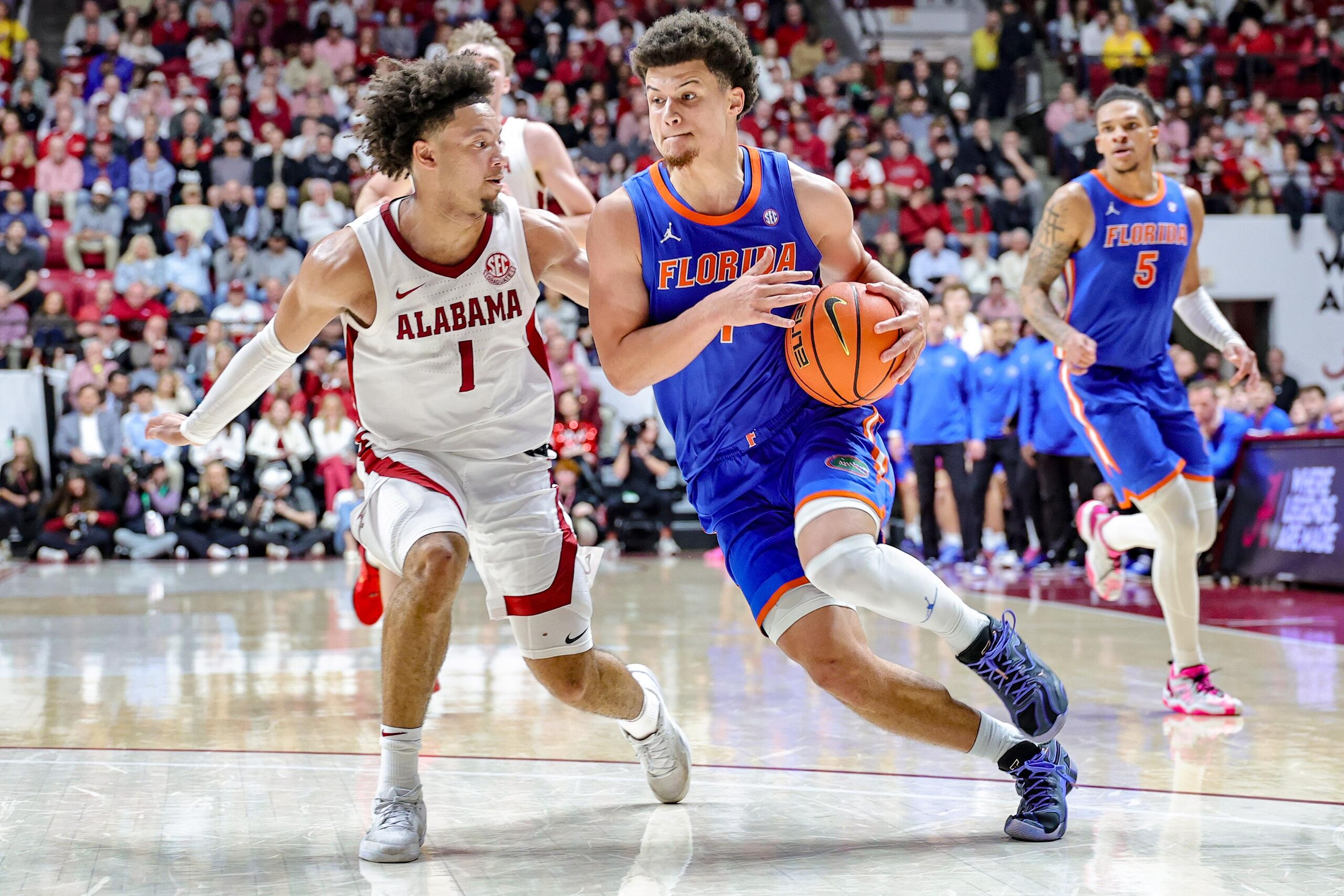
No. 1 Florida Gators
Florida is going to score a ton of points. That much we know. Whether the defense can string together six respectable games in a row is the question, particularly if the bracket doesn't fall favorably in the later rounds. I wouldn't be excited about preparing for this offense, though.
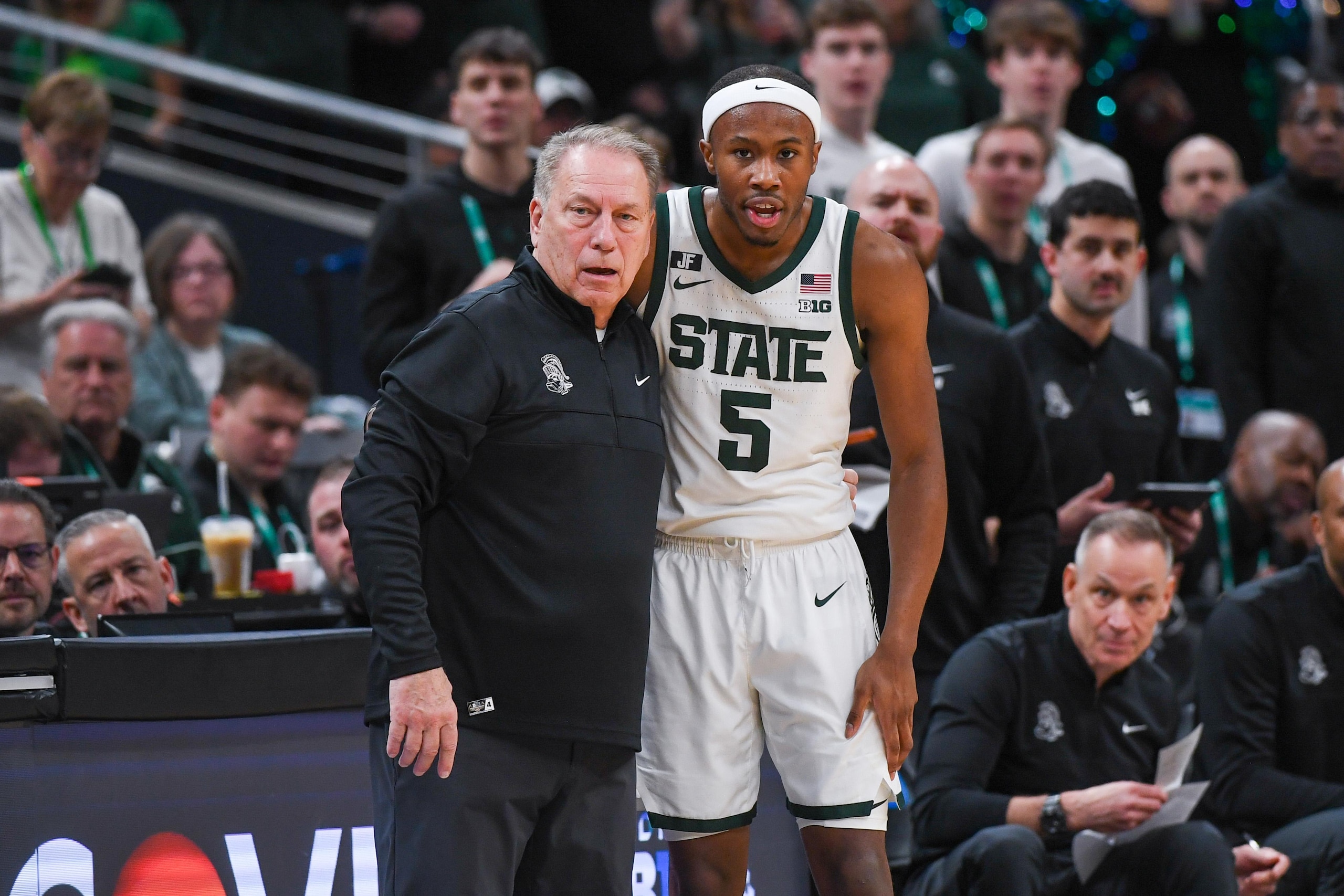
No. 2 Michigan State Spartans
In fairness to Michigan State, its three-point shooting has been passable lately. Should that continue, the defense-driven Spartans are a serious threat. But if the offense goes ice cold in a pressure-packed tourney, MSU's defense—which is sensational at defending threes and grabbing rebounds—might not be enough.
No. 2 Alabama Crimson Tide
Alabama, like Florida, is built on its offensive firepower. The breakneck pace can result in a bunch of turnovers if the Crimson Tide are overly ambitious, but we watched them minimize those mistakes on the path to the Final Four last season.
No. 2 Tennessee Volunteers
Once again, I'm wavering between Tiers 2 and 3 for Tennessee. While the defense is fantastic and could propel the Vols like on the Elite Eight run last season, their margin for error offensively—from beyond the arc especially—is concerning. Still, this defense? Whew.
Tier 1: The Favorites
6 of 6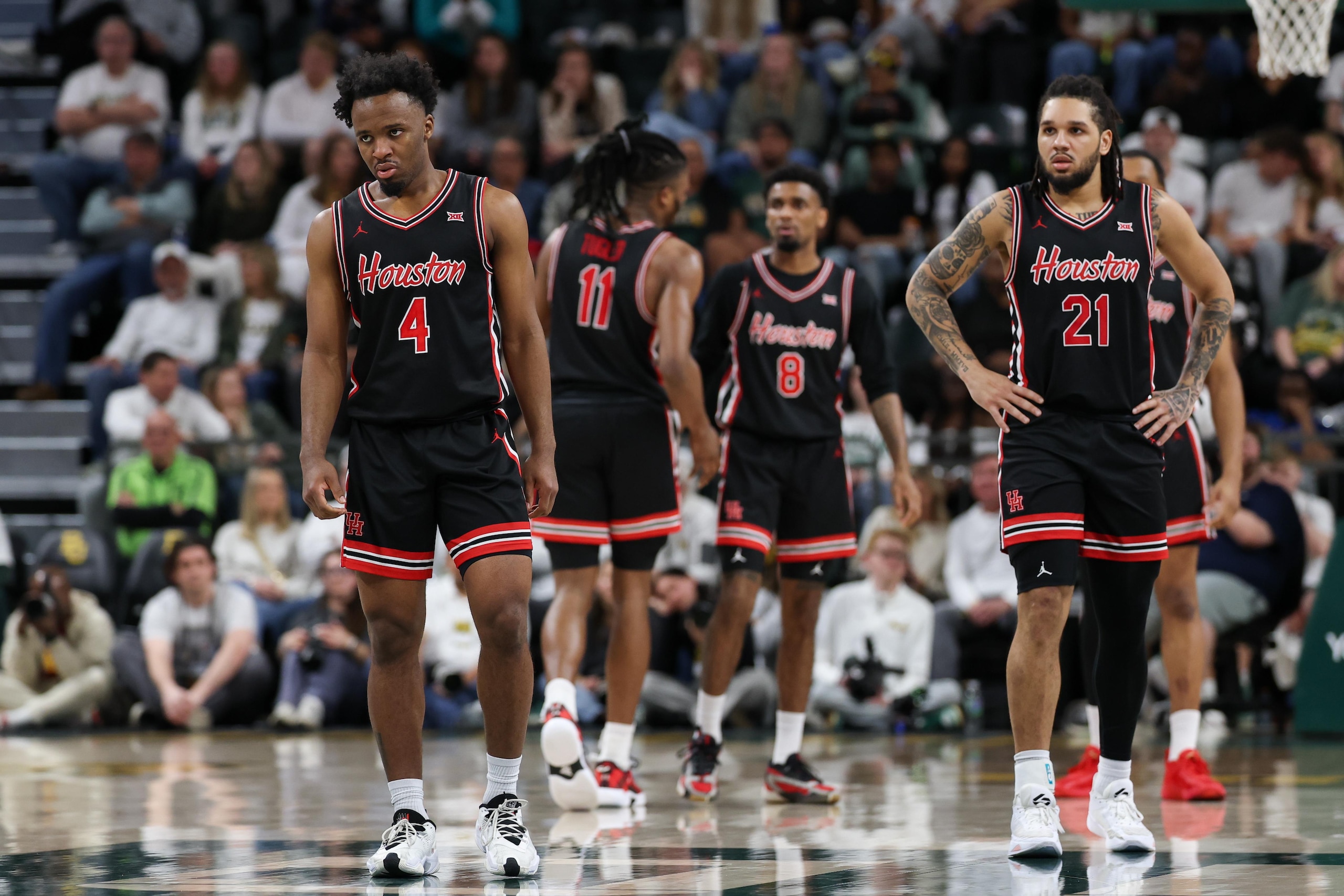
No. 1 Auburn Tigers
If an opponent is able to continually attack the rim, Auburn will have its collective hands full. That became an issue late in the season. At their best, though, the Tigers are balanced offensively, protect the ball and can lock down the perimeter.
No. 1 Duke Blue Devils
The asterisk, of course, is the health of superstar freshman Cooper Flagg. With or without him, the Blue Devils will be a highly respected opponent. But if he's clearly not close to full strength, their championship hopes take a major hit. Flagg is the lynchpin of everything Duke does on both sides of the court.
No. 1 Houston Cougars
Is this finally the moment? Houston has reached the Sweet 16 in four straight years, only making the Final Four in 2021 and never to the championship game. Houston is elite defensively, as usual, but particularly great at shooting threes this season.
.jpg?w=2560 "Texans Titans Football")
.jpg?w=2560 "Broncos Chargers Football")
.jpg?w=2560 "Report: Steelers WR to Miss 'Weeks'")