
Predicting 2025 All-NBA 1st, 2nd and 3rd Teams Right Now
With the All-Star Game complete, it's time to turn our attention to end-of-season NBA honors.
That starts with the three All-NBA teams, which will be populated by an even more exclusive club of the league's top superstars than the ones that appeared in San Francisco over All-Star Weekend. Basically, we're going positionless and cutting down the field from 24 to 15.
That'll necessarily mean leaving out some massive names—many because of the requirement to play 65 games, and some because, well...cuts have to be made somewhere.
Let's see who's on track to populate the All-NBA First, Second and Third teams by the end of the 2024-25 season.
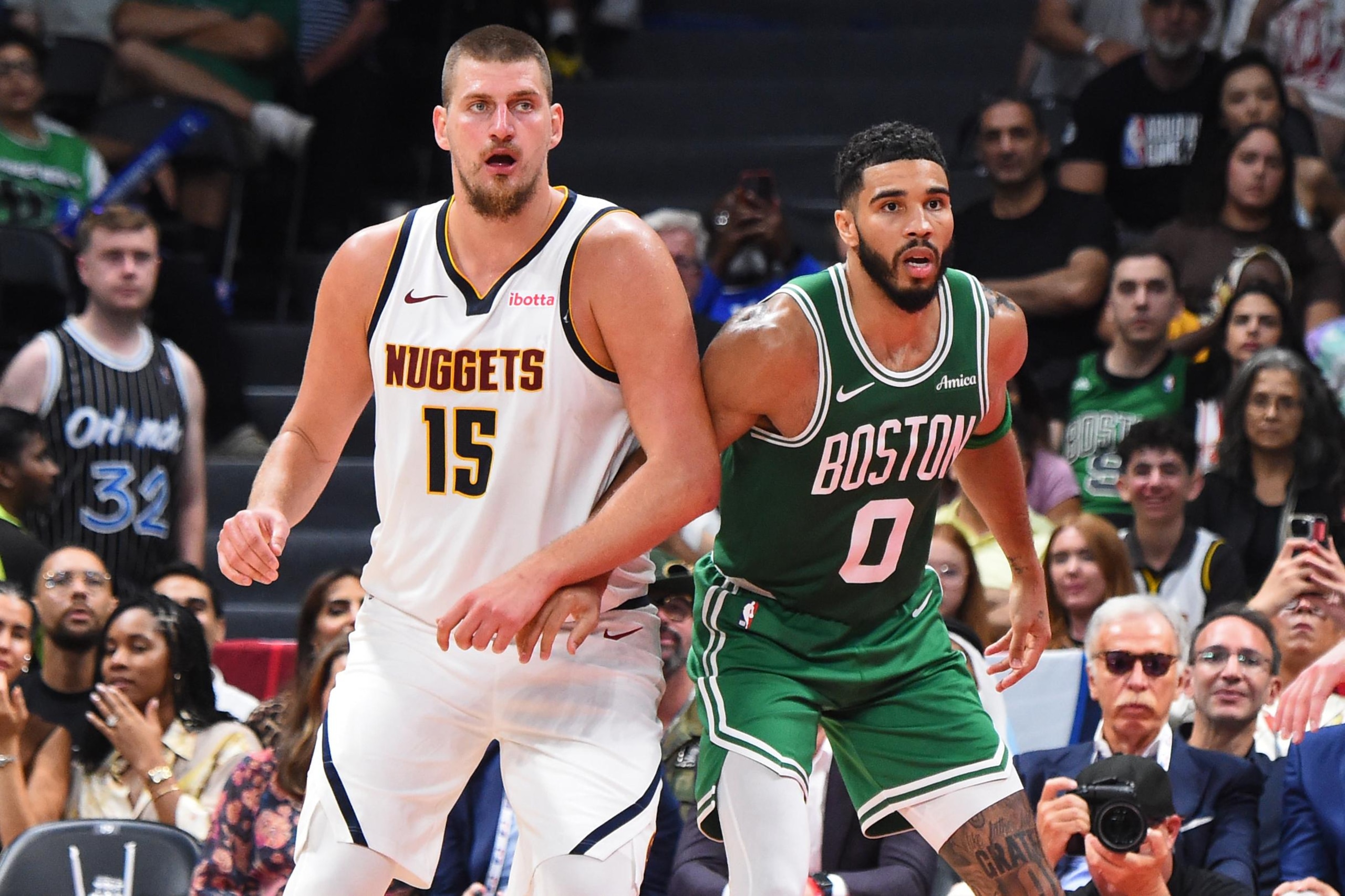
All-NBA First Team: Nikola Jokic, Denver Nuggets
1 of 15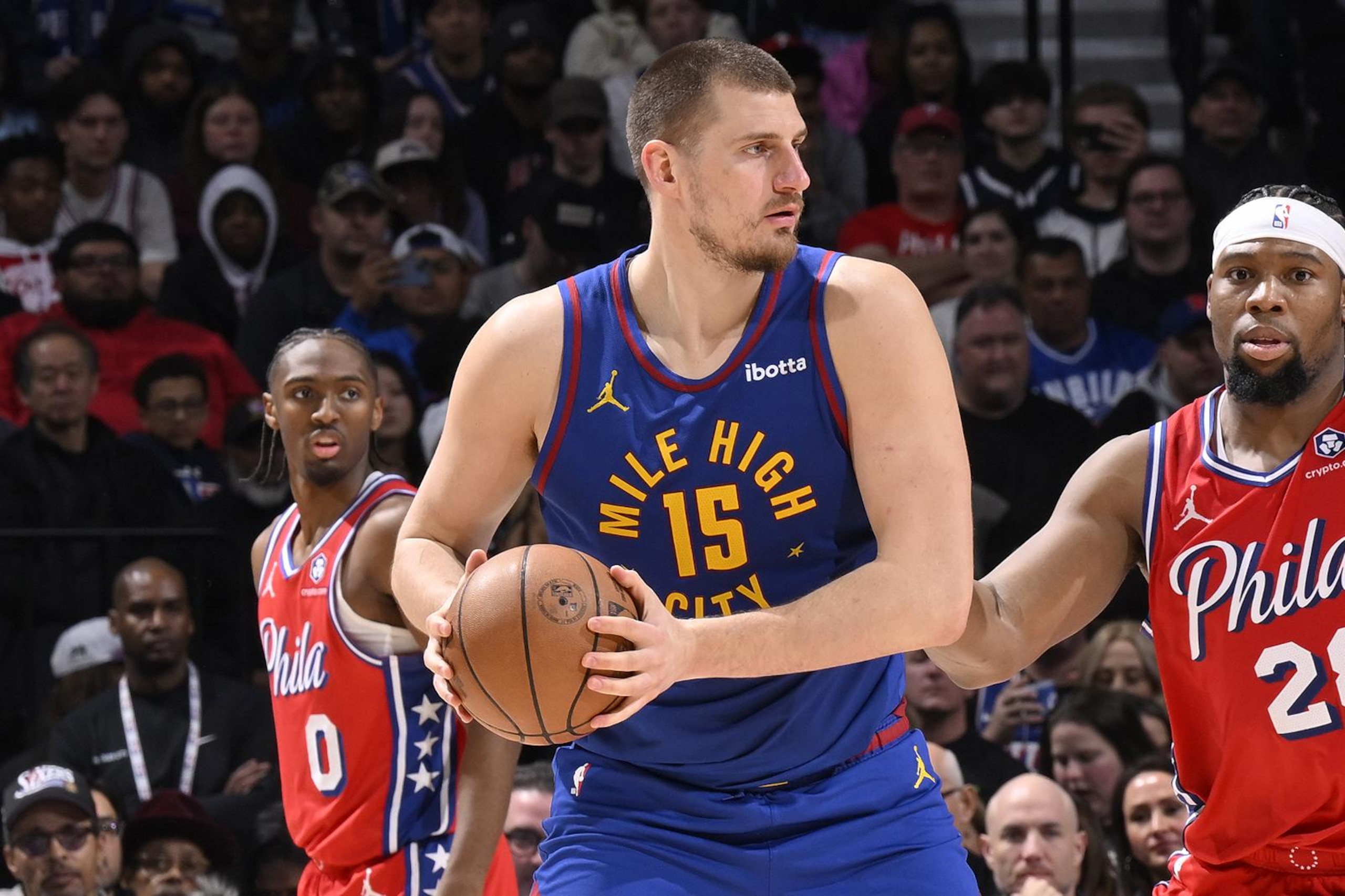
We’re not here to decide whether a majority of straw-poll voters are right to heavily favor Shai Gilgeous-Alexander over Nikola Jokić, but if we were, we’d definitely cite Jokić’s runaway lead in on-off differential.
The Denver Nuggets are 23.9 points per 100 possessions better with Jokić on the floor than off, a figure nearly 10 full points better than SGA’s. That stat says as much about the rest of the Nuggets’ roster as it does about Jokić’s brilliance, but it should also factor heavily into any discussion of value.
The Joker’s individual stats are more than good enough to make his All-NBA case on their own. He’s setting new career highs with 29.8 points, 12.6 rebounds, 10.2 assists, 1.8 steals and an incomprehensible 45.0 percent from three-point range. For years, Jokić has exerted a level of control over the game no one in the league can match. Now, he’s putting up numbers never before produced in a single season.
All-NBA First Team: Shai Gilgeous-Alexander, Oklahoma City Thunder
2 of 15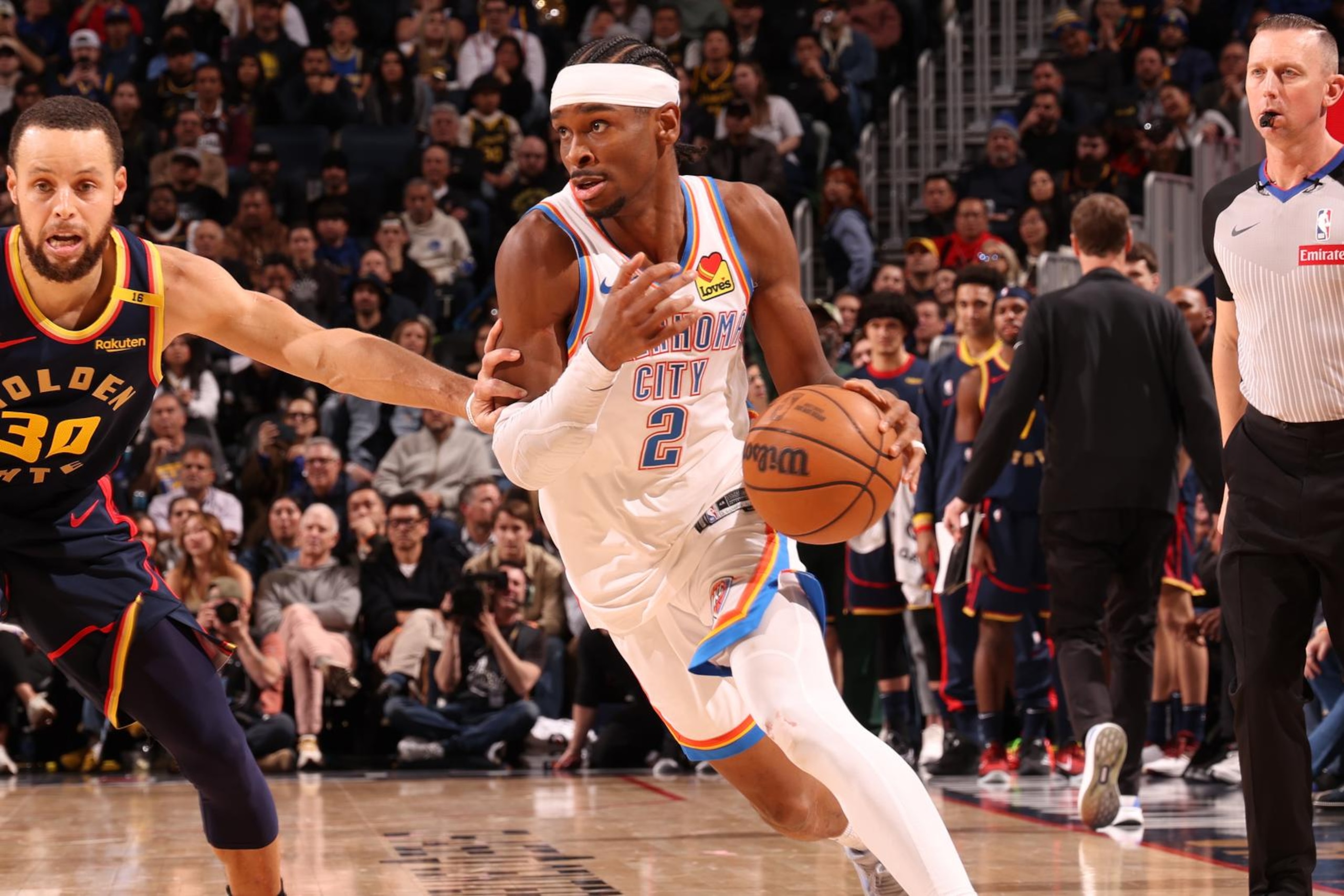
The toughest one-on-one cover around, the league’s top scorer and the runaway leader in points generated on drives, SGA is barrelling downhill toward his first MVP award.
If his current rates hold, Gilgeous-Alexander will become just the fifth player in NBA history to average at least 32.0 points per game while posting a true shooting percentage north of 63.0 percent.
The Oklahoma City Thunder are cruising to the West’s best record largely on the strength of their defense, but SGA is the primary reason they score enough to make that disruptive D count.
When Gilgeous-Alexander is on the floor, the Thunder score at a rate that’d rank near the very top of the league. When he sits, they perform like the Washington Wizards’ 30th-ranked offense.
All-NBA First Team: Giannis Antetokounmpo, Milwaukee Bucks
3 of 15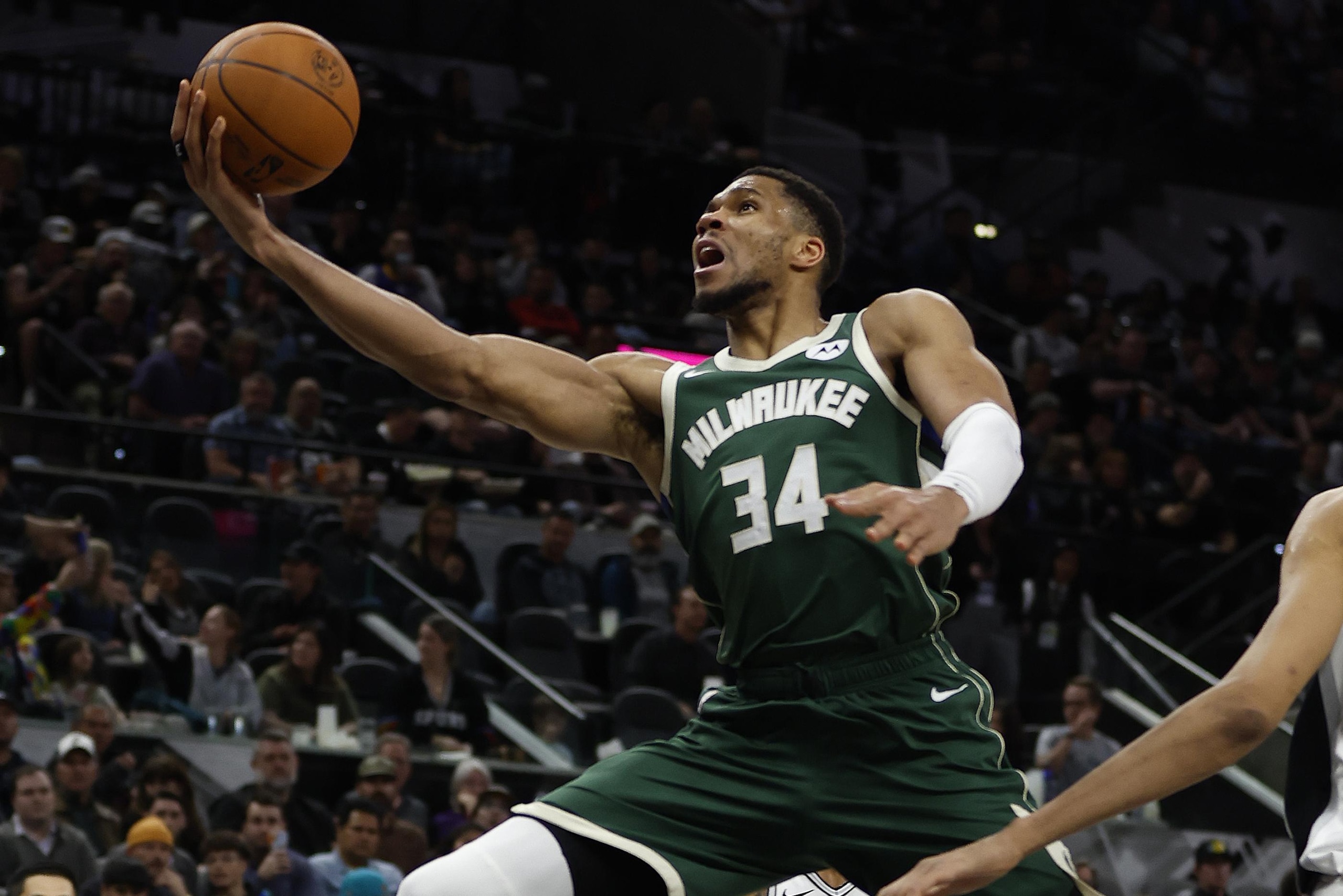
Giannis Antetokounmpo can only miss another half-dozen games before the 65-game requirement disqualifies him, and his recent calf injury brings that possibility into play.
Health is the only thing that’ll cost him his seventh consecutive spot on the First Team.
In a career riddled with incredible numbers, the two-time MVP is on pace to set a new personal high with 31.8 points per game. When someone with as many accolades as Giannis is on track to do something even he’s never done before, it warrants serious attention.
In line to average over 10.0 free-throw attempts per game for the fifth time in his career, Giannis continues to be the same unstoppable offensive force that has blown up game plans for a decade. When he wants to get to the basket, he forces it to happen.
Even his concessions, those short jumpers defenses so happily invite, are falling at higher rates than ever. His 44.0 percent hit rate on mid-rangers is easily a career high.
All-NBA First Team: Jayson Tatum, Boston Celtics
4 of 15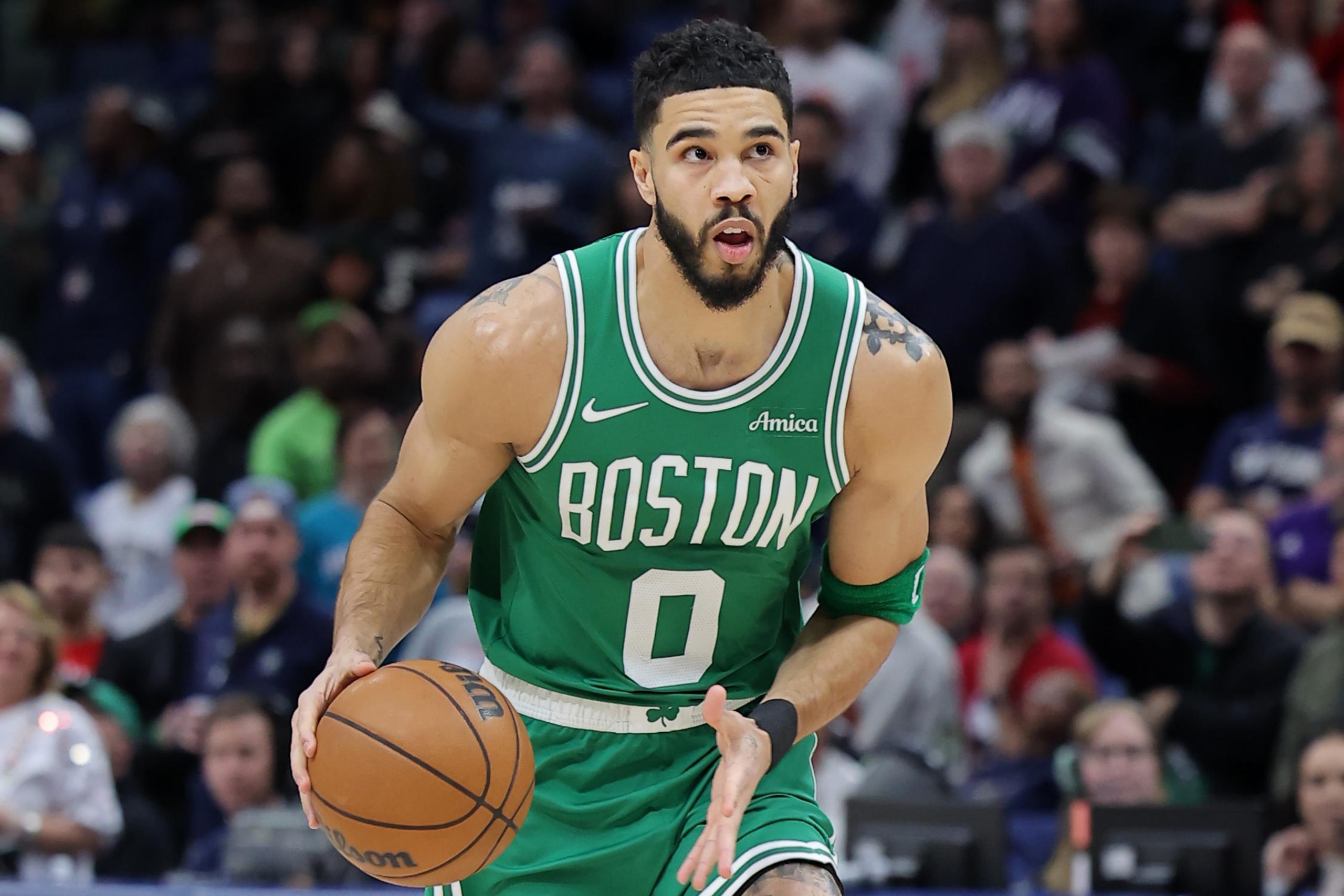
Though perhaps a notch below the above trio of shoo-in First-Teamers, Jayson Tatum’s metronomic excellence makes him a pretty easy pick here. He’s zeroing in on what’ll be his fourth straight spot among the league’s de facto top-five players with averages of 27.0 points, 8.7 rebounds and 5.6 assists.
Those numbers come in a package that also includes perpetually overlooked defense at multiple positions. Unlike Jokić and even SGA against certain matchups, the Boston Celtics forward cannot be picked on by quick guards or powerful bigs; Tatum routinely checks opposing centers in Boston’s scheme and has no issue containing shifty ball-handlers on the perimeter.
His completeness on D mirrors his flaw-free game on the other end, where Tatum and his average of 10.2 three-point attempts mean defenses can never ignore him outside the arc. Paired with a forceful downhill driving game and pull-ups most defenders lack the length to alter, Tatum excels as an isolation threat and as a complementary spacer.
Though perhaps not an A-plus in any single category, Tatum’s “weak” points are still in the A-minus range.
All-NBA First Team: Victor Wembanyama, San Antonio Spurs
5 of 15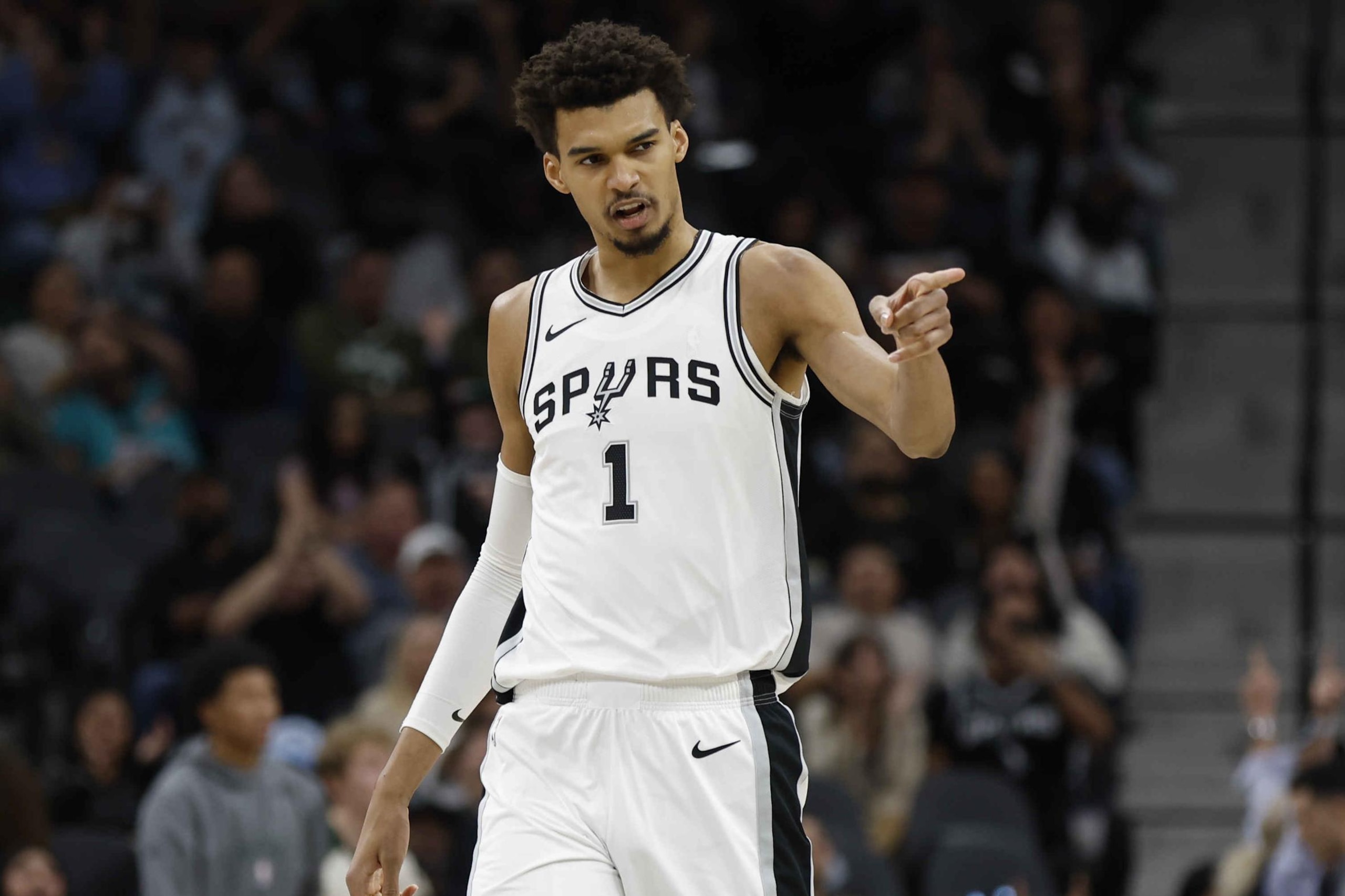
Wembanyama is holding shooters to a 50.8 percent field-goal percentage when designated as the primary defender on attempts inside six feet. That’s the lowest rate of anyone with at least 350 such shots defended this season. Rudy Gobert is the only heavy-minute big man who suppresses attempts at the rim to a greater degree than Wemby does.
No surprise: Wembanyama has the highest Defensive Estimated Plus/Minus of any center in the league (minimum 500 minutes).
If the eye test persuades you most, well…Wemby passes that one easiest of all. Just watch any Spurs game and marvel at how offenses completely abandon what would otherwise be clean looks because Wembanyama is lurking nearby, ready to return shots to sender.
He’s the league leader in blocks, and you have to wonder how big the margin between him and second place would be if offensive players weren’t terrified to test him.
Presumably the runaway Defensive Player of the Year, Wembanyama also chips in 24.3 points and 3.7 assists while hitting 35.2 percent of his 8.8 triple tries per game. He’ll easily become the first player in history to average over 3.0 blocks and 3.0 made threes.
Second Team: Jalen Brunson, New York Knicks
6 of 15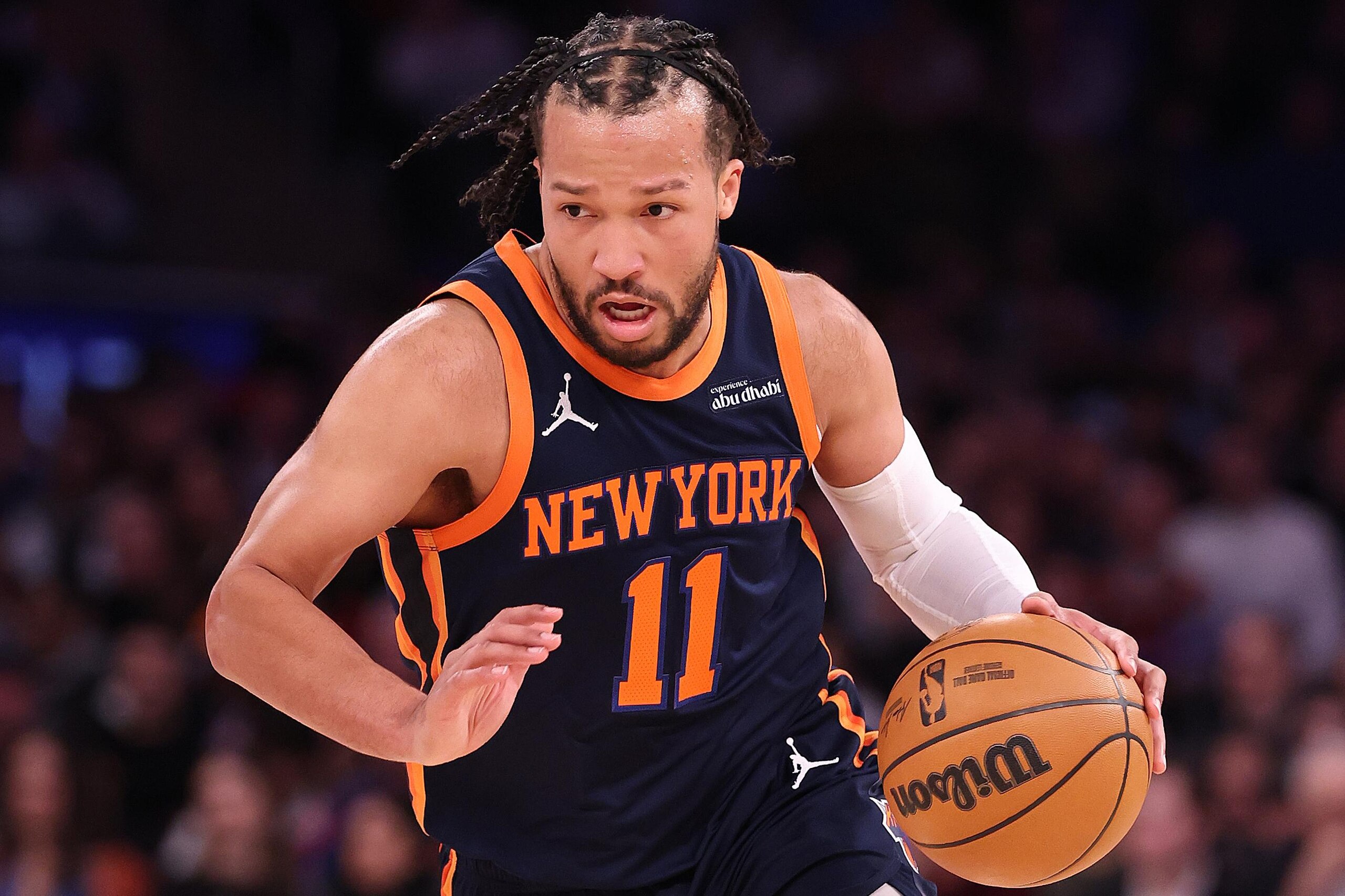
Jalen Brunson leads the league in time of possession, a good indication of his outsized role in the New York Knicks' second-ranked offense.
Coming off last year's fifth-place finish in MVP voting, Brunson has reduced some of his scoring usage to accommodate new teammates Karl-Anthony Towns and Mikal Bridges, but those cuts come with spikes in assists and free-throw attempts per game. One of the league's best interior scorers among smalls, Brunson is hitting 55.5 percent of his two-point attempts, his highest rate since he was a second option to Luka Dončić with the Dallas Mavericks.
The conventional numbers—26.1 points and 7.5 assists per game—rate as All-NBA-worthy on their own, but the context in which Brunson is producing them matters most. He's immensely durable, averaging 35.2 minutes per game, and is totally indispensable to one of the league's best offenses.
Second Team: Darius Garland, Cleveland Cavaliers
7 of 15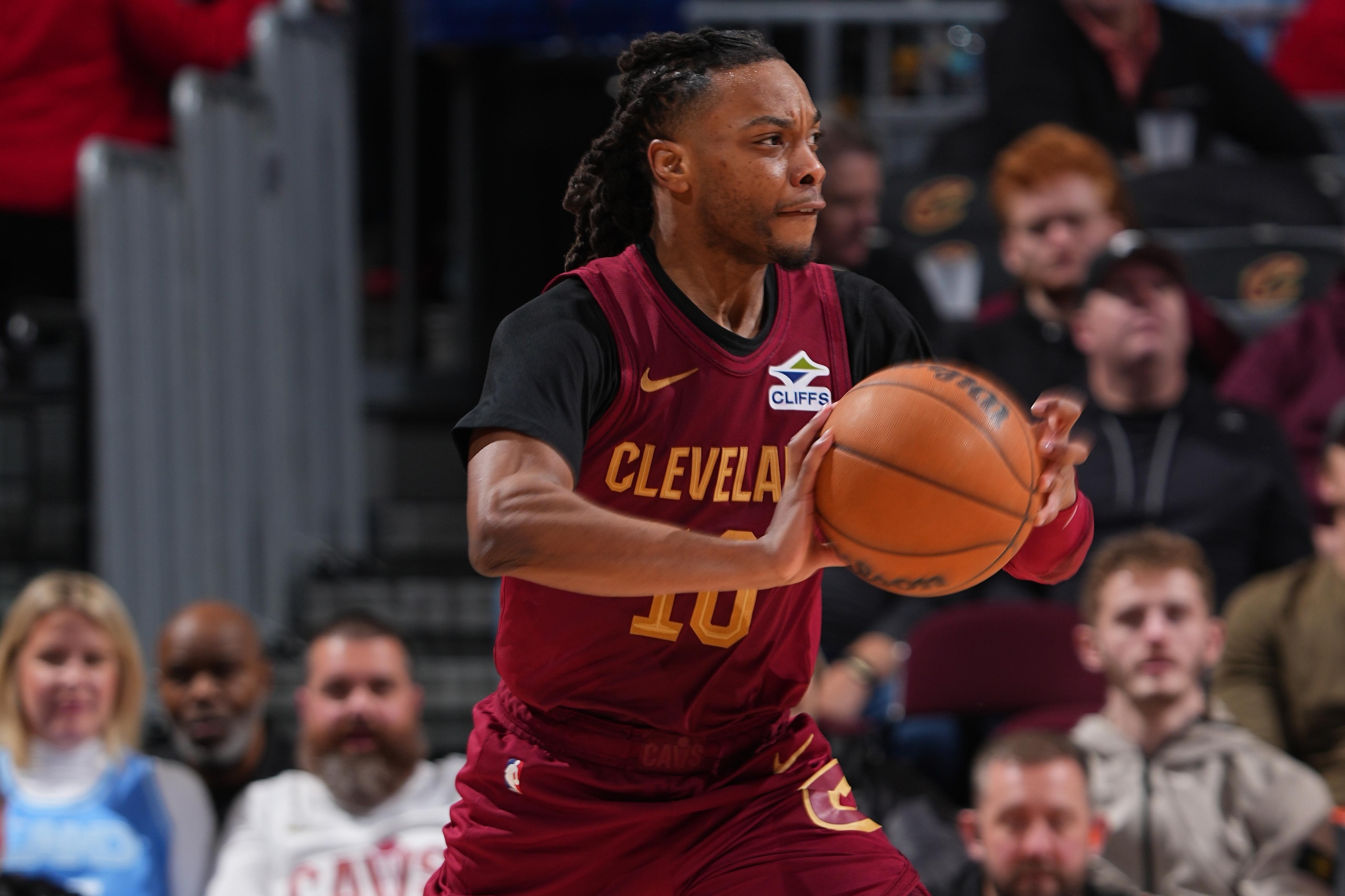
Darius Garland's injury-marred 2023-24 season is a thing of the past, as the Cleveland Cavaliers point guard is in the midst of a brilliant bounce-back effort.
His East-leading Cavs are also tops in the league in offensive efficiency. Though they're not exactly short on weapons or depth, it's difficult to give anyone a larger share of the credit than Garland.
The 25-year-old has scored with this level of volume (21.6 points per game) in the past, but he's never approached such elite efficiency. Garland is hitting 49.8 percent of his shots from the field, 43.1 percent of his 8.6 three-point attempts per game and canning 87.5 percent of his free throws. Toss in a team-high 6.7 assists and just 2.5 turnovers per game, and the full package is easily worthy of a second-team nod.
Second Team: Evan Mobley, Cleveland Cavaliers
8 of 15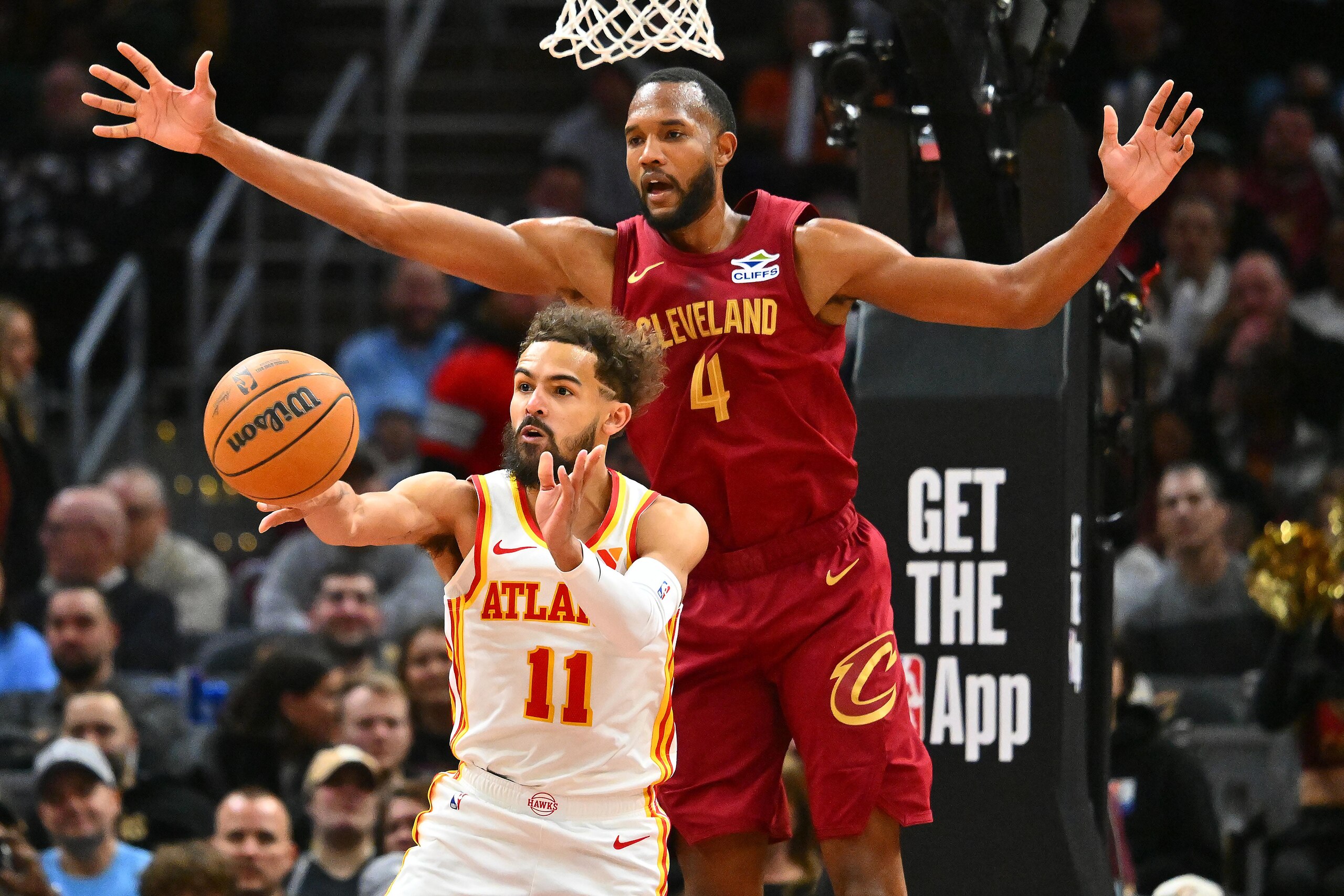
Evan Mobley's defense has been a given since he entered the league, and the Cavs' versatile big man is arguably the most matchup-proof stopper in NBA. Elite length makes Mobley a major deterrent inside, but it's his ability to get down in a stance and smother guards on the perimeter that makes him so special.
He grades out in the 95th percentile of D-EPM, and that somehow undersells his skills and impact.
All that said, it's Mobley's offensive growth that has him on track to earn his first All-NBA nod. His three-point shooting has never been better, as he's hitting 37.8 percent of his deep attempts on more than double his previous career high in volume. Even more importantly, Mobley has become one of the game's most effective drivers.
Once lacking strength, a more mature, filled-out Mobley barrels into opponents and routinely generates unassisted dunks. He's still immensely agile, but the level of force that now defines his attack-mode style is one of this season's most consequential developments.
Second Team: Jaren Jackson Jr., Memphis Grizzlies
9 of 15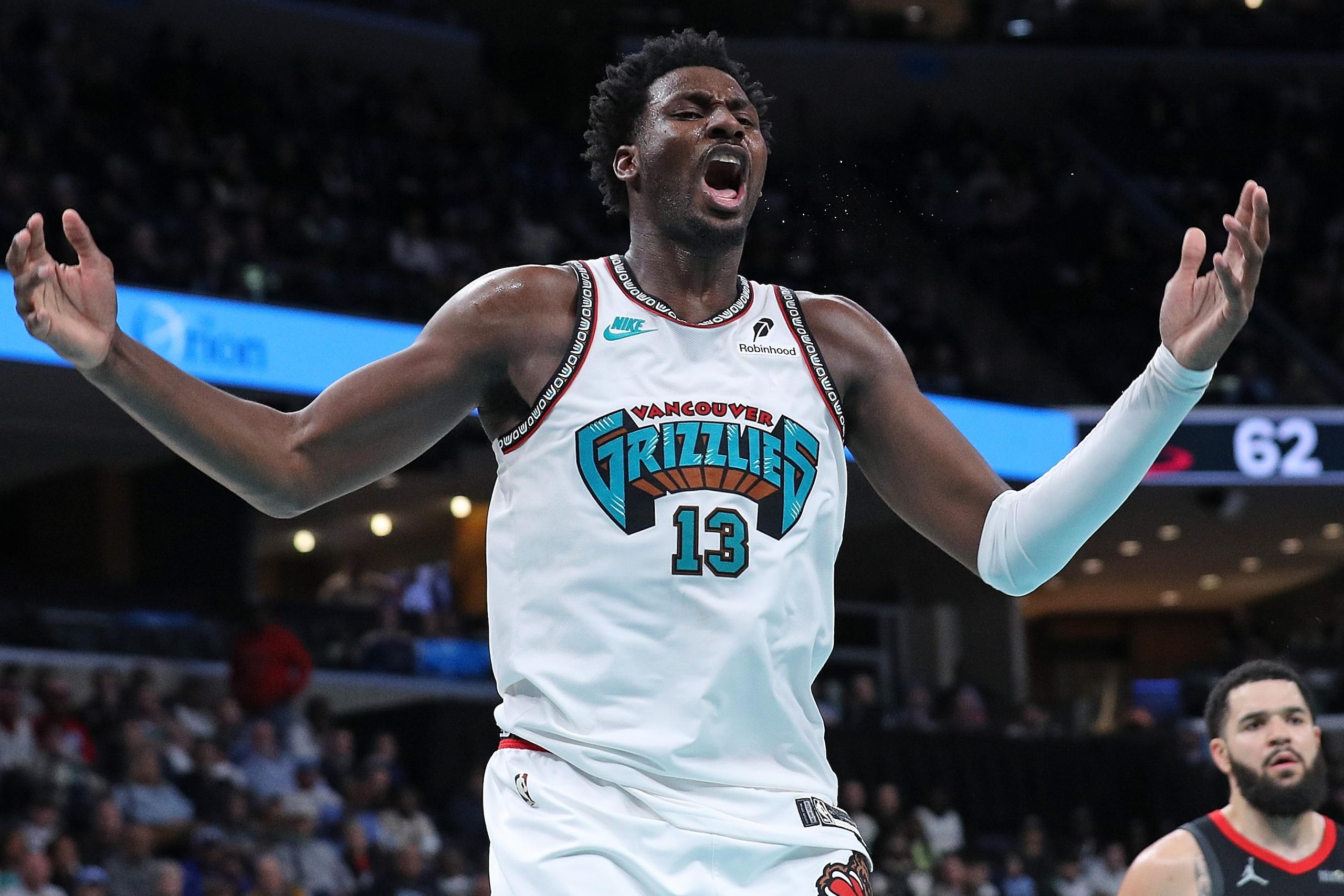
Many of the qualities that earned Mobley a predicted All-NBA spot apply to Memphis Grizzlies star Jaren Jackson Jr.
Like his Cavs counterpart, JJJ is a dominant defensive force who protects the rim and can't be attacked in space. Memphis' defensive rating is 6.5 points per 100 possessions lower when he's on the floor.
Jackson, though, is often also tasked with first-option duties on offense. He's putting up a career-best 23.0 points per game and is hitting 36.4 percent of his treys while routinely baffling his matchups with a deft array of in-between floaters and push shots.
Those types of attempts are typically tough to make, and most coaches would discourage their big men from trying them. But Jackson hits an elite 52.0 percent of his short mid-rangers.
Memphis has been one of the league's best teams on both ends all year, mostly because Jackson has become a true two-way star.
Second Team: Stephen Curry, Golden State Warriors
10 of 15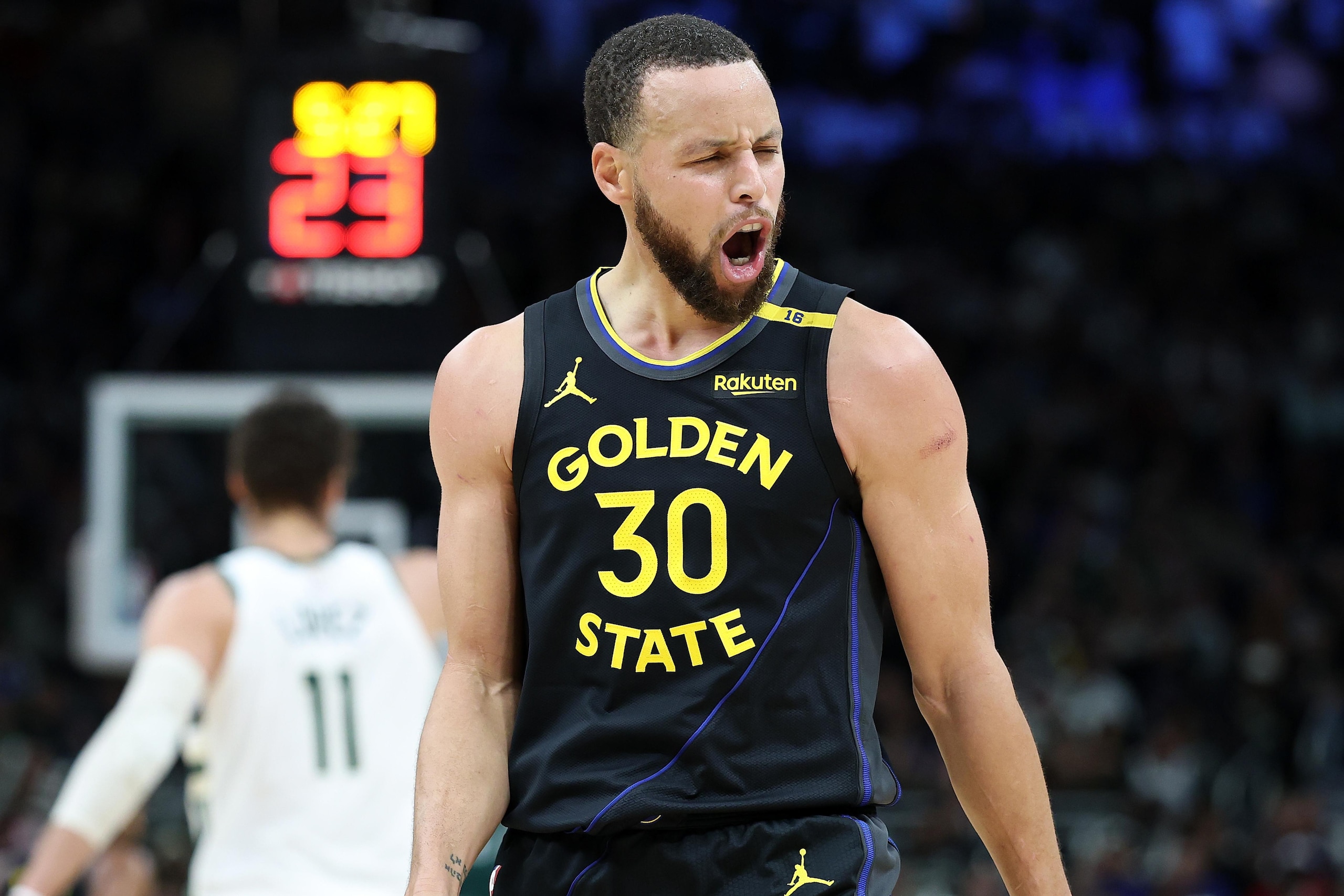
Stephen Curry's individual numbers are down from last year's levels, but when a step back still nets averages of 23.4 points, 6.1 assists and 4.5 rebounds with a 39.0 percent clip from deep, it's a pretty clear indicator of a high bar.
Besides, Curry's workload this season has been heavier than any in memory. Prior to Jimmy Butler's arrival, Steph was operating on offense with one of the worst supporting casts in the league. Golden State's offense cratered whenever Curry was off the floor, and the level of defensive attention he received when on it made getting clean looks virtually impossible.
Jokić and SGA are the only players with at least 1,400 minutes whose offenses improved more when they were on the court.
In a vacuum, Curry's stats might seem more worthy of a third-team spot. But when you consider the degree of difficulty and the underlying on-off metrics, they're wildly impressive.
Third Team: Donovan Mitchell, Cleveland Cavaliers
11 of 15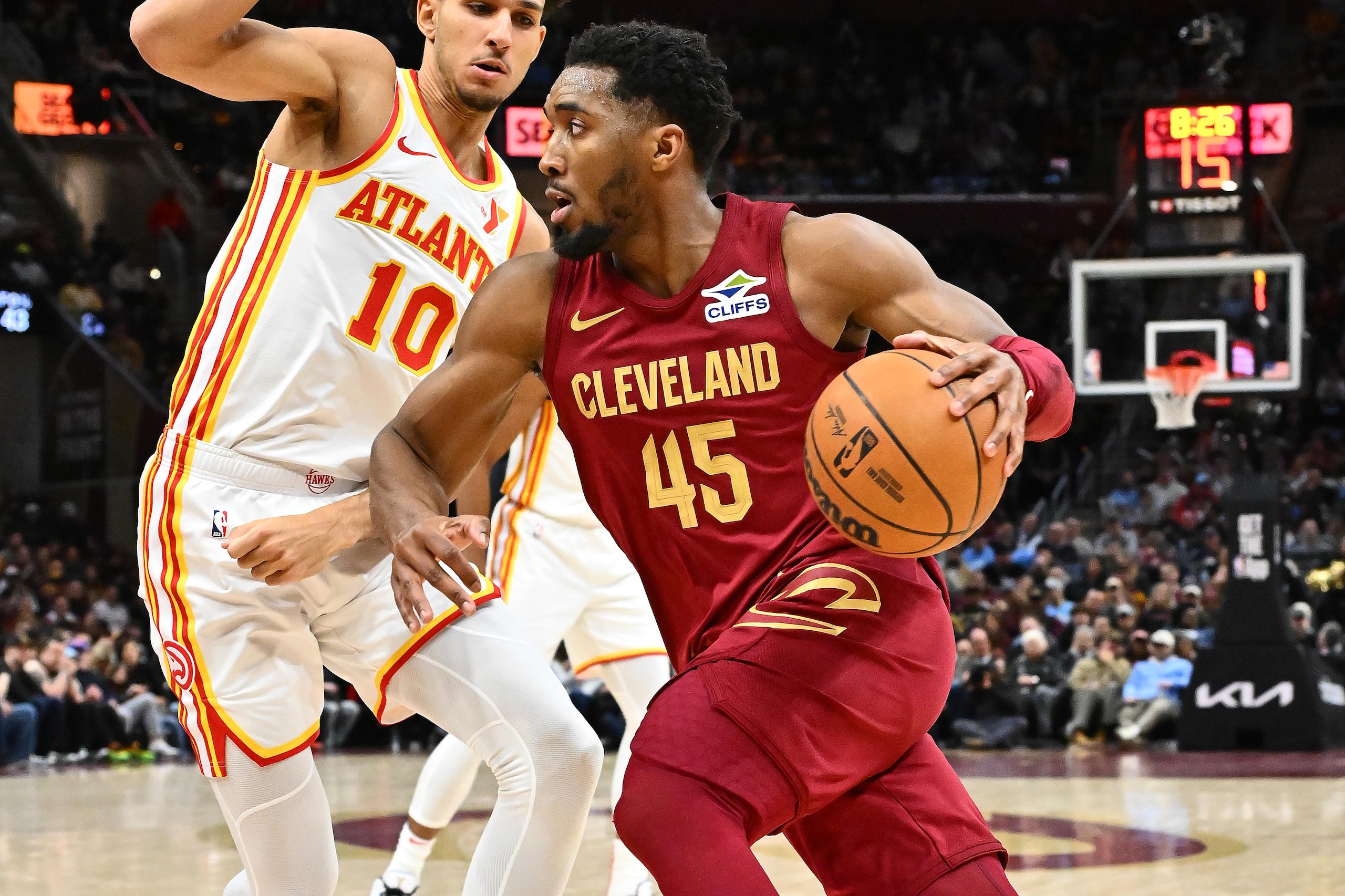
Straw poll voters who currently have Donovan Mitchell fifth in the early MVP hierarchy might be fixating on name recognition over production, but that doesn't detract from the 28-year-old's objectively stellar season.
The third-best Cavalier is still pretty darn good.
Garland tops his teammate in field-goal and three-point percentage while also handing out more assists, and Mobley is clearly the more important defender. But Mitchell is putting up his fifth straight season of at least 27.0 points per 36 minutes, and his increased three-point volume is vital to the Cavaliers' spaced-out attack. Perhaps more importantly, Mitchell is the guy Cleveland will most likely entrust with do-or-die offensive possessions. In that sense, maybe the MVP voters are onto something.
Even if his 23.9 points per game are his lowest since 2019-20, Mitchell's going to be the Cavalier taking the last shot in close playoff games.
Third Team: Kyrie Irving, Dallas Mavericks
12 of 15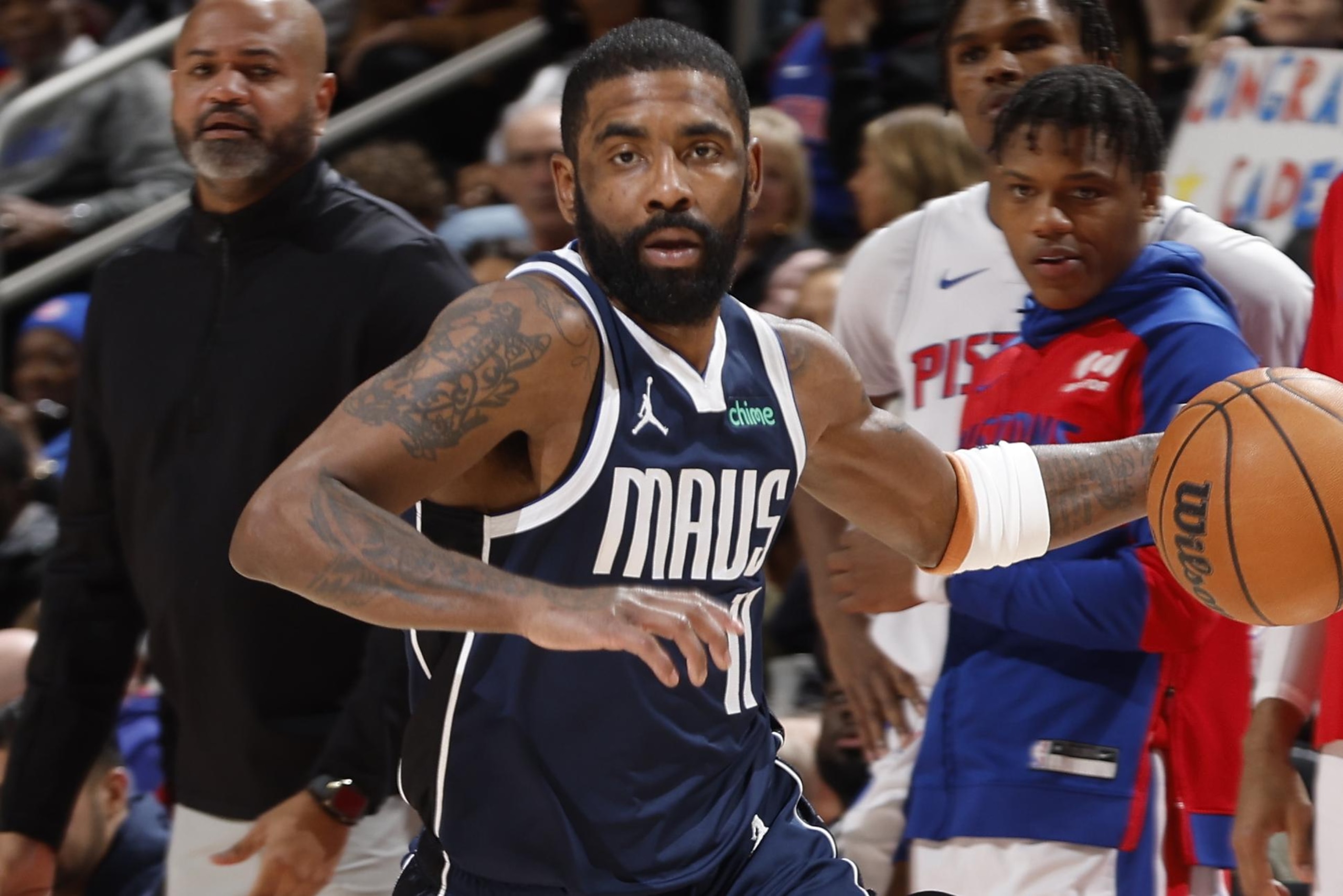
The 12 games Kyrie Irving has already missed make his All-NBA candidacy dicey. Never a model of durability, the Dallas Mavericks lead guard is in real danger of slipping below the games-played threshold by season's end.
If he can hold up, and if the Mavs don't steer into a tank amid myriad injuries to key players, Irving will be deserving of at least a third-team spot.
With averages of 24.6 points, 4.8 assists and 4.8 rebounds on a sparkling 47.8/41.3/90.2 shooting split, Irving has played the role of offensive alpha exceptionally well all season.
Remarkably, Dallas won the minutes Irving played without former running mate Luka Dončić and has also outscored the opposition in the short stints he was on the floor without new big man Anthony Davis. That's hard to fathom considering the team's top secondary threats were often dependent scorers like Klay Thompson, PJ Washington and Daniel Gafford.
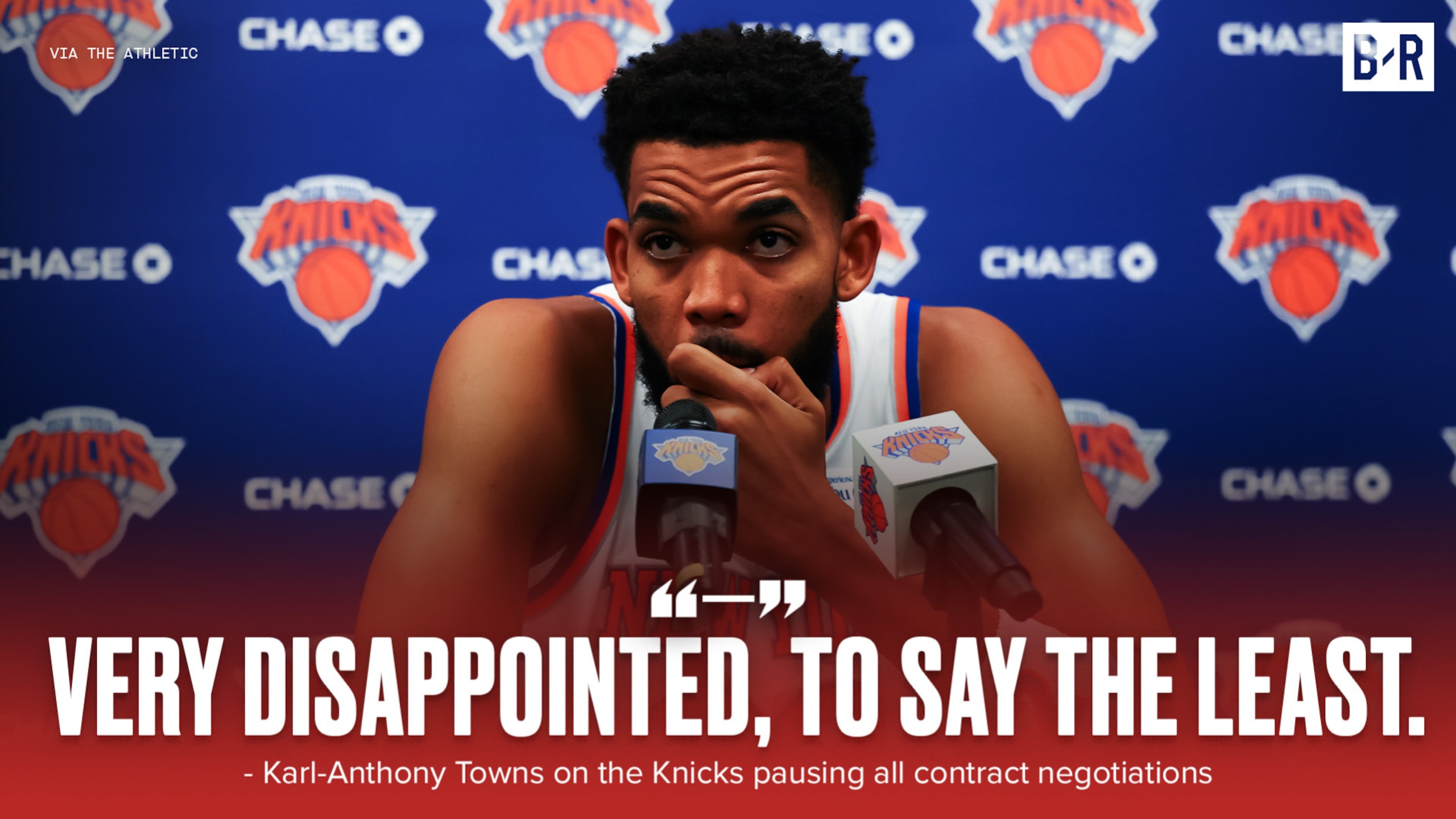
Third Team: Karl-Anthony Towns, New York Knicks
13 of 15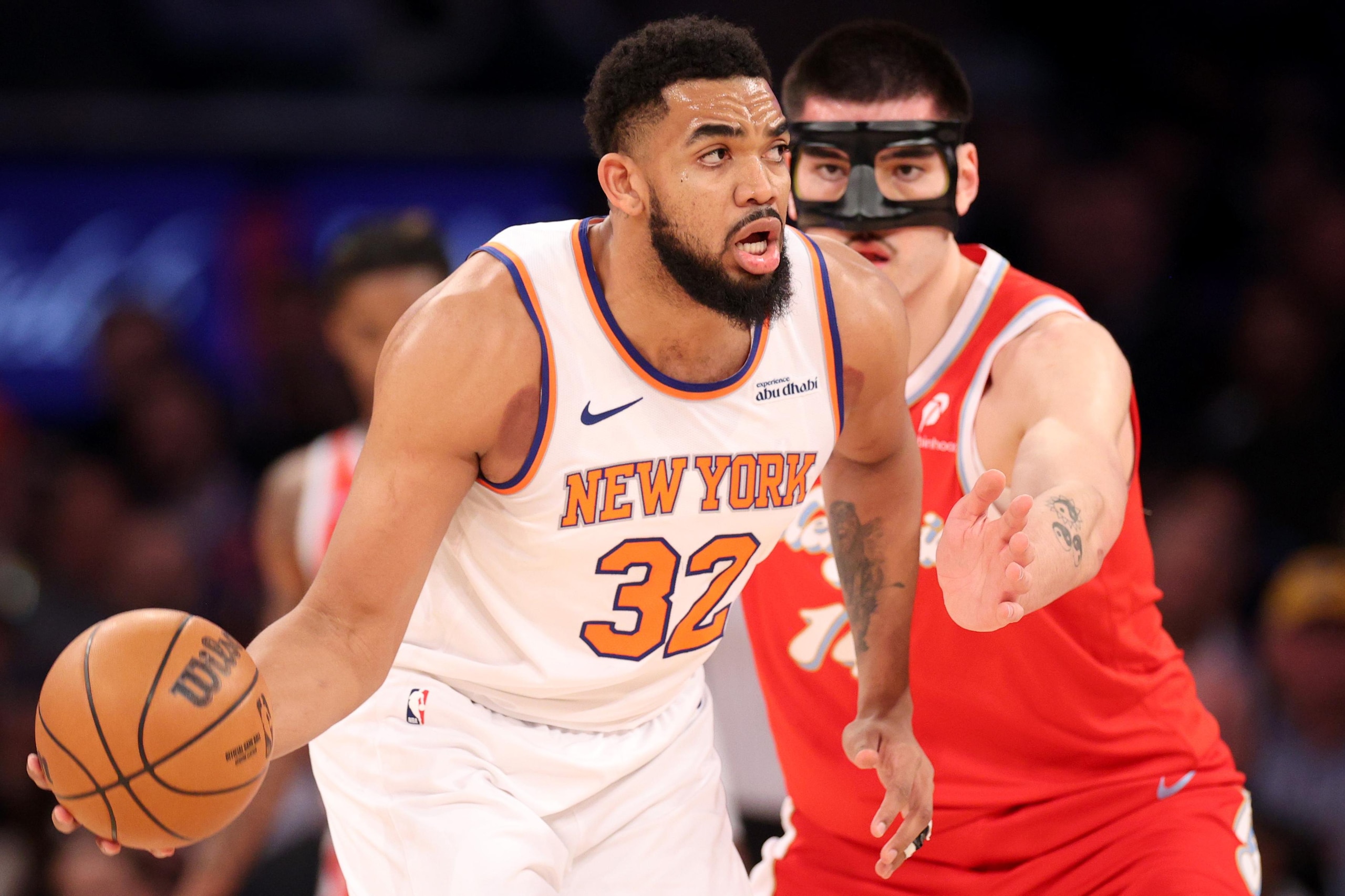
Already one of the best floor-stretching bigs in history, Karl-Anthony Towns has added to his offensive repertoire by developing into one of the most effective drivers in the league.
KAT's skill in attacking the basket and his prowess from beyond the arc are tied together. Defenses have to overreact to him as a pick-and-pop threat, and he's capitalizing on all those frenzied scrambles by blowing past closeouts and getting all the way to the cup.
No one has ever put up at least 24.0 points, 13.0 rebounds and 2.0 made threes per game (let alone knocked them down at a 43.8 percent clip), but Towns is on pace to become the first.
Lastly, while Towns' role requires far less self-creation or time on the ball than Brunson's, it's worth noting he's the one with the more positive on-off impact on the Knicks' attack.
Third Team: Cade Cunningham, Detroit Pistons
14 of 15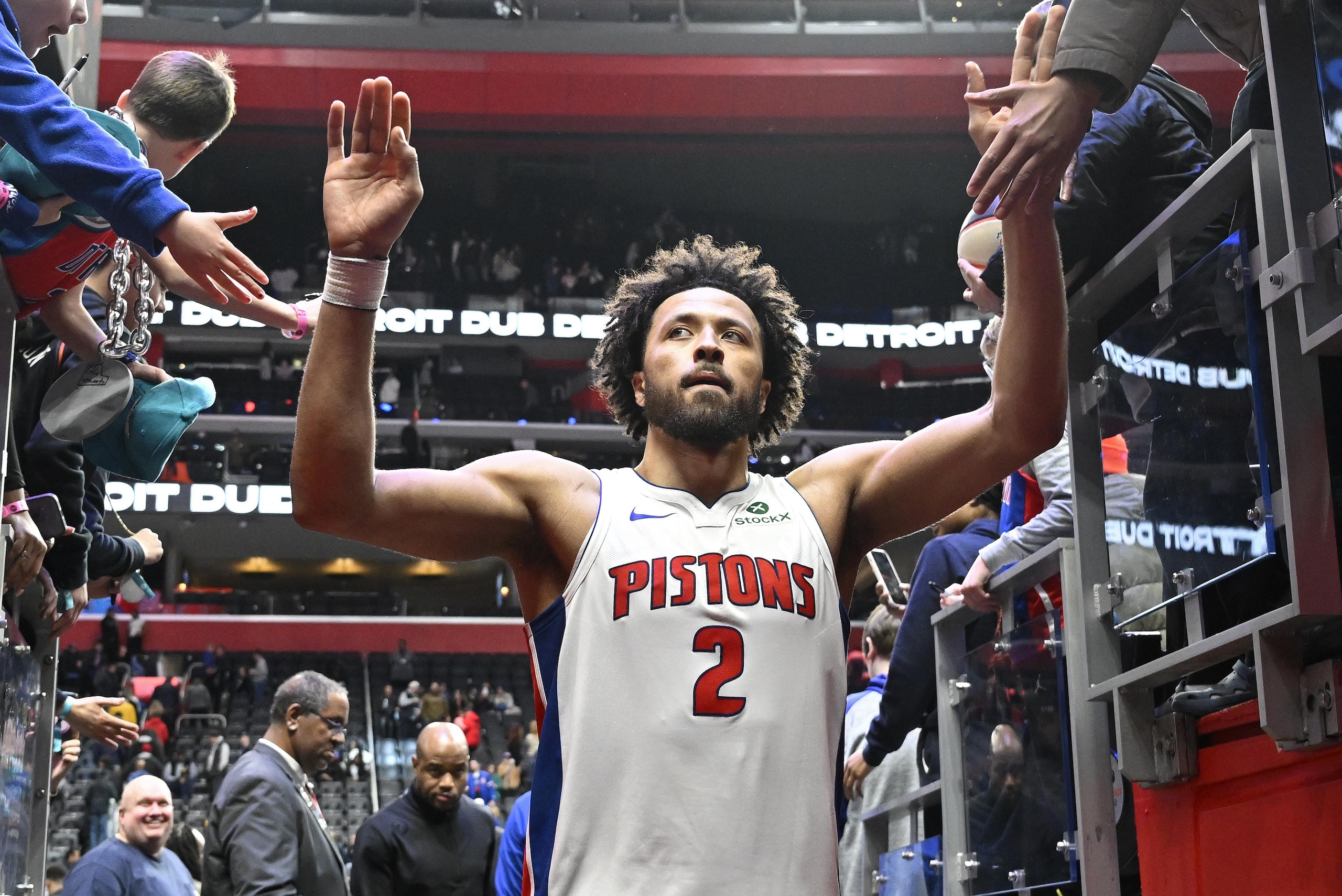
A true shooting percentage below the league average is hard to get over, but Cade Cunningham's singular importance to a Detroit Pistons offense that lacks secondary creation narrowly gets him the nod.
Cunningham is putting up 25.4 points and 9.4 assists per game as the Pistons inch their way closer to a playoff berth. Though it's true Detroit finally surrounded Cunningham with shooting in the form of Malik Beasley and Tim Hardaway Jr., Jaden Ivey's injury robbed him of a pressure-release valve on offense.
For much of this season, the entirety of the Pistons' shot-creation duties have fallen on Cunningham.
If we're going to laud Brunson and Curry for shouldering such heavy loads without much help, we have to do the same for the Pistons' first-time All-Star, whose 41.6 assist percentage is a career high and ranks in the 98th percentile among point guards.
Third Team: Anthony Edwards, Minnesota Timberwolves
15 of 15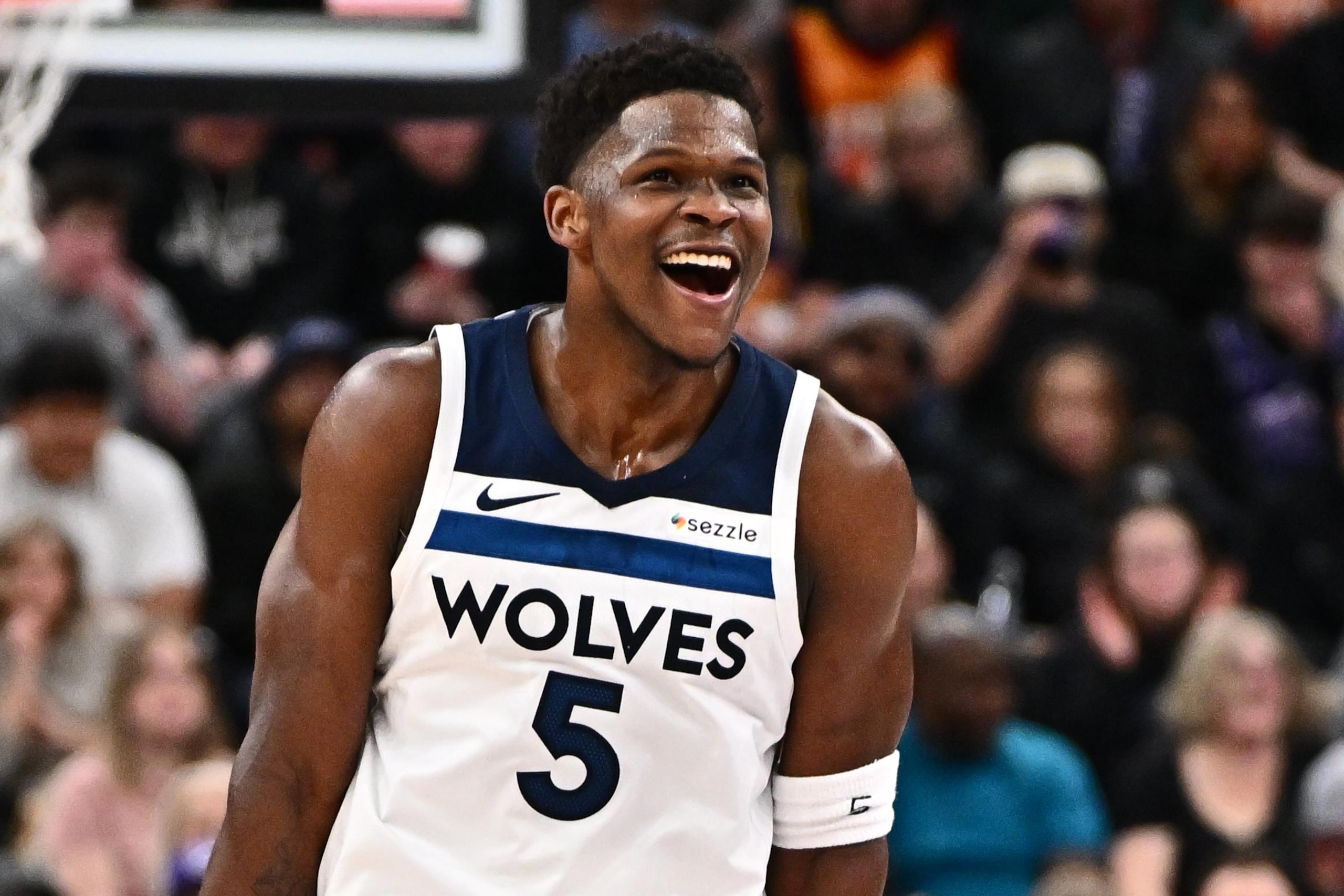
Anthony Edwards was on the fringes of All-NBA consideration, but his closing burst before the All-Star break sealed the deal. He hung 49 points on the Chicago Bulls on Feb. 2, gave the Houston Rockets 41 more the very next night and added 44 against the Cavs on Feb. 10, going a combined 19-of-41 from long range across that three-game surge.
The long ball has defined Edwards' season, as he's firing off a career-high 10.1 deep attempts per game and hitting them at a 41.4 percent clip. In the games since Julius Randle went down with an adductor injury, Ant complemented all that three-point shooting by dramatically increasing his drive and free-throw frequency.
It's amazing what one of the league's most dangerous downhill athletes can do when he's benefitting from a spaced floor rather than working so hard to create one for others.
Edwards' 27.5 points per game are a career high, as is his 54.0 effective field-goal percentage. Paired with solid on-ball defense and extreme durability (54 pre-break games at 36.7 minutes per contest), and that's enough to land him the final third team position.

.jpg?w=2560 "Cam Ward Says He's Not A Loser")
.jpg?w=2560 "Chargers Fall to 0-5 🤢")
.jpg?w=2560 "Viral Dan Campbell Presser 💙")