Real Madrid's Clash with Getafe Last Stop Before 2014 European Champs Dismantled

It was a title Real Madrid had feared "might never arrive," as Raul once explained. It was 1998, and Madrid, the club most synonymous with the European Cup, hadn't lifted the trophy it craves more than any other in 32 years.
It had been a painful drought, particularly as Barcelona had broken their European duck in that time. Additionally, Real Madrid were a club in turmoil, battling with underachievement, boardroom disputes, dressing-room rifts and a succession of alarmingly short managerial stints. Sounds a bit familiar, doesn't it?
But May 20, 1998, put an end to the agony, Predrag Mijatovic's single goal enough to defeat Juventus at the Amsterdam Arena in that year's European Cup final, delivering the title the club had waited so long for: La Septima.
TOP NEWS

Final Men's Ballon d'Or Rankings 📊
Highlights and Viral Moments 🍿

J-Dub Suffers Gruesome Injury
It was "the moment that the club returned to its place," Raul later said of that night's significance for Real Madrid, per Sid Lowe's Fear and Loathing in La Liga. It was also the end of the line for that particular squad.
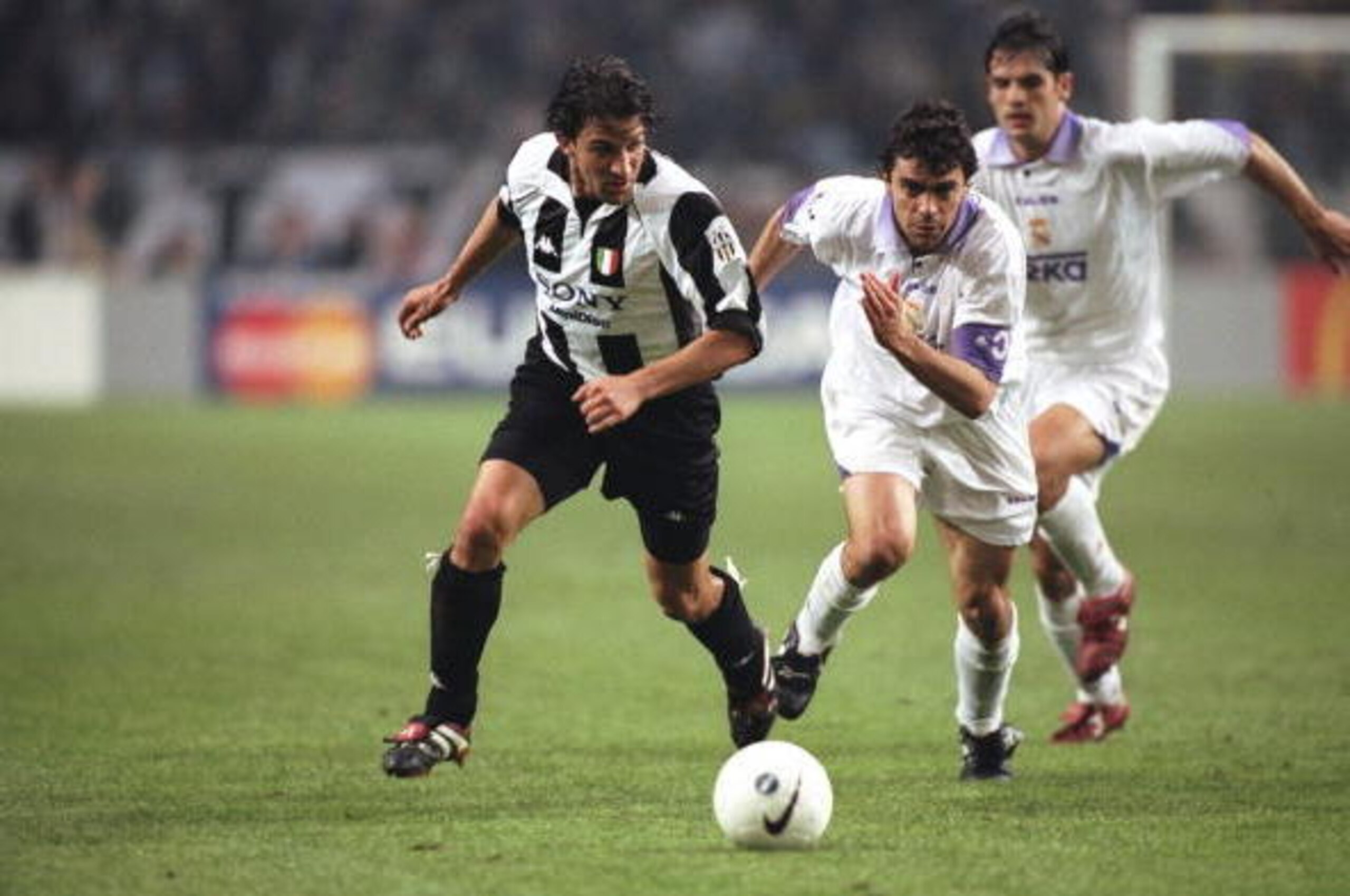
When Real Madrid claimed La Octava just two years later in 2000, it was basically a different team, as Lowe noted: "[Fernando] Hierro and [Manuel] Sanchis were returning from injury and on the bench; Bodo Illgner had slipped out of the side, replaced by a kid called Iker Casillas, and like [Christian] Karembeu, was on the bench. They would be gone that summer. [Christian] Panucci, [Clarence] Seedorf and Mijatovic had already left, as had [Davor] Suker."
Jupp Heynckes, the manager who'd claimed La Septima, had gone, too.
Though that 1998 team had ended the drought, launching a new period of continental success for Real Madrid, that '98 group never created a dynasty. The club's high annual turnover meant the triumphs in 2000 and 2002 (La Novena) belonged essentially to a different team.
So what's the relevance of all this?
Well, now, ahead of Real Madrid's 2014-15 season finale against Getafe, it feels as if we've come full circle.
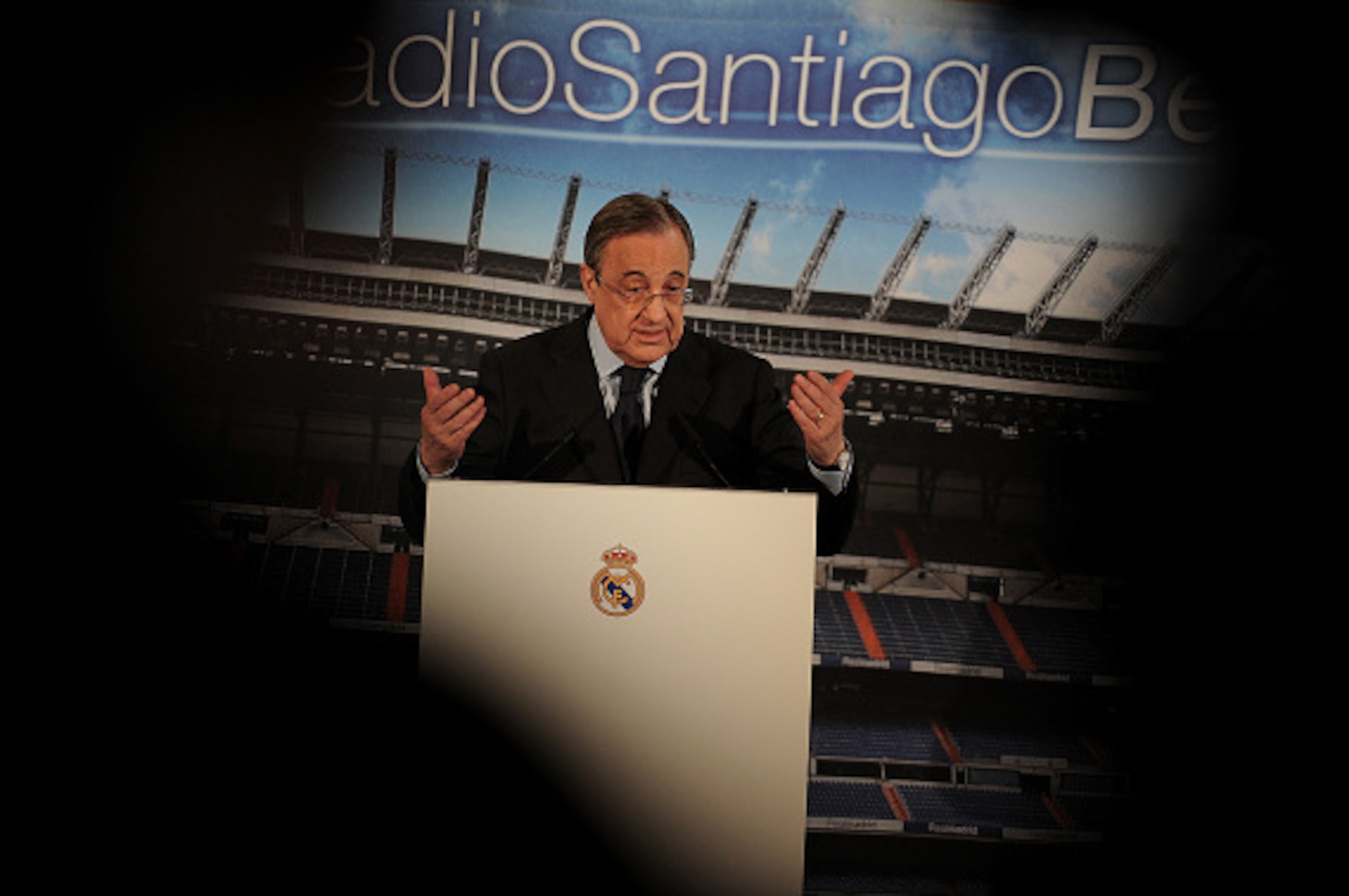
Saturday's clash at the Santiago Bernabeu is the last stop for Real Madrid before another likely summer revamp. A Florentino Perez revamp. For the 2014 European Cup-winning side, you might call it "Stage 2" of the post-title renovation (dismantling), after last summer's "Stage 1."
Or maybe there are no stages, just an endless state of flux in Chamartin.
Regardless, there's a certain degree of symmetry surrounding the current squad and its 1998 equivalent, even if some of the circumstances differ.
The 2014 side, like the '98 one, had emerged from a period defined by turbulence. Like the '98 one, it snapped a period of underachievement. Like the '98 one, it broke a significant European drought, ending the 12-year wait for La Decima and returning the club "to its place." And what's more, the 2014 team looks unlikely to be the group that will deliver the next title—just like the '98 one.
On Saturday against Getafe, manager Carlo Ancelotti could very well watch his last 90 minutes from the Bernabeu dugout, a season of unfulfilled promise likely to end his tenure just 12 months after lifting the trophy known as "Big Ears." The Italian is perhaps the most notable figure likely to depart, but he won't be alone.
Sami Khedira, who started the 2014 final, will soon leave the Spanish capital. Fabio Coentrao, who also started that night, looks poised to follow suit. Ditto for Alvaro Arbeloa, given the arrival of Danilo.
One can also envision Asier Illarramendi joining that trio, with Casemiro to return from his loan spell with Porto. Forward Jese is expected to be sold, too, albeit with a buy-back clause. And the probable arrival of David de Gea from Manchester United will force Iker Casillas to the bench.
Should all of that transpire, it will represent a significant (and not entirely necessary) overhaul of the squad that claimed La Decima, particularly when last summer's sales of Angel Di Maria, Xabi Alonso, Alvaro Morata and Diego Lopez are taken into account as well.
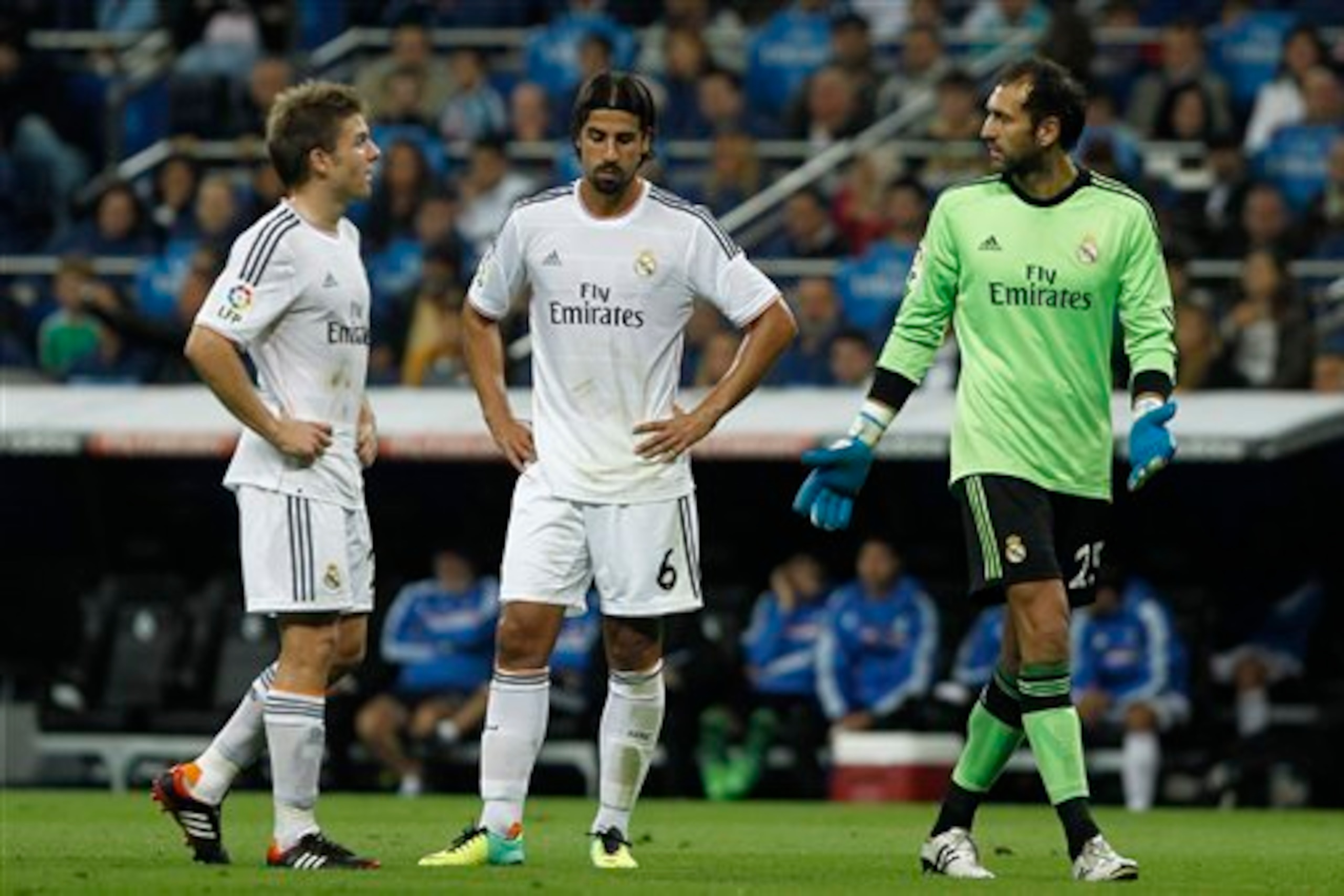
And yet, none of it is the slightest bit surprising, indicative of the short-termism at the Bernabeu and the absence of continuity and stability.
"Each year, we do the impossible in order to win," Real president Florentino Perez has said before. In practical terms, "the impossible" is the annual spending of millions while concurrently ripping up the project and essentially starting afresh what feels like every season.
For Perez, the yearly ritual seems to be enjoyable. There might be a chunk of the club's fanbase for which it is the same. But for most, neutrals included, it's tiring. Frustrating.
It's not exactly successful, either.
"It's ridiculous that they [Real Madrid] have only won the league once in seven years," Barcelona great Johan Cruyff told De Telegraaf this week (via Miles Chambers of Goal). "Losing the title race once isn't a problem, but doing so for so many seasons is unacceptable."
Remarking on a historic shift in Spain's balance of power after Barcelona's capture of a fifth title in seven seasons last weekend, notable journalist Miguel Delaney said: "Whereas the Catalans still just use business principles to fortify a football philosophy, Real Madrid use football to further a business philosophy."
Delaney then asked: "What is the identity at Real Madrid right now?" It's an apposite question. For all of Real's financial dominance, it's hard to pinpoint the on-field essence of the club at this very moment. Constant change has meant disruption, with each season feeling isolated from those around it. Rarely has it felt as if something sustainable is building—there's no connected, year-to-year process.
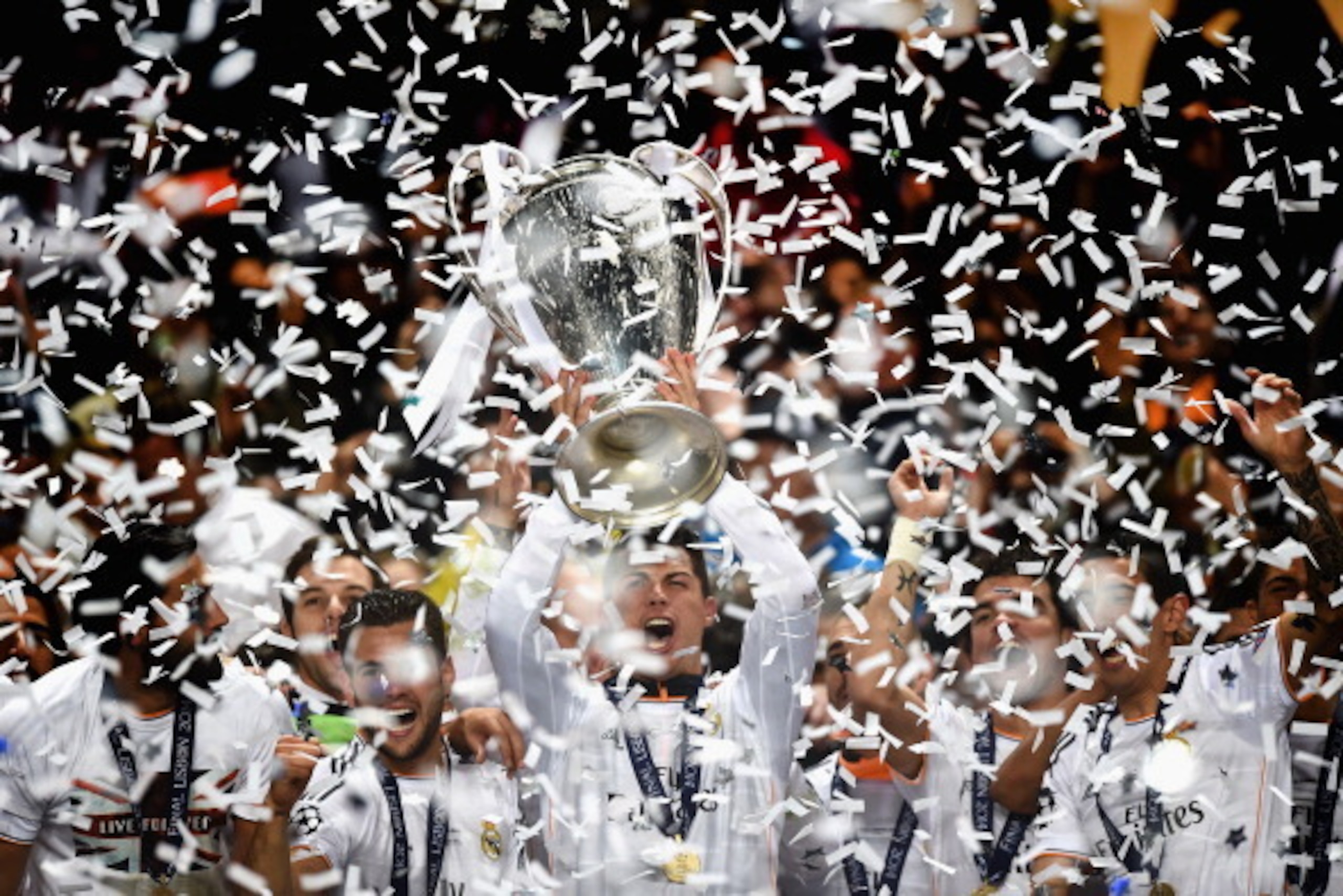
In 2014, the club stumbled across something that worked, something that could be built upon. But it was ripped up and changed anyway, somehow making the side that conquered Europe to already feel part of a different era just 12 months on.
Might that team have repeated in the Champions League? Ended the club's drought in La Liga? Who knows, but it at least deserved a shot at doing so.
But now, Saturday's clash with Getafe is the last stop for that squad as a group. After the season finale, the dismantling of that outfit will likely be completed in another summer overhaul set to feature numerous departures, the chemistry and togetherness built by a title-winning team sadly set to be discarded.
.jpg?w=2560 "Rams Raiders Football")


.jpg?w=2560 "Rodgers Iced Out on Plane 💎")

.jpg?w=2560 "Packers Safety Slams Refs 🤬")
.jpg?w=2560 "🚨 Week 8 AP Top 25 Poll")