
Predicting the Most Fun Teams to Watch in the 2015-16 College Basketball Season

The start of the 2015-16 college basketball season is sadly still six months away, but here are 20 teams that should be so fun to watch that we're already looking forward to mid-November with bated breath.
Not surprisingly, many of these teams can also be found in pretty much every preseason Top 25 poll. However, we made sure to include a handful of teams that should be appointment television without vying for a spot in the 2016 Final Four.
Some will be fun to watch because of their offensive pace and efficiency; others will be because of their defensive intensity.
You might not (OK, you definitely won't) initially agree with all 20 of these picks, but do yourself a favor and watch each of them at least once in the first month of the season.
You won't regret it.
Teams on the following slides are listed in reverse alphabetical order by school name.
West Virginia Mountaineers
1 of 20
If you never got around to watching West Virginia's swarming team defense last season, here's your chance to rectify that mistake.
The Mountaineers led the nation in steal percentage at 15.5 percent and forced a turnover on 28.0 percent of defensive possessions, which was also the best ratio in the country. They forced at least 20 turnovers in 15 games and only once failed to record at least 10.
It was pretty ridiculous. They drove the opposition batty, but they had to because they had a defensive effective field-goal percentage of 52.7 when they weren't able to force turnovers. Among teams that made the NCAA tournament, only No. 16 seed Lafayette was worse—and it showed in their 41-point loss to Villanova.
On offense, West Virginia shot just 40.8 percent from the field, but grabbed 40.1 percent of possible offensive rebounds.
As a result of those rebounds and forced turnovers, the Mountaineers attempted 512 more field goals than their opponents.
It was different, but it was definitely entertaining. And considering the amount of success they had, it doesn't figure to go away anytime soon.
Vanderbilt Commodores
2 of 20
We went a bit off the beaten path for this one, but the Commodores are going to surprise a lot of people with how good they will be this year.
That's because most didn't realize how good they already were last season. Vanderbilt suffered 14 losses in 2014-15, but 12 of those came by eight points or less.
This was a very solid offensive team that shot well from three-point range and recorded assists on 64.8 percent of made field goals, but their freshmen backcourt had a knack for committing turnovers at inopportune times, leading to that poor record in close games.
Of Vanderbilt's seven leading scorers, there were four freshmen, two sophomores and just one senior. One year older and wiser, the Commodores are poised for a breakout year, during which big man Damian Jones should become a household name and a double-double machine.
Texas Longhorns
3 of 20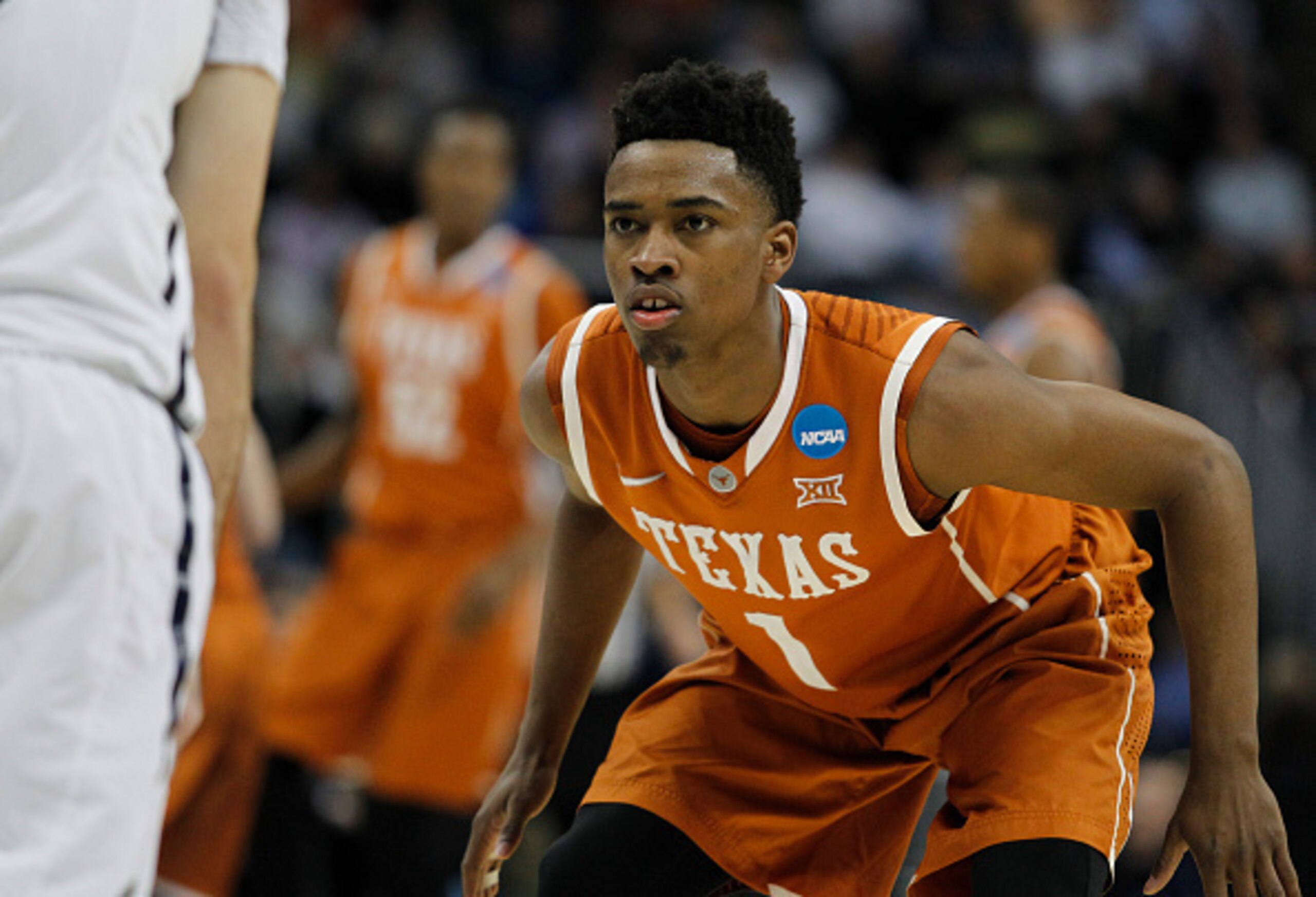
No matter what happens with the Longhorns this season, there will be stories.
If they're wildly successful, Shaka Smart will be constantly heralded as the best young coach in the game—as if he isn't already at or near the top of that list. If they struggle, many will question whether Smart can eventually work his magic with top recruits or if Texas is just cursed in basketball.
But while it will be fun to debate the merits of this coach and team in between games, it should be even more fun to actually watch them on the court.
Texas lost Myles Turner and Jonathan Holmes this offseason, but this team is still ridiculously deep.
We're talking "Kentucky platoons" deep.
Even without factoring in new freshmen Kerwin Roach and Eric Davis, new transfer from Maryland Shaquille Cleare and an increased role for talented sophomore Jordan Barnett, Smart already has one heck of a seven-man rotation to work with.
Whether Smart decides to implement his "Havoc" defense or not, it doesn't even seem fair to give a great coach a backcourt of Isaiah Taylor, Demarcus Holland, Javan Felix and Kendal Yancy and a frontcourt of Connor Lammert, Cameron Ridley and Prince Ibeh.
The big unknown is whether Smart will be able to find his new Briante Weber.
Texas averaged 3.8 steals per game last season. Weber had 3.9 per game by his lonesome before suffering the devastating knee injury that pretty much killed VCU's chances at a deep tournament run. If either Taylor or Holland can really step up and become a turnover-forcing wizard, look out for the Longhorns.

.jpg?w=2560 "Rams Raiders Football")

Tennessee Volunteers
4 of 20
If Rick Barnes' replacement is going to be fun to watch, so is Barnes' new team.
Losing Josh Richardson to graduation could be pretty devastating for Tennessee. He averaged 16.0 points, 4.5 rebounds, 3.6 assists and 2.1 steals per game. Had the Volunteers done a better job of, you know, winning games, he would have at least been in the discussion for an All-America team with those do-it-all numbers.
Another big loss for Tennessee was freshmen Tariq Owens and Willie Carmichael III electing to transfer. On what is otherwise an undersized roster, Barnes could have used the 6'8" and 6'10" guys as sophomores—especially after getting used to a deep rotation of giants like Myles Turner and Cameron Ridley last season with Texas.
But there's still a lot of talent on this team. Armani Moore went from a minor role player for his first two seasons to a stud as a junior. Kevin Punter made an immediate impact as a JUCO transfer. Robert Hubbs III might finally be healthy enough to be the lights-out shooter we were promised a few years ago.
Can they adjust to a new coach for a second consecutive season? Could it be enough for Tennessee to be one of the teams to beat in the SEC next year? Or will the "Rick Barnes underachieves" narrative continue for another year as the Volunteers fall flat on their faces?
Oregon State Beavers
5 of 20
For the most part, we're excited about watching teams put points on the board in bunches, but Oregon State will be fun to watch because of its ability to keep opponents from accomplishing that goal.
The Beavers struggled on offense—sometimes painfully so. In particular, there was a 34-point outing at Arizona and a 37-point showing at home against Utah. But they were very strong on defense, holding opponents to fewer than 60 points more often than not.
Much of that success was due to the insatiable on-ball pressure of Gary Payton Jr.
The Mitten led the nation in steal percentage and was a big part of Oregon State ranking 13th in three-point field-goal defense despite ranking 335th in percentage of opposition's field-goal attempts coming from beyond the arc. Thanks to Payton's menacing defense, opponents missed an average of 13.7 triples per game while only making 5.9.
And despite standing 6'3", Payton blocked 1.2 shots per game.
Can't dribble past him. Can't pass around him. Can't even shoot over him. But we'll have fun watching guys try.
North Carolina Tar Heels
6 of 20
There are two big things that determine whether a team is fun to watch: Talent and tempo.
The Tar Heels have both in spades.
Since Roy Williams became the head coach 12 years ago, North Carolina has consistently ranked in the top 30 in adjusted tempo. This is a team that loves to push the pace and score in bunches. In each of the 11 seasons under Williams in which they made the NCAA tournament, the Tar Heels averaged at least 76.6 points per game.
Speed doesn't always equal fun, though. VMI annually plays at an absurdly high tempo, but you won't find the Keydets on this list. A fast-paced team needs to also have a good offensive efficiency, or else we're just watching a high-speed car crash.
With Marcus Paige, Brice Johnson, Kennedy Meeks and Justin Jackson still in tow, though, North Carolina might have the most efficient offense in the nation. The Tar Heels ranked 10th in adjusted offensive efficiency last year, and should get even better now that J.P. Tokoto left for the NBA and took his "drastically worst O-rating among the primary seven-man rotation" with him.
Let's just hope the eventual ramifications of the Wainstein Report don't destroy what could be the most fun team to watch.
Michigan Wolverines
7 of 20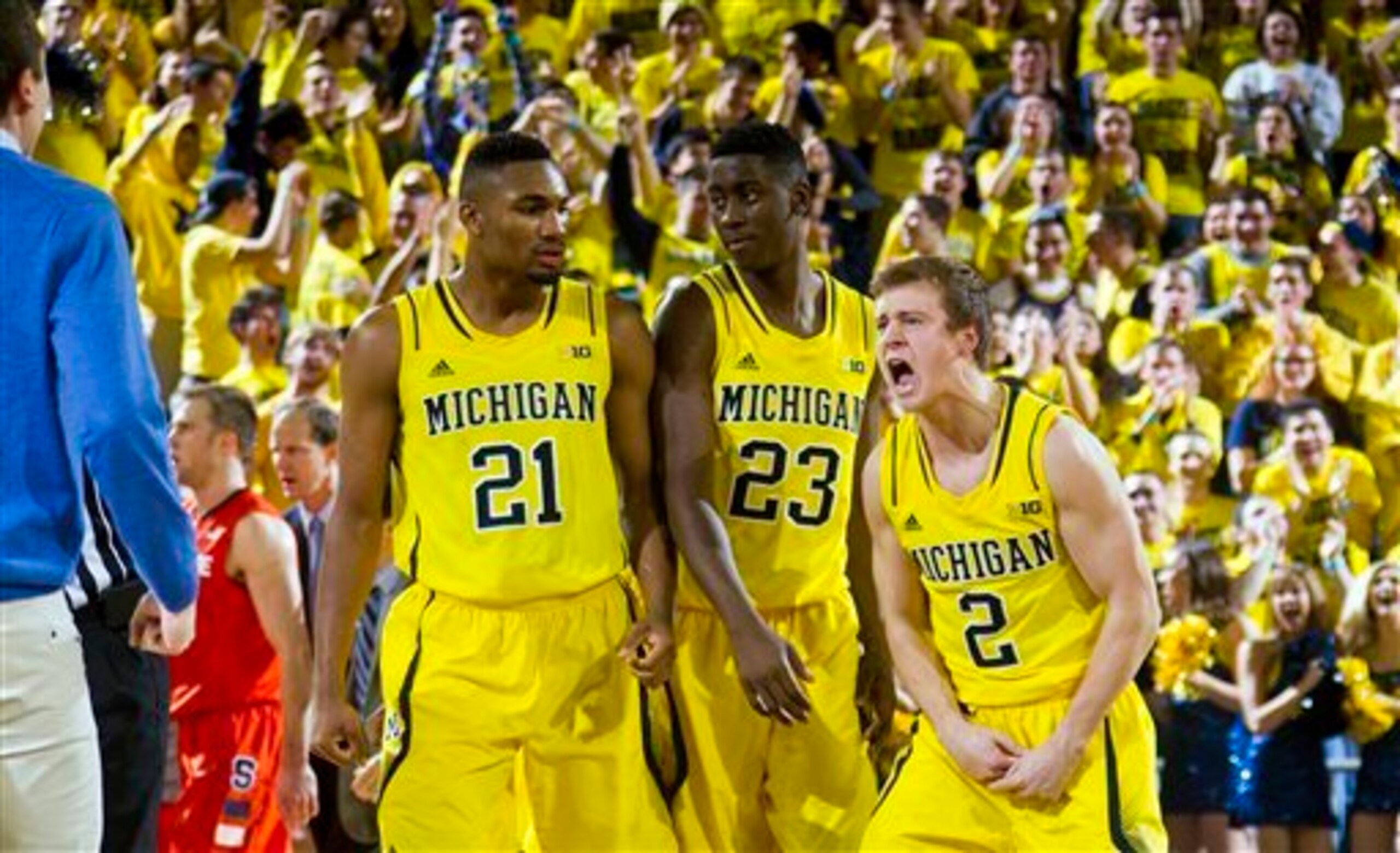
Outside of Florida and Syracuse, no team had a more disappointing 2014-15 season than the Wolverines. Between the consecutive home losses to New Jersey Institute of Technology and Eastern Michigan and the season-ending injuries to Caris LeVert and Derrick Walton Jr., Michigan's season was pretty much dead by the time the calendar flipped to February.
There were some silver linings, though.
First off, aside from Max Bielfeldt deciding to transfer, everyone is back for another year. Sometimes after a lackluster year, you almost wish everyone would leave town so the team can start anew, but this is a very talented roster that was young and dealt with major injuries. With another year of experience and some better medical luck, things will be much improved.
Secondly, Zak Irvin's sophomore season was every bit as good as advertised. We'd like to see his three-point percentage improve a bit from that 35.5 percent mark, but he hit at least one triple in every single game and more than doubled his scoring average. He's going to be a huge piece of the pie this year.
Last, and perhaps most noteworthy of the bunch, Aubrey Dawkins blossomed into a bit of a stud with regular playing time at the end of the season. He averaged 11.4 points over his final 14 games while shooting 46 percent from three-point range. Kameron Chatman was supposed to be their great freshman, so that type of production for Dawkins was like finding a $20 bill in an old coat pocket.
(Side note: Brendan Quinn's piece for MLive.com on how Dawkins ended up at Michigan instead of playing for his dad at Stanford is a good read.)
Whether Dawkins has a spot on this roster with everyone healthy is yet to be determined, but that should tell you how fun the Wolverines will be to watch. With a starting backcourt of Walton, Irvin and LeVert with Dawkins and Spike Albrecht coming off the bench, there will be no shortage of long-range jumpers in Ann Arbor.
Miami Hurricanes
8 of 20
Given everything they're bringing back, it's hard to believe the Hurricanes aren't getting more respect in the way-too-early polls.
Yes, Deandre Burnett and Manu Lecomte transferred out of the program, but one has to assume that's because Angel Rodriguez and Sheldon McClellan are back for another year while Ja'Quan Newton and James Palmer are groomed to replace them the following year.
Davon Reed and Omar Sherman were quality inside-outside scorers. Tonye Jekiri became a nightly double-double threat as a junior. Ivan Cruz Uceda wasn't eligible until mid-January, but he was making a noteworthy impact toward the end of the year. And if that isn't enough, Miami also adds Oklahoma State transfer Kamari Murphy.
In short, the Hurricanes are loaded with talent, and Rodriguez and McClellan will be the ones really making this a fun team to watch.
Rodriguez got most of the love throughout the season because of his heroics against Florida in November, but McClellan was arguably their MVP, routinely scoring at least 14 points per night. That type of one-two backcourt punch makes for guaranteed entertainment.
We won't go so far as to compare them to recent championship backcourt duos like Peyton Siva and Russ Smith, Shabazz Napier and Ryan Boatright or Tyus Jones and Quinn Cook, but let's just say Rodriguez and McClellan should make Miami a legitimate contender in a very strong ACC.
Maryland Terrapins
9 of 20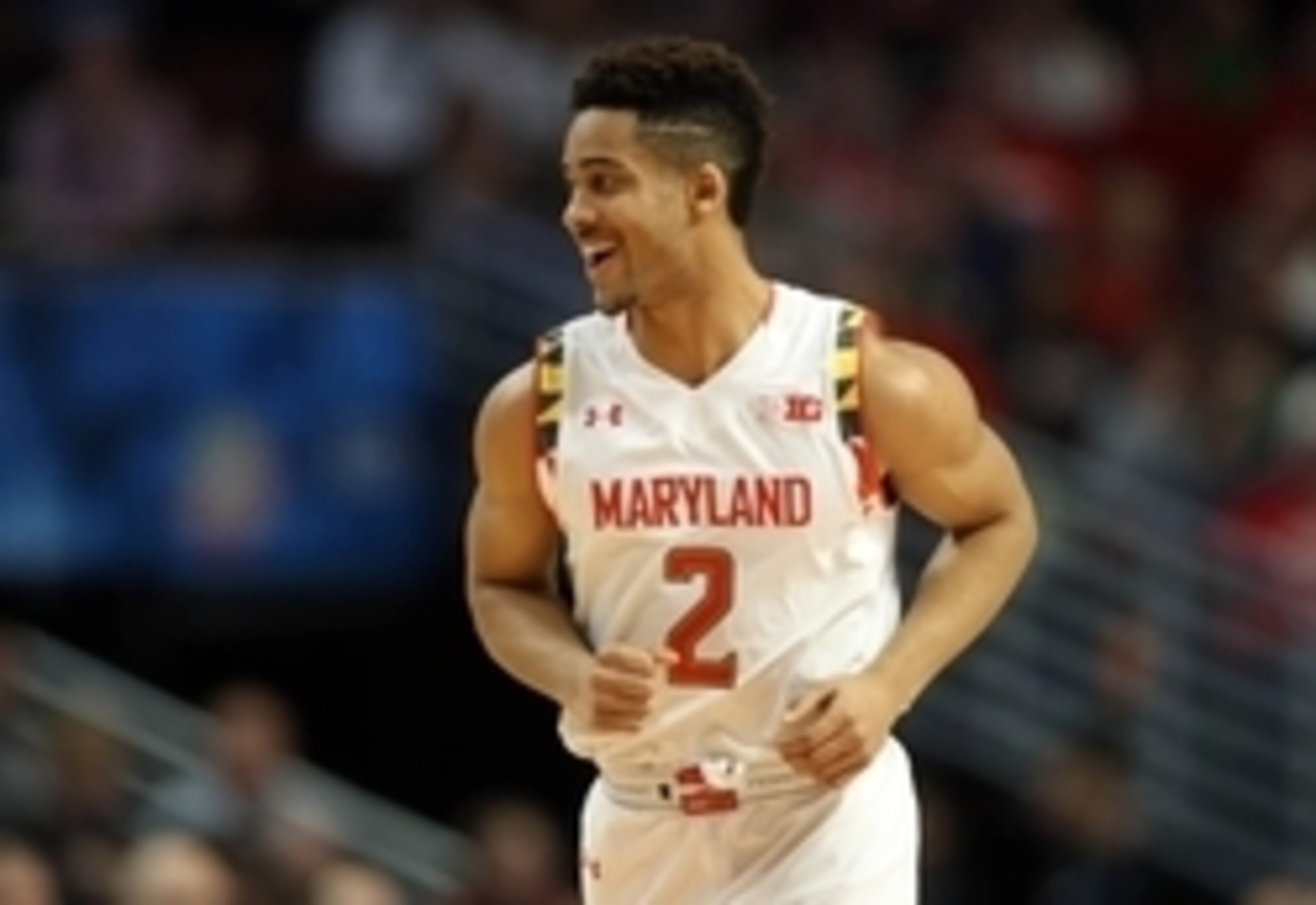
Melo Trimble might be the best returning player in the country.
Rasheed Sulaimon might be the best graduate-transfer in the country.
Diamond Stone might be the best freshman in the country. (Calm down, I said "might.")
What they all have in common is that they'll be suiting up for Mark Turgeon's Terrapins in November—alongside Robert Carter, Jake Layman, Jared Nickens, Dion Wiley and Damonte Dodd, for good measure.
It's pretty crazy that Maryland is in such great shape, considering people were calling for Turgeon's head not even a full calendar year ago. Scott Phillips of NBC Sports had Turgeon at No. 1 on his list of coaches on the hot seat in October, noting the plethora of offseason transfers and that, "Turgeon is 59–43 (.578) overall and 23–29 (.442) in the ACC at Maryland and never finished above 7th in the league."
But as Turgeon told Daniel Martin of CSN Baltimore back in June, "I don't think I'm on the hot seat. I disagree with that. I say my seat's on fire because so many good things are happening for us."
Looks like the coach was right on that one, as Maryland may well open the 2015-16 season ranked No. 1 in the nation.
LSU Tigers
10 of 20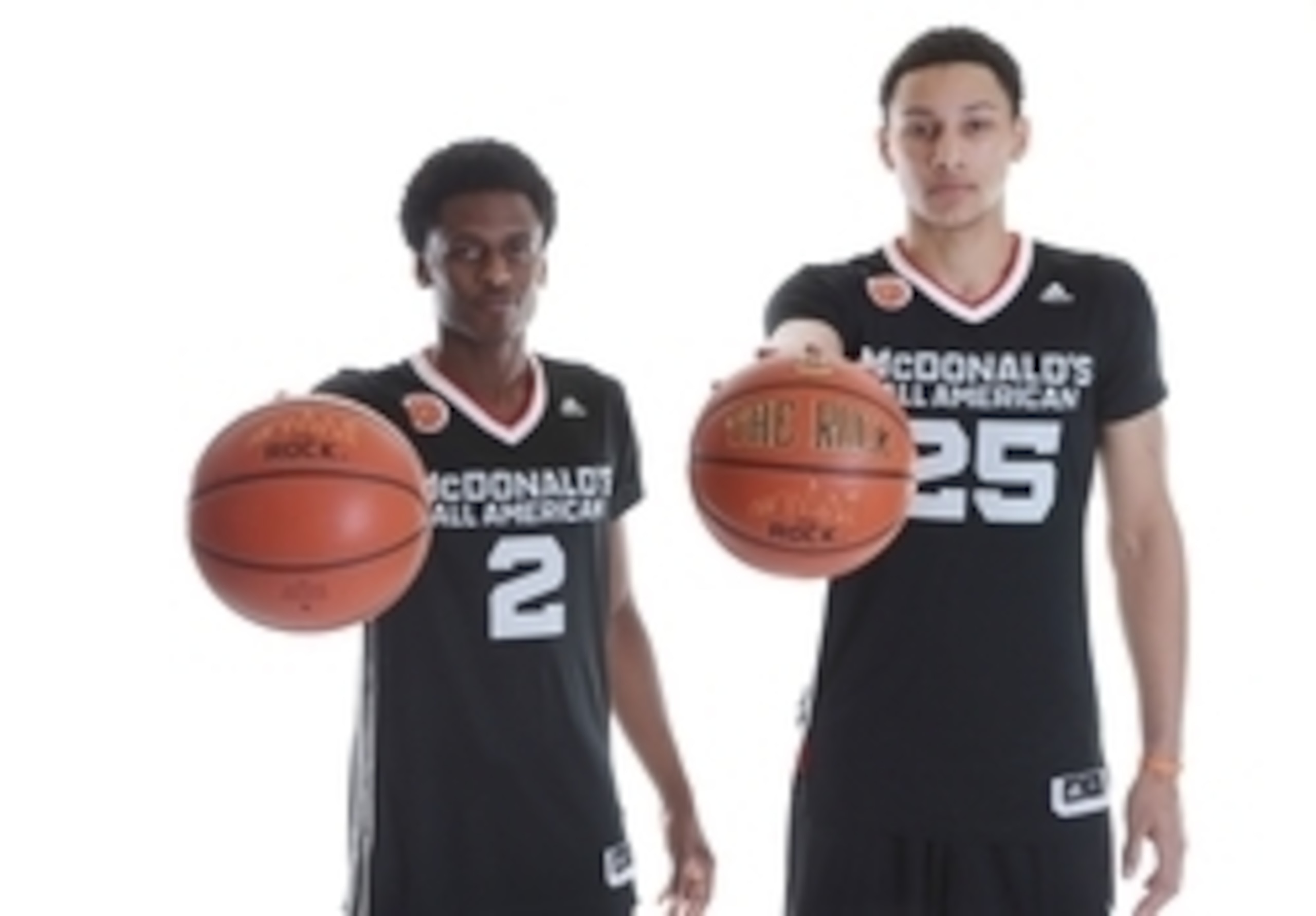
Two words: Ben Simmons.
Ranked by 247Sports as the best incoming freshman in the nation, Simmons is loaded with long-anticipated potential. He is one of the most versatile players we have seen in some time, possessing the height and ball-handling skills to play virtually any position on the court. If given the opportunity, he could be a point-forward like UCLA's Kyle Anderson or BYU's Kyle Collinsworth, but with significantly more explosiveness.
With Simmons, every night could be a triple-double waiting to happen.
But he has some massive shoes to fill. Even if he is every bit as good as advertised, replacing Jarell Martin and Jordan Mickey is not going to be easy. The frontcourt duo averaged 32.3 points and 19.1 rebounds per game as sophomores before bolting for the NBA.
Unless 7'0" Darcy Malone or 7'1" Elbert Robinson III steps up in a big way after a substantially lackluster 2014-15 season, Johnny Jones will need to use Simmons as his primary big man—not much unlike the situation Jabari Parker was in at Duke two years ago.
If we assume the rest of the starting five is Keith Hornsby, Josh Gray, Antonio Blakeney and Tim Quarterman, Simmons will be the tallest Tiger by a few inches, forced to defend the opposition's best interior player on a nightly basis. He'll get some help once Arizona transfer Craig Victor is (presumably) eligible for the second semester, but he'll still be expending a lot of energy against bigger men on defense.
Regardless of whether he wears down toward the end of the year, Simmons and LSU are going to be a lot of fun to watch. With all that Arkansas, Florida and Ole Miss are losing, LSU has more than enough talent to be the second-best team in the SEC and a legitimate national contender.
Kentucky Wildcats
11 of 20
Speaking of national contenders from the SEC with an outstanding freshman big man...
John Calipari surprisingly whiffed on each of the 5-star guys who waited until after the season to commit to a school, but he got plenty of talent back in November when Charles Matthews, Isaiah Briscoe and (especially) Skal Labissiere committed to at least one season in Lexington.
Labissiere is already projected to be the No. 1 pick in June 2016 by the folks over at DraftExpress, so expectations will be sky high for Kentucky's primary big man for at least a seventh consecutive year. He will presumably join quite the lineage of one-and-done frontcourt lottery picks that already includes DeMarcus Cousins, Anthony Davis, Nerlens Noel, Julius Randle and Karl-Anthony Towns.
Despite losing all seven of their leading scorers to the NBA, Labissiere is one of the main reasons Kentucky should still be one of the five best teams in the country.
The Wildcats won't have anywhere near the depth they had this past season, but how can you argue with a starting five of Tyler Ulis, Briscoe, Alex Poythress, Marcus Lee and Labissiere with Matthews, Mychal Mulder and Derek Willis coming off the bench?
It might not be quite enough for any 40-0 hoopla, but it's more than enough to be one of the favorites to win the title.
Kansas Jayhawks
12 of 20
The 2014-15 season didn't exactly go according to plan for Kansas.
Highly touted freshmen Cliff Alexander and Kelly Oubre Jr. both got out to slow starts. Alexander would eventually miss the final few games of the season amid eligibility issues. Devonte Graham missed several games due to an injury and never became a consistent weapon. Sviatoslav Mykhailiuk wasn't nearly as ready as many hoped, and Wayne Selden Jr. didn't have nearly the sophomore leap that most anticipated.
Yet, the Jayhawks won their 11th straight Big 12 title and are gearing up to make a very strong run at a 12th.
Perry Ellis and Frank Mason III were the stars of the show last year, and they'll both be back for another year. We still have high hopes for Mykhailiuk and Selden, but Brannen Greene came on strong toward the end of last season and could be a strong perimeter weapon. Jamari Traylor and Landon Lucas are still in the mix in the paint as well.
Along with the returning players, Bill Self adds a pair of outstanding power forwards in Carlton Bragg and Cheick Diallo. If either one can be even three-quarters of the star that Alexander was supposed to be, this is a team that could spend some time ranked No. 1 in the AP poll.
Iowa State Cyclones
13 of 20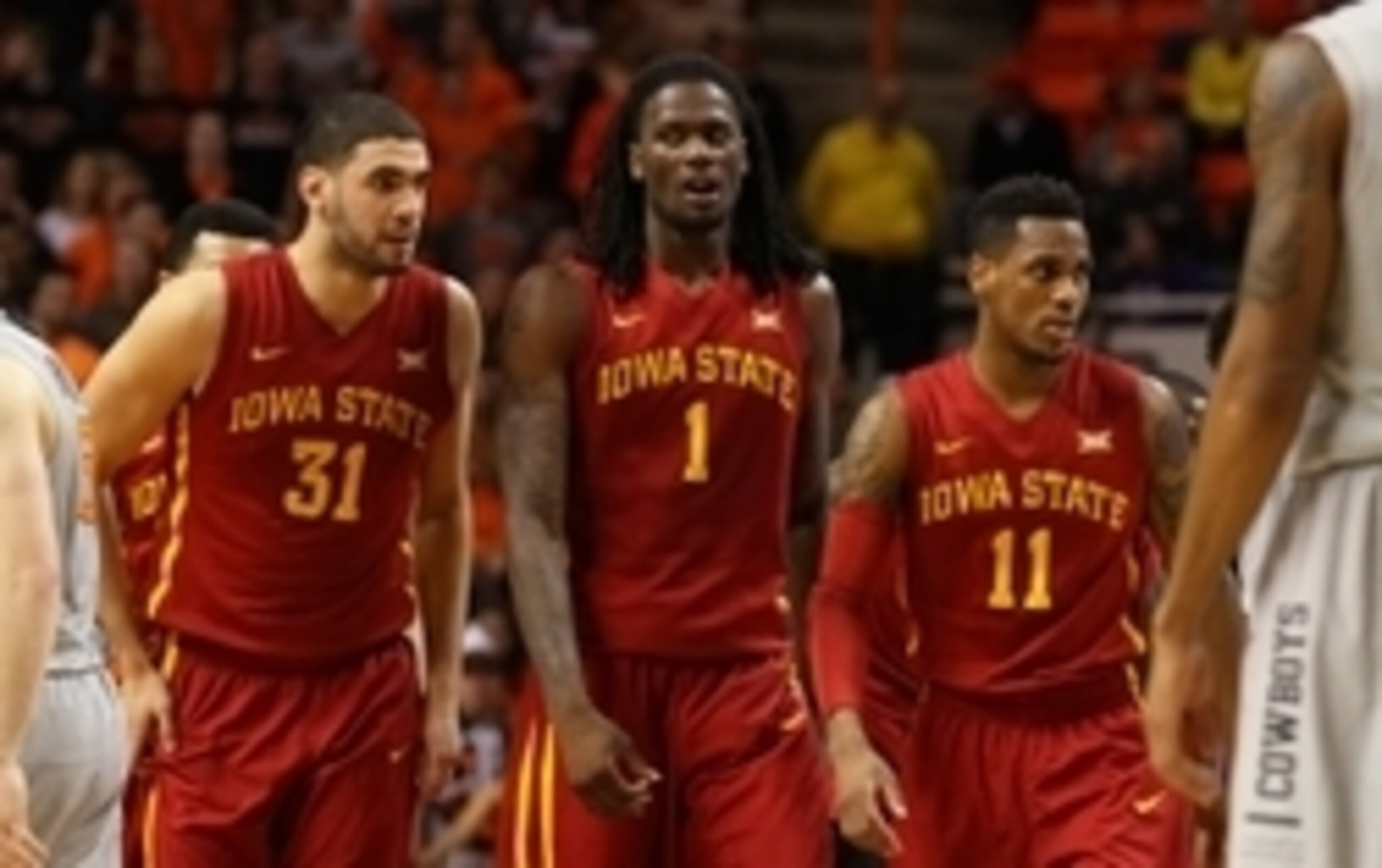
As was the case with North Carolina, Iowa State in a no-brainer inclusion because the Cyclones have skilled players who love to compete at high speeds.
Monte Morris has been ridiculously efficient in his two seasons at Ames, posting a career assist-to-turnover ratio of 4.7. Recording less than one turnover per game as the primary ball-handler in an uptempo offense is pretty incredible. Throw in his defense (1.6 steals per game) and 40.0 percent three-point shooting, and that's a guy I want leading my team 10 times out of nine.
Yet, it's two other players who get all of the attention for Fred Hoiberg's club. Georges Niang will likely be one of the primary preseason candidates for National Player of the Year, while Jameel McKay figures to be in the running for all of the Defense Player of the Year awards.
They make one heck of a "Big Three" and are the reason that plenty of well-respected people will be making the case for Iowa State to put an end to Kansas' Big 12 winning streak.
Whether the Cyclones are up to that challenge or not, they are going to be one of the nation's most enjoyable teams to watch. Save for the one painfully memorable exception against UAB this past March, Iowa State consistently plays with the type of poise and crispness that makes you want to watch it play every single night.
Indiana Hoosiers
14 of 20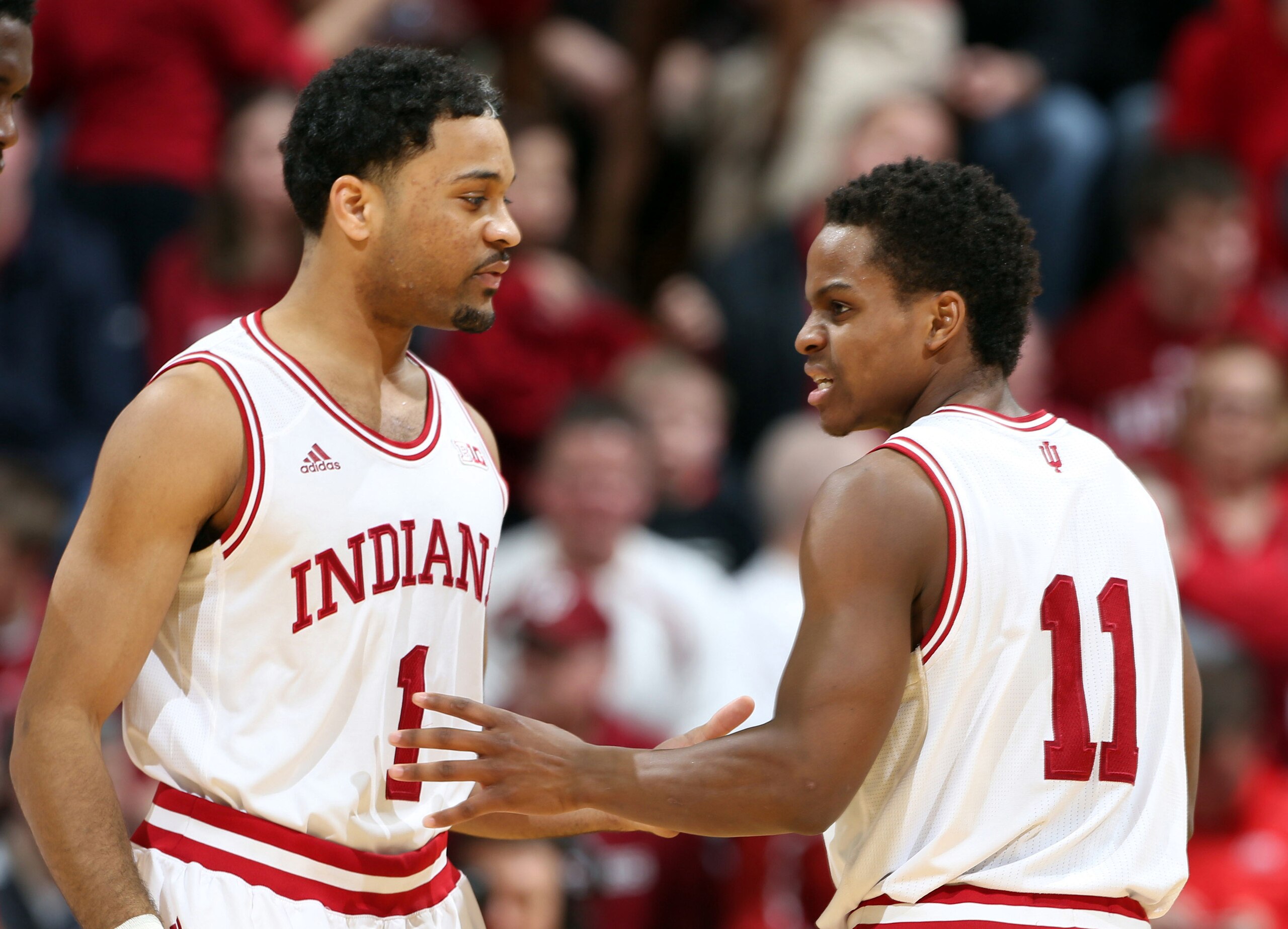
Indiana was a very obvious inclusion on the list, since the Hoosiers bring back pretty much everyone from a team that was already a blast to watch before adding a very talented power forward in Thomas Bryant.
It's at the guard positions, though, where this team is a real delight. Yogi Ferrell, James Blackmon, Robert Johnson and Nick Zeisloft were cash money from beyond the arc last season, each shooting at least 38.7 percent while each attempting at least 3.9 triples per game.
As a result, the Hoosiers shot 40.6 percent as a team from three-point range while sinking 9.4 per game. That made them the only team in the country to shoot better than 40.0 percent while making at least nine triples per night.
It's not hard to argue that the Hoosiers had the best perimeter offense in the country, and it's not hard to assume they'll retain that honor with all four of their primary long-range weapons back for another year.
If Bryant can join Troy Williams to form a quality, two-way frontcourt duo, Indiana just might mess around and shoot its way to a Big Ten championship.
Gonzaga Bulldogs
15 of 20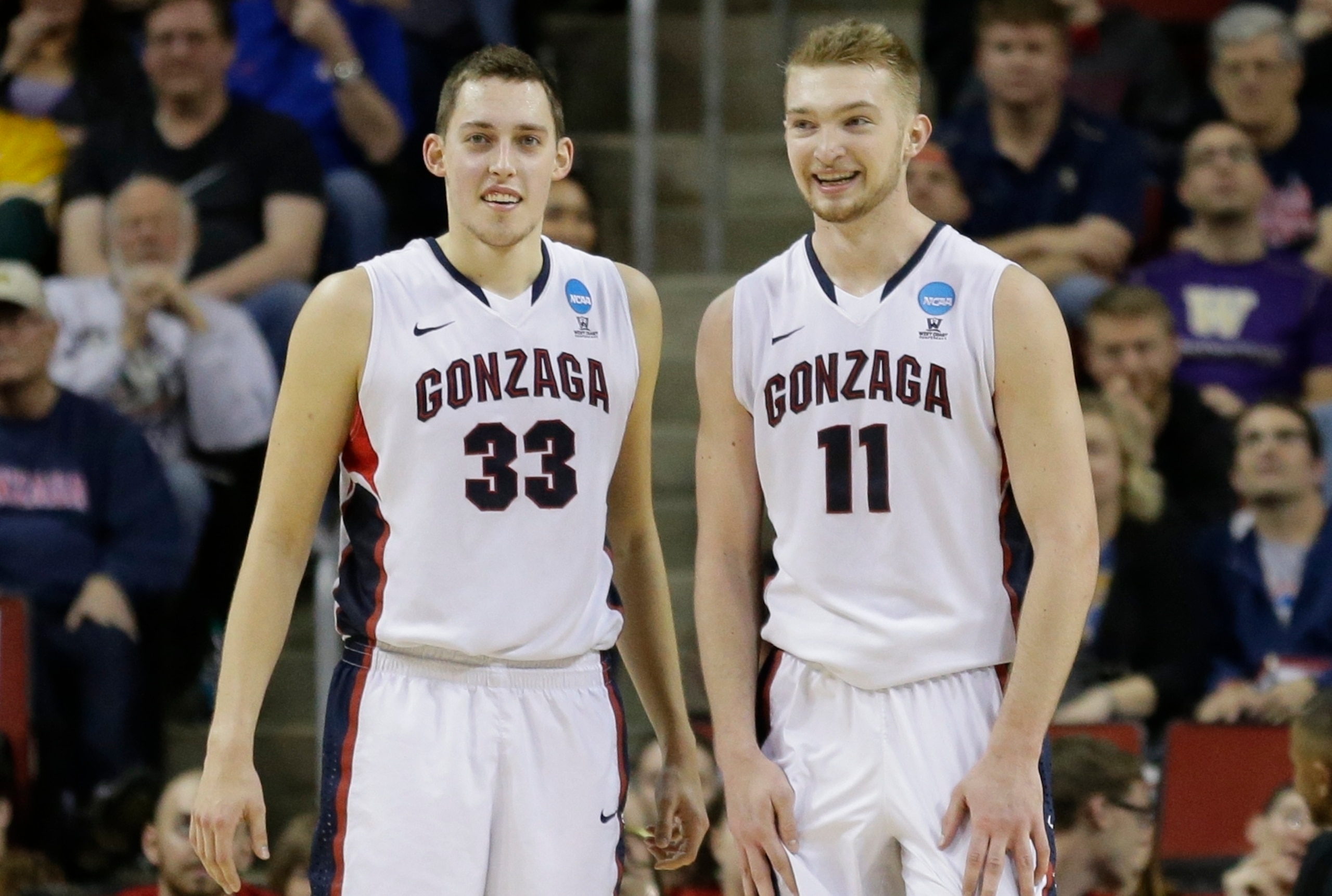
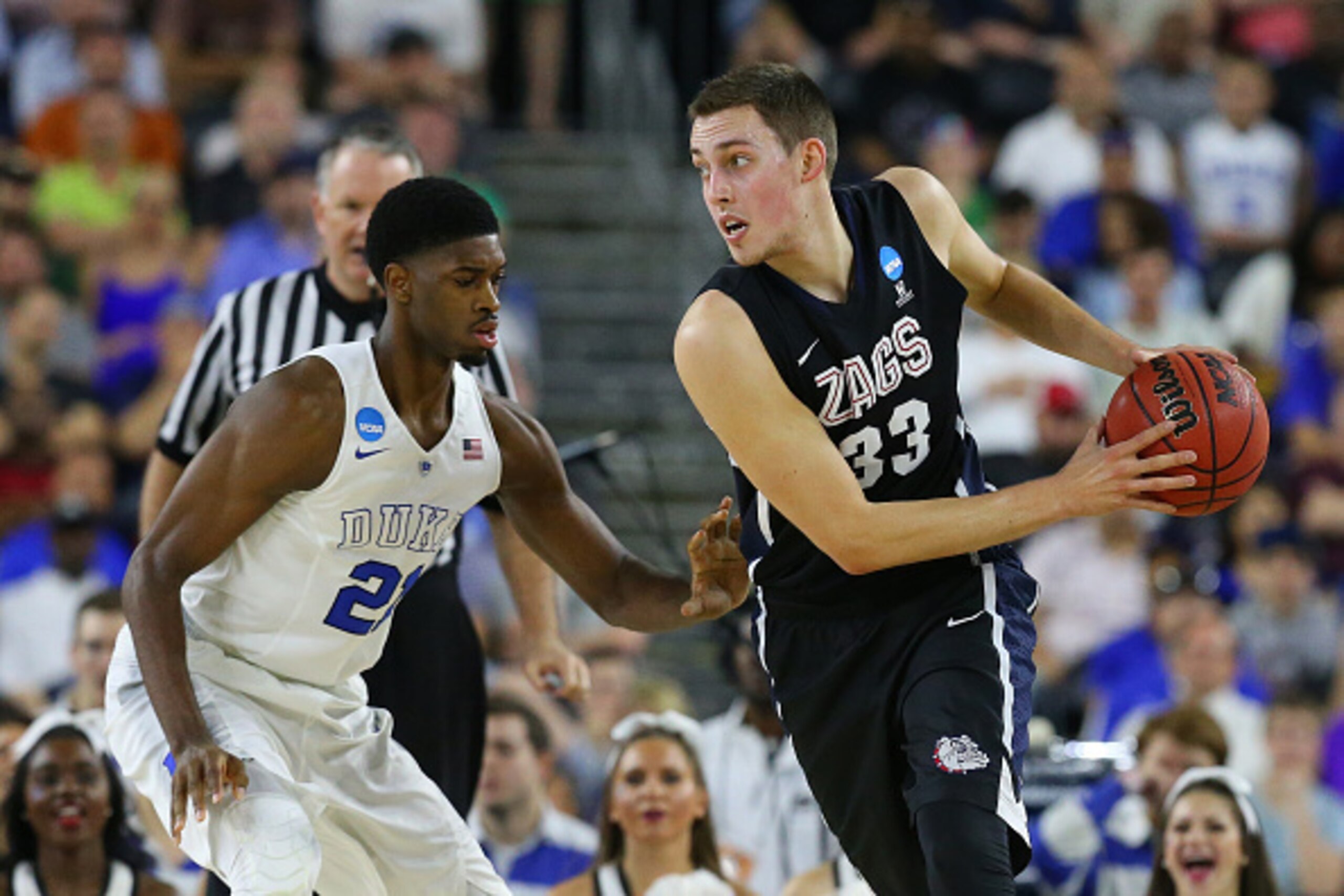
Good guard play is usually what makes a team fun to watch, but if you enjoy quality big men, it doesn't get much better than what Gonzaga will put on the court this season.
With the current state of college basketball players declaring early for the NBA draft, it was a pleasant surprise when Domantas Sabonis, Kyle Wiltjer and Przemek Karnowski all decided to come back for another season.
Pleasant for us as spectators, at any rate. Probably not so much for teams with Gonzaga on their 2015-16 schedule.
Toward the end of last season, the trio was simply unstoppable in the paint. Gonzaga out-rebounded 14 of its final 15 opponents and shot 55.4 percent from inside the arc while holding the opposition to 42.5 percent. Even if one had an off night, the other two inevitably picked up the slack.
There are legitimate questions about what Gonzaga will do in the backcourt without Kevin Pangos, Gary Bell Jr. and Byron Wesley, but the three-headed interior monster is going to make the Bulldogs tough to beat and a blast to watch.
Duke Blue Devils
16 of 20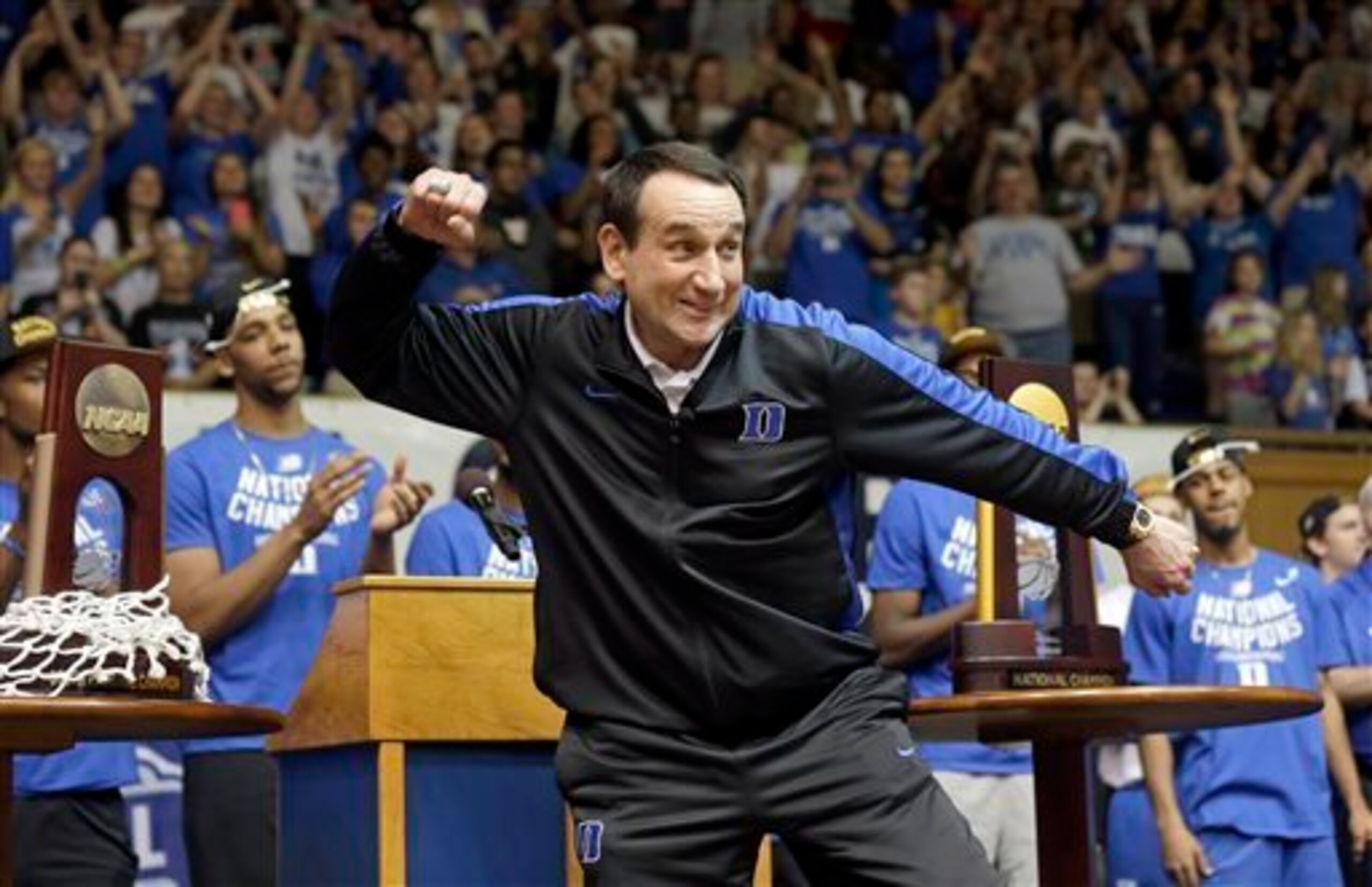
You didn't think we'd leave out the defending national champions, did you?
One thing's for certain: Duke will look much different than last season. For a second consecutive year, Duke has the best recruiting class in the nation, as graded by 247Sports, thanks in large part to late additions Brandon Ingram and Derryck Thornton.
Prior to those commitments, it was looking like Duke would have a lot of trouble trying to defend its title. The Blue Devils didn't have a true point guard, and they were going to need to heavily rely on guys like Marshall Plumlee and Rice transfer Sean Obi in the frontcourt. But Thornton reclassified to the Class of 2015 to solve the first problem, and adding Ingram gives Mike Krzyzewski a surefire star with some height.
Luke Kennard is another freshman who figures to make a huge impact in Durham. Both he and Grayson Allen can absolutely shoot the lights out and should be among the team's leading scorers.
Throw in Matt Jones, Amile Jefferson and Chase Jeter, and you've got one heck of a recipe for a talented team.
With so many changes, there's no way of knowing just how well everyone will jell until we see them in action. Assuming arguably the greatest coach in the history of the game can figure out how to make it work, though, Duke could once again be the most fun team in the country to watch.
Davidson Wildcats
17 of 20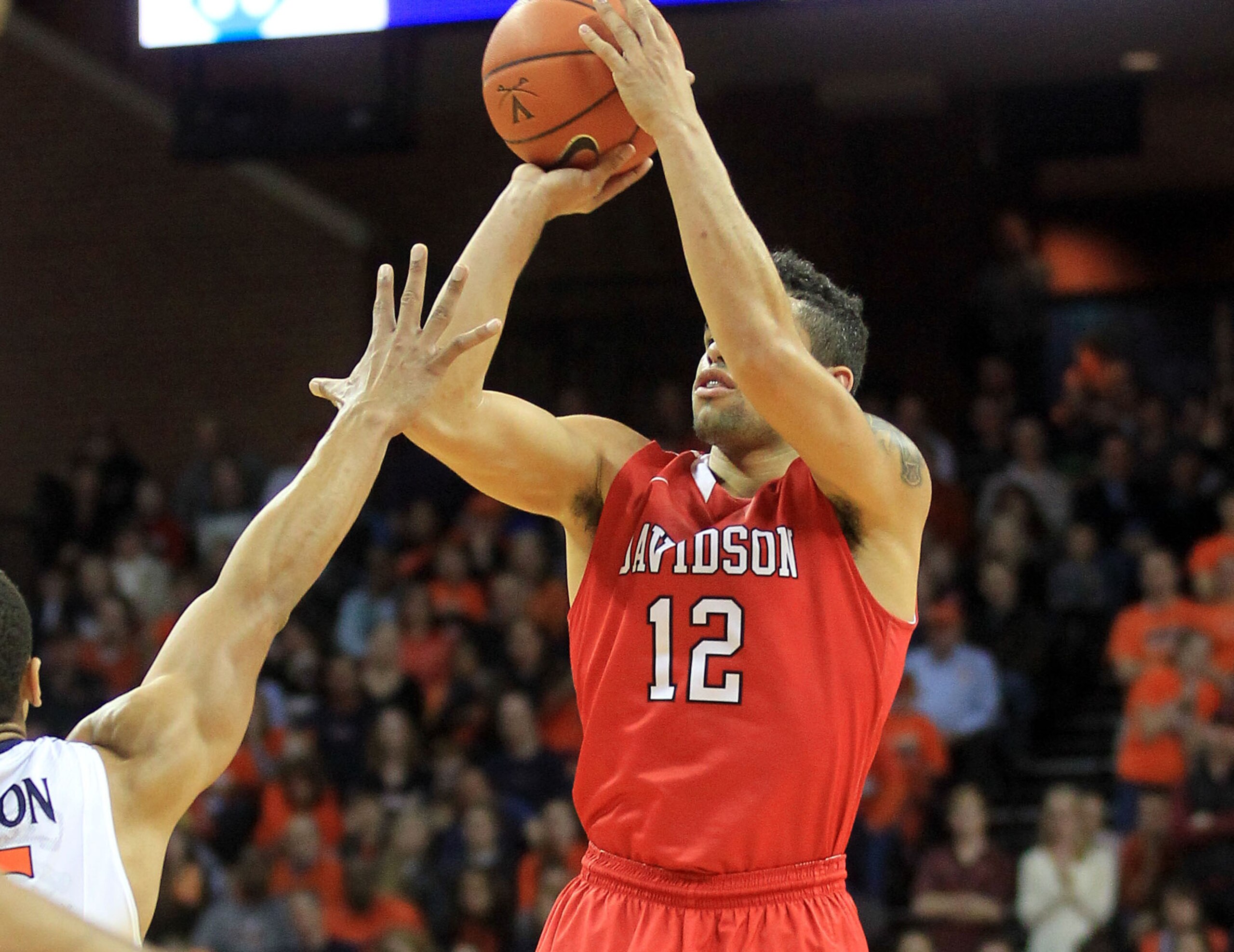
Davidson games were a drug that I couldn't quit last season.
If the Wildcats were on TV, I was watching. Their offense was just a thing of beauty, rarely missing open shots and much less frequently committing turnovers. On defense, they were often about as porous as a screen door—that reared its ugly head at the worst possible time when they gave up 93 points to VCU in the A-10 semifinals and 83 to Iowa in their first and only NCAA tournament game—but their scoring ability was usually enough to overcome that problem.
From that team, almost everyone is back, aside from one not-so-minor departure. A-10 Player of the Year Tyler Kalinoski graduated, but Bob McKillop still has some phenomenal scorers in Jack Gibbs, Peyton Aldridge, Jordan Barham, Brian Sullivan and Jake Belford—who missed almost the entire season due to injury. Oskar Michelson and Jordan Watkins should be headed for sizable leaps as sophomores as well.
Gibbs will be the star of the show, though. He's such a great shooter, slasher and passer that everyone else just seems to play better by proxy. As long as he stays healthy, I look forward to another several months of Davidson games piling up on the DVR.
Connecticut Huskies
18 of 20
When is the last time a freshman averaged 10.9 points, 7.6 rebounds and 3.7 assists for the reigning national champion only to receive virtually no widespread recognition whatsoever?
Given how specific those criteria are, Connecticut's Daniel Hamilton pretty much has to be the only member of that club, but isn't it a little crazy how we all basically ignored every Husky not named Ryan Boatright by the end of the season?
Case in point: Amida Brimah made 67.4 percent of his field-goal attempts and ranked second in the nation in block percentage, yet wasn't even one of the 15 candidates for the inaugural Kareem Abdul-Jabbar Award.
Connecticut fell on some hard times last season, but you just know the Huskies will be back this year.
In addition to Hamilton and Brimah, Kevin Ollie still has Rodney Purvis, Kentan Facey and Omar Calhoun. He's adding a 5-star point guard in Jalen Adams and a 4-star power forward in Steve Enoch. He has already landed grad-transfer Shonn Miller (Cornell) and is very much in the running to acquire the services of Sterling Gibbs (Seton Hall) and/or Tyler Harris (Providence).
Boatright may be gone, but things are looking up for a team that has won four titles in the past two decades.
California Golden Bears
19 of 20
In the four weeks after the 2014-15 season ended, California improved more than any team in the country, and it's not even close.
Cuonzo Martin's run of fire started out innocently enough when Tyson Jolly—a 4-star shooting guard—verbally committed to the Golden Bears on April 11. Two days later, he got Ivan Rabb—arguably the best power forward in this year's recruiting class. On April 23, star guard Tyrone Wallace announced that he will be returning for his senior year. And on May 1, Jaylen Brown committed to California, joining Rabb on the list of 5-star players heading to Berkeley in the fall.
Just like that, California went from "On nobody's radar in the way-too-early Top 25 articles" to "The team that everyone will say is their sleeper pick to reach the Final Four."
If you don't think California is going to be insanely fun to watch, you clearly haven't been paying attention to everything Martin has accomplished this offseason.
And keep an ear to the ground for even more big news from the Golden Bears, because 5-star big man Caleb Swanigan—once presumed to be part of a package deal with Rabb—backed out of his commitment to Michigan State and has reopened his recruitment process. If Swanigan lands at Cal—which seems at least likely—it might just be enough to make them one of the favorites to win the national championship.
You did remember to put your entire life savings on California at 100-1 to win the 2016 title when those odds came out in early April, right?
Brigham Young Cougars
20 of 20
Another year of Kyle Collinsworth means another year of fun basketball in Provo.
At 13.8 points, 8.7 rebounds, 6.0 assists and 1.8 steals per game, Collinsworth had one of the best stat-sheet stuffing seasons in college basketball history, finishing the year with six triple-doubles. What he was able to accomplish on an ACL that was surgically repaired in March 2014 is just absurd.
Might he have even more in the tank now that he's undeniably the head honcho on this roster?
Without Tyler Haws and a few other key pieces, Collinsworth's numbers might take a hit. Alternatively, he might put up even more ridiculous numbers in an effort to replace all of the lost production.
According to KenPom.com, Collinsworth only attempted 22.4 percent of the shots taken while he was on the floor. Compare that to 32.8 percent for Haws if you need proof that there are field-goal attempts there for the taking.
Could a 20.0-point, 10.0-rebound, 5.0-assist per game season be in play here? Better yet, does he even need to post numbers like those to be one of the most enjoyable players in the country to watch?
Advanced stats courtesy of KenPom.com.
Kerry Miller covers college basketball for Bleacher Report. You can follow him on Twitter @kerrancejames.

.jpg?w=2560 "Steelers Saints Football")
.jpg?w=2560 "Packers Safety Slams Refs 🤬")

.jpg?w=2560 "🚨 Week 8 AP Top 25 Poll")
