
Ranking the 15 True Aces of Major League Baseball
Having one in the hole is a great start. Having two in the pocket can virtually guarantee the desired outcome.
The problem is, they are rare.
True aces are few and far between, and they are built over time. One-hit wonders are false idols until they show staying power. Or, if they only have a season of greatness behind them, they at least have to have the myriad tools and youth necessary to be projected as a real ace.
One good season out of nowhere does not make an ace. We also are not talking about No. 1 starters, guys who simply head a rotation. We do not care about the very, very good.
This is why Corey Kluber and James Shields don’t make the list this year. It is also why aces like David Price, Jon Lester and Stephen Strasburg fall lower in the rankings than one might think. And Yu Darvish is absent because he will miss all of 2015.
We want "great" here—perennial Cy Young Award candidates, the feeling of an automatic dominant start every fifth game and pitchers who appear in only 30-plus games but are just as valuable, if not more, than everyday players. Not every team has such an arm, and not every division can claim more than one.
Here is how those who fit the bill rank in their shallow pool of peers.
15. Jose Fernandez, Miami Marlins
1 of 15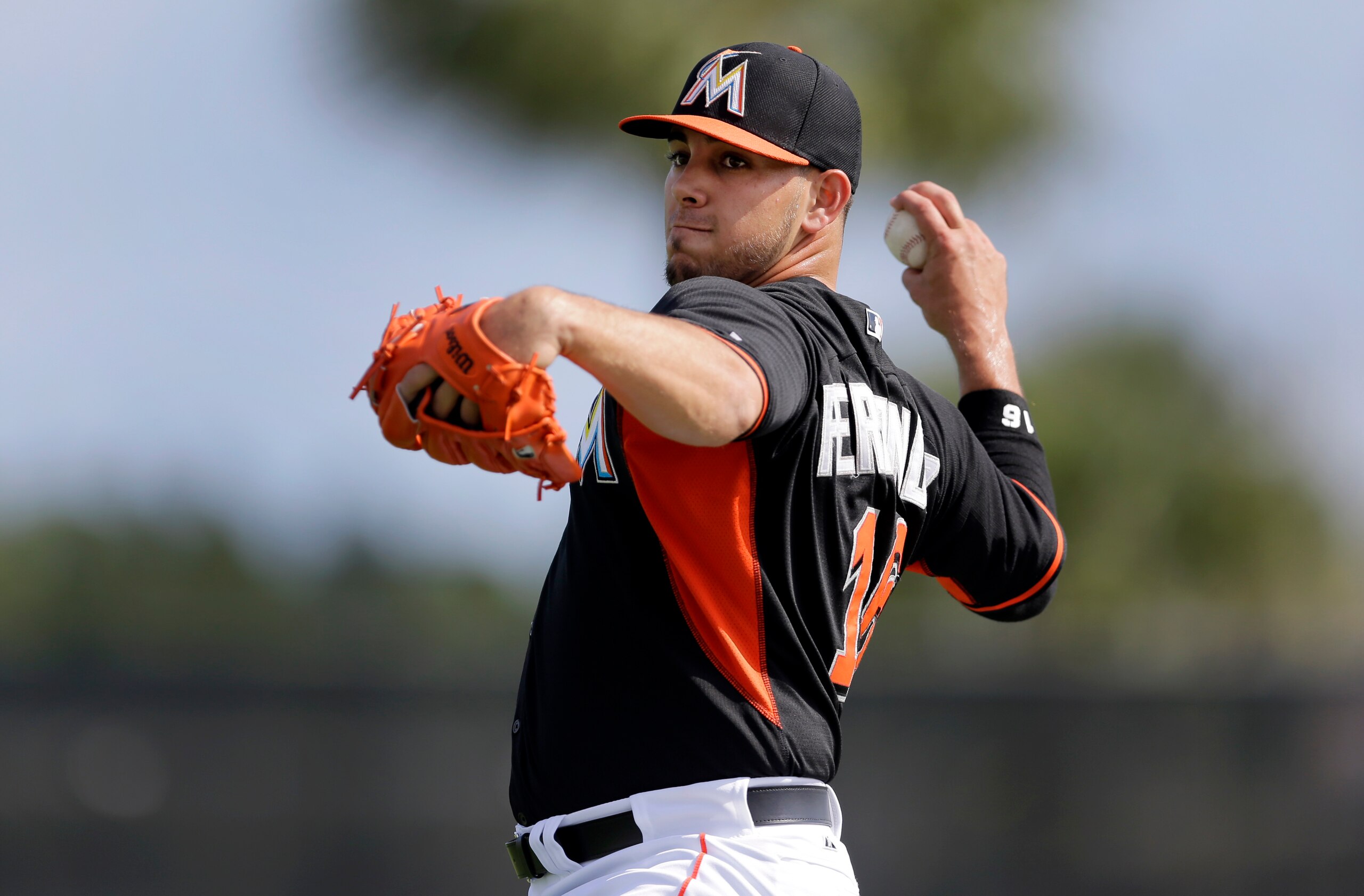
He is 22 and has less than 225 career innings under his belt. But Fernandez has that combination of youth, tools and vast upside that has the Marlins salivating and opposing hitters cringing in the corner of their dugouts.
The immediate flaw for Fernandez is health. He is coming off Tommy John surgery after making eight starts last season—he posted a 2.44 ERA in that time—and the hope is that he can return by the All-Star Break or shortly after. That could leave him with about 15 starts and obviously limits his value for 2015.
In his first full season, Fernandez established himself as a legitimate ace with a 2.19 ERA (second in the National League behind Clayton Kershaw), 2.73 FIP and a league-leading 5.8 hits allowed per nine innings. He also struck out nearly 10 hitters per nine and had a 176 ERA-plus, which was once again second in the NL behind Kershaw.
This season will be a limited one for Fernandez, but his midseason comeback could be the boost the Marlins need to find a playoff berth, and it will also be his time to showcase that he is healthy and back among the best pitchers in baseball.
14. Matt Harvey, New York Mets
2 of 15
Like Jose Fernandez, Matt Harvey is coming off Tommy John surgery and has fewer than 240 major league innings to his name. He has used every one of them to show he has the potential to soon be one of the best pitchers in the majors.
Like, maybe this year. Harvey has a career 2.39 ERA and a 2.33 FIP, and he led the league with a 2.01 mark in that category in 2013, the last time he pitched.
ZiPS projects him to be limited to 153 innings with a disappointing 114 ERA-plus. Expect Harvey to exceed that rate stat, but his 3.12 ERA could be a reasonable prediction. The projection says Harvey will be good, but he will not show his ace status in his first season back from major surgery.
Still, at 26, he has the time and tools to bounce all the way back.
13. Stephen Strasburg, Washington Nationals
3 of 15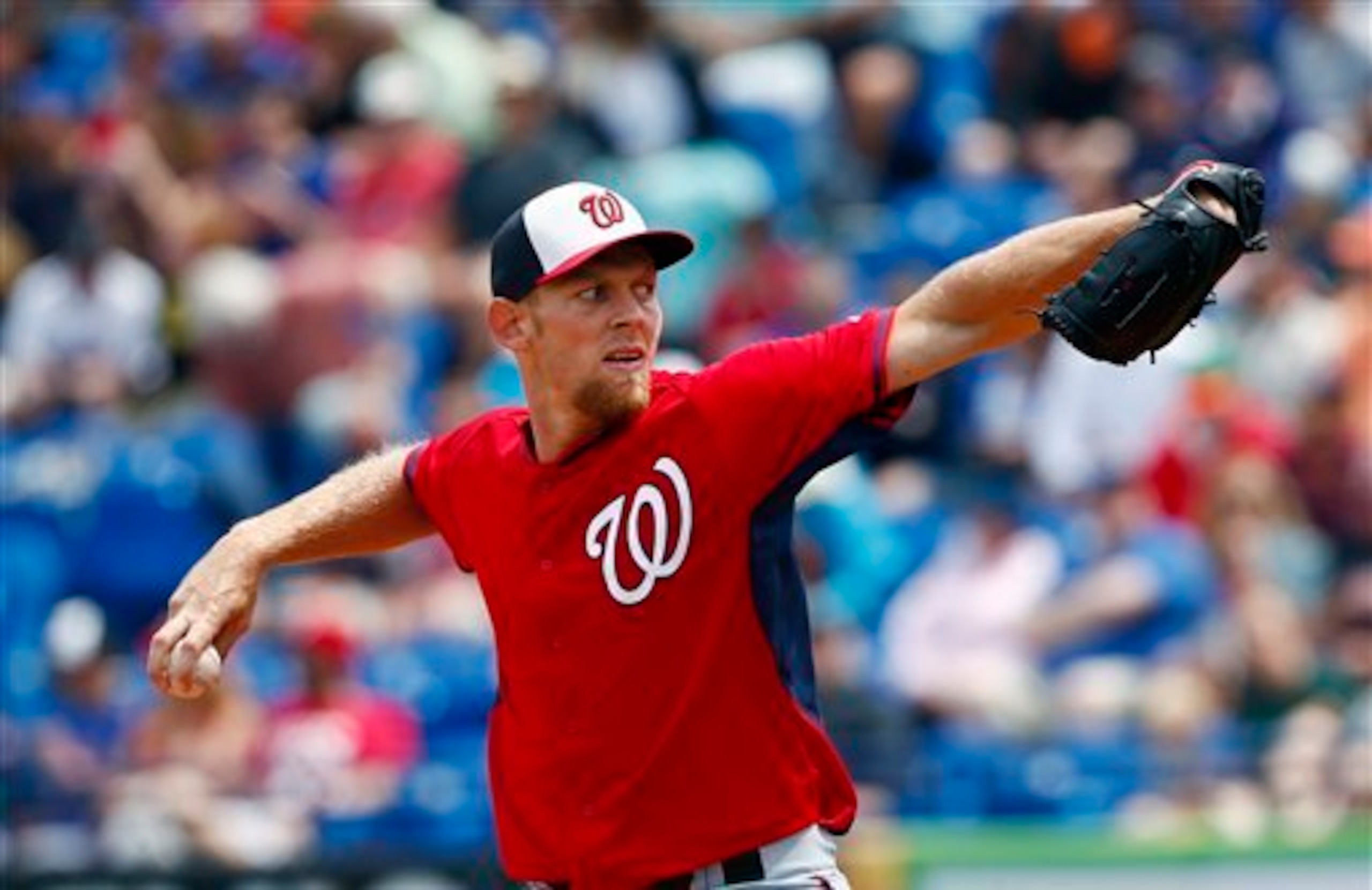
Here is yet another victim of Tommy John surgery—the bottom four on this list have all had the procedure—and while he has never produced a sub-3.00 ERA or anything higher than a 126 ERA-plus, he has a career 2.84 FIP and has put up at least a 3.0 WAR in any calculation used in each of the last three seasons.
Strasburg has yet to live up to the dominant ace he was projected to be when the Nationals drafted him first overall in 2009. Still, he has posted elite strikeout stats and could be a season away from establishing himself as a top-five pitcher in the league.
For traditionalists, Strasburg has never won more than 15 games in a season, but if he is pushed down to the third man in this rotation, that win total could rise just based on who his opposing pitcher might be on most outings.
Strasburg’s progression is also a major reason the Nationals felt they could sign Max Scherzer to a massive contract, because if it continues, the Nationals won’t be too hurt if Jordan Zimmermann walks out on them in free agency next winter.


12. Jordan Zimmermann, Washington Nationals
4 of 15
Over two of the last three seasons, Jordan Zimmermann has been one of the best right-handed starters in the majors. While his superb 2012 season did not garner much attention and his so-so 2013 was celebrated mostly for his leading the league with 19 wins, his outstanding 2014 campaign established him as a real ace in one of the best rotations in the game.
This season, he will be bumped down to the No. 2 or No. 3 spot with Max Scherzer slotted in as the No. 1 in Washington, and rightfully so. He is also in a contract year, which means he will be doing all he can to ensure he receives one of the richest deals of next offseason.
Last year, Zimmermann’s 2.66 ERA, 2.68 FIP, 141 ERA-plus, 1.31 walks per nine innings and 6.3 strikeout-to-walk ratio were all in the top 10 in the National League. A repeat of that in 2015 will cement him as an ace and move him up this list for 2016.
11. Jon Lester, Chicago Cubs
5 of 15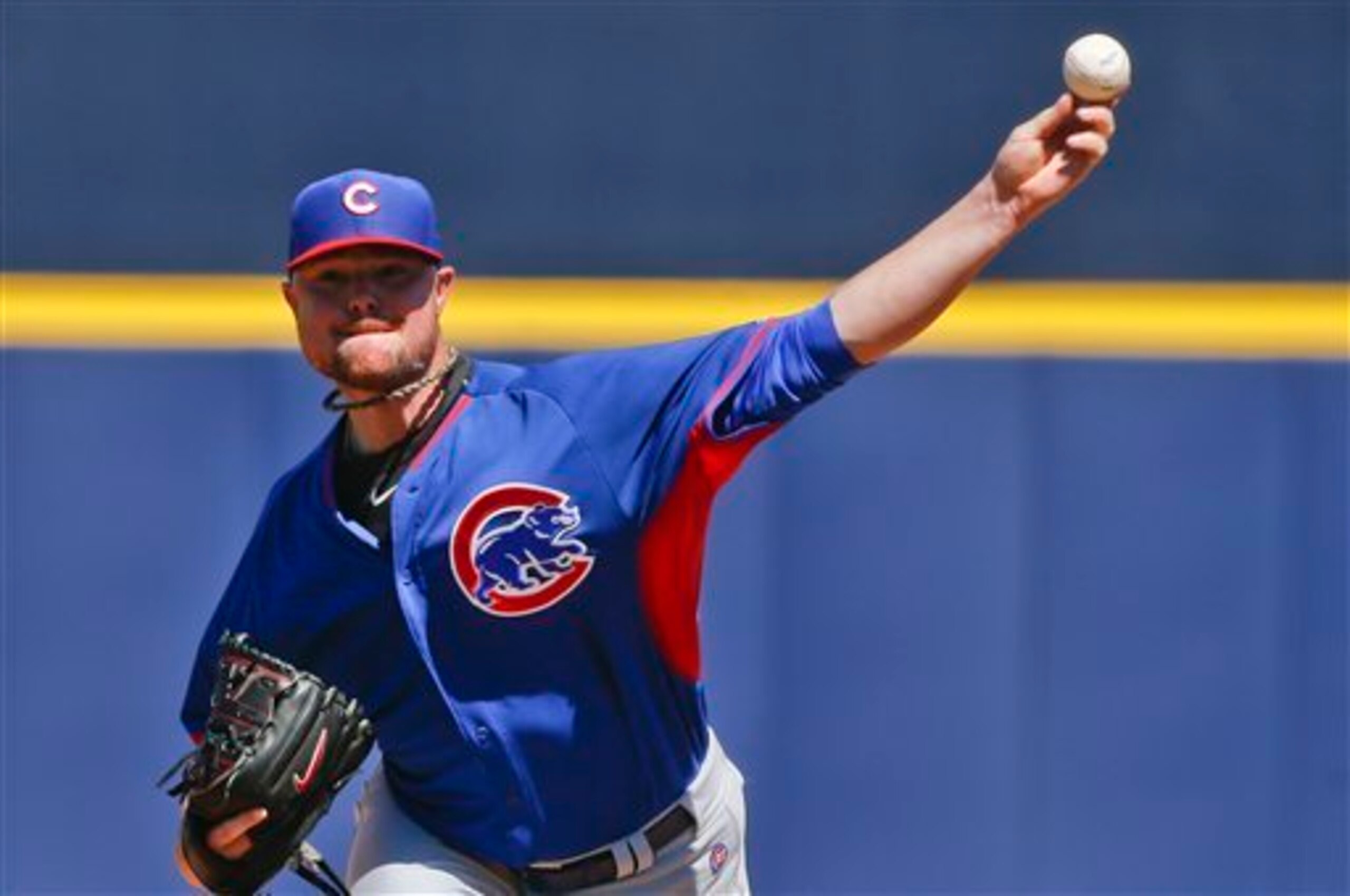
Lester is one of the more curious cases on this list because, aside from last season, one could argue that he has not put up true ace-like numbers since 2010.
But 2014 was a different story. It was his best season in the majors, split between Boston and Oakland. He had a 2.46 ERA, 2.80 FIP, 155 ERA-plus and nine strikeouts per nine over 219.2 innings. FanGraphs rated him as worth 5.6 wins, the fifth-best WAR mark in the American League.
Those numbers were good enough to lure the Cubs into a six-year, $155 million contract despite his being 31 years old. If Lester continues to produce for the next few seasons the way he did last year, it could turn out to be money well spent.
10. David Price, Detroit Tigers
6 of 15
If Jon Lester is one of the tougher cases to rank, Price might be the most difficult.
In his six full seasons, Price has put up two in which his ERA was lower than 3.00—the first resulted in a second-place finish in the American League Cy Young voting and the second won it—and only once, last year, has he produced a FIP lower than 3.00. Last season he had a 3.26 ERA and 117 ERA-plus, neither of which screams "one of the best pitchers in the majors," but his 271 strikeouts led both leagues.
Baseball-Reference.com and FanGraphs, the two sites that calculate WAR, have difficulty agreeing on where Price stands. In 2013, B-R had him with a 2.8 WAR, while FanGraphs put him at 4.5. Last year B-R had him at 4.6 and FanGraphs at 6.1. That 2014 total did not make the top 10 for B-R but ranked third in the majors at FanGraphs.
What cannot be debated is that Price is a strong No. 1 pitcher, or that he is an ace despite some of the very-good-but-not-great numbers. But his place on this list is open to disagreement. For now, he cracks the top 10 going into his contract year.
What he does in 2015 will determine not only his place in the game, but what kind of money he makes over the next six or seven years.
9. Cole Hamels, Philadelphia Phillies
7 of 15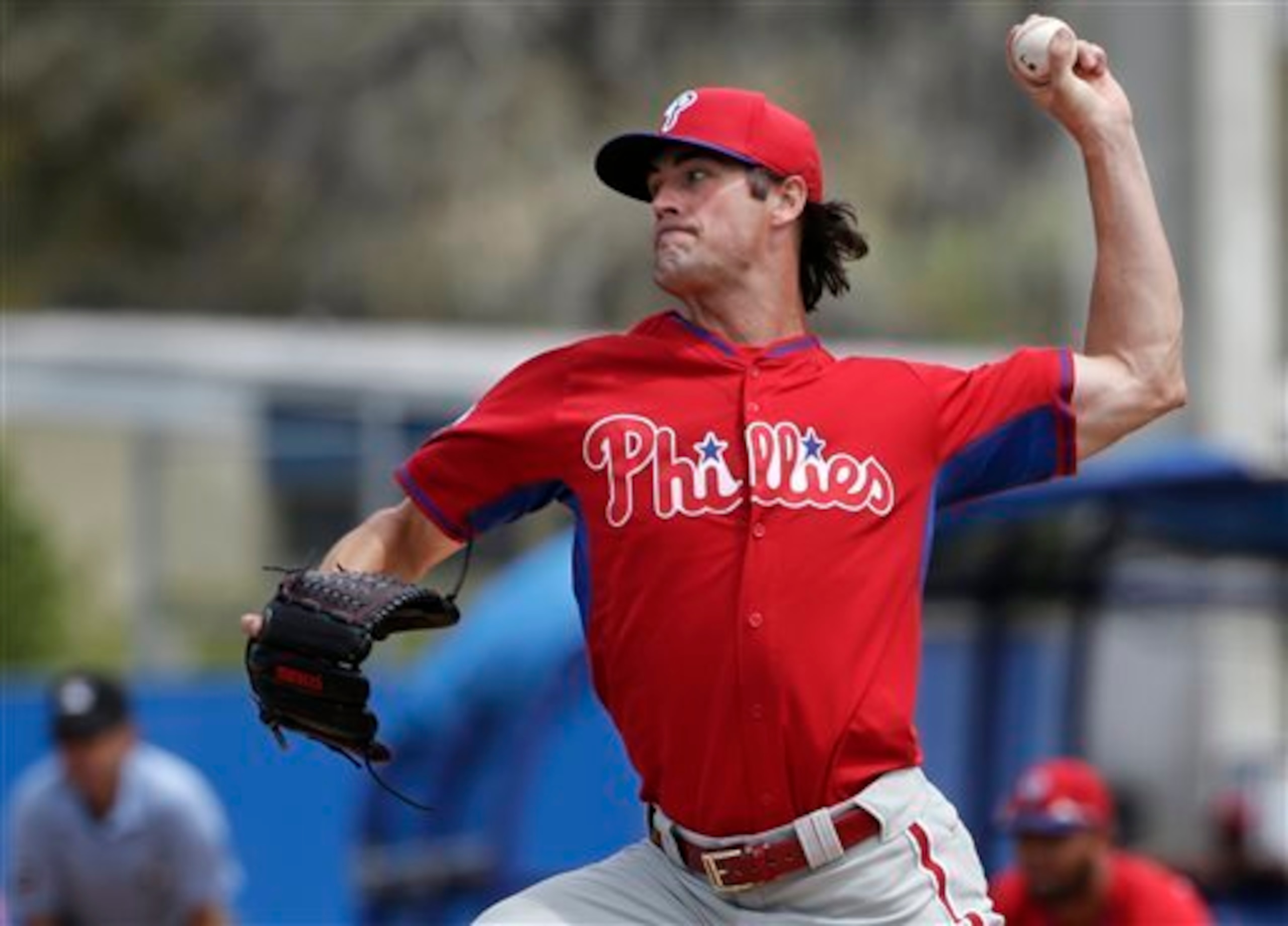
Hamels’ being a true ace is the entire reason he was such a topic of trade rumors over the offseason. After Max Scherzer signed with the Nationals, Hamels was the only ace available on any market, and the Phillies are unwilling to give up such a valuable commodity on the cheap.
Because of that, Hamels might end up being the most wasted ace in 2015, as the Phillies look to be one of the worst teams in the majors.
Over his last five seasons, Hamels has a 3.00 ERA, 3.27 FIP and a 129 ERA-plus. And last year, on a team that lost 89 games, he had a 2.46 ERA, 3.07 FIP and 151 ERA-plus. His 6.6 WAR was fifth-best in baseball, according to Baseball-Reference. That sub-3.00 ERA was the fourth time in five years he posted an ERA below 3.10.
Hamels is 31 and has pitched more than 200 innings in six of his last seven seasons. If we are to enjoy him and value him properly, we must hope the Phillies trade him to a contender sooner rather than later.
8. Zack Greinke, Los Angeles Dodgers
8 of 15
Greinke was once a highly valued asset but has sort of ducked radar detection over the last couple of seasons. Those just happened to be two of the best years of his career.
Since signing a six-year, $147 million contract with the Dodgers, Greinke is 32-12 with a 2.68 ERA, 3.09 FIP and 132 ERA-plus. His 7.6 WAR over that time is 15th in the majors, but his 60 starts rank 42nd. Considering WAR is a counting stat, Greinke’s value is much higher, per start, than 15th.
As far as being one of the sport’s stars, Greinke ranks much lower on this list. But when it comes to selecting aces, another year of an ERA in the twos could get him out of the shadows and up the rankings.
7. Adam Wainwright, St. Louis Cardinals
9 of 15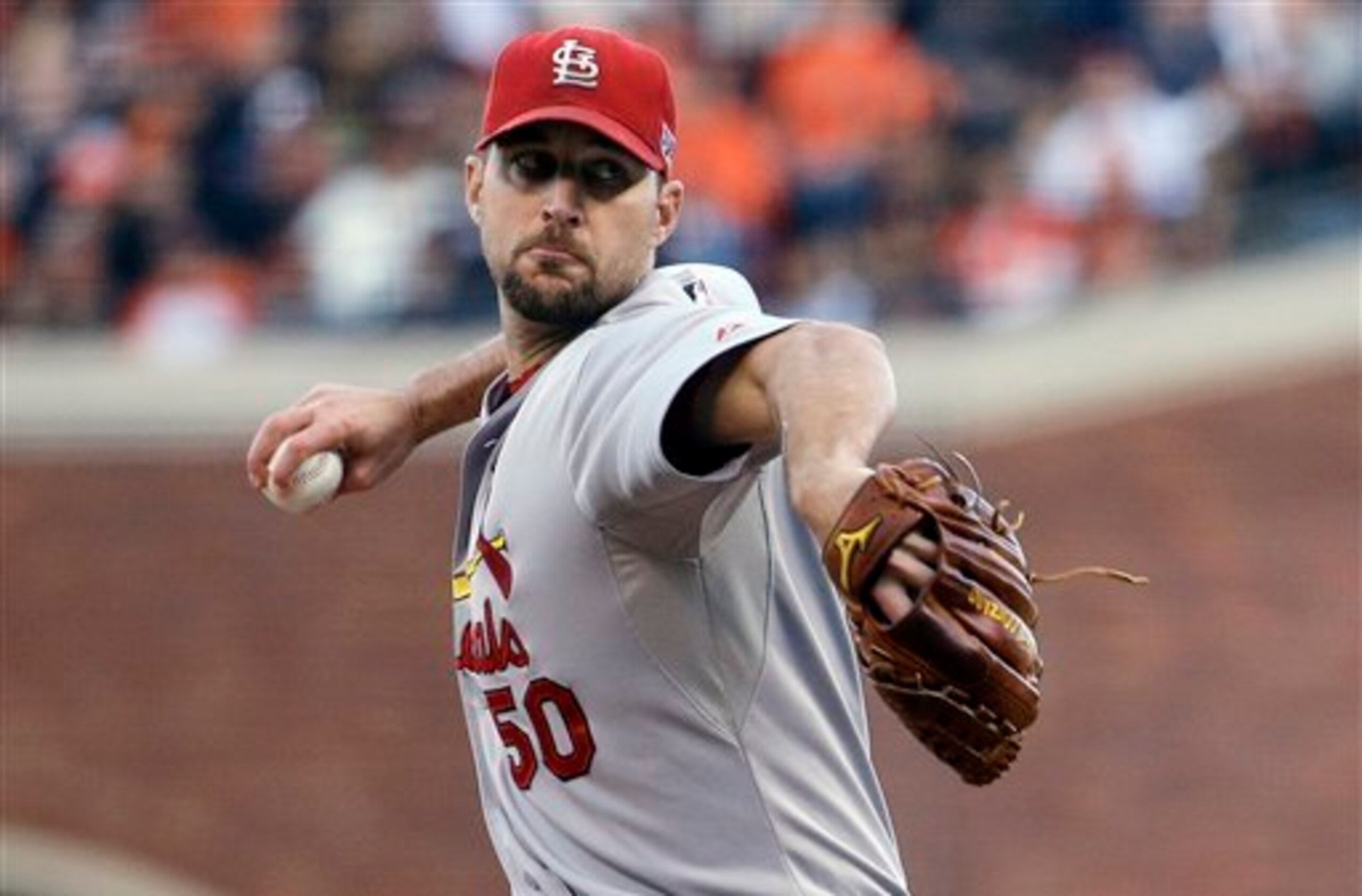
From 2008-2010, Wainwright was one of the best the game had to offer on the mound, but Tommy John surgery stole his 2011 season. When he returned in 2012, he was an average pitcher, and we were left to wonder if that would be his post-surgery reality.
It turns out he just needed to tune up. Wainwright went for a 2.94 ERA, 2.55 FIP (fourth in the majors) and led the National League in wins (19), starts (34), complete games (5) and innings (241.2) to finish second in the Cy Young Award voting in 2013. Last season he followed up with a 2.38 ERA (fifth in the majors), a 2.88 FIP and 154 ERA-plus (seventh).
Over the last two seasons, Wainwright ranks third with an 11.4 WAR, behind Clayton Kershaw and Felix Hernandez. Since 2009, his 26.9 WAR is sixth.
Wainwright has dealt with lingering elbow issues early this spring, but if he is healthy, there is no reason to believe he will not be good enough to hold his place as one of the elites.
6. Madison Bumgarner, San Francisco Giants
10 of 15
Bumgarner has spent the last two regular seasons being overshadowed in the National League by Clayton Kershaw, but last October he stepped into the dead center of the spotlight.
The 25-year-old started six games during the last postseason and allowed six earned runs in 52.2 innings (1.03 ERA), and opponents hit .156/.194/.228 against him. The Giants went 5-1 in those starts. And when they needed him out of the bullpen in Game 7 of the World Series, Bumgarner gave them five shutout innings, striking out four and not walking anyone to put away the Kansas City Royals.
Bumgarner was also a standout during the regular season, posting a 2.98 ERA and 3.05 FIP. That ascent started the season before, when he had a 2.77 ERA, 3.05 FIP and 124 ERA-plus. And over those seasons, his 8.1 WAR was fifth in the league.
With those strong seasons establishing him and the previous postseason cementing his status, Bumgarner sits just outside the top five. A third consecutive standout season, and he can keep climbing.
5. Max Scherzer, Washington Nationals
11 of 15
Scherzer is a newcomer to these rankings, but he's scaled them in a hurry.
In his first four full seasons from 2009-2012, he established himself as just an OK pitcher—3.94 ERA, 108 ERA-plus—but his last two have catapulted him into the top tier. Twenty-one wins and a 2.90 ERA as well as a league-leading 0.97 WHIP earned Scherzer his first Cy Young Award in 2013, and he followed that run with an 18-5 record, 3.15 ERA, 2.85 FIP and a career-high 252 strikeouts. Luckily for him, last season was a contract year.
He landed a seven-year, $210 million contract from the Nationals in January, the richest ever for a right-handed pitcher.
Now he has to live up to the expectations he’s set for himself. Scherzer will be pitching in a league without the DH, and likely with a better defense behind him. At age 30, his best years might be ahead of him.
4. Chris Sale, Chicago White Sox
12 of 15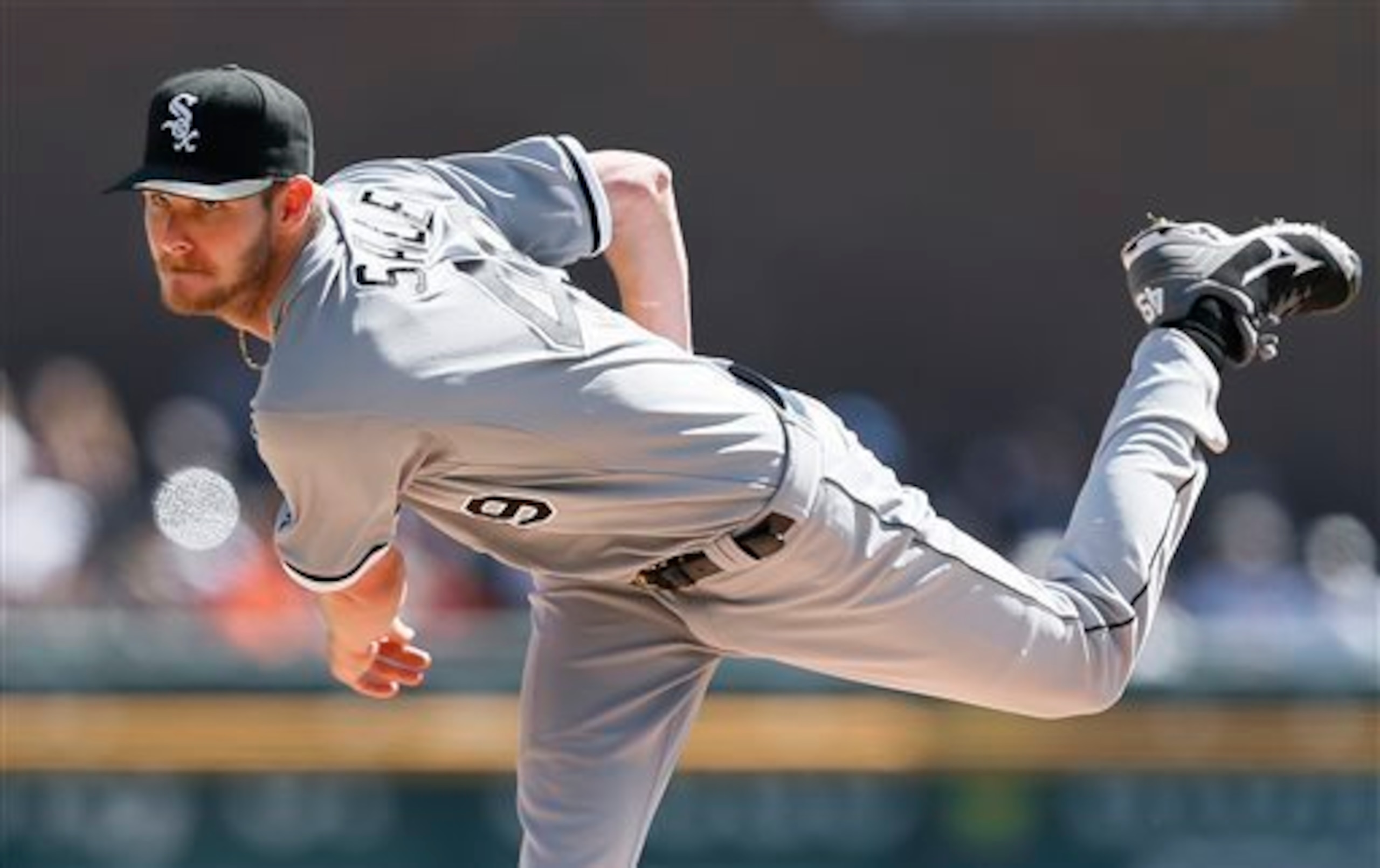
After two stellar seasons out of the bullpen, Sale entered the rotation in 2012 and proceeded to be one of the American League’s best starters and make three consecutive All-Star teams.
As a 23-year-old, Sale won 17 games for the White Sox and had a 3.05 ERA and 140 ERA-plus. In 2013 he was equally as good, but last season he took things up another level. Sale’s 2.17 ERA, 2.57 FIP and league-leading 178 ERA-plus showed why he was drafted 13th overall in 2010.
His 14.4 WAR over those three seasons make him the sixth-most valuable pitcher in the majors. If he continues this trend, it is not a stretch to consider him the favorite for the AL Cy Young Award.
3. Johnny Cueto, Cincinnati Reds
13 of 15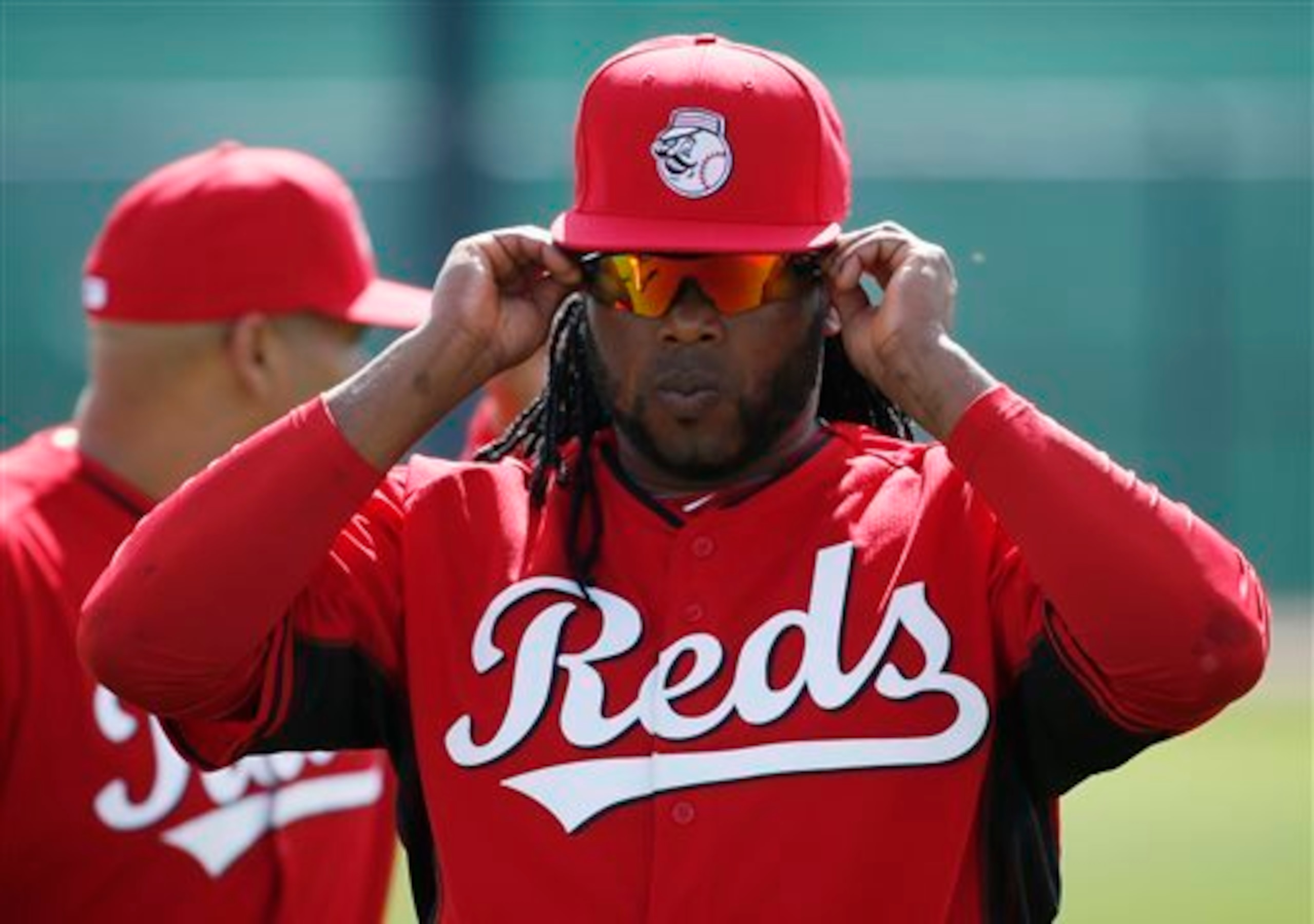
This is the surprise of the list, but Cueto is certainly worthy of a ranking this high.
Going back to 2011, Cueto’s age-25 season, he has not had an ERA higher than 2.82 or an ERA-plus lower than 135. Some fault him for relatively high FIP marks—3.45, 3.27, 3.81 and 3.30 over the last four seasons, respectively—but when you consider that last season he made 34 starts, led the league with 243.2 innings pitched and 242 strikeouts and set the National League mark with 6.2 hits allowed per nine innings, it’s hard to deny his value.
Over those same four seasons, Cueto has a 12.8 WAR, 10th in the NL. But don’t forget that WAR is a counting stat, and his 2013 season was cut to just 11 starts because of a shoulder strain. Had he put up a 4.5 WAR that year—he was at 4.7 in 2012 and 4.6 in 2014—his total over the four-year span would be 16.7, fourth-best in the league behind Cole Hamels, Cliff Lee and Clayton Kershaw.
Also, Cueto pitches in one of the more hitter-friendly parks in the league. While ERA-plus adjusts for that factor, it is worth mentioning that Great American Ball Park in Cincinnati surrendered home runs at the fourth-highest rate last year.
Cueto, 29, can become a free agent after this season. If he produces a line worthy of the No. 3 ace on this list, he is looking at north-of-Jon Lester money.
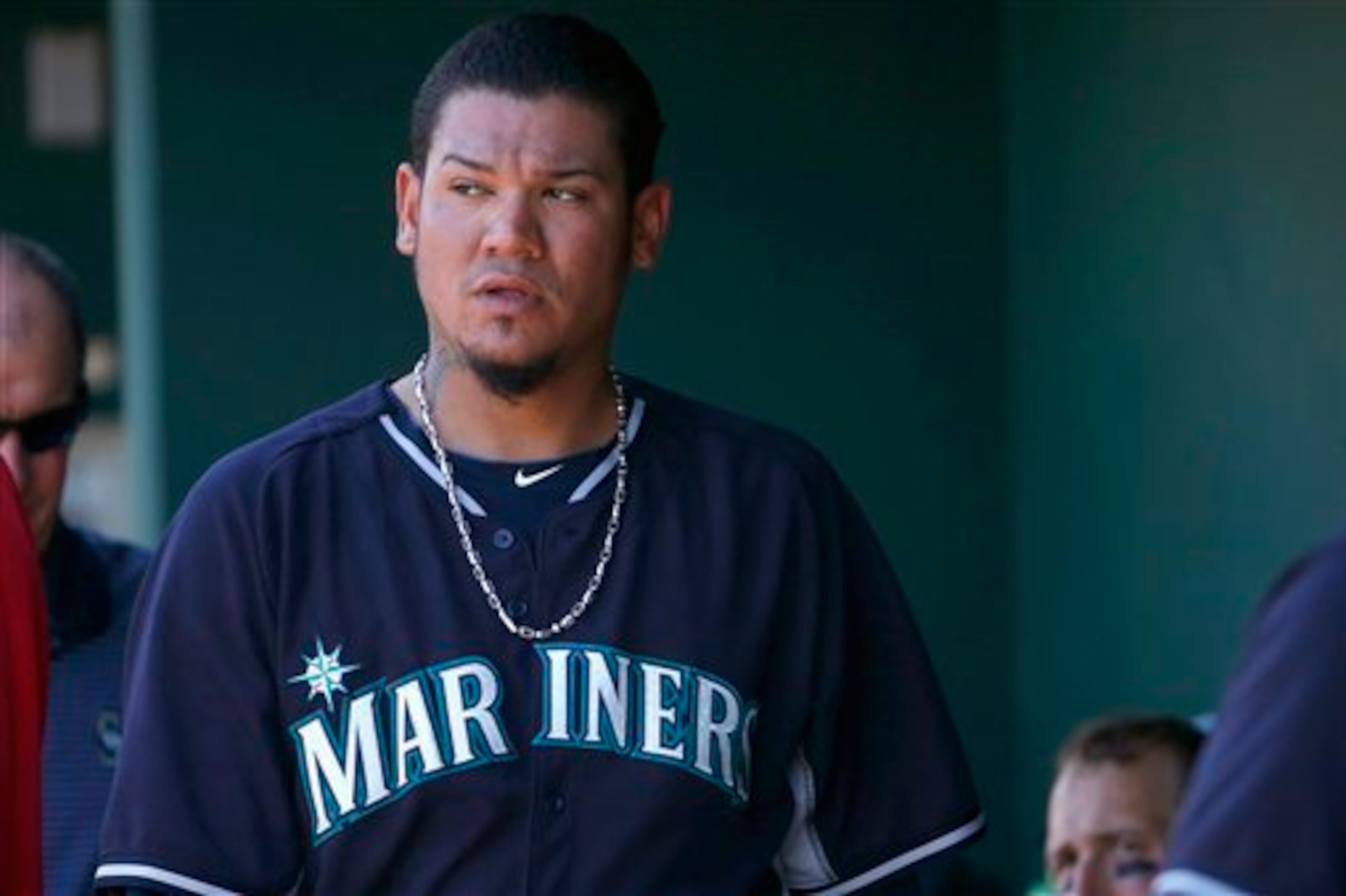
2. Felix Hernandez, Seattle Mariners
14 of 15
Simply put, King Felix has been one of the game’s best pitchers for six years. It is not debatable. And if not for the last couple seasons when a counterpart has been downright historic, Hernandez would be No. 1 with a devastating changeup.
Over those six seasons, Hernandez is owner of a 2.73 ERA, an average of 232 innings and 226 strikeouts a year, a 2.89 FIP and a 141 ERA-plus. His accumulative WAR of 35 during those years is second in the majors behind Clayton Kershaw.
In 2014, during his age-28 season, Hernandez led the American League with a 2.14 ERA, 34 starts, a 0.915 WHIP and 6.5 hits allowed per nine innings. He finished second in the Cy Young Award voting, the fourth time he has finished in the top four, winning it in 2010.
On top of his outstanding performance, Hernandez has a style, flair, pizzazz and mound presence not accompanied with his kind of production since Pedro Martinez in his prime. He is as entertaining as he is good, and as the face of his franchise, he is the man Mariners fans pay to watch every fifth game.
Entering his age-29 season, there is no reason to believe Hernandez will slow down anytime soon.
1. Clayton Kershaw, Los Angeles Dodgers
15 of 15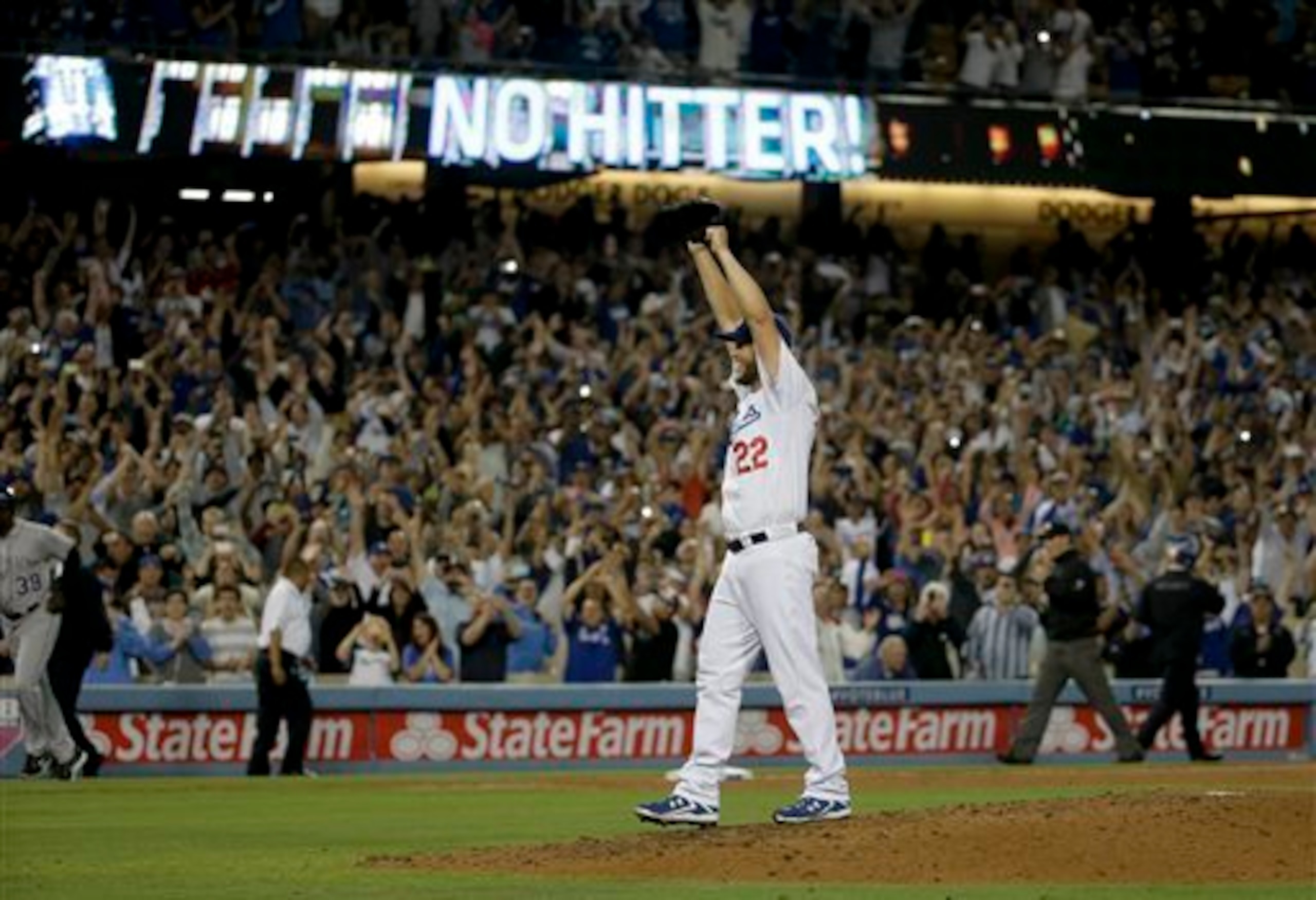
There is no one better. Period.
Kershaw, entering his age-27 season, is the best pitcher on the planet and has been so since at least 2011, the year he won his first Cy Young Award. He now has three, and he should arguably be on a run of four in a row had it not been for R.A. Dickey’s feel-good story in 2012.
Kershaw’s first full season came in 2008 when he was 20, and over the course of 21 starts, he was quite mediocre with his 4.26 ERA and 98 ERA-plus.
Since then, he has been a juggernaut, as not once has his ERA ever been above 2.91 or his ERA-plus been below 133. He has led the majors in ERA for four consecutive years, winning the pitching Triple Crown—wins, ERA and strikeouts—in 2011. In that same time, he has led the NL in WHIP each year.
Over the last two seasons, his ERA has not come close to eclipsing 2.00, and his ERA-plus has been the best in his league for three consecutive years.
Last season was his best. He led the league and/or all of baseball with 21 wins, an .875 winning percentage, a 1.77 ERA, six complete games, a 197 ERA-plus, 1.81 FIP, 0.857 WHIP, 10.8 strikeouts per nine, a 7.71 strikeout-to-walk ratio and WAR by any calculation you prefer. He also threw a no-hitter, which would have been a perfect game if not for a throwing error by Hanley Ramirez.
Since 2009, Kershaw leads the majors with a 36.7 WAR, a 2.33 ERA and 2.61 FIP.
His one downfall: the postseason. Kershaw has started eight playoff games for the Dodgers, and while he has made five quality starts, his meltdowns are what everyone remembers. Last season was the clincher, when he gave up a five-run lead in Game 1 of the NL Division Series to the St. Louis Cardinals. Then in Game 4, with a two-run lead in the seventh inning and a shutout in the works, Kershaw gave up a game-winning three-run home run to Matt Adams, a shot that eliminated the Dodgers and pushed Kershaw’s career postseason ERA to 5.12 in 51 innings.
From April through September, Kershaw is the best the game has to offer on the mound. But if he plans to remove whatever tarnish might linger on his legacy, he has to start producing in October.
Expect 2015 to be his redemption year.
Advanced stats courtesy of FanGraphs and Baseball-Reference.com unless otherwise noted.




.jpg?w=2560 "Mahomes Asked OT to Leave Meeting")
.jpg?w=2560 "Jonathan Taylor Landing Spots 📍")

.jpg?w=2560 "5 Teams Eyeing Jonathan Taylor")

