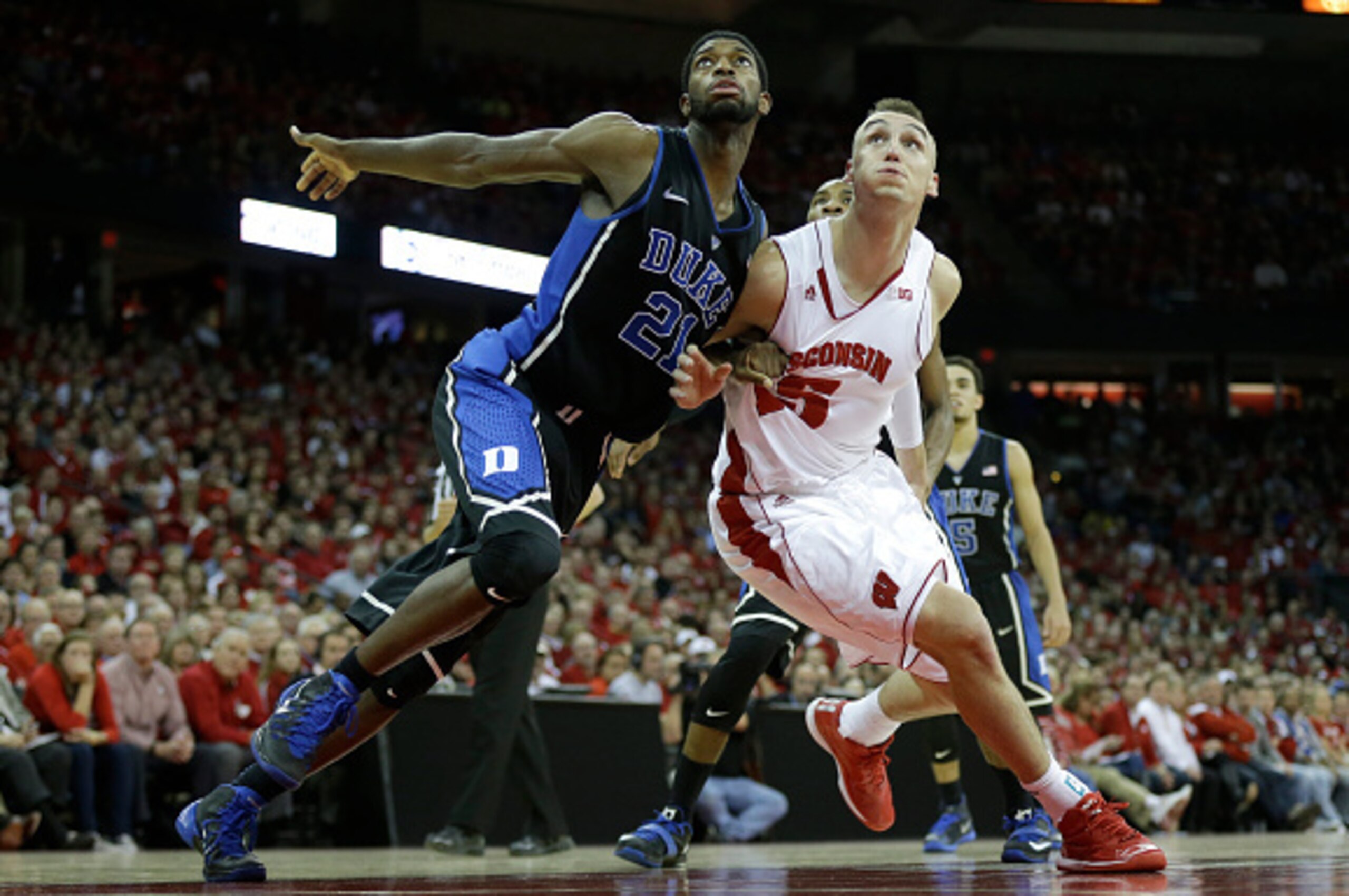

NCAA Bracket 2015: How to Stop Each Team in the Sweet 16
The NCAA tournament is down to the Sweet 16, and there are no weaklings at this point.
All but two of the remaining teams are from power conferences, and the two interlopers, Gonzaga and Wichita State, have proved many times they belong in this company.
Strengths outweigh weaknesses for these squads, but no team is without flaws. Over the next few days, coaches will be searching for those shortcomings to determine the best way to stop their next foe.
We tried to spotlight the biggest weakness in each of the Sweet 16 teams and analyzed how opponents can exploit them.
Louisville
1 of 16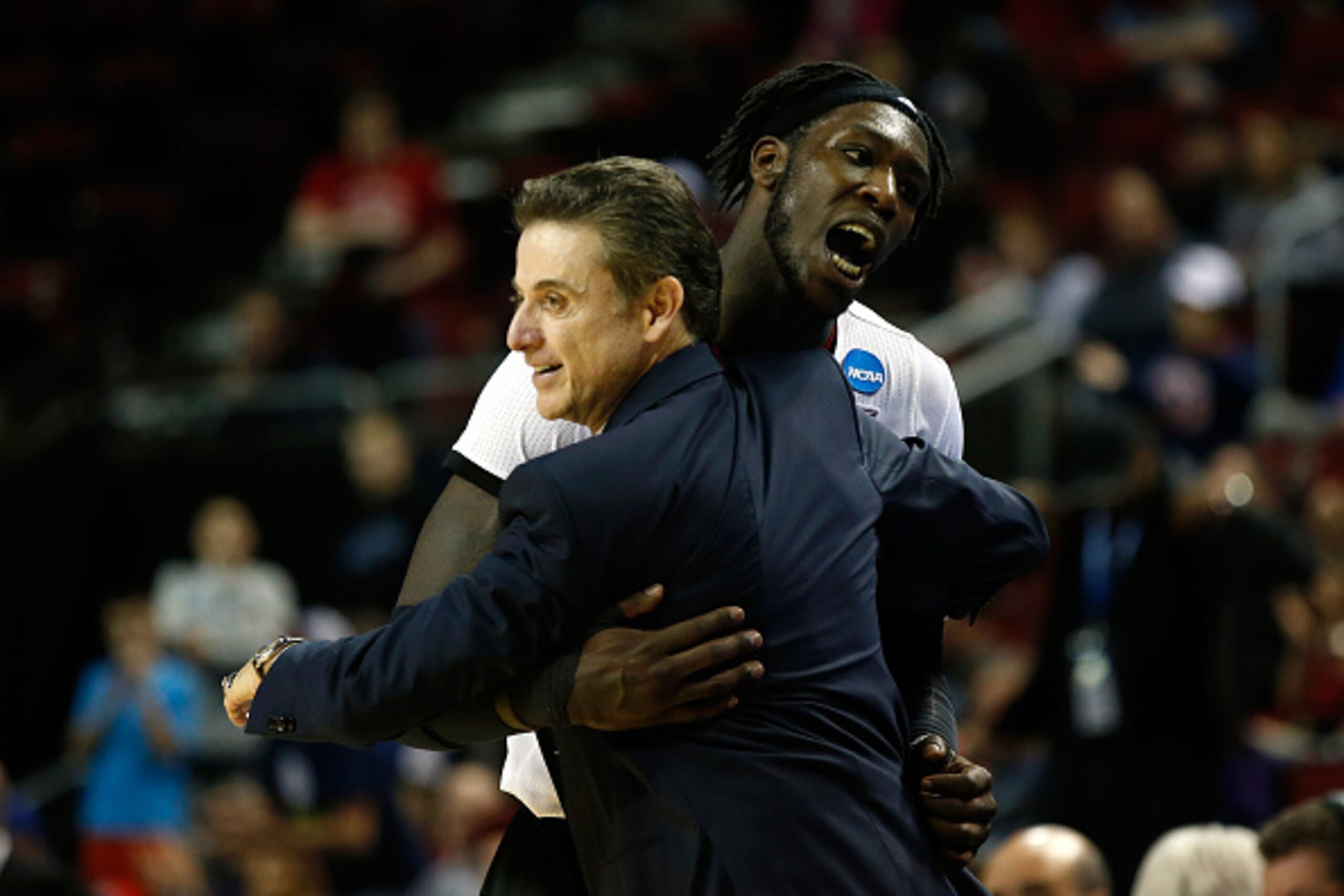
Biggest Weakness
There was a time when Rick Pitino-coached teams made better use of the three-point shot than any squad in the country. Times have changed. This season's version of the Cardinals can't shoot a lick from long range and doesn't often try.
The Cardinals average just 5.6 made three-pointers per game, which ranks 243rd in the country. They don't try many because they are making only 30.8 percent of them, which ranks 305th.
Louisville had one of its best shooting days in its NCAA tournament victory over Northern Iowa, going 5-of-11 from beyond the three-point line. That's the main reason the Cardinals won. There is no reason to expect that to continue, though.
The Cardinals were already a poor shooting team before the school dismissed Chris Jones last month. Now without Jones, who was Louisville's best three-point shooter, the weakness is magnified.
Typically, Louisville relies on its defense to get turnovers that can be turned into easy transition baskets. Shooting from beyond 15 feet in its half-court offense just doesn't work for the Cardinals.
How to Exploit It
Focus your defense on the interior, preventing the powerful Montrezl Harrell from controlling the paint and limiting Terry Rozier's penetration. A zone defense might be advisable if the team is proficient with that approach. The Cardinals are unlikely to cause much damage from long range.
Offensively, the chief goal is to limit the turnovers that Louisville can convert into easy transition baskets.
If Louisville's offense is pushed to the perimeter, it is unlikely to be able to score enough points to win.
Syracuse forced Louisville to attempt 20 three-point shots against its zone in February and got the desired results. Louisville made just six of them, and the unranked Orange won by 10.
Worst Potential Matchup: Wisconsin
North Carolina State
2 of 16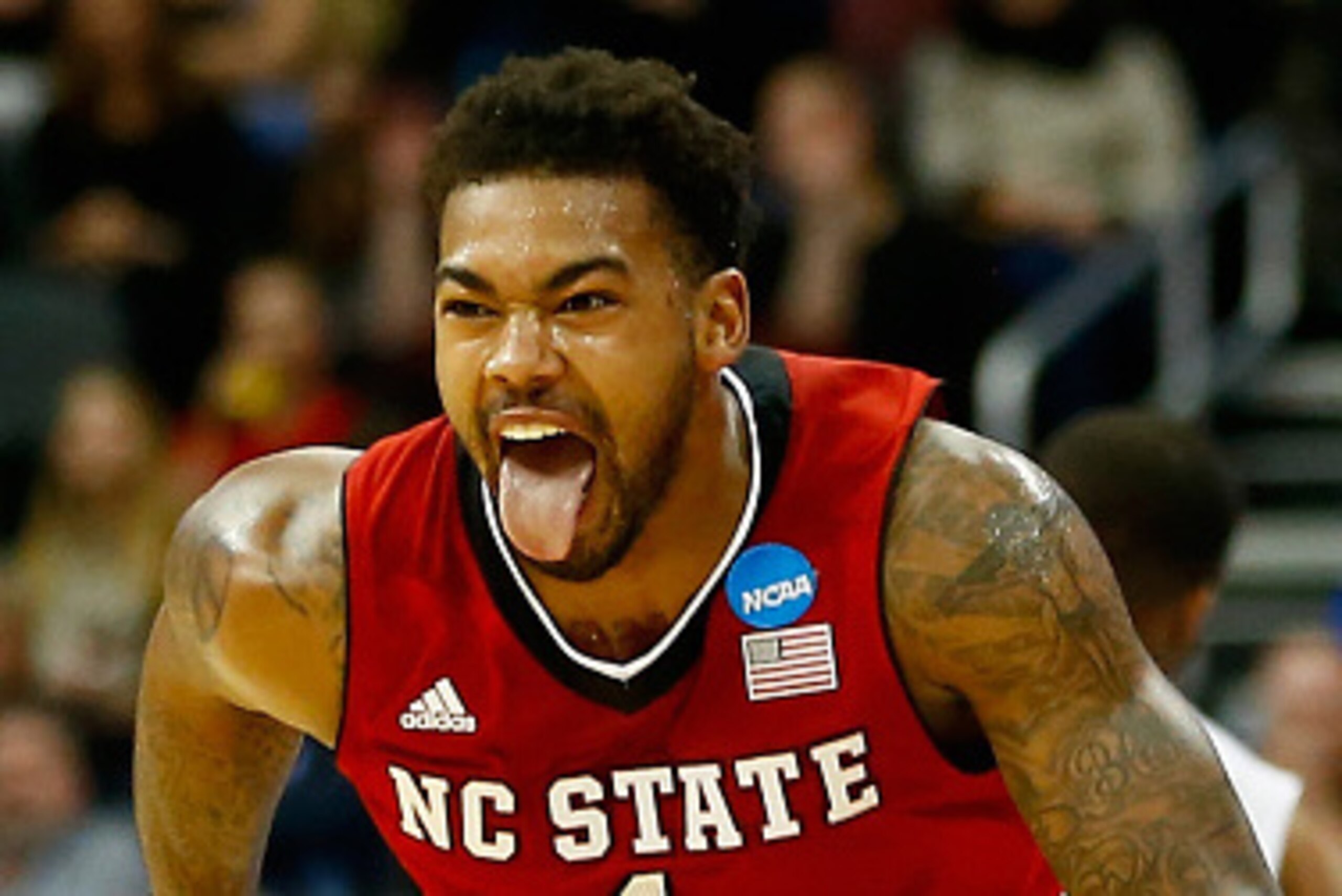
Biggest Weakness
North Carolina State relies on a lot of isolation plays on offense, and when those matchups are not working, the Wolfpack's attack stops cold. NC State has some talented players, many of whom are capable of winning one-on-one matchups. However, the other players tend to stand around and watch, and offensive rhythm suffers.
As a result, NC State is a streaky team, looking like a worldbeater if the isolation plays are working but looking disorganized when they don't because cohesiveness and ball movement are absent.
How to Exploit It
Point guard Cat Barber is the trigger man for NC State, and he likes to go one-on-one a lot. Teams would be advised to do whatever it takes to put the defensive clamps on Barber early because he can carry the Wolfpack by himself, or he can disappear from sight. One day after scoring 34 points in the ACC tournament victory over Pittsburgh, Barber went scoreless in the lopsided loss to Duke.
Guard Trevor Lacey is another streaky player who can bury opponents if they don't pay special defensive attention to him. He was 6-of-23 from the field over his two previous games before collecting 17 points in the upset of Villanova.
When the Wolfpack struggle on offense, it tends to affect their defensive effort.
To a large extent, opponents are at the mercy of the Wolfpack. When their stars are rolling offensively, it is difficult to break their rhythm.
Worst Potential Matchup: Michigan State
Michigan State
3 of 16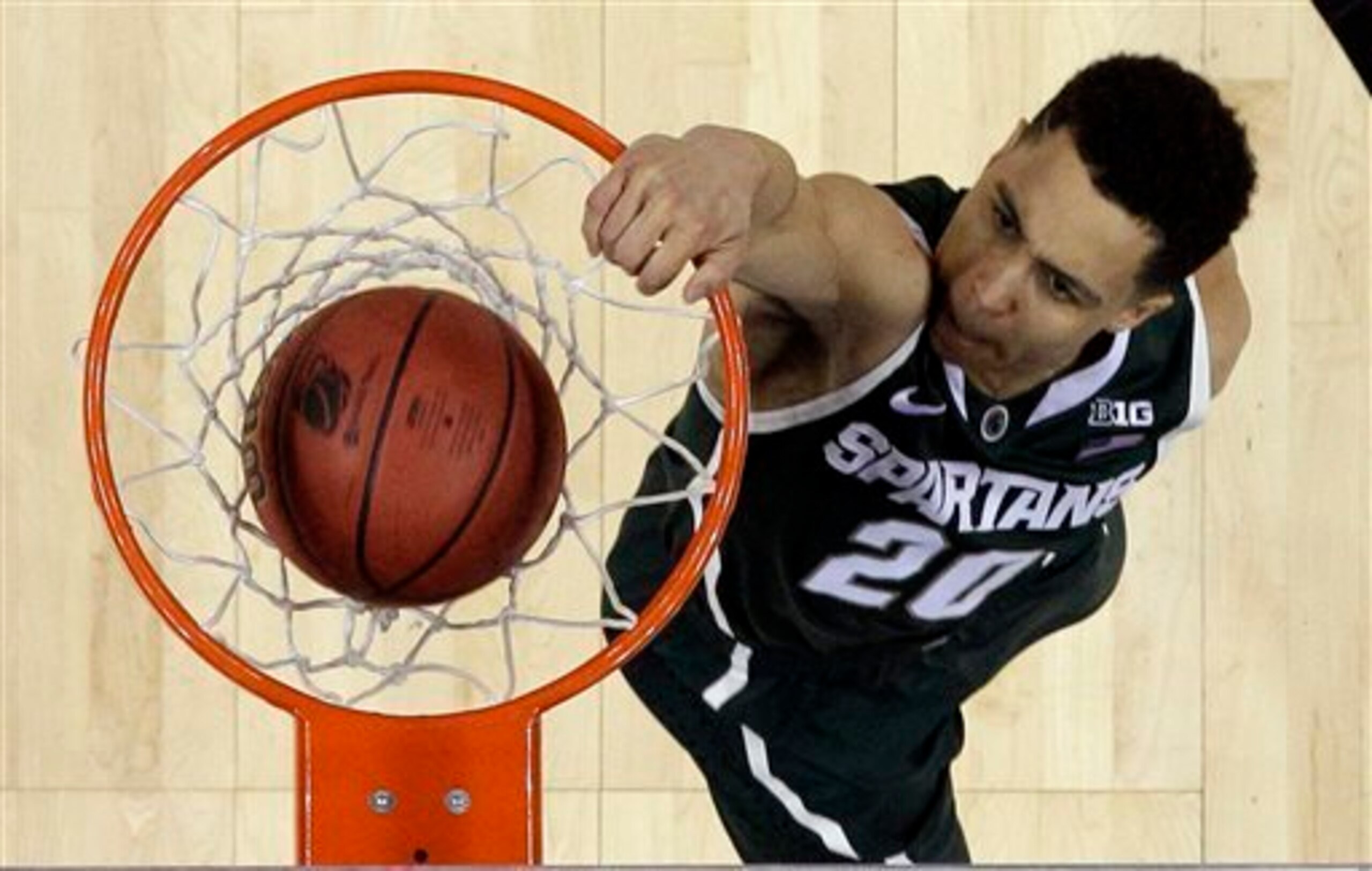
Biggest Weakness
Michigan State's biggest shortcomings come at the foul line. The first problem is that the Spartans don't get there very often, attempting just 17.9 free throws per game, which was not even among the top 250 in the country during the regular season.
However, it may be a good thing that the Spartans don't get many opportunities because they miss when they get to the foul line. Michigan State has made only 63.0 percent of its free throws, which ranks 330th of the 345 Division I teams the NCAA ranked.
Denzel Valentine and Bryn Forbes are good foul shooters, but the two starting frontcourt players, Branden Dawson and Gavin Schilling, are awful. Dawson has attempted the second-most free throws on the team but has made only 50.5 percent of them. Schilling is worse, hitting just 46.3 percent of his free throws.
Perhaps more problematic is that guard Travis Trice, a player likely to handle the ball in tight games and the team's leader in free throws attempted, is hitting just 69.7 percent from the line. That's not horrible, but with the game on the line, you want to have a point guard who is making at least 75 percent of his free throws, with 80 percent being preferable.
Free-throw shooting cost the Spartans several contests, including a five-point loss to Illinois when the Spartans were 7-of-18 from the line. Michigan State had by far its best day at the charity stripe in the Big Ten championship game against Wisconsin, hitting all nine of its free throws.
It's no coincidence that the Spartans nearly pulled off a major upset, losing in overtime.
How to Exploit It
Any team with depth in the frontcourt can be particularly aggressive defensively against Dawson and Schilling. If either of the pair get the ball anywhere close to the basket, opponents should put them on the line.
Frequent fouls could lead to Michigan State shooting one-and-ones early in a half, but that is not a bad thing. The Spartans could come up with empty possessions that way.
Late in games, teams can try to overcome deficits by fouling the Spartans as long as it isn't Valentine or Forbes. Trice will have the ball in his hands a lot at that point, and fouling him would not be a bad play even though he made five out of six free throws down the stretch against Virginia.
The Spartans have not lost a game this season because of missed free throws in the closing minutes, but you can never tell when that shortcoming will prove decisive.
Worst Potential Matchup: Duke

Oklahoma
4 of 16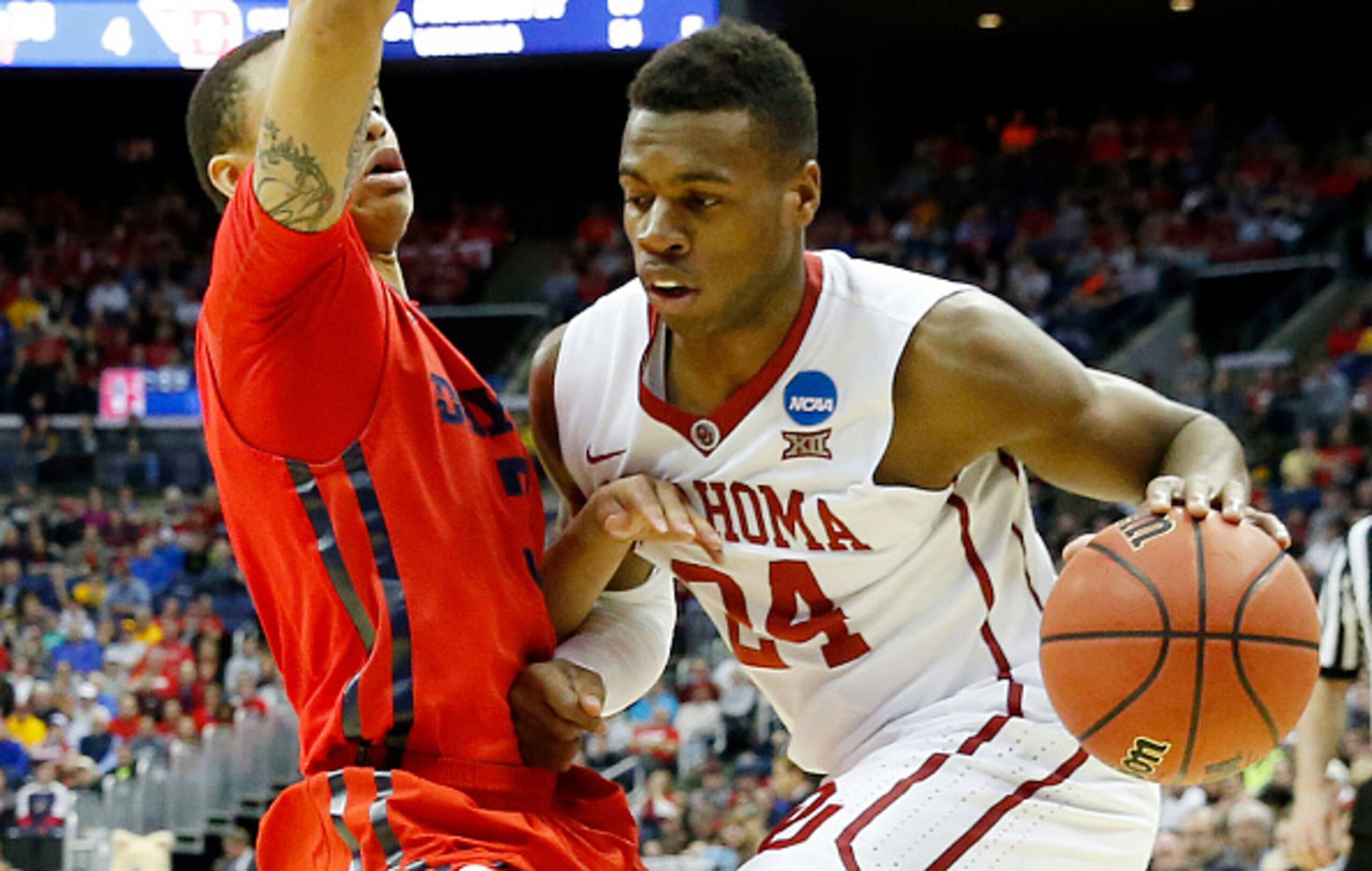
Biggest Weakness
Oklahoma's offense is spotty at best, and its inconsistency is its chief weakness. The Sooners have survived with their outstanding defense, but their penchant for blowing big leads because of a stagnant attack could cost them in the tournament.
They blew a 21-point second-half lead in a loss to Iowa State on March 2, and they let an 18-point second-half lead get away in a loss to Creighton in the second game of the season.
The Sooners shoot just 43.7 percent from the field and 34.6 percent from three-point range on the season, numbers that seldom accompany teams in the Sweet 16.
Guard Buddy Hield, the Big 12 Player of the Year and the Sooners' best offensive player, has not shot well lately, hitting just 32.1 percent of his attempts over the past five games, including 11-of-43 shooting (25.6 percent) on three-pointers.
How to Exploit It
If teams can clamp down on Hield defensively and prevent him from breaking out of his slump, the Sooners may not have enough consistent scorers around him to win a game against quality competition.
Oklahoma benefited from being able to play two double-digit seeds to reach the Sweet 16, but it will play a strong defensive squad in Michigan State in the next round.
If an opponent continues to play solid defense throughout the game, the Sooners are apt to have at least one long scoring drought, which might be enough to doom them.
Worst Potential Matchup: Kentucky
Duke
5 of 16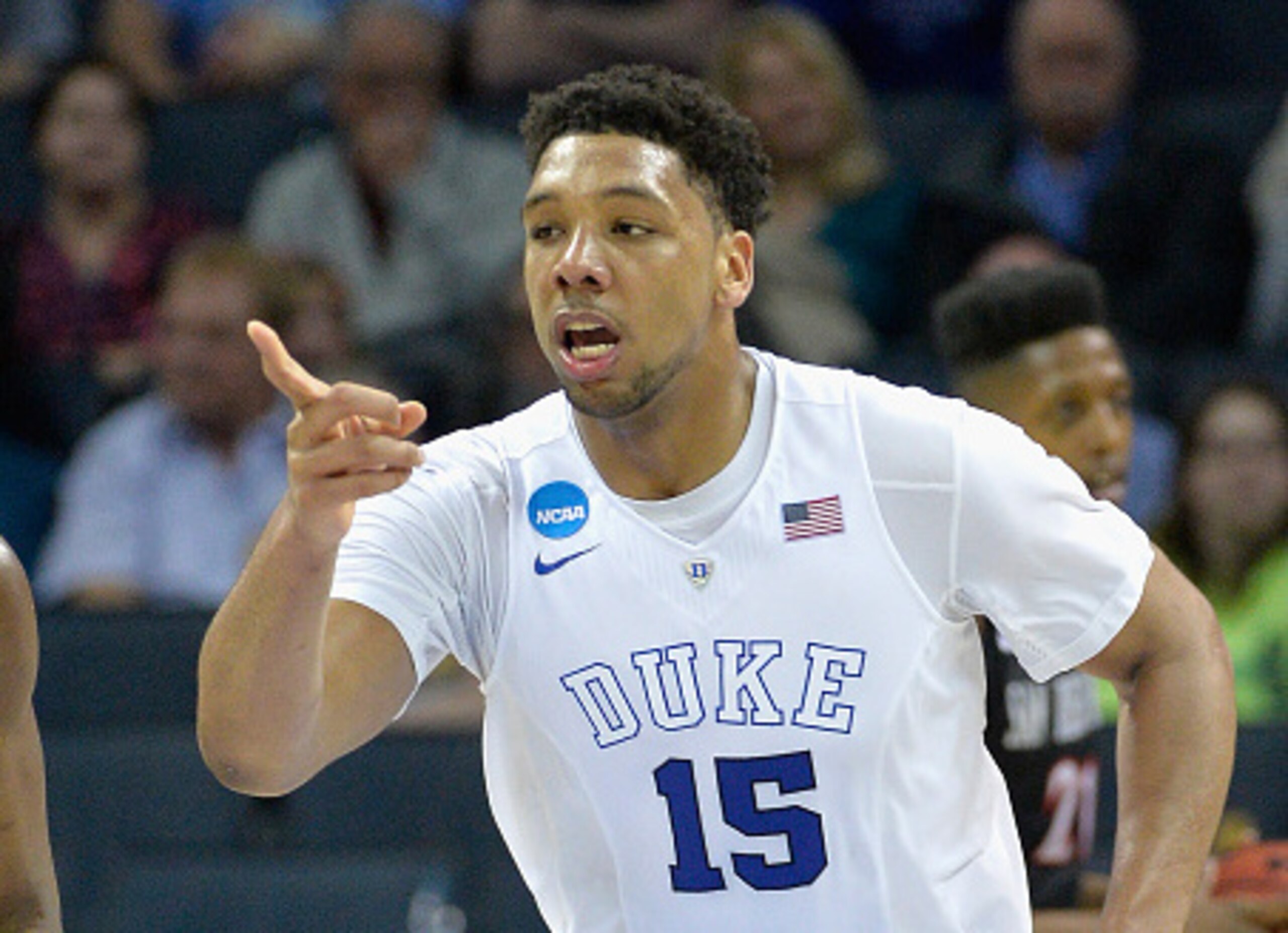
Biggest Weakness
Duke may be the best offensive team in the country, but its defense is second rate. Specifically, the Blue Devils have trouble with perimeter defense, which is their biggest weakness.
The fact that Duke ranks 131st nationally in scoring defense, yielding 64.8 points per game, can be explained away as a product of the Blue Devils' fast-paced style, which provides their opponents with so many possessions. However, the fact that Duke ranks 143rd in field-goal percentage defense, allowing foes to shoot 42.4 percent from the field, must be attributed to a substandard defense.
Opposing offenses have had success by involving Duke center Jahlil Okafor in a high pick-and-roll, getting a good scoring opportunity nearly every time. Duke's shortcomings in man-to-man defense were so damaging that head coach Mike Krzyzewski has gone to a zone defense quite a bit this season.
Still, perimeter players flourish against the Blue Devils. Virtually all of Notre Dame's attack is built around perimeter players, and the Irish beat the Blue Devils by 10 points while shooting 50 percent from the field. North Carolina State shot 55.5 percent from the field and hit 10 of 16 three-point shots in a 12-point win over the Blue Devils. Miami made 51.8 percent of its shots and was 10-of-20 from long range in a 16-point victory on Duke's home floor.
Usually, Duke can overcome its defensive shortcomings because it so good offensively. But that weakness on defense could catch up to Duke.
How to Exploit It
If Duke is playing man-to-man defense, teams will no doubt try to involve Okafor in as many high pick-and-rolls as possible. The Blue Devils are better at defending those than they were earlier in the season, but the problem still exists.
If Duke is playing zone, teams need to be patient and wait for an opportunity. Duke has been forced to play a lot of zone defense this season, but it is not really comfortable in it. Teams have had success slicing through the zone or getting open shots.
Guards who can both penetrate and shoot should have success against the Duke defense.
Duke was fortunate to draw San Diego State for its second NCAA tournament game because the Aztecs are not very good offensively and don't shoot well from the perimeter.
Worst Potential Matchup: Kentucky
Utah
6 of 16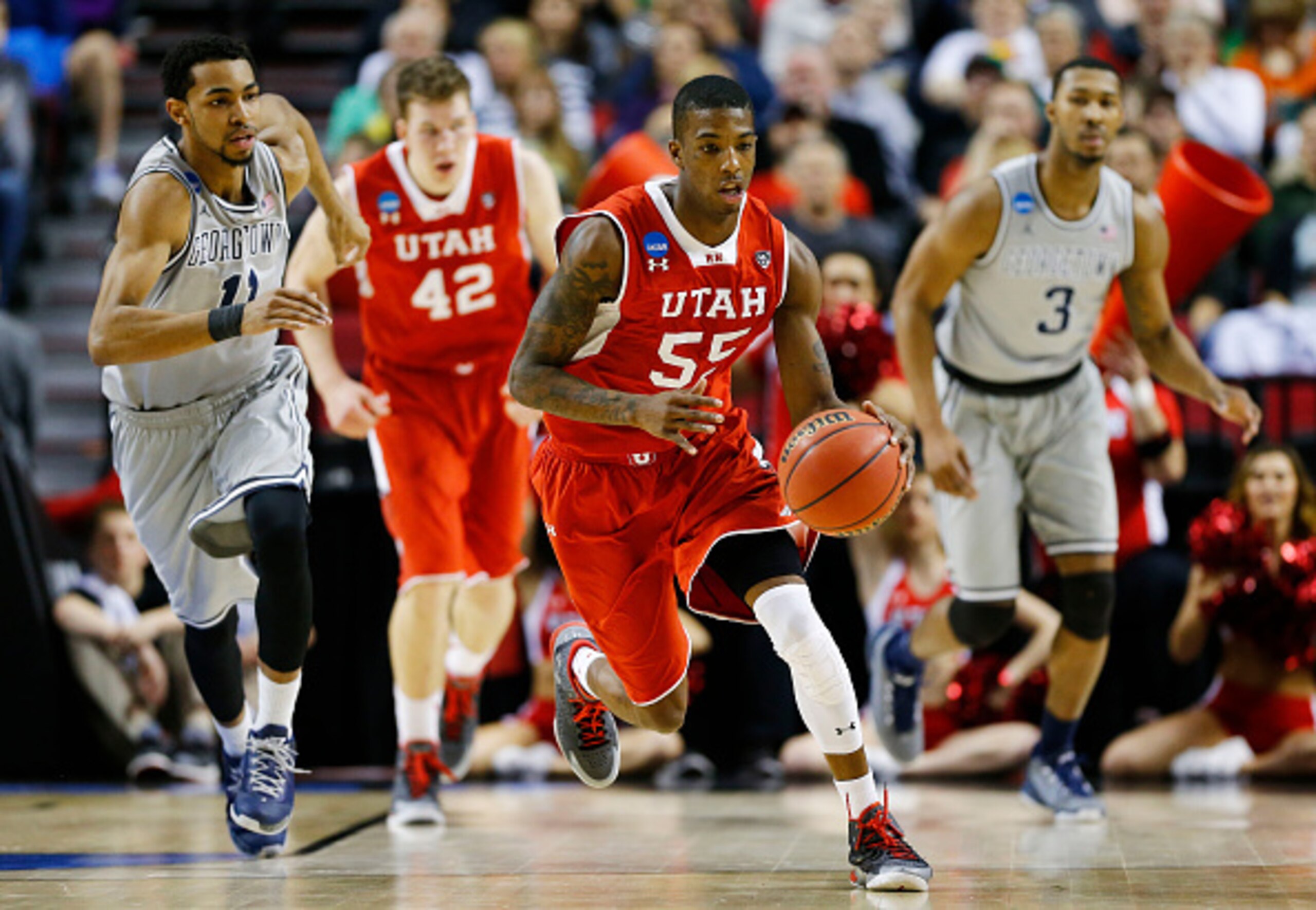
Biggest Weakness
Turnovers were the chief reason Utah struggled a bit at the end of the regular season. That problem continued to plague the Utes in their opening game of the NCAA tournament, as they turned the ball over 17 times against Stephen F. Austin. In none of its past seven games has Utah had fewer turnovers than its opponent. That is a concern for a team that prides itself on efficient play.
Delon Wright, the Utes' do-everything point guard, has effectively controlled tempo while efficiently directing the Utah offense this season. However, he had a season-high six turnovers against Stephen F. Austin and has shot just 4-of-14 in the two tournament games. The Utes' other starting guard, Brandon Taylor, has committed 11 turnovers over the past three games.
How to Exploit It
Teams may start applying additional defensive pressure on the Utah guards, perhaps even double-teaming Wright to get the ball out his hands or force mistakes. Wright is typically pretty good at passing out of double-teams, but his recent turnover binge may cause him to be a bit hesitant.
Although it played well in the victory over Georgetown in the round of 32, Utah does not look as confident as it did a few weeks ago. The Utes lost three of their final five games heading into the NCAA tournament, and some extra defensive pressure may put some doubt in the Utes' heads.
Utah played only five games decided by four points or fewer, and it lost three of them, so the Utes might be vulnerable in close games.
Worst Potential Matchup: Gonzaga
UCLA
7 of 16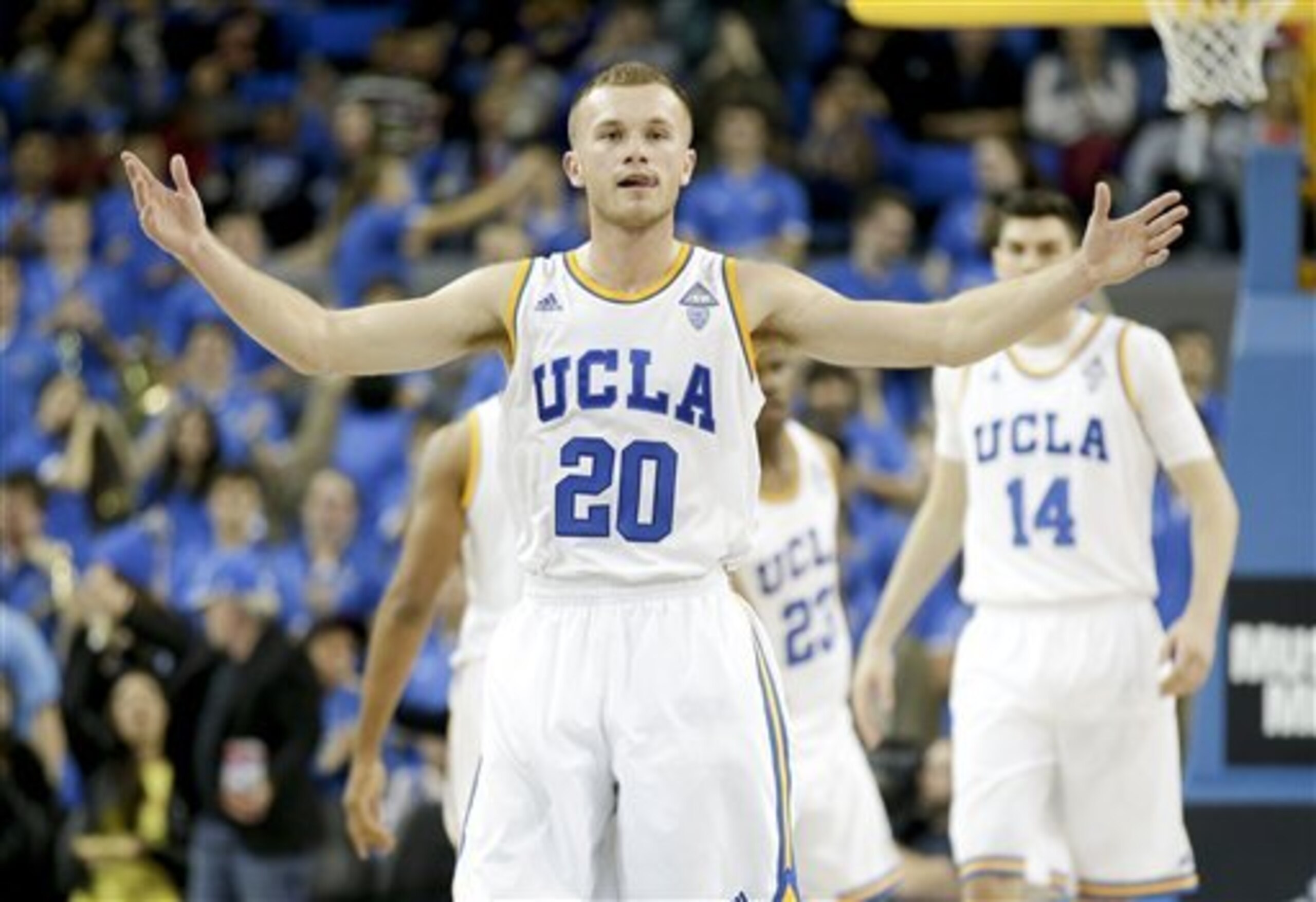
Biggest Weakness
UCLA is on a roll, particularly on offense. But the Bruins do have some shortcomings.
On defense, their weakness is on the perimeter. UCLA is one of the worst teams in the country defending the three-point line, allowing opponents to shoot 36.1 percent from long range. Even though UAB lost to the Bruins, the outmanned Blazers stayed in contention through most of the game by hitting 12 of their 26 three-point attempts.
On offense, the Bruins struggle against teams that can control their inside players. Although guard Bryce Alford has been scoring well from inside and outside, the Bruins are at their best when they are working inside-out. When Kevon Looney and Tony Parker are having their way inside, UCLA's offense runs smoothly. However, those frontcourt players have problems against big, physical, active defenders.
How to Exploit It
Teams need to collapse the Bruins half-court defense by pushing the ball inside then throwing it back out for open three-pointers. Of course, those inside players must be offensive threats to suck the Bruins defense into the paint, and the perimeter players have to be able to make shots. Even in transition, teams should not be reluctant to pull up for three-pointers. Oregon used both methods while hitting nine of 13 three-point shots in an 18-point victory over the Bruins.
Defensively, teams should try to be physical with the Bruins' inside players, making sure Looney, Parker and Thomas Welsh do not have free rein in the paint. Alford and Norman Powell are going to get their points, but making things difficult for UCLA's big men seems to muddle the flow of the Bruins attack.
Make the UCLA guards perimeter scorers only instead of letting them be both scorers and distributors via penetration. UCLA's offense relies on freedom and rhythm. Physical play and taking away the inside option frustrate the Bruins. Kentucky and its huge frontcourt demonstrated that back in December when the Wildcats outscored the Bruins 41-7 in the first half. The Bruins averaged just 55.5 points in their two games against Arizona's big frontcourt.
Worst Potential Matchup: Kentucky
Gonzaga
8 of 16
Biggest Weakness
Gonzaga's frontcourt players, Byron Wesley, Przemek Karnowski and Domantas Sabonis, are the Bulldogs' best inside threats and do an excellent job of drawing fouls. They lead the team in free-throw attempts, with each taking more than 100 foul shots this season. The problem is, they don't make enough of them.
Wesley leads the team in free-throw attempts with 148, but he has made only 66.7 percent of them. Sabonis is also making 66.7 percent of his free throws while the 7-footer Karnowski has hit just 50.9 percent of his foul shots. In the closing minutes of a close game, the Bulldogs will have trouble hiding all the players that don't shoot free throws well. This could doom the Bulldogs if they are trying to hold a slim lead.
How to Exploit It
Because Karnowski shoots considerably better from the field (61.6 percent) than he does from the line, teams with sufficient frontcourt depth may take on a hack-a-Karnowski approach, fouling him whenever he has the ball close to the basket.
Wesley is just 7-of-17 from the line over the past five games, and missing free throws could have a ripple effect on his game and the Bulldogs' overall performance.
Unless Kevin Pangos and Kyle Wiltjer can dominate the ball in the closing stages of a close game, Gonzaga will have trouble hanging onto a small lead. The Bulldogs, who overwhelmed most of the teams in the West Coast Conference, had only three games decided by four points of fewer this season. They lost two of them.
A team with size and athletes in the frontcourt and quickness on the perimeter may not have to resort to the fouling tactics to beat Gonzaga, but it could come in handy.
Worst Potential Matchup: Duke
Kentucky
9 of 16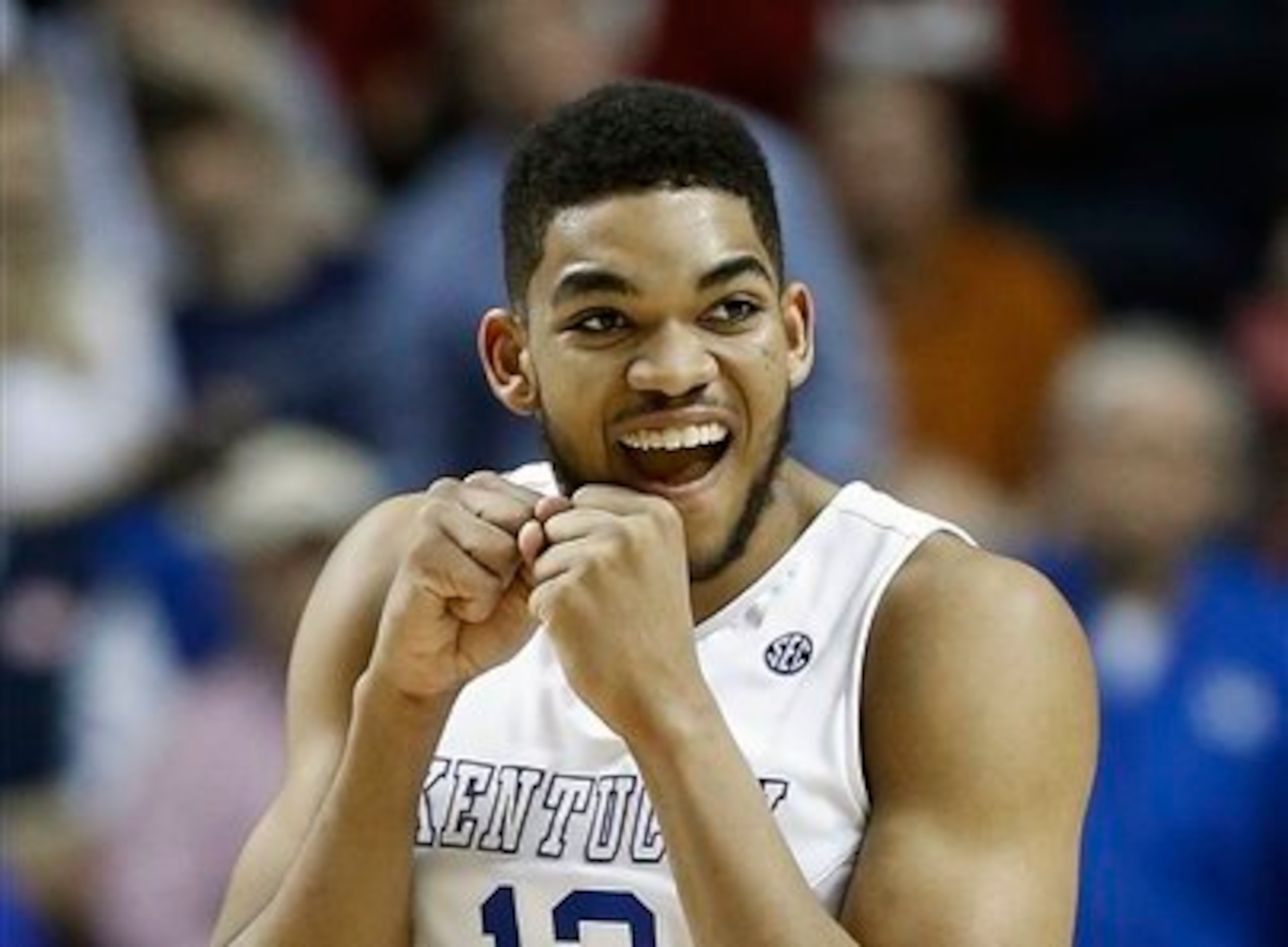
Biggest Weakness
What shortcomings Kentucky has are on the offensive end.
The Wildcats' most noticeable weakness is perimeter shooting. They have made just 34.7 percent of their three-point shots this season, which ranks 156th in the country.
The Wildcats hit only 28 percent (7-of-25) of their long-range shots in their first two NCAA tournament games, and their top outside threat, Devin Booker, has struggled with his shot recently. Booker is 0-of-7 from beyond the arc in the tournament and just 6-of-27 (22.2 percent) from long range over the past eight games.
Partly because of that deficiency on the perimeter, Kentucky's half-court offense in general is only average. Although the Wildcats beat Cincinnati by 13 points in their round-of-32 game, they shot just 37 percent from the field. Their shooting percentage goes up considerably when they operate in transition, where they can utilize their skill, size and athleticism.
How to Exploit It
Teams must force the Wildcats to shoot from outside and hope for the best. When Georgia gave Kentucky a scare late in the season, Kentucky was just 4-of-15 on three-pointers. When LSU lost by just two points to Kentucky, the Wildcats were 2-of-16 from behind the three-point line. When Texas A&M took the Wildcats to double overtime, Kentucky's starters were just 4-of-19 from long range.
Opponents must do whatever they can defensively to prevent the ball from getting inside to 6'11" Karl-Anthony Towns and 7-footer Willie Cauley-Stein. Once they get their hands on the ball down low, Kentucky can score, draw fouls and grab offensive rebounds. Foes must either play a zone defense that closes off the lane or have a big, strong front line that can hold its own against the Wildcats' powerful, athletic and skilled big men.
Teams face a dilemma when deciding what tempo to play against Kentucky. Getting out in transition may enable a team to avoid the Kentucky shot-blockers, who make scoring so difficult in the half court. However, pushing the pace plays into the Wildcats' hands because they thrive in an up-and-down game where they can use their athleticism. It probably is better to control the tempo on offense, making it a half-court game and hoping to create (and make) open shots outside the reach of the shot-blockers.
Worst Potential Matchup: Wisconsin
West Virginia
10 of 16
Biggest Weakness
West Virginia's biggest weakness is pretty obvious: It can't shoot.
The Mountaineers are shooting 41.2 percent from the field this season, which ranks 273rd in the country, and 32.0 percent on three-pointers, which also ranks 273rd. It's hard to believe they got this far with that kind of wayward marksmanship.
They make up for their shooting woes by getting extra shots, either by forcing turnovers or grabbing offensive rebounds. The Mountaineers lead the nation in both turnovers forced, at 19.6 a game, and offensive rebounds, at 16.5 per game.
The Mountaineers' victory over Maryland in the NCAA tournament round of 32 provided a perfect example of West Virginia's formula for success. Even though Maryland shot 47.7 percent from the field compared with West Virginia's 40 percent, the Mountaineers got 16 more field-goal attempts because they forced 23 Maryland turnovers and collected 14 offensive boards.
How to Exploit It
The method for exploiting West Virginia's weakness is easy to identify but difficult to do. If you can limit your turnovers against West Virginia's havoc-creating pressure defense, you are apt to get a good shot because the Mountaineers allow opponents to shoot 46.8 percent from the field, which ranks 324th in the country.
When Baylor committed just 10 turnovers against the Mountaineers, Baylor won by 10 points on West Virginia's home court.
Sometimes, the Mountaineers' shooting is so poor, it can't overcome a mass of turnovers by its opponent. Texas committed 19 turnovers and shot just 42.9 percent from the floor against West Virginia back in January, but the Longhorns still won the game by 27 points because the Mountaineers shot just 24.1 percent from the floor.
If your team goes one step further and prevents West Virginia from owning the offensive boards, a victory will be even easier.
It will be interesting see whether Kentucky can handle West Virginia's pressure defense and hold its own on the boards against the Mountaineers. You would think a team as talented as Kentucky could handle just about anything if it has nearly a week to prepare.
Worst Potential Matchup: Wisconsin
Notre Dame
11 of 16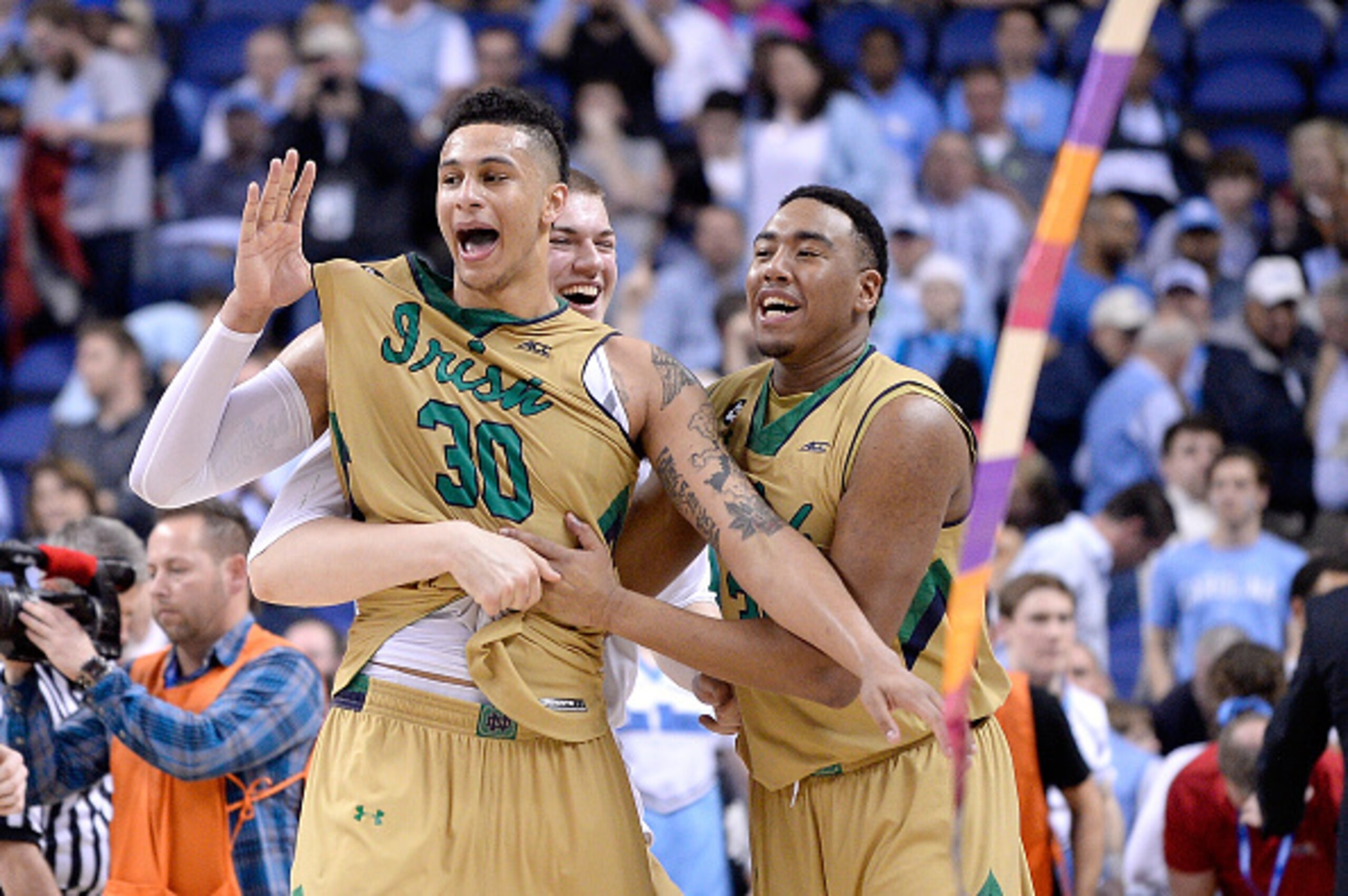
Biggest Weakness
Notre Dame is not a very big team, and that shows up on the boards. The Irish are probably the worst rebounding team remaining in the tournament. They rank 198th nationally in rebounding margin and have been outrebounded overall by their opponents this season.
Notre Dame makes up for that shortcoming by shooting 50.9 percent from the floor, second in the nation. Despite being outrebounded in both games against North Carolina's huge front line, the Irish beat the Tar Heels twice. In their first meeting, North Carolina had 21 offensive rebounds and still lost.
However, Northeastern nearly pulled off a major upset in its NCAA tournament opener because it outrebounded Notre Dame 33-17 overall, including 13-2 on the offensive boards. The Irish hung on to win by four.
How to Exploit It
This is all about desire. Teams need to crash the offensive boards with abandon against Notre Dame, and that should lead to a number of easy follow shots.
The Irish start four guards, with 6'10" Zach Auguste being the only big man. Pat Connaughton, a 6'5" swingman, is Notre Dame's top rebounder, and most of his boards are on the defensive end because he is a perimeter player on offense.
Teams with the most success against the Irish are those that can dominate Notre Dame on the boards while still being quick enough to defend Notre Dame's talented perimeter players.
Worst Potential Matchup: Kentucky
Wichita State
12 of 16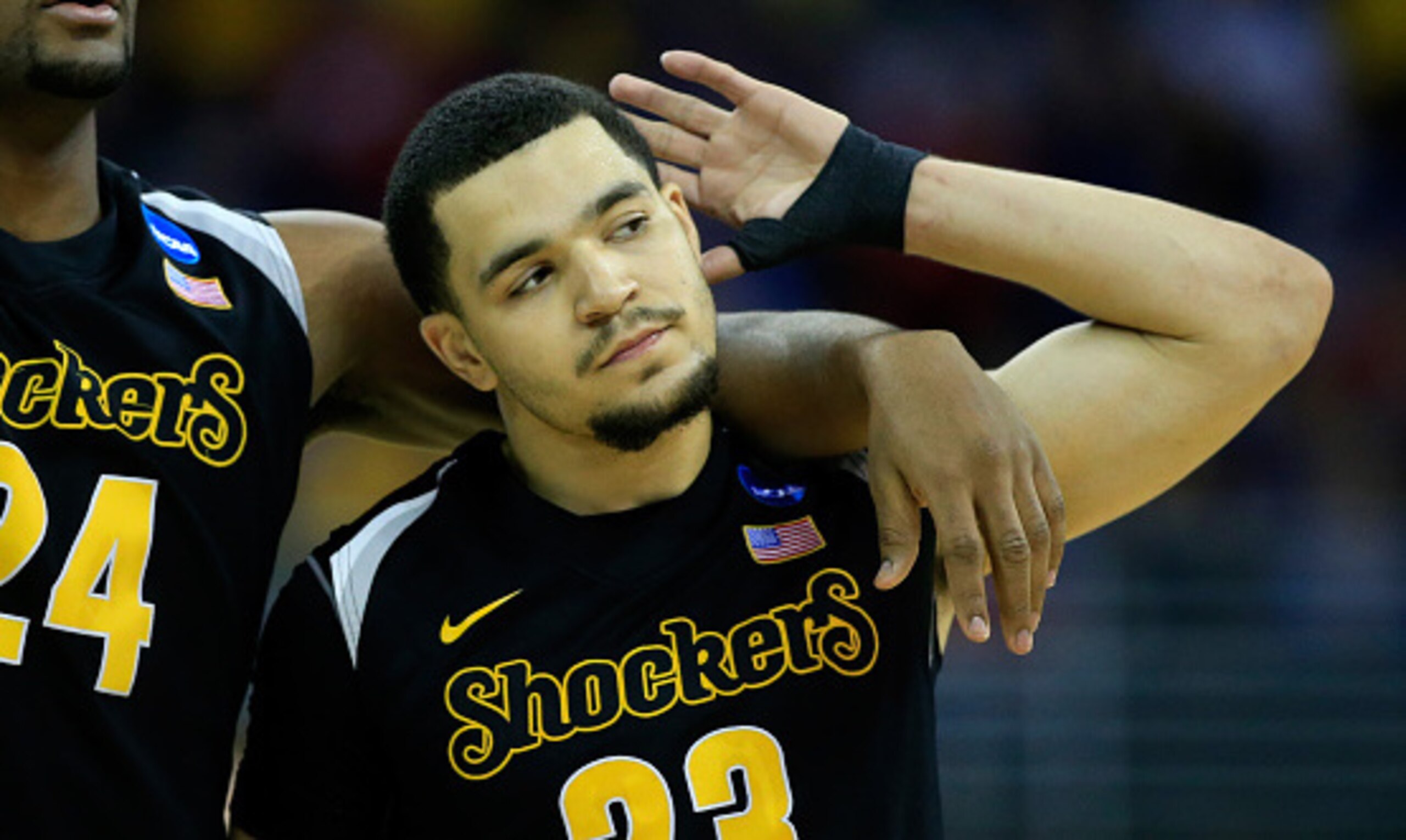
Biggest Weakness
Weaknesses are hard to find on this Wichita State team, other than the obvious fact that its talent level is a notch below that of the half-dozen powerhouse teams.
The Shockers' biggest weakness may be that they don't have that one spectacular athlete, a player who can swat away a pivotal shot or finish off a drive down the lane with a thunderous dunk.
Being steady certainly has its advantages, but at tournament time, something special may be needed to get past a pesky opponent or overcome a poor overall performance.
The Shockers proved they can handle teams from the power conferences by beating Indiana and Kansas in their first two NCAA tournament games. They methodically took control of both games midway through the second half, then played solid basketball to hold on.
However, teams with outstanding athletes and shooters may be able to overwhelm the Shockers, who do not defend the three-point line very well and do not force many mistakes by their opponents.
How to Exploit It
Wichita State had two bad losses this season, one to George Washington early in the season and one to Illinois State in the Missouri Valley Conference tournament. In both cases, the Shockers lacked that one player who could slam the door shut on their opponents with an individual athletic act.
Wichita State scored just two points in the final six minutes against George Washington, which overcame a five-point deficit to win by six. The Shockers let an early 12-point lead slip away against Illinois State, which dominated the closing minutes to post a three-point victory.
Only teams with special athletes can exploit the Shockers' shortcomings, but those kind of players exist at this stage of the tournament.
Worst Potential Matchup: Kentucky
North Carolina
13 of 16
Biggest Weakness
North Carolina has two major problems, and they both have to do with its backcourt: ball-handling and perimeter shooting.
The Tar Heels rely heavily on their huge frontcourt to get high-percentage shots, dominate the backboards and prevent high-percentage shots by opposing teams. They share the ball well, ranking among the nation's leaders in assists per game, and they are productive when they get out and run.
In the half court, though, the Tar Heels have issues if they can't get the ball inside. They commit 12.8 turnovers per game and seldom take or make three-pointers. They average just 4.8 made three-pointers per game, which ranks 313th in the country, and make just 35.1 percent of them, which ranks 135th.
Guard Marcus Price is the Tar Heels' best outside threat and takes nearly half the team's three-point shots. He is making 39.1 percent from long range and has shot well recently, hitting 10 of 21 three-point shots over the past three games. His improved shooting is a major reason why the Tar Heels have played better lately. Perimeter play remains the Tar Heels' biggest weakness, however.
How to Exploit It
The trick is to hassle North Carolina's ball-handlers in the backcourt or in the half court, forcing some turnovers. But then the defense needs to drop back and lean on North Carolina's big men, forcing perimeter shots. Teams that can play zone effectively do so against the Tar Heels, clogging the lane with bodies and allowing the Tar Heels to attempt to beat them from the three-point line.
North Carolina State limited the Tar Heels to 46 points in the Wolfpack's 12-point victory on Feb. 24. North Carolina made just three three-pointers in that game on 12 attempts.
Arkansas' pressure defense gave the Tar Heels problems in the round of 32, forcing 16 turnovers. But the Razorbacks were too careless themselves to take advantage of it, committing 21 turnovers themselves.
Harvard forced the Tar Heels into 17 turnovers in North Carolina's NCAA tournament opener, and that nearly doomed the Tar Heels, who held on to win by two.
Worst Potential Matchup: Wisconsin
Wisconsin
14 of 16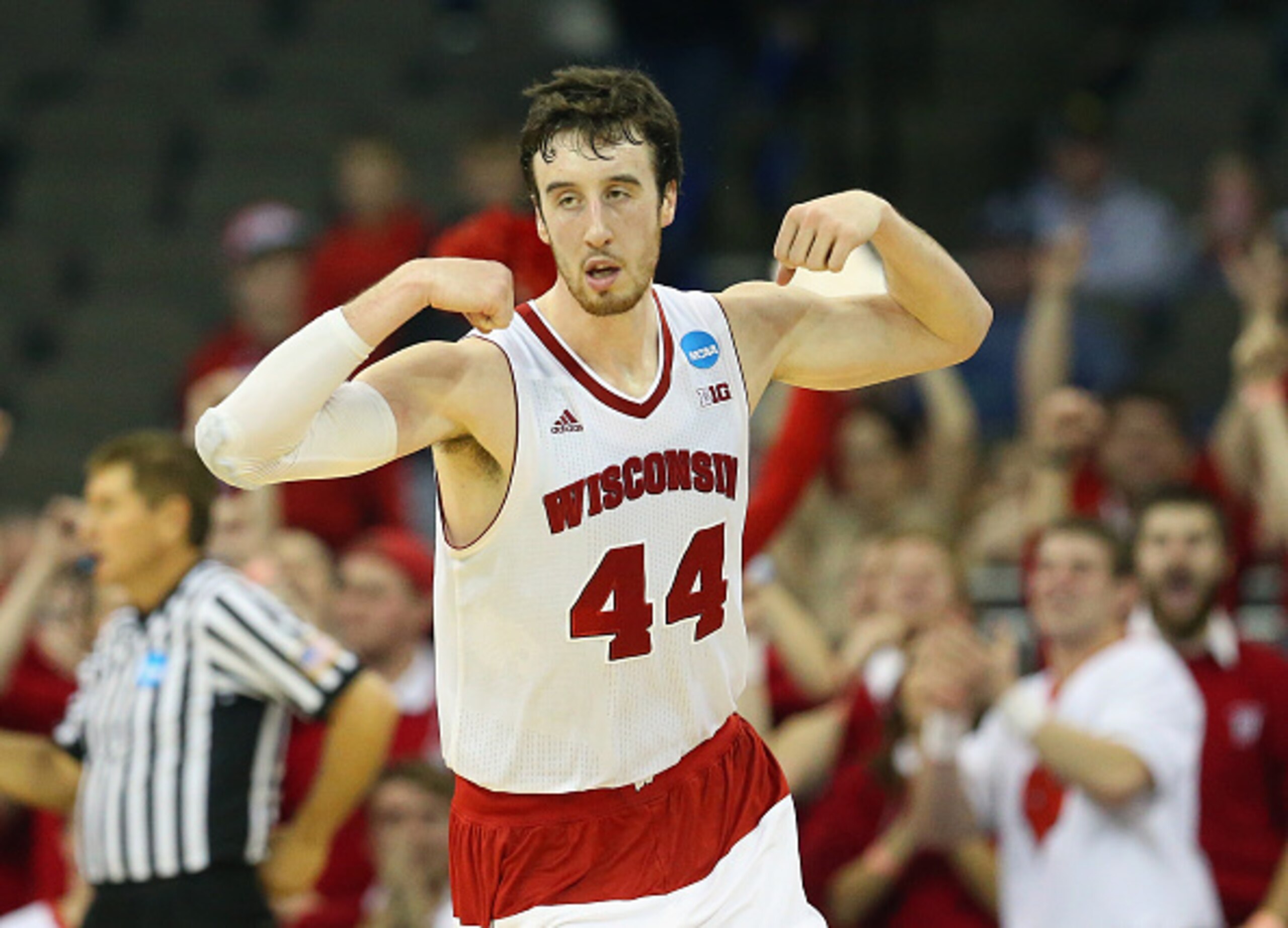
Biggest Weakness
Wisconsin is lauded for its efficiency on offense, but the Badgers don't (or can't) do much on defense to disrupt their opponent's offense. Wisconsin leads the nation in fewest turnovers per game at 7.4, but it forces only 9.8 turnovers a contest, which is among the worst in the nation.
An inability to make things happen defensively is their biggest weakness. A team that is behind late in a game needs to be able to get a turnover or at least make the opponent uncomfortable on offense. Wisconsin would have trouble doing that if the situation presented itself.
Wisconsin plays solid defense, but not threatening defense. As a result, Wisconsin is outstanding when it it is playing with the lead, but not so imposing when it has to play catch-up.
How to Exploit It
The key is to get ahead of Wisconsin in the second half, which is easier said than done, of course. But once ahead, a team can run pretty much anything it wants offensively without concern that Wisconsin's defense will force it to improvise. It is easier to bleed the clock against the Badgers, who have a limited ability to get steals.
Rutgers went 10-22 this season and lost its final 15 games, but it managed to get ahead of Wisconsin with seven minutes left in their Jan. 11 meeting. The Scarlet Knights did not commit a turnover the rest of the game, and the Badgers were never able to regain the lead in Rutgers' stunning upset.
Presumably any Wisconsin opponent at this stage of the tournament would be able to do the same.
Even when the opponent is not ahead, it can rest assured the Badgers will do little to affect its offensive game plan. Maryland committed just six turnovers when it beat Wisconsin this season. That is the same Maryland team that committed 23 turnovers in its loss to West Virginia.
Worst Potential Matchup: Kentucky
Xavier
15 of 16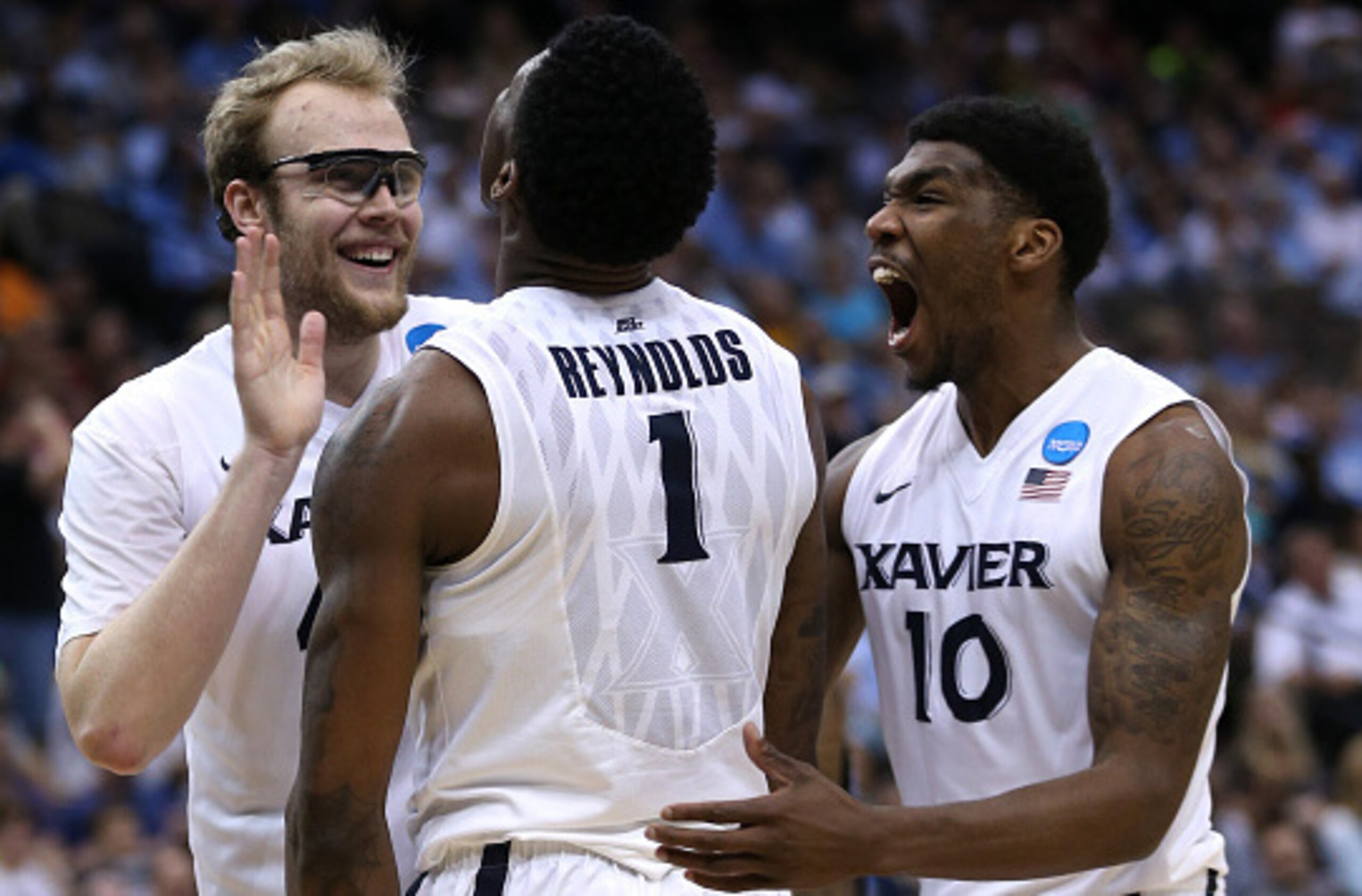
Biggest Weakness
There are a lot of ways to describe Xavier's main weakness, but it can be summarized in one word: defense.
The Musketeers play a variety of defenses, hoping to keep opponents guessing, but none of them is effective. Xavier ranks 194th in the nation in scoring defense (yielding 67.3 points per game), 204th in field-goal percentage defense (43.6 percent) and 198th in three-point field-goal defense (34.6 percent). They don't force many turnovers either, averaging 6.0 steals per game, which ranks 195th in the country. It's a wonder the Musketeers have made it this far.
Xavier allowed Georgia State to shoot 56.5 percent from the field and forced the Panthers into just eight turnovers in the round-of-32 NCAA tournament game, yet the Musketeers still won by eight. The Musketeers made up for it by shooting 67.6 percent.
The Musketeers have no rim protector, averaging just 2.9 blocks per game, which ranks 238th in the country.
Xavier's defense has been slightly better recently, but it is still a weakness.
How to Exploit It
Opponents simply need to be patient and avoid turnovers, and they are likely to get high-percentage shots. Teams should penetrate into the lane whenever possible because the Musketeers have no one that can block shots or provide an intimidating presence. Center Matt Stainbrook is a 6'10" wide body, but he is not particularly athletic and does not block many shots.
It's basic stuff. Find a favorable matchup and milk it as much as possible if Xavier is playing man-to-man. Work the ball to find the open man inside or outside for high-percentage perimeter shots against the Xavier zone.
Worst Potential Matchup: Arizona
Arizona
16 of 16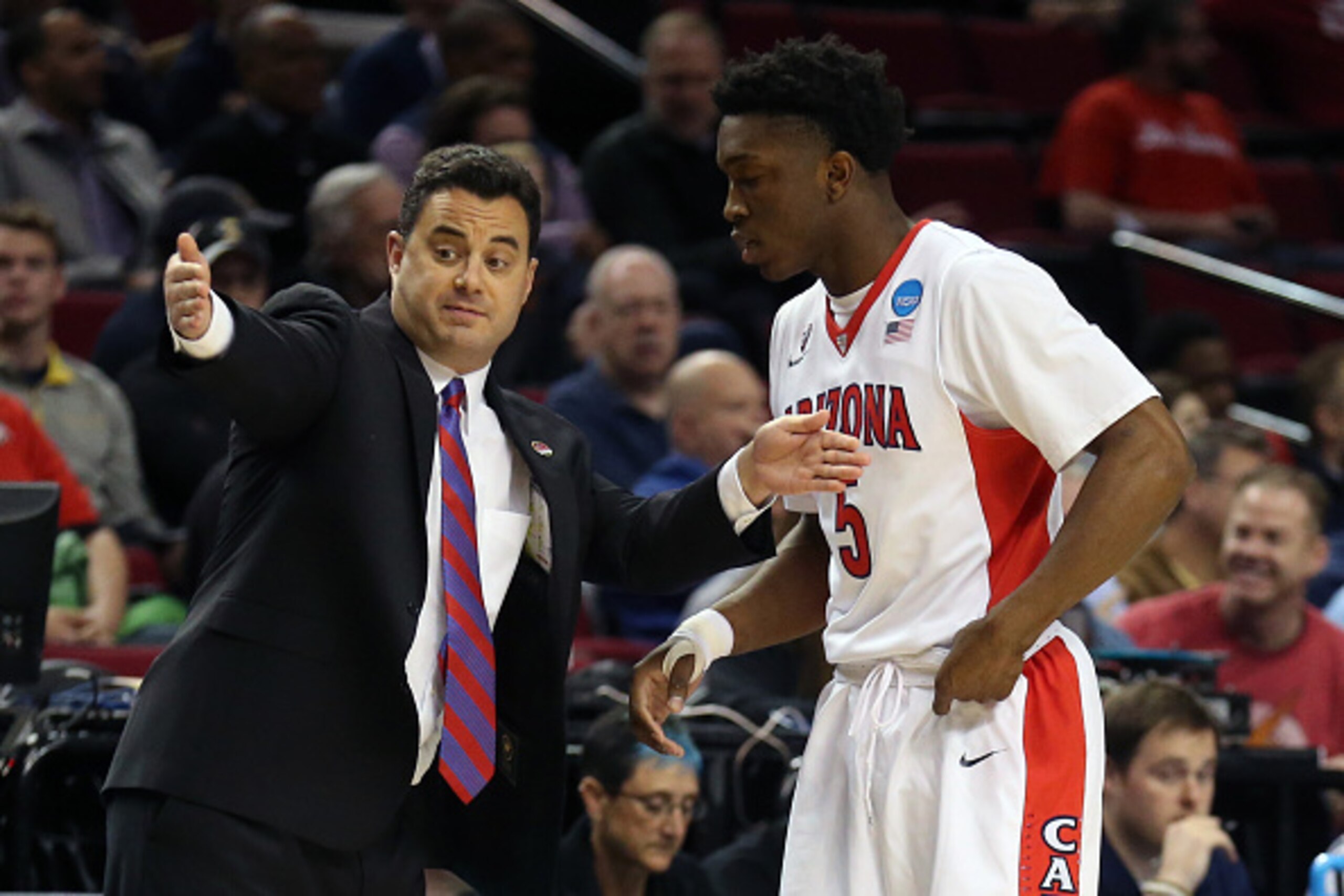
Biggest Weakness
One of Arizona's strengths also may be its biggest weakness.
The Wildcats' top pro prospect is freshman Stanley Johnson, an athletic wing expected to be an NBA lottery pick. He is Arizona's leading scorer and is able to create his own shot. In fact, he is the only Arizona player capable of creating his own shot, leaving the Wildcats vulnerable when things break down.
The Wildcats rely on excellent execution of their set offense under the direction of point guard T.J. McConnell. When the set offense does not lead to a good shot, it's either McConnell or Johnson who has to make something out of nothing.
Johnson is certainly capable of creating his own offense, but he also takes bad shots on occasion and disappears completely sometimes.
Arizona's three losses were all to unranked teams that did not reach the NCAA tournament. In each case, the Wildcats could not create enough opportunities out of their set offense, and Johnson could not do enough on his own to make up for it. He was 3-of-11 from the field in the loss to UNLV, scored just seven points in the loss to Oregon State and was 7-of-16 from the floor and fouled out in the loss to Arizona State.
How to Exploit It
The key is to keep McConnell under control and force him to be a scorer rather than a playmaker. If McConnell is distributing, it means Arizona's set offense is effective in creating the desired scoring opportunities. If he is forced to be a scorer, it means the offense is breaking down and McConnell has to create a scoring opportunity himself.
McConnell exceeded his scoring average and hit at least 50 percent of his shots in all three of the Wildcats' losses. He had a season-high 25 points in the loss to Arizona State. Arizona does not want McConnell to be its main scoring threat.
The Wildcats' only other option when the set offense bogs down is to get the ball to Johnson and hope he can create something. Sometimes that's successful, but sometimes it leads to nothing. Johnson is an erratic player who is great some days and poor on others. In the NCAA opener against Hampton, Johnson went 8-of-11 from the field, including 4-of-5 on three-pointers, to score 22 points. Two days later against Ohio State, Johnson went 1-of-12 from the field, including 0-of-4 from long range, and finished with four points.
If you let Arizona run its set offense, McConnell will get the ball to his big men for easy shots. Meanwhile, few teams are going to score a lot of points against the Wildcats, who dominate the paint defensively and control the boards with their size up front.
A team with size and a standout defensive point guard may stall the Wildcats.
Worst Potential Matchup: Kentucky
.jpg?w=2560 "Cardinals Giants Football")
.jpg?w=2560 "Jets Dolphins Football")

.jpg?w=2560 "Ward Nearly Walks Out of Presser ▶️")
