
NCAA Tournament 2015: Biggest Strengths and Weaknesses for Every Team
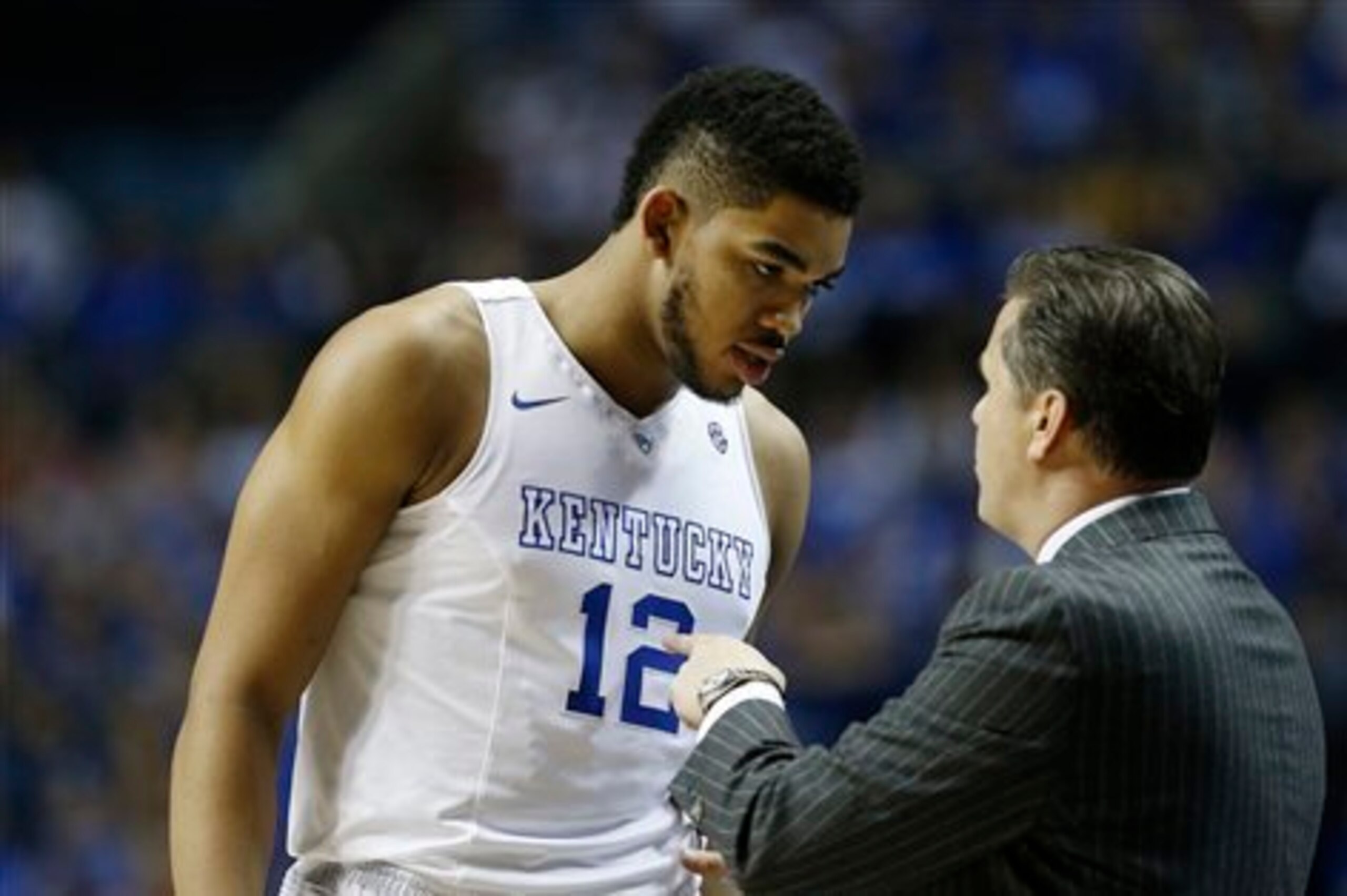
It's hard to find weaknesses on the Kentucky Wildcats, but at least one smolders.
The Ohio State Buckeyes have a great freshman but seem like too much of a one-man show at times.
Some teams, like the Lumberjacks of Stephen F. Austin, are too small. Some, like the Louisville Cardinals, can't shoot it. Chuck-and-chase just isn't good enough for squads like the San Diego State Aztecs to get by.
Face it, loyal fan, each school in this year’s 68-team field has a flaw or two to give you pause when thinking about moving it forward in your bracket. And in reality, some of these flaws will inevitably be the difference between advancing and having the season end.
But in this round of examination, they all do something well and have something that leaves bracket-fillers wanting more.
Here are the strengths and weaknesses of every squad in the NCAA tournament.
*Advanced stats according to KenPom.com
No. 16 Seeds
1 of 16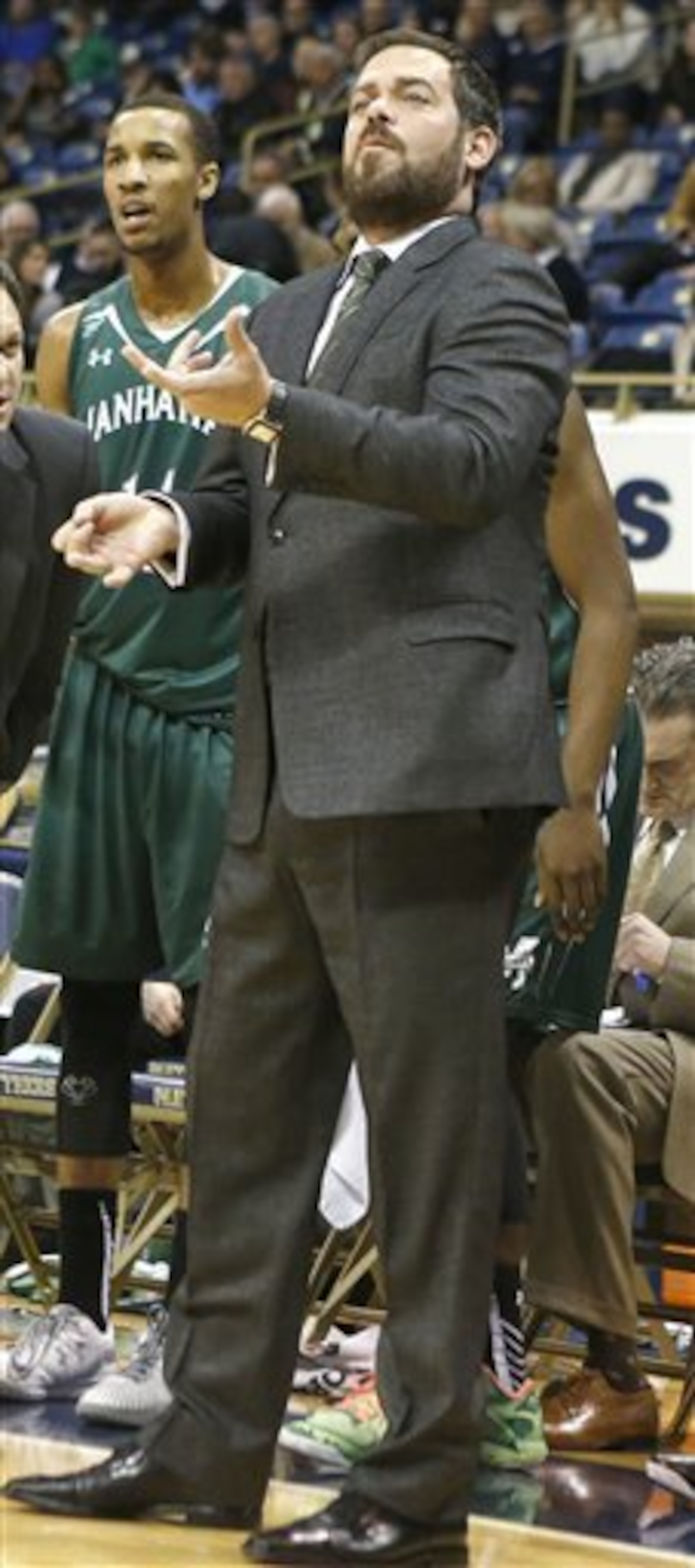
Manhattan Jaspers
Strength: Coach Steve Masiello is a Rick Pitino disciple. He dresses sharp like the Louisville legend and loves full-court pressure. Manhattan is a top-10-caliber team nationally in steals, and that lets the athletic clubs find some openings in transition.
Weakness: Manhattan averages about two fewer rebounds per game than its opponents, and second chances can be virtually nonexistent. Emmy Andujar and Ashton Pankey will need help, but how much do they need for the Jaspers to keep their flexibility to run?
Hampton Pirates
Strength: Hampton’s man defense may not be highly recognized, unless you consider KenPom's numbers. About eight of 10 defensive possessions end with a Pirates piracy.
Weakness: It’s a team that refused to give up even as it had a losing record heading into the Mid-Eastern Athletic tournament. Only 40 percent shooting (30 from deep) will do that. But still…So you’re sayin’ there’s a chance?
North Florida Ospreys
Strength: You may not be able to name many teams in the Atlantic Sun, but North Florida could perhaps glean confidence from a couple of past NCAA representatives. Duke lost to Mercer last year. And who can forget Florida Gulf Coast’s “Dunk City?" A solid shooting team has history on its side and also beat Purdue early in the year.
Weakness: Sophomore guard Dallas Moore has the ball in his hands a lot. But he’s also had issues with turnovers. The last five games he’s had twice as many turnovers as assists (14-7).
Lafayette Leopards
Strength: Lafayette is incredibly efficient on offense, with an effective field-goal percentage (56.3) that ranks seventh in the country, per KenPom. Senior forward Dan Trist is a big reason, and he made 15 of his 23 shots in three wins at the Patriot League tournament.
Weakness: Losses to West Virginia and Kansas by 27 points apiece leaves some seeds of doubt, as does the 9-9 regular-season conference record.
Robert Morris Colonials
Strength: This team may not be a huge player in this tournament, but Robert Morris sure could set up a nice soon-to-be-famous future from the experience. The Colonials don’t start a senior and have two freshmen in the lineup that went 0-3 against the top 50 of the RPI.
Weakness: Robert Morris gives up a lot of second chances and close looks, because it’s just not very big or physical. Its pace isn’t particularly fast, either, which gives opponents the freedom to crash the boards. So the Colonials' bigs, Elijah Minnie and Aaron Tate, will need help.
Coastal Carolina Chanticleers
Strength: Coastal Carolina hits the glass as a team (39.8 per game), as six players average more than 3.3 rebounds—making it the fifth-best carom chaser in the country.
Weakness: If you don’t know much about the Big South champ, consider yourself normal. It only played one game against an RPI top-50 team, UCLA, and lost by 13 in mid-November when the Bruins weren’t exactly lighting up the world.
No. 15 Seeds
2 of 16
New Mexico State Aggies
Strength: The Aggies have won four consecutive WAC tournament titles, meaning they’ve been around the block a few times and have just enough veteran leadership that they won’t freeze on the big stage. Senior forward Remi Barry leads NMSU with 13.3 points and keeps his team out of scoring droughts with a variety of ways to score.
Weakness: Like some other smaller-conference teams, NMSU looked lost in nonconference play. It went 3-6 against the RPI top 150. That doesn't bode well facing Kansas, which made itself no stranger to competition.
Belmont Bruins
Strength: Evan Bradds is Belmont’s second-best scorer, but his 70 percent accuracy and 6’6’’ size present a good option to help avoid scoring droughts. He scored eight points in the opening three minutes of the second half at the Ohio Valley tournament title game and also finished with 11 rebounds, so he can be a focal point in a variety of positive ways.
Weakness: This was the team that beat Murray State in a tournament final. That’s good. Problem is, it was March 7, and a long layover may not be a great thing for a squad in this position, though it’s hardly unheard of—Belmont has been to four NCAA tourneys in five years.
Texas Southern Tigers
Strength: The Tigers understand the full gamut of a season, beating Michigan State but also losing 10 of their first 13 games. Madarious Gibbs is a senior guard who has been to the NCAA tournament before and can continue to be a leader. Besides him, the Tigers have experienced head coach Mike Davis—formerly of Indiana and UAB.
Weakness: It’s almost surprising a team built on little passing can defeat squads like Tom Izzo’s Spartans or even Kansas State on the road. But Davis’ group is in the lower tier of dime-dishing, with just 10.9 per game.
North Dakota State Bison
Strength: Lawrence Alexander leads KenPom’s calculation of percentage of minutes played (95.6), and he hardly seems to get weary legs—even shooting 44.1 percent from three-point range. An energy guy can lead teams to big, unexpected places this time of year.
Weakness: NDSU knows teams can’t teach height, and that could be a problem. Among its regular contributors, 6’3’’ and 6’4’’ are the most common sizes, with 6’8’’ Chris Kading in a limited role despite being a junior.
No. 14 Seeds
3 of 16
Northeastern Huskies
Strength: Give the Huskies some credit, as conference tournament championship games can make teams tighten up—all they did was shoot 12-of-20 from three-point range in the CAA final. Quincy Ford and Caleb Donnelly made eight of their 11 combined attempts. Let ‘er rip is a good attitude for this group the rest of the way.
Weakness: The Huskies didn’t play anyone in the RPI top 50 this season and went 3-4 when considering the highest 100.
Albany Great Danes
Strength: They’ll enter the tournament as a big-time darling, winning the America East tournament championship on a last-second three (off a scrambled play) by Peter Hooley, whose mother died during the season. Albany has enough talent and experience (it gave Florida a tough game last March) to become more than just a feel-good story leading up to the first game.
Weakness: Albany has had turnover problems this year and decent guards who can get too helter-skelter near the rim. For example, Hooley’s three-point heroics started when a teammate took a wild shot in the lane that hit the top of the backboard. It’ll have to play under control (granted, that was an especially stressful situation) to withstand its height and athleticism disadvantages.
Georgia State Panthers
Strength: The Panthers were 0-3 against the RPI top 50 but at least can take some solace that they gave Iowa State, Colorado and Old Dominion some relatively close games early in the season. Kentucky transfer Ryan Harrow and Louisville transfer Kevin Ware will now try to create wide-spreading legacies as an NCAA tournament underdog, but they can at least tell the rest of the team what to expect.
Weakness: GSU will be one of the odd stories this week, as coach Ron Hunter apparently tore his Achilles tendon Sunday shortly after his team clinched the tournament berth out of the Sun Belt. Not the kind of attention Hunter sought on Selection Sunday.
UAB Blazers
Strength: The Blazers have been a virtual secret in Conference USA, featuring a young team that didn’t have an all-conference selection on the first or second teams. They’ll be able to play free and rely on some experience of a head coach who knows this stage: former Kansas hustling standout Jerod Haase.
Weakness: If credit is given for playing some tough games, then the Blazers have to earn demerits for losing to Wisconsin, UCLA and North Carolina by an average of 24 points. That doesn’t bode well in many first-round matchups. Neither does shooting just 33 percent from the arc.
.jpg?w=2560 "Chiefs Giants Football")
.jpg?w=2560 "AP Poll Top Five Week 9")
No. 13 Seeds
4 of 16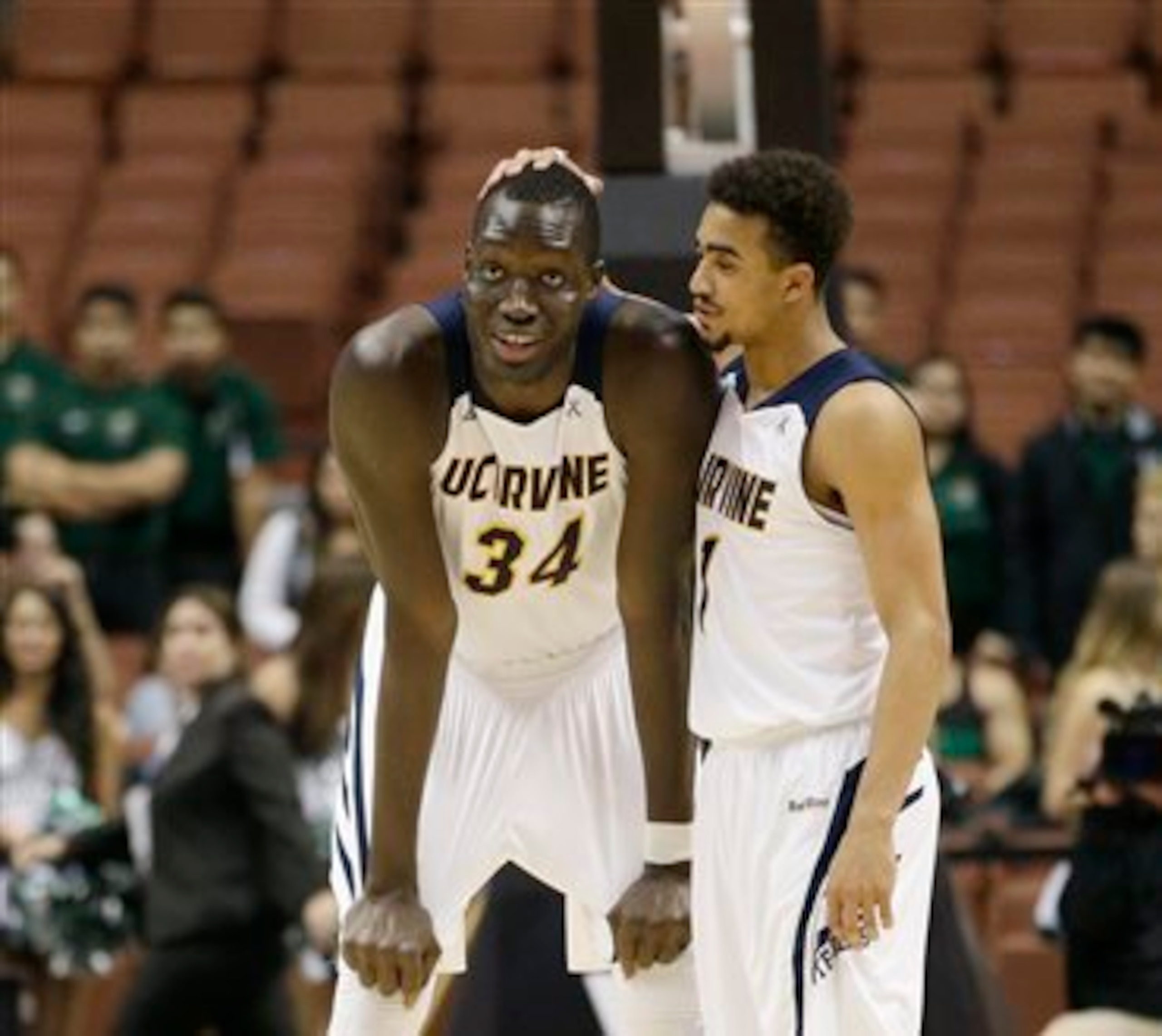
Valparaiso Crusaders
Strength: Sophomore forward Alec Peters leads Valparaiso in points (16.7) and rebounds (6.8), but Valparaiso is basically a team built on spreading out the minutes and points. Versatility could be good for a squad that is in the NCAA field for the second time in three years.
Weakness: Coach Bryce Drew’s team has faced a variety of tough injuries, especially at point guard, which has meant a subpar assisting squad. No passing could mean no moving on.
UC Irvine Anteaters
Strength: Unusual size, for sure, is a big part of UCI's game. Mamadou Ndiaye is a 7’6’’ sophomore center who had eight points and six rebounds as the Anteaters won their first Big West tournament championship. How can teams begin to practice for facing that size?
Weakness: UCI doesn’t force a lot of turnovers and on offense is a good, but not scary, opponent. Its effective field-goal percentage is middle-of-the-pack nationally. There’s not really a reason to believe UCI has an explosive factor to manufacture a bracket-thrashing outcome.
Harvard Crimson
Strength: Grade-point average, of course. But Harvard is also a straight-A team when it comes to getting to the NCAA field for a fourth consecutive year. Wesley Saunders, a senior guard, averages about 16 points and six rebounds, and the Crimson are playing with extended life after getting a somewhat unexpected chance to win an Ivy League playoff.
Weakness: Like academic reputation is a big strength, recent tournament rep could be a weakness. Tommy Amaker’s Crimson aren’t sneaking up on anyone. Just ask Virginia, which handed down a 49-point loss Dec. 21.
Eastern Washington Eagles
Strength: Tyler Harvey could have a showcase time, and the 6’4’’ sophomore guard will get a lot of on-the-radar respect. He averages 22.9 points, and it’ll be offense—an average of 80.8 points per game—that EWU will rely on him to make some noise.
Weakness: EWU has no qualms getting into a trading-baskets game. It seems like teams in its position (with seeding) on this stage rarely are afforded such a luxury. Not forcing many turnovers (263rd nationally by KenPom ranking) is a nice cause for comfort for opponents.
No. 12 Seeds
5 of 16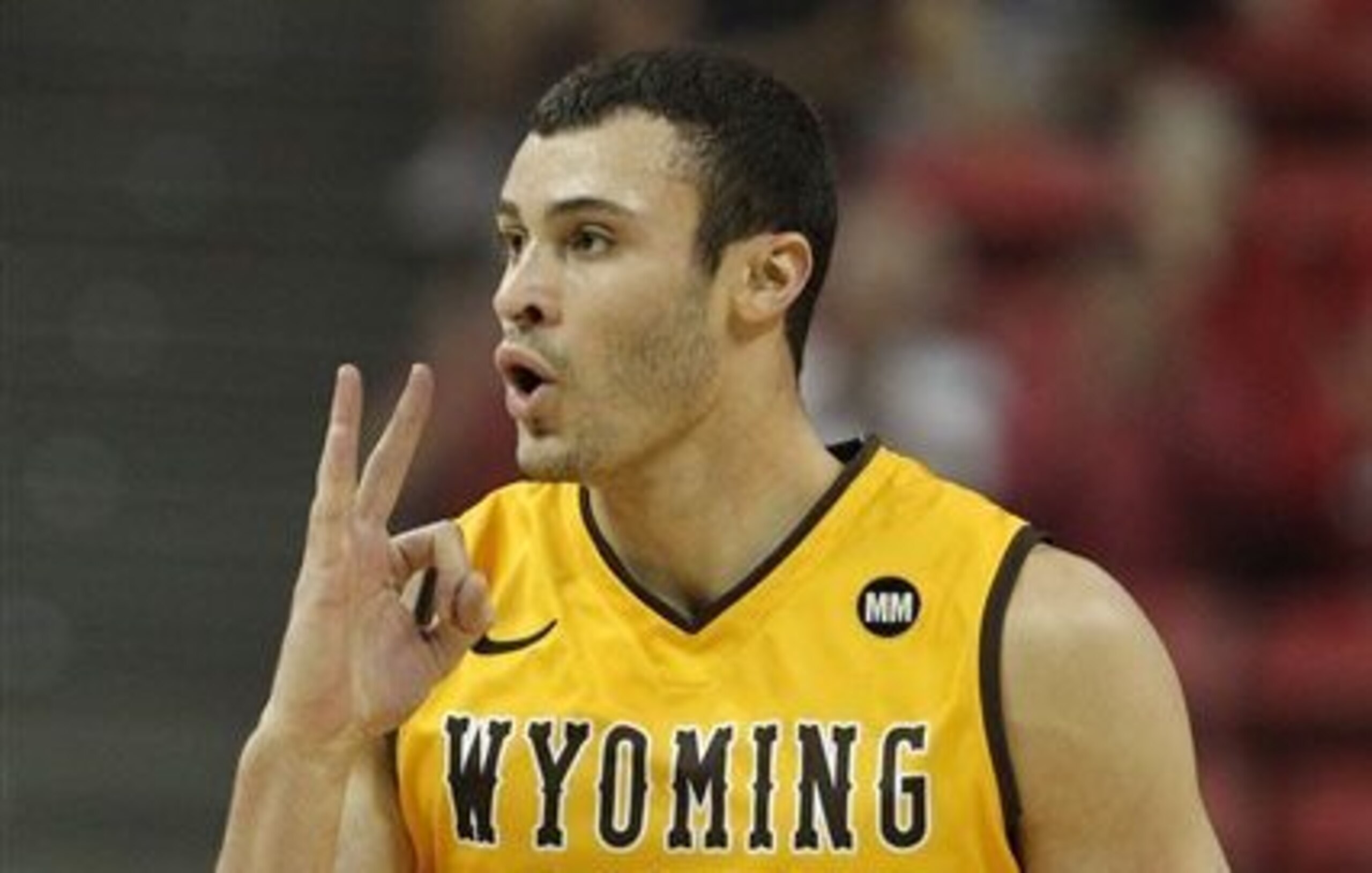
Buffalo Bulls
Strength: The Mid-American Conference champ is living on a lot more than a wing (get it?) than a prayer. Buffalo had a halftime lead at Kentucky very early in the season and also gave Wisconsin a game. So No. 1 seeds, or anyone else, aren’t going to scare off the Bulls.
Weakness: If you just consider those two games, standout scorer Justin Moss was just 9-of-28 shooting. The MAC player of the year, a 6’7’’ junior, will have to find his shot and his prudence for the Bulls to have any chance in a similar opportunity.
Wyoming Cowboys
Strength: Seasons can come down to critical moments, and one in the Mountain West championship has to spark a ton of confidence for UW. Derek Cooke Jr.—a 56 percent shooter from the line—made two critical attempts to ice a win against San Diego State, affording the team its first NCAA bid since 2002. Coach Larry Shyatt has a group that feels it can do anything these days.
Weakness: Wyoming doesn’t go bigger than 6’9’’ and basically prefers to get back on defense. Shyatt’s team could get impatient in the tournament.
Wofford Terriers
Strength: Four NCAA bids in six years starts with Karl Cochran, a senior guard who can help Wofford play against a variety of styles: It defeated more deliberate North Carolina State and fast-paced Iona.
Weakness: A three-point win on a neutral court against 11-22 Furman in the Southern Conference title game doesn’t exactly sound upset alerts.
Stephen F. Austin Lumberjacks
Strength: Remember the name Thomas Walkup. He had 24 points and eight boards to lead the Lumberjacks back to the NCAA tournament. The 6’4’’ junior hit 10 of his 17 shots against UCLA last year in the Lumberjacks' third-round game, and he’s back to be the keystone for a group that could make more noise this year.
Weakness: How truly certain can the Jacks be of belonging? This is a team that stomped through the Southland Conference but lost three in a row in November to Northern Iowa, Xavier and Baylor by an average of 12 points.
No. 11 Seeds
6 of 16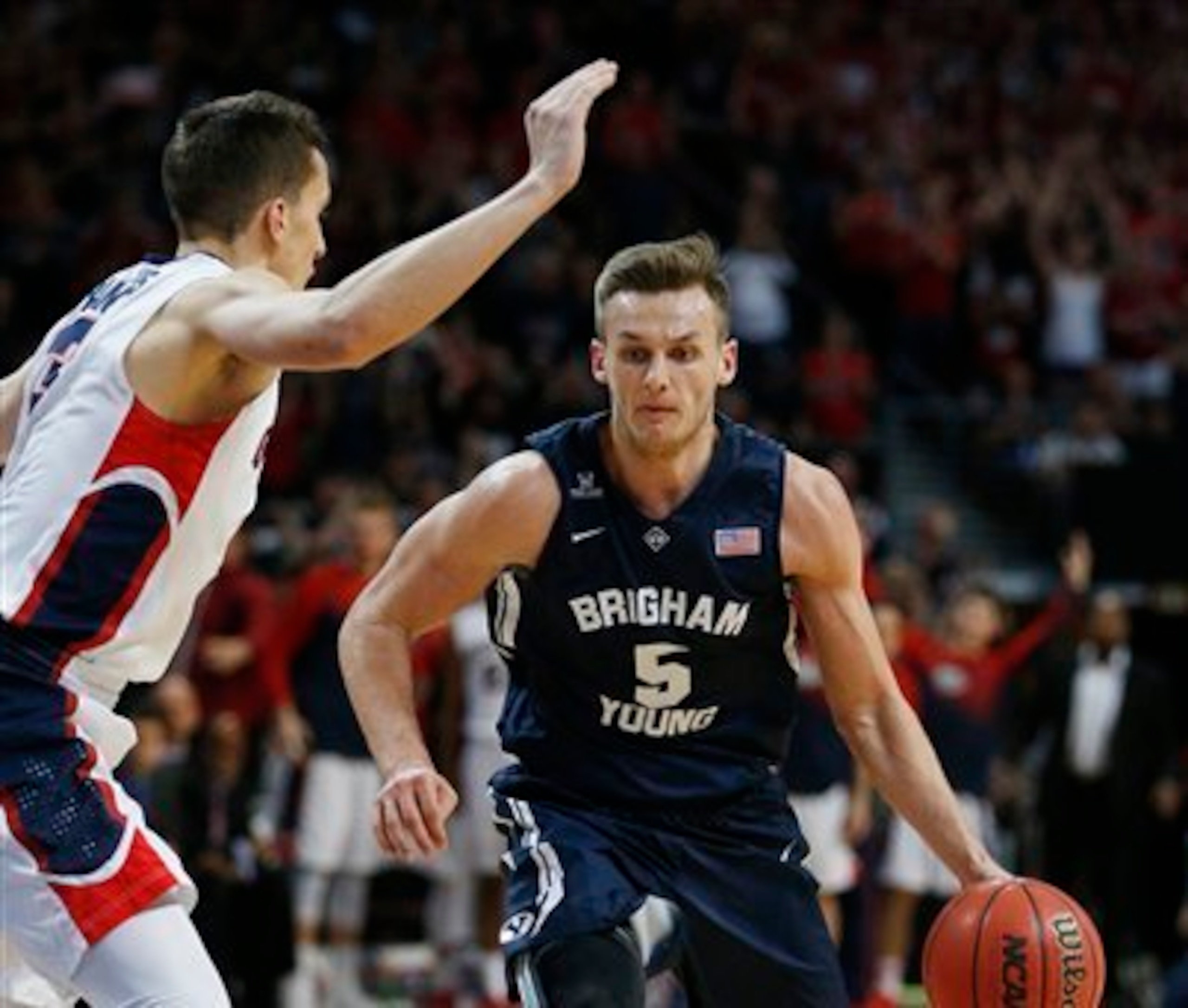
BYU Cougars
Strength: The Cougars boast a couple of the most unique offensive threats in the country. Tyler Haws is one of the top scorers, who does much of his work in the seldom-used (nationally speaking) mid-range. Kyle Collinsworth is a 6’6’’ point guard who has six triple-doubles, the most ever in one season.
Weakness: Big, capable interior presence is an issue for BYU at both ends of the floor. Corbin Kaufusi has made leaps-and-bounds improvement as a freshman, but it’s a pretty big stage for him and fellow “big” newbies Ryan Andrus and Isaac Neilson, who have had to play because of health and production issues with post teammates.
Ole Miss Rebels
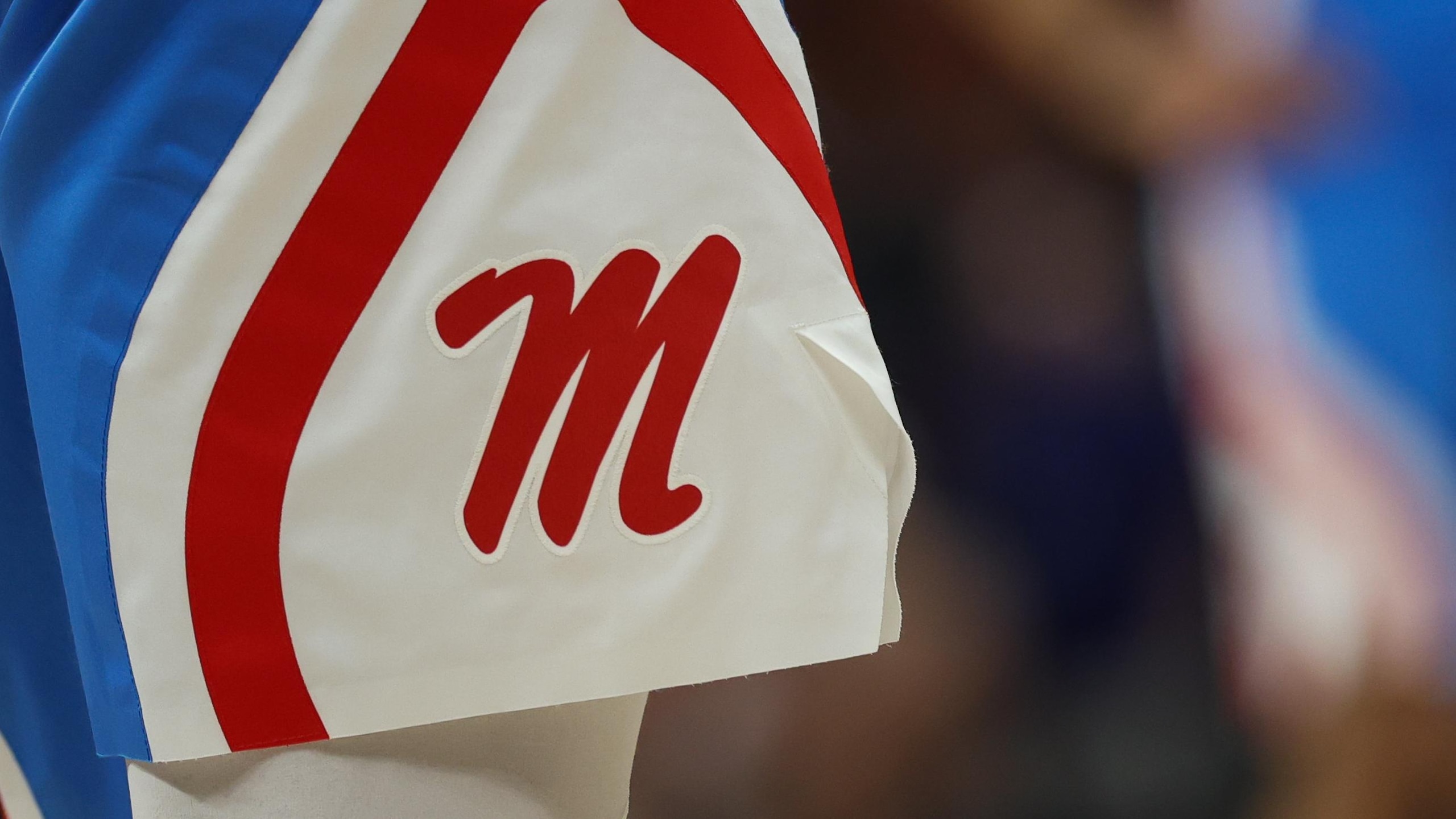
Strength: Relief will be a big thing for a team that barely made it. Ole Miss was right on the bubble when it suffered a loss to South Carolina in the SEC quarterfinals. The Rebels have done the sweating; now it's time to make Marshall Henderson prouder than he looked while sitting courtside during that last defeat.
Weakness: A team that's lost four of its last five, including two at home, obviously has some struggles with confidence.
Dayton Flyers
Strength: Six is a strange magic number for the Flyers, who have just that many scholarship players (due to suspensions, a disqualification and injuries) and no contributor above 6’6’’. Archie Miller can flat out coach, and his team moves the ball as well as any in the country.
Weakness: Second chances and blocked shots are virtually nonexistent to Dayton, so it’s a very fine line for a team that advanced to the Elite Eight last year and also has to contend with those expectations.
Texas Longhorns
Strength: Goodness, everything really is bigger in Texas—at least it seems that way when facing UT’s interior, which is ranked by KenPom as 18th in “effective height” and No. 1 in “block percentage.” Driving lanes can close quickly, and UT is in love when it can run.
Weakness: Rick Barnes has been on this team’s toughness since a demoralizing 13-point setback at home to Kansas in late January spurred a four-game losing streak. UT had a couple of four-game skids in conference play, which isn’t a total embarrassment (the Big 12 was really good this year) but speaks to how much it can go into funks.
UCLA Bruins
Strength: Not that anyone in America is listening right now, but the Bruins did manage to win four of their last five games and hang pretty close with Arizona. They'll be able to play the disrespect card, for sure.
Weakness: Steve Alford's team seems to be getting more credit for playing teams like Gonzaga and Kentucky than it deserves. A five-game losing streak leaves a lot of questions of UCLA—and maybe even more of the selection committee—about worthiness here.
Boise State Broncos
Strength: Strong play in an undervalued Mountain West should give Boise State a good feeling. It should actually get a boost of value in losing in the conference tournament semifinals. Consider that a dress rehearsal of dealing with the pressure of the bigger stages.
Weakness: The Broncos could deal with their height issues at the conference level. But not being able to contest much at the rim could mean a quick departure.
No. 10 Seeds
7 of 16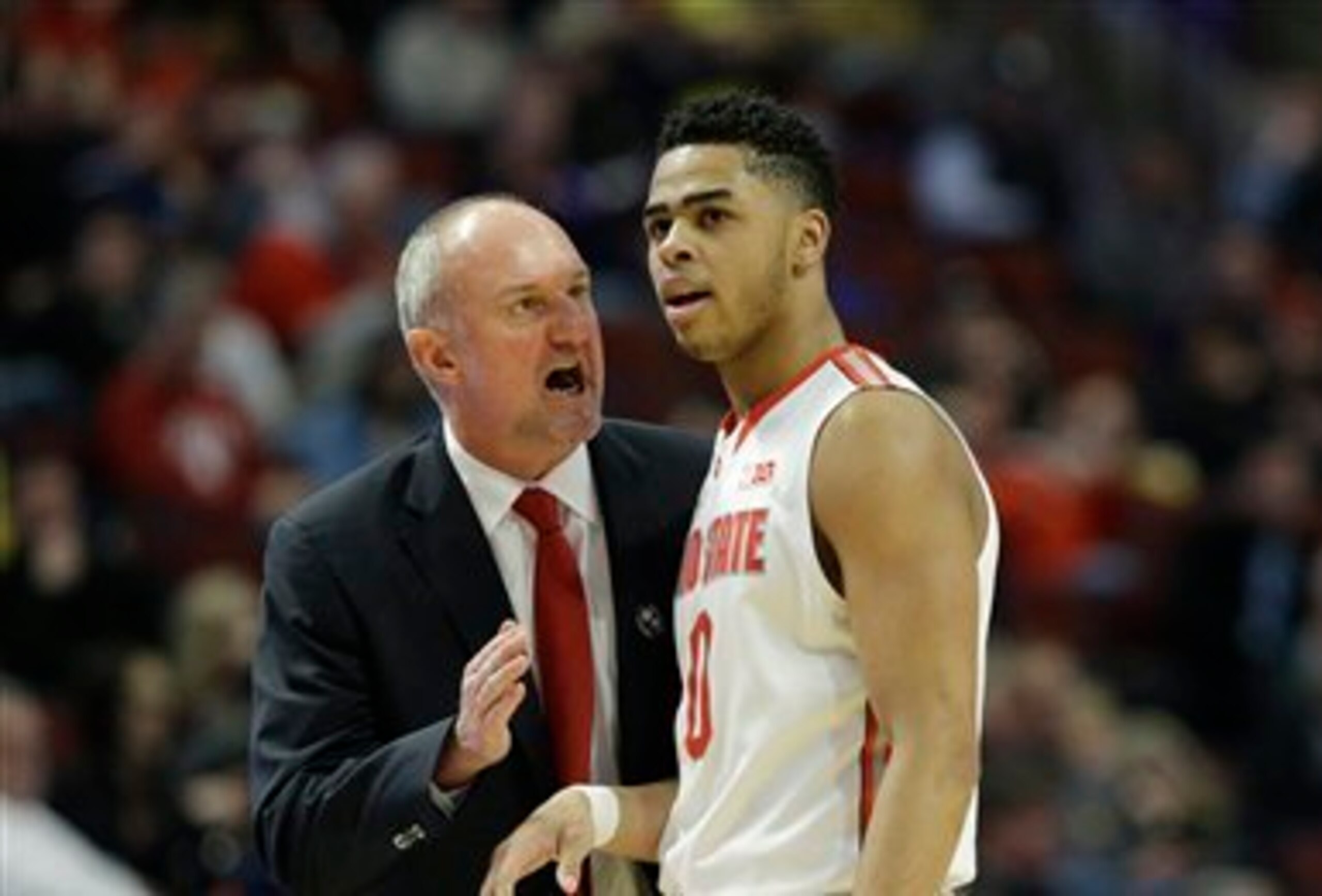
Ohio State
Strength: It’s hard not to appreciate a freshman like D’Angelo Russell, and the Buckeyes concur. They’ve let him shoot nearly twice as many shots as second-in-command Sam Thompson—476 to 274. Russell has virtually carried the Buckeyes but also seems to have the personality that says it's not all about him.
Weakness: OSU went 1-7 against the RPI’s top 50 teams, showing some promise against Maryland (a 24-point whooping on Jan. 29) but otherwise often looking like an NCAA tourney team more because of who it played rather than what it actually accomplished. A 24-point loss to Wisconsin, despite Russell's 17 points, show there's a big gap to fill.
Davidson Wildcats
Strength: We’re not exactly seeing a reincarnation of the Stephen Curry days, but Bob McKillop’s team flows on offense (how many squads in the country can claim that?) at No. 8 in KenPom's adjusted efficiency and have a bona fide shooting star in Tyler Kalinoski, who has led the Wildcats surprisingly fast to the top of the stringent Atlantic 10.
Weakness: Davidson loves to score, but the Wildcats are not as edgy on defense—and rank among the nation’s lowest at forcing turnovers. If they can’t force some stops, it could be a short ride in the hoped-for Curry hot tub time machine.
Georgia Bulldogs
Strength: One game tape could mean a big difference. Georgia came as close to beating Kentucky as anyone March 3. The Bulldogs get to the line often—almost as often as they take an actual shot—and know how to dictate a game behind a coach, Mark Fox, who’s finally starting to live up to his savvy after he left Nevada in 2009.
Weakness: Guard Kenny Gaines didn’t play in the final game of the SEC tournament, as he’s dealing with a foot injury. UGA’s second-leading scorer this year has been fragile all season, and the Bulldogs are better with him around—especially on defense.
Indiana Hoosiers
Strength: James Blackmon Jr. is a joy to watch and a pretty good bellwether to boot. When the freshman plays like he's capable, Indiana wins. Indiana has won 13 of its 15 games this season where Blackmon has scored 18 points.
Weakness: There just have to be days when Tom Crean wishes he never left Marquette. Right now, he's in the NCAA tournament, but it was just a few days ago that high school basketball fans were booing him (while watching his son play). four losses in the last five games entering the tourney wasn't quite the confidence builder, either.
No. 9 Seeds
8 of 16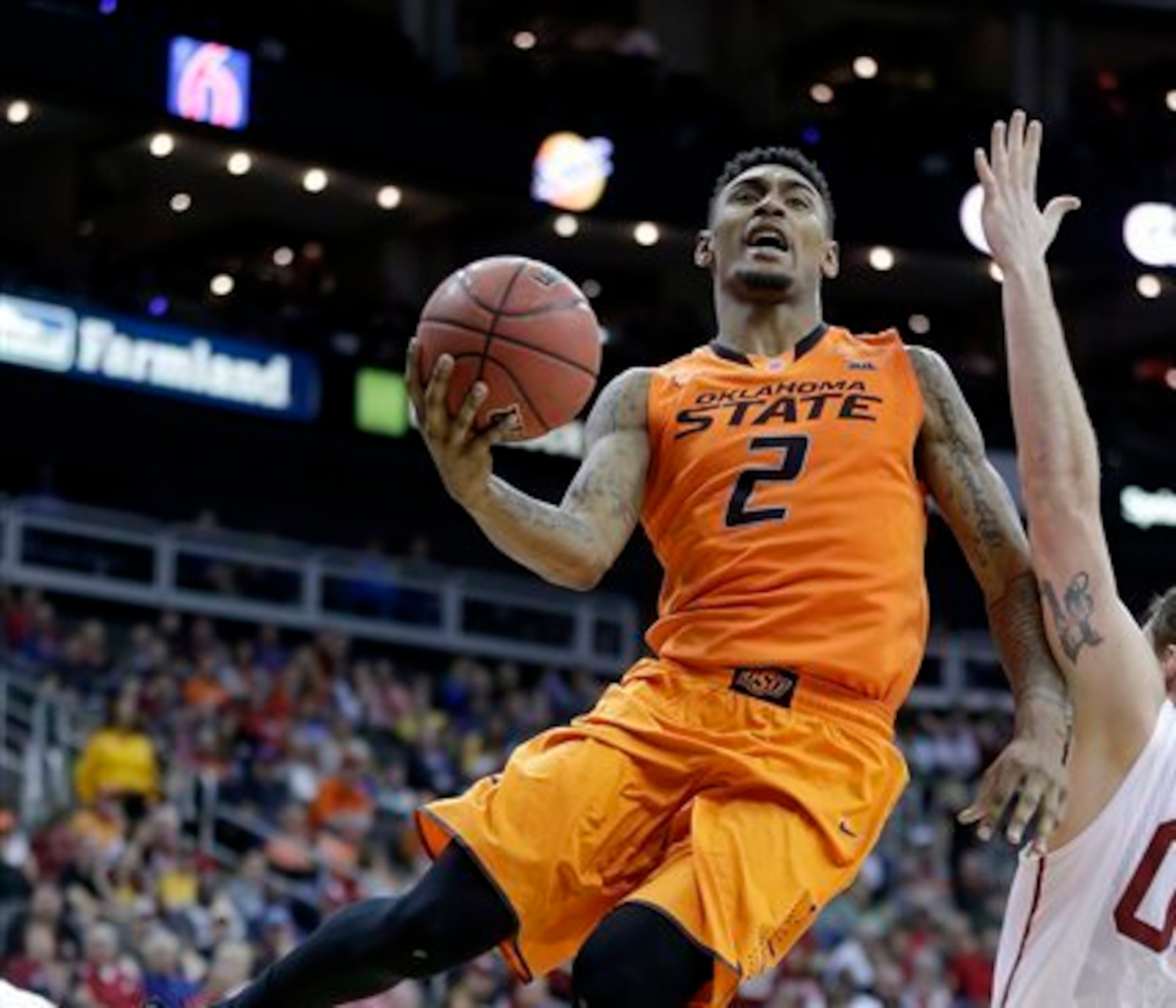
Oklahoma State Cowboys
Strength: OSU will be the barometer of just how good the Big 12 is this year, getting into the tournament under the suspicion of a losing record in conference play (8-10). Le’Bryan Nash has turned into a leader and shined in the conference tournament despite an early exit.
Weakness: OSU has been out-rebounded its last three games, and it’s been known to lose focus with either one-and-done possessions or giving up relatively easy baskets after allowing multiple shots at the other end of the floor.
St. John's Red Storm
Strength: Discipline is a way of life on offense. St. John's is 15th by KenPom standards in turnover percentage, as 6’4’’ guard D’Angelo Harrison knows how to make things happen without making mistakes.
Weaknesses: Coach Steve Lavin was disappointed to see that discipline isn't just measured by analytics. He just had to suspend "center Chris Obekpa for two weeks for a violation of team rules," according to ESPN.com. He was averaging 5.8 points and 7.0 rebounds, and more importantly, the 6'10'' center led the Big East with 3.1 blocks per game.
Purdue Boilermakers
Strength: Purdue is a top-40 team when it comes to using passes to set up baskets, so that makes the Boilermakers tough to defend. They have been spurred by the quick development of 7'0'' junior center A.J. Hammons, who has been a revelation since getting bigger minutes at the start of the new year.
Weakness: Coach Matt Painter knows that confidence has been an issue for awhile, since nonconference home losses to North Florida (at least the Ospreys made the tournament) and Gardner-Webb.
LSU Tigers
Strength: It has to be defense, because the Tigers' offensive numbers aren't exactly sparkling. It was the kind of team where the good outweighed the bad, apparently. But the first NCAA bid in six years is led by big men Jarell Martin and Jordan Mickey, who helped the Tigers go 11-5 against the RPI top 100. They combine to average 32 points on 51 percent shooting.
Weakness: It wouldn't be a shock if some LSU folks wondered about worthiness. It's been an up-and-down year, and that includes two losses in the last three games, both to teams that were no better than 10th place in the SEC standings. Go figure, LSU went 5-3 versus top-five SEC teams and 3-5 against the worst five.
No. 8 Seeds
9 of 16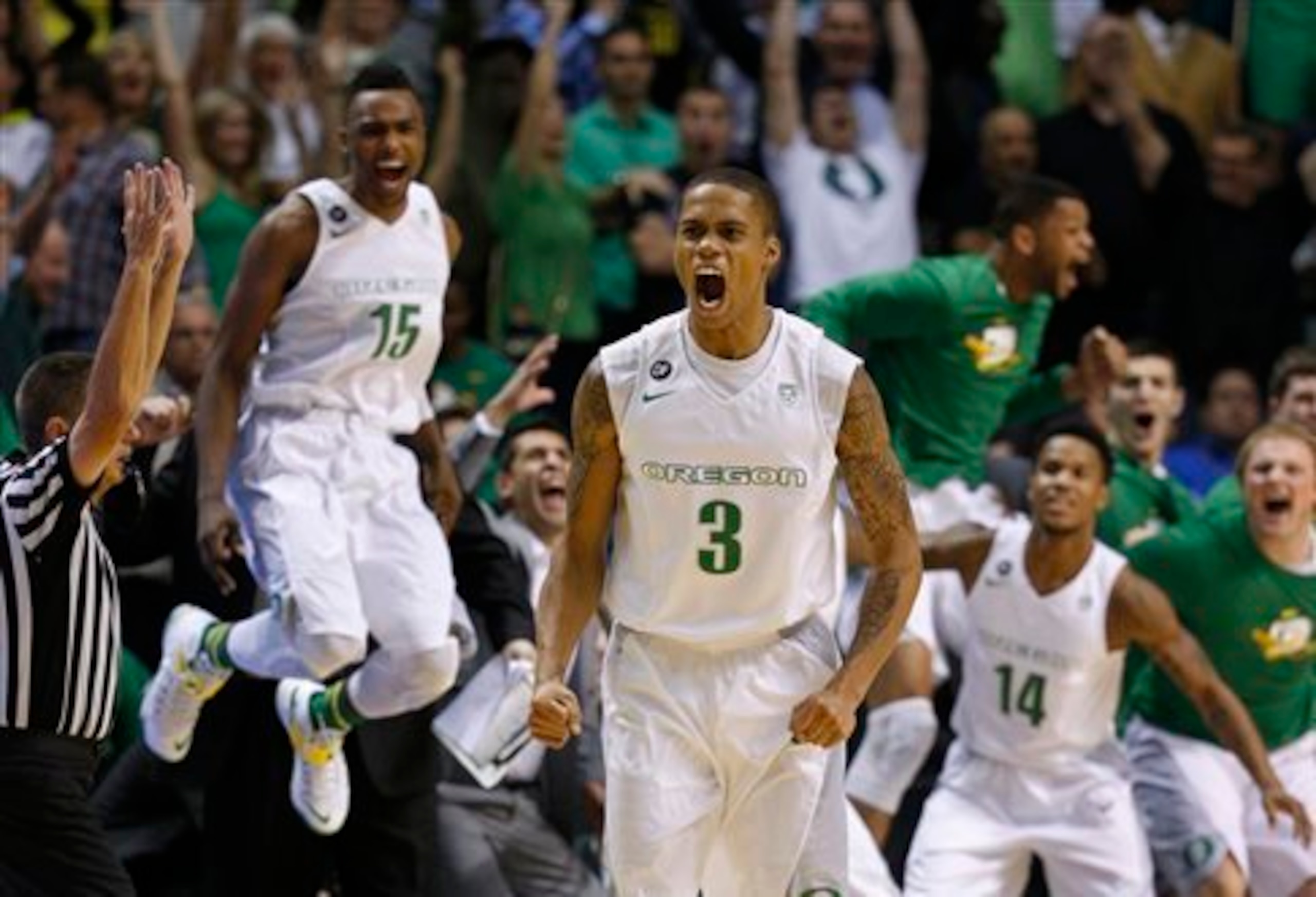
Oregon Ducks
Strength: Not the best team in the Pac-12 (the blowout loss to Arizona in the tournament title game will attest to that), the Ducks nonetheless have a relentless scorer (Joseph Young) and one of the craftier coaches, Dana Altman, which is a good mix for making a run this time of year.
Weakness: UO is a very good team at the foul line (76.0 percent) but doesn’t try nearly hard enough to get there. The Ducks can either score in droves or play one-and-out possessions. And Altman has a shallow, inexperienced team (three key players are freshmen) that showed its issues in the 28-point setback to Arizona on Saturday.
North Carolina State Wolfpack
Strength: You’ve got to embrace life on the bubble to find at-large certainty, and the confidence of coach Mark Gottfried runs deep in his players, who won six of their last eight games to establish themselves as worthy of an NCAA shot. This team can take pressure.
Weakness: The offense can often stand around as the Wolfpack have young players who tend to play isolated basketball. Anthony “Cat” Barber is explosive, and the sophomore guard will need to put that to good use for his teammates, too.
Cincinnati Bearcats
Strength: UC is unflappable, surviving a bumpy season without head coach Mick Cronin—whose heart condition forced him away from the team. Associate head coach Larry Davis has thrived (with Cronin in the background for scouting), and a season that could’ve easily gotten away has really been an inspiration.
Weakness: Balance is one thing, but having no player who averages above Octavius Ellis’ 10 points a game is an obvious concern. The 6’10’’ junior is shooting nearly 58 percent, while the two Bearcats taking more attempts (Troy Caupain, Farad Cobb) are significantly less accurate.
San Diego State Aztecs
Strength: San Diego State values rebounding, and opponents are rutted into a lot of one-and-done possessions as the Aztecs don’t take anything for granted on the glass.
Weakness: Winning ugly is a calling card for SDSU, but sometimes it can’t even accomplish that. It missed 18 of its 24 second-half shots in the Mountain West title game against Wyoming and lost by a basket. Steve Fisher’s team simply is not a good scoring club—even worse than last year’s, which went to the Sweet 16.
No. 7 Seeds
10 of 16
Wichita State Shockers
Strength: Experience is the calling card here. Wichita State has been underseeded and pulled off big upsets. Last year it was a No. 1 seed that fell well short of goals. Ron Baker, Fred VanVleet, Tekele Cotton…College hoops fans feel like they really know those guys, and they, in turn, know what this time of year requires.
Weakness: Wichita averages 19.5 foul shots a game (245th by KenPom's rating) and shoots just 68.8 percent. The inability to take advantage of easy opportunities could cause some problems.
Michigan State Spartans
Strength: It’s certainly not Tom Izzo’s most talented team. But it’s a high-buy-in group that appears to genuinely enjoy playing with each other. How else would one explain their bouncing back in the Big Ten title game from an awful start (missing nine straight shots, down 16) against Maryland, who defeated the Spartans twice in the regular season?
Weaknesses: This isn’t about forward Branden Dawson’s talent level. But it sure seems like Izzo is regularly getting on him because of his energy level. Top-level seniors have to bring it consistently this time of year, and MSU needs its third-best scorer focused.
VCU Rams
Strength: Peaking may not be the right description, but Shaka Smart’s team seems to have recalibrated after a rough 5-5 swing following the loss of Briante Weber Jan. 31. It hammered Davidson in the A-10 title game and has figured out how to score in more ways than Weber’s snazzy defense provided.
Weakness: Though VCU's known for creating “havoc” on defense, opponents can still get quite comfortable against it. VCU rates low in three-point defense, and opponents produced a steady clip of assists, meaning they can move the ball at will to get solid looks once they get through Smart’s first wave of swarming D.
Iowa Hawkeyes
Strength: Aaron White serves as a solid keystone, as the 6’9’’ senior is able to create second chances and free throws. The Hawkeyes’ 74.5 shooting percentage at the foul line is in the top 25 nationally, so they’re always going to hang around, especially if they can get in bonus situations.
Weakness: UI has about a week to stew on a surprising loss to Penn State in its only Big Ten tournament game. Fran McCaffery would be left with finding a balance of making it a tough week of practice (to regain focus) while also not torturing his team’s suddenly shaken confidence after winning six in a row heading to Chicago.
No. 6 Seeds
11 of 16
Butler Bulldogs
Strength: Not much has changed since Brad Stevens left for the Boston Celtics. Butler still can control the ball and especially the pace of play. The Bulldogs own wins over wide-ranging teams like North Carolina and Georgetown.
Weakness: Free-throw shooting isn’t sexy, but it is valuable. And Butler isn’t good at it (68 percent), while costing itself with a 10-of-19 showing in the Big East quarterfinals. Coach Chris Holtmann acknowledged the charity stripe has cost BU a few times this year, per The Associated Press (via ESPN.com).
Providence Friars
Strength: Providence is battle-tested, including 6-8 against the top 50 in the RPI, and has pretty middle-of-the-road statistics as well. However, that balance makes it a threat, as sophomore guard Kris Dunn knows how to find what’s working most of the time. He’s No. 1 by KenPom's standard in assist rate, a whopping 50.5.
Weakness: It can be easy to pack the interior against the Friars, who can’t really spread teams to the perimeter. They’re shooting just 31 percent from three-point range.
Xavier Musketeers
Strength: Moving the ball and getting it to efficient shooter Matt Stainbrook (60.5 percent overall) are what the Musketeers do best. The 6’10’’ senior is a brave scorer despite his “weekend warrior” look of knee braces and goggles, and the Musketeers build off that keystone presence.
Weakness: KenPom’s evaluation of Xavier’s defense is an unintentionally hilarious “inconclusive.” XU can bounce between different types of zone or man, but the truth is the team is more of a jack of many trades and a master of none. Teams shoot about 44 percent against Xavier.
SMU Mustangs
Strength: It’s a healthier relationship than Allen Iverson and Larry Brown, and the latter—now running SMU’s program back around the Top 25—has Nic Moore shooting better than 40 percent from three-point range and making teammates better with his athleticism. Brown’s best teams have always bought in to his philosophy, and this one does so in spades.
Weakness: Good luck finding a team thinking it can make a tournament run that’s less ferocious at forcing steals than the Mustangs, who are 295th by KenPom standards. That means very few freebie points.
No. 5 Seeds
12 of 16
West Virginia Mountaineers
Strength: The Mountaineers are one of the few teams these days that will bring pressure and aren't afraid to do it all game. The group has bought into Bob Huggins’ maniacal defense, which is a virtual steal factory.
Weakness: WVU enters the field having lost three of its last four. Worse, the lineup has been riddled by question marks, particularly as leading scorer Juwan Staten (14.5 ppg) battles a bum ankle and has missed the last four games.
Northern Iowa Panthers
Strength: Seth Tuttle could be one of the blossoming stars of the tournament. The 6’8’’ senior has a Dirk Nowitzki-like quality to his game and leads his team in points, rebounds and even assists. It’ll be fascinating to see how opponents decide to guard him and play that pick-your-poison game between letting him score or forcing his teammates to do the heavy lifting.
Weakness: If Wichita State is still the Missouri Valley Conference measuring stick, here’s what we learned about UNI: The Panthers were even on the boards in a home win against the Shockers and minus-six in a lopsided loss. So, even is a pretty good day for Ben Jacobson’s team, which can be bullied if it’s not unified near the rim.
Arkansas Razorbacks
Strength: This is a chance for Bobby Portis to further showcase himself to the next level, and his versatile offensive game—and prudence—is why he’s the most valuable player in the SEC. It’s a fun team to watch because it will play defense and run.
Weakness: The Razorbacks lose their effectiveness if their opponents outlast Arkansas' pressure. SEC losses to Florida and LSU only produced 14 steals apiece, and Arkansas simply has to be more aggressive to play its game.
Utah Utes
Strength: It’s no secret that Utah is good at grinding a clock to get the shot it wants. Utah is 13th nationally in effective field-goal percentage (using KenPom’s numbers). And it creates a wide shooting gap by limiting opponents to 42.7 EFP (fifth best). Delon Wright (6'5") is a tempo master who can just as easily use his body length to create havoc when the other team has the ball.
Weakness: The Utes climbed into the Top 10 of the two major rankings at one point but are now playing their most befuddling ball of the season. That includes a 3-4 mark in the last seven. Besides Brandon Taylor, it’s been a sketchy group from three-point range lately, and that curse has led to ruts at both ends of the floor.
No. 4 Seeds
13 of 16
Georgetown Hoyas
Strength: The Hoyas are battle-tested, for sure, with narrow losses to Wisconsin, Butler and Kansas, and that should lead to a confident team that didn’t surrender when it had a 21-point deficit in the Big East tournament to Xavier.
Weakness: Rebounding can be an issue, which is a bit of a surprise, considering Georgetown has 6’10’’ Joshua Smith and 6’9’’ Mikael Hopkins, who are going to have to raise the toughness meter moving forward.
North Carolina Tar Heels
Strength: Roy Williams has an unusually strong team that can crash the glass for extra chances but still not suffer a whole lot at the other end of the floor in transition. Opponents are particularly shaky at shooting the three-pointer (29.8 percent) which leads to chances to run as desired.
Weakness: One game (the ACC tournament semifinal) UNC is being lauded for its defense. The next night, it disappears—and so does a lead against Notre Dame—leading to an obvious question of which version of the Heels will show up this week.
Maryland Terrapins
Strength: There have been few seamless meshes quite like veteran Dez Wells joining forces with top freshman Melo Trimble. That relationship—and their attachment to coach Mark Turgeon’s plan—makes the Terrapins very dangerous, as they’ve grown to appreciate a newly installed motion offense.
Weakness: Pride cometh before the fall, and Maryland melted down and blew a 16-point lead in the first half against Michigan State in the Big Ten semifinals. And a team that’s been in some really close games may have just been a little too confident that it could pull out every tight contest.
Louisville Cardinals
Strength: This is the time of year when many teams have to battle the variety of distractions that come on this grand stage. The Cards have been through the storm already, and Rick Pitino knows how to get a team to play its best and most focused during the tournament.
Weakness: Pitino’s group lost in the ACC quarterfinals, and he lost his cool with (of all people) a student reporter. “We’re not a great shooting team…you watched the game, didn’t you?” Point taken, UL can’t afford shootouts.
No. 3 Seeds
14 of 16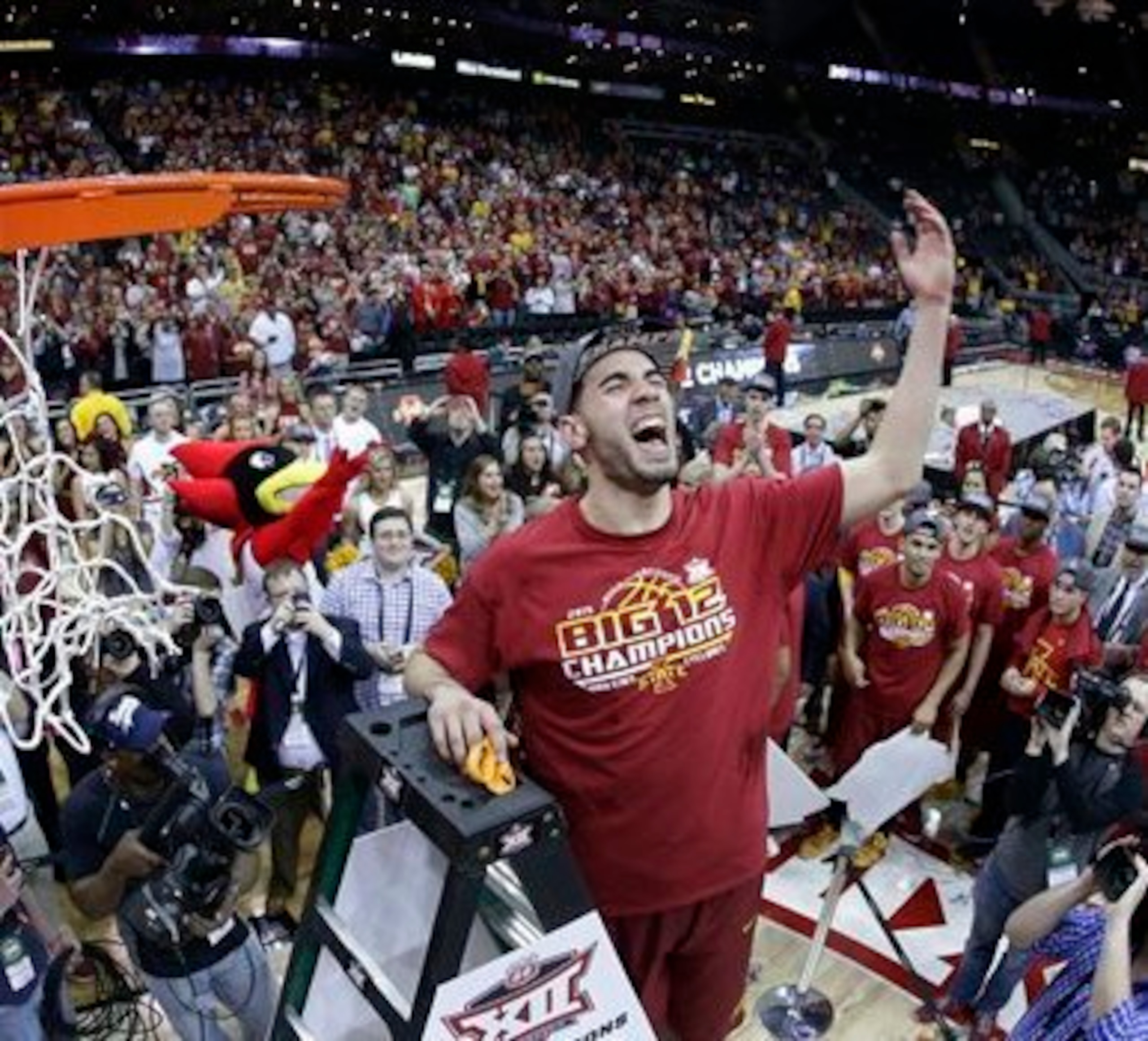
Oklahoma Sooners
Strength: Buddy Hield is one of the country’s finest scorers (17.5 ppg), and while OU isn’t an assist machine, it does have several players capable of creating in some way by getting to the rim.
Weakness: Scoring depth isn’t on the Sooners’ side. Oklahoma only had two bench points in two Big 12 tournament games. The longer NCAA tournament media timeouts could perhaps alleviate fatigue, but watch out for foul trouble.
Notre Dame Fighting Irish
Strength: Mike Brey has the ultimate luxury of coaching a top-level team but with the ability to continue to play the “underdog” card. The Irish just steamrolled the ACC tournament field and are still considered a fluke, despite five consecutive wins and a National Player of the Year candidate in Jerian Grant.
Weakness: The reason the national pundits (and fans) have been slow to credit Notre Dame is because of a ridiculously low strength of schedule in nonconference games (No. 327). How are the Irish going to react to good teams they haven’t played before?
Baylor Bears
Strength: Zone defense isn’t just the specialty dish in Syracuse. Baylor is limiting opponents to 29.8 percent shooting from three-point range (10th nationally). That’s afforded the Bears the ability to control pace with a relatively limited team (by coach Scott Drew’s mighty recruiting standards) and play with a ton of energy at the offensive end, especially on the second-chance glass.
Weakness: Baylor has shown some sloppiness on the offensive end, meaning unforced turnovers, and when that happens, its unique defense doesn’t matter. That it couldn't beat Kansas in three tries, considering the Jayhawks' consistency woes, has to spark some concern for bracket-fillers and BU fans who think this team take the next big step.
Iowa State Cyclones
Strength: The Cyclones have versatility, leadership, experience and an ability to rally big—as evidenced by Big 12 tournament comebacks against Oklahoma and Kansas on back-to-back nights. Coach Fred Hoiberg’s calming presence sets a tone that is tough to top this time of year, and Georges Niang is as good as they come at keeping everything clicking.
Weakness: Live by the comeback, die by the comeback. The look on Hoiberg’s stressed-out face the last couple of games shows a guy who knows ISU is living dangerously, especially as a high-output team from three-point range that can be stymied by a bunch of very quick possessions.
No. 2 Seeds
15 of 16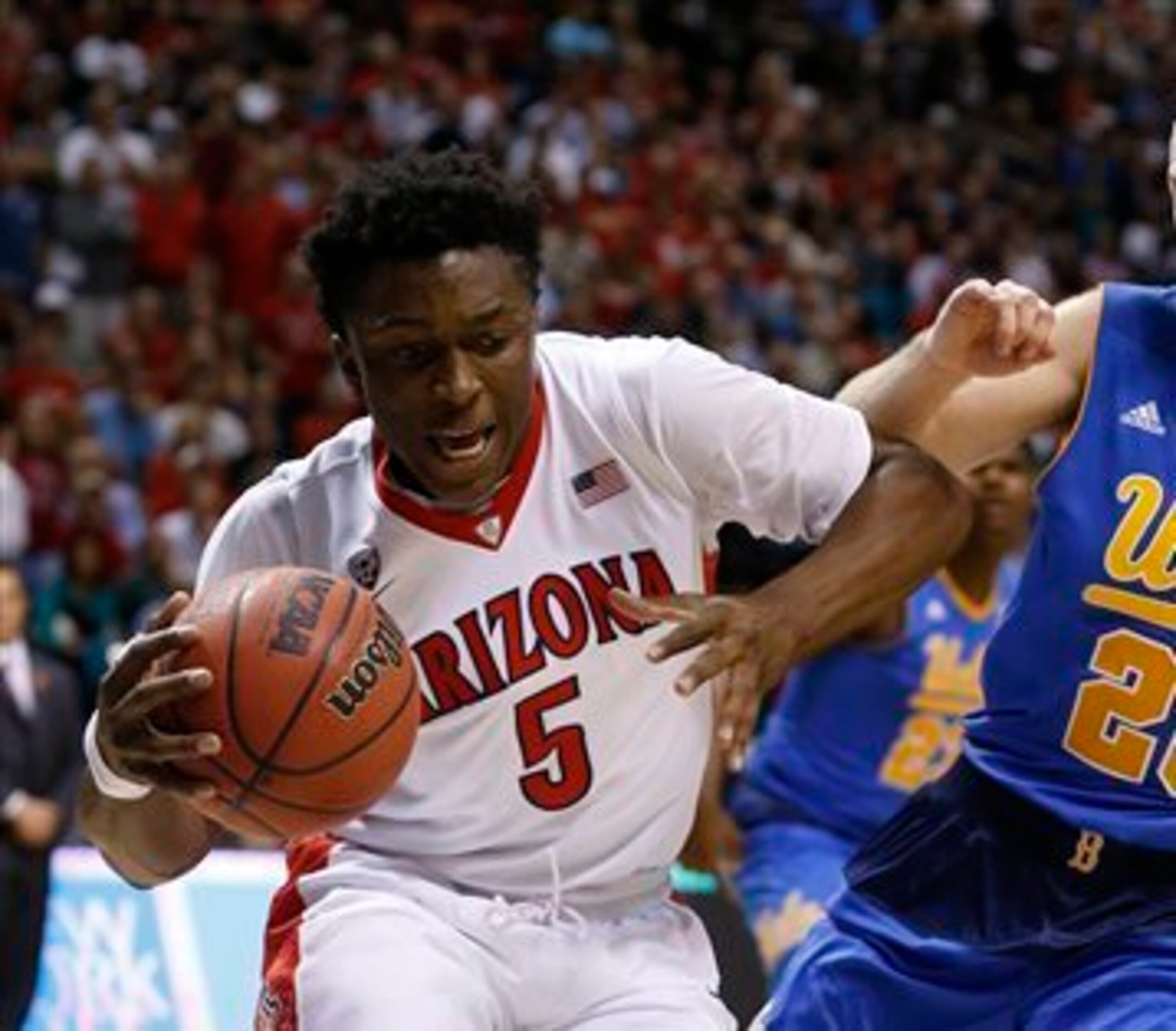
Arizona Wildcats
Strength: This offensively challenged team finds extra possessions— and some extra points—out of steals. UA gets about seven a game, which ranked third in the Pac-12 and is also second nationally in rebounding margin (plus-8.8) to help even up its chances to survive rough shooting nights.
Weakness: Are the Wildcats up for the challenge? They sure didn’t go after many in nonconference play, and that’s a big reason they’re not at the top line of the bracket. Considerable pressure is on, too, for UA to get back to the Final Four after a 14-year drought. Coach Sean Miller has been railroaded in the Elite Eight three times (twice in Tucson in five years), and UA will have to bear with that cloud of history.
Gonzaga Bulldogs
Strength: People pick on Gonzaga for its league and conference schedule, but coach Mark Few has won an NCAA game in each of the past five years. He knows how to set up winning positions, regardless of opponents. Now his task will be to set up a healthy looseness with a veteran group that has another high seed and just as high of aspirations.
Weakness: Gonzaga is talented inside. But it’s had times when Kyle Wiltjer and Przemek Karnowski haven’t forced the game inside enough. GU is built in large part on guard play. But Kevin Pangos will be much more effective if the Bulldogs can establish themselves with an inside-out game, which lacked in a home loss recently to BYU.
Kansas Jayhawks
Strength: Even Bleacher Report’s duo of Jason King and C.J. Moore didn’t put a Jayhawk on their All-America teams recently. So if the Jayhawks’ edge isn’t talent (at least this year), then it must be coaching. Bill Self has won 11 straight conference titles and found a way with arguably his weakest team in the Big 12’s toughest year.
Weakness: Kansas basically lost two games on last-second, full-court drives (at West Virginia, at Oklahoma). So it bears noting that transition defense has been a problem. When the Jayhawks are clanking from three-point range—like most of the last month—foul trouble and easy baskets become big headaches for Self.
Virginia Cavaliers
Strength: Give UVA credit—it knows what it is. The Cavaliers chase defensive rebounds with ferocity and make sure opponents don’t often get second shots. They’re also composed with the ball and don’t give up silly baskets often off miscues.
Weakness: Teams that show patience can beat the Cavaliers. Stay mentally tough, and Virginia isn’t a team that is going to overwhelm anyone. Tony Bennett has never taken a team past the Sweet 16—can an inexperienced squad like that stay poised in tight games with these stakes?
No. 1 Seeds
16 of 16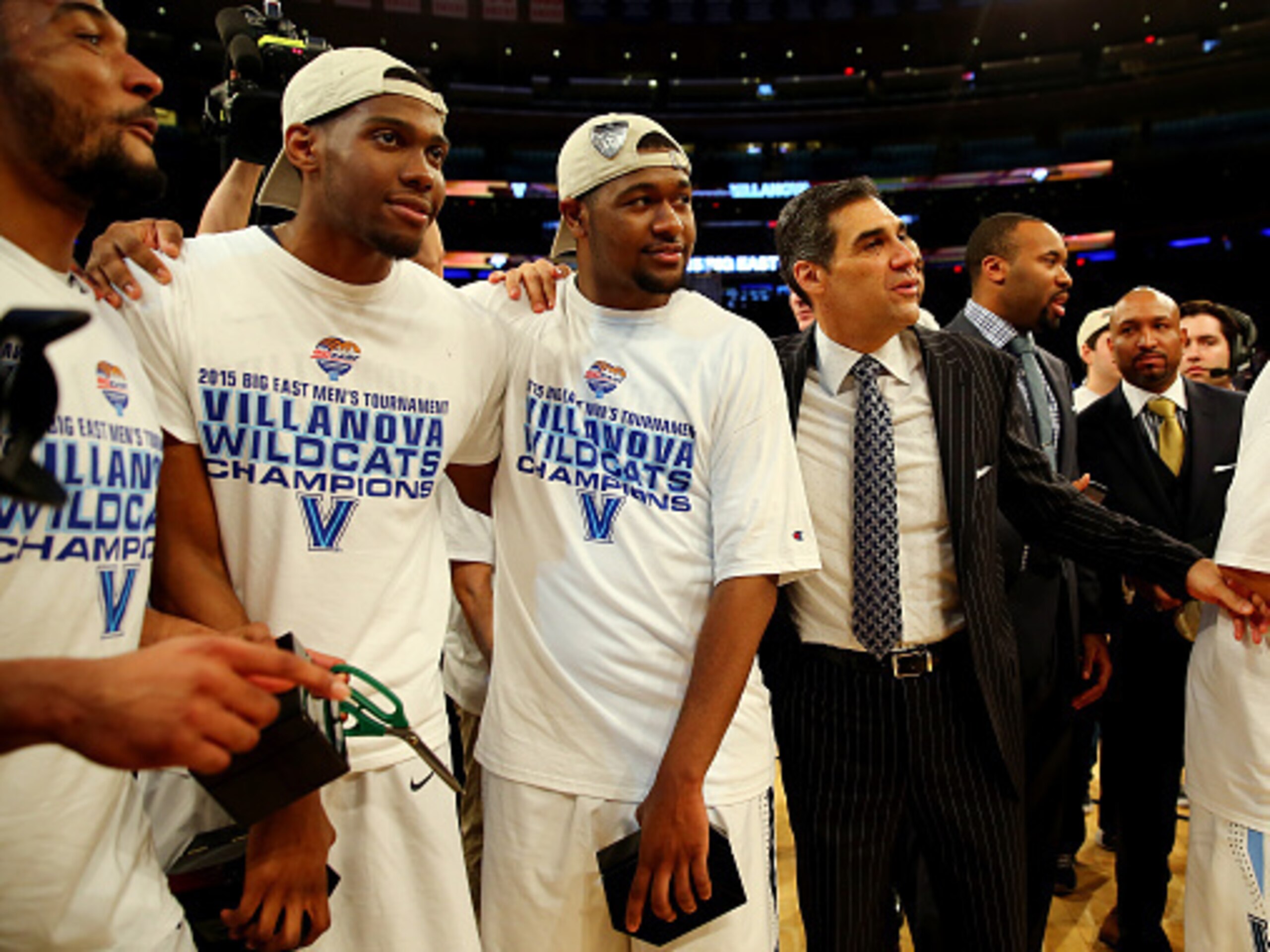
Kentucky Wildcats
Strength: Defense is really where UK makes its living. Its height with Karl-Anthony Towns (6'11") and Willie Cauley-Stein (7'0") means not only blocked shots but simply continually harassed shots. Good luck driving and scoring, and no easy baskets explains in large part why John Calipari’s team is still undefeated (34-0).
Weakness: There are times Kentucky isn’t as aggressive as it should be defensively, and that’s what has created some surprisingly close games. Calipari needs this team to rise to the occasion. Sometimes it’s been slow to reach that point in games, and letting opponents hang around could work against UK.
Wisconsin Badgers
Strength: The Badgers have a lot more in the tank than Frank Kaminsky, the star who makes Wisconsin go. Sam Dekker has been playing lights-out as a “twin tower” complement. He’s shot better than 50 percent in three of his last five games and is a 6’9’’ veteran with a knack of hitting big attempts as the shot clock winds down.
Weakness: When you think Wisconsin and Bo Ryan, you think of defense. But UW is really a little more of an offensive presence this year and not known for creating turnovers (305th nationally according to KenPom). This could mean trouble if the Badgers can't get some easy baskets along the way. Ryan may also have some tough minutes decisions at point guard between Bronson Koenig and Traevon Jackson, who is still questionable after breaking his right foot Jan. 11.
Duke Blue Devils
Strength: A rigorous schedule has steeled a team that features three freshmen in its main rotation, including potential POY Jahlil Okafor. His presence and quiet maturity—looking genuinely pleased at the college experience—bode well for Duke as it tries to make the most of his likely one-year presence. He also forces teams to focus so much on him that it leaves open shooters, and that's helped young talent grow up around him.
Weakness: Forget about slapping the floor, as Duke’s defense has caused some forehead slapping all season. That issue, along with the historical pressure of some early NCAA exits in recent years, will be a cloud the Devils have to try to rise above.
Villanova Wildcats
Strength: If you’re still a believer in the Big East brand, Villanova is hard to argue against. A 32-2 mark somehow surpassed last year’s group (29-5), and coach Jay Wright has depth and a toughness that will make the Wildcats hard to beat. Josh Hart is as valuable of a sixth man as there is in the country, and beyond that the Wildcats have three career 1,000-point scorers and a lot of balance.
Weakness: Villanova has struggled with sluggishness for long periods, and a 20-point ouster by Georgetown on Jan. 19 was a prime example. Wright will be the first to say this team is good—better than he expected—but it doesn’t exactly have a typical high seed’s margin for error. (Granted, Nova has won 15 in a row since that aforementioned upset.)
.jpg?w=2560 "Steelers Buccaneers Football")
.jpg?w=2560 "5 Teams Eyeing Jonathan Taylor")
.jpg?w=2560 "Steelers Roll Saints in Paris")
.jpg?w=2560 "NFL investigating Eagles")
