
If American Sports Were Like European Soccer
If American sports were like European soccer, the Arizona Diamondbacks would’ve been relegated to the minor leagues after last season. Crazy, right?
In general, European soccer leagues operate with systems of promotion and relegation, no salary caps and different player transaction rules. Hypothetically, what would these and other characteristics mean for American sports leagues? Let’s find out.
2007 Patriots Would Be Champions
1 of 12
If American sports were like European soccer, league champions would not be crowned through playoff systems, but simply by virtue of their regular-season performances.
That means that the 2007 New England Patriots, who went undefeated in the regular season, would have been the NFL champions. Instead, they went on to lose to the underdog New York Giants, a team that barely eked into the postseason, in Super Bowl XLII.
Advertising on Jerseys
2 of 12
Advertising on jerseys is a huge moneymaker for European soccer. According to Bloomberg, sponsorship dollars for jerseys in Europe’s top six leagues currently sit at $778 million, up 24 percent over last year.
Rumors have swirled for years that American sports leagues will be next. Mattias Karen of The Associated Press recently reported that NBA commissioner Adam Silver said, “Exactly when it's going to come, I'm not sure, but I do think it's inevitable in our sport.”
Knicks Could Be Dropped from NBA
3 of 12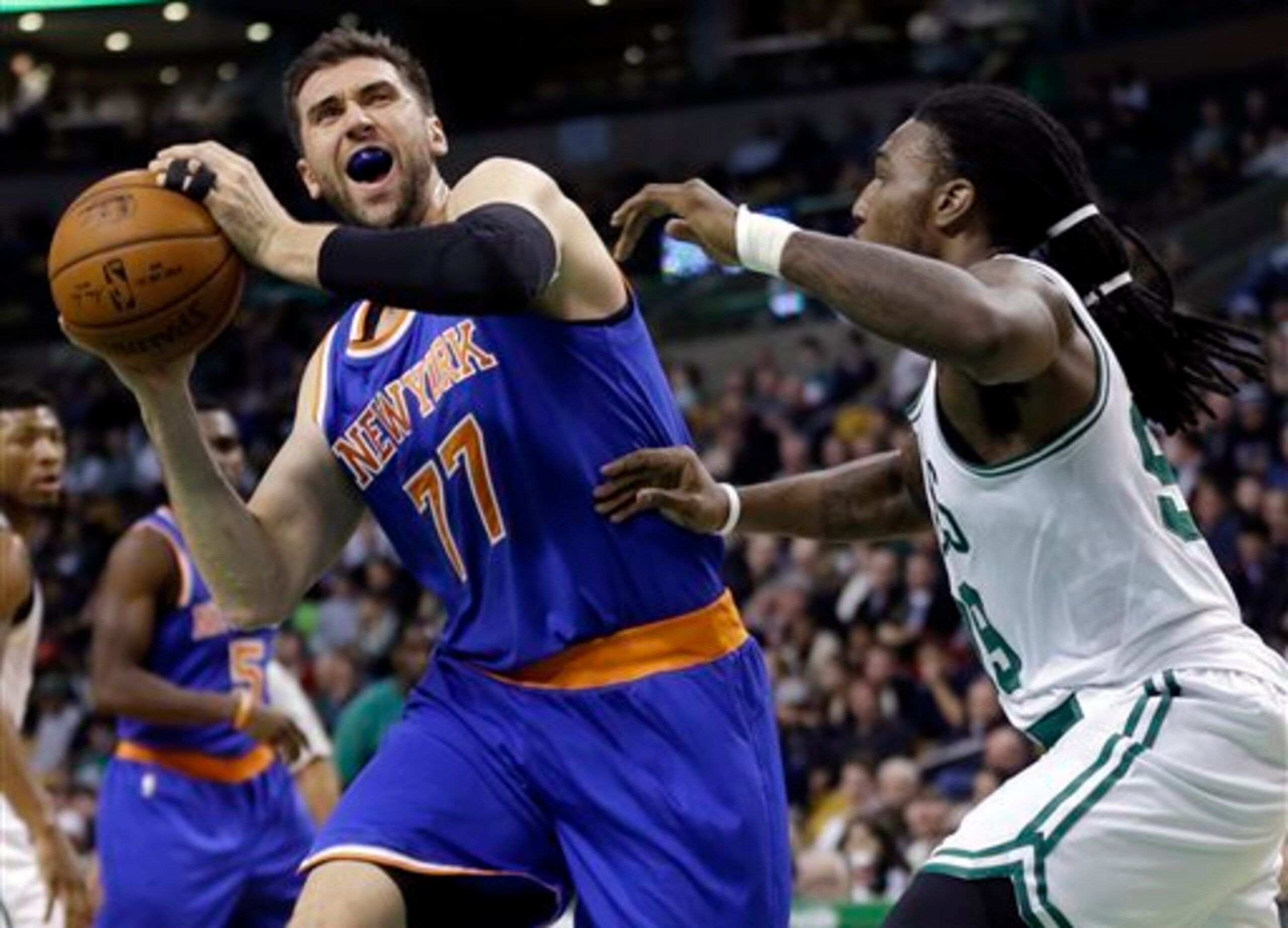
European soccer generally operates under a system of promotion and relegation. In the English Premier League, for example, the bottom three teams each season are relegated to a lower-tiered league. The top three teams of that lower league are promoted to the EPL.
Imagine if this went on in American sports. Right now, the New York Knicks would be in serious danger of demotion to the NBA D-League after this season. Plus, a D-League team would rise to take the Knicks' place in the NBA.


.jpg?w=2560 "Commanders Eagles Football")
No Tanking
4 of 12
A promotion-and-relegation system would have several major implications—one of which would be the abolition of the idea of “tanking,” particularly in the NFL and NBA. Since the worst teams are typically rewarded with higher draft picks, speculation abounds each year about whether bad teams intentionally lose games.
I’m not saying it happens—I’m just saying there is speculation that it might. In European soccer, teams have every incentive not to tank. Their existence in the league depends on it.
Higher Stakes for Losers
5 of 12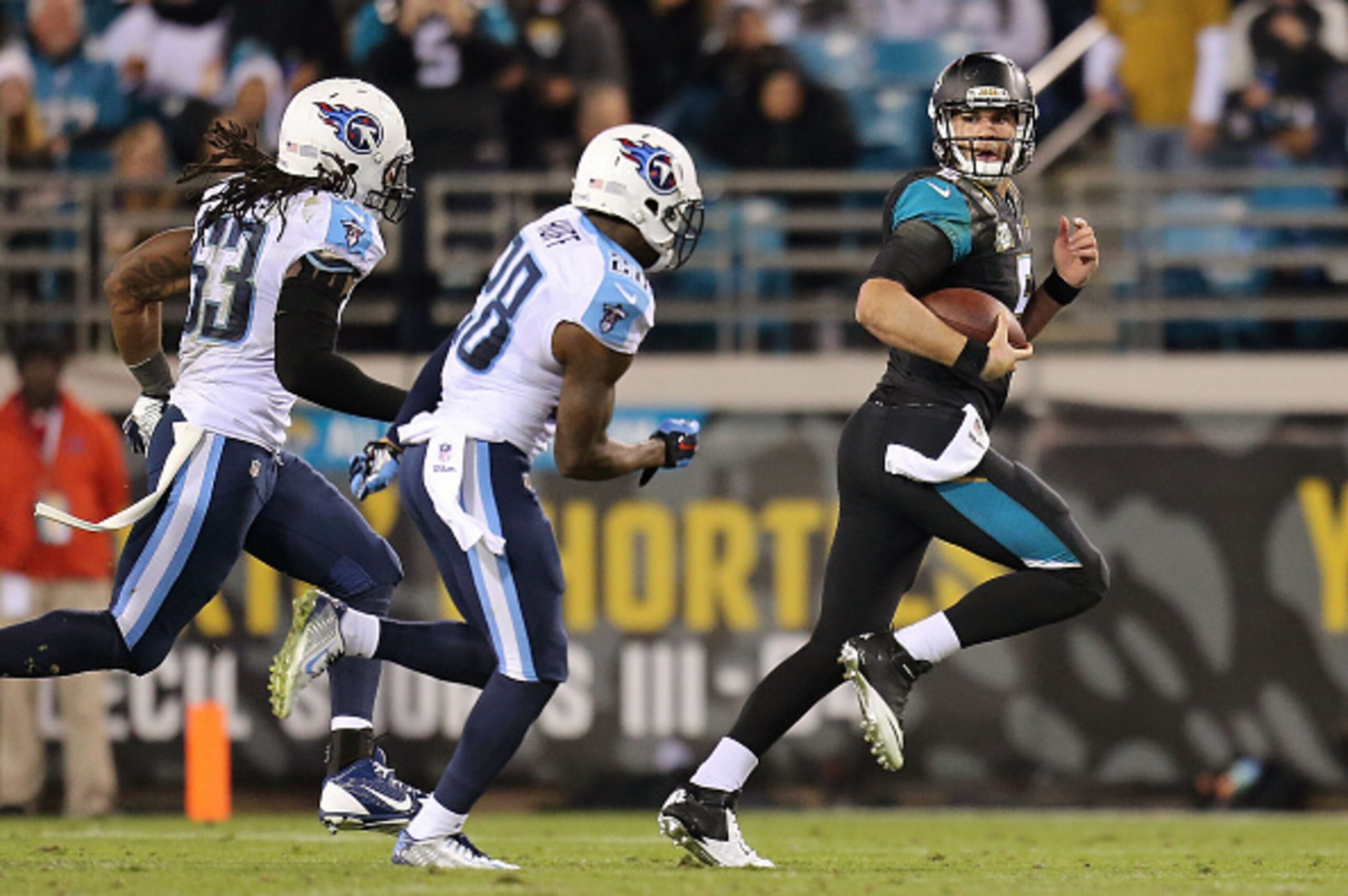
One more effect of the relegation system would be an extremely high interest in consolation games, losers’ brackets and seemingly meaningless games. For example, do you remember the Tennessee Titans’ Week 16 matchup against the Jacksonville Jaguars? You probably don’t—both teams were at the bottom of the NFL barrel with no chance at the playoffs.
However, imagine if the loser of that game faced the possibility of extraction from the NFL for a year. It would’ve made that game, and others like it, a lot more interesting.
Yankees Could (Maybe) Get out of A-Rod’s Contract
6 of 12
This is a long shot, but bear with me. The New York Yankees have long seemed to want out of their 10-year megadeal with Alex Rodriguez. Unfortunately, there is no good option that doesn’t involve the Yankees paying a lot of money—whether it’s cutting Rodriguez and still paying him or trading him and eating most of his contract.
In European soccer, they don’t do trades. They do transfers, and with transfers, the player’s current contract is voided. The two teams must agree to a transfer fee to be paid by the new team to the old one, and then the player negotiates a fresh contract with his new club.
So, hypothetically speaking, if the Yankees could find another team that wanted A-Rod and agreed to a (probably low) transfer fee, the Yankees could free themselves of the three years and $60-plus million remaining on A-Rod’s deal.
Minor League Prospects on Loan
7 of 12
Sometimes in European soccer, players are loaned out to other clubs. This often happens so that a talented athlete can get more playing time. Let’s say, for example, that MLB Team 1 has a stud catcher, a solid young starter that isn’t going anywhere in the foreseeable future.
Let’s also say that Team 1 has a top minor league catching prospect. If baseball was set up like European soccer, Team 1 might loan out the prospect to another MLB franchise in need of a starting catcher. Team 2 reaps the benefits of a talented player for a year or two, and Team 1 knows that its prospect is getting valuable playing time.
No Salary Caps
8 of 12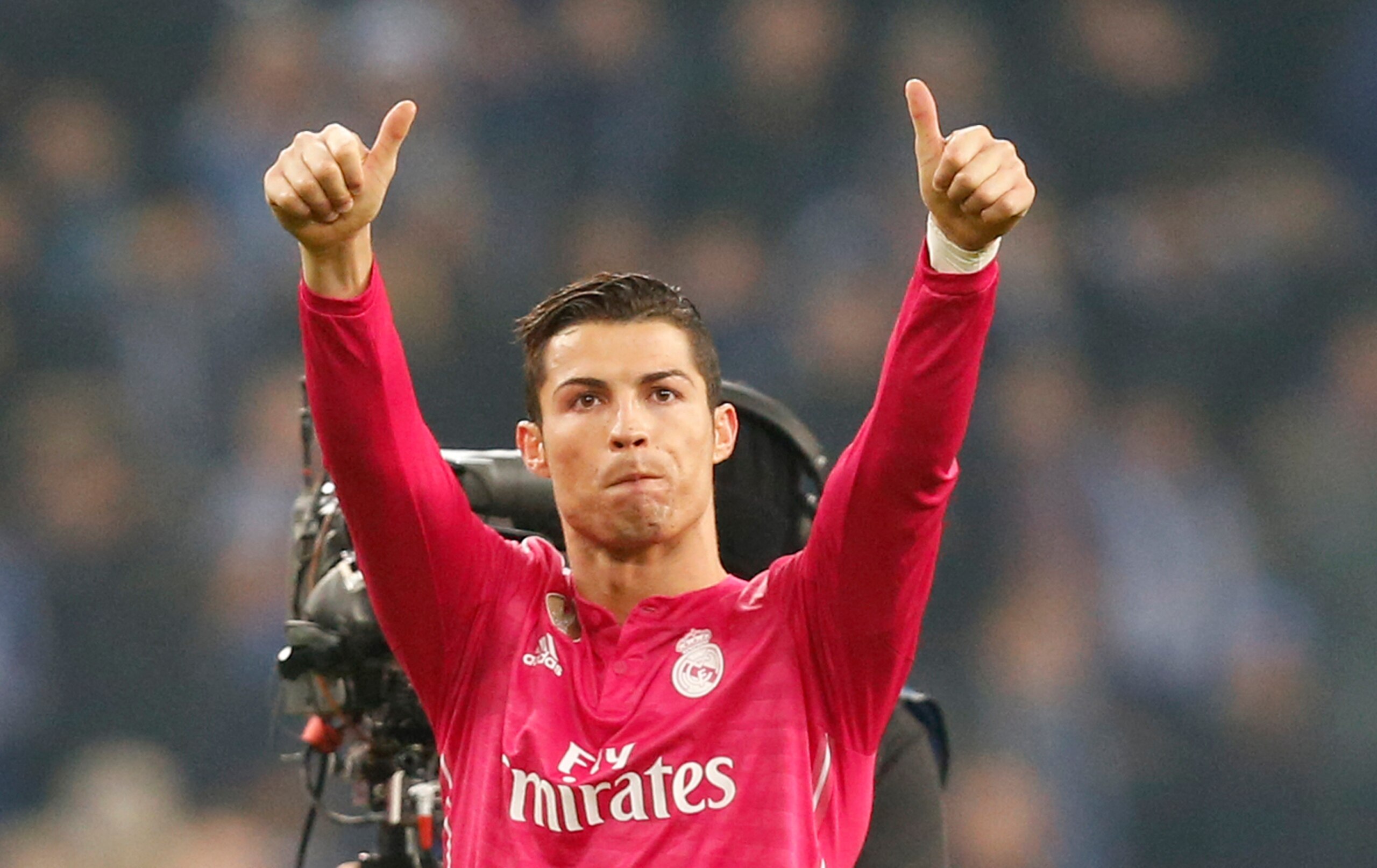
Major League Baseball is the only major American professional sports league without a salary cap. MLB does, however, institute luxury-tax penalties to help encourage competitive balance.
Meanwhile, no major European soccer league has a salary cap. To put that in perspective, in 2014, the highest paid player in the NBA, a capped league, was Kobe Bryant, who made around $30.5 million in salary. The highest paid European soccer player is Cristiano Ronaldo, who makes an average of $49 million per year in salary alone.
Imagine if it wasn’t just baseball. Imagine if there was no salary cap in the NBA, NFL, NHL or MLS. Salaries might be higher, or there might just be larger gaps between the high and the low. Either way, unregulated spending can have consequences.
Different Financial Landscape
9 of 12
According to Business Insider, as of 2011, 22 Spanish teams had gone into bankruptcy since 2004. Contributing factors likely included ever-growing transfer fees and high player salaries.
The Guardian's David Conn reported that only five English Premier League clubs turned a profit in 2010-11. New England Patriots owner Robert Kraft has said that he’d like to own a European soccer team at some point, but he’d only do so if a salary cap was instituted.
In 2012, Kraft told CNN, “Manchester City won the championship this year and I hear they're going to lose $156 million. I would rather give that money to charity if I had it. I want every business to stand on its own.”
If the capped American sports leagues were more like European soccer, the financial landscape would likely be quite a bit different.
March Madness Might Have Hundreds of Teams
10 of 12
In European soccer, there are several knockout tournaments—or “cups”—in addition to the various leagues. One such event, the FA Cup, is a competition in English soccer. In 2014-15, 736 teams of varying sizes and are competing.
Can you imagine 736 teams in a knockout tournament like March Madness?
Concurrent Leagues
11 of 12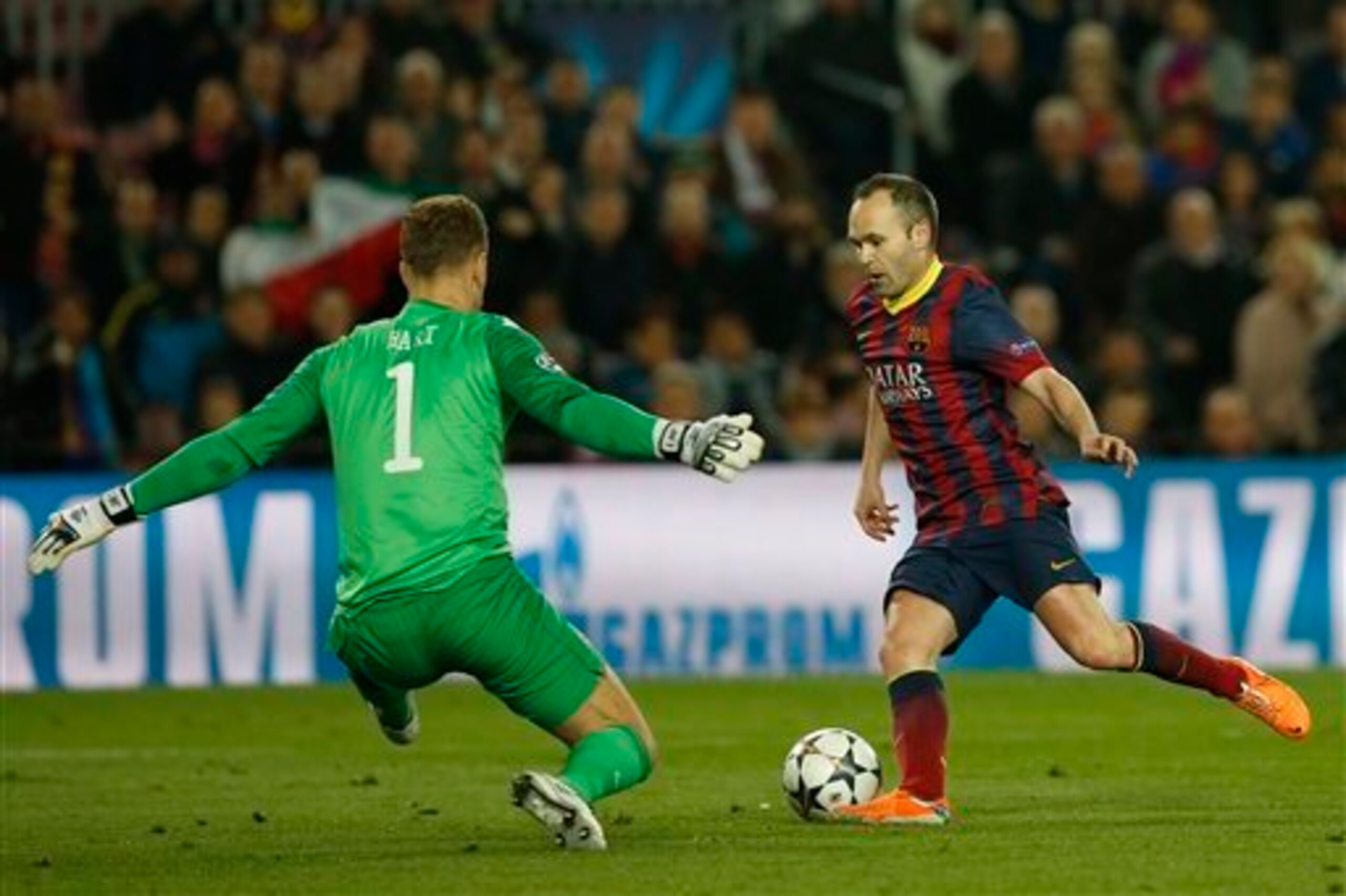
In March 2015, FC Barcelona has games in La Liga, the UEFA Champions League and Copa del Rey. Two leagues and one tournament are all going on at the same time.
Imagine if MLB teams could play in multiple professional leagues concurrently. Then imagine that the World Baseball Classic, for example, happened during the regular season as well.
Marshawn Lynch Might Be the Norm
12 of 12
In major American professional sports, players have requirements as far as media availability (see: Lynch, Marshawn). However, according to Joshua Robinson of The Wall Street Journal, policies are much more lax in European soccer—reporters don’t get locker room access and practices are generally closed.
If things were that way in American sports, the public would have far less access to the players than it currently enjoys.

.jpg?w=2560 "Chiefs Dolphins Football")


.jpg?w=2560 "Love's Body Already 'Tired'")