

Why Are Premier League Clubs Struggling in European Competitions?
Seven Premier League clubs emerged from the 2013/14 season with European football on their 2014/15 schedules: Arsenal, Chelsea, Everton, Hull City, Liverpool, Manchester City and Tottenham Hotspur.
Hull missed the group stages in the Europa League, Liverpool have been knocked out of both the Champions League and Europa League, Tottenham exited the Europa League at the hands of Fiorentina, Manchester City are in perilous waters with Barcelona and Arsenal will need magic to escape the hole they dug vs. Monaco.
Everton have advanced past the Europa League's round of 32, beating Young Boys on aggregate 7-2 and Chelsea's 1-1 battle with Paris Saint-Germain has 90 minutes yet to complete at Stamford Bridge on 11 March.


.jpg?w=2560)
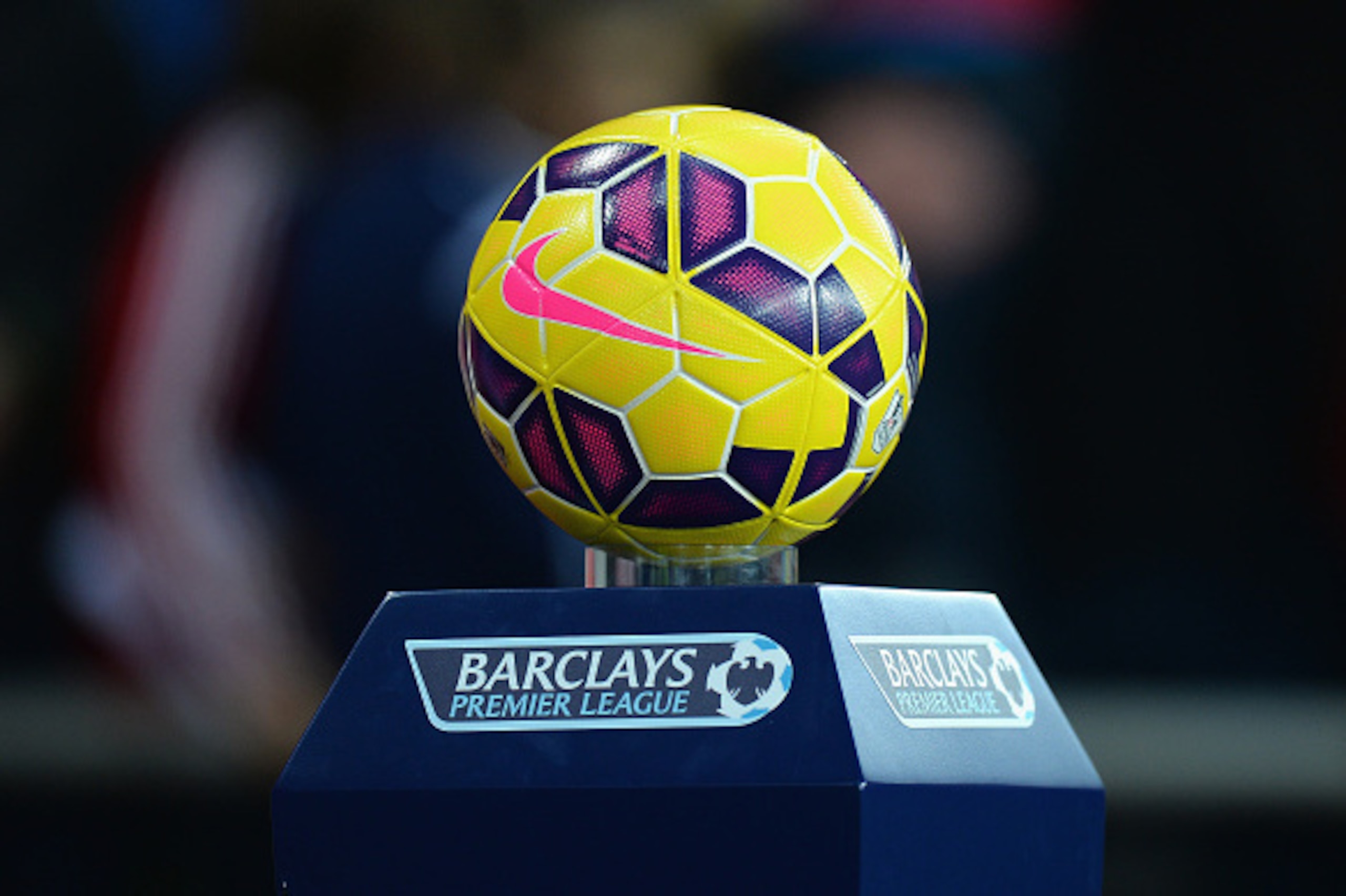
It would appear for all the fanfare and hype surrounding the Premier League, with television rights now reaching over £5 billion, as reported by the BBC, English football has either digressed or found an unfortunate, mediocre level.
How can, arguably, the most competitive league in world football find itself struggling so heavily in continental play?
It might stand to reason the EPL's intra-league competition would breed strong members at the top who, when qualified for Europe, should easily dispatch clubs in other leagues not going through the same calibre of opponents on a weekly basis.
Yet, going by this season and season's past—that is not the case.
Sure, teams have had poor luck.
Arsenal, for example, over the past four seasons have reached the Champions League round of 16, drawing Barcelona, AC Milan, and Bayern Munich twice. At the mercy of Michel Platini and his balls in bowls, little can be done about quickly meeting Europe's sharks, but when given a favourable draw, the Gunners have still found life difficult.

If draws do not change the end result, then the problem is not fortune—it is with clubs themselves.
The logic Premier League teams are somehow battle-hardened by a dense league is nonsense.
Bayern Munich have dominated the Bundesliga for the past four seasons, with just Borussia Dortmund keeping them honest. Likewise in Spain, Real Madrid and Barcelona are in a league of their own, and to a lesser extent Atletico Madrid. These four teams are the standard bearers for world football outside of English clubs and the odd French and Italian side (PSG and Juventus).
Possessing better squads on paper notwithstanding, coasting through one's league—based on evidence—is probably better than having to wage war every week.
An argument could be made Premier League teams are depleted after having to go seven months of the season beating each other up, then predictably lose vigour transitioning into European football in February.
Games during the Christmas period do not help this effort. Though supporters, the media and some players enjoy the singular thinking, other clubs around the continent get to rest while three taxing EPL fixtures are often crammed into a short window in late December, early January.
Losing the battle of attrition, there is also a mental war being fought.
It is often thought: "The Premier League is special because on any given day the 20th team can beat the champions."
That statement is true. England has wonderful parity in its ranks, making the £5 billion price tag warranted; ask yourself though: Are Besiktas, Fiorentina or Monaco better clubs than Burnley, Queens Park Rangers or Leicester City?
You would have to say yes.
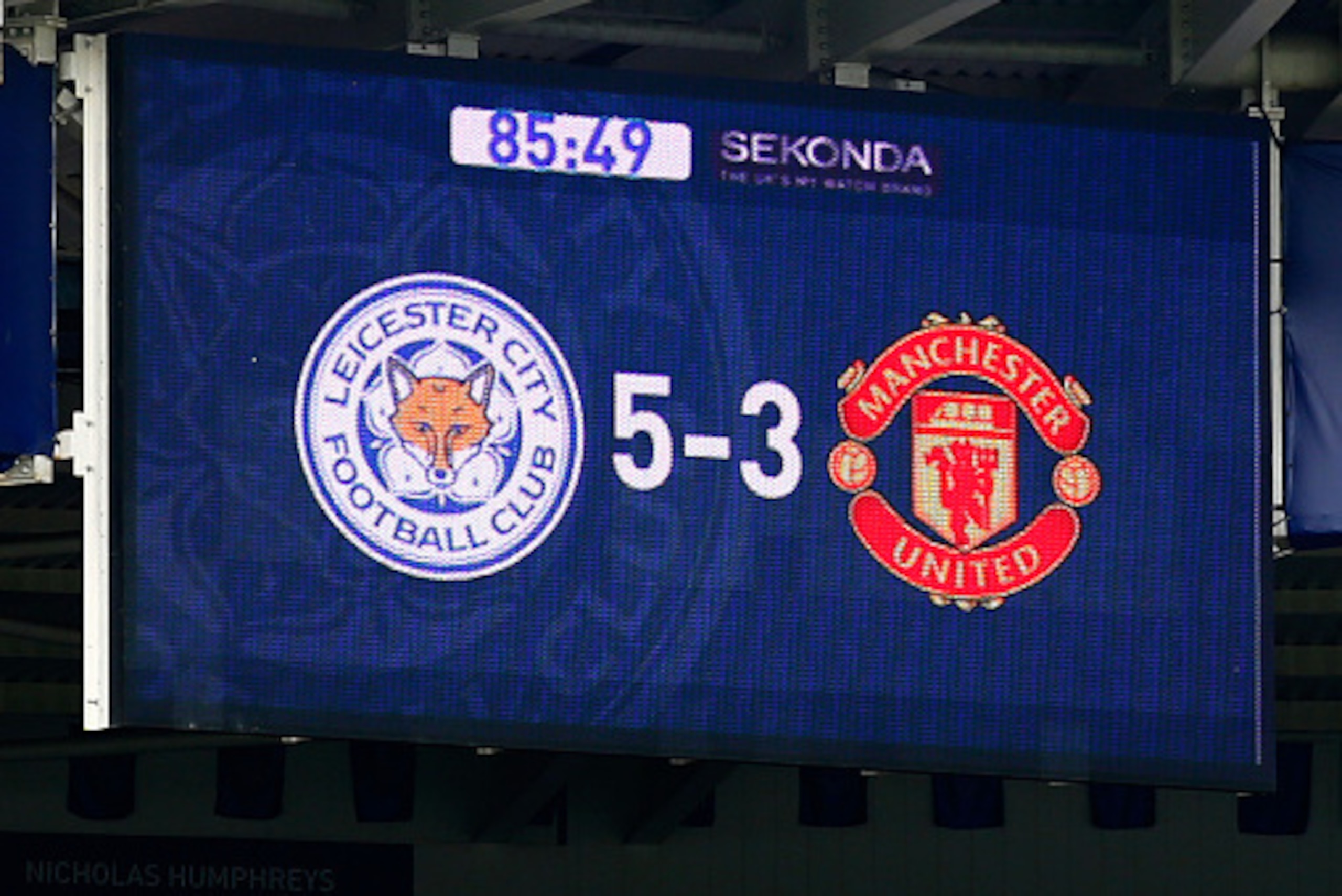
We accept on a domestic level even promoted clubs will invariably take points from traditional top dogs (e.g. Leicester City 5-3 Manchester United), so why should we be shocked if those same English powers lose to better clubs around the continent?
It screams of arrogance and naivety, which can be widely seen in managers' tactics.
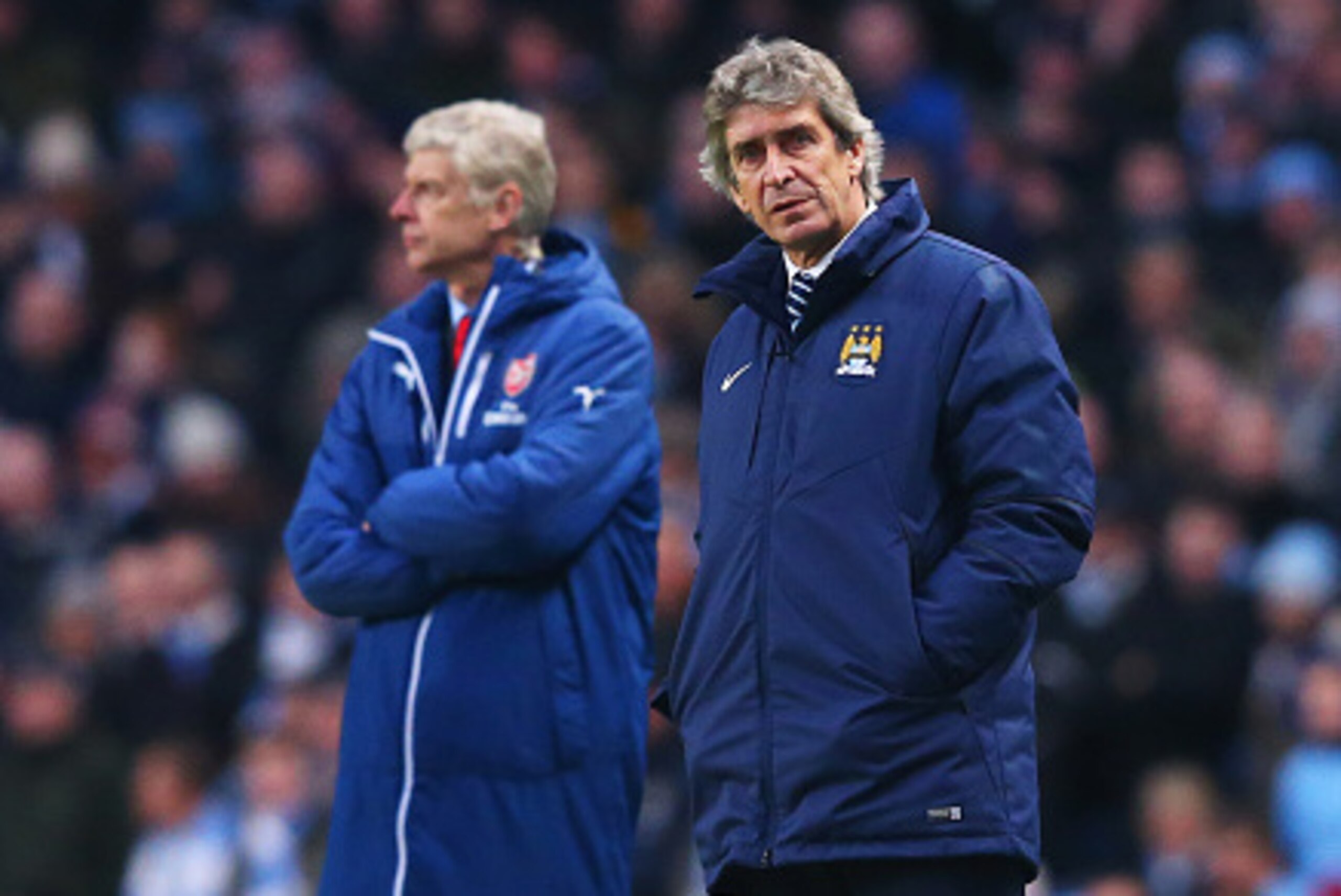
Both Arsene Wenger and Manuel Pellegrini, playing completely different teams in terms of quality (Barcelona and Monaco respectively), got their whiteboard work completely wrong this week.
Manchester City elected to press Barcelona, ideas which may work against mid-table Premier League clubs, but never against the Catalan giants. One misplaced pass and Barca's silk-like ball movement was on display—the Citizens lucky not to be down 4-0 at halftime.
Playing two strikers might be applauded in terms of bravery, but allowing one's midfield (sans Yaya Toure) to be overrun by an extra man was suicidal in many respects.
Arsenal were meant to be the aggressors vs. Monaco. Though finishing second in their group, they drew the team many thought was the easiest and simply fluffed their lines. Poor positioning, sloppy possession and woeful finishing serving as Wenger's demons.
Played off the park in the second half, the Gunners found themselves late when Alex Oxlade-Chamberlain broke their run of abject finishing. Instead of calm, though, Arsenal turned into headless chickens—overly searching for an equaliser at 2-1. Their aggression was used against them and they conceded a third goal, making any chance of progression razor thin.
Only the pragmatic Jose Mourinho and overpowered Roberto Martinez can be pleased with their results.
Drawing Young Boys in the Europa League, Martinez needed only to place Romelu Lukaku on the pitch and the tie was sealed; Chelsea's manager, however, played vs. Paris Saint-Germain the way he needed to—cautiously.
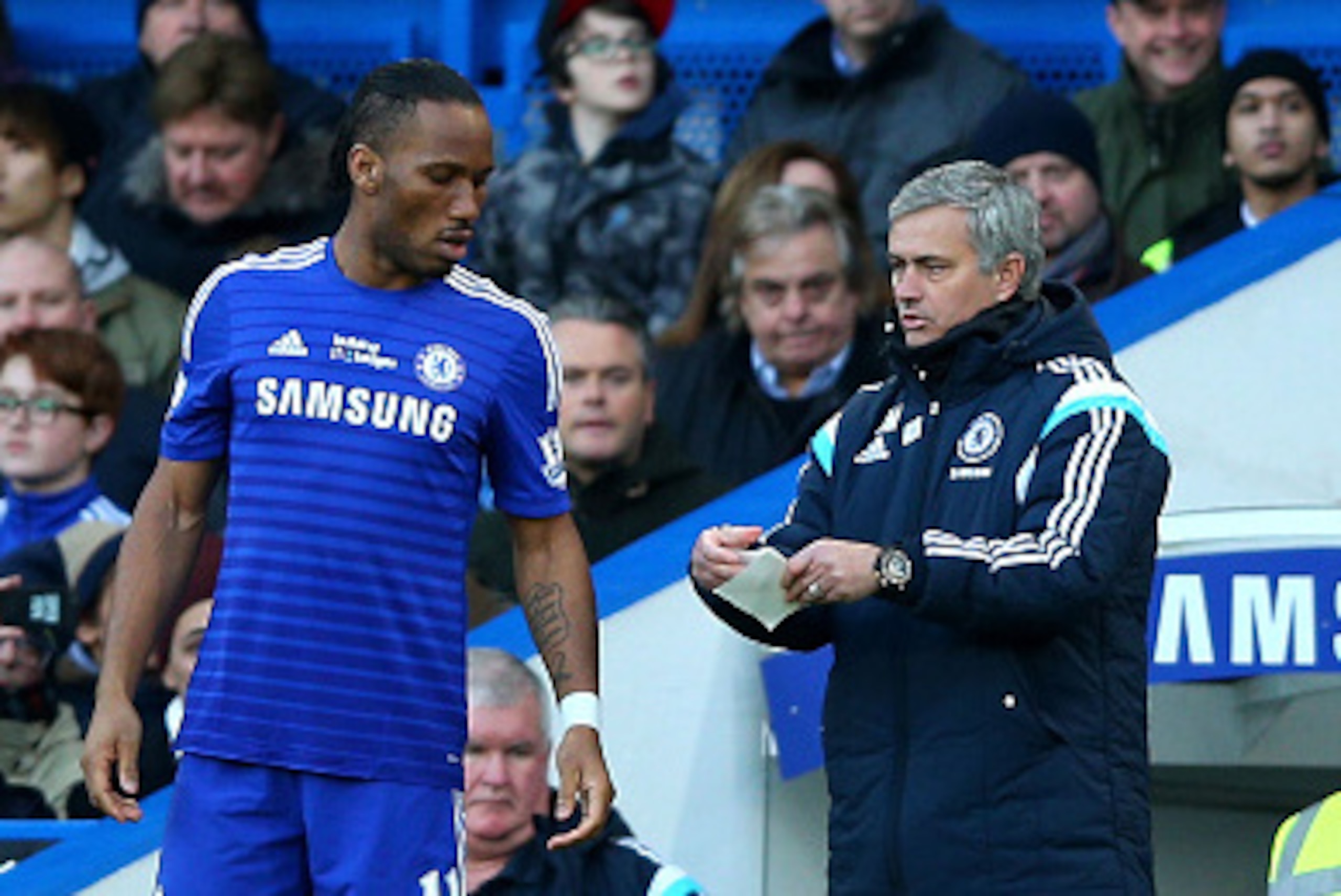
There was no need in a two-legged UCL affair to irrationally search for goals or aimlessly push men forward; Chelsea's 1-1 draw at the Parc des Princes is a good—not great—result but keeps the Blues' hopes alive.
Far too often, Premier League clubs attempt to kill games in the first 90 minutes, possibly looking ahead to later dates, instead of playing and planning for 180 minutes.
Chelsea, as the only English team to win in Europe since Manchester United won the 2007/08 Champions League (winning the Champions League in 2011/12 and the Europa League in 2012/13), appear England's best chance once again. While not everyone's cup of tea, Mourinho does have something other top mangers in the Premier League lack—that being a nonchalant attitude towards "good football."
If "good football" cannot win English clubs European trophies, there seems little point in playing it. Arsenal, Manchester City, Chelsea and/or Liverpool will never be able to play aesthetically pleasing, free-flowing football better than Barcelona, Real Madrid or Bayern Munich.
Clubs must have their own calling card.
Chelsea have one—and Everton's may work in the Europa League—but the rest of the Premier League will not succeed until they find a card other clubs have not already commandeered and/or perfected.
*Stats via WhoScored.com; transfer fees via Soccerbase.com where not noted.
.jpg?w=2560 "Rams Eagles Football")
.jpg?w=2560 "Falcons Saints Football")
.jpg?w=2560 "Injury-stricken Seahawks signing veteran RB")

.jpg?w=2560 "2 NFL Officials Suspended")

