

The Biggest Achilles' Heel for Every AP Top 25 Team in College Basketball
Every college basketball team is beatable.
Even undefeated Kentucky has an Achilles' heel—albeit a barely noticeable or impactful one.
We're less than one month from the start of the NCAA tournament, meaning you're less than one month from staring at a blank bracket and having to decide when and why all but one team will be beaten. Knowing each AP Top 25 team's biggest weakness should play a big part in your decision-making process.
No need to fear. We've already done that research for you. But you still need to decide just how crippling these deficiencies are and whether opposing teams will be able to take advantage of them.
Does Butler have the depth to win uptempo games? Does Arkansas have the patience to win slow-paced contests? Can Wichita State score enough to win? Can Notre Dame defend enough to not waste a great scoring night?
We can't wait to find out.
25. VCU: Free Throws
1 of 25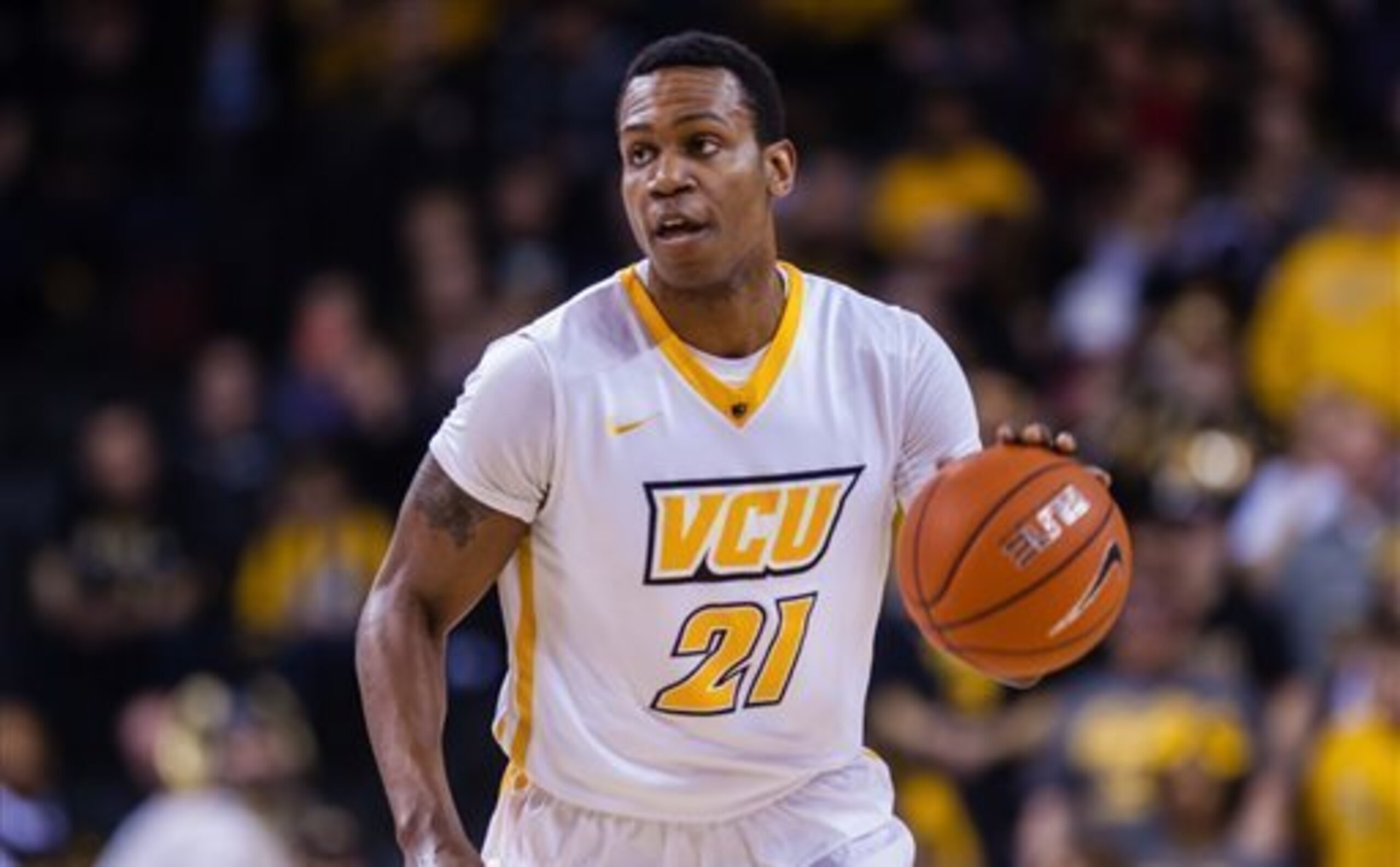
Because of their guard-heavy lineup and aggressive style of play, you might think that the VCU Rams get to and convert from the free-throw line on a regular basis.
However, neither of those is true.
In terms of free-throw attempts per field-goal attempt—presented on KenPom.com as "free-throw rate"—VCU is pretty well below the national average in 233rd place. And the Rams are much further below average when it comes to actually making those freebies, ranking 321st by converting just 63.9 percent of the time.
In the six-point loss to Old Dominion earlier this season, the Rams shot just 13-of-22 from the free-throw line. In recent losses to Richmond and St. Bonaventure, they shot a combined 16-of-27.
Losing Briante Weber for the season certainly didn't help matters, either, as he was one of the team's best free-throw shooters over the past three-plus years. Weber shot 76.9 percent in his career.
24. Ohio State: Secondary Scoring
2 of 25
D'Angelo Russell is an absolute stud. The only reason more people aren't talking about him for the Wooden Award is because the two primary candidates (Jahlil Okafor and Frank Kaminsky) play for teams likely to earn a No. 1 seed while Russell is a one-man show for a team barely clinging to a spot in the AP Top 25.
Of course, there's a reason the Buckeyes are struggling despite possessing perhaps the best guard in the country: He has nearly twice as many points as any other player on the roster.
Dating back to the beginning of December, Ohio State is 13-0 when Russell averages at least 1.25 points per field-goal attempt and 1-7 when he fails to reach that mark.
In other words, if he has a poor shooting night or if the opposition keys exclusively on shutting him down, there's no plan B.
It's enough to make you wonder why opposing teams don't play a box-and-one or even triangle-and-two defense to make anyone other than Russell beat them.
23. West Virginia: Shooting
3 of 25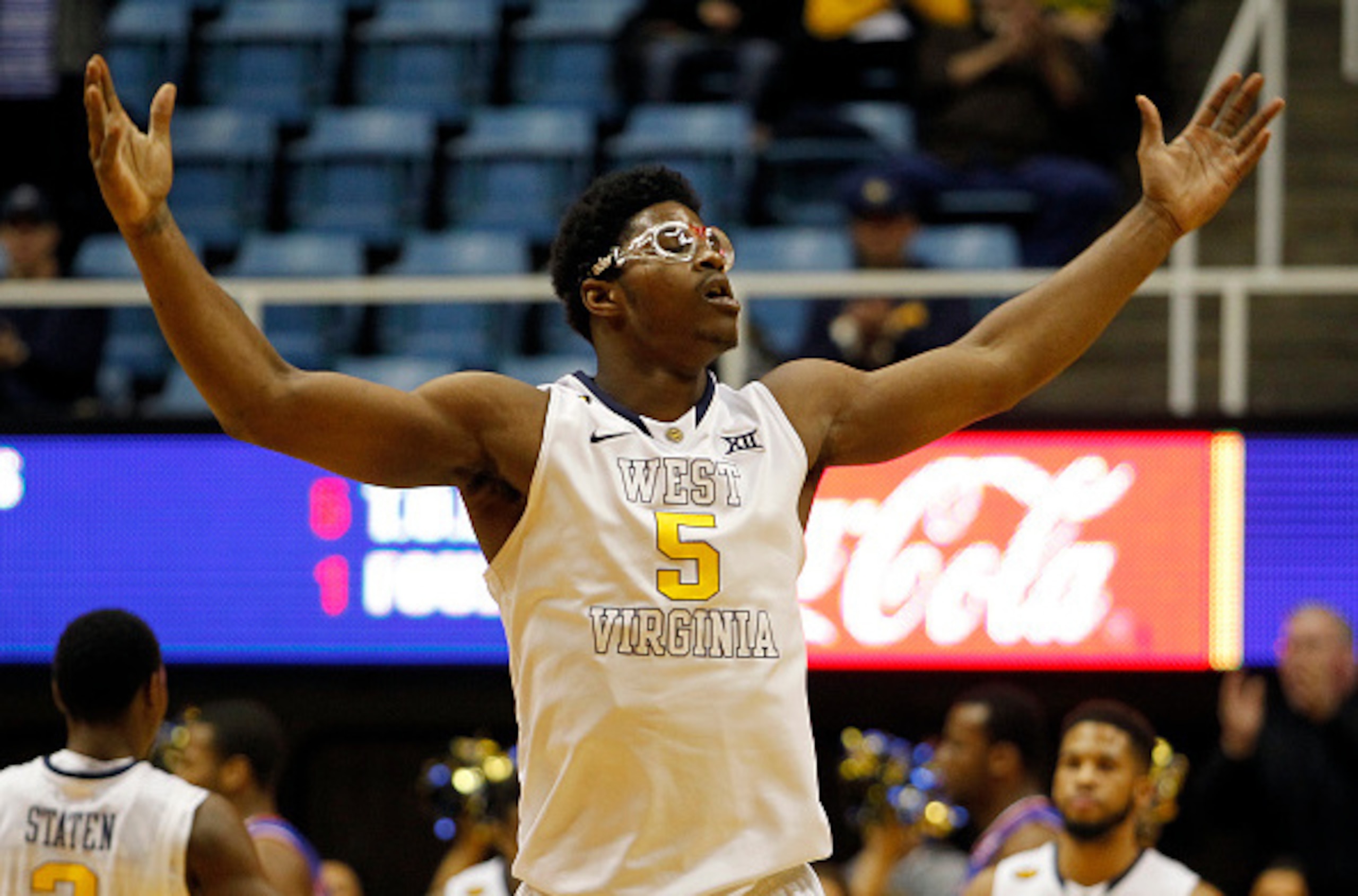
Being a great shooting team is not a prerequisite for being ranked in the AP Top 25, but ranking in the top 275 in effective field-goal percentage usually is.
Usually.
West Virginia hustles better than perhaps any team in the country, but putting the ball in the basket is not this team's forte. In fact, West Virginia's opponents are shooting 46.3 percent from the field while the Mountaineers are only making 41.1 percent of their own shots.
Yet, they're 20-6 because they lead the nation in steal percentage, rank in the top 10 in offensive rebounding percentage and don't often commit turnovers.
Though they're considerably less accurate than their opponents, averaging 16.5 more field-goal attempts than the opposition per game goes a long way toward plugging that gap.

.jpg?w=2560)
22. Oklahoma State: 3-Point Shooting
4 of 25
This one surprised me, as I assumed that Phil Forte single-handedly made Oklahoma State at least an average three-point shooting team.
He has done his best to see to that, making 40.8 percent of his 157 attempts. Take him out of the equation, though, and the rest of the Cowboys are shooting just 30.3 percent from beyond the arc.
On nine different occasions this season, Oklahoma State has shot worse than 30 percent from three-point range. The Cowboys are 2-7 in those games, and one of those wins came against Prairie View A&M, which, come on, does that really count?
They aren't nearly as reliant on triples as some teams—it has been 11 weeks since they last made 10 three-pointers in a game—but the Cowboys are having a very difficult time winning games when those long-range shots aren't falling.
21. SMU: 3-Point Disparity
5 of 25
SMU ranks 346th in the nation in three-point field goals attempted and 348th in three-point attempts allowed.
Even though the Mustangs' opponents are only shooting 31.6 percent from beyond the arc, they have attempted 327 fewer triples (12.6 per game) than have been attempted against them.
In a nutshell, SMU's guards don't shoot, and they don't do much to keep the other team from shooting.
It hasn't done much to hurt the Mustangs yet, as they are currently 21-5, but they are much more likely than most teams to be ousted in the tournament by one hot shooter.
If, for example, Monday's projected bracket miraculously came to fruition and SMU drew an opener against Trevor Lacey and Ralston Turner from North Carolina State, it wouldn't be a bad idea to make that one of your second-round upset picks.
20. Baylor: 2-Point Shooting
6 of 25
Much like West Virginia, Baylor makes up for being a poor-shooting team by being sensational on the offensive glass.
The Bears are actually a pretty respectable three-point shooting club, but they are only making 45.8 percent of their two-point attempts. Rico Gathers and Johnathan Motley are the two best offensive rebounders on the team, but they are also two of the worst at putting the ball through the hoop.
In true Achilles' heel fashion, Baylor is 16-1 when making at least 40.7 percent of its shots from inside the arc and 3-6 otherwise.
And it's not like 40.7 percent is much to ask. Rutgers has the worst two-point percentage of any power-conference team, and the Scarlet Knights are still making 42.9 percent of their inside shots.
19. Butler: Depth
7 of 25
Even before the Bulldogs lost Andrew Chrabascz for at least two weeks, depth was always going to be a potential problem for this team.
Butler has five players averaging at least 27 minutes per game and three who are averaging at least 33. The starters play a larger percentage of possible minutes than Stanford's did in 2013-14, which is really saying something.
The three primary players who do come off the bench—Kelan Martin, Austin Etherington and Tyler Wideman—all have O-Ratings below the national average.
Until Chrabascz returns, it's basically Kellen Dunham and Roosevelt Jones carrying the scoring load while Alex Barlow plays strong perimeter defense and Kameron Woods cleans up the glass. In a perfect world, Martin's season average of 20.6 points per 40 minutes will be a big help, but he only scored two points in nine minutes against Creighton on Monday night.
Pit the Bulldogs against a run-and-gun and/or physical team, and they could be in some trouble.
18. Arkansas: Slow Games
8 of 25
The Razorbacks don't mess around on offense, playing at a very fast tempo. Their average offensive possession lasts 15.4 seconds, which is the seventh shortest in the nation.
Unfortunately, that's the only way they know how to live.
Some teams prefer to play at a certain tempo, but they can adjust if necessary. For Arkansas, though, 70 possessions or fewer can be a death sentence.
The Razorbacks lost to Clemson in an overtime game that still only had 63 possessions. They barely eked out a one-point win over Missouri in a 58-possession game one week before losing by one point to Florida in a 65-possession game.
Their magic number is 73. They're 10-0 in games with at least 73 possessions this season. It's when opponents are really committed to slowing the game down and keeping Arkansas from running that things tend to go sour.
17. Oklahoma: Inconsistent 3-Point Shooting
9 of 25
Oklahoma's three-point shooting isn't nearly as dire as its in-state rival's, but things have a way of going south when Buddy Hield and Isaiah Cousins aren't draining triples.
Those two guards are shooting a combined 40.8 percent from beyond the arc this season while the rest of the team shoots just 27.4 percent. Three of those players—Jordan Woodard, Frank Booker and Dinjiyl Walker—have attempted at least 45 three-pointers despite making fewer than 30 percent of them.
Sometimes when Hield is draining shots, the other team might as well just go home. But when his shot suffers, the entire team's shot follows suit. And sometimes even he isn't enough to carry Oklahoma to victory.
The Sooners are 13-1 when shooting better than 33.3 percent from downtown and 5-7 otherwise. In getting swept by Kansas State, they shot 8-of-32 as a team. Players not named Hield went just 1-of-18.
16. Maryland: On-Ball Defense
10 of 25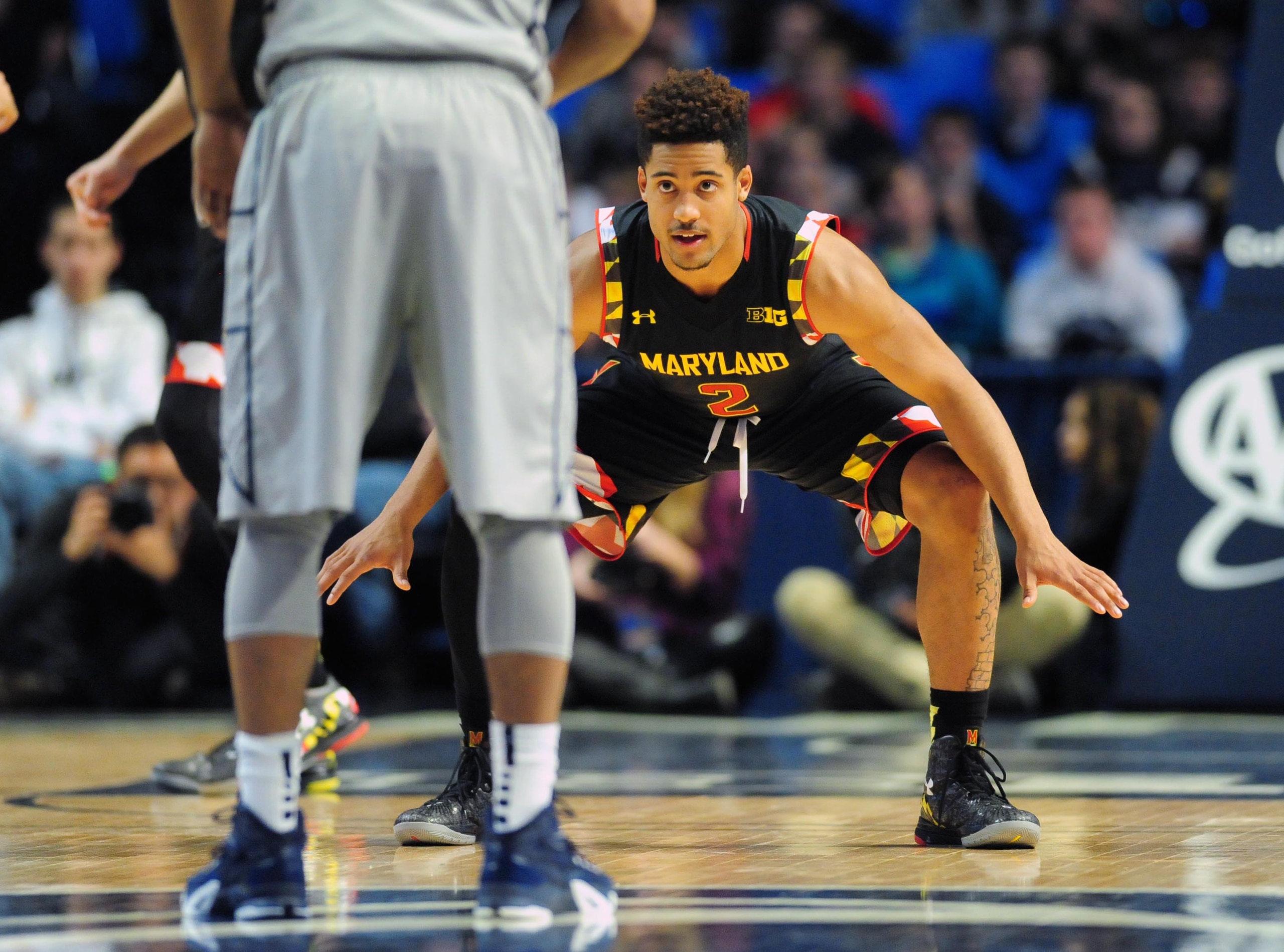
Did you know Maryland has recorded three or fewer steals in eight games this season?
In the Terrapins' recent game against Indiana, they didn't even record a single steal.
They're actually 5-3 in those games, though, so it may not look like much of an Achilles' heel at first glance. However, they shot a combined 48.9 percent from three-point range in those five wins, so perhaps the true issue is not forcing turnovers in games in which they aren't "NBA Jam" on fire from downtown.
Either way, Maryland is only generating a steal on 7.6 percent of defensive possessions, good for 309th in the nation in that category.
Defense always travels, but so does the lack of a defense. In a neutral-court environment where three-point shooting is typically unpredictable, the inability to fabricate extra possessions with defense could be a major problem for the Terrapins in the NCAA tournament.
15. North Carolina: Injuries
11 of 25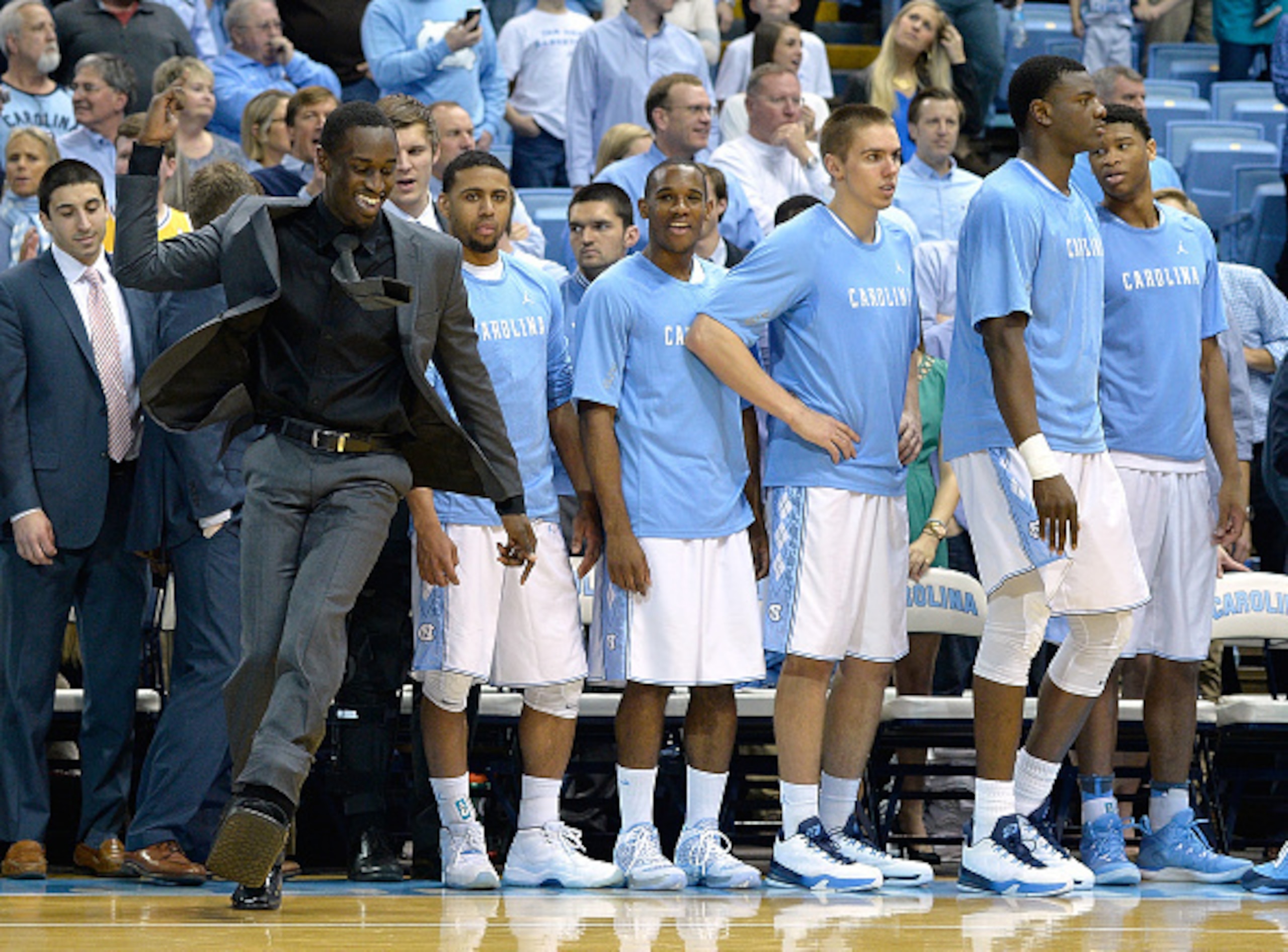
An Achilles' heel is just about the only injury North Carolina hasn't dealt with this season.
Here's a summary of the injuries we actually know about:
- Marcus Paige has been battling plantar fasciitis and sprained ankles all season long.
- Kennedy Meeks has been sick on multiple occasions.
- Brice Johnson has dealt with back spasms.
- Joel Berry missed nearly a month with a groin injury.
- Theo Pinson has missed the past seven games with a broken bone in his foot.
- Desmond Hubert and Sasha Seymore are both out for the year after undergoing surgery on their right knees.
- Luke Davis has yet to appear in a game this season due to foot surgery.
- Stillman White is out indefinitely with a stress reaction in his leg.
This was supposed to be a Final Four-caliber year for the Tar Heels, but it hasn't worked out that way because of all the overtime their team doctor is having to work.
It was around this time last season that we seemed to reach a national consensus that Michigan State would be the most dangerous team in the tournament if it ever got fully healthy. Well, if North Carolina can start to heal up over the next couple of weeks, this team could certainly have a few tricks up its sleeve.
14. Iowa State: 3-Point Defense
12 of 25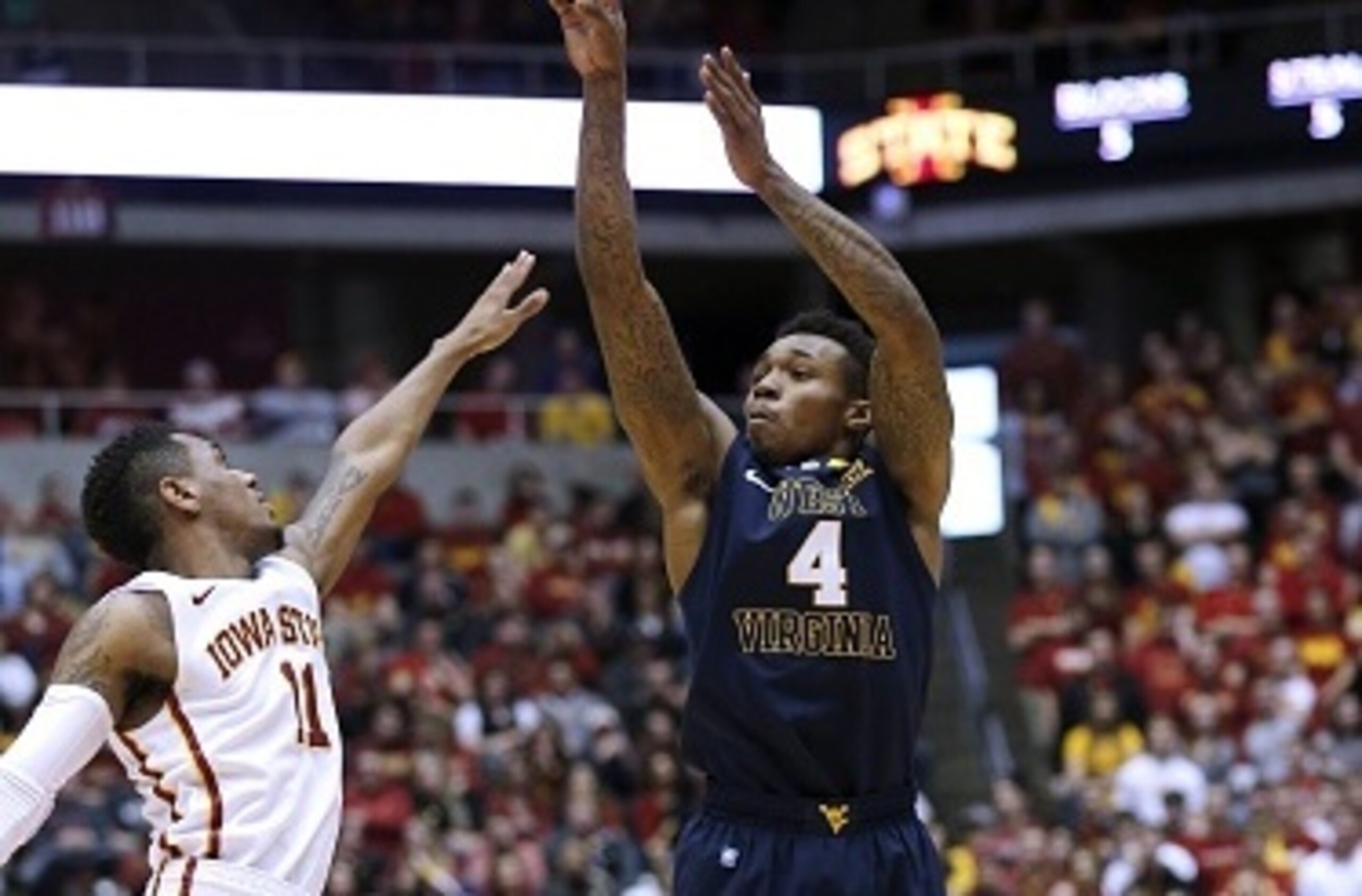
Opposing teams are having no problem whatsoever shooting three-pointers against the Cyclones.
Already this season, 13 teams have made at least eight three-pointers against Iowa State while shooting 36.0 percent or better from downtown. That's more than twice as many times as it has happened to Duke, and the Blue Devils have been regarded as a team that can't defend opposing lead guards to save its life.
What's more, Iowa State has played four games in which its opponent made at least 10 three-pointers and shot better than 45 percent—and all four of those games have come in the past month.
Getting burned by a hot-shooting team every once in a while happens to even the best defenses, but consistently allowing this many shots to go in is a sign of something deeper than just occasional bad luck.
And let's not forget that Connecticut shot 9-of-19 (47.4 percent) to eliminate the Cyclones in the Sweet 16 last season, so it's not like this hasn't been a deadly problem in the past.
13. Wichita State: Fifth Player
13 of 25
Wichita State has four talented players in Ron Baker, Darius Carter, Tekele Cotton and Fred VanVleet. That quartet has averaged 48.7 points per game and is responsible for the vast majority of the team's rebounds, assists and steals.
However, you may have heard that basketball is a game played with five players per team and that most starters don't even average 35 minutes per game.
Filling that void has been and will continue to be Wichita State's biggest struggle.
Evan Wessel is still the fifth starter, but he has been held to three points or fewer in 18 of Wichita State's 27 games. Shaquille Morris has come along nicely in MVC play, but he's more of a backup for Carter than a 20-minutes-per-game type of player. Rashard Kelly has been hit or miss this season, but it's been exclusively miss for the past few weeks.
Cleanthony Early has been sorely missed.
12. Louisville: Bench Scoring
14 of 25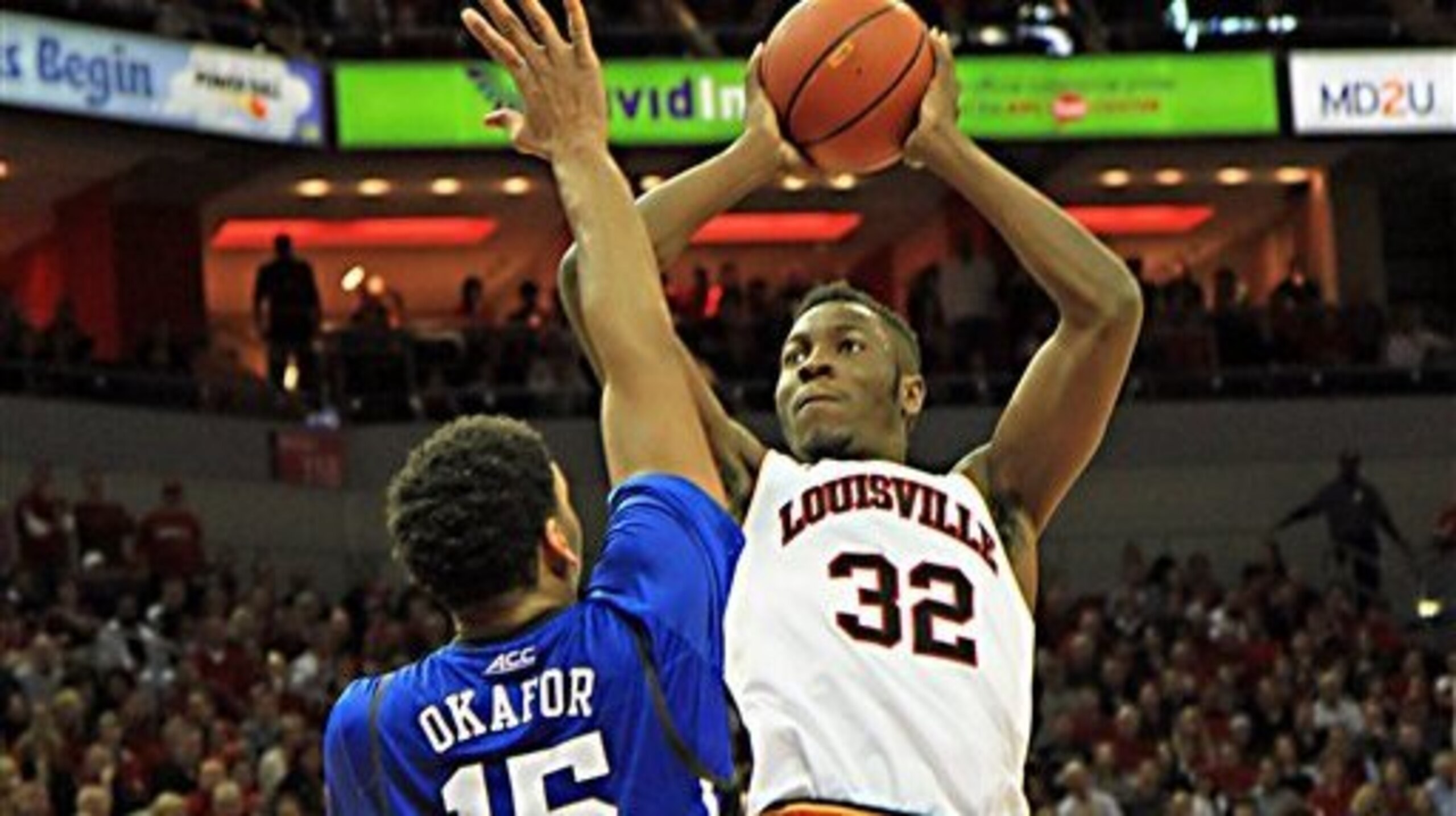
Even more so than Wichita State, Louisville has been four key players and little else.
Entering play against Syracuse on Wednesday night, Terry Rozier (451 points), Montrezl Harrell (370 points), Chris Jones (339 points) and Wayne Blackshear (273 points) were responsible for 80.1 percent of Louisville's scoring this season. Even though Blackshear was the lowest-scoring member of the group, he still had 3.5 times more points than Chinanu Onuaku (77 points)—the team's fifth-best scorer.
Now, some of these role players do their job very well. Onuaku and Mangok Mathiang may not know how to put the ball in the hoop, but they are excellent rebounders and shot-blockers. Quentin Snider has a respectable assist-to-turnover ratio as the reserve point guard.
But the fact remains that only four players on the team can score, and opposing defenses have been capitalizing on that lately.
If all four guys score in double figures, the Cardinals are probably going to win. Shut down even one of them, though, and this is a beatable team.
11. Northern Iowa: Offensive Rebounding
15 of 25
We're officially beginning to reach the point where we're nitpicking solely for the sake of picking nits.
Northern Iowa is not a good offensive rebounding team. The Panthers rank 287th in that category, grabbing just 27.6 percent of their own misses. They already have 12 games in which they have grabbed five or fewer live-ball offensive rebounds and three games in which they only grabbed one.
However, this is one of the best shooting teams in the country. The Panthers rank seventh in effective field-goal percentage, greatly reducing the need to even bother crashing the glass.
Furthermore, it's because they don't sell out for second chances that the Panthers do such an excellent job of getting back on defense and severely limiting fast-break opportunities for the opposition.
Truly, "poor" offensive rebounding numbers are part of Northern Iowa's slow-paced scheme. The Panthers take the necessary time to get the best shot possible and just assume it's going to go in while they're running back to set up one of the nation's stingiest defenses.
10. Notre Dame: Interior Defense
16 of 25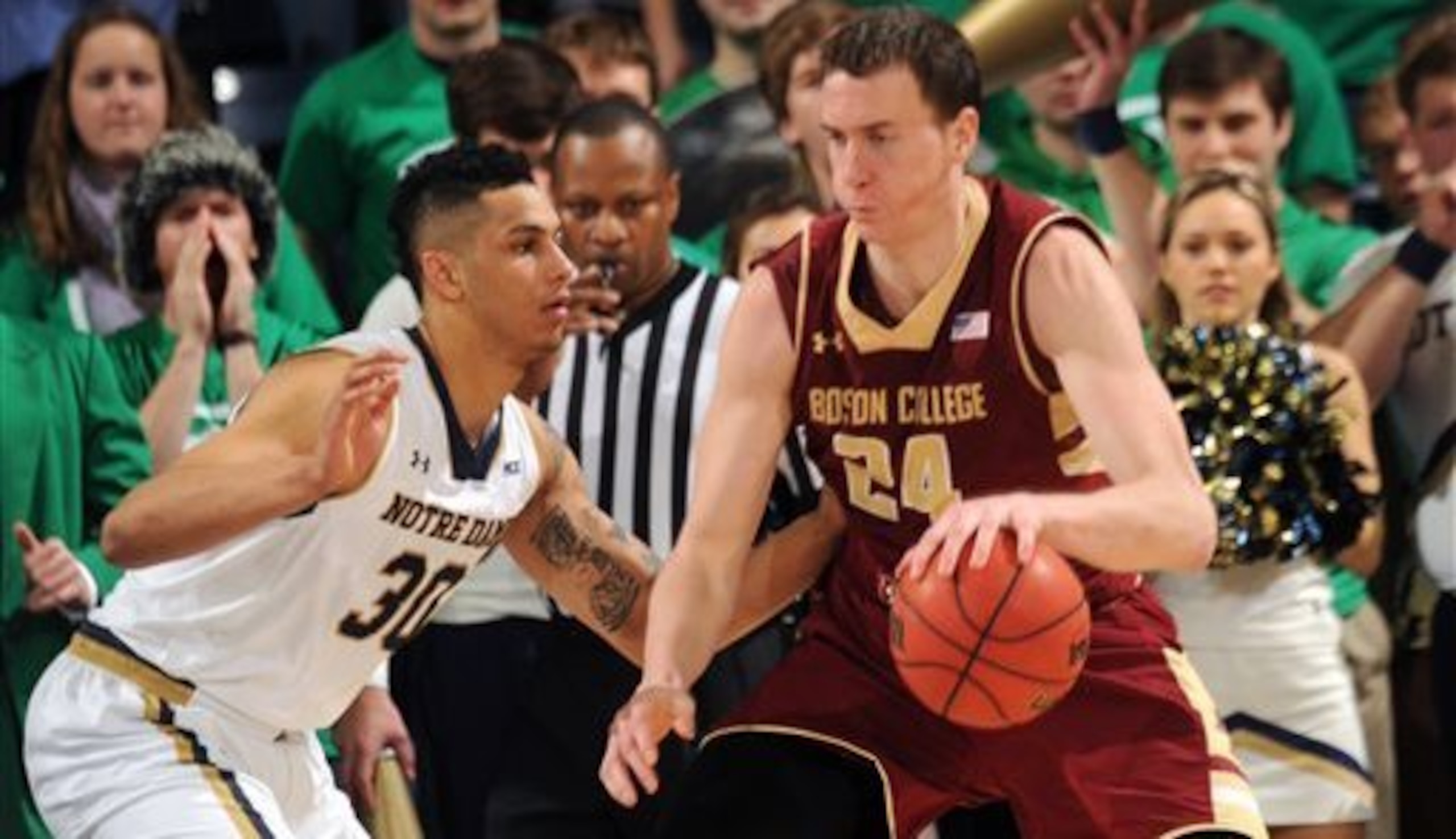
Notre Dame's offense is incredible. Depending on which metrics you prefer to use to judge an offense, the Fighting Irish might be the best in the nation.
But their defense—especially in the paint—leaves a lot to be desired.
Eight times this season, they have allowed an opponent to make at least 48.7 percent of its two-point attempts. Within those eight games are all four of Notre Dame's losses, a pair of close calls against North Carolina State and Clemson and Tuesday night's game against Wake Forest in which the Irish had no answer whatsoever for Devin Thomas (26 points and 11 rebounds).
Zach Auguste is great in the pick-and-roll offense, but it hasn't taken much for teams to beat him on defense.
For the most part, Notre Dame's offense has been more than enough to make up for that problem, but it's been a major issue when the Fighting Irish are unable to score at least 75 points in regulation.
9. Utah: Stingy Defenses
17 of 25
By and large, the Utes have been destroying everyone. Of their 24 games, 18 have been wins by at least a 13-point margin. And in those 18 games, they are averaging 79.4 points per game. In just two of those games were they held to 70 points or fewer.
But put them in closer, lower-scoring games, and they have problems.
In the six games that they didn't win in blowout fashion, they have averaged 58.8 points per game and failed to reach 70 even once. Four of the six games resulted in losses, and the two wins were nail-biters.
Let this team get out and run a bit, and it will run you right out of the gym. Once the Utes get into a groove, they are absurdly efficient on both offense and defense and have seven or eight guys who can beat you on any given night.
Frustrate them early, though, and they don't know what to do.
Utah will be the classic case study in whether it's better for NCAA tournament success to convincingly win a ton of games or to get regularly challenged during the season.
8. Kansas: Interior Scoring
18 of 25
Despite possessing a freshman power forward who is making 58.1 percent of his shots, Kansas is shooting just 46.0 percent from two-point range as a team.
Take Cliff Alexander out of the equation—which coach Bill Self inexplicably loves to do for long stretches of time—and Kansas is shooting just 44.3 percent inside the arc, which wouldn't even rank in the top 300 in the nation.
Moreover, the Jayhawks have routinely had their shots blocked.
Even if we exclude the Champions Classic in which Kentucky went nuts and blocked 11 Kansas shots, opponents are still averaging 4.9 blocks per game against Kansas. The Jayhawks have had 13.3 percent of their two-point attempts blocked, which ranks 337th in the nation.
The irony, of course, is that interior play was supposed to be Kansas' forte. With Alexander, Perry Ellis, Jamari Traylor, Landon Lucas and even Arkansas transfer Hunter Mickelson in the mix, Kansas should have had talented frontcourt platoons like Kentucky. Instead, it's great three-point shooting keeping the Jayhawks in the discussion for a No. 1 seed.
7. Arizona: Rebounding
19 of 25
For the most part, rebounding margin is such an overstated and irrelevant number. It's referenced regularly because it's one of the few statistics readily available in box scores, but teams can win big despite losing the rebounding battle and vice versa.
But for Arizona, there's a pretty clear correlation between the final score and the rebounding margin.
When the Wildcats finish plus-seven or better in rebounding margin, they are 17-0 and win the game by an average margin of 22.8 points. Only once this season has Arizona won the rebounding battle by at least seven and failed to beat its opponent by at least 14 points.
On the other side of that coin, though, when they either lose the rebounding battle or break even with their opponents, the Wildcats are 4-3 and have only once won a game by more than seven points.
Considering Arizona has Stanley Johnson, Rondae Hollis-Jefferson, Brandon Ashley and Kaleb Tarczewski, beating this team on the glass is much easier said than done. However, doing so is a pretty big step in the direction of beating the Wildcats.
6. Villanova: The Eternal Fickleness of the 3-Point Shot
20 of 25
Now we're talking about potential No. 1 seeds. If these teams have Achilles' heels, they've been kept well-hidden for the past three months.
But for a Villanova team that attempts nearly 42 percent of its field goals from three-point range, a simple cold spell can turn into a big problem.
The Wildcats are usually pretty accurate with their long-range shots—hence the considerable number of them. They have made at least 40 percent of their triples in 12 games this season and make at least 33.3 percent in better than 66.7 percent of their games. Save for a pair of close, difficult games at Butler and Providence, they have won those matchups with ease.
The other eight games, however, have been more of a struggle.
Early in the season, they had trouble hitting shots against Bucknell, Lehigh and Michigan, shooting a combined 25.3 percent in those closer-than-anticipated wins. Villanova shot 20.8 percent from downtown in the loss to Seton Hall and 30.4 percent in the loss to Georgetown.
With JayVaughn Pinkston not nearly the force in the paint this year that we expected him to be, the Wildcats can't very well rely on two-point offense if the three-point shot isn't there on any given night.
5. Wisconsin: 3-Point Defense
21 of 25
Would you believe that Wisconsin has played 12 games in which its opponent shot 40 percent or better from three-point range? Or how about that the Badgers have allowed six teams to shoot better than 54 percent from downtown this season?
That would have been beyond unthinkable in years past. In 2011-12, Wisconsin held its opponents to 29.4 percent three-point shooting. The following season was even better at 28.9 percent.
This year, though, it's almost routine to see teams getting hot on the perimeter against Wisconsin.
The good news is the Badgers have the most efficient offense in the country, so they have been able to withstand the occasional hot-shooting opponent to remain one of the best teams. Even when Indiana caught fire and made 13 three-pointers in Madison, the Badgers still won comfortably by scoring 92 points of their own.
If they're going to be beaten by anything other than a No. 1 seed, it will likely be a team that hits a dozen three-pointers and fights and claws like mad on defense.
4. Duke: Interior Defense
22 of 25
This was already going to be Duke's Achilles' heel long before North Carolina scored infinity points in the paint against the Blue Devils on Wednesday night.
Duke's opponents are attempting 73.1 percent of their field goals from two-point range and scoring 61.9 percent of their points on two-point field goals—the latter of which is the third-highest percentage in the country.
The problem isn't Jahlil Okafor. To be certain, his defensive skills aren't nearly as advanced as his offensive skills, but he's a competent defender, at worst. He's neither a matador nor a one-man block party like his cousin, Emeka Okafor.
Rather, the problem is that Jahlil Okafor is all Duke really has. (Don't be fooled by Amile Jefferson's six blocks against the Tar Heels. That matched his total from the previous 18 games combined.) Not only are opposing teams not afraid of sending players into the lane, but they actually savor the possibility of drawing a foul on Okafor to limit his effectiveness on the other end of the court.
On a good shooting day, Duke can just trade threes for twos and not worry about it. On a bad shooting day, a repeat of last year's upset loss to Mercer might be possible—the Bears made 62.5 percent of their two-point attempts.
3. Gonzaga: Lack of Challenges?
23 of 25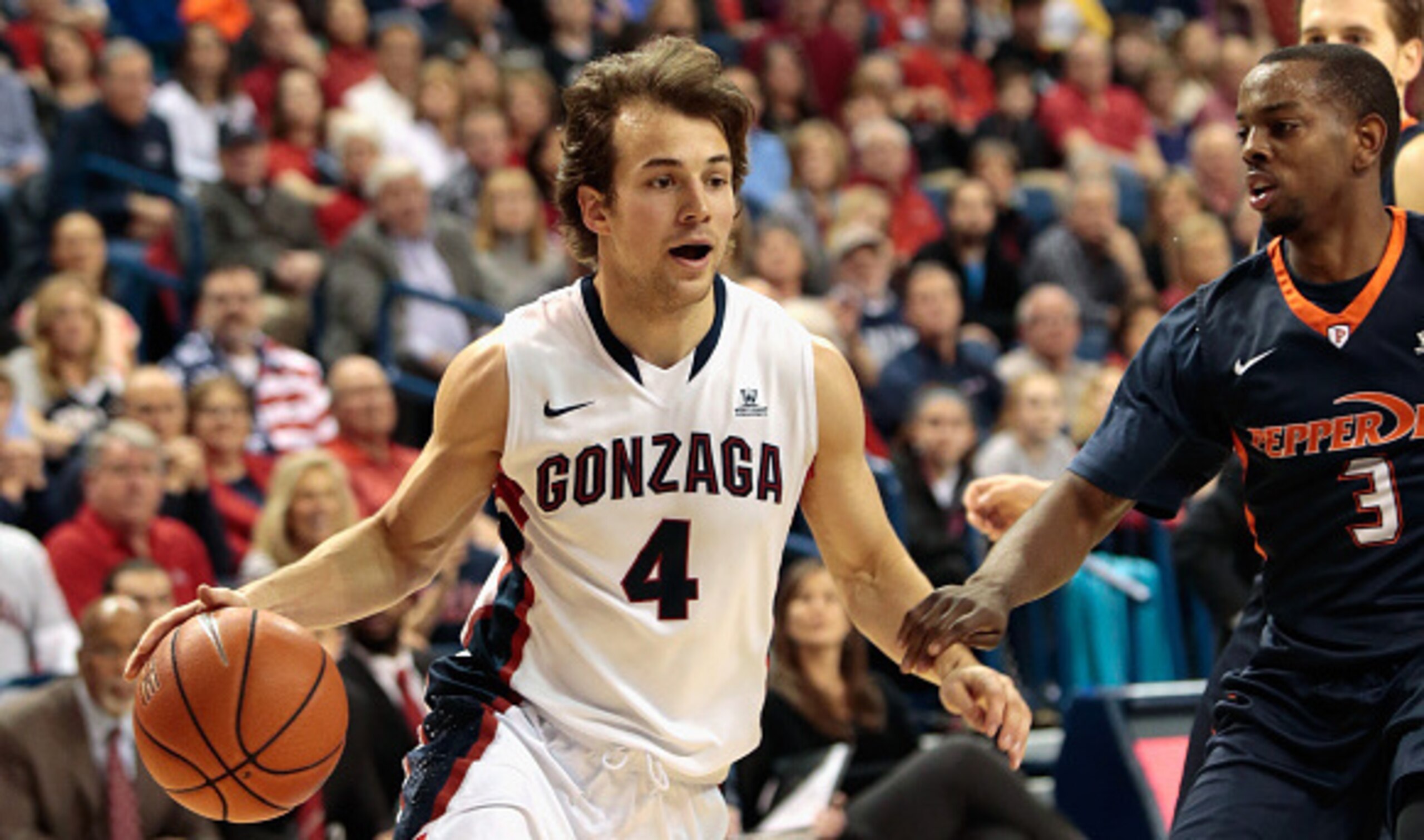
How exactly does one find an Achilles' heel on a team that has won 22 of its 27 games by double digits?
Gonzaga is not much of a shot-blocking team, but the Bulldogs make 58.0 percent of their two-point attempts while limiting opponents to 41.7 percent, so they're doing just fine in the paint. Once in a blue moon, they have some shooting issues, but they have made at least 33 percent of their three-point attempts in 22 games. That hardly seems like cause for concern.
Thus, we're left to propagate the annual debate whether playing in the West Coast Conference is a bad thing for Gonzaga.
After Duke's win over North Carolina, Quinn Cook said on SportsCenter that they knew they could come back from the late deficit because they had already done it against St. John's, Virginia and Syracuse.
When Gonzaga finds itself in a bind in the tournament, what exactly is Mark Few using as a reminder to his players that they can handle adversity? The close wins over Pepperdine? The first-half struggles against Santa Clara and San Francisco? Or the game against Arizona that the Bulldogs should have won but let slip through their grasp?
If the Zags take an early punch in the mouth from a No. 7-10 seed—depending on whether they earn a No. 1 or No. 2 seed—will they panic, or will they respond?
2. Virginia: One Hot Shooter
24 of 25
Scoring against Virginia's pack-line defense is an almost impossible proposition. The Cavaliers have held 14 opponents to 51 or fewer points, seven to 42 or fewer and three teams to fewer than 29 points.
However, it's not like Virginia is scoring 80 points per game in its own right. Despite that incredible defense, Virginia's average margin of victory is "only" 15.6 points. The Cavaliers have played 12 games decided by 11 or fewer points.
In such low scoring games, one hot shooter can make a world of difference.
Davidson had no answer for Virginia on defense, but its three best shooters hit 11 of 19 three-point attempts against the Wahoos. Konstantinos Mitoglou made six three-pointers for Wake Forest as the Demon Deacons came within one point of upsetting Virginia. Virginia Tech's Adam Smith scored 15 when the Hokies nearly upset the Cavaliers, and he didn't even have a great shooting night.
It doesn't happen often, but it also doesn't take much. A couple of triples could be a 15 percent difference in the final score against Virginia, and it just might be enough for an upset.
1. Kentucky: Defensive Rebounding
25 of 25
Defensive rebounding percentage is a relatively minor thing to fuss over, but what else is there? Kentucky's team page on KenPom.com is greener than the grass on the other side of the fence.
But in the defensive rebounding percentage category, grabbing just two out of every three rebounds is poor enough for a little bit of red.
LSU grabbed 12 offensive rebounds in giving Kentucky a run for its money last week. Texas A&M corralled 18 offensive rebounds in its double-overtime loss to Kentucky—a number matched by Louisville in the rivalry game back in December.
But because the Wildcats are otherwise such an outstanding defensive team, they have been able to prevail in spite of allowing that many second chances.
Thus far, 26 teams have tried and failed to exploit any cracks in Kentucky's armor. It almost seems like beating the Wildcats will take both a herculean effort by the opponent and a less than stellar effort by Kentucky.
Statistics courtesy of KenPom.com and Sports-Reference.com and are current through the start of play on Thursday, Feb. 19.
Kerry Miller covers college basketball for Bleacher Report. You can follow him on Twitter @kerrancejames.


.jpg?w=2560 "Viral Rams Coach Vid 🖕")

.jpg?w=2560 "Injury-stricken Seahawks signing veteran RB")
