

Arsene Wenger Comments on Financial Fair Play, Expresses Confusion in Rules
Arsene Wenger, a Politics and Economics graduate from the University of Strasbourg, has expressed his confusion toward UEFA's Financial Fair Play rules.
The Arsenal boss signed Krystian Bielik and Gabriel Paulista during the January transfer window but watched on as Manchester City eclipsed their Premier League rivals with the £28 million capture of Wilfried Bony.
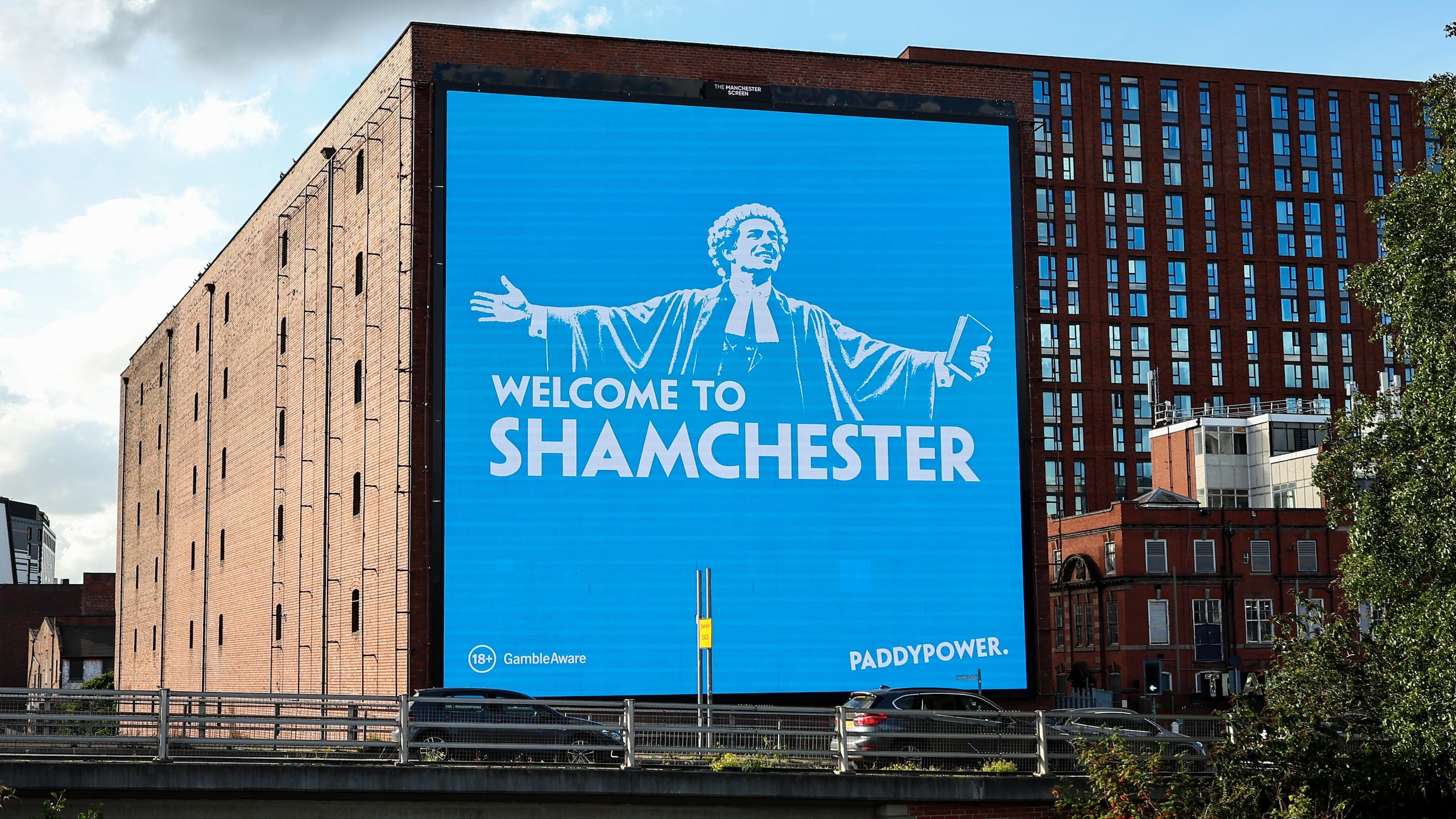
This went through despite the Premier League champions receiving a fine and squad cap for failing to adhere to FFP rules prior to the current season starting.

.jpg?w=2560)

At its very most basic level, the guidelines suggest each team competing in Europe must break even. Room for failure decreases each year in a set of restrictions that aim to improve "the overall financial health of European club football," according to the governing body's website.
Wenger has been left flummoxed, reported by Sky Sports:
"Is it just your income created by the gates? Is it the gates and commercial? Is it only the gates and the television? Is it naming rights as well? It is not clear to people what Financial Fair Play means, the rules are very complicated.
We are a popular sport, so you want to clear and simple rules for everybody to understand. If I ask 10 people in the street today (what it means) and then if you ask me, and I am in the job, I don't have a clear idea anymore of what it means.
"
Such comments are a fair assessment from the French boss. FFP rules are rarely explained in layman's terms and are likely to confuse managers just as much as fans. The definition isn't exact—there's no obvious ruling over which income is taken into account—meaning the lines are blurred.
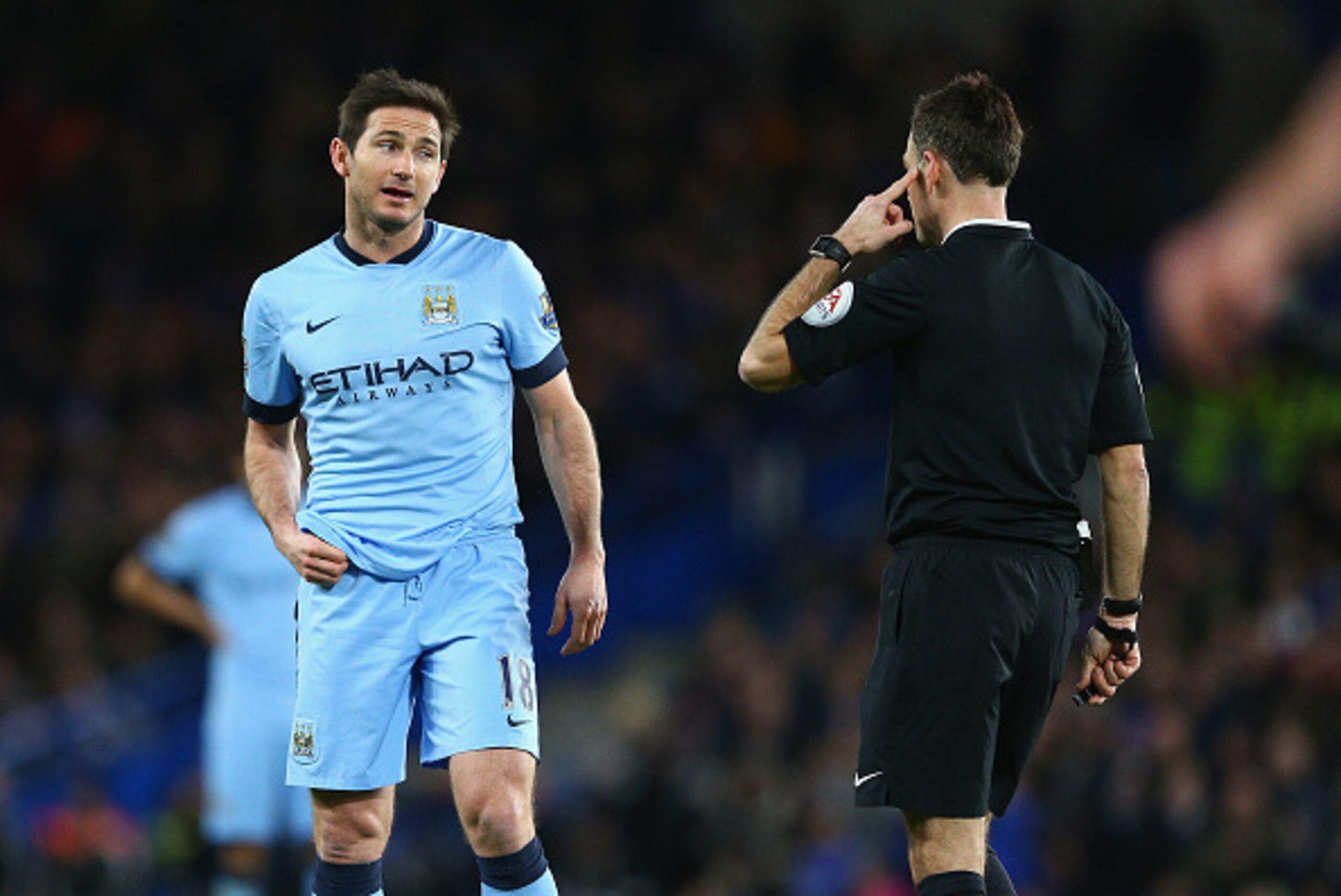
Wenger previously questioned City's deal to sign Frank Lampard, a player who was originally thought to have joined New York City FC, their affiliated club. Such agreements, in which City could avoid paying a major transfer fee by taking him on loan, may represent a major problem in the future.


.jpg?w=2560 "Viral Rams Coach Vid 🖕")

