

What Is the Success Rate Reality of Big-Name International Free Agents?
Forget the silly chatter of abolishing defensive shifts or the fact that James Shields is still a free agent. The biggest storyline in Major League Baseball right now is when and where Cuban phenom Yoan Moncada will sign.
The 19-year-old, switch-hitting infielder is considered to possess the kind of talent that would get him picked first overall were he eligible for Major League Baseball's first-year player draft, according to Ben Badler of Baseball America.
Instead, because he's an amateur international free agent, Moncada's path to the majors will be quite a bit different, but one that has been taken by a number of highly regarded foreign-born players, especially in recent years.
TOP NEWS

Realistic Offseason Trade Ideas 💡

Players Who Were Worse Than You Think in 2026 ⚾
Yankees Sloppy in Game 2 Loss 😬
That got us wondering: What kind of success can be expected from big-name, big-money international free agents (IFAs) from Cuba, Japan, Korea and Taiwan?
To find out, we did a little research. (OK, a lot of research.)
First, we need a working list of players, one that goes back far enough to give us a solid sample size but not so far that it starts to become irrelevant.
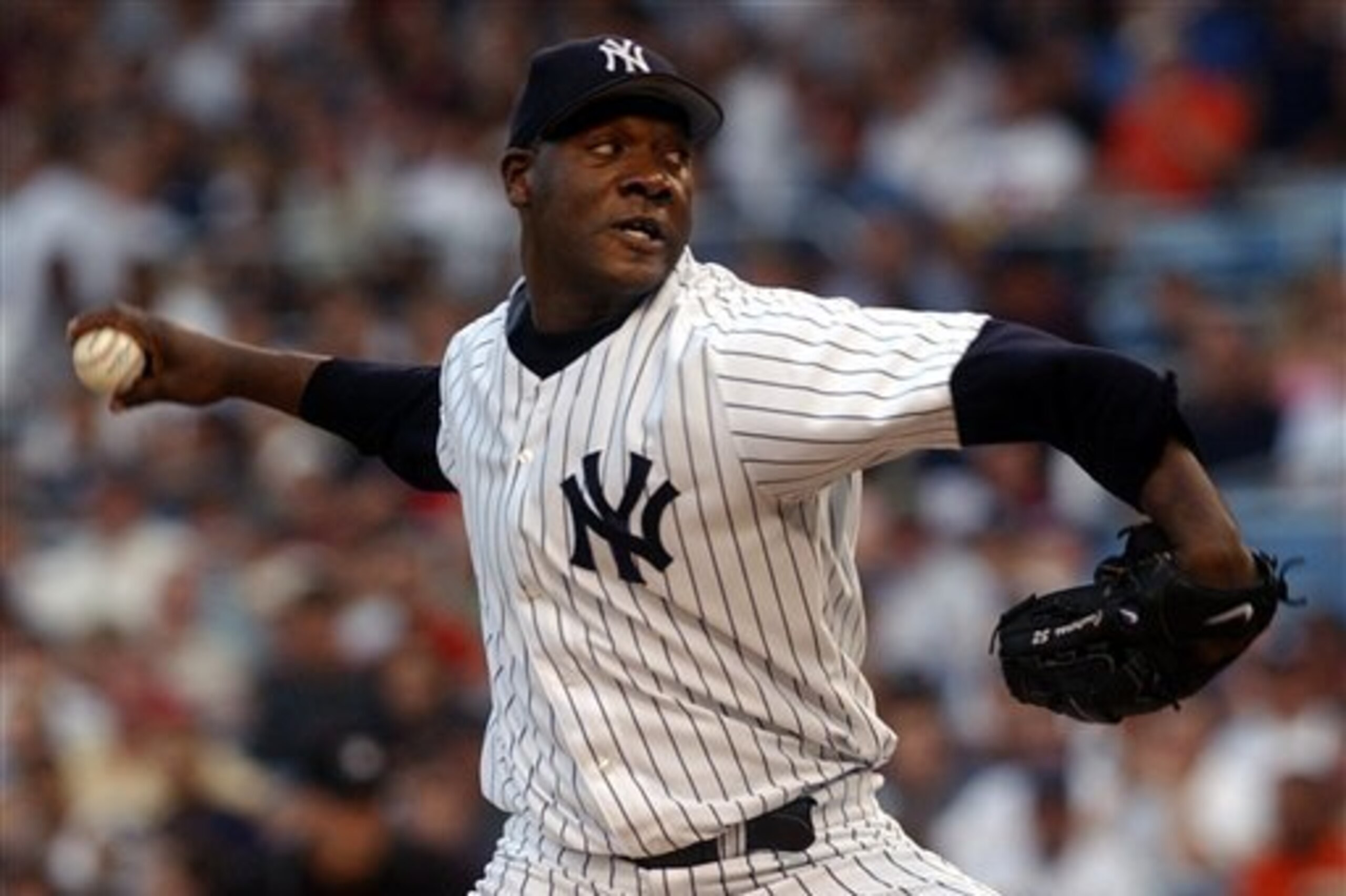
Going back 10 years feels about about right, especially since that takes us to 2005, which is just after the New York Yankees brought over Cuban right-hander Jose Contreras and Japanese slugger Hideki Matsui (both in 2002) and the New York Mets signed Japanese infielder Kaz Matsui (in 2003)—three of the biggest names in their respective countries whose arrivals helped spur the movement to ink well-known international stars.
Sure, there were others before them, like Hideo Nomo, Hideki Irabu and Ichiro Suzuki from Japan, as well as Rolando Arrojo, Livan and Orlando Hernandez from Cuba. But a decade is a good starting point given the talent that since has reached the United States from Cuba, Japan, Korea and Taiwan.
Besides, prior to 2005, the flow of IFAs to MLB really was more of a trickle compared to what has become a surge in recent years.
Next? We need to define the "big name" aspect, which is tricky, because that needs to be based on a player's reputation at the time of the signing. But money often works as a measure of perceived value and/or talent in baseball, so in the interest of quantifying this, let's set $10 million as the minimum amount.
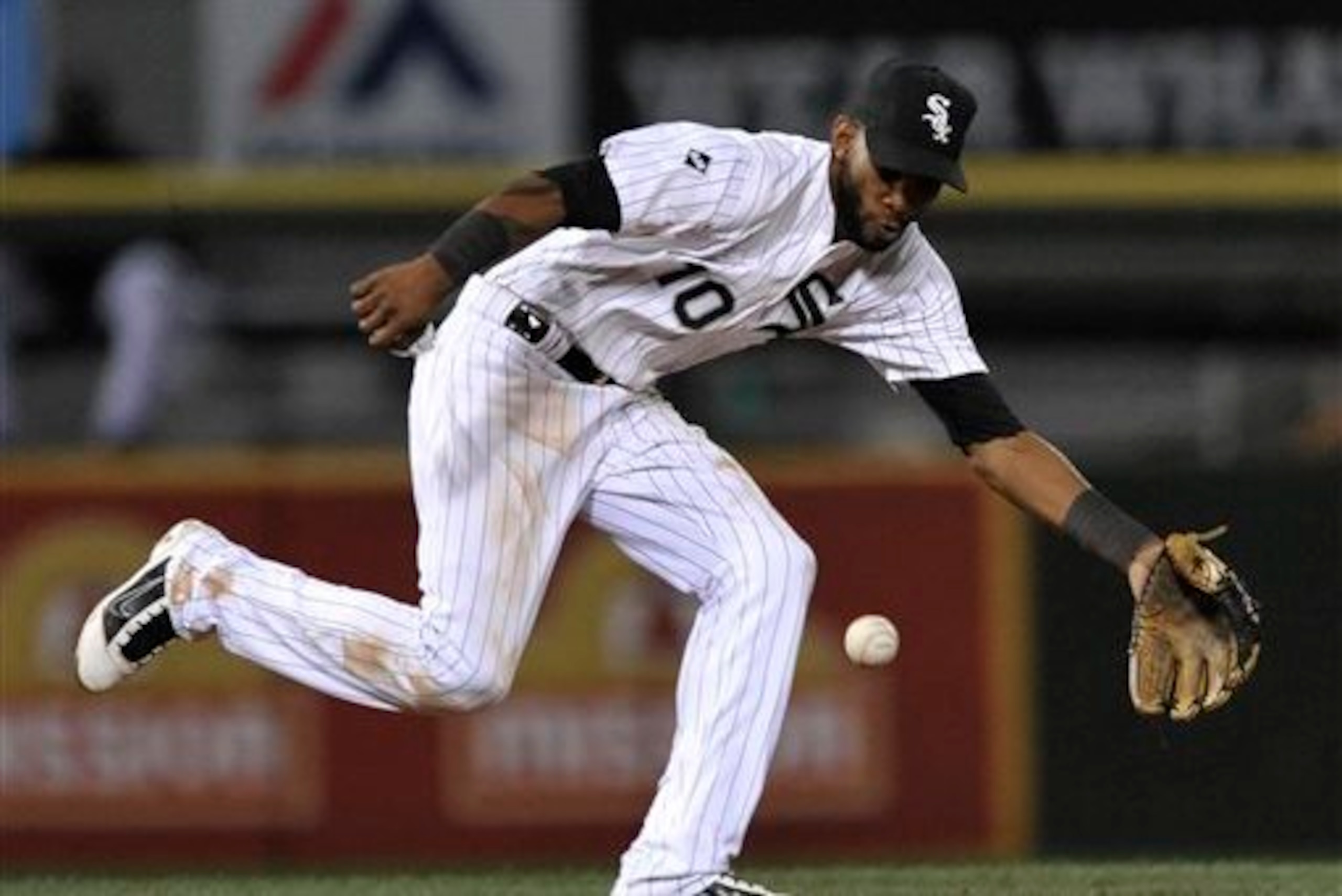
Sure, that will leave off a few nice names, like Kendrys Morales ($3 million), Alexei Ramirez ($4 million), Nori Aoki ($2.25 million) and Hisashi Iwakuma ($1.5 million). And recent signees Roberto Baldoquin ($8 million) and Yoan Lopez ($8.27 million) also won't be included, primarily because they're technically in a different class as "amateur" IFAs younger than 23 years old and without five years in a professional league. But, hey, we need to cut things off at some point, right?
Besides, $10 million is a hefty enough investment where teams will at least feel it a little if the player doesn't live up to expectations.
Here, then, are all of the "big-name" IFAs who landed deals for $10 million-plus since 2005, arranged chronologically by signing year:
| 1 | Kenji Johjima | C | Japan | Mariners | $16.5 M | 2005 |
| 2 | Kei Igawa | LHP | Japan | Yankees | $20 M | 2006 |
| 3 | Daisuke Matsuzaka | RHP | Japan | Red Sox | $52 M | 2007 |
| 4 | Hiroki Kuroda | RHP | Japan | Dodgers | $35.3 M | 2007 |
| 5 | Kosuke Fukudome | OF | Japan | Cubs | $48 M | 2007 |
| 6 | Dayan Viciedo | OF | Cuba | White Sox | $10 M | 2008 |
| 7 | Kenshin Kawakami | RHP | Japan | Braves | $23 M | 2009 |
| 8 | Koji Uehara | RHP | Japan | Orioles | $10 M | 2009 |
| 9 | Adeiny Hechavarria | SS | Cuba | Blue Jays | $10 M | 2010 |
| 10 | Aroldis Chapman | LHP | Cuba | Reds | $30.25 M | 2010 |
| 11 | Leonys Martin | OF | Cuba | Rangers | $15.5 M | 2011 |
| 12 | Yoenis Cespedes | OF | Cuba | Athletics | $36 M | 2012 |
| 13 | Yu Darvish | RHP | Japan | Rangers | $56 M | 2012 |
| 14 | Wei-Yin Chen | LHP | Taiwan | Orioles | $11.3 M | 2012 |
| 15 | Jorge Soler | OF | Cuba | Cubs | $30 M | 2012 |
| 16 | Yasiel Puig | OF | Cuba | Dodgers | $42 M | 2012 |
| 17 | Hyun-jin Ryu | LHP | Korea | Dodgers | $36 M | 2013 |
| 18 | Miguel Alfredo Gonzalez | RHP | Cuba | Phillies | $12 M | 2013 |
| 19 | Jose Abreu | 1B | Cuba | White Sox | $68 M | 2013 |
| 20 | Alexander Guerrero | INF | Cuba | Dodgers | $28 M | 2013 |
| 21 | Masahiro Tanaka | RHP | Japan | Yankees | $155 M | 2014 |
| 22 | Erisbel Arruebarrena | INF | Cuba | Dodgers | $25 M | 2014 |
| 23 | Raisel Iglesias | RHP | Cuba | Reds | $27 M | 2014 |
| 24 | Rusney Castillo | OF | Cuba | Red Sox | $72.5 M | 2014 |
| 25 | Yasmany Tomas | 3B/OF | Cuba | Diamondbacks | $68.5 M | 2014 |
| 26 | Jung-ho Kang | INF | Korea | Pirates | $11 M | 2015 |
As you can see, the past 10 years has brought a steadily increasing flow of IFAs to MLB. On average, almost three IFAs have netted a deal for $10 million-plus a year, dating back to 2005.
But of those 26 above, 15 of them—nearly 60 percent—have come since the start of 2012. Suddenly, IFAs have become all the rage, almost no matter the price.

But how well have these well-known, well-paid foreigners performed in the U.S.?
To figure that out, we need to define "success," which isn't the easiest thing to do, especially when some of the above players have signed so recently that they have yet to even reach the big leagues. That's why we'll start with just that—major league service time. Because these players have to actually, you know, play.
| 1 | Kenji Johjima | 2006 | 4 | 1722 PA |
| 2 | Kei Igawa | 2007 | 2 | 71.2 IP |
| 3 | Daisuke Matsuzaka | 2007 | 8 | 790.1 IP |
| 4 | Hiroki Kuroda | 2008 | 7 | 1319.0 IP |
| 5 | Kosuke Fukudome | 2008 | 5 | 2276 PA |
| 6 | Dayan Viciedo | 2010 | 5 | 1798 PA |
| 7 | Kenshin Kawakami | 2009 | 2 | 243.2 IP |
| 8 | Koji Uehara | 2009 | 6 | 350.1 IP |
| 9 | Adeiny Hechavarria | 2012 | 3 | 1289 PA |
| 10 | Aroldis Chapman | 2010 | 5 | 252.2 IP |
| 11 | Leonys Martin | 2011 | 4 | 1151 PA |
| 12 | Yoenis Cespedes | 2012 | 3 | 1759 PA |
| 13 | Yu Darvish | 2012 | 3 | 545.1 IP |
| 14 | Wei-Yin Chen | 2012 | 3 | 515.1 IP |
| 15 | Jorge Soler | 2014 | 1 | 97 PA |
| 16 | Yasiel Puig | 2013 | 2 | 1072 PA |
| 17 | Hyun-jin Ryu | 2013 | 2 | 344.0 IP |
| 18 | Miguel Alfredo Gonzalez | 2014 | 1 | 5.1 IP |
| 19 | Jose Abreu | 2014 | 1 | 622 PA |
| 20 | Alexander Guerrero | 2014 | 1 | 13 PA |
| 21 | Masahiro Tanaka | 2014 | 1 | 136.1 IP |
| 22 | Erisbel Arruebarrena | 2014 | 1 | 45 PA |
| 23 | Raisel Iglesias | 2015 | 0 | N/A |
| 24 | Rusney Castillo | 2014 | 1 | 40 PA |
| 25 | Yasmany Tomas | 2015 | 0 | N/A |
| 26 | Jung-ho Kang | 2015 | 0 | N/A |
This shows that 23 of 26 IFAs have at least reached the majors. And the only three who haven't—Raisel Iglesias, Yasmany Tomas and Jung-ho Kang—can chalk that up to signing in just last June (Iglesias) or over this offseason (Tomas and Kang), meaning they haven't exactly had the chance to break into the bigs.
In other words, there's a pretty good track record of highly regarded, highly paid IFAs making it to the majors, and typically once they do, they tend to stay for a bit. To wit, of the 23 who have debuted, they have accumulated 71 individual MLB seasons—or more than three per player.
That said, there are some exceptions to that rule, like Japanese pitchers Kei Igawa and Kenshin Kawakami, as well as Alexander Guerrero and Erisbel Arruebarrena, two big Cuban misses for the Los Angeles Dodgers after they hit it out of the park with Yasiel Puig and Hyun-jin Ryu the year prior.

But success means more than just sticking in The Show—it also requires a certain level of productivity.
For this, let's run down each player's career wins above replacement (WAR), according to both Baseball-Reference.com (rWAR) and FanGraphs (fWAR).
| 1 | Kenji Johjima | 5.3 | 1.3 | 6.7 | 1.7 |
| 2 | Kei Igawa | -0.6 | -0.3 | -0.2 | -0.1 |
| 3 | Daisuke Matsuzaka | 9.3 | 1.2 | 10.5 | 1.3 |
| 4 | Hiroki Kuroda | 21.7 | 3.1 | 22.6 | 3.2 |
| 5 | Kosuke Fukudome | 4.3 | 0.9 | 4.5 | 0.9 |
| 6 | Dayan Viciedo | 0.2 | 0.0 | -0.1 | 0.0 |
| 7 | Kenshin Kawakami | 1.2 | 0.6 | 2.4 | 1.2 |
| 8 | Koji Uehara | 11.6 | 1.9 | 10.1 | 1.7 |
| 9 | Adeiny Hechavarria | -1 | -0.3 | -1.6 | -0.5 |
| 10 | Aroldis Chapman | 8.2 | 1.6 | 8.6 | 1.7 |
| 11 | Leonys Martin | 7.6 | 1.9 | 5.9 | 1.5 |
| 12 | Yoenis Cespedes | 9.6 | 3.2 | 8.5 | 2.8 |
| 13 | Yu Darvish | 12.8 | 4.3 | 13.9 | 4.6 |
| 14 | Wei-Yin Chen | 6.2 | 2.1 | 6.7 | 2.2 |
| 15 | Jorge Soler | 1 | 1.0 | 0.7 | 0.7 |
| 16 | Yasiel Puig | 10.4 | 5.2 | 9.1 | 4.6 |
| 17 | Hyun-jin Ryu | 5.2 | 2.6 | 6.6 | 3.3 |
| 18 | Miguel Alfredo Gonzalez | -0.1 | -0.1 | -0.1 | -0.1 |
| 19 | Jose Abreu | 5.5 | 5.5 | 5.3 | 5.3 |
| 20 | Alexander Guerrero | -0.3 | -0.3 | -0.2 | -0.2 |
| 21 | Masahiro Tanaka | 3.3 | 3.3 | 3.2 | 3.2 |
| 22 | Erisbel Arruebarrena | -0.4 | -0.4 | -0.5 | -0.5 |
| 23 | Raisel Iglesias | N/A | N/A | N/A | N/A |
| 24 | Rusney Castillo | 0.6 | 0.6 | 0.9 | 0.9 |
| 25 | Yasmany Tomas | N/A | N/A | N/A | N/A |
| 26 | Jung-ho Kang | N/A | N/A | N/A | N/A |
Now, pay attention to the highlighted players, because here's where we quickly remind that a per-season WAR of 2.0 is roughly the production that corresponds to a "solid starter," per FanGraphs. North of that is equivalent to even more success.
There are 12 players highlighted in the table—almost exactly half—each of whom proved or has proved to be something close to a 2.0-WAR/season player or better. In some cases, a lot better.
Using WAR might knock relievers a bit, but it's pretty easy to argue that, say, Koji Uehara and Aroldis Chapman have been successful, valuable performers—and, most importantly, worth their contracts—even if they come in just below the 2.0-WAR/season mark.
To that same end, players like Leonys Martin and Jorge Soler, who have yet to reach this standard officially, shouldn't be penalized simply because we haven't quite had enough time to judge them more. Martin only became a full-time starting player in the majors in 2013, and Soler debuted just last August. Both look like strong candidates to cover going forward at this point.
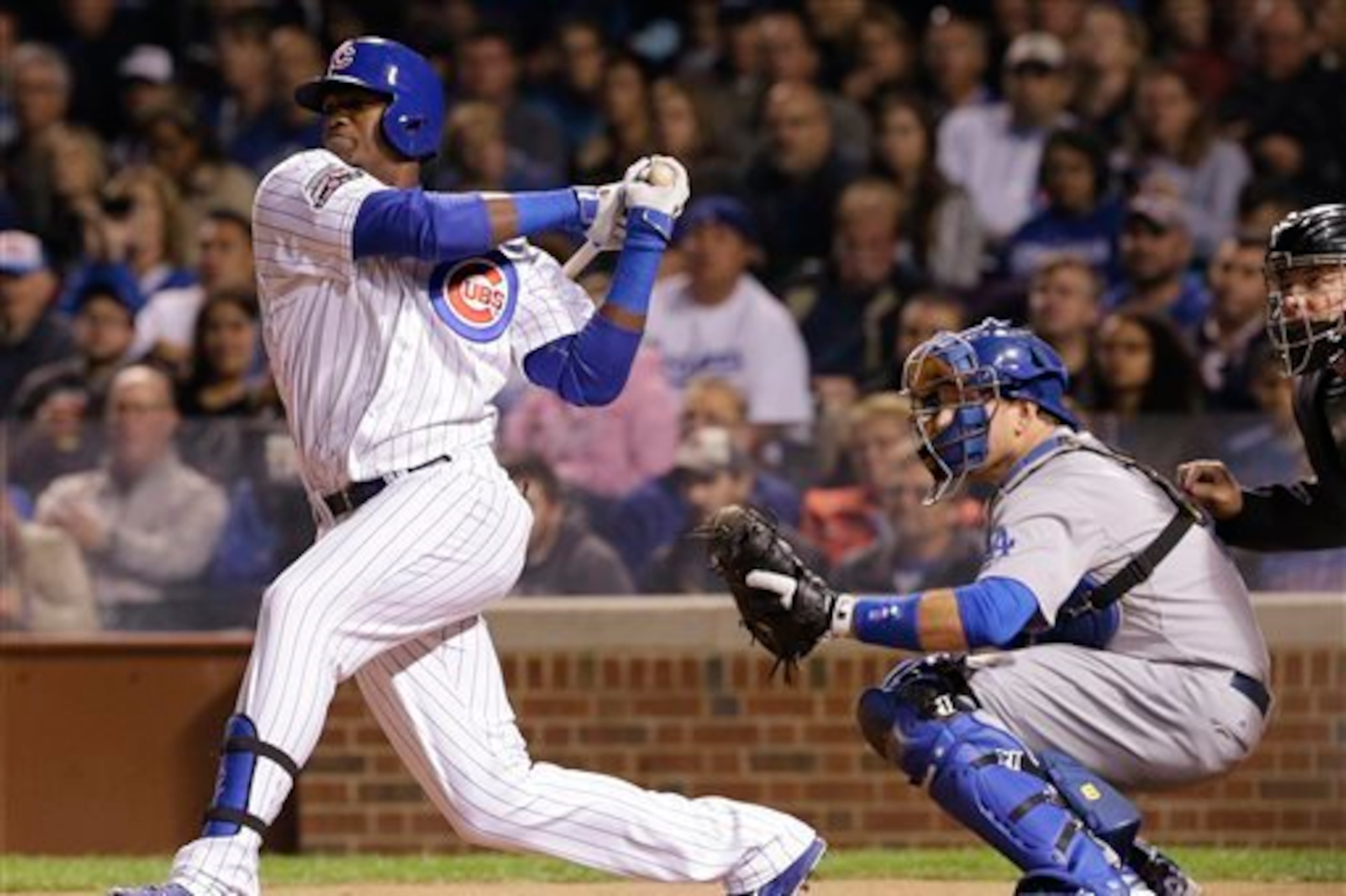
Obviously, we can't even begin to evaluate Raisel Iglesias, Rusney Castillo, Yasmany Tomas and Jung-ho Kang, but only the middle two have especially large contracts to make good on at $72.5 million and $68.5 million, respectively.
What all this means is that MLB clubs have gotten pretty darn good at scouting and evaluating pro talent overseas—not to mention, getting them to the U.S. and acclimated to a new country, culture and level of competition.
There's also a strong correlation between paying a premium price for IFAs and then watching them produce as above-average (and occasionally elite) major leaguers. While there are expensive busts—Daisuke Matsuzaka, Kawakami and especially Igawa come to mind—essentially, 50 percent of all these players wind up being worth it in the end.
Some might consider that a coin flip—and an expensive one—but the salaries paid out to the large majority of these IFAs have been bargain rates relative to what major leaguers of equivalent talent levels are getting on the open market.
In fact, the only pact that is on par with the going rates for MLB free agent is Masahiro Tanaka's $155 million with the Yankees. Even the deals for Castillo and Tomas, while steep, could turn out to be good buys, if not bargains.
And remember: Almost all of these high-end IFAs have been owned during the prime years of their careers, as opposed to MLB free agents, who usually reach free agency while already in their prime or even on the downside of it. The IFA market is more about upside, which is what teams want and are willing to pay for.
So it's understandable why so many clubs are now going this route—and why the prices are picking up.
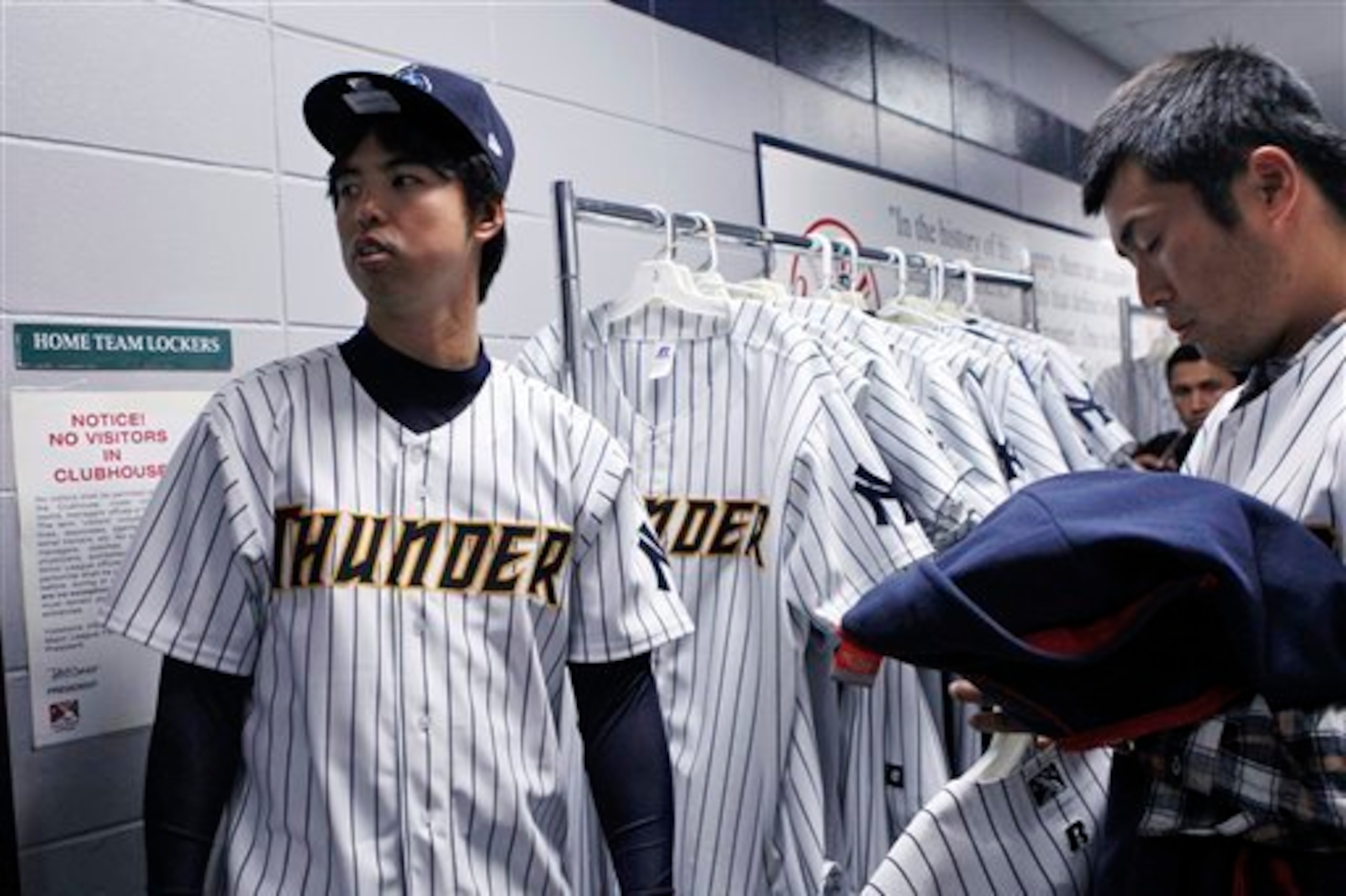
That's good news, because even though Moncada is the biggest name out there on the IFA market at the moment, he's not alone.
Fellow Cuban infielders Hector Olivera and Andy Ibanez also are free agents who could sign soon, according to Jeff Passan of Yahoo Sports, who estimates that Moncada could require a total investment (signing bonus plus a dollar-for-dollar tax on the overage) of upward of $80 million.
And there's a good chance that Japanese right-hander Kenta Maeda could be posted next winter after it nearly happened this offseason. More names pop up on this front every year, too.
While international free agents, like Moncada and others, carry with them an inherent risk and many unknowns, it's clear that MLB teams willing to pay up—in excess of $10 million—when a particular IFA is worth it have received a rather rewarding return, especially in recent years.
If anything, Moncada's price just went up.
Statistics are accurate through the 2014 season and courtesy of MLB.com, Baseball-Reference.com and FanGraphs unless otherwise noted.
To talk baseball or fantasy baseball, check in with me on Twitter:@JayCat11.

.jpg?w=2560 "Grading WWE Raw 🔠")

.jpg?w=2560 "Viral Rams Coach Vid 🖕")
.jpg?w=2560 "Bijan's INSANE 1st Half 🤩")
.jpg?w=2560 "Injury-stricken Seahawks signing veteran RB")

.jpg?w=2560 "2 NFL Officials Suspended")

