
Ranking the Pace Bowlers Who Have Taken 400 Test Wickets on Talent
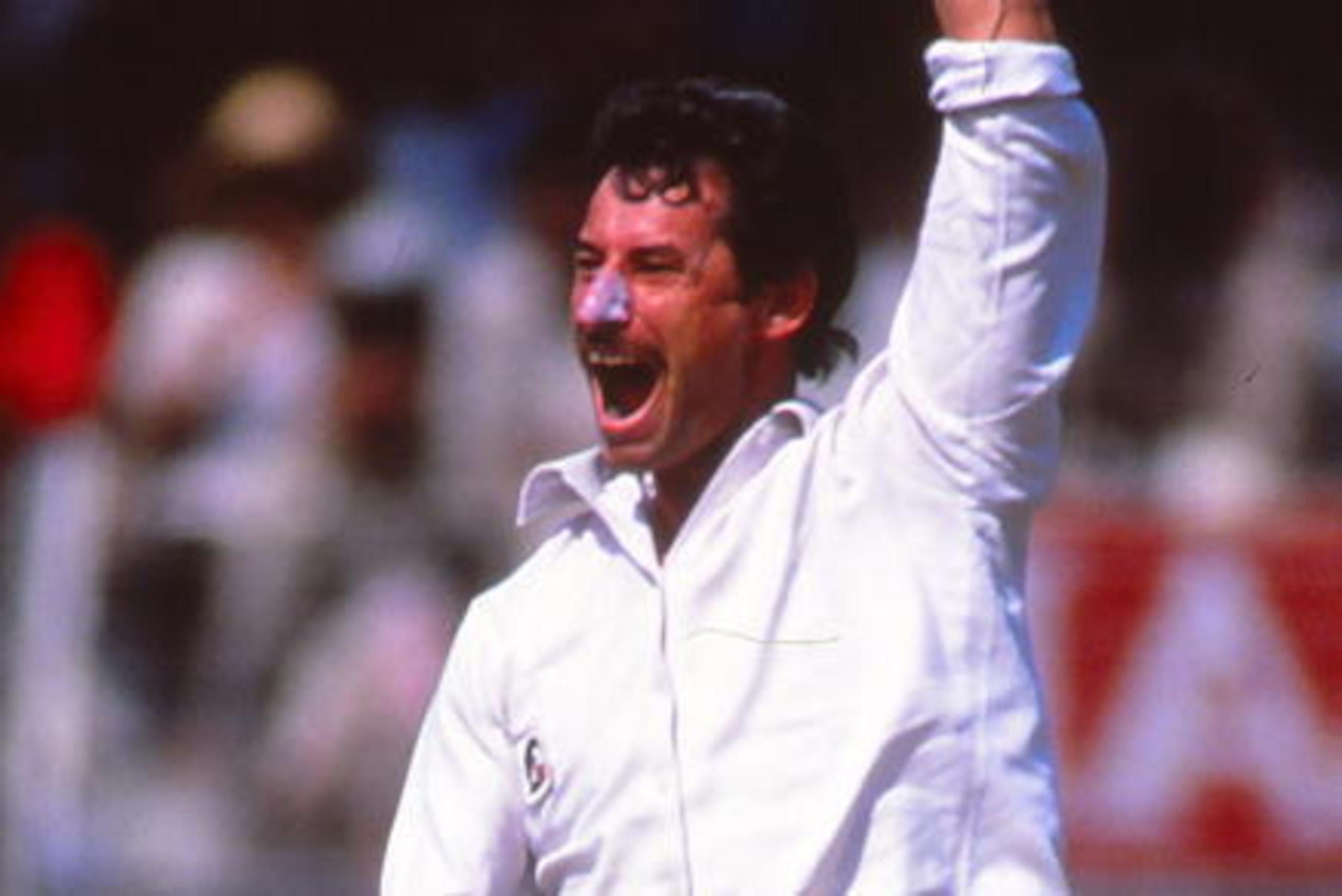
Twenty-five years ago Wednesday, New Zealand's Sir Richard Hadlee became the first player in history to claim 400 Test wickets when he dismissed India's Sanjay Manjrekar in Christchurch on February 4, 1990.
It was a landmark achievement for Hadlee, one that represented new benchmarks in excellence and longevity that helped to set the path for many of the world's finest pace bowlers who followed.
Indeed, since the New Zealander's capture of 400 Test wickets, six other fast men have replicated the feat, with two going on to surpass 500 in an era of ever-increasing professionalism.
So how do the seven fast bowlers who have claimed 400 Test scalps compare? Who was the finest? Who was the most daunting to face? Who had the greatest natural flair?
Across the following slides, we've ranked the seven great seamers on talent, their natural flair for the craft.
7. Kapil Dev
1 of 7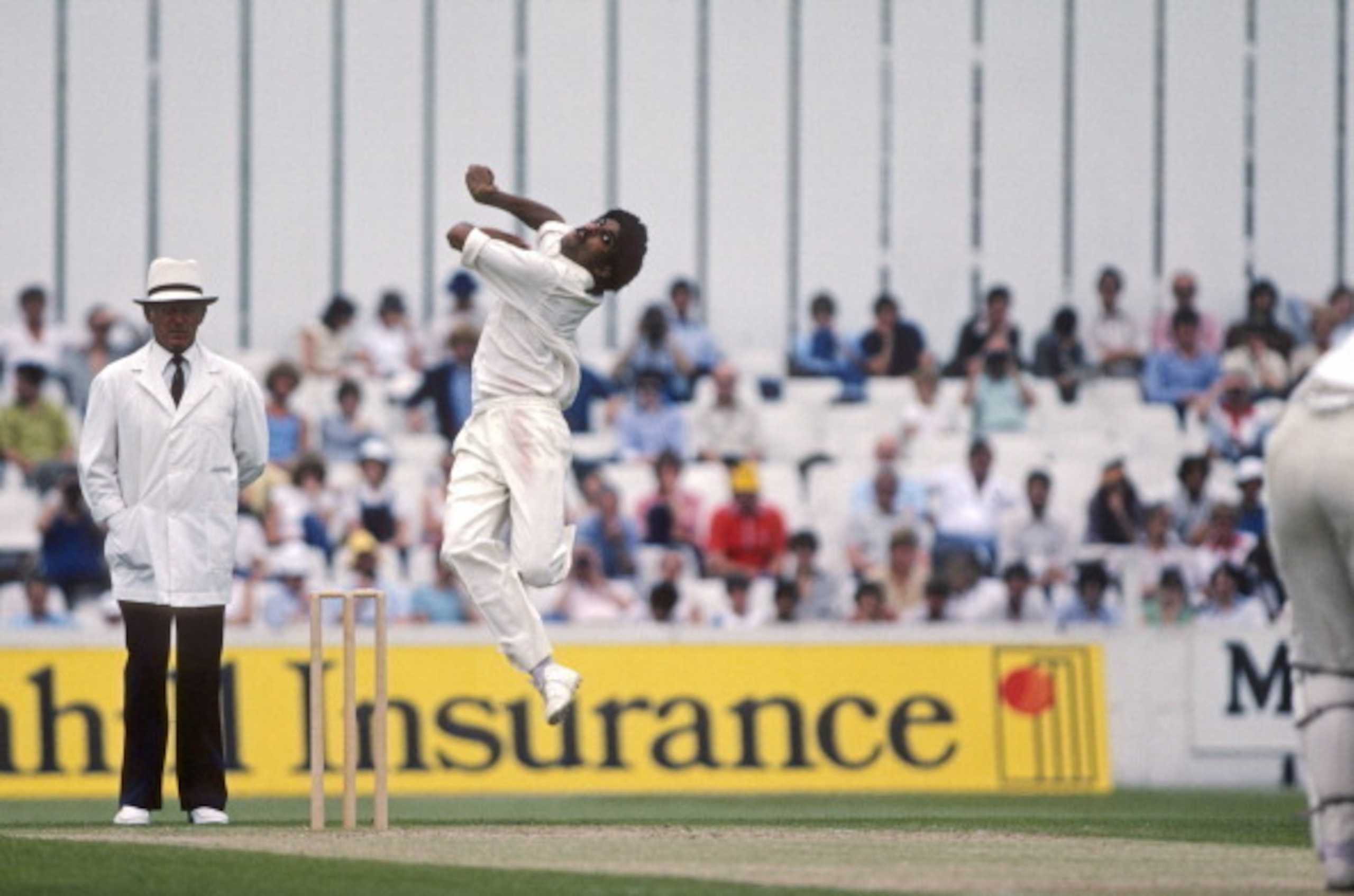
Tests: 131
Wickets: 434
Average: 29.64
Strike Rate: 63.9
Kapil Dev was India's answer to England's Sir Ian Botham. Or to New Zealand's Sir Richard Hadlee. Or to Pakistan's Imran Khan.
Indeed, Dev was one of the four truly outstanding all-rounders who defined Test cricket in the 1980s.
A workhorse who dealt in the commodities of accuracy and swing, the Indian star bowled tirelessly on docile pitches and led an under-strength India team with little assistance for more than a decade.
With an average nearing 30, the right-armer wasn't as incisive as the other men on this list, but his unrelenting excellence in a difficult era for his nation (India won just 11 of their 81 Tests in the '80s) saw the all-rounder voted as India's "Cricketer of the [20th] Century" in 2002.
6. Courtney Walsh
2 of 7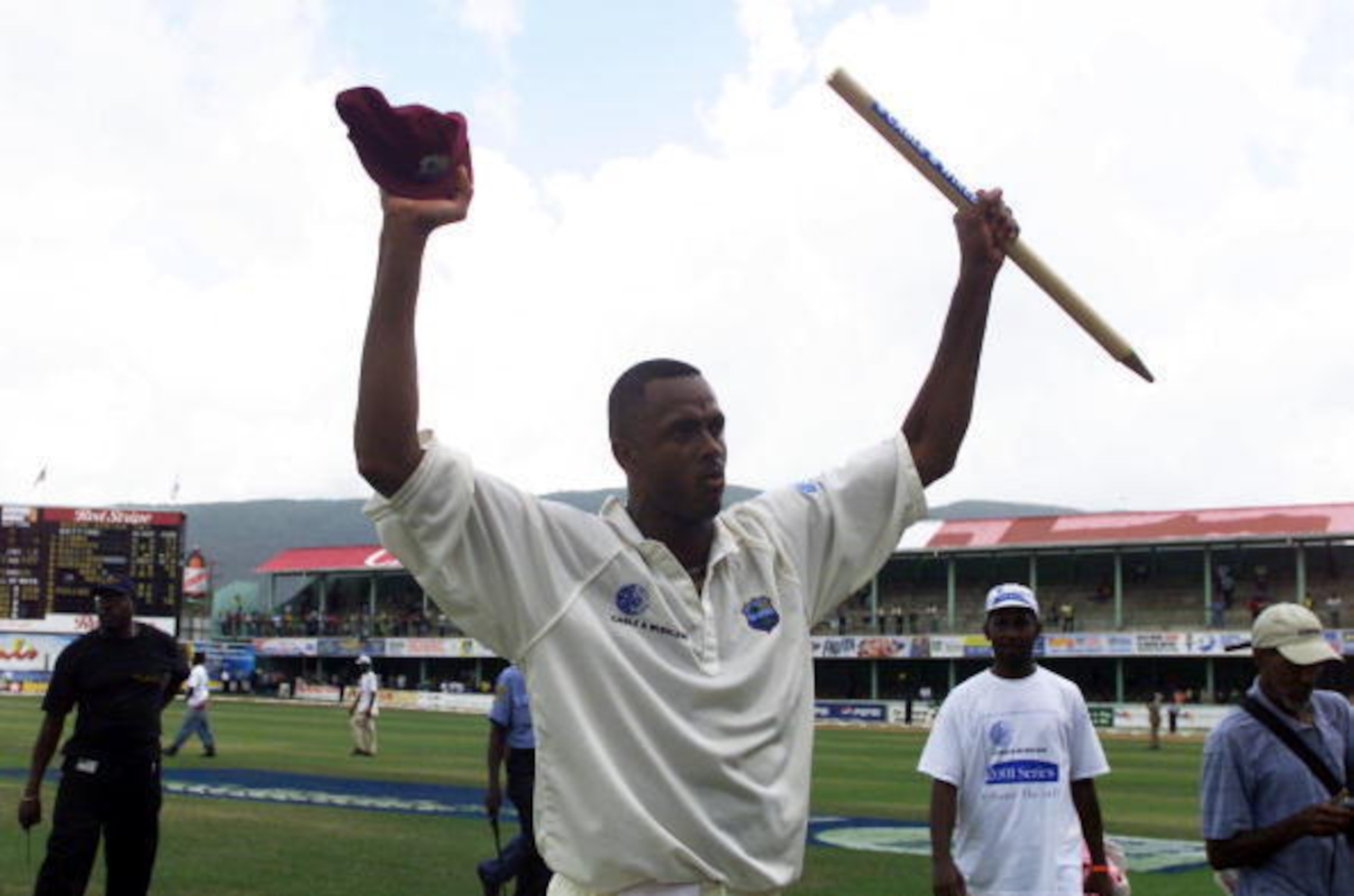
Tests: 132
Wickets: 519
Average: 24.44
Strike Rate: 57.8
Other West Indian fast bowlers have been quicker. More lethal. More talented. More feared around the world.
But none have more Test wickets than Courtney Walsh. And of all pace bowlers in history, only Australia's Glenn McGrath has more career victims.
When he reached 500 scalps in March 2001, the towering West Indian was the first man to do so—a stunning achievement for a bowler always more renowned for his durability and consistency rather than his natural talent.
Indeed, ESPN Cricinfo's Daniel Brigham named Walsh to his all-time over-achievers XI—a group of outstanding players who "made it to the top against odds of ability or fate."
5. Shaun Pollock
3 of 7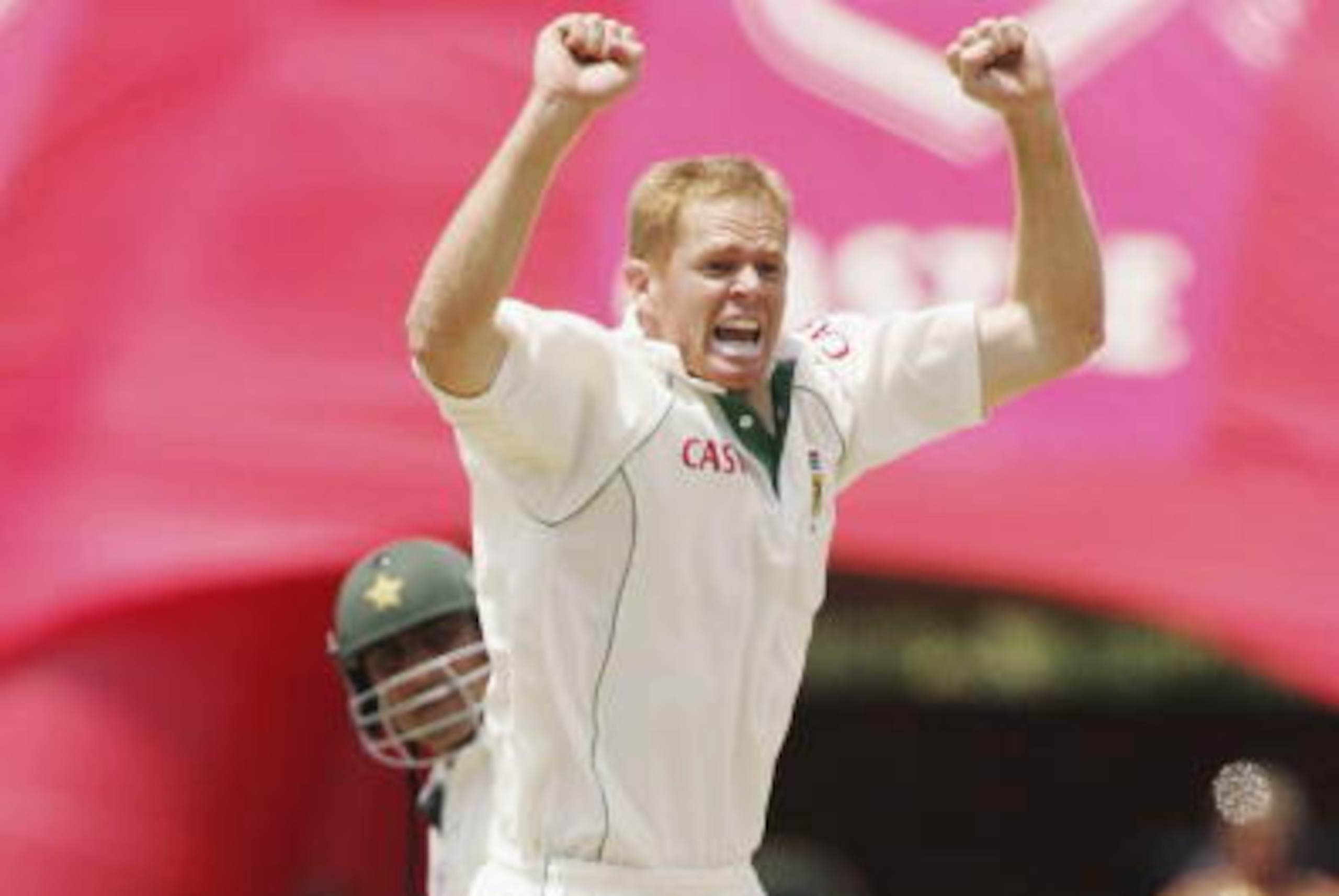
Tests: 108
Wickets: 421
Average: 23.11
Strike Rate: 57.8
As neatly put by Peter Robinson of ESPN Cricinfo: "Considering the type of stuff floating around in his gene pool, it would have been surprising if Shaun Pollock had not been an international cricketer—and a very good one at that."
Both his dad and his uncle represented South Africa, and Shaun continued the fine family lineage with an outstanding career as a bowling all-rounder from 1995 to 2008.
Early in his career, Pollock was one of that rare breed capable of moving the ball both in and out at genuine speed, and had a surprising knack for generating good bounce despite not being anywhere near as tall as towering stars such as Courtney Walsh, Glenn McGrath and Curtly Ambrose.
But the second half of Pollock's career saw his pace drop considerably, forcing him to rely on a more subdued combination of accuracy and subtle movement—enough to propel him beyond 400 Test wickets.


.jpg?w=2560)
4. Glenn McGrath
4 of 7
Tests: 124
Wickets: 563
Average: 21.64
Strike Rate: 51.9
The most prolific pace bowler of all time and maybe the most accurate speedster in history.
That's Glenn McGrath in a nutshell.
Though never blessed with the same raw speed as many of his contemporaries, the Australian had an unbelievable—possibly unprecedented—talent for hitting almost the same spot on the pitch ball after ball after ball.
Combined with the uncomfortable bounce brought about by his height, the New South Welshman had a recipe for undoing the world's finest—something he did extremely regularly, dismissing Brian Lara 15 times and averaging less than 23 against Sachin Tendulkar.
Lara once described McGrath as "definitely up there with the best fast bowlers I have faced," while Tendulkar named the Australian as the best fast bowler he ever encountered.
Though accuracy typically isn't viewed as much of an indicator of raw talent as breathtaking pace or prodigious swing, there's little doubt that McGrath's level of precision was as high as any bowler in the game's history.
3. Sir Richard Hadlee
5 of 7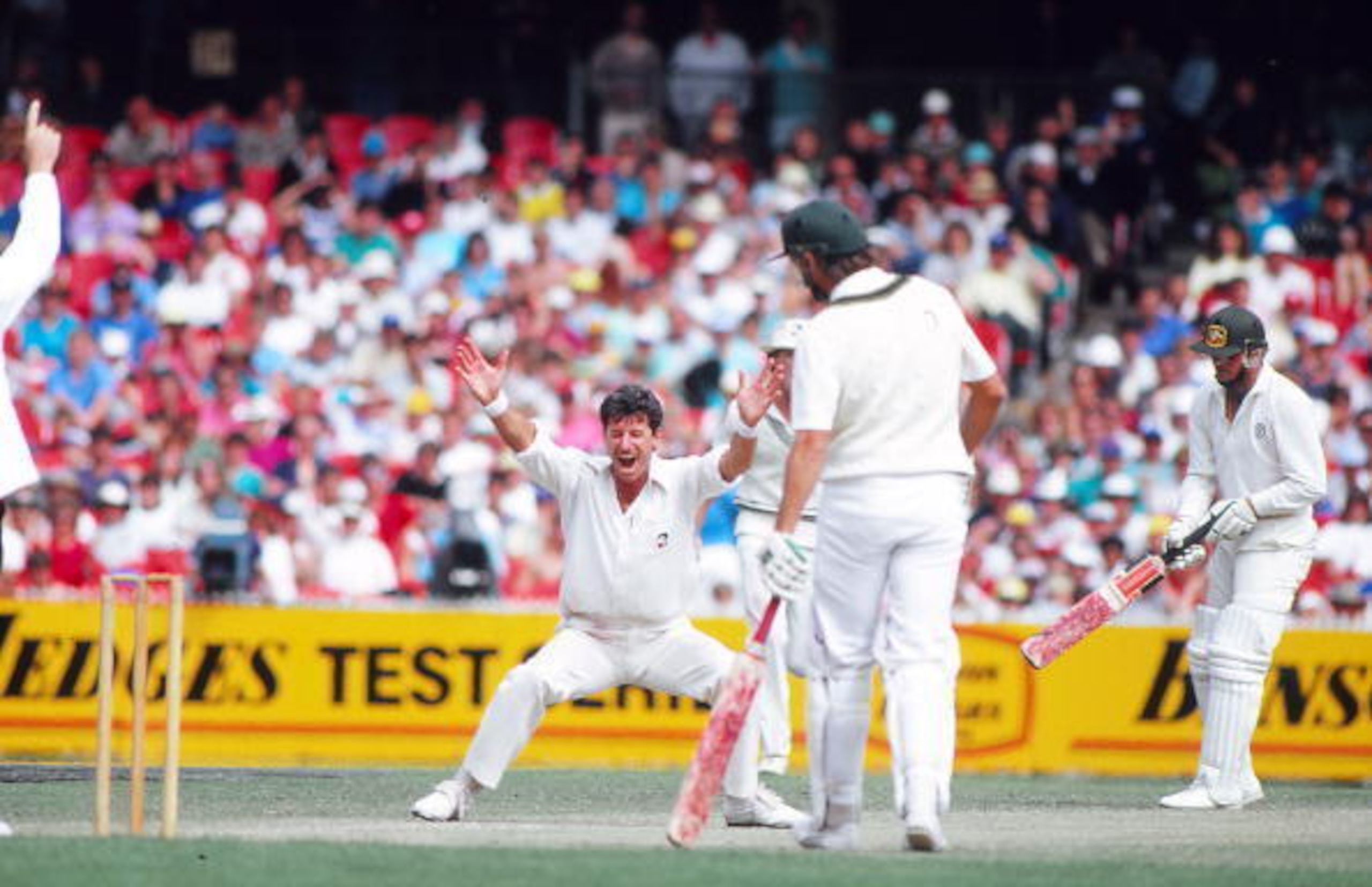
Tests: 86
Wickets: 431
Average: 22.29
Strike Rate: 50.8
Sir Richard Hadlee was the first man in history to reach 400 Test wickets and did so by being perhaps the most creative, intelligent and thoughtful seamer of all time.
Lacking the pace of Dennis Lillee, Jeff Thomson, Malcolm Marshall or Joel Garner, the New Zealander became the most prolific seamer of his generation by utilising his incredible accuracy and a brilliant understanding of how to out-think a batsman.
Whether it was traditional swing, reverse swing, cutters, slower balls or deliveries that moved off the seam, Hadlee had it all and used that array of variations to do everything from working a batsman across the crease to blurring a batsman's clarity of the whereabouts of his off-stump.
The result was the finest strike rate of any player on this list.
2. Sir Curtly Ambrose
6 of 7
Tests: 98
Wickets: 405
Average: 20.99
Strike Rate: 54.5
Has there ever been a more intimidating bowler in the game? Someone who struck a primal fear into the world's batsmen more than Sir Curtly Ambrose?
If there have been, they are few in number.
For Ambrose is recognised as the most fearsome fast bowler of his generation, an extraordinary talent who was among the last—and undoubtedly one of the best—in a long line of brilliant speedsters who emerged from the Caribbean.
Enormously tall, and possessing searing pace and frightening bounce, the West Indian captured his scalps at the best average of any man on this list and at the third-best average in Test history for any player with 200-plus wickets.
And it wasn't just about speed either; Ambrose's ability to hit an immaculate length and move the ball away from the right-handers allowed him to become a lethal weapon on surfaces that didn't possess the same pace or bounce of the West Indian pitches of the 1980s and '90s.
It's one of the reasons his average of 20.77 in England was lower than his average of 21.19 at home.
1. Wasim Akram
7 of 7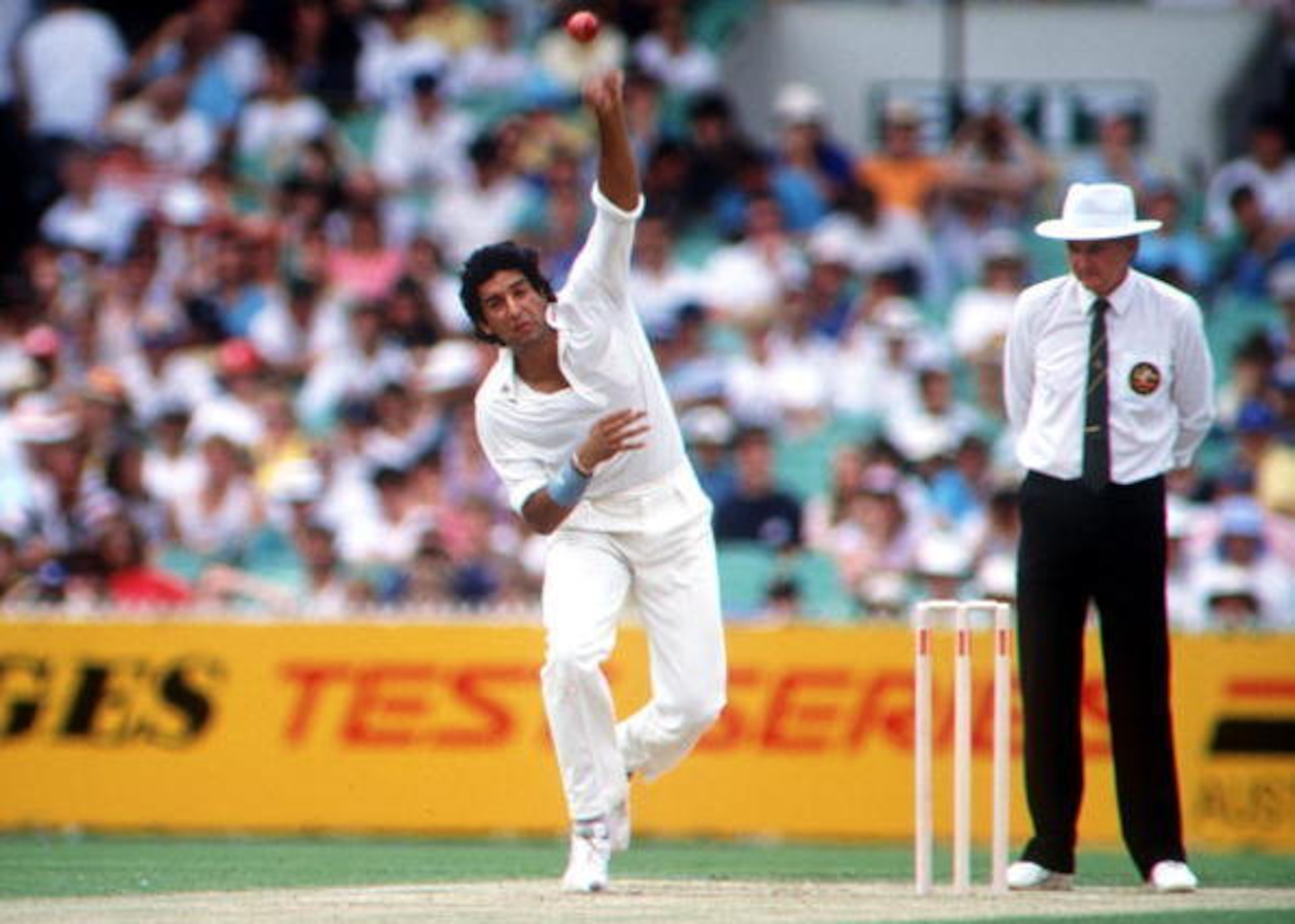
Tests: 104
Wickets: 414
Average: 23.62
Strike Rate: 54.6
It was always going to take a phenomenal talent to keep Sir Curtly Ambrose from the No. 1 spot on this list, and in this writer's eyes, Wasim Akram is the player capable of doing that.
Ambrose might have been faster, more accurate and more intimidating, but Akram had a talent for swinging the ball that might not have ever been matched in Test history.
With a rapid arm action and by covering the ball as he ran in, the Pakistani had a decisive advantage over his opponents before he'd even released the ball. And then when he did, it moved in the air in a way we hadn't seen prior to his arrival in 1985. In and out. Conventional and reverse.
Indeed, watching Akram deliver lightning-fast, reverse-swinging yorkers was one of the finest sights in international cricket, and along with team-mate Waqar Younis, he began a revolution for how the cricket world viewed swing in the armoury of a fast bowler.
.jpg?w=2560 "Rams Eagles Football")
.jpg?w=2560 "Falcons Saints Football")
.jpg?w=2560 "Injury-stricken Seahawks signing veteran RB")

.jpg?w=2560 "2 NFL Officials Suspended")

