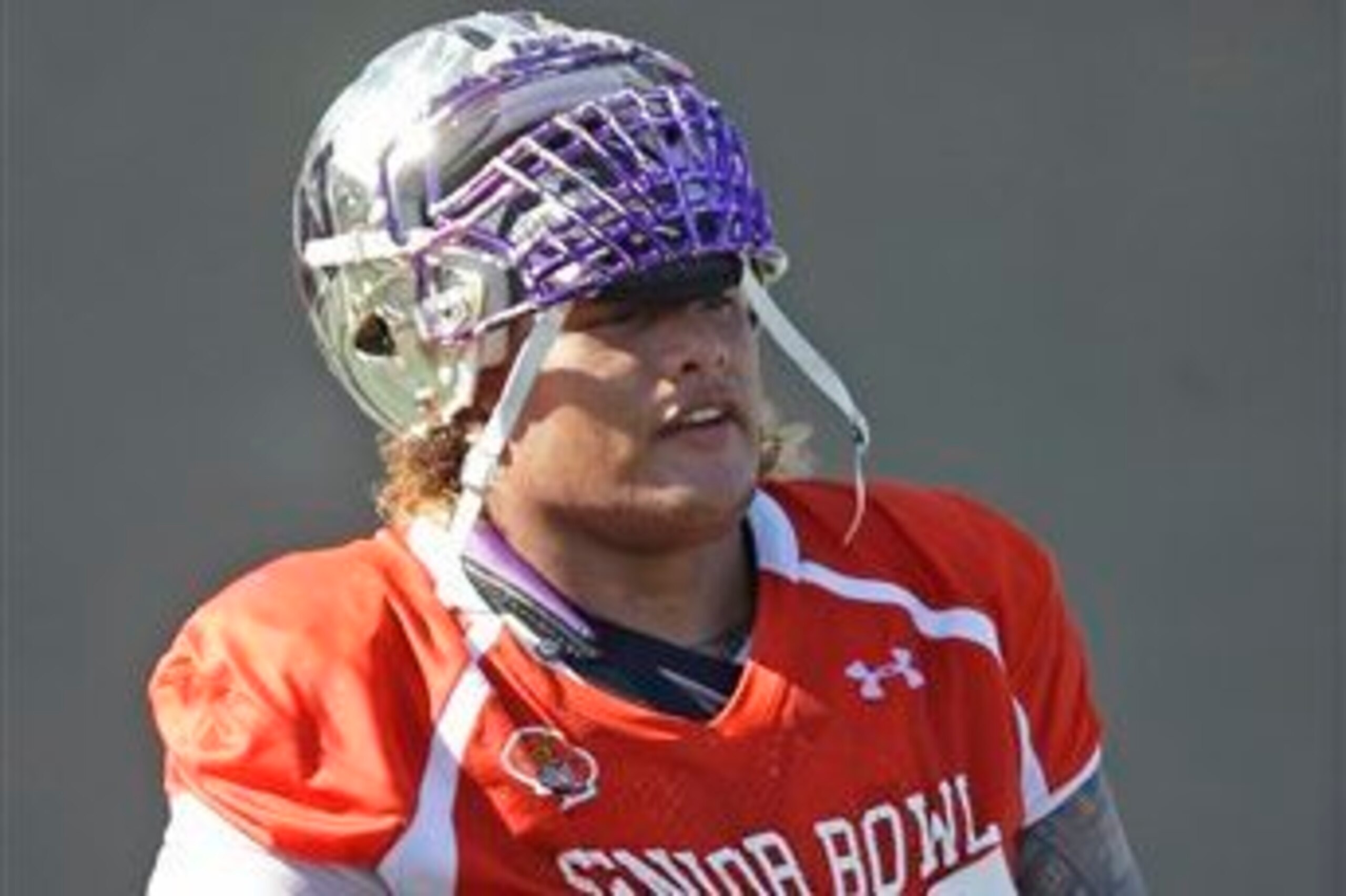

2015 NFL Draft: Projecting Best Team Fits for Some of Draft's Biggest Names
With the Super Bowl now over, all 32 teams are staring down the offseason. In the blink of an eye, the initial wave of free agency will be over, leaving fans with the Christmas-like weekend known as the NFL draft.
For seven rounds, franchises across the league add to their futures, drenched in hope. Looking at the early potential selections in this draft class, a few perfect matches present themselves. Be it a pass-rusher who is perfectly suited for a scheme or an offensive lineman who is matched with the right coaching staff, some landing spots go together with prospects like a hand and glove.
Several months away from the big day, these are the 10 who stick out like a sore thumb.
Leonard Williams, DL, USC
1 of 10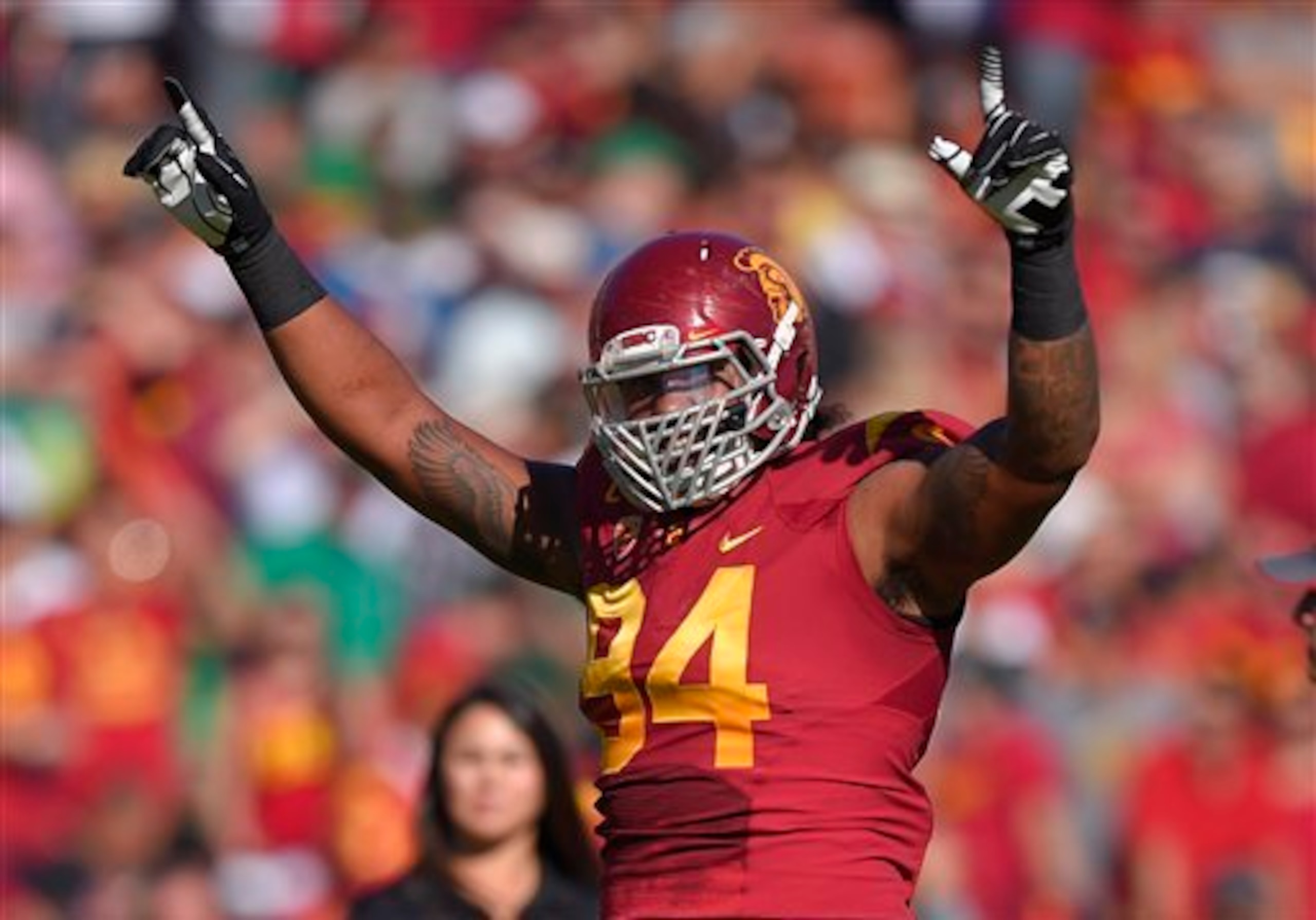
Leonard Williams has been compared to just about every major 3-4 defensive end who has made a Pro Bowl in the past decade. He has a fairly light frame for a 5-technique at 6'5", 298 pounds, but he has the strength and length to compete there from Day 1 at the next level. Everything after that is just progression.
A 3-4 team is the best look for him as a 5-technique and a player who was a defensive tackle at times in his career. Early in the draft, the Tennessee Titans make a lot of sense. Jurrell Casey, while being very good, doesn't really look or play like a true two-gapping stereotypical defensive end in that scheme.
Matching Williams' strength with Casey's quickness would allow the Titans to finally bolster the front seven, marking off a huge slot on the 2015 checklist. Both sides would benefit, as Williams goes high in the draft as the No. 2 selection and gets to spend his career in what many presume is the fast track for success for him.
Best fit: Tennessee Titans, 3-4 defensive end
Randy Gregory, Edge-Rusher, Nebraska
2 of 10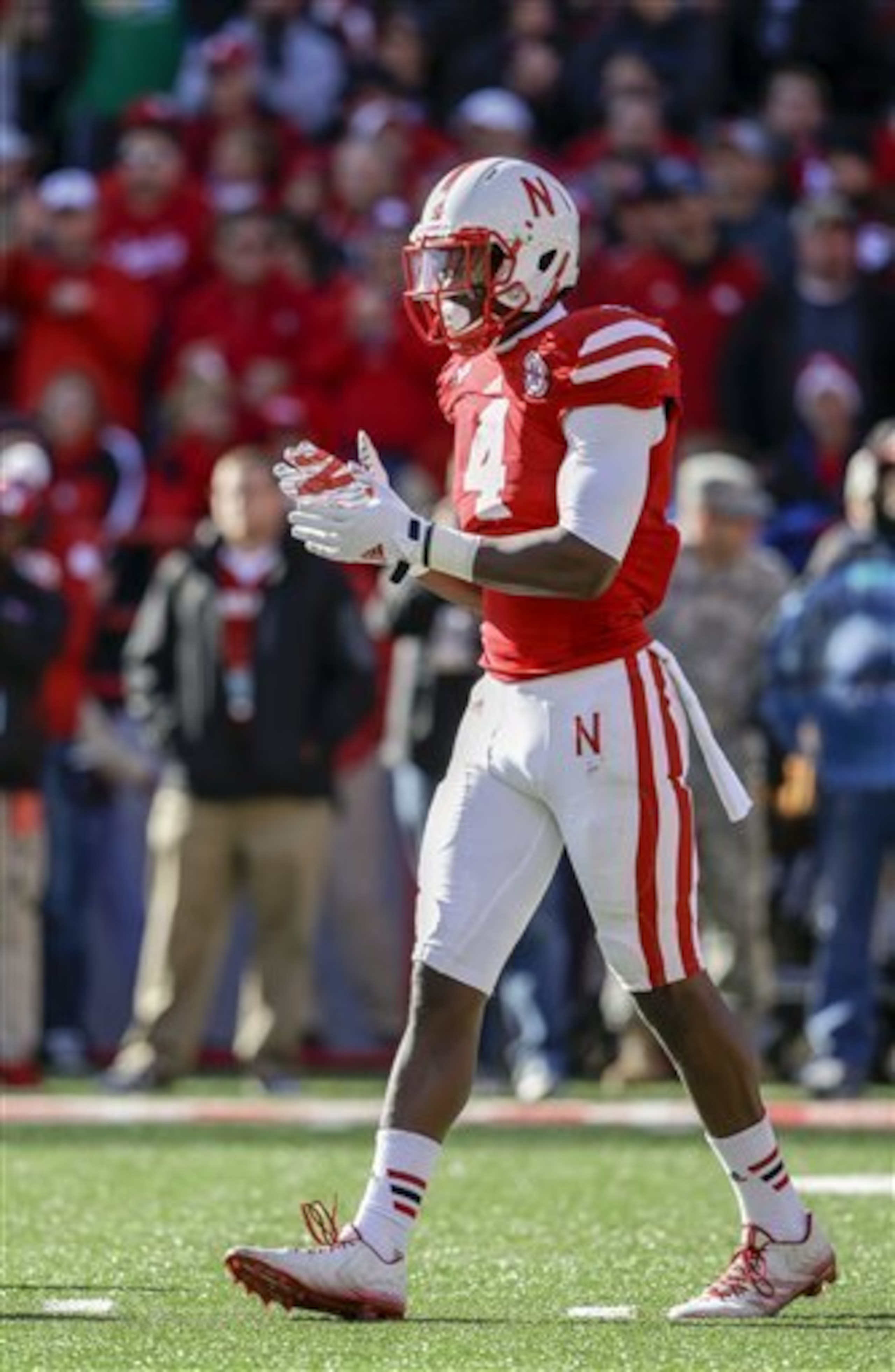
Randy Gregory is a second-year player at Nebraska who arrived from junior college as a raw athlete. After proving his athleticism in 2014, he demonstrated his ability to play football in 2015.
Taking huge strides, he's being looked at as a top-five selection. According to Play the Draft, a Mel Kiper-sponsored draft stock game in which users predict where prospects will go, he's listed as the fourth pick. At least from the public's perspective, only a couple of teams are in the running for the pass-rusher.
Gregory's largest issues are his lack of burst off the line of scrimmage out of a four-point stance and his small size. Once he hits the combine, Gregory may officially come in at less than 250 pounds, really challenging the minds of those who want him in a 4-3.
Jacksonville's "Leo" role as an ambiguous weak-side defender seems like a perfect landing spot on paper. With a 4-3 acting essentially as a 3-4 in some ways, the Jaguars could find their Cliff Avril on draft day. Gregory could be the turning point for that defensive line, which has been slowly and efficiently building over the previous two years.
Best fit: Jacksonville Jaguars, Leo
Amari Cooper, WR, Alabama
3 of 10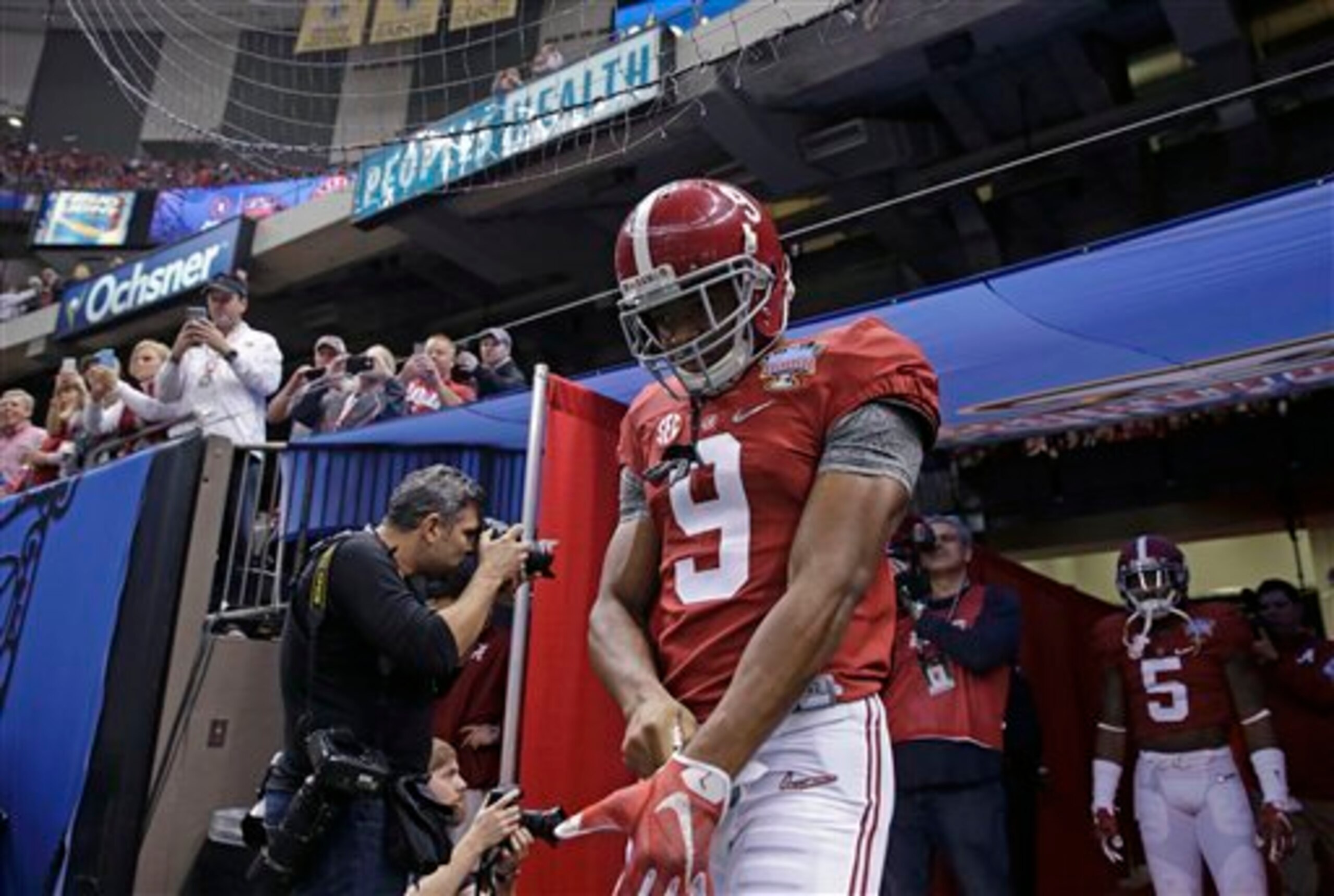
Amari Cooper has been around NFL draft hype for his entire college career. Even back as a freshman, he was tabbed as a future first-round talent. After playing for three years at Alabama under two quarterbacks, Cooper declared in 2015 after choosing not to enter in 2014, when the NFL may have had a historic class in terms of depth at the receiver position.
A year ago, he may have been the fourth receiver drafted after Sammy Watkins, Mike Evans and Odell Beckham Jr., but this offseason, he and Kevin White from West Virginia seem like the only real threats in that "wide receiver No. 1" slot. Lining up as a boundary receiver for the majority of his career, Cooper needs an offense built around misdirection to allow him to hit the home run ball deep.
The Oakland Raiders fit this mold for a couple of reasons. First off, Jack Del Rio's teams in Jacksonville when he was the head coach there always had a solid run game, so while the team hasn't even hired an offensive coordinator, many would assume this to be the preferred identity of the team. Second, the Raiders' top receiver is probably James Jones, who is a mid-level slot talent.
If the team wants to build around Derek Carr, the promising rookie arm drafted in 2014, adding Cooper as his Z or X option seems as good of an idea as any.
Best fit: Oakland Raiders, X/Z receiver
.jpg?w=2560 "Rams Raiders Football")

Jameis Winston, QB, Florida State
4 of 10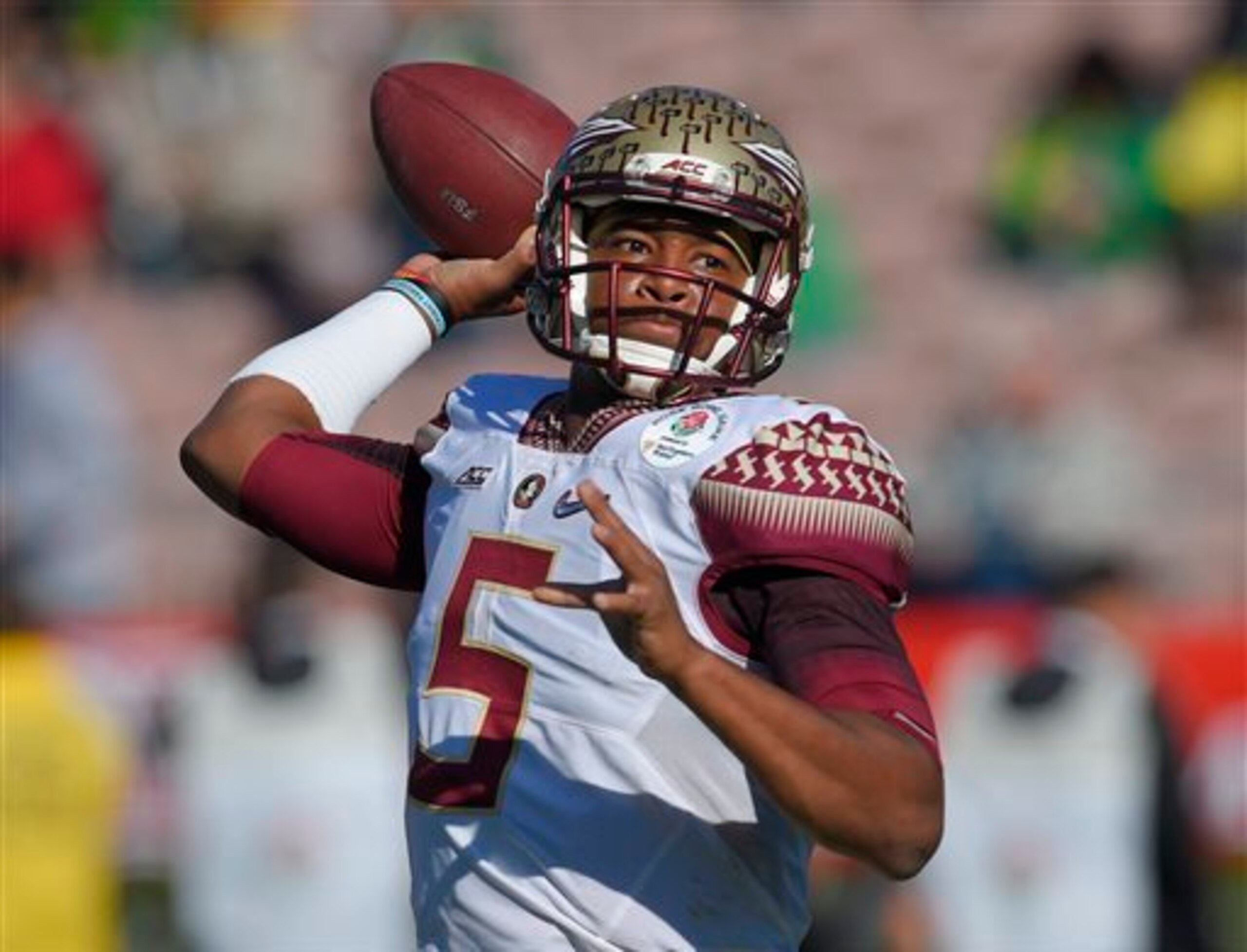
Jameis Winston has had some of the best throws a college football player can imagine over the course of the past two seasons. That being said, he's also had some stretches of cringe-worthy play, especially in 2014, when Florida State seemed to be in a one-score near-loss on a week-to-week basis.
Winston's college career mirrors Eli Manning's NFL career pretty well. Their style of play is fairly similar; they both entered their levels of competition with major expectations and are streaky passers who can simultaneously carry a team for stretches to the championship or keep it from contending for a win against inferior opponents.
In the end, Winston's high-variance play may not be bad for a team in total rebuild mode. His ability to create at that position, the most valuable in the league, is a special enough trait for him to go early. If there's a team whose name is synonymous with offensive reconstruction, it has to be the Bucs, who have the No. 1 selection.
From the first reps Winston takes with the team, any outcome on an individual play is possible. He can make all the throws, but the team hopes to fix his inconsistency by upgrading talent around him down the line or by limiting poor throws on his end. The Buccaneers have no identity when they have the football, and he would quickly change that.
Best fit: Tampa Bay Buccaneers
Vic Beasley, Edge-Rusher, Clemson
5 of 10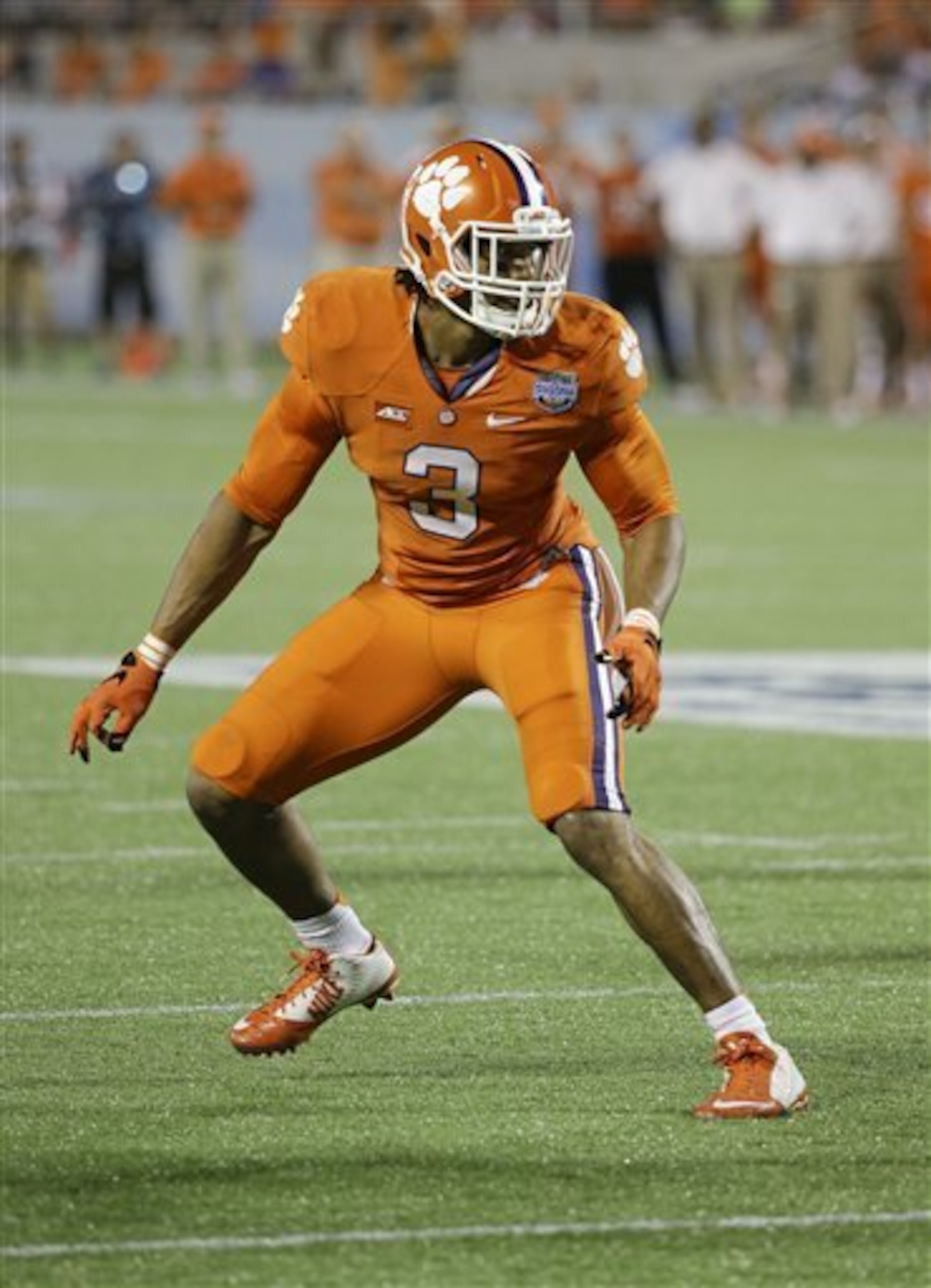
One day after the Super Bowl, former Seattle Seahawks defensive coordinator Dan Quinn became the head coach of the Atlanta Falcons. The Falcons, who some thought would be a nice spot for other defensive-minded coaches like Rex Ryan and Todd Bowles, followed Jacksonville's lead, who made former Seahawk play-caller Gus Bradley their head man in 2013.
If the team takes in that 4-3 under scheme, one player would shoot up to the top of the odds for being Atlanta's selection at No. 8 overall. That player is Vic Beasley, the defensive end from Clemson who some thought was the best returning senior prior to the season.
As a senior, Beasley went on an award tour, breaking nearly every sack record that was presented in front of him. However, he's not big enough at 6'2", 235 pounds to play base end at the next level, and he's limited as a run defender due to his size.
When looking at the Seahawks, his career projection to mimic is the weak linebacker/weak defensive end combo that Bruce Irvin plays. On a majority of snaps, he's probably a weak-side off-the-ball player who fills gaps and chases down runners from the back side of a play, but in nickel situations, he can still flash his talent to get after the passer.
In a weak class with little top-end talent, Beasley's great fit is in Atlanta, who desperately need not just one more contributor as a pass-rusher but two or three. The Falcons' need may push him up to the top 10.
Best fit: Atlanta Falcons, 4-3 "Will"/weak-side defensive end
Landon Collins, S, Alabama
6 of 10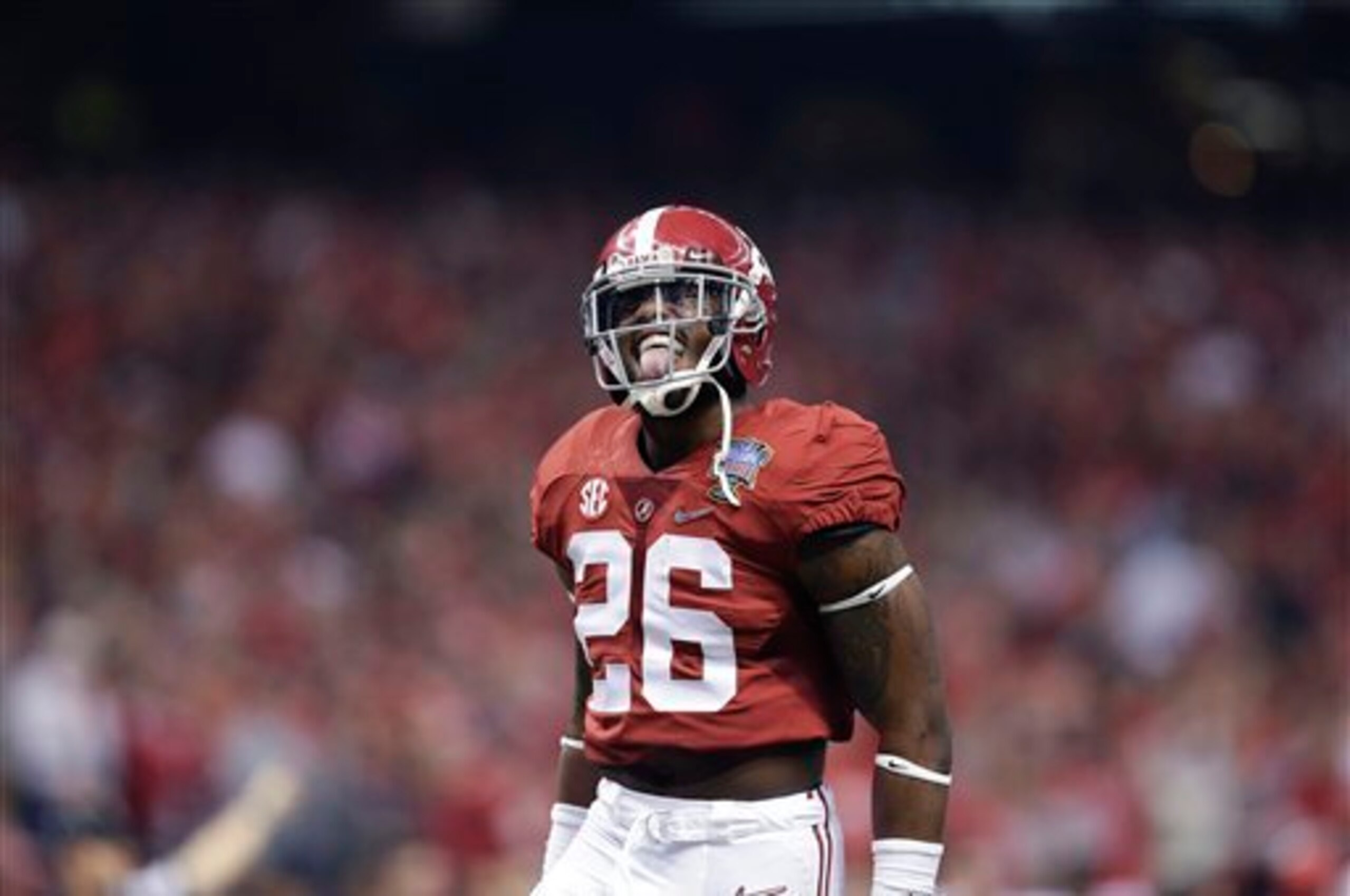
With all the rule changes for safety, the NFL has made it more and more challenging for safeties to compete with offenses at the professional level. It almost seems like they can't come across the middle anymore, making every defensive back a coverage-first player now, but there's also a school of thought that the best players in coverage should be cornerbacks.
So if a safety isn't coming across the middle and isn't solid in coverage, what true value does he possess? This is why the league is in a drought at the position, and why there's really only one or two safety prospects who stand out in a given draft class.
This year, Alabama's Landon Collins looks like the home run prospect in the back end. With that in mind, no one is sure how high he can go. In a class that is lacking elite prospects, Collins could be a top-10 talent, with the largest knock about the pick being that he's not getting reps in a position of "value."
Since the passing of Sean Taylor, the Washington Redskins seem to be struggling to field a competitive secondary. In 2014, Washington's top safeties were Ryan Clark, whose prime days are far behind him, and Brandon Meriweather, whose "blam" styling of hitting ranks him higher among safeties in the early 2000s than in the modern game.
Almost instantly, Collins would become the top dog on that defense, desperately changing the culture of that defensive back unit that's been struggling for the better part of a decade.
Best fit: Washington Redskins, either safety spot
Marcus Peters, CB, Washington
7 of 10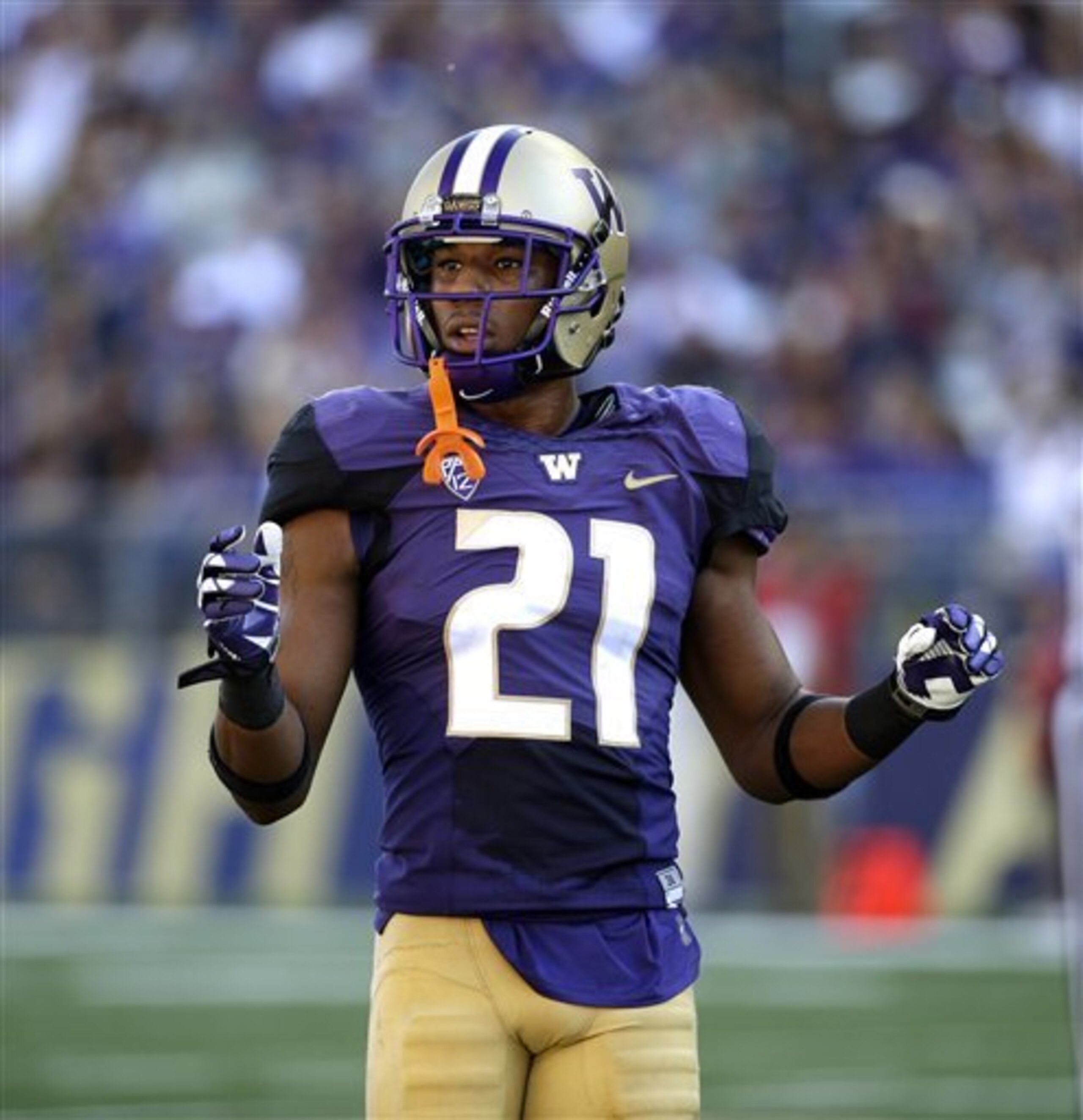
Though Seattle has been named the center of the NFL's latest craze on tall cornerbacks, Ted Thompson, the general manager of the Green Bay Packers, has exercised his ability to target tall defensive backs on the outside too.
If Davon House and Tramon Williams both leave in free agency, that would leave no starting option opposite of Sam Shields, who received a $40 million deal last offseason. The Packers aren't spending all that money on Shields so they can just be exploited across the field at the same position.
When looking at the Green Bay "type" of cornerback, there are three options. There is Marcus Peters from Washington, a talented press cornerback who was kicked off the team late in the year. Green Bay could also look at Trae Waynes, a solid but not great cornerback prospect, and Quinten Rollins, a 24-year-old converted point guard who has one year of college football under his belt.
Peters, on film, is the best of that trio. In a structured environment such as Green Bay—a small-town community with strong leadership from the top to the bottom—maybe Peters' issues work themselves out naturally, and the team finds a steal of a cornerback who may be the best prospect at the position since Patrick Peterson.
Peters compares favorably to a Richard Sherman, who also abuses receivers at the line of scrimmage and looks for the ball as a tracker afterward. They have a distinct and physical style of play that is great for a press-man team.
Best fit: Green Bay Packers, boundary cornerback
Danny Shelton, DL, Washington
8 of 10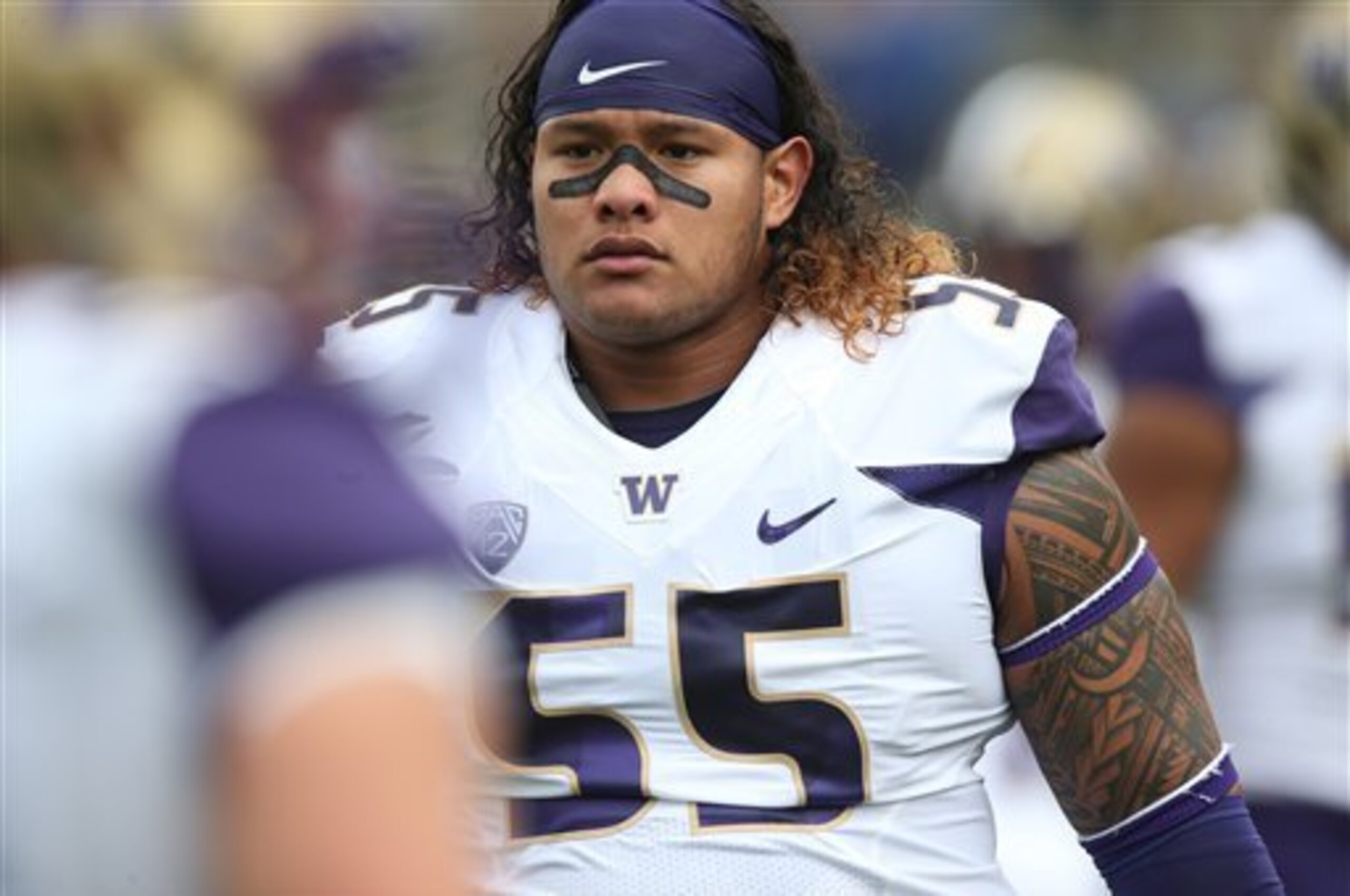
Defensively, the front seven of the Chicago Bears was their weakness on that side of the ball in 2014. Now more than likely playing a true 3-4 defense under new defensive coordinator Vic Fangio via San Francisco, the team should be more than willing to take talent at nose tackle, defensive end or outside linebacker early in this draft.
As far as nose tackle is concerned, there's only one big body pressing to be in that first-round range. Danny Shelton, the Washington senior, by all accounts including Bleacher Report's Matt Miller's, had a nice week in Mobile, Alabama. Though he has some large concerns, the biggest being questions about his conditioning at the next level, it's rare to find a top-half-of-the-first-round talent who's an NFL-ready big body. In the past decade, only B.J. Raji, Dontari Poe and Haloti Ngata really fit that shoe.
Ngata, who compares similarly to Shelton, is a player who coming out also had issues with conditioning. CBS Sports even noted that Ngata "tends to wear down late in games and despite his speed, he will tire when having to run long distances."
If Shelton is the next Ngata, his presence on a squad in a defensive transition should be amazing. If the Bears, who desperately need help speeding up the process of finding 3-4 talent, can land him, it would be a big win for both sides on draft day.
Best fit: Chicago Bears, nose tackle
T.J. Clemmings, OT, Pittsburgh
9 of 10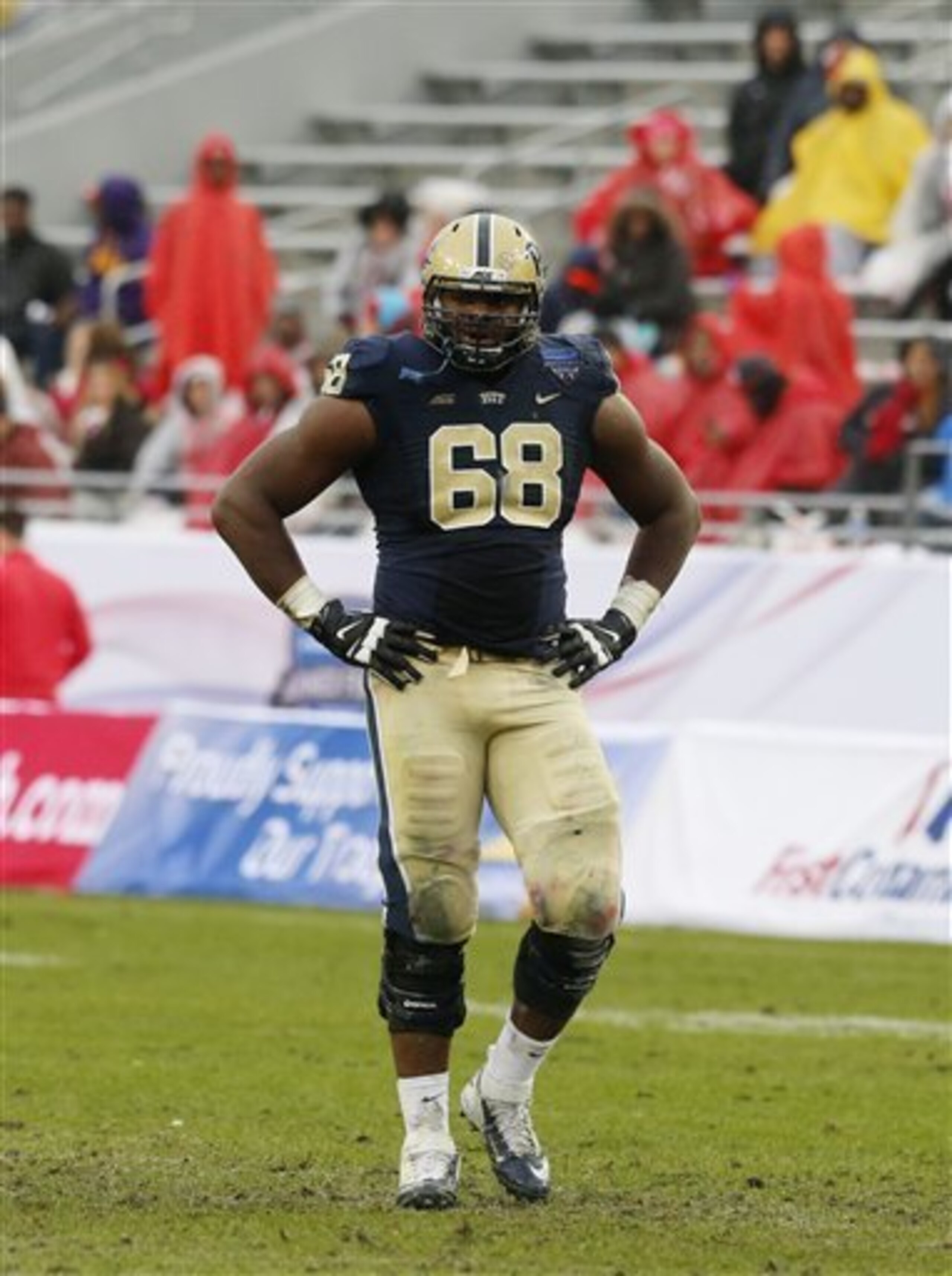
T.J. Clemmings is an odd offensive tackle prospect from the jump since he never played the blind-side tackle role for the Pittsburgh Panthers. The offensive lineman instead played right tackle. One reasoning for this could have been his poor footwork, and the team may not have trusted against the ACC's top weak-side rushers.
Clemmings has all of the talent in the world, but the former basketball player and defensive tackle needs to be built from square one to progress into a starter. If he can just get to the baseline of consistency, his natural talent can push him way up the list of right tackles in the league.
Noted as a great run-blocker, a team like the Seattle Seahawks could be targeting the bookend. With Russell Okung's free agency coming up and his injury issues in the past, maybe it's time for Seattle to look for a younger, cheaper alternative. With a year on the bench to develop technique, Clemmings could look like a Trent Williams clone who is well-worth a late first-rounder.
Best fit: Seattle Seahawks, developmental tackle
Alvin Dupree, Edge-Rusher, Kentucky
10 of 10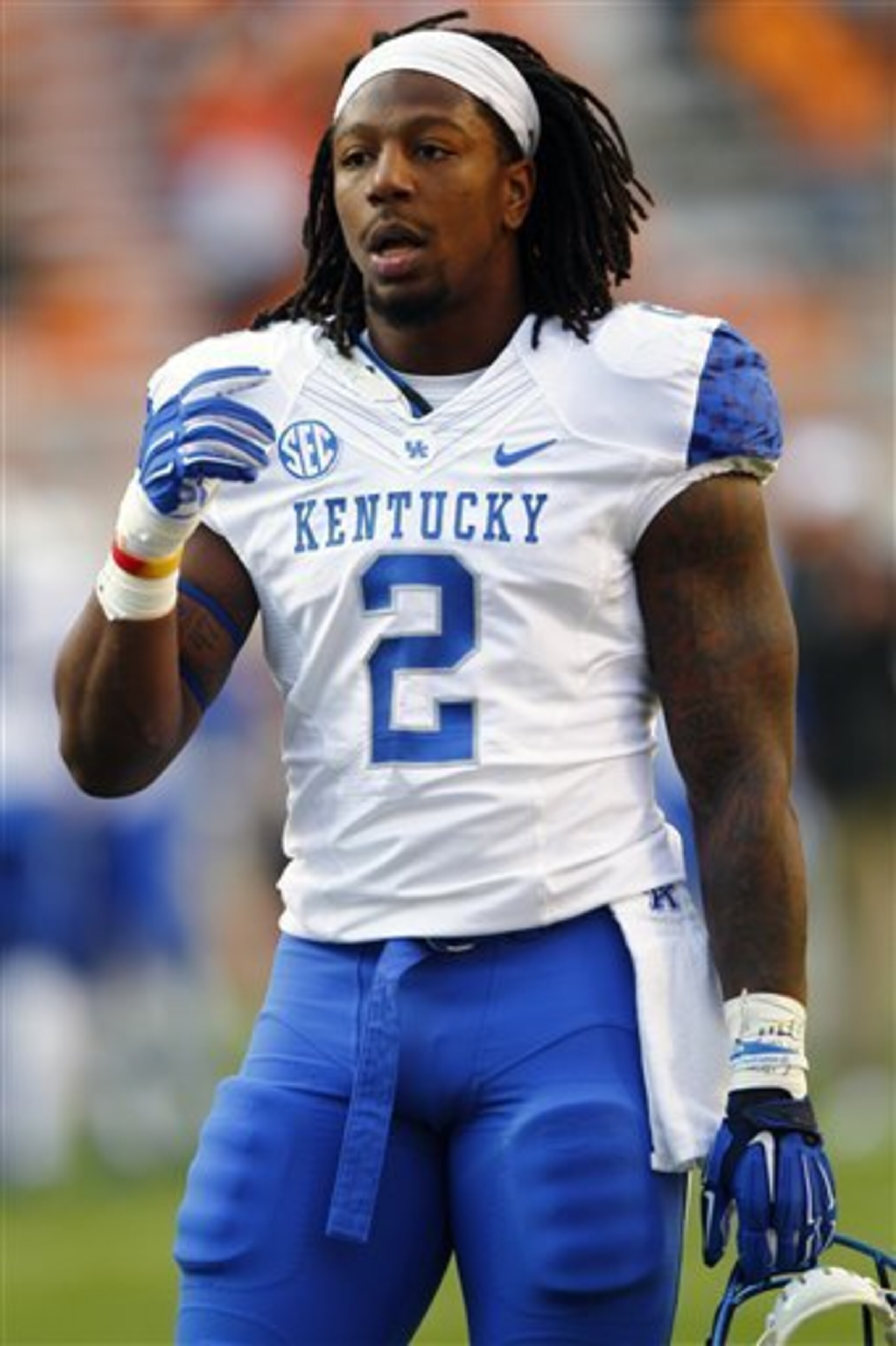
Alvin Dupree is a future NFL starting 3-4 outside linebacker who isn't really a splashy player. He's a guy who will probably rank as the third- to fifth-best pass-rusher in the class for everyone, but he isn't going to be flexing himself into that top-10 overall range based on talent.
Coming out of Kentucky, there's going to be a transition into his new role at the next level, but plenty have gone on the same path and had great NFL careers. If there's a team in the mid-first round looking for a pressure creator, Dupree has to be in consideration for the pick.
When looking in that range, a prime candidate to land the former Wildcat is the New Orleans Saints, who are begging for another edge player, play in a dome that's favorable for speedy, undersized rushers and know SEC country like the back of their hands.
A good front end can make up for a struggling back end. The Saints had some issues in both of those areas in 2014, but if they add Dupree, they might be able to kill two birds with one stone.
Best fit: New Orleans Saints, 3-4 outside linebacker
.jpg?w=2560 "Steelers Saints Football")



.jpg?w=2560 "🚨 Week 8 AP Top 25 Poll")
