


Back in December, when Real Madrid were preparing for the club's final La Liga game of the calendar year, manager Carlo Ancelotti told reporters that Marcelo was "definitely the best full-back in the world."
The comment, made in response to Brazil coach Dunga's criticism of Marcelo, raised more than a few furry eyebrows. Thousands—maybe millions—of them, in fact. It was an uncharacteristically bold statement from the Italian, who has underplayed things more often than not during his time at the Santiago Bernabeu.
But for Ancelotti, his rebuttal was a chance to do two things: further strengthen his rapport with those under his tenure—a hallmark of his managerial career across stops at AC Milan, Chelsea, Paris Saint-Germain and now Real—and second, and perhaps more importantly, to publicly acknowledge what's been a notable turnaround for Marcelo.
TOP NEWS
Alexia Wins Ballon d'Or 🏆
Live Ballon d'Or Ceremony Winners 🎉

Final Men's Ballon d'Or Rankings 📊
Marcelo has gone from World Cup disaster to transformation at Real Madrid, and Ancelotti clearly wanted to stress the remodelling achieved by the Brazilian this season. And it wasn't the first time he'd done so.
More than a month earlier, Los Blancos' boss was keen to recognise the shift seen in his left-back.
"He hasn't always done so, but now he is playing fantastically," Ancelotti told a news conference in October. "He is helping the team. He is training really well and is very focused on his defensive duties."
It might have been the first time such a sentence had ever been said in reference to Marcelo.
But there Ancelotti was, saying it. And he wasn't wrong, either.
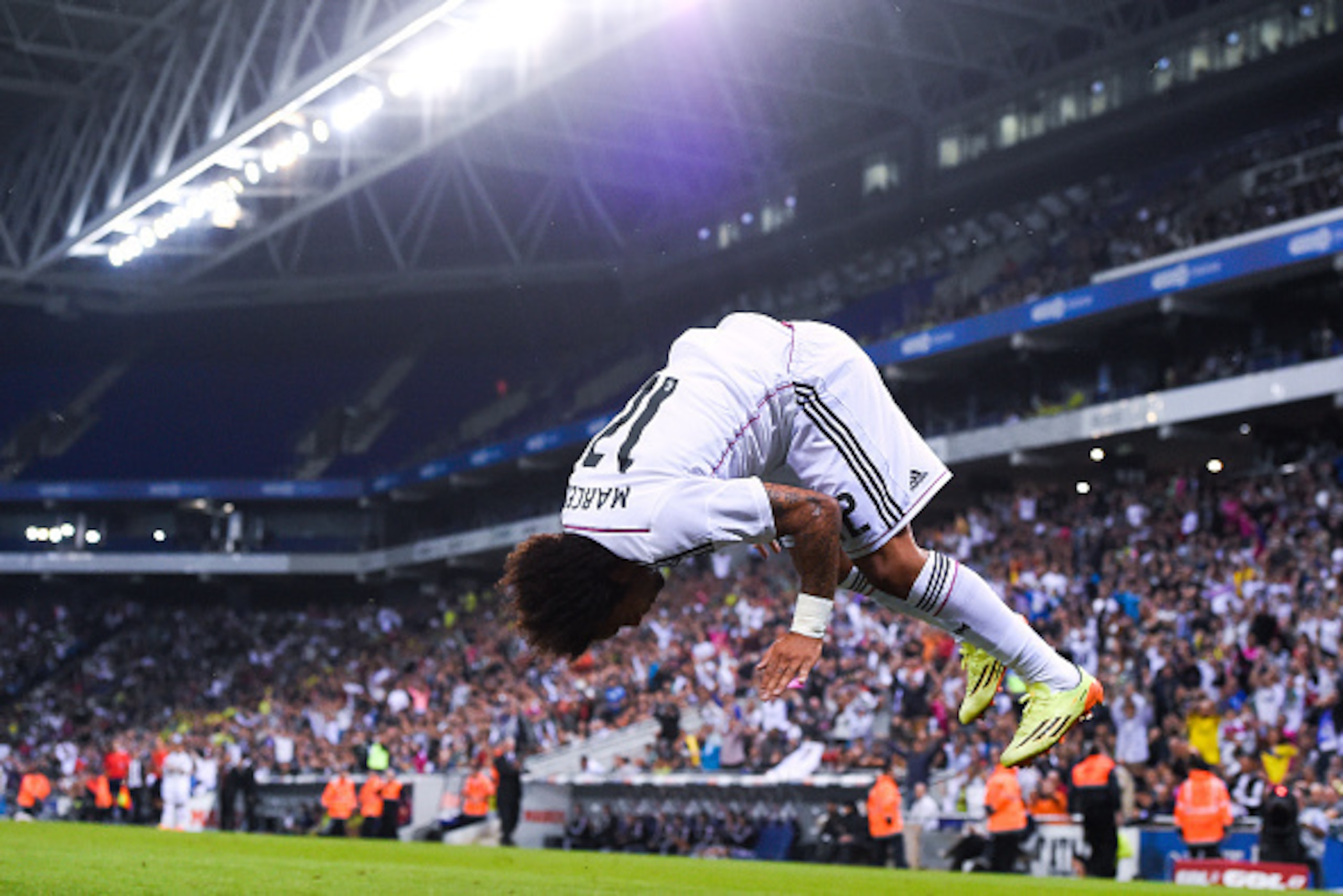
The 2014 World Cup has clearly had a profound effect on the Brazilian. Losing 7-1 is one thing; losing 7-1 in the semi-final of a World Cup your nation (perhaps the proudest footballing nation of all) is hosting is quite another.
Typically, such moments of despair tend to have one of two effects on elite sportsmen: The harrowing defeat either leaves behind scars that never truly heal or instead serves as a catalyst for inward reflection, motivation and necessary change.
As Brazil's distraught stars exited the pitch in Belo Horizonte engulfed in embarrassment on July 8, 2014, most were unsure which way they'd go.
The evidence since has shown that the loss has had the latter effect on Marcelo.

Since returning to Real Madrid from that catastrophic setback at home, the 26-year-old has been a pleasant surprise for the European champions.
"Marcelo is able to play consistently and at a high level, like he is showing at the moment," Ancelotti said of the full-back earlier this season.
The most significant change, of course, has been his work without the ball. Once a ticking timebomb for a defensive blunder, the former Fluminense star has found a new harmony in his two-way game.
No longer is he regularly caught 15 yards ahead of the play when the ball is being contested in the middle. No longer is he consistently culpable for carelessly playing an opponent onside. No longer is he often caught diving in for a rash challenge because of poor positioning. No longer is he the guy who regularly fails to track a runner in the box.
Though he's still a dynamic attacking talent, a balance has been struck. An evolution—not revolution—has been witnessed in his game.
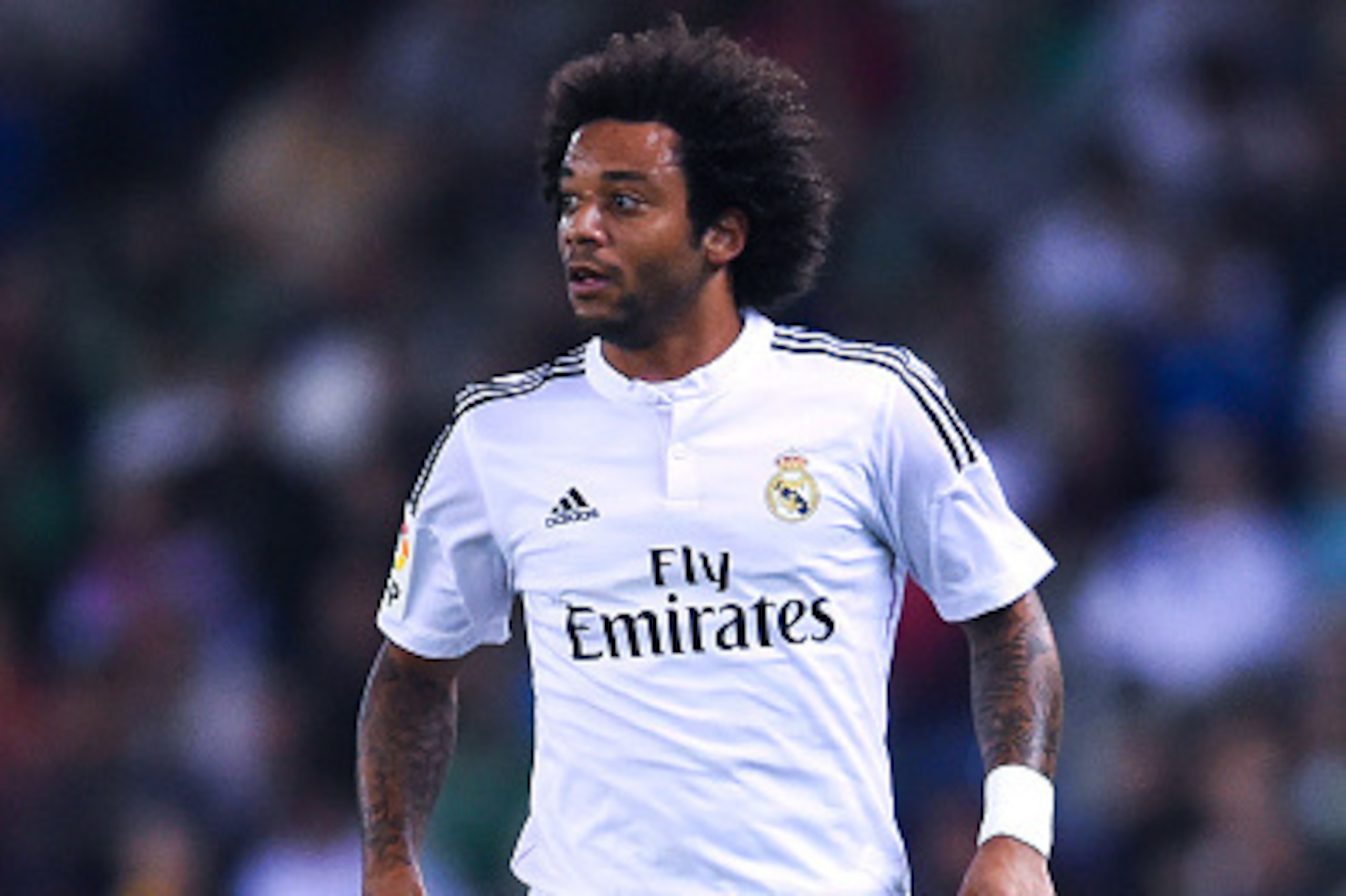
Such an impressive turnaround has seen Marcelo usurp Fabio Coentrao in Ancelotti's preferred XI in the current campaign.
Last season, the Portuguese was the manager's trusted option in the games that mattered.
Against Bayern Munich? Coentrao.
Against Borussia Dortmund? Coentrao.
Against Schalke? Coentrao.
Against Barcelona in the Copa del Rey final? Coentrao.
Against Atletico Madrid in the Champions League final? Coentrao.
But that's no longer the case. Marcelo has started 16 of Real Madrid's 18 games in La Liga and four of the six in the Champions League, and he held down the left-back position for both matches at the Club World Cup.
The Portuguese was once the source of reliability, but now Marcelo is that guy.

Of course, the Brazilian has benefited from Coentrao's injury woes this season, but it doesn't look as though he'll relinquish his hold over the left-back position anytime soon. He's built on that impressive attacking cameo when used as a substitute in the Champions League final in Lisbon—Ancelotti admitted "the game changed when Marcelo and Isco came on" that night—to entrench himself as one of the Italian's most influential players.
What's interesting to note in the full-back's sharp improvement this season is the way his game is portrayed statistically. In 2014-15, Marcelo is tackling and intercepting at the lowest rates of his career according to WhoScored.com, but he's also fouling considerably less often and winning more offsides against his opponent.
All those markers, contrary to what some may think, are indicators of an evolutionary process in his game—they're reflective of a newly found balance to his approach. For tackles and interceptions are sometimes wrongly perceived, because part of the reason a player makes them is because he's put himself in a position in which he has to make them.
Marcelo is now putting himself in those positions less often; there's a positional awareness to his play that's preventing the need for him to make desperate and last-ditch interventions.
In short, he's now defending with his head and not just his feet and legs.
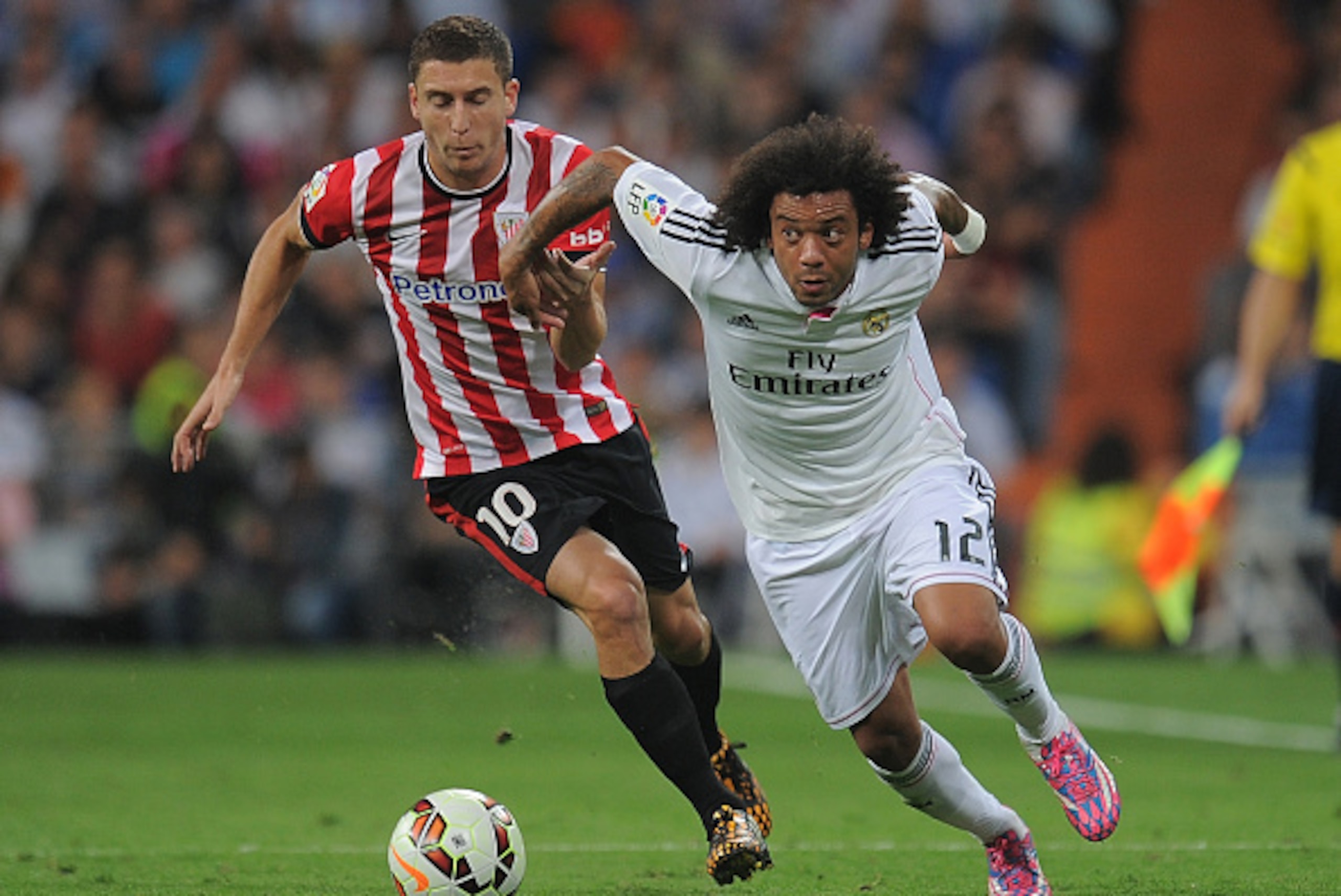
The significance of such a shift shouldn't be understated. Not only has his maturation as a defender progressed rapidly this season, but he's done it at a time when Real Madrid are playing their most expansive and open football in years, in a season in which Los Blancos are operating without a true holding midfielder and utilising an array of No. 10s in the most attacking system on the continent.
It's impressive, definitive evidence that his forgettable performance—or unforgettable, depending on your outlook—in the 7-1 loss to Germany has been the catalyst for positive change.
So when Ancelotti rejected Dunga's criticism of the left-back, he was right: The Brazil coach was talking about a different player, the one who existed before a period of evolution.
We're now watching a new Marcelo, one who's gone from World Cup disaster to transformation at Real Madrid.

.jpg?w=2560 "Seahawks Chiefs Football")





