

Why Sledging Is an Integral Part of International Cricket
Sledging has been a hot topic of late—and not just because of the recent arrival of snow in Britain.
The recent series between Australia and India saw tensions rise in the middle. Some found it compelling viewing, others argued it was unnecessary and detracted from the action.
Ishant Sharma was fined for using abusive language, while his India team-mate Virat Kohli revealed during the third Test that he had been branded a “spoilt brat,” per BBC Sport, by the Australian players.
.jpg?w=2560 "Seahawks Chiefs Football")


The tensions between the two camps were still there when they met in the Carlton Mid ODI series in Melbourne on Sunday, with David Warner fined half of his match fee for an exchange with India's Rohit Sharma, per Cricket Australia.
So when does sledging go too far?
Jonathan Agnew ruffled some feathers with his recent comments in the Radio Times about the subject.
In the interview, per the Guardian, the BBC cricket correspondent felt Australia had not fulfilled the words of Michael Clarke who, in his eulogy at the funeral of Phillip Hughes, said: “Phillip’s spirit, which is now part of our game forever, will act as a custodian of the sport we all love.”
"It shouldn’t be posturing, abusing. I know there has been a lot of bad blood between Australia and India for some years now, but it was an opportunity. I have that Michael Clarke speech tucked away ready to throw at the Australians.
"
Agnew's viewpoint was not universally approved in Australia, a country that is still trying to come to terms with the death of Hughes while appearing in a domestic match.
The journalist made it clear in a follow-up article for the BBC that he in no way was criticising Clarke, who was injured in the first Test and played no further part in the rest of the series. He also said it was "disappointing" that nothing had changed following the tragedy.
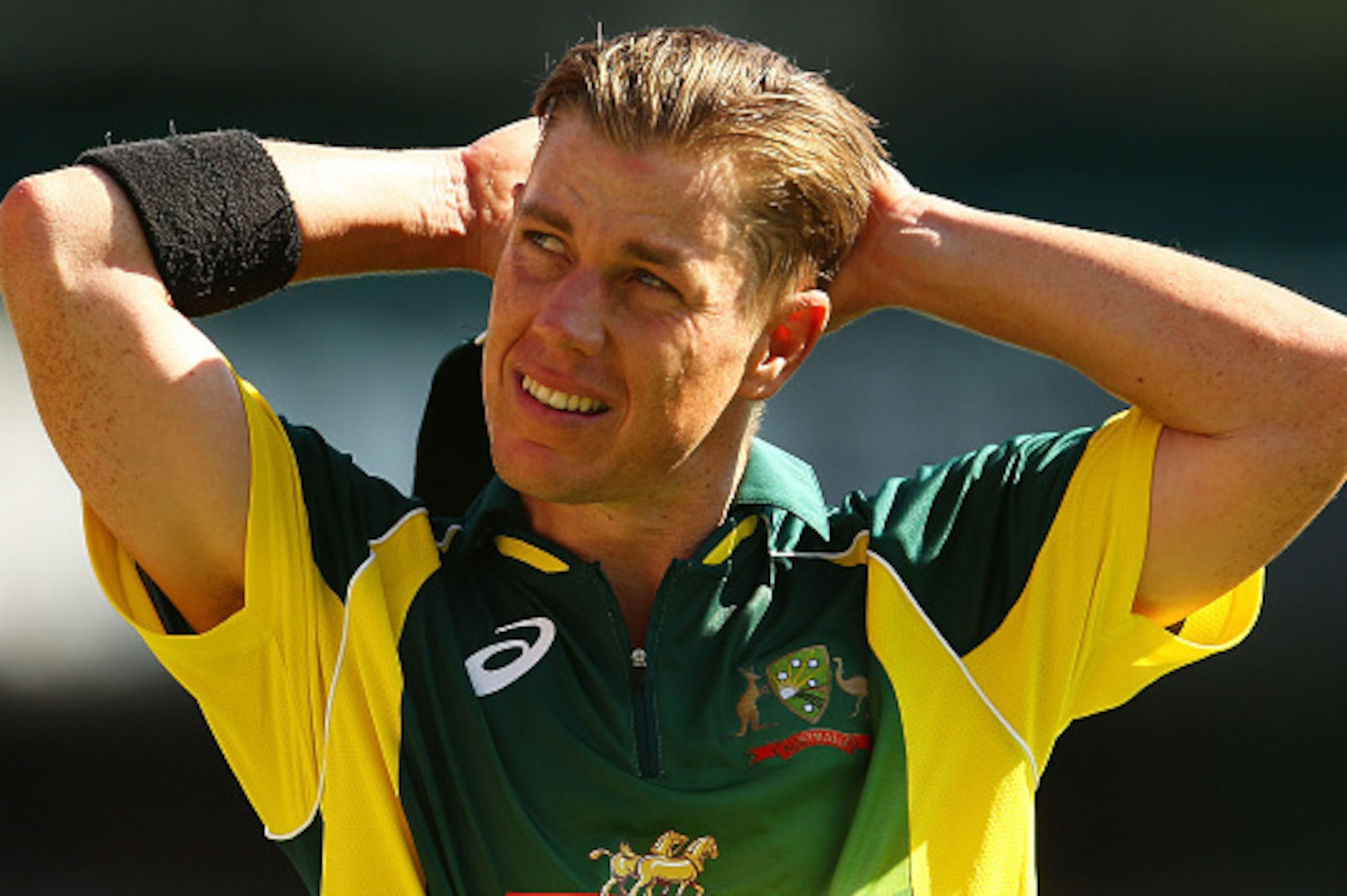
When asked about Agnew's words, Australia one-day spinner Xavier Doherty, per the Daily Mail, responded by saying: “I think sledging has been a part of cricket for a long time and as long as it’s above board and all fair, it always will be.”
That may be true, but the International Cricket Council are now set to draw a line in the sand. Cross it, and the punishments could be extremely severe.
A report in The Times, per Fox Sports, states that the governing body will “encourage umpires and match referees” to take action against sledging, with punishments set to be put in place as early as the World Cup in February.
To a degree, the ICC seem to be doing the right thing. They must protect the image of the game.
Scenes as witnessed during the recent Australia-India series, not to mention the spat between Clarke and England’s James Anderson during the last Ashes that was unfortunately heard through the stump microphone, can make you wonder—what happened to the “gentleman’s game?”
Ex-Australia captain Ian Chappell wrote in the Mid-Day newspaper: “If something personal is said at the wrong time, there will eventually be an altercation on the field.”
Back in 1981, Pakistan batsman Javed Miandad came close to hitting Dennis Lillee with his bat after taking exception to the Australia bowler kicking him. It is an incident that now draws laughter, but the reaction would have been different had things escalated further. Also, the ICC would be quick to action these days.
No one wants to see things get physical. However, to ban the verbal sparring completely would be wrong.
Confrontation can make for ugly viewing—Clarke vs. Anderson being a prime example. But, in the heat of battle, when the game is in the balance, sometimes a war of words adds to the drama of the occasion.
An example occurred in a Test match between England and South Africa at Trent Bridge, back in 1998.
Allan Donald had plenty to say to Michael Atherton when the England opener was not given out and opted not to walk, after seemingly edging a delivery from the South Africa paceman.
What followed was gripping to watch. Clearly frustrated and feeling wronged, Donald steamed in and did everything he could to get the wicket he thought was rightly his, including offering a few words of advice to his opponent every now and then.
Atherton stood firm, admitting in his blog for the Sunday Telegraph that he received abuse from the South Africans for standing his ground. Crucially, though, he also said that it was nothing more than he would have expected. “This is Test cricket,” he wrote.
The clue is in the title, really. It is a test of more than just your technique and physical skills.
Many a good player has fallen by the wayside for being unable to cope with what Steve Waugh described as “mental disintegration.” The battle can be as much between the ears as between the two sets of stumps.
Sledging can be done in a humorous way. It can also be used to prey on an opposing player’s ego. What it should not do, however, is become vitriolic and personal.
Cricket at the top level is a highly competitive environment. You are dealing with people’s careers, their livelihoods. By all means, play the game tough in the quest for success. By all means, try and gain a psychological advantage.
But, be warned: If you fail to control your emotions, the ICC will step in. Players can afford to be hit in the pocket, however, they cannot afford to see their place in the team taken away from them.




.jpg?w=2560 "Raiders Sticking with Cousins")