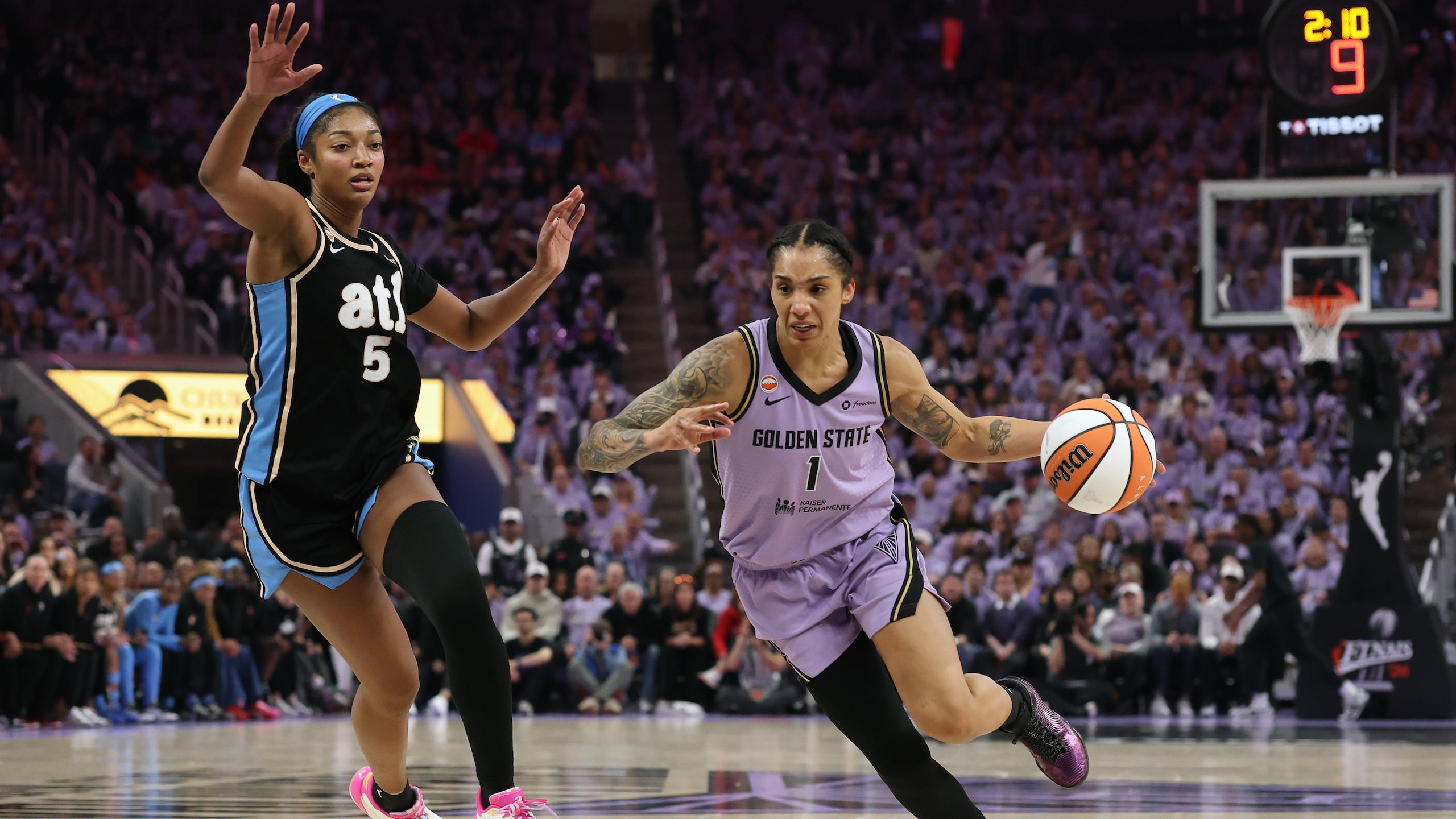
Try as we might, it's impossible to give every player on every AP Top 25 college basketball team the respect he deserves, which means there is at least one considerably underrated player on each of those squads.
For some—such as Dakari Johnson at Kentucky or Cameron Ridley at Texas—it's a case of a great athlete playing on a deep roster and not getting the type of playing time or national attention that his talents would warrant elsewhere.
For the most part, though, these are starters who put up strong numbers without proper appreciation due to the roster having more noteworthy players or the school not receiving the media hype of Duke, Kansas or Kentucky.
Whatever the cause, these guys need more love, and this is our attempt to spread it.
25. Wyoming Cowboys: Derek Cooke Jr.
1 of 25
By the Numbers: 21.7 MPG, 8.4 PPG, 4.6 RPG, 0.9 APG, 0.8 BPG, 0.8 SPG
Best Game: 15 points, seven rebounds, three steals, one assist at SMU
Wyoming has a smorgasbord of underrated players to choose from, as the Cowboys are the most anonymous team in the AP Top 25. A fair number of people know about Larry Nance Jr., and maybe Charles Hankerson Jr. rings a bell with some ears, but everyone else on the roster could be considered underrated.
As such, we're going with the big man who is making 77.8 percent of his field-goal attempts.
In a December interview with Mike Vorel of the Star-Tribune, Derek Cooke Jr. said, "I see myself as a role player. I’m more focused on what I can do for the team to make the team better. Right now, for me that’s defense and finishing around the rim."
Finishing around the rim is an understatement. Cooke delivered the No. 1 play on SportsCenter last February with a ridiculous one-handed catch and slam of an alley-oop against San Diego State. The man emphatically lives at the rim.
Here's a rundown of his shot selection in a recent win over UNLV: missed dunk, made layup, made dunk, made dunk, made dunk, made layup, missed jumper, made dunk.
Check any Wyoming game and it's more of the same. He knows what he does well, and he does it well for a team that has flown under the radar all season long.
24. Oklahoma State Cowboys: Anthony Hickey Jr.
2 of 25
By the Numbers: 28.7 MPG, 9.3 PPG, 4.8 RPG, 3.3 APG, 2.0 SPG
Best Game: 19 points, six assists, five rebounds, five steals at Memphis
Stevie Clark was supposed to be the point guard of the future at Oklahoma State, but the freshman barely made it halfway into the 2013-14 season before Travis Ford and company had seen enough of his off-the-court antics and dismissed him from the program.
It's a good thing for the Pokes that Anthony Hickey Jr. wanted out of LSU and was willing to spend his senior season in Stillwater.
In addition to the aforementioned game against Memphis, Hickey had one heck of a game over the weekend. He had 10 points, nine rebounds and seven assists in leading the Cowboys to a big win over Texas.
Phil Forte and Le'Bryan Nash have been phenomenal for Oklahoma State, but Hickey has been the third leg of the tripod that really keeps them balanced. When he's getting others involved, the Cowboys are practically unstoppable. He has six games with at least four assists—all wins by double digits.
23. Northern Iowa Panthers: Wes Washpun
3 of 25
By the Numbers: 24.4 MPG, 10.1 PPG, 3.8 RPG, 2.7 APG, 1.3 SPG, 0.6 BPG
Best Game: 27 points, five rebounds, four steals, three assists @ VCU
Much like Wyoming, just about anyone can pass for an underrated player at Northern Iowa with the exception of its star—in UNI's case, Seth Tuttle.
But Tuttle was even better last year than he has been this season, so it's easy to argue that the evolution of point guard Wes Washpun has actually been the driving force of this team's success.
A former Tennessee Volunteer—he played all of 173 minutes as a freshman before transferring to Northern Iowa—Washpun has been substantially more efficient this year than he was in 2013-14. While averaging the same number of field-goal attempts per game, he has increased his shooting percentage from 44.5 to 55.8.
He has also been much more active on defense, nearly doubling his steal rate for one of the best grind-it-out defenses in the nation.
When the Panthers go to war with Wichita State at the end of this month, Washpun's battle with Fred VanVleet will likely dictate the outcome.
.jpg?w=2560 "Seahawks Chiefs Football")
22. Baylor Bears: Taurean Waller-Prince
4 of 25
By the Numbers: 25.1 MPG, 12.1 PPG, 5.4 RPG, 1.0 APG, 1.1 SPG, 1.1 BPG
Best Game: 17 points, 10 rebounds, two blocks, two steals at TCU
It's not often we can argue that a team's leading scorer is also its most underrated player, but Taurean Waller-Prince really seems to fit both bills for Baylor.
Kenny Chery seems to be the team's heart and soul at point guard. Rico Gathers is the unofficial "Manimal" for the Bears, averaging a double-double by being the nation's best offensive rebounder, according to KenPom.com. Even Johnathan Motley and Lester Medford have gotten some love as crucial additions—the former is a freshman, and the latter is a JUCO transfer.
But Waller-Prince? The guy who is shooting 48.9 percent from three-point range and constantly stuffing the stat sheets?
So little has been said or written about him that we're starting to wonder if he's just a figment of our imagination.
An underrated aspect of this underrated player has been his improvement on the defensive end. He has already blocked more shots this season than he did in the previous two seasons combined. At least in that regard, he has done a fantastic job of helping this team stay nationally relevant and defensively efficient without the likes of Isaiah Austin and Cory Jefferson.
21. Seton Hall Pirates: Angel Delgado
5 of 25
By the Numbers: 24.9 MPG, 8.7 PPG, 8.7 RPG, 1.4 BPG, 0.8 APG
Best Game: 13 points, 12 rebounds, two assists, one block vs. St. John's
Last year, Seton Hall was one of the worst offensive rebounding teams in the country en route to a 17-17 record. According to KenPom.com, the Pirates reacquired 26.4 percent of their misses, ranking 313th in the nation in offensive rebounding percentage.
This year, they're 13-3 and grabbing 36.0 percent of possible offensive rebounds, good for 39th in the country in that category.
They can thank freshman Angel Delgado for that seismic shift.
Delgado has been one of the most dominant rebounding forces this season. Entering play on Tuesday, he ranked 16th in offensive rebounding percentage and 75th in defensive rebounding percentage, according to KenPom.com.
He has more than twice as many offensive rebounds as any other Seton Hall player and has 49 more total rebounds than the next-closest Pirate (Brandon Mobley). He's also leading the team in blocked shots and is shooting 62.6 percent from the field.
Isaiah Whitehead got all the preseason attention, and Sterling Gibbs has gotten most of the in-season adulation, but Seton Hall simply wouldn't be where it is today without Delgado.
20. Texas Longhorns: Cameron Ridley
6 of 25
By the Numbers: 19.6 MPG, 8.0 PPG, 4.8 RPG, 1.6 BPG
Best Game: 16 points, five rebounds, three blocks, one assist vs. St. Francis (PA)
Over the second half of last season, Cameron Ridley was a monster in the paint.
Before dropping 17 points and 12 rebounds on Arizona State in the NCAA tournament, he averaged 12.1 points, 8.7 rebounds and 2.1 blocked shots per Big 12 game. He was practically unstoppable and was the main reason we were a little surprised when Myles Turner chose to play for Texas.
Thanks in large part to Turner's presence, Ridley's playing time and national perception have taken a bit of a hit. Most of the attention on Texas is given to Turner, Jonathan Holmes and Isaiah Taylor, but Ridley has quietly averaged 16.4 points, 9.7 rebounds and 3.2 blocks per 40 minutes, while Rick Barnes continues to tinker with his lineup options.
In Texas' four losses, Ridley has averaged just 3.5 points per game. But when he scores at least seven points, the Longhorns are 9-0 and have won each of those games by at least nine points.
Feed the big man. This isn't rocket science.
19. Arkansas Razorbacks: Alandise Harris
7 of 25
By the Numbers: 17.5 MPG, 7.9 PPG, 3.4 RPG, 1.4 APG, 1.1 SPG, 0.6 BPG
Best Game: 15 points, three steals, three rebounds, one assist, one block at Georgia
Alandise Harris is so underrated that the senior forward lost his starting job a month into the season as part of Mike Anderson's attempt to switch things up after back-to-back losses to Iowa State and Clemson—which seems to have been a smart move, as the Razorbacks are 7-0 since that hiccup.
Don't let the per-game numbers fool you. According to Sports-Reference.com, Harris entered play on Tuesday ranked third on Arkansas' roster in points per 40 minutes and win shares per 40 minutes—trailing only stars Bobby Portis and Michael Qualls in both categories.
It's hard to believe he's still ranked that high on the team after failing to score a single point in 11 minutes against Vanderbilt on Saturday, but that just goes to show how valuable he was up to that point.
He isn't a particularly electric scorer or outstanding rebounder, but Harris is a "jack of all trades" who can give you a little bit of whatever you need. He may never be the go-to guy in any individual category, but Arkansas has been able to count on him to contribute in all of them.
18. Oklahoma Sooners: Ryan Spangler
8 of 25
By the Numbers: 30.7 MPG, 9.3 PPG, 8.1 RPG, 1.1 APG, 1.1 BPG, 1.0 SPG
Best Game: Nine points, nine rebounds, four blocks, three steals, one assist vs. Kansas State
Ryan Spangler didn't get anywhere near the respect he deserved for a fantastic 2013-14 season. He was the only true post player on the Oklahoma roster who averaged at least 10 minutes per game, and he still managed to churn out 9.6 points and 9.3 rebounds per game.
With Houston transfer TaShawn Thomas now in the picture, Spangler has been less of a one-man wrecking crew on the glass, but that has enabled him to become more of a defensive specialist.
According to Sports-Reference.com, Spangler's defense last season was nothing special. He had a D-Rating of 103.8—which is an estimate of points allowed per 100 possessions. This year, his D-Rating (82.6) is among the best in the country, as he has slightly improved as a shot-blocker and significantly improved at creating steals.
Among Sooners who are averaging at least 10 minutes per game, Spangler has the lowest usage percentage on offense by a significant margin, per KenPom.com, but that hasn't stopped him from being one of the team's most valuable players—even if few people are mentioning him in that conversation.
17. Virginia Commonwealth Rams: Terry Larrier
9 of 25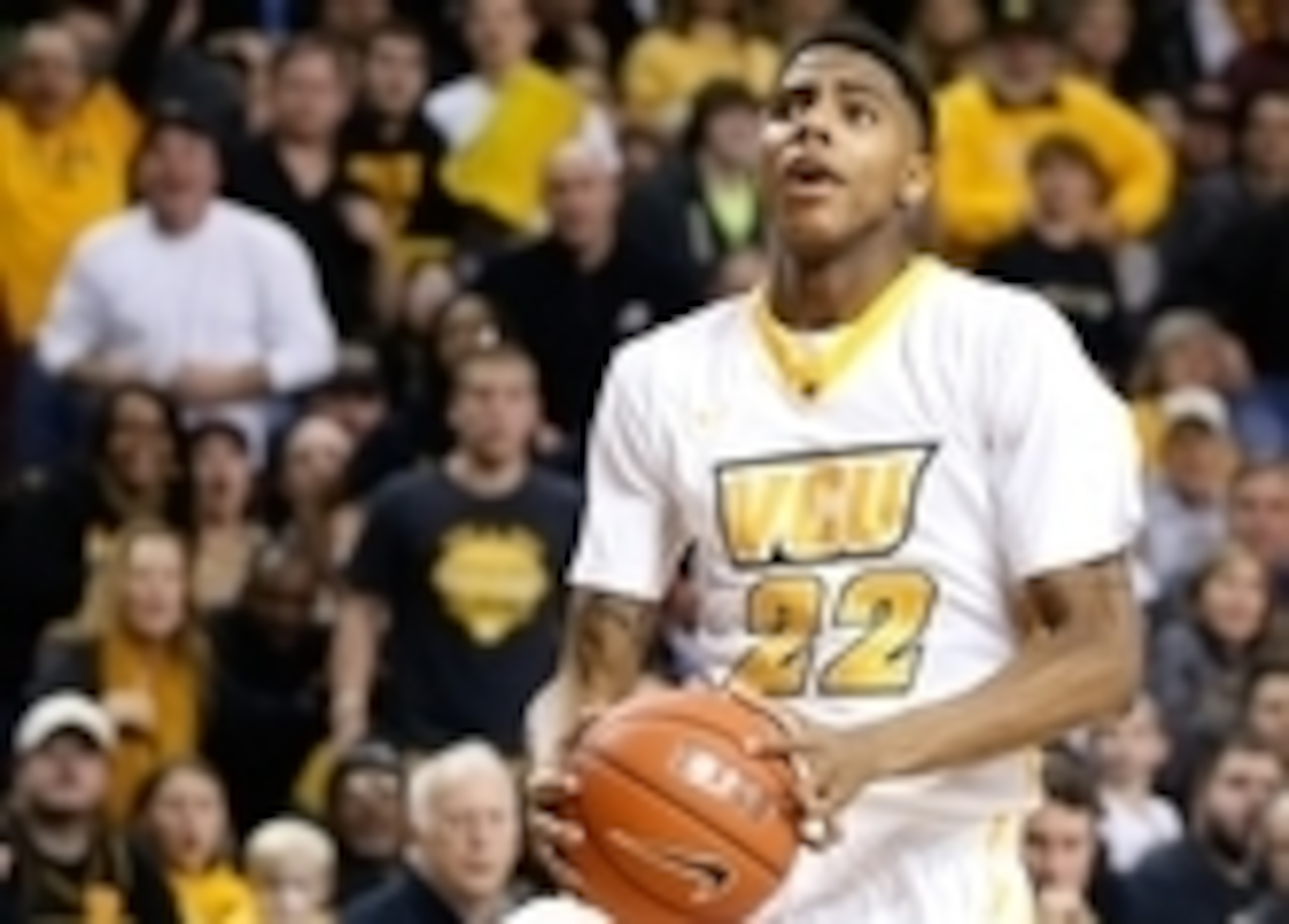
By the Numbers: 16.5 MPG, 6.8 PPG, 2.6 RPG, 0.5 APG, 0.5 SPG
Best Game: 21 points, six rebounds, two steals, one block, one assist vs. Maryland-Eastern Shore
Terry Larrier was extremely hit-or-miss for the first month of his college career. He scored 11 points in the season opener against Tennessee and also had the 21-point game noted above, but he went scoreless in four of his first eight games, while VCU dropped to 5-3.
During the team's current eight-game winning streak, though, he has averaged 8.4 points per game while only once scoring fewer than six points—a two-point outing in a 24-point rout of East Tennessee State.
More importantly, he is shooting 39.3 percent from three-point range in those eight games after shooting 22.2 percent in the first eight.
VCU has some outstanding individual defenders in Briante Weber and JeQuan Lewis, but that isn't really Larrier's game. He's more of a pure scorer who is finally starting to put the ball in the hoop.
With Larrier serving as a reliable tertiary scorer behind Treveon Graham and Melvin Johnson, VCU has been a different, better team than the one that was blown out by Villanova before losses to Old Dominion and Virginia earlier this season.
And this freshman hasn't even begun to show us what he's fully capable of doing. Watch out for the Rams the rest of the way if Larrier keeps improving.
16. West Virginia Mountaineers: Jevon Carter
10 of 25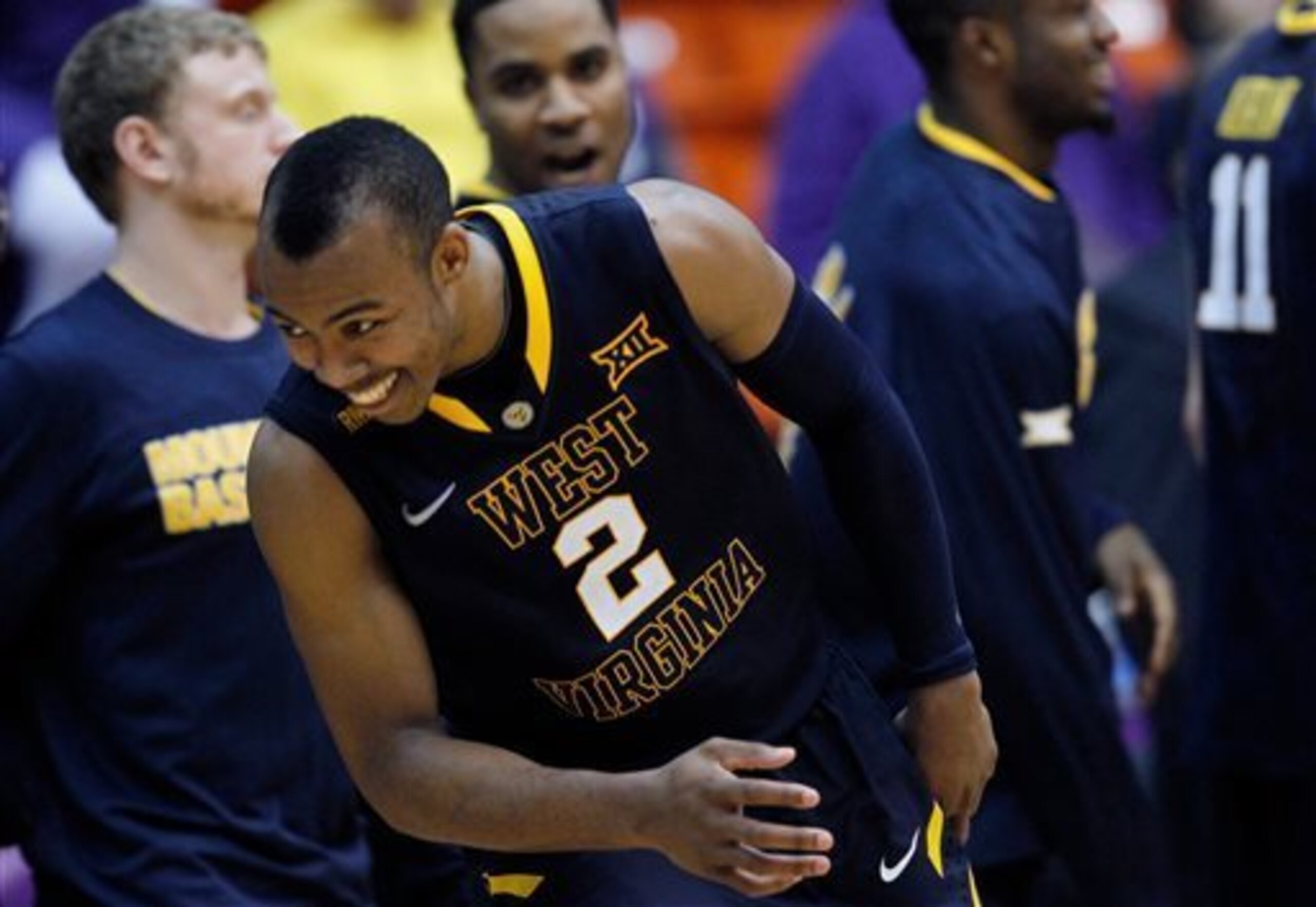
By the Numbers: 21.3 MPG, 7.7 PPG, 2.2 SPG, 2.1 RPG, 1.9 APG
Best Game: 28 points, five steals, one assist, one rebound vs. VMI
No one is anywhere close to catching VCU's Briante Weber in steal percentage, but West Virginia freshman Jevon Carter is second in the nation in that category, according to KenPom.com.
On offense, Carter has been unreliable. In his last 10 games, he has scored three points or less five different times while making just 21.2 percent of his 33 attempts from three-point range. He was much better at those long-range shots earlier in the year, but the Mountaineers may want to find more three-point looks for guys who aren't shooting 26.2 percent for the season.
In lieu of consistent shooting, Carter has become a solid secondary point guard. He pretty much refused to pass for the first six weeks of the season, averaging 1.2 assists per game through his first 11 contests. Over the last five games, however, he has tripled that rate to 3.6 assists per game.
He has also averaged 3.8 steals per game during that five-game stretch, so he has been valuable for one of the nation's best and most aggressive defensive units.
Juwan Staten was the preseason All-Big 12 player who got most of West Virginia's national attention, but there's no chance the Mountaineers would be this good without Carter.
15. North Carolina Tar Heels: Kennedy Meeks
11 of 25
By the Numbers: 22.4 MPG, 12.8 PPG, 8.6 RPG, 1.5 BPG, 1.2 APG, 0.9 SPG
Best Game: 19 points, 12 rebounds, three assists, two blocks, two steals vs. Davidson
Trying to find an underrated player on North Carolina's roster is about as difficult as finding an overrated NJIT player. If someone in Carolina blue is doing something worth noticing, the nation inevitably will.
And yet, one can argue that Kennedy Meeks doesn't get nearly the respect he deserves.
Despite losing a lot of weight this offseason, Meeks has become an even more dominant post presence than he was as a freshman. He is playing 6.1 more minutes per game than last season while improving in every way imaginable.
Here's a look at his numbers per 40 minutes compared to last season:
2013-14: 18.6 points, 14.9 rebounds, 1.9 blocks, 1.9 assists, 0.8 steals
2014-15: 22.7 points, 15.4 rebounds, 2.7 blocks, 2.1 assists, 1.7 steals
He has even marginally reduced his turnover rate and has become a more accurate shooter—both from the field and the free-throw line.
Coming into the season, we expected Marcus Paige to be the do-everything point guard for a Tar Heels team that would make a deep run in the NCAA tournament. Thus far, though, Meeks has been their knight in shining armor.
14. Maryland Terrapins: Damonte Dodd
12 of 25
By the Numbers: 16.9 MPG, 4.6 PPG, 4.7 RPG, 1.6 BPG, 0.9 APG
Best Game: 12 rebounds, nine points, three blocks, two assists, one steal vs. Minnesota
When he's able to stay out of foul trouble, Damonte Dodd has been a beast in the paint for the Terrapins.
He doesn't often get involved in the scoring column. According to KenPom.com, Dodd is responsible for just 11.8 percent of Maryland's shots while he is on the court—and more than a few of his 43 field-goal attempts have come from offensive rebounds rather than by design.
But what Dodd lacks in point production he makes up for with excellent rebounding and shot blocking for a team that otherwise wouldn't have a strong post player.
At the end of last season, we were expecting Charles Mitchell and freshman Trayvon Reed to handle most of the load in the paint, but Mitchell transferred to Georgia Tech, and Reed was dismissed from the program before ever playing a game.
It's a good thing Dodd was waiting in the wings to improve drastically after a poor freshman year.
Between Jake Layman, Melo Trimble and Dez Wells, Maryland has been quite solid on offense. However, the Terrapins can thank Dodd for their significantly better-than-average two-point defense and team block percentage.
13. Wichita State: Darius Carter
13 of 25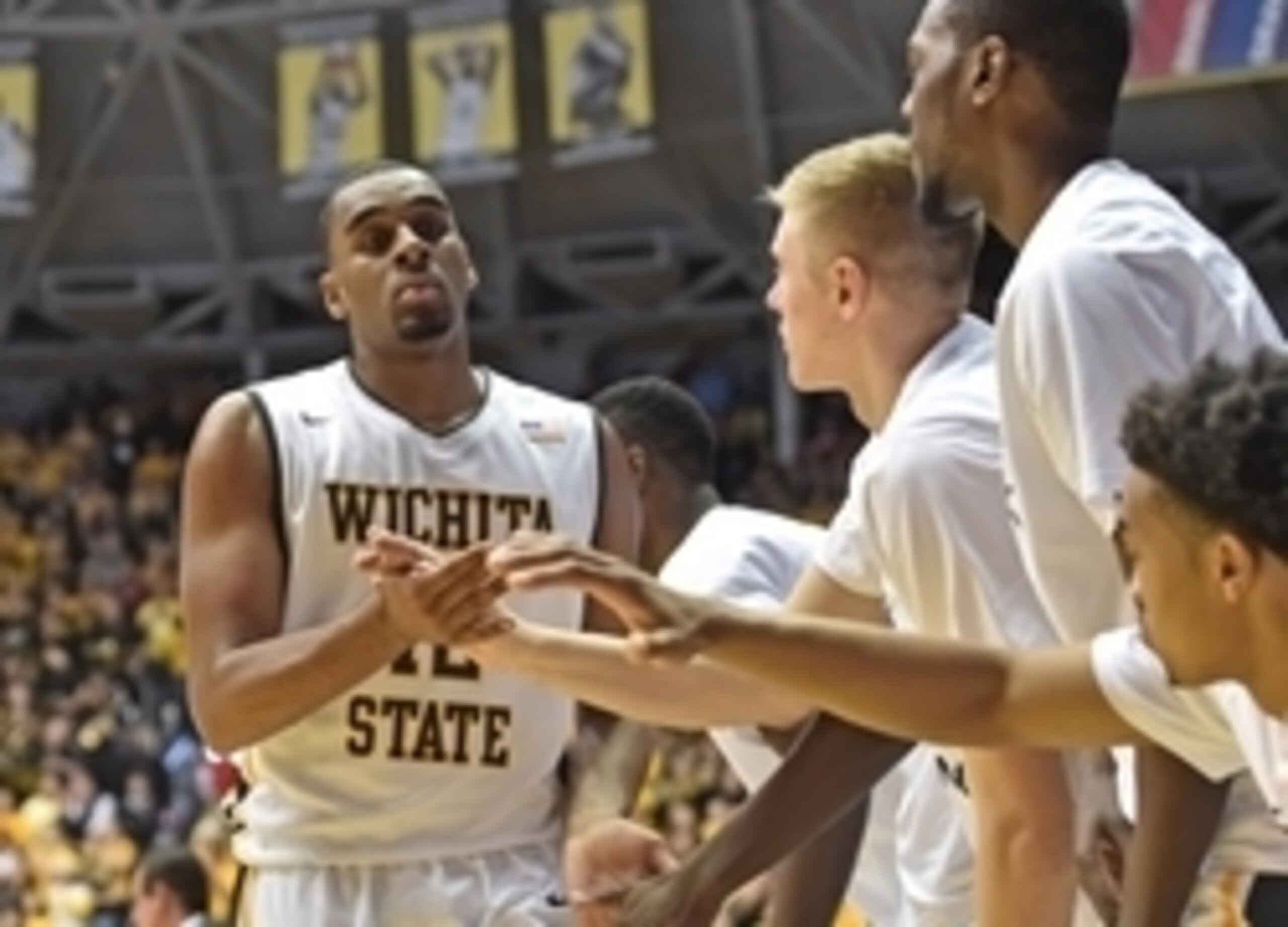
By the Numbers: 23.0 MPG, 11.8 PPG, 6.3 RPG, 0.6 APG, 0.6 SPG, 0.6 BPG
Best Game: 18 points, 11 rebounds, one steal @ Detroit
Much like Damonte Dodd at Maryland, Darius Carter has been the alpha and the omega of Wichita State's interior game.
Despite standing just 6'7", he is the only Shocker who is averaging better than 4.4 rebounds per game. He has only 10 blocks on the season, but he's leading the team in that category as well.
Carter was a solid contributor for this team last year, but he had a lot of help. With Cleanthony Early, Chadrack Lufile and Kadeem Coleby all in the picture, it was unclear whether Carter could be a primary interior player or if he was just taking advantage of being the least of opponents' concerns.
But he has improved this year as both a scorer and rebounder—even though he's the only Wichita State starter taller than 6'4".
Ron Baker and Fred VanVleet get all the praise, but just try to imagine where this team would be without Carter.
12. Notre Dame Fighting Irish: Zach Auguste
14 of 25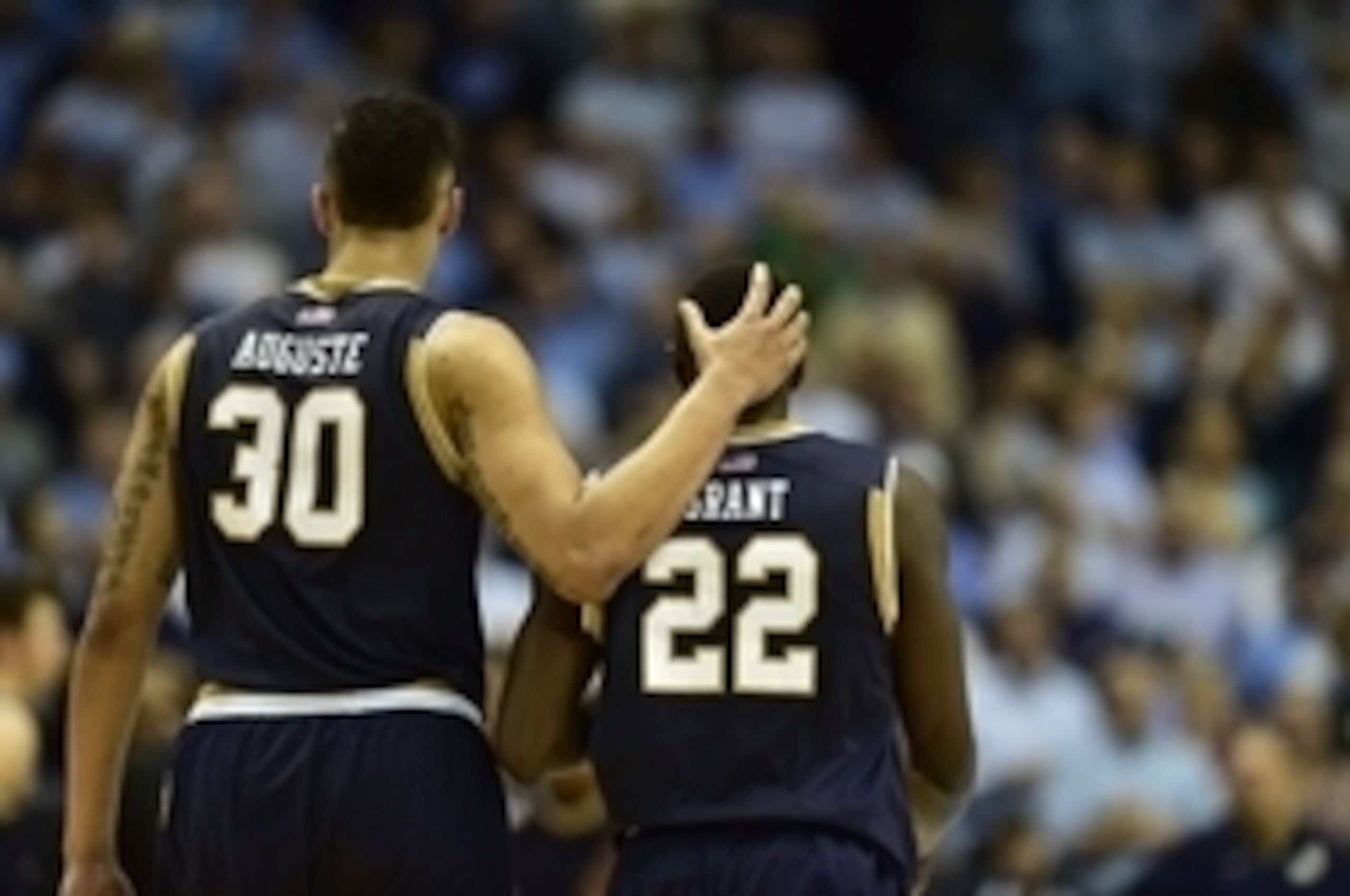
By the Numbers: 24.4 MPG, 14.3 PPG, 6.4 RPG, 0.9 BPG, 0.6 APG, 0.6 SPG
Best Game: 26 points, seven rebounds, one block vs. Florida State
It's not difficult to make comparisons between 2014-15 Notre Dame and 2013-14 Creighton.
Both rank among the best in the nation offensively while just barely being above-average in defensive efficiency. Creighton had a Wooden Award winner in Doug McDermott, and Notre Dame has a very solid candidate for that award in Jerian Grant. They both take and make a ton of three-pointers.
But the biggest difference is in the paint.
Creighton's only true big man—Will Artino—was nothing special last season. He had a high shooting percentage (66.9), but he only averaged 5.5 points and 3.3 rebounds per game.
Notre Dame's true big man—Zach Auguste—has been incredible. His presence in the post keeps opposing teams from fully selling out to defend the perimeter.
Whereas Artino occasionally got buckets because the defense was so focused on the three-point game, it's the play of Auguste in the paint that has really been a catalyst for Notre Dame's three-point attack. If you play a four-guard lineup against Notre Dame, Auguste will do some serious damage in one-on-one situations in the paint.
His presence as opposed to Artino's presence may only be the difference of a split second before the defense can close out on a shooter, but that's all Pat Connaughton, Demetrius Jackson and Steve Vasturia need for a dagger three-pointer.
11. Iowa State Cyclones: Monte Morris
15 of 25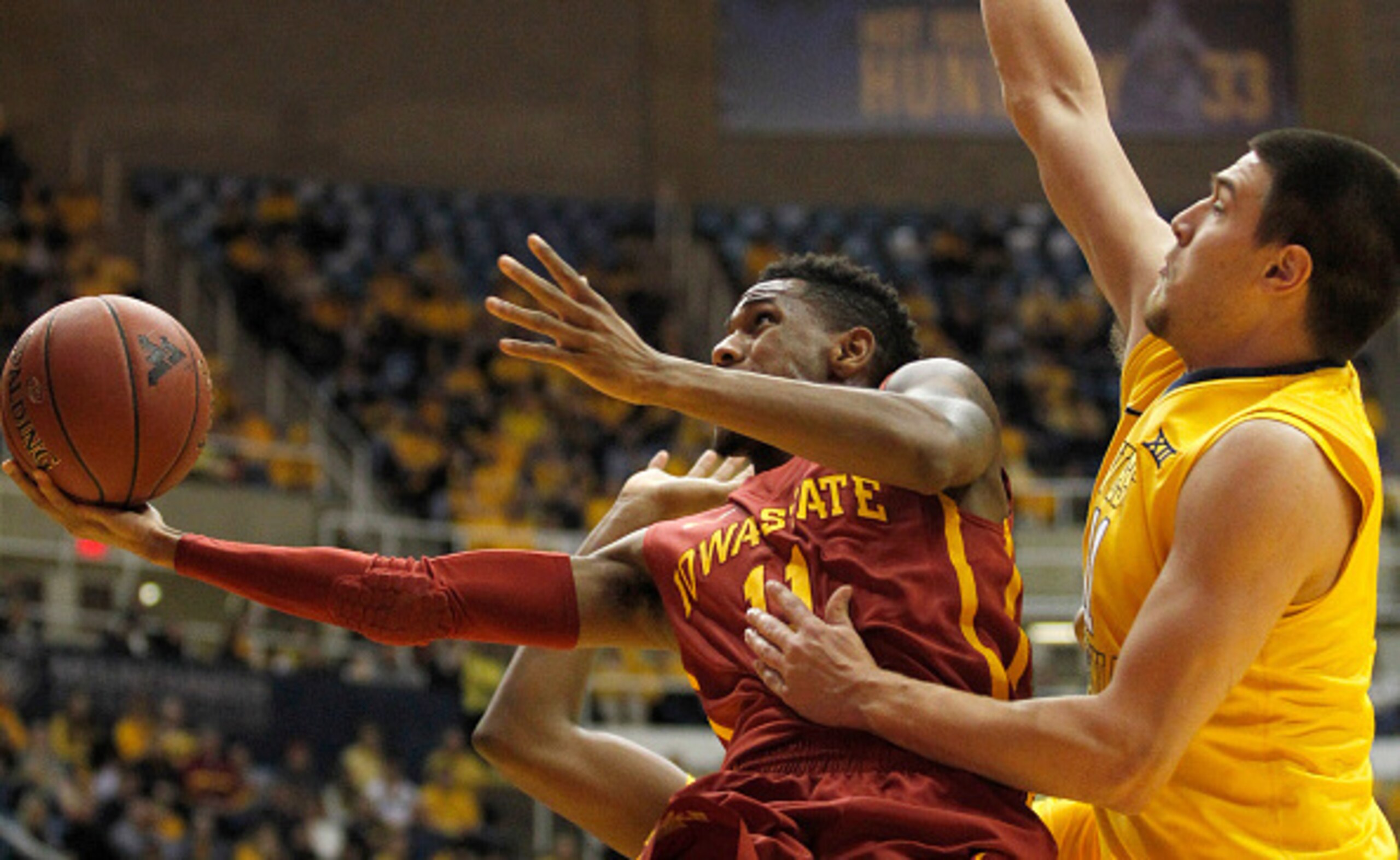
By the Numbers: 32.3 MPG, 10.0 PPG, 5.4 APG, 3.3 RPG, 1.6 SPG
Best Game: 19 points, nine assists, five rebounds, one block, zero turnovers vs. Georgia State
Forget about being an underrated part of Iowa State's roster; Monte Morris might be the most underrated player in the country.
He led the nation with a 4.79 assist-to-turnover ratio last year as a freshman, and he has been significantly better than any other point guard in the country in that category again this season. According to NCAA.com, Morris' ratio is 5.77; second on the list is Idaho's Mike Scott at 4.41.
Despite playing for one of the most uptempo offenses in the nation, Morris has yet to commit more than two turnovers in a game this season—and it's been eight games since he even committed that many.
According to Sports-Reference.com, he is committing just 1.6 turnovers per 100 possessions. Tyus Jones has been lauded as an excellent freshman point guard for Duke, but his turnover ratio is nearly twice that high at 3.1 per 100 possessions.
Morris has also been a great defender, averaging 1.7 steals for every turnover he commits.
If he could just improve his three-point percentage (29.4 as opposed to 40.6 last season), he would be a strong candidate for Big 12 Player of the Year.
But, sure, go ahead and keep talking about Georges Niang and Bryce Dejean-Jones while ignoring the guy who routinely puts them in perfect position to succeed.
10. Arizona Wildcats: Brandon Ashley
16 of 25
By the Numbers: 29.4 MPG, 11.3 PPG, 5.1 RPG, 0.9 SPG, 0.8 APG, 0.6 BPG
Best Game: 21 points, six rebounds, two steals, one assist vs. Mount St. Mary's
Brandon Ashley is like a referee.
When he's doing his job well, we barely even notice him. Across the board, Ashley is putting up numbers that are similar to the ones he posted last year in helping guide Arizona to a 21-0 start. Yet, prior to his season-ending injury, it was Nick Johnson, Aaron Gordon and, to a lesser extent, Rondae Hollis-Jefferson who were getting all the national attention.
It's when he's shooting poorly, failing to grab rebounds or missing defensive assignments that Arizona struggles and we take notice.
Ashley had a respectable 13 points, nine rebounds and three assists in Arizona's loss to UNLV, but he needed 11 field-goal attempts to get there and couldn't do a darn thing to keep Christian Wood from getting to the hoop over and over again. Against Oregon State on Sunday night, he had a woeful five points and three rebounds and wasn't even on the court in crunch time.
The Wildcats need him to get back to being the anonymous leader of the team. Hollis-Jefferson, Stanley Johnson and T.J. McConnell can have the headlines, but Arizona has proved over the past 12 months that it isn't the same without an effective Ashley.
9. Kansas Jayhawks: Kelly Oubre
17 of 25
By the Numbers: 16.5 MPG, 7.5 PPG, 4.1 RPG, 1.0 SPG, 0.8 APG
Best Game: 23 points, 10 rebounds, one steal vs. Lafayette
We didn't even give Kelly Oubre Jr. a full month before hopelessly burying him.
He was the eighth-best player in this year's recruiting class, according to 247Sports—seventh if you take out Emmanuel Mudiay—but through seven games he was averaging just 8.3 minutes, 2.1 points and 1.0 turnovers per game.
The heir apparent to Andrew Wiggins was barely getting on the court and doing next to nothing with his limited playing time.
But he just needed a little longer in the oven.
Since the first weekend of December, Oubre's playing time has nearly tripled to 23.8 minutes per game. He's averaging 20.4 points per 40 minutes and has been an excellent source of both rebounds (4.6 per game) and steals (1.8 per game).
Oubre had a poor shooting night last week against Baylor, but he had four steals and made arguably the game-winning defensive play in the final seconds.
It took a little longer than we wanted or expected, but Oubre has blossomed into a real star for this young Kansas team. Once Cliff Alexander also starts to reach his potential, the Jayhawks could be frighteningly good.
8. Utah Utes: Brandon Taylor
18 of 25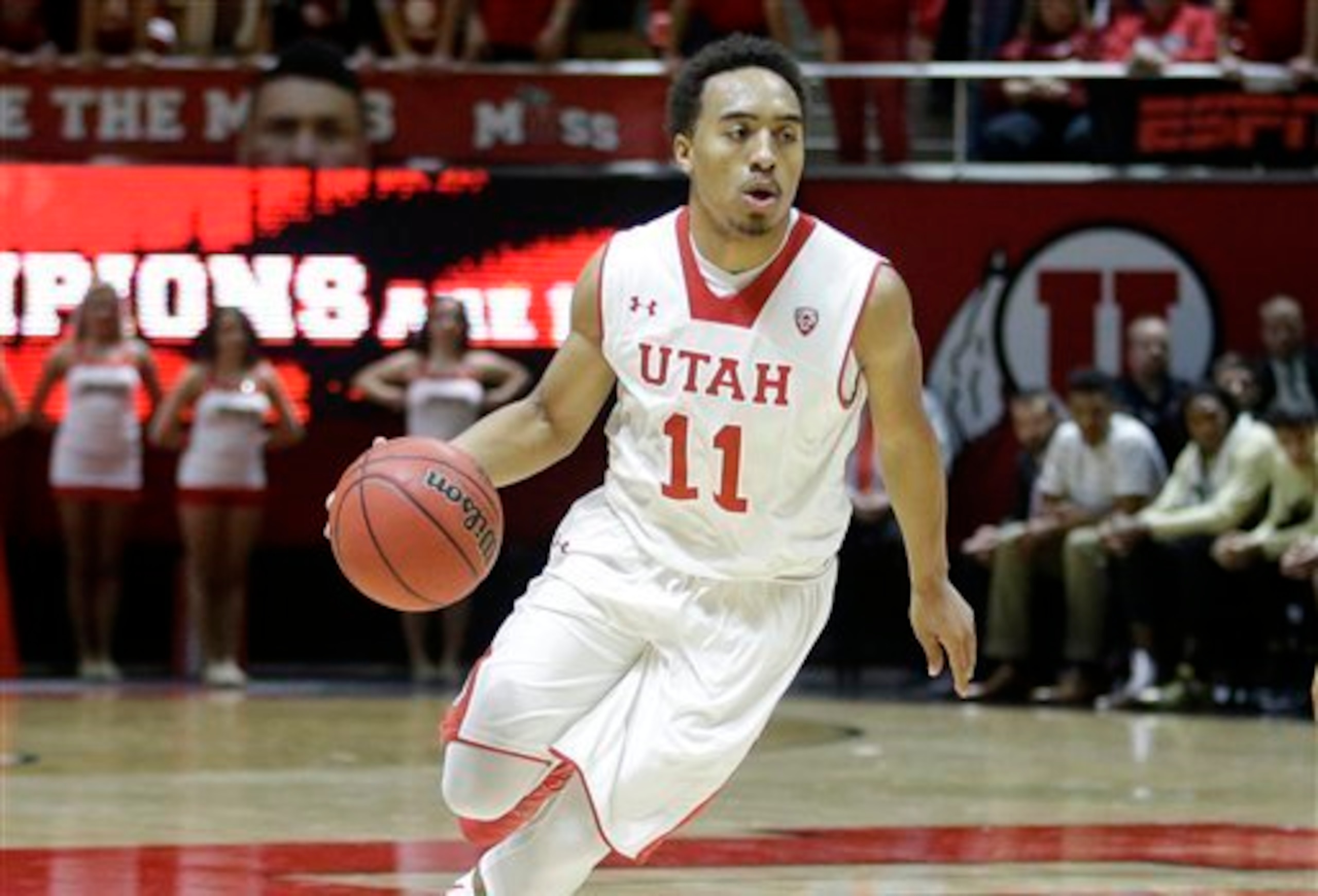
By the Numbers: 27.5 MPG, 9.7 PPG, 3.1 APG, 2.7 RPG, 1.3 SPG
Best Game: 16 points, six steals, three assists, three rebounds, zero turnovers vs. UNLV
Everyone knows about Delon Wright, Utah's do-it-all stud who is rapidly ascending in Player of the Year rankings.
Many know about Jakob Poeltl as the outstanding freshman big man and Jordan Loveridge as the second-best player who was bound to make Utah even better after returning from minor knee surgery.
But do people know about Brandon Taylor?
The starting shooting guard and secondary point guard for the Utes, Taylor is shooting 42 percent from three-point range and 90 percent from the free-throw line while contributing to the team's assist and steal totals.
He has essentially been for Utah what Monte Morris was last season for Iowa State. While DeAndre Kane and Melvin Ejim stole all the spotlight, Morris was the rock in the shadows with shooting percentages, an assist rate and a steal rate almost identical to what Taylor has posted thus far this season.
Losing Wright, Loveridge or Poeltl would be a bigger blow to Utah's title hopes, but the Utes wouldn't be this good without the improved play of Taylor.
7. Wisconsin Badgers: Nigel Hayes
19 of 25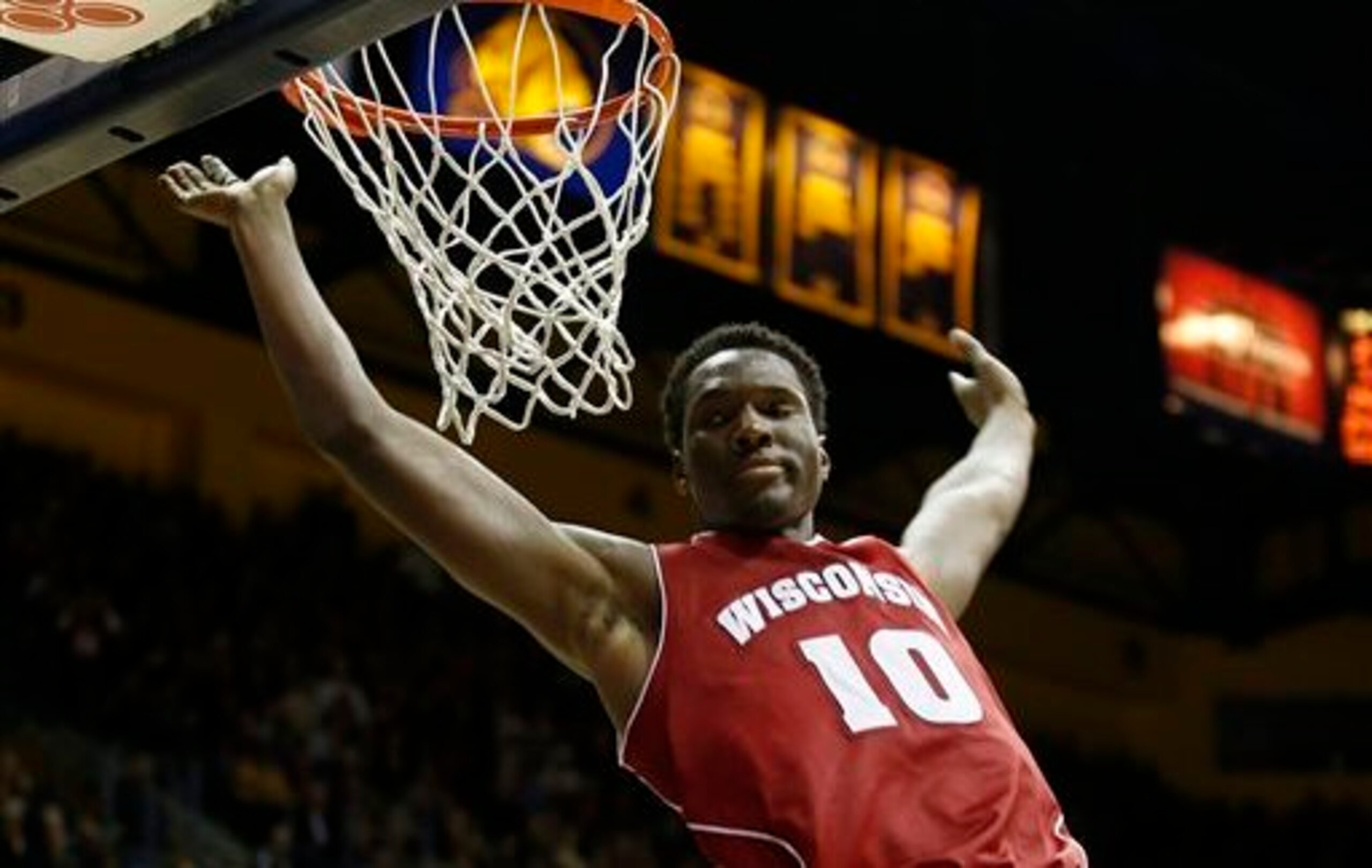
By the Numbers: 31.3 MPG, 12.2 PPG, 7.1 RPG, 1.9 APG, 0.8 SPG, 0.6 BPG
Best Game: 25 points, 11 rebounds, one block, one assist vs. Green Bay
With Traevon Jackson out for six weeks and Frank Kaminsky attempting to return from a concussion, Nigel Hayes will be even more important to Wisconsin's cause than he already has been.
Oh, sure, Bronson Koenig's playing time will increase dramatically with Jackson out of the lineup, and it's Duje Dukan who would have an increased role in Wisconsin's offense if Kaminsky is less than 100 percent. But there's a reason Hayes, not Koenig or Dukan, earned the team's fifth starting spot when Ben Brust graduated.
Hayes has been nothing short of a stud for the Badgers, and it's largely because he was so ineffective against Duke that Wisconsin was unable to carry an undefeated record into January.
And it's been more than just an increase in playing time since serving as the Big Ten Sixth Man of the Year last season. He has been a much better rebounder and has added a reliable three-point shot (38.2 percent) that he didn't attempt once in 2013-14.
He is also shooting less frequently but more accurately, all of which makes him one of the most efficient players in the country.
His evolution from great bench player to outstanding starting forward has enabled Wisconsin to remain in the discussion for a national championship.
6. Louisville Cardinals: Terry Rozier
20 of 25
By the Numbers: 31.9 MPG, 17.5 PPG, 5.6 RPG, 2.4 APG, 2.4 SPG
Best Game: 32 points, five rebounds, three steals @ Western Kentucky
It blows my mind that everyone wanted so badly to compare Shabazz Napier to Kemba Walker and now Ryan Boatright to Napier, but no one seems to have noticed that Terry Rozier has evolved into Russ Smith 2.0.
I'm not talking about the pass-happy version of Smith we saw last season, either. Rather, Rozier has become a clone of the ball-hawking gunner who came to be known simply as Russ-diculous while leading the Cardinals to the 2013 national title.
That's pretty high praise, but these numbers would seem to justify the comparison:
2012-13 Smith (per 40 minutes): 24.7 points, 3.8 assists, 2.7 steals, 4.4 rebounds, 41.4 FG%, 32.8 3P%, 80.4 FT%
2014-15 Rozier (per 40 minutes): 21.9 points, 3.0 assists, 3.0 steals, 7.0 rebounds, 45.8 FG%, 30.4 3P%, 74.7 FT%
Don't worry about the slightly lower three-point percentage. Before shooting 1-of-12 from downtown against Clemson and North Carolina, Rozier was hitting 35.1 percent of his triples.
And these numbers include the first month of the season before he really embraced his role as the team's top scoring option. Rozier averaged 13.0 points per game through the first seven games of the season but has averaged 21.0 over the past nine games.
But ask 100 people who Louisville's best player is and you're probably going to hear Montrezl Harrell's name at least 85 times.
It's long past time for people to start paying more attention to Roz-diculous.
5. Villanova Wildcats: Josh Hart
21 of 25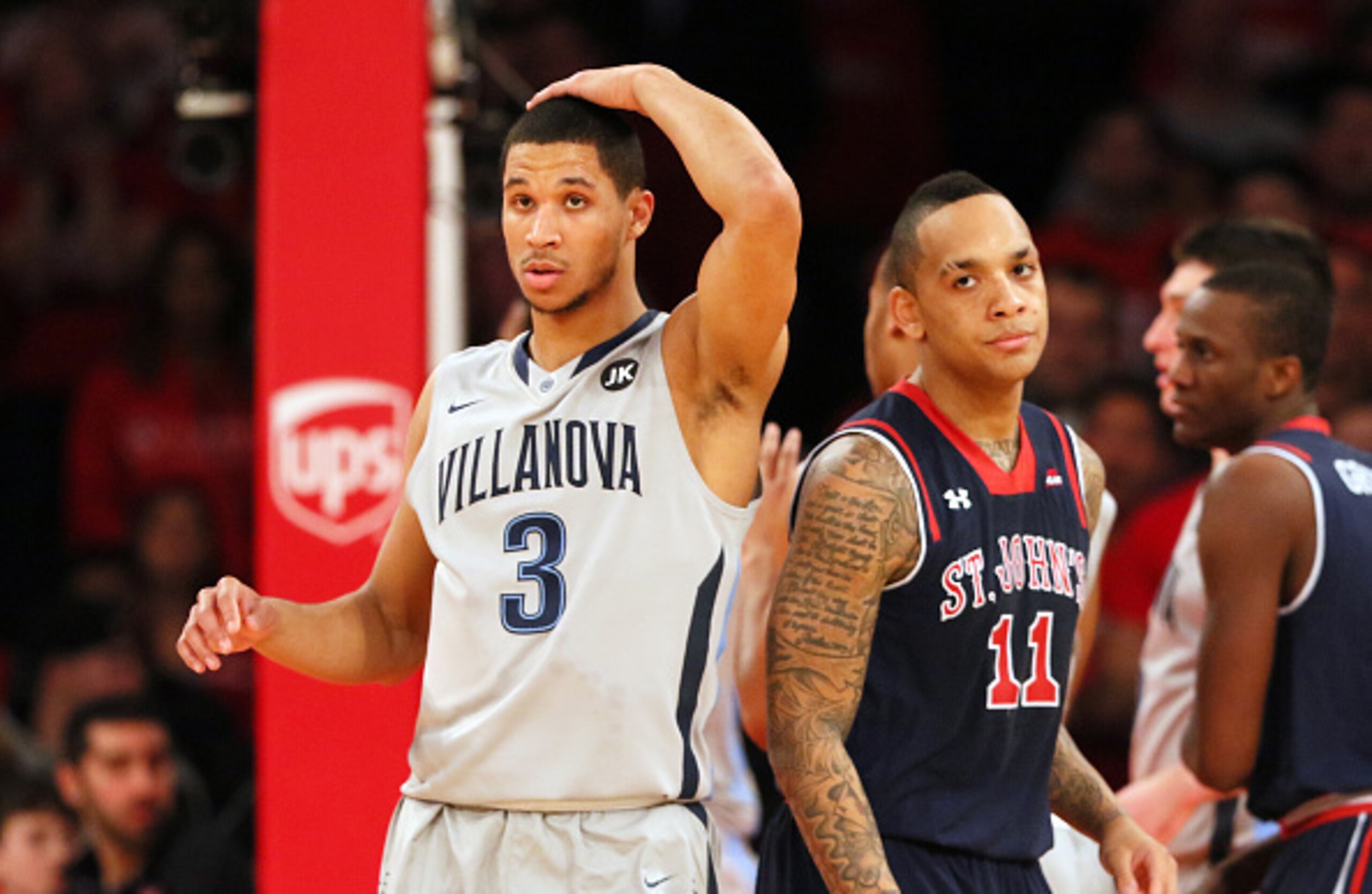
By the Numbers: 27.0 MPG, 10.1 PPG, 5.1 RPG, 1.7 APG, 1.3 SPG
Best Game: 20 points, seven rebounds, three assists, two steals, one block vs. Temple
I had the opportunity to speak with Villanova head coach Jay Wright last year and asked him about then-and-still underrated sixth man Josh Hart.
"I don't think many people expected much from him...but he has proven to be exactly what we wanted him to be," the coach said. "He is in on every play. He is one of our best rebounders, one of our best defenders and one of our best slashers."
In a nutshell, Hart has been Villanova's glue guy for the past year-and-a-half.
He isn't necessarily going to blow anyone away. He has the skill to go for 20 points on any given night, but he's more about the consistency and efficiency of scoring 10 points on six or seven field-goal attempts, routinely grabbing a handful of rebounds and making life quite difficult for the opposing player he is guarding.
Villanova's loss to Seton Hall was easily Hart's worst game of the season. He shot 3-of-13 from the field, struggled from the free-throw line (2-of-5) and had a bit of trouble containing Sterling Gibbs on the other end of the court.
If Hart had played up to his normal level—especially with Daniel Ochefu pouring in a ridiculous 19 points and 24 rebounds—Villanova would have won that game with room to spare.
Like Brandon Ashley at Arizona, it's when he doesn't play well that we take notice, and that's a testament to how consistently well he usually plays out of the limelight.
4. Duke Blue Devils: Marshall Plumlee
22 of 25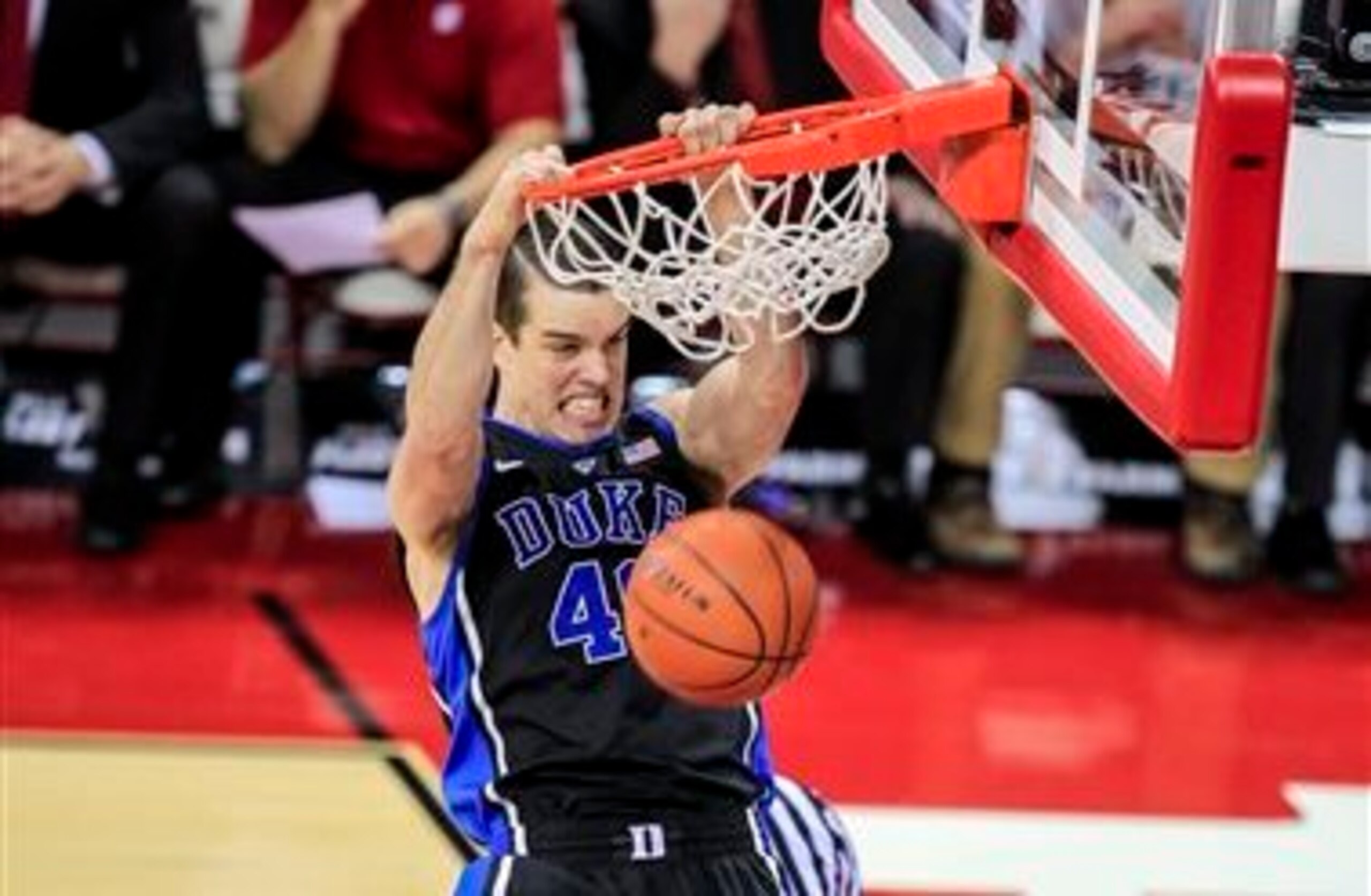
By the Numbers: 9.5 MPG, 2.7 PPG, 2.7 RPG, 0.9 BPG
Best Game: Eight points, five rebounds, two blocks vs. Army
Two weeks ago, this spot would have belonged to Amile Jefferson without a second thought. However, everyone seemed to simultaneously catch on to Jefferson's underrated quality right before a three-game stretch in which he averaged 4.0 points and 4.7 rebounds and oddly lost his starting job to Matt Jones.
In Jefferson's place, how about a shout-out for the Plumlee brother who has never really gotten a chance to thrive despite impressive numbers in his limited action?
Mason Plumlee was a monster during his four years with Duke. Miles Plumlee was nothing special, but he was consistently given 15-20 minutes per game over his final three years.
But Marshall Plumlee—even though he's one of just three active players on the roster taller than 6'6"—can only seem to play 10 or more minutes in games decided by 20 or more points.
When he does get a chance to play, he is an excellent offensive rebounder and shot-blocker who gives 110 percent on every single possession. Sometimes, he is about as graceful as a newborn deer walking across ice, but he also has the energy and fearlessness of a 10-week-old puppy.
Jahlil Okafor has done an outstanding job of avoiding foul trouble over the past month, but it almost seems inevitable that he'll get hit with some early whistles in a tournament game, necessitating extended playing time for Plumlee on the biggest stage.
As someone averaging 11.5 points, 11.5 rebounds and 3.9 blocks per 40 minutes while shooting 80 percent from both the field and the free-throw line, Plumlee just might be able to handle it.
3. Gonzaga Bulldogs: Kevin Pangos
23 of 25
By the Numbers: 31.7 MPG, 12.5 PPG, 4.9 APG, 2.8 RPG, 1.4 SPG
Best Game: 22 points, six assists, three steals, three rebounds vs. Georgia
It's been a weird year for Kevin Pangos' national perception.
He was underrated before the season began but pegged as a guy who could be a huge difference-maker if he was able to perform even better than in a strong 2013-14 season in which he played through multiple lower-body injuries.
But then he came out and set the world on fire, posting 23 assists without a single turnover in his first four games for the best offense in the country. For a couple of weeks, he was a staple near the top of any discussion about potential Player of the Year candidates.
Just as soon as we all fell in love, though, he had three consecutive bad games against Pac-12 opponents. After logging a total of 17 points on 25 field-goal attempts with 12 assists and nine turnovers against Arizona, Washington State and UCLA, Pangos disappeared completely from those POY discussions just as quickly as he rocketed to the top of them.
However, have you checked in on him lately? He has played about as well over his last seven games as he did in the first seven. Since December 15, he is shooting 56.1 percent from the field and 59.0 percent from three-point range while tallying 31 assists and nine steals against just eight turnovers.
Even with those three awful games mentioned above, he is still one of the most efficient players in the country and deserves the same amount of love we bestowed upon Gonzaga players like Adam Morrison and Kelly Olynyk in years past.
2. Virginia Cavaliers: Anthony Gill
24 of 25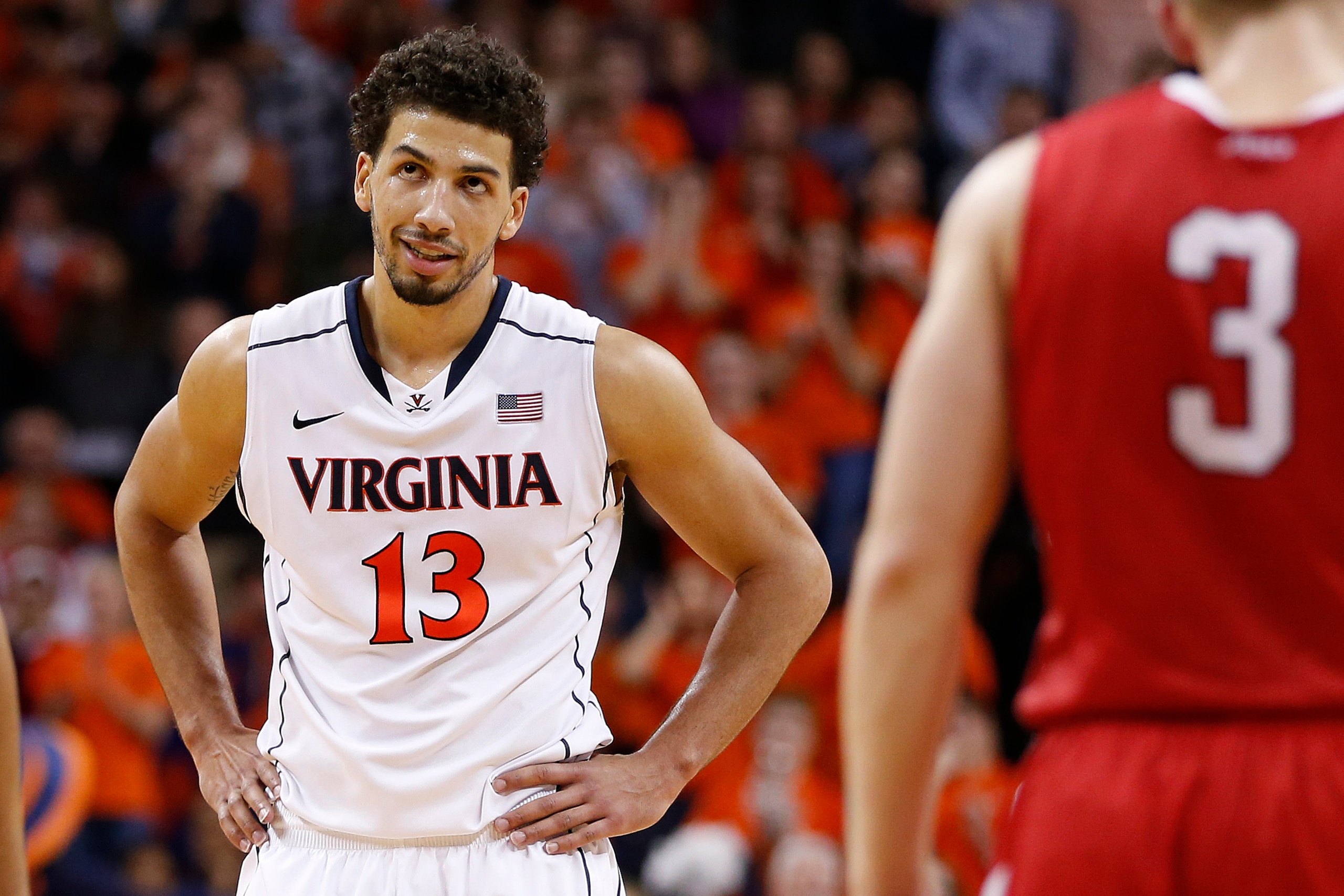
By the Numbers: 25.1 MPG, 12.0 PPG, 6.7 RPG, 1.0 APG, 0.7 BPG, 0.6 SPG
Best Game: 25 points, 13 rebounds, two assists, one block, one steal vs. Davidson
Why is it so difficult for us to fall in love with Virginia?
If this was the Cavaliers' first good season in a long time, then, OK, we could be a little hesitant. But this is a team that won both the ACC regular-season title and the ACC conference championship last season before earning a No. 1 seed in the NCAA tournament. This is one of the two remaining undefeated teams in the country.
Yet, Anthony Gill is somehow not a household name.
We've grown to accept Justin Anderson as the lights-out three-point shooter who refuses to succumb to regression to the mean. And we know Malcolm Brogdon because he was regarded as the most valuable (returning) player from last year's team and heralded as Virginia's most important player all offseason long.
At the start of the day on Tuesday, both Anderson and Brogdon were ranked in the top 10 of the KenPom.com Player of the Year standings, but it was Gill who was ranked the highest at No. 3.
The problem for Gill's POY campaign is twofold: Virginia's pace is too slow, and he plays just 25.1 minutes per game. Being an irreplaceable part of the nation's greatest team defense doesn't translate well to counting statistics.
Per Sports-Reference.com, Gill has been worth 32.3 points and 18.1 rebounds per 100 possessions. For the sake of comparison, Frank Kaminsky has tallied 35.6 points and 17.3 rebounds per 100 possessions for Wisconsin.
Kaminsky arguably has the edge, but the point here is that there is an argument to be had. You wouldn't know that from the complete lack of recognition Gill has received this season for being such an integral part of perhaps the best team in the country.
1. Kentucky Wildcats: Dakari Johnson
25 of 25
By the Numbers: 17.9 MPG, 8.3 PPG, 6.1 RPG, 1.2 BPG, 1.2 APG
Best Game: 12 rebounds, nine points, four blocks, three assists, one steal vs. Buffalo
He'll likely be a first-round draft pick in June, but Dakari Johnson has to be the most underrated player on the most talked-about team in the nation.
As we noted over the weekend in a piece imploring Kentucky to get back to playing through its big men, Johnson entered play on Saturday worth 1.84 points per field-goal attempt. Yet, he hasn't attempted more than five shots in a game since before Thanksgiving.
Johnson isn't just underrated nationally; he's being underrated by his own coaches and guards who refuse to give him more touches.
We've championed for Devin Booker and Tyler Ulis to get more playing time ahead of the Harrison twins, but it's almost criminal that Johnson has only once played more than 21 minutes in a game—and only because Karl-Anthony Towns lasted a whole 10 minutes before fouling out against Buffalo.
With both Towns and Willie Cauley-Stein in his way, a surefire starter and star player for every other team in the nation is having trouble getting the playing time and points that he deserves.
If that doesn't count as underrated, what does?
Statistics on the following slides are current through the start of play on Tuesday, January 13, and are courtesy of ESPN.com, NCAA.com, Sports-Reference.com and KenPom.com (subscription required).
Kerry Miller covers college basketball for Bleacher Report. You can follow him on Twitter @kerrancejames.
.jpg?w=2560)


.jpg?w=2560 "Cowboys Handle Eagles on MNF 🤠")
.jpg?w=2560 "🚨Jay-Z Headlining Super Bowl")