

Wild Card Weekend Proves NFL Must Re-Evaluate Concussion Protocol
This is not about whether Ben Roethlisberger, Heath Miller or Brandon Pettigrew have a concussion. This is about the danger of concussions and minimizing the effects. The NFL cannot, no matter how hard it tries, legislate concussions out of the game. What they must have is a concussion protocol that allows the effects to be minimized and requires players to be properly evaluated.
However, in at least two games and three different high-profile plays, the NFL's system failed. It failed everyone—the players involved and the game itself. The NFL's own policy dictates that with any possible concussion, this protocol is followed. Read through that and tell me if there was enough time to do that.
.jpg?w=2560 "Seahawks Chiefs Football")

Late in Saturday's game, Roethlisberger was sacked and clearly hit his head on the turf as he was forced to the ground. Immediately, NBC's Cris Collinsworth noted that Roethlisberger had hit his head and was showing some signs of a problem, wincing and shaking his head. The Pittsburgh Steelers took a timeout to allow Roethlisberger to stay in the game without missing a play, allowing Roethlisberger to come to the sidelines.
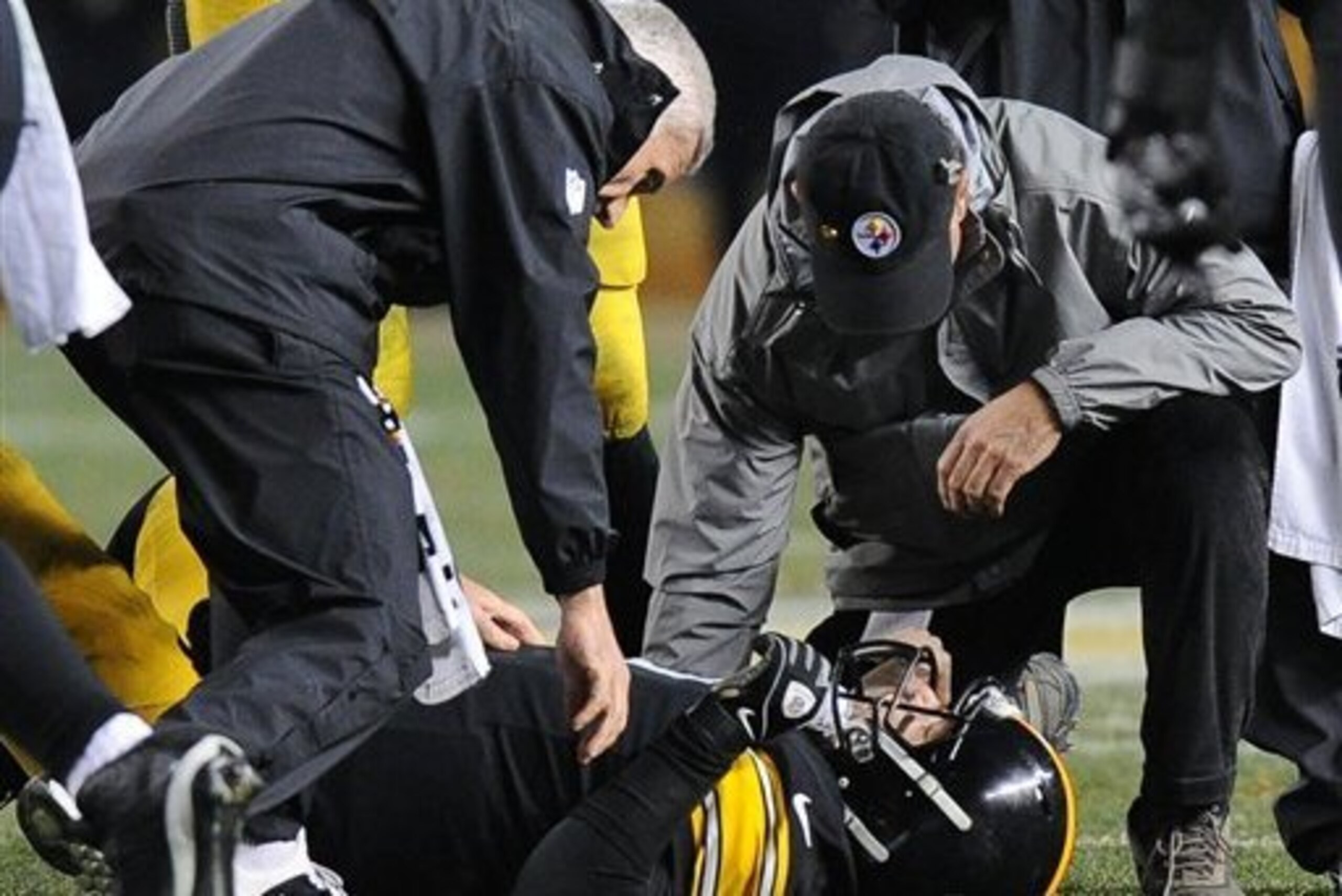
During that timeout, Roethlisberger did not complain of symptoms aside from a sore neck. However, he was seen before and after the timeout to be squinting, shaking his head and touching his helmet. While it is impossible for us to know exactly what the doctor on site saw or said—and medical staff is seldom, if ever, made available to the media—we can assume that the doctor saw no overt symptoms of a concussion such as slurred speech or inability to focus.
However, in just the four minutes and 25 seconds of real time that went by between the hit to Roethlisberger's head and the next play, it is simply impossible to do a thorough sideline evaluation. A doctor told The Washington Post's Adam Kilgore that a full evaluation would take between 15 and 20 minutes. Even a simple series of questions like the SCAT II would take longer than Roethlisberger was off the field.
The issue is not that Roethlisberger did not (or is assumed to have not) suffer a concussion. His explanation of "a little whiplash" is good for him, but bad for the optics. To everyone—announcers, fans, Twitter—it looked like a concussion. He hit his head. He appeared to be groggy. It is at this stage where any player, in any situation, should be assessed.
Take for instance the Heath Miller play shortly after. A referee saw Miller, as was plain on replay, as suffering a probable concussion. Miller was clearly unconscious, but I do not know what the referee on the field saw. Regardless, it was enough to send him off the field and to ask for an assessment. This is what the procedure is supposed to do.
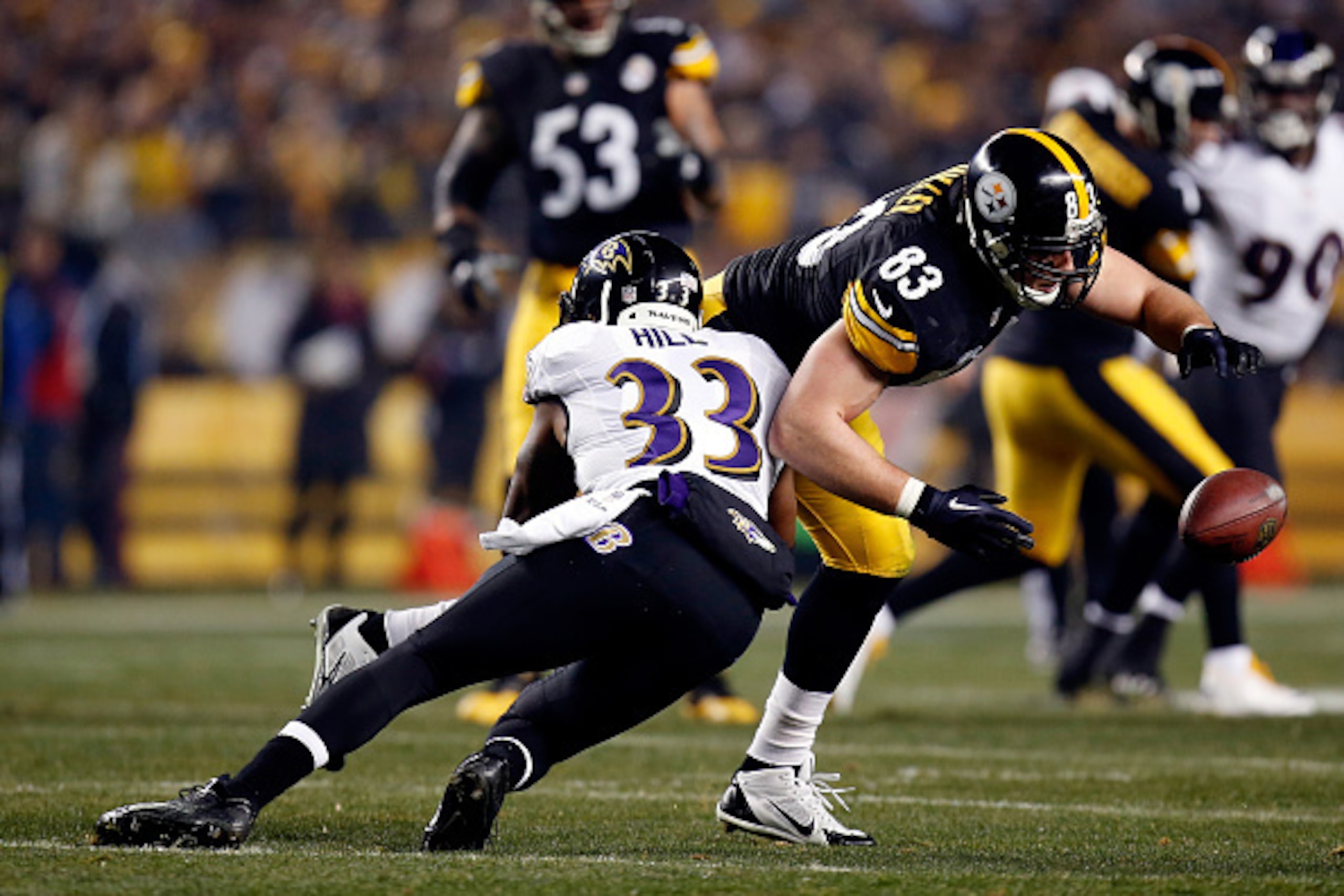
It is, in essence, the old "see something, say something." As we saw in an incident earlier this season at Michigan, the right people may all miss the clear signs of a concussion. An athletic trainer could be working on another player or blocked behind a wall of players. A coach might be looking elsewhere or thinking of plays.
This wasn't simply a Steelers issue either. In Sunday's Detroit Lions-Dallas Cowboys game, Brandon Pettigrew, a tight end for the Lions, was hit by a Cowboys player in a clear helmet-to-helmet situation. Pettigrew stayed on the ground for a moment, but was then helped to his feet by teammates. He stayed in the game for the next play, but exited. About five minutes later, it was announced he was being evaluated for a concussion, but he returned later in the game.
Perhaps it could be argued that Pettigrew should have been removed and checked once he was down, but the system worked pretty well in this situation. Pettigrew likely removed himself, but there's the possibility that the NFL's observer asked for an evaluation. Either way, Pettigrew was evaluated properly and returned to the game after doctors determined he did not have a concussion.
The system in place, including the "eye in the sky", shouldn't care who the player is or that it's a playoff game. We all know the reality is different. It's easier to take out a TE with a good backup than it is a quarterback. What is key is that all the systems are aligned so that when a situation happens where a concussion is suspected, that player is evaluated properly.
Dr. Patrick Kersey, the medical director for USA Football and a sports medicine physician at St. Vincent's Sports Performance, told me that the situation is problematic. "We're in a period of massive transition," Kersey explained by phone. "The awareness is up and we have some exciting tools on the horizon, but right now, it's very difficult to deal with the pressures of the situation. The importance of the game can still often dictate the time for an assessment."
Kersey noted that the job of the medical staff is complicated by the varying ways that concussions make themselves known. "Symptoms can be delayed well after the impact," he explained. That was definitely true recently, where Chicago Bears QB Jimmy Clausen did not get evaluated until a day after the hit that eventually held him out of Week 17. Clausen did not exhibit any symptoms until the following day.
The NFL and its teams steadily decline comment on how their concussion system works, including the use of the "eye in the sky." Reports from sources vary greatly, indicating that there's vast differences in how it's used from stadium to stadium. This lack of transparency leads to guesswork about how well the system works, but remember, this is about making sure that the assessments are done and done properly rather than the diagnosis itself.
This is clearly an important medical issue, but it is also a football issue. Roethlisberger's first play back after the hit resulted in an interception. Was his judgement and vision clouded? We will never know. Miller had a fumble, unusual for him, later in the game in a key situation. Was he altered at all by the hit? We will never know.
However, the fact that the question is even being posed is both a positive and a negative. The awareness is raised to the issue and the discussion by media and fans shows that it is being taken seriously, which should trickle down to all levels of football.
On the other hand, all of these situations show that there are ways in which the NFL can improve both the effectiveness and the optics of how they deal with concussions. The system can and must be improved. A good start would be allowing the medical staffs to explain the situation. A pool reporter could be allowed access to the team athletic trainer or physician. The league could also make sure that all concussion evaluations are announced to the press box, which would give us more insight into how often these are performed.
There is a "fog of war" in the heat of any NFL game, amplified by the bright lights of the playoffs and too many times, the name on the back of the jersey. While the NFL has improved its handling of concussions and brain injuries over the past few years, the situations of Wild Card Weekend show that there's still a long way to go.
.jpg?w=2560 "Raiders Saints Football")



