College Basketball Players Who Would Make Great Coaches
Projecting who will become a great coach based on someone's style, skill set, knowledge and personality as a college player is an imperfect science, to say the least.
Few knew the name John Calipari when he played point guard at Division II Clarion University. And Roy Williams did not even play varsity basketball while he was at the University of North Carolina.
Although the paths to coaching are varied, the players who have the most success in coaching tend to be college point guards who were solid players and outstanding leaders. They maximized their talents through hard work, toughness and passion and by being students of the game. They focused on facilitating success for their teammates rather than on personal statistics.
However, physical limitations prevented them from becoming great NBA players.
The prototypes are Arizona's Sean Miller, Harvard's Tommy Amaker and Duke's Mike Krzyzewski. There are exceptions, to be sure, such as Danny Manning, a big man who had several big years in the NBA before becoming a college coach. But the majority have followed the point guard model.
Since 10 current Division I head coaches played at either Princeton or Duke, institutions known for their academic standards, we can assume general intelligence also plays a role in becoming a successful coach.
One final caveat: Since so few college head coaches have fared well in the NBA, it is evident that the characteristics that breed success at the college level are not necessarily the ones that lead to success at the pro level. As a result, we will focus on the path to college coaching success, presenting 10 players who seem to have the skills and mindset needed to be great college coaches.
Cody Doolin, UNLV
1 of 10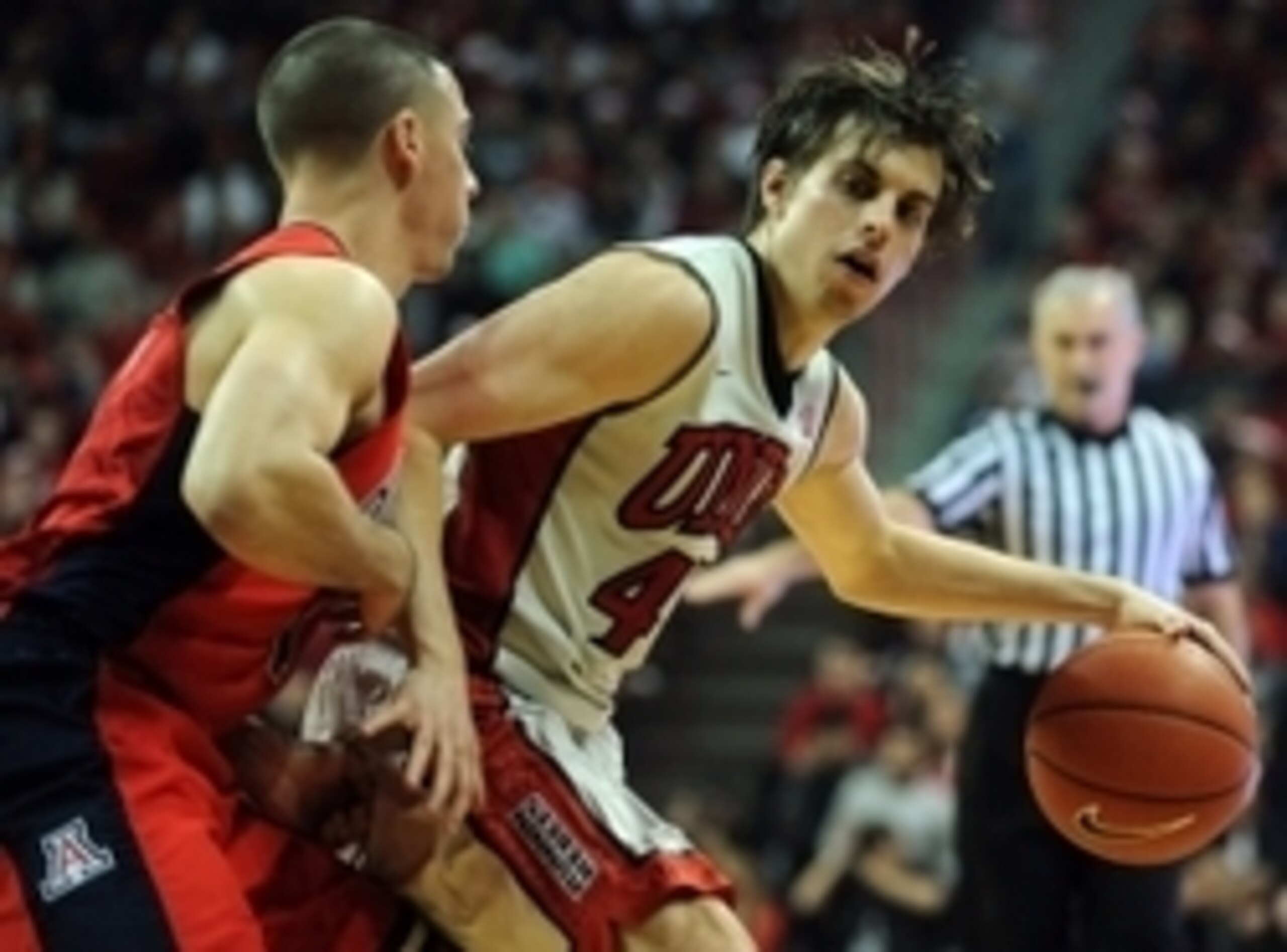
UNLV point guard Cody Doolin exudes intensity and energy on the court. His effort, work ethic, unselfishness, intelligence, knowledge of the game and communication skills are unquestioned.
Here's what UNLV coach Dave Rice told Jeff Eisenberg of Yahoo Sports:
"A leader like Cody is something we desperately needed on our team this year. We did some good things last year but I was disappointed we weren't better in the areas of consistent effort and team chemistry and I say that publicly. It's critically important we shore up those areas this season, and having someone with Cody's experience and leadership qualities will help us move in the right direction with the young talent we have.
"
Doolin is an independent thinker. He considered giving up basketball and working in the private sector after he left the University of San Francisco last season. According to Jeff Faraudo of the Contra Costa Times, Doolin was soured by an incident in which USF coach Rex Walters tried to settle a scuffle between two players during practice by having the two players have a boxing match right there on the court.
Doolin, a team captain, honor student and three-year starter that season as a junior, quit the team. He got his degree at USF, and Rice had to convince him to continue his basketball career.
According to Tres Ellis, Doolin's high school coach, Doolin has always been a leader, via Eisenberg:
"He's one of those guys everyone listens to and everyone respects. He never chastised anyone. He had a really good way of connecting with his teammates, even younger guys. He'd tell them, 'Hey that's OK, do it next time' or 'We need you to do it like this.' He had a natural sense of respect for others. Even if they weren't at his level, he encouraged them to get better and he taught them how to do it.
"
Doolin is not a great athlete and can be overwhelmed by quicker, stronger players at times. He makes up for some of that with grit and smarts, elements that would serve him well as a coach.
James Robinson, Pittsburgh
2 of 10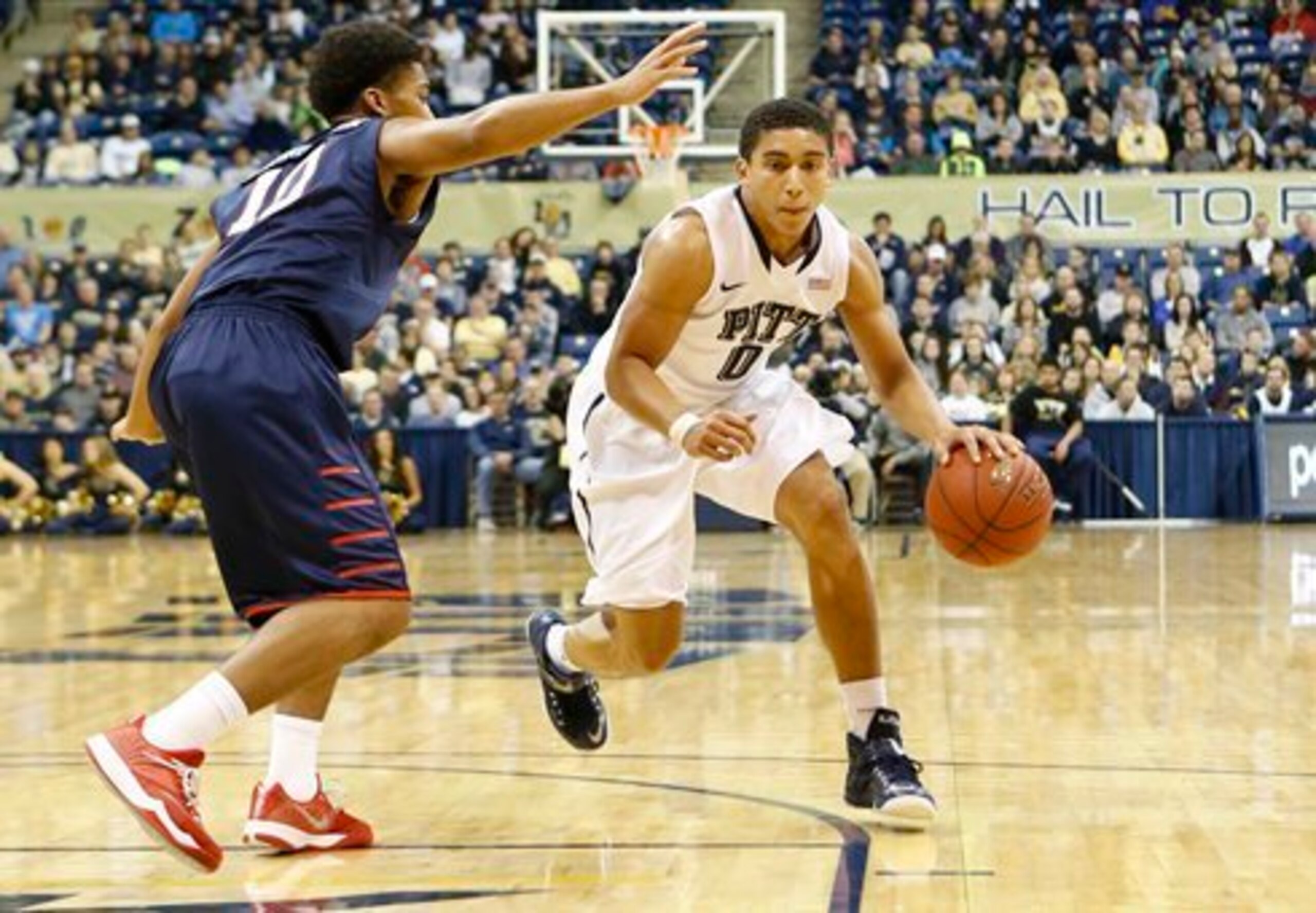
Pittsburgh's James Robinson thinks like a coach.
He is a pass-first point guard who had an excellent assist-to-turnover ratio last season but did not score much. He realized he needed to be more aggressive offensively to help his team, and his scoring has increased as a result.
However, he knows enough about the game and his role to realize what he needs to do to promote team success.
When asked before the season whether "becoming more offensive" means he planned to fire up shots without a second thought, Robinson told Paul Zeise of the Pittsburgh Post-Gazette:
"Um, no. Definitely not that. Definitely not. No, I think being more offensive means me becoming more aggressive on the offensive end of the floor in all areas. Coach saying 'be offensive-minded' doesn't mean I get to go out there and launch a bunch of shots. It is more just for me to make sure I am a threat when I get the ball, when I come off screens, when I get the ball in position to shoot. But it is also still about making plays for others, and that's a big emphasis.
"
It sounds like a coach talking.
Robinson made an effort in the offseason to improve his shooting, but he is smart enough to know that it's not just about the mechanics; it's also about shot selection "to make sure I am taking the right shots," he told Zeise.
This is a player who sees the big picture, like a coach would.
Robinson had the leadership qualities needed to become the Panthers starting point guard as a freshman.
"He won the respect of his teammates early on with his work ethic and his unselfishness," Pitt coach Jamie Dixon told Ron Cook of the Post-Gazette in March 2013. "He's really a team guy. He's really smart."
Siyani Chambers, Harvard
3 of 10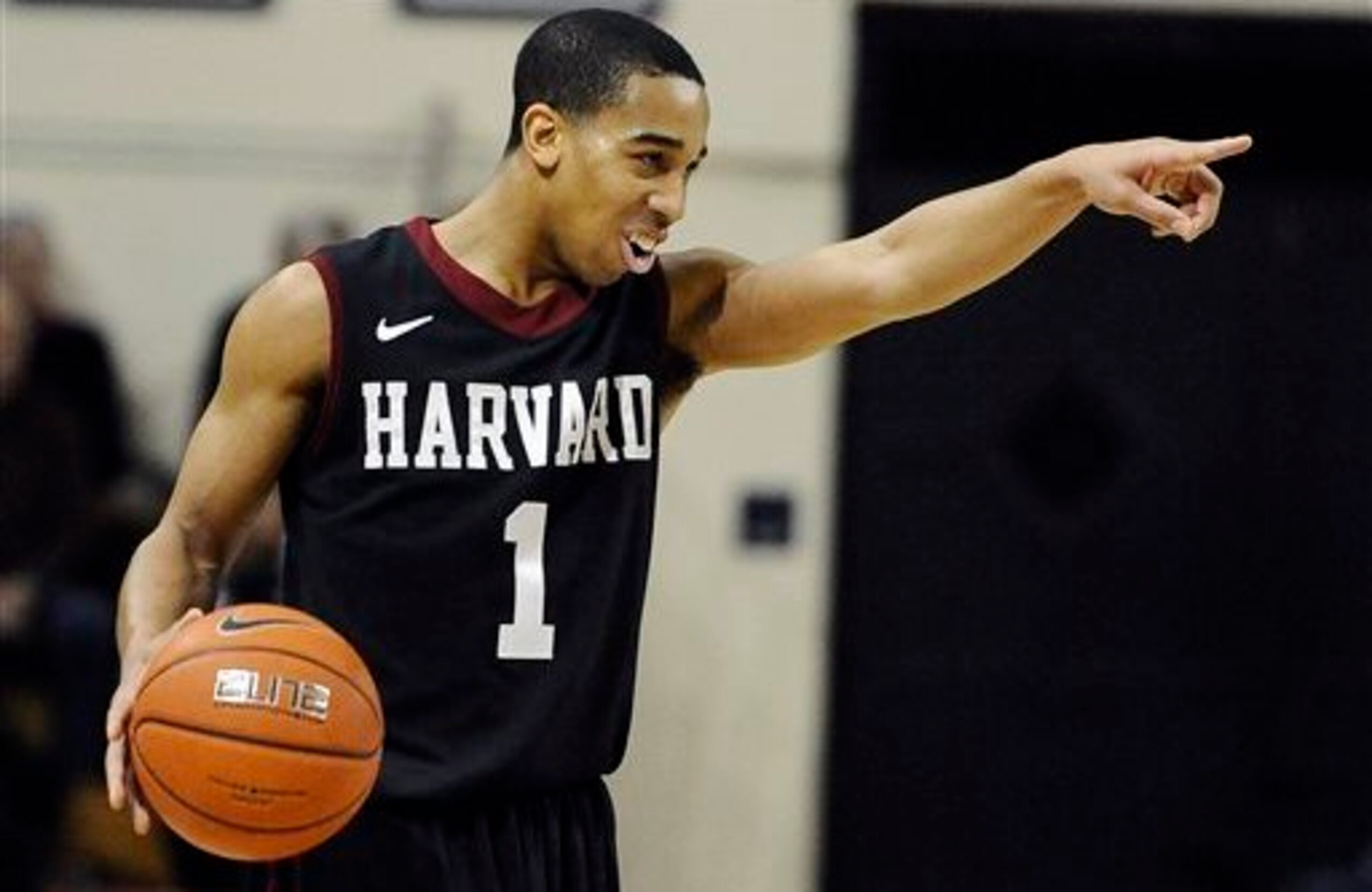
The success of former Princeton and Duke players suggests intelligence is a factor in becoming a successful college coach. As a Harvard student, Siyani Chambers certainly has the smarts. As a three-year starter at point guard for a Crimson team that has reached heights never before imaginable, Chambers certainly knows what it takes to win.
Interestingly, his scoring numbers have decreased in each of his three seasons at Harvard, an indication that team success is more important to him than personal statistics. It also may mean the two-time all-Ivy League guard is in a bit of an offensive slump, but it won't diminish his contributions as a team leader.
"I think it’s my job as a point guard to make sure everybody’s all right, everybody’s on the same page," he told The Boston Globe's Julian Benbow last February. "When you go out there and you’re all right and you feel relaxed, then you play a lot better."
Chambers, a team captain this season as a junior, keeps the team under control while providing an emotional lift, a tight-wire act coaches walk every day.
“He’s always really intense,” said teammate Brandyn Curry, via Benbow. “He’s a fiery one. He’s always got a lot of energy. That’s who he is and that’s why we love playing with him. He definitely brings a lot of emotion to the game and he loves playing, loves winning.”
However, he never lets his team's emotions get out of hand.
“He does a great job of keeping everybody in check, making sure our minds are right so we can keep playing our game,” said former Harvard guard Laurent Rivard, according to Benbow.
.jpg?w=2560 "Seahawks Chiefs Football")


Quinn Cook, Duke
4 of 10
It's almost a given that at least one current Duke player will become a college head coach someday, and Quinn Cook seems like the logical choice.
Former Mike Krzyzewski pupils Tommy Amaker (Harvard), Johnny Dawkins (Stanford), Bobby Hurley (Buffalo), Chris Collins (Northwestern) and Steve Wojciechowski (Marquette) currently are Division I head coaches, and Quin Snyder and Dave Henderson also were Division I head coaches not long ago.
Duke is almost a head-coaching boot camp for those who go there with the intention of staying all four years.
While the spectacular athletes venture to the NBA after a year or two at Duke, Cook has stayed, showing the adaptability and attitude required to be a coach.
He was the team's starting point guard for 22 games last season, but this season, as a senior, he had to adjust to being off the ball with the addition of standout freshman point guard Tyus Jones. Cook probably knew when Jones was being recruited that he would have to change his role, and he did so seamlessly without complaint because he realized it helped the team.
Now the team's captain, Cook has demonstrated "off-the-charts leadership," according to Krzyzewski, via College Basketball Talk's Scott Phillips.
Earlier this season, Cook did not realize he had scored his 1,000th career point until he was told, according to The Chronicle's Matt Pun, an indication that his focus is not on personal achievement.
"He's doing such a great job of leading. His personality is so good right now with these young guys," Krzyzewski said. "They love him and he's given them positive stuff."
T.J. McConnell, Arizona
5 of 10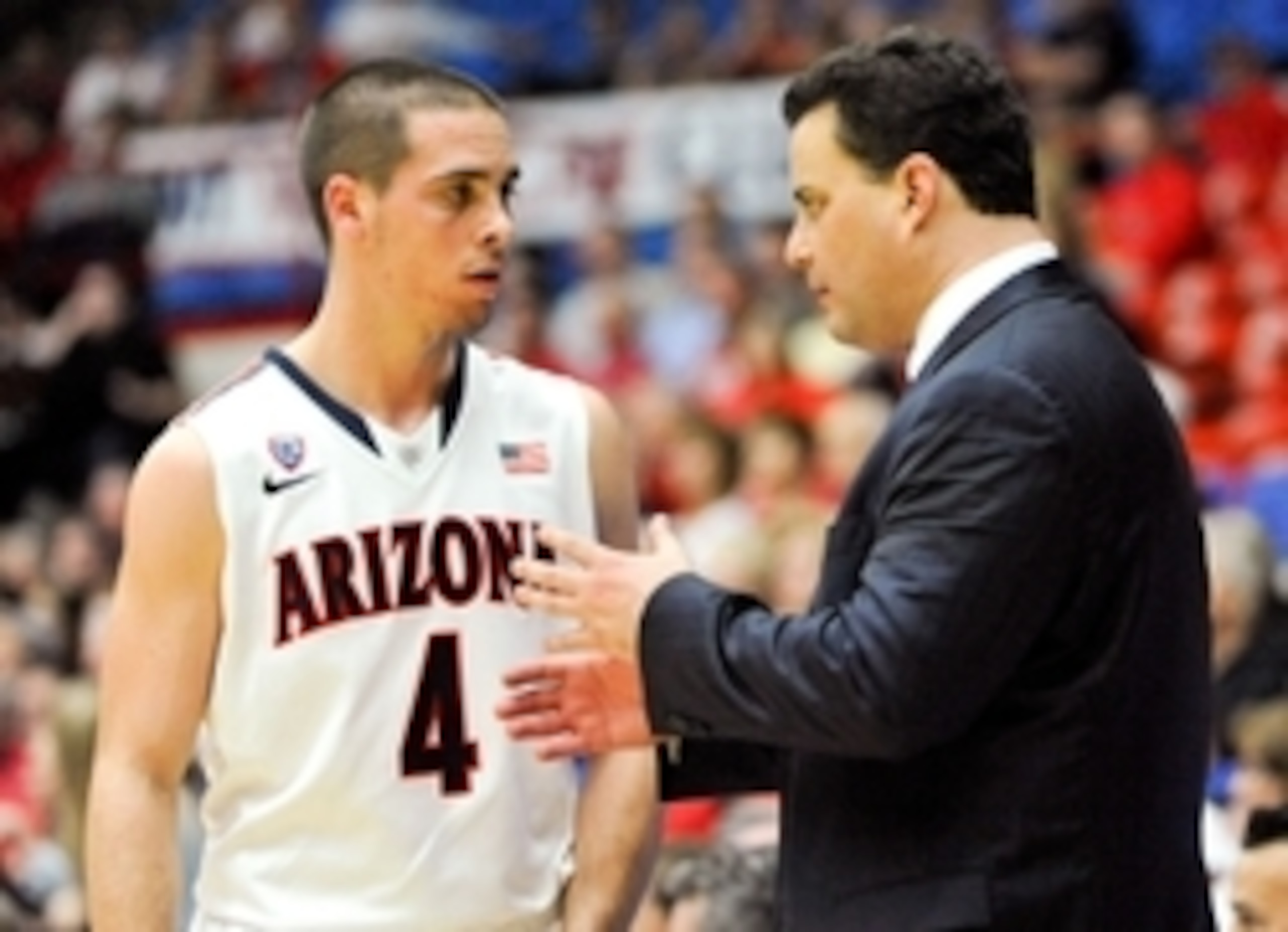
T.J. McConnell reminds you of his coach at Arizona, Sean Miller, when Miller was a player. Surrounded by big-time talent, McConnell does all the things needed to get the most out of his teammates and the team in general, much like Miller did at Pittsburgh.
Like Miller, McConnell is the son of a coach, making him acutely aware of all the ingredients necessary for team success. He realizes he does not need to score much with all the scoring potential around him, his prime job being to orchestrate the game plan and control the pace of the game. But he can, and will, score when the situation requires it.
"In a lot of ways, I think Nick Johnson is the most outstanding player on the team, blessed with incredible talent and he plays both ends of the floor," Arizona State coach Herb Sendek told Nicole Auerbach of USA Today last January when the Wildcats were ranked No. 1. "But I would say T.J. is the most valuable player on the team. He's the guy who puts it all together for them."
Being called the most valuable player while averaging just 8.4 points last season (down to just 7.6 points this season) demonstrates McConnell's ability to effectively fit all the pieces together under his guiding hand.
Also like Miller, McConnell displays a toughness and passion for basketball that reflects his devotion to the sport.
"The 6-foot-1, 195-pound junior never gets rattled, always makes the right pass and is an extension of the coaching staff on the court," Arash Markazi wrote in an ESPN.com article last January.
It sounds like a future coach to me.
Yogi Ferrell, Indiana
6 of 10
The inclusion of Indiana point guard Yogi Ferrell on this list may come as a surprise, because he does not seem to have a coach's personality. He is understated and rather quiet, choosing to lead by example rather than verbally.
Can a coach have that kind of personality?
Johnny Dawkins is a rather quiet person, and he guided Stanford to a third-round win in over Kansas in the NCAA tournament last season. Brad Stevens worked wonders at Butler, and he never seemed to raise his voice or show emotion.
Ferrell knows how to run a team. As a freshman, he was immediately plugged in as the starting point guard of a team ranked No. 1 in the preseason, per ESPN.com. Now a junior, he is one of the team's stars and has remained one of its leaders.
His basketball acumen was displayed during a preseason practice last year.
"It was a 1-second, short-clock situation, and we haven't really put in any plays yet,'' Indiana head coach Tom Crean said, according to Dana O'Neil of ESPN.com. "[Assistant coach] Tim Buckley is coaching one team and [assistant coach] Steve McClain the other. Yogi takes the clipboard from Tim and he draws up the winning play."
Two things are working against Ferrell as a potential coach.
One is that he may have a professional playing career in the future, which would delay his ascent as a coach. However, a number of current coaches—such as UCLA's Steve Alford, Washington's Lorenzo Romar, Wake Forest's Danny Manning and Dawkins—played for years in the NBA before beginning coaching careers.
The other drawback was an incident last spring when he was cited for illegal consumption and a false ID, leaving a black mark a future coach doesn't need. But Ferrell showed maturity this season when he shouldered the responsibility for the misbehavior of several teammates that led to their suspension, saying, via WTHR reporter Rich Van Wyk:
"We, the Indiana basketball team, have let down our fans, family and friends and those before who have made Indiana basketball what it is today by our actions. Even I have made mistakes. I've owned up to those mistakes. And me being a leader of the team, I have to hold guys accountable to their actions.
I say the root cause is the entire team ourselves. It has nothing to do with the coaching staff. The coaching staff is great. They get us ready for each game, prepare us as much as they can. I feel like it is with the team. We don't hold each other accountable. Coaches always tell us we have to have each other's backs. Basically, I feel like I haven't been doing that.
"
Kevin Pangos, Gonzaga
7 of 10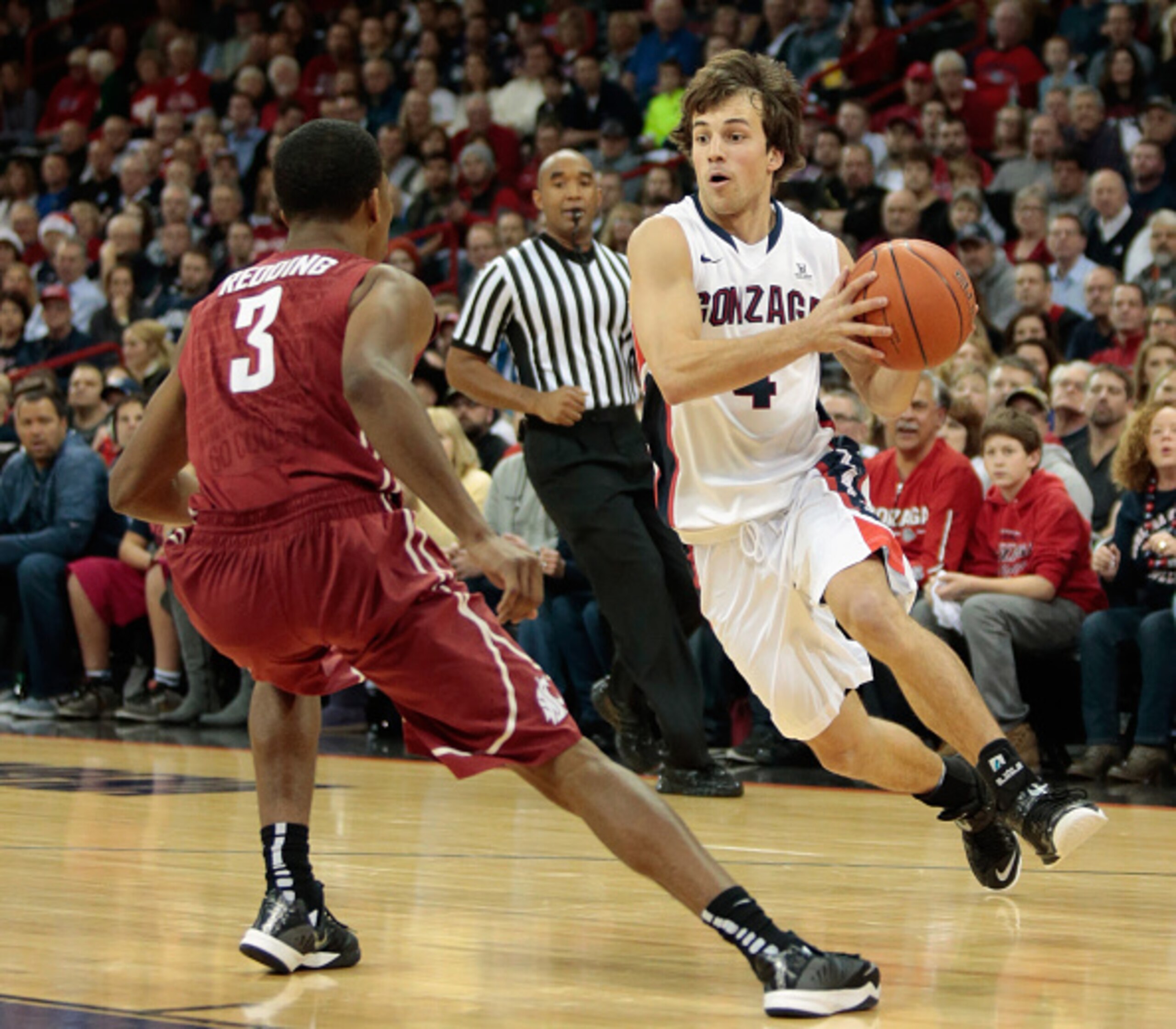
Gonzaga senior point guard Kevin Pangos acts like a coach. He displays his toughness and passion for the game nearly every time down the court. He is the clear leader of the team, both verbally and by his actions. He understands the intricacies of the game, such as pace and angles, and he has an inspiring work ethic.
Pangos played through a painful turf toe injury much of last season, and he took time off during the spring and summer to let his body heal. That time away from basketball showed Pangos how much the game means to him.
“My personality changed, too,” he said, according to Jim Meehan of the Spokane Spokesman-Review. “I didn’t have much to do. Not that basketball is everything for me but it’s what I love to do. It takes the weight off my shoulders. I think I was pretty grumpy when I was at home.”
He needs to be in the gym, constantly working on his game.
"Having to rest is like torture to me," he said, per Meehan.
You get the feeling that his career is going to involve basketball in some way. Since he is unlikely to make it in the NBA, Pangos may turn to coaching.
Yes, a Canadian like Pangos could become a Division I head coach. After all, basketball's inventor, James Naismith, was Canadian.
Amir Bell, Princeton
8 of 10
For a university that has produced few NBA players and has not won an NCAA tournament game since 1998, Princeton sure pumps out a lot of college coaches.
Five former Princeton players currently are Division I head coaches: John Thompson III (Georgetown), Joe Scott (Denver), Sydney Johnson (Fairfield), Chris Mooney (Richmond) and Mitch Henderson (Princeton). A sixth, Craig Robinson, was head coach of Oregon State before being dismissed after last season.
The next in line could be Amir Bell. Despite being a freshman, Bell has been Princeton's starting point guard in every game this season, running the patient and precise Princeton offense efficiently while contributing in a number of statistical categories.
Projecting Bell as a future coach is a bit premature based on such a small sample of college games, so this is more of a hunch. A freshman who immediately becomes a starting point guard in the Princeton system has to have considerable fundamental basketball knowledge and know what it takes to create a whole that is greater than the sum of its parts.
And it seems clear Bell is an outstanding leader.
"Without question, he is the best leader that I've come across in my 25 years of coaching," Bo Henning, Bell's coach at East Brunswick High School, told Jimmy Allinder of the East Brunswick Sentinel.
Bryce Alford, UCLA
9 of 10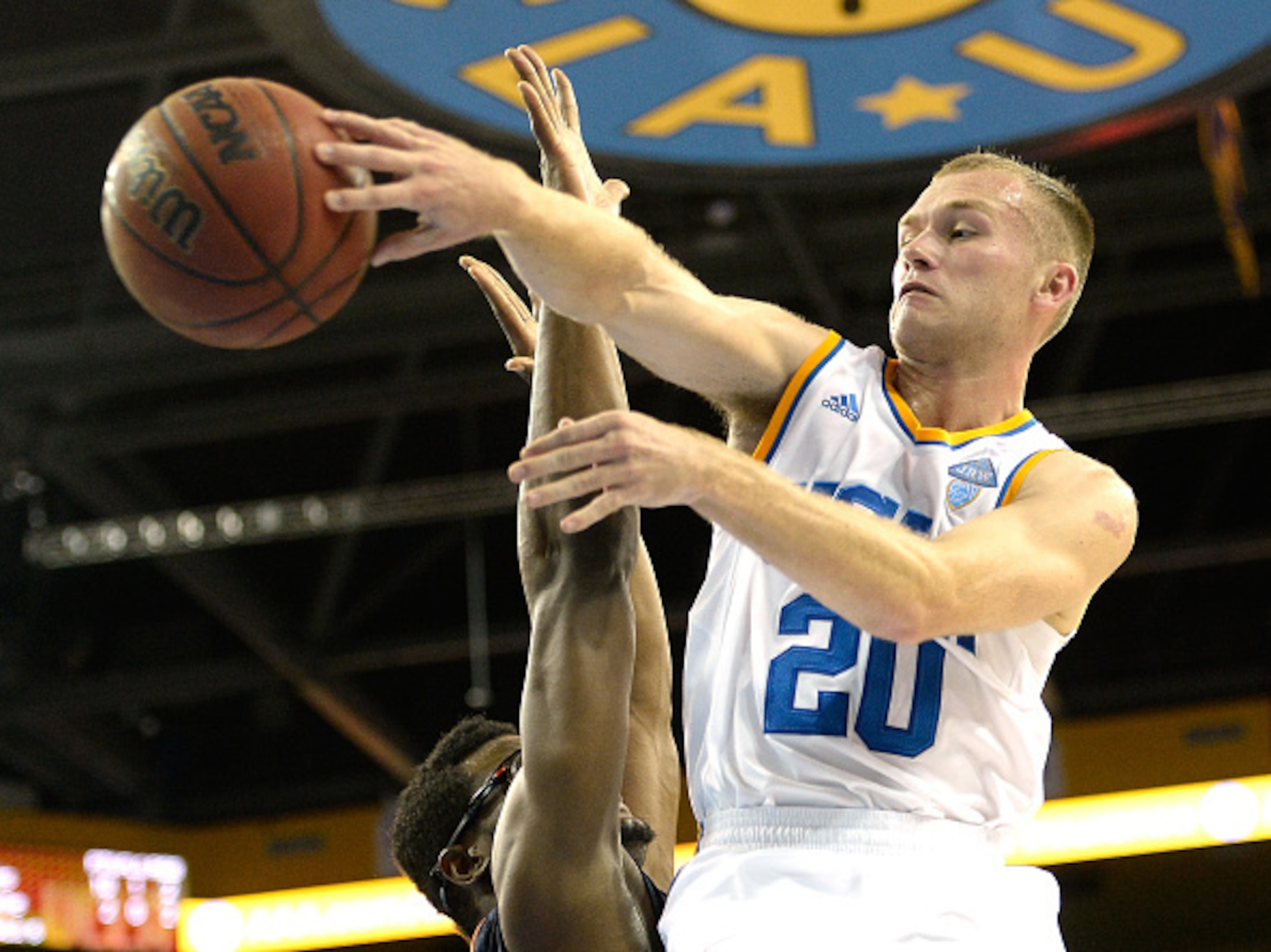
Bryce Alford does not look like he should be UCLA's starting point guard. The slender Alford is not as athletic or strong as the standout Bruin point guards of the recent past, such as Russell Westbrook, Darren Collison, Jordan Farmar and Jrue Holiday. Alford was not a highly rated recruit coming out of high school in Albuquerque, New Mexico, either.
But here he is, not only the team's starting point guard, but the guy who's leading the team in scoring and assists.
He has done it through hard work, leadership and knowledge of the game. The hard work Alford did on his own. The leadership seems to be innate. The knowledge rubbed off on him from his father and UCLA coach Steve Alford.
"Alford is not only a starter," Zach Helfand wrote in a Los Angeles Times article, "he's one of the team's leaders. He says he has already spoken with each of the Bruins' newcomers. How do you like to score? he asked. How can I get you the ball? As the team learned the system, UCLA senior guard Norman Powell says, 'Bryce was like, 'If you don't know it, just talk to me.'"
Just a sophomore, Bryce Alford has demonstrated he can lead by example or by his words.
“Bryce never takes a play off, he’s always pushing himself in the off-season and now. He’s always the first one in line to do whatever drill is up there,” said Powell, per Kevin Bowman of the Daily Bruin. “He’s always talking and helping the guys along who are struggling with the drill. Whatever it is off the court, on the court, he’s leading by example and being vocal.”
Being around a coach virtually his entire life gives Bryce Alford firsthand knowledge of what the profession requires. For him, one of the necessities is a thick skin. He likely has had to endure claims of nepotism and now must prove he can be a Pac-12-caliber point guard after the departure of mulit-talented Kyle Anderson.
“It’s cool to have that pressure on myself,” Alford said, according to Bowman. “It’s something I enjoy.”
That trait would serve him well as a coach
Fred VanVleet, Wichita State
10 of 10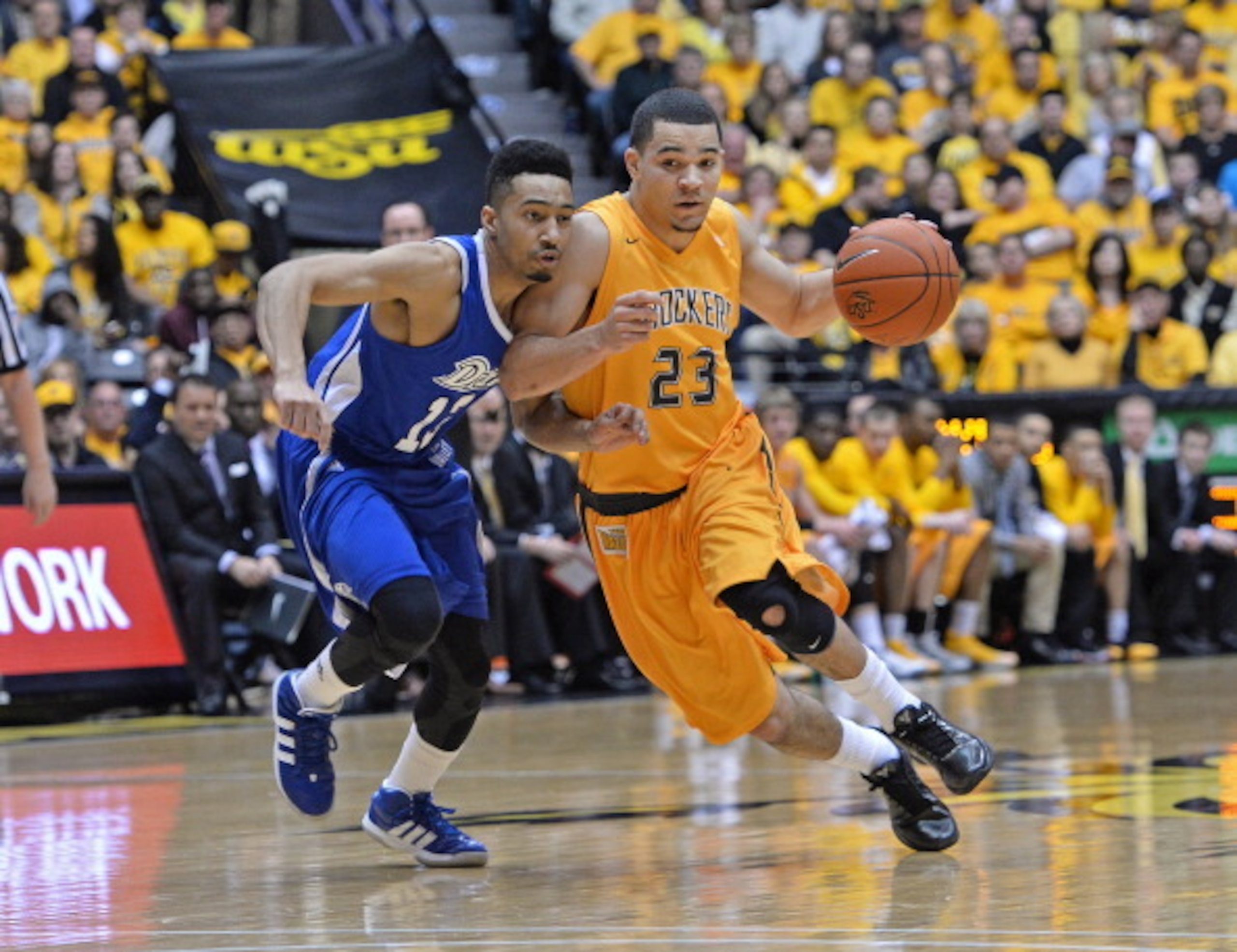
The fact that Wichita State point guard Fred VanVleet was named the conference player of the year last season despite averaging just 11.6 points per game, third best on his own team, tells you that he knows and uses all the factors that produce winning basketball.
His ability to pass, shoot, rebound and collect steals makes him the kind of well-rounded player who can evolve into a good coach.
But most of all, VanVleet is a leader.
"There’s a style to Wichita State basketball, a mood. It comes, I think, from junior point guard Fred VanVleet, who is as cool as a James Bond movie," wrote Bob Lutz of the The Wichita Eagle. "VanVleet doesn’t shake, rattle or roll. The Shockers’ junior point guard is a scene-setter, capable of stealing a scene but most comfortable blending into the background."
Shockers coach Gregg Marshall tried, with some success, to describe to Lutz the intangible skills VanVleet has that lead to success on the court:
"I’ve had some really good point guards. Joe Ragland, Malcolm Armstead, Clevin Hannah, Matt Braeuer my first year here. And I had a kid at Winthrop my last three years there, Chris Gainer, who was very much like Fred. Not as talented, but cerebral like Fred and a floor leader. They’re both coaches on the floor who run the team and understand the system. Fred has so many attributes, plus such strength and quickness with his hands. He just has an uncanny way of making plays that help you win.
"
Teammate Ron Baker told Lutz he's impressed with VanVleet's maturity.
"He’s definitely a grown man who handles his business the right way. He doesn’t make immature decisions. It’s just how Fred lives; he makes plays for our team that help us win games."
Northern Iowa coach Ben Jacobson attributes the Shockers' consistency to VanVleet's presence, via SI.com's Brian Hamilton:
"They have a high level of commitment on every possession. That’s what has made their team so good again this year. I say that first, because VanVleet seems to really exemplify that. When you’ve got your guy at the start of your attack at both ends of the floor doing exactly that, at a high level of effort on every single possession, that has a tremendous impact on your team. He doesn’t make mistakes.
"
VanVleet seems to have every quality necessary to be a successful coach, including a feel for the game.
"You really have to know all the things that don’t show up on the stat sheet or that people may not even see watching the game," VanVleet told Hamilton. "You have to learn your guys, and it helps a lot when they all respect you and love you and accept you as a leader."