
Predicting the 2015 MLB Hall of Fame Snubs
The Major League Baseball Hall of Fame process is flawed.
OK, we got that out of the way. So now there is no real need to dive into why it should be tweaked or how it should be fixed—a Baseball Writers’ Association of America panel recommended expanding the number of players eligible for each ballot from 10 to 12 during the Winter Meetings earlier this month.
However, because it is such an archaic system, considering its guidelines and voters’ stubbornness, lack of in-depth knowledge and lack of overall care, the snubs are heavy.
Plus, of course, there is the conundrum and dilemma of how to handle players linked to performance-enhancing drugs. It is a major issue for at least some voters despite HOF players in previous eras also breaking the law and baseball rules.
In the here and now, it appears no more than four players will be inducted into the baseball shrine in Cooperstown, N.Y. come July. Three of them seem to be locks. Randy Johnson and Pedro Martinez are first-ballot guys, and honestly, it shouldn’t even be close (but maybe it will be).
Craig Biggio fell two votes short of the required 75 percent last year, making him a safe bet to make it this time around. Finally, based on an unscientific poll of BBWAA members conducted by MLB.com last July, John Smoltz has a pretty good shot of getting in, although his numbers fail to stack up against comparable starters.
That leaves everyone else on the ballot out of the Hall of Fame. Here are the predictable snubs.
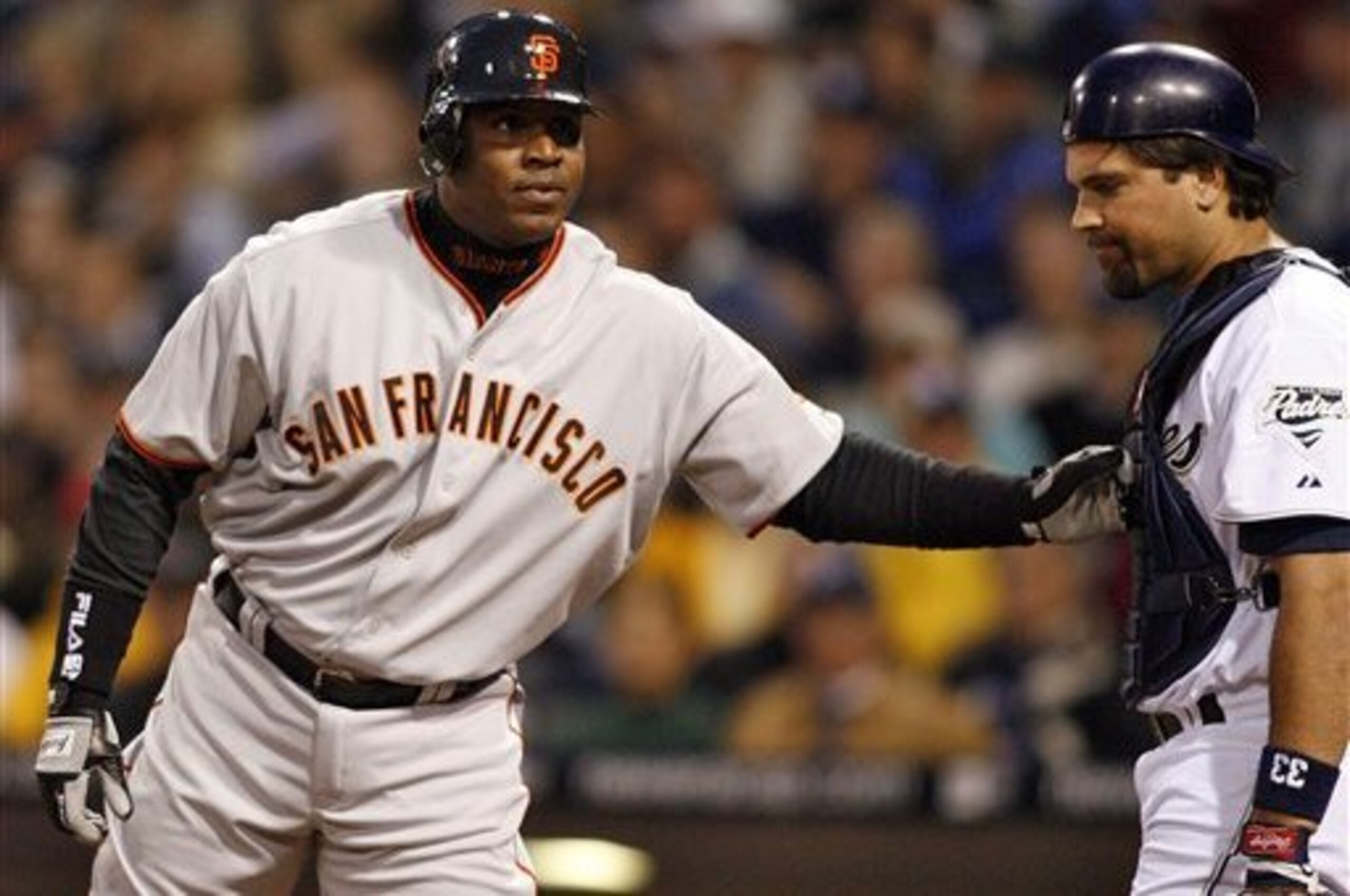
Barry Bonds and Roger Clemens
1 of 8
We can make this short and sweet. Both guys have the numbers. Neither guy is getting in.
The PED clouds hanging over Barry Bonds, maybe the best offensive baseball player in the game’s history, and Roger Clemens, the best pitcher since World War II, are just way too dark for some voters to ignore. Some BBWAA members will never vote for players with PED ties in any form, and some will never vote for guys with overwhelming evidence against them. Bonds and Clemens have both.
We are nowhere near either of these players being elected—Bonds received 34.7 percent and Clemens got 35.4 in 2014—so predicting when it might happen is pointless. It won’t be in 2015, and that is what we are concerned with for now.
Mike Piazza
2 of 8
This is the overall best-hitting catcher in the history of the game. That has become a popular way to describe Mike Piazza for the laymen, but the numbers certainly back up the claim.
His 396 home runs are the most by a catcher—he hit 427 total—and his .308 average is fourth for catchers with at least 5,000 plate appearances. His .545 slugging percentage and 143 OPS-plus is also the best among catchers fitting the criteria.
While Piazza is knocked for his poor defense, he actually was better than people give him credit for—not that being bad defensively should outweigh his offensive contributions. Factoring in both sides of the ball, Piazza ranks sixth all time in catcher WAR, and his peak WAR of 43.1—the number accumulated during his best seven seasons—is third all time behind Gary Carter and Johnny Bench.
But here is why Piazza is likely to be left out of the Hall of Fame for a third consecutive vote: speculation and assumption.
There is enough speculation that Piazza was a PED user, so the assumption is that he was dirty. When he admitted to The New York Times that he had used androstenedione, it was legal both by law and MLB rules. Aside from the gatekeepers of the HOF believing Piazza was dirty for enough of his career that he was dirty period, there is no other reason to leave a guy like him off a ballot. His numbers are too good.
Piazza has climbed to 62.2 percent of the vote, and even if that goes up for a second consecutive year, it is unlikely to reach the required 75 this time.
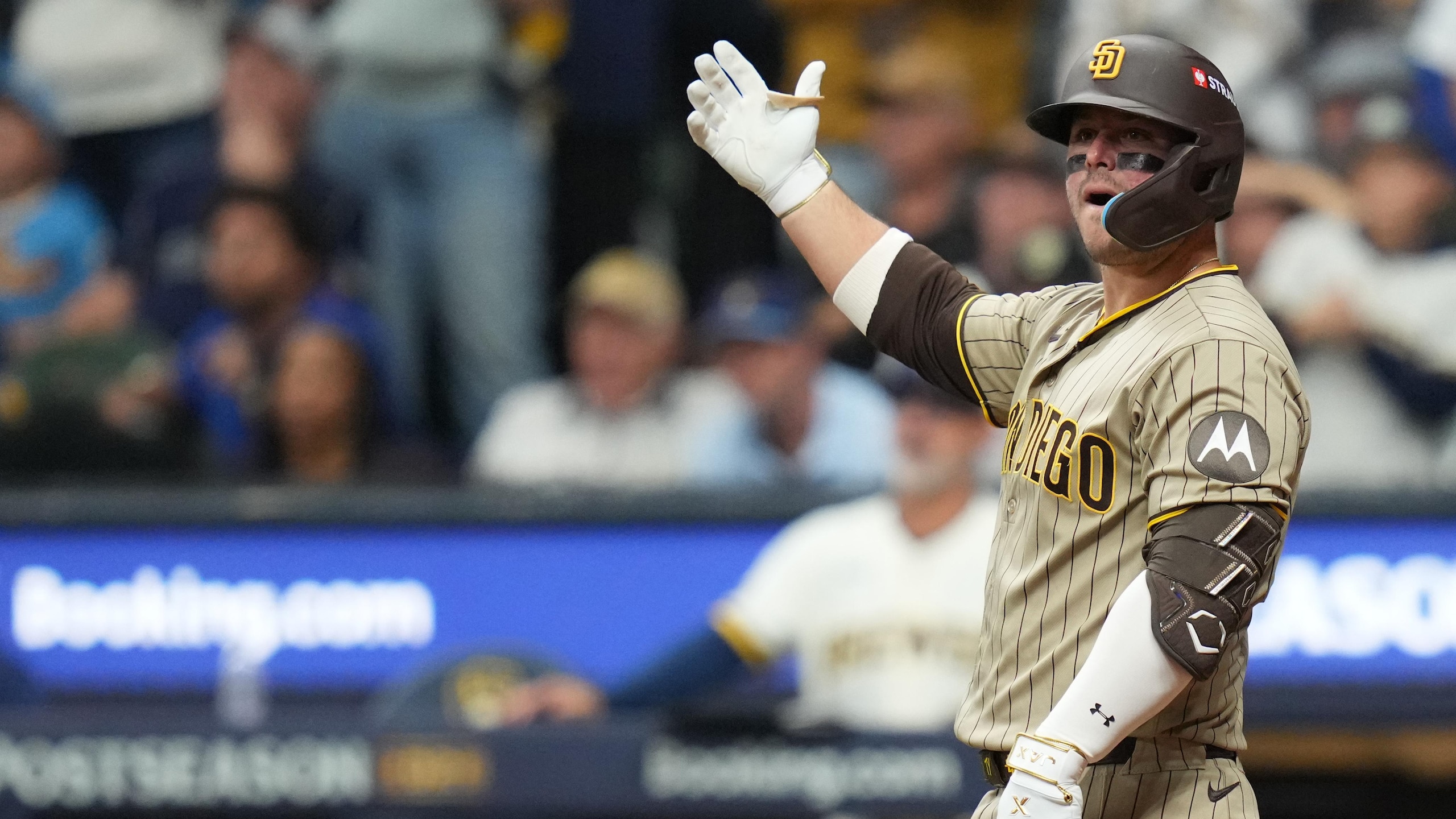
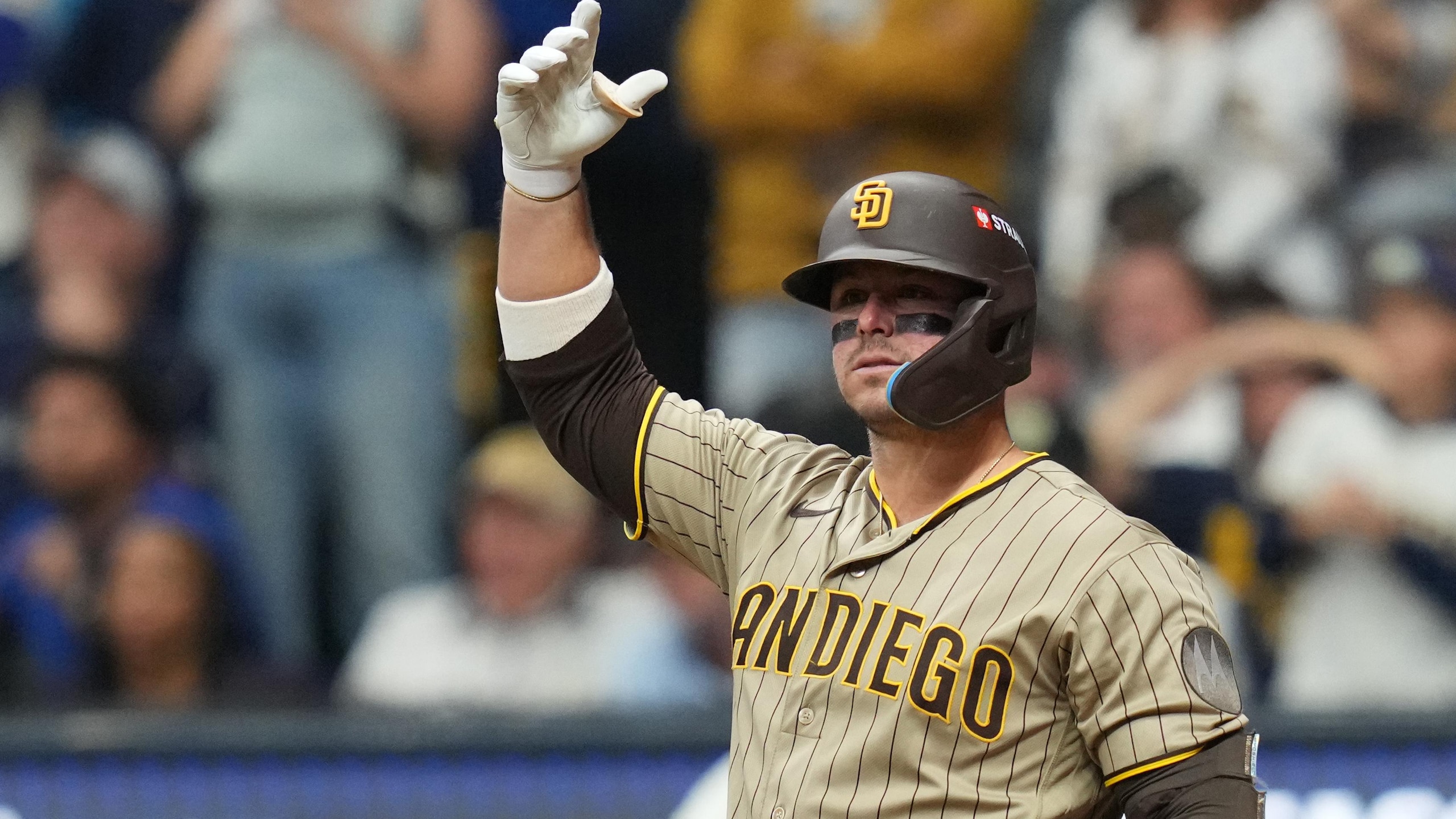
Jeff Bagwell
3 of 8
Jeff Bagwell was a great hitter and a solid defender, and his HOF case, based on the JAWS system created by Jay Jaffe when he was at Baseball Prospectus, is excellent.
Considering the averages of first basemen already in the HOF, Bagwell is better in terms of total WAR, WAR during his best seven years and in JAWS. Also, his overall career WAR (79.6) ranks sixth among all first basemen, helped by his defense (plus-54 runs) and base running (plus-31), and it is well ahead of Frank Thomas’ 73.7 mark. Thomas earned induction on his first ballot last year.
But once again, the PED demon is fighting Bagwell’s statistics. His forearms made Popeye look like a punk. His thighs were otherworldly. He hit balls to match his muscles. And because of that, there is just enough PED speculation—and his admission to using androstenedione before it was banned, like Mike Piazza—for some to dismiss Bagwell’s candidacy.
Bagwell’s chances slipped a little more than five percentage points to 54.3 last year, and he is now entering his fifth year on the ballot. He is likely to be elected at some point, but now that the ballot eligibility has dropped from 15 years to 10, the clock is ticking a bit faster.
Tim Raines
4 of 8
Maybe no player has been as negatively affected by the change in ballot eligibility from 15 years to 10 as Tim Raines.
He has seen a steady climb in his candidacy—he started at 24.3 percent in 2008 but built up to 46.1 last year—and if he were still on the 15-year plan, he would be a safe bet to become a Hall of Famer at some point in the future. As it stands, however, Raines has two more years of eligibility after this, and no one should bet that his votes will increase by almost 23 percent this time around.
Raines is a HOF-caliber player, ranking higher in career and peak WAR than the average left fielder in Cooperstown. He also compares quite favorably in several offensive categories to another Hall of Fame-worthy outfielder from his era Tony Gwynn.
Rickey Henderson is regarded as the best base stealer ever, and that label helped get him elected. The truth is, though, that Raines was probably the better thief on the base paths with an 84.7 success rate, which is the best among players with at least 300 attempts. Henderson had an 80.8 success rate.
Raines ranks eighth among all left fielders in JAWS score. Five of the guys ahead of him are in the Hall, and the other two are Barry Bonds and Pete Rose. Of the top 19 JAWS players at the position, 13 are Hall of Famers, but enough voters can’t seem to bring themselves to vote for Raines, who is certainly one of the best players to ever play his position.
Curt Schilling
5 of 8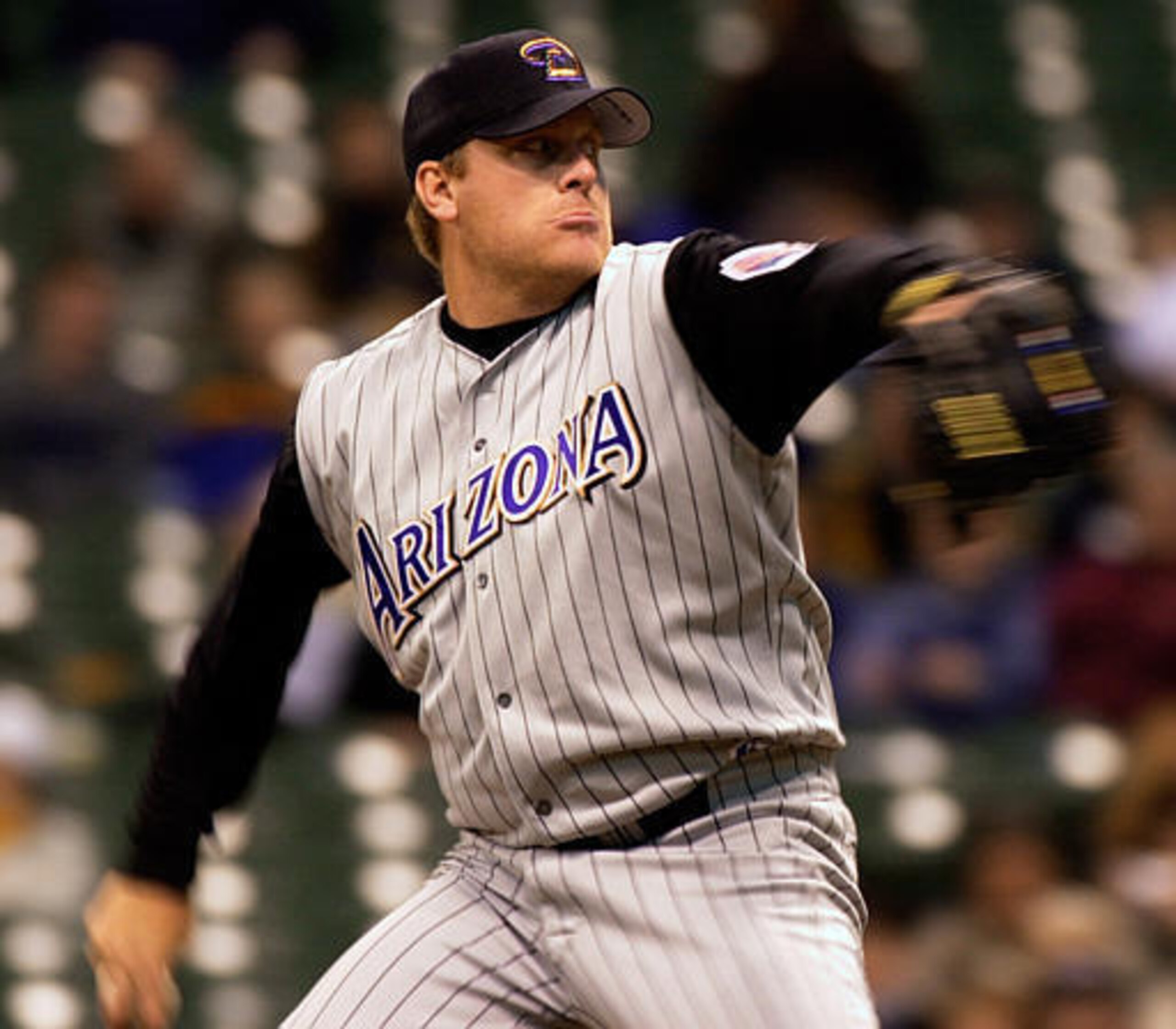
There is the bloody sock. There was the 2001 postseason and the ensuing World Series MVP honor. There are three championship rings. Yet there is not even 30 percent of the HOF vote as Curt Schilling enters his 2015 candidacy.
While BBWAA voters have seen the sabermetric light when it comes to handing out Cy Young Awards, the HOF vote still seems to center on traditional, less meaningful stats such as wins. Since 1992, seven of the eight starting pitchers elected to the HOF are members of the 300-win club. Schilling is not.
What should be considered, though, is that Schilling was among the best pitchers of his era, one in which we saw offensive numbers skyrocket as juiced-up hitters wielded the lumber against Schilling on a weekly basis.
He is 15th all time with 3,116 strikeouts and also showed wonderful control, ranking second all time with a 4.38 strikeout-to-walk ratio for pitchers who pitched after 1884.
Schilling also did it in October. He was 11-2 with a 2.23 ERA in 133.1 postseason innings. In the World Series, he was 4-1 with a 2.06 ERA in 48 innings. Plus, no starting pitcher with at least 100 postseason innings since 1960 has a lower ERA.
Of the 26 pitchers ahead of Schilling in JAWS score, 22 of them are in the Hall of Fame. Others not inducted yet include Johnson, Martinez and Roger Clemens. Just for good measure, players who rank behind Schilling include last year’s inductee Tom Glavine, legend Ryan and Smoltz, who many expect to get in this year on his first ballot.
Schilling’s vote percentage dropped on the ballot from his first to second years, and it wouldn’t be surprising if it happens again this year, with the likes of Johnson, Pedro Martinez and John Smoltz entering their first years of eligibility.
Mike Mussina
6 of 8
The decorations are not there. Neither are the flash and flair. The 300 wins are also missing. But consistency, steadiness and an overall HOF-worthy resume certainly are present.
Mike Mussina is another guy who pitched in the offense-heavy Steroid Era, and he did so in the American League East, ripe with sluggers and matchbox ballparks. And in terms of JAWS, Mussina is slotted right behind Curt Schilling, with both ahead of guys like Tom Glavine, Nolan Ryan, John Smoltz and several other Hall of Famers.
Never having won a Cy Young Award, World Series ring, ERA title or strikeout crown, Mussina does not have the hardware of some of his counterparts, which hurts his campaign. But his 270 wins are more than 32 other pitchers in the HOF, and his 3.58 strikeout-to-walk ratio is second to Schilling for pitchers with at least 3,000 innings since 1893, when the rubber was moved back to 60 feet, six inches.
Mussina’s career 83 WAR mark is 23rd all time and better than 40 of the 59 HOF starting pitchers.
Because there have been more rings, awards and statistical titles on the ballots with Mussina in 2014 and 2015, he won’t get in this year and might even drop below the 20.3 percent of the vote he got in his debut. And any thoughts of a long climb to 75 percent a la Bert Blyleven (he needed 14 years to be elected) have been dashed because Mussina will only get 10 years on the ballot.
Edgar Martinez
7 of 8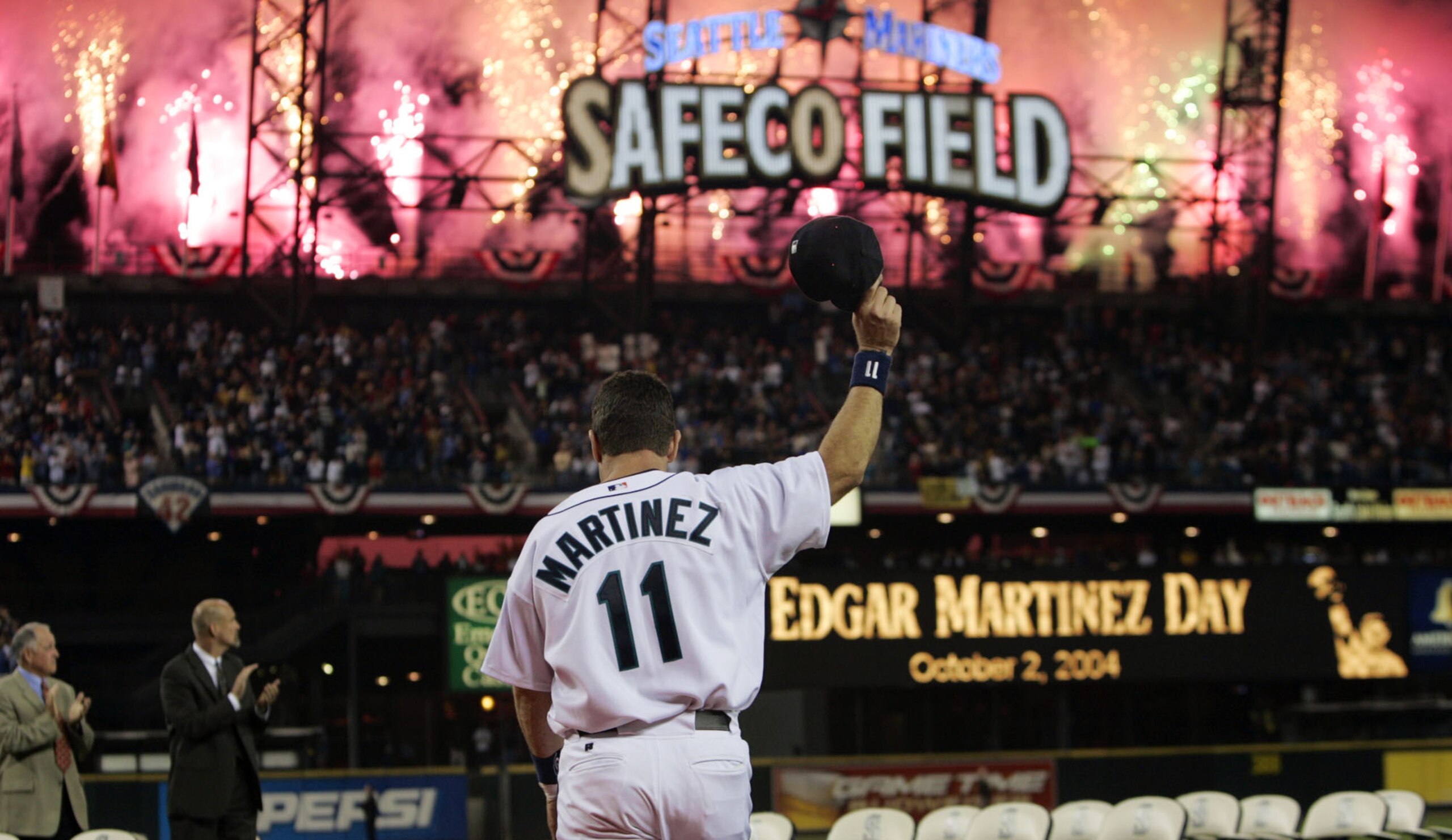
It apparently does not matter if you’re the best ever at something if it does not fit into the neat little box in which Hall of Fame voters love to put their elected players. Edgar Martinez knows this from experience.
Martinez was a designated hitter—the best one in the position’s short history. He did not create the position or the game’s rules. He simply abided by and excelled within them. For that, voters who did not see a DH as worthy of inclusion among the sport’s best players until Frank Thomas was inducted last year have punished Martinez.
Martinez made 72 percent of his plate appearances as a DH—Thomas made 69 percent of his at the position. He created so much value in his specialized role, it is completely fair to compare him to Mariano Rivera, a surefire Hall of Fame closer once eligible.
“The only guy that I didn't want to face, when a tough situation comes, was Edgar Martinez. ... It didn't matter how I threw the ball,” Rivera told Charlie Rose in 2013 after Martinez hit .579/.652/.1.053 in 23 career plate appearances against him. “I couldn't get him out. Oh my God, he had more than my number. He had my breakfast, lunch and dinner.”
Here is the other thing: WAR (the Baseball-Reference version) rewards positional players with positive run differentials and penalizes designated hitters by minus-15 runs. For a DH’s worth to be considered equal to an everyday position player, the DH has to be more than 15 runs better. Martinez had enough value as an everyday DH over the last decade of his career, according to JAWS creator Jay Jaffe, that he surpassed the average career, peak and JAWS marks for Hall of Fame third basemen.
Even with the eligibility length cut down by five years, it is possible Martinez can get a strong voter push as he approaches his 10th year on the ballot. However, after scoring 25.2 percent last year, he is a virtual lock to fall short again in 2015.
Gary Sheffield
8 of 8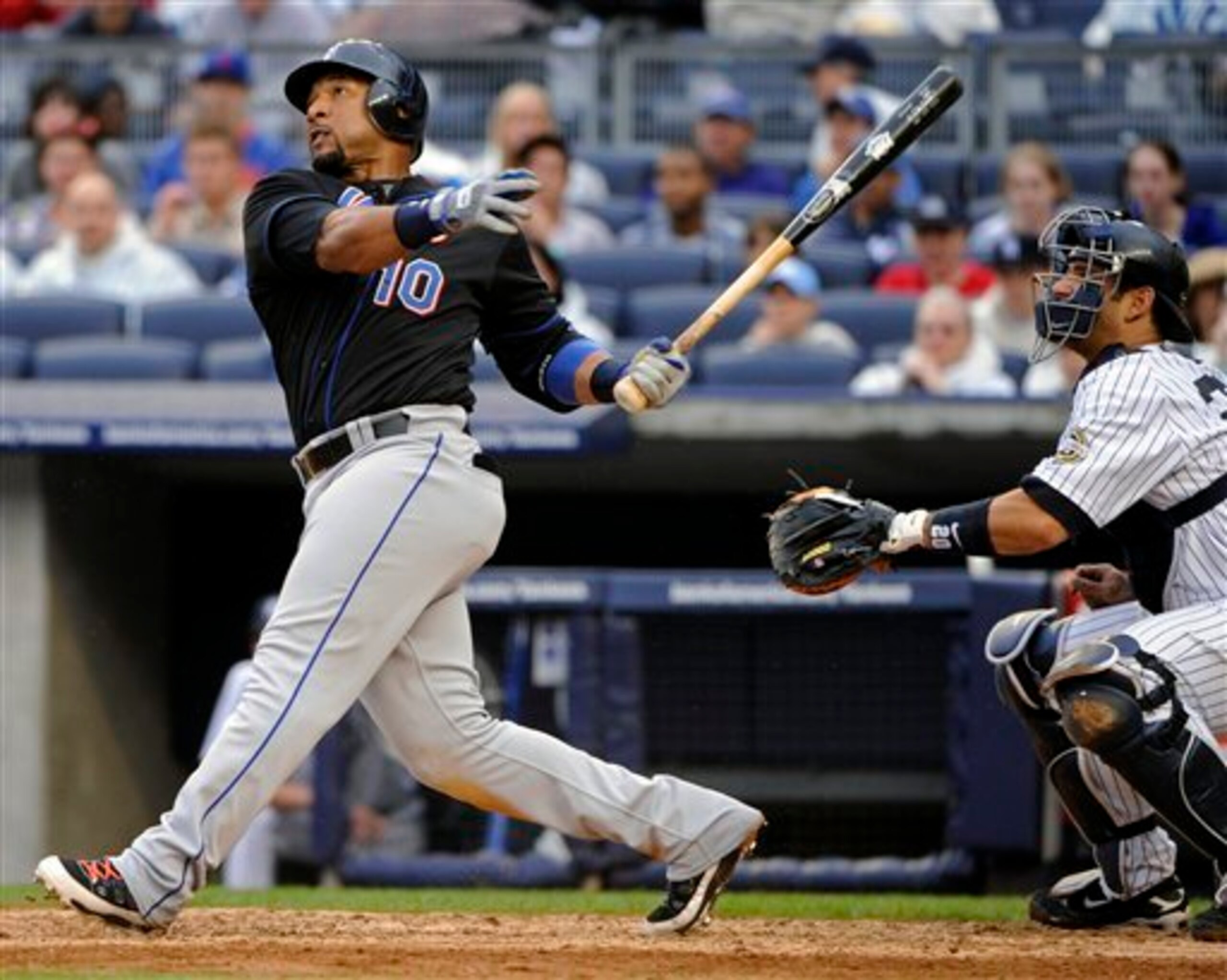
Tabbing Gary Sheffield a “snub” at this point might be a bit harsh on the voters, but his candidacy should be seriously considered. If it were not for the volume of qualified players on this year’s ballot, Sheffield would have a better shot. As it stands, he will not get anywhere near the required 75 percent.
Part of it is because he was a one-dimensional player, although his offense was so good it masked his defensive deficiencies for the most part—or at least made them tolerable. A bigger part of it is because Sheffield is linked to the BALCO PED controversy that is keeping Barry Bonds out of the Hall.
His 509 home runs (25th all time), 21st all time in walks (1,475), 26th in RBIs (1,676) and 34th in OPS-plus (minimum 8,000 plate appearances) are stellar. That, along with his ability to make contact (he walked more than he struck out), makes Sheffield one of the most intimidating, potent hitters ever.
But the PED link, as we know, is too much for even the best hitter (Bonds) and pitcher (Clemens) of their generations to overcome. Sheffield is no different in that regard.
.jpg?w=2560 "OBJ Calls Out Giants After Release")