
New Year's Resolution for Each AP Top 25 College Basketball Team
This year is going to be different.
What happened in the past—in this case, the first two months of the season—won't have any bearing on how college basketball's top teams will perform now that the calendar has turned to 2015. At least, that's how they'd all like to think.
New Year's resolutions are as common as pennies found at the bottom of the dryer on laundry day, and they often have about the same value since they're usually thrown aside after a few days or weeks. In college basketball, such resolutions are more philosophical than tangible, especially since they require multiple players to make changes or improvements.
What will the country's best teams resolve to change for 2015? Click through and find out.
25. Georgetown Hoyas
1 of 25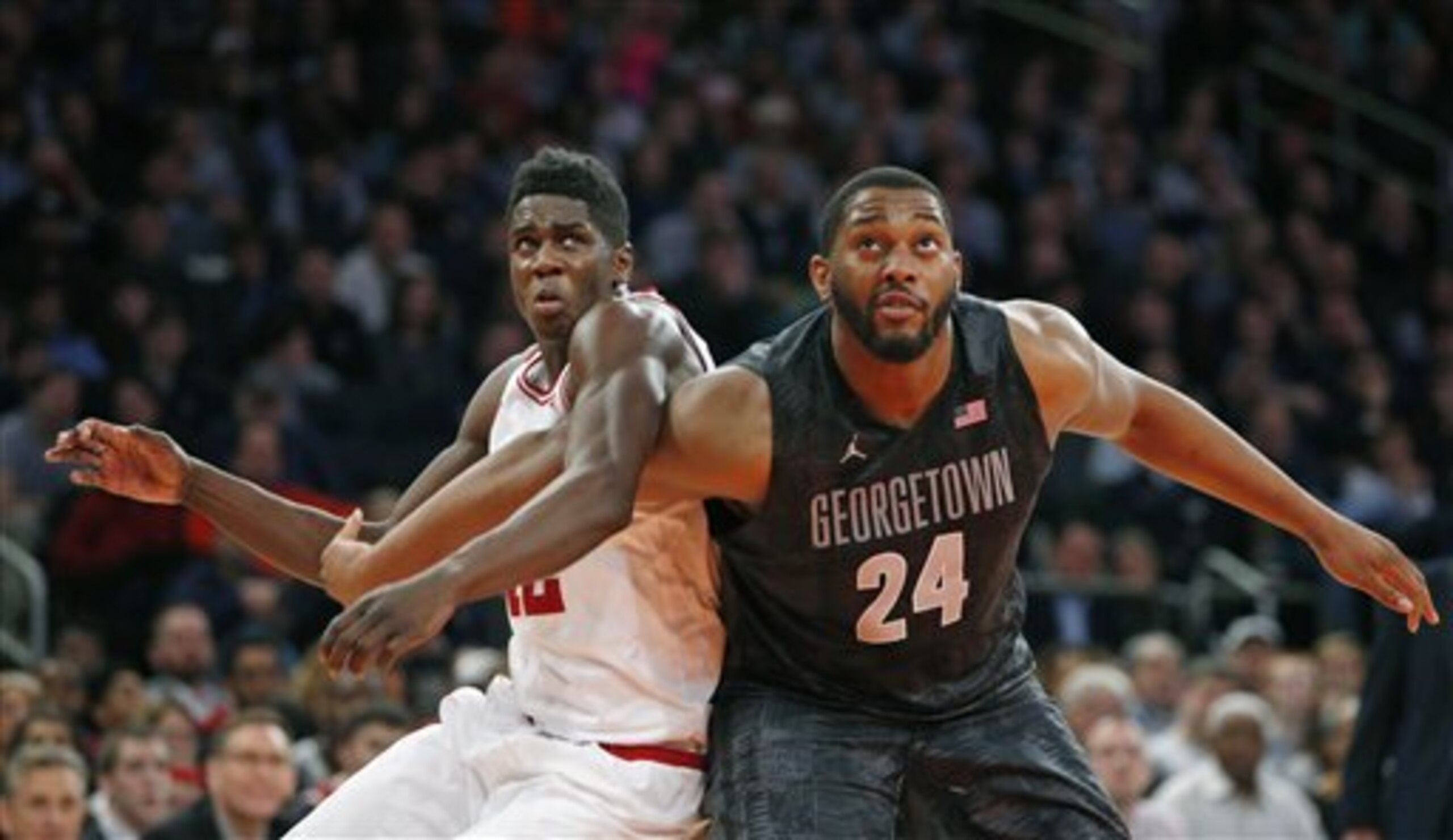
Keep Joshua Smith on task
With his size, strength and surprising athleticism working in Georgetown's favor, Joshua Smith has been as big a reason for the solid 8-4 start against a tough schedule as anyone else. The key, though, is making sure that he remains focused both on and off the court in order for the Hoyas to legitimately contend in the Big East.
Smith, a senior who is listed at 6'10" and 350 pounds, is averaging career highs in points (12.6) and rebounds (6.3) per game while shooting 62.1 percent. He's also playing more minutes per game than ever before and has already surpassed the total time on the court he spent with Georgetown last season before getting suspended for academic issues last January.
Smith also had trouble staying eligible during his two seasons at UCLA. Nothing has popped up this season yet, and if that can continue, then Georgetown figures to bounce back from last year's 18-15 record that didn't include a trip to the NCAA tournament.
24. Colorado State Rams
2 of 25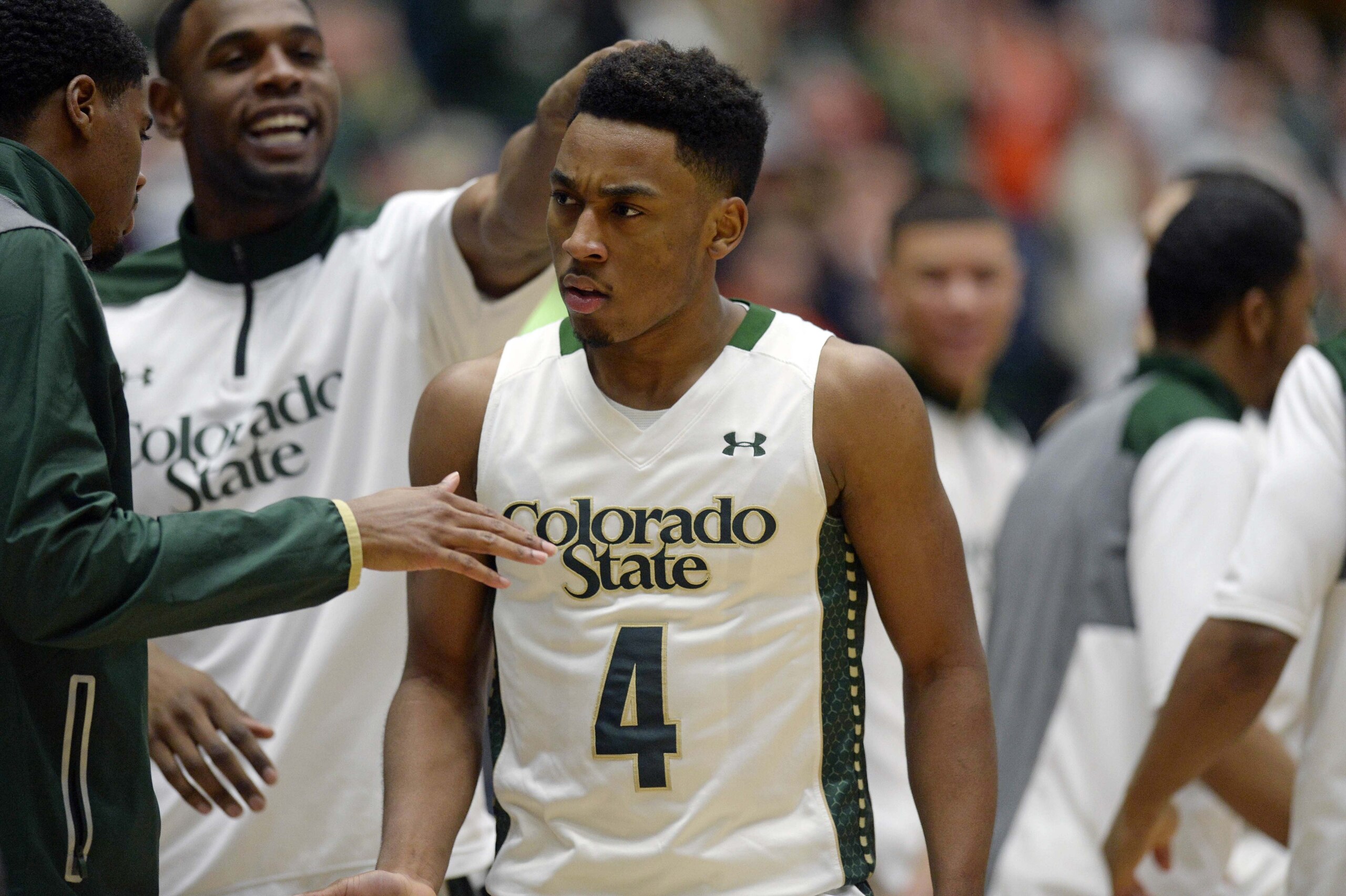
Remain on track
Other than unranked TCU, the most surprising unbeaten team in the country is Colorado State. The Rams (14-0) are off to their best start in school history after opening Mountain West play with a 71-65 home win over Boise State on Wednesday.
Ranked for the first time in two years, CSU has managed to navigate through a schedule full of good-but-not-great teams, winning at Colorado, Denver and New Mexico State by a combined four points. Five of the Rams' results have been by three points or less.
The Mountain West has plenty of pitfalls for them, though, such as Sunday at New Mexico or later in the season at San Diego State, Utah State and Wyoming.
23. Northern Iowa Panthers
3 of 25
Get others involved
Northern Iowa (11-2) lost its Missouri Valley opener on Thursday, falling 52-49 at Evansville in a game that typified what has worked and what needs to get better for the Panthers.
Seth Tuttle had 18 points on 7-of-13 shooting, hitting two three-pointers in five tries. The rest of Northern Iowa made 12 baskets and were 3-of-13 from three-point range.
Tuttle leads the team in scoring (14.3), rebounding (5.6) and assists (3.2), and he's shooting 61.4 percent. As a team, Northern Iowa shoots 45.6 percent, but only two other players attempt at least five shots per game.
22. Baylor Bears
4 of 25
Hit free throws
The nonconference slate went pretty well for Baylor (11-1), which only has an eight-point loss to Illinois in Las Vegas working against it. The schedule wasn't particularly challenging with no ranked opponents, but the Bears can at least take solace in knowing they could contend for an upper spot in the SEC thanks to three wins over that league so far.
Where Baylor could resolve to get better, though, is at the free-throw line. The Bears hit only 63.2 percent on foul shots, which ranked 311th in the country entering Thursday.
Rico Gathers has made it to the line more than anyone, but the 6'8" junior forward (who averages a double-double with 10.1 points and 10.5 rebounds per game) only makes 59.7 percent.
21. Washington Huskies
5 of 25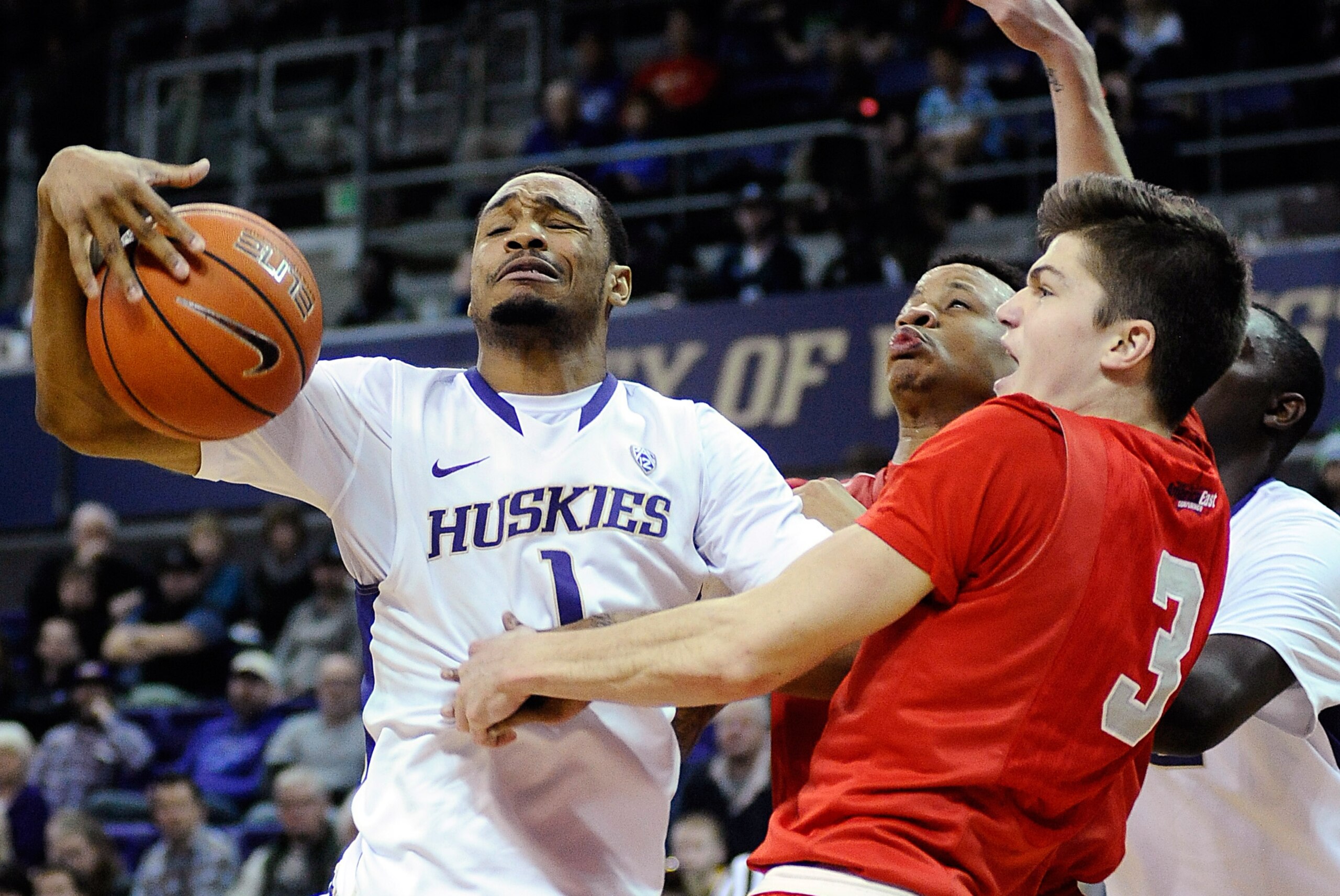
Forget how 2014 ended
Washington (11-1) was one of the biggest surprise teams during the opening portion of this season, jumping out to an 11-0 record after winning only 17 games the year before. But then came what's more or less been an annual "bad loss" in nonconference play, with the Huskies losing at home to Stony Brook on Sunday.
Last year Washington dropped one early in Seattle to UC-Irvine, to Albany and Nevada in 2012-13, and to South Dakota State the season before that.
But this Huskies team is better than those previous versions, with a balanced attack that also features one of the country's top bench players in 7'0" redshirt sophomore Robert Upshaw. The talent level, along with the fact that Pac-12 play now starts with an opening trip to California and Stanford, should make it possible to move past the upset without much of a lingering hangover.
20. Ohio State Buckeyes
6 of 25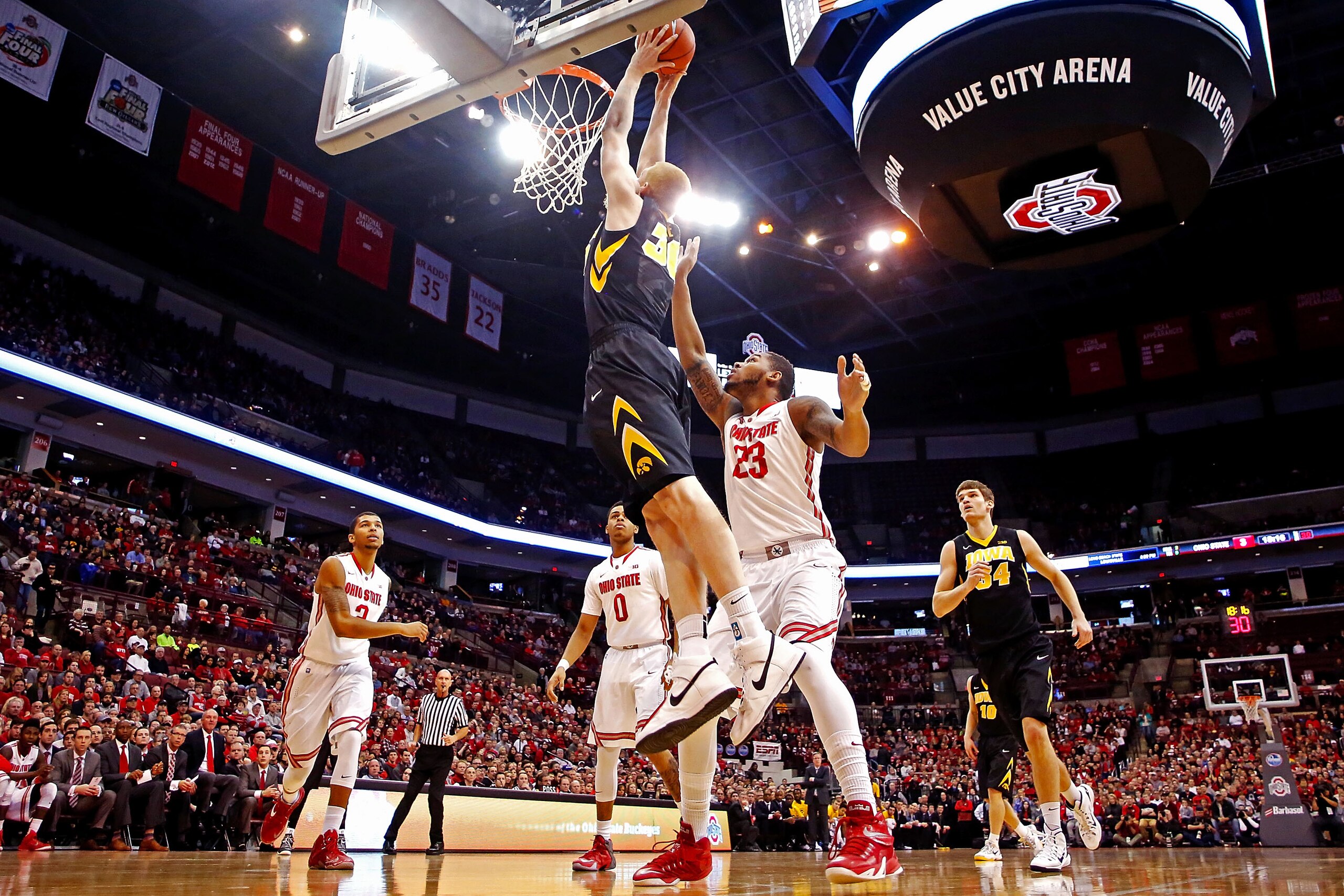
Cut back on the zone defense
Ohio State has the athletes to play man-to-man on defense, but it has stuck with a 2-3 zone to this point in this season. It's worked fine against the Buckeyes' (many) weak opponents, but against their three toughest foes, it's been ineffective.
Not surprisingly, OSU (11-3) has lost those three games, including Tuesday's 71-65 home setback to Iowa in the Big Ten opener.
The Buckeyes entered Tuesday holding opponents to 37.4 percent shooting, but all three foes they've fallen to shot at least 44.4 percent. Switch the defensive scheme at times could help fix that.
19. North Carolina Tar Heels
7 of 25
Keep on sharing
Fewer teams get more of their field goals off good passes than North Carolina (10-3), which assists on 62.4 percent of its made shots. And it's not just one or two guys who are spreading the ball around; nearly every Tar Heels contributor is getting in on the assist action.
Seven players have at least 15 assists, led by junior forward J.P. Tokoto. Playing sort of a point forward spot at times, since North Carolina often starts four forwards alongside guard Marcus Paige, Tokoto assists on 23.9 percent of his team's field goals during his 27.2 minutes per game according to Sports Reference. He also has more turnovers than anyone else with 33, but he's had only six in the past three games after back-to-back six-turnover games.
Guards Paige and Theo Pinson assist on more than 20 percent of the made shots during their playing time, while three other UNC players do so on at least 17 percent of made field goals.
18. Oklahoma Sooners
8 of 25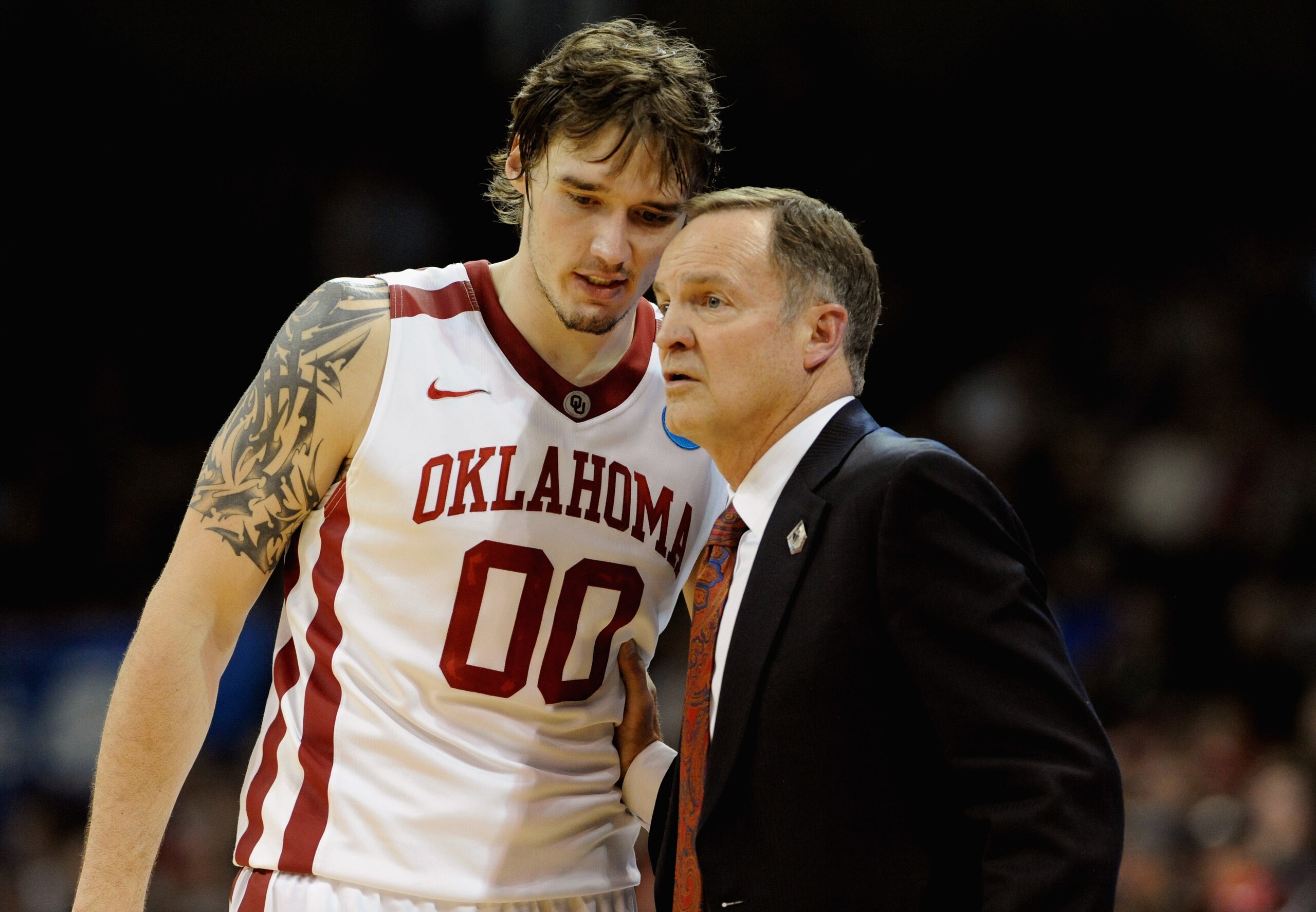
Get offensive on the glass
Missing shots is fine, as long as you're able to get hands on a good number of those misses and turn them into second chances. Oklahoma (9-3) hasn't done much of that, though, and that's been a contributing factor in all of its losses.
The Sooners rebound only 29 percent of their missed shots; when compounded with shooting poorly, that has resulted in horrible offensive glass work in the losses to Creighton, Wisconsin and Washington. And with the amount of strong front lines that Oklahoma is set to face in the Big 12, this is a troubling area that needs to get fixed.
Junior forward Ryan Spangler has been Oklahoma's best offensive rebounder, pulling in 7.2 percent of available misses according to Sports Reference, but that's still only translated to less than two offensive boards per game.
17. West Virginia Mountaineers
9 of 25
Maximize the positives
West Virginia (12-1) heads into its Big 12 opener Saturday at unbeaten TCU as the Division I leader in offensive rebounds and steals. Those two categories have enabled the Mountaineers to play at a frenetic pace and average nearly 79 points per game.
Yet despite averaging 13.5 steals per game and rebounding 43.1 percent of its own misses, West Virginia has been in far too many close games. Five games have been decided by 10 points or less, including its one-point home loss to LSU, because West Virginia shoots only 42.9 percent from the field.
Though coach Bob Huggins wants to keep the tempo up, West Virginia could benefit from slowing things down from time to time in an effort to get some more efficiency out of its possessions.
16. Wichita State Shockers
10 of 25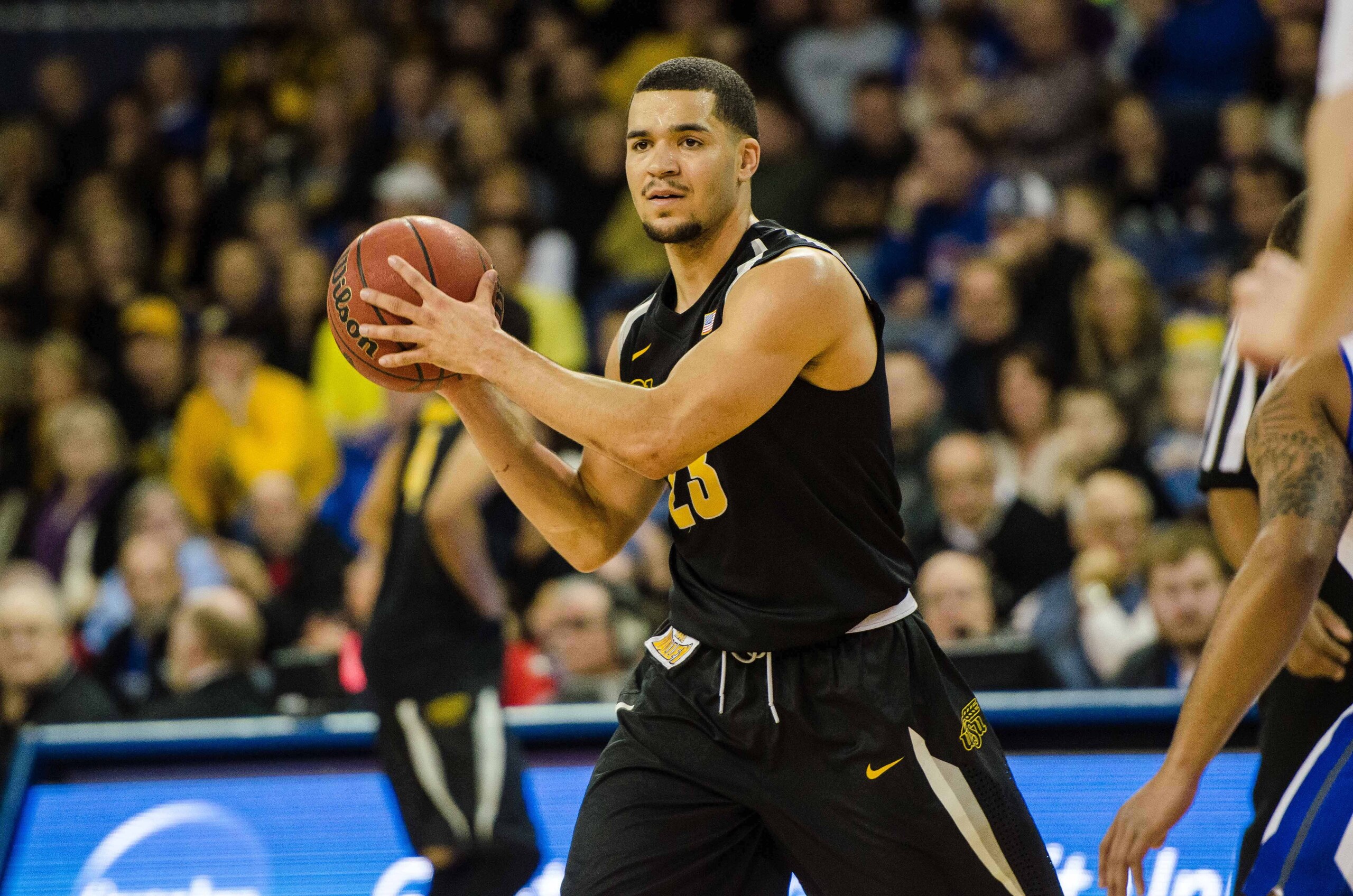
Get back to basics
No longer an unknown sleeper—but also no longer under intense scrutiny amid an impressive run of wins—Wichita State (11-2) gets to head into 2015 in a comfortable middle ground. It's a place where the Shockers can hopefully settle into a groove that is fed by constant improvement, particularly in offensive efficiency.
The Shockers are averaging 73.7 points per game, but at times their flow in the half-court set has lagged. This has made for many tough games so far, beyond just the losses at Wichita State and to George Washington at the Diamond Head Classic in Hawaii. A one-point home win over Alabama last month saw Wichita shoot 41 percent and attempt only 49 shots.
Now that it's back in Missouri Valley play, though, Wichita can focus on dominating a league it's controlled the past two seasons. The Shockers haven't lost to a conference opponent since falling to Creighton in the MVC tournament final in March 2013.
15. St. John's Red Storm
11 of 25
Regain composure
For several years, St. John's (11-2) has been one of those teams that always seem to have the talent to win but not the maturity and fortitude to put it all together. A strong start to this season, including a big win at Syracuse, made it appear that everything was finally coming together.
But then the Red Storm lost their composure during the second half of Wednesday's Big East opener at Seton Hall, losing 78-67 in a game that saw a major momentum turn after St. John's Rysheed Jordan was called for a technical.
Jordan, a sophomore guard, is the youngest part of a lineup that features three seniors and a junior. He lost his cool, and it cost his team, something that has to get fixed for the Red Storm to contend.
14. Notre Dame Fighting Irish
12 of 25
Avoid homesickness
Notre Dame only won 16 games last season, but heading into the new year it has a 13-1 record that also includes an early ACC win over Florida State. That came at home, like pretty much every game the Fighting Irish have played so far.
Other than two games in Springfield, Massachusetts, (where it suffered its only loss, by one point to Providence) and one in Indianapolis, everything else has been in the Purcell Pavilion on campus. That will continue Saturday with a visit from Georgia Tech, with Notre Dame's first true road game not happening until Monday.
And it won't be an easy one, as it's at North Carolina. That will mark the first of nine road games in a 15-game stretch that includes trips to Duke and Louisville.
13. Kansas Jayhawks
13 of 25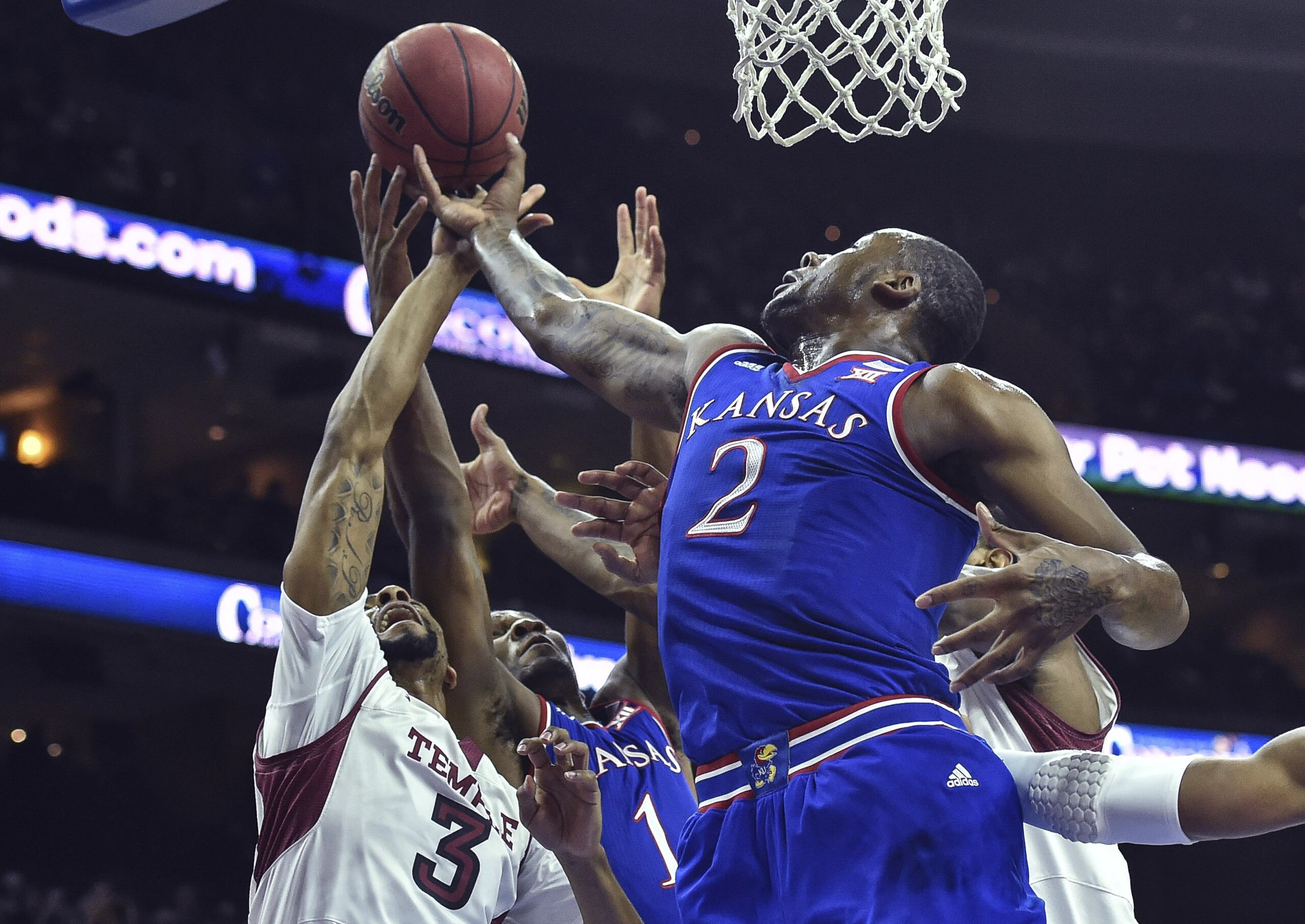
Avoid getting blown out
The sample size might not be that big, but so far one thing is clear for this season's Kansas team: When it loses, it loses big.
The Jayhawks (10-2) have solid wins over Florida, Georgetown, Michigan State and Utah, but all anyone will notice when looking at the nonconference schedule will be those blowout losses. First was a 72-40 defeat to Kentucky at the Champions Classic, which could have been chalked up to both the opponent and it being the second game of the year with a revamped lineup.
But then on Dec. 22, Kansas went to Temple, a decent team but not one anyone expected to pull off a 77-52 victory.
Kansas remains the favorite to win an 11th straight Big 12 title, based on its talent and league history, but with six other teams in the conference currently ranked, it's not a given. It also wouldn't be outlandish to think more blowouts could happen.
12. Maryland Terrapins
14 of 25
Hold down the fort at home
Maryland (13-1) made a momentous debut in the Big Ten by pulling out a double-overtime win at Michigan State on Tuesday. The game fit perfectly into the conference's reputation for hard-fought, low-scoring games, with both teams shooting 33.3 percent or worse and the score tied at 48 at the end of regulation.
Now the Terrapins have to hope not to become too much like the rest of the Big Ten, where it seems like being able to win at home isn't as easy as elsewhere. Maryland's road win was one of four that occurred during the league's first set of games, following up a 2013-14 season when some of the conference's top teams experienced numerous odd home losses.
Maryland's only loss this season has been in College Park, but it was to unbeaten Virginia.
11. Texas Longhorns
15 of 25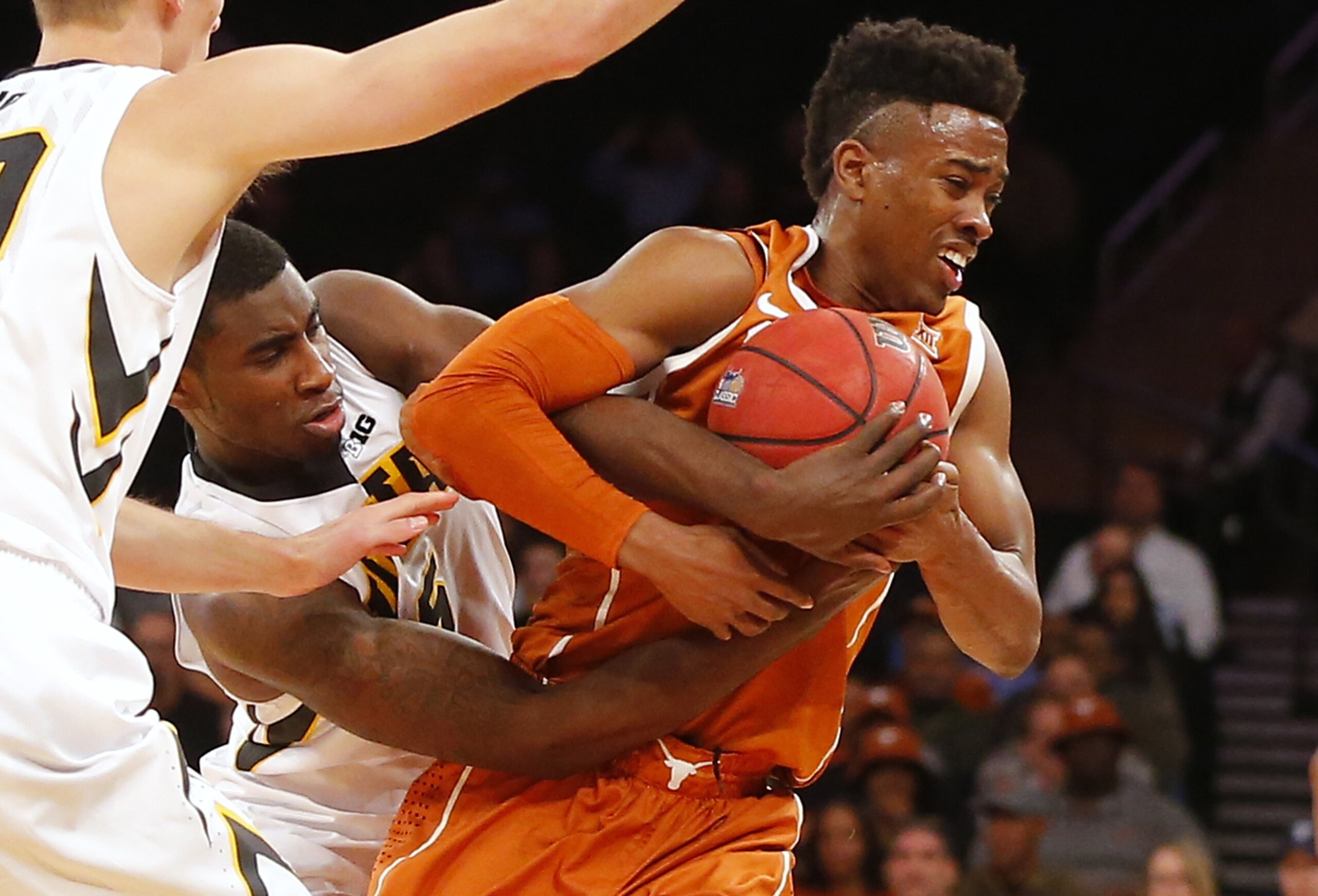
Don't rush Isaiah Taylor back
Since going down with a broken wrist in the third game of the season, Isaiah Taylor has had to sit back and watch as Texas (11-2) has navigated through a schedule that included last year's NCAA champion and the top-ranked team in the country. The Longhorns have mostly been able to manage without their point guard, but in losses to Kentucky and last week at home to Stanford, his absence was noticeable.
Sophomore Kendal Yancy has done his best in replacing Taylor, though he lacks the ability to produce offensively like Taylor. Taylor averaged 15 points per game before getting hurt, while Yancy has scored 7.2 per game in his 10 starts.
Taylor, a 6'1" sophomore, was targeting Saturday's Big 12 opener against Texas Tech for his return. He had the cast removed from his wrist on Dec. 23, but as much as he's needed, the Longhorns shouldn't force him back into action.
10. Utah Utes
16 of 25
Finish in the clutch
Utah (10-2) heads into Pac-12 play ranked in the Top 10 for the first time in 15 years, but the Utes are still struggling with a problem that plagued them last season: losing close games.
Both of Utah's losses—at San Diego State and against Kansas in Kansas City—were by four points or less. It also has a pair of narrow wins, over Wichita State and at BYU; in 2013-14 the Utes dropped eight of 10 contests decided by five or fewer points. That heavily contributed to them not making the NCAA tournament despite winning 21 games.
One of Utah's setbacks this season came without key contributor Jordan Loveridge, who missed five games after having a minor knee procedure. He returned earlier this week, and throwing his production in there with Delon Wright should increase Utah's chances to win the close ones.
9. Iowa State Cyclones
17 of 25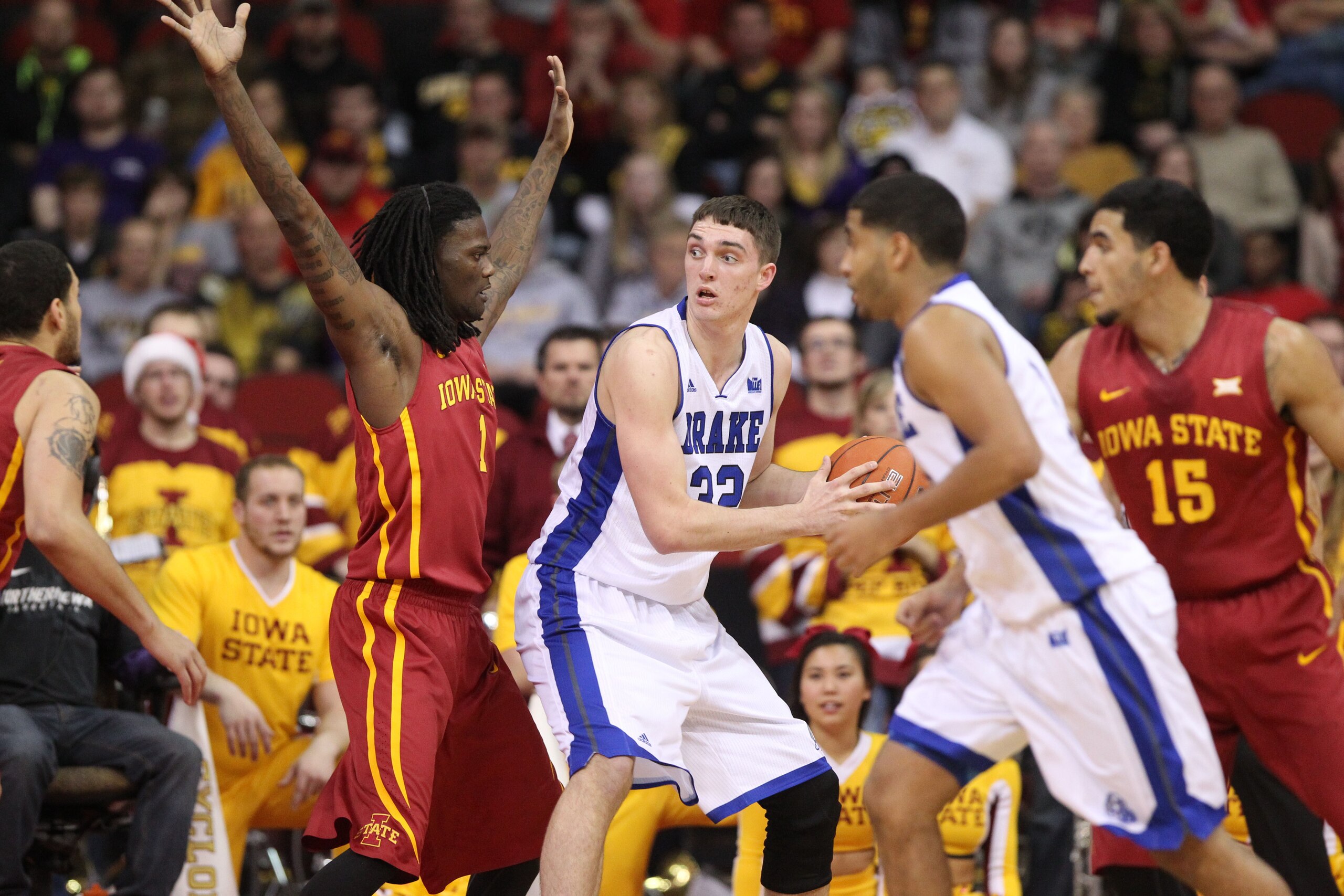
Get Jameel McKay up to speed quickly
Now that Iowa State finally has its much-needed inside presence, the goal for 2015 is to get Jameel McKay as fully integrated into the game plan as possible. And the sooner the better, since the Cyclones (10-1) have games against three ranked teams in the next two weeks.
McKay, a 6'9" junior forward who became eligible on Dec. 20 after transferring from Marquette, has made nine of 12 shots and registered 11 rebounds in his two games in an ISU uniform. He's also blocked three shots, providing the Cyclones with a rim protector to go with their assortment of athletic wing and perimeter players.
McKay hadn't played a college game since spring 2013, during the second year of junior college, as he never played for Marquette before leaving that school after one semester. He'll show some rust at first—such as at the foul line, where he's 0-of-6 so far—but Iowa State needs to get him up to speed as soon as possible.
8. Arizona Wildcats
18 of 25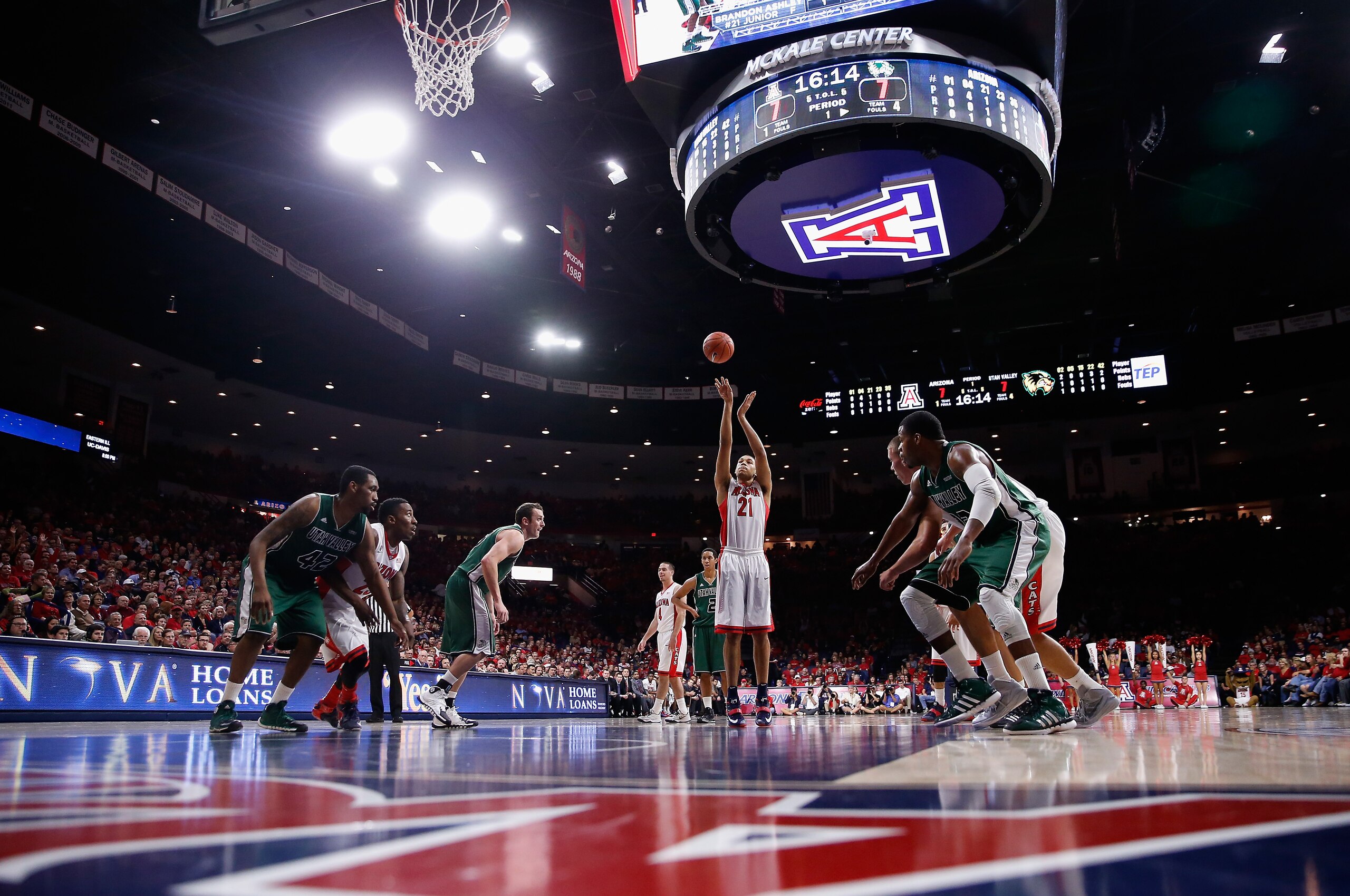
Everyone learns the Rondae "shimmy"
Heading into this week, Arizona (12-1) is shooting 64.9 percent from the free-throw line, and unlike last season it's not just a problem for one or two players. Other than junior Gabe York, who is making 77.4 percent of his foul shots, no other Wildcat is hitting better than 68.3 percent.
Arizona missed 11 of 27 foul shots in last week's loss at UNLV, which was one of several factors that contributed to the team's earliest first defeat in the past three seasons.
What might prove to be effective for each struggling shooter is to adopt something similar to the "shimmy" that sophomore Rondae Hollis-Jefferson does at the line before each attempt. However, it's not working as well for the originator, as he's shooting 67.6 percent after hitting 68.2 percent as a freshman.
7. Gonzaga Bulldogs
19 of 25
Find minutes for Eric McClellan
Gonzaga (13-1) has seamlessly woven transfers Byron Wesley and Kyle Wiltjer into the lineup, as they're the Bulldogs' top two scorers. Now comes another addition in Eric McClellan, a 6'3" guard who played the first half of the 2013-14 season at Vanderbilt before joining Gonzaga over the summer.
McClellan becomes eligible on Jan. 8, which will be Gonzaga's West Coast Conference home opener against San Francisco. He's going to have a hard time getting a lot of action, though, because Wesley, Kevin Pangos and Gary Bell Jr. are already firmly entrenched as the guards.
What should help is that Gonzaga figures to dominate in most WCC games, which means that going deep into the bench can continue like it did during nonconference play. The Bulldogs currently have 10 players averaging double-digit minutes.
6. Villanova Wildcats
20 of 25
Get Ryan Arcidiacono back in gear
Sometimes, a good New Year's resolution stems from some revelation made late in the previous year. For Villanova (13-0), inspiration could be found in how veteran guard Ryan Arcidiacono played in the final two games of 2015.
Arcidiacono, a 6'3" junior, was averaging 7.0 points per game and shooting a paltry 29.1 percent from the field before waking up with 16- and 15-point efforts in wins over NJIT and in Wednesday's Big East opener against Butler. He made 10 of 21 field goals and hit three three-pointers after landing only seven outside shots in the Wildcats' first 11 games.
Despite leading the team in minutes, Arcidiacono is sixth in scoring. Villanova needs continued production from him to remain in control of the Big East.
5. Louisville Cardinals
21 of 25No more horrible flops
Even though we don't have the hoverboards we were promised by 2015, we do have amazing technological advances. Two of those—cameras everywhere and millions of Twitter users willing to post such images and video—make it hard to get away with anything untoward in public.
This is something Louisville guard Chris Jones knows all too well now. Whether he was as aware of this before making one of the worst flops in sports history last week is uncertain.
In an attempt to draw a flagrant foul from Kentucky's Dakari Johnson, the senior threw himself to the ground as Johnson swung his elbows across after securing a loose ball. The ploy didn't work, despite Jones adding to the effort by checking his teeth for blood. Officials stopped play to review the tape, which was when the jig was up for Jones.
"When you rewind it, the truth comes out," Jones told Adam Himmelsbach of The Courier-Journal.
Adding insult to (lack of injury), Jones ended up getting benched from the starting lineup in the next game for Louisville (12-1), as he played only nine minutes and went scoreless in the 63-48 win.
4. Wisconsin Badgers
22 of 25
Avoid whatever the rest of the Big Ten has caught
It's not been a good first two months of the 2014-15 season for the Big Ten Conference, not with some of the losses the top teams suffered during nonconference play. Indiana fell to Eastern Washington, Michigan lost to NJIT, Michigan State was beaten in overtime by Texas Southern, Nebraska dropped one to Incarnate Word, and Purdue was beaten by North Florida.
The Badgers (13-1) have avoided such pitfalls, with their only loss coming to unbeaten Duke. They also avoided a questionable home loss in their conference opener, holding off pesky Penn State on Wednesday.
While the league as a whole figures to take a hit come NCAA tournament time in terms of bids, that should not affect Wisconsin's seeding if it takes care of business.
3. Virginia Cavaliers
23 of 25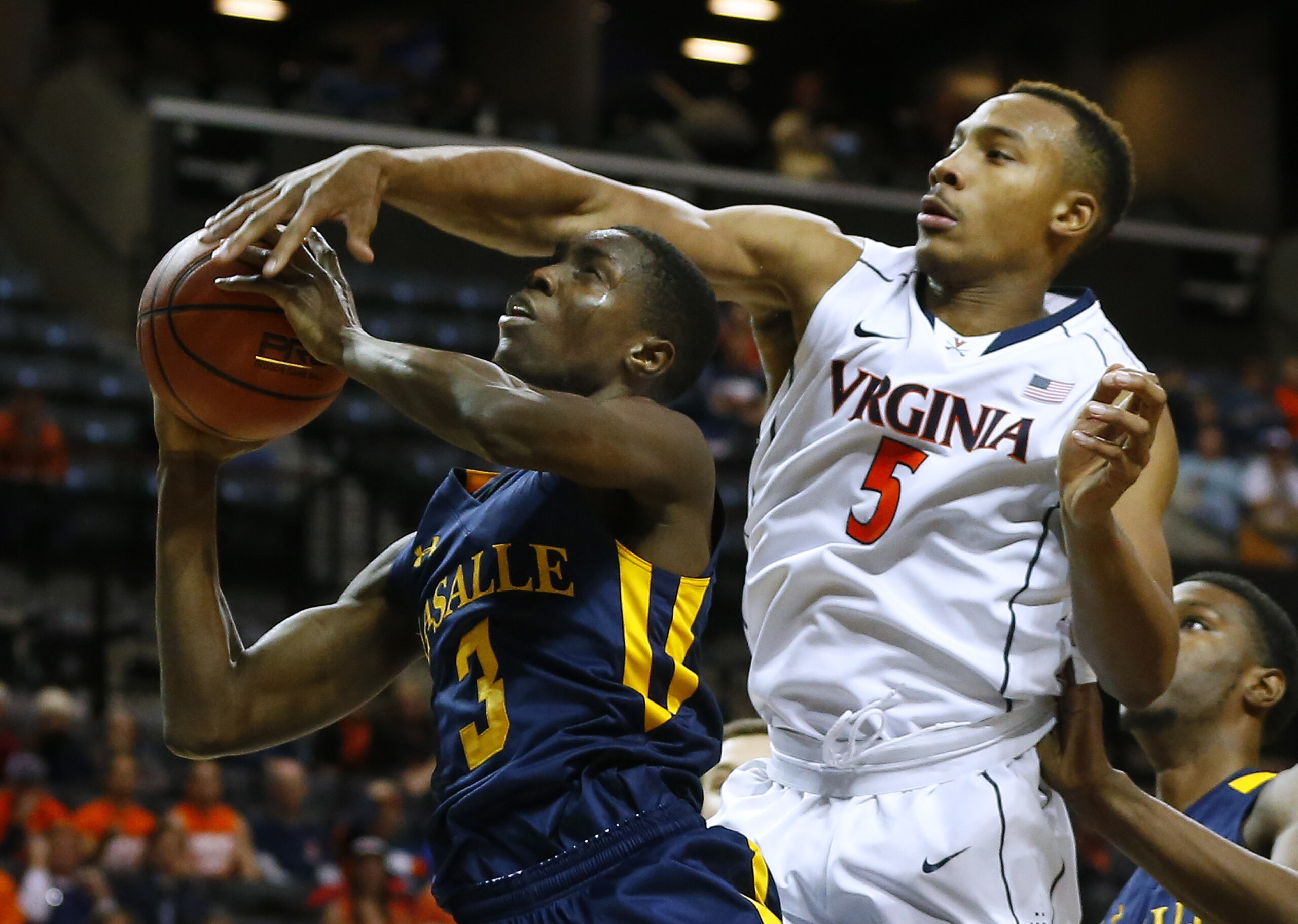
Turn to Darion Atkins more often
A key to Virginia's rise from obscurity to the ACC regular-season and conference titles a year ago was some impact play off the bench. Backups came in to provide scoring punch while still executing the Cavaliers' defense approach. Those top reserves have moved into the starting lineup this season, helping Virginia to a 12-0 start.
The bench pop hasn't been there much yet, though senior forward Darion Atkins is making a strong push for that first option. He had 13 points (on 6-of-8 shooting), and six of his 10 rebounds were offensive in Virginia's come-from-behind win over Davidson on Tuesday.
Atkins is now averaging 6.6 points and 5.8 rebounds in 18.7 minutes per game while shooting 58.6 percent.
2. Duke Blue Devils
24 of 25
Find a bench contributor
Duke (12-0) remained unbeaten with a 29-point win over Wofford on Wednesday, yet that victory was again almost completely due to the play of the Blue Devils' talented starting five. That group had 70 of the 84 points and played nearly 75 percent of the minutes, continuing a season-long trend.
As good as the three-freshman, two-upperclassman lineup is, it needs some help from the bench. But the top producer among the reserves is junior Rasheed Sulaimon, who is averaging 6.9 points in 18.9 minutes; both are career lows for a player who averaged more than 11 points per game as a freshman in 2012-13.
The Blue Devils have been fortunate to have not had much foul trouble yet—the starters average less than 9.6 fouls committed per game—and they're all shooting at least 45 percent. But if something goes awry and a reserve is needed, at this point there isn't a go-to player.
1. Kentucky Wildcats
25 of 25
Fewer three-point shot attempts
Kentucky (11-0) made it past what many people felt was its last hurdle in the way of a perfect regular season, overpowering unbeaten Louisville on Saturday. And amazingly, the Wildcats did so with better accuracy from three-point range than from inside the arc, reversing a season-long trend.
For the year, Kentucky is shooting just 32.1 percent from three-point range, though against Louisville and in previous wins against UCLA and North Carolina, it nailed 25 of 55 (45.5 percent) threes. Still, with a front line that's bigger than most NBA teams, the fact that Kentucky is taking more than 29 percent of its shots from outside is befuddling.
The Wildcats shouldn't all-out eliminate the three, but sophomores Aaron and Andrew Harrison (who are shooting 27.3 and 32.1 percent, respectively) should tone it down.
Follow Brian J. Pedersen on Twitter at @realBJP.

.jpg?w=2560 "Terrell Owens Being Sued for Defamation")
.jpg?w=2560 "CJGJ Shares Cryptic Post 🤔")