
For as much as painful losses hurt for players and fans, there are truly few worse things in sports than injuries. That is especially the case in college sports. The future of a young man or woman is at stake every time he or she takes the court or field.
Unfortunately, we have already seen a fair share of injuries that have impacted the young 2014-15 college basketball season.
With that in mind, here is a look at some teams that have been influenced the most by physical setbacks.
Kentucky
1 of 10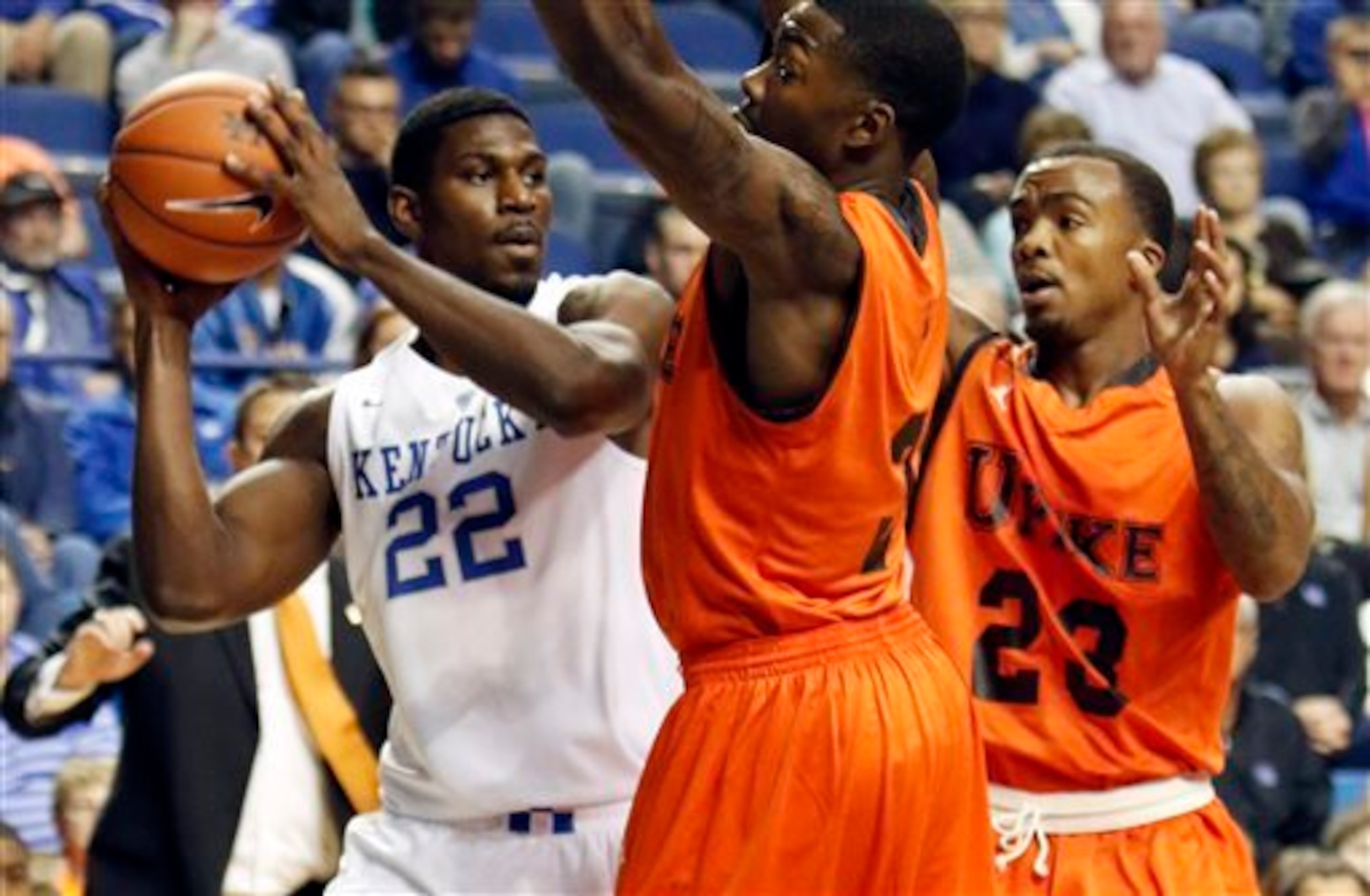
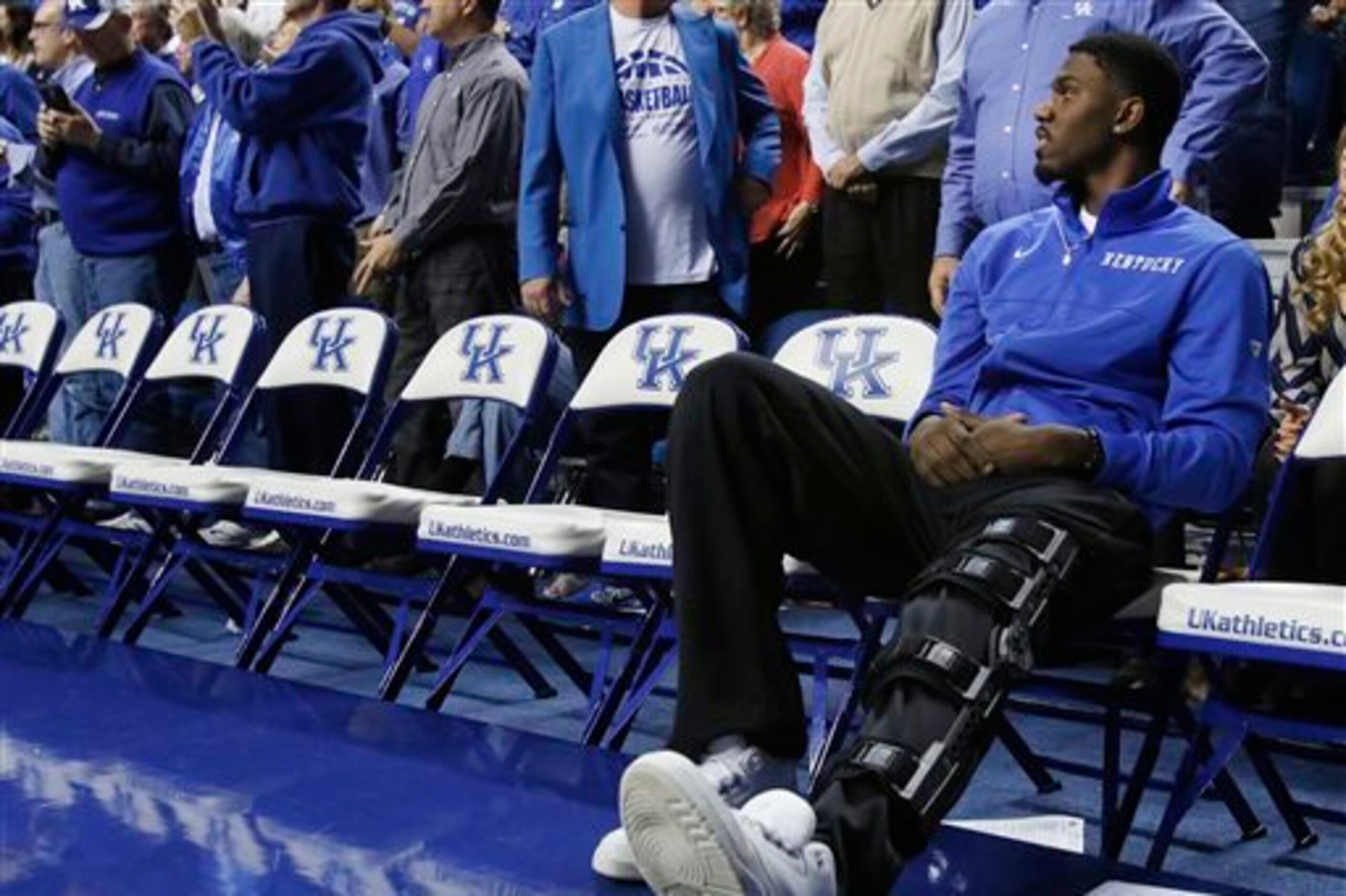
Kentucky is No. 1 in the country and has a legitimate opportunity to finish with an undefeated record on the way to a national title, but it has still felt the early impact of a devastating injury.
Junior forward Alex Poythress was lost for the season with a torn ACL, and there was a rippling effect felt throughout Lexington. For one, Poythress was a veteran presence on a team that is heavily reliant on freshmen, and he provided invaluable on-court leadership.
Poythress was also a solid defender and rebounder who is long and athletic enough to guard anyone from the opposing shooting guard to the power forward. His absence also throws off John Calipari’s five-man substitution units that the coach planned on using before the season even began.
Ultimately, Poythress is a dynamic athlete with NBA dreams. That those NBA dreams stay in place is the most important thing about this injury.
Florida
2 of 10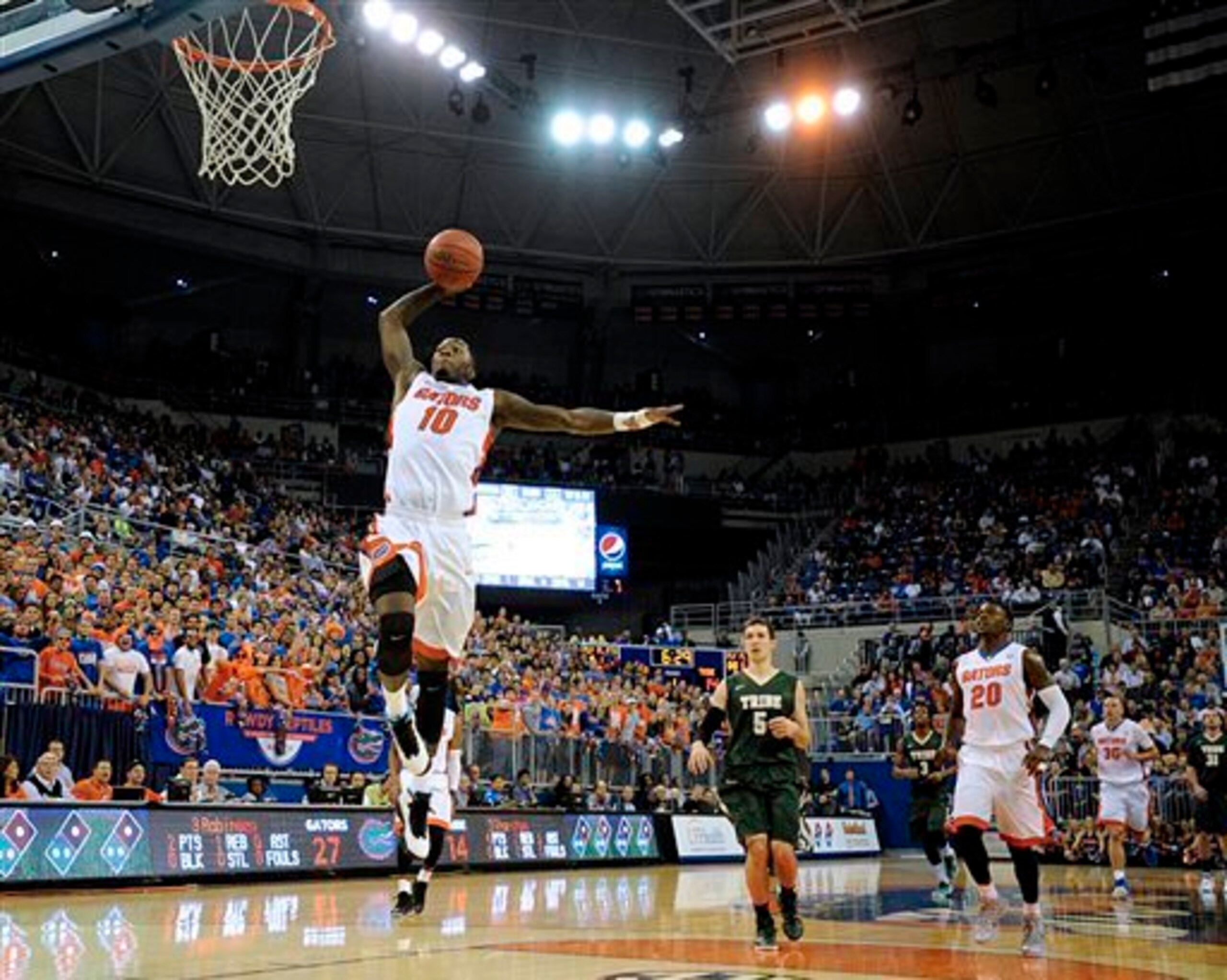
Kentucky isn’t the only SEC team that has felt the impact of injuries in the early season.
Florida had high expectations heading into the 2014-15 campaign despite replacing four senior starters. After all, Billy Donovan doesn’t rebuild—he reloads—and a revamped roster was supposed to rank among the nation’s best.
That reloading process took an early hit when Dorian Finney-Smith and Eli Carter were both dealt early injuries. The Gators turned around and lost a shocking game to Miami, and the early wheels fell off.
Florida barely beat Louisiana-Monroe in overtime, lost to Georgetown and then fell to North Carolina. Throw in a loss to Kansas, and it was an early season to forget for Donovan’s bunch.
The good news is that both Finney-Smith and Carter returned from injury (although Carter missed the recent win over Wake Forest with strep throat), and Duke transfer Alex Murphy finally received the clearance to play after receiving his grades for fall semester.
Still, those early losses were a difficult way to start the season, and the argument can be made that the injuries played a major role (even though the players mentioned above did not collectively miss all of those losses).
Boston College
3 of 10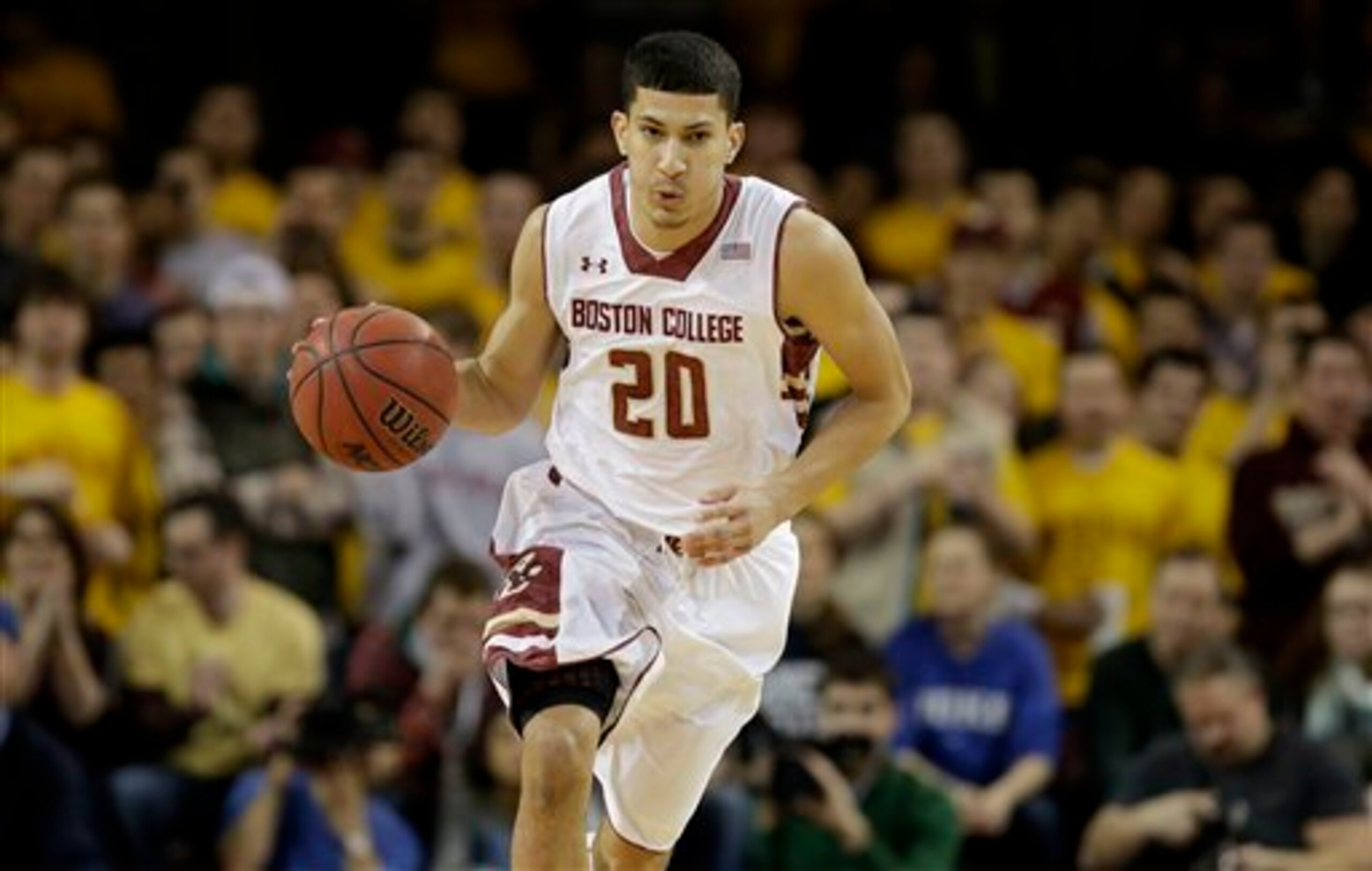
Boston College is off to a disappointing 6-4 start, one that includes a loss to Massachusetts, but it can at least partially blame a lack of depth because of injuries.
The Eagles saw freshman forward Idy Diallo suffer a torn meniscus right before the season even started, which was made all the worse by the lack of depth already in place because of injuries. Darryl Hicks underwent knee surgery and is yet to play this season, and Lonnie Jackson hurt his calf and only just returned for the past two contests.
Reserve KC Caudill also hurt his knee and has played a whopping two minutes this year.
It is difficult to win in college basketball without much depth, and Boston College has found that out the hard way before ACC play even begins.

BYU
4 of 10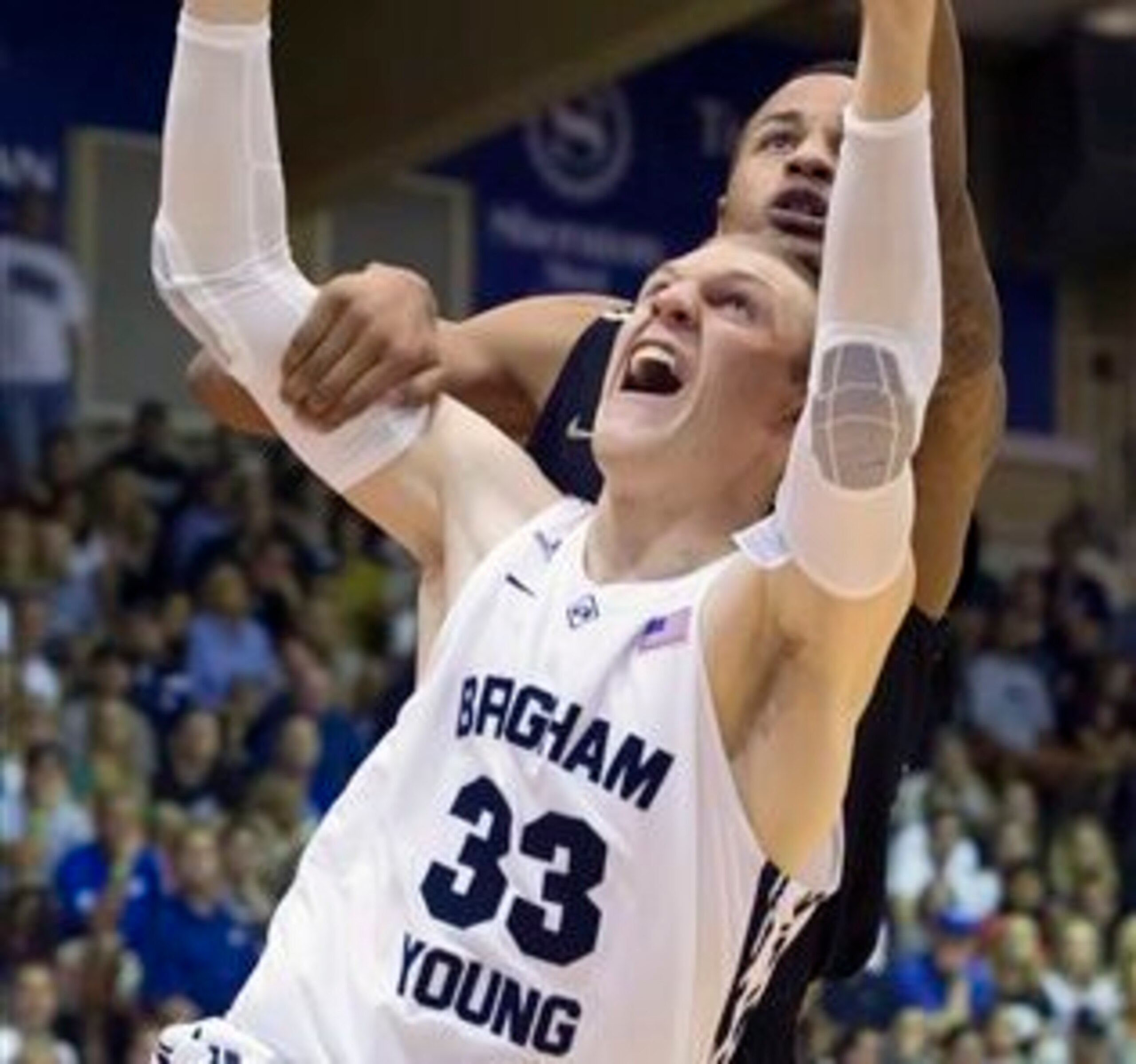
There is no shame in losing to Purdue, San Diego State or Utah if you are the BYU basketball program, but the team is not as deep as it had hoped to be this season because of off-court setbacks.
Senior Nate Austin dealt with back injuries before the year began and missed the last two games with a hamstring injury. He will be sidelined for at least a couple of weeks. Freshman Jordan Chatman, who just so happens to be the son of former BYU star Jeff Chatman, was forced to redshirt with ankle concerns.
Throw in UNLV transfer Jamal Aytes, who had ankle surgery before the season began, and BYU has not had much luck in the injury department. What’s more, Kyle Davis has not appeared in a game this season because of eligibility concerns.
The Cougars should still compete in the West Coast Conference, but it hasn’t been a great start of the season for its overall roster depth.
Illinois
5 of 10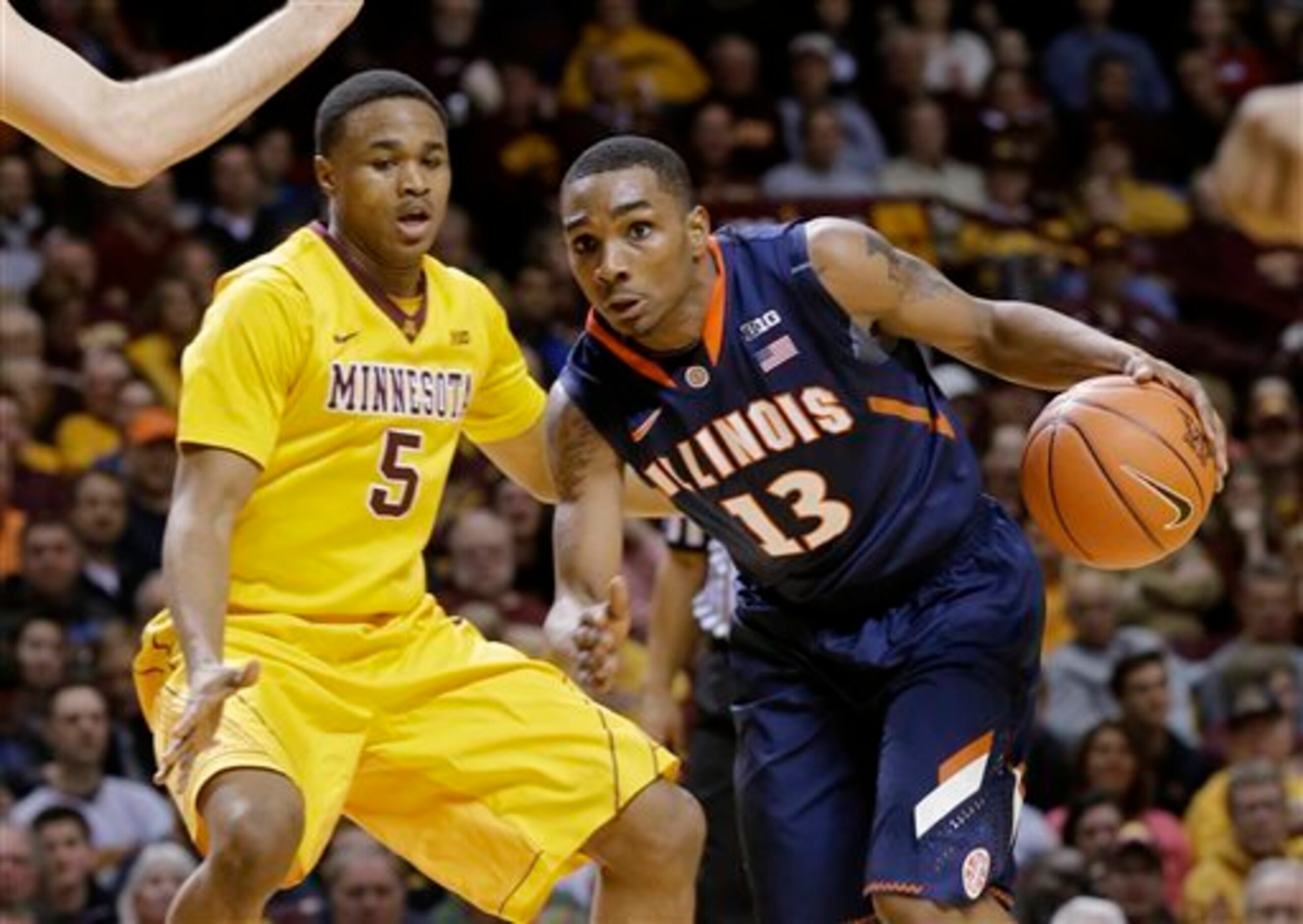
Much like Kentucky, Illinois has only suffered one injury in the early going, but it was significant enough to merit inclusion on this list.
Senior point guard Tracy Abrams was supposed to be one of the leaders on a team that had NCAA tournament hopes entering the season. Instead, Abrams tore his ACL during preseason drills right before the schedule actually began.
Abrams was second on the team in scoring last season at 10.7 points per night and led the Fighting Illini in assists per game in 2013-14.
The good news is that Abrams will likely return next season after redshirting for the 2014-15 campaign, but Illinois could have certainly used his steady hands and leadership on the floor in early losses to Oregon, Villanova and Miami.
Maryland
6 of 10
The Big Ten looks wide open behind Wisconsin. Michigan already lost to NJIT and Eastern Michigan, Michigan State fell to Texas Southern, and Ohio State looked overmatched in losses to North Carolina and Louisville in its only two games of merit.
Enter Maryland as a potential contender, although those plans took an early hit when superstar Dez Wells broke his wrist.
Wells is still Maryland’s leading scorer at 16.2 points per game and was critical in an early victory over nationally ranked Iowa State. However, he was not on the floor for the Terrapins’ home loss to Virginia in the Big Ten-ACC Challenge, and his dynamic playmaking ability could have changed the outcome.
The good news is other players like Jake Layman have contributed in his absence. What’s more, Wells will return for the majority of Big Ten play, although it will likely take him some time to get the rhythm back that fans saw in the early going.
Oregon State
7 of 10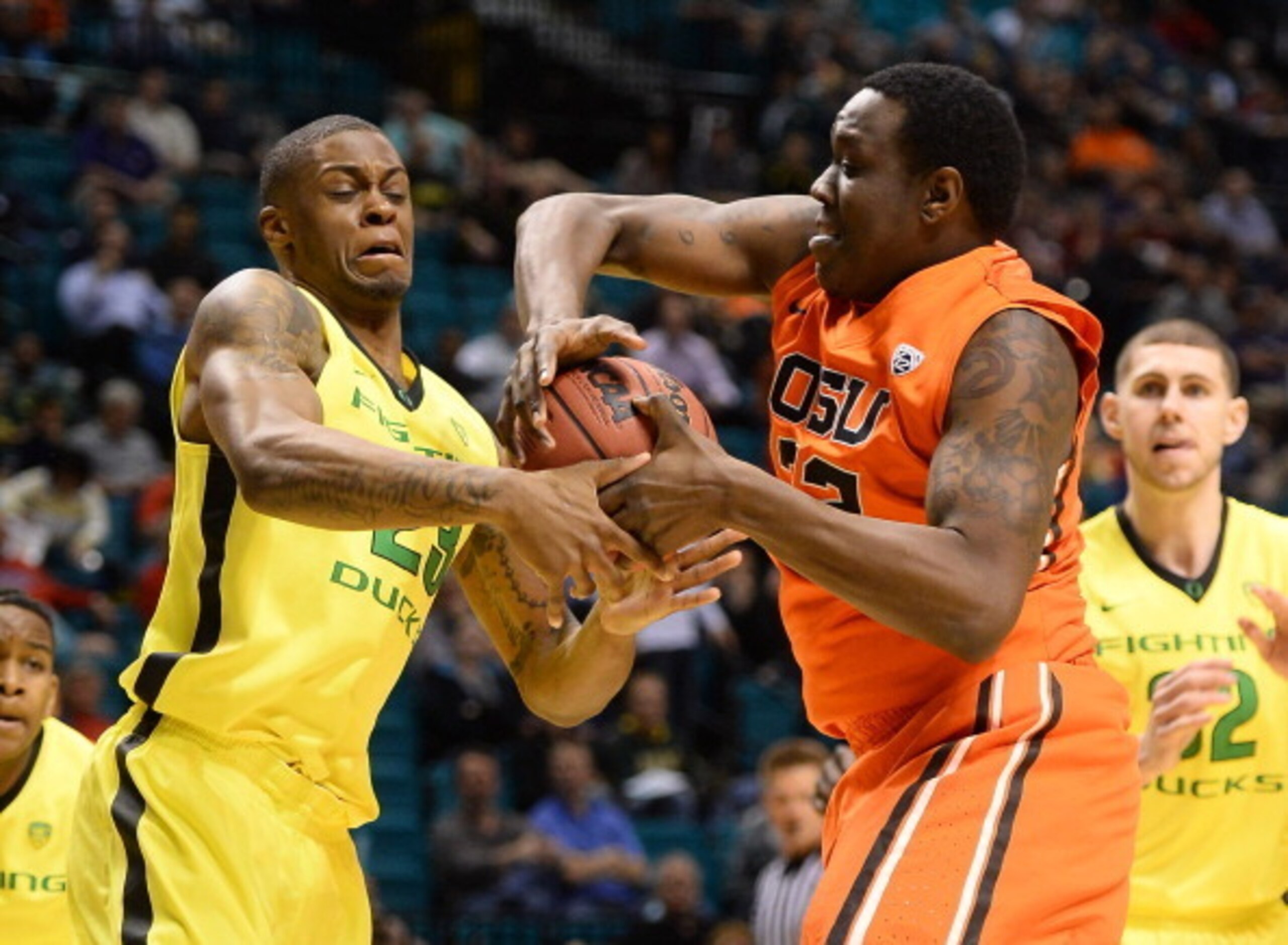
Unlike some of the teams on this list, Oregon State did not suffer a devastating, season-altering injury to one of its star players. However, a couple of setbacks before the season began put the Beavers in an even more compromising position than they were already in entering the 2014-15 campaign.
Oregon State’s leading returning scorer this year from a season ago was Langston Morris-Walker, who only scored four points a game in 2013-14. That is what made early injuries to Alex Roth and Chai Baker all the more disappointing, especially since Oregon State only had nine available players for the first practice of the season.
Jarmal Reid, who is an important contributor for this Beavers squad in the early going, is now dealing with a lingering knee issue. Oregon State is a solid 8-3 thus far, but it would likely appreciate a clean bill of health moving forward.
Texas
8 of 10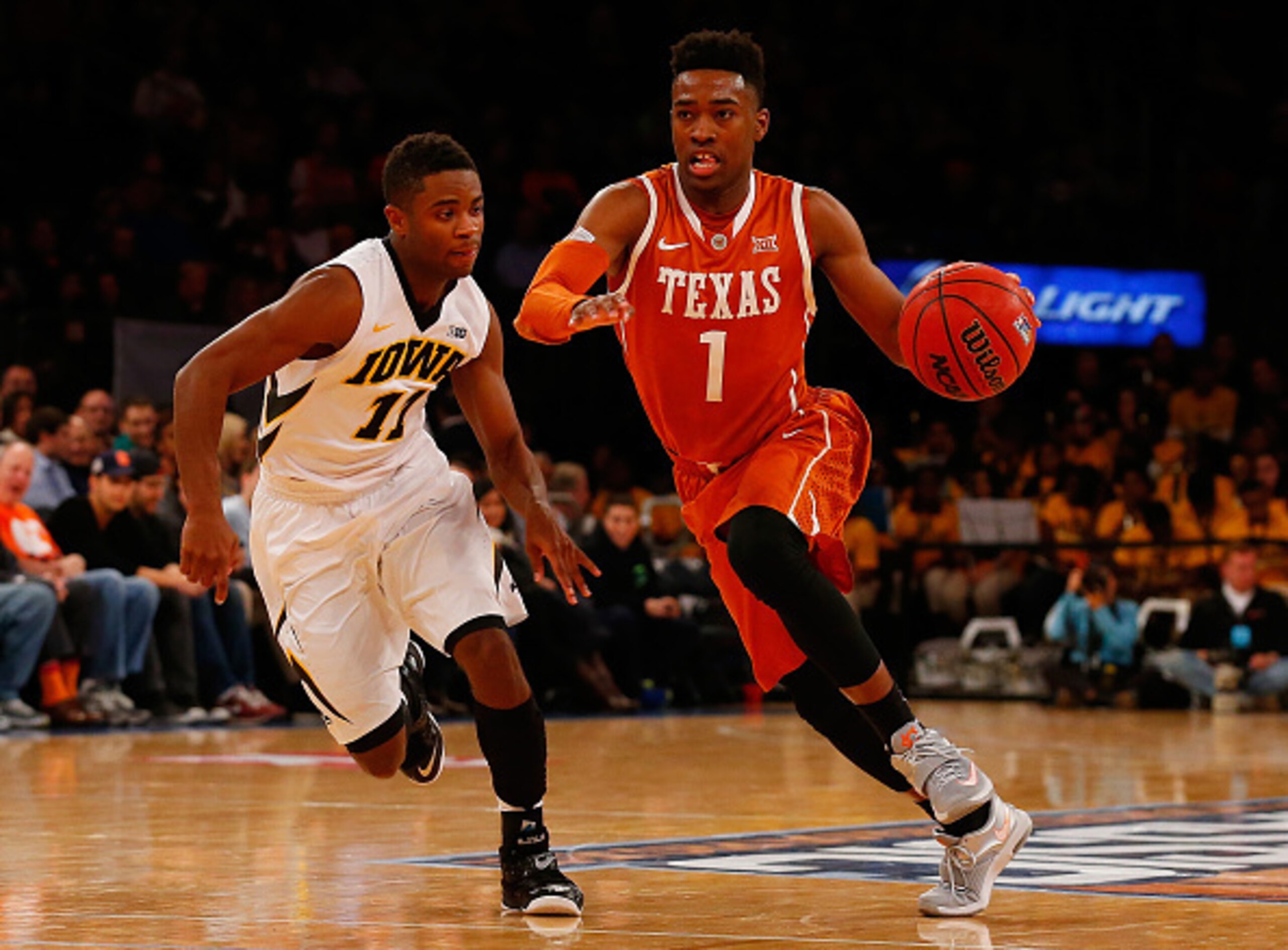
Texas is off to a 10-1 start and has Final Four aspirations, but it certainly could have used a steady ball-handler at guard during a loss to Kentucky. After all, the Longhorns coughed the ball up 22 times in that defeat, and it may have been a different story if Isaiah Taylor had been on the floor.
The backcourt general broke his wrist and has already missed a significant amount of time. He certainly hopes to play a major role in Texas’ Big 12 campaign, but it will take him some time to get back into the flow of the game.
Considering Taylor was averaging 15 points, four rebounds, three assists and 1.3 steals per game as one of Texas’ best overall players before the injury, this loss hurts. The Texas schedule has been fairly soft outside of Kentucky, but that is about to change with conference play around the corner.
The Longhorns need a healthy Taylor.
Utah
9 of 10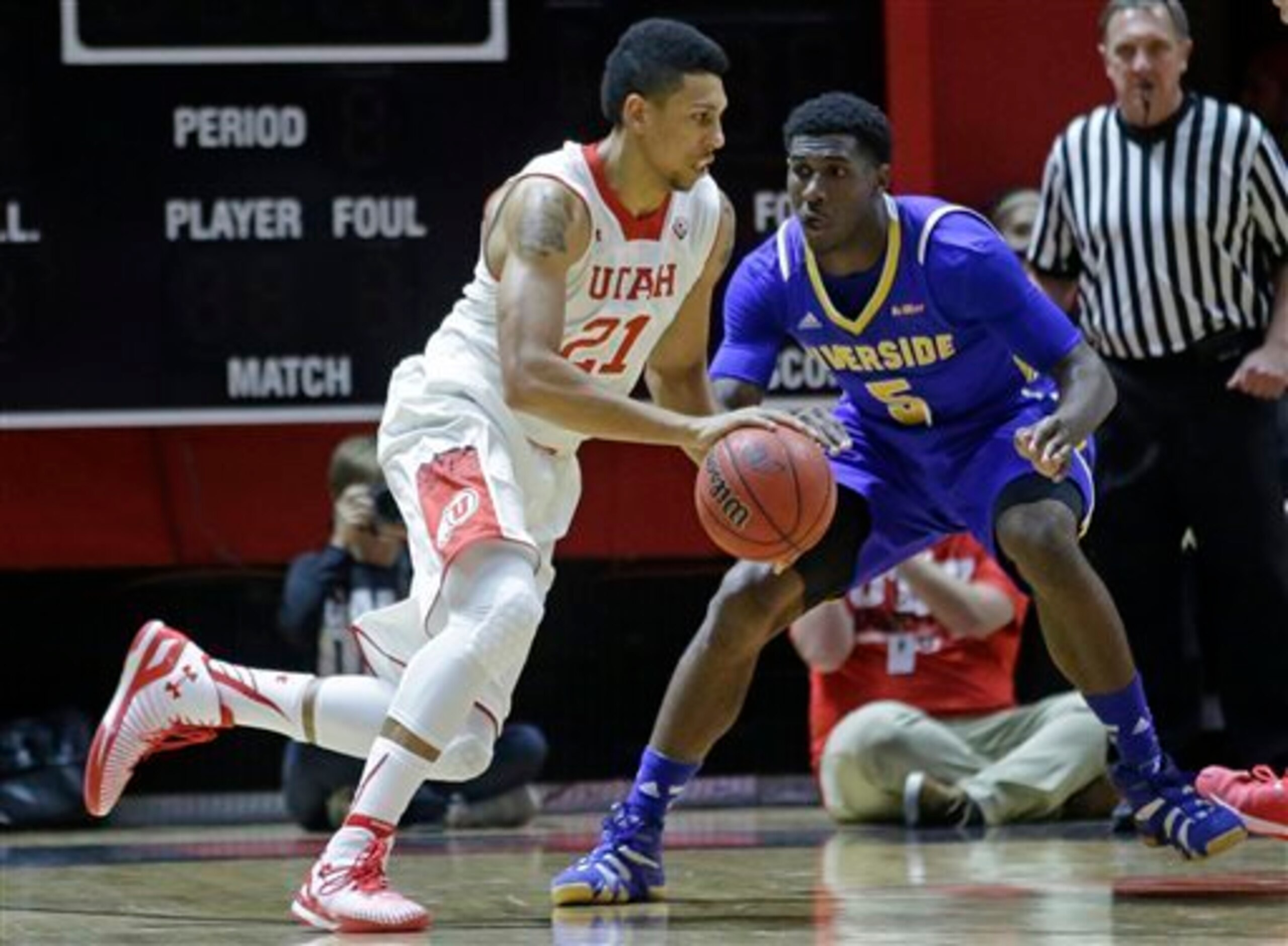
The Utah basketball team has aspirations of advancing in the NCAA tournament this season, but it has to work through an early injury that could linger throughout the campaign.
Jordan Loveridge, who was the team’s second-leading scorer and leading rebounder a season ago, had knee surgery and could be out for an extended amount of time. Dakarai Tucker also missed time earlier in the season with an injury, but he is healthy now.
Loveridge was scoring 11.5 points per game (second on the team) behind a 50 percent mark from three-point range before the injury. The Utes will need him for Pac-12 play, but knee injuries (especially those that require surgery, regardless of how minor) have a way of lingering.
Here’s to hoping this one doesn’t.
Drexel
10 of 10
Drexel may not register on the radars of many college basketball fans, but it is certainly a popular team among the vengeful injury gods.
The Dragons lost Chris Fouch to injury early in the 2012-13 season and Damion Lee early in the 2013-14 campaign, and they seemed due for some good fortune for the 2014-15 season. So much for that.
Drexel lost potential starters Kazembe Abif and Major Canady to injury before the 2014-15 season even began. The setback to Canady is concerning because he was the point guard tasked with running the offense, but the pattern of physical setbacks has likely grown tiresome for the Dragons at this point.
Abif was expected to provide senior leadership for the Dragons this season and make another jump after seeing his points, blocks and rebounds per game all nearly double from his sophomore to his junior campaign.
Alas, Drexel, which has already started with a disappointing 2-8 record, will have to find a way to compete in the Colonial Athletic Conference without two of its major pieces.
.jpg?w=2560 "NBA Gambling Charges")

.jpg?w=2560 "Aikman Blasts Cowboys WR 🫣")

.jpg?w=2560 "Jonathan Taylor Landing Spots")