
Paul Gascoigne and the 5 Best Players to Represent Tottenham and Newcastle
Tottenham Hotspur and Newcastle United meet in the Capital One Cup quarter-final on Wednesday night.
Neither currently has a player who has represented the other. While there have not been too many to play for both clubs, the ones who did have enjoyed reputation-enhancing spells on at least one side of the divide.
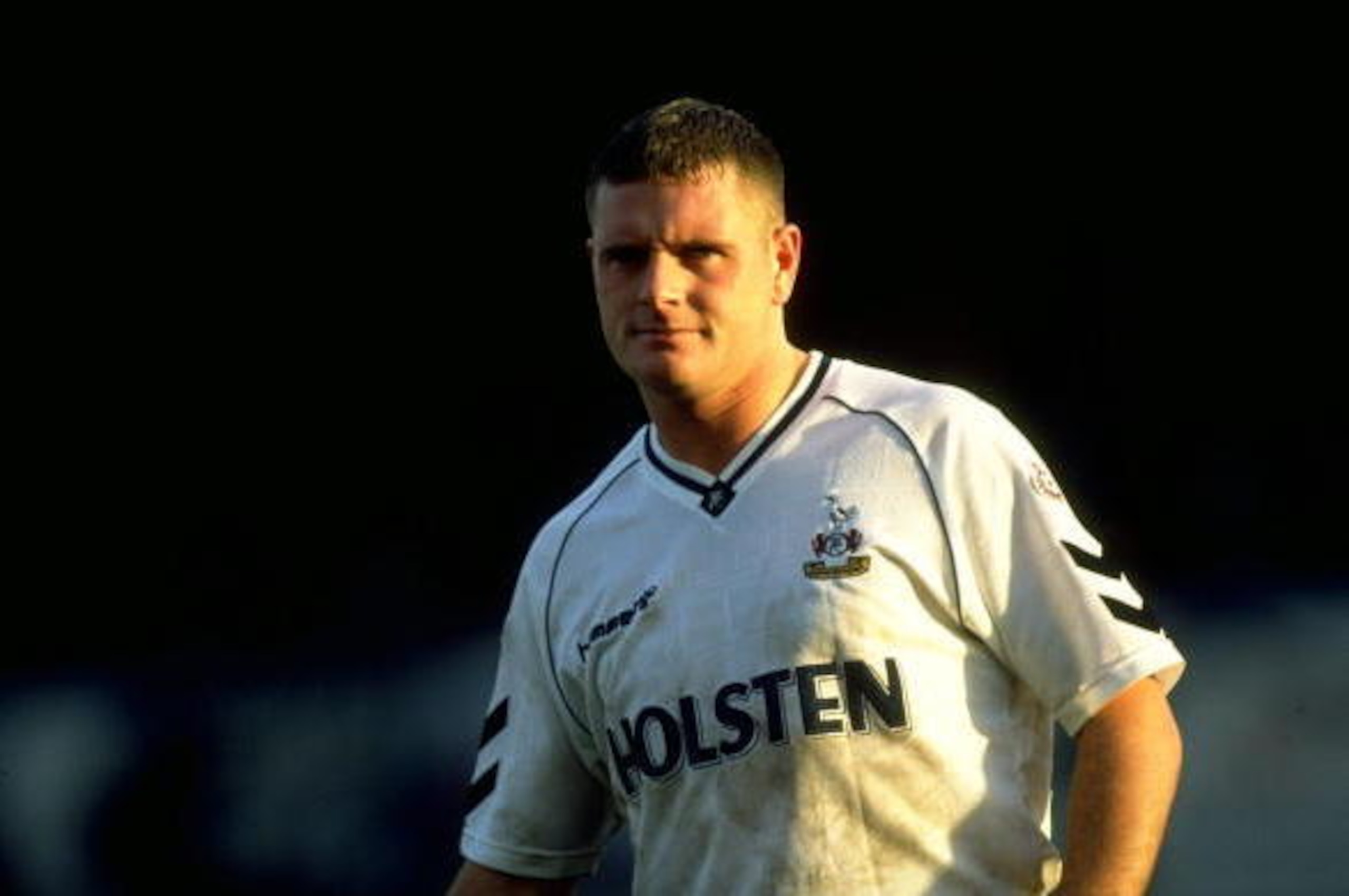
The most famous example is the former England international Paul Gascoigne.
A youth team sensation, Gascogine made his debut for his hometown club Newcastle at just 17. The skilful, thrillingly adventurous midfielder soon won the hearts of his Geordie brethren and became a star of St. James' Park in the mid-1980s.
The club's struggle with what Newcastle's official website recalled as "on and off the field" problems saw English football's rising star became available. Tottenham won the race for his signature and the 21-year-old was soon on his way to becoming a Spurs legend.
In three seasons playing for the north Londoners, the brilliant Gascoigne created no shortage of memories for the White Hart Lane faithful. The most fondly remembered came in an inspirational run to FA Cup success in 1991. A reckless tackle on Gary Charles saw his final ended prematurely, but Gascogine's inspirational performances had undoubtedly been the catalyst for getting Spurs to Wembley in the first place.
Here follows the five best others to play for Tottenham and Newcastle. With due respect to the likes of Ruel Fox, Kevin Scott and Jonathan Woodgate, it is difficult to overlook the following men.
Chris Waddle
1 of 5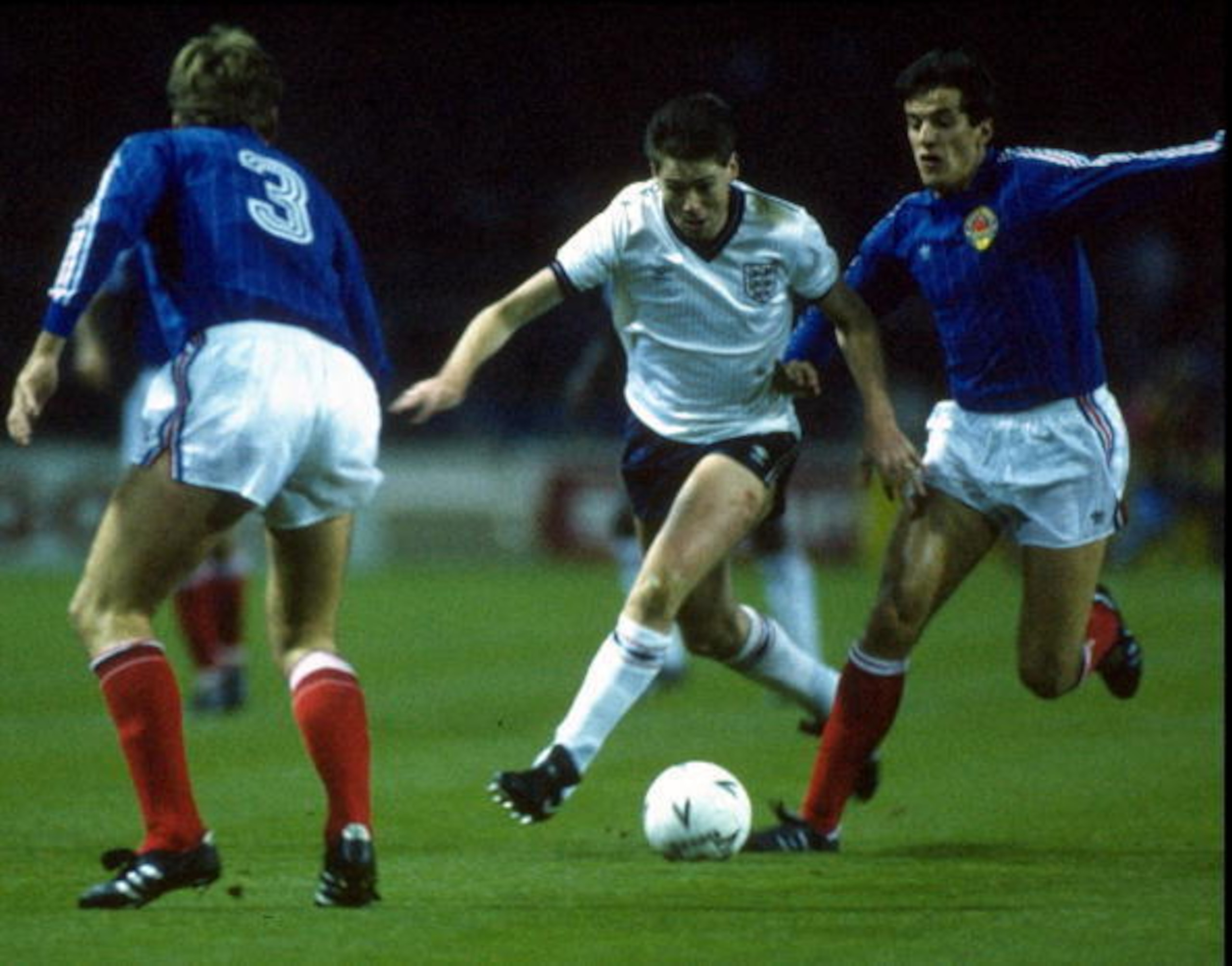
At club level, Gascoigne and Chris Waddle's paths crossed briefly on Tyneside and again for one tantalising season in London.
Gazza emerged just prior to Waddle's move to Tottenham. The winger had not been the guarantee his younger sometime team-mate was, at least in the eyes of the clubs who had overlooked him. But by summer 1985 he had proved himself as one of Newcastle's best players in many a year.
Waddle's dribbling style was not the most elegant, yet it mattered little given its effectiveness in bamboozling opponents. As part of a side which included players the calibre of Peter Beardsley and Kevin Keegan, the wide-man helped the Magpies back up to the top-flight.
Though Waddle took a little time to find his feet after his move south, he soon endeared himself to the fans of his new club.
In 1986-97, along with Glenn Hoddle and others, Waddle was one of the creators-in-chief behind Clive Allen's extraordinary 49 goal-season. Spurs finished third in Division One, were beaten by Arsenal in the semi-finals of the League Cup and then lost the FA Cup final to Coventry City.
Injury problems arose in the following campaign, but Waddle enjoyed his best season at Spurs in 1988-89. He scored 14 goals amid many sparkling performances. With Gascoigne back alongside him, the future surely had to be bright at White Hart Lane.
Unfortunately, Tottenham's financial troubles necessitated them being receptive to an offer from Marseille for their England international (though they were not totally hamstrung, as evident by the signing of Gary Lineker). Waddle moved on and enjoyed a successful spell with the French club.
The dilemma at hand for Spurs is perhaps best summed up in Ivan Ponting and Tom Morgan's Tottenham Hotspur: Player by Player [2008]. "What if he had stayed at the Lane with Messrs Gascoigne and Lineker? Well, its conceivable that Spurs might have been the most beautiful-to-watch bankrupts British football as ever seen..."
Les Ferdinand
2 of 5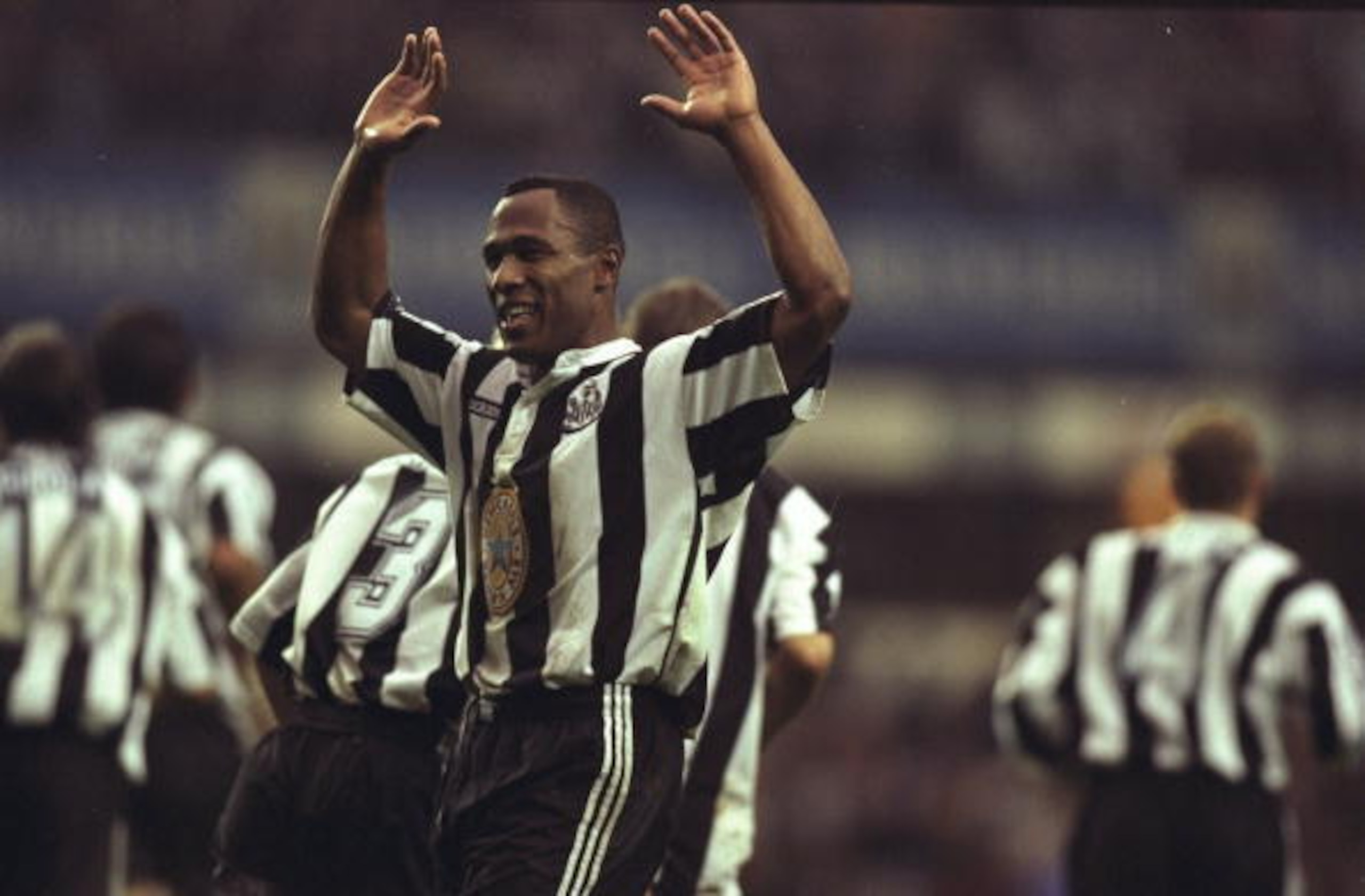
Les Ferdinand had already established himself as one of the best strikers in England by the time he joined Newcastle United in 1995. He had been great for Queens Park Rangers and was even better for the Magpies.
That 1995-96 campaign saw Ferdinand net 25 goals in one of the most thrilling title-races of the Premier League era. Robust, fast and clinical, his dominant brand of forward play was the ideal finishing act for the swashbuckling approach of Keegan's team.
Newcastle's all-encompassing desire to score goals ultimately left them a little too porous at the back. Manchester United pipped them to the championship and left Toon fans reflecting on a glorious near-miss.
Part of Keegan's planned attempt to bridge the gap was to add more firepower to his squad—Ferdinand was joined by fellow England striker Alan Shearer.
The team was unable to do so and Keegan departed in the New Year. But Ferdinand struck another 17 times as he and Shearer formed a prolific partnership (27 for the new man).
The change of managerial regime at the club meant change was afoot in 1997. Ferdinand was one of those to make way and joined his boyhood club Tottenham.
Sadly, injuries plagued Sir Les' six seasons at White Hart Lane. He was part of the side who won the 1999 League Cup final, but was never able to replicate his goalscoring form from Newcastle.
Ferdinand returned to Spurs in 2008 to join Harry Redknapp's coaching staff and remained in different capacities until this past summer.
David Ginola
3 of 5
David Ginola was also part of the aforementioned Keegan side which wowed Tyneside and won so many admirers throughout England.
Signed from Paris Saint-Germain, Ginola had the strength to deal with tough English treatment and the flair to flummox his would-be foils.
In a team that also featured Beardsley, Ferdinand, Keith Gillespie and latterly Faustino Asprilla, the Frenchman was arguably the most talented of the lot (if not quite the most consistent). Through their combined ability to create and attack so adventurously, they so nearly became champions in 1995-96.
Ginola's time at Newcastle gradually soured, with Keegan's replacement, the dour Kenny Dalglish, less-inclined to harness his winger's qualities. At Tottenham, he found a club delighted to take them on.
Again from Ponting and Morgan's Player by Player, the following passage sums up the appeal of Ginola to Spurs: "Tottenham's mettlesome thoroughbred was a D'Artagnan in football kit, all seductive skills and dash as he stretched out, as free as the wind, to embrace sporting beauty in an increasingly regimented world."
The aforementioned book goes onto note the other side of Ginola, essentially his disinclination to pitch in defensively. Spurs needed someone to excite and galvanise, though, and he certainly did that.
First in the troubled handover between Gerry Francis and Christian Gross, as Spurs fought for their lives in the Premier League. Relegation averted, 1998-99 saw probably the best season of Ginola's career.
Even managed by the philosophically incompatible George Graham, he led Spurs to the 1999 League Cup and won both the FWA Footballer of the Year and PFA Player of the Year awards. No mean feat considering an awesome Manchester United team won the treble that season.
Graham moved Ginola onto Aston Villa in 2000. The parting was a sad one for the fans, however it had been a three-season spell neither they nor their hero would not soon forget.


Stephen Carr
4 of 5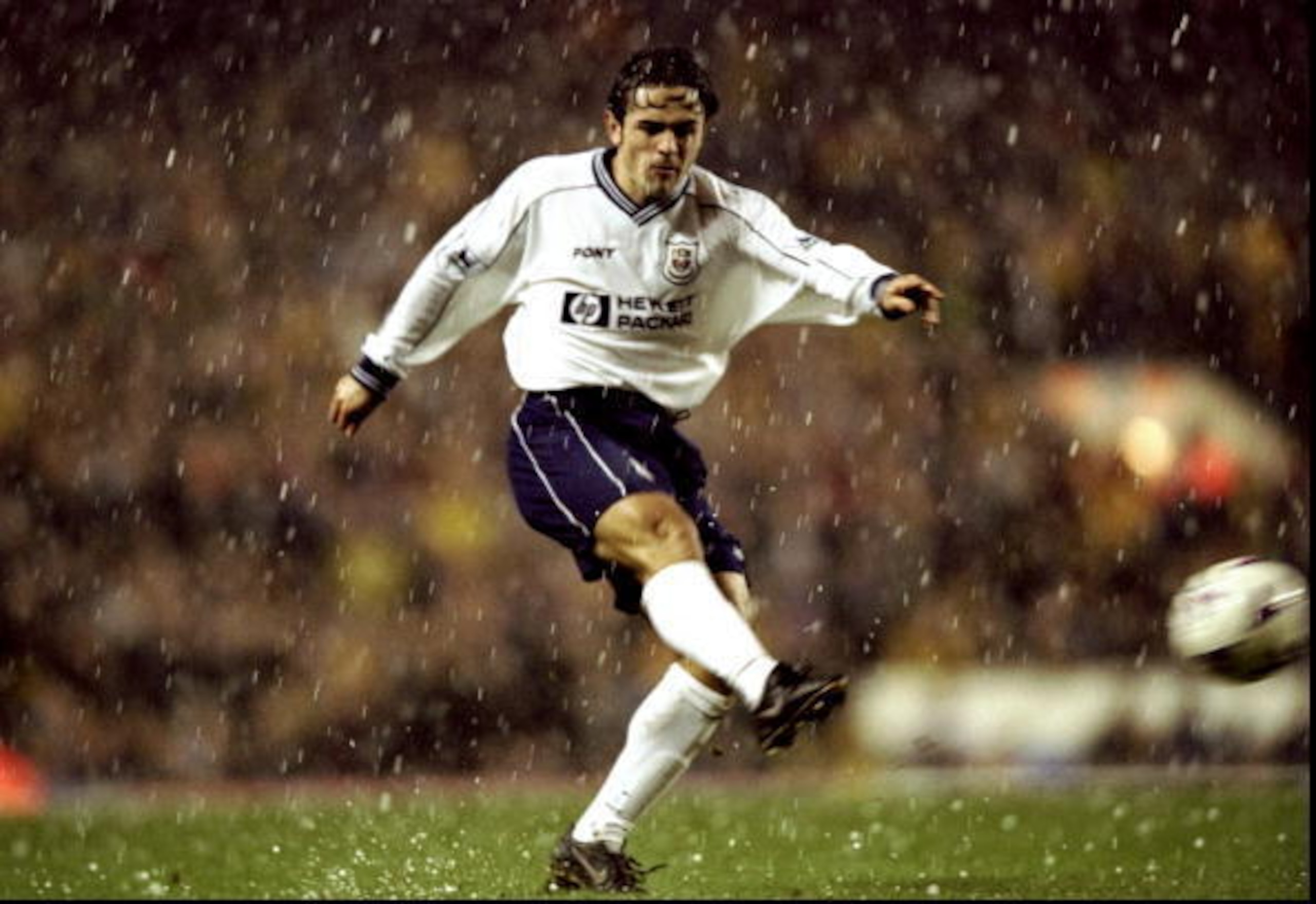
Stephen Carr was one of the few youth team products to become a Tottenham regular in the 1990s. He broke through in 1996-97 and for the best part of six years did not look back.
The Irishman was the ideal full-back. In possession of an engine which allowed him to get up and down his flank, Carr's stamina and acceleration provided a vital source of width for Spurs. Whether leading them or joining in, he could cross, pass and shoot to an enviably high standard for a defender.
Defensively, he was as committed as they come. He had the energy and man-to-man combat skills to require an opponent to summon their best, or close to it, to beat him.
Spurs moved from mid-table mediocrity to relegation battlers over the course of Carr's first couple of seasons in the first-team. The right-back grew amid the pressure and by 1998-99 was an integral part of starting XI.
Carr played his part in that season's League Cup success and was regarded as one of the best in his position in the Premier League. His momentum was stunted in 2001 by injury problems that caused him to miss a whole season.
It understandably took Carr time to get back into gear when he returned. Frustrated by the changes in management and likely the club's failure to push on, the Republic of Ireland international joined Newcastle in 2004.
Things never fully went right for Carr in the north-east. The situation proved to be even more shambolic than it had been at Spurs in the years which preceded his departure from White Hart Lane.
After he initially retired following a disappointing four years at Newcastle, Carr enjoyed a late-career encore with Birmingham City.
Jermaine Jenas
5 of 5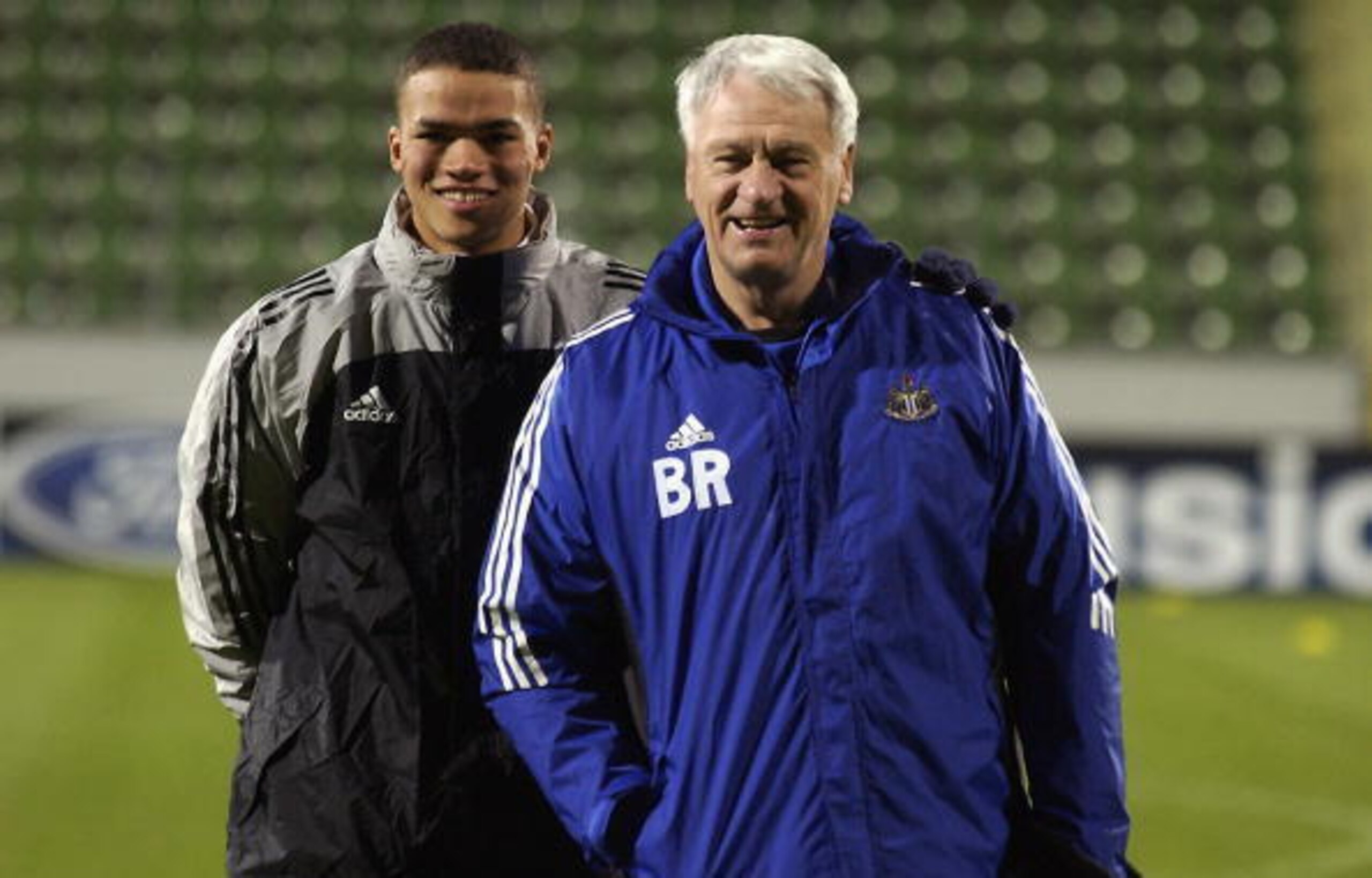
But for better luck with fitness, Woodgate may have made the final place on this list. The defender enjoyed a fine couple of years with Newcastle between 2003 and 2004 (which prompted Real Madrid to buy him) and would score Tottenham's winner in the 2008 League Cup final.
It is Jermaine Jenas, however, who gets the nod between the two most recent players to have played for both clubs.
Part of Sir Bobby Robson's young and entertaining team from the first half of the 2000s, arguably no player at the club sparkled more with potential than Jenas. Athletic, quick and increasingly realised as an all-round central midfielder, he won the 2002-03 PFA Young Player of the Year award.
Robson's sacking coincided with a slowing of Jenas' gathering momentum. Newcastle struggled to regroup following the change and the young midfielder soon realised a change of scenery was needed.
Jenas joined Tottenham in 2005, the latest addition to another talented young squad which already featured the likes of Michael Carrick, Jermain Defoe, Ledley King, Robbie Keane and Paul Robinson.
Still in his early 20s, the England international flourished under Martin Jol's management and alongside the intelligent Carrick. The presence of veteran Edgar Davids undoubtedly aided them both, and Spurs were competing for a Champions League place within a year.
That was not to be and Carrick soon moved on, placing greater responsibility on Jenas' shoulders.
He never transformed into the comprehensive talent his considerable attributes suggested he might. Nonetheless, he was an important player for Spurs as they rode the waves of ambition at home and in Europe. Full of running, his basic but fundamental passing and tackling ability provided a sound foundation for his more creatively realised team-mates.
Jenas was part of the side that won the 2008 League Cup and also scored some notable north London derby goals during his time at Spurs.

.jpg?w=2560 "NBA Gambling Charges")

.jpg?w=2560 "Aikman Blasts Cowboys WR 🫣")

.jpg?w=2560 "Jonathan Taylor Landing Spots")