
The Most Surprising Stat for Each Top 25 College Basketball Team
Numbers never lie, but sometimes they tell hard-to-believe stories.
Three weeks into the 2014-15 college basketball season, the teams ranked in the Associated Press Top 25 have compiled enough of a sample size to where we can start extrapolating information from their statistics. Much of their numbers fit what is to be expected, based on preseason predictions and how they fared the year before.
But some numbers just stand out, whether they be for an individual or the team as a whole, from what we assumed they'd be. These stats probably won't stay this way all season, but for now they're worth noting.
Take a look at the most unexpected statistic for each current Top 25 team.
NOTE: Statistics are through Wednesday's games, unless otherwise noted.
25. Utah Utes
1 of 25
Statistic: Jakob Poeltl's 19.8 points, 15.8 rebounds, 4.9 blocks per 40 minutes
The explanation
Utah was a sexy pick coming into the season to be the next-best team in the Pac-12 after overwhelming front-runner Arizona, with much of that due to returners like Delon Wright and Jordan Loveridge. Yet it's been the play of a relatively unknown European freshman who's garnered much of the in-season praise.
Jakob Poeltl, a 7-footer from Austria, is averaging 12 points and 9.6 rebounds while shooting an astounding 73.8 percent from the field in the first seven games of his college career. In his past three, he's helped fill the void left by the absence of the injured Loveridge by averaging 15.7 points and 10.3 rebounds.
It was announced after the Utes' overtime win Wednesday over Wichita State that Loveridge would be out until at least Pac-12 play after having knee surgery.
24. Illinois Fighting Illini
2 of 25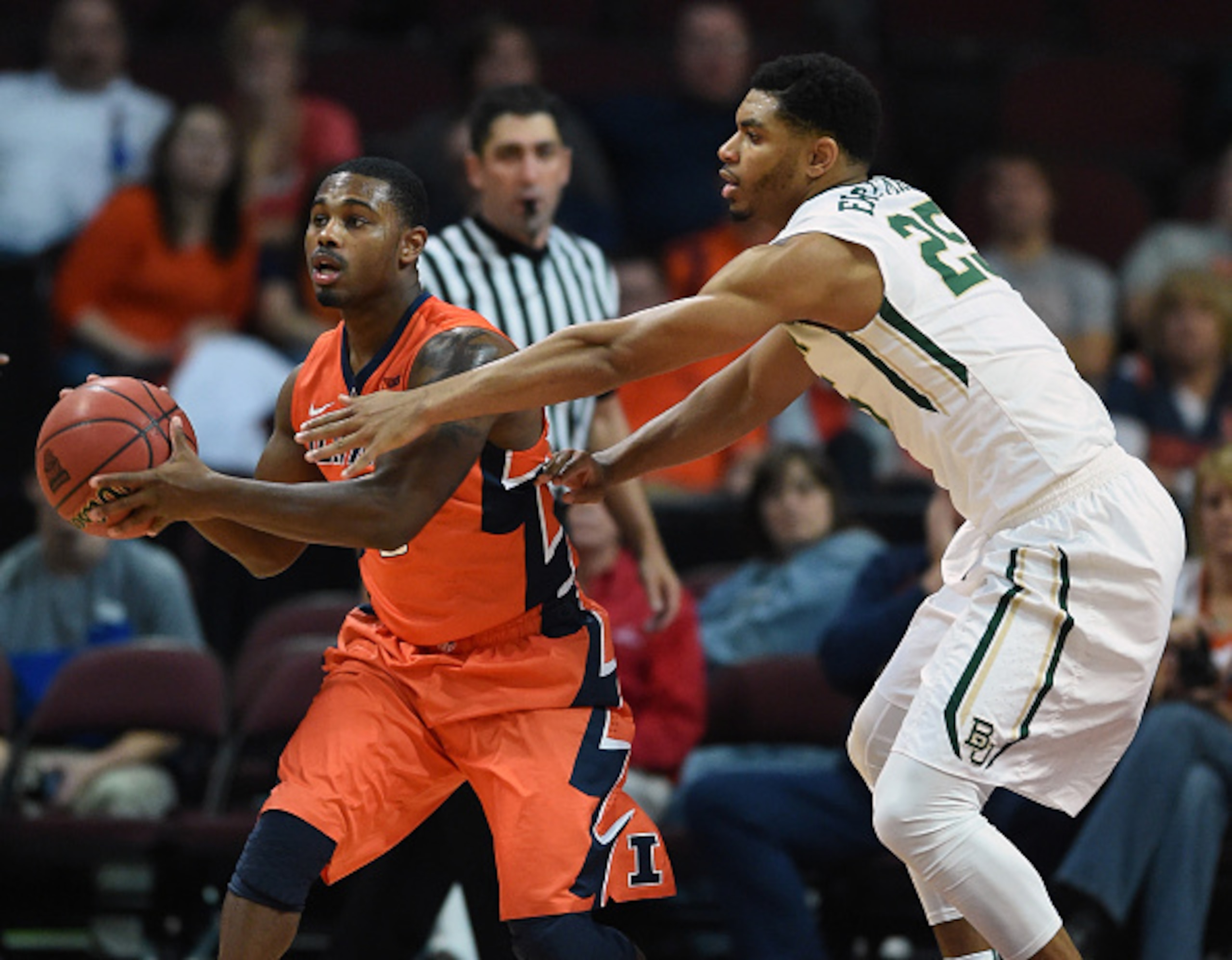
Statistic: 10.3 percent turnover rate
The explanation
Illinois isn't going to win every game it plays this season, but when the Fighting Illini do lose it likely won't be because they beat themselves.
In Tuesday's 70-61 loss at Miami, Illinois only turned the ball over seven times. They've given it away a mere 60 times in seven games, or roughly once every 10.3 possessions. Last year the Illini turned it over 14.2 percent of the time, which contributed to a 20-15 record.
No Illinois player is averaging more than 1.7 turnovers per game, and five of its top eight players (in terms of minutes played) commit a turnover on fewer than eight percent of plays they're involved in.
23. Butler Bulldogs
3 of 25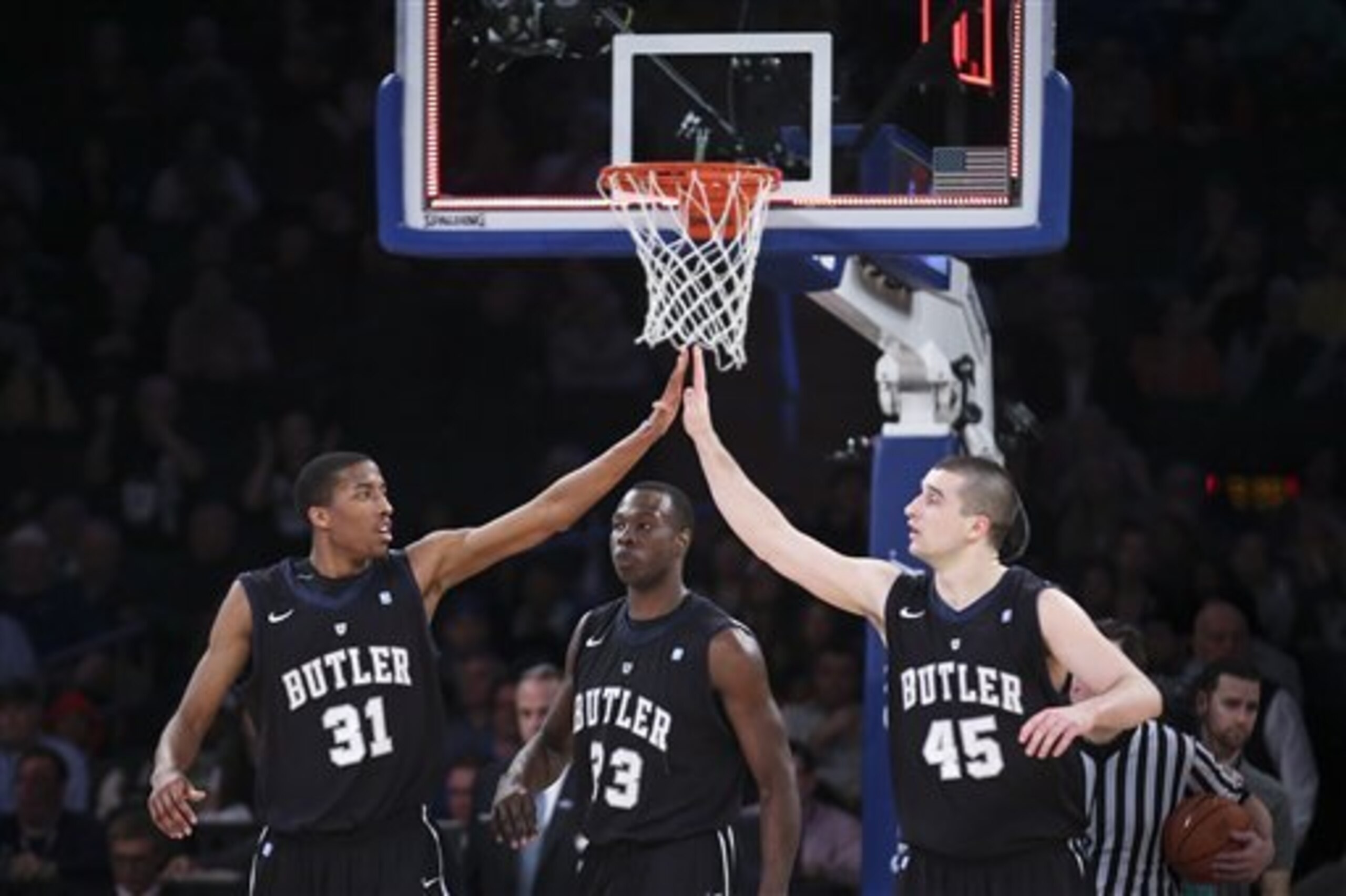
Statistic: 80.5 opponent offensive rating
The explanation
Butler's 2014-15 season experienced turmoil far before the opening game, when coach Brandon Miller took a leave of absence in October. But the Bulldogs haven't let that affect them on the court, moving into the rankings after upsetting North Carolina and taking third place at the Battle 4 Atlantis.
A year after going 14-17, the Bulldogs are 6-1 mostly because they're making opponents work overtime to score. They allow 54.4 points per game, holding foes to just over 80 points per 100 possessions.
Last season they allowed 66.6 points per game and 101.2 points per 100 possessions.

22. Oklahoma Sooners
4 of 25
Statistic: 39.8 percent team field-goal percentage
The explanation
Oklahoma moved into the rankings this week on the strength of reaching the finals of the Battle 4 Atlantis title game, where it fell to Wisconsin. The Sooners shot 37 percent in that game, which is only slightly below their season rate of 39.8 percent.
Oklahoma has managed to win in spite of its poor shooting, mostly because it has held opponents to only 35.2 percent shooting.
Top scorer Buddy Hield is only shooting 36.7 percent, down from 44.5 percent last season. Once he starts to heat up, the whole team should respond.
21. Maryland Terrapins
5 of 25
Statistic: Melo Trimble's 55 made free throws
The explanation
The top freshman in today's college basketball world are expected to come right in and contribute like they're seasoned veterans. Melo Trimble is doing that in as many ways as possible, most notably by going to the free-throw line more than only a handful of players in the country.
The 6'2" freshman has attempted 62 foul shots in eight games, making a Division I-best 55 of those. Paired with Dez Wells in the backcourt, he helped the Terrapins get off to a 7-0 start before losing at home to Virginia on Wednesday.
Even in that game, though, Trimble made his impact at the line. He made 12-of-14 free throws, the third time in the last five contests he's made at least a dozen foul shots.
20. Iowa State Cyclones
6 of 25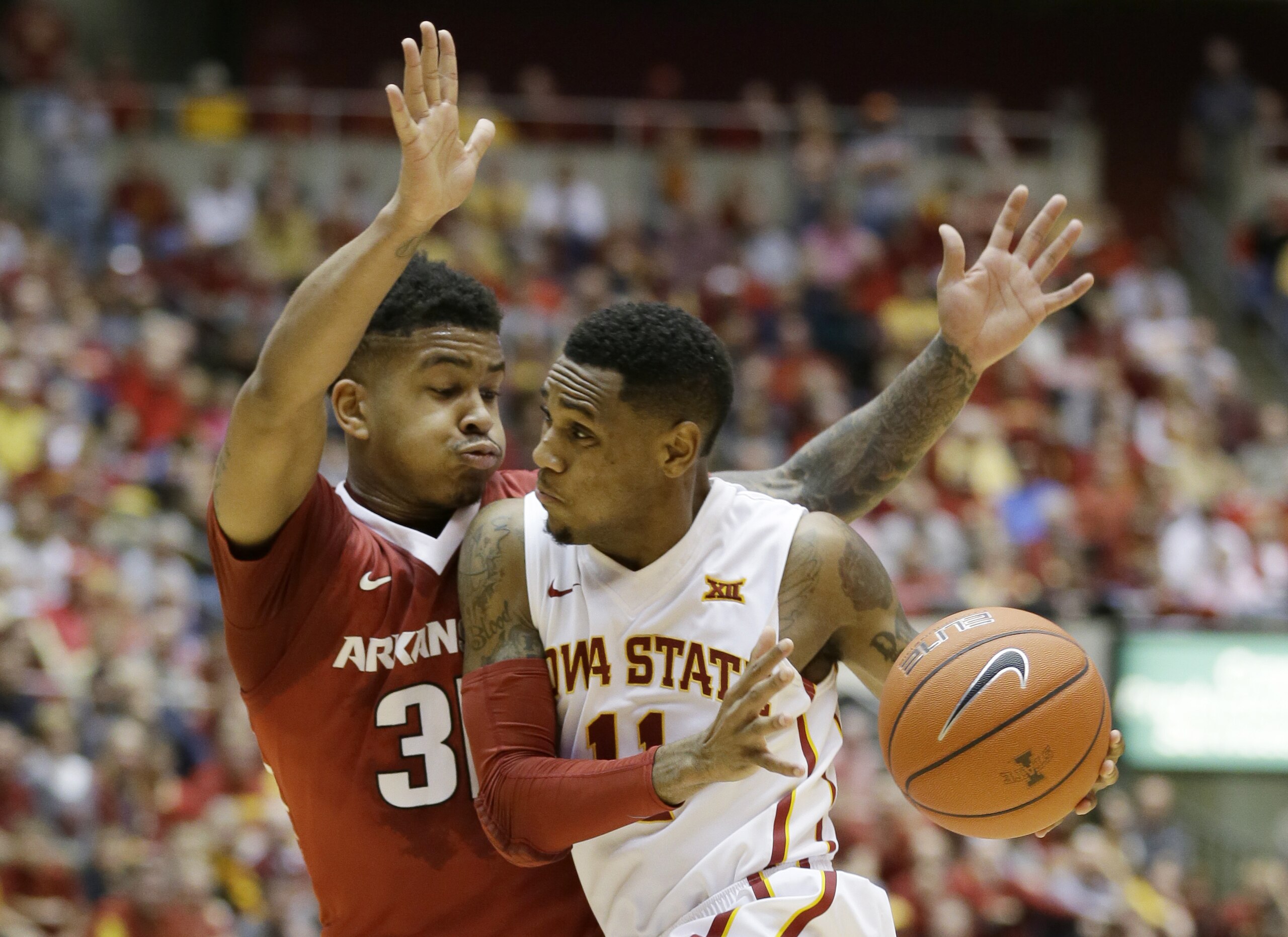
Statistic: Monte Morris' six turnovers
The explanation
Monte Morris turned the ball over twice on Thursday, which doesn't seem like much but that actually ties a season high and is one off his career worst, set in his very first college game in November 2013.
Morris, a 6'2" sophomore guard, has only given the ball away six times in six games this season, while dishing out a team-high 36 assists. That 6-to-1 turnover ratio is only slightly better than his astonishing 4.79-to-1 ratio from last season.
Iowa State's team is made up of guys who know how to share the ball, as well as take care of it, but none do it better than Morris.
19. Michigan State Spartans
7 of 25
Statistic: Denzel Valentine's 46.9 percent three-point shooting
The explanation
Denzel Valentine has been starting games for Michigan State since his freshman year, but with so much leadership (and scoring punch) gone from last year's Elite Eight team the 6'5" junior was called upon to be more involved in the offense this season. Mission accomplished.
Valentine leads the Spartans in scoring, at 15.4 points per game, nearly double his 8.0 rate from a year ago. He's only on the floor about eight minutes more than a year ago, but in that time when the ball is in his hands it's far more often getting launched toward the basket.
This is especially true when given a good perimeter look, as Valentine is making nearly 47 percent from downtown. He was a solid 37.7 percent three-point shooter a year ago, but now more than half of his attempts are from long range.
18. Arkansas Razorbacks
8 of 25
Statistic: 44.3 percent team three-point shooting
The explanation
Traditionally one of the fastest-paced teams in the country, Arkansas is doing a lot of the same this season by averaging 88.1 points per game heading after Thursday's 95-77 loss at Iowa State. Those points are coming from all over, with four guys not only all averaging at least 11 points per game but all of them lighting it up from outside.
Michael Qualls and Anthlon Bell have been the most frequent sharpshooters, combining to hit 33 of their 75 three-point attempts, though Bell missed all six of his outside shots against Iowa State. A season ago they were 35 and 33.1 percent three-point shooters, respectively.
17. Michigan Wolverines
9 of 25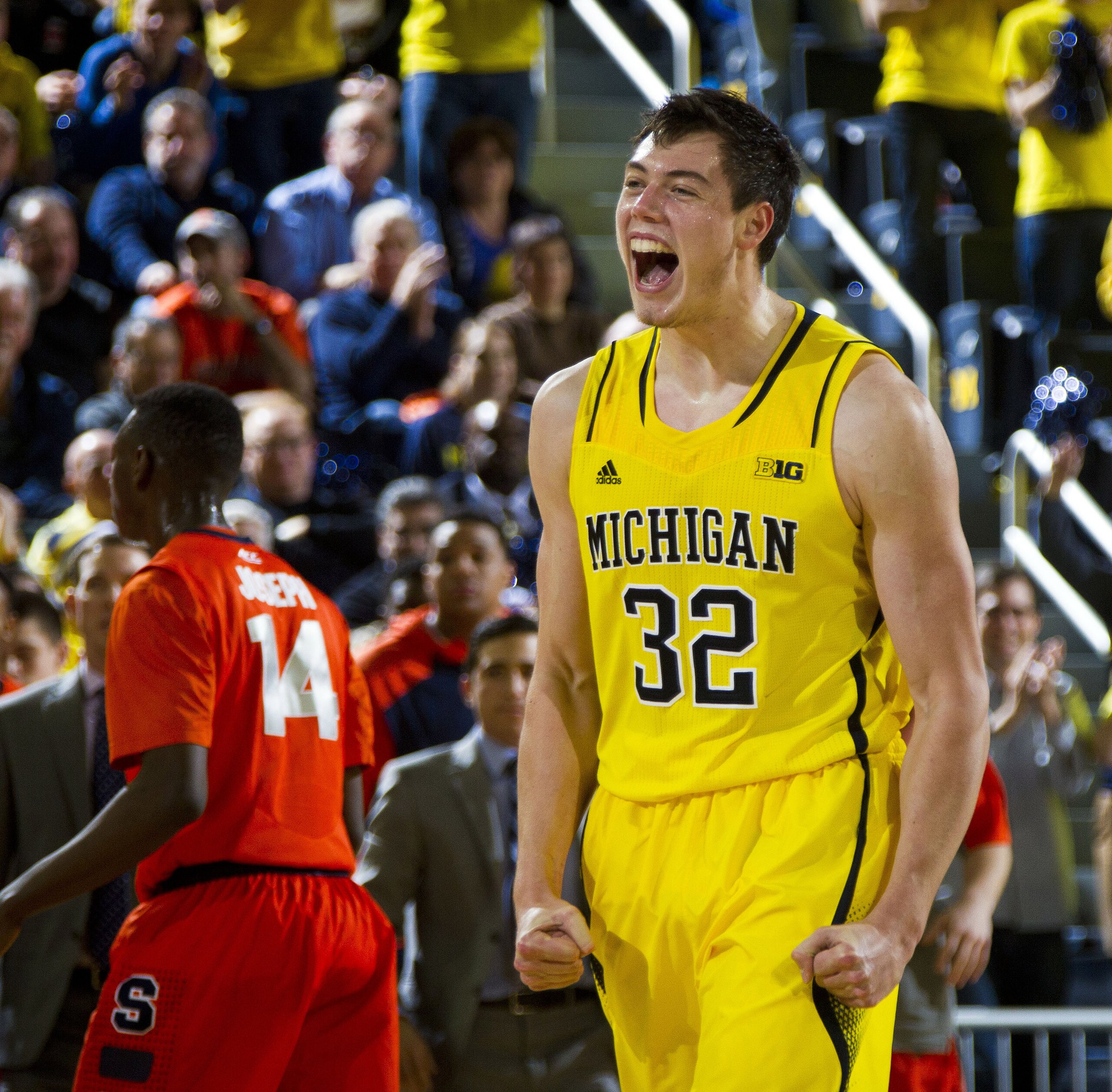
Statistic: Ricky Doyle's 20.8 points per 40 minutes, 72.4 percent shooting
The explanation
Michigan's lineup traditionally features four guards or wings, with the post player being the afterthought. Mark Donnal has been the starter in that 5 spot so far, but Ricky Doyle is making a hard push to usurp his fellow freshman.
The 6'9" Doyle has averaged 21.5 minutes per game over the last four, and in that time he's scored 41 points on 16-of-23 shooting. His spirited play inside, despite a distinct size disadvantage, enabled Michigan to negate much of Syracuse's post strength in the Wolverines' 68-65 home win Wednesday.
16. West Virginia Mountaineers
10 of 25
Statistic: 19.4 percent team steal rate
The explanation
West Virginia headed into Thursday's visit from LSU as the nation's most thieving team and that trend continued. The Mountaineers had 19 steals in the 74-73 loss, giving them 116 for the season, a rate of more than 19 percent not counting Thursday's stats.
Last year they had 206 steals in 33 total games.
This has led to plenty of transition opportunities, with six different players logging at least 10 steals so far. West Virginia isn't shooting it very well, only 41.2 percent, but when it's able to get out on the break it leads to easier baskets.
This led to the Mountaineers outscoring opponents by 19.5 points per game during their 7-0 start, including a 10-point win over Connecticut in the finals of the Puerto Rico Shootout in which they had 11 steals.
15. Miami (Florida) Hurricanes
11 of 25
Statistic: 64.3 possession per 40 minutes
The explanation
Miami had the fewest possessions per game in Division I last season, averaging 58 for every 40 minutes. But thanks to an influx of fresh faces, particularly transfers Angel Rodriguez and Sheldon McClellan, the Hurricanes are up to 64.3 possessions per game.
Not surprisingly, their scoring is way up, too, at 76.1 points per game compared to 61.5 last season.
Junior guards McClellan, who started at Texas, and Rodriguez, a transfer from Kansas State, rank first and second on the team in scoring. McClellan scores 16.4 points per game, aided by 59.1 percent shooting, while Rodriguez averages 14.1 points and is hitting 45.2 percent of his three-pointers.
14. Ohio State Buckeyes
12 of 25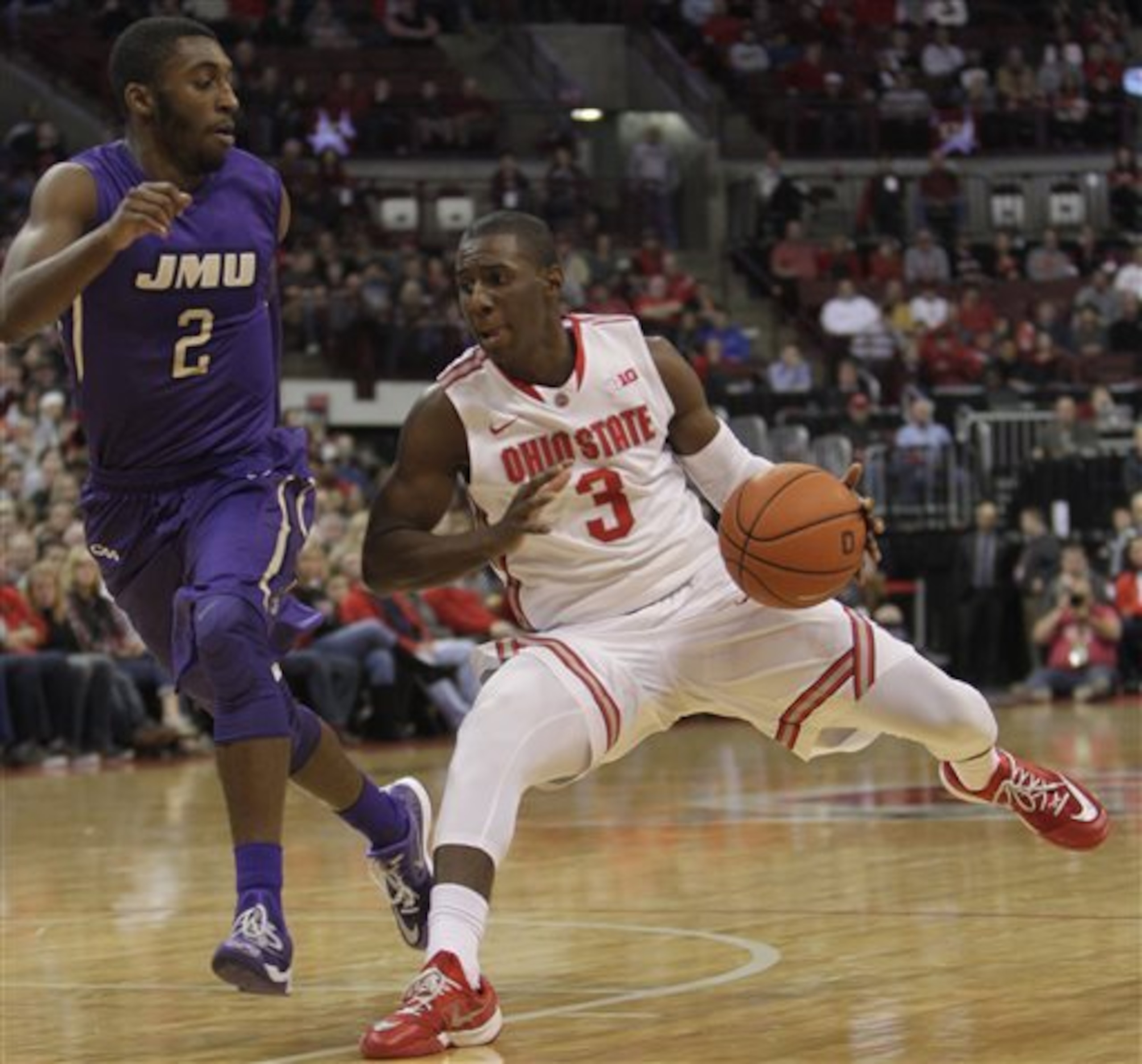
Statistic: Shannon Scott's 45.3 percent assist rate
The explanation
Though he's coming off arguably the worst game of his Ohio State career, Shannon Scott remains one of the most generous players in the country. How unselfish? Despite taking the second-most shots on the team, at 48, he's also far and away the Buckeyes' team leader in assists with 52.
And that's after failing to record an assist in Tuesday's 64-55 loss at Louisville.
Scott, a 6'1" senior, is helping handle much of the distribution work that Aaron Craft took care of for so long. The scoring punch has come from freshman D'Angelo Russell.
13. San Diego State Aztecs
13 of 25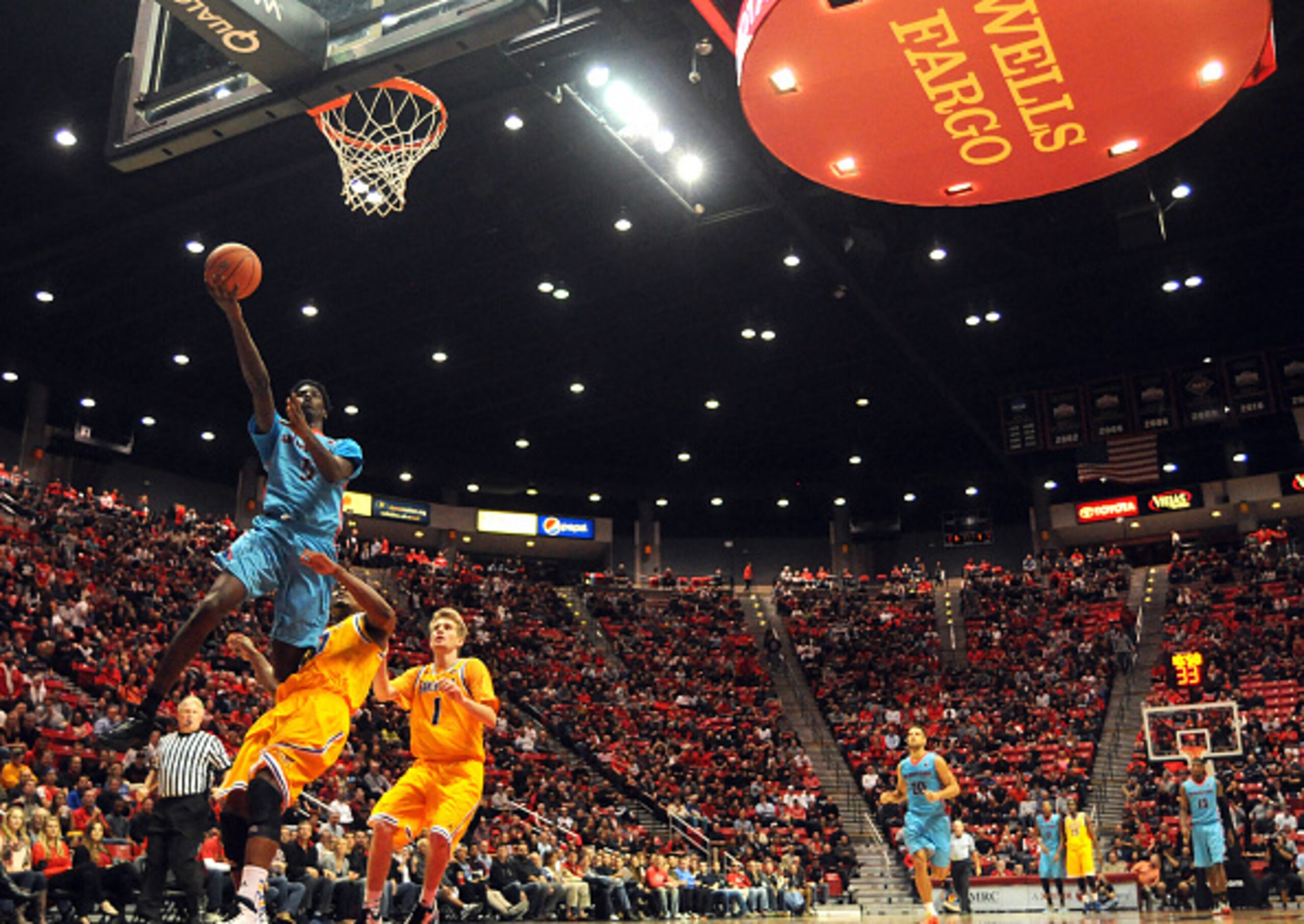
Statistic: Dwayne Polee's 36.1 percent field-goal shooting
The explanation
San Diego State will rarely light up the scoreboard, not with its methodical offense and relatively poor shooting. But a few Aztecs players are expected to at least have some respectable shooting percentages, including Dwayne Polee.
But Polee is only shooting 36.1 percent this season, down from 47.2 percent a year ago, and that's up considerably after making 5-of-9 shots in Thursday's win over San Diego. The three-point shooting has dropped even more, from 39.1 percent in 2013-14 to 29.6.
12. North Carolina Tar Heels
14 of 25
Statistic: 115 offensive rebounds allowed
The explanation
North Carolina's frontcourt was expected to be a big asset this season with the physical changes forwards Brice Johnson and Kennedy Meeks underwent in the offseason. Johnson put on mass to get stronger, while Meeks has shed nearly 50 pounds from a year ago.
While this has paid off on the offensive glass, as the Tar Heels average 17.1 offensive rebounds per game, it hasn't translated into the same effectiveness on the defensive end. UNC's opponents have 115 offensive rebounds, or 40.6 percent of their available misses.
Butler had 29 when it beat Carolina in the Bahamas last week, and on Wednesday Iowa had 16 offensive boards in the second half of its 60-55 win in Chapel Hill.
11. Kansas Jayhawks
15 of 25
Statistic: Kelly Oubre's 2.2 points, 1.7 rebounds per game
The explanation
Kelly Oubre was one of the more sought-after recruits in the 2014 class, ranked eighth by 247Sports and someone in whom Connecticut, Florida, Kentucky and Louisville were also very interested. He likely chose Kansas because of the impact he could make with that team, yet so far this hasn't been seen in games.
Oubre has played 47 minutes in six games, playing 15 minutes in a 27-point win over Rider but only 15 total minutes in the Jayhawks' three games at the Orlando Classic. He's attempted only 10 shots and gone scoreless three times.
10. Villanova Wildcats
16 of 25
Statistic: Dylan Ennis' 45.7 percent three-point shooting
The explanation
A broken bone in his wrist slowed Dylan Ennis' first season with Villanova last year, preventing the Rice transfer from contributing as much as was expected. Nothing has gotten in his way this fall, as Ennis has quickly asserted himself as a go-to weapon for the Wildcats.
It's not all he can do, but Ennis' deadly three-point shooting has stood out the most so far.
Half of Ennis' 32 field goals have been from three-point range, nearly matching what he made from outside in 30 games last season. This has led to the 6'2" junior guard posting a team-best 12.9 points per game scoring average while making 50.8 percent of his shots.
9. Gonzaga Bulldogs
17 of 25
Statistic: Domantas Sabonis' 79.5 percent field-goal shooting
The explanation
You may recognize the surname, but the game Domantas Sabonis has brought along with his famous lineage stands out on its own.
The son of former NBA big man Arvydas Sabonis, the 6'10" freshman from Lithuania has been almost automatic when shooting the ball. In seven games he's made 35-of-44 field goals and ranks second on the team in scoring, at 12.6 points per game. In four of his last five outings, he's not missed a basket.
Only a lack of body control is keeping Sabonis from being even more impactful, as he's picked up 21 fouls including 12 in the last three games.
8. Wichita State Shockers
18 of 25
Statistic: 65.2 percent free-throw shooting
The explanation
As it mostly cruised through a perfect regular season in 2013-14, Wichita State had confidence that in close games it could rely on free-throw shooting to help its cause. Not so much this season.
The Shockers' 65.2 percent efficiency is way down from a year ago when they made 72.5 percent. Though their percentage in Wednesday's overtime loss (69.2) was its best of the year, Wichita did have one miss at the line that proved critical.
Fred VanVleet missed the front end of a one-and-one with seven seconds left in overtime, with the Shockers down one. He was 1-of-3 from the line, and for the season is only hitting 66.7 percent compared to 83 percent last season.
7. Virginia Cavaliers
19 of 25
Statistic: 60.8 percent total rebound rate
The explanation
Make sure to hit those shots against Virginia, because odds are you're not getting a second chance. The Cavaliers will, however, as they've shown so far this season.
Despite playing only one guy taller than 6'8" (junior Mike Tobey is 6'11"), Virginia is the most efficient rebounding team in the country. Nearly 61 percent of available rebounds end up in the Cavaliers' hands, contributing to a plus-12.4 rebounding margin.
Tobey leads the team with a 7.0 rebounding average, but 6'8" forwards Anthony Gill and Darion Atkins are averaging 6.4 and 5.9 rebounds per game, respectively.
Wednesday's 76-65 win at Maryland was a case study in how Virginia crashes the boards. It held the Terrapins to a mere three offensive rebounds in 29 opportunities, while grabbing eight of 27 of its own misses shots.
6. Texas Longhorns
20 of 25
Statistic: 23 percent team block rate
The explanation
The addition of Myles Turner to Texas' already solid frontcourt was expected to produce dividends on the defensive end this season. But no one could have predicted the impact he's had to this point.
The Longhorns have blocked 58 shots so far, swatting away 23 percent of their foes' two-point attempts this season. Turner has led that charge, with 23 blocks while also contributing 12.1 points and 7.1 rebounds per game.
Fellow post player Cameron Ridley has 11 blocks, and combined with Turner could provide the first real test for Kentucky's imposing crop of big men. The teams meet Friday night in Lexington.
5. Louisville Cardinals
21 of 25
Statistic: 21.5 percent opponent three-point shooting
The explanation
Louisville's starting backcourt is among the smallest in the country, with 6'1" sophomore Terry Rozier considered a giant next to 5'10" senior Chris Jones. Size doesn't always matter, particularly if you're good at sticking to your assignment on the perimeter.
The Cardinals' opponents have made only 26-of-121 three-point attempts through six games. Savannah State missed all 16 outside shots, and on Tuesday Ohio State was 6-of-18 from long-range after having made 41.8 percent of its attempts coming in.
Overall, Louisville's field-goal defense is 30.3 percent, which is among the best in the country as well. Usually when a team is able to protect the rim, it often is susceptible to outside shooting, but the Cardinals so far have had every shooting area covered.
4. Duke Blue Devils
22 of 25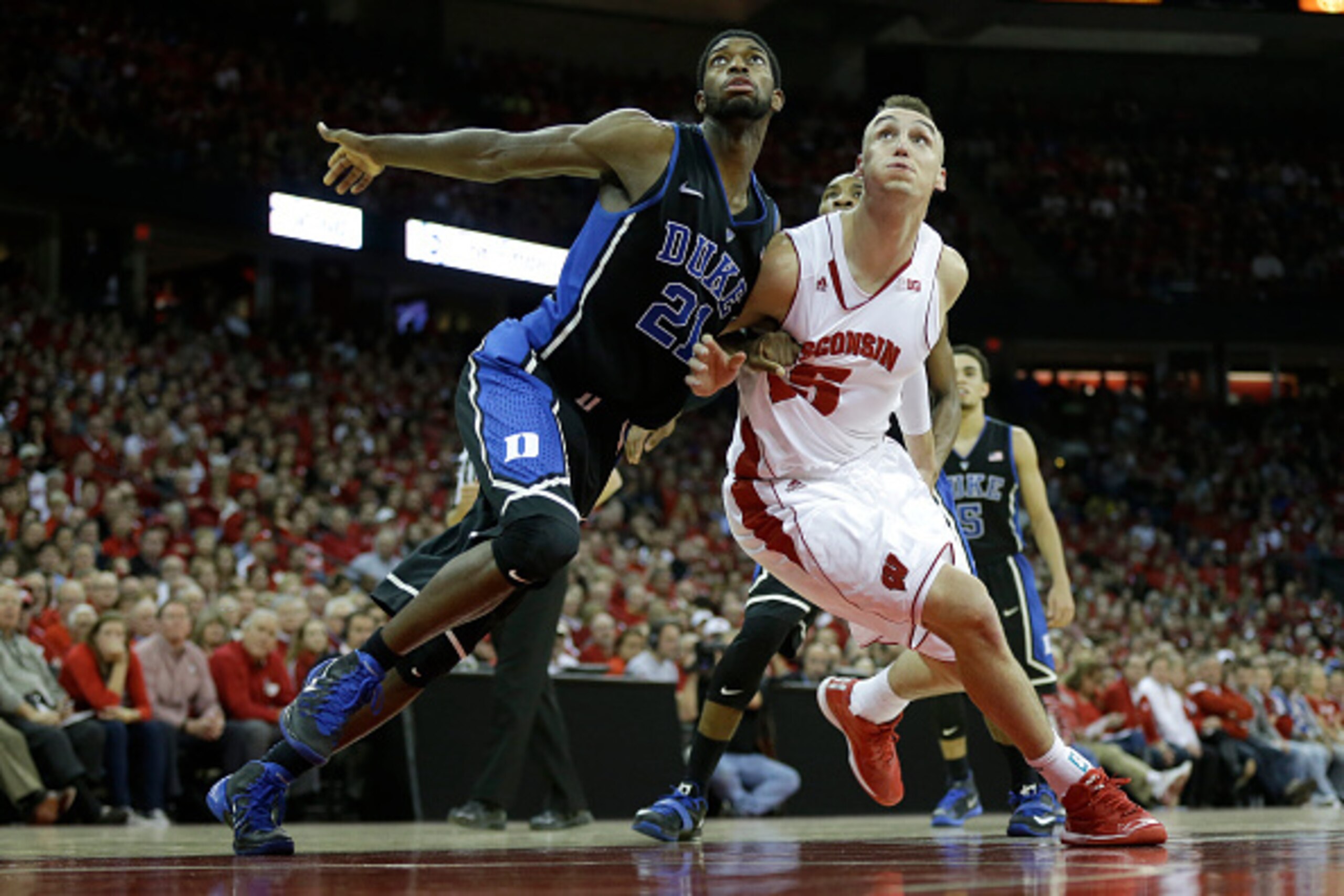
Statistic: Amile Jefferson's 8.3 rebounds per game
The explanation
In a lineup with three superstar freshmen and a dependable senior guard, Amile Jefferson is Duke's forgotten man. Until you look at the stat sheets.
The 6'9" junior leads Duke in rebounding, at 8.3 per game, despite playing fewer minutes than any other starter and alongside 6'11" freshman Jahlil Okafor. Okafor averages 7.6 boards per game but has had more of an impact on the offensive end.
Jefferson is contributing all over, particularly on the offensive glass, where he is fourth nationally with a 19.8 percent offensive rebounding rate. This has contributed to his stellar 69 percent field-goal shooting.
3. Arizona Wildcats
23 of 25
Statistic: Rondae Hollis-Jefferson's 59.3 percent field-goal shooting
The explanation
The first guy off the bench is usually called upon to provide a spark, some instant offense or much-needed defensive pressure. But instant efficiency?
Rondae Hollis-Jefferson is good enough to start for Arizona, but because he and Stanley Johnson play similar positions the Wildcats go with Johnson in the starting lineup yet give Hollis-Jefferson starter-like minutes. He's averaging 25.7 minutes per game, more than starting shooting guard Gabe York.
And the 6'7" sophomore is contributing like a starter when he's out there, sitting second to Johnson in scoring and rebounding. He's also making 59.3 percent of his shots, second only to center Kaleb Tarczewski and way up from his already solid 49.0 percent rate as a freshman in 2013-14.
2. Wisconsin Badgers
24 of 25
Statistic: Nigel Hayes' 30.9 minutes per game
The explanation
If Nigel Hayes this year's Frank Kaminsky? If so, expect Wednesday's loss by Wisconsin (against Duke) to be the exception, rather than the rule.
A year ago, Kaminsky went from a little-used reserve big man to the Badgers' breakout player and a key reason for his team's Final Four run. Wisconsin returned four starters from that team, but heading into the season it was uncertain whether Bo Ryan planned to use Hayes or Bronson Koenig as that fifth starter.
He went with Hayes, a 6'7" sophomore forward who averaged 7.7 points and 2.8 rebounds in 17.4 minutes per game last season. So far this year he's playing nearly 31 minutes per game, tops on the team, while ranking second behind Kaminsky in scoring (12.4) and rebounding (7.5). He's shooting a team-high 55 percent and has more offensive rebounds than any other Badger.
1. Kentucky Wildcats
25 of 25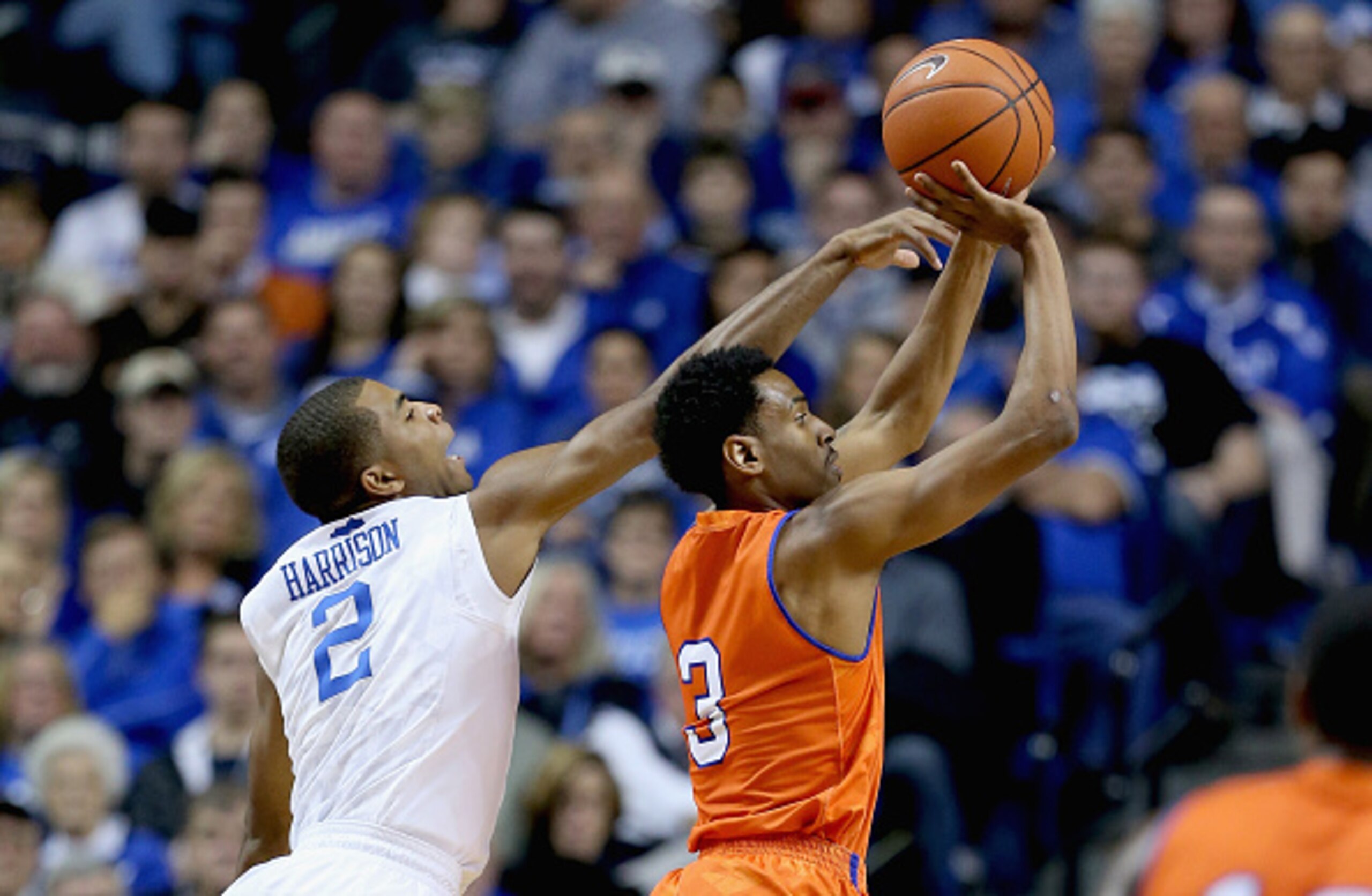
Statistic: 27.9 percent opponent field-goal shooting
The explanation
It hasn't been that surprising Kentucky has won its first seven games in dominant fashion, though the 72-40 win over No. 5 Kansas was a bit shocking in how bad the Wildcats made the Jayhawks look. But Kentucky is doing more than just destroying teams; it's not even giving them a chance to have legitimate chances to score.
Opponents are averaging 44.6 points per game this season, making less than 28 percent of their shots. No team has shot better than 38.5 percent, and two failed to reach 20 percent accuracy.
While some of this might be due to the quality of foes to this point, Kentucky's massive depth and an overall buy-in to playing hard on defense is the real key. The Wildcats get some major challenges coming up, first with Friday's visit from No. 6 Texas and later this month against North Carolina, UCLA and Louisville, but if they continue to prevent teams to shoot well those games shouldn't be too difficult.
Follow Brian J. Pedersen on Twitter at @realBJP.
.jpg?w=2560 "NBA Gambling Charges")

.jpg?w=2560 "Jonathan Taylor Landing Spots")

.jpg?w=2560 "Aikman Blasts Cowboys WR 🫣")