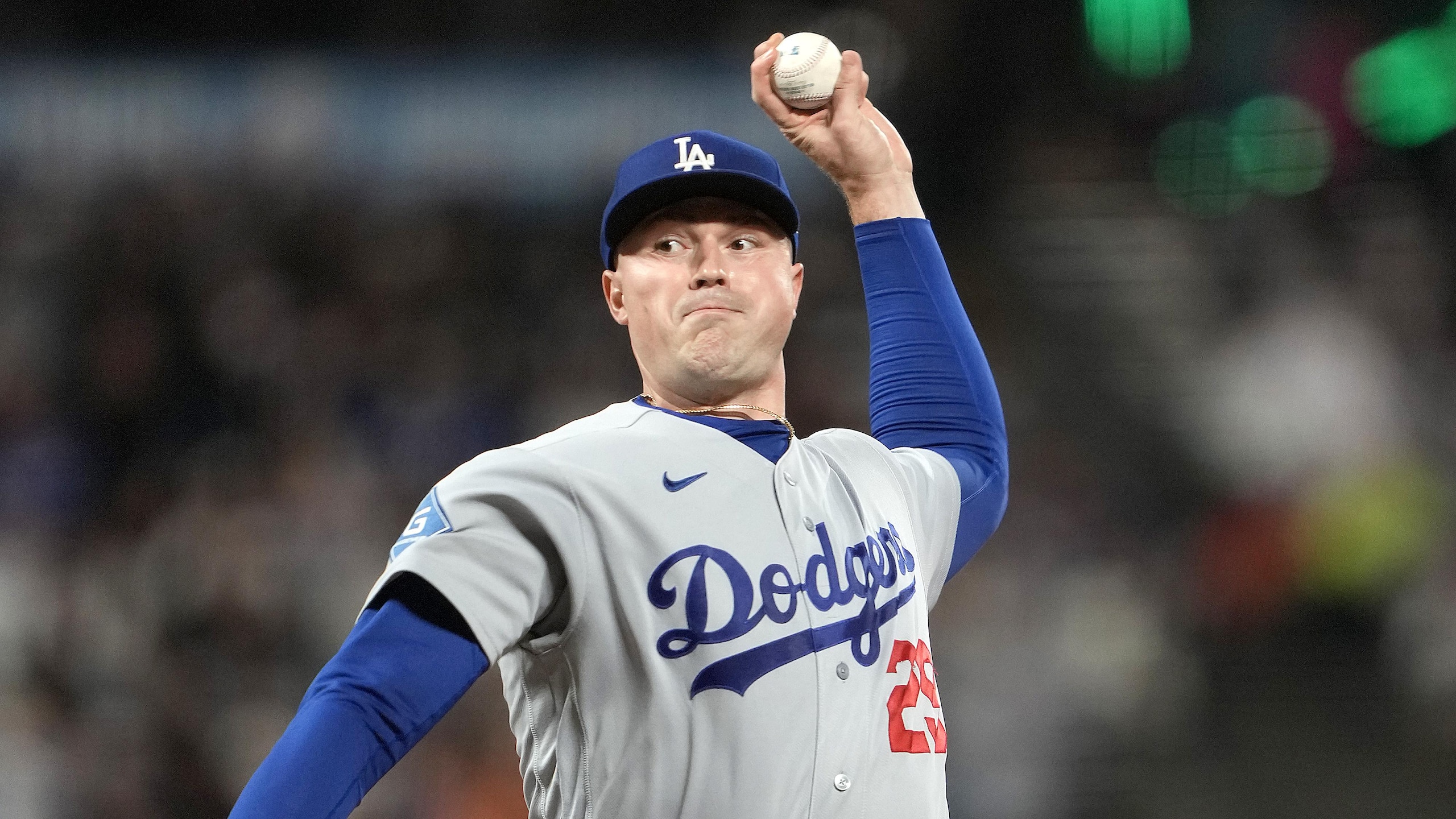
Andrew Wiggins, Jabari Parker Not Living Up to Expectations
Heading into the 2014 NBA draft, the question was simple—Andrew Wiggins or Jabari Parker?
The Cleveland Cavaliers decided to go with Wiggins, before trading him to the Minnesota Timberwolves in part of the Kevin Love deal. In what was assumed as an incredibly deep draft pool, Wiggins and Parker were considered the two most NBA-ready prospects. This may have been true—as they lead all rookies in scoring with 12.5 and 11.6 points per game, respectively—but neither player has lived up to his lofty expectations to this point.
Wiggins made his mark as a very unselfish team player as a member of the Kansas Jayhawks in his lone college season. Despite his unmatched athleticism, Wiggins refused to let the spotlight get the best of him and played within Bill Self’s offensive and defensive schemes.
TOP NEWS
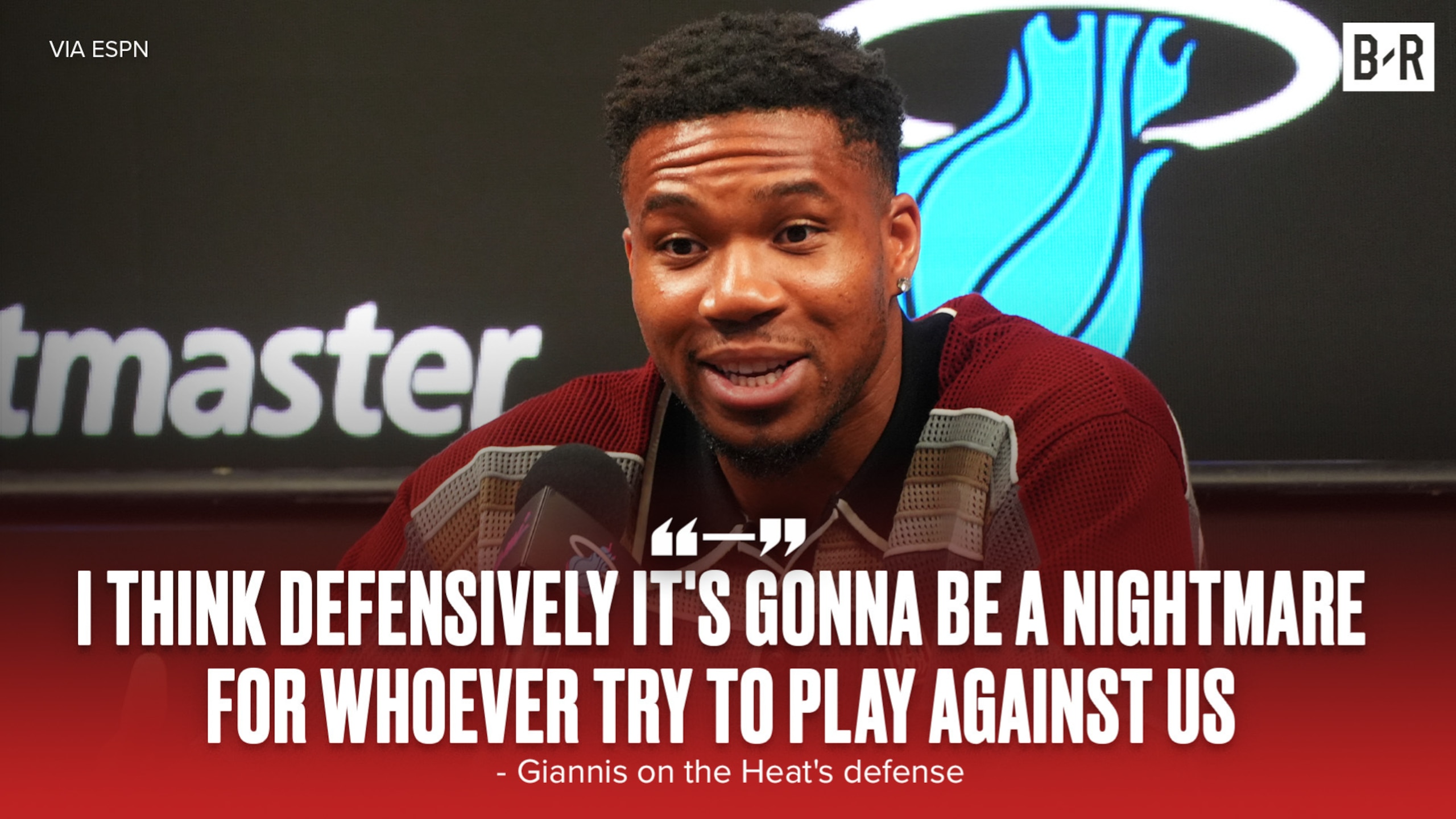
Giannis' Warning to NBA ⚠️

NBA Power Rankings Entering Preseason 🔢
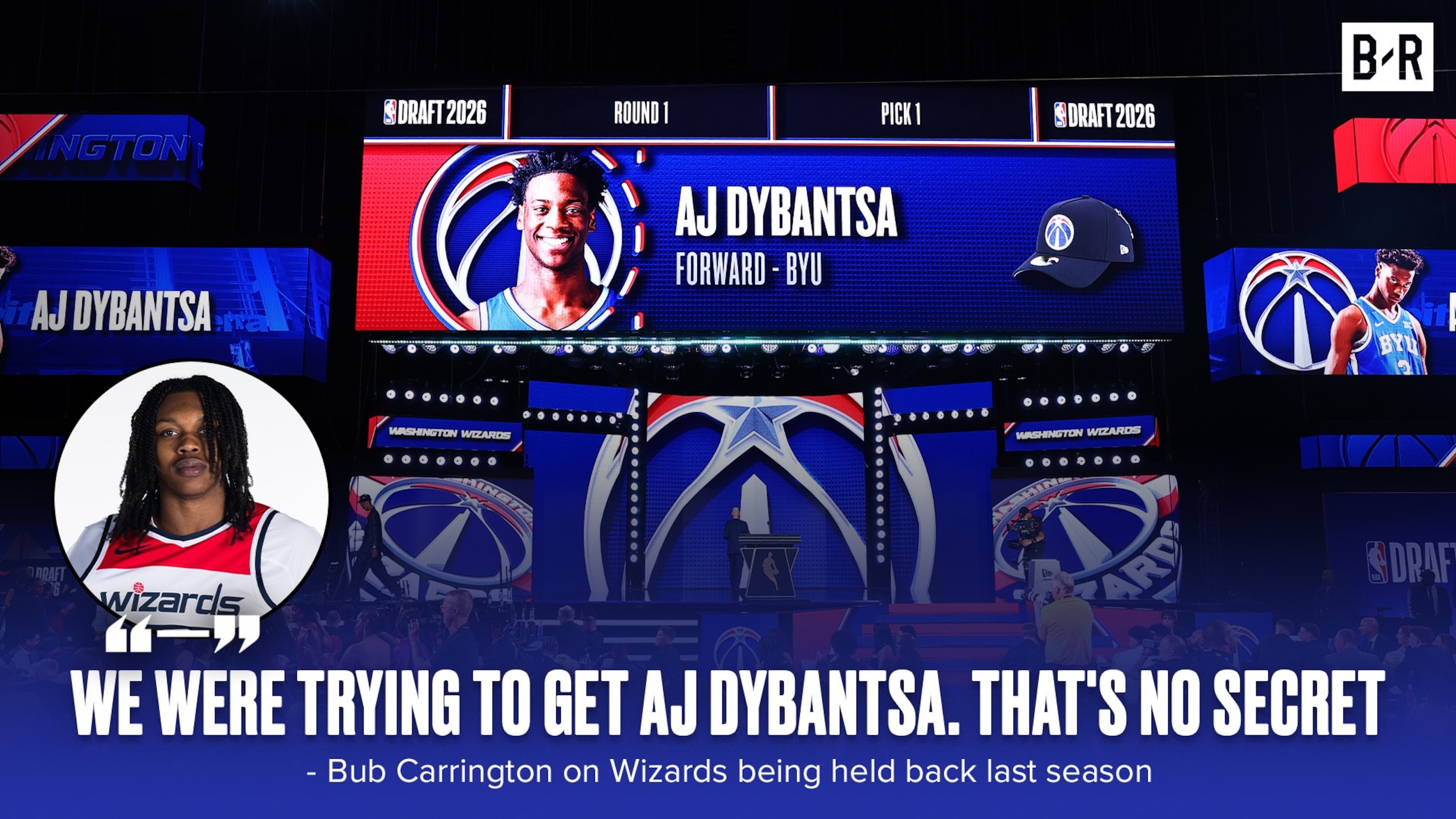
Wizards Guard Admits Tanking 😨
He’s continued this unselfishness into the NBA, as he has averaged 12.5 points in 28.8 minutes per game. To add, he’s made only 4.6 field goals and 2.7 free throws per game in 10.8 and 3.8 attempts, respectively.
His athleticism is a cut above the rest, even in the NBA, but he simply isn’t using it to his fullest potential. The talented Canadian should look to attack the basket, slash to the hoop in off-ball situations and get to the free-throw line. The 3-9 Timberwolves are waiting on their 19-year-old phenom to play like a first overall pick.
Minnesota should support and foster Wiggins' offensive assertiveness if it expects that he's going to progress on that side of the court. Fostering more aggressive play from him can only benefit a rebuilding Timberwolves team that is dealing with banged-up players and a generally weak roster.
In fact, Wiggins is one of just four players—and the only starter—on the entire roster to play in all 12 games this season. Leading scorer Kevin Martin is out for an extended period of time with a fractured wrist, and fellow scorers Thaddeus Young and Nicola Pekovic have not shown the ability to stay on the court this season.
The time is now for Wiggins to make a difference in the points column, and Minnesota should push for its top prospect to do just that.
Parker drew comparisons to elite NBA players like Carmelo Anthony while at Duke. Averaging 19.1 points and 8.7 rebounds per game in his one-and-done year under Mike Krzyzewski, Parker was the go-to player in one of the most storied programs in college basketball history. Considered even more NBA-ready than Wiggins, Parker has averaged 11.6 points and 5.6 rebounds in 28.2 minutes per game so far this season.
Similarly to Wiggins, Parker has averaged 4.9 made field goals per game in 10.9 attempts and has shot just 62.9 percent from the free-throw line while averaging just 2.5 free-throw attempts per game.
Known as a dynamic stretch player in college, Parker hasn’t found his deep stroke in the pro game, as he has made just four of 16 three-pointers this season. Last season at Duke, he made 38 of 106 shots from beyond the arc, which shows a decreased willingness to put it up from outside as a member of the Bucks.
The Bucks can do a variety of things to get Parker open looks from beyond the arc, which will allow him to rediscover his stroke from the outside. The main way they can accomplish this is by playing him primarily from the power forward position.
While he would likely be undersized on the defensive end, he would have a distinct advantage on the offensive side of the ball in terms of athleticism, shooting ability and agility. Pick-and-pop plays, combined with using off-ball screens can translate to solid opportunities for Parker to find his stroke and add the dimension of his NBA game that is missing.
At the small forward spot, he constantly finds himself defended by a more nimble, athletic player, which hurts his ability to find the bottom of the net with as much regularity as he did in college.
Looking forward, both players will likely progress. However, right now, both Wiggins and Parker have been afterthoughts in what has been an exciting start to the NBA season.
.jpg?w=2560 "Every Trade's Best Trade Asset 🔁")
.jpg?w=2560 "Insiders: Cowboys Overpaid for Porter")
.jpg?w=2560 "MHJ's Potential Trade Value 📉")