Where Novak Djokovic's Incredible 4-Year Run Ranks Historically
Because the past decade in men’s tennis has been a super era of dominant champions, Novak Djokovic’s accomplishments can seem rather routine. Roger Federer and Rafael Nadal have set the 21st-century standards of excellence that Djokovic is chasing, but he is mixing in his own version with a strong dose of longevity.
The superlatives woven around Djokovic’s ongoing narrative are perpetually on display and deserve greater recognition. We can now measure his ongoing reign within the context of one of the most dominant four-year periods in tennis. What kind of rarefied company has he joined?
Superstar Streaks and Four Years
TOP NEWS
.jpg?w=2560 "Chargers Mack")
Every Trade's Best Trade Asset 🔁
.jpg?w=2560 "Green Bay Steelers Football")
Insiders: Cowboys Overpaid for Porter

Houston's Space Helmets 🧑🚀
There have been a handful of great tennis players who have been dominant for a one- or two-year period. But averaging greater than one major win in a four-year calendar span is reserved for only the most dominant and consistent legends. How difficult is it to win at least five majors in four years?
In 1974, Jimmy Connors won three majors, but the next three calendar years saw him win only the 1976 U.S. Open. Connors, for all of his greatness in 1974 and 1982, misses this standard, primarily because of Bjorn Borg. John McEnroe and other champion veterans made it difficult for him to be the front runner.
Mats Wilander won four majors from 1982-85 but could not string together a multi-slam season at that time. Wilander would go slamless from 1986-87 before his epic three-slam season in 1988. His four-year stretch from 1985-88 netted him four majors in four years. Great, but not quite legendary enough for our criteria.
Players like Boris Becker, Stefan Edberg, Jim Courier and Andre Agassi never won five majors in a four-year period. They sandwiched their best bursts with droughts. Of course Ivan Lendl and Pete Sampras were the primary reasons they are grouped further down the list when looking at four-year results.
The Greatest Four-Year Results
We will list the seven players who have won at least five majors in four years, since the advent of the Open era in 1968. Major titles are the standard, and weeks as the No. 1 player is the secondary standard. The latter is an indication of how the player did with other tournaments and the best we can do to allow for different points and tournaments considerations over the past four-and-a-half decades.
Let’s begin with each player’s very best four-year span:
Player Years Majors No. 1 Weeks
Roger Federer 04-07 11 204
Pete Sampras 94-97 7 170
Bjorn Borg 78-81 7 108
Rafael Nadal 08-11 7 102
Ivan Lendl 84-87 6 137
Novak Djokovic 11-14 6 127
John McEnroe 81-84 5 132
Djokovic has already made a strong argument that he is indeed one of the top-10 players of the Open era, posting a four-year run superior to players like Connors, Wilander, Agassi and Courier. His 2011 season is the foundation to this run, but adding one major per year since is continued evidence of his greatness.
The next thing to consider is where Djokovic’s four-year span ranks. It requires a look at several combinations for the players that qualify. For instance, Federer and Nadal have several four-year windows in addition to their best periods above. These seven players have produced no less than 28 four-year spans that average greater than one major per year.
Player Years Majors No. 1 Weeks
1. Federer 04-07 11 204
2. Federer 05-08 9 188
3. Federer 06-09 9 162
4. Federer 03-06 9 152
5. Sampras 94-97 7 170
6. Sampras 93-96 7 154
7. Federer 07-10 7 132
8. Borg 78-81 7 108
9. Nadal 08-11 7 102
10. Nadal 10-13 7 95

Ok, you get the idea. Federer’s best years produce the four greatest spans in modern tennis history. When a superstar can string together a few multi-slam seasons, he fits our formula in several ways. For instance, we can somewhat compare Federer, Sampras, Borg and Nadal, and how their best seasons compare to each other in terms of majors and weeks at No. 1.
The next 10 are even more interesting:
Player Years Majors No. 1 Weeks
11. Borg 77-80 7 81
12. Nadal 07-10 7 76
13. Sampras 95-98 6 164
14. Lendl 84-87 6 137
15. Djokovic 11-14 6 127
16. Federer 02-05 6 100
17. Nadal 09-12 6 82
18. Borg 76-79 6 33
19. Lendl 86-89 5 188
20. Sampras 96-99 5 166
What we see is that Djokovic’s 2011-14 season is the 15th-best four-year span. It’s similar to the level of dominance that Ivan Lendl had in the mid-1980s. Just below is another Federer span, 2002-05. His fans will note that Federer’s six majors and weeks at No. 1 only occurred in a three-year span because Federer did not place in either regard in 2002.
Curiously, no player has won exactly eight majors in a four-year span because Federer’s totals do not add up this way however we look at them in a four-year span, and nobody else cracked seven majors in four years.
Here are the remainders of five majors in four years:
Player Years Majors No. 1 Weeks
21. Lendl 85-88 5 158
22. Sampras 97-00 5 134
23. McEnroe 81-84 5 132
24. Borg 79-82 5 108
25. Nadal 11-14 5 65
26. Nadal 06-09 5 46
27. Nadal 05-08 5 20
28. Borg 75-78 5 1
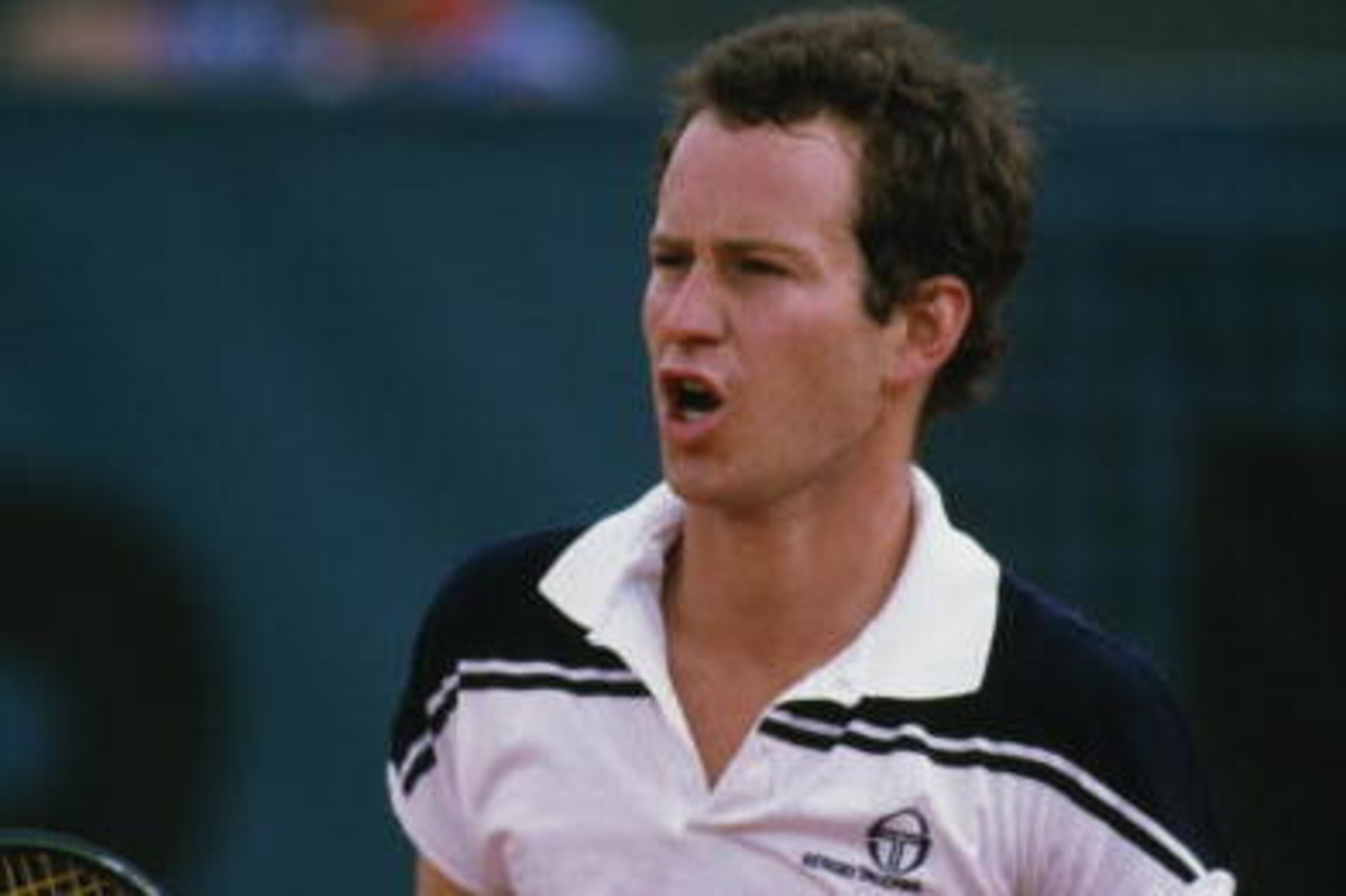
Even John McEnroe’s legendary run that culminated in his tremendous 1984 season still does not stretch over to the kind of four-year dominance that Djokovic has shown, let alone Nadal, Borg, Sampras and Federer. It’s just not that easy to sustain great dominance for more than a season. Djokovic still carries most of his best results from his 2011 season.
Encore for Djokovic?
In some ways, Djokovic just missed climbing even higher on the list. He narrowly missed the 2013 French Open title, which would have placed him at eighth place for the greatest four-year span. Of course he also capitalized on a couple of close-shave wins at the 2011 U.S. Open and 2012 Australian Open.
In the end, Nadal has denied him the most, but Djokovic has clearly been the best player of the past four years.
Despite 2011-14, Djokovic might not be able to produce another four-year span that tops this run, because his 2011 season now drops off the board.
If Djokovic does produce another four-year span that makes this list, he will need at least another season or two of epic results. Say he wins two majors next year. That would net the Serbian the five majors from 2012-2015.
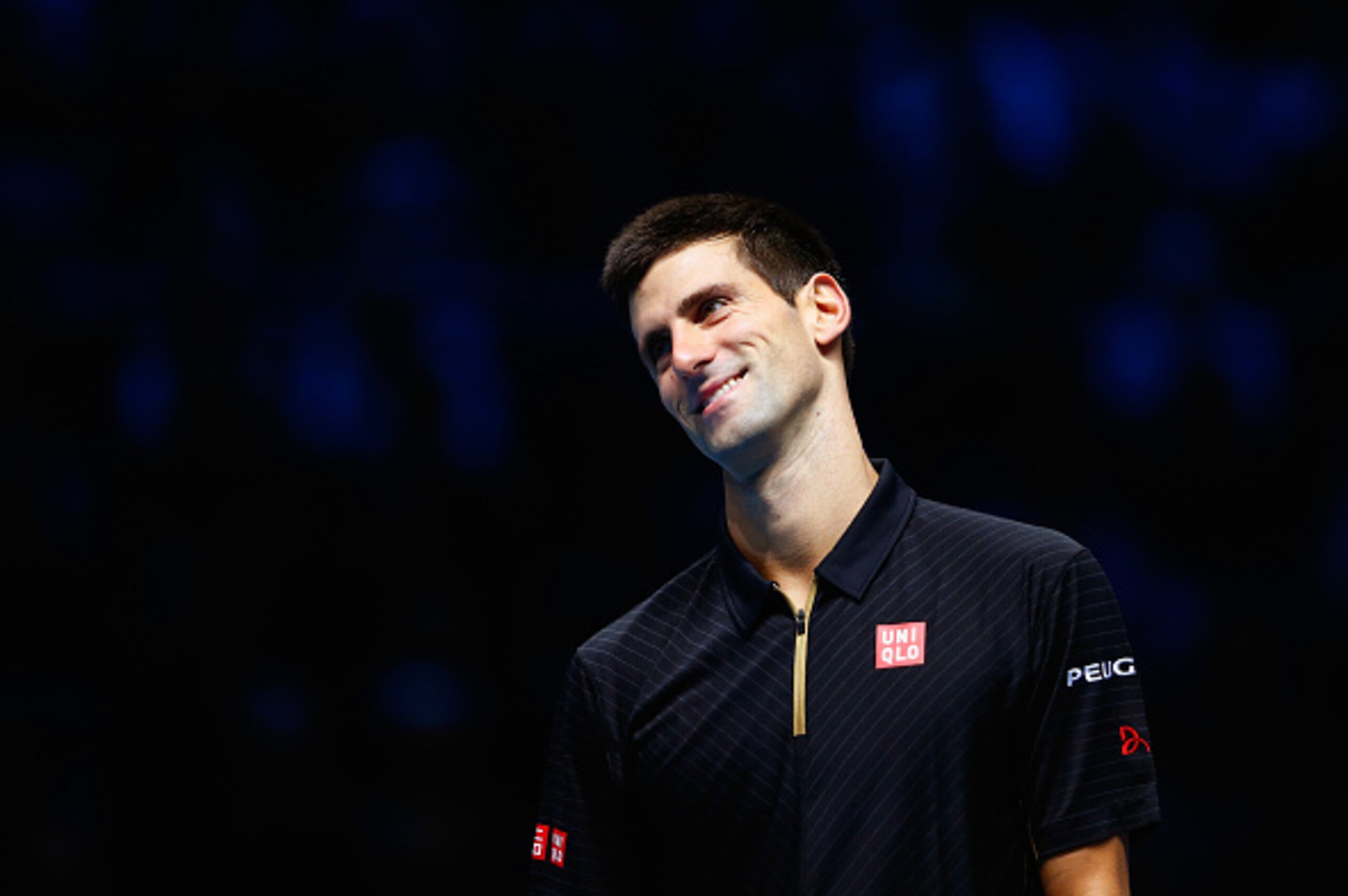
Nadal continues to add different four-year windows because he has staggered his multi-slam seasons (2008, 2010, 2013) as he keeps winning the French Open.
Maybe the most amazing thing of all is how much this highlights the domination from the Big Three of Federer, Nadal and Djokovic. It’s light years ahead of the rest, including Andy Murray who is not even close to cracking this list.
What next for Djokovic? He is still a strong bet to grab at least 10 career majors and make a run at 200 weeks at No. 1. He is healthy, motivated and always willing to come back from adversity. There are more mountains to conquer, especially Roland Garros, and so he understands that he has another few years to keep reaching for more.
Meanwhile, we can appreciate his latest four-year run. It might very well be awhile before someone other than the Serbian joins this list.

.jpg?w=2560 "Top NFL Trade Targets")