
Top 100 Stadiums in World Football
Welcome to B/R's index of the top 100 stadiums in world football.
Whether you're looking for inspiration for your bucket list, an avid traveller of stadia or just intrigued as to what's out there, you've come to the right place.
Share your experiences of the world's best and most intriguing stadiums in the comments below—we'd love to hear what your favourites are and why!
How They're Ranked and Contributing Factors
1 of 57
The stadiums are ranked based on a mixed grading system that takes into account the following criteria:
Atmosphere: How loud, proud and ferocious are the fans?
Value: Is watching your team burning a hole in your pocket, or an easy-access day out?
Size: The more spectators the better, right?
Entertainment: Grounds that have seen wonderful teams of old will receive a bump. The quality of football is vital.
The best combine the lot, but some stadiums that don't see enough regular football have been discounted. The National Stadium in Beijing and North Korea's Rungrado 1st of May are discounted for this reason, and the likes of the Millennium Stadium and Hampden Park are, too.
Bonus Feature: The National (Taiwan)
2 of 57
Capacity: 55,000
Tenants: Taiwan
The National Stadium in Taiwan doesn't see the high-calibre action most others do in our top 100, but we've featured its incredible design as a bonus ball.
It's designed on the shape of a dragon's tail to create an intriguing feel to it and runs almost entirely on its own energy by using solar panels on the outside of the building.
Name another stadium like that anywhere else in the world!
100-91.
3 of 57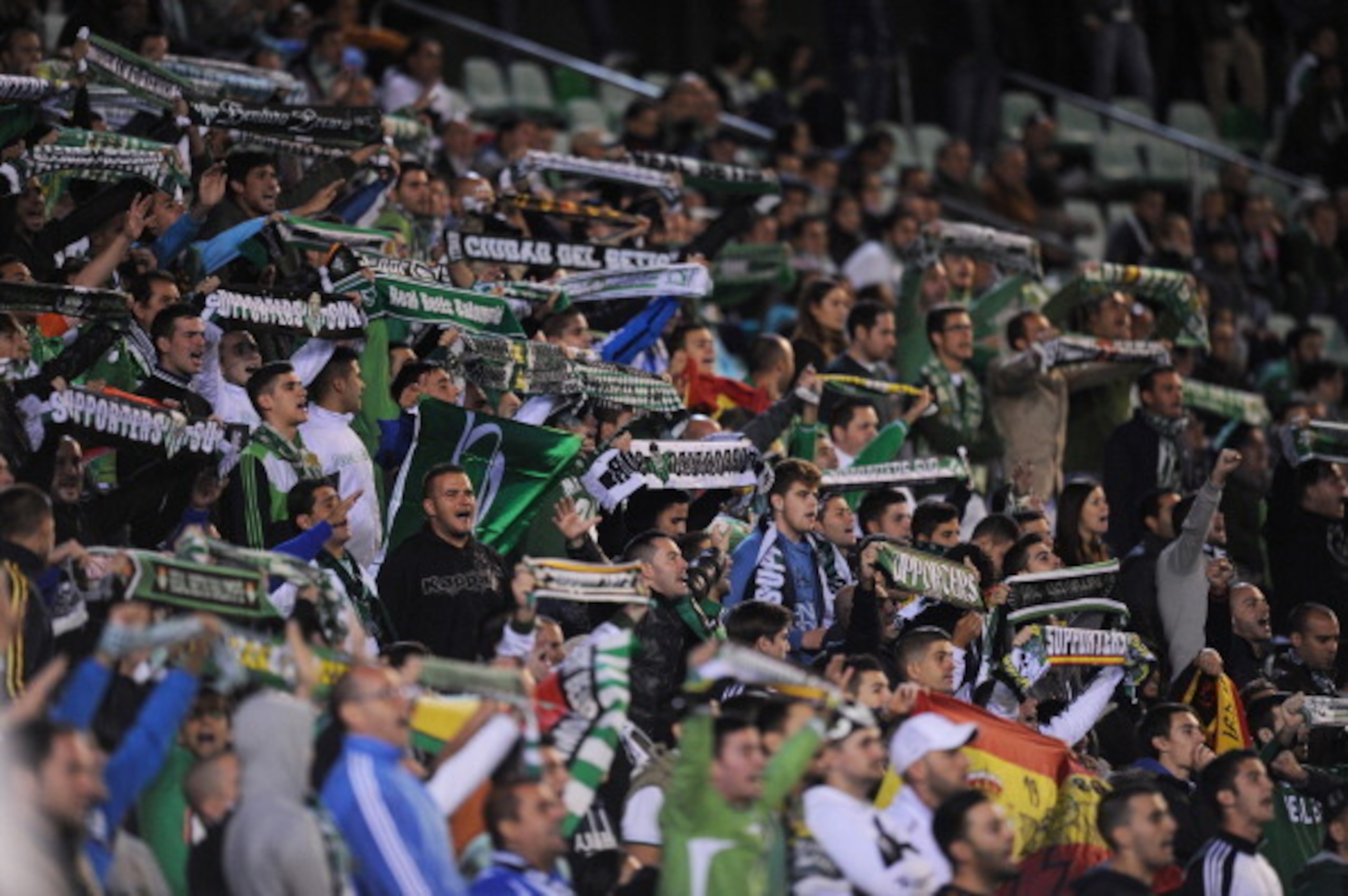
100. Ullevaal Stadion, Oslo, Norway
99. PPL Park, Philadelphia, USA
98. Britannia Stadium, Stoke-on-Trent, England
97. The Float, Marina Bay, Singapore
96. CenturyLink Field, Seattle, USA
95. Benito Villamarin, Seville, Spain
94. Izmir Ataturk Stadium, Izmir, Turkey
93. Estadio Jose Zorrilla, Valladolid, Spain
92. Red Bull Arena, New Jersey, USA
91. Stadium of Light, Sunderland, England



90-81.
4 of 57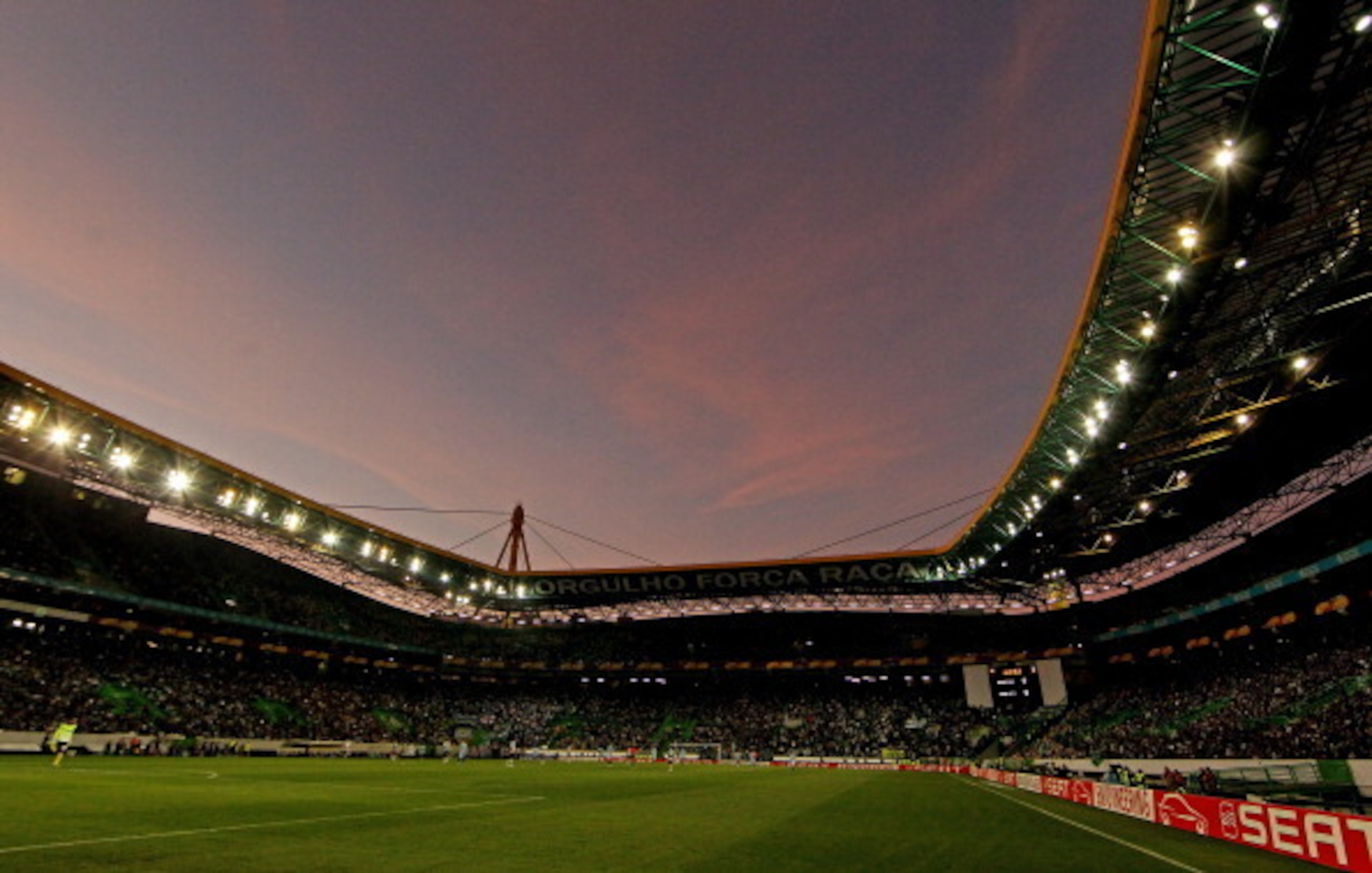
90. Sporting Park, Kansas, USA
89. Rheinpark Stadion, Vaduz, Liechtenstein
88. Red Bull Arena, Leipzig, Germany
87. Emirates Stadium, London, England
86. Bursa Ataturk Stadium, Bursa, Turkey
85. Elland Road, Leeds, England
84. Goodison Park, Liverpool, England
83. Commerzbank-Arena, Frankfurt, Germany
82. Villa Park, Birmingham, England
81. Estadio Jose Alvalade, Lisbon, Portugal
80-71.
5 of 57
80. La Rosaleda, Andalucia, Spain
79. Artemio Franchi, Florence, Italy
78. Estadio do Morumbi, Sao Paulo, Brazil
77. Stamford Bridge, London, England
76. Esprit Arena, Dusseldorf, Germany
75. Stade Geoffroy-Guichard, Saint-Etienne, France
74. De Kuip, Rotterdam, Netherlands
73. Estadio Olimpico Universitario, Ciudad Universitario, Mexico
72. Red Star Stadium, Belgrade, Serbia
71. Mercedes-Benz Arena, Stuttgart, Germany
70-61.
6 of 57
70. Stadio San Nicola, Bari, Italy
69. Bukit Jalil National, Kuala Lumpur, Malaysia
68. Arena Corinthians, Sao Paulo, Brazil
67. Jaber Al-Ahmad International Stadium, Kuwait City, Kuwait
66. Jeju World Cup Stadium, Seogwipo, South Korea
65. Castelao, Fortaleza, Brazil
64. Fonte Nova, Salvador, Brazil
63. Estadio Omnilife, Guadalajara, Mexico
62. Ernst-Happel Stadion, Wien, Austria
61. Grand Stade Lille Metropole, Lille, France
60-51.
7 of 57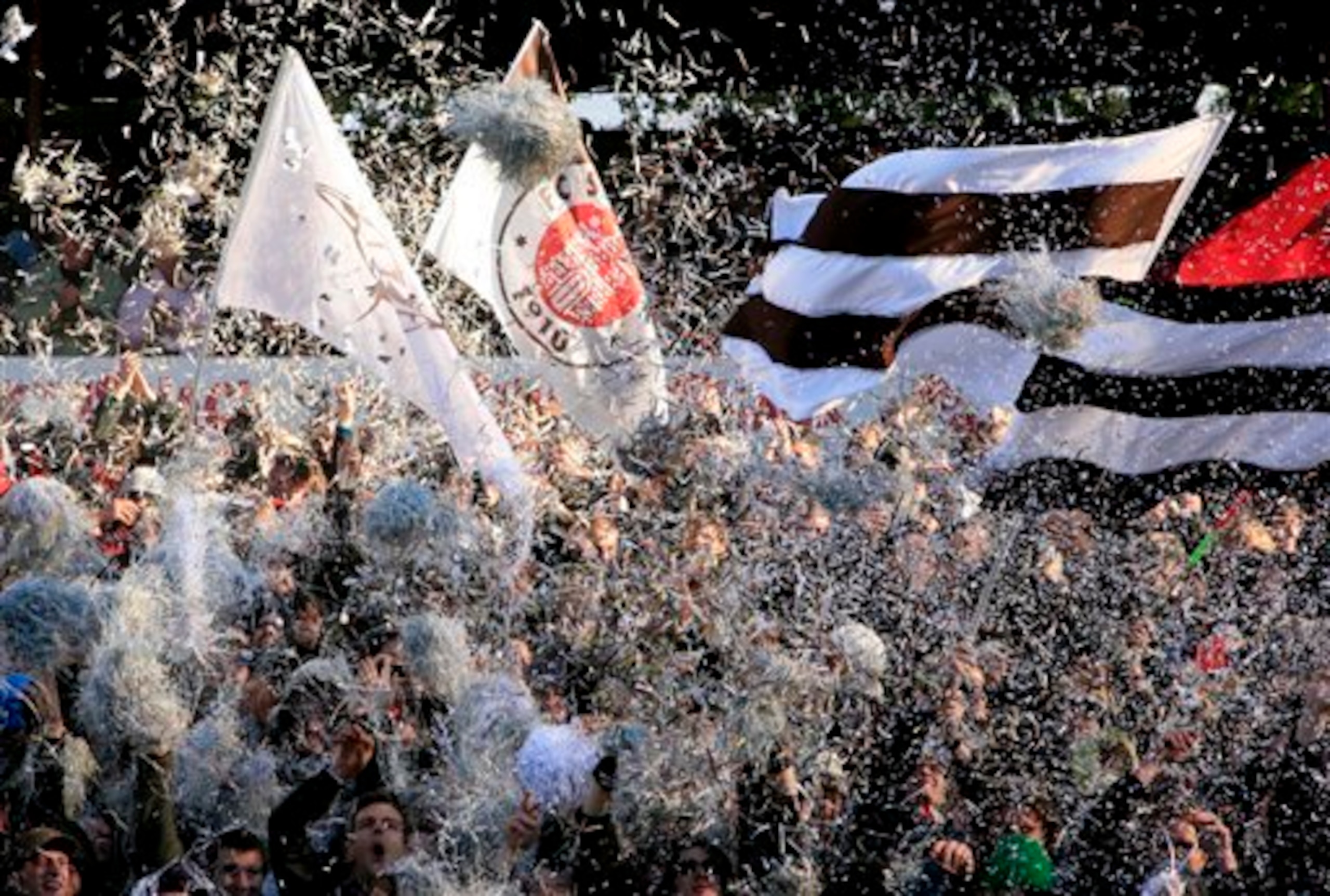
60. El Madrigal, Villarreal, Spain
59. Athens Olympic Stadium, Athens, Greece
58. Juventus Stadium, Turin, Italy
57. Borg El Arab, Alexandria, Egypt
56. San Paolo Stadium, Naples, Italy
55. Mineirao, Belo Horizonte, Brazil
54. Stade Mohamed V, Casablanca, Morocco
53. Millerntor-Stadion, Hamburg, Germany
52. Marassi, Genoa, Italy
51. Stade de France, Paris, France
50. Georgios Karaiskakis Stadium
8 of 57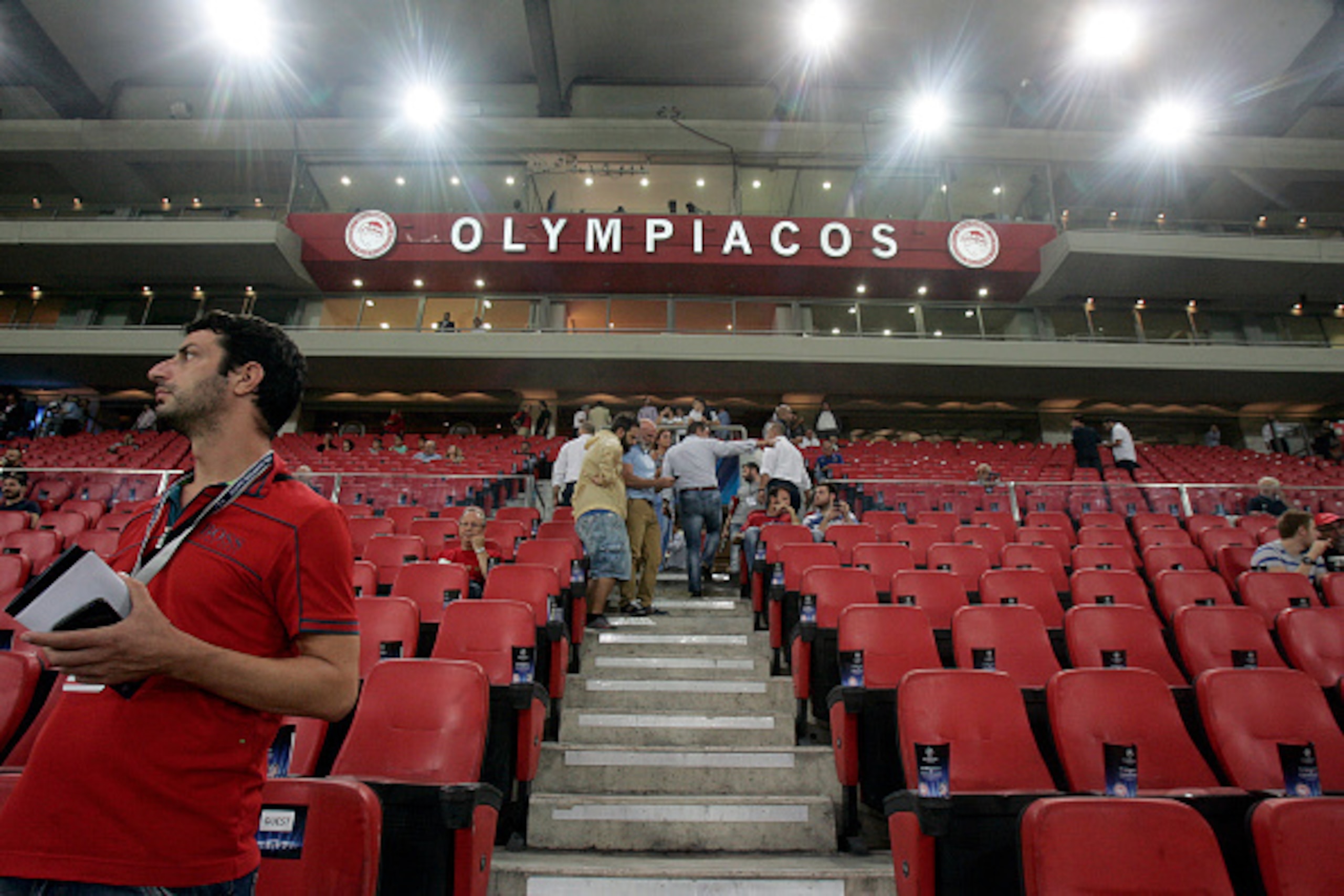
Capacity: 33,334
Tenants: Olympiakos
Greece's sole representation in our top 50 is the Georgios Karaiskakis Stadium: home of Olympiakos, the country's most continentally relevant club.
It skimps on capacity a little—just 33,334 can sit and watch—but creates an incredible atmosphere that has seen the Piraeus become a formidable side to beat at home.
49. Providence Park
9 of 57
Capacity: 22,000
Tenants: Portland Timbers
A controversial selection, perhaps, but from the outside looking in there's a lot to love about Providence Park's atmosphere at football matches.
The Portland Timbers are known as a bit of hipster team to support (if you're not from the area), and that's because of the culture Providence Park has created. The fans are fanatical—European-esque in many ways—and it's not uncommon to see "Timber Joey" slice off a piece of log on the sidelines when the Timbers score a goal. No, seriously.
48. Saitama Stadium
10 of 57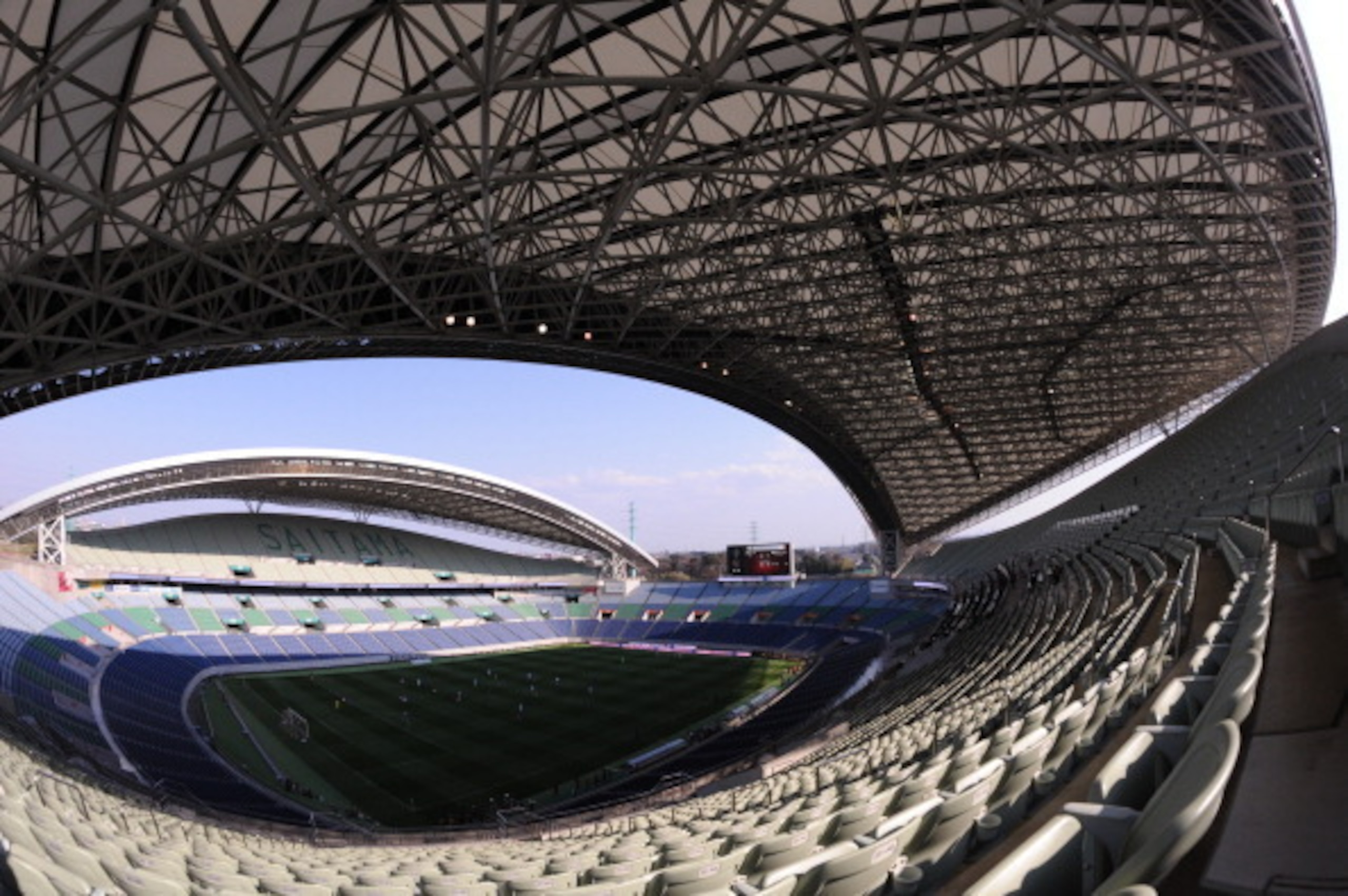
Capacity: 63,700
Tenants: Urawa Red Diamonds
Japan has many wonderful stadiums thanks to co-hosting the 2002 FIFA World Cup, but only a few have retained consistent use post-tournament.
The Saitama Stadium is home to one of Japan's best-supported clubs, Urawa Red Diamonds. Those fans can really get the place rocking for important J. League matches.
47. Imtech Arena
11 of 57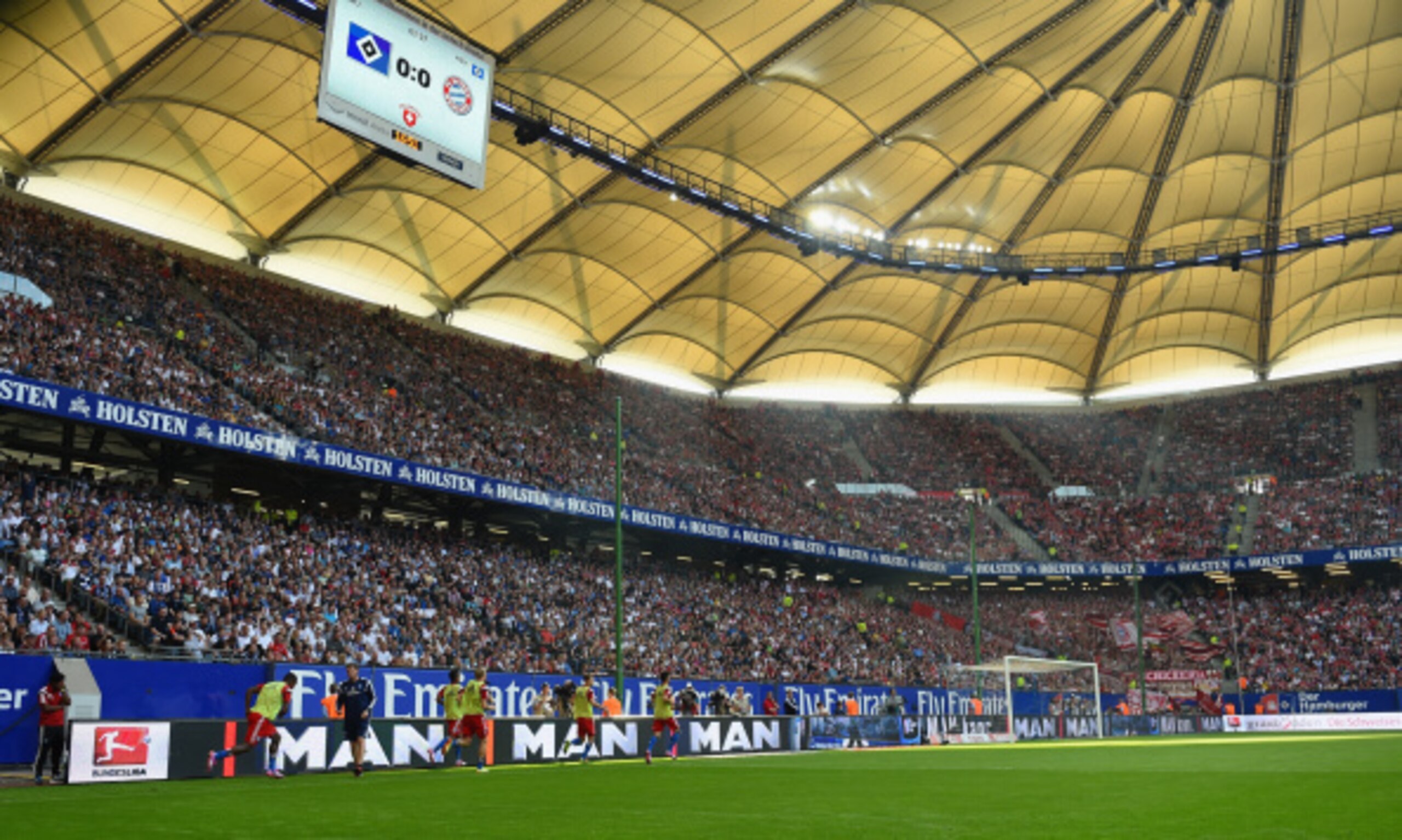
Capacity: 57,274
Tenants: Hamburg SV
The Volksparkstadion, known as the Imtech Arena for sponsorship reasons, has had more names than most can remember and has been completely rebuilt/renovated twice.
Hamburg—a traditional Bundesliga powerhouse, though struggling at the moment—moved there in 1963 and have delivered wild successes to baying fans in the past. Said fans are yearning for a return to the glory days now.
46. Gelora Bung Karno Stadium
12 of 57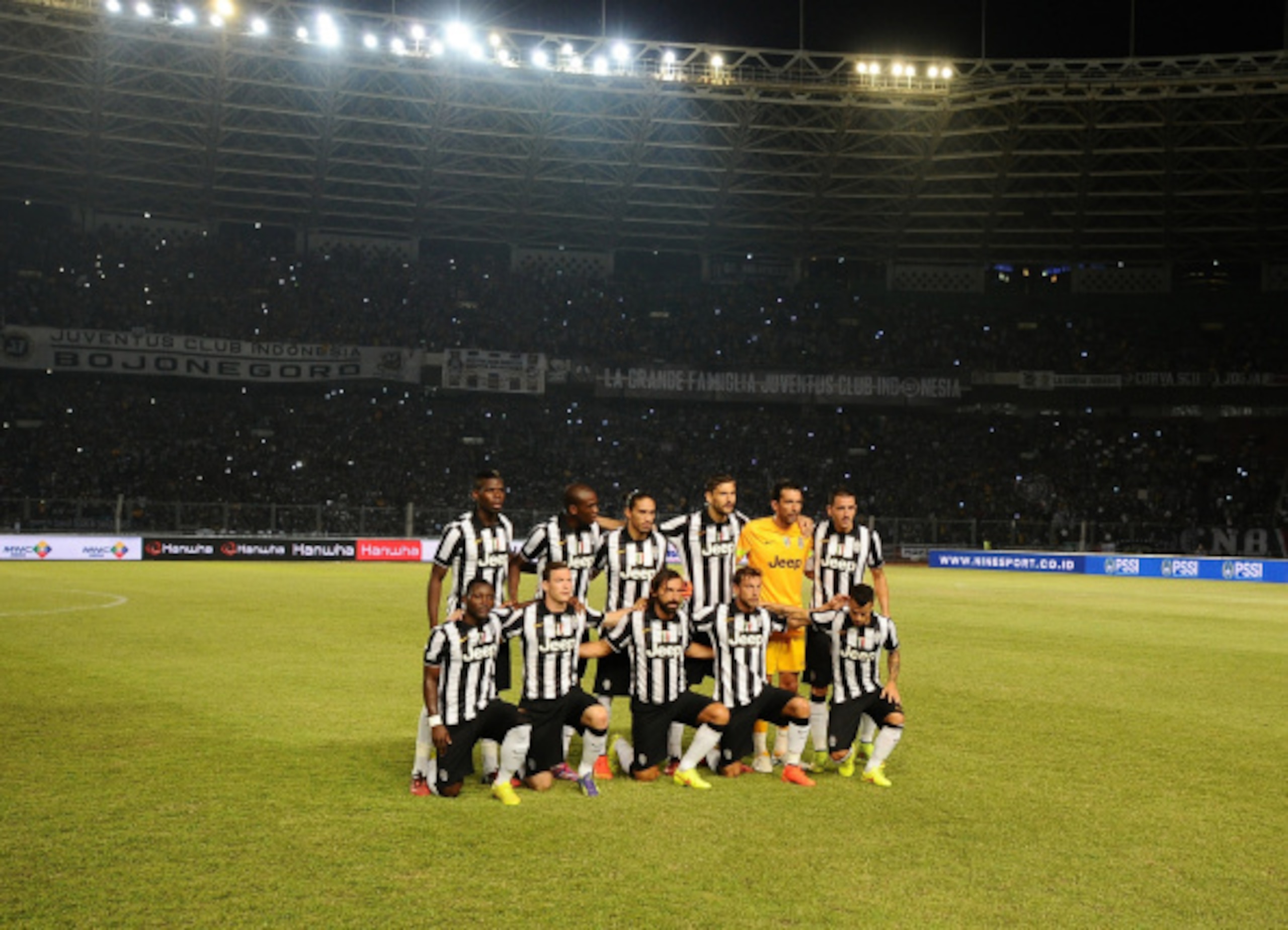
Capacity: 88,083
Tenants: Indonesia
Named after Indonesia's first-ever president Sukarno, the Gelora Bung Karno Stadium is a European side's dream venue.
Liverpool and Chelsea are just two of many major clubs in the West to hold pre-season tours in Indonesia due to its remarkable facilities, with this stadium in particular holding more than 88,000 seated and over 100,000 standing.
45. Etihad Stadium (Manchester)
13 of 57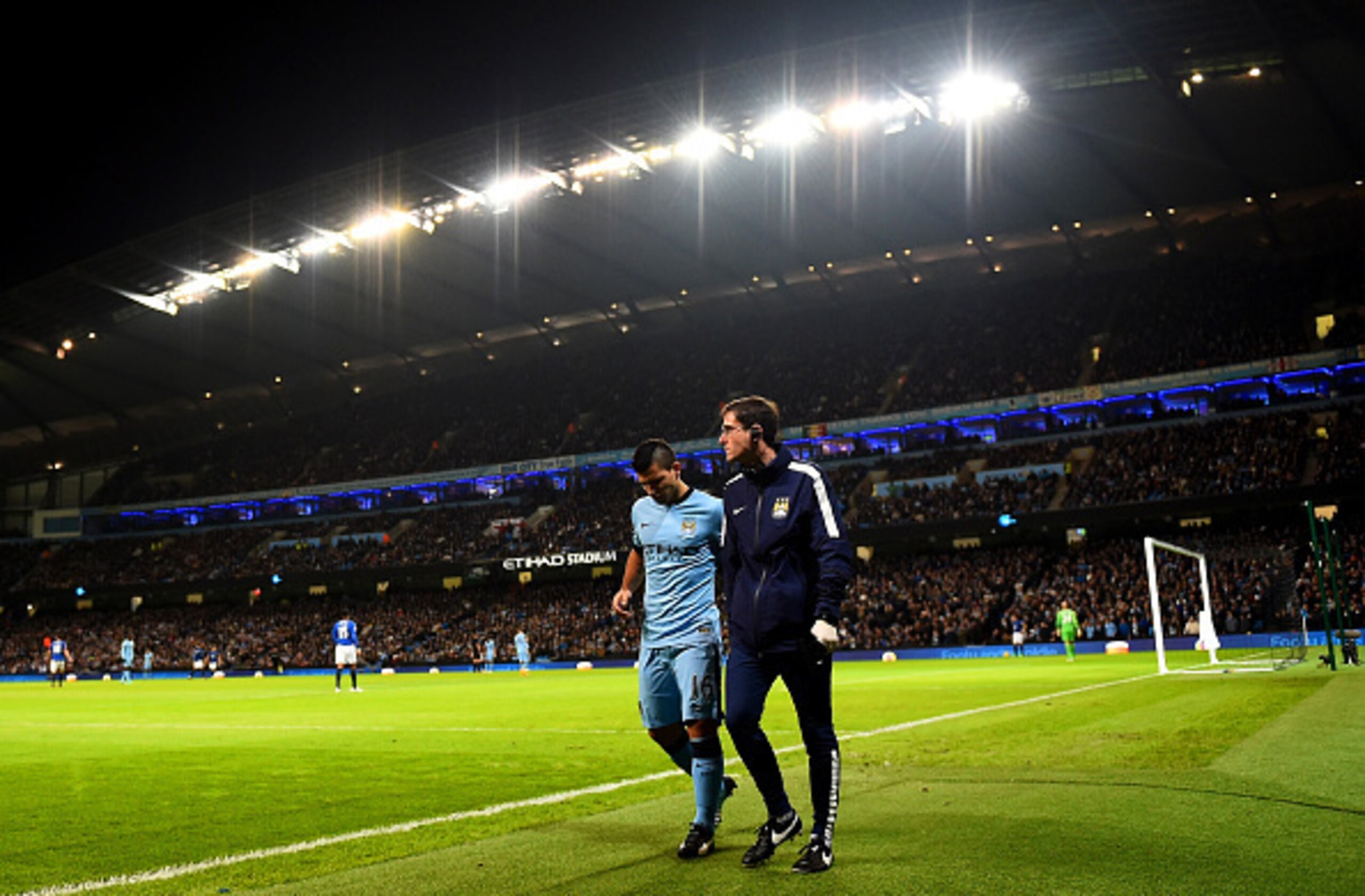
Capacity: 47,500
Tenants: Manchester City
The Etihad Stadium broke ground in 1999, and over the course of the following 15 years its tenants Manchester City has made remarkable strides in the footballing world.
That's led to a redesign and a redevelopment earlier than initially planned, with the stadium now standing as one of the largest in England and the football some of the finest.
44. Amsterdam ArenA
14 of 57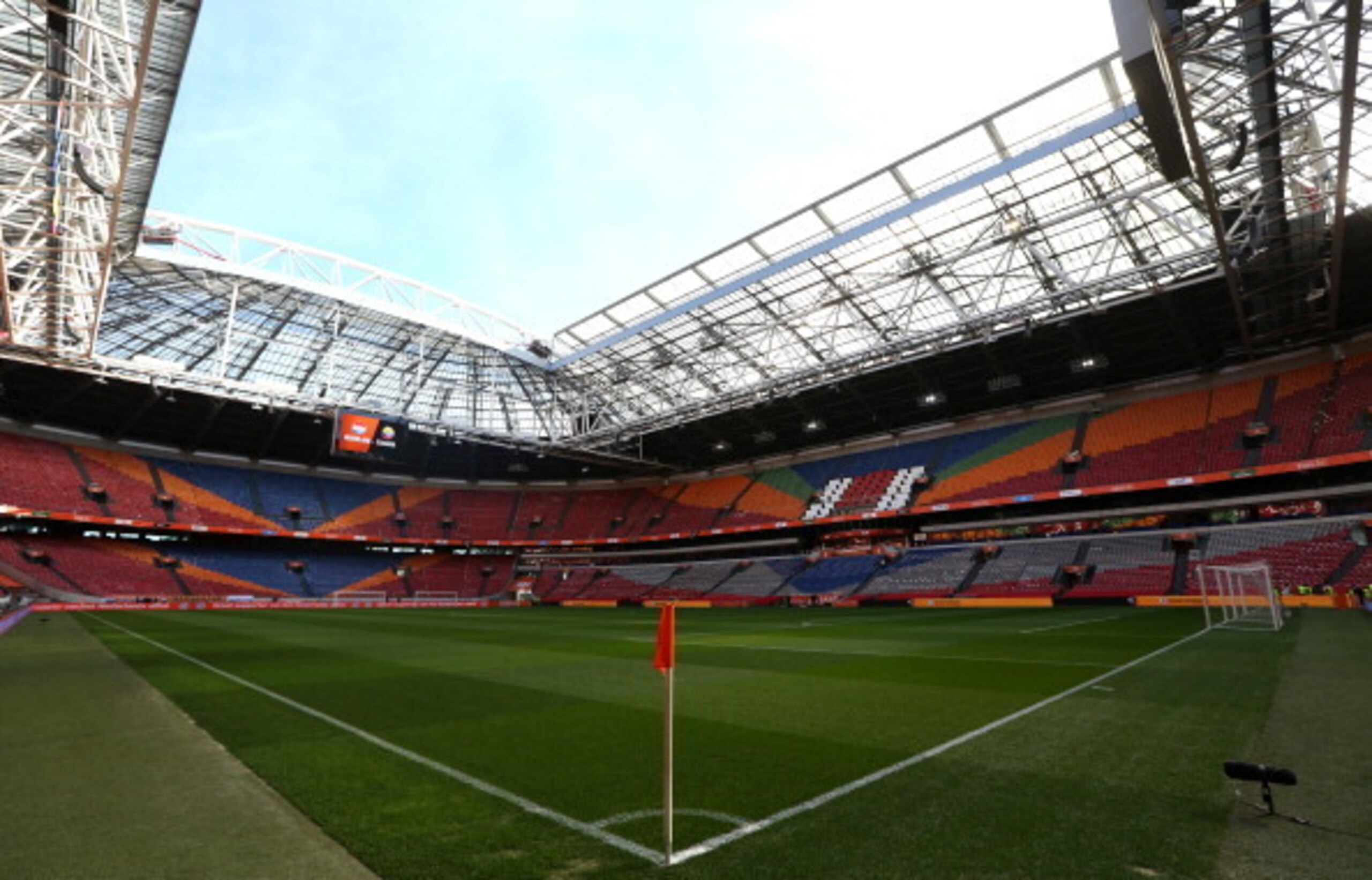
Capacity: 53,052
Tenants: Ajax
Breaking ground in 1996, the Amsterdam ArenA, which replaced De Meer Stadion as Ajax's home, is one of the smallest on this list of giants.
The stadium is state-of-the art, boasts remarkable facilities, a retractable roof and is chosen for glamour European final games. It sees prime football on a weekly basis as Frank de Boer's charges impress on the pitch and plays host to many Netherlands international games.
43. Stade Velodrome
15 of 57
Capacity: 67,394
Tenants: Marseille
The Stade Velodrome was already a historic, artful piece on the landscapes of France, but the hosting of Euro 2016 and its subsequent expansion has allowed it to become a monster among its peers.
With 67,000 seats, improved facilities and a wicked design, what better way to kick off the exciting times under Marcelo Bielsa—and reflect upon the club's steeped history in Ligue 1—than with a titanic new complex?
42. Borussia-Park
16 of 57
Capacity: 54,000
Tenants: Borussia Monchengladbach
Borussia-Park is one of the youngest stadiums in our top 100 and may come as a surprise to some to see it ranked so high.
What tips it over many is the intimidating atmosphere the fans create; like many Bundesliga stadiums, Borussia-Park holds over 50,000 in domestic matches and chants in unison, roaring its team to victory.
Recent times under Lucien Favre have been particularly kind.
41. New San Mames
17 of 57
Capacity: 53,289
Tenants: Athletic Bilbao
Athletic Bilbao moved from their storied San Mames to the New San Mames early last season, playing the entire campaign with just three stands erected as building work continued. They had to demolish the old San Mames—built right next to the new plot—in order to finish the new project.
Playing against Los Leones in their den is a nightmare, and the frenetic atmosphere inside the San Mames—new or old—is a key reason why.
40. Olympiastadion (Berlin)
18 of 57
Capacity: 77,166
Tenants: Hertha Berlin
There are two "Olympiastadions" in Germany, but only one is really used for football now. This 77,000-plus-seater behemoth may feel wasted on Hertha Berlin to the casual observer, but the capital club still pull in a remarkable crowd.
Just over 74,000 watched Hertha's recent loss to Bayern Munich, and 60,000 turned out to watch the 2014-15 seasonal opener against Werder Bremen.
The Olympiastadion is a floodlit theatre.
39. Cairo International Stadium
19 of 57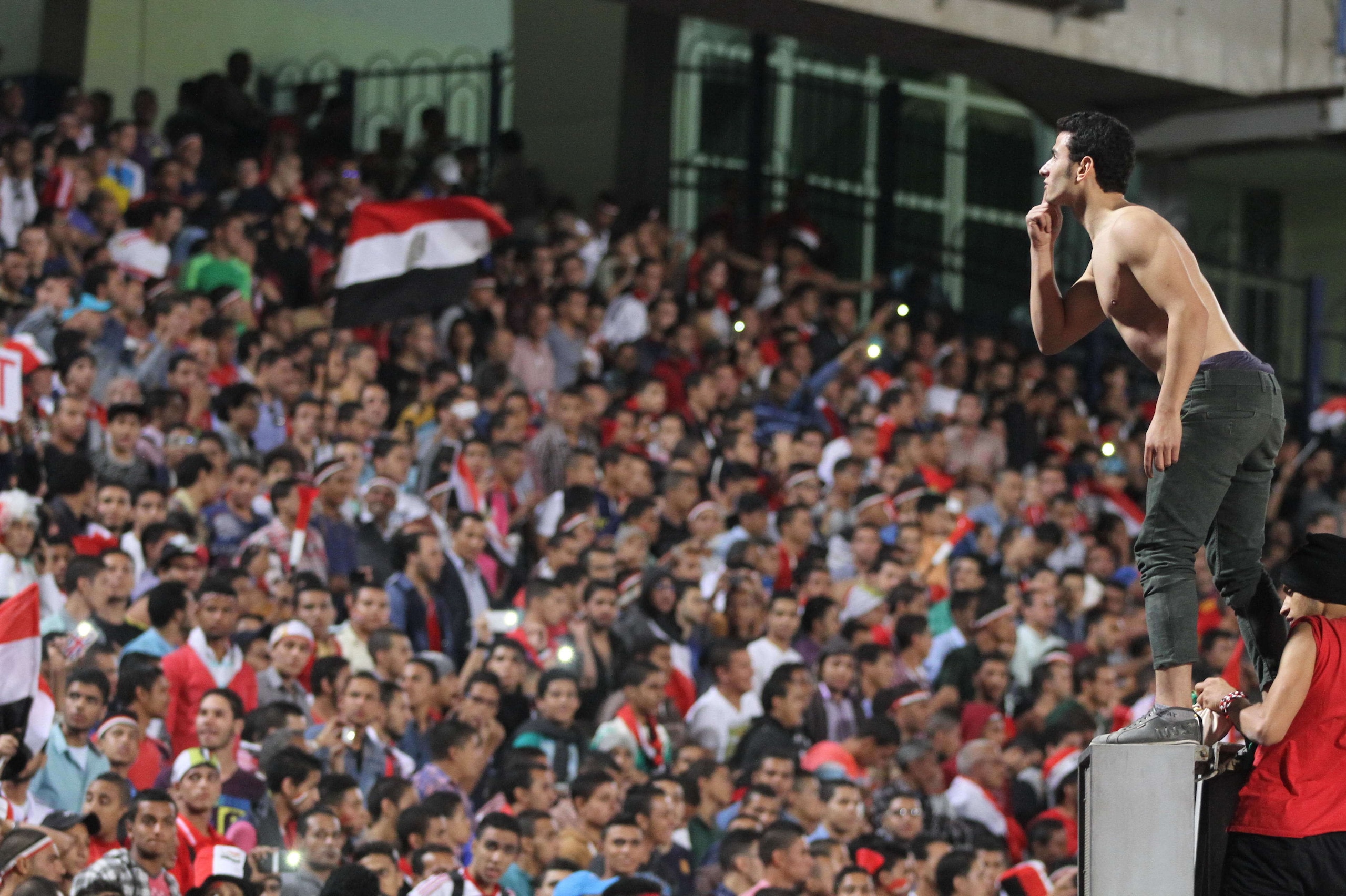
Capacity: 75,000
Tenants: Egypt, Al Ahly, Zamalek
The Cairo International Stadium hosts all of the most important Egyptian football matches in a country that goes mad for the sport.
A loyal crowd can prove a fierce barrier to overcome for many opposing sides, and the atmosphere is positively electric every time rivals Al Ahly and Zamalek—Egypt's two most successful domestic outfits—do battle.
38. Estadio Municipal de Braga (The Quarry)
20 of 57
Capacity: 30,286
Tenants: Braga
The Estadio Municipal de Braga is a stadium with a difference, and its intriguing quirks mean it's higher on our list than many will have expected.
It's nicknamed "The Quarry" because it has been, quite literally, carved into the side of a quarry by a genius Portuguese architect by the name of Eduardo Souto de Moura.
It has just two stands, connected via (visible) steel strings. There's nothing quite like it elsewhere in the world of football.
37. Warsaw National Stadium
21 of 57
Capacity: 58,145
Tenants: Poland
Domestic Polish football may be suffering, but the Warsaw National Stadium gives the national side just the lift it needs to compete against the very best.
With Robert Lewandowski, Jakub Blaszczykowski and Lukasz Piszczek giving reason for cheer, this 58,000-seat behemoth comes alive with fan support. It has a retractable roof for good reason: It can really chuck it down in this part of the world!
36. Ramon Sanchez Pizjuan
22 of 57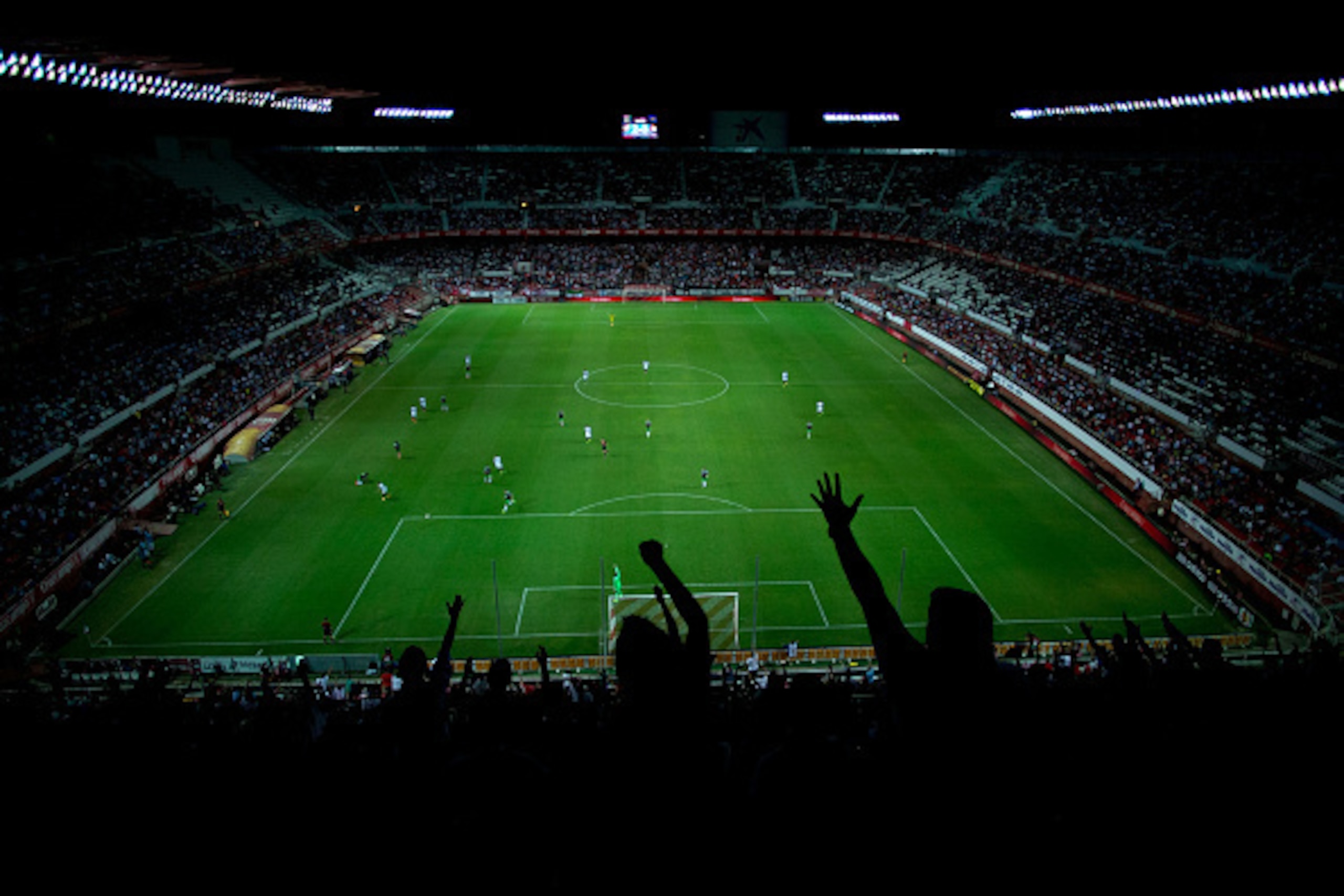
Capacity: 45,500
Tenants: Sevilla
The Ramon Sanchez Pizjuan, home to Sevilla, holds just over 45,000 fans on steep, high terraces. It hosted the 1986 European Cup final between Barcelona and Steaua Bucharest—a final which the Romanian side won!
A typical ticket is €25, making it very affordable, but can range up to the €60 mark for the big games against the likes of Real Madrid.
35. Estadio da Luz
23 of 57
Capacity: 65,647
Tenants: Benfica
The Estadio da Luz hosts home matches for Benfica and is known throughout Portugal as a fortress. Benfiquistas affectionately call it "A Catedral" (the Cathedral), and it played host to the 2014 UEFA Champions League final.
Despite seating a whopping 65,647, it cost just €120 million. Arsenal's Emirates Stadium (60,272 capacity) cost just shy of €500 million.
34. St. James' Park
24 of 57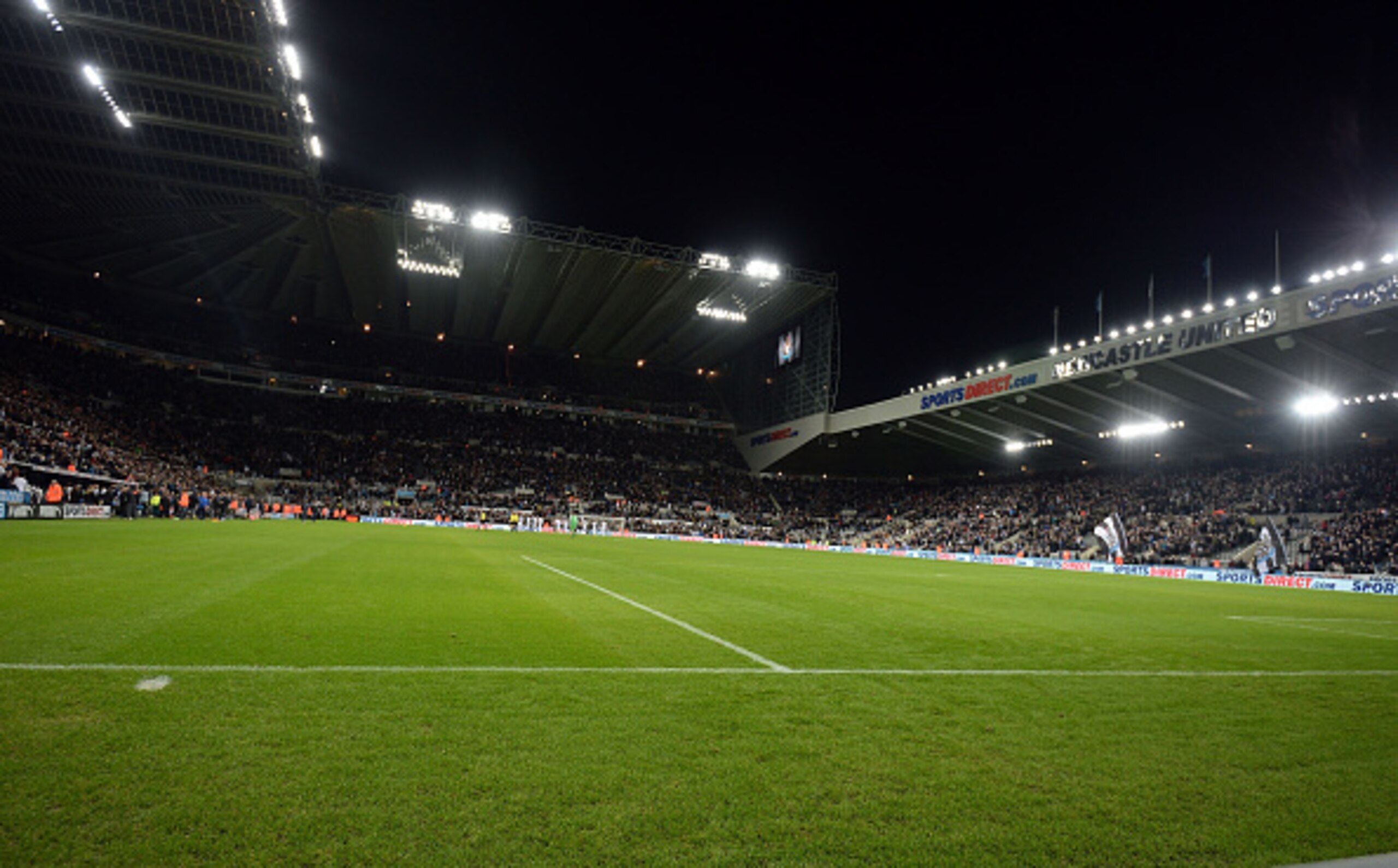
Capacity: 52,387
Tenants: Newcastle United
St. James' Park is one of the most hostile stadiums to visit in terms of atmosphere, with each home game typically a sell-out (or near enough) for Newcastle United.
They stick the away fans right in the corner of the largest stand so they can barely be heard and barely even see the pitch they're so far away. When Papiss Cisse scores a late winner, the walls come alive.
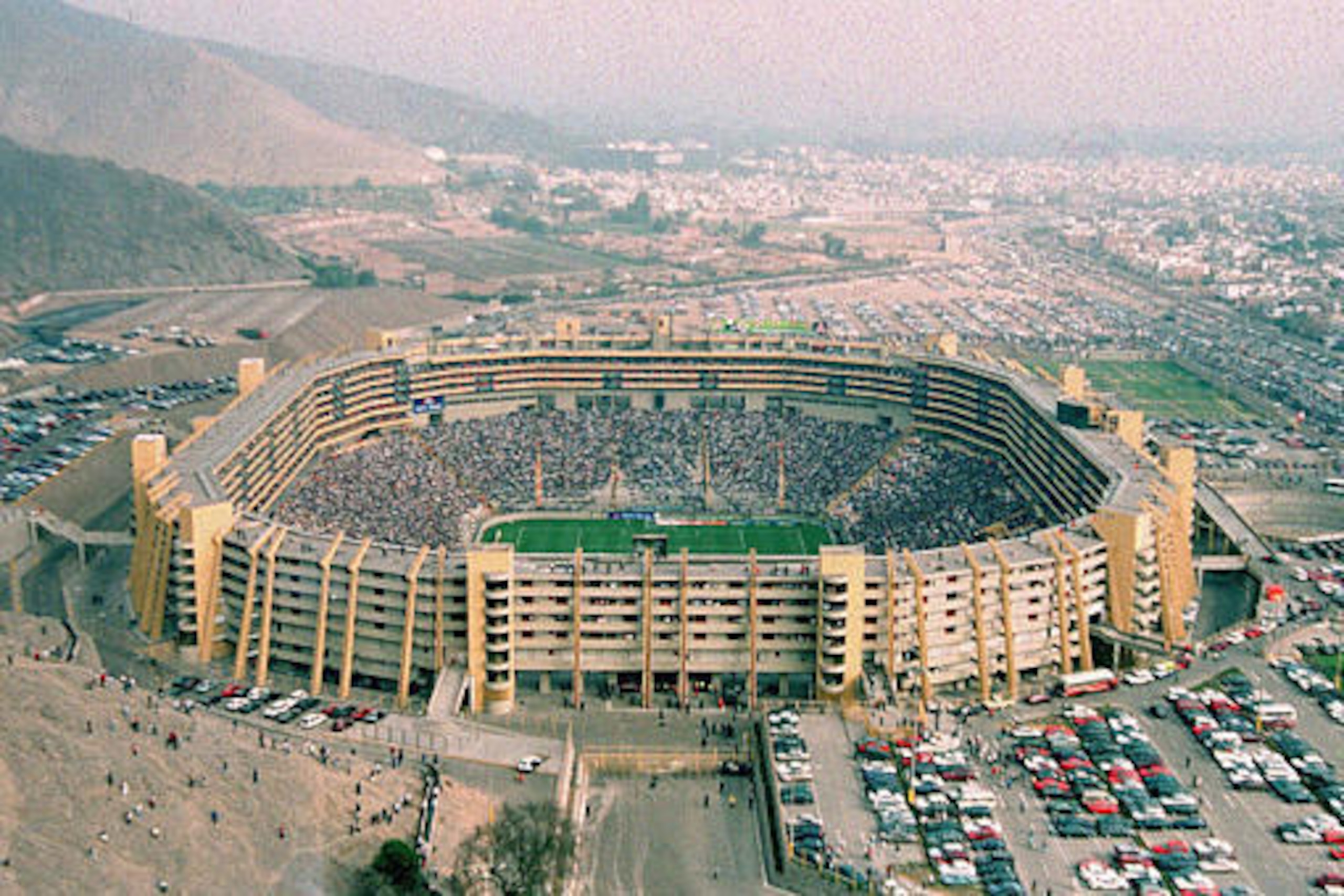
33. Estadio Monumental "U"
25 of 57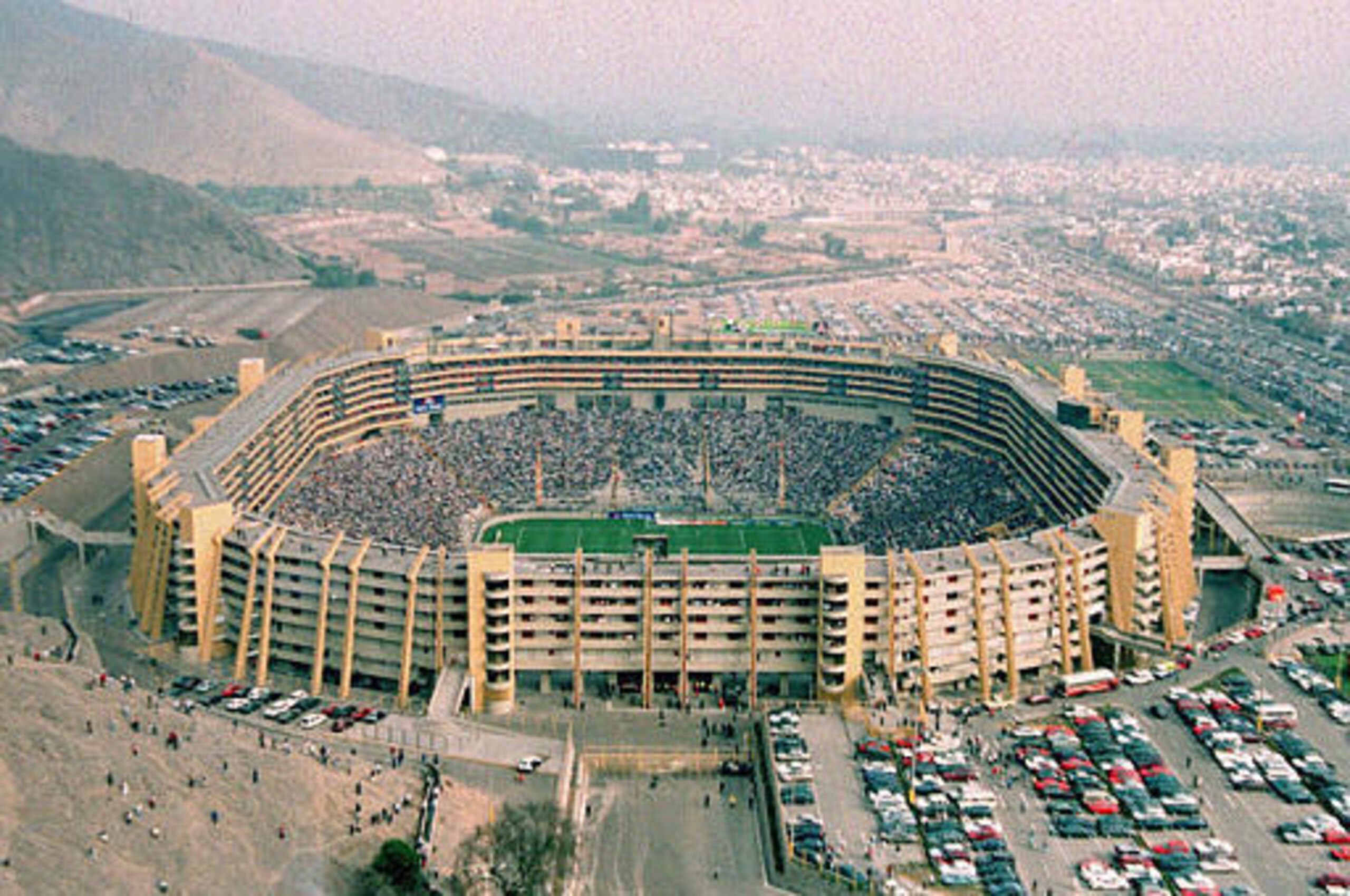
Capacity: 80,093
Tenants: Peru
Estadio Monumental "U" is the largest stadium in South America, trumping the Mane Garrincha, La Bombonera and even the Maracana.
It has an unorthodox design, putting the executive boxes on top of the regular stands, giving it an odd, fenced look across the top. All the biggest games in Peru are hosted here.
32. Estadio do Dragao
26 of 57
Capacity: 50,948
Tenants: Porto
The Estadio do Dragao, which translates to an exceptionally menacing "Stadium of the Dragon," is a modern construction and plays on hosts FC Porto's nickname (The Dragons).
It was inaugurated in 2003 as Porto defeated Barcelona 2-0. Lionel Messi made his debut as a 16-year-old, and ever since that statement victory, opposing teams have dreaded making the trip and very rarely escape with any points.
31. Veltins-Arena
27 of 57
Capacity: 61,973
Tenants: Schalke 04
Many will know of the famous Signal Iduna Park—a stadium we're yet to get to, here—but far fewer know of the magic taking place at the "other" stadium in the area.
The Veltins-Arena, home to Schalke 04, holds just over 60,000 and, like many Germany stadiums, frequently gets filled to the brim thanks to cheap tickets and hardcore support.
The club are celebrating their 110th year in existence, but the stadium was built as recently as 2001.
30. Ibrox Stadium
28 of 57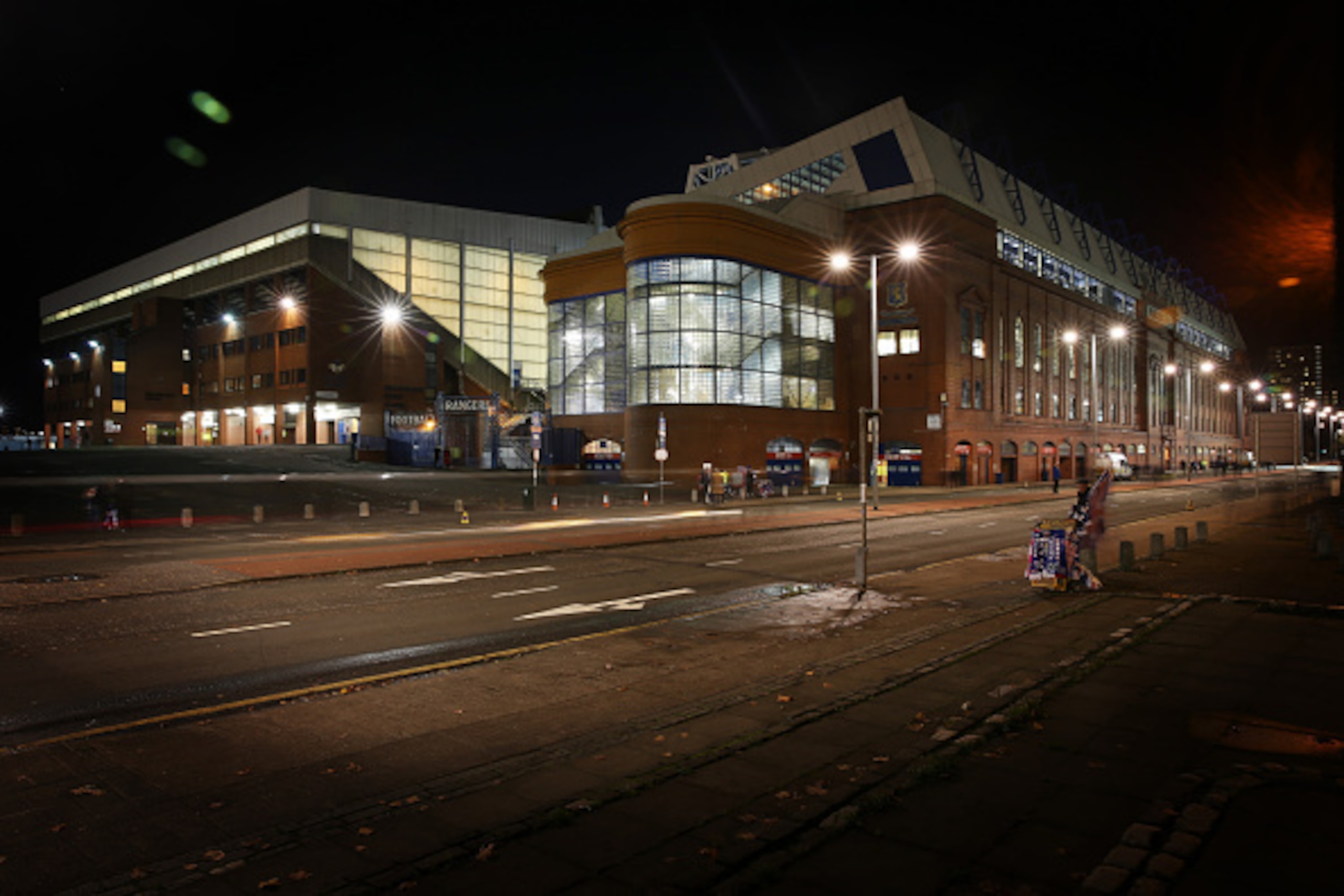
Capacity: 50,987
Tenants: Rangers
Ibrox Stadium, home to Rangers Football Club, is the third-largest stadium in Scotland. It's packed tight despite the club falling into insolvency and having to start again from the bottom tier of professional football.
The Glasgow derby will be on many bucket lists, and whether it's here or at Celtic Park, the atmosphere and occasion will leave you lusting for more.
29. International Stadium Yokohama
29 of 57
Capacity: 72,327
Tenants: Japan, exhibitions, Yokohama F. Marinos
International Stadium Yokohama is the beacon of stadia in East Asia, and despite the region possessing several remarkable grounds, this one takes the biscuit.
It's famous to the west due to its size, prowess and ability to bring together so many fanatical football fans. It's hosted big events such as the 2002 World Cup final, the 2012 Club World Cup final and many glamour international friendlies in-between.
They go crazy for Neymar.
28. Parc des Princes
30 of 57
Capacity: 48,712
Tenants: Paris Saint-Germain
The Parc des Princes, home of nouveau-riche club Paris Saint-Germain, stands a striking, concrete giant in the south-west corner of France's capital city.
Many speak of Paris' lack of appetite for football, but get here on a UEFA Champions League night, listen to the Boulogne end sing to the Auteuil end and feel the hairs on your arms rise as "Ici c'est Paris!" rings around the stadium. Then see if you believe the myth.
27. Renzo Barbera
31 of 57
Capacity: 36,349
Tenants: Palermo
The Renzo Barbera is a hostile, noisy stadium located on the beautiful Italian island of Sicily, giving it a unique edge to almost any other in the world.
It holds just over 36,000 spectators and plays host to Serie A's famous pink side Palermo; Edinson Cavani, among others, have graced the turf and entertained the fans in recent years.
26. Donbass Arena
32 of 57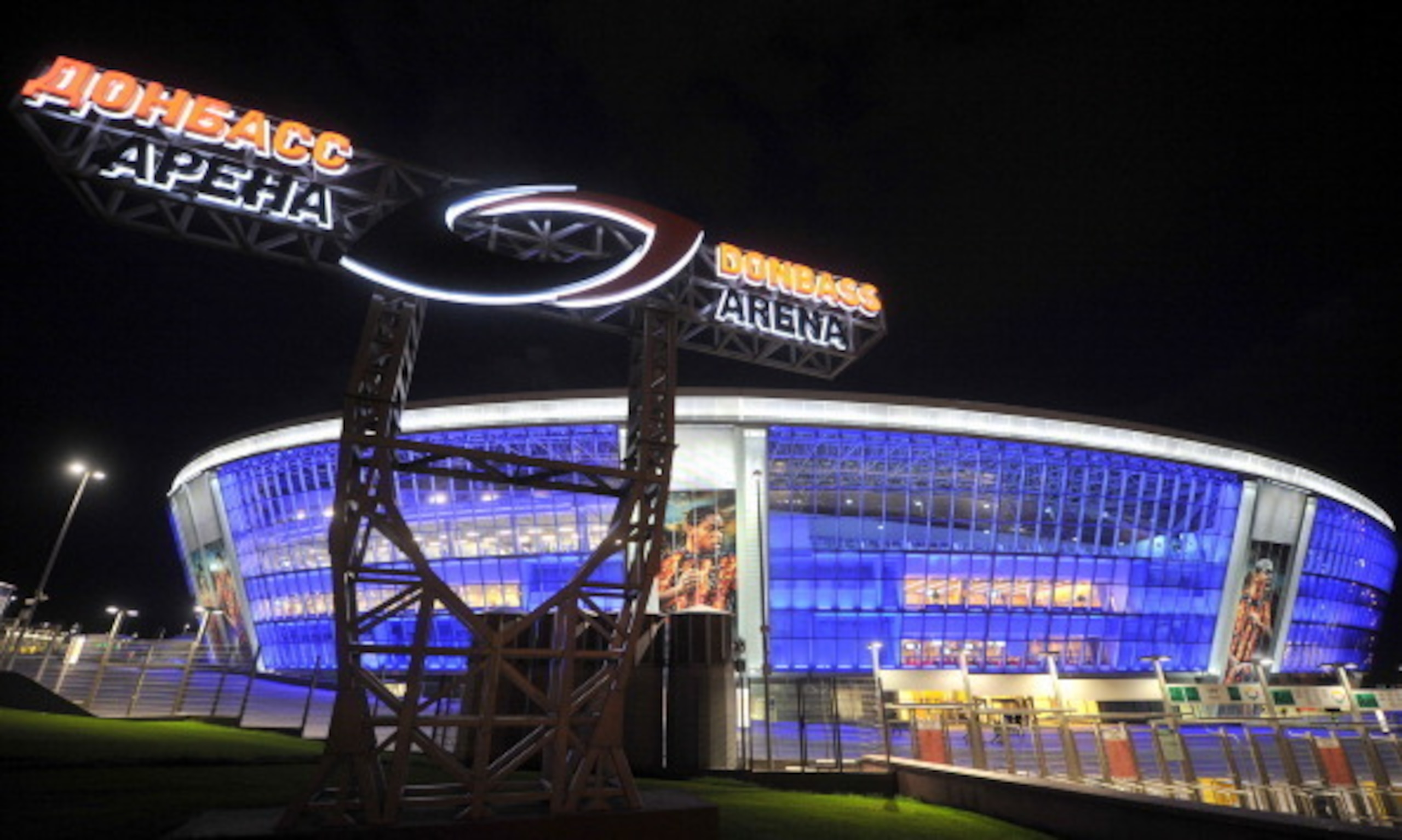
Capacity: 52,187
Tenants: Shakhtar Donetsk
The Donbass Arena literally looks like it has just dropped in from outer space, prompting the people of Donetsk to simply build a pathway toward it and start using it.
It lights up on the outside and proves itself an attractive modern build, but it's inside where things get nice and feisty. European clubs fear the Donbass Arena and its hosts Shakhtar Donetsk; the club's success in the Champions League is linked directly to the strength their home fans give them.
25. Mestalla
33 of 57
Capacity: 55,000
Tenants: Valencia
Mestalla, at its finest, is a vibrant, colourful, loud stadium built to hold 55,000 of the most loyal supporters in football. The crowd have been threatened with the club's insolvency too many times over the last decade, and now chairman Peter Lim is financing the team, things look to be turning the corner.
The Nuevo Mestalla, a 75,000-seater stadium, is to become Valencia's new home in the coming years after additional funding was secured, so if this one's on your bucket list (it should be!), cross it off soon.
24. Luzhniki Stadium
34 of 57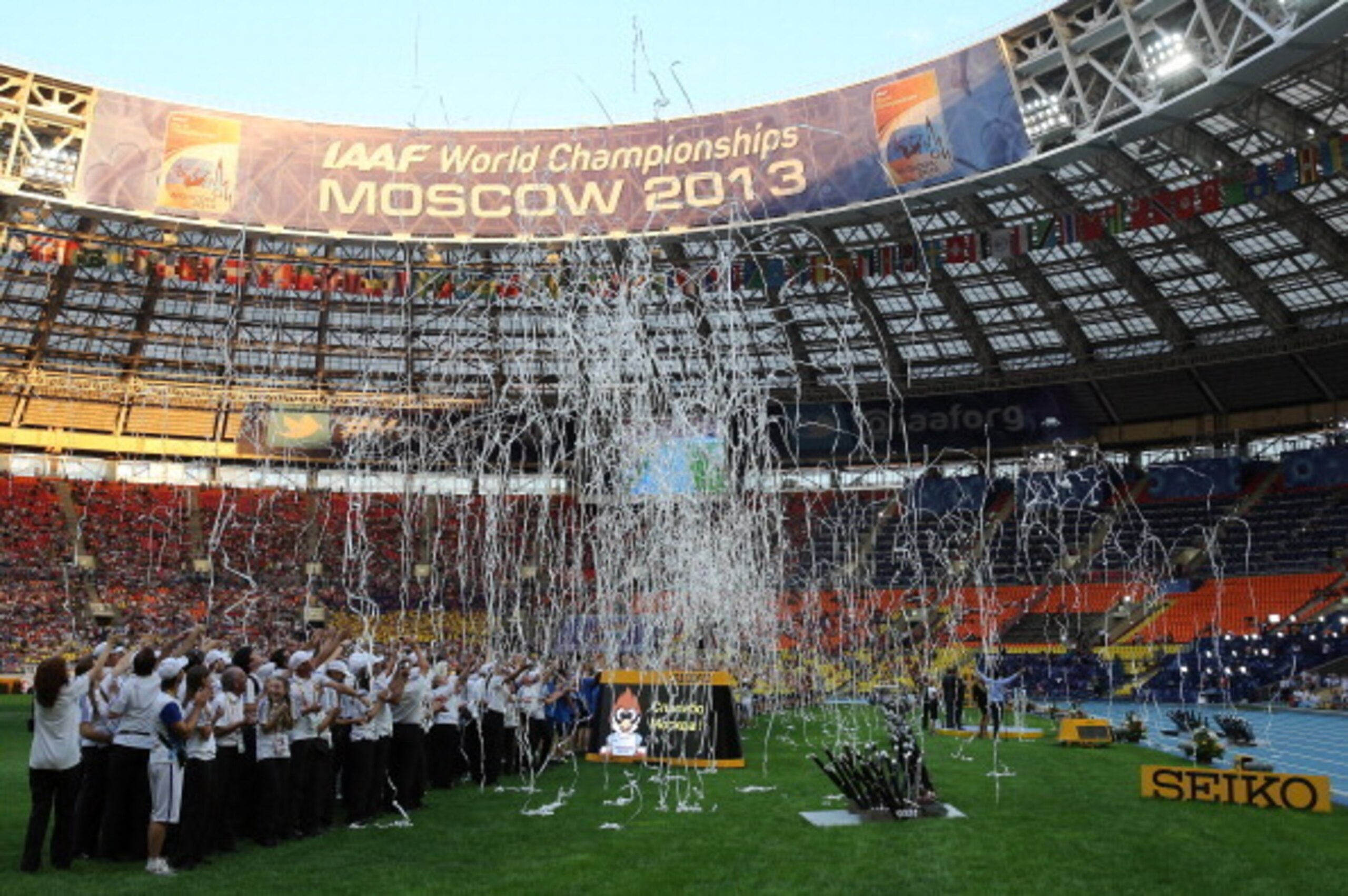
Capacity: 78,360
Tenants: Spartak and Torpedo Moscow
The Luzhniki Stadium, Russia and Eastern Europe's largest auditorium, is famous to most due to the 2008 UEFA Champions League final—the famous slip and fall of John Terry.
It uses synthetic turf all year round due to the harsh nature of Russia winters, and on a domestic basis, Spartak and Torpedo Moscow share use of the stadium.
23. Olympic Stadium Kiev
35 of 57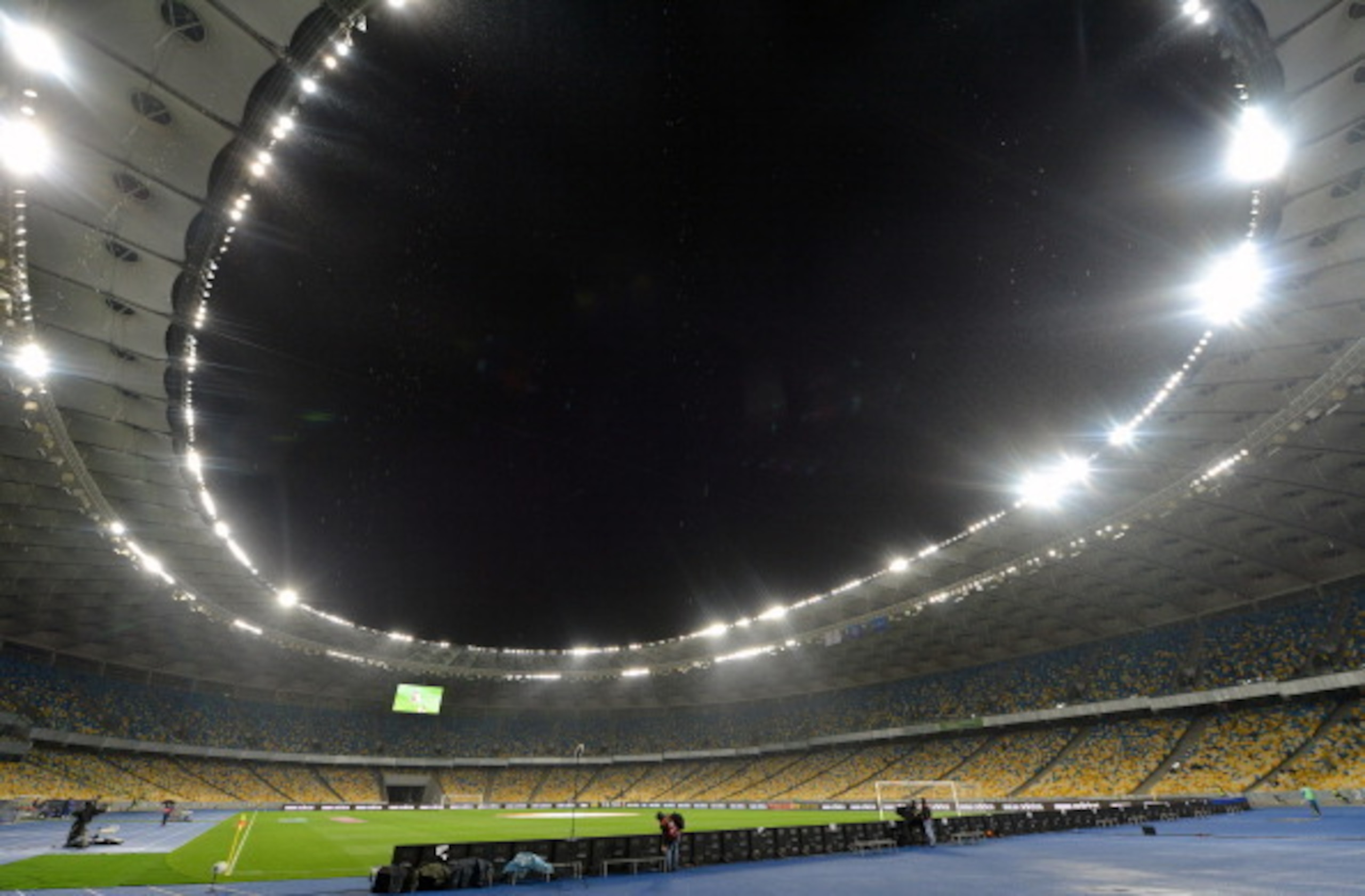
Capacity: 70,050
Tenants: Dynamo Kiev, Ukraine
The Olympic Stadium in Kiev stands Ukraine's biggest, most impressive auditorium. It holds over 70,000 in capacity (including standing) and seated just over 63,000 as Spain beat Italy 4-0 in the Euro 2012 final.
In Eastern Europe, it's second only to the Luzhniki in Moscow, Russia, in terms of size, but it holds a stronger aura. The Ukraine national team are hard to beat with home support behind them; the Olympic Stadium is raucous when on form.
22. Vicente Calderon
36 of 57
Capacity: 54,960
Tenants: Atletico Madrid
The Vicente Calderon's seat design between upper and lower tiers replicates that of the home kit, and that's just one of several unique elements that connects the fans, the stands and the players together as one.
Since Diego Simeone's inception as manager, the stadium has been particularly raucous, with Atletico Madrid climbing new heights, bucking the trend to win a La Liga title and finishing runners-up in the 2013-14 Champions League.
21. Turk Telekom Arena
37 of 57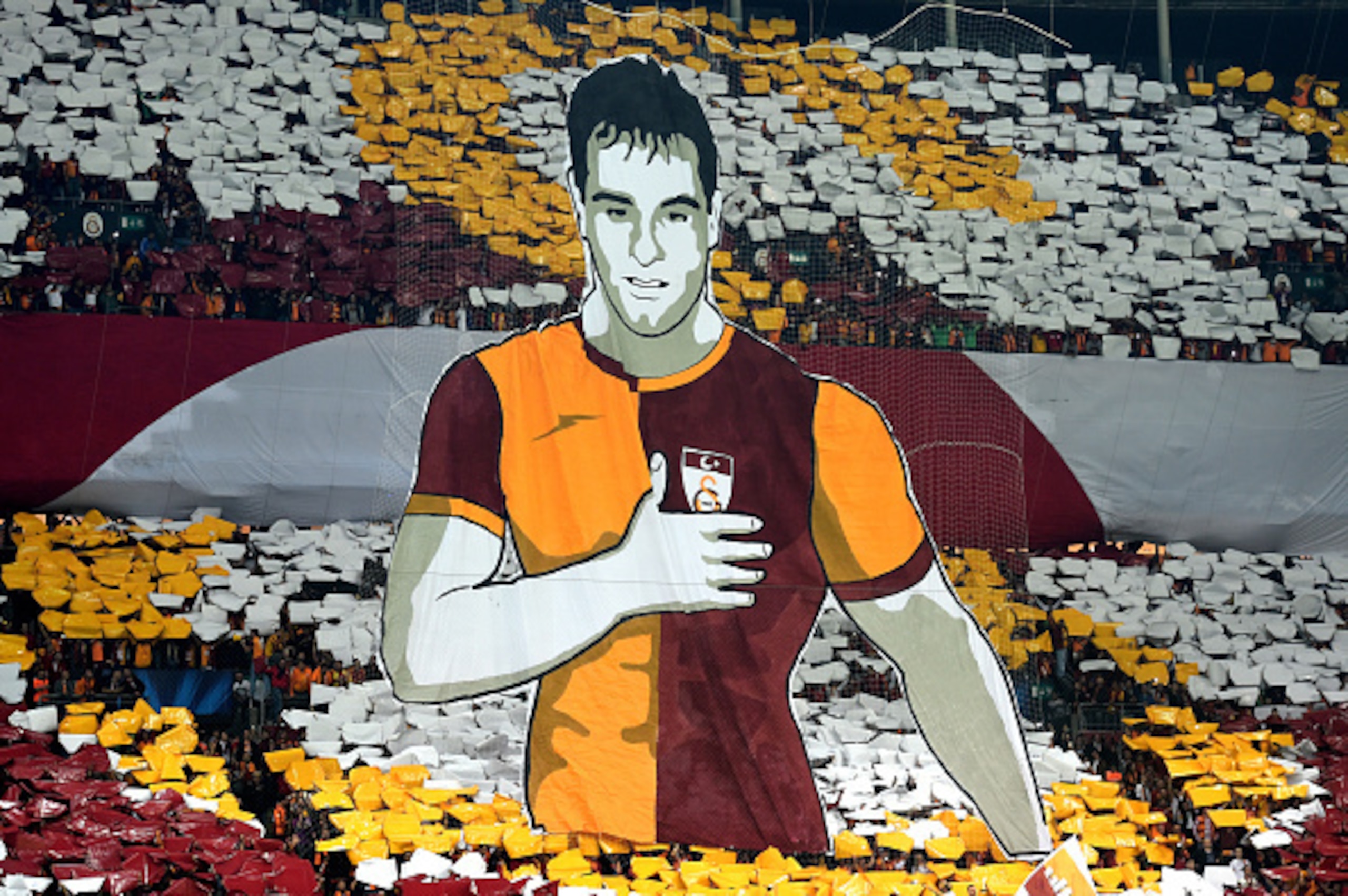
Capacity: 52,652
Tenants: Galatasaray
"Welcome to hell!" is the greeting you'll receive as an away fan visiting the Turk Telekom Arena, home to some of the most intimidating fans in world football.
Turkey is a place many European sides dread playing in due to the raucous fan culture, and visiting Galatasaray is no different.
The TT Arena is home to some of the greatest tifos around and can literally turn the tables in favour of the home side against superior opposition—just ask Juventus!
20. Estadio Centenario
38 of 57
Capacity: 65,235
Tenants: Uruguay
Like many of the older stadiums on this list, the Estadio Centenario's capacity has reduced over time due to the restrictions FIFA place on standing allocations. The 65,000-seater we see today is a far cry from the bowl that allowed 93,000 to watch Uruguay vs. Yugoslavia in 1930.
But it's important to recognise the Centenario's place in history: It was the first stadium ever purpose-built for a World Cup—a trend still widely in use by FIFA today—and hosted Uruguay's first match against Peru in the first-ever World Cup.
19. Sukru Saracoglu
39 of 57
Capacity: 50,509
Tenants: Fenerbahce
Turkish stadiums are famous for their raucous noise and ravenous home support, and Sukru Saracoglu stands as the cream of the crop.
Home to Fenerbahce, it may surprise a few floating voters that Galatasaray's Turk Telekom Arena isn't the highest-rated stadium. Sukru Saracoglu is newly renovated and as loud as any twice its size.
18. Celtic Park
40 of 57
Capacity: 60,832
Tenants: Celtic
Celtic Park is the home of the famous Celtic and host to many Scotland international games in 2014. The Glaswegian side's rendition of "You'll Never Walk Alone" is a wonderful sight, and despite regularly playing the underdog in European competition in modern times, they'll always give you a fight. Especially at home.
European nights are still special, as if the stadium somehow conjures the spirit of Jock Stein's world-beaters from the '60s and '70s.
17. Azadi Stadium
41 of 57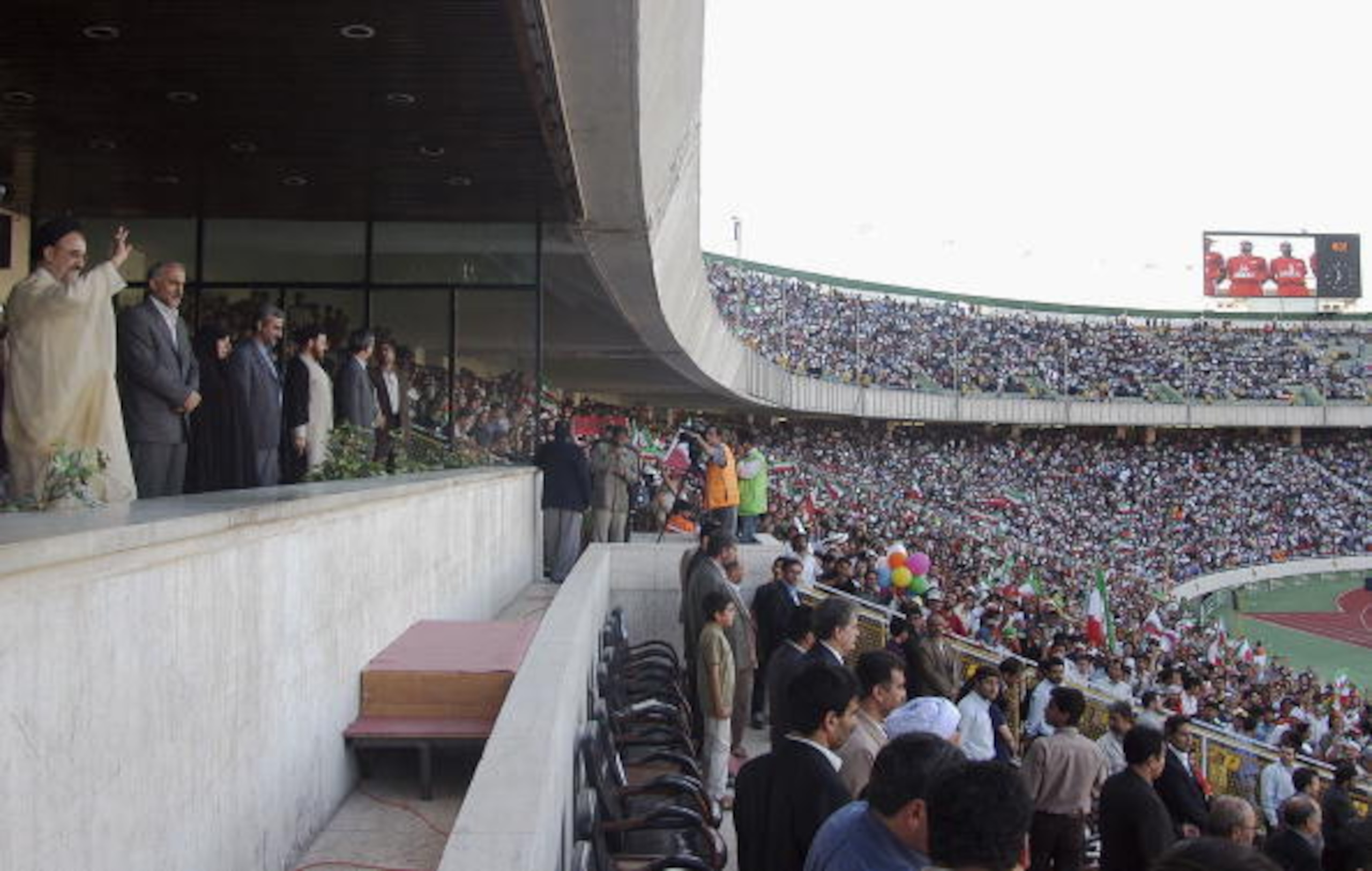
Capacity: 95,225
Tenants: Iran, Persepolis, Esteghlal
The Azadi Stadium is some sight; a bowl holding close to 100,000 fanatical Iranian supporters cheering on their national team. The Persian Stars have never been overwhelmingly strong, but their support is hardcore.
Local clubs Persepolis and Esteghlal share the ground on a week-to-week basis in the Iranian Premier League. Amazingly, 128,000 spectators witnessed Iran play Australia there in a FIFA World Cup qualifier in 1997.
16. Old Trafford
42 of 57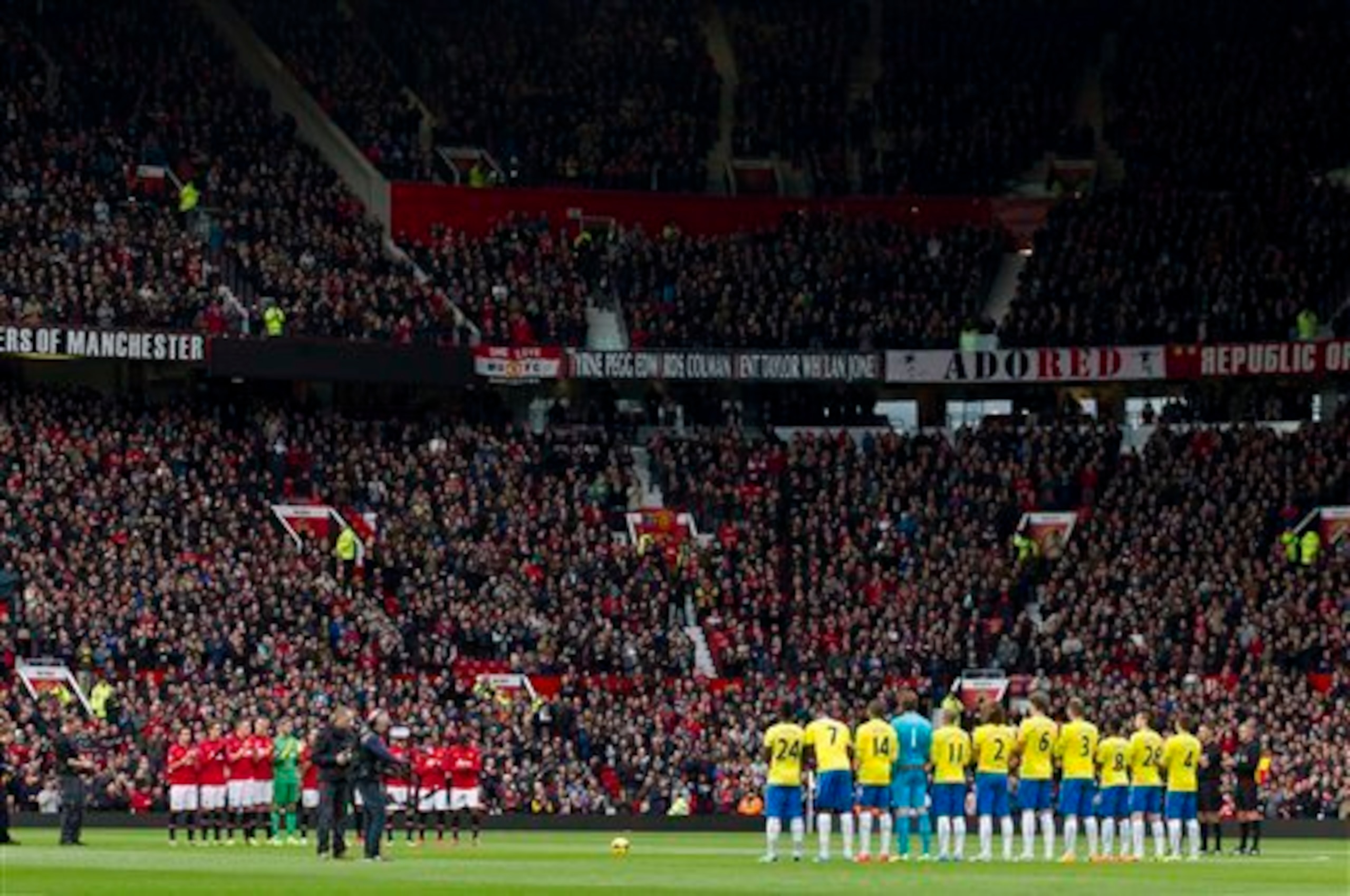
Capacity: 75,731
Tenants: Manchester United
Old Trafford is second only to the mighty Wembley in capacity, holding a massive 75,731 spectators. It's nicknamed "The Theatre of Dreams" and has seen tons of world-class players grace its hallowed turf.
Among the finest to call it home in the modern era have been Eric Cantona, Cristiano Ronaldo, Wayne Rooney, Ruud van Nistelrooy, Ryan Giggs and David Beckham. Sir Bobby Charlton, George Best and Denis Law—dubbed "The Holy Trinity"—came before.
15. Stadio Olimpico
43 of 57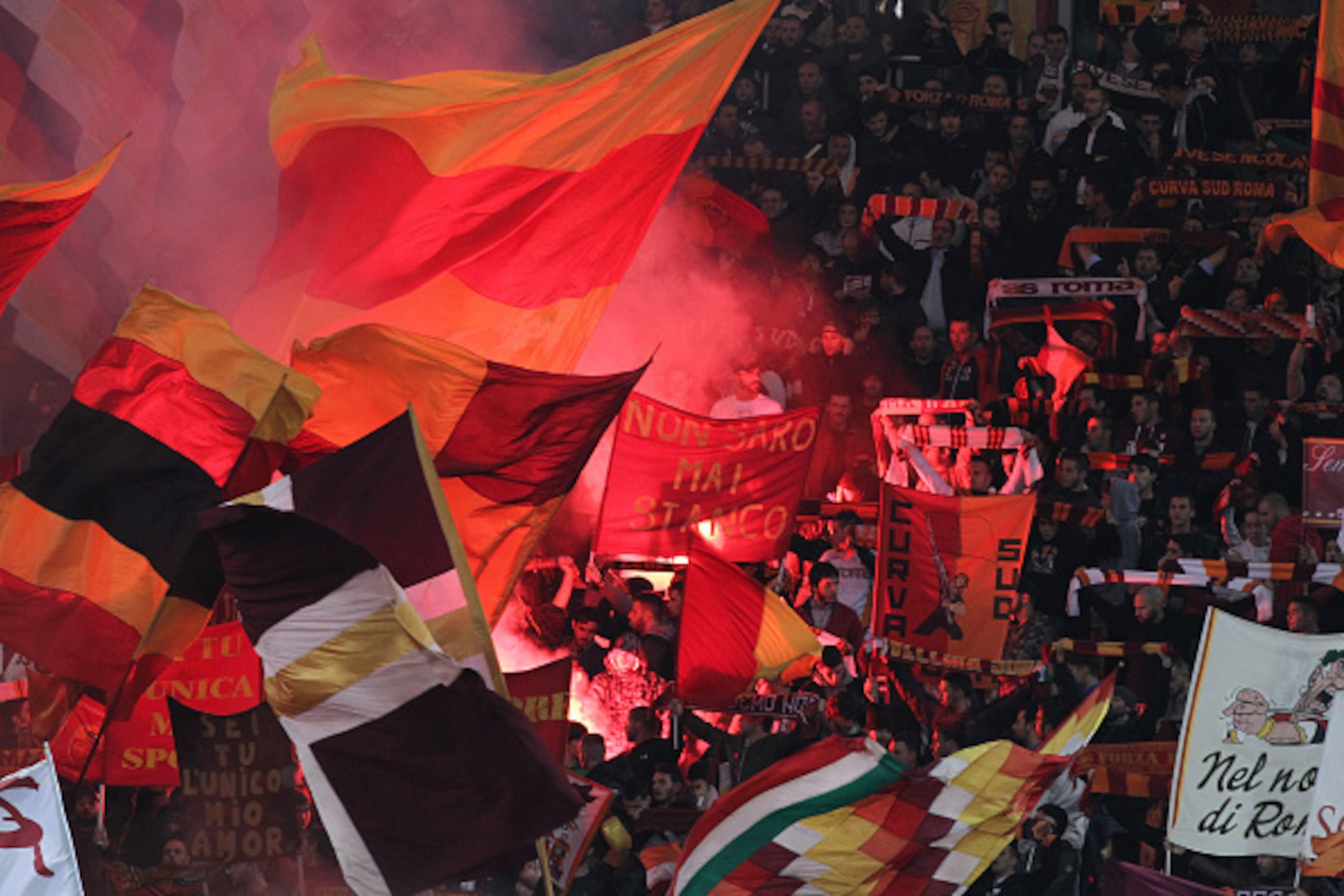
Capacity: 70,634
Tenants: Roma, Lazio
The Olimpico is an underrated stadium on the world football scene, boasting over 70,000 seats and a cracking local derby between ground-share incumbents Roma and Lazio.
It boasts some of the greatest tifos in the world when the occasion demands it, and although you don't get the best view of it on TV because of the running track, it's a cacophony of beautiful colours when full.
14. Soccer City
44 of 57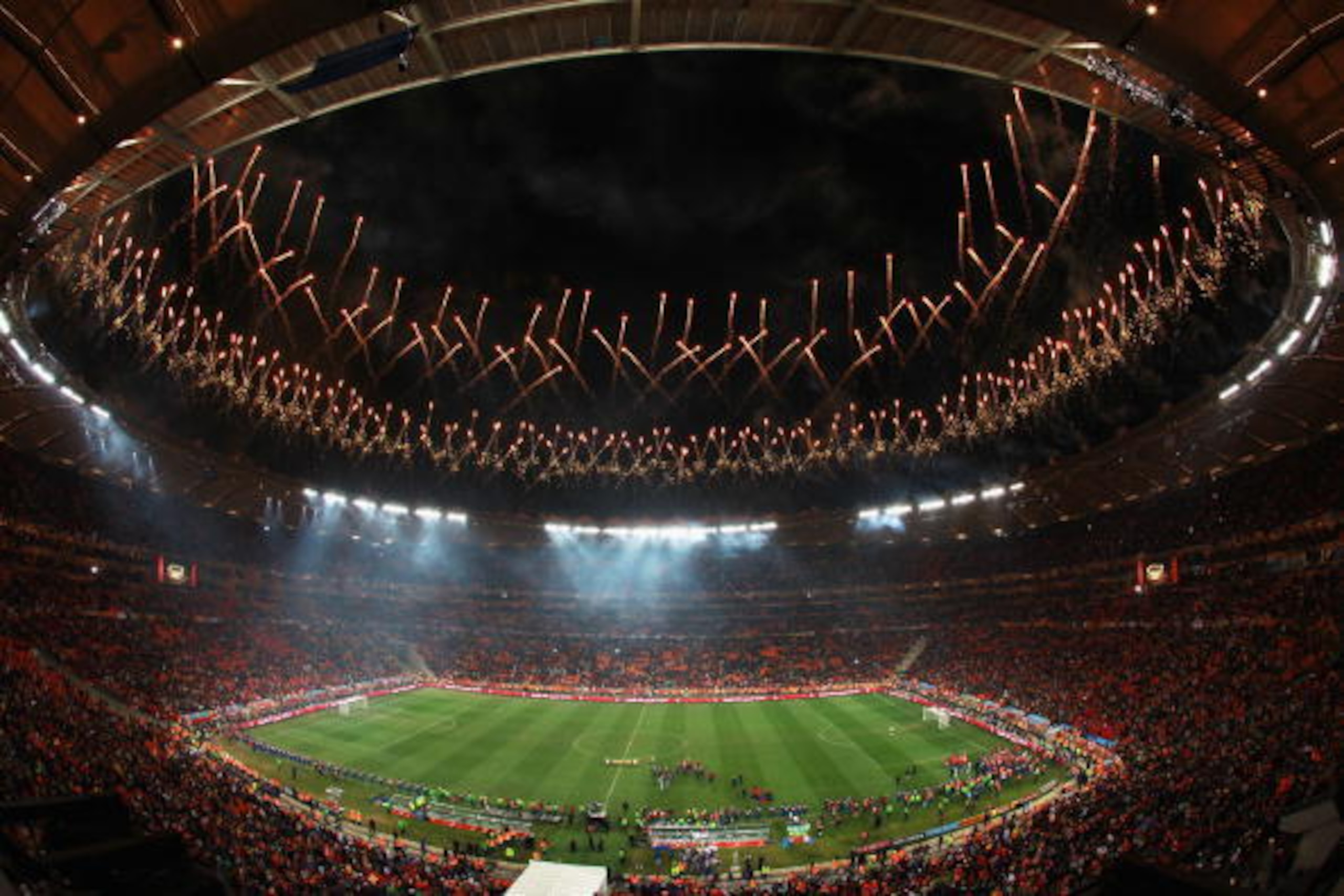
Capacity: 94,736
Tenants: South Africa, Kaizer Chiefs
Soccer City. First National Bank Stadium. The Calabash.
Whichever name you use, it means the same thing to football fans: Vuvuzelas, incredible architecture and memories of Spain domination at the 2010 World Cup.
Many of South Africa's World Cup stadiums have fallen badly into disuse, but Soccer City still holds some of the most important domestic matches. Kaizer Chiefs vs. Orlando Pirates should be on your bucket list.
13. Mane Garrincha
45 of 57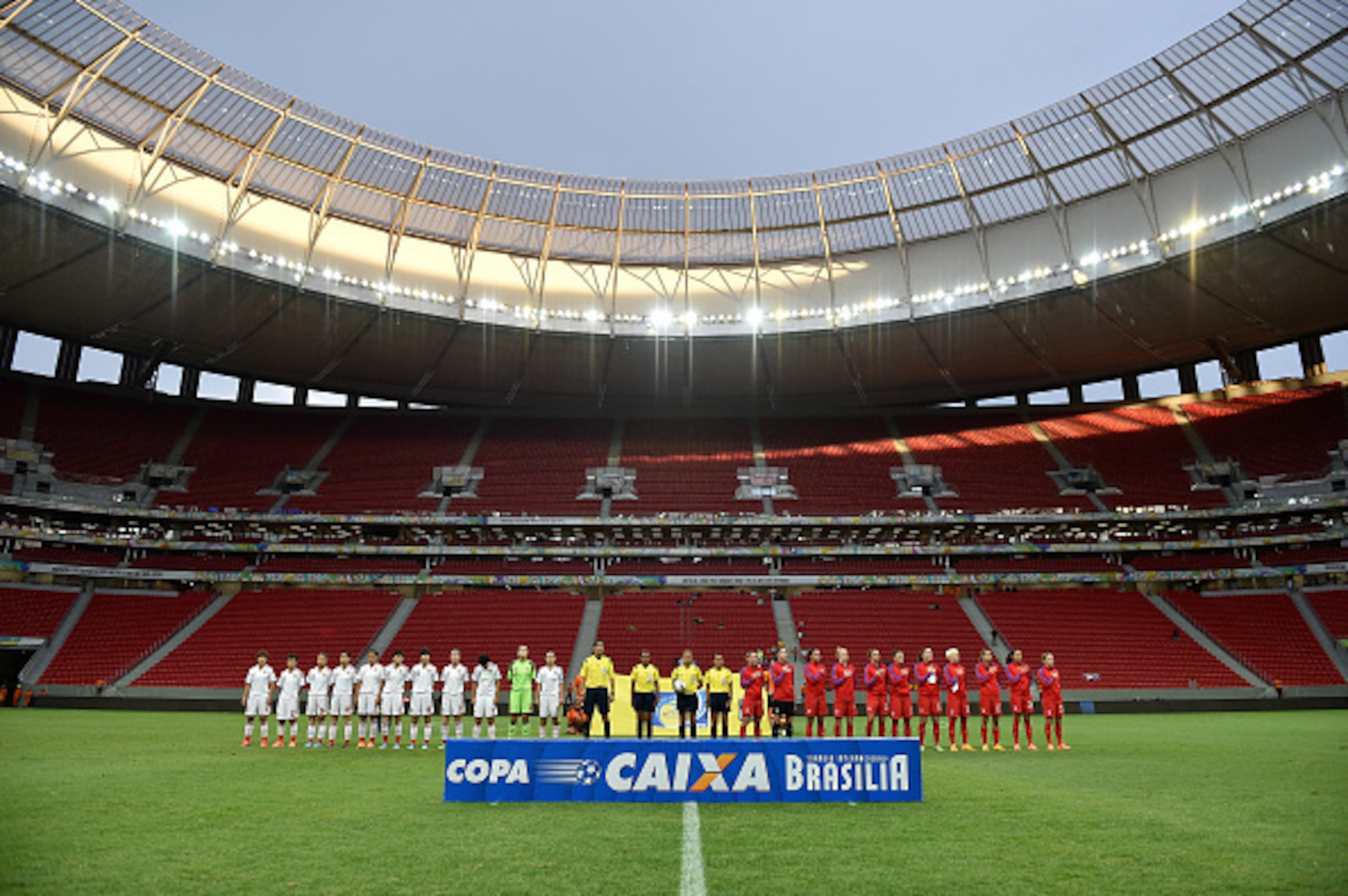
Capacity: 72,788
Tenants: Brazil, Brasilia FC
The Mane Garrincha—named after one of the most famous Brazilian footballers ever to play the game—stands the second-largest stadium in Brazil behind the magnificent Maracana.
It was renovated for the 2014 FIFA World Cup and was one of the few to actually be ready well in time. It stands a remarkable sight in the capital, Brasilia, hosts domestic matches and will be key to the 2016 Olympic Games.
12. Anfield
46 of 57
Capacity: 45,522
Tenants: Liverpool
Anfield's capacity will rise to 54,000 in 2016, per The Telegraph, after it was confirmed that work will begin to expand the famous stadium. It puts to bed any lingering possibilities of the club moving away from the storied stadium and building elsewhere, thus retaining great heritage and history.
A rendition of "You'll Never Walk Alone," sung by each of the 45,000 strong inside the building on a UEFA Champions League match night, will send shivers down your spine.
11. San Siro
47 of 57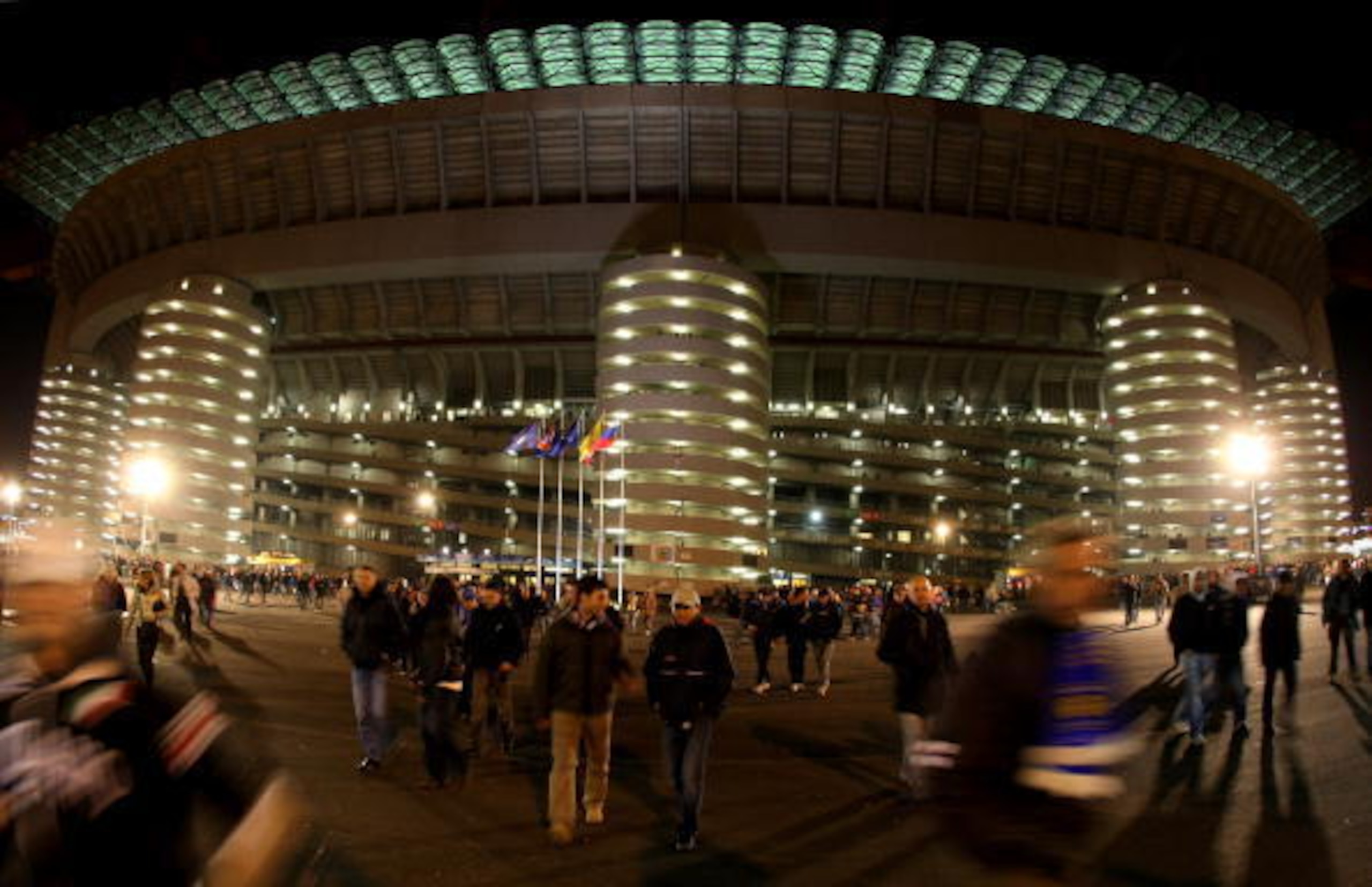
Capacity: 80,018
Tenants: Milan, Internazionale
The Giuseppe Meazza, or San Siro for short, is home to two of Italy's most traditional and popular clubs: AC Milan and Internazionale.
Holding just over 80,000 spectators, this stadium only really hots up during derby days as it's packed to the rafters. Per Football Italia, the Rossoneri are considering leaving and ending the cohabitation with their archrivals.
10. Estadio Monumental Antonio Vespucio Liberti
48 of 57
Capacity: 67,664
Tenants: River Plate, Argentina
Estadio Monumental Antonio Vespucio Liberti, or El Monumental for short, plays host to the storied River Plate club and the Argentina national team.
Located in Buenos Aires, the stadium hosted the 1978 World Cup final, but it's at its most electric when hosting the Superclasico against Boca Juniors in the Argentine Premier League.
9. Salt Lake Stadium
49 of 57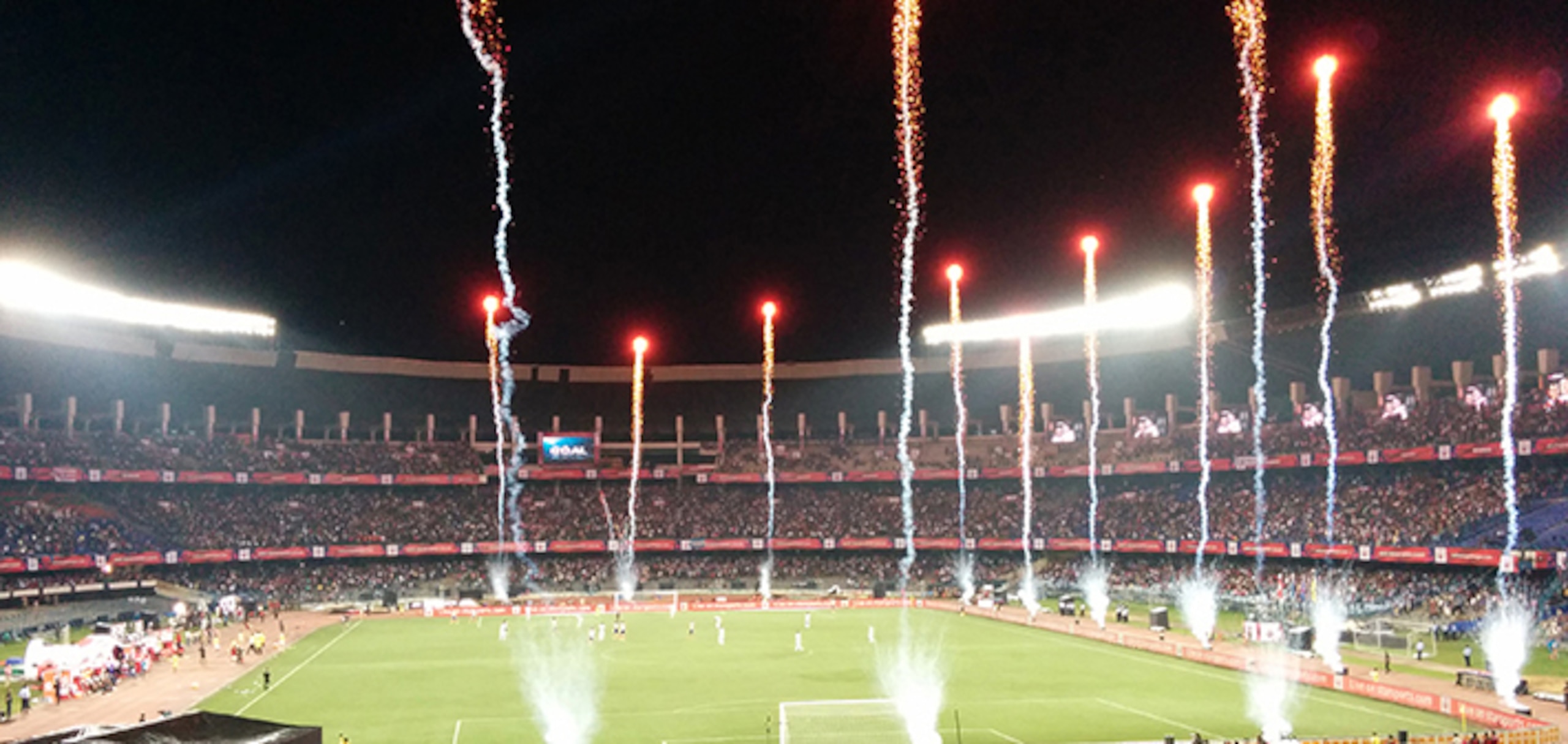
Capacity: 120,000 (reduced to 68,000)
Tenants: India, Atletico de Kolkata
The Salt Lake Stadium in Kolkata has taken on new importance in the last year or so, hosting the opener for the new Hero Indian Super League in epic style (pictured above).
It was previously—and still is on occasion—host to the India national team, and the stadium has been pivotal in terms of boosting football in India—a country where it's firmly second- or third-choice in popularity.
8. Wembley Stadium
50 of 57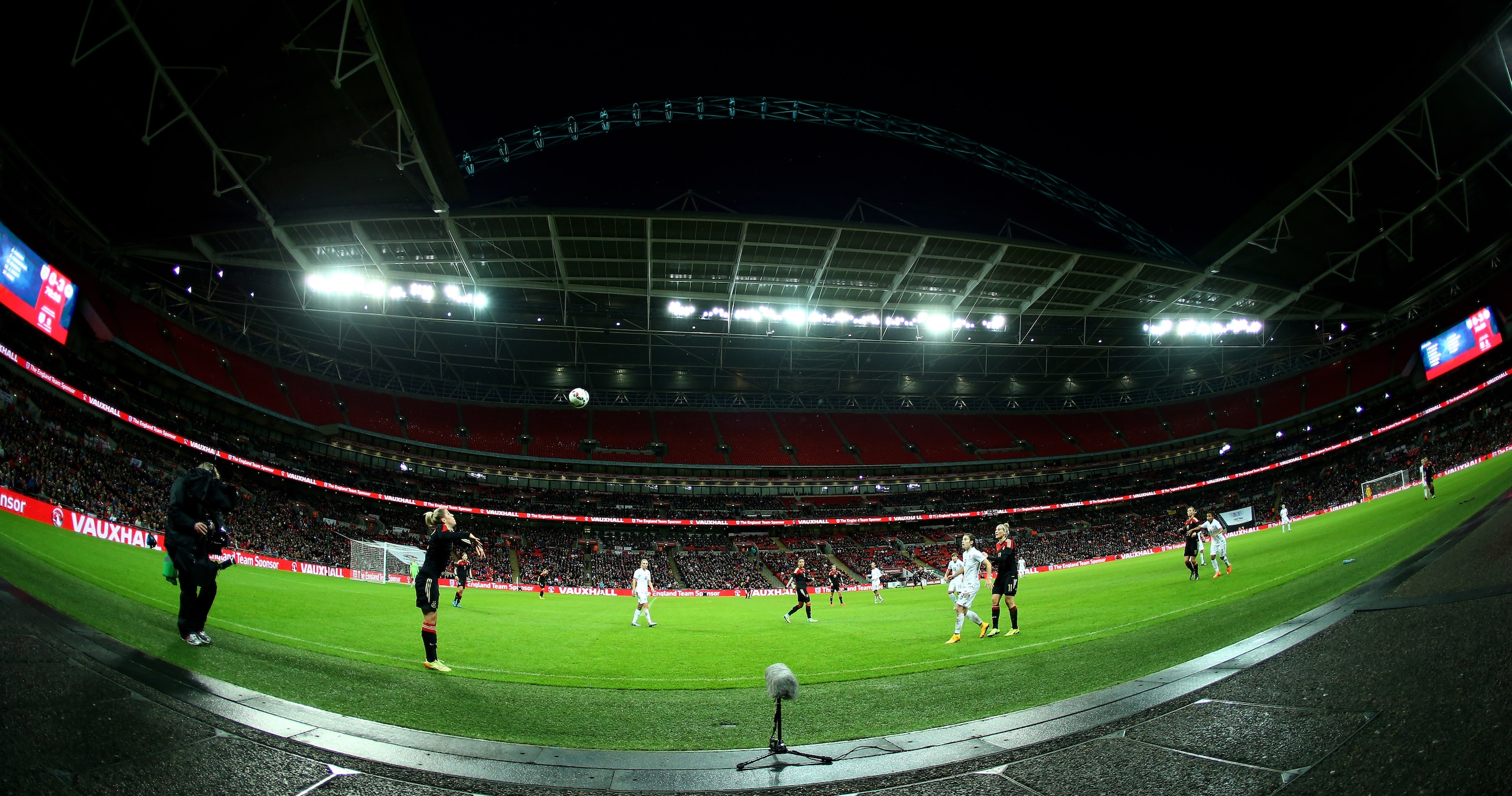
Capacity: 90,000
Tenants: England
There's no doubting the magic of the traditional, historic old Wembley, but the new version—deconstructed and rebuilt on the same spot—hasn't quite retained the ol' charm.
Its sheer size and brand-new, shimmering features will make your eyes pop, and when 90,000 fans sing in unison it'll send shivers down your spine.
The problem is, that doesn't happen enough; Wembley feels empty—even ghostly—on far too many an occasion. That's what keeps it from ranking as the No. 1 stadium—a title some will feel the "home" of football deserves.
7. La Bombonera
51 of 57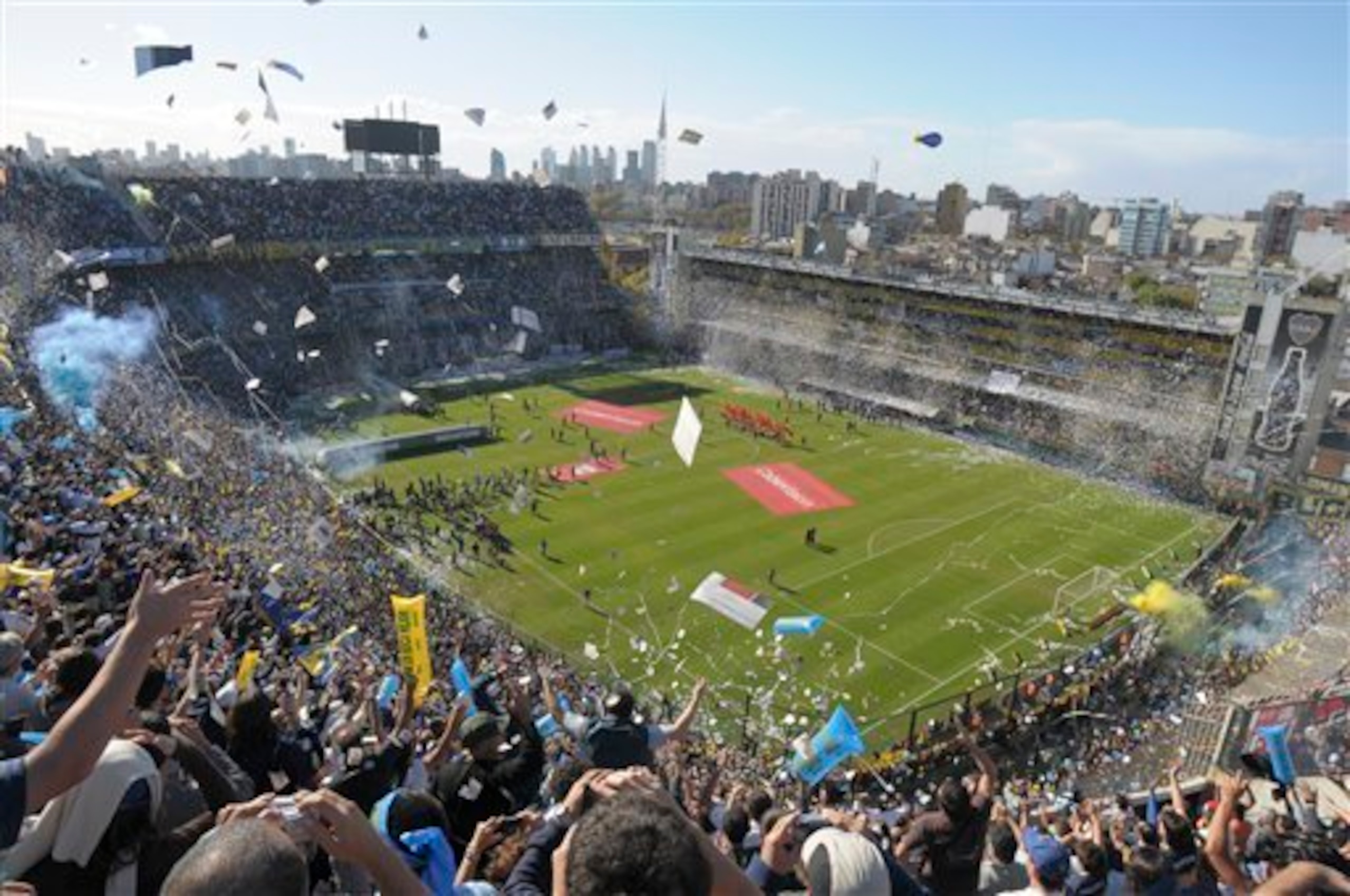
Capacity: 49,000
Tenants: Boca Juniors
La Bombonera, also known as the Estadio Alberto J. Armando, is the home of Boca Juniors, Diego Maradona and a long tradition of classic Argentine football.
It lights up with colour and verve every weekend—particularly for the Superclasico against River Plate—and tickets can be rather difficult to find at times.
6. Allianz Arena
52 of 57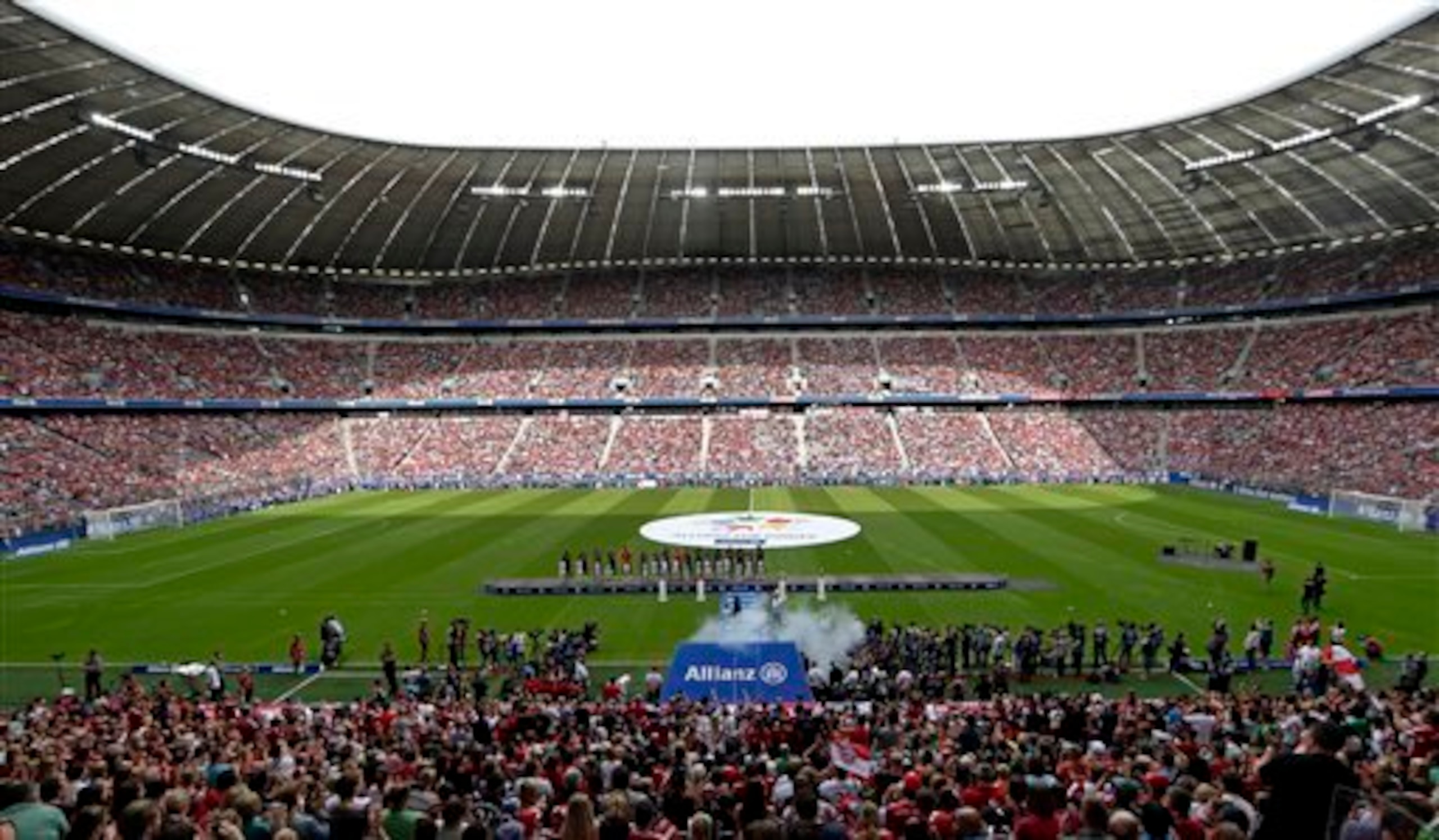
Capacity: 75,024
Tenants: Bayern Munich
The Allianz Arena, which broke ground in 2002, has been paid off a stunning 15 years early by Bayern Munich chiefs. Envious eyes from north London were cast as the news was announced.
It holds a whopping 75,000 who cheer and chant their team to victory in unison, and the outside of the stadium changes colour—how cool is that?
(No, it doesn't reflect what mood the stadium is currently in—it's not a sentient being...or at least, we don't think it is!)
5. Estadio Azteca
53 of 57
Capacity: 105,064
Tenants: Mexico, Club America
The Estadio Azteca is, without doubt, one of the most intimidating places to play in world football. Away teams very rarely grab a result, as over 100,000 fans turn out to cheer on their beloved Mexico.
On a week-to-week basis, it's home to the storied Club America, but it truly comes alive when El Tri host the United States national team in a World Cup qualifier or Gold Cup match.
4. The Maracana
54 of 57
Capacity: 78,838
Tenants: Brazil, Flamengo, Fluminense, Botafogo
The Maracana shares a remarkable trait with the Estadio Azteca: They are the only two stadiums in history to have hosted two FIFA World Cup finals.
This gargantuan auditorium played host to the shock Uruguay victory over Brazil in 1950—a match just under 200,000 people watched from inside the stadium!—and the same concrete pillars and slabs watched Germany's victory over Argentina in 2014.
3. Santiago Bernabeu
55 of 57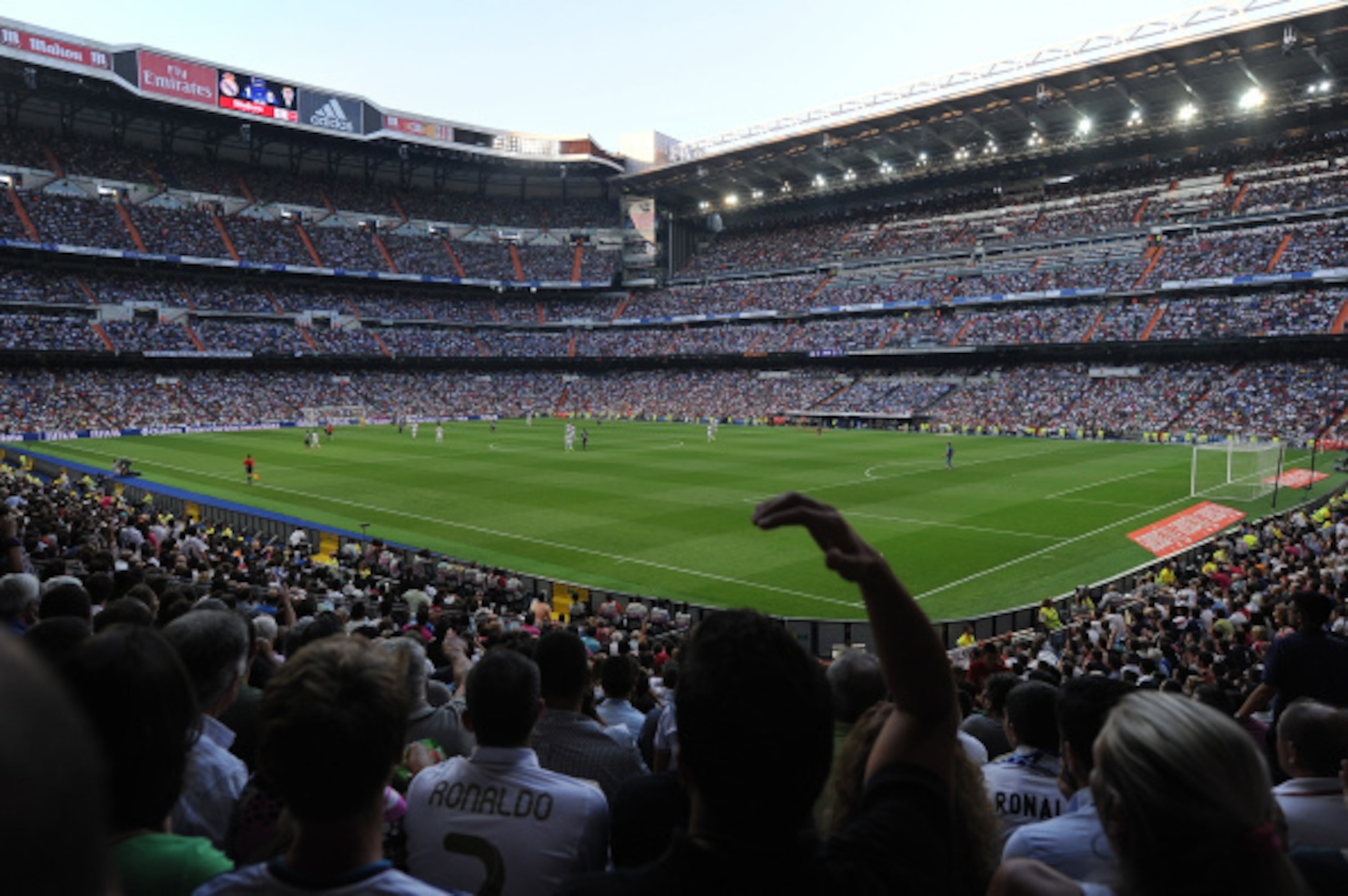
Capacity: 81,044
Tenants: Real Madrid
The Santiago Bernabeu, home to the mighty Real Madrid, stands as one of the most impressive and most intimidating stadiums in world football.
The expectant fans have finally been delivered the historic "La Decima" (10th UEFA Champions League title), and with Los Blancos currently a better side than Barcelona post-Pep Guardiola, the place is abuzz with optimism for more great achievements in the future.
2. Camp Nou
56 of 57
Capacity: 98,787
Tenants: Barcelona
The Camp Nou stands a top tourist destination for those visiting the city of Barcelona, with endless trophy cabinets sparkling in the constant flash of the camera.
When the floodlights go on and the Blaugrana step out onto the pitch, though, it becomes a steep auditorium used to view some of the finest football on the planet.
1. Signal Iduna Park (Westfalenstadion)
57 of 57
Capacity: 80,700
Tenants: Borussia Dortmund
The Westfalenstadion, known for sponsorship reasons as Signal Iduna Park, is home to Jurgen Klopp's Borussia Dortmund.
Whether they're fighting for the UEFA Champions League title or sitting on a six-game losing streak at the bottom of the Bundesliga, the crowd—and in particular the Sudtribune—make it a night to remember.
The "Yellow Wall" holds more than 25,000 fans in one stand and bounces up and down in unison all game long. The sheer size of the stadium, in addition to the incredible atmosphere, incredible value and overall experience, makes it our No. 1 in the world.
.jpg?w=2560 "Chiefs Giants Football")
.jpg?w=2560 "🚨 Week 8 AP Top 25 Poll")


.jpg?w=2560 "Baker Gets Glove From Rays 🧤")
.jpg?w=2560 "Updates from EVERY NFL Game 🏈")
.jpg?w=2560 "NFL investigating Eagles")
.jpg?w=2560 "CFP Bracket After Week 8 🏆")