
Athletes We Wish Stayed Healthy: HOF Edition
Injury is an unfortunate but major part of sports—a fact that some of the all-time greats know all too well.
Over the years, “the bug” has sidelined countless sports stars, leaving generations of admirers to wonder what could have been.
Take, for example, the great Gale Sayers, whose dominance was cut short in 1970 due to a serious knee injury. If not for misfortune, how far would his legendary play have gone?
On the hardwood, Ralph Sampson teased NBA fans worldwide with exceptional size and skill before he too lost a war with his knees.
And, on the diamond, Sandy Koufax’s ride on top came to a premature end once the ace developed arthritis in his left elbow.
Of course, while all of the aforementioned stars experienced certain periods of greatness, each one succumbed to injury in some form or fashion; they were relegated to the bench as their talent and prime years slipped through their hands and down the drain.
So with these tragic figures in mind, we’ve worked to spotlight 13 superstars we wish had stayed healthy.
Though some managed to achieve more success than others, each athlete left fans dreaming of more all the same, teasing us with extraordinary skill before falling victim to injury and fading too soon.
Close but No Cigar
1 of 14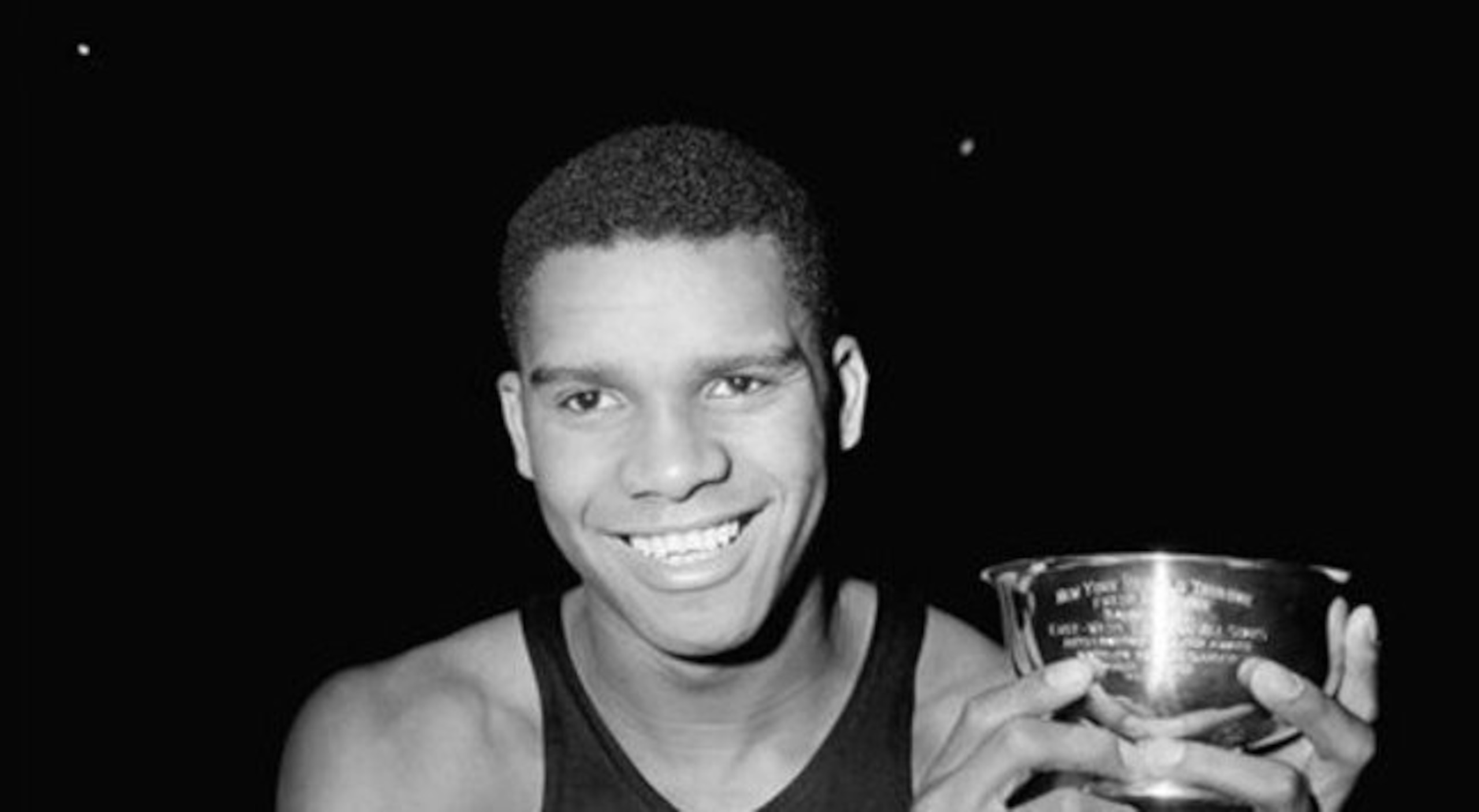
The sports world is littered with stars whose careers were compromised by injury. As a result, we've compiled a list of honorable mentions. The guys below just missed our cut but are certainly worthy of mention:
Grant Hill
2 of 14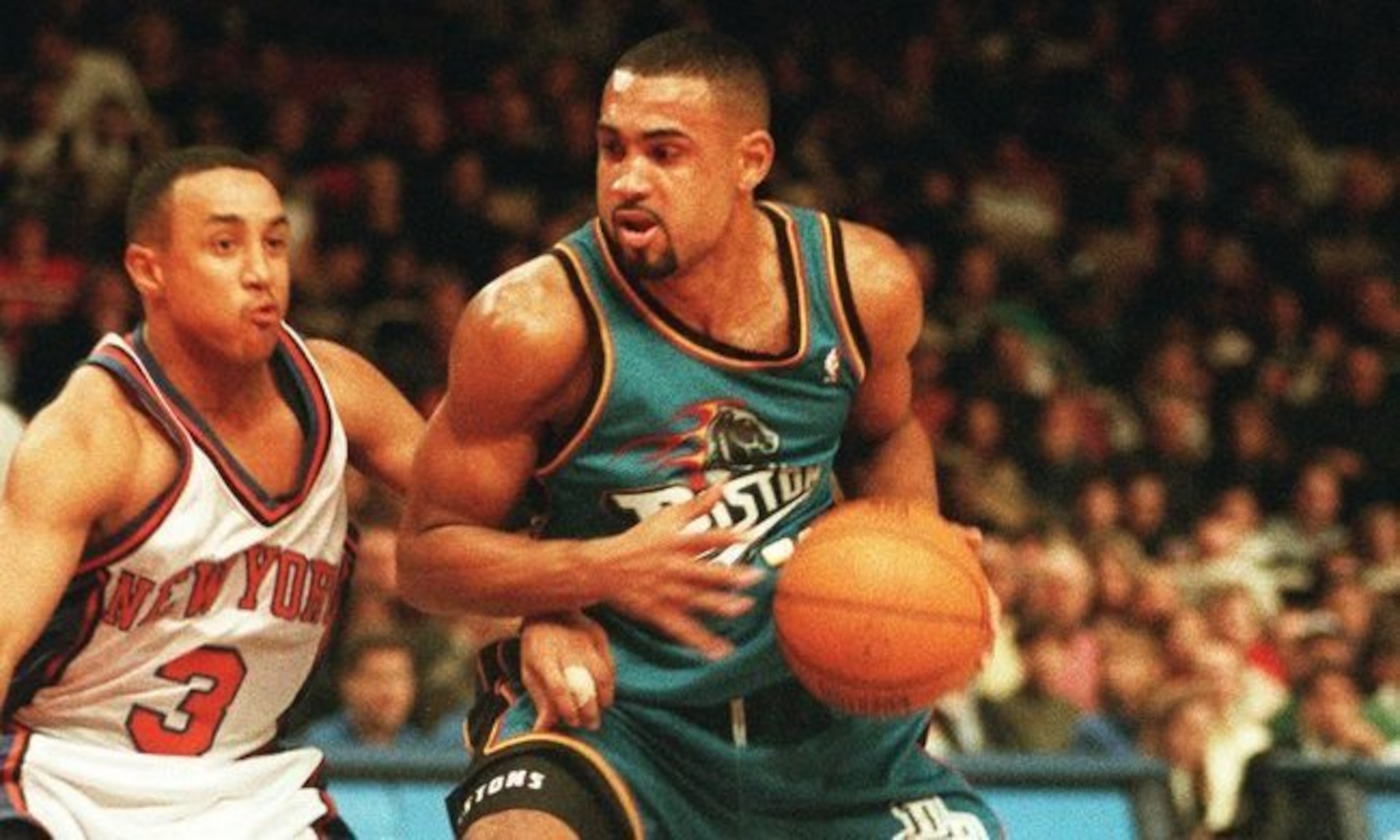
Michael Jordan's abrupt retirement in 1993 left a certain void in the NBA, and as if divinely inspired, Grant Hill arrived at the perfect time to fill it, at least partially (and until Jordan returned).
From the first whistle, the former Duke star was ready to roll.
From the small forward spot, Hill’s tantalizing all-around game was on full display, as he averaged 19.9 points per game in Year 1 to go along with an impressive 6.4 rebound and five assists.
And, as expected, he continued to improve, displaying a kind of versatility that was rarely seen. Over the next five seasons, he averaged an amazing 21.9 points, eight rebound and 6.4 assists.
But at the end of the 2000 NBA season—Hill’s last one in Detroit—the superstar suffered an injury that would dramatically alter his NBA future.
Just seven days before he was set to lead his Pistons into the postseason, Hill sprained his left ankle. In the moment, the injury seemed mild, as if it would impact little more than Detroit’s chance of beating Miami in Round 1.
As a result, Hill made a decision he’d forever regret, choosing to toughen it out and play through the pain.
But, under all the literal and figurative pressure, Hill’s ankle completely gave out.
The injury didn’t prevent the seven-time All-Star from signing a max contract with the Orlando Magic the same summer, but on the court he was a shell of his former self.
Over the next three seasons, Hill underwent countless ankle operations and appeared in just 47 games for the Magic, hardly resembling the star he was in Detroit.
In total, he’d go on to play 18 years in the NBA but averaged just 13.1 points, 4.9 rebound and three assists per game in his 12 seasons outside of Detroit.
Hill is no doubt proud of all that he accomplished in the Association, but the early ankle injury left basketball fans everywhere wondering what could have been.
Tony Conigliaro
3 of 14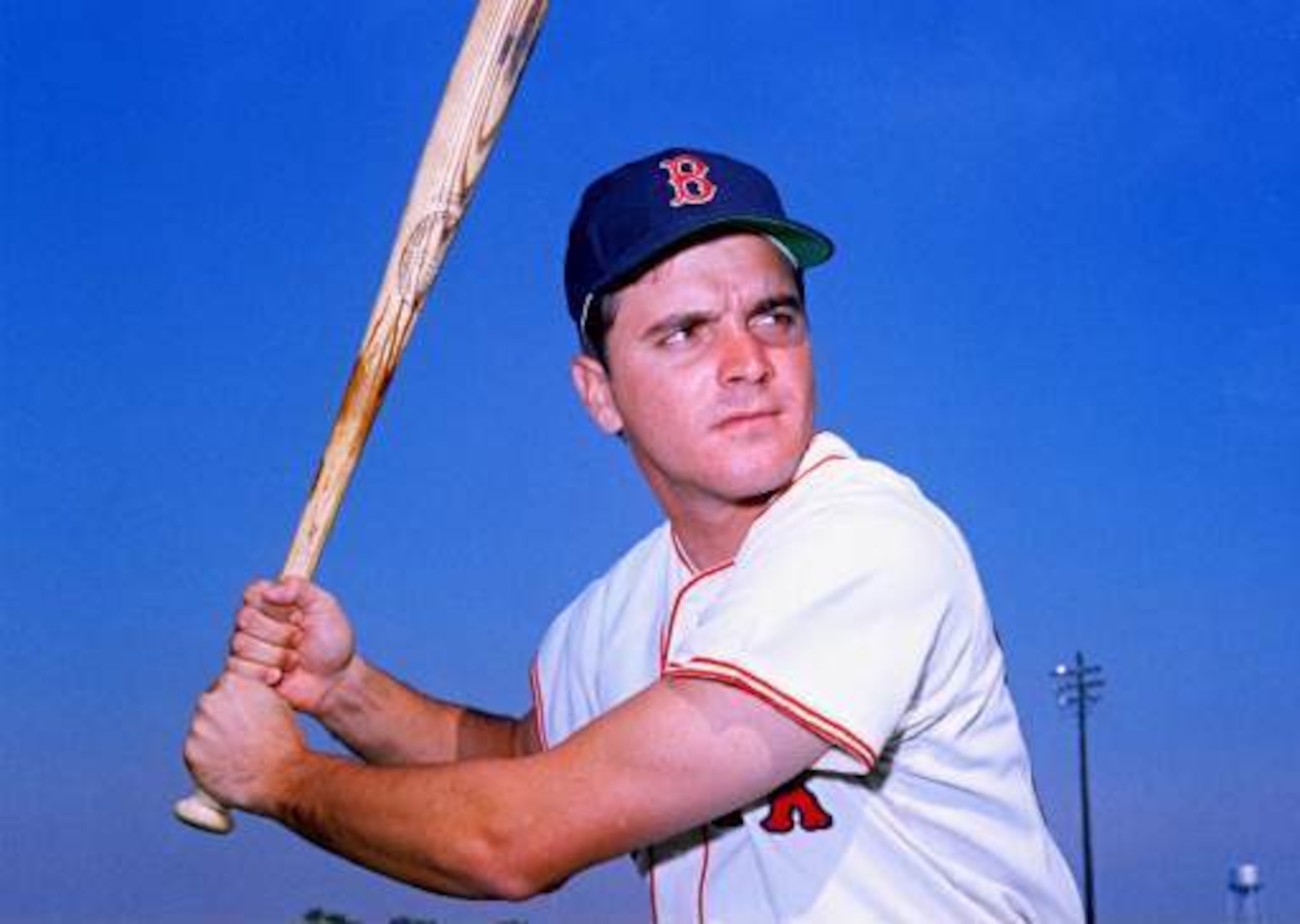
Tony Conigliaro had a dream-like start to his professional baseball career. At only 17 years of age, he was signed by the Red Sox and immediately thrust into the spotlight.
After he spent just one year in the minor leagues, the Red Sox called the talented teenager’s name, and boy did he deliver.
In his 1964 rookie season, Conigliaro hit .290 with 52 RBI and 24 home runs, including a memorable bomb in his first-ever appearance at Fenway Park.
By Year 2, the Massachusetts native had morphed into one of baseball’s elite talents. His 32 homers led the league, making him the youngest home run champion in American League history.
He was an All-Star by 22 and the youngest AL player ever to reach 100 home runs.
But on August 18, 1967, it all came crashing down.
A Jack Hamilton fastball crushed Conigliaro’s left cheekbone along with his lofty baseball aspirations.
After missing all of the 1968 season, the Boston star returned for three more years—even while hurt, he hit 20 and 36 homers in 1969 and 1970, respectively—before hanging up his cleats prematurely in 1971.
Conigliaro attempted a comeback in 1975, but his permanently damaged eyesight forced him to retire for good after making just 21 appearances.
In the end, a promising career that was expected to be both lengthy and filled with All-Star appearances was abruptly halted in a single moment by one wayward pitch.
.jpg?w=2560 "Chargers Chiefs Football")
Bill Walton
4 of 14
Bill Walton—a three-time Player of the Year in college—was an NBA MVP and two-time champion, but he could have been so much more if not for faulty feet.
The UCLA product could do it all. He was one of the all-time great passing big men, was a two-time member of the NBA All-Defensive First Team and could score at a high level, too.
In 1977, Walton led Portland to an NBA championship and was named the Finals MVP. A year later, during the 1977-78 season, he had yet another elite showing, averaging 18.9 points, 13.2 rebound and five assists.
The injury bug quickly caught up, however.
Hampered by multiple foot injuries, Walton would only play for six more years and never again averaged more than 14 points or 9.8 rebounds while appearing in less than 70 games in every season but one.
And although he went on to make the Basketball Hall of Fame anyway, Walton never had the chance to be his very best.
Gale Sayers
5 of 14
It didn’t take Gale Sayers very long to make a name for himself in the NFL.
In his first two years in the league, the Kansas Comet torched opposing defenses, rushing for 2,098 yards and 22 TDs to go along with 954 receiving yards and another eight scores.
Sayers would again star during his third season in the league. He rushed for 880 yards, averaging 4.7 yards per carry, and returned three kickoffs for scores. In addition, he led the NFL in rushing through the first nine games of Year No. 4.
But Week 10 of 1968 marked the beginning of the end for Sayers, who tore multiple ligaments in his right knee in a game against the 49ers.
Despite pain and reduced speed, however, he was still talented enough to again pace NFL backs, leading the league in rushing with 1,032 yards in 1969.
But in 1970, the already-hobbled star suffered another serious setback: an injury to his left knee. This time it was crippling, as Sayers played in just four games over the next two years before calling it quits in 1971.
To this day, he holds records for most touchdowns in a rookie season (22) and most touchdowns in a game (six) as well as the record for the highest career kickoff return average (30.56).
His period of dominance was brief, spanning just five NFL seasons, but equally sensational—he was the youngest player ever to be inducted into the Pro Football Hall of Fame.
If only comets weren't so fleeting.
Ralph Sampson
6 of 14
It turns out it’s hard to be huge, active and healthy all at the same time.
For proof, look no further than Ralph Sampson, who had a notoriously difficult time avoiding injury.
In the beginning of his career, he dominated the NBA, averaging 20.7 points, 10.9 rebounds and two blocks through his first three seasons in the league.
For his early efforts, Sampson won Rookie of the Year honors in 1983-84 and made it to four All-Star games. When Hakeem Olajuwon joined his team via the 1984 draft, Rocket fans couldn't help but dream of championships.
With a future Hall of Famer by his side, the 7'4" freak of nature was prepared to continue wreaking havoc on the league.
Instead, though, three serious knee operations quickly got in the way.
Sampson hung around for eight more years but never appeared in more than 44 games in a single season and failed to even sniff his former averages, putting up 9.8 points and 6.6 rebounds throughout the remainder of his 10-year career.
Just like a rocket, then, Sampson soared early on before plummeting back down to earth.
Sandy Koufax
7 of 14
In 1972, at the age of 36, Sandy Koufax became the youngest player ever inducted into the Baseball Hall of Fame. He was named the National League’s Most Valuable Player in 1963 and was a unanimous Cy Young Award winner on three separate occasions, winning baseball’s Triple Crown each time.
Between the years 1962 and 1966, Koufax owned the sport.
During the stretch, he never once had an ERA above 2.54—including three seasons in which his ERA was below 2.00—and never won fewer than 14 games, winning 25 or more in three different seasons.
Despite it all, though, Koufax could have done so much more.
After 1966—a season that saw the Dodgers legend post a 1.73 ERA to go along with 27 wins—he developed chronic arthritis in his left elbow, which forced him to abruptly retire in the middle of his prime.
At just 30 years of age, Koufax had plenty left in the tank, though injury made sure he’d never get to show it.
Eric Lindros
8 of 14
When Eric Lindros was healthy, he was about as good as any player in hockey.
Averaging more than one point per game throughout 13 seasons in the NHL, the Canadian-born forward was a seven-time All-Star and the fourth-fastest player in NHL history to reach 400 points (trailing Wayne Gretzky, Mario Lemieux and Peter Stastny).
A big man—6’4”, 240 pounds—with little-man skills, Lindros owned much of the ‘90s, winning both the Hart Memorial Trophy and the Lester B. Pearson Award.
But by the year 2000, he was battling countless injuries and concussion-related ailments.
In his first seven years in the league, the former Flyer recorded 70 points or more in every season. Over his final six years, when injuries had taken their toll, he exceeded 70 points in a season just once.
Perhaps no one summed up both Lindros’ talent and misfortune better than former teammate John LeClair: "He had it all: size, strength and finesse," LeClair said, per The Associated Press, via ESPN.com. "It is unfortunate injuries cut his time in the NHL short, but he had a great career and left his mark on the game."
Yao Ming
9 of 14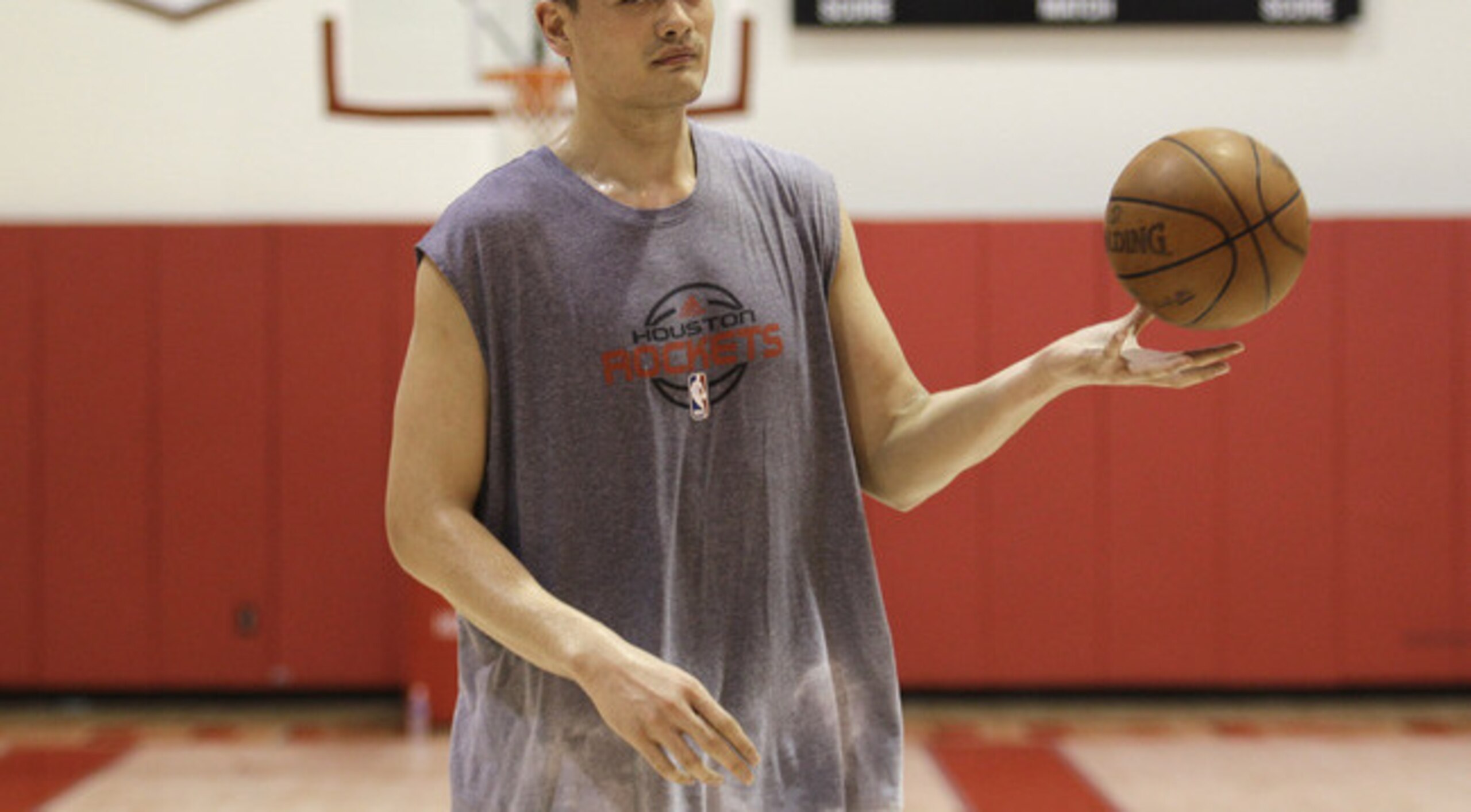
With tremendous skill and unprecedented size—he stood 7'6" and weighed more than 300 pounds—Yao Ming made dominating opponents look easy.
In his fifth year in the league, the former No. 1 pick averaged 25 points per game to go along with 9.4 rebounds and two blocks.
With tremendous skill and impressive consistency, he managed to make eight All-Star games in eight seasons and two All-NBA second teams.
Thanks to serious foot and ankle injuries, however, his success was prematurely cut short.
In July 2011, following his eighth season in the league, the mammoth center called it quits.
In his final year, he averaged 10.2 points and 5.4 rebounds—numbers that fell well shy of his previous standard.
In the end, just like with countless other NBA bigs—namely Walton and Sampson—injuries kept Yao from realizing his true basketball greatness.
Sterling Sharpe
10 of 14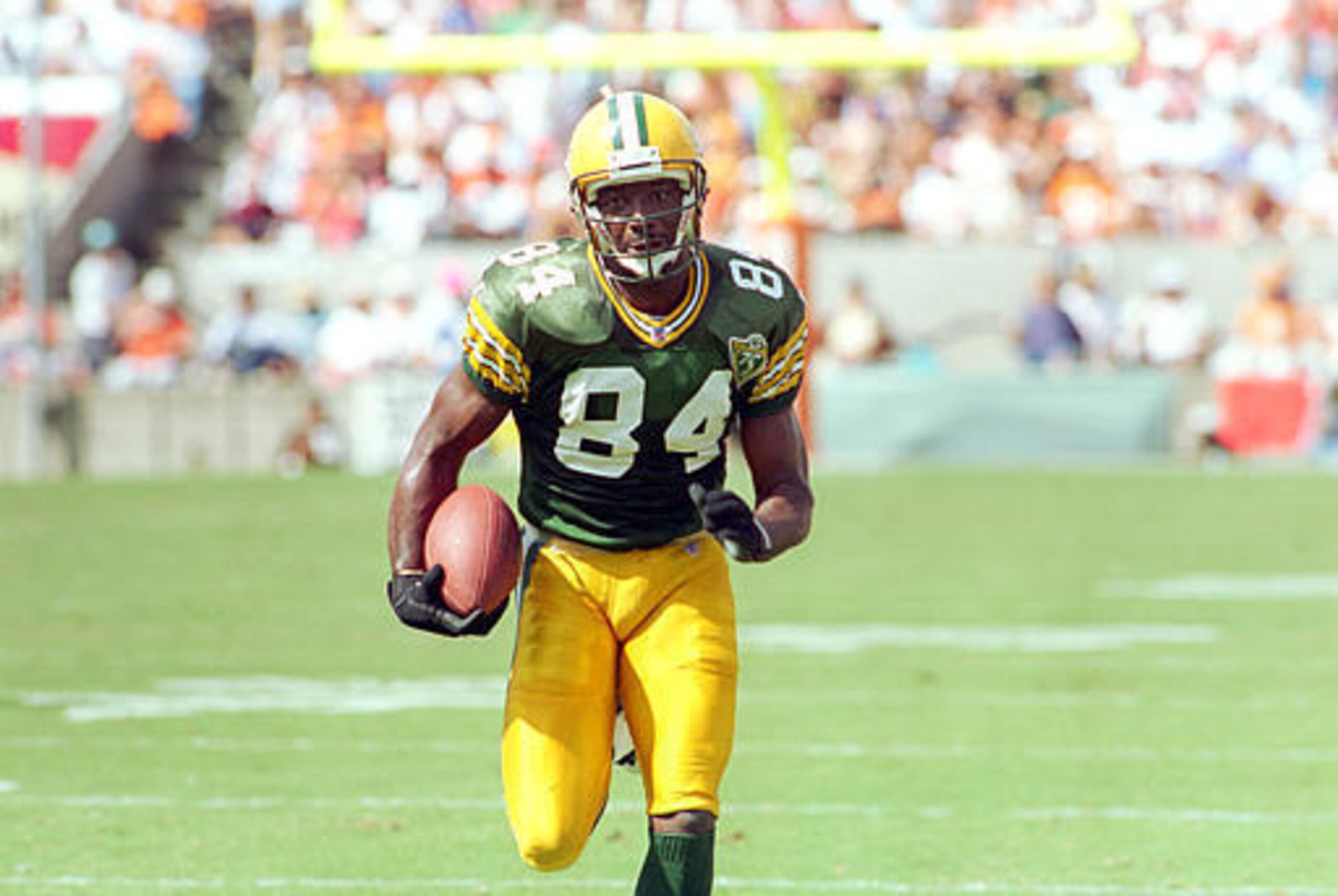
From 1989 through his last season in 1994, Sterling Sharpe was as good as any wide receiver in football.
With Brett Favre tossing him the pigskin, Sharpe made it to five Pro Bowls. He led the league in receptions three times ('89, '92, '93) and in receiving TDs twice ('92 and '94).
In 1992, he broke Art Monk’s single-season reception record, hauling in an incredible 108 passes. And the following season, he managed to break his own all-time mark, catching 112 balls.
In all, the Hall of Famer managed 1,100 receiving yards or more in five of his seven seasons and recorded double-digit TD receptions in four of them.
Simply put, the five-time All-Pro selection was consistently dominant up until the very end.
The end, however, came much sooner than anyone anticipated.
During the 1994 season, Sharpe’s seventh in the league, the dynamic wideout suffered a serious neck injury that would force him to retire.
On his way out, he still hauled in 94 passes for 1,119 yards and 18 TDs.
Sharpe left the game on top but exited early enough to make everyone wonder how much more he could have accomplished.
Ronaldo
11 of 14
When Ronaldo retired from soccer in 2011, he had already cemented himself as one of the greatest to ever play the sport.
At the age of 20, he became the youngest player to win a FIFA World Player of the Year award and went on to capture the honor twice more (Zinedine Zidane and Lionel Messi join Ronaldo as the only players to win the award three times). The Brazilian sensation also won the Golden Ball twice, in 1997 and 2002.
For his nation, he won a World Cup, and on the club level, he scored a mind-numbing 352 goals in 518 appearances.
Better yet, leave it to one of his contemporaries—Swedish star Zlatan Ibrahimovic—to perfectly sum up just how good Ronaldo really was. He told Sports Illustrated (h/t Daily Mail): “The best opponent of my career? Ronaldo, Il Fenomeno. Why? Because he was my idol and because, as a football player, he was complete. There will never, in my view, be a better play than him.”
Throughout it all, though, Ronaldo dealt with recurring knee issues and much more. And when he retired prematurely in 2011, he admitted as much.
“It’s very hard to leave something that made me so happy,” said the phenomenon to reporters. “Mentally I wanted to continue, but I have to acknowledge that I lost to my body.”
He was a soccer legend despite injury; what could Ronaldo have been with reasonable health on his side?
Monica Seles
12 of 14
More than any athlete on our list, Monica Seles can tell the saddest of tales.
Prior to the nightmare that occurred on April 30, 1993, Seles owned women’s tennis.
In 1990, at the age of just 16, she became the youngest player ever to win a French Open championship.
Of course, she was only getting started.
Over the next two seasons, Seles would go on to win seven more Grand Slam singles titles—three of four in ‘91 and all four in ‘92—and finished both years ranked No. 1 the world.
Seles also began 1993 in fine fashion by winning the first major of the year in Australia, defeating Steffi Graf in a Grand Slam final for the third time in four attempts.
In truly tragic form, however, it all led up to one of the most horrific moments in sports history.
In preparation for the upcoming French Open—which Seles had won three times in a row—the women’s champion took part in the WTA Hamburg. It was there, during the second set of a quarterfinal match, that Seles was brutally attacked and stabbed by Gunter Parche, an obsessed fan of Graf.
For Seles, the incident was as mentally traumatizing as it was physically debilitating. She would dig deep and fight her way back—though not until August of 1995—but was never again the same, winning only one more Grand Slam title (the 1996 Australian Open) before retiring in 2008.
In her prime, Seles won eight of a possible nine Grand Slams. And, if not for a gruesome on-court attack, there’s no telling how long her dominance would have lasted.
Anfernee Hardaway
13 of 14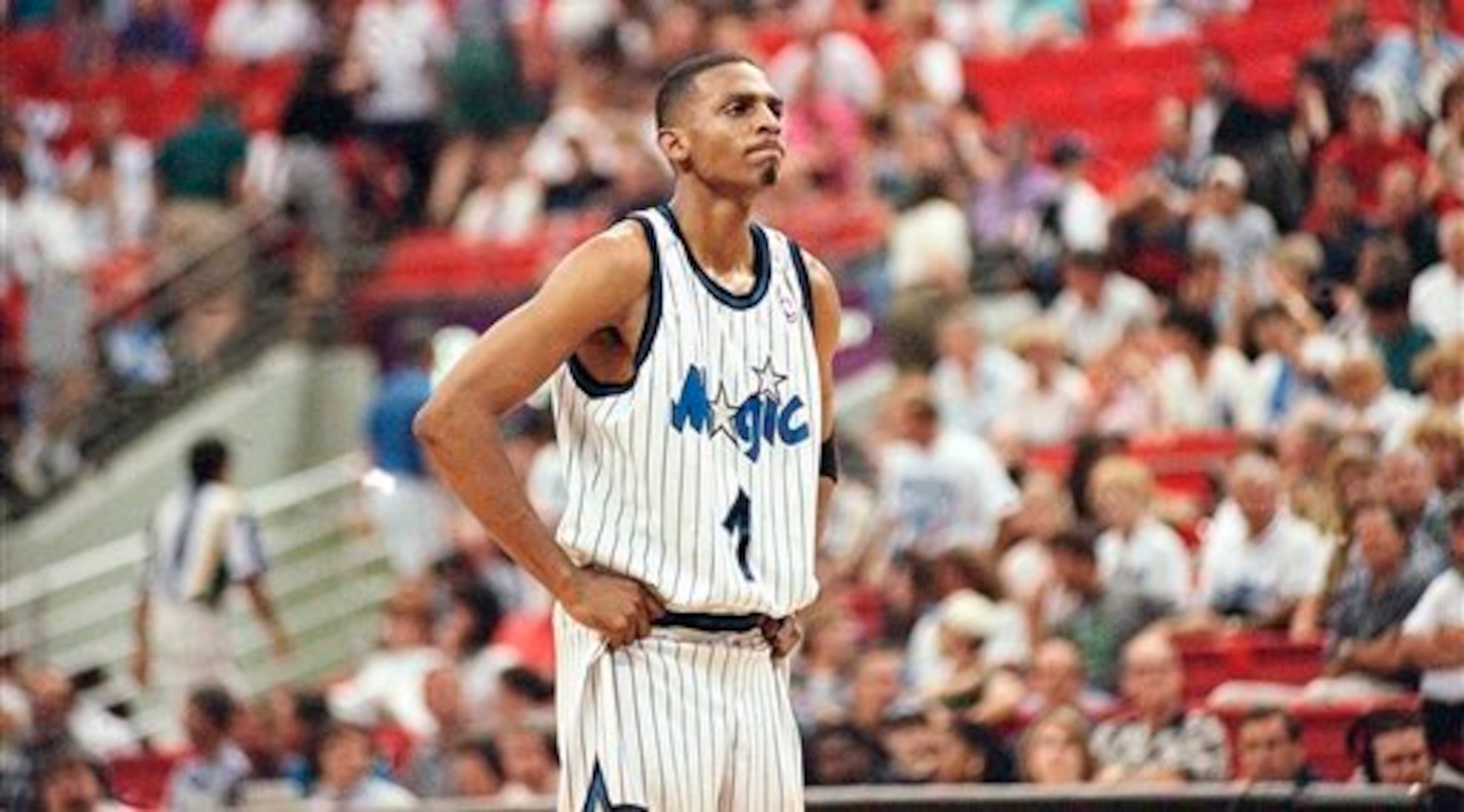
For four seasons—from ’93-’94 through ’96-’97—Anfernee Hardaway was the NBA’s most exciting point guard.
Playing in Orlando alongside a young Shaquille O’Neal, Hardaway electrified the league, leading the Magic to an NBA Finals appearance while reminding so many of the great Magic Johnson.
Like Magic, Penny used his 6’7” frame to his advantage, expanding his game well beyond that of an average point guard.
By his third year in the league, Hardaway was averaging a respectable 21.7 points per game in addition to 7.1 assists and 4.3 rebounds.
More importantly, he had only scratched the surface, enticing fans with limitless potential and the most exciting brand of basketball around.
Unfortunately, spectators were never more than teased by Penny’s transcendent game.
In the beginning of the 1997 season—just his fifth in the league—Hardaway suffered a devastating knee injury from which he'd never truly recover.
All told, he would get 16 seasons out of his tattered and torn body but never again flirted with his pre-injury superstardom.
Had he avoided injury, Penny might have gone down as one of the all-time greats.
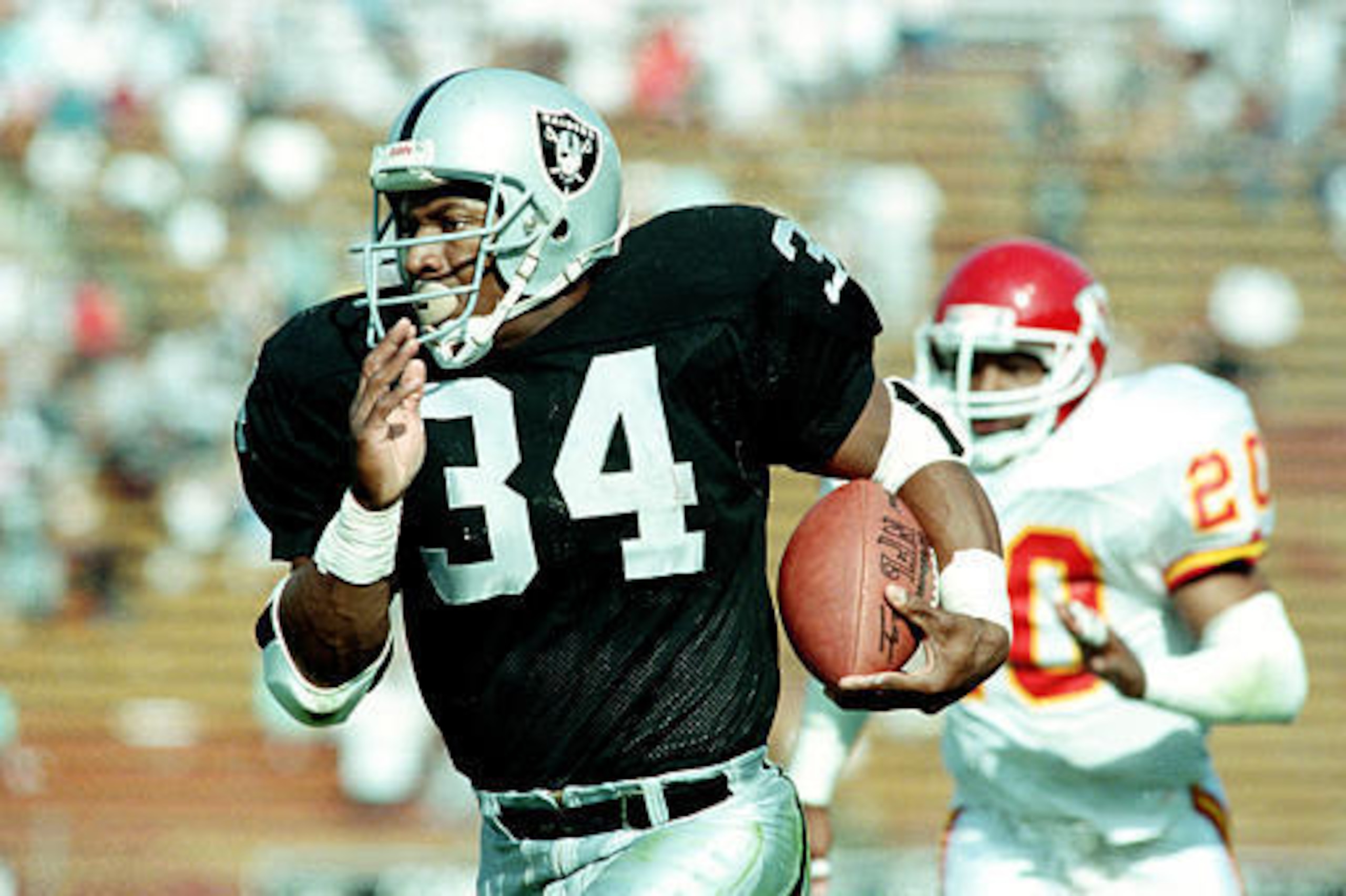
Bo Jackson
14 of 14
The only athlete ever to be named an All-Star in two different sports, Bo Jackson was a one-of-a-kind talent who was named the greatest athlete of all time by ESPN.
More specifically, he was a Heisman Trophy-winning running back with an unprecedented blend of size (6'1", 227 lbs), power and speed.
Jackson, a former No. 1 overall pick, immediately made his presence felt when he took the field for the Raiders in 1987.
In his rookie campaign, on just 81 touches, he rushed for 554 yards, sporting a gaudy 6.8 yards per carry.
His best season came in 1989, when he rushed for 950 yards (5.5 yards per carry) and four TDs en route to making the Pro Bowl.
His dynamic play wouldn’t last for long, however.
In a 1991 playoff game, Kevin Walker awkwardly tackled Jackson, who suffered a serious, career-ending hip injury on the play.
All told, the elite talent managed to appear in just 38 NFL games over four seasons of work.
And though injury prevented Jackson from reaching his immense potential, one thing remains clear: At his peak, Bo knew football about as well as anyone ever had.
Follow Janovitz on Twitter @BrainTrain9
.jpg?w=2560)
.jpg?w=2560 "Texans Jaguars Football")