
USA vs. Ireland: 5 Keys for the USMNT in the Final Friendly of 2014
Guinness versus Budweiser. Blarney versus bravado. St. Patrick versus San Zusi.
Although the patron saint of Mexico’s 2014 World Cup run will not be among the participants, the US will nonetheless seek to end the year on a high note when it faces the Republic of Ireland on Tuesday. It’s only the ninth time the two nations have faced each other—and the first time since 2002—which is something of a surprise given the cultural ties between the two nations. The Irish lead the all-time series 4-2-2.
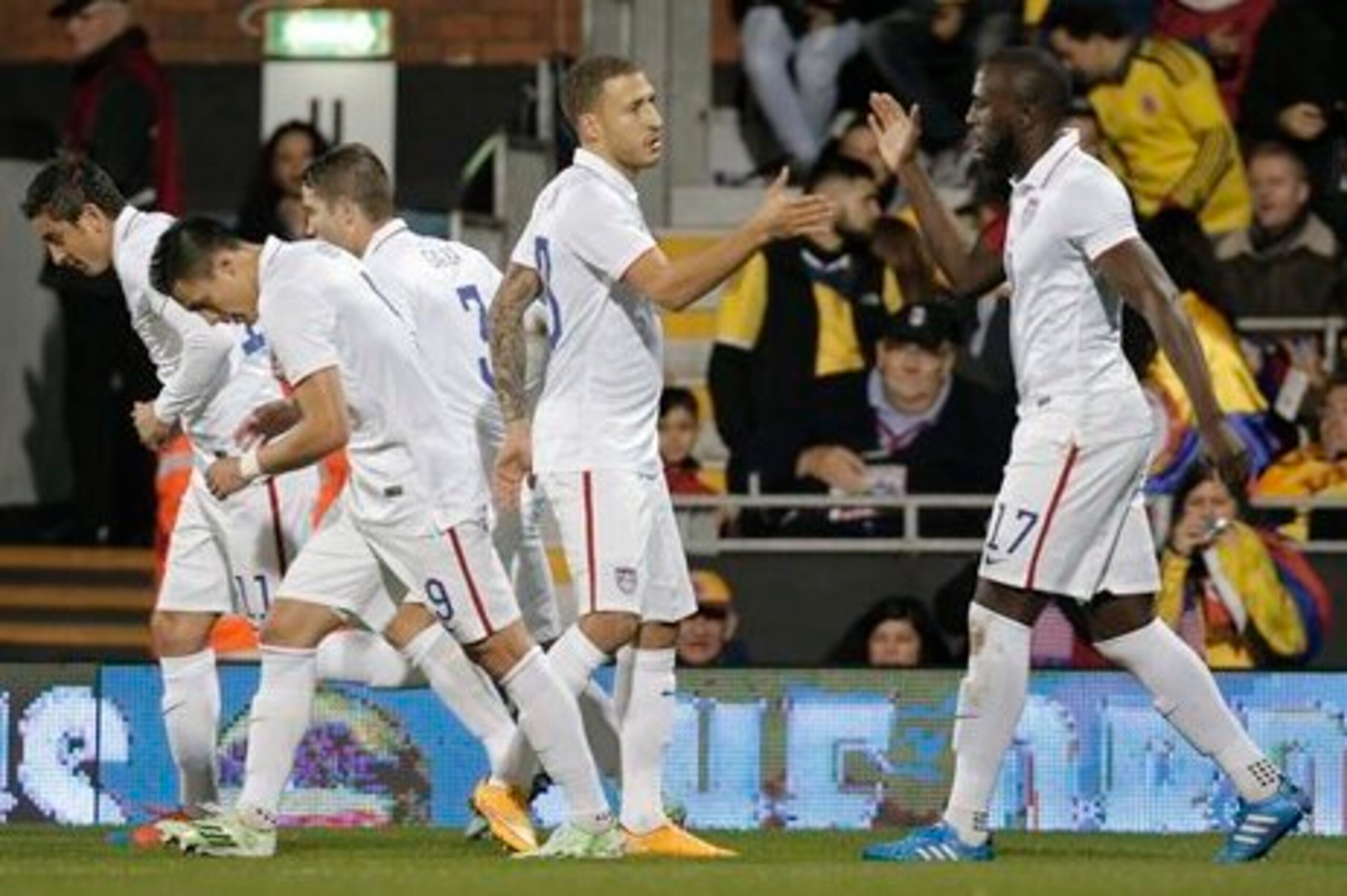
While the Boys in Green may not pack as much punch as Los Cafeteros—who defeated the US 2-1 in London last Friday—Jurgen Klinsmann’s men are in for anything but a cakewalk. The Yanks labored in front of a pro-Colombian crowd at Craven Cottage and figure to be under siege again, this time in a sea of green and white in Dublin’s Aviva Stadium.
It will be another test for the Americans, who have compiled impressive wins on European soil under Klinsmann, including a 1-0 victory over the Czech Republic in September. A win against Ireland would give the US some added confidence heading into 2015.
Here are five keys for Tuesday’s showdown.
Ball Possession
1 of 5
If ball possession is the “final frontier” of American soccer (as deemed by ESPN's Alexi Lalas), the US looked miles away from the Promised Land in its friendly against Colombia. The South American side dominated the ball with a 60/40 advantage in possession against the Yanks.
It’s a recurring problem for the US against top-flight opponents, as it usually is for any team facing a stronger side. The Colombian pressure—especially in the second half—forced a number of giveaways that led directly to chances. Eventually, following wave after wave of Colombian attacks, the US buckled.
The Yanks should fare better against Ireland, who don’t have the quality of the Colombian offense. Ireland is also without LA Galaxy star Robbie Keane, who was called back to the US for the MLS Playoffs. No Keane translates to less pressure from the Irish, and less pressure should translate into more possession for the Americans.
Ultimately, the possession issue comes down to quality and confidence, and a win in Dublin would give the US a much-needed dose of the latter.
Stability in the Midfield
2 of 5
If the US wants to improve its possession, it needs to start in the midfield.
At the center of it all, Mix Diskerud had a rare bad outing against Colombia. The new No. 10 has played well since getting regular minutes with the national team but struggled to find a foothold against Los Cafeteros.
Meanwhile, Alejandro Bedoya looked far more confident and created chances going forward. Perhaps the Colombian-American felt at home facing his ancestral country, although Bedoya has been steady dating back to the World Cup.
With Kyle Beckerman anchoring the defensive midfield again and Fabian Johnson likely to slide back to right back (DeAndre Yedlin was called into MLS duty and will not play against Ireland), a midfield slot will open for one of Lee Nguyen, Alfredo Morales or Julian Green.
Will one of those three capitalize on the opportunity?
Nguyen made things happen coming on as a substitute against Colombia (including a nifty backheel that nearly led to a goal), and Green’s theatrics at the World Cup are well-documented. Alfredo Morales is another German-American, which is all you need to know about his chances of fitting in with this squad.
Whoever Klinsmann goes with, their play in the midfield needs to edge the US closer to the final frontier.
Constituency of the Back Line
3 of 5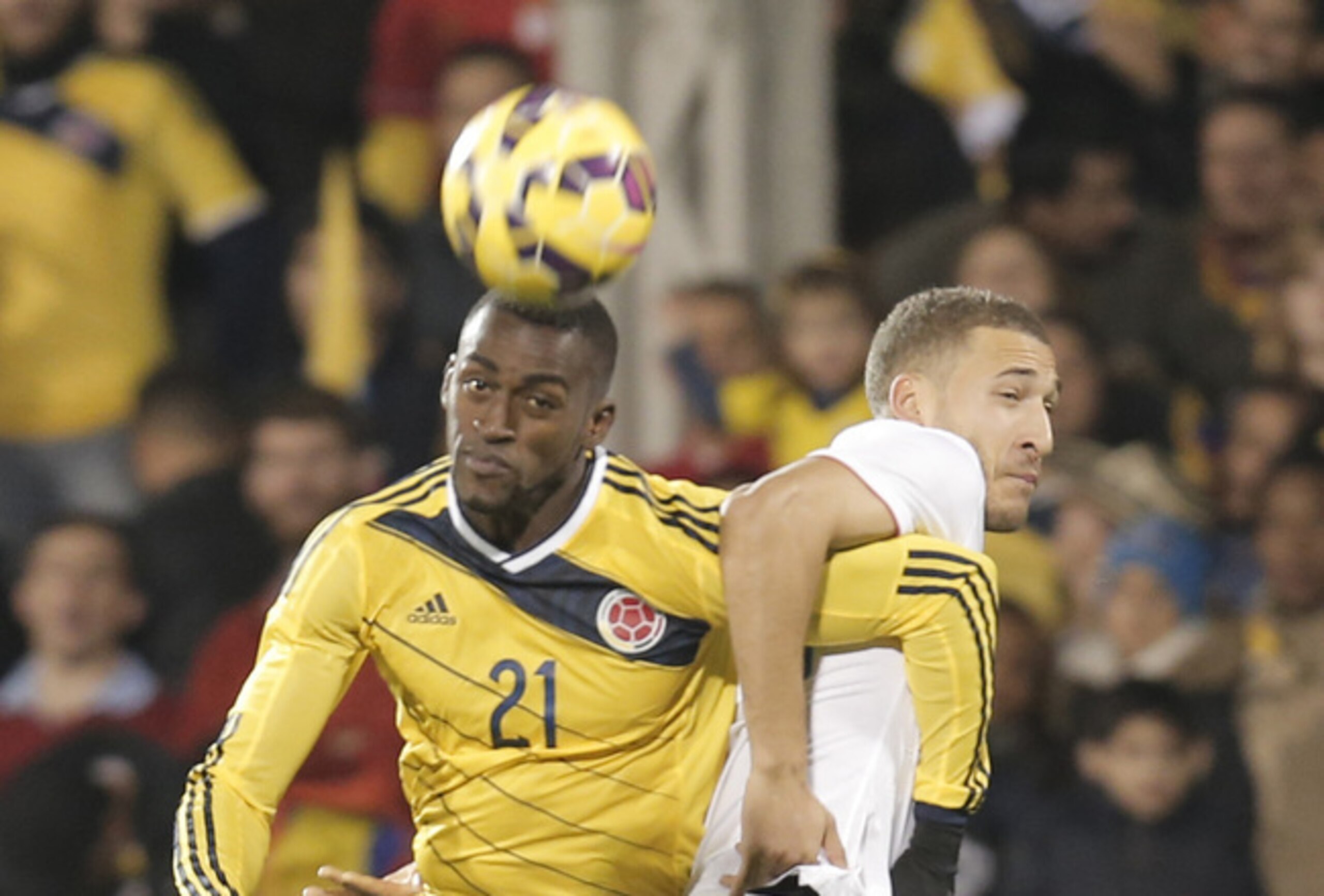
The revolving door back line for the US continues to spin. Two players from the Colombia match—Jermaine Jones and DeAndre Yedlin—will not be available against Ireland due to MLS commitments.
Who will step in this time?
As mentioned, Fabian Johnson will likely return to full-back on the right side. And with the Jones central defense experiment on hiatus, Matt Besler—who started all four matches in the World Cup—is a likely candidate to return to his original post.
There is also the possibility that Geoff Cameron—who may be closer to the broadcasting booth than the starting XI, via Sports Illustrated—will get the start at center back. Cameron has started two Premier League matches this season for Stoke City, who currently sit mid-table.
Meanwhile, the left side of the defense—John Brooks and Greg Garza—figures to remain in tact from the Colombia match. For now, Klinsmann will have to settle for having only half of the back line in flux.

.jpg?w=2560 "Chargers Mack")
.jpg?w=2560 "Green Bay Steelers Football")
The Next Young Gun
4 of 5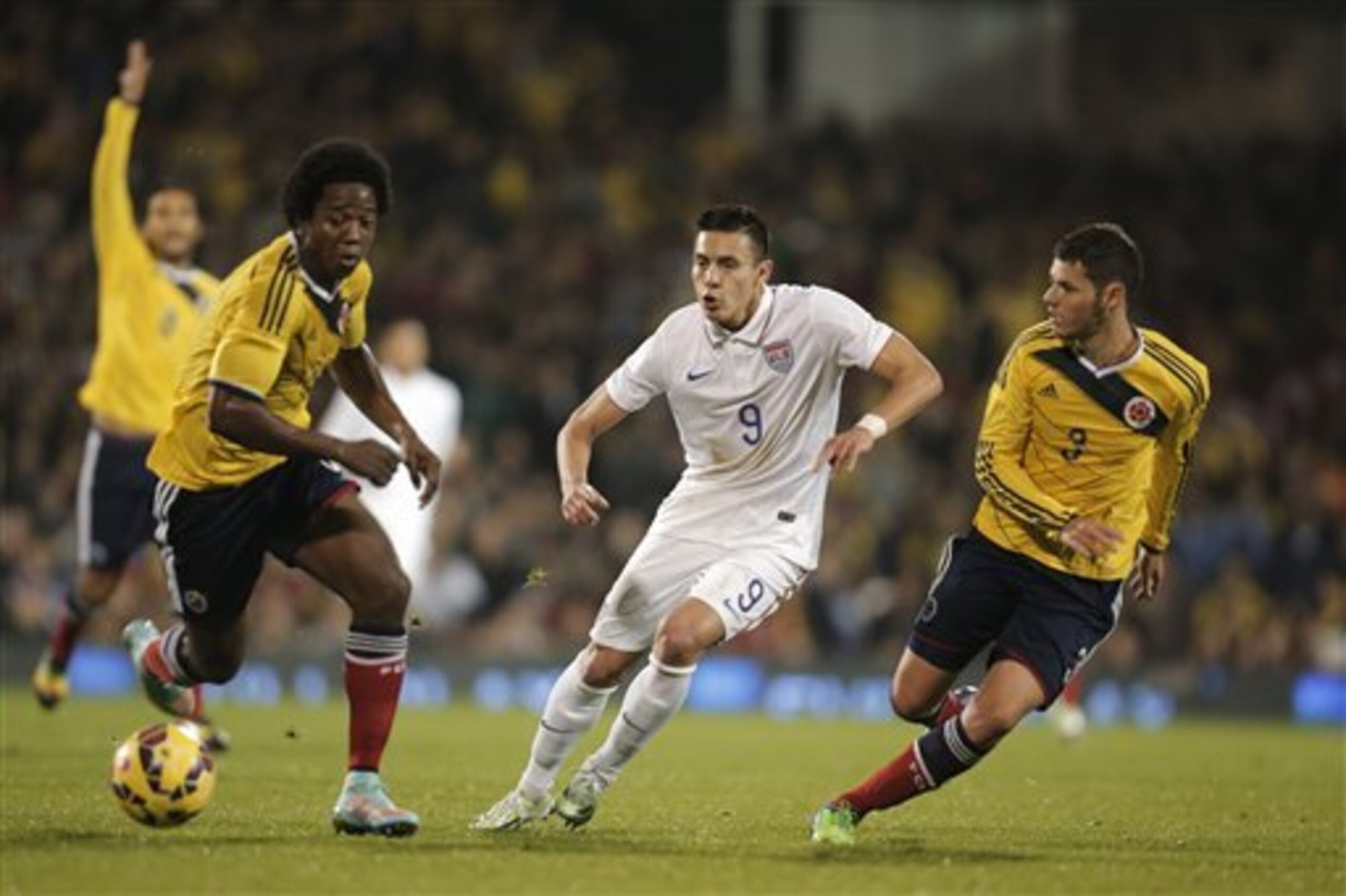
At just 25 years old, Jozy Altidore figures to be a lock for the 2018 World Cup. But who will be his running mate?
Clint Dempsey will be 35 by the time Russia rolls around. That’s pushing it for a striker, which means that unless the US can find a way to play with only Altidore up front, someone will need to step into Dempsey’s shoes.
Could Dempsey’s replacement already be in the US camp?
Rubio Rubin played the role of Jozy’s sidekick in the Colombia match, and he impressed in doing so. The 18-year-old showed great poise against Colombia and even came close to scoring on his debut with a diving header that skidded just wide of the post. The Mexican-American could continue to make his case as a serious prospect up front with a solid match against Ireland.
Another candidate for second striker is Stanford standout Jordan Morris. If he sees the pitch against Ireland, Morris will become the first college player to be capped since Ante Razov in 1995.
Russia is still a ways down the line, but Rubin and Morris could get a head start against Ireland on Tuesday.
Conceding the Late Goal
5 of 5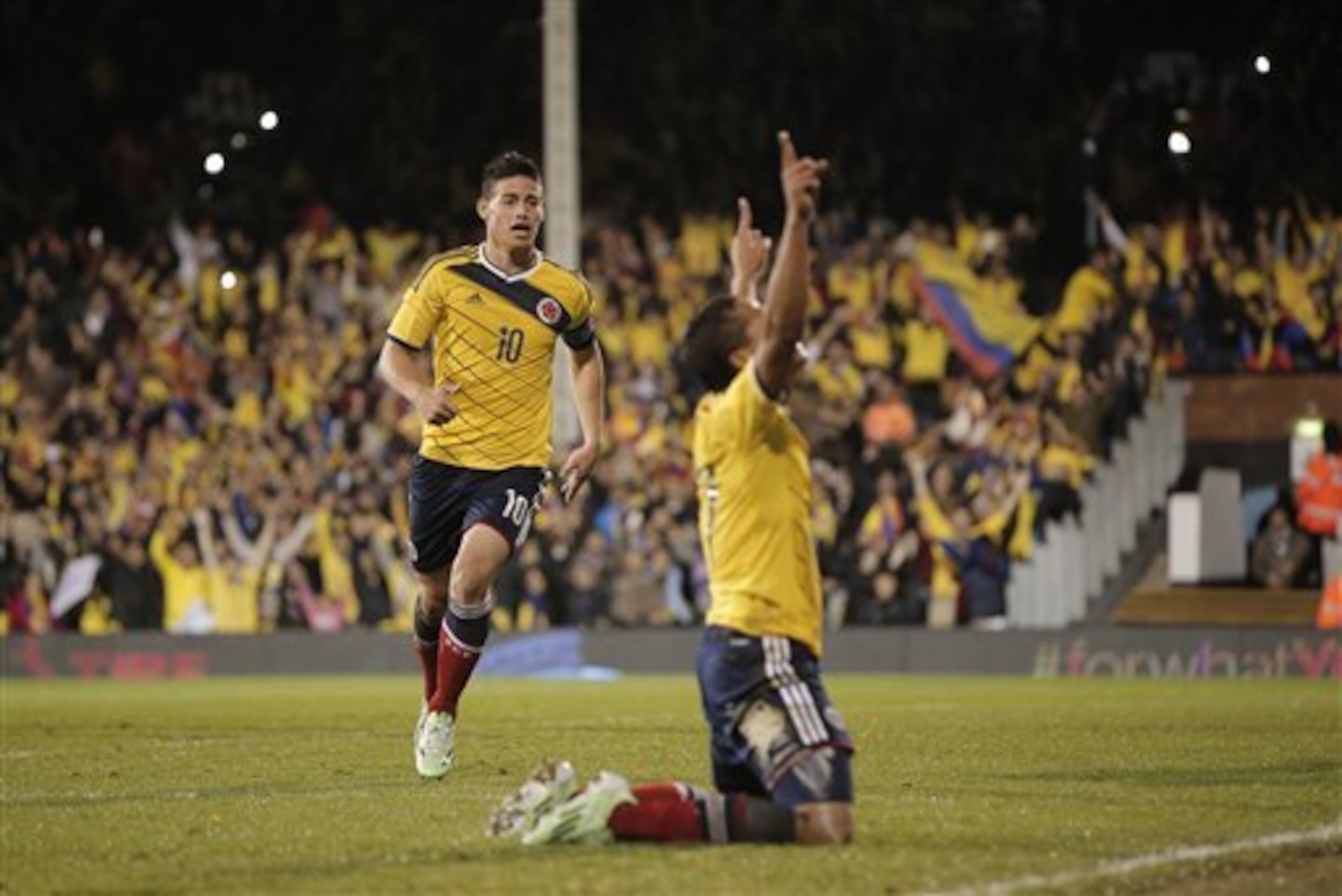
It used to be that the US had a bad habit of conceding early goals. Now they seem to be plagued by the opposite problem.
Late goals have been a constant headache for the Yanks dating back to the World Cup. The US conceded an 82nd-minute equalizer to Ghana (four minutes before John Brooks headed in the game-winner) and, more infamously, a 95th-minute equalizer to Portugal that could have cost them a berth in the round of 16.
For whatever reason, the problem has carried over into the recent slate of international friendlies. The US conceded an 88th-minute equalizer to Ecuador to spoil Landon Donovan’s farewell game and just days later conceded an 86th-minute equalizer to Honduras. Both games ended in draws.
Conceding late goals could be caused by incoming substitutes compromising the defensive shape, although that would not explain the late-game slips in the World Cup. Loss of focus at the end of matches could also be a culprit.
Whatever the diagnosis, the US needs to nip this in the bud before it becomes a recurring theme in 2015, when the games start to matter again.
.jpg?w=2560 "Top NFL Trade Targets")