From Morocco to Equatorial Guinea: The Afcon Debacle
Finally, after weeks of deliberation and doubt, CAF have confirmed that the 2015 Cup of Nations will be held in Equatorial Guinea.
The tiny nation will become the first-ever country to host two Cup of Nations tournaments within the space of three years, having co-hosted with neighbours Gabon back in 2012.
The Confederation of African Football were placed in the unenviable position of identifying last-minute hosts following Morocco’s decision to request a postponement of the event, which was (and still is) set to kick off on January 17.
TOP NEWS

Alex Morgan Announces Birth of 3rd Child 👶

Final Men's Ballon d'Or Rankings 📊
Most to Blame at Man Utd? 😡
The North African nation’s decision—born, officially, from a fear of the Ebola epidemic arriving upon their shores—has split the African footballing fraternity and drawn a division between fans and observers of the continental game.
There are those, me included, who have sympathy with the Moroccans.
As reported by the BBC in early October, the nation expressed concern with hosting the event in light of the epidemic raging across West Africa. They wrote to CAF and asked whether African football’s governing body could look at the viability of the tournament happening in January.
CAF refused and gave Morocco a deadline to outline their stance. The Moroccans called the confederation’s bluff and requested that the tournament be postponed.
They were, in effect, refusing to host the tournament on the dates originally agreed and instead expressed a desire for the competition to be pushed back either to the summer or to January 2016.
Morocco have qualified their motivations in demanding a postponement: "Morocco maintains its request to postpone the CAN 2015 to 2016,” began a statement from the sports ministry, as reported by BBC Sport.
"The decision is dictated by health reasons because of the serious threat of Ebola and the risk of its spreading."
If we take these at face value, then it is hard to criticise the North African nation. If their health experts have expressed concern at the prospect of hosting the tournament, or if there is an ounce of fear that the Afcon may bring Ebola to Morocco, then, as far as I am concerned, they have every right to request postponement.
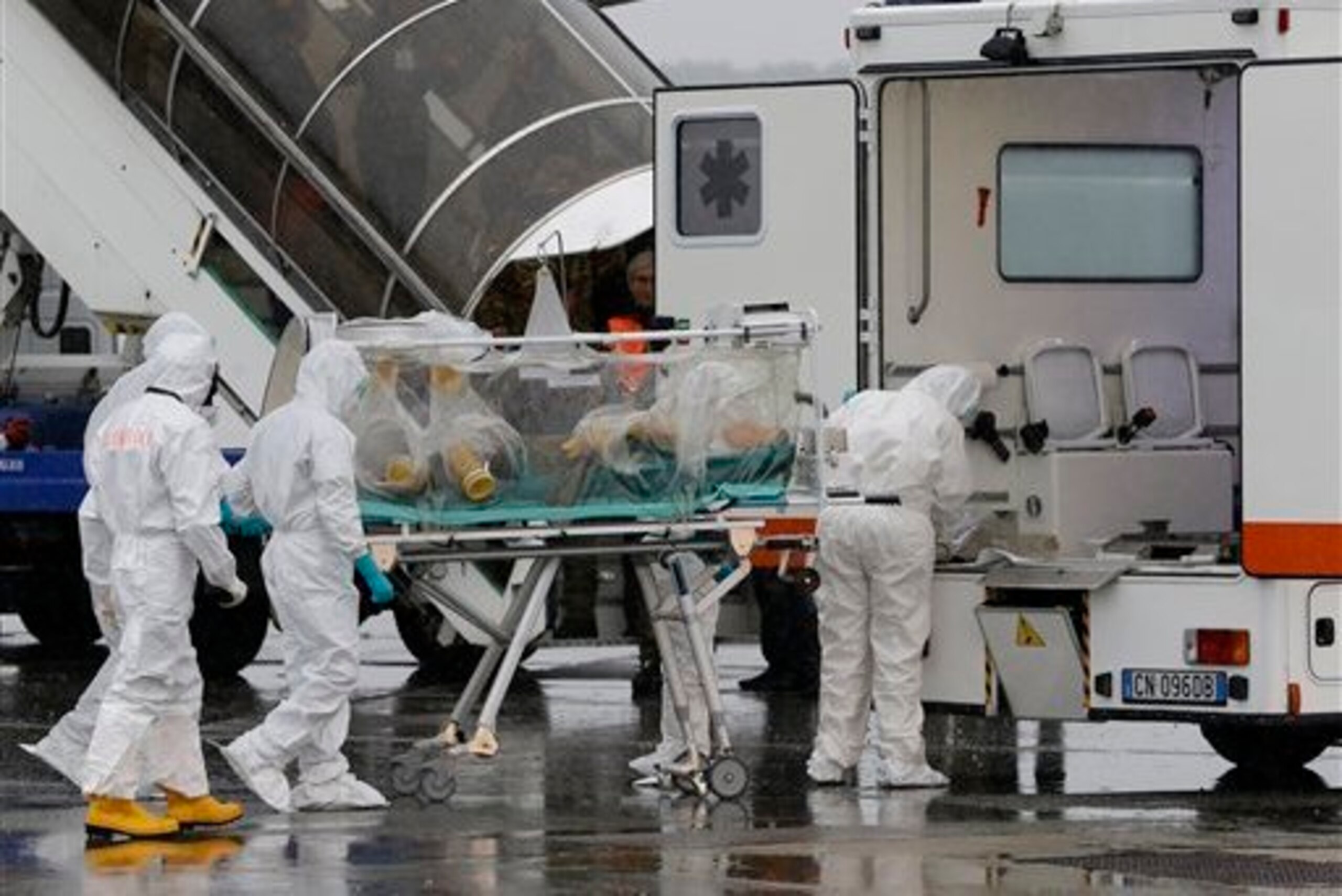
The disease has led to over 5,000 confirmed deaths already in West Africa, while the ultimate consequences for the economies and health services of Guinea and Sierra Leone, for example, cannot begin to be measured yet.
As outlined by Joe Crann of Soccer Laduma: “I’m all for postponing Morocco 2015. They have their own country’s best interests at heart and, to be honest, that’s what really matters at the end of the day.
His view is shared by Borussia Dortmund manager Jurgen Klopp, via Goal.com, another who appears able to put football into perspective: "If there is one country in Africa which has the feeling that it can't host the Cup safely then this has to be the priority, not the Africa Cup."
Official tournament sponsors Orange have also acknowledged that they are sympathetic with Morocco’s conundrum.
Finally, African legend George Weah, whose nation, Liberia, has been at the centre of the epidemic, has also added his voice to those who sympathize with Morocco, via SuperSport. “I hail from a country where Ebola has killed thousands of people. So the best thing to do is to take precautions,” he began.
“If Morocco need time to put precautionary plans in place to ensure that those players and officials that would come for the Afcon are safe, then let’s give the country time to achieve this.”

CAF, however, the omnipotent, benign governing force of the African game, do not share the sympathies of those commentators listed above.
Following Morocco’s request to postpone, the confederation are likely to hand out some stiff sanctions. The side have already—logically—been ruled out of the 2015 showpiece, and may well be in line for a fine and an extended ban from CAF-organised competition.
This may well mean the end of the international careers of Morocco’s stars who, days ago, were preparing for an Afcon on home soil. Now they are contemplating the premature end of their international careers.
Is this punishment really called for, or have CAF, the same organisation who banned Togo after the team were shot at on the way to the 2010 Cup of Nations, lost their own sense of perspective?
Well, there are some who support the organisation’s stance, if not their sanctions.
Commentators such as Claudia Ekai of SuperSport and Patrick Juillard of FootAfrica365 have questioned Morocco’s motivations.
There are questions to be asked about Morocco’s actions, as I acknowledged in a recent feature with Goal Nigeria: “How, for example, can the nation justify hosting the upcoming Club World Cup, but not the Cup of Nations?
"Why, if they are so concerned about the well-being of the Moroccan population, were they so quick to volunteer that Guinea (banned from hosting matches because of the epidemic) travel to Casablanca and use the Stade Mohamed V for their qualifiers against Togo and Ghana?”
However, have Morocco, as Maher Mezahi suggested on Twitter, really been “contradictory”?
Ostensibly, I can begin to rationalise why the nation’s health experts saw fit to request a postponement of the 16-team Cup of Nations and the seven-team Club World Cup.
It is a question explored by Citi FM, with the Ghanaian journalist Gary Al-Smith arguing that the nation have valid reasons to be concerned about how hosting the Cup of Nations might affect their valuable tourism revenue.
CAF head Issa Hayatou remains unmoved, however, and has insisted that any altering of the Afcon dates could have been a “mortal blow” to the continental game, via BBC Sport.
Ultimately, it looks like we’ll never see the consequences, as new hosts have been found.
After the likes of Egypt and Ghana ruled themselves out, as Nigeria dithered, Equatorial Guinea stepped into the breach.
The tiny nation—with a population of approximately 750,000—are recently oil-rich and keen to assert themselves within the continental arena. They clearly cannot ignore the visibility that comes with hosting such a high-profile tournament?

But will it be a success?
At such short notice, it’s hard to make definitive predictions.
One would suspect that the threat of Ebola will certainly be low (or lower) in Equatorial Guinea, with fewer fans able to afford to travel. Visa complications may also limit the attendance of media representatives. These two factors could lead to fewer logistical concerns for the new hosts.
When the nation hosted back in 2012, I remember some exceptionally wet conditions and sticky pitches. These don’t necessarily make for good football, but should at least be exciting.
Bleacher Report’s Jonathan Wilson, writing for SoccerGods.com, is also concerned about the stadium at Ebebiyin, which he describes as “rudimentary.”
CAF may say—and fairly—that they’ve found themselves in a tricky position and opted for the only genuine saviour that came their way, but questions do need to be asked about the morality of hosting the event in Equatorial Guinea.
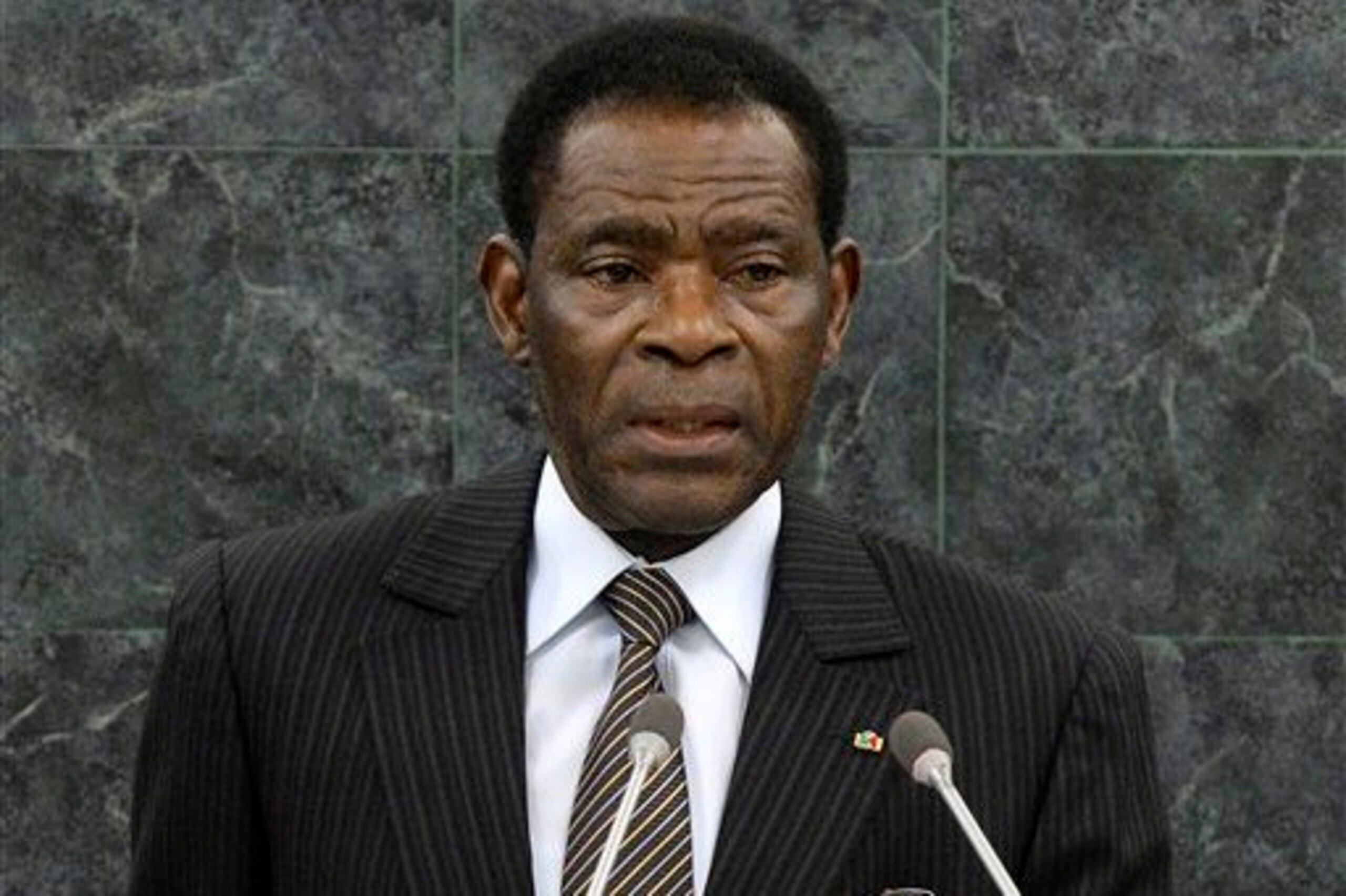
The nation has problems with “torture, arbitrary detention, rule of law [judicial independence], freedom of association, press freedom, anti-corruption and social and economic rights,” according to Human Rights Watch, while Trace International indicates there is a “high risk” of corruption.
Those calling Morocco a disgrace have surely lost a handle on the realistic responsibilities of a government and the consequences of ignoring one’s own health experts.
However, Equatorial Guinea brings its own problems and its own concerns. CAF have asked, President Obiang has answered and Africa steps into the unknown.