Report Claims Police Mishandled Hit and Run Involving FSU Football Players
Florida State defensive back P.J. Williams was reportedly involved in a hit-and-run car crash back in October, but the Tallahassee Police Department allegedly mishandled the incident.
Continue for updates.
Friday, Nov. 14
TOP NEWS
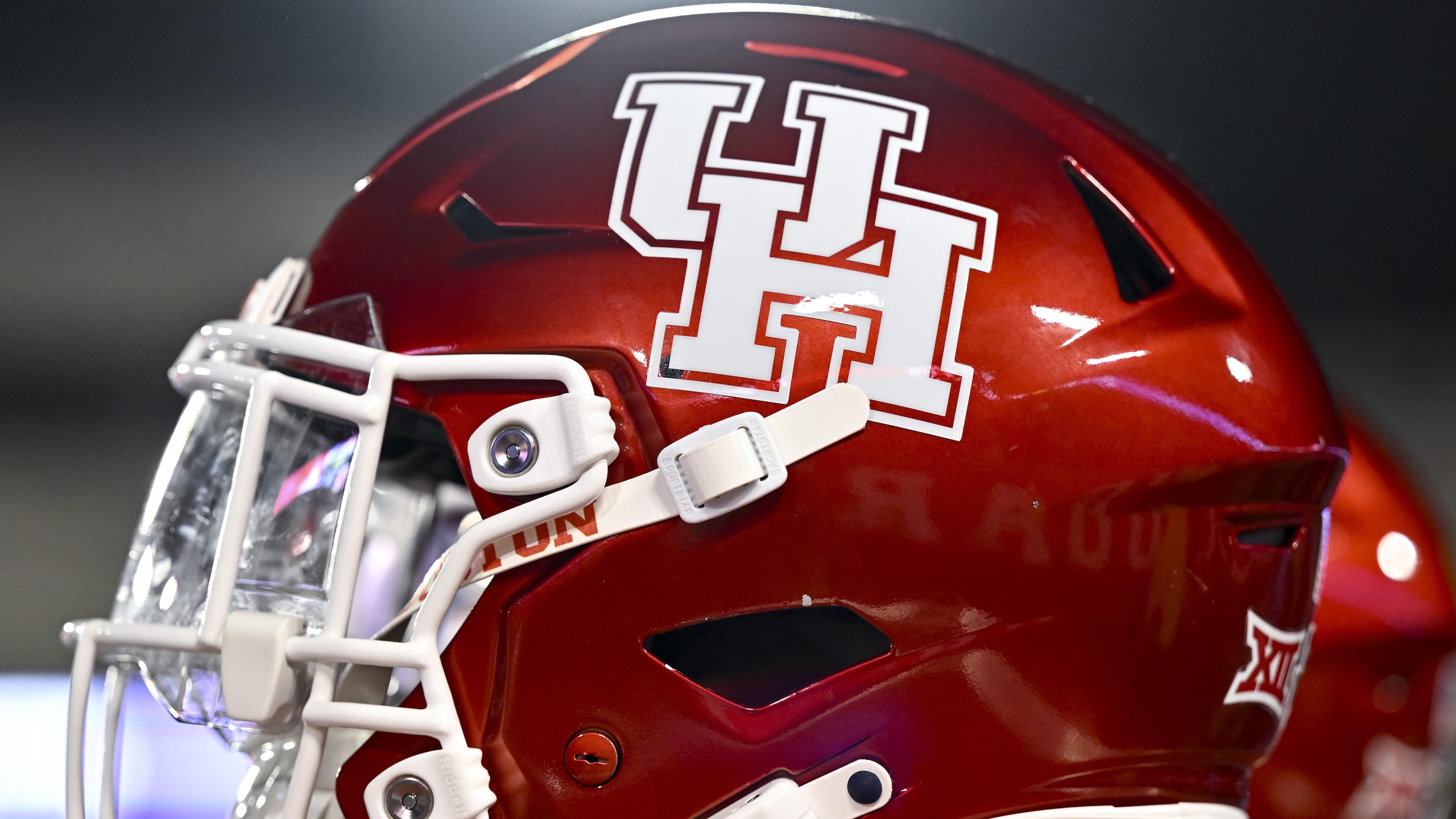
Houston's Space Helmets 🧑🚀
Matt Campbell Rips Loss 🗣️
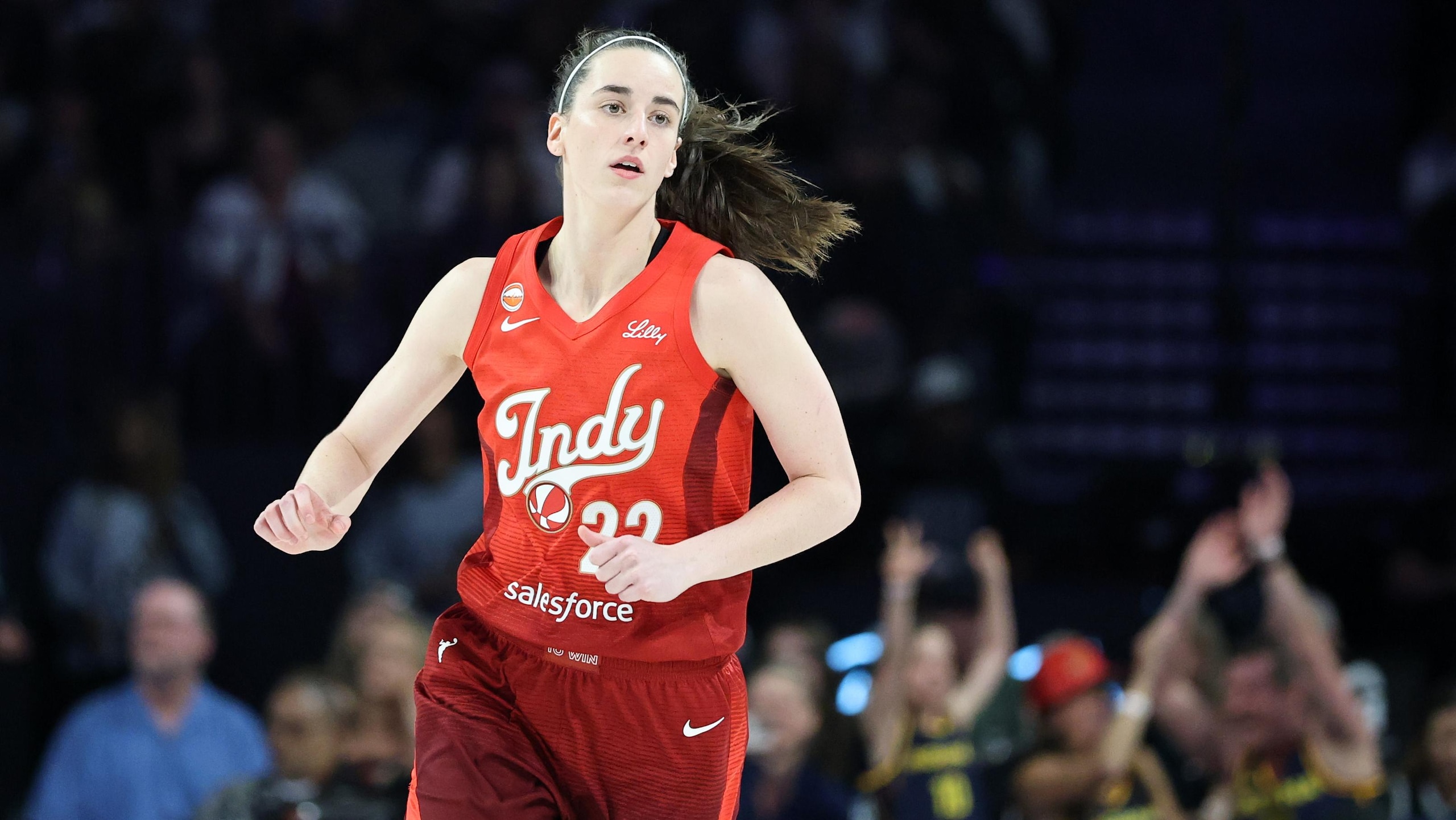
Caitlin Clark to appear on College GameDay
FSU President John Thrasher Responds to Allegations
Sean Rossman of the Tallahassee Democrat has FSU President John Thrasher's response to the report:
""The university administration wants to convey to you its profound disappointment in a New York Times article posted Nov. 14 suggesting a cover up in connection with an Oct. 5 car accident that involved FSU football players," Thrasher said in emailed statement. "The evidence simply does not support the implications in the Times article."
Thrasher said the Florida State University Police Department did not participate in the investigation, provided the Times reporter with information in good faith and said there was no "shifting story," as was alleged in the Times piece.
"The department's officers acted entirely appropriately and followed department procedures," Thrasher said. "We are disturbed that a newspaper with a distinguished reputation would print such a speculative story."
"
Tallahassee Police Allegedly Mishandle Hit and Run Involving FSU Players
An investigation by Mike McIntire and Walt Bogdanich of The New York Times shows Williams and fellow Seminoles defender Ronald Darby left the scene after the accident.
The police report also failed to include key details about the crash, including the amount of damage that was done to the other car involved and the fact its airbag deployed.
"The report also minimized the impact of the crash on the driver of the other car, Ian Keith, by failing to indicate that his airbag deployed—an important detail because Mr. Keith said in an interview that the airbag had cut and bruised his hands," the report reads.
The decision was also made to change the type of offense:
"The examination found that Mr. Williams, driving with a suspended license, had been given a break by the Tallahassee police, who initially labeled the accident a hit and run, a criminal act, but later decided to issue Mr. Williams only two traffic tickets. Afterward, the case did not show up in the city's public online database of police calls — a technical error, the police said.
"
Also noted in The New York Times report is that the Florida State University police were contacted for help during the investigation. It sent two ranking officers to the scene, but their presence or actions were never made into a report, with the school stating their role was too minor to note.
A campus police chief told The New York Times his agency acted properly by having officers visit the scene, but they were not involved in any citations or other actions:
"The campus police chief, David L. Perry, said in a statement that he had reviewed the actions of his officers and had found that they behaved appropriately. "This was a routine matter of our agency responding to a simple request from T.P.D. and it was all together proper for our officers to go the scene," he said in the statement.
"
The final crash report listed the offenses as making an improper left turn and unknowingly driving with a suspended license. A prior decision to hold Williams' car for evidence was overturned.
Further investigation showed the way the situation was handled did not fall in line with how Tallahassee police dealt with similar crashes in the past.
It comes on the heels of questions about how the department handled a sexual assault accusation made against Florida State quarterback Jameis Winston in 2012.
Williams arrived in court two days later to pay prior fines to have his license reinstated. The report states the outstanding money owed in relation to the October tickets has not been paid, however, which has caused another suspension.

.jpg?w=2560 "Every Trade's Best Trade Asset 🔁")
.jpg?w=2560 "Insiders: Cowboys Overpaid for Porter")
.jpg?w=2560 "MHJ's Potential Trade Value 📉")