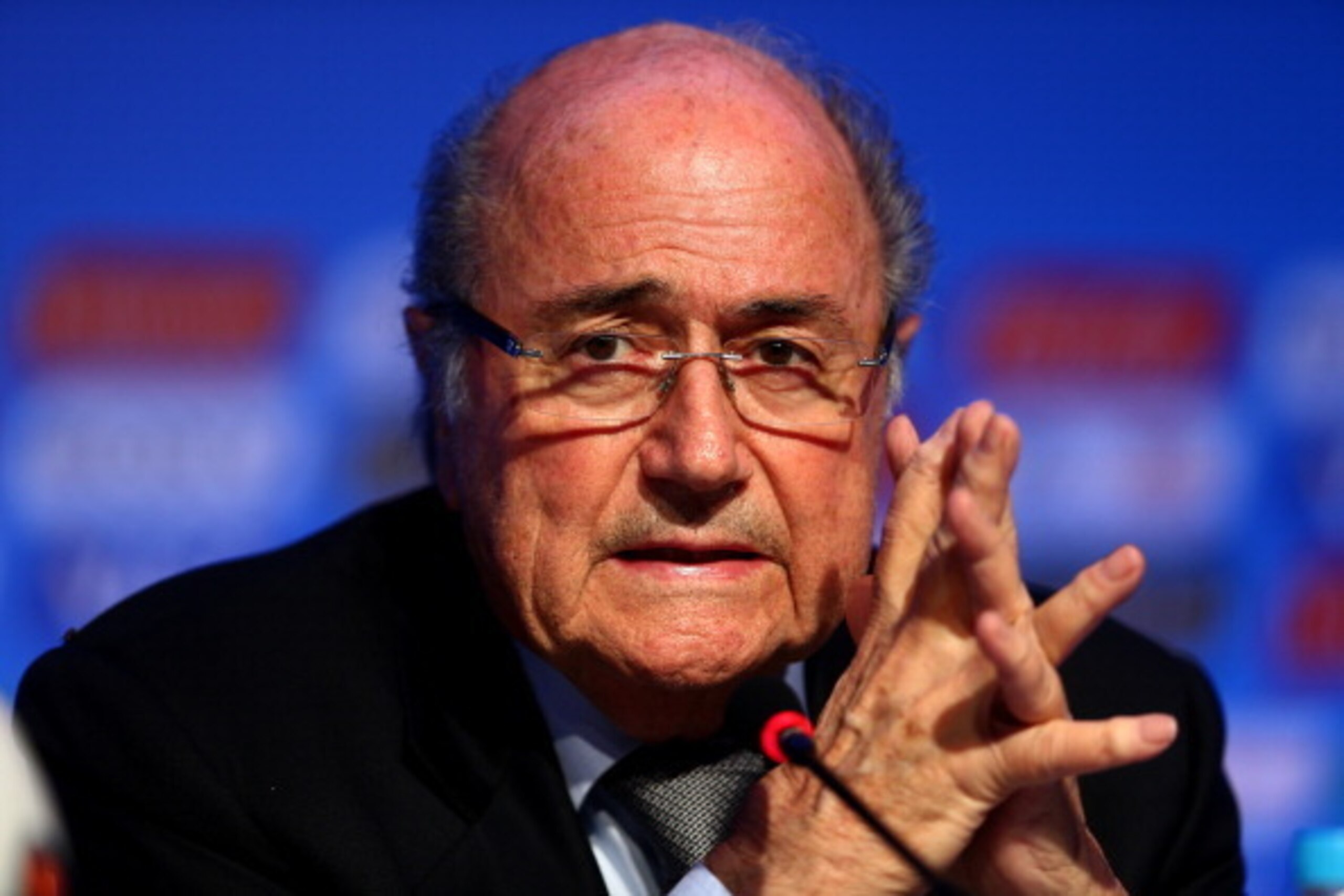

What We Can Learn from Report into FIFA World Cup Bidding Process
Ask yourself this question: What would FIFA have regarded as the ideal findings from an investigation looking into its World Cup bidding process?
Perhaps an indictment of England, from where many of the corruption allegations originated in the first place (the BBC and the Guardian being among the governing body's most vocal critics).
Perhaps the light and largely symbolic censure of respected football associations, such as those of Australia and Japan. Perhaps another toss under the bus for known villains Jack Warner and Mohamed bin Hammam.
And, it goes without saying, complete absolution of its own conduct concerning the 2018 and 2022 tournaments.
Well, voila! FIFA would seem to have got everything it wanted from former New York district attorney Michael Garcia's report, which was submitted to its Ethics Committee. And, as the organisation remarked in a statement, "a degree of closure has been reached" regarding bidding for World Cup hosting rights.
Only, it hasn't.
Just four hours after FIFA released a summary of the two-year investigation, Garcia denounced the Ethics Committee's conclusions as "materially incomplete and erroneous" and vowed to launch an appeal, according to The Telegraph, which claimed Garcia had criticised the "culture and practices of many of the 24-man FIFA executive" in his original findings.
In other words, this file is far from closed. And while the coming months, even years, will no doubt grow an already complicated process, Thursday's events have left more than enough information to parse through for the time being.
Following is a look at what both FIFA and Garcia are telling us, as well as some takeaways from their respective versions of the investigation.
FIFA: The Evaluation of the 2018/2022 Bidding Process Is a Closed Matter
1 of 6
What we're being told: In his Thursday summary of Michael Garcia's investigation, Ethics Committee chairman Hans-Joachim Eckert wrote that the findings were "not suited to compromise the integrity of the FIFA World Cup 2018/2022 bidding process as a whole."
He added: "The Investigatory Chamber of the FIFA Ethics Committee did not find any violations or breaches of the relevant rules and regulations."
But he conceded that the committee had indicated an intention "to open formal investigative proceedings against certain individuals."
FIFA, as noted in a statement, welcomed the findings as a "degree of closure" and vowed to continue the preparations for both the 2018 and 2022 World Cups, "which are already well underway."
The takeaway: FIFA are eager to avoid controversy, at least when it comes to their own conduct.
Eckert's review of Garcia's report could not be more convenient to the governing body, which surely hoped Thursday's summary of the investigation, which can be read in full on the organisation's official website, would put the matter to bed once and for all.
Garcia's categorisation of the review as "incomplete and erroneous," as per The Telegraph, has complicated that aspiration, however, and this file is anything but closed.
The Ethics Committee managed to botch its own, commissioned investigation into allegations of corruption, and FIFA have come off appearing, at the very least, incompetent and, at the very worst, crooked as a result.
FIFA: England's Conduct in the Bidding Process Was Problematic
2 of 6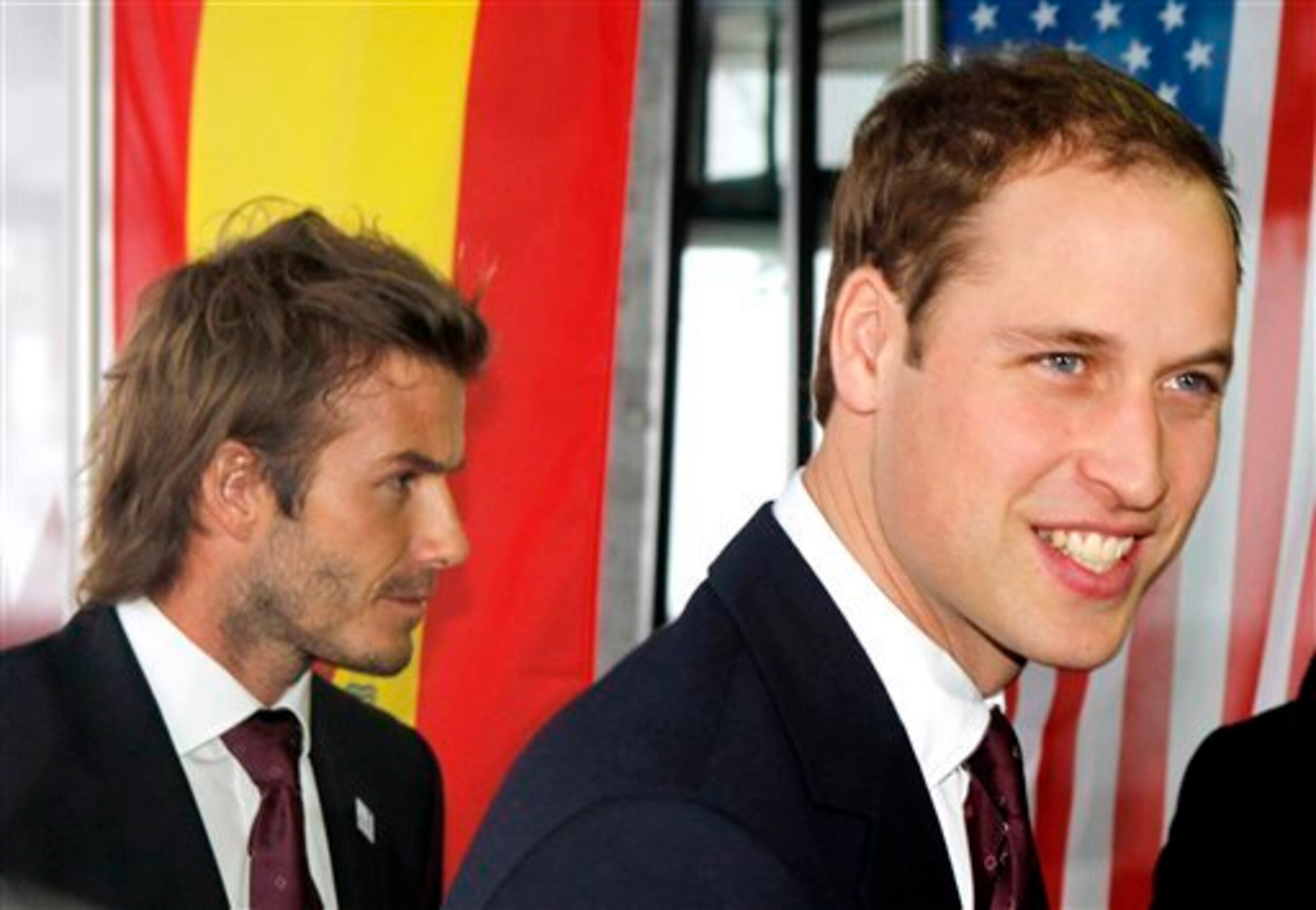
What we're being told: Eckert's review of the Garcia investigation accused the England 2018 bid team of acquiescing to the "inappropriate requests" of former CONCACAF president Jack Warner.
He writes that that the bid team helped find a "person of interest" linked to Warner a part-time job in the United Kingdom and that Warner also asked the England 2018 representatives for "favours and benefits" related to Trinidad and Tobago club Joe Public.
He concluded: "England 2018's response showed a willingness, time and again, to meet such expectation, thereby damaging the image of FIFA and the bidding process."
The takeaway: The English media have led the way concerning journalistic investigations into FIFA practices, the BBC and the Guardian have published especially damaging reports.
In that light it's easy to see Eckert's response as vindictive—as a sort of punishment for England sticking its nose where it didn't belong.
But it also brings some important, and potentially damaging, accusations to the surface.
As The Telegraph's Paul Hayward noted on his Twitter account, allegations of English misconduct are "serious," even if FIFA are using the country as a "sideshow."
On Thursday, Simon Johnson, who led the England 2018 bid, told the BBC the findings "looked like a politically motivated whitewash."
FIFA: Australia and Japan Behaved Problematically in the Process
3 of 6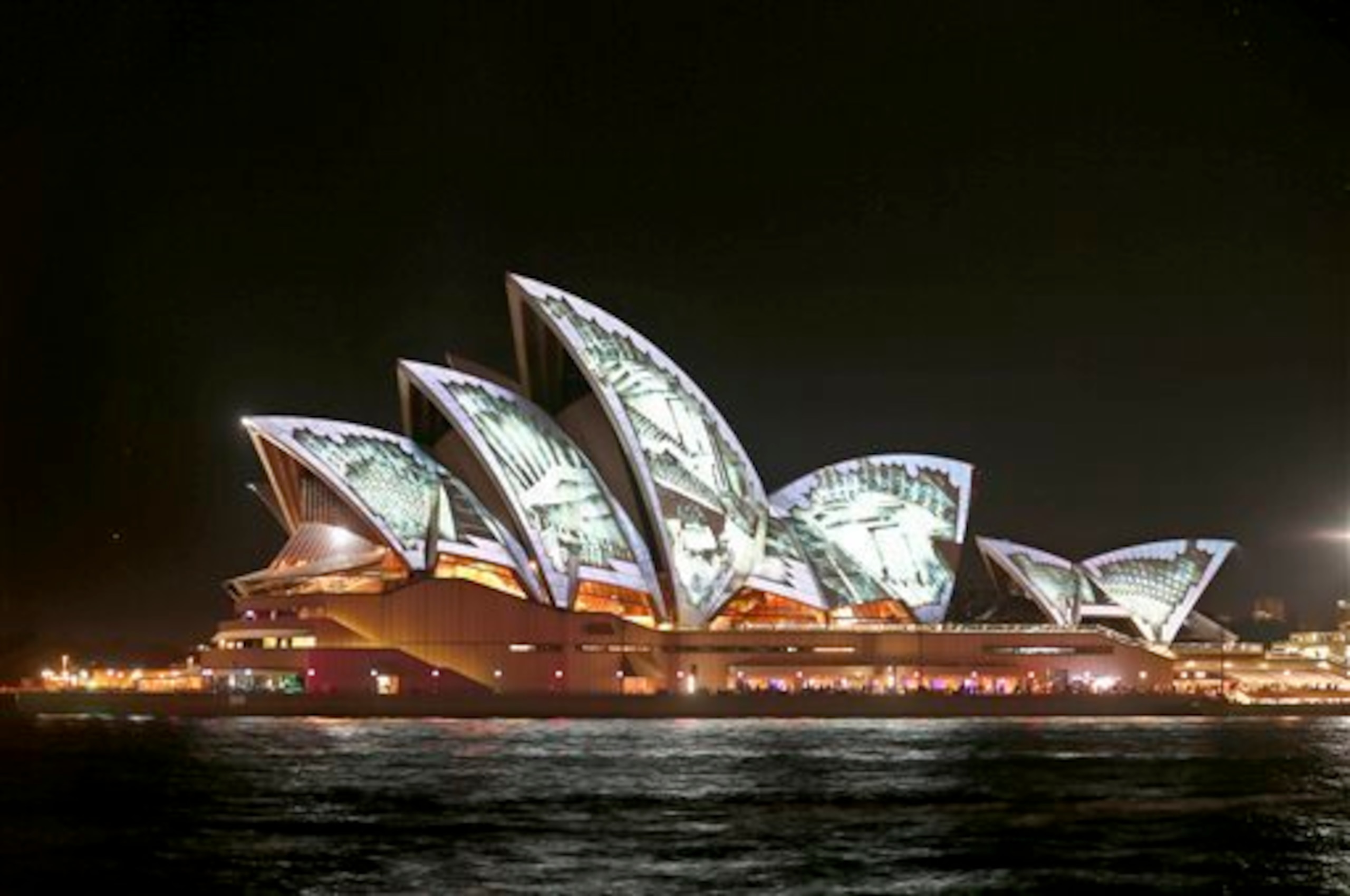
What we're being told: Eckert's review claims the Australia 2022 bid team undertook "specific efforts to gain the support of a particular then-FIFA Executive Committee member" and attempted to hide ties "with individuals close to the Executive Committee member."
The investigation is also said to have identified "certain payments" from the Football Federation of Australia to CONCACAF, whose president "also was a FIFA Executive Committee member."
Japan's 2022 bid team, meanwhile, is reported to have presented "several different gifts to senior FIFA officials, members of the FIFA Executive Committee and some of their wives."
The gifts included digital cameras and clutch bags, the distribution of which Eckert referred to as "troubling."
The takeaway: In his analysis of the Australia 2022 bid, Eckert refers to a former FIFA Executive Committee member and one-time CONCACAF president. The person in question is obviously Jack Warner, so why not just name him?
Eckert also notes that "potentially problematic conduct" had been undertaken by "specific individuals" related to Australia 2022, but he doesn't name them, either.
The findings regarding Japan are judged to have "not even remotely" compromised the bidding process.
Fair enough. But neither Australia nor Japan ended up winning World Cup hosting rights. And while there may have been improprieties associated with Australia's bid, it's difficult to see Eckert's underlining of them as anything other than yet another smokescreen for the primary subjects in question: Russia and Qatar.

FIFA: Russia 2018 Is Absolved of Corruption Allegations
4 of 6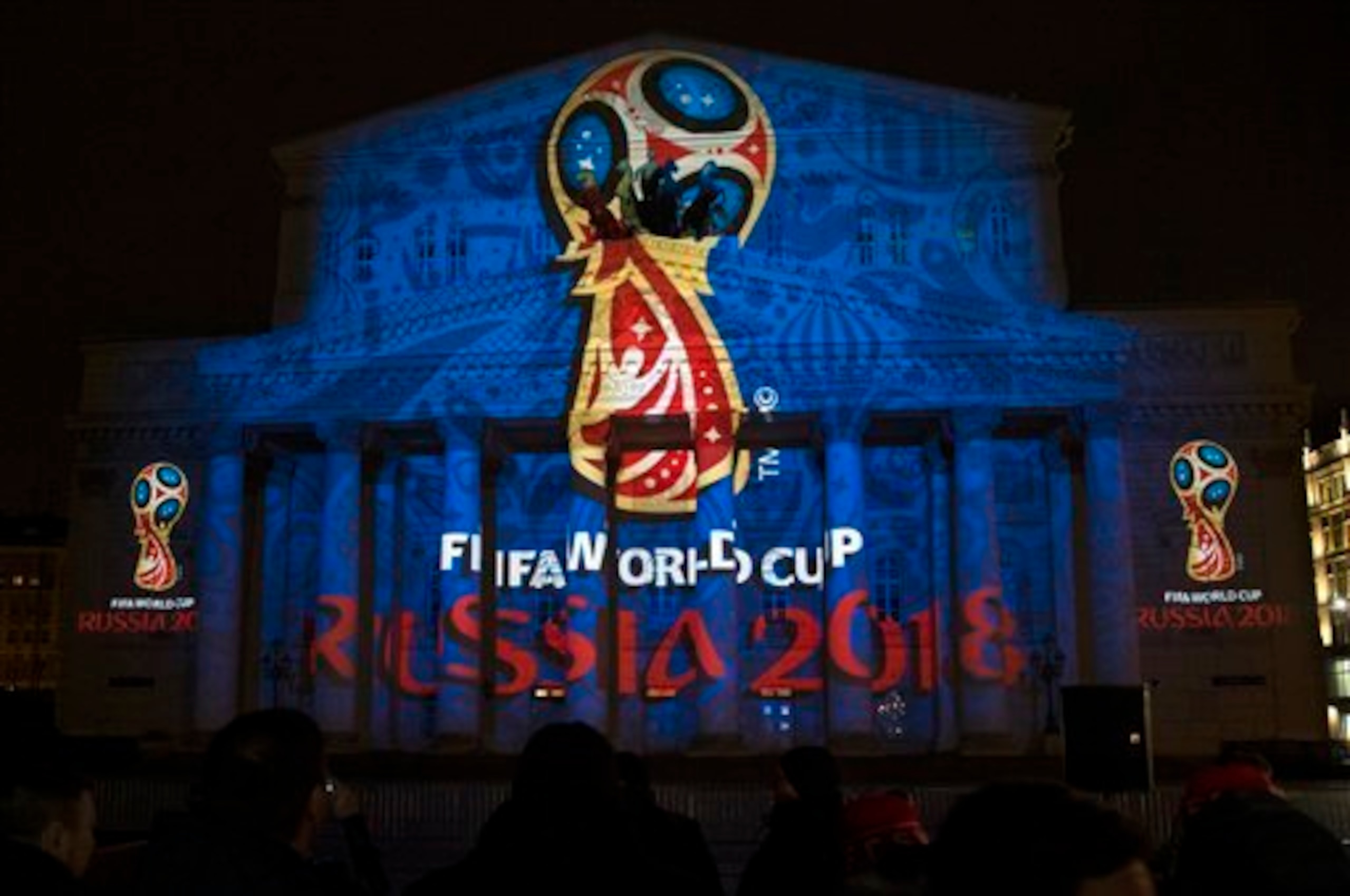
What we're being told: Despite conceding that the Russians complied "only in part" with the investigatory requirements, Eckert concluded that there was no sufficient evidence to implicate "the Russia 2018 bid team or any individual involved with it" of conduct that might have compromised the bidding process.
"There was no sufficient evidence suggesting that the Russia 2018 Bid Committee had attempted to unduly influence the 2018/2022 FIFA World Cup bidding process by contacting FIFA Executive Committee member," he wrote.
The takeaway: Russia's only partial compliance with the investigation is nothing short of farcical.
As Eckert himself explained: "The computers used at the time by the Russian Bid Committee had been leased and then returned to their owner after the bidding process." The computers were then destroyed.
Still, Eckert signs off on Russia's innocence, despite admitting that "the obligation to report in advance any contact with Executive members was complied with in only three cases."
Once again FIFA comes off as desperate to close the file on Russia 2018, even as some very obvious questions swirl regarding the destroyed computers and what has every appearance of a rush to absolution.
FIFA: Qatar Bid Is Absolved of Corruption Allegations
5 of 6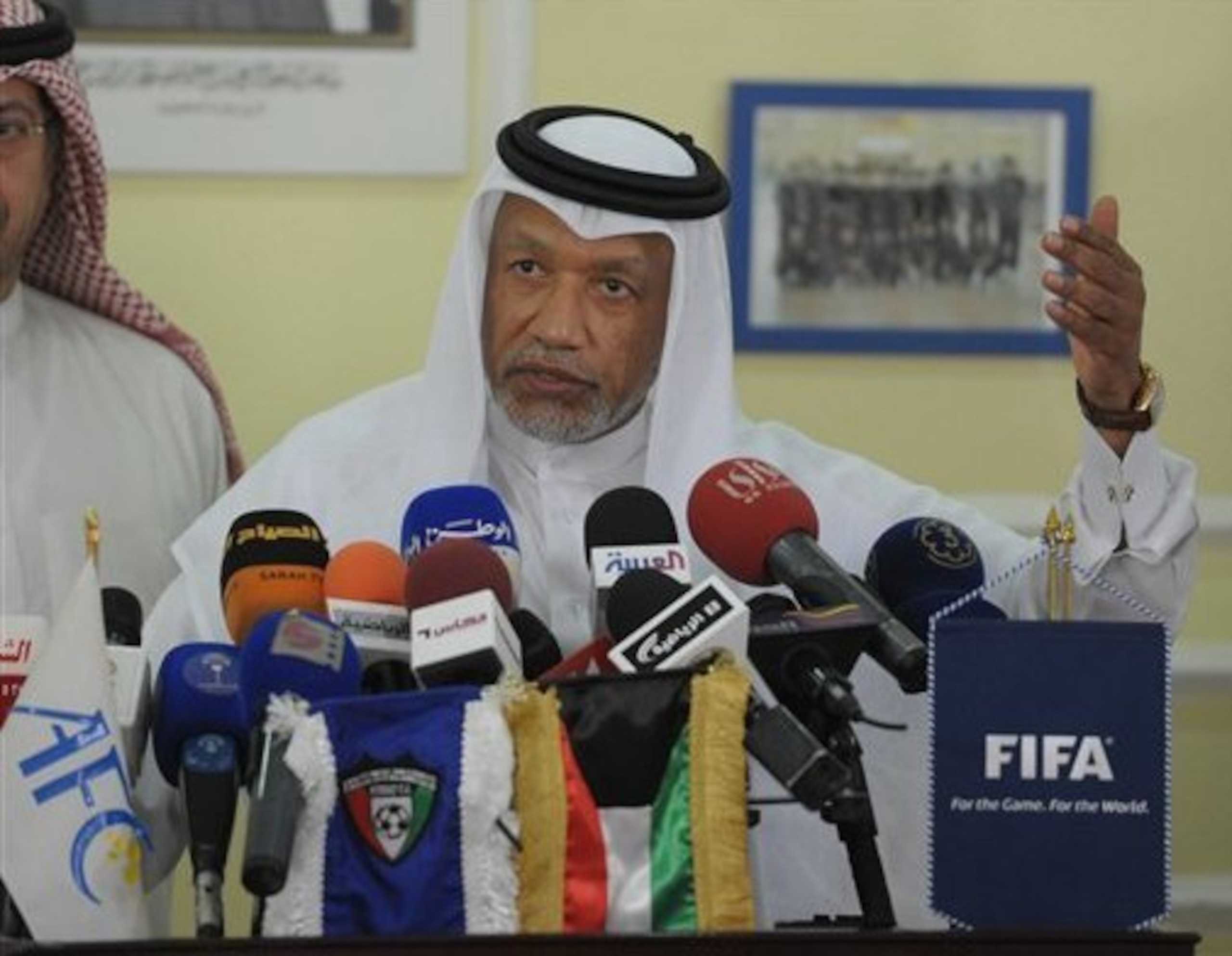
What we're being told: Although Eckert admitted the Qatar 2022 bid "was characterised by a significant lack of transparency," he also concluded that "the potentially problematic facts and circumstances" identified by Garcia were "not suited to compromise the integrity of the FIFA World Cup 2018/2022 bidding process as a whole."
He also claimed that Qatar's $1.8 million sponsorship of the 2010 Confederation of African Football Congress in Angola was "not suited to effect the integrity" of 2022 voting, even though, as he conceded, the Qatar delegation presented its bid at the event.
The Ethics Committee summary also pointed to payments made by former AFC president Mohamed bin Hammam to one-time OFC president Reynald Temarii, who was later banned from all football-related activity by FIFA for a one-year period.
Bin Hammam, according to Garcia's report, is said to have convinced Temarii—who had pledged his votes to England and the United States—to appeal the ban, thus taking the OFC out of the process and eliminating "a vote for Qatar's competition."
The takeaway: There's a lot here—too much to simply dismiss any wrongdoing of not sufficient "to compromise the integrity of the FIFA World Cup 2018/2022 bidding process as a whole."
Also, the simple assertion that Qatar's sponsoring of the CAF Congress didn't affect the 2022 voting is something of a leap.
According to Eckert, the investigative process also largely disregarded evidence given by an individual referred to as the "Whistleblower," as there were "serious questions about the individual's credibility."
What sort of questions? And was the Whistleblower's testimony discounted at least in part because of his association with the press, to which Eckert linked him?
Once again FIFA seem to have gone to great, even ambitious, links to close the Qatar file, and they come off as imprudent as a result.
Garcia: FIFA's Version Is Incomplete and Erroneous
6 of 6
What we're being told: Michael Garcia, a former New York district attorney, is quoted as follows by The Telegraph:
"Today's decision by the chairman of the adjudicatory chamber contains numerous materially incomplete and erroneous representations of the facts and conclusions detailed in the investigatory chamber's report. I intend to appeal this decision to the FIFA Appeal Committee.
"
The takeaway: Ethics Committee chairman Hans-Joachim Eckert's summary of Garcia's report, which is all that has been made public, should be entirely disregarded.
Yes, Eckert's document makes trouble for England and raises various questions about certain individuals and the conduct of the nations bidding to host the World Cup, but as an incomplete synopsis of the original work—and one disparaged by its author—it means next to nothing.
In failing to publish Garcia's entire report, FIFA have once again invited cynicism and the opportunity for further allegations.
As British MP Clive Efford told the BBC: "FIFA have no choice but to publish Michael Garcia's report in full if it expects anyone to believe their claims that there has been no cover-up over allegations of corruption in the World Cup bidding process."