Dallas Mavericks Will Be Beautiful, Frustrating Work-in-Progress
The Dallas Mavericks may own the NBA's top-ranked offense, but a team possessing several new pieces isn't going to resemble a homogeneous, well-oiled machine in less than a month.
Glimpses of systemic brilliance have been evident along the way, but it's clear the Mavericks are still learning how to cohesively accentuate their strengths while correcting a couple of glaring weaknesses.
"I'm concerned with how we're competing as a team," head coach Rick Carlisle said following Dallas' 105-96 loss to the Miami Heat, according to ESPNDallas.com's Tim MacMahon. "We just have a problem right now from top to bottom with consistency. When our level of competitiveness comes up to where it should be on a consistent basis, a lot of our problems will dissipate."
TOP NEWS
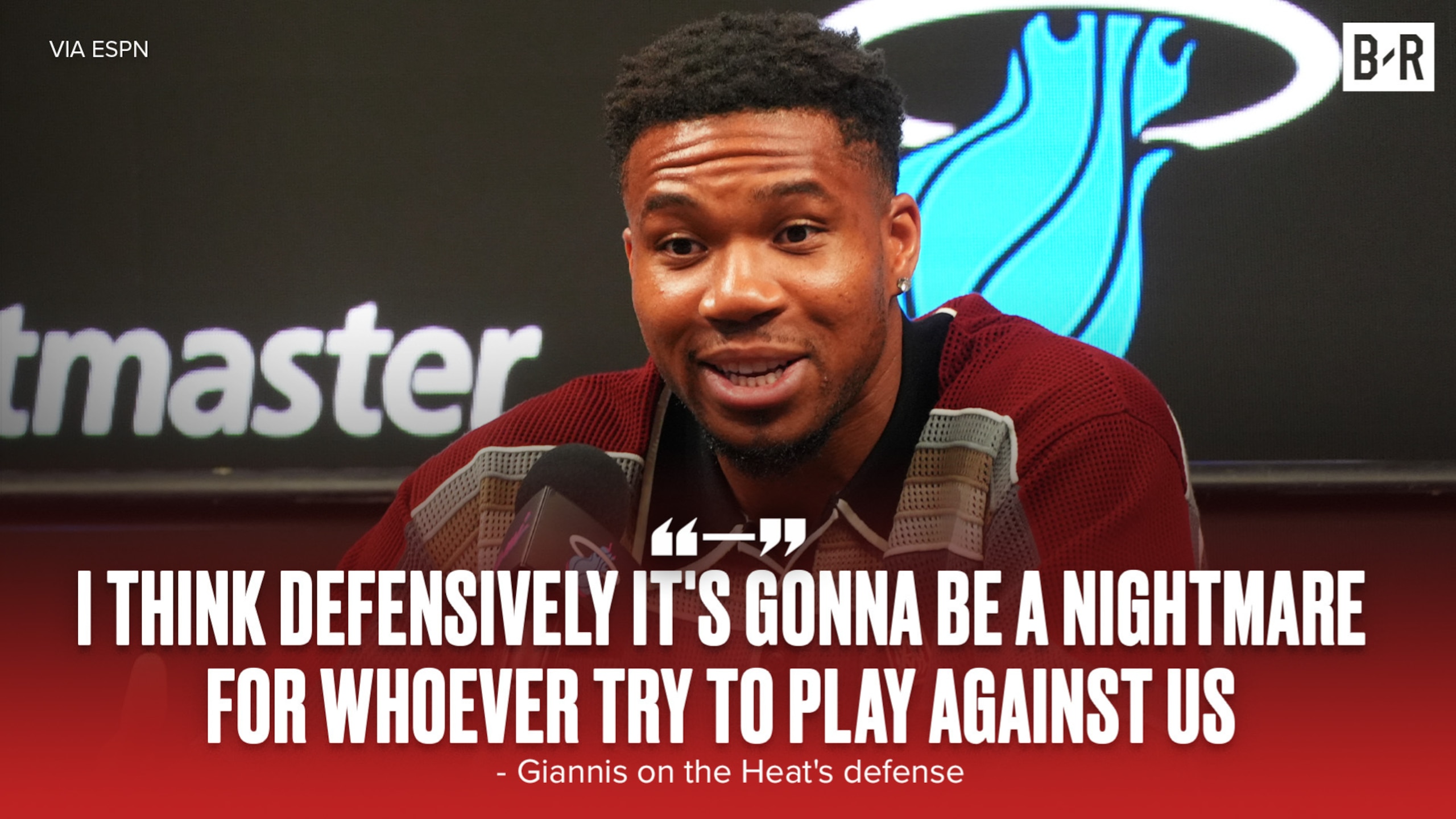
Giannis' Warning to NBA ⚠️

NBA Power Rankings Entering Preseason 🔢
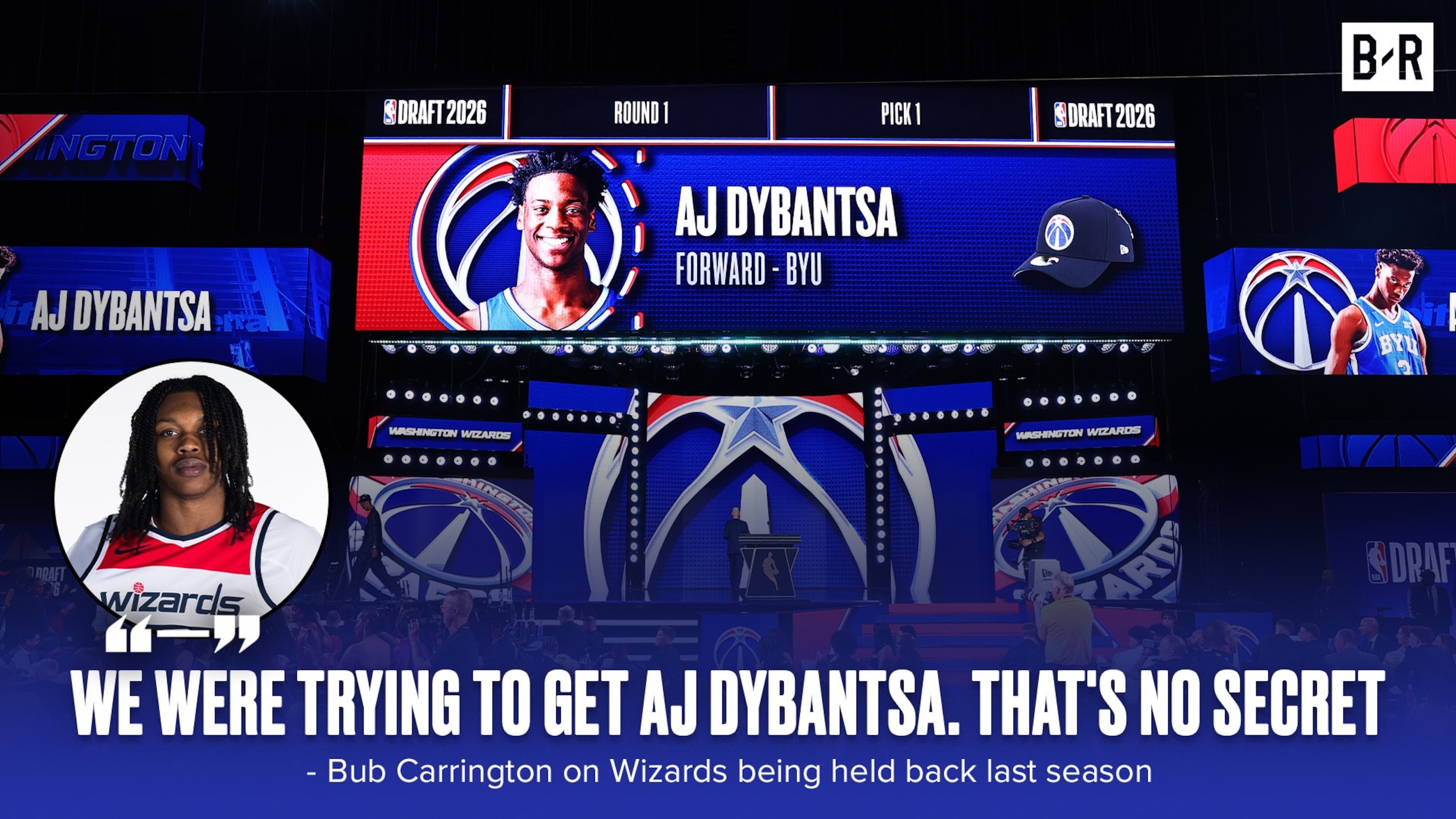
Wizards Guard Admits Tanking 😨
But by examining Dallas' play to date, it's easier to gain familiarity with a bipolar juxtaposition that pits a disjointed disappointment against a potentially world-beating Western Conference title contender.
While the Mavericks are perched atop the league leaderboard with an offensive rating of 112.0, according to NBA.com, the team's biggest offseason acquisition finds himself mired in an uncharacteristic shooting slump, a firm reminder that it takes considerable time to integrate so many significant variables.
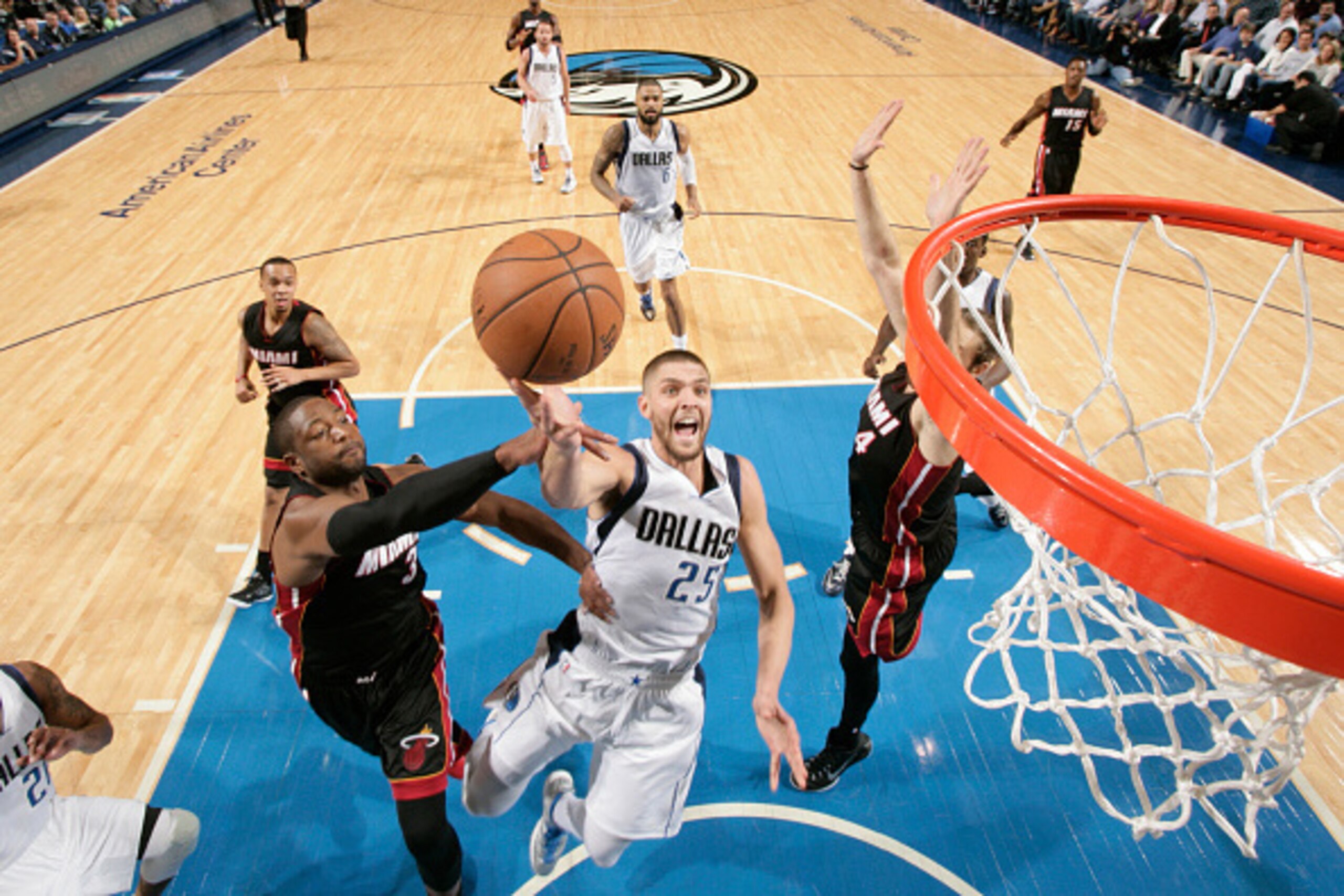
In Dallas' last two games against the Heat and Utah Jazz, Chandler Parsons has scored four and five points, respectively, while shooting a combined 2-of-20 from the field.
Through seven games, Parsons has scored five points or fewer three times. According to Basketball-Reference.com, Parsons scored five points or fewer while playing at least 20 minutes just once last season with the Houston Rockets.
“I've never really gone through a slump where I shot the ball this poorly,” Parsons told reporters following Sunday night's loss to the Heat, according to MacMahon. “That’s part of the game. I've just got to stick with it and continue to be confident."
There's a pretty clear silver lining, though.
As MacMahon noted, "The quality of shots isn’t a problem for Parsons, whose only bucket against the Heat came on a driving dunk long after the game was decided. He’s missing layups and open looks from long range, where he was 0-of-8 over the weekend."
To his point, 40.2 percent of Parsons' total field-goal attempts have come when he's been either "open" or "wide open," according to NBA.com, while a plurality of his shots outside of 10 feet have been open (closest defender within four to six feet).
The correlation between Parsons' best outings and the Mavericks' team-wide success has been pretty strong, too.
When Parsons scores at least 20 points, Dallas is 3-0 and shoots 52.3 percent from the field. However, when he scores fewer than 20 points, the Mavericks have shot 44.5 percent from the floor and posted a record of 1-3.
Make no mistake: This is hardly Parsons' struggle alone. Cultivating excellence out of new additions is no easy task, and that's a lesson the Mavericks are quickly learning on both ends of the floor.
Although Dallas has posted a net rating of plus-3.8 points per 100 possessions, it's surrendering a massive 108.2 points per 100 defensive possessions, an efficiency rating that ranks as the league's fifth-worst, per NBA.com.
In fact, Dallas has held just one opponent (Utah on Nov. 7) to fewer than 100 points in a single game.

Evidenced by the Heat's thrashing of the Mavericks on Sunday, Dallas is having serious trouble making sound defensive rotations on the perimeter.
As Luol Deng torched Dallas to the tune of 30 points on 13-of-19 shooting, Miami ripped the cords by knocking down 39.1 percent of its three-point attempts, a mark that falls almost directly in line with Dallas' season average.
Thus far, Mavericks opponents are shooting 39.2 percent from beyond the arc while sinking a league-high 10.9 threes per game.
And so long as we're talking about works-in-progress, it's worth mentioning former Defensive Player of the Year Tyson Chandler has posted the team's third-worst defensive rating, with Dallas allowing 109.5 points per 100 possessions during his time on the floor.
Factor in the Mavericks' inability to defend mid-range jumpers (surrendering a league-worst 54.7 percent on shots between 15-19 feet, according to NBA.com), and Dallas faces the tall task of trying to establish a healthy efficiency margin in the midst of significant transition.
Those numbers may paint a gloomy picture, but volatile ups and downs are a natural part of the developmental process for a burgeoning contender laced with quality veterans.
As recent history has taught us, attempting to fuse together the skill sets of several new players in order to form a united front is going to require loads of patience, even if it means dealing with inevitable frustration once the honeymoon period has ended.
Fortunately, Dallas has the makings of a balanced attack, one that will be able to overcome its shortcomings with a beautiful brand of ball that's only beginning to torment opponents.
All statistics courtesy of NBA.com and current as of Nov. 10 unless noted otherwise.
.jpg?w=2560 "Every Trade's Best Trade Asset 🔁")
.jpg?w=2560 "Insiders: Cowboys Overpaid for Porter")
.jpg?w=2560 "Top NFL Trade Targets")