Four Years After Zack Greinke Deal, Trade Haul Has Made KC a Team to Be Imitated
Erosion is already threatening to seize the Kansas City Royals roster just days after their inspirational World Series appearance. The club did not pick up its option on designated hitter Billy Butler and, in a formality, the Royals made a qualifying offer to ace James Shields so they at least will receive a compensatory draft pick when he signs elsewhere.
So in other words, baseball business as usual in Kansas City, where fighting to keep talented players in the game's crazy economic system has been a way of life for decades.
The difference now? After years of armchair general managers hooting and hollering over what in the world real general manager Dayton Moore was doing, the Royals' architect suddenly has Kansas City running—again—as a model organization.
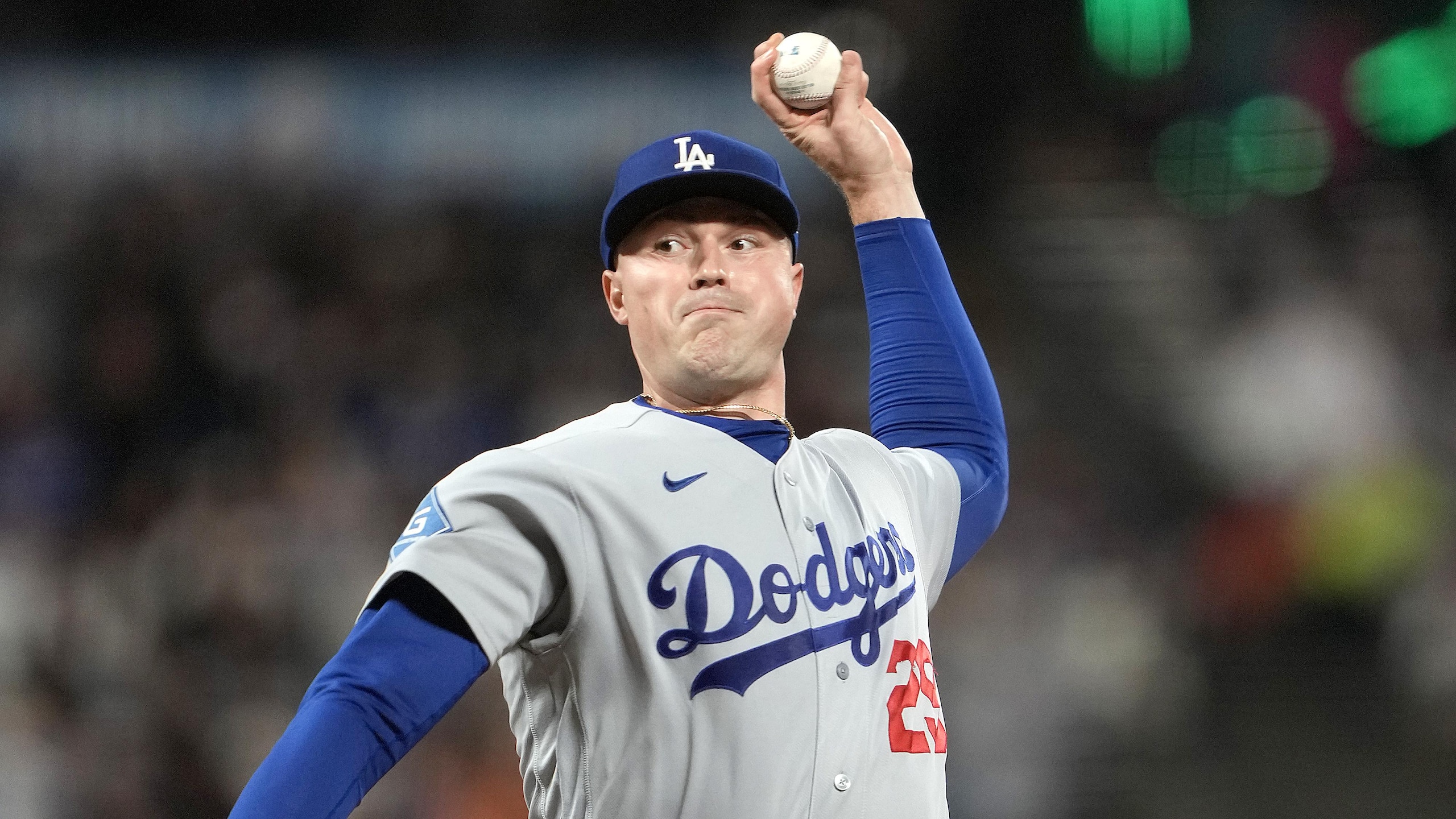
Without his masterful trades of Zack Greinke and Wil Myers, the Royals would have been nowhere near the World Series last month.
The Greinke deal in December 2010, in particular, was another of those sky-is-falling moments that turned out to be, instead, manna from heaven.
"When they traded Johnny Damon, Damon didn't want to be traded," Royals Hall of Famer George Brett told Bleacher Report during a World Series conversation in San Francisco. "When they traded Jermaine Dye and Carlos Beltran, they didn't want to be traded. None of those guys wanted to be traded, but we had to trade them."
That was when the Royals were owned by a charitable trust established after the death of owner Ewing Kauffman.
But when Greinke wanted out, the team had come out of the trust, and current owner David Glass was in charge.
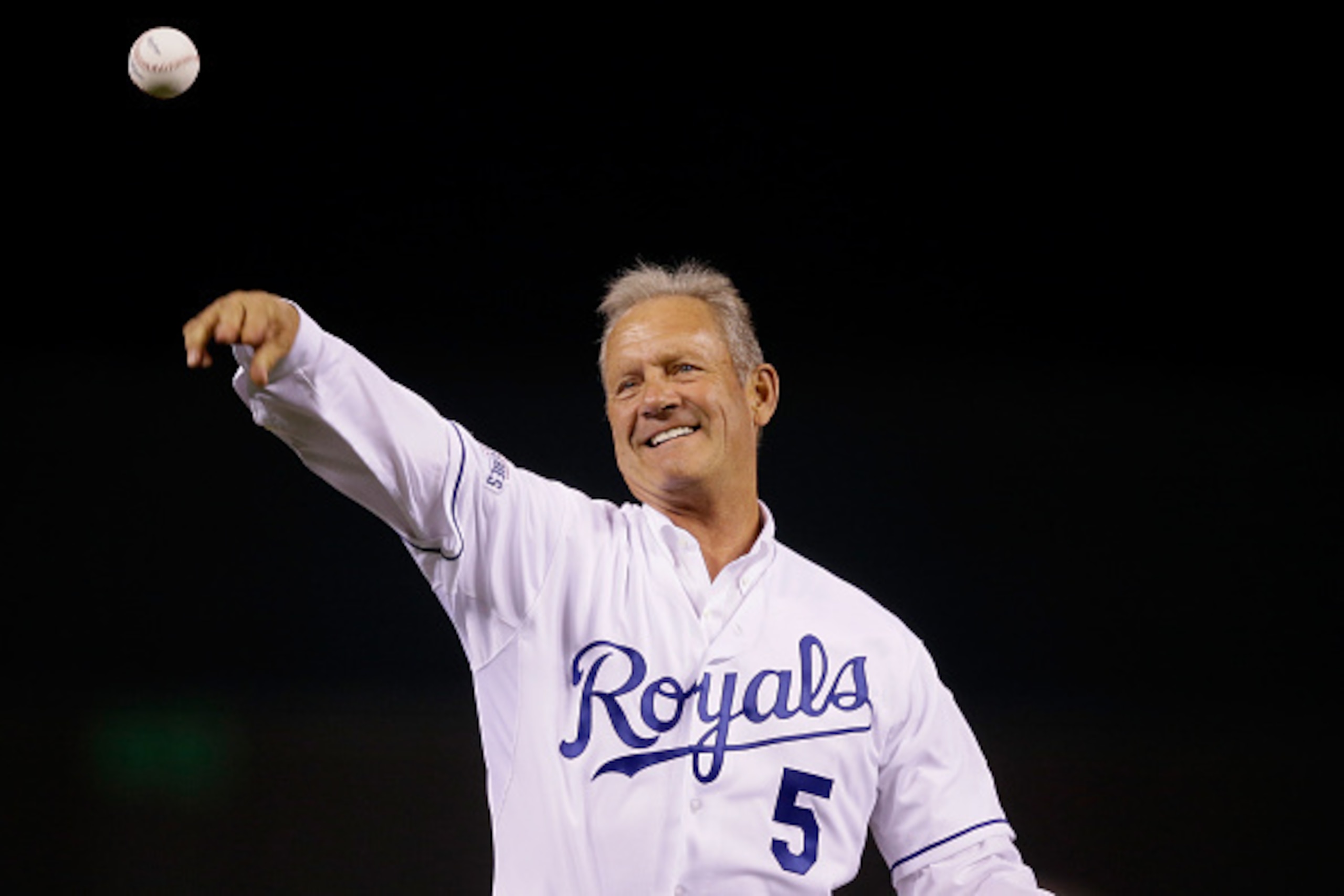
"You hate to see guys traded who don't want to get traded," Brett continued. "But when you've got a guy on your team who wants to get traded, get him the f**k out of there. Get him out.
"You don't want guys who don't want to be on your team because they can become a cancer in the clubhouse. And so Dayton put together a package, and you don't know back then; Jake Odorizzi, yeah, he could be a decent pitcher; Alcides Escobar, yeah, he's a decent shortstop; Lorenzo Cain, back then, was a really unpolished guy."
Moore's Greinke deal put the Royals on another level: He sent Greinke, shortstop Yuniesky Betancourt and cash to the Brewers for Escobar, Cain, Odorizzi and pitcher Jeremy Jeffress.
Two Decembers later, he packaged Odorizzi with Myers to the Rays for starter James Shields and setup man extraordinaire Wade Davis.
There were no guarantees at the time but…a World Series team was born.
"At the time, the only way the young talented players we had from the Escobars to the Cains to the Eric Hosmers and Mike Moustakases, even Alex Gordon and Butler and Salvador Perez, the only way they were going to become the players we dreamed about is if we started playing meaningful games," Moore said of pulling the trigger on the Shields/Davis deal. "I didn't predict we were going to get in the playoffs with Shields and Davis, but I knew they were going to make us better, allow us to compete much better, allow our young players to improve and hopefully become the players we envisioned them to be, because you can't be successful in this game unless you have the ability to concentrate every single day and the games mean something, which allows you to concentrate. And that's what gets you to a different level of talent.
"The previous year—June, July, and August—the only thing our players worried about was, 'Where am I going next year? Am I going to be traded? What team am I going to be a part of? We don't have any pitching; how are we going to get better?'
"Now, starting last year, the only thing these guys worried about was, 'We've got to win tonight.' That's what makes you better. That's what makes you focus."
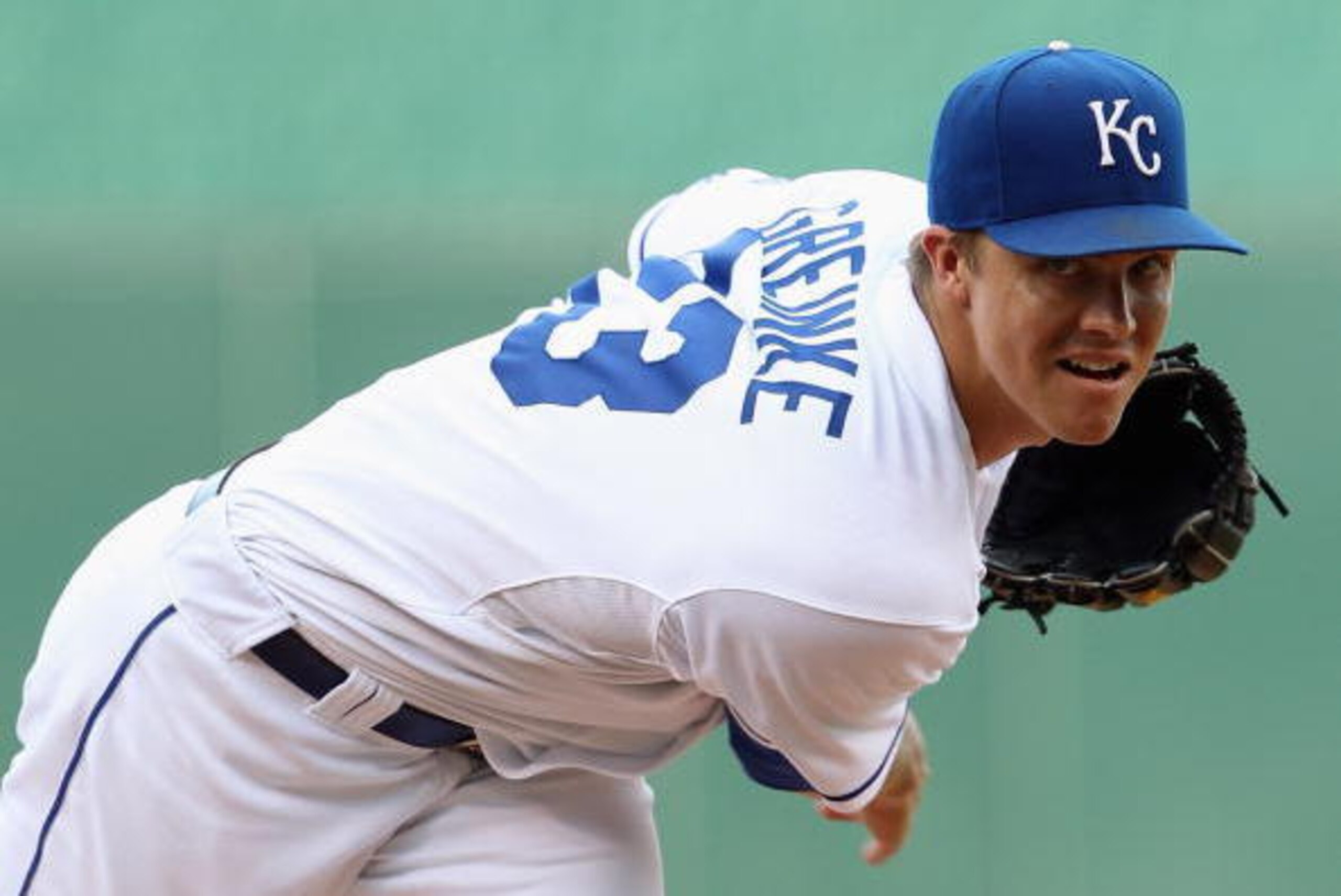
Greinke had 10 teams on his no-trade list, including the Brewers. Because he had two years left on a very affordable contract ($13.5 million each in 2011 and 2012) and had won the AL Cy Young Award in 2009, he was a hugely popular target. Moore says the Royals talked with every one of the other 29 clubs about him while looking for a fit, even the teams listed in Greinke's no-trade clause.
"Zack wanted to win," Moore said. "He understood that if we don't find the right deal for you, we might not trade you right away. He understood that and respected that."
So in a sense, he became a partner with Moore in the effort to trade him. Though he had requested a deal, the Royals certainly didn't have to trade him.
How many man hours did Moore spend in offseason talks leading up to the December trade?
"Twenty four-seven, most of the time," he said.
With Milwaukee, the key to the deal became Escobar.
"I told Doug [Melvin, Brewers GM], as I recall, that we really needed Escobar to make this deal work," Moore continued. "Because we really didn't have a shortstop in our system at the time. We didn't really know who was going to play shortstop for us in the future.
"Alcides was absolutely crucial for us."
Because skipper Ned Yost had managed in Milwaukee from 2003-08, he had specific insight into the Brewers' players being discussed.

"Ned said, 'Escobar is a playmaker,'" Moore recalled. "He said he'll make the great play look routine at times. Offensively, our scouts and Ned together felt that there was a lot of upside. He certainly could steal bases. He needed to work on his pitch selection. But that would improve with time."
This is where player development would come in.
In today's game, that doesn't simply mean in the minor leagues. Plenty of it happens in the majors, and though it became frustrating sometimes to fans who didn't understand at the time, the Royals stuck to their plan.
"Ned let them play, every day," Brett said. "I remember when Escobar got traded. Ned never pinch-hit for him. Never. He said, 'There's going to come a time when he's going to have to hit in these situations to determine if we're going to win a game in a championship run.
"Sure enough. We've needed him to have success in these situations, and it's paid off."
But like a vintage sports car with no transmission, the core group of young position players the Royals constructed would be going nowhere without pitching.
"We were in a similar situation to where Milwaukee was," Moore said. "We felt like we had a window of opportunity to start winning, changing the mindset."
Much like Greinke two years earlier, Shields became available after the 2012 season with two years remaining on an affordable contract ($9 million in 2013, $12 million in 2014).
Moore had two goals: He did not want to weaken his big league club to acquire Shields, because that would be defeating the purpose of acquiring the right-hander. And any package of prospects would have to include Myers as the centerpiece.
"From Joakim Soria to Alcides Escobar to Perez to Butler to Gordon, all those guys had signed long-term contracts," Moore said. "They signed long-term contracts [because] they loved being in Kansas City, they believed in our vision. We told them that we were going to do everything we could to help this team win. Come on board with us, and we'll work together to do something special."
Much as Moore hated to trade Myers ("We gave him $2 million out of the draft; we knew he was going to be a good player"), he knew it was a move he had to make.
"If you focus on what you're giving up, you'll be paralyzed to make a deal," Moore said. "You have to focus on what you're getting in return. And that's what we did. Would James Shields and Wade Davis help us? Absolutely. Are they going to help our team over the next couple of years more than Wil and Jake Odorizzi? At the time we felt they would."
Also difficult was he decision to part with Odorizzi.
"Jake gets overlooked," Moore continued. "Jake, because I really believed in this kid's makeup and ability to make pitches, was the one for me, truthfully, that gave me the most heartburn in the deal."
Nevertheless, Moore's Royals pulled the trigger.
And as October built to a crescendo in Kansas City, the beliefs of Moore and the Kansas City baseball operations department—top-shelf scouts and assistants like Art Stewart, Mike Arbuckle, Pat Jones, Louie Medina, Mike Toomey and others—were validated.
"I hated to see Wil Myers go because Wil wanted to stay," Brett said. "But Wil had the value.
"We had a short time to win and, man, his vision came true. It's been unbelievable. We wouldn't be here without Shields. We wouldn't be here without Davis. And we sure as hell wouldn't be here without Escobar and Lorenzo.

"And who did we trade? Greinke, a guy who didn't want to be here, and guy (Myers) who you never know what's going to become of him."
Now it is time for Moore and his front-office team to begin work on their encore. They would like to bring Butler back, albeit at a lower salary than the $12.5 million club option. They are resigned to losing Shields.
As Yost so eloquently said after the Game 7 loss to the Giants, "The hard part about his is that you work all year to climb to the top of the mountain and then, boom, you fall back and you've got to start right back at the bottom again next year."
Except, who would have thought it? As 30 clubs begin construction on their 2015 rosters, the Royals are to be emulated now.
"The Cubs," Hosmer said. "A lot of our Triple-A guys say their system is stacked.
"They're probably going to go out this winter and try to get some pitching, and be like us."
Scott Miller covers Major League Baseball as a national columnist for Bleacher Report. He has over two decades of experience covering MLB, including 14 years as a national baseball columnist at CBSSports.com.
Follow Scott on Twitter and talk baseball @ScottMillerBbl.


.jpg?w=2560 "Every Trade's Best Trade Asset 🔁")
.jpg?w=2560 "Insiders: Cowboys Overpaid for Porter")
.jpg?w=2560 "Top NFL Trade Targets")