
Ranking the 20 Most Fundamentally Sound Players in College Basketball
In any activity, the fundamentals are the basic skills and concepts that serve as the central core of what is trying to be accomplished. Be good at those, and the rest is basically gravy.
That's easier said than done, however, especially in a sport like basketball. Being able to shoot, pass, handle the ball, rebound and defend with an equal level of efficiency is what separates the good from the great. It may not be sexy, but being good at the fundamentals can make a player among the most reliable in the game, similar to how the NBA's Tim Duncan remains so essential to the San Antonio Spurs even as he enters his 18th season.
He is, after all, known as The Big Fundamental.
College basketball has plenty of guys who do all of the basics well, guys who can be considered fundamentally sound and therefore not a liability in any area. To determine who are the most sound, though, we set benchmarks for two- and three-point field goal percentage and free-throw percentage as well as turnover, assist and rebounding percentages. Players who met at least five benchmarks (using their 2013-14 stats) were considered for ranking.
Take a look at who we've identified and ranked as the 20 most fundamentally sound players in college basketball for 2014-15.
20. Nemanja Djurisic, Georgia
1 of 20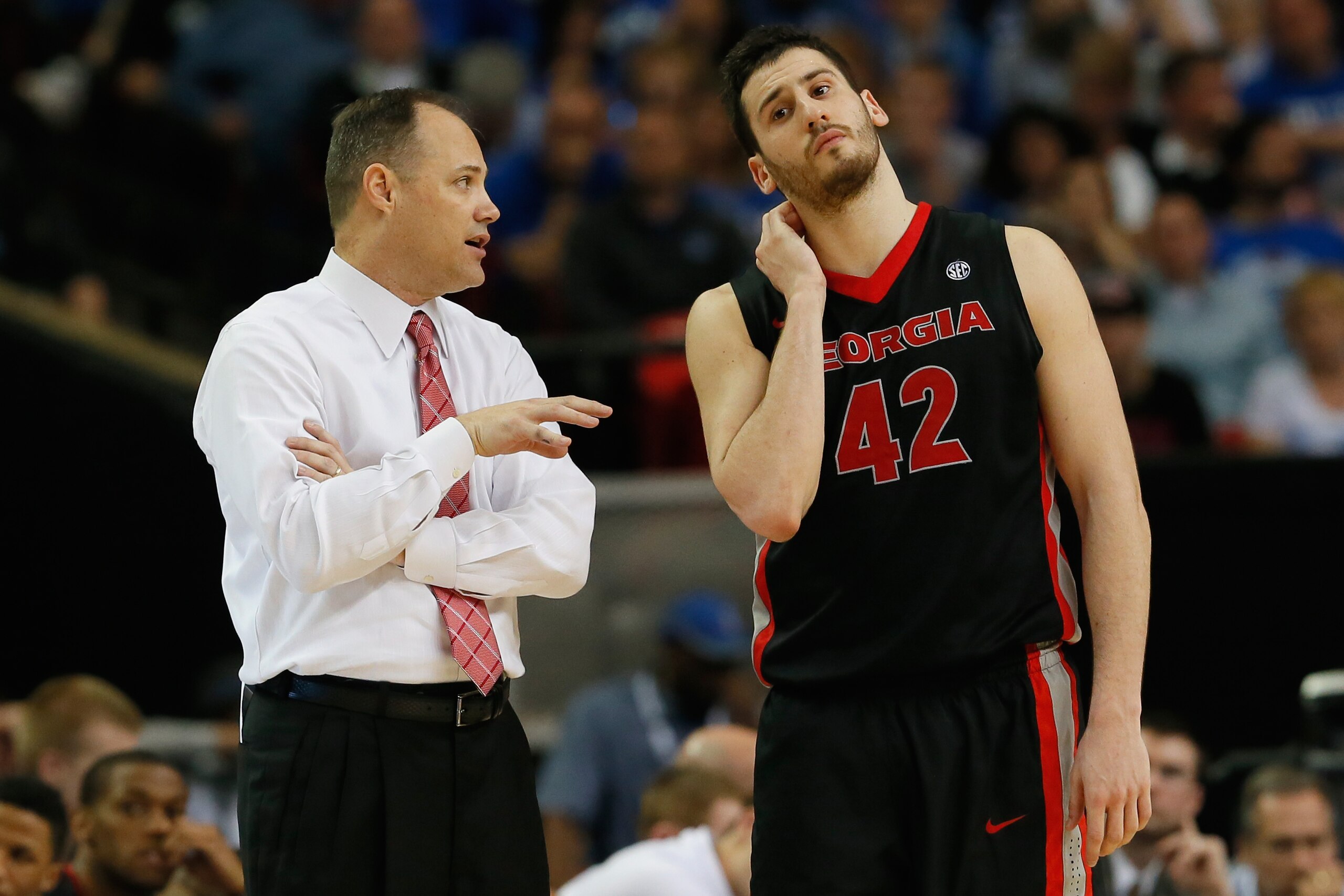
Position: Forward
Year: Senior
Nemanja Djurisic has been a valuable contributor to Georgia for the past three seasons, but he took a major step forward last year by becoming a more efficient shooter while still remaining good handling the ball and grabbing onto rebounds.
Djurisic made 51.2 percent of his two-pointers last season, up from only 42.5 percent the year before. He also improved his three-point shooting percentage, lifting it to 43.2 percent. And while those numbers were affected by taking fewer shots, he was still assisting on 7.9 percent of made baskets and hauling in 10.2 percent of rebounds available.
19. Justin Martin, SMU
2 of 20
Position: Forward
Year: Senior
After three seasons at Xavier, Justin Martin used the graduate transfer route to finish his college career at SMU this season. The Mustangs not only get a solid scorer and rebounder, they also add a player who has the kind of fundamentals that can enable his new team to end a long NCAA tournament drought.
The 6'6" Martin averaged 11.7 points and 5.2 rebounds per game last season, making 52.4 percent of his two-pointers and 37.3 percent of his threes. His 76.9 free-throw percentage will also come in handy, as well as his solid numbers collecting rebounds (11 percent of the time) and being involved in 6.9 percent of assisted shots when in the lineup.
18. Dyshawn Pierre, Dayton
3 of 20
Position: Forward
Year: Junior
Dyshawn Pierre wasn't very well known outside of the Atlantic 10 Conference during the regular season in 2013-14. But once Dayton went on its NCAA tournament run to the Elite Eight, the country started to see how important Pierre was to the Flyers' success.
The 6'6" Pierre was an across-the-board contributor, averaging 11.2 points per game on 51.9 percent two-point shooting and 40.9 percent efficiency from three-point range. His 5.5 rebounds per game came thanks to his ability to get his hands on the ball 12.5 percent of the time, and he was involved in 12.6 percent of assisted shots when on the court.
17. Dwayne Polee II, San Diego State
4 of 20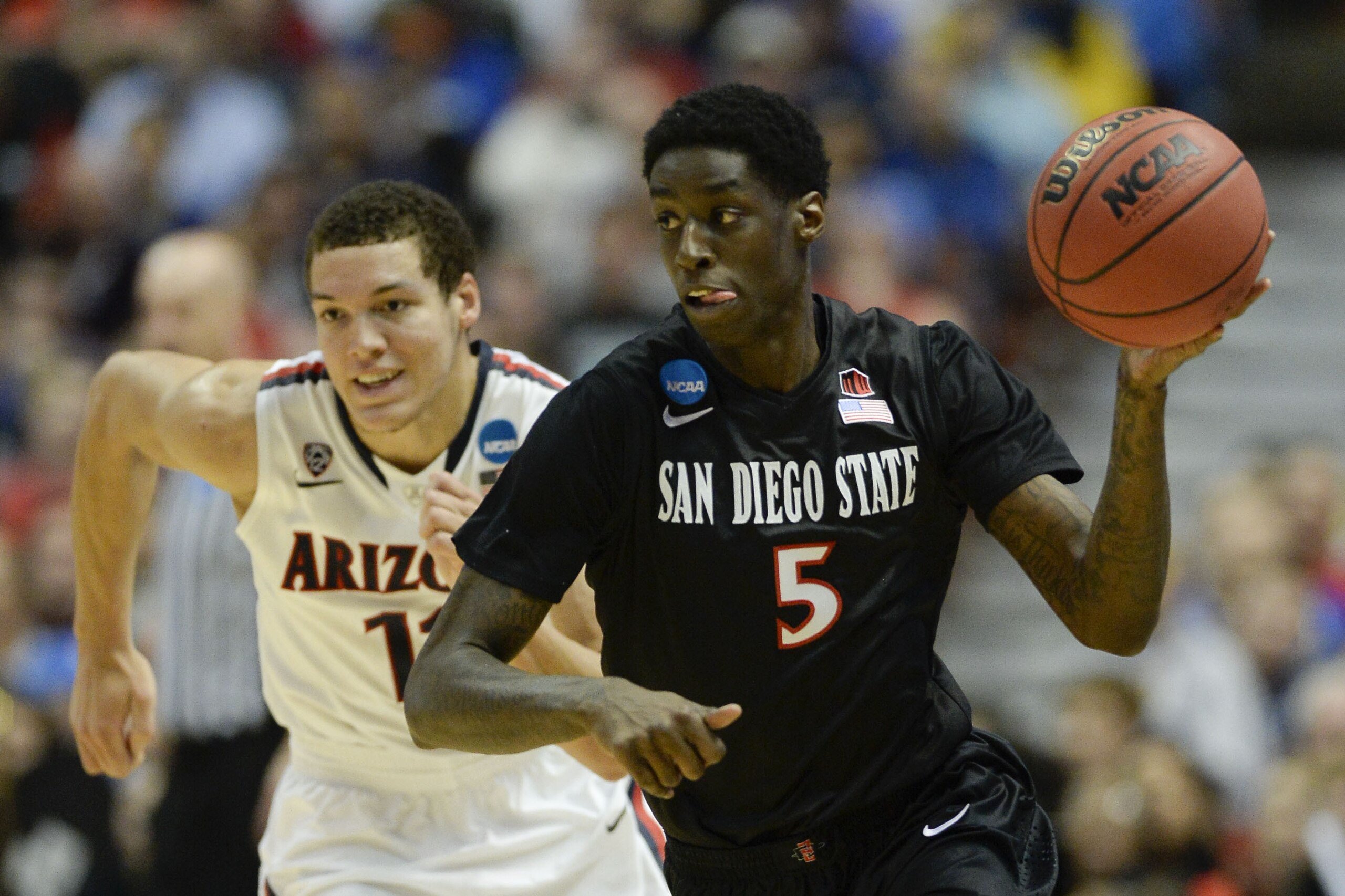
Position: Forward
Year: Senior
One of the best leapers in the country, Dwayne Polee II's athleticism was hard to ignore for San Diego State last season. He may not have scored that much—that's what Xavier Thames was there for—but his 8.5 points per game in just 17.9 minutes of action were enhanced by how he contributed to all aspects of the game.
The 6'7" Polee got his hands on 10.4 percent of available rebounds, and even dished the ball out enough to have a 5.1 percent assist efficiency. He made 53.3 percent of his two-pointers and 39.1 percent of his threes, and when he got to the line, three of every four attempts were good.
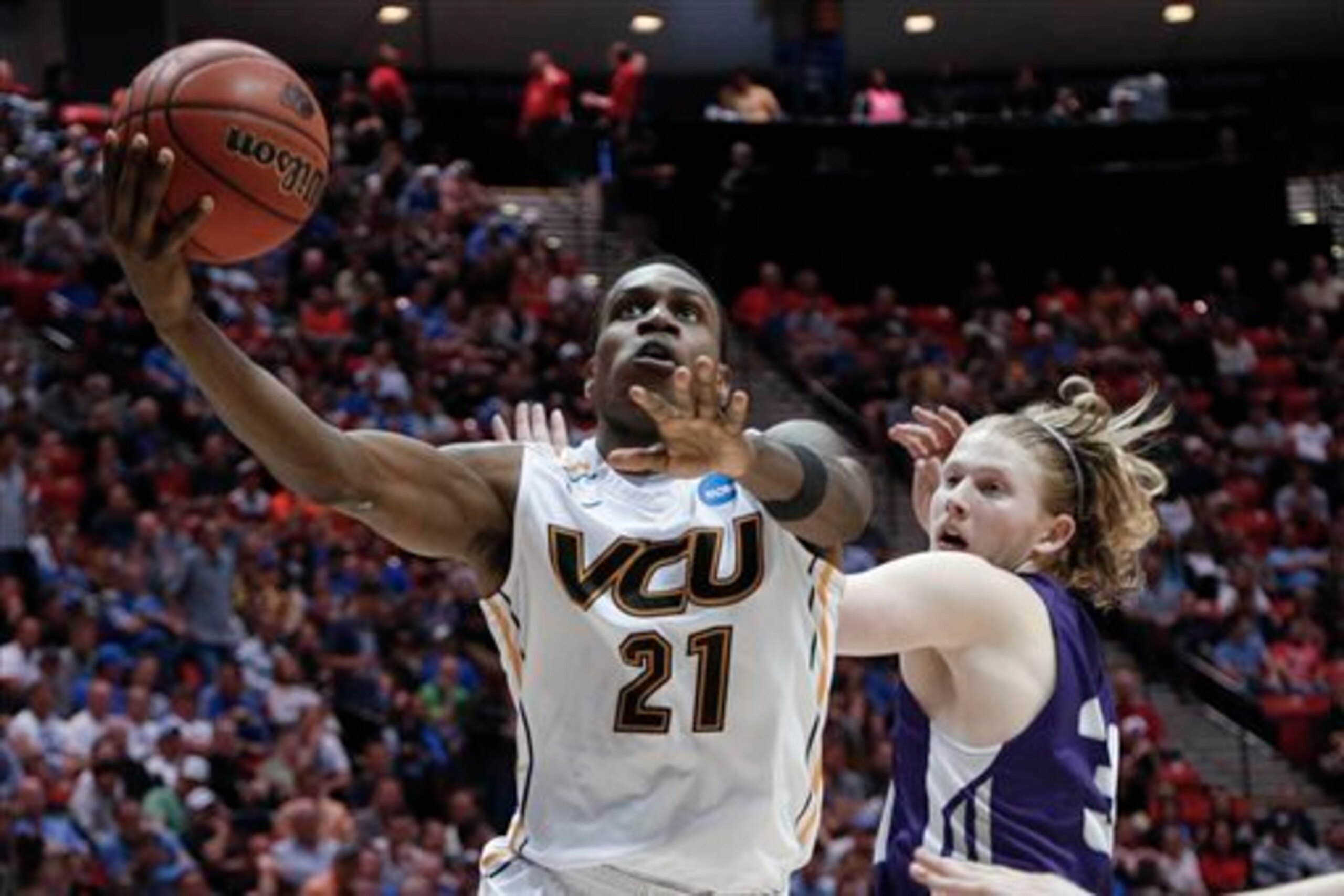
16. Treveon Graham, VCU
5 of 20
Position: Guard
Year: Senior
The "havoc" style of basketball that has turned VCU into a perennial national power is one where quick thinking and fast hands are essential. Mistakes will be made, but Treveon Graham didn't make as many miscues as you'd expect with so much chaos going on.
The 6'6" Graham averaged 15.8 points and 7.0 rebounds per game last season, hitting 50.6 percent of his shots from two-point range as well as more than a third of his three-pointers. His 11.0 percent turnover rate didn't meet our benchmarks, but that was just barely outside the spectrum and was more than made up for by his knack for grabbing rebounds (13.5 percent rate) and a 15.3 percent involvement in assists.
15. Brandon Ashley, Arizona
6 of 20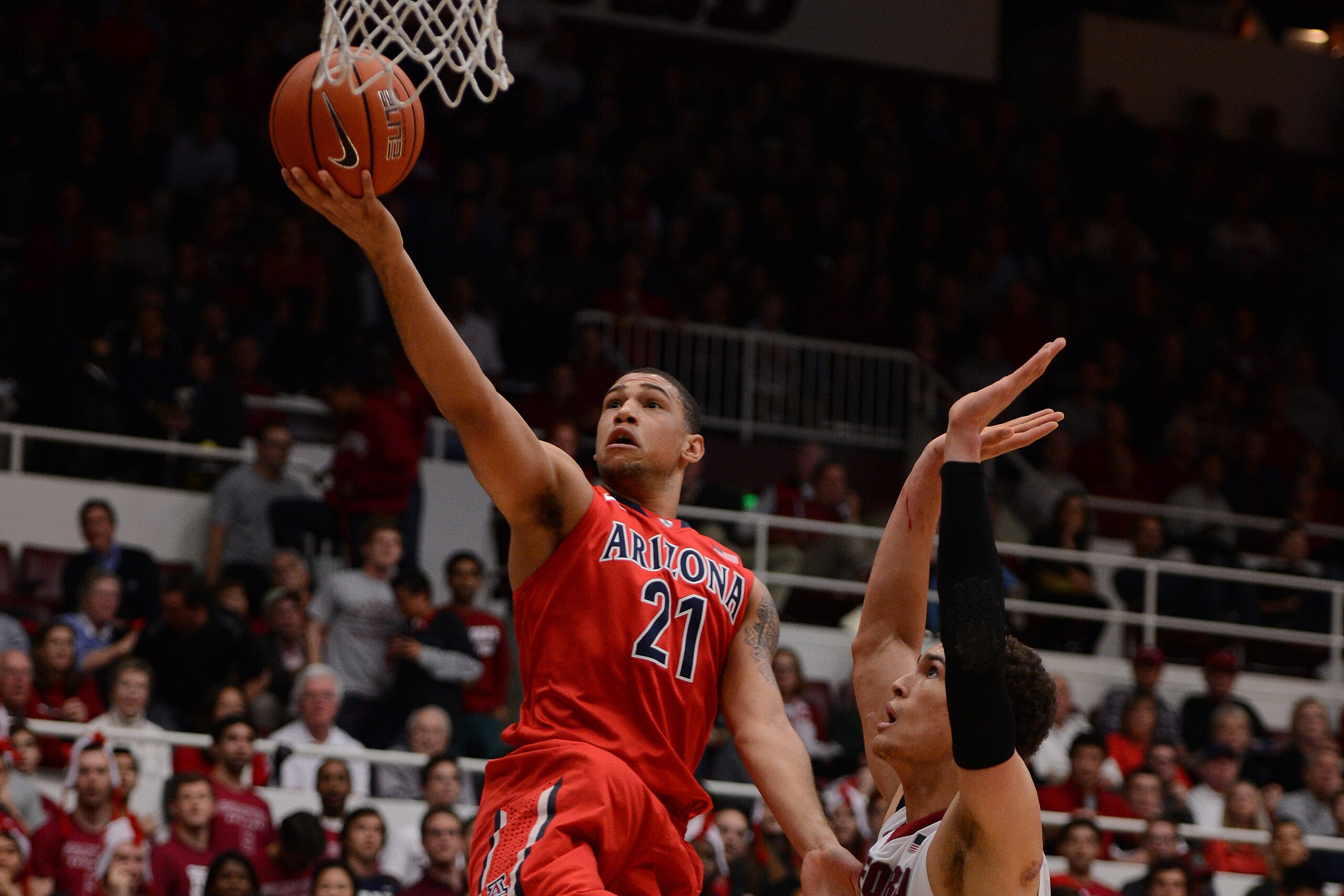
Position: Forward
Year: Junior
Arizona reached the Elite Eight last season, but it had to drastically change the way it operated after Brandon Ashley was lost for the year with a foot injury in February. His injury happened to come during the Wildcats' first loss of the season, as his contributions couldn't be made up for by the rest of the talented roster.
Ashley had been averaging 11.5 points and 5.8 rebounds per game, shooting 55 percent from two-point range and 37.9 percent when stepping outside. His 75.7 percent free-throw percentage was among the best on the team, and the 6'8" Ashley was solid with his passing and rebounding rates.
14. Thomas Walkup, Stephen F. Austin
7 of 20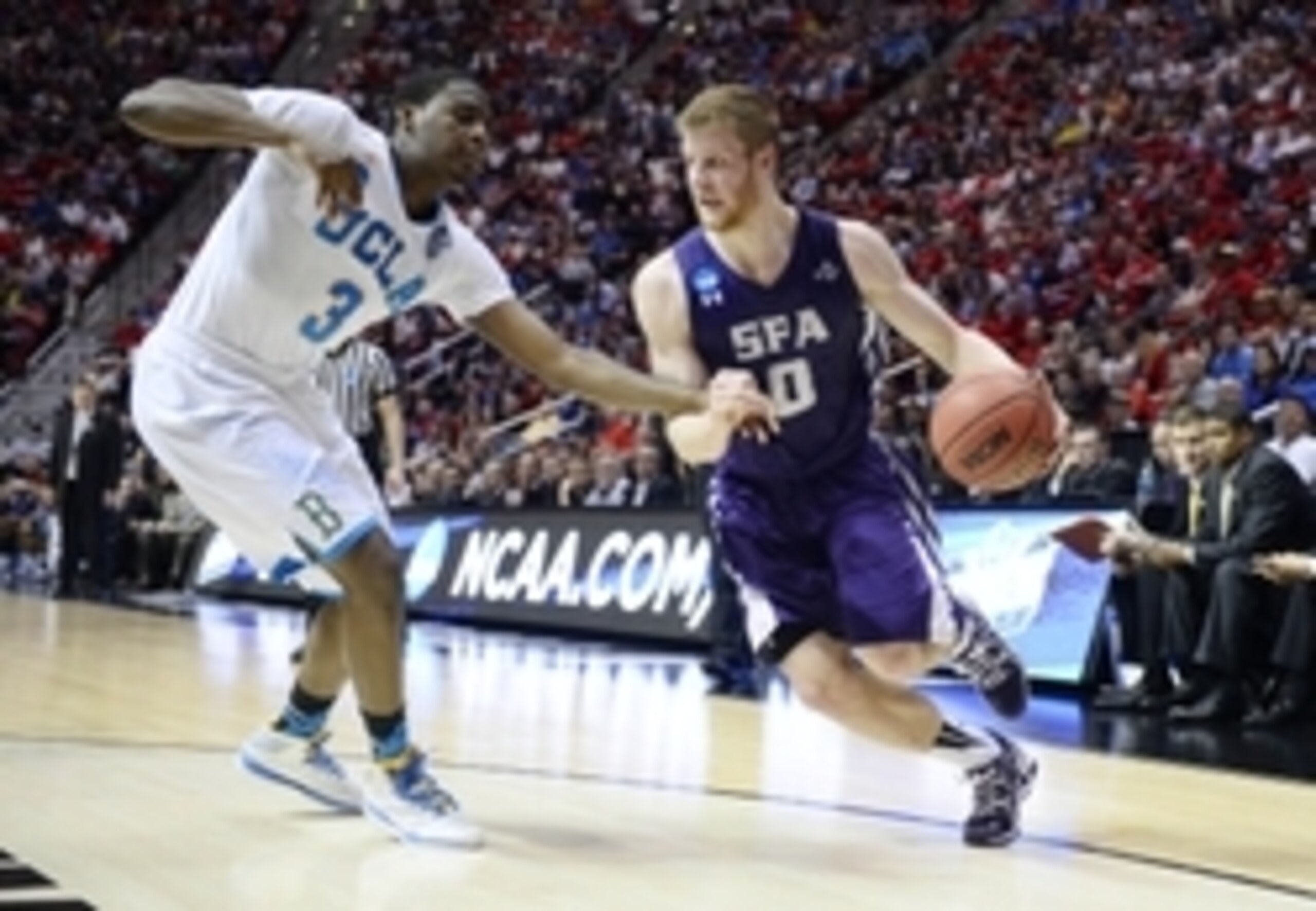
Position: Guard/forward
Year: Junior
As an undersized swingman on a team that went 32-3 last season, Thomas Walkup had to do a lot to ensure Stephen F. Austin was able to win. That meant contributing more than just shooting touch, which he had with a 59.9 percent efficiency on two-pointers and a 73.3 percent free-throw rate.
The 6'4" Walkup also handled his own well as a rebounder, averaging 5.3 per game, translating to a rebounding rate of collecting 12 percent of available rebounds when he was in action. Walkup dished it out well, too, serving as the secondary distributor. He was involved in 15.8 percent of the Lumberjacks' assists.
His only deficiency, based on our numbers: turning the ball over on 12.9 percent of plays he was involved in.
13. Jarrod Uthoff, Iowa
8 of 20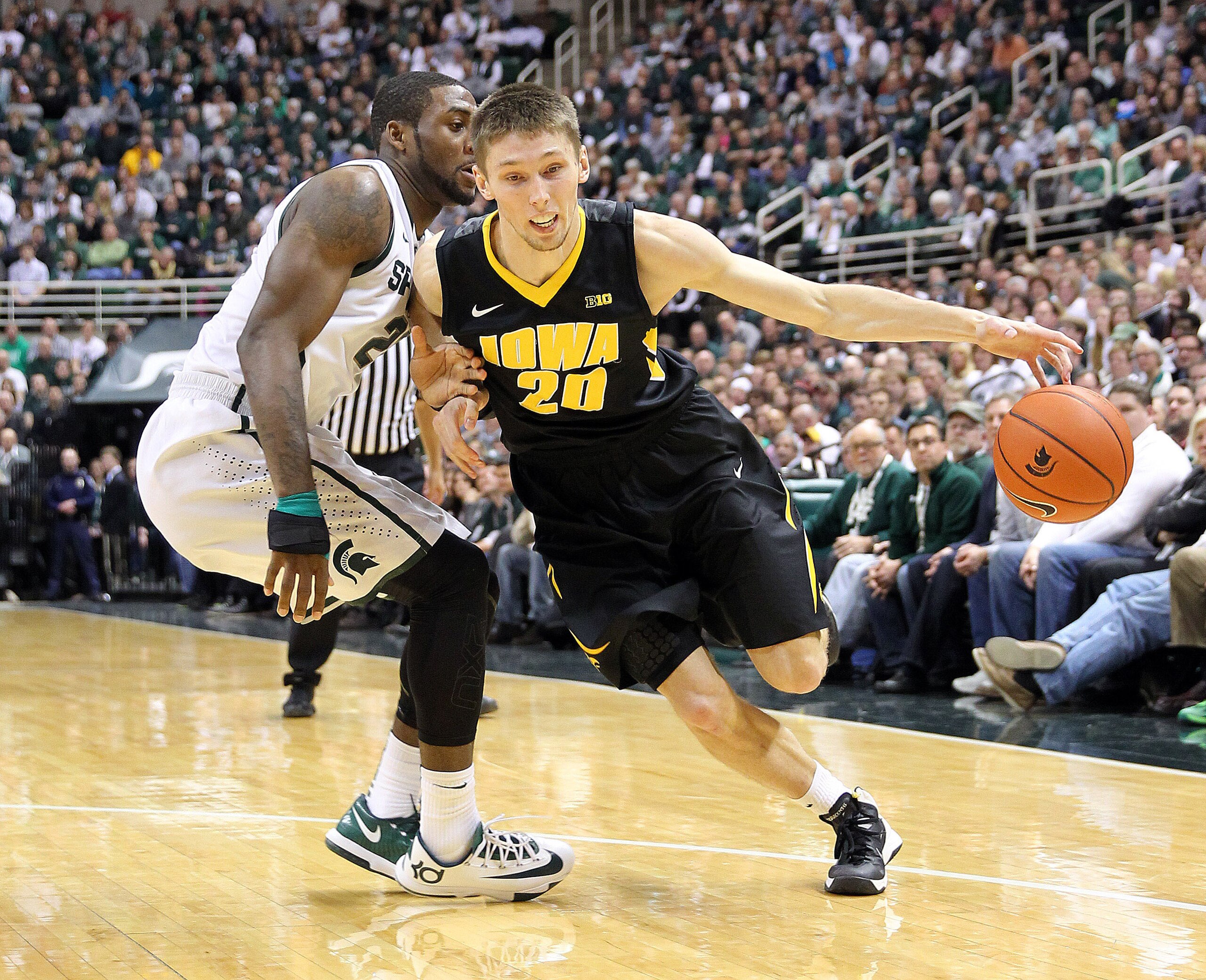
Position: Forward
Year: Junior
Jarrod Uthoff had to wait two years to get into a college basketball game, starting his career at Wisconsin but never playing there before transferring to Iowa. The wait made Uthoff very hungry to show what he could do, and in 2013-14 he got his hands involved all over the court.
The 6'9" Uthoff averaged 7.6 points and 4.6 rebounds per game, despite only getting in for 18.2 minutes per contest. In that limited time, though, he hit 52.3 percent of his two-point field goals and drained 42.5 percent of his long-distance shots as well as 81.7 percent from the foul line.
Uthoff's numbers translated to where he'd have averaged a double-double had he played all 40 minutes, and when in the lineup he was part of 13.9 percent of available rebounds.
12. Durand Johnson, Pittsburgh
9 of 20
Position: Forward
Year: Junior
Pittsburgh has two major pieces to replace in its lineup with the departure of leading scorers Lamar Patterson and Talib Zanna. Thankfully, the Panthers get back a key player whom they had to make due without for much of last season.
Durand Johnson was having a great year before tearing his ACL in January and undergoing season-ending surgery. Before the injury, the 6'6" Johnson averaged 8.8 points per game while making 50 percent of his twos and 33.8 percent of his threes. An 85.3 percent foul shooter, Johnson was a great distributor who was involved in 15.5 percent of assisted baskets during his 19.8 minutes per game.
11. Matt Bohannon, Northern Iowa
10 of 20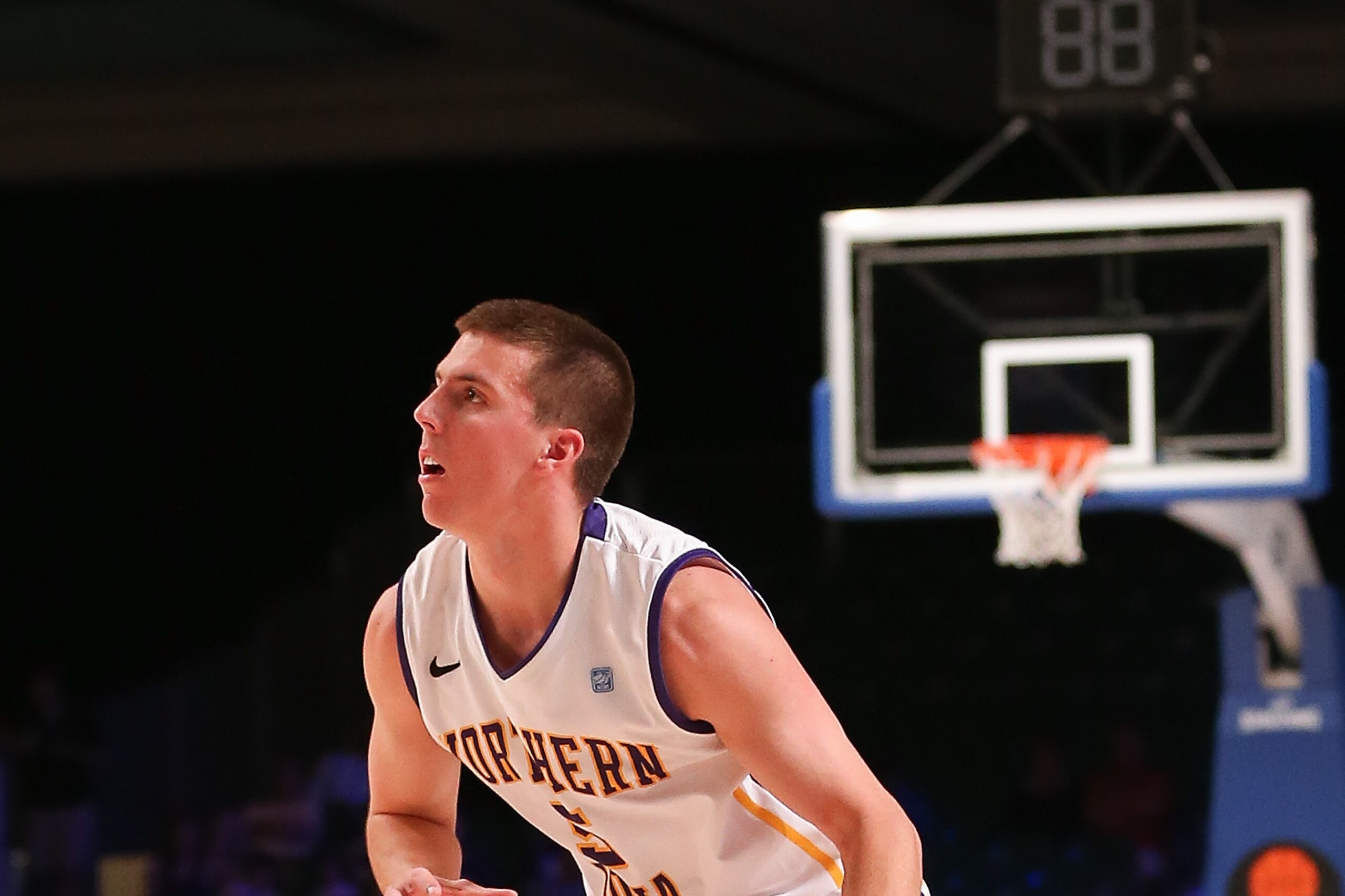
Position: Guard
Year: Junior
Matt Bohannon may not be among the most well-known players in the country, let alone on his own team. But as one of five starters coming back for a Northern Iowa squad that figures to challenge Wichita State for the Missouri Valley Conference title, Bohannon is going to be the Panthers player who's most involved in every piece of the game.
The 6'4" Bohannon was fourth on UNI in scoring, at 9.9 points per game, with much of that coming from the outside. He made 37.4 percent of his three-pointers, but when in two-point range also drained 55.4 percent of those shots.
Yet where Bohannon's value comes from most is his ability to avoid mistakes. At 4.3 percent, his turnover percentage ranked third in Division I, as he had just 12 turnovers in 907 minutes of action during which he factored into 9.0 percent of the Panthers' assisted baskets.
10. R.J. Hunter, Georgia State
11 of 20
Position: Guard
Year: Junior
As a coach's son, R.J. Hunter has had the opportunity to be around the game enough to make sure he knows how to do things well. But Hunter has been more than just a student of the game, he's become one of its best in terms of performance and efficiency.
The son of Georgia State coach Ron Hunter, the 6'5" shooter averaged 18.3 points per game on 44.4 percent shooting. Broken out into two- and three-pointers, he made 52.3 percent from two-point range and nailed 39.5 of his team-high 253 three-point attempts. Hunter also made his free throws at a high rate (88.2 percent, to be exact), while contributing to 10.5 percent of his teammates' baskets and only losing the ball on 7.5 percent of possessions.
9. Joseph Young, Oregon
12 of 20
Position: Senior
Year: Guard
Oregon's roster has undergone a massive turnover since reaching the third round of the NCAA tournament last March, with numerous players leaving the program and a mess of newcomers getting added by coach Dana Altman. One of the few holdovers from 2013-14 is probably the best of the lot, though.
Joseph Young, who had transferred from Houston to the Ducks, led the team in scoring at 18.9 points per game. That came via 52.8 percent two-point shooting and 41.5 percent efficiency on three-pointers, as well as a stellar 88.1 percent at the foul line. The 6'2" guard wasn't very involved on the boards—but few on Oregon were last season—yet when he wasn't scoring he was helping to assist on 13.1 percent of his teammates' baskets.
Young also did very well taking care of the ball, with only a 7.1 percent turnover rate despite having it in his hands quite a bit.
8. Sam Dekker, Wisconsin
13 of 20
Position: Forward
Year: Junior
With four starters returning from last year's Final Four team, Wisconsin is going to be one of the most-watched teams in college basketball. And not just for how the Badgers could fare this upcoming season, but for how Sam Dekker continues to progress toward a possible NBA career.
The 6'9" swingman was the least-successful of Wisconsin's many three-point shooters in 2013-14, though he still made 32.6 percent while also hitting on 55 percent of his two-pointers. The free-throw percentage (.686) represented his worst statistic in our evaluation, but he made up for it with solid turnover (8.8 percent), assist (10.0 percent) and rebounding (12.5 percent) rates.
7. Walter Pitchford, Nebraska
14 of 20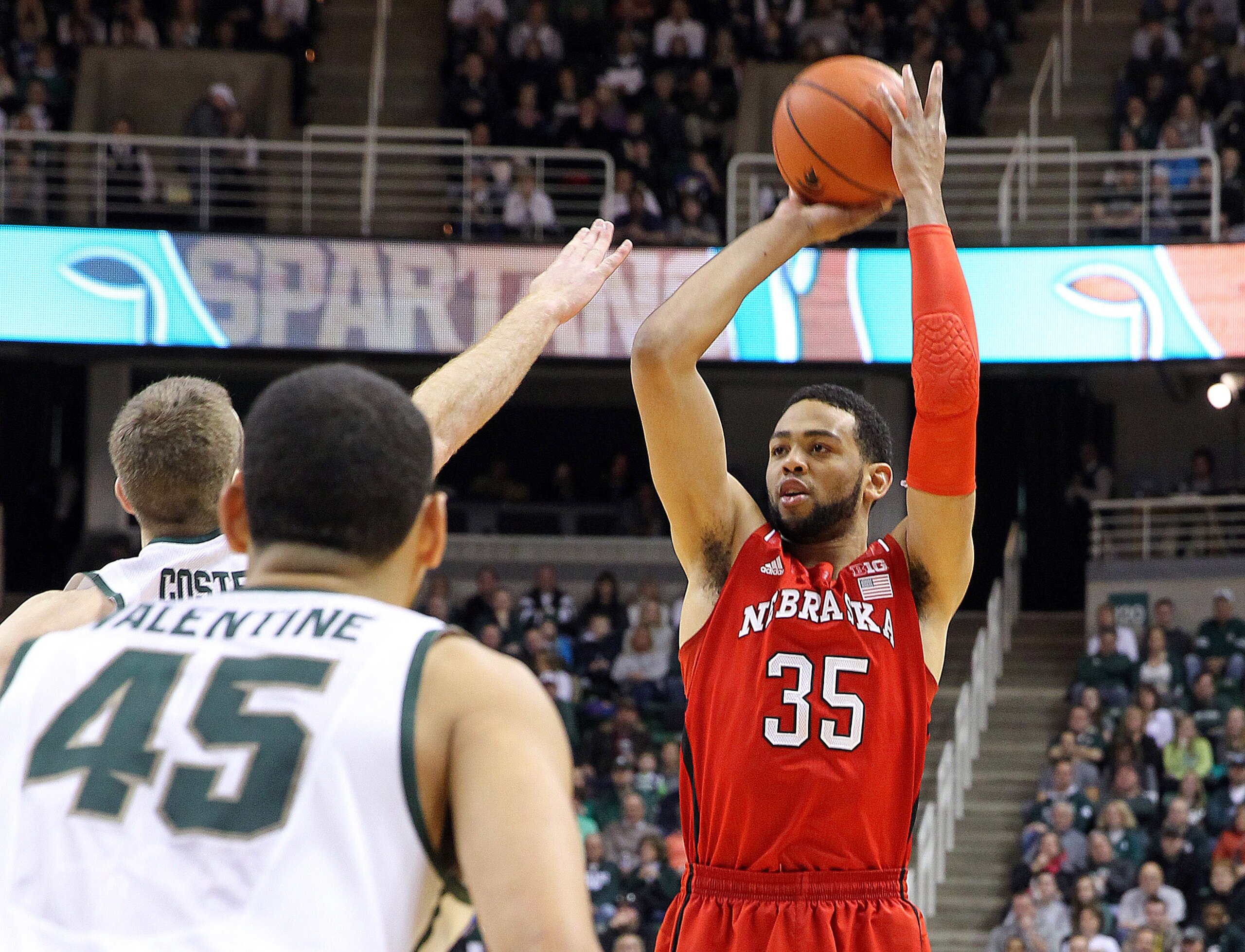
Position: Forward
Year: Junior
While teammate Terran Petteway earned most of the attention, and understandably so, Nebraska's emergence last season was due to the Cornhuskers' entire lineup. And after sitting out a year following his transfer from Florida, Walter Pitchford made sure to get involved as much as possible.
The 6'10" Pitchford was one of the best-shooting big men in the country from three-point range in 2013-14, hitting 41 percent of his 117 attempts while also nailing 54.1 percent from inside the arc. A solid rebounder with good hands, he only turned the ball over 5.7 percent of the time, which ranked seventh-best in the nation.
6. Dustin Hogue, Iowa State
15 of 20
Position: Forward
Year: Senior
In becoming a destination point for many of the nation's most notable transfers the past few years, Iowa State has risen to success by putting together rosters where everyone finds a way to contribute to the overall mission. Dustin Hogue went further than the minimum, though, getting in the mix in every possible way en route to the Cyclones' Big 12 tournament title.
The 6'6" Hogue was fourth on the team in scoring at 11.6 points per game, while he was tied with Melvin Ejim at 8.4 rebounds per contest. He managed to collect more than 15 percent of the rebounds available when in action, leading to him shooting 64.6 percent on two-pointers as well as making 34.4 percent from three-point range.
5. Josh Hart, Villanova
16 of 20
Position: Guard
Year: Sophomore
Villanova is the odds-on favorite to take a second straight Big East Conference regular-season title, and Josh Hart will be very involved in making that happen as the Wildcats' most efficient and diverse player.
The 6'5" Hart had a very solid freshman season despite only playing 21.4 minutes per game. An excellent slasher, he made a whopping 67 percent of his two-point attempts while also hitting 31.3 percent of his threes and converting more than 66 percent of his free throws.
Hart was an exceptional rebounder for a guard, grabbing the loose ball on 12 percent of the occasions when he was on the court, and he took care of it well with only 19 turnovers.
4. Perry Ellis, Kansas
17 of 20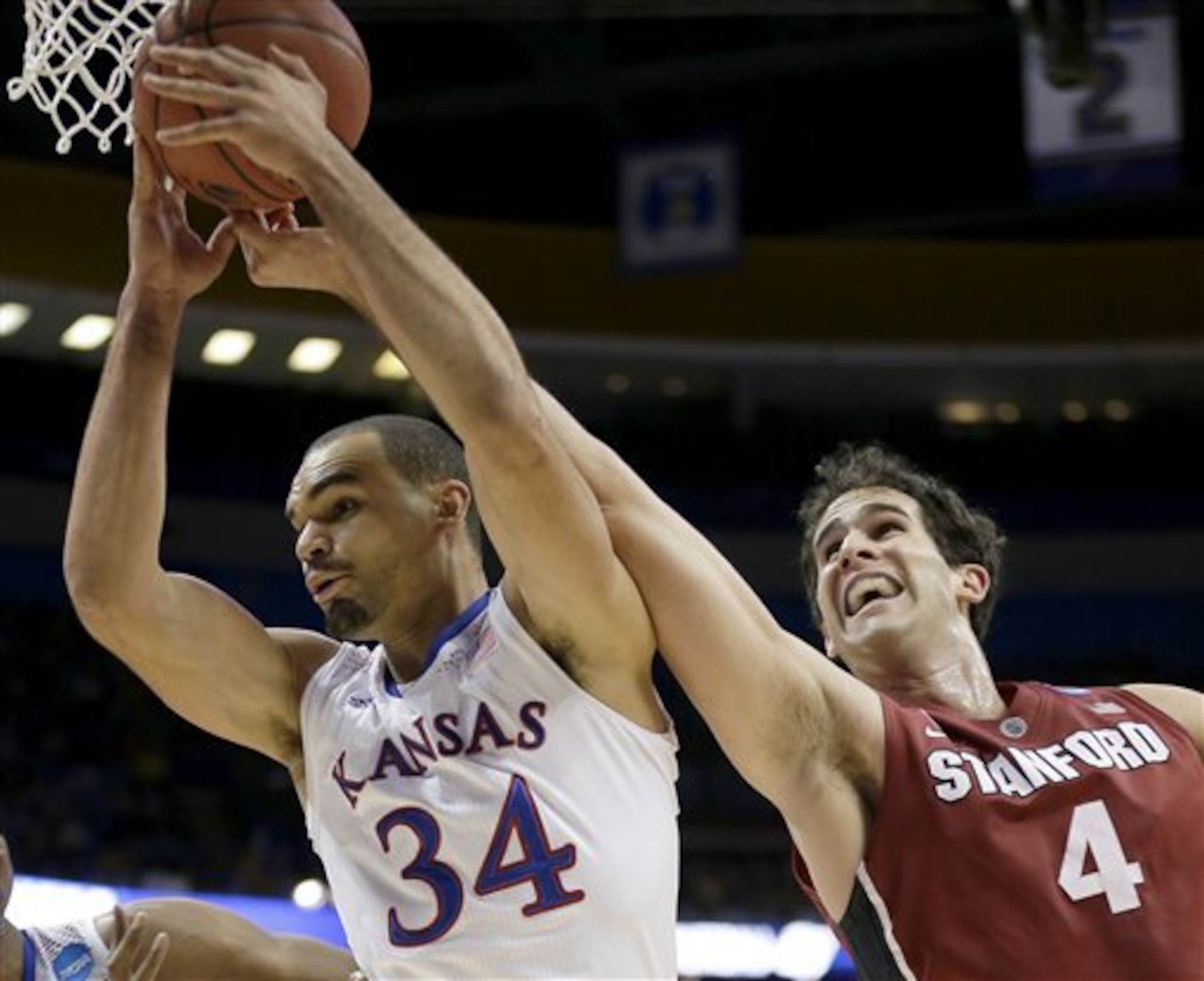
Position: Forward
Year: Junior
With future NBA lottery picks Joel Embiid and Andrew Wiggins on the court at the same time, it was easy to forget about Perry Ellis and his contributions to Kansas last season. But now those guys are gone, and though the Jayhawks reload with another crop of young superstars, it may be the veteran Ellis' strong fundamental play that contributes as much to a potential 11th straight Big 12 regular season title as anything else.
Last year the 6'8" Ellis averaged 13.5 points and 6.7 rebounds per game, which was second-best on the team in both categories. He managed that by making 55.3 percent of his two-pointers as well as 76.3 percent of his foul shots while keeping his turnover rate under 10 percent.
3. Pat Connaughton, Notre Dame
18 of 20
Position: Guard/forward
Year: Senior
When Notre Dame lost Jerian Grant to an academic suspension midway through last season, it forced everyone else to step up and replace Grant's production. The Fighting Irish struggled to a 15-17 record, but players like Pat Connaughton still put in maximum effort.
The 6'5" Connaughton averaged 37.2 minutes per game, but that rose to 39 per game in ACC play due to Grant's absence. Yet his numbers didn't change from a fundamental standpoint, as for the season he shot 55.6 percent on two-pointers, 37.8 on threes and 83.3 percent from the line.
Connaughton only turned the ball over 35 times, or on about 8.6 percent of plays, while collecting 11.7 percent of available rebounds and contributing 15.6 percent of assists while on the court.
2. Jacob Parker, Stephen F. Austin
19 of 20
Position: Forward
Year: Senior
We know what you're thinking: There is not one, but two players from Stephen F. Austin on this list? It must be something in the water in Nacogdoches, Texas, because even with a new coach running the Lumberjacks' program last season, they were one of the most sound fundamental teams in the country.
Just ask VCU, whom they upset in the second round of the NCAA tournament, a game in which Parker poured in 22 points on 9-of-14 shooting. Parker averaged 14.2 points and 7.1 rebounds per game last season, shooting 55.1 percent on two-pointers and 79.9 percent from the line while making 23 of 49 three-pointers.
The 6'6" Parker was a key contributor with or without the ball and averaged only 1.7 turnovers per 40 minutes.
1. Frank Kaminsky, Wisconsin
20 of 20
Position: Center
Year: Senior
It makes sense that the central figure in the nation's most fundamentally sound team, Wisconsin, would top this list. Frank Kaminsky epitomized everything that made the Badgers successful in 2013-14, and there wasn't a weakness to his game. In fact, the 7-footer excelled in nearly every aspect, thus his No. 1 overall ranking in terms of basketball fundamentals.
In averaging 13.9 points and 6.3 rebounds per game last season, Kaminsky used his skills to shoot 58.2 percent from two-point range and 37.8 percent from outside the arc. He made 76.5 percent of his free throws, while only turning it over 39 times. Kaminsky was involved in 14.3 percent of the rebounds available while on the floor, and assisted in some way on 11.4 percent of the Badgers' field goals when in the game.
All statistical information courtesy of Sports-Reference.com.
Follow Brian J. Pedersen on Twitter at @realBJP.
.jpg?w=2560 "NFL Paris Football")

.jpg?w=2560 "Trevon Diggs Cut by Seahawks")